Best Things to Do in Seoul: The Definitive Guide
Seoul rewards first-time visitors and repeat travelers equally. This guide covers the city's essential experiences across history, food, neighborhoods, and nature, with practical details on costs, timing, and what to skip.
Plan and book this trip
Tools from our partner Travelpayouts help you compare flights and hotels. If you book through them, we may earn a commission at no extra cost to you.
Flights
Hotels map
TL;DR
- Seoul's top experiences span Joseon-era palaces, street food markets, river parks, and contemporary neighborhoods, most of which are free or low-cost to access. See our Seoul on a budget guide for more on keeping costs down.
- Spring (April–May) and autumn (September–October) offer the best weather for sightseeing; summers are hot and humid with a monsoon season in June–July.
- The historic core around Gyeongbokgung Palace, Bukchon, and Insadong is the natural starting point for first-time visitors. Pair it with a hanbok rental for a fuller experience.
- Walking is realistic between many central sights; the Seoul Metropolitan Subway covers everything else efficiently and cheaply.
- Not everything popular is worth your time, Myeongdong's main strip is heavily tourist-priced compared to nearby alternatives.
The Historic Core: Palaces, Villages, and Royal Heritage
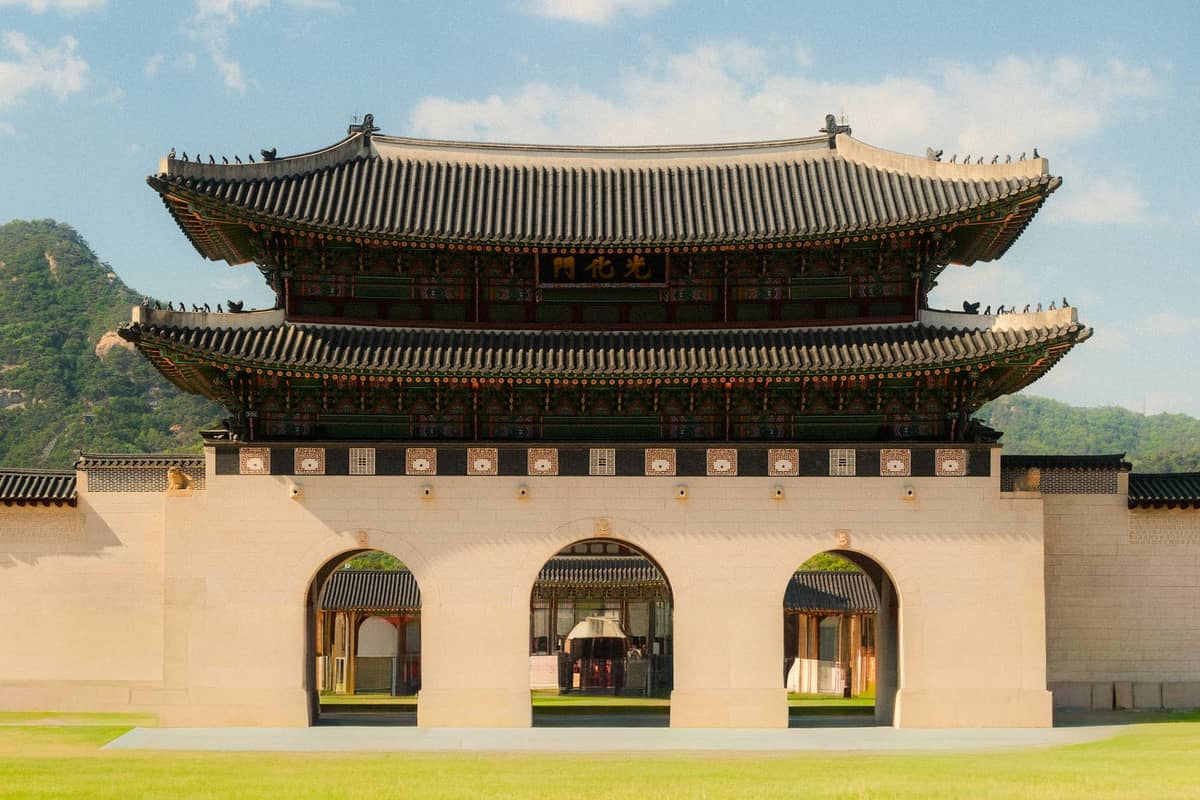
The best things to do in Seoul for first-time visitors almost always start here. Gyeongbokgung Palace, the largest and oldest of Seoul's five Joseon-era royal palaces, anchors the northern half of the city. Built in 1395, The palace grounds are free to enter on the last Wednesday of each month; standard adult admission runs around 3,000 KRW on other days, making it one of the best-value major attractions in any Asian capital.; standard adult admission runs around 3,000 KRW on other days, making it one of the best-value major attractions in any Asian capital. The Changing of the Royal Guard ceremony at Gwanghwamun Gate happens twice daily and is free to watch. and is free to watch.
A short walk northeast leads to Bukchon Hanok Village, a residential hillside neighborhood preserving around 900 traditional hanok houses. It sits between Gyeongbokgung and Changdeokgung Palace and reflects roughly 600 years of Seoul's domestic architectural history. The streets are free to walk, but note that real families live here: noise restrictions apply after 5 PM, and some upper alleys now restrict access during designated hours to manage overtourism. Go early on weekdays to experience it without crowds.
For a deeper look at palace culture, Changdeokgung Palace offers the most architecturally complete experience, and its Secret Garden (Huwon) requires a separate timed-entry ticket, around 5,000 KRW for adults. Advance booking is strongly recommended in spring and autumn when it sells out days ahead. Seoul's five palaces each have a distinct character; you do not need to visit all of them on a single trip.
💡 Local tip
Buy a Palace Combination Ticket for around 10,000 KRW, which grants entry to Gyeongbokgung, Changdeokgung, Changgyeonggung, Deoksugung, and Gyeonghuigung Buy a Palace Combination Ticket for around 10,000 KRW, which grants entry to Gyeongbokgung, Changdeokgung, Changgyeonggung, Deoksugung, and Jongmyo over three months. Gyeonghuigung is free and is not part of the pass. It pays off if you plan to visit more than two palaces.
Food Experiences Worth Prioritizing
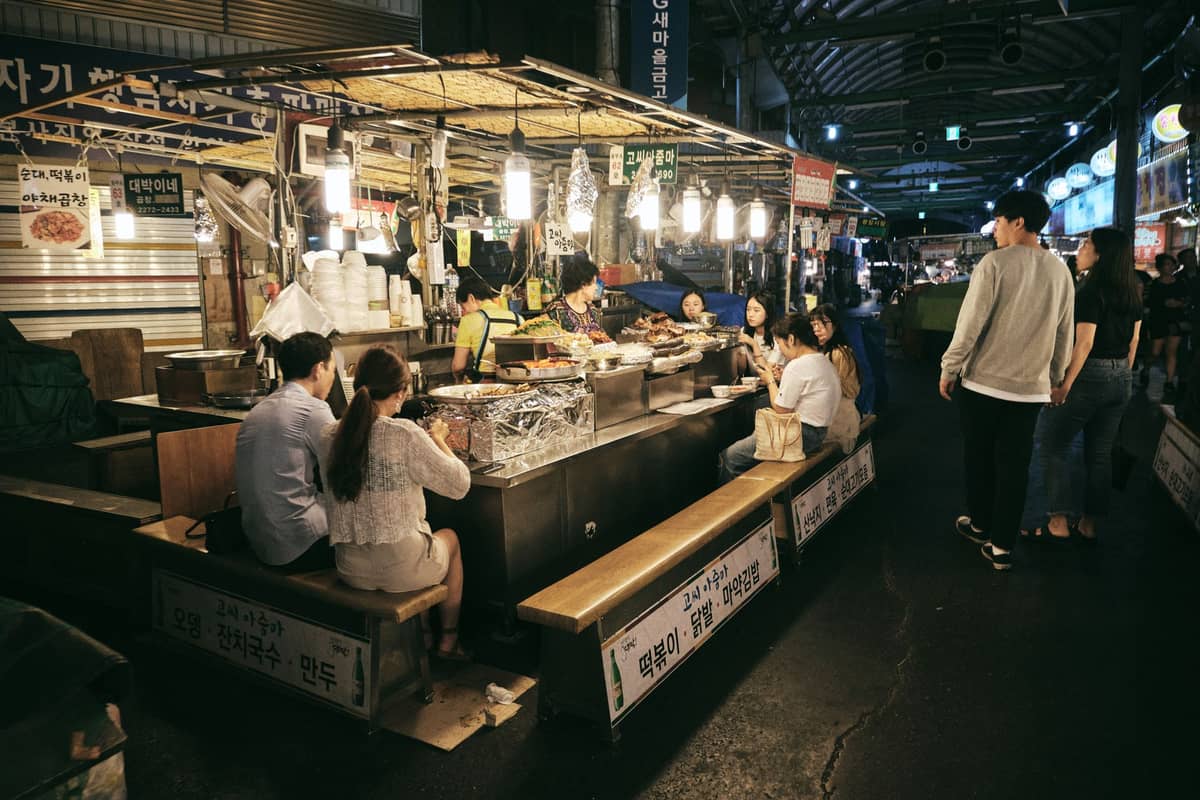
Seoul's food scene is one of the strongest arguments for spending more days in the city than you initially planned. Gwangjang Market in Jongno is the clearest proof: operating since 1905, it runs as a traditional market with textile stalls by day and a street-food destination by evening. The bindaetteok (mung bean pancakes), mayak gimbap (small seaweed rice rolls), and yukhoe (raw beef) stalls on the main food alley are genuinely excellent and priced for locals, not tourists. Budget around 10,000–20,000 KRW for a thorough eat-around. The Gwangjang Market food guide goes deeper on what to order.
For Korean barbecue, which is genuinely better experienced in Seoul than almost anywhere else, the format varies significantly by neighborhood. Mapo-gu and the areas around Hongdae have solid mid-range options that cater to a younger local crowd rather than tourists. Expect to spend 15,000–30,000 KRW per person including a few side dishes and a drink. The Korean BBQ guide breaks down cuts, etiquette, and neighborhood recommendations.
Street food in Seoul is genuinely diverse and ranges well beyond tteokbokki and hotteok. The Seoul street food guide covers the full range. For a broader look at what to eat across sit-down restaurants and markets, see the what to eat in Seoul guide.
⚠️ What to skip
Myeongdong's main pedestrian street is convenient but prices at tourist-facing food stalls and restaurants here run 20–50% higher than comparable options one or two streets back. It is worth walking through once, but do not base your food itinerary around it.
Views, Parks, and Getting Outside
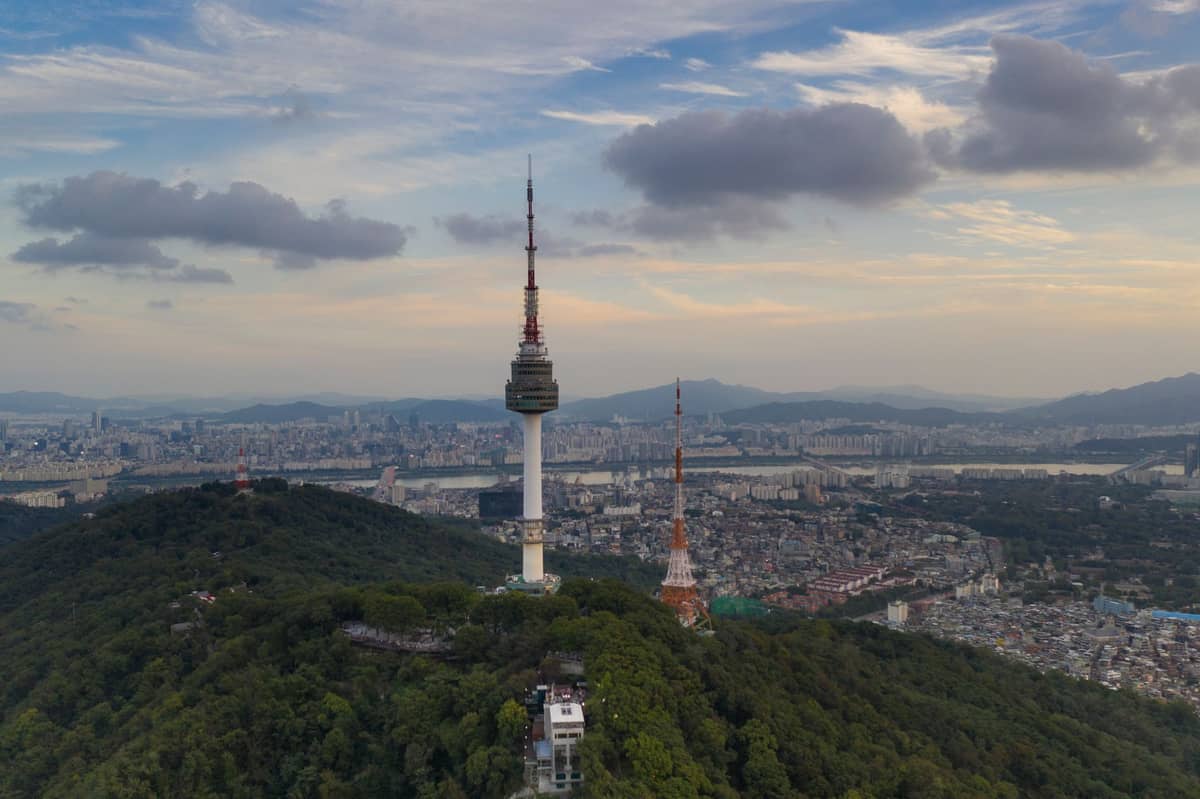
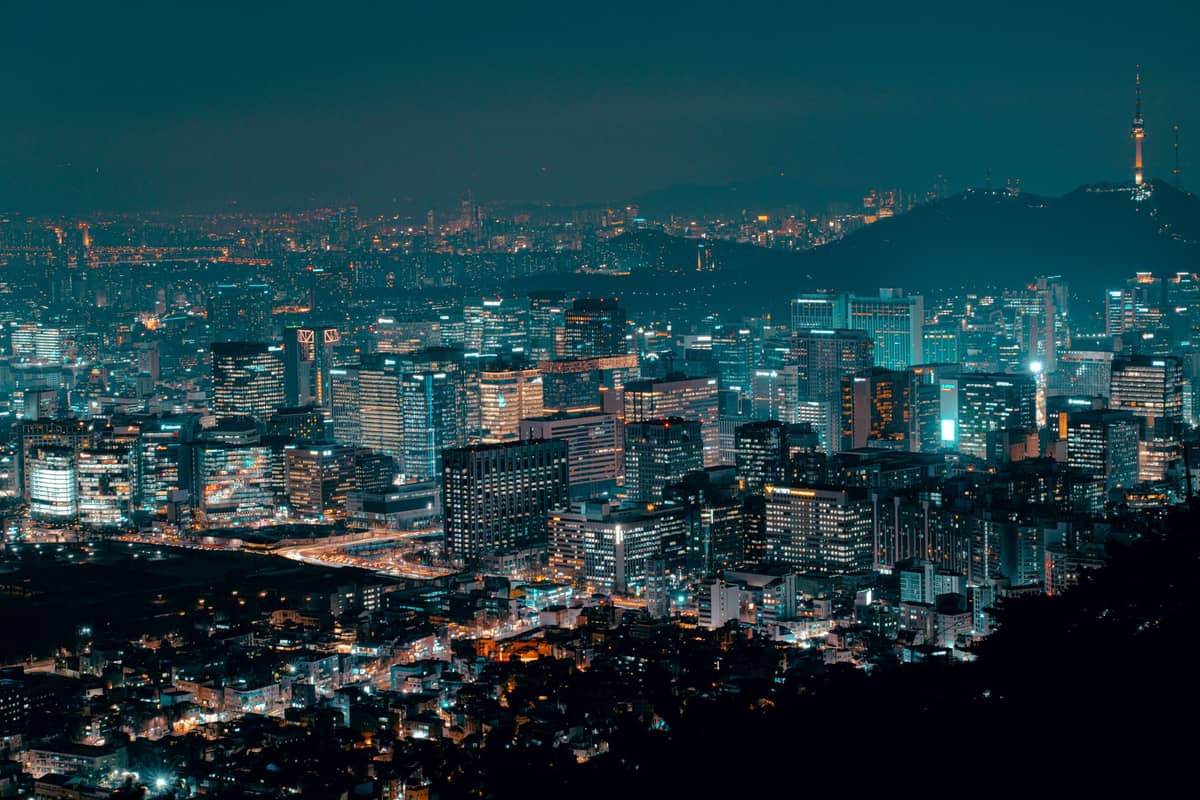
Seoul sits at about 38 meters above sea level on average, but the surrounding mountains and ridgelines give it some of the most dramatic urban skyline views in East Asia. N Seoul Tower on Namsan Mountain is the classic viewpoint. The cable car runs up from Myeongdong area The cable car runs up from the Myeongdong area (around 15,000 KRW adult round trip) or you can take a shuttle bus for approximately 1,200 KRW and walk the final stretch. The tower observation deck charges a separate admission fee. Clear days offer views across the entire Han River basin; the view is best around dusk. For a comprehensive breakdown of the city's best panoramas, the best views in Seoul guide compares all the major platforms.
Hangang Park is how Seoul residents actually spend their leisure time. The park stretches along both banks of the Han River and is free to enter. On weekends, Yeouido and Banpo sections fill with locals cycling, picnicking, and watching the Banpo Bridge Rainbow Fountain show (runs spring through autumn, free). Convenience stores inside the park are legitimate meal stops, not just snack runs; the culture of eating ramyeon and fried chicken on the grass by the river is genuine local behavior, not a tourist activity.
For serious hiking, Bukhansan National Park sits directly within the city limits and offers granite-peak trails with rewarding summit views. The most popular route to Baegundae peak (836 m) takes 4–5 hours round trip. Entry to the national park is free; weekends in spring and autumn see significant trail congestion, so weekday morning starts are preferable. The Bukhansan hiking guide covers route options, difficulty levels, and access points.
- Cheonggyecheon Stream An 11 km urban stream running through central Seoul, restored from a highway overpass in 2005. Walking the streamside path is free and a practical shortcut between Gwanghwamun and Dongdaemun.
- Seoul Forest A large park in Seongsu with deer enclosures, open lawns, and easy access via Line 2. Less crowded than Hangang Park on weekends.
- Haneul Park A former landfill turned park on the western edge of the city, known for silver grass fields in October. Best visited in mid-autumn for the full effect.
- Inwangsan Mountain A shamanist mountain just west of the palace district with fortress walls, rock formations, and a Buddhist temple. Less trafficked than Bukhansan and accessible without specialized hiking gear.
Neighborhoods Worth Exploring Beyond the Palaces
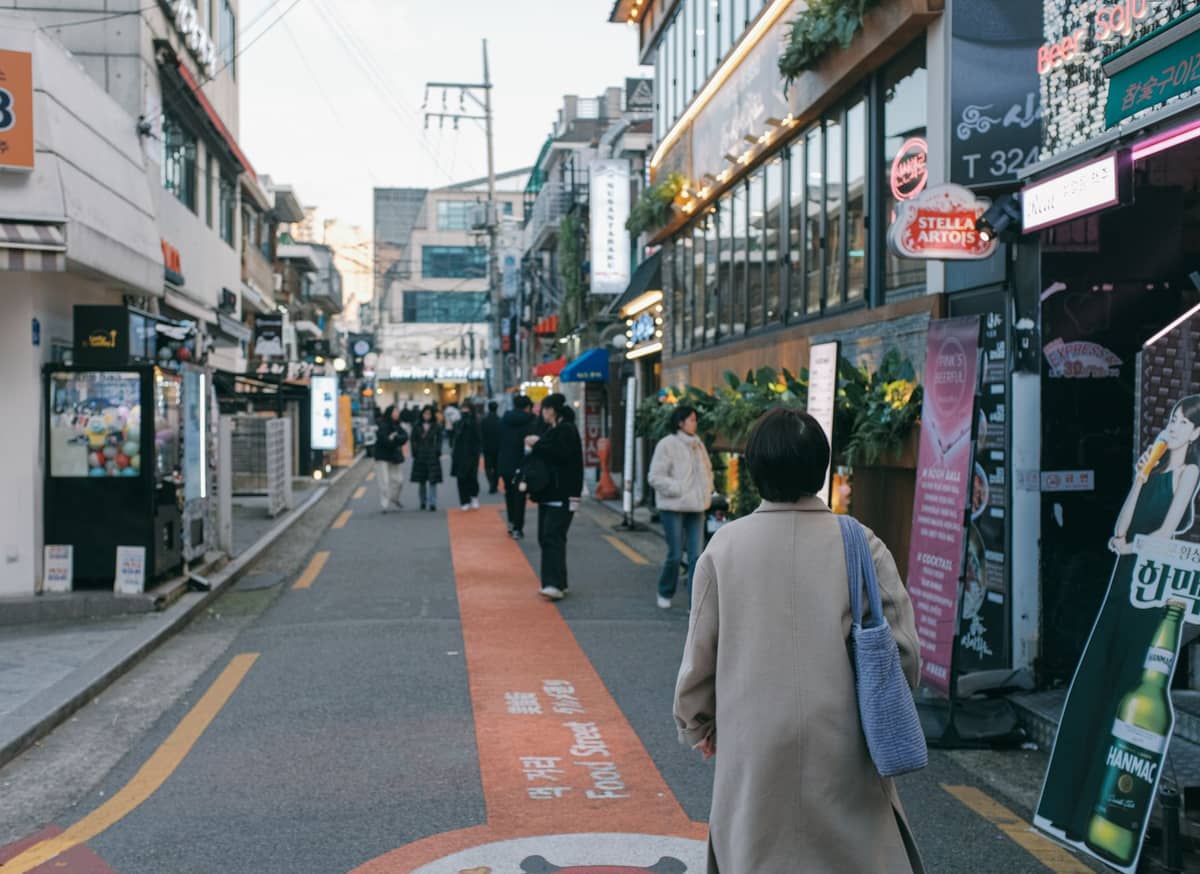
Seoul's neighborhood identities are distinct enough that choosing which ones to spend time in is a meaningful part of trip planning. Seongsu, sometimes compared to Brooklyn in the early 2010s, is the current center of Seoul's independent cafe, design studio, and creative-retail scene. The area is walkable from Seoul Forest, and the concentration of converted factory spaces housing specialty coffee roasters and concept stores is genuinely worth an afternoon.
Insadong remains the most accessible traditional-culture neighborhood for first-time visitors, with galleries, tea houses, and craft shops along a single pedestrianized main street. The adjacent Seochon Village to the west is quieter, less commercial, and gives a better feel for how the area looked before heavy tourist development. Both are free to walk and close enough to the palace district to combine in a single morning.
For nightlife and the K-pop-adjacent experience, Hongdae remains the most concentrated area, with live music venues, dance clubs, and street performers active from late evening through early morning on weekends. The neighborhood around Hongik University has been Seoul's independent music and arts center since the 1990s. The Seoul nightlife guide gives a fuller breakdown by venue type and neighborhood.
Ticketed Attractions and Indoor Experiences
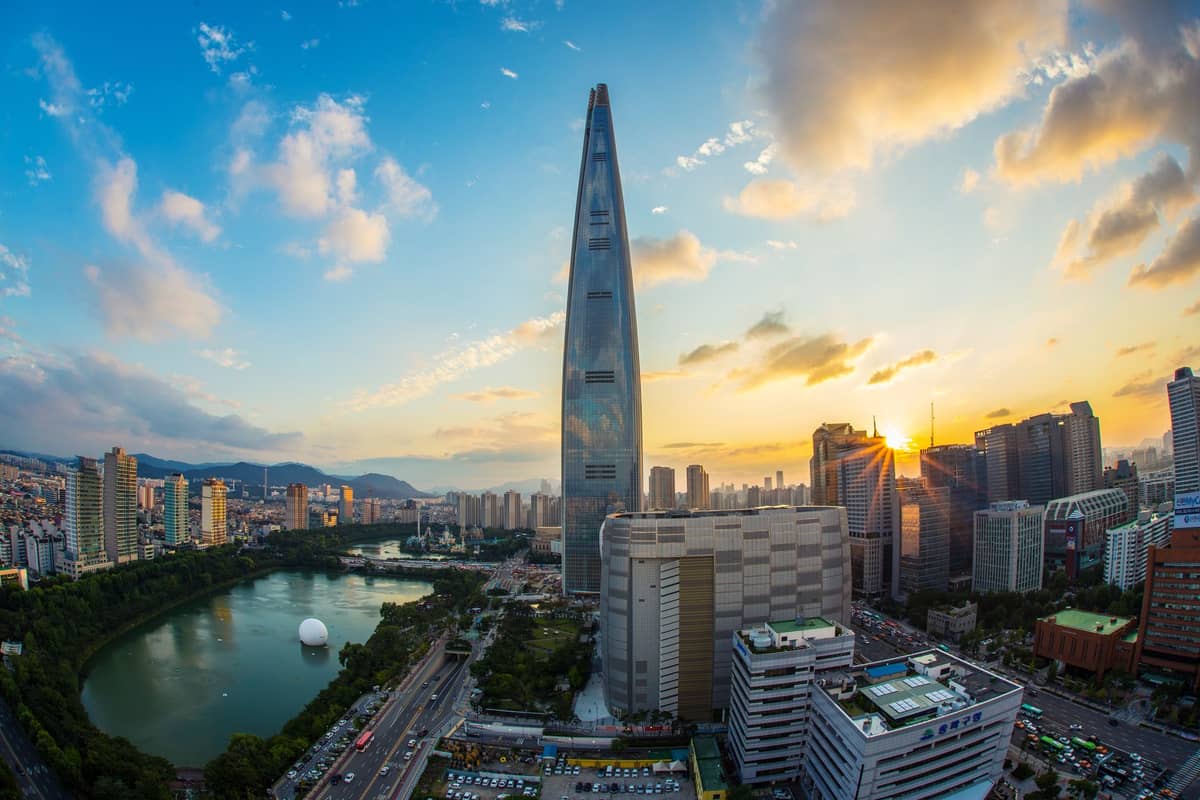
Lotte World Adventure in Jamsil is one of the world's largest indoor theme parks and remains a legitimate choice for visitors traveling with families or anyone who enjoys theme parks without apology. Adult admission runs around 62,000 KRW online and child tickets around 50,000 KRW, with standard hours of 10:00 AM–9:00 PM (verify current hours before visiting, as they vary seasonally)., with standard hours of 10:00 AM–9:00 PM (verify current hours before visiting, as they vary seasonally). It sits next to Lotte World Tower, It sits next to Lotte World Tower, whose observation deck offers a genuinely vertiginous view., whose observation deck offers a genuinely vertiginous view.
For culture without admission fees, the Starfield Library inside COEX Mall in Gangnam is a free public space with a striking multi-story bookshelf installation. It photographs well and functions as an actual library. The National Museum of Korea in Yongsan has free permanent galleries covering Korean history and art from prehistoric times through the Joseon period: one of the strongest free museum experiences in Asia. The best museums in Seoul guide covers the full range of options across art, history, and design.
✨ Pro tip
For K-pop experiences, the area around SM, YG, and HYBE entertainment offices in Gangnam and Yongsan draws dedicated fans but offers limited spontaneous access without pre-booked tours or events. Book official fan experiences through platforms like Klook or Weverse in advance rather than planning to show up. The Seoul K-pop experiences guide covers what is actually bookable versus what is fan mythology.
Seasonal Considerations and Practical Planning
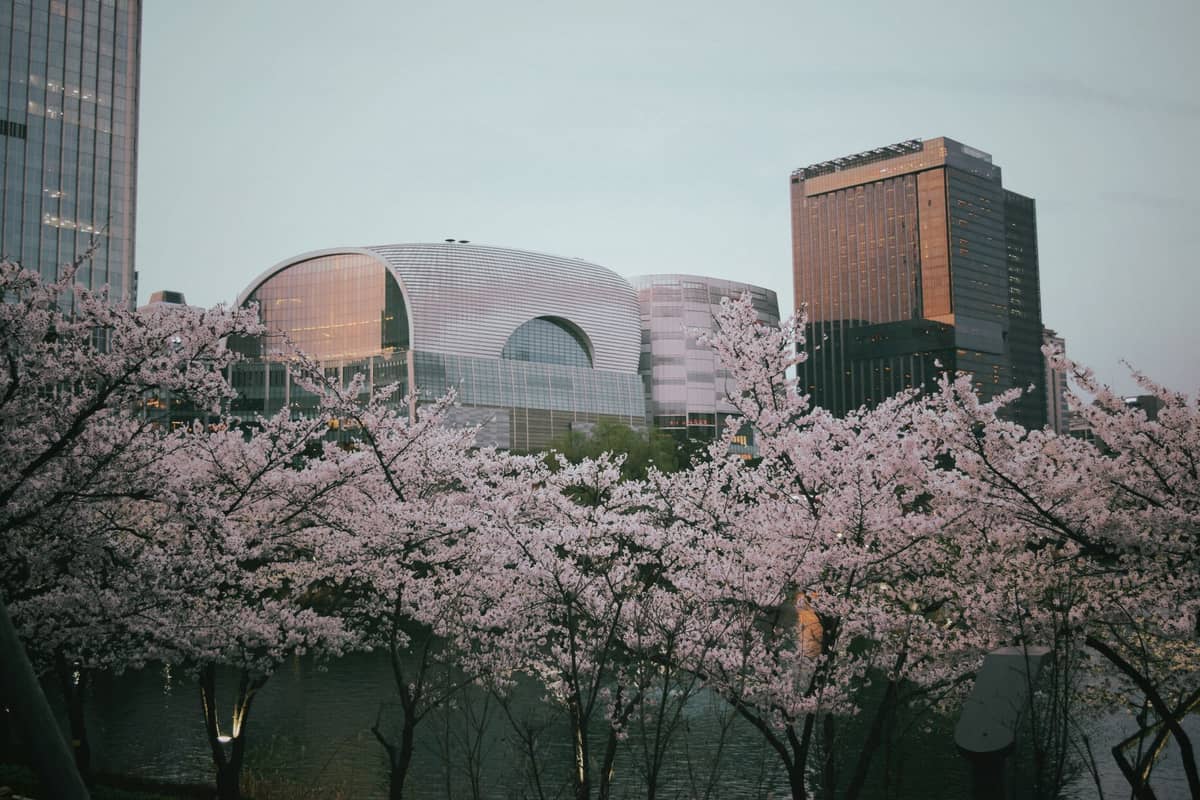
The best time to visit Seoul for most people is April to May or September to October. Spring brings cherry blossoms Spring brings cherry blossoms from late March through early April, concentrated around Yeouido, Seoul Forest, and palace grounds., concentrated around Yeouido, Seoul Forest, and palace grounds. These periods are also peak tourism season, so accommodation prices rise and popular spots get crowded early. For a full seasonal breakdown, see the best time to visit Seoul guide. Seoul in spring and Seoul in autumn give season-specific itinerary suggestions.
Winter is cold, often dropping near or below 0°C, but it is underrated as a travel season. Crowds at major sights drop noticeably, accommodation prices fall, and the experience of a jimjilbang (Korean sauna and bathhouse) is far more appealing in January than in August. Ice skating rinks open at Seoul Plaza and inside Lotte World. Seoul in winter has its own logic for the right traveler.
- Get a T-money card on arrival at any convenience store or subway station; it covers all subway and bus fares at a slight discount over single-use tickets.
- The Seoul Metropolitan Subway covers all major tourist areas and most residential neighborhoods. Line 5 connects Gimpo Airport and Gwanghwamun; Jamsil is on Lines 2 and 8.
- From Incheon International Airport, the AREX express train to Seoul Station takes around 43 minutes and costs approximately 13,000 KRW; the all-stop train is slower but cheaper.; the all-stop train is slower but cheaper.
- Tipping is not customary in South Korea. Service charges are included where relevant; leaving extra cash can cause confusion.
- Emergency numbers: 112 for police, 119 for fire and ambulance. Both services have some English-language capability.
- Many attractions offer Many attractions offer free entry on select days each month, including multiple royal palaces.
For planning a multi-day itinerary, the 3 days in Seoul guide provides a sequenced route through the city's core experiences, while the 5 days in Seoul version adds neighborhood depth, day trips, and more specific dining choices. If you are based in Seoul and want to extend further, the day trips from Seoul guide covers Busan, the DMZ, and other viable one-day escapes.
FAQ
What are the best free things to do in Seoul?
Many of Seoul's top experiences cost nothing or very little. Walking Bukchon Hanok Village, strolling Cheonggyecheon Stream, visiting Hangang Park, and exploring the permanent galleries at the National Museum of Korea are all free. Palace entry is free on the last Wednesday of each month. The Starfield Library at COEX Mall and most temple grounds are also free to enter. See the free things to do in Seoul guide for a comprehensive list.
How many days do you need in Seoul to see the main sights?
Three days is enough to cover the major palaces, Bukchon, Namsan, Gwangjang Market, and at least one or two neighborhoods in depth. Five days allows for a more relaxed pace with Bukhansan hiking, a full Gangnam-Seongsu loop, and a day trip. Most repeat visitors find that Seoul rewards longer stays because the neighborhood variety is genuinely high.
When is the best time to visit Seoul?
April to May and September to October offer the most comfortable sightseeing conditions: mild temperatures in the 10–20°C range and low rainfall. Spring also brings cherry blossoms in late March to mid-April. Summer (June to August) is hot and humid with a monsoon season in late June to July. Winter (December to February) is cold but less crowded, with lower accommodation prices.
Is Seoul easy to get around without speaking Korean?
Yes, more so than most cities of comparable size. The Seoul Metropolitan Subway has English signage and announcements on all major lines. English menus are common in tourist-facing restaurants and increasingly common elsewhere. The Visit Seoul tourism authority provides multilingual support services in English, Chinese, and Japanese.
What neighborhoods should first-time visitors prioritize in Seoul?
For history and culture: Jongno-gu covers Gyeongbokgung, Bukchon, Insadong, and Jogyesa Temple in a walkable area. For food and nightlife: Hongdae and Mapo-gu offer the densest concentration of restaurants, bars, and live venues aimed at a young local audience. For a contemporary Seoul experience: Seongsu is the current creative district with the best independent cafe culture. Myeongdong is worth passing through but should not be the base of a food or shopping itinerary.