What to Eat in Seoul: Essential Korean Dishes & Street Food
Seoul is one of the world's great eating cities, and knowing what to order makes all the difference. This guide covers the essential Korean food you need to try, from market snacks under ₩5,000 to slow-cooked soups worth planning your day around.
Plan and book this trip
Tools from our partner Travelpayouts help you compare flights and hotels. If you book through them, we may earn a commission at no extra cost to you.
Flights
Hotels map
TL;DR
- Korean food in Seoul goes far beyond barbecue: soups, noodles, fermented sides, and street snacks are just as central to the city's food culture.
- Gwangjang Market is the single best place to eat multiple iconic dishes in one visit — see the Gwangjang Market food guide for a full breakdown.
- Budget meals in Seoul are genuinely cheap: tteokbokki from a street stall runs around ₩3,000–5,000, and a kalguksu lunch is often around ₩8,000–12,000.
- Seasonal dishes matter: order naengmyeon in summer, samgyetang on the hottest days, and pajeon with makgeolli whenever it rains.
- For a full trip context, pair this guide with our things to do in Seoul overview.
How Seoul's Food Culture Actually Works
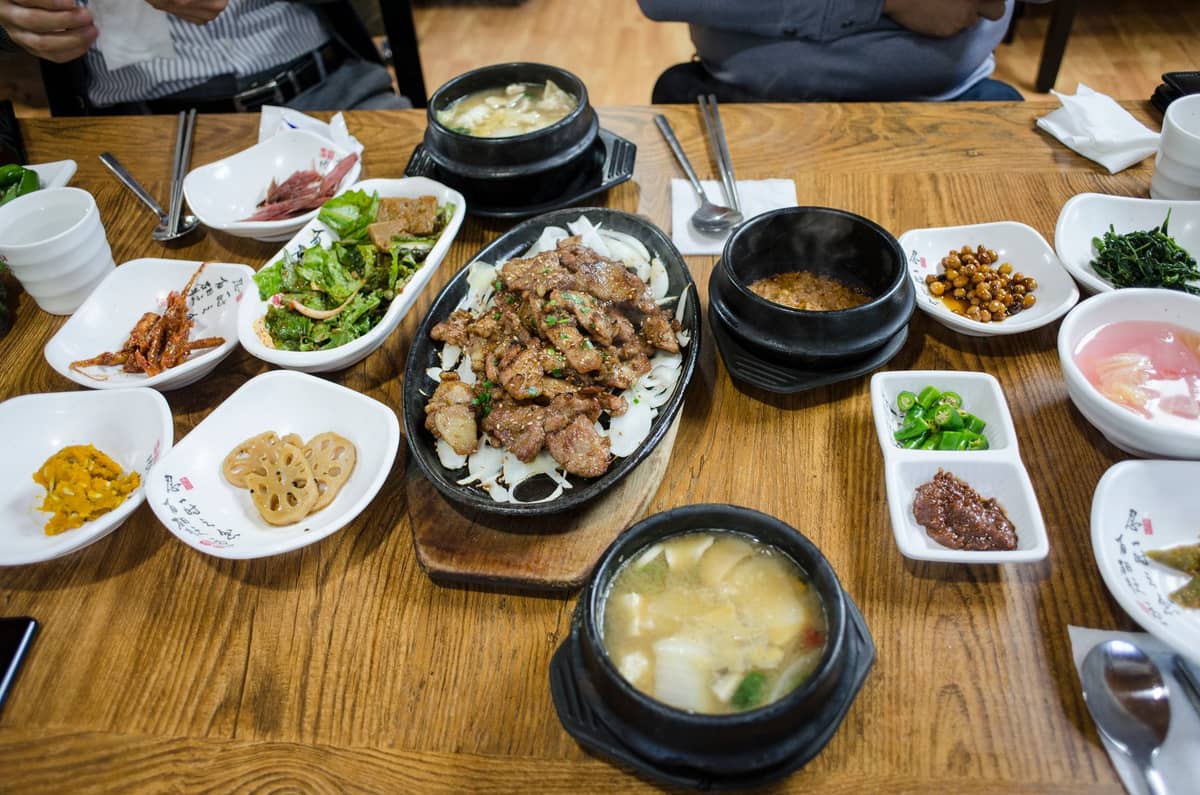
One of the most common mistakes first-time visitors make is treating Korean food as a list of individual dishes to tick off. In Seoul, eating is more systemic than that. A typical meal arrives with the main dish plus several banchan: small plates of kimchi, seasoned vegetables, dried fish, and pickled sides that rotate by season and restaurant. You don't order banchan separately, and refills are free. This communal, multi-plate structure means a single meal covers far more flavor ground than it might look like on the menu.
Kimchi itself is widely misunderstood outside Korea. It is not one dish but a broad category of fermented vegetables, and many Seoul restaurants serve several varieties at once: the classic napa cabbage version (baechu kimchi), along with radish, cucumber, or green onion variations depending on the season.: the classic napa cabbage version (baechu kimchi), along with radish, cucumber, or green onion variations depending on the season. Learning to read the table setup tells you a lot about the quality of the restaurant before the main course even arrives.
ℹ️ Good to know
Tipping is not customary in Seoul restaurants. Service charges are occasionally included at higher-end establishments, but leaving cash on the table is neither expected nor standard practice. Simply pay the bill as presented.
The Essential Dishes: What to Order and Why
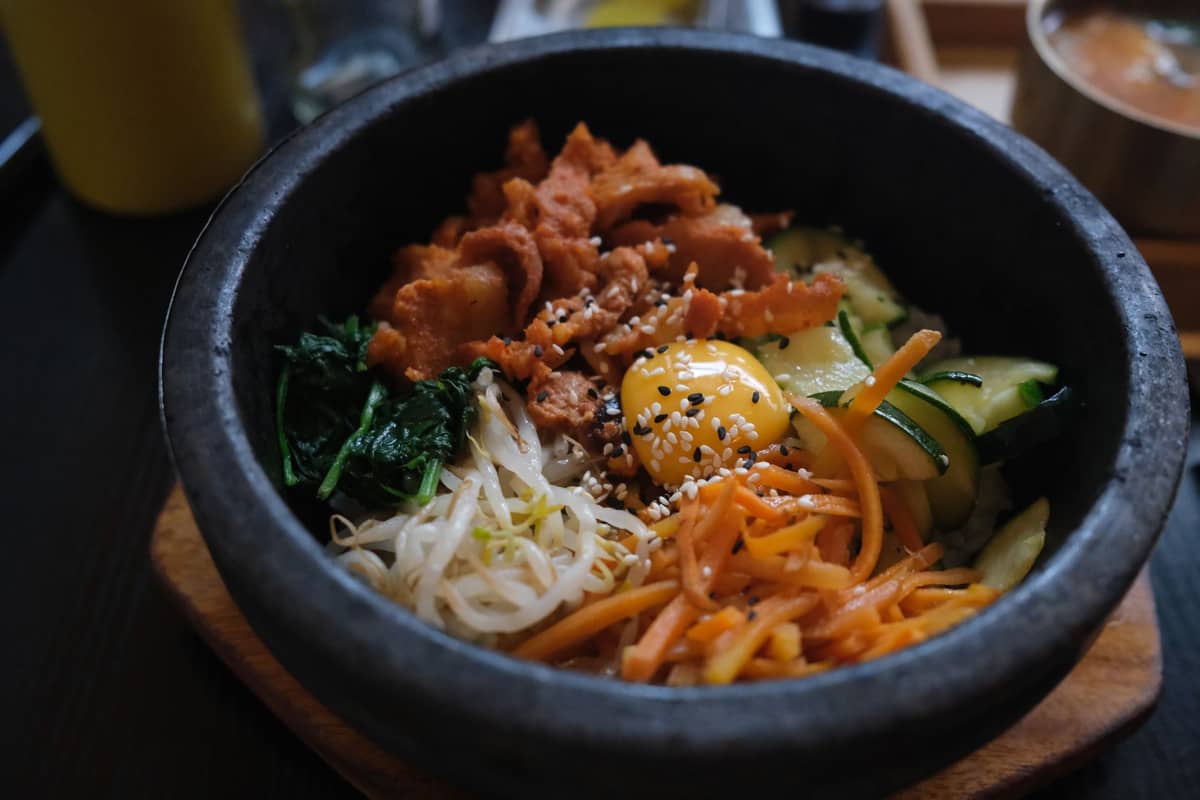
Bibimbap is the dish most visitors try first, and for good reason: it is a reliable, filling, and genuinely delicious introduction to Korean flavors. The name translates literally as 'mixed rice,' and the Seoul version typically arrives in a hot stone bowl (dolsot bibimbap) that keeps cooking the rice against the sides, forming a crispy crust at the bottom. Expect to pay around ₩10,000–15,000 at a sit-down restaurant. Insadong and Jongno are also common places to find good versions.
Kimchi jjigae is arguably Seoul's most everyday comfort food: a fermented kimchi stew simmered with pork or tuna, tofu, and enough heat to clear your sinuses on a cold day. It shows up on lunch menus across the city from around ₩8,000 and is one of the best arguments for eating where locals actually eat rather than in tourist-facing restaurants. For a practical neighborhood guide, the Korean BBQ guide for Seoul covers the overlap between jjigae spots and full grill-your-own restaurants, many of which appear on the same street.
- Samgyeopsal (삼겹살) Thick slices of pork belly grilled at the table over charcoal or gas. You wrap it in perilla leaves or lettuce with garlic, sliced onion, and ssamjang (a thick fermented paste). Expect ₩12,000–18,000 per portion at most neighborhood spots.
- Naengmyeon (냉면) Cold buckwheat or starch noodles served in an icy beef broth, with thin slices of beef, a hard-boiled egg, and cucumber. This is Seoul's essential summer dish. The broth is subtle and slightly sour — nothing like what most Western palates expect from noodle soup. Around ₩10,000–13,000.
- Samgyetang (삼계탕) A whole young chicken stuffed with glutinous rice, ginseng, jujubes, and garlic, slow-cooked in a rich broth. Traditionally eaten on the three hottest days of the lunar calendar. Tosokchon in Chebu-dong near Gyeongbokgung is the most famous spot, with prices around ₩17,000–20,000. Expect queues at lunch.
- Kalguksu (칼국수) Handmade knife-cut wheat noodles served in a light anchovy or chicken broth. Cheaper and more understated than many Seoul dishes, but consistently satisfying. Around ₩8,000–10,000.
- Sundubu Jjigae (순두부찌개) Silken tofu stew with seafood or pork in a spicy red broth, served still boiling in a stone pot with a raw egg cracked in at the table. Around ₩10,000–14,000.
- Pajeon (파전) A thick savory pancake loaded with spring onions and often seafood (haemul pajeon). The local tradition of pairing pajeon with makgeolli (milky rice wine) on rainy days is genuinely observed in Seoul neighborhoods. Around ₩10,000–15,000 for a full pancake.
✨ Pro tip
Order samgyetang at Tosokchon on a weekday before 11:30am or after 2pm to avoid the worst of the tourist queues. The restaurant opens around 10am and the line forms fast during peak summer season.
Street Food and Market Eating
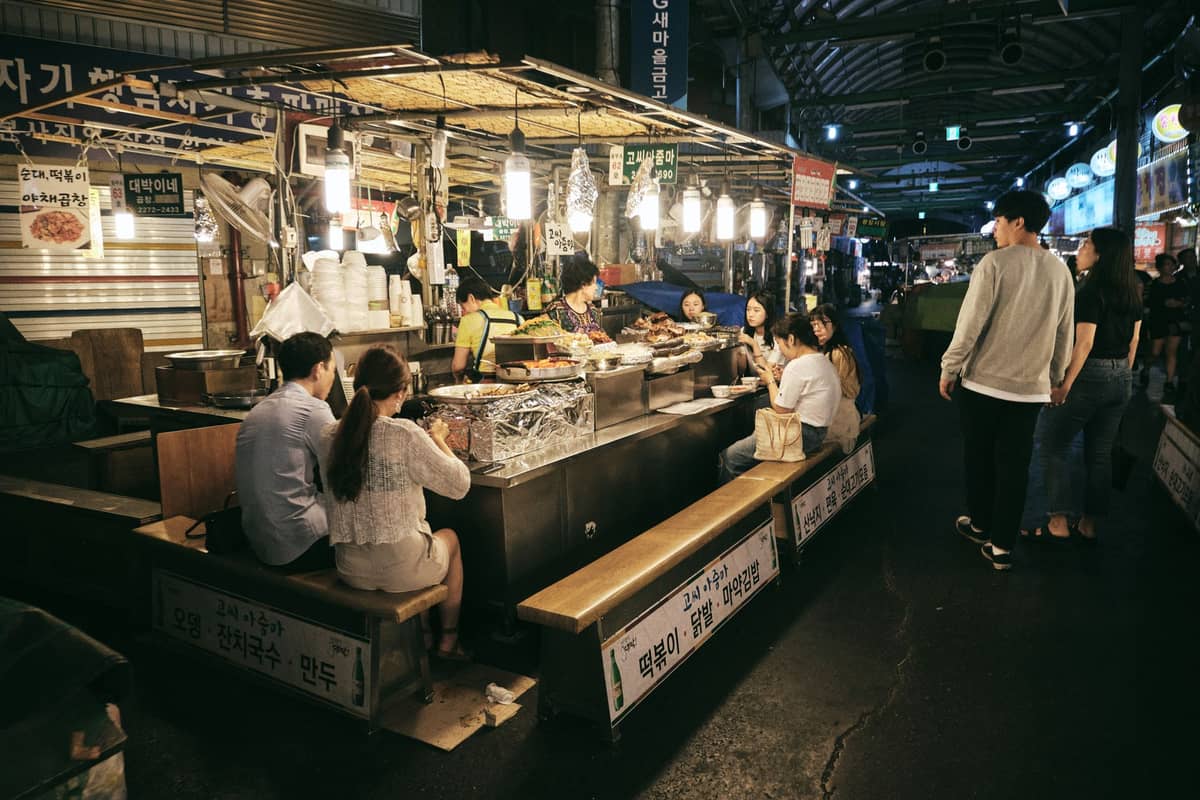
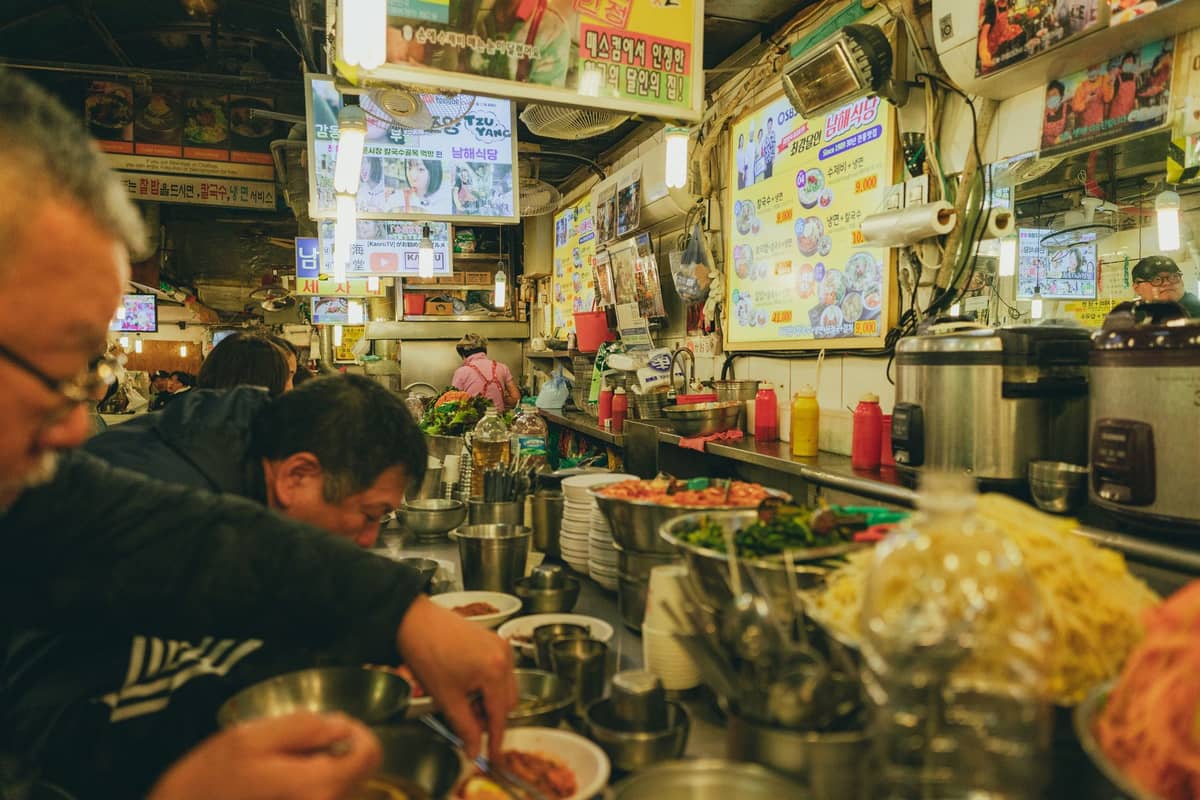
Seoul's street food scene is concentrated around markets and late-night pojangmacha stalls. The single most rewarding stop is Gwangjang Market in Jongno, where the indoor food stalls serve bindaetteok (mung bean pancakes), mayak gimbap (small sesame-oil rice rolls nicknamed 'narcotic gimbap' for their addictive quality), and spicy tteokbokki. Prices here sit firmly under ₩10,000 per dish, and eating at a shared bench table is part of the experience.
Tteokbokki deserves its own mention. These chewy rice cakes cooked in a gochujang-based sauce appear at street stalls across every neighborhood and are one of the cheapest snacks in the city at around ₩3,000–5,000 for a paper cup portion. The spice level varies by vendor, and some newer stalls add cheese or cream sauce for a milder version. The classic red version is the benchmark.
For a broader market experience beyond Gwangjang, the Namdaemun area has street-level snack vendors running through most of the day, selling hotteok and eomuk. These are staple winter snacks, though they appear year-round.
- Bindaetteok at Gwangjang Market: crispy mung bean pancakes, ₩5,000–8,000
- Mayak gimbap at Gwangjang Market: 10–15 small rolls for around ₩3,000–4,000
- Tteokbokki from street stalls: ₩3,000–5,000 per portion
- Hotteok (filled pancakes): ₩1,500–2,000 each, best in winter
- Eomuk fish cake skewers: ₩500–1,000 per stick
- Convenience store gimbap and ramyeon: under ₩3,000 — GS25, CU, and 7-Eleven all sell surprisingly decent versions
Korean BBQ, Chimaek, and the Drinking Food Culture
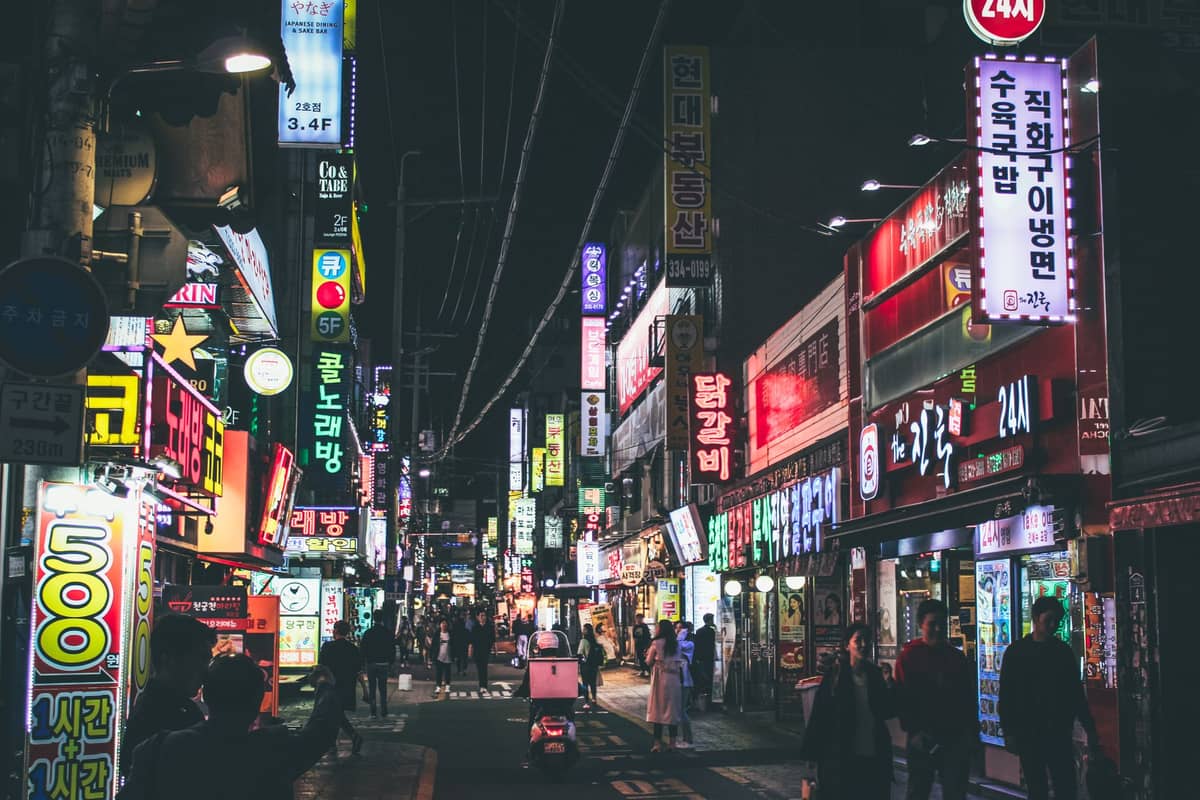
Korean BBQ restaurants (gui-jip, or 'grill houses') are everywhere in Seoul, but quality varies dramatically. The best neighborhood concentrations are in Mapo-gu near Hongdae, where streets are lined with charcoal grill spots open past midnight, and in the Mapo and Sinchon areas where university crowds keep prices competitive. The meat-plus-banchan-plus-soju format is the core of a Seoul evening out, and it is genuinely social in a way that solo or couple dining at a grill table does not quite capture.
Chimaek, the pairing of Korean fried chicken (치킨) with beer (맥주), has become one of Seoul's most exported food concepts and is worth experiencing in its original context. Delivery culture dominates the chimaek scene, but sit-in chicken-and-beer spots are common in Hongdae, Itaewon, and Gangnam. For the broader nightlife and eating-out context, see the guide to nightlife in Seoul.
⚠️ What to skip
Not all Korean BBQ restaurants in tourist-heavy areas like Myeongdong offer good value. Some charge ₩30,000+ per person for portions and quality that neighborhood spots serve for half that price. If the menu has photos labeled in English only and a host is aggressively recruiting from the street, it is worth walking two blocks further to find a local-facing alternative.
Where to Eat by Neighborhood
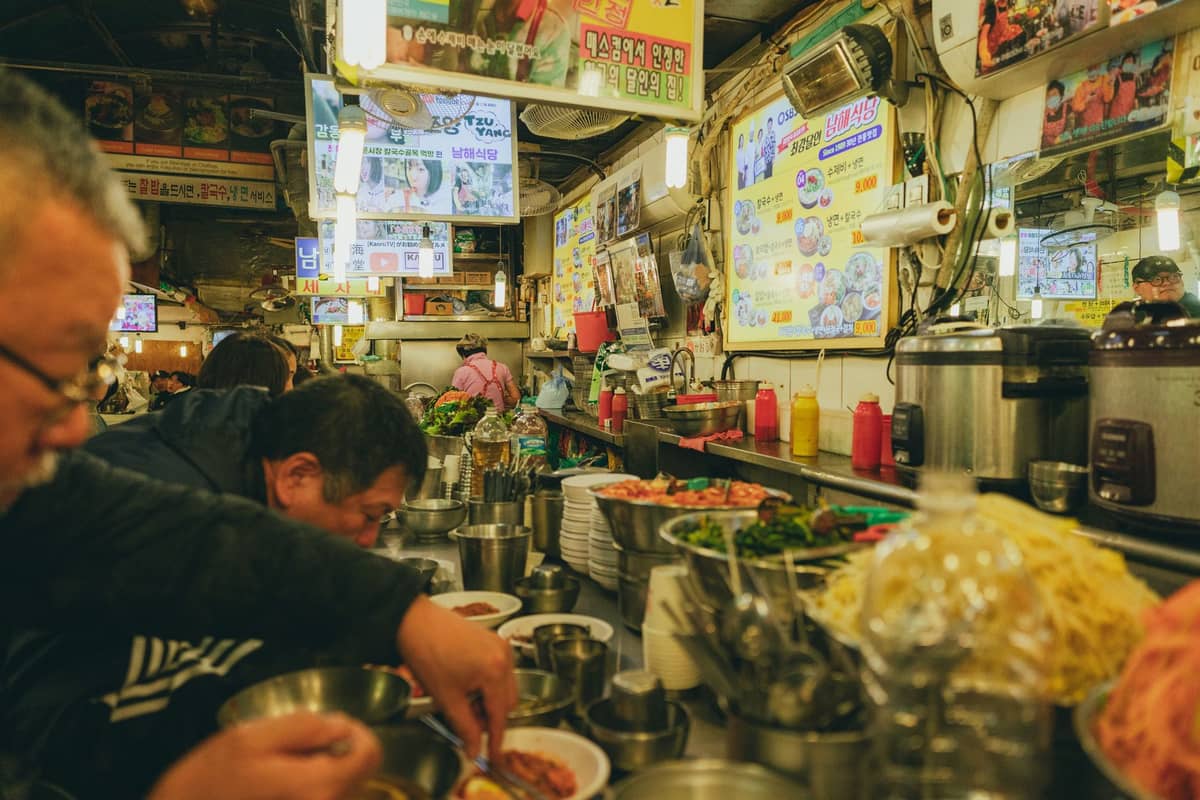
The area around Gyeongbokgung Palace in Jongno concentrates several classic Seoul restaurants within walking distance of each other: Tosokchon for samgyetang, Tongin Market for a coin-operated dosirak (lunch box) experience, and numerous kalguksu and jjigae spots along the back streets. This is one of the few areas where historic food culture and practical eating overlap for tourists.
Myeongdong is the most tourist-dense eating street in the city and is best treated as a street food corridor rather than a destination for sit-down meals. The outdoor stalls along the main pedestrian strip sell lobster skewers, tornado potatoes, and Korean corn dogs — entertaining, but not representative of Seoul food culture at its best. For a more grounded version of Seoul street eating, the Seoul street food guide covers the less obvious spots.
Seongsu has become one of the more interesting eating neighborhoods in the past few years, with a mix of independent Korean restaurants, specialty coffee, and fusion spots that cater to a young local crowd rather than tourists. It is further from most sightseeing anchors but worth a half-day if food is a priority. The Seongsu neighborhood guide covers the area in full.
Eating in Seoul on a Budget
Seoul is one of Asia's more affordable cities for eating well at the lower end of the price range. A full lunch at a neighborhood gimbap restaurant costs ₩5,000–8,000. Set menus at jjigae or dosirak spots often come in under ₩10,000 including rice and banchan. Convenience stores (CU, GS25, 7-Eleven) sell gimbap rolls, cup ramyeon, and onigiri for under ₩3,000, and the in-store microwave and hot water stations are universally available. For a fuller breakdown of low-cost eating and sightseeing, see the guide to Seoul on a budget.
- Under ₩5,000 Street tteokbokki, eomuk fish cake skewers, hotteok, convenience store gimbap, cup ramyeon with toppings.
- ₩5,000–10,000 Kalguksu, kimchi jjigae set lunch, gimbap restaurant full meal, market bindaetteok and pajeon at Gwangjang.
- ₩10,000–20,000 Bibimbap, samgyetang, naengmyeon, sundubu jjigae, one portion of samgyeopsal at a mid-range grill house.
- ₩20,000+ Full samgyeopsal or galbi dinner with soju and multiple meat rounds, upscale naengmyeon specialists, or fine-dining Korean tasting menus.
FAQ
What is the most popular Korean food to try in Seoul?
Bibimbap and samgyeopsal (pork belly BBQ) are the two dishes most visitors try first, but locals eat kimchi jjigae and kalguksu far more regularly. All four are worth ordering. If you only have one day, Gwangjang Market covers bibimbap, tteokbokki, and pajeon in a single visit.
Is Korean food in Seoul very spicy?
Many dishes use gochujang (fermented chili paste) or gochugaru (chili flakes), but spice levels are adjustable at most restaurants. Naengmyeon, kalguksu, samgyetang, and most soups without 'jjigae' in the name are mild. Tteokbokki and kimchi jjigae are genuinely spicy. Street vendors and restaurant staff will usually indicate heat levels if asked.
Where is the best street food in Seoul?
Gwangjang Market in Jongno is the most consistently recommended spot for classic market food: bindaetteok, mayak gimbap, and tteokbokki at shared bench tables. Myeongdong's pedestrian strip is convenient but more performative. Namdaemun Market is better for hotteok and fish cake skewers. The best everyday street stalls are in residential neighborhoods rather than tourist corridors.
How much does a meal cost in Seoul?
A sit-down lunch at a neighborhood restaurant typically costs ₩8,000–15,000 per person including rice and banchan. Street snacks run ₩1,500–5,000. A full Korean BBQ dinner with pork, soju, and sides costs roughly ₩20,000–35,000 per person. High-end or Michelin-level Korean restaurants start around ₩80,000–150,000 per person for tasting menus.
Do Seoul restaurants have English menus?
Tourist-facing areas like Myeongdong, Insadong, and Itaewon almost always have English menus or picture menus. Neighborhood restaurants increasingly have QR-code menus with basic English. In purely local areas, a photo menu or pointing at neighboring tables is standard practice. Google Translate's camera mode works well for Korean menus and handles most dish names accurately.