Seoul Nightlife Guide: Best Bars, Clubs & Night Districts
Seoul nightlife runs later, harder, and more diversely than almost any other city in Asia. From Hongdae's student club strips to Gangnam's bottle-service mega-clubs and Itaewon's underground electronic scene, this guide breaks down every major district, what to expect, and how to navigate a night out without the rookie mistakes.
Plan and book this trip
Tools from our partner Travelpayouts help you compare flights and hotels. If you book through them, we may earn a commission at no extra cost to you.
Flights
Hotels map
TL;DR
- Seoul nightlife is district-specific: Hongdae for youthful club energy, Itaewon for international bars and LGBTQ+ spaces, Gangnam for upscale venues with bottle service. See the full breakdown in our things to do in Seoul guide.
- Clubs don't peak until 1–3 AM on weekends; many stay open past 5 AM. Plan dinner around 7–9 PM and don't arrive at a club before midnight.
- Cover charges run ₩5,000–₩10,000 in Hongdae, ₩10,000–₩20,000 at most clubs (often including one drink), and higher in Gangnam's premium venues.
- Saturday is the busiest night by a wide margin. Sunday is genuinely quiet. Friday is solid but more relaxed than Saturday.
- Beyond clubs, Seoul has rooftop bars, pojangmacha (street-side tent bars), noraebang, and craft beer spots — the nightlife spectrum is far wider than most visitors expect. Check out the noraebang guide if singing karaoke is on your list.
How Seoul Nightlife Actually Works
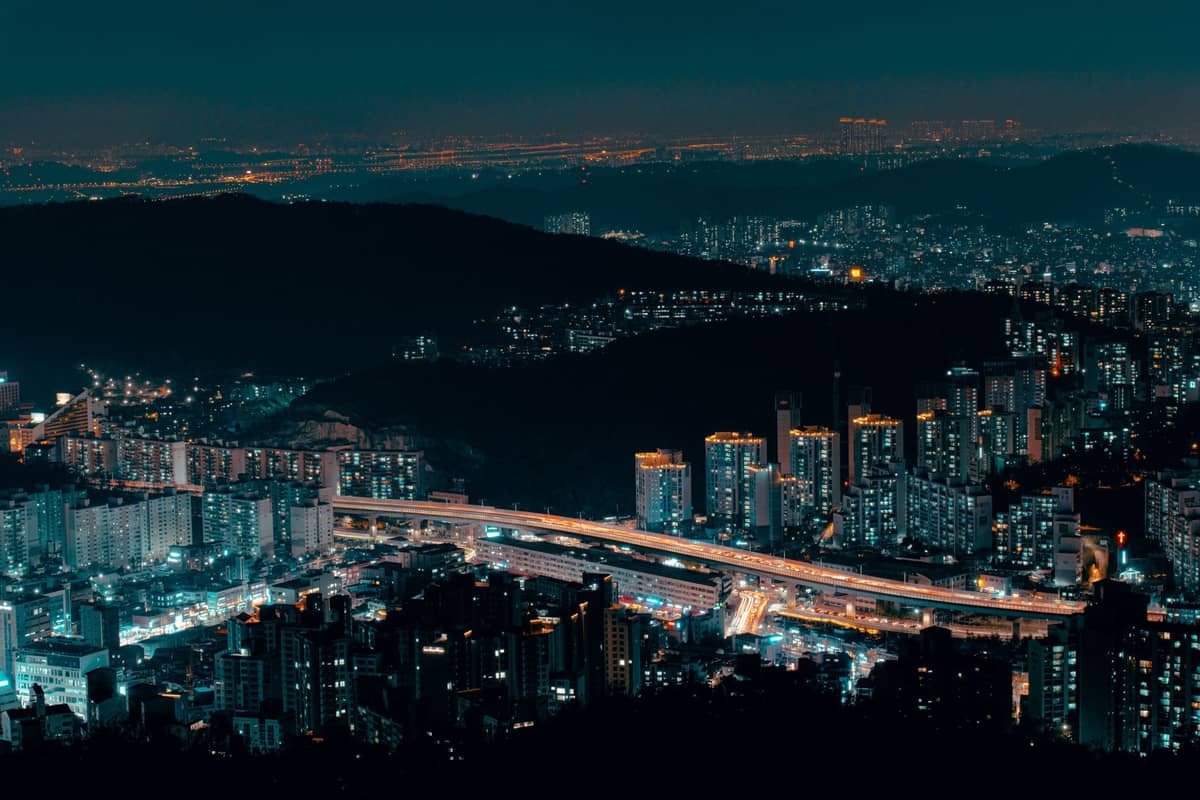
Seoul nightlife follows a rhythm that trips up a lot of first-time visitors. Koreans rarely eat before 7 PM, and dinner typically stretches to 9 or 10 PM. Bars start filling after 10 PM, clubs reach critical mass somewhere between 1 and 3 AM on Fridays and Saturdays, and the night only fully ends when the subway reopens around 5:30 AM. Arriving at a club at 11 PM and finding it half-empty is not a sign of a bad venue; it's just too early.
The concept of cha (차) — moving in rounds — shapes how Koreans structure a night. A typical evening involves iljcha (first round) at a Korean BBQ or fried chicken restaurant with soju and beer, then ichajangat a bar for cocktails or more drinks, followed by samcha (third round) at a club or noraebang. This staged progression means the vibe escalates steadily rather than peaking early. If you try to start at the club stage, you'll be out of sync with how the night flows.
💡 Local tip
Most Seoul clubs do not use Ticketmaster or advance booking systems. Entry is typically first-come, first-served. Some larger venues in Gangnam accept guest list reservations through their Instagram or via local promoters — worth checking before Saturday night.
The subway (Seoul Metropolitan Subway) shuts down roughly around midnight and reopens around 5:30 AM. During that gap, your realistic options are taxis (Kakao T is the standard app), night buses, or simply staying out until the subway restarts — which many Koreans do. On Saturday nights, expect taxi demand to surge significantly; sharing a cab with others heading the same direction is common and socially accepted.
The Main Nightlife Districts: A Practical Breakdown
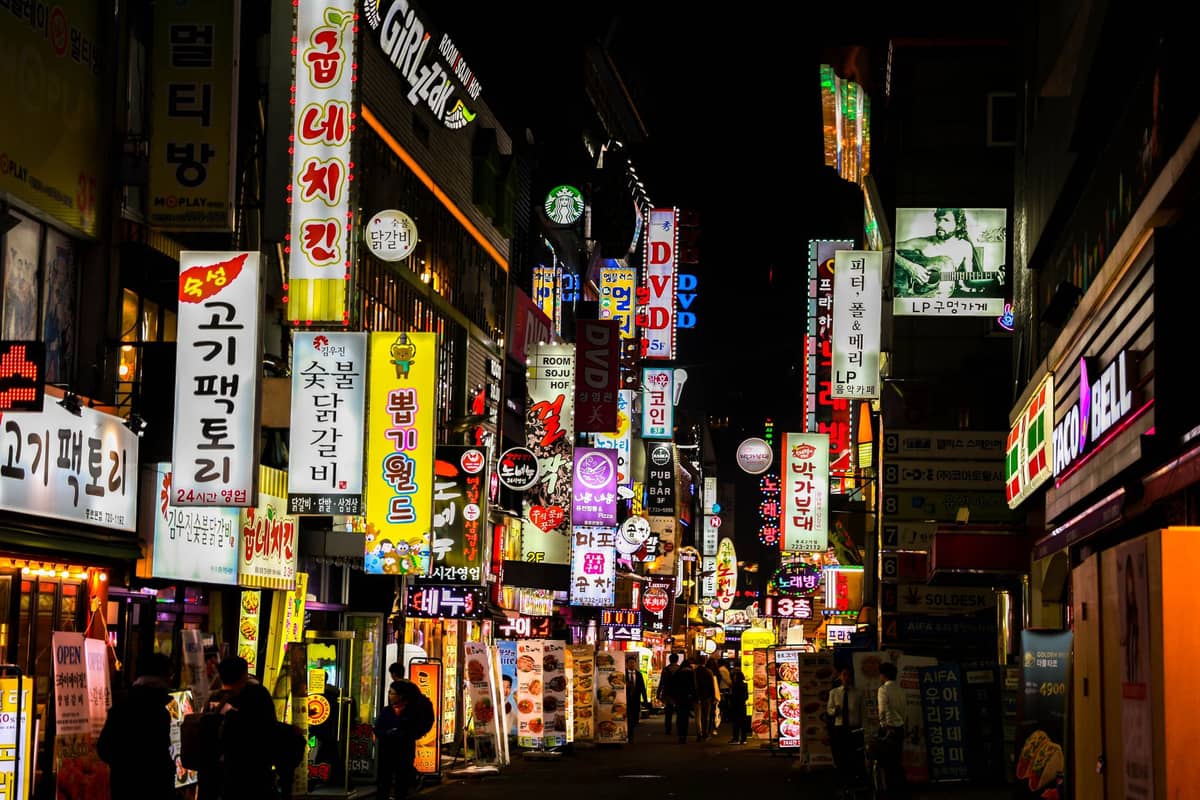
Seoul's after-dark scene divides cleanly by geography and demographic. Hongdae and MapoHongdae is the undisputed centre of youth nightlife, built around Hongik University and drawing students, artists, backpackers, and K-pop tourists. The streets around Hongik University Station (Line 2, Airport Railroad) are dense with clubs, live music venues, bars, and street performers on weekend nights. Club entry here is among the cheapest in the city, often ₩5,000–₩10,000, and the atmosphere skews young and unpretentious.
Itaewon in YongsanItaewon has the most internationally diverse nightlife in Seoul. Historically built around the US military base, it evolved into a neighbourhood with expat bars, international restaurants, and Seoul's most established LGBTQ+ scene, particularly along Itaewon-ro and the side streets around Homo Hill. The electronic music underground is also strongest here, with several clubs running serious DJ lineups on weekends. Itaewon tends to draw an older crowd than Hongdae, and the bars are generally more relaxed about entry.
GangnamGangnam is where Seoul nightlife gets expensive. The clubs here, particularly around Gangnam Station and in the Cheongdam and Apgujeong areas, operate a very different model: large venues, high production value, bottle service tables starting at several hundred dollars, and cover charges that exceed Hongdae by a significant margin. The crowd is older, more image-conscious, and dress codes are taken seriously. It's not better than Hongdae; it's just a completely different product.
- Hongdae Best for: first-timers, budget nights, live music, K-indie and hip-hop clubs. Crowd: 20s, students, backpackers. Cover: ₩5,000–₩15,000. Peaks: midnight to 4 AM Sat.
- Itaewon Best for: expats, LGBTQ+ nightlife, underground electronic music, international bar culture. Crowd: mixed ages, heavily international. Cover: varies by venue. Peaks: 11 PM to 4 AM Fri/Sat.
- Gangnam / Cheongdam Best for: upscale clubs, EDM mega-venues, bottle service. Crowd: late 20s to 30s, Korean professionals and celebrities. Cover: ₩20,000–₩30,000+. Dress code enforced.
- Euljiro / Jongno Best for: craft beer bars, indie venues, pojangmacha culture, older Korean drinking atmosphere. Less clubbing, more late-night bar-hopping with a distinctly local feel.
- Haebangchon (HBC) Best for: low-key bars, a tight-knit expat community feel, dive bars, and relaxed socialising without the intensity of Itaewon's main strip.
⚠️ What to skip
Itaewon experienced a tragic crowd crush in October 2022 that killed 159 people. The neighbourhood has since recovered and is operating normally, but crowd management is now taken more seriously by local authorities on peak nights. Be aware of your surroundings during busy periods, especially on narrow side streets.
Bar Culture Beyond the Clubs
Seoul's bar scene is genuinely underappreciated by visitors who come expecting only clubs. The craft beer scene expanded rapidly through the 2010s and 2020s, with local brands like Magpie, The Booth, and Craftworks establishing taprooms around Itaewon and Hongdae. These pour well-made IPAs, stouts, and session ales alongside Korean snacks, and the atmosphere is relaxed enough for genuine conversation — something a 130-decibel club floor doesn't allow.
Pojangmacha, the orange-tented street stalls that appear after dark across the city, are an entirely different but equally authentic experience. They serve soju, makgeolli (milky rice wine), and cheap anju (drinking snacks like odeng fish cake, tteokbokki, and sundae blood sausage). Sitting at a plastic table on the pavement at midnight eating spicy rice cakes and drinking soju is one of those Seoul-specific experiences that no amount of planning can replicate. The area around Cheonggyecheon Stream and Jongno has a good concentration of these.
Rooftop bars have proliferated in recent years, particularly in Seongsu, Mapo, and around Namsan Mountain. Seoul's skyline is dramatic at night, and a rooftop drink with city views is one of the better ways to spend an early evening before heading to clubs. Several hotels in Gangnam and Myeongdong operate rooftop bars open to non-guests, though prices reflect the setting.
Noraebang, PC Bangs, and Late-Night Alternatives
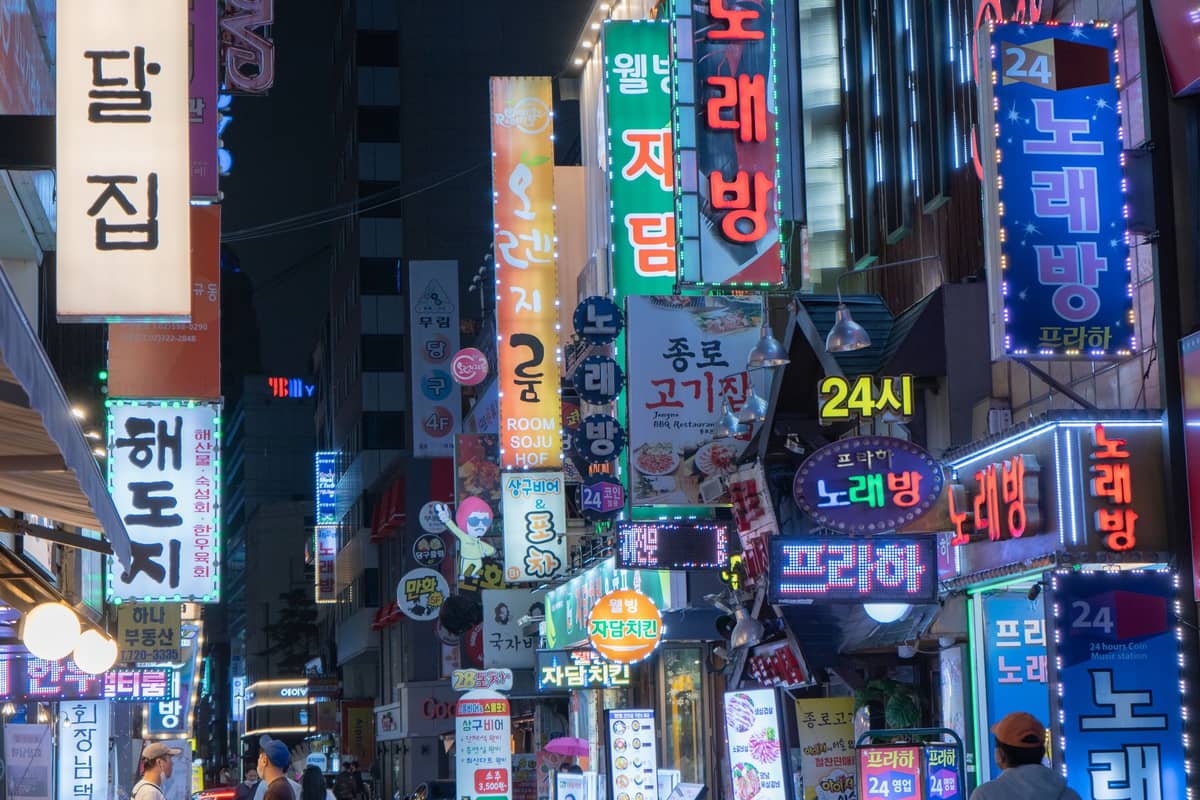
Not every good night in Seoul ends at a club. Noraebang (karaoke rooms)Noraebang are private booths rented by the hour where your group gets a room, a microphone, tambourines, and a song catalogue covering Korean pop, international hits, and K-drama OSTs. They're typically open until 4 or 5 AM and are common as a samcha (third round) destination. A small room typically runs around ₩15,000–₩25,000 per hour depending on the venue and time of night. Coin noraebang, which charge per song rather than per hour, are increasingly popular and cheaper for solo visitors.
Jjimjilbang (Korean saunas and bathhouses) serve a dual function as late-night crash spots. Many are open 24 hours, and for around ₩10,000–₩15,000 you can soak in hot baths, sleep in a communal rest area, and resurface at 7 AM feeling considerably better than you might otherwise. They're genuinely popular among Koreans as a post-club wind-down. Think of them as the budget-conscious alternative to a hotel room when you've missed the subway window.
✨ Pro tip
Load a T-money card before your night out. It works on the subway, buses, and even many convenience stores. When the clubs close and you need the 5:30 AM subway home, a dead phone with no cash is a bad place to be. Top up at any convenience store (GS25, CU, 7-Eleven) or subway station kiosk.
Practical Considerations: Money, Safety, and Etiquette
Seoul is consistently ranked among the safest large cities in Asia for solo nighttime travel. Street crime is low, and the presence of CCTV is extensive. That said, standard awareness still applies: stick to well-lit areas, use licensed taxis booked through Kakao T rather than unmarked vehicles, and keep your belongings on you in crowded venues. See our Seoul safety tips for a fuller breakdown.
Tipping is not customary in South Korea and is genuinely not expected in bars or clubs. Service charges are sometimes included in the bill at upscale venues. Leaving coins or rounding up is fine if you want to, but there's no social obligation. This makes budgeting for a night out more predictable than in tip-culture countries.
- Carry some cash: many pojangmacha and smaller bars don't accept foreign cards, and Korean card machines sometimes reject overseas Visa or Mastercard without warning.
- Know your soju: a standard 360ml bottle contains around 16–25% ABV depending on brand. Sharing two or three bottles between two people over a long dinner is common; pacing matters.
- Dress codes in Gangnam clubs are enforced: athletic wear, sandals, and shorts are common reasons for denial at upscale venues on weekends.
- Smoking indoors is banned in South Korea; designated outdoor smoking areas are outside most venues.
- Photography inside clubs is often restricted or requires consent from the DJ or venue management — especially in smaller electronic music spaces where crowd privacy is taken seriously.
- The Kakao T app requires a Korean phone number for full functionality; download it and link a foreign card before you need it, or ask your accommodation to help register.
Alcohol prices vary considerably by venue type. A 500ml beer at a convenience store (which can be consumed outdoors) costs around ₩2,000–₩3,000. A beer at a Hongdae bar runs ₩5,000–₩8,000. The same drink at a Gangnam rooftop or club can exceed ₩15,000. Soju at a Korean restaurant is famously cheap at around ₩4,000–₩6,000 per bottle; the same brand in a club will cost three to four times more. For a budget-conscious approach, see our Seoul on a budget guide.
Seasonal Notes and When to Go
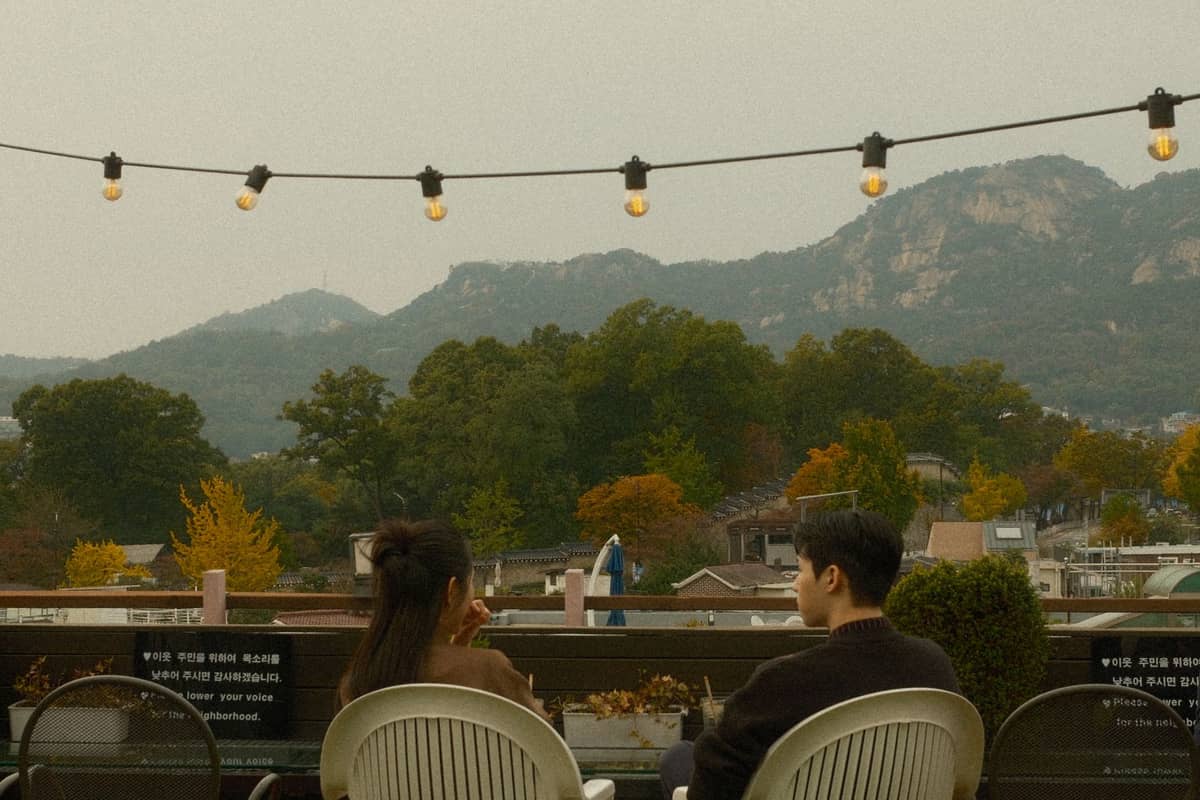
Seoul nightlife runs year-round, but the experience shifts by season. Spring (April to May) and autumn (September to October) are ideal: comfortable temperatures mean outdoor bars and rooftop spots are genuinely pleasant, and the city is at its most photogenic. If you're planning a broader trip, our guide on the best time to visit Seoul covers the full seasonal picture.
Summer (June to August) brings the jangma rainy season in June and July, which doesn't stop the clubs but makes outdoor areas less appealing. The heat and humidity after midnight in Hongdae can be intense. Winter (December to February) drives everyone indoors, which actually concentrates the energy in club spaces and makes basement venues feel more electric. The cold walk between venues is the only real inconvenience.
Public holidays shift the nightlife schedule meaningfully. Chuseok and Lunar New Year see significant numbers of Seoulites leave the city, and some venues close or reduce hours. Conversely, major long weekends in May (Children's Day, Buddha's Birthday) are among the biggest club nights of the year. Venue hours change seasonally and without much advance notice, so checking a venue's official Instagram or Naver page the day before is genuinely worth doing.
FAQ
What time do clubs in Seoul open and close?
Most Seoul clubs open around 10 PM but don't fill until after midnight. On Fridays and Saturdays, peak hours are typically 1–3 AM, and many venues stay open until 5–6 AM, timed to coincide with the subway reopening. Weeknight clubs close significantly earlier, usually around 2–3 AM.
How much does it cost to get into a club in Seoul?
Cover charges in Hongdae typically run ₩5,000–₩15,000 and often include one drink. Most mid-range clubs across the city charge ₩10,000–₩20,000 with a drink included. Gangnam's upscale venues charge more, and table or bottle service is a separate, considerably higher cost. Some venues are free entry before a certain hour.
Is Itaewon safe for nightlife after the 2022 tragedy?
Yes. Itaewon has been operating normally since the area recovered from the October 2022 crowd crush. Authorities now implement stronger crowd management during major events and peak nights. The neighbourhood remains one of Seoul's most international nightlife areas, and most regular visitors report no safety concerns beyond standard nightlife awareness.
Do Seoul clubs have dress codes?
It depends on the district. Hongdae clubs are generally relaxed about dress. Gangnam clubs, particularly the larger EDM venues in Cheongdam, enforce dress codes and will deny entry for athletic wear, flip-flops, or overly casual outfits on busy nights. Itaewon sits in between — most bars have no code, but some clubs do. When in doubt, smart casual is safe everywhere.
How do I get home after the Seoul subway closes at midnight?
Your main options are Kakao T taxis (book through the app), designated night buses (which run on limited routes), or staying out until the subway resumes around 5:30 AM — which is genuinely common among Koreans. Taxis surge in demand between 1 and 4 AM on weekends; book early rather than trying to hail one on the street. Loading a T-money card in advance simplifies both buses and the early-morning subway home.