Seoul's Five Palaces: A Complete Visitor Guide
Seoul preserves five Joseon-era royal palaces within its city limits, each with a distinct character and history. This guide covers all five in depth, plus the essential sites, shrines, and neighborhoods that complete a palace-focused visit to the city.
Plan and book this trip
Tools from our partner Travelpayouts help you compare flights and hotels. If you book through them, we may earn a commission at no extra cost to you.
Flights
Hotels map
The five grand palaces of Seoul — Gyeongbokgung, Changdeokgung, Changgyeonggung, Deoksugung, and Gyeonghuigung — were built during the Joseon dynasty (1392–1897) and survive today as the most tangible connection to Korea's royal past. Each palace has a different personality: one is grand and ceremonial, one is a UNESCO World Heritage Site wrapped in woodland, one is peaceful and botanical, one blends East and West, and one is rarely visited and all the better for it. Together they form one of the most rewarding historical itineraries of any city in Asia. For a structured overview of how to fit them into your trip, see our 3-day Seoul itinerary or the extended 5-day Seoul guide. One practical tip before you start: One practical tip before you start: Gyeongbokgung closes on Tuesday, while the other four palaces close on Monday, so plan accordingly., so plan accordingly. And if you can visit in hanbok, admission to all five is free — rental shops cluster near every palace gate.
✨ Pro tip
Wear hanbok for free entry to all five palaces. Rental shops near each palace gate charge varying rates for a few hours. Gyeongbokgung closes Tuesdays; the other four close Mondays. Verify current hours before visiting as they vary by season.
The Five Grand Palaces
Start with the palaces themselves. Four of the five sit in the historic Jongno-Bukchon district, making it easy to visit Gyeongbokgung, Changdeokgung, and Changgyeonggung in a single full day. Deoksugung stands alone in central Seoul near City Hall, while Gyeonghuigung is a short walk west. Admission prices are modest — Admission prices are modest — around ₩3,000 for Gyeongbokgung and Changdeokgung, with Changgyeonggung and Deoksugung at ₩1,000 — and the last Wednesday of each month is Culture Day, when entry is free. Always verify current prices and hours on the official Visit Korea website before your visit.
1. Start at Gyeongbokgung, Seoul's Largest and Most Iconic Palace
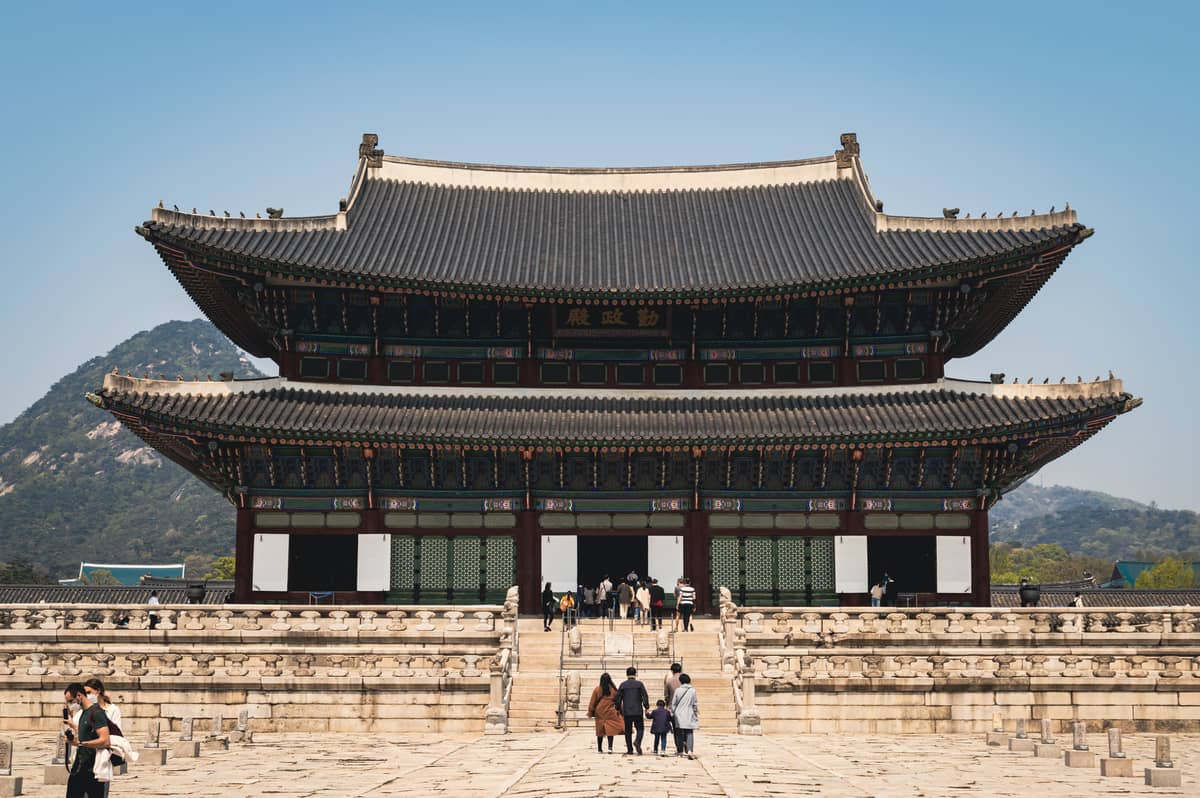
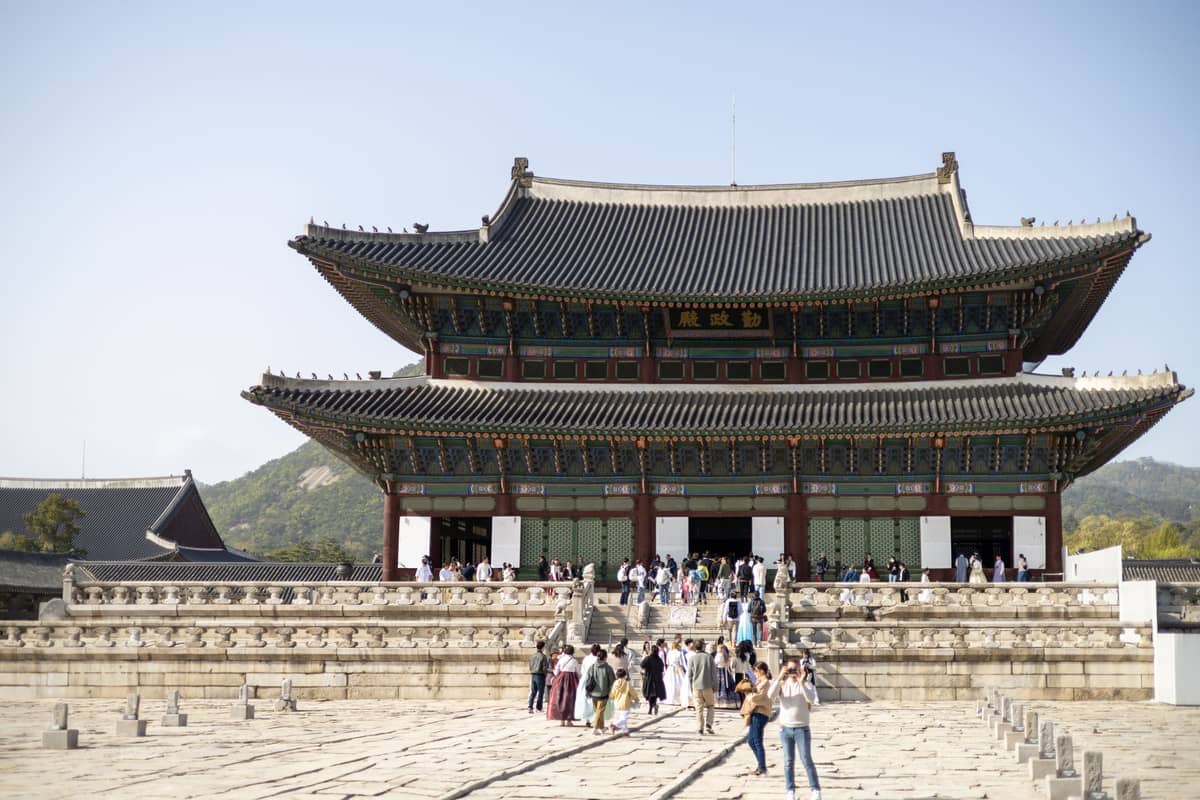
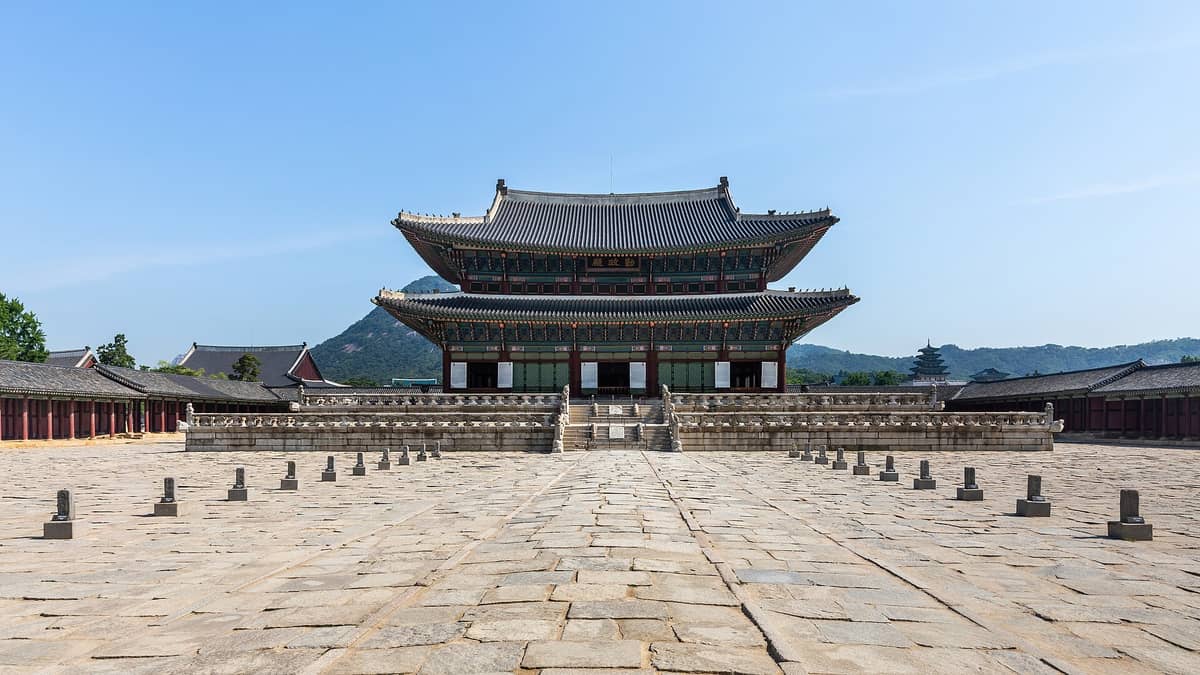
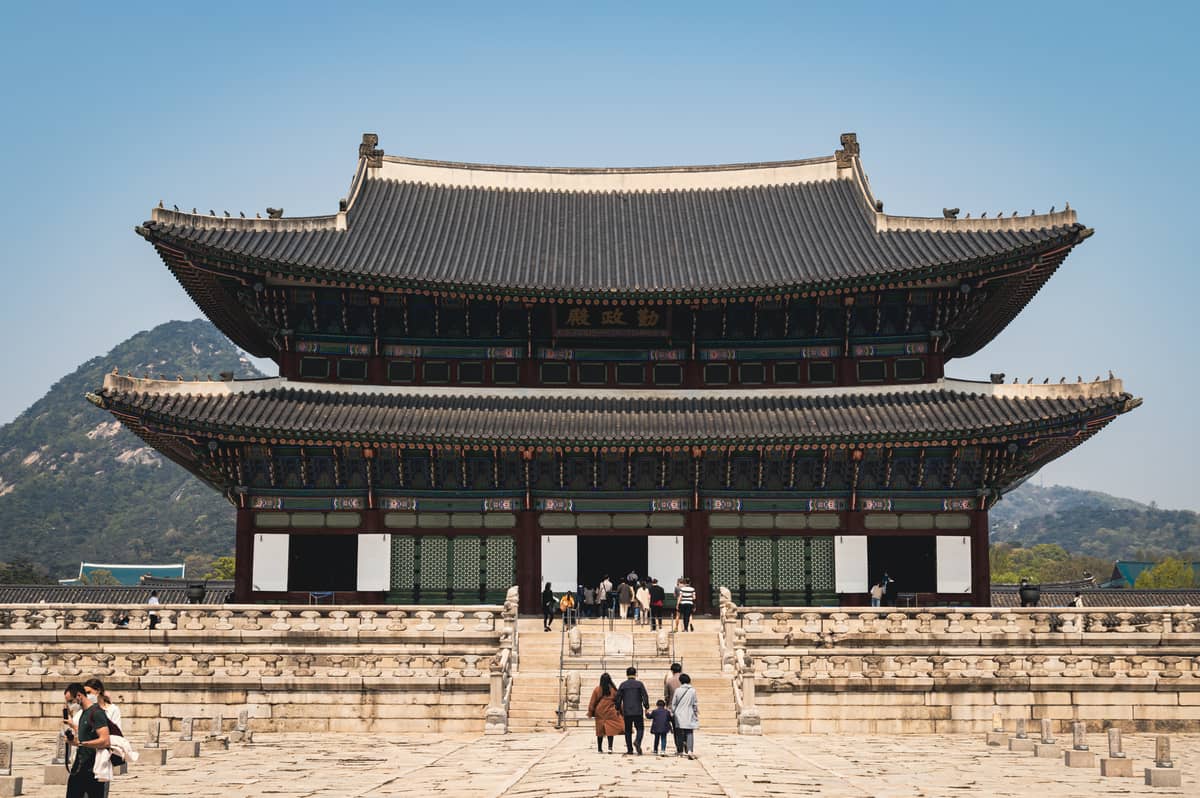
Built in 1395 as the Joseon dynasty's main palace, Gyeongbokgung is the grandest of the five. Allow 2–3 hours to see Geunjeongjeon throne hall, the pavilion on Gyeonghoeru lake, and the daily changing of the guard ceremony at Gwanghwamun Gate.
Explore1. Start at Gyeongbokgung, Seoul's Largest and Most Iconic Palace
Built in 1395 as the Joseon dynasty's main palace, Gyeongbokgung is the grandest of the five. Allow 2–3 hours to see Geunjeongjeon throne hall, the pavilion on Gyeonghoeru lake, and the daily changing of the guard ceremony at Gwanghwamun Gate.
Explore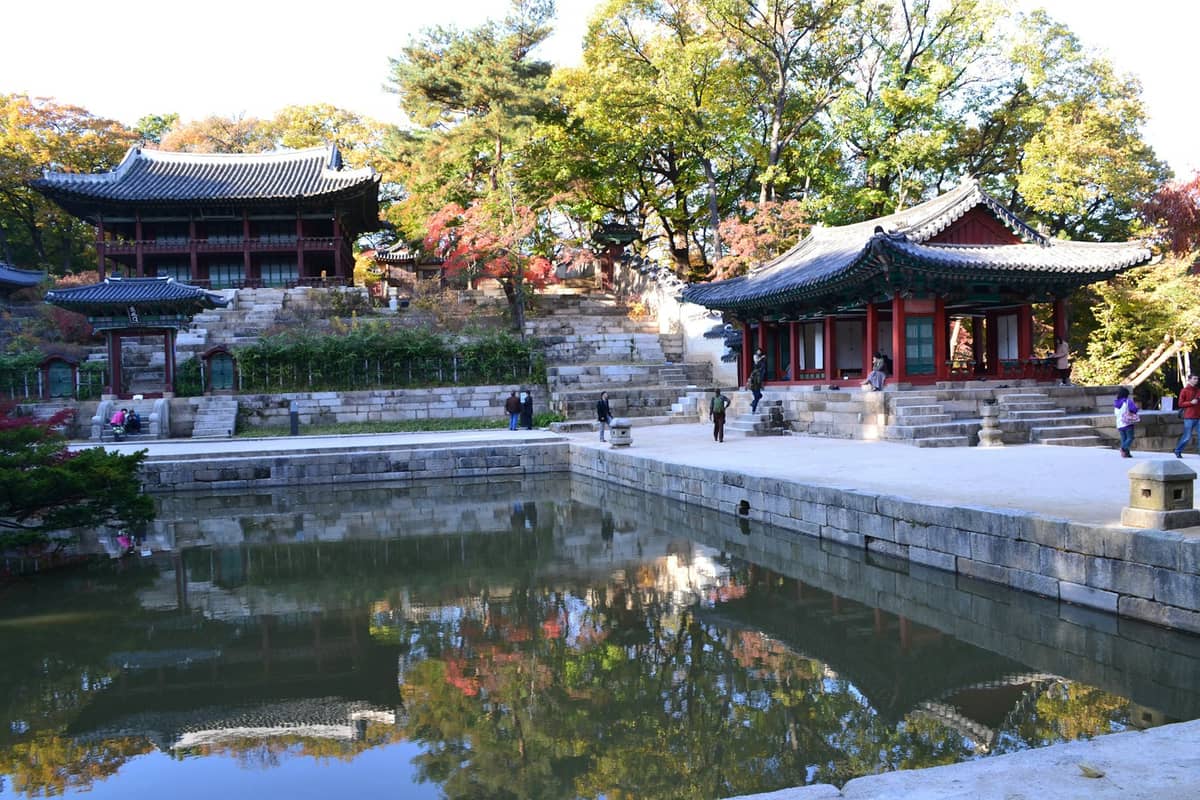
2. Tour the UNESCO-Listed Changdeokgung and Its Secret Garden
The best-preserved of the five and the only UNESCO World Heritage Site among them. The main palace complex (₩3,000) is impressive, but the real draw is Huwon, the 78-acre rear garden of pavilions, lotus ponds, and ancient trees, accessible only by guided tour (₩5,000 extra). Book ahead.
Explore2. Tour the UNESCO-Listed Changdeokgung and Its Secret Garden
The best-preserved of the five and the only UNESCO World Heritage Site among them. The main palace complex (₩3,000) is impressive, but the real draw is Huwon, the 78-acre rear garden of pavilions, lotus ponds, and ancient trees, accessible only by guided tour (₩5,000 extra). Book ahead.
Explore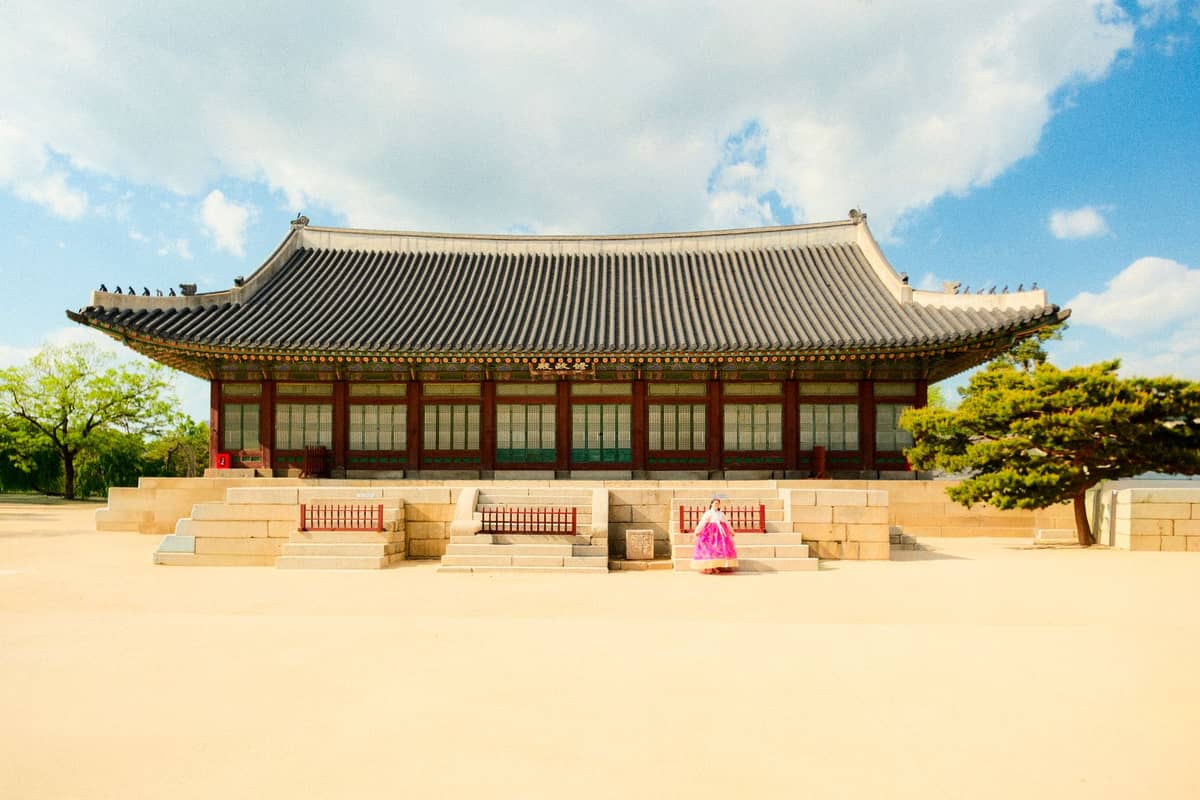
3. Explore the Quietest Palace: Changgyeonggung's Gardens and Greenhouse
Adjacent to Changdeokgung and connected by a shared wall, Changgyeonggung rewards visitors with far smaller crowds. Its Victorian-era greenhouse, botanical garden, and tranquil stone bridges give it a character unlike any other palace. Entry is just ₩1,000.
Explore3. Explore the Quietest Palace: Changgyeonggung's Gardens and Greenhouse
Adjacent to Changdeokgung and connected by a shared wall, Changgyeonggung rewards visitors with far smaller crowds. Its Victorian-era greenhouse, botanical garden, and tranquil stone bridges give it a character unlike any other palace. Entry is just ₩1,000.
Explore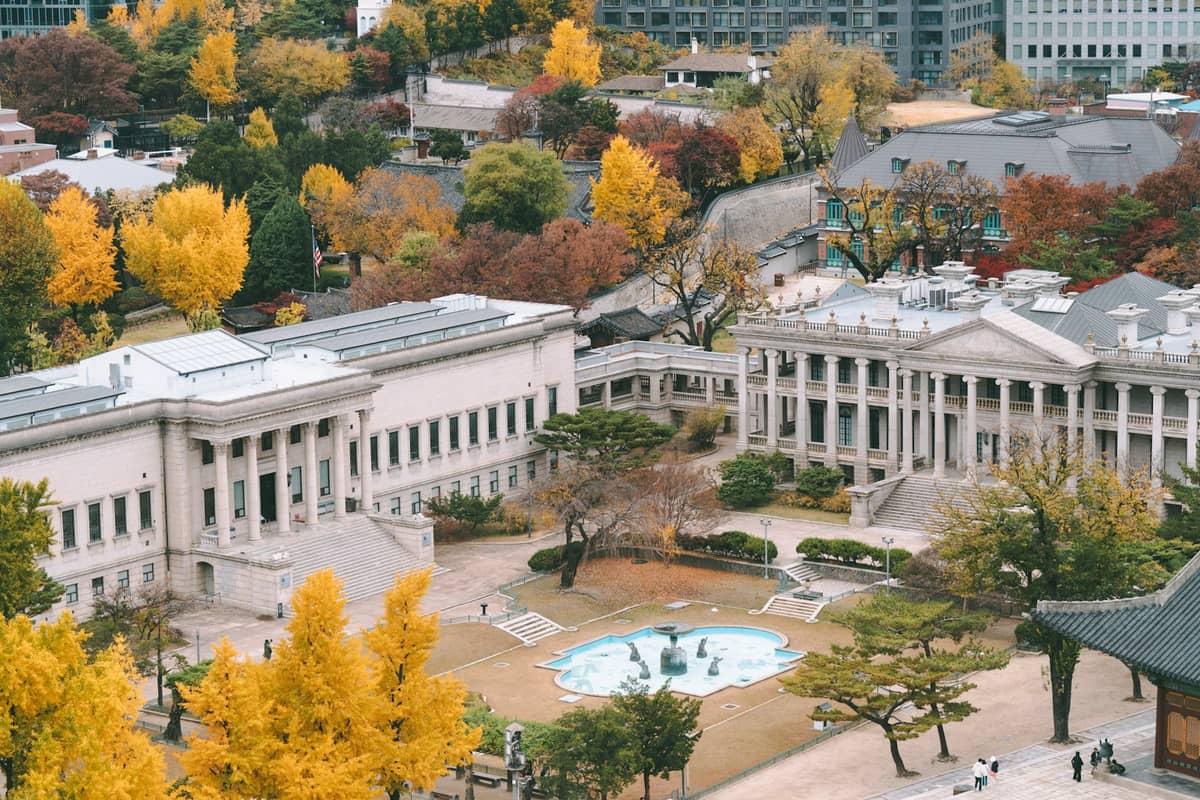
4. Visit Deoksugung for Its Unique Blend of East and West
Uniquely among the five, Deoksugung mixes traditional Korean throne halls with European-style stone pavilions built during Korea's fraught late-19th-century modernization. The famous Doldam-gil stone wall road wraps its perimeter, and the MMCA Deoksugung art museum sits just inside the gate.
Explore4. Visit Deoksugung for Its Unique Blend of East and West
Uniquely among the five, Deoksugung mixes traditional Korean throne halls with European-style stone pavilions built during Korea's fraught late-19th-century modernization. The famous Doldam-gil stone wall road wraps its perimeter, and the MMCA Deoksugung art museum sits just inside the gate.
Explore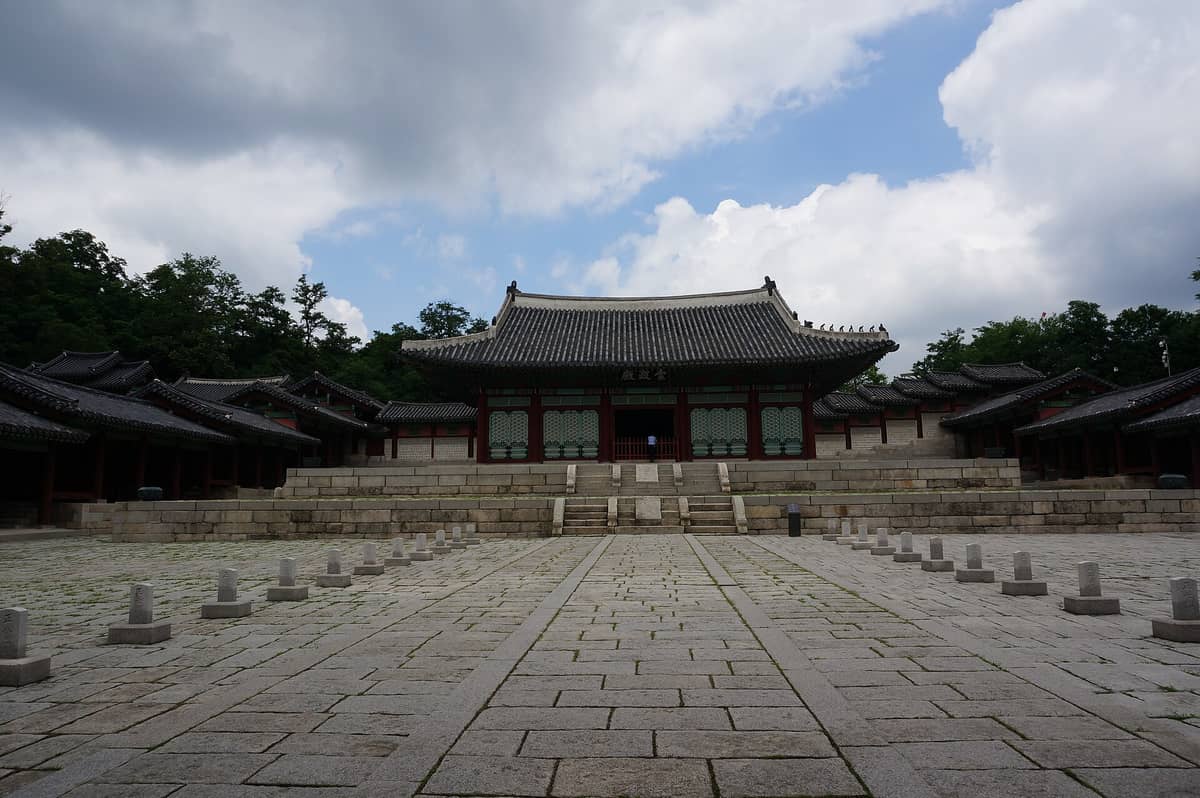
5. Discover Gyeonghuigung, the Palace Almost Nobody Visits
The most recently restored of the five, Gyeonghuigung sits quietly beside the Seoul Museum of History in central Seoul and sees a fraction of the foot traffic of its peers. It's a compact but satisfying visit for anyone completing the full set — and a calm contrast to Gyeongbokgung's crowds.
Explore5. Discover Gyeonghuigung, the Palace Almost Nobody Visits
The most recently restored of the five, Gyeonghuigung sits quietly beside the Seoul Museum of History in central Seoul and sees a fraction of the foot traffic of its peers. It's a compact but satisfying visit for anyone completing the full set — and a calm contrast to Gyeongbokgung's crowds.
ExploreThe Palace Precinct: Gates, Squares, and Royal Shrines
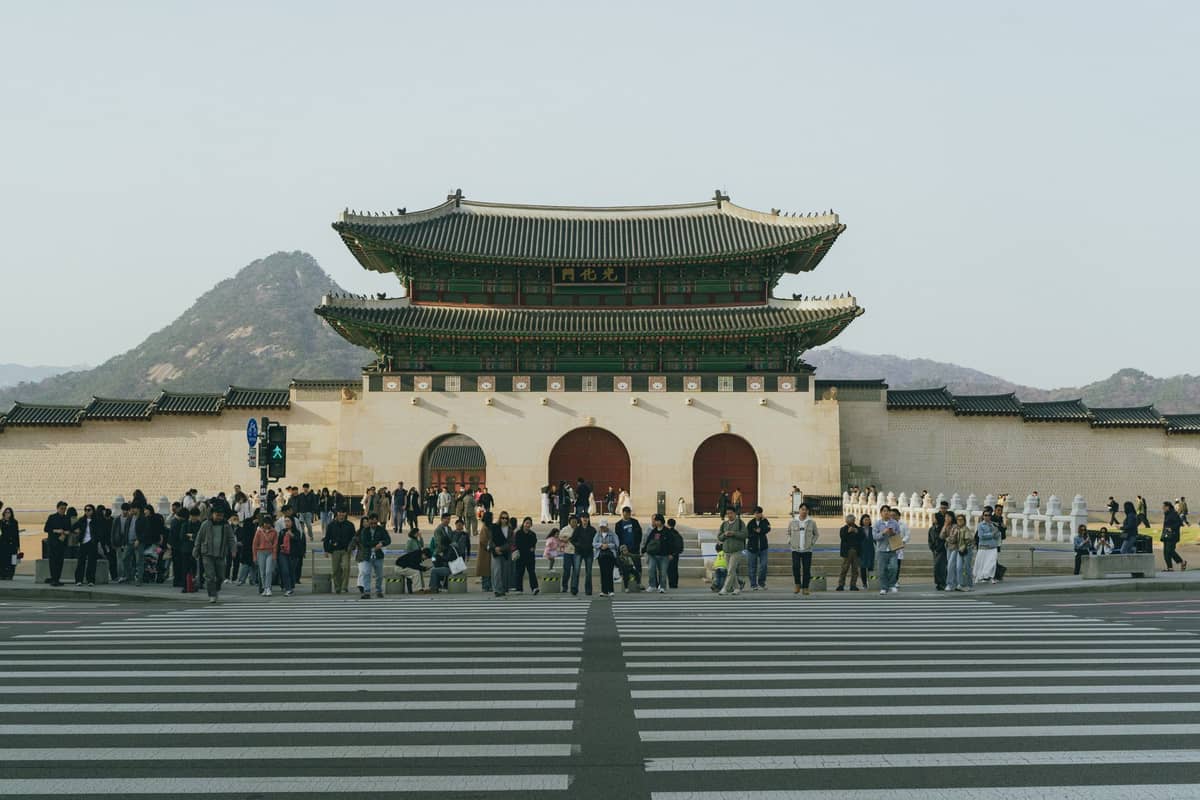
The palaces don't exist in isolation. The streets, gates, and ceremonial spaces around them are inseparable from the royal history of the city. Just north of Gyeongbokgung, the hanok villages of Bukchon and Seochon formed the residential neighborhoods of the Joseon aristocracy. To the south, Gwanghwamun Square served as the ceremonial approach to the palace. And a short walk east, Jongmyo Shrine preserved the spiritual heart of the dynasty. Plan to spend at least a half-day in this wider precinct.
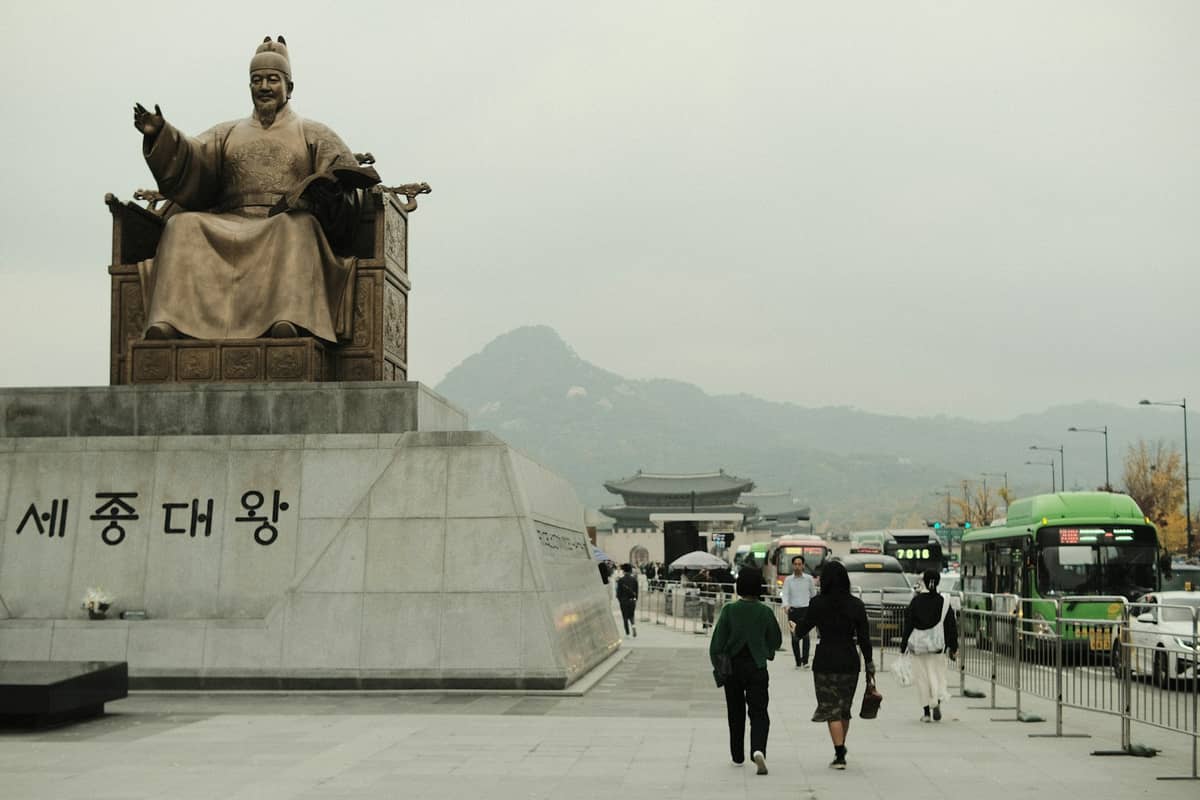
6. Walk Gwanghwamun Square, the Grand Approach to Gyeongbokgung
The broad ceremonial boulevard stretching south from Gyeongbokgung's main gate is anchored by statues of Admiral Yi Sun-sin and King Sejong. It's Seoul's primary civic space and the correct, dramatic way to approach the palace — don't arrive through the side entrance.
Explore6. Walk Gwanghwamun Square, the Grand Approach to Gyeongbokgung
The broad ceremonial boulevard stretching south from Gyeongbokgung's main gate is anchored by statues of Admiral Yi Sun-sin and King Sejong. It's Seoul's primary civic space and the correct, dramatic way to approach the palace — don't arrive through the side entrance.
Explore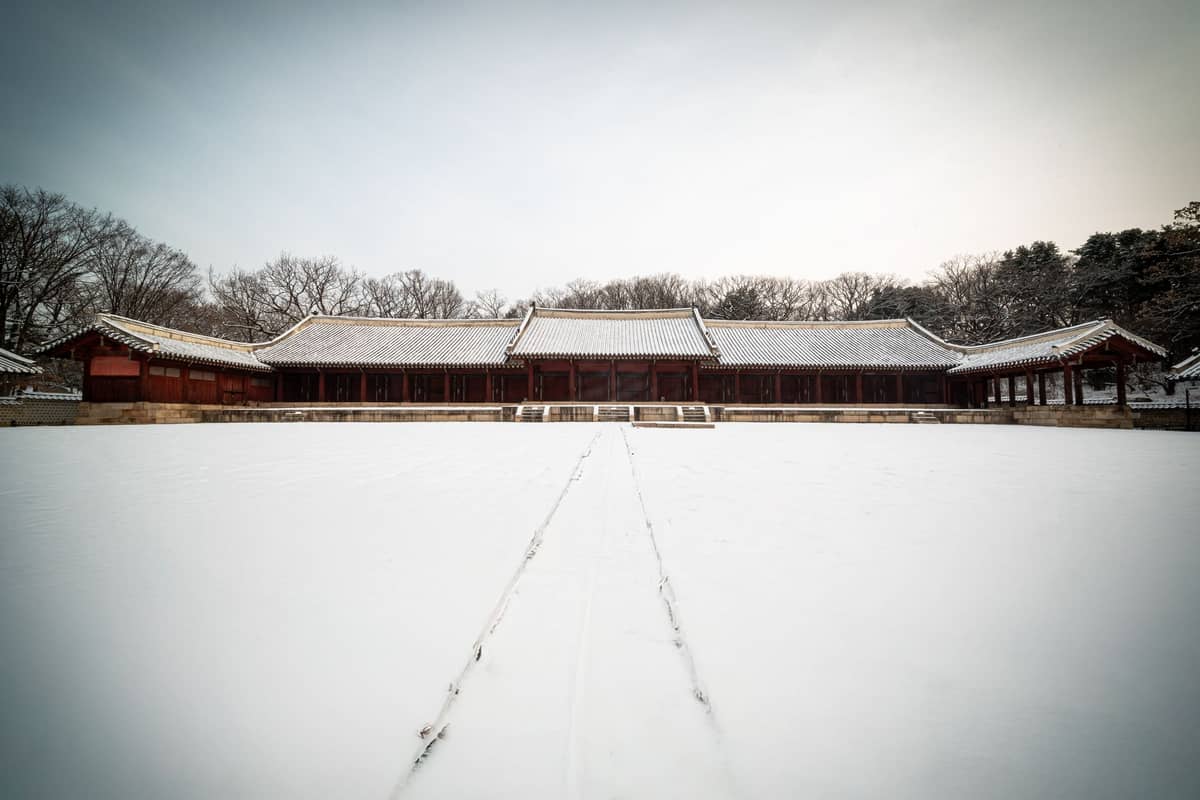
7. Pay Respect at Jongmyo, the Joseon Dynasty's Royal Shrine
A UNESCO World Heritage Site and one of the world's oldest surviving Confucian royal shrines, Jongmyo houses the spirit tablets of Joseon kings and queens. The main hall, Jeongjeon, is austere and deeply affecting. The annual Jongmyo Daeje ritual in May is one of Korea's most important living ceremonies.
Explore7. Pay Respect at Jongmyo, the Joseon Dynasty's Royal Shrine
A UNESCO World Heritage Site and one of the world's oldest surviving Confucian royal shrines, Jongmyo houses the spirit tablets of Joseon kings and queens. The main hall, Jeongjeon, is austere and deeply affecting. The annual Jongmyo Daeje ritual in May is one of Korea's most important living ceremonies.
Explore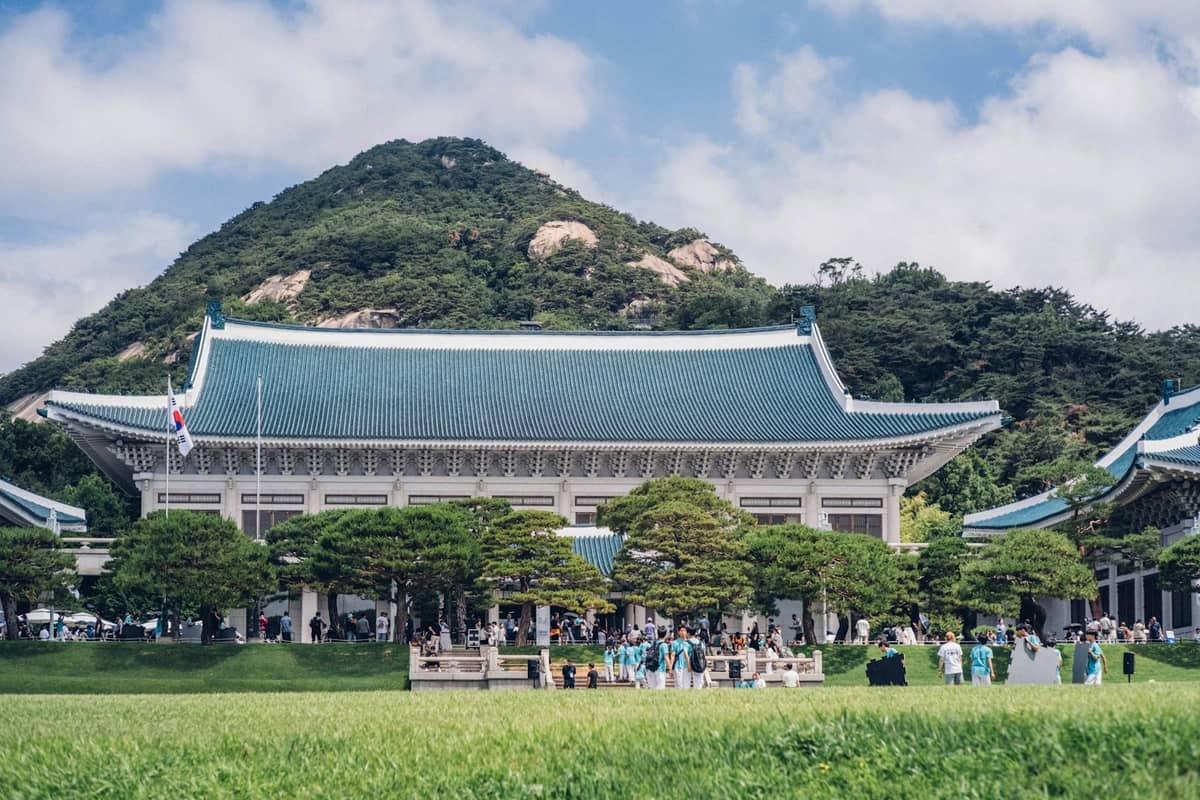
8. Tour Cheong Wa Dae, the Former Presidential Residence Behind Gyeongbokgung
Opened to the public in 2022 after 74 years as a restricted presidential compound, the Blue House sits directly behind Gyeongbokgung. The iconic blue-tiled main building, traditional gardens, and views of Bugaksan Mountain make it one of the most rewarding recent additions to Seoul's palace circuit.
Explore8. Tour Cheong Wa Dae, the Former Presidential Residence Behind Gyeongbokgung
Opened to the public in 2022 after 74 years as a restricted presidential compound, the Blue House sits directly behind Gyeongbokgung. The iconic blue-tiled main building, traditional gardens, and views of Bugaksan Mountain make it one of the most rewarding recent additions to Seoul's palace circuit.
Explore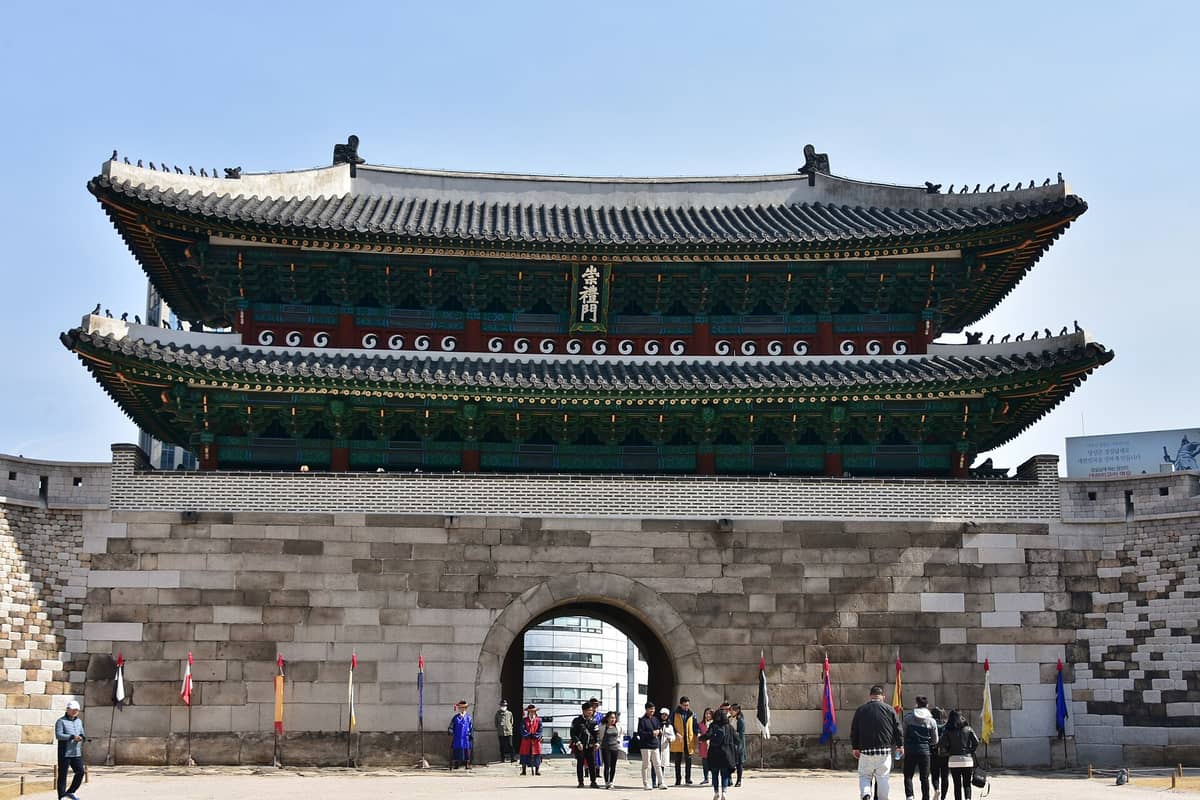
9. See Sungnyemun Gate, a designated Treasure
The southern gate of the Joseon capital wall, Sungnyemun is the oldest surviving wooden gate structure in Seoul and Korea's officially designated National Treasure No. 1. It sits near Deoksugung and fits naturally into a walking route between the palace and Namdaemun Market.
Explore9. See Sungnyemun Gate, a designated Treasure
The southern gate of the Joseon capital wall, Sungnyemun is the oldest surviving wooden gate structure in Seoul and Korea's officially designated National Treasure No. 1. It sits near Deoksugung and fits naturally into a walking route between the palace and Namdaemun Market.
Explore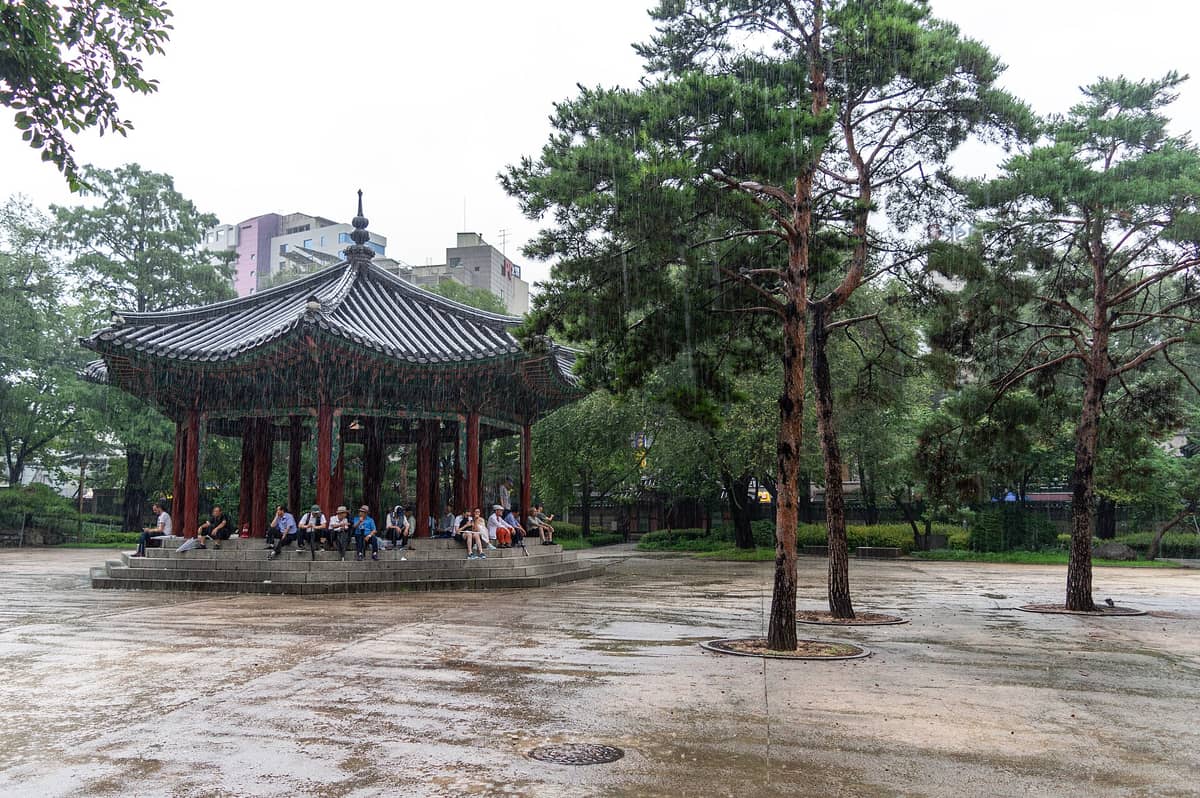
10. Stop at Tapgol Park, Where Korea's Independence Movement Was Born
Korea's first modern public park, historically significant as the site where the March 1st Independence Movement declaration was read in 1919. The Wongaksa Pagoda at its center is a masterpiece of Joseon stone carving. It's a five-minute walk from Jongmyo Shrine and easy to include in a palace day.
Explore10. Stop at Tapgol Park, Where Korea's Independence Movement Was Born
Korea's first modern public park, historically significant as the site where the March 1st Independence Movement declaration was read in 1919. The Wongaksa Pagoda at its center is a masterpiece of Joseon stone carving. It's a five-minute walk from Jongmyo Shrine and easy to include in a palace day.
ExploreHanok Villages and Historic Neighborhoods Near the Palaces
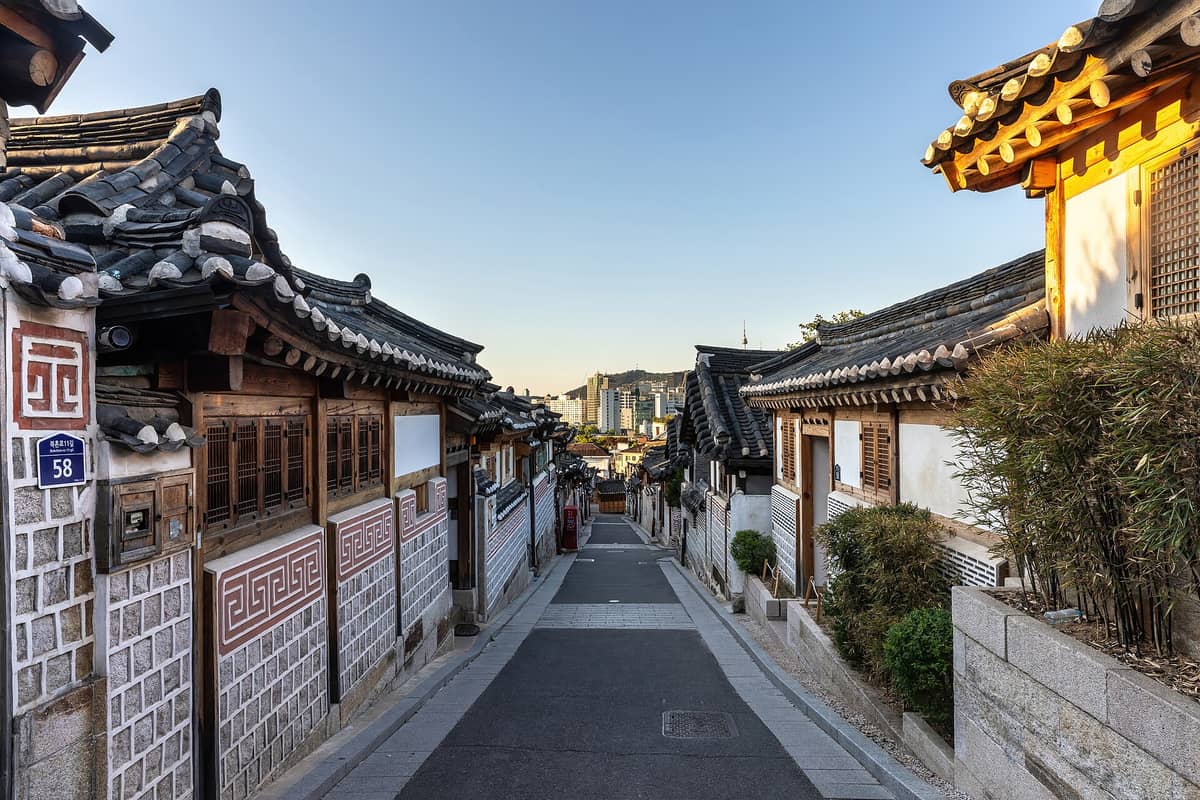
The neighborhoods flanking the palaces preserve the urban fabric of the Joseon era better than almost anywhere else in Seoul. Bukchon Hanok Village sits on the ridge between Gyeongbokgung and Changdeokgung; Seochon Village spreads west of Gyeongbokgung; and Ikseon-dong offers a more contemporary take on hanok life. These areas are best explored on foot in the morning, before the day-tour groups arrive. See our detailed guide to Seoul's hanok villages for walking route suggestions.
11. Walk Bukchon Hanok Village, the Hillside Between Two Palaces
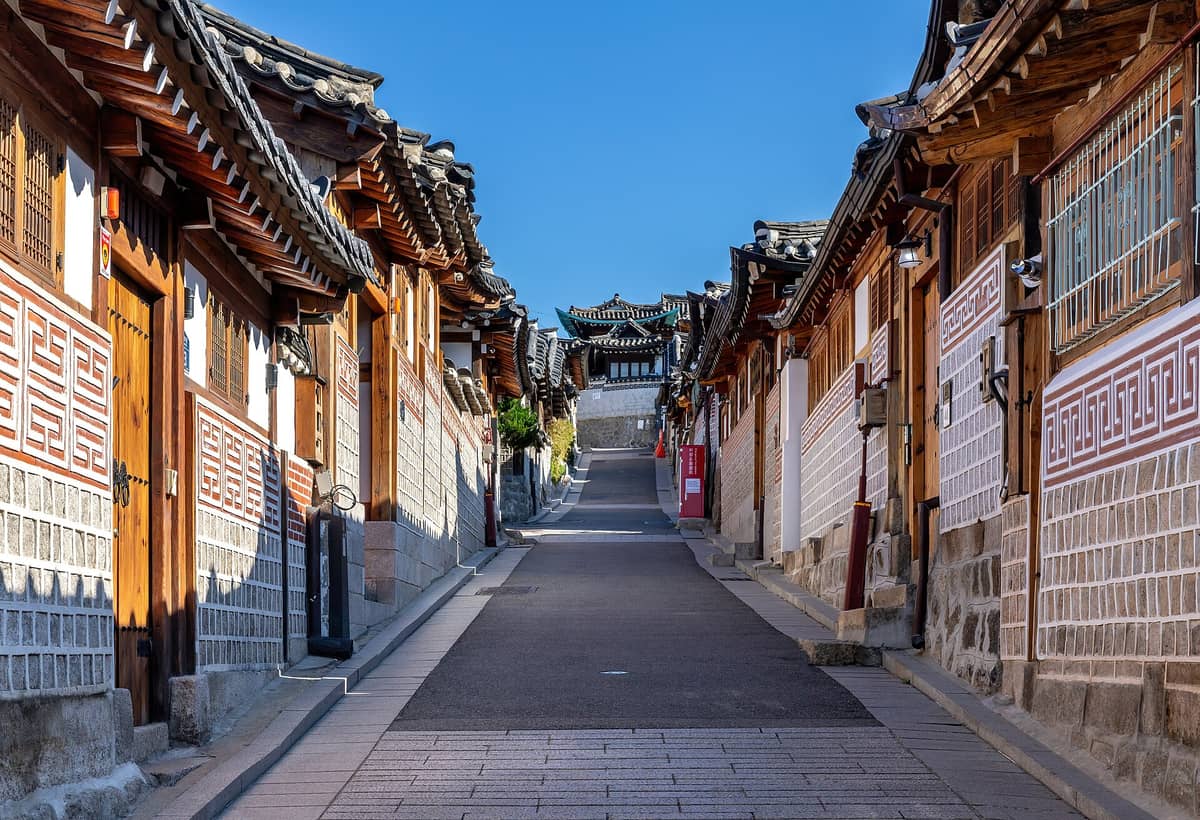
Over 900 traditional hanok houses line the steep alleys of Bukchon, perched on the hill between Gyeongbokgung and Changdeokgung. Alley 11 near Jae-dong is the classic viewpoint shot. Go at 10:00 opening to experience it more quietly — this is a residential neighborhood, so noise is genuinely an issue.
Explore11. Walk Bukchon Hanok Village, the Hillside Between Two Palaces
Over 900 traditional hanok houses line the steep alleys of Bukchon, perched on the hill between Gyeongbokgung and Changdeokgung. Alley 11 near Jae-dong is the classic viewpoint shot. Go at 10:00 opening to experience it more quietly — this is a residential neighborhood, so noise is genuinely an issue.
Explore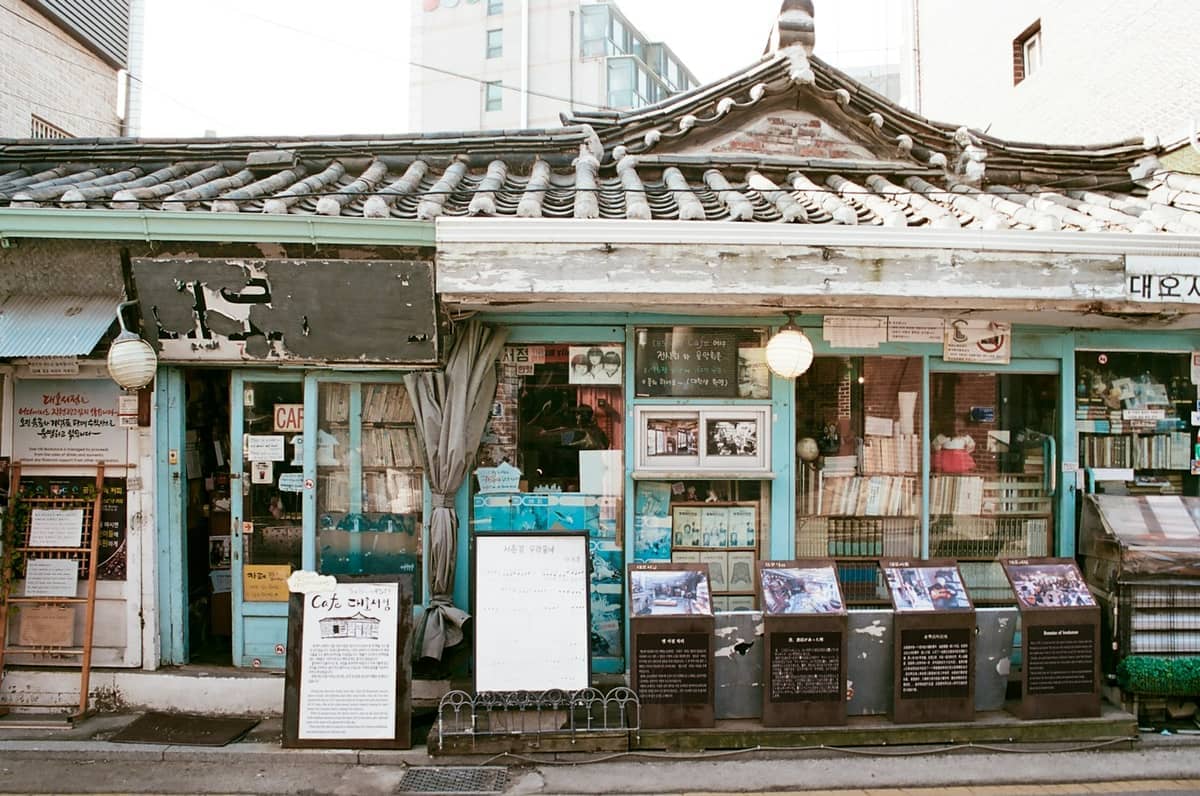
12. Explore Seochon, the Quieter Hanok Neighborhood West of the Palace
Seochon spreads west of Gyeongbokgung in a maze of narrow alleys and converted hanok houses. It has fewer tour groups than Bukchon and a stronger local character, with independent bookshops, art studios, and traditional cafés. It's a natural pairing with a morning at the palace.
Explore12. Explore Seochon, the Quieter Hanok Neighborhood West of the Palace
Seochon spreads west of Gyeongbokgung in a maze of narrow alleys and converted hanok houses. It has fewer tour groups than Bukchon and a stronger local character, with independent bookshops, art studios, and traditional cafés. It's a natural pairing with a morning at the palace.
Explore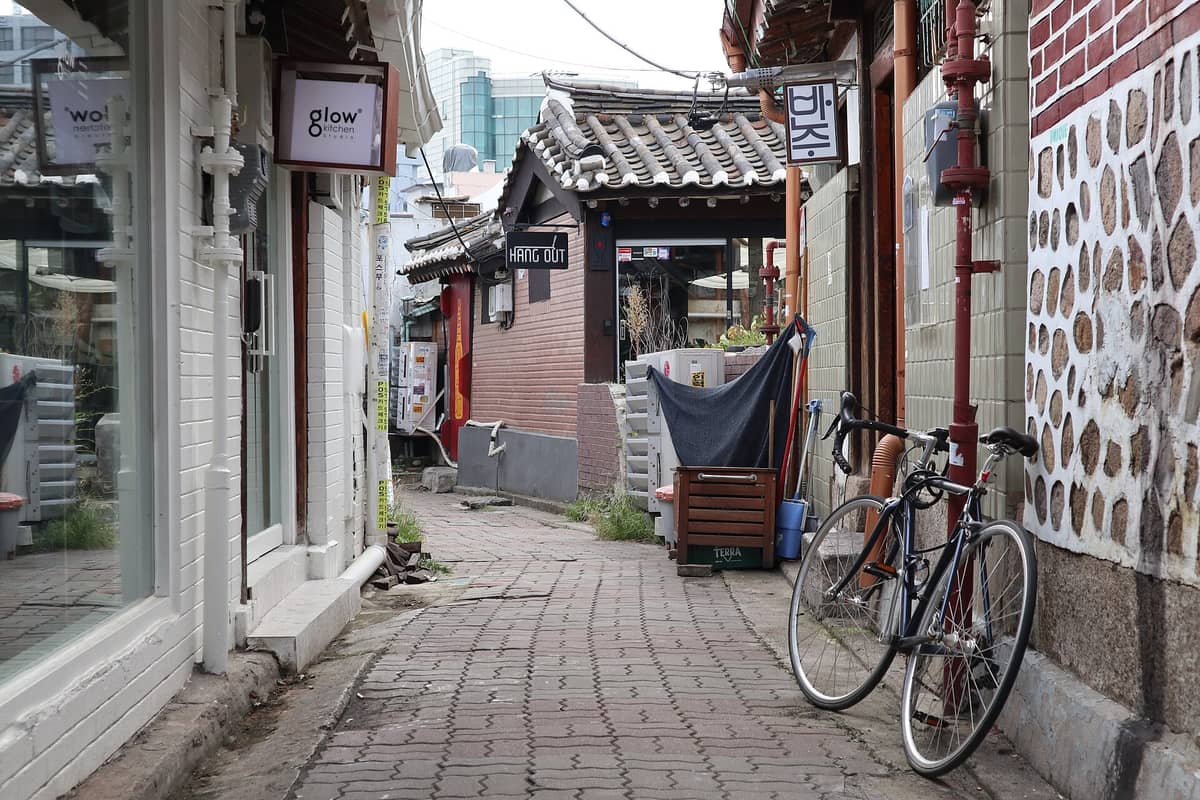
13. End the Day in Ikseon-dong's Hanok Bars and Cafés
A compact cluster of 1930s hanok houses converted into wine bars, cocktail spots, and specialty coffee shops near Jongno. Ikseon-dong gives the traditional architecture a contemporary energy that makes it the natural end to a palace and heritage day — particularly appealing from early evening onward.
Explore13. End the Day in Ikseon-dong's Hanok Bars and Cafés
A compact cluster of 1930s hanok houses converted into wine bars, cocktail spots, and specialty coffee shops near Jongno. Ikseon-dong gives the traditional architecture a contemporary energy that makes it the natural end to a palace and heritage day — particularly appealing from early evening onward.
ExploreMuseums and Cultural Sites in the Palace District
The palace precinct is also home to some of Seoul's finest museums, several of which are free. The best museums in Seoul guide covers them in more depth, but the three below are especially well-positioned for a palace visit and add important context to what you see inside the palace walls.
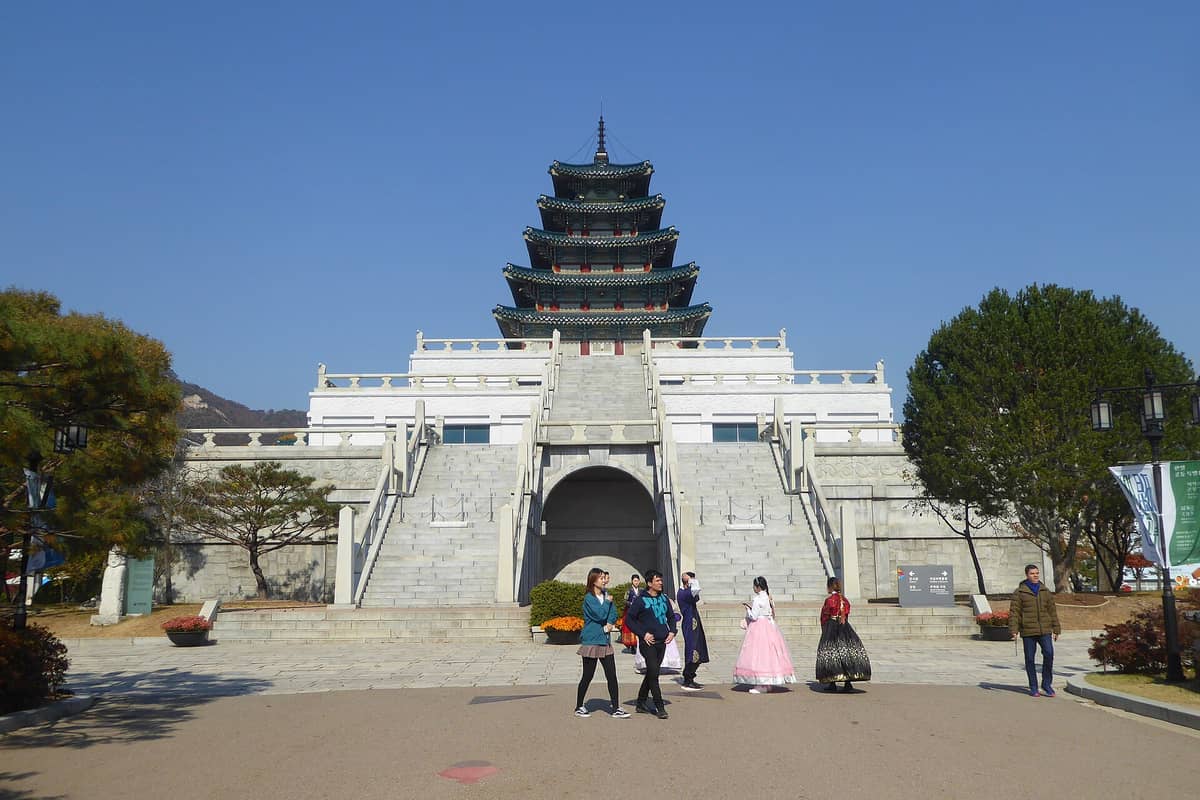
14. Visit the National Folk Museum Inside Gyeongbokgung's Grounds
Contained within the Gyeongbokgung complex, this engaging museum reconstructs daily life in Joseon Korea through full-scale village displays, seasonal folk exhibits, and artifact galleries. It adds essential context to the palace visit and is especially rewarding for first-time visitors to Korea.
Explore14. Visit the National Folk Museum Inside Gyeongbokgung's Grounds
Contained within the Gyeongbokgung complex, this engaging museum reconstructs daily life in Joseon Korea through full-scale village displays, seasonal folk exhibits, and artifact galleries. It adds essential context to the palace visit and is especially rewarding for first-time visitors to Korea.
Explore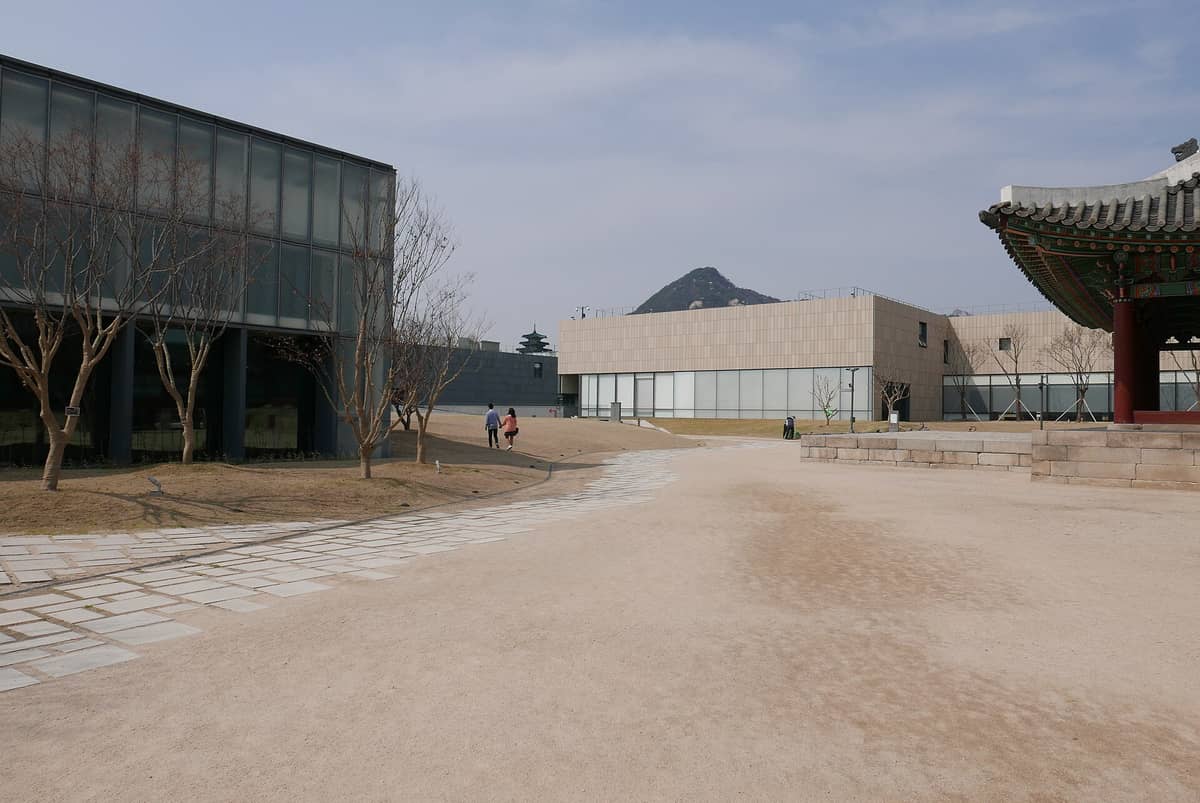
15. See Contemporary Korean Art at MMCA Seoul, Next to Gyeongbokgung
Korea's premier contemporary art museum occupies a beautifully converted historic compound a short walk from Gyeongbokgung. The architecture — a former military headquarters transformed into light-filled galleries — is as interesting as the rotating exhibitions inside. Entry is ₩4,000.
Explore15. See Contemporary Korean Art at MMCA Seoul, Next to Gyeongbokgung
Korea's premier contemporary art museum occupies a beautifully converted historic compound a short walk from Gyeongbokgung. The architecture — a former military headquarters transformed into light-filled galleries — is as interesting as the rotating exhibitions inside. Entry is ₩4,000.
Explore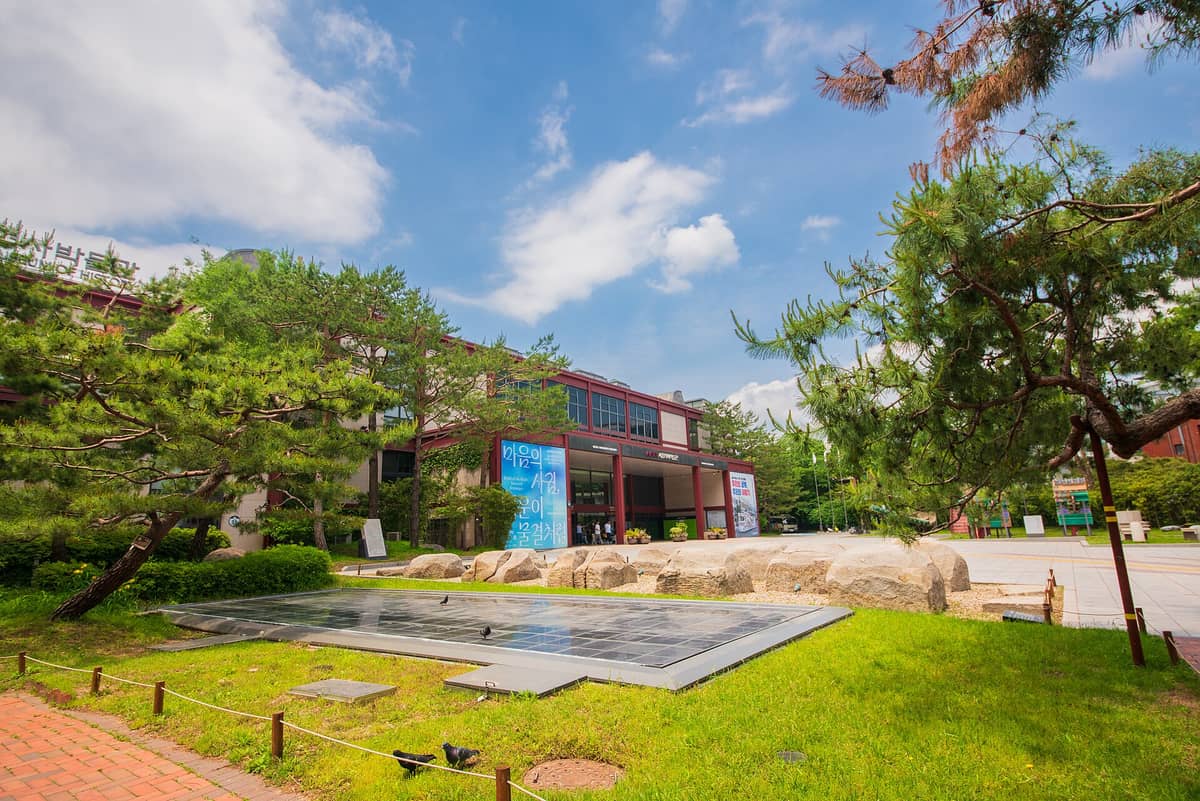
16. Understand the City's Transformation at the Seoul Museum of History
Free to enter and located directly beside Gyeonghuigung, this museum traces Seoul's evolution from Joseon capital to modern megacity. Its large-scale historical maps and models of old Seoul are particularly useful for visualizing how the palace district once dominated the entire city.
Explore16. Understand the City's Transformation at the Seoul Museum of History
Free to enter and located directly beside Gyeonghuigung, this museum traces Seoul's evolution from Joseon capital to modern megacity. Its large-scale historical maps and models of old Seoul are particularly useful for visualizing how the palace district once dominated the entire city.
Explore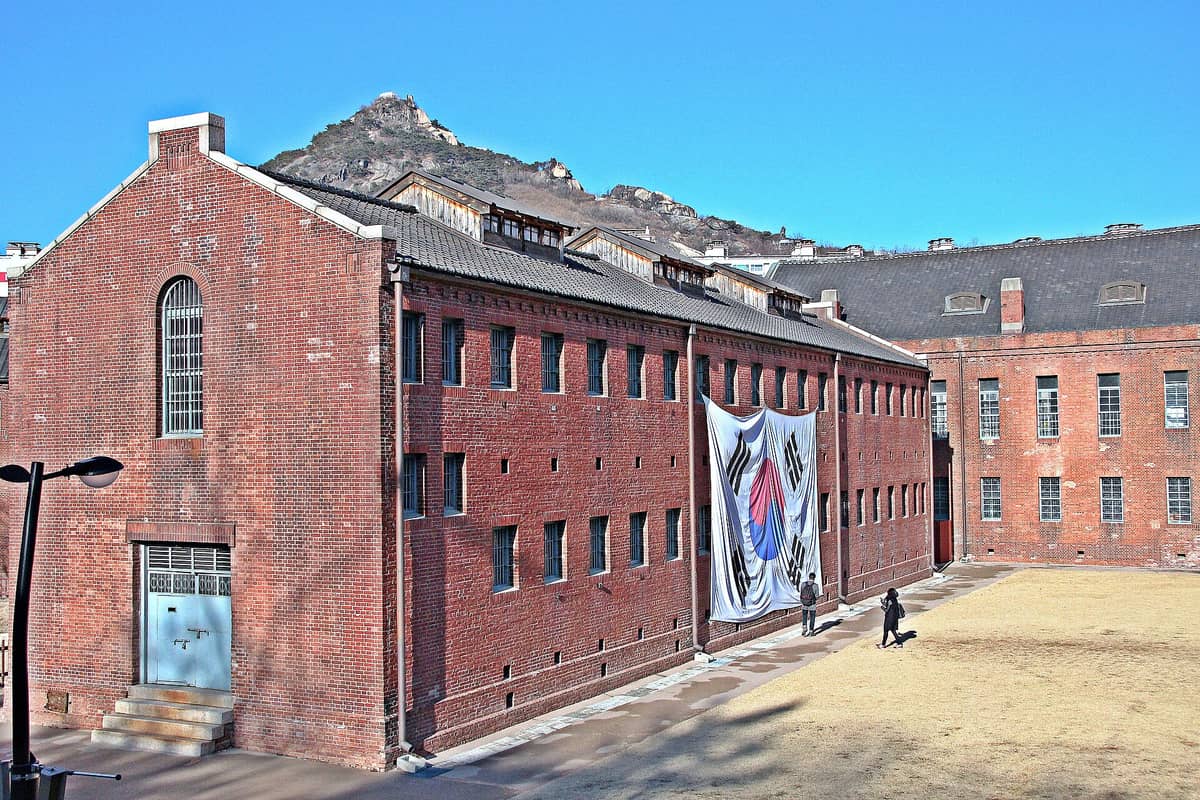
17. Reckon with Colonial History at Seodaemun Prison, a Short Walk from the Palaces
A preserved Japanese colonial-era prison that held Korean independence activists, located about 15 minutes on foot from Gyeonghuigung. It is one of Seoul's most important historical sites and provides a sobering but essential counterpoint to the royal glory of the palace circuit.
Explore17. Reckon with Colonial History at Seodaemun Prison, a Short Walk from the Palaces
A preserved Japanese colonial-era prison that held Korean independence activists, located about 15 minutes on foot from Gyeonghuigung. It is one of Seoul's most important historical sites and provides a sobering but essential counterpoint to the royal glory of the palace circuit.
ExploreTemples, Walls, and Hills Around the Palace District
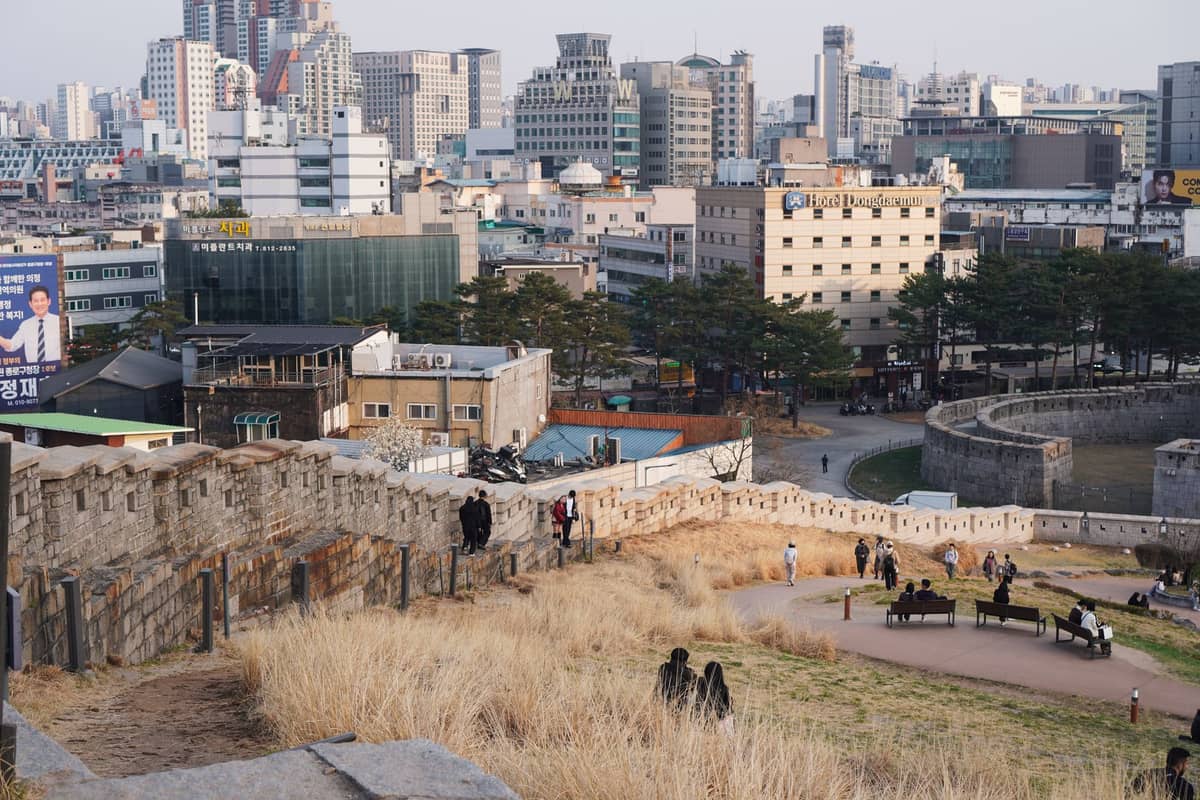
The Joseon capital was defined not just by its palaces but by the city wall that enclosed them and the mountains that framed the city. Several of these natural and architectural features are walkable from the palace gates. The hiking in Seoul guide covers the full Hanyangdoseong trail, which connects several of the sites below.
18. Walk the Original City Wall That Once Enclosed All Five Palaces
The 18.6km Hanyangdoseong wall was built in 1396 to protect the same Joseon capital the palaces were built to govern. The Naksan and Bugaksan sections near the palace district are the most historically intact. Even a one-hour stretch gives a completely different perspective on the royal city.
Explore18. Walk the Original City Wall That Once Enclosed All Five Palaces
The 18.6km Hanyangdoseong wall was built in 1396 to protect the same Joseon capital the palaces were built to govern. The Naksan and Bugaksan sections near the palace district are the most historically intact. Even a one-hour stretch gives a completely different perspective on the royal city.
Explore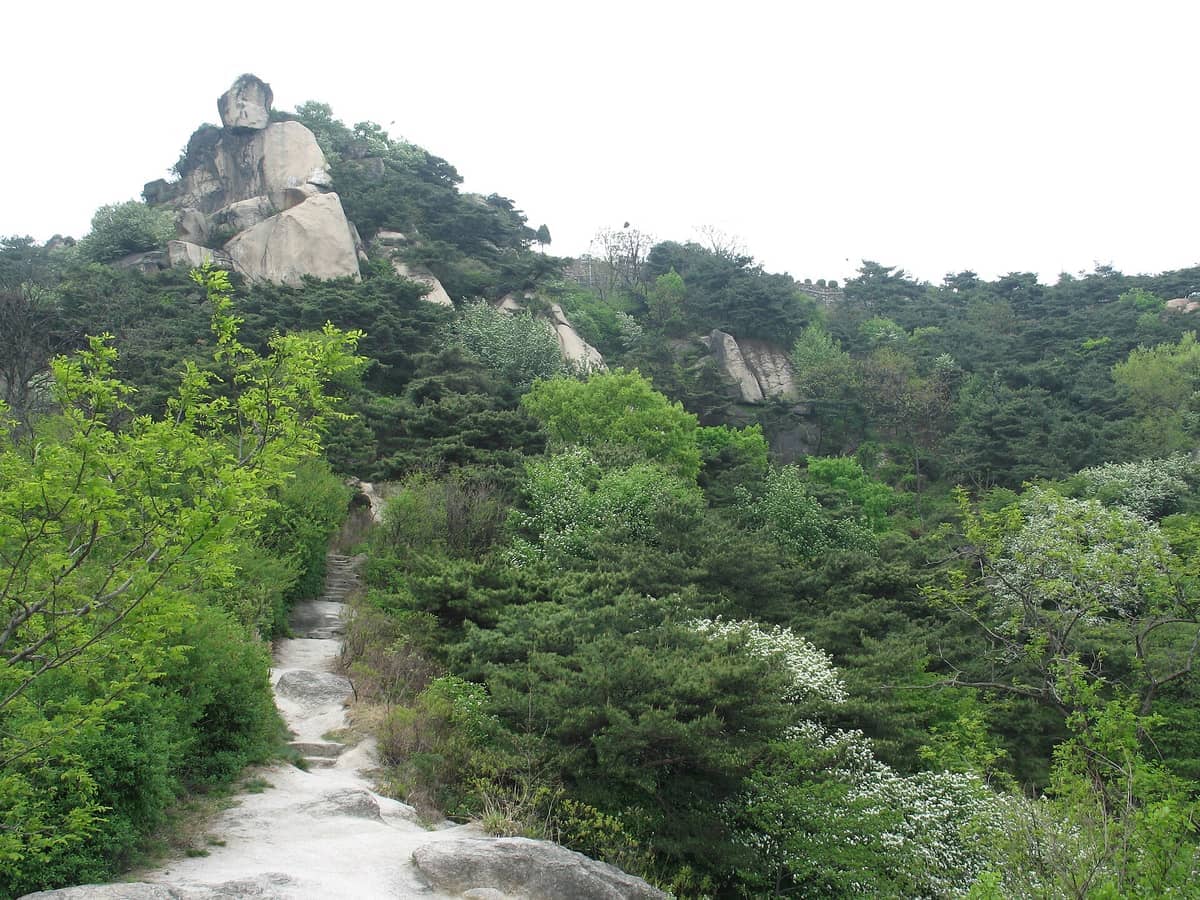
19. Hike Inwangsan for Dramatic Views Back Over the Palace District
Rising just west of Gyeongbokgung, Inwangsan's granite boulders and sections of the city wall offer striking views back over the palace rooflines toward Namsan. The shamanist shrines at Guksadang near the summit are an unexpected and atmospheric highlight of any palace-district hiking day.
Explore19. Hike Inwangsan for Dramatic Views Back Over the Palace District
Rising just west of Gyeongbokgung, Inwangsan's granite boulders and sections of the city wall offer striking views back over the palace rooflines toward Namsan. The shamanist shrines at Guksadang near the summit are an unexpected and atmospheric highlight of any palace-district hiking day.
Explore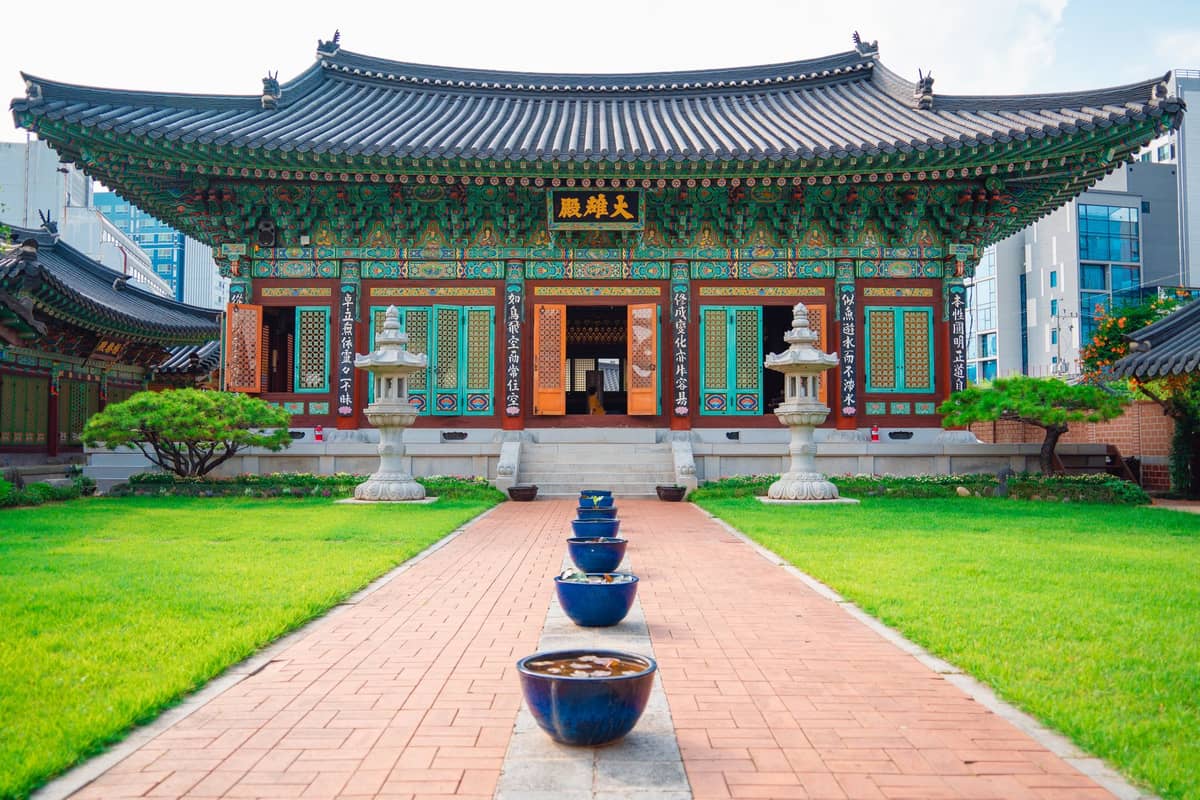
20. Visit Jogyesa Temple, the Heart of Korean Buddhism Near the Palaces
The head temple of Korean Buddhism sits on a quiet street between Gyeongbokgung and Jongmyo Shrine. Its ancient white pine and pagoda tree predate most of central Seoul's modern buildings. During Buddha's Birthday in May, the grounds fill with thousands of paper lanterns — one of the city's great seasonal spectacles.
Explore20. Visit Jogyesa Temple, the Heart of Korean Buddhism Near the Palaces
The head temple of Korean Buddhism sits on a quiet street between Gyeongbokgung and Jongmyo Shrine. Its ancient white pine and pagoda tree predate most of central Seoul's modern buildings. During Buddha's Birthday in May, the grounds fill with thousands of paper lanterns — one of the city's great seasonal spectacles.
Explore💡 Local tip
Combine a palace visit with Insa-dong's traditional craft street, a 10-minute walk southeast of Gyeongbokgung. It's a natural end to a heritage day, with tea houses, antique shops, and the Ssamziegil courtyard for souvenirs.
FAQ
Which of Seoul's five palaces should I visit if I only have time for one?
Gyeongbokgung is the largest and most iconic, with the best-known gate and the changing of the guard ceremony. But Changdeokgung is arguably more rewarding: its Secret Garden guided tour is a genuine highlight, and it's the only palace in Seoul on the UNESCO World Heritage List. If you have a full day, do both.
How much does it cost to visit all five palaces in Seoul?
Individual tickets are around ₩3,000 for Gyeongbokgung and Changdeokgung, ₩1,000 for Changgyeonggung and Deoksugung, and Gyeonghuigung is free. A combined ticket covering four palaces plus Jongmyo Shrine is available and valid for three months. Changdeokgung's Secret Garden is a separate ticket. Wearing hanbok grants free entry to all five palaces. Verify current prices before visiting.
What days are Seoul's palaces closed?
Gyeongbokgung closes on Tuesdays. Changdeokgung, Changgyeonggung, Deoksugung, and Gyeonghuigung all close on Mondays. Plan your palace itinerary around these closures. The last Wednesday of each month is Culture Day, when entry to the palaces is free.
What is the best time of year to visit Seoul's palaces?
Spring (April to May) and autumn (September to October) are the most popular seasons. Spring brings cherry blossoms and azaleas to the palace grounds; autumn fills them with turning foliage. Summer has the longest opening hours but also the most heat and humidity. Winter is cold but uncrowded and often strikingly beautiful with snow on the traditional rooftiles.
Can I visit Seoul's five palaces in one day?
It's physically possible to see all five exterior grounds in one long day, but you won't do justice to any of them. A better approach: spend a full day on Gyeongbokgung and Changdeokgung (with Secret Garden tour), visit Changgyeonggung on the same ticket route the next morning, then fit Deoksugung and Gyeonghuigung into an afternoon. Two days is the comfortable minimum for the complete set.