Hanbok Rental & Experience in Seoul: Where to Dress Up
Renting a hanbok in Seoul is one of the most photogenic things you can do in the city, and it costs less than a decent lunch. This guide covers where to rent, how much to pay, what to expect, and how to get the most out of your few hours in traditional dress.
Plan and book this trip
Tools from our partner Travelpayouts help you compare flights and hotels. If you book through them, we may earn a commission at no extra cost to you.
Flights
Hotels map
TL;DR
- Hanbok rentals typically cost ₩15,000–₩32,000 for 2–4 hours or a full day, depending on the shop and style.
- The highest concentration of rental shops is near Gyeongbokgung Palace and Bukchon Hanok Village, which are also the best backdrops for photos.
- Most shops open around 9:00–10:00 AM and require returns by closing time; 'all-day' rental is same-day, not 24 hours.
- Spring (April–May) and autumn (September–October) offer the most comfortable walking conditions and best light for outdoor photos.
- Wearing hanbok does not automatically grant free entry to all palaces — check each palace's current policy before assuming.
What Is Hanbok and Why Rent One in Seoul?
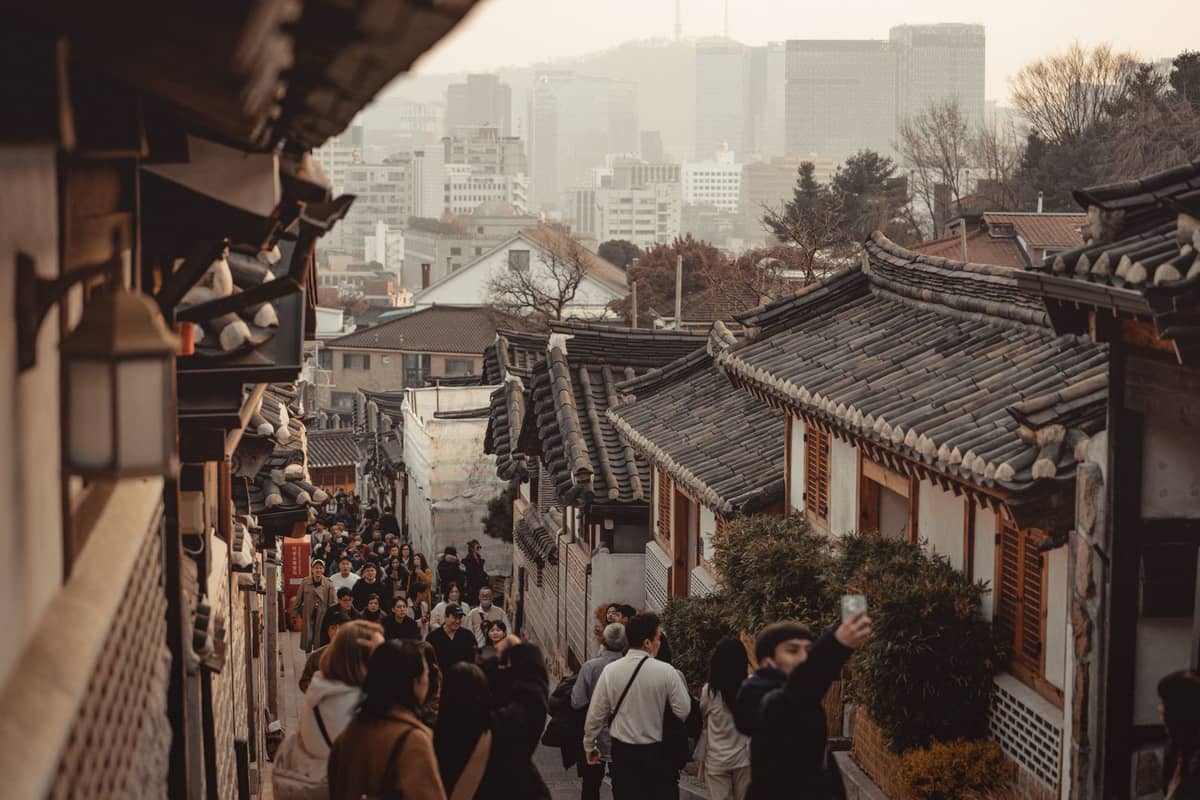
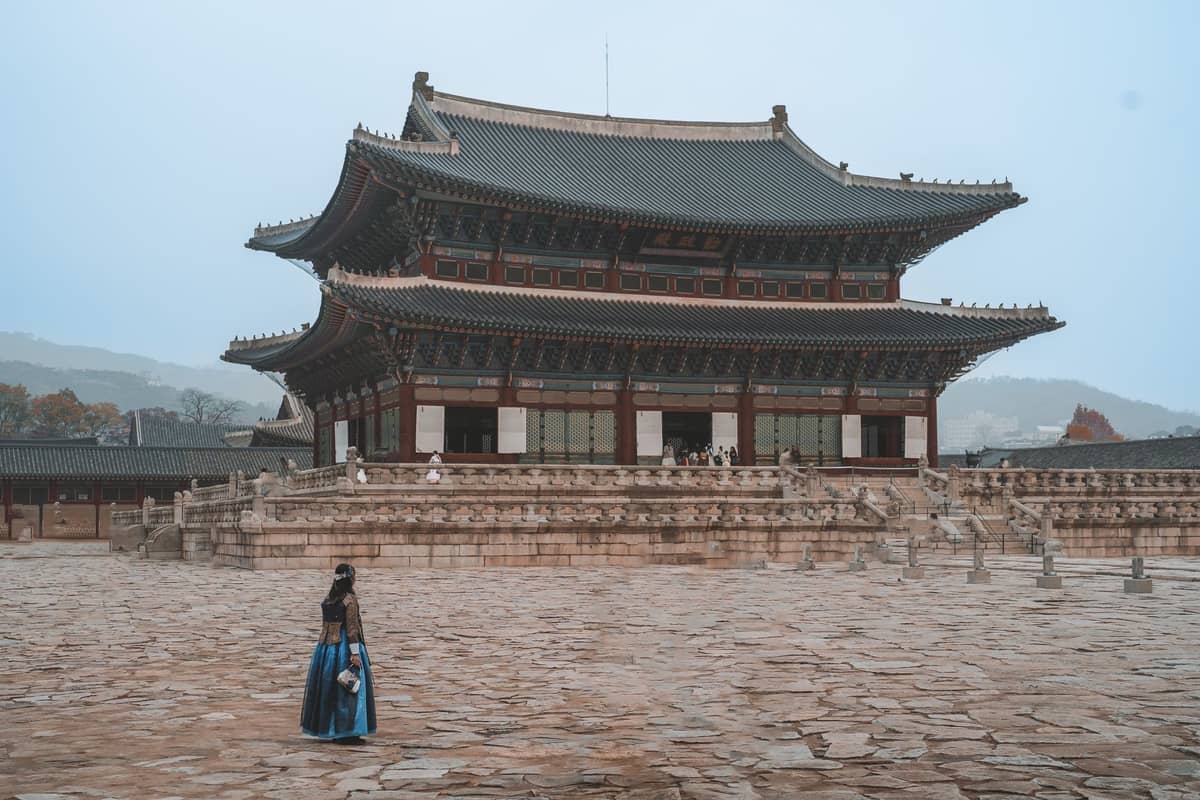
Hanbok (한복) is the traditional clothing of Korea, characterized by its flowing silhouette, bold colors, and deliberate simplicity of line. The women's version typically pairs a jeogori (short jacket) with a wide, high-waisted chima (skirt); the men's version pairs a longer jacket with baji (loose trousers). Modern rental hanbok are designed for comfort and photogenic appeal rather than historical accuracy, so expect lighter fabrics, synthetic materials, and a wider color range than you'd find in a museum.
Renting a hanbok is a genuinely enjoyable Seoul activity for most visitors, not just a tourist trap. The combination of traditional dress and Seoul's historic streetscapes creates a visual contrast that photographs exceptionally well. That said, it's worth being clear about what you're signing up for: it's a few hours of strolling through specific neighborhoods in costume, not a deep dive into Korean culture. Go in with the right expectations and you'll have a good time.
How Much Does Hanbok Rental Cost?
Pricing is fairly standardized across Seoul's main rental districts. Basic hanbok starts around ₩15,000–₩20,000 for a 2-hour slot, though most visitors opt for the 4-hour package, which typically runs ₩15,000–₩25,000. All-day rental, meaning a same-day window from opening until closing (often 9:00 AM to 6:00 PM or 7:00 PM), generally costs ₩25,000–₩40,000 depending on the shop.
- 2-hour rental Roughly ₩10,000–₩15,000 at most shops. Best for a quick photo session at the palace gates.
- 4-hour rental Roughly ₩15,000–₩32,000. The most popular choice — enough time to walk to Bukchon and back.
- All-day rental Roughly ₩25,000–₩40,000. Useful if you want to visit multiple neighborhoods. Return is same-day, tied to shop closing time.
- Overnight / 1 night 2 days Some shops like OneDay Hanbok offer this at around ₩40,000 and up, useful if you want morning light the next day.
- Premium and special hanbok Luxury fabrics, elaborate accessories, or royal-style sets cost more, often ₩40,000–₩80,000 or above.
⚠️ What to skip
'All-day' does not mean 24 hours. Most shops define it as a same-day return window tied to closing time, typically by 6:00 PM or 7:00 PM. If you book an all-day rental but start late, you lose time. Aim to pick up your hanbok as early as possible.
Most base prices include the main garment, accessories (a small hair ornament or bag), and help from staff with dressing and basic styling. Premium add-ons often cost extra: professional hair styling, elaborate headdresses, upgraded fabric, and professional photography packages are all separate line items at most shops. If you just want the dress-up and a walk, the base price covers everything you actually need.
Where to Rent: The Best Areas in Seoul
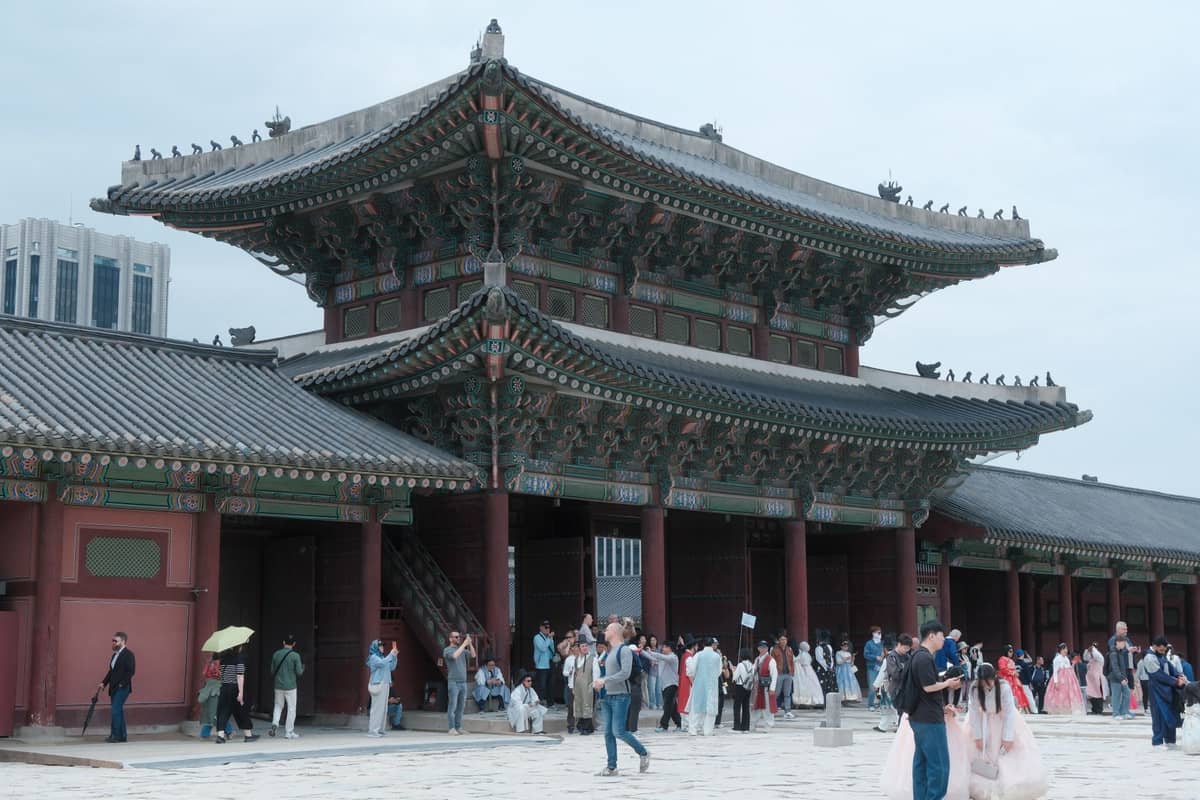
The overwhelming majority of hanbok rental shops cluster around two adjacent areas: the streets immediately north of Gyeongbokgung Palace and the lanes of Bukchon Hanok Village. This concentration exists because both locations offer the visual setting that makes hanbok photos work: stone palace walls, traditional tile-roofed hanok houses, and relatively car-free lanes.
- Gyeongbokgung area (Jongno-gu) The densest cluster of rental shops in Seoul. Dozens of shops line the streets between Gyeongbokgung Station (Line 3) and the palace's south gate. Competition keeps prices reasonable and wait times manageable if you arrive before 11:00 AM.
- Bukchon and Anguk area Slightly fewer shops than the Gyeongbokgung strip, but the historic streetscape here — particularly the steep lanes near Bukchon View Point — is arguably better for photography. A 10-minute walk from Anguk Station (Line 3).
- Insadong and Seochon A smaller number of shops serve visitors exploring the traditional culture district around Insadong and the quieter Seochon neighborhood west of the palace. Good option if you want to combine hanbok with gallery-hopping.
- Changdeokgung area Some shops near Changdeokgung Palace cater to visitors who prefer this UNESCO World Heritage site over the more crowded Gyeongbokgung. Fewer options, but less foot traffic.
💡 Local tip
If you're visiting Gyeongbokgung and Bukchon on the same day, rent your hanbok from a shop near Gyeongbokgung first thing in the morning. Walk north through the palace area, then up to Bukchon in the late morning before crowds peak. Return the hanbok before your afternoon activities.
For the full historic neighborhood experience, pairing your hanbok rental with a walk through Ikseon-dong Hanok Village or Seochon Village works particularly well. Both areas have narrow traditional lanes with good photo backdrops and are close enough to the main rental clusters to walk comfortably. Check our guide to hanok villages in Seoul for a fuller picture of the neighborhood options.
What to Expect: The Rental Process
Most shops follow a straightforward process. You arrive, choose your hanbok from racks organized by color and size, pay at the counter, and then a staff member helps you dress and adjust accessories. The whole process takes around 15–30 minutes depending on how busy the shop is and how indecisive you are about the color. Staff at popular shops near Gyeongbokgung almost always speak basic English and are practiced at helping international visitors.
Hair styling is where processes diverge. Some shops include a basic hair styling service (pinning hair up with traditional ornaments) in the base price; others charge an additional ₩5,000–₩15,000. If you have long hair and want the full look, ask about this before you book. Many visitors skip the upsell and simply pin their hair themselves after dressing.
✨ Pro tip
Book in advance through Klook, Creatrip, or Trazy if you're visiting during cherry blossom season (late March to mid-April) or autumn foliage season (mid-October to early November). Wait times at popular shops can exceed 30–45 minutes during peak periods, and some shops limit same-day walk-ins.
Lockers for your regular clothes and bags are standard at established shops. You will typically leave your items with the shop and collect them when you return the hanbok. Wear comfortable, flat shoes that you are happy walking several kilometers in — hanbok skirts are long and uneven cobblestone streets are common in the palace neighborhood. Sandals, clean sneakers, or low-heeled shoes all work.
Palace Entry and the Hanbok Discount: What's Actually True
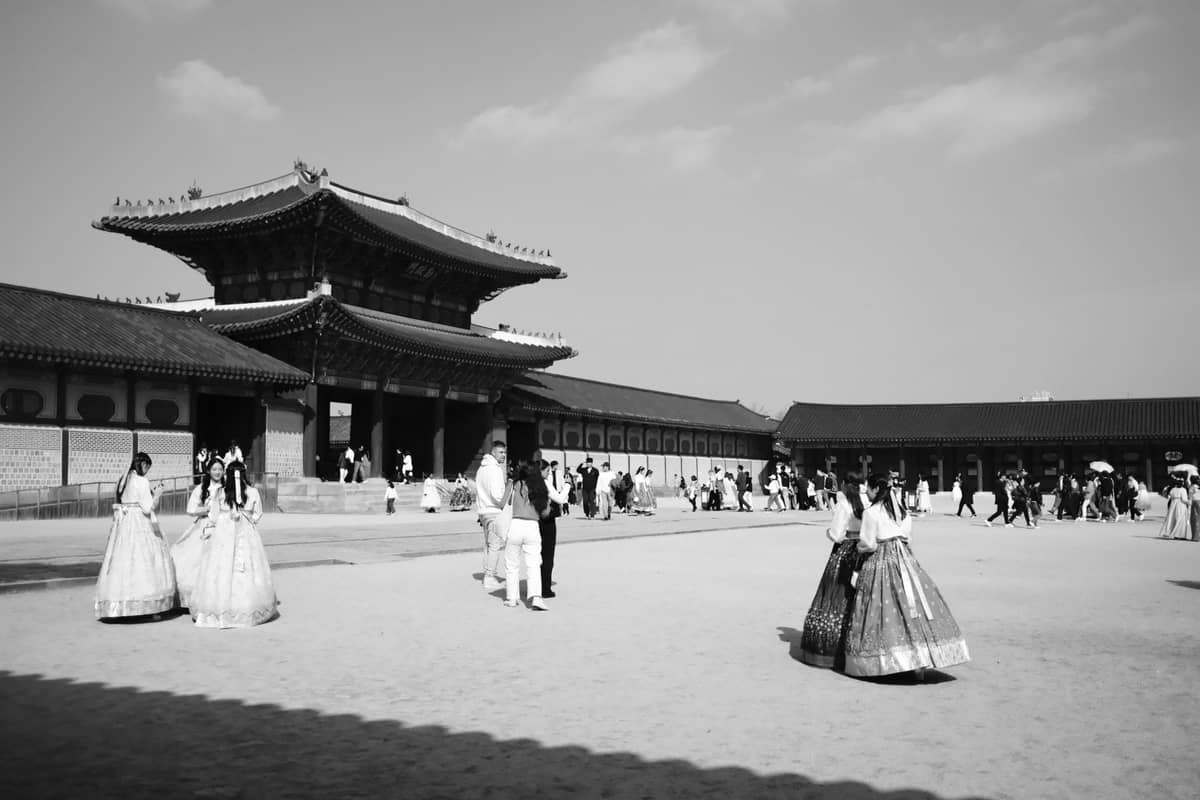
One of the most repeated claims about hanbok rental is that wearing one gets you free entry into Seoul's palaces. This is partly true and partly misleading. Several of Seoul's palaces, including Gyeongbokgung and Changdeokgung, have historically offered free admission to visitors in hanbok. However, this policy is not universal across all sites, is subject to change, and some palaces have modified or paused it at various points.
Before building free palace entry into your plan, check the current policy directly with the palace or through the Korea Cultural Heritage Administration. Seoul's palaces each operate independently, and what applies to Gyeongbokgung may not apply to Deoksugung or Changgyeonggung. Standard adult admission at most palaces runs ₩3,000–₩5,000, so this isn't a budget-breaking issue either way.
Best Time of Year for Hanbok Rental
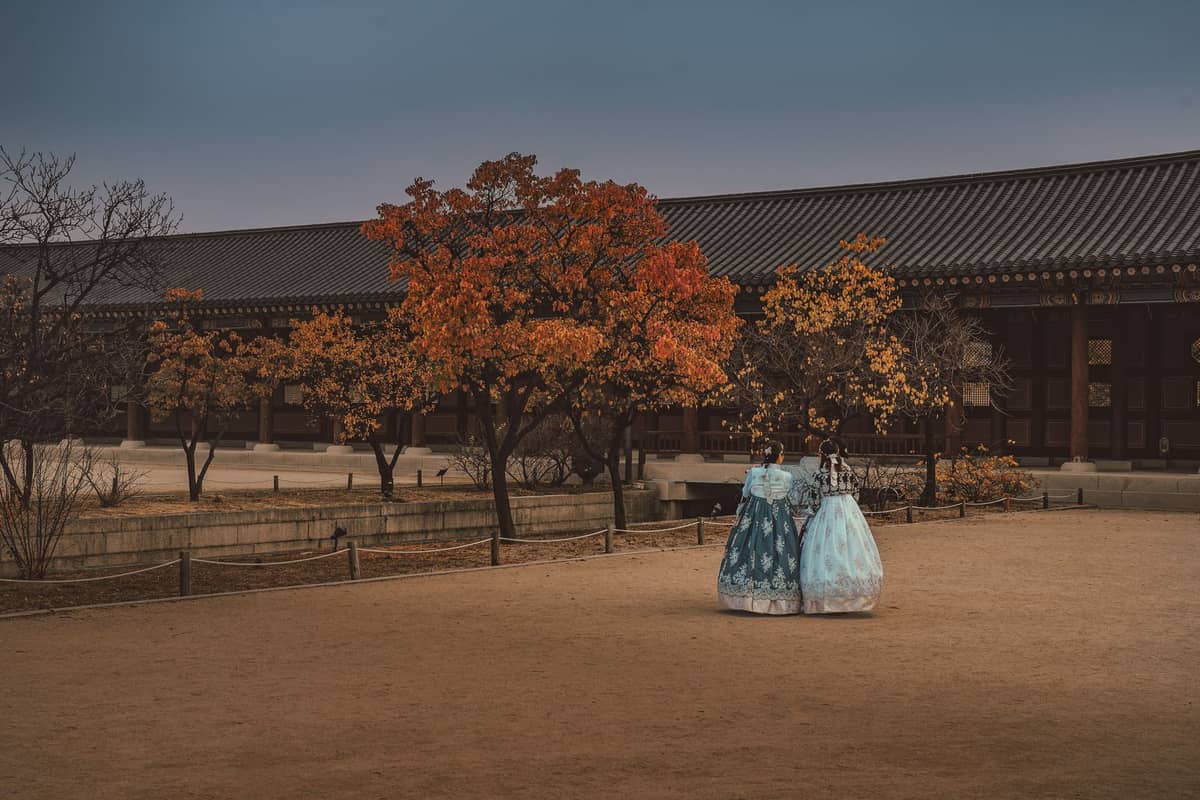
Hanbok rental operates year-round, but the experience varies significantly by season. Spring (April to May) and autumn (September to October) are the clear sweet spots. Temperatures of roughly 10–20°C make extended outdoor walking comfortable, natural light is favorable, and the surrounding landscapes — cherry blossoms in spring, red and gold foliage in autumn — add visual interest to photos.
Summer rental is possible but comes with tradeoffs. Seoul in July and August is hot and humid, often reaching 30°C or above, and wearing multiple layers of fabric is genuinely uncomfortable. If you visit during summer, plan your hanbok time for early morning (before 10:00 AM) when temperatures are lower. Winter rental attracts visitors who want the visual contrast of hanbok against snow or bare palace architecture, and some shops provide padded inner jackets. Check our guide to Seoul in winter for practical layering advice if you're considering a cold-season visit.
If you're visiting in spring specifically for the cherry blossoms, plan ahead — this is the busiest period for hanbok rentals. Shops near Gyeongbokgung and Bukchon can be packed by 11:00 AM on weekends in late March and early April. Read our full guide to Seoul in spring for timing details and neighborhood crowd patterns.
ℹ️ Good to know
Afternoon light (roughly 2:00–4:00 PM) is generally considered best for outdoor photography near the palace walls. Morning visits avoid the biggest crowds but can have harsher light. If photos are your main goal, aim for a 4-hour rental starting around noon.
- Book early in the morning on weekends and public holidays — peak demand hits between 10:00 AM and 1:00 PM.
- Use a pre-booking platform (Klook, Creatrip, Trazy) during peak seasons to skip the walk-in queue.
- Wear slip-on shoes or easily removable footwear; some shops require you to swap shoes.
- Bring a portable phone charger — you will take more photos than expected.
- Return the hanbok with at least 30 minutes to spare; late returns typically incur extra charges.
- Ask staff to demonstrate how to sit and manage the skirt on steps or uneven ground — it's easy once you know the technique.
- If you want your own camera or phone photography, the palace courtyard and the Bukchon View Point on Bukchon-ro 11-gil are the two most popular spots.
For visitors building a full day around this experience, combining hanbok rental with a visit to Gyeongbokgung Palace in the morning and lunch in the Insadong-Seochon area fits naturally into a single loop. Our 3-day Seoul itinerary places this combination on Day 1 for good reason: the neighborhood sequence is logical on foot and gives you a strong visual start to the trip.
FAQ
Do I need to book hanbok rental in advance?
Walk-ins are accepted at most shops, but advance booking is strongly recommended during peak seasons (late March to early May and mid-October to early November). Popular shops near Gyeongbokgung can have 30–45 minute waits on weekend mornings during cherry blossom season. Booking via Klook, Creatrip, or Trazy guarantees your slot and sometimes offers a small discount.
Does wearing hanbok get you free entry to Seoul's palaces?
Several palaces, including Gyeongbokgung and Changdeokgung, have historically offered discounted or free admission to hanbok wearers. However, this policy is not universal, applies differently at each palace, and is subject to change. Always verify the current policy at each palace before assuming free entry. Standard admission is ₩3,000–₩5,000 per palace if the policy doesn't apply.
How long should I rent the hanbok for?
A 4-hour rental is the most practical choice for most visitors. It gives you enough time to visit Gyeongbokgung, walk through Bukchon Hanok Village, and grab a coffee without rushing. A 2-hour rental is sufficient if you just want a quick photo session at the palace gates. All-day rental makes sense if you plan to cover multiple neighborhoods like Insadong and Seochon.
What should I wear under the hanbok?
Most rental shops provide the full outfit including undergarments or a base layer. In summer, wear thin, breathable clothing underneath as hanbok layers can be warm. In winter, a thin thermal base layer works well under the provided garments. Flat, comfortable shoes you can walk several kilometers in are essential — cobblestone streets around the palace area are uneven.
Can men rent hanbok too?
Yes. Men's hanbok (typically a jeogori jacket and baji trousers, sometimes with a traditional hat called a gat) is available at most rental shops near Gyeongbokgung. Pricing is generally the same as women's hanbok. Couples renting together is extremely common, and most shops accommodate this with a straightforward combined checkout process.