Best Markets in Seoul: Traditional, Flea & Night Markets
Seoul's market scene spans centuries and neighborhoods, from ancient covered halls serving mung bean pancakes to weekend flea markets spilling out under highway overpasses. This guide covers the best traditional, flea, and night markets in the city, with practical details on what to buy, what to eat, and when to go.
Plan and book this trip
Tools from our partner Travelpayouts help you compare flights and hotels. If you book through them, we may earn a commission at no extra cost to you.
Flights
Hotels map
Seoul has one of the most layered market cultures in Asia. The city's traditional markets predate the republic itself, and many have been operating continuously for centuries. For a deeper dive into the food side of market life, the Gwangjang Market food guide is essential reading. If you're planning your broader trip, the things to do in Seoul guide gives useful context for fitting markets into your itinerary. Markets are scattered across the city, so understanding how neighborhoods connect, covered in the getting around Seoul guide, will save you significant time.
💡 Local tip
Many Seoul markets close on Tuesdays, and several night markets and flea markets are seasonal (typically March–November) or cancelled in heavy rain. Always check current hours before visiting.
Traditional Markets
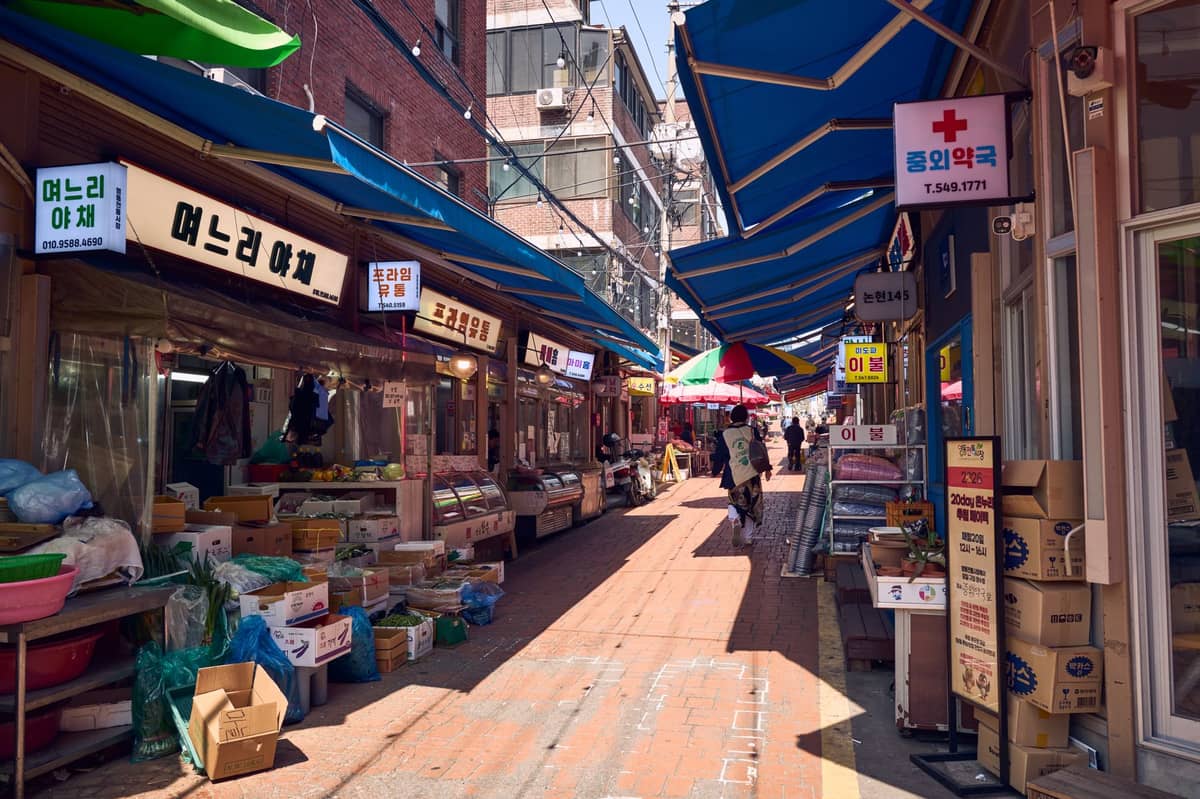
Seoul's traditional markets (재래시장) are the backbone of the city's commerce and food culture. They range from enormous wholesale complexes to intimate neighborhood halls that have barely changed in decades. The Jongno-Bukchon area holds the highest concentration of historic markets, while Myeongdong and Jung-gu anchor the city's oldest surviving commercial district.
1. Eat Your Way Through Korea's Oldest Market at Gwangjang
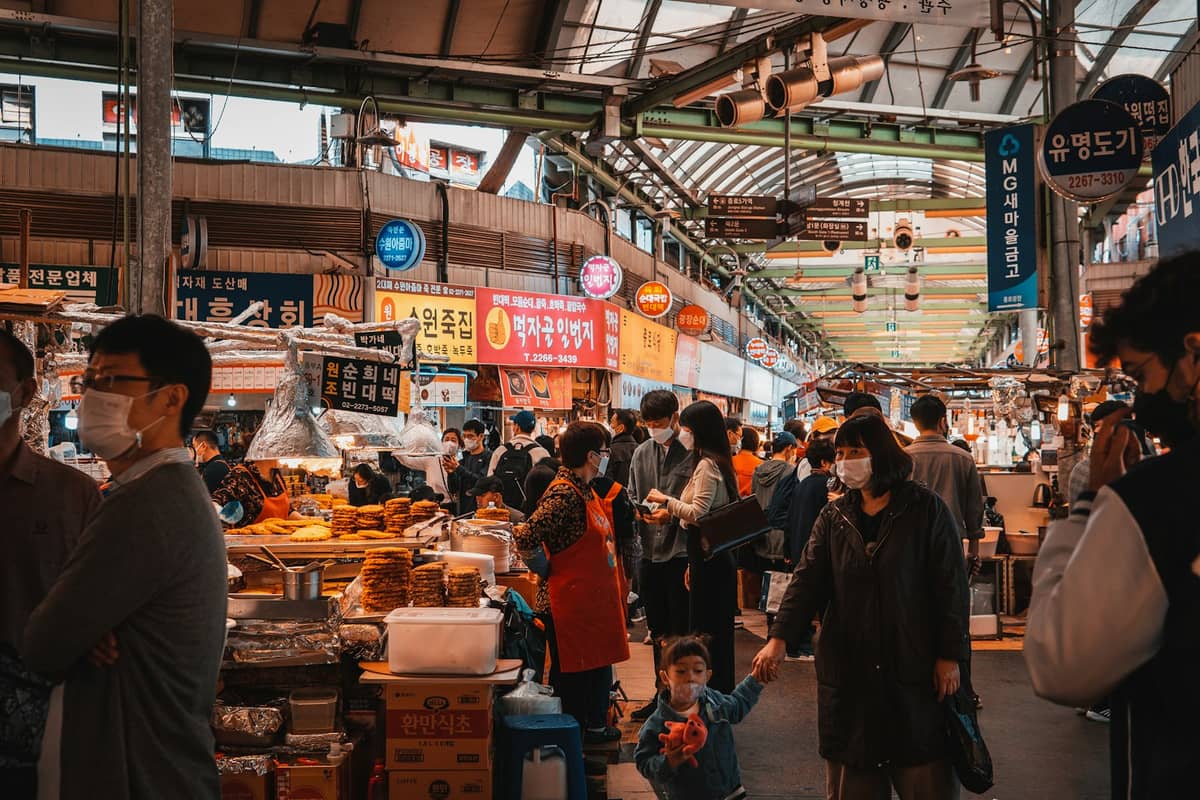
Gwangjang Market is the best single stop for traditional street food. Come hungry for bindaetteok, mayak gimbap, and yukhoe (raw beef). Main stalls open 10:00–22:00; some food stalls run until midnight.
Explore1. Eat Your Way Through Korea's Oldest Market at Gwangjang
Gwangjang Market is the best single stop for traditional street food. Come hungry for bindaetteok, mayak gimbap, and yukhoe (raw beef). Main stalls open 10:00–22:00; some food stalls run until midnight.
Explore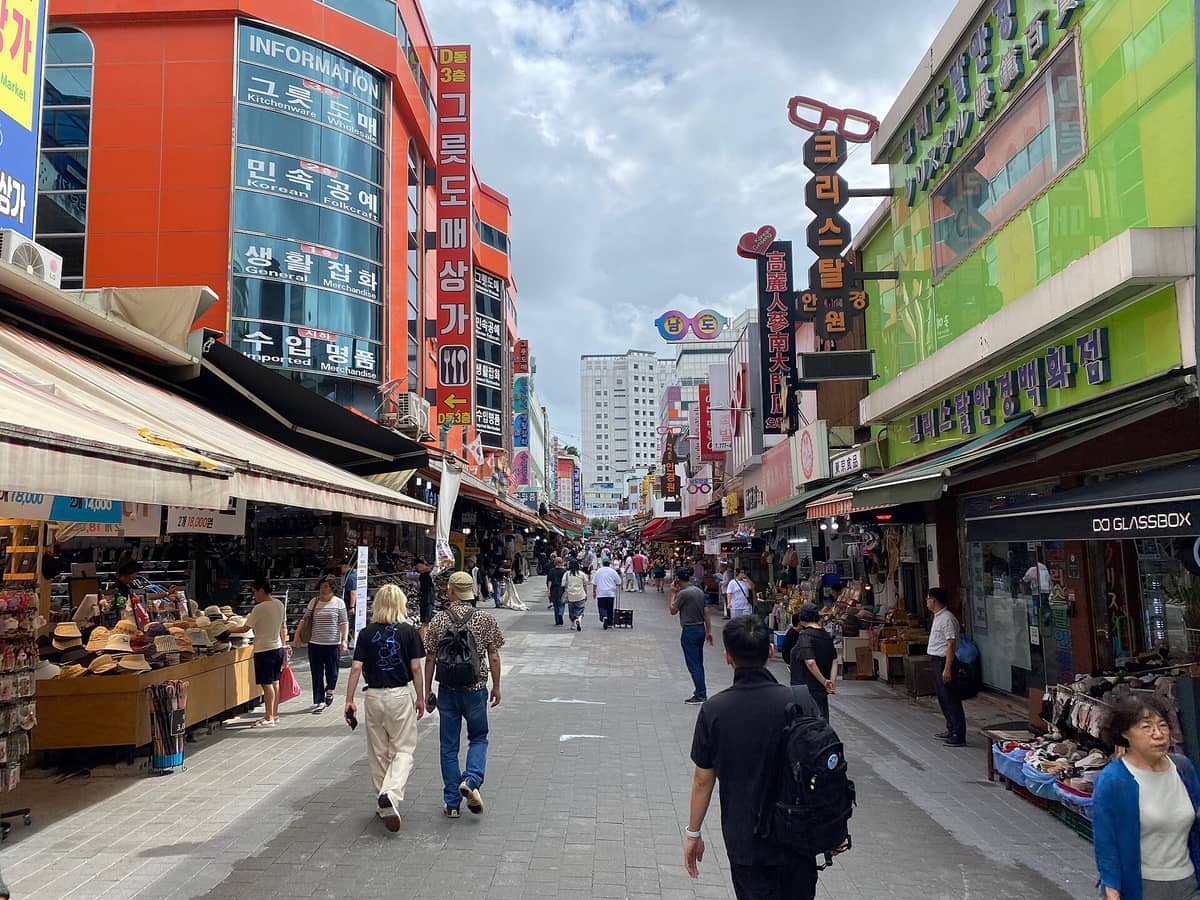
2. Browse 600 Years of Commerce at Namdaemun Market
One of Korea's largest and oldest markets, with thousands of stalls across multiple covered alleys selling clothing, kitchenware, dried goods, and street food. Wholesale prices make it ideal for buying in bulk; the galchi jorim (braised fish) alley is a local institution.
Explore2. Browse 600 Years of Commerce at Namdaemun Market
One of Korea's largest and oldest markets, with thousands of stalls across multiple covered alleys selling clothing, kitchenware, dried goods, and street food. Wholesale prices make it ideal for buying in bulk; the galchi jorim (braised fish) alley is a local institution.
Explore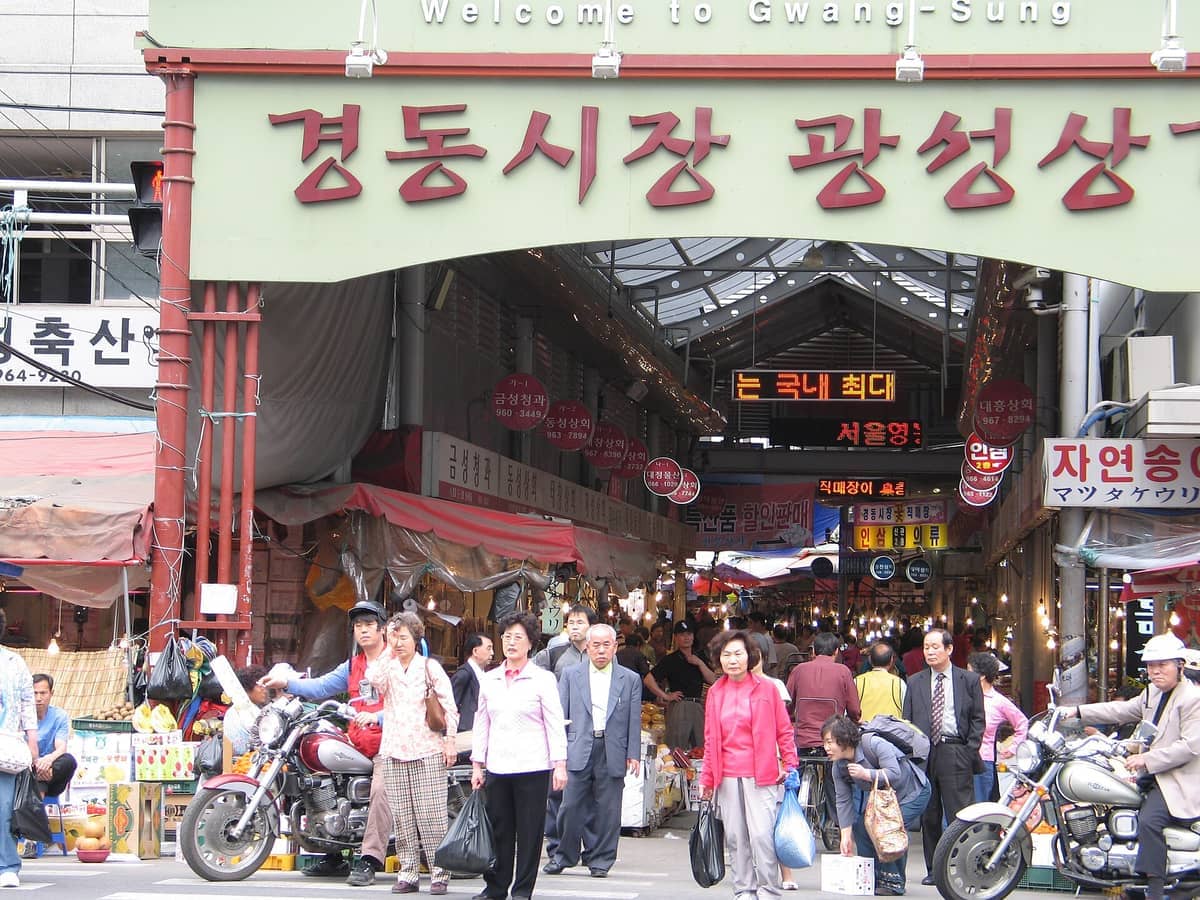
3. Explore Seoul's Fascinating Herbal Medicine Market at Gyeongdong
Korea's largest traditional medicine market is unlike anything else in Seoul. Hundreds of stalls sell dried roots, mushrooms, deer antler, and medicinal teas in an atmospheric labyrinth. Budget an hour to wander the alleys; vendors are generally happy to explain their products.
Explore3. Explore Seoul's Fascinating Herbal Medicine Market at Gyeongdong
Korea's largest traditional medicine market is unlike anything else in Seoul. Hundreds of stalls sell dried roots, mushrooms, deer antler, and medicinal teas in an atmospheric labyrinth. Budget an hour to wander the alleys; vendors are generally happy to explain their products.
Explore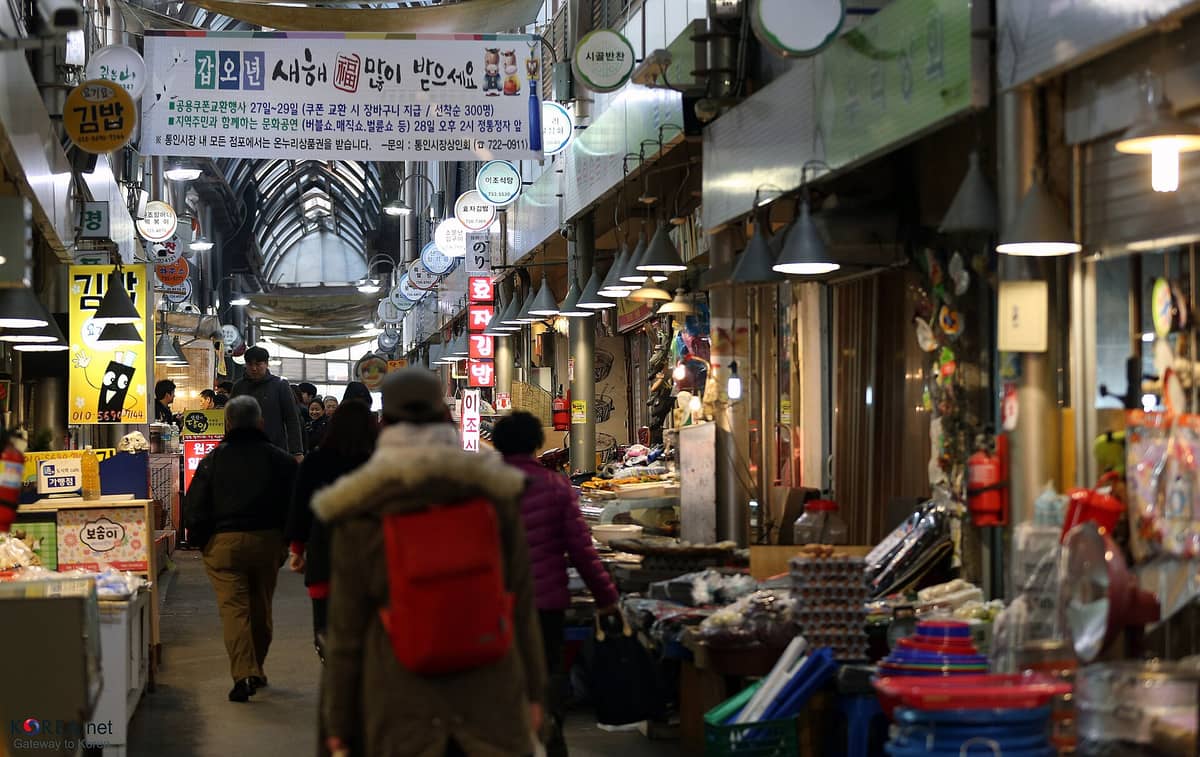
4. Build a Lunch Box with Old Coins at Tongin Market
This charming market near Gyeongbokgung runs a unique dosirak (lunch box) system: exchange modern notes for retro brass coins, then spend them at individual stalls on tteok, pajeon, and japchae. A fun and affordable way to sample a wide range of Korean street food.
Explore4. Build a Lunch Box with Old Coins at Tongin Market
This charming market near Gyeongbokgung runs a unique dosirak (lunch box) system: exchange modern notes for retro brass coins, then spend them at individual stalls on tteok, pajeon, and japchae. A fun and affordable way to sample a wide range of Korean street food.
Explore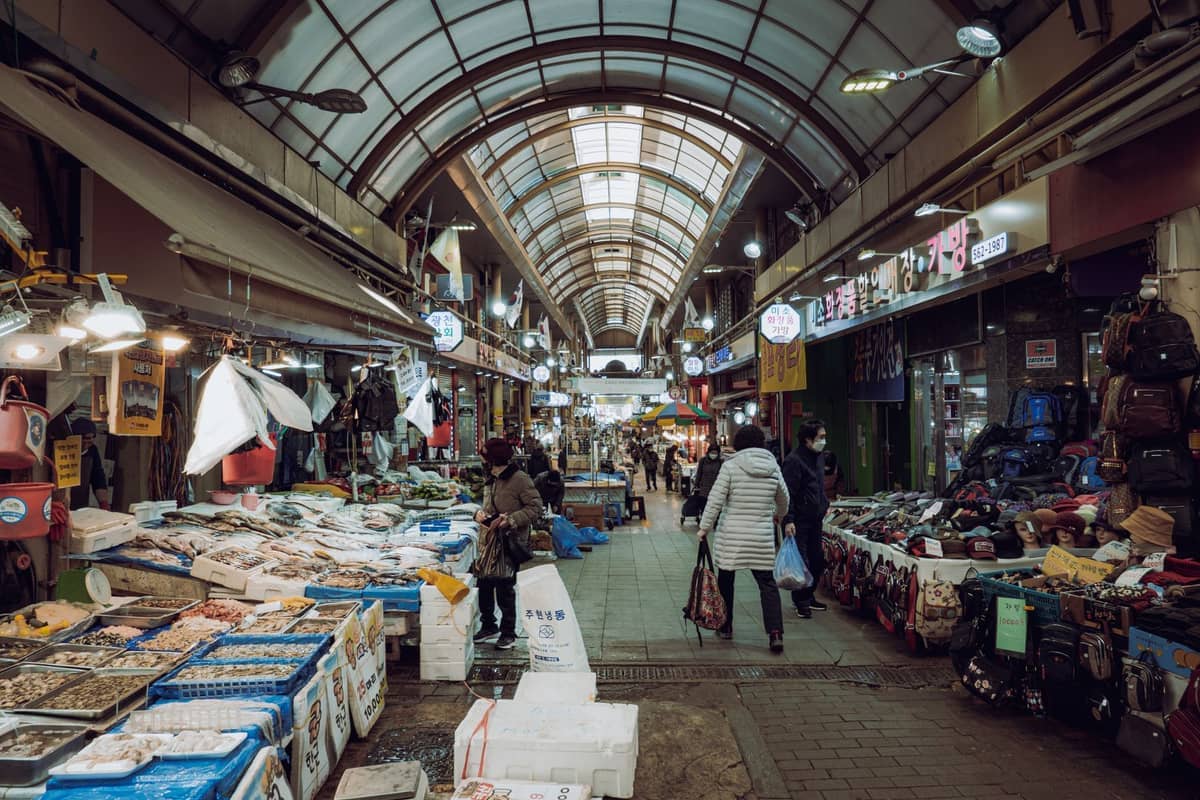
5. Go Local at Mangwon Market in Mapo
A neighborhood covered market beloved by Seoulites in the know. Narrow aisles are packed with fresh produce, banchan stalls, and affordable street food including hotteok and tteokbokki. The crowd is almost entirely local, which keeps prices honest and the atmosphere genuine.
Explore5. Go Local at Mangwon Market in Mapo
A neighborhood covered market beloved by Seoulites in the know. Narrow aisles are packed with fresh produce, banchan stalls, and affordable street food including hotteok and tteokbokki. The crowd is almost entirely local, which keeps prices honest and the atmosphere genuine.
Explore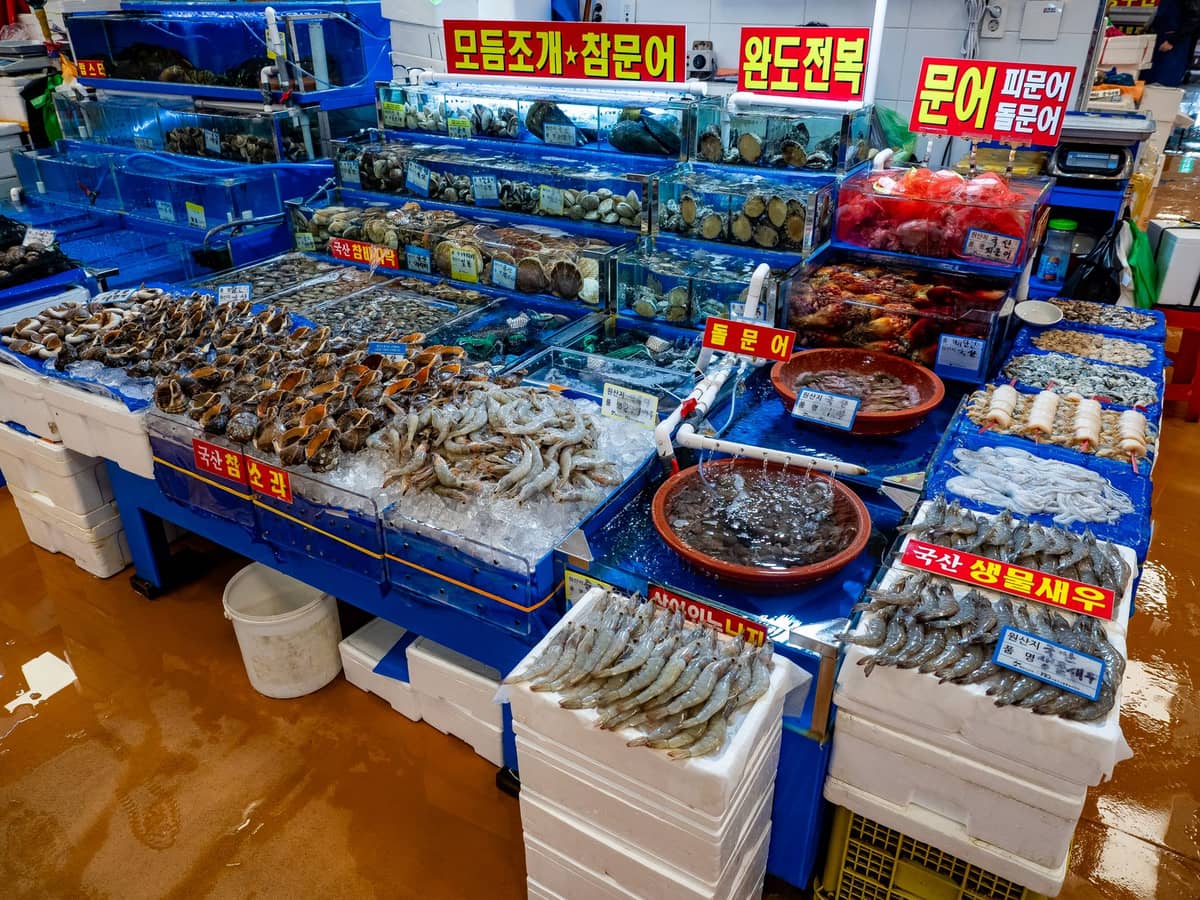
6. Pick Your Own Seafood at Noryangjin Fish Market
Open 24 hours, this wholesale seafood market lets you select live fish, abalone, or crab directly from the tanks, negotiate a price, then take it upstairs to a restaurant for preparation. The auction floor is busiest in the early morning; late-night visits are quieter and equally atmospheric.
Explore6. Pick Your Own Seafood at Noryangjin Fish Market
Open 24 hours, this wholesale seafood market lets you select live fish, abalone, or crab directly from the tanks, negotiate a price, then take it upstairs to a restaurant for preparation. The auction floor is busiest in the early morning; late-night visits are quieter and equally atmospheric.
ExploreArts, Crafts & Cultural Markets
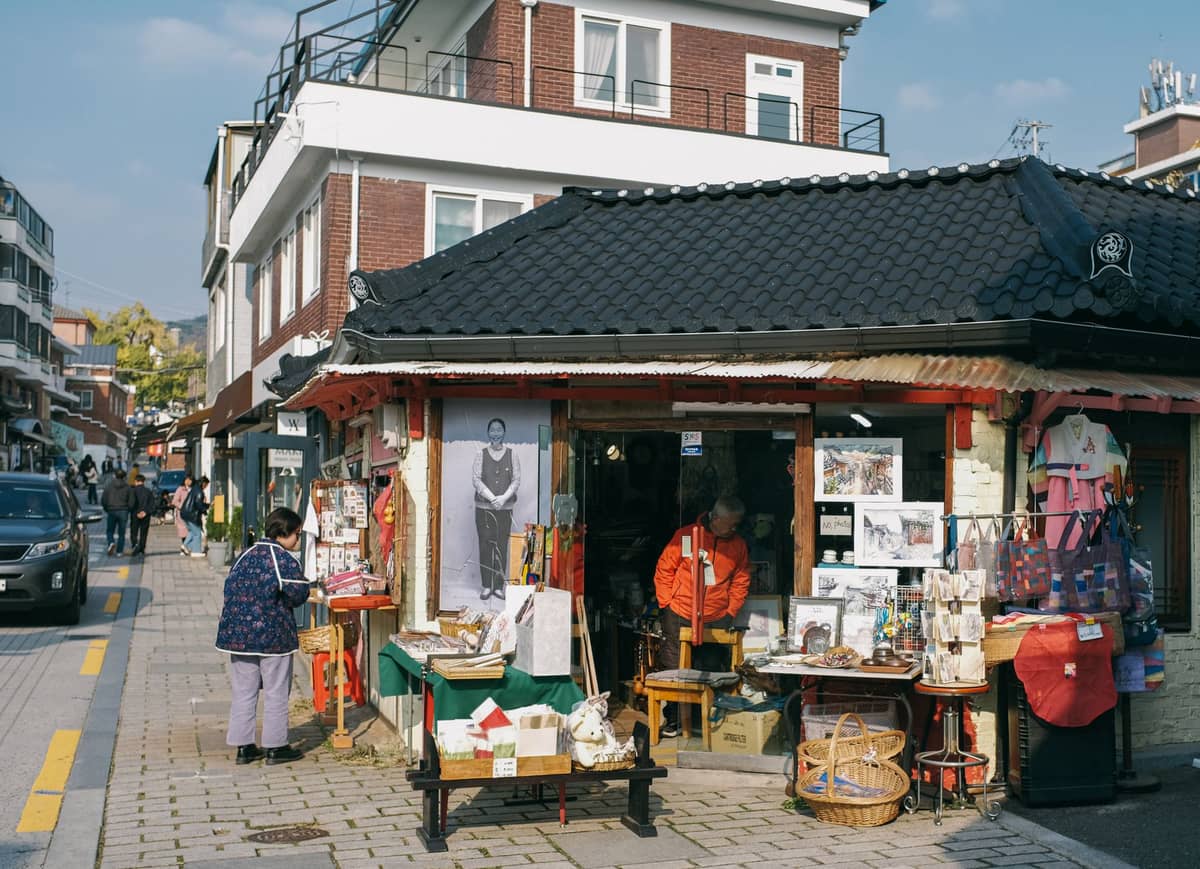
Beyond food and wholesale goods, Seoul has a strong tradition of artisan and cultural markets that reflect the city's design sensibility and interest in Korean heritage. The Insadong-Seochon district is the natural hub for these, though the market scene has spread into neighboring areas over the past decade.
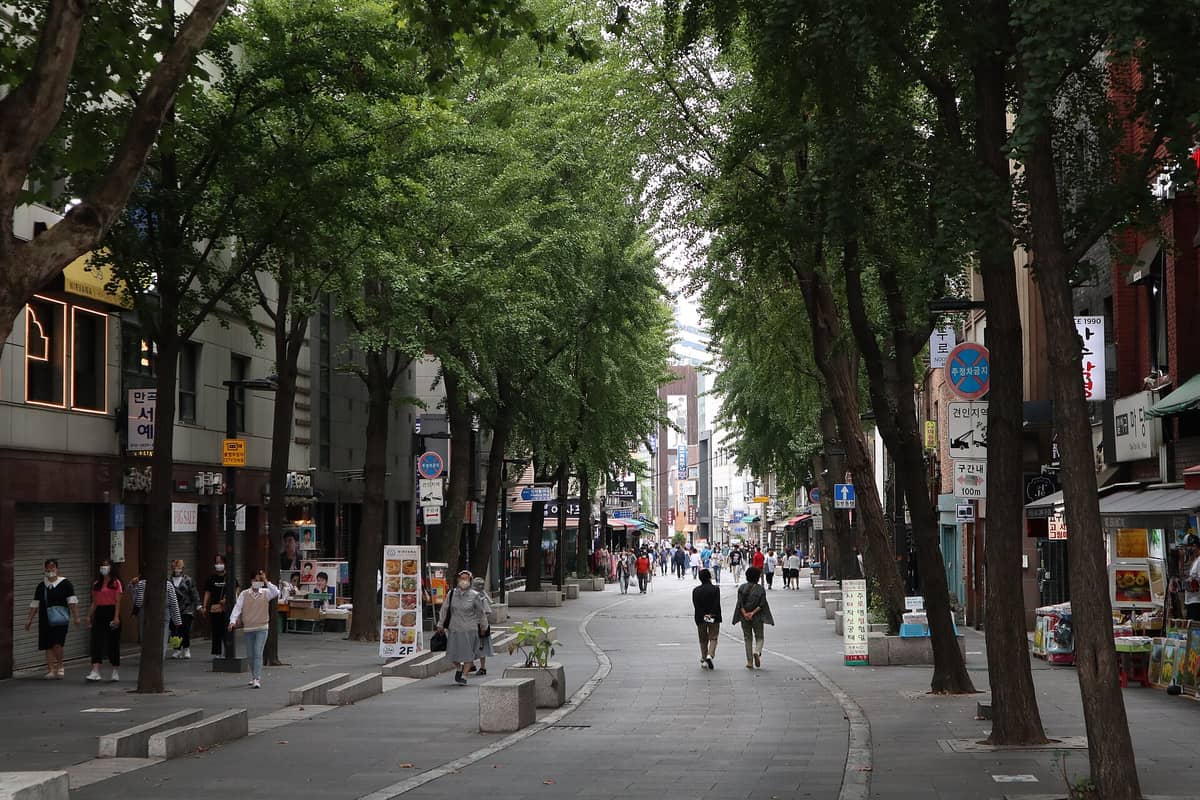
7. Find Traditional Korean Crafts and Antiques on Insa-dong Street
Insa-dong's main street and its side alleys are lined with galleries, antique dealers, calligraphy studios, and traditional craft shops. It's the best single street in Seoul for buying authentic Korean ceramics, hanji paper goods, and artistic souvenirs with real cultural depth.
Explore7. Find Traditional Korean Crafts and Antiques on Insa-dong Street
Insa-dong's main street and its side alleys are lined with galleries, antique dealers, calligraphy studios, and traditional craft shops. It's the best single street in Seoul for buying authentic Korean ceramics, hanji paper goods, and artistic souvenirs with real cultural depth.
Explore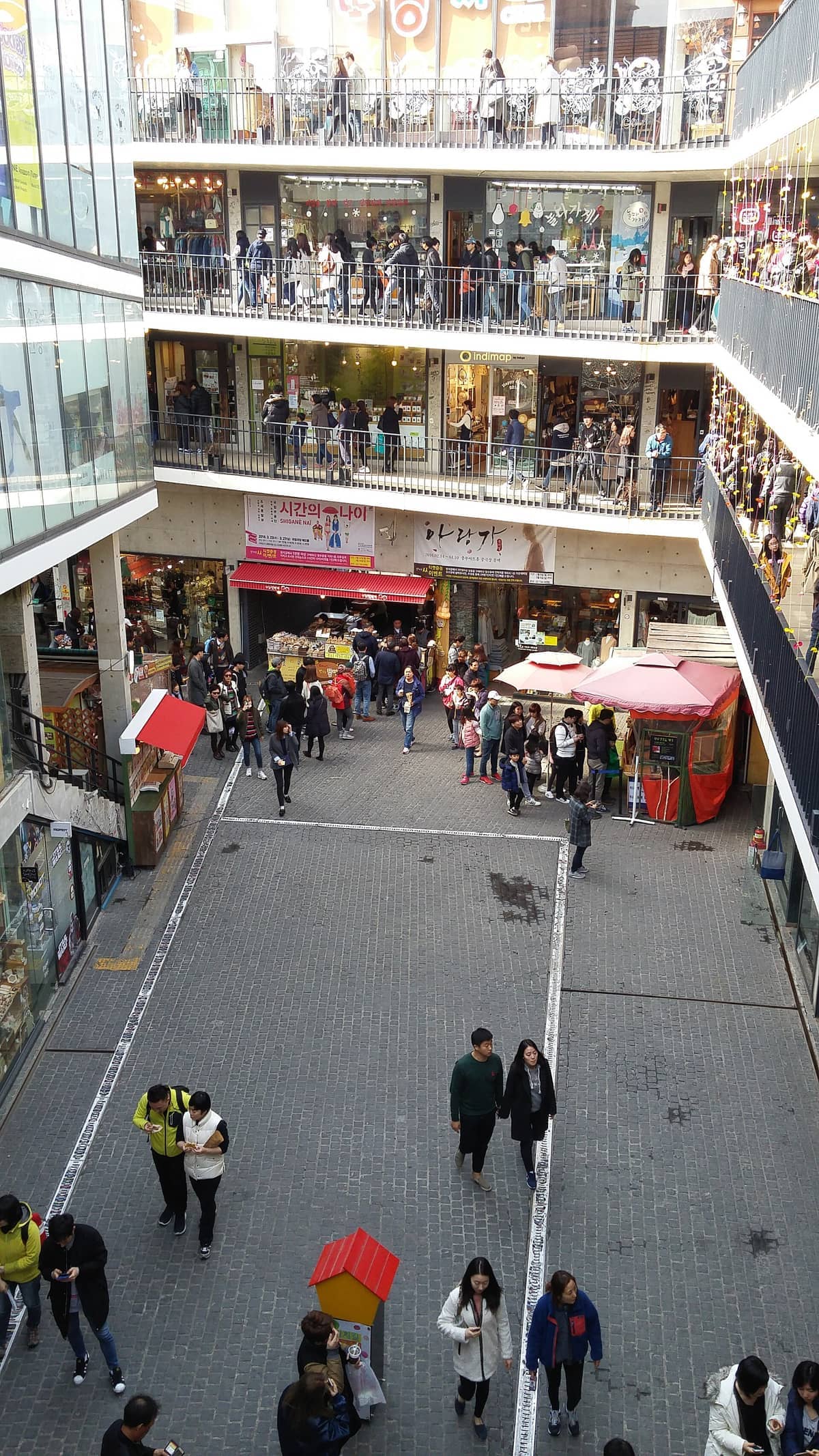
8. Shop Independent Designers Inside the Ssamziegil Courtyard
Tucked inside a spiraling open-air courtyard in Insa-dong, Ssamziegil houses small independent boutiques selling handmade jewelry, illustrated postcards, clothing, and crafts. The design of the building is worth seeing on its own, and there are regular cultural performances in the central courtyard.
Explore8. Shop Independent Designers Inside the Ssamziegil Courtyard
Tucked inside a spiraling open-air courtyard in Insa-dong, Ssamziegil houses small independent boutiques selling handmade jewelry, illustrated postcards, clothing, and crafts. The design of the building is worth seeing on its own, and there are regular cultural performances in the central courtyard.
ExploreFlea Markets & Second-Hand
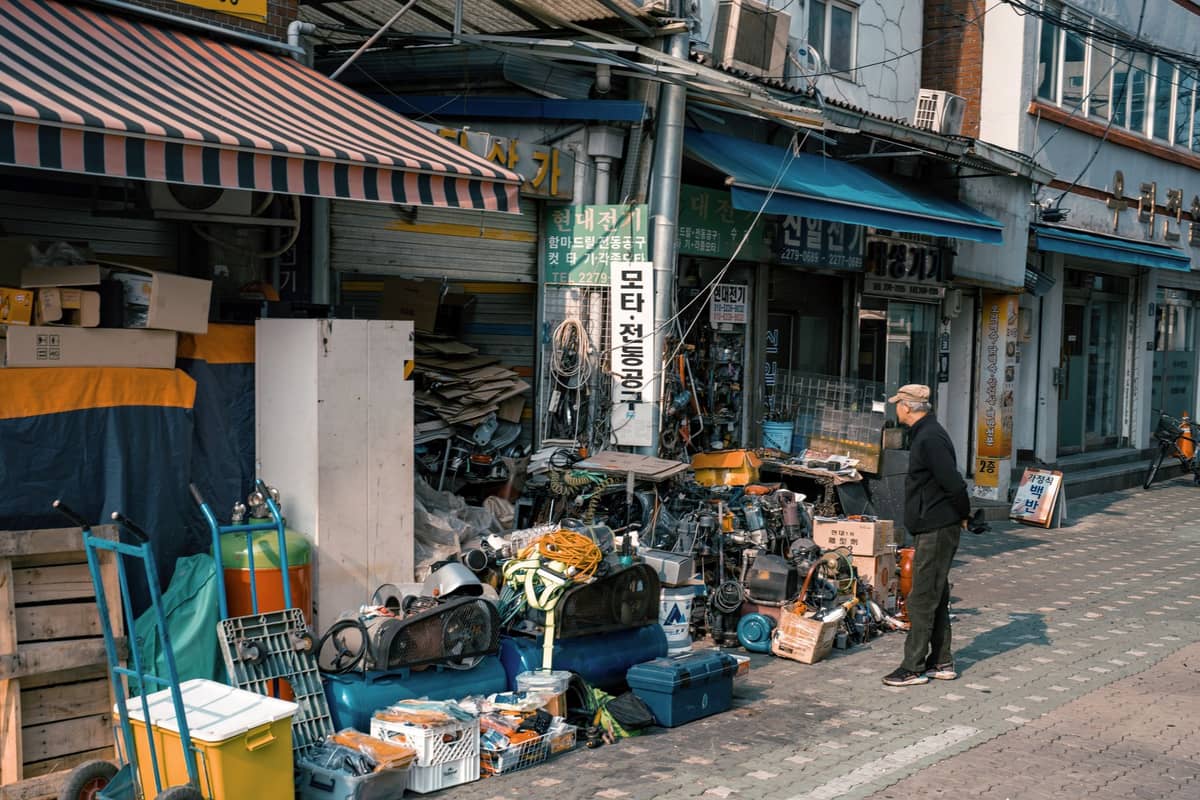
Seoul's flea market scene rewards explorers. The best spots range from vast permanent markets near major subway stations to seasonal weekend setups that attract local designers and collectors. Note that most flea markets close on one weekday (often Tuesday) and may cancel in poor weather; confirm hours before making a special trip.
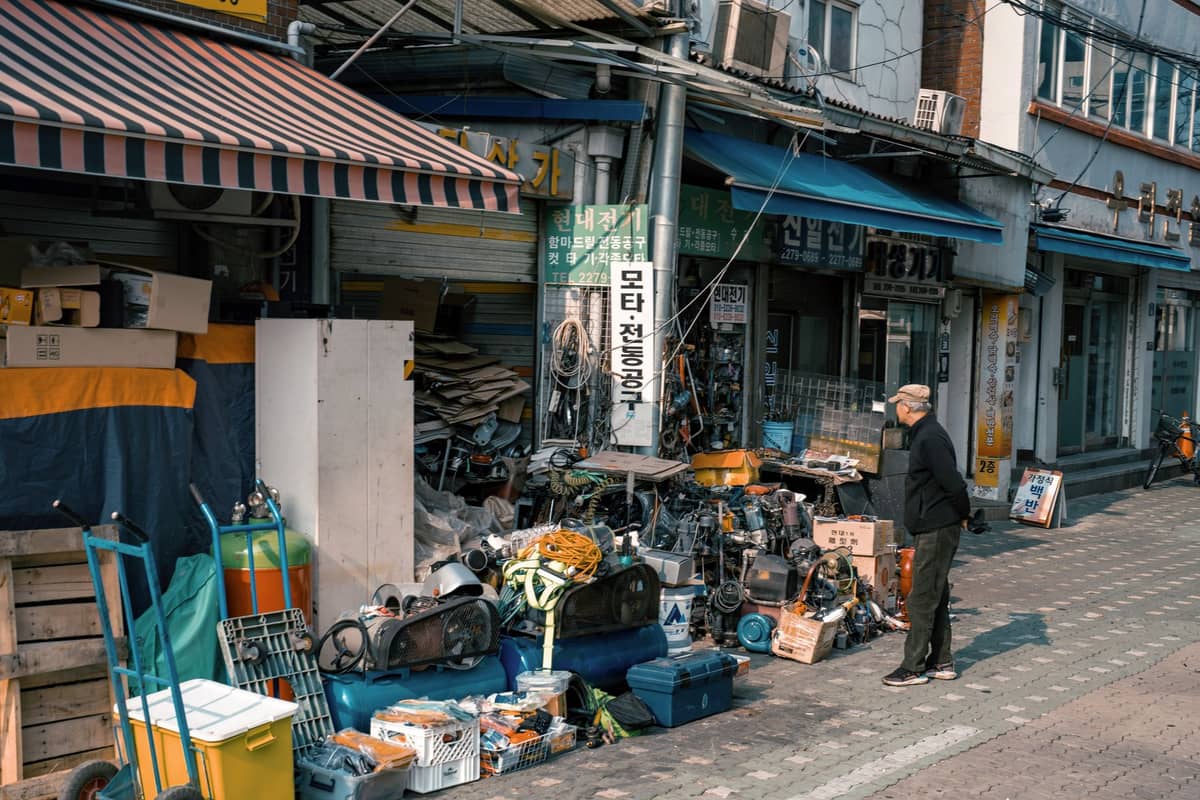
9. Hunt for Vintage and Antiques at Dongmyo Flea Market
Seoul's largest and most atmospheric flea market spreads across several blocks near Dongmyo station. Stalls sell vintage military surplus, old cameras, antique furniture, clothing, and tools. Arrive in the morning for the best selection; bargaining is expected and part of the experience.
Explore9. Hunt for Vintage and Antiques at Dongmyo Flea Market
Seoul's largest and most atmospheric flea market spreads across several blocks near Dongmyo station. Stalls sell vintage military surplus, old cameras, antique furniture, clothing, and tools. Arrive in the morning for the best selection; bargaining is expected and part of the experience.
Explore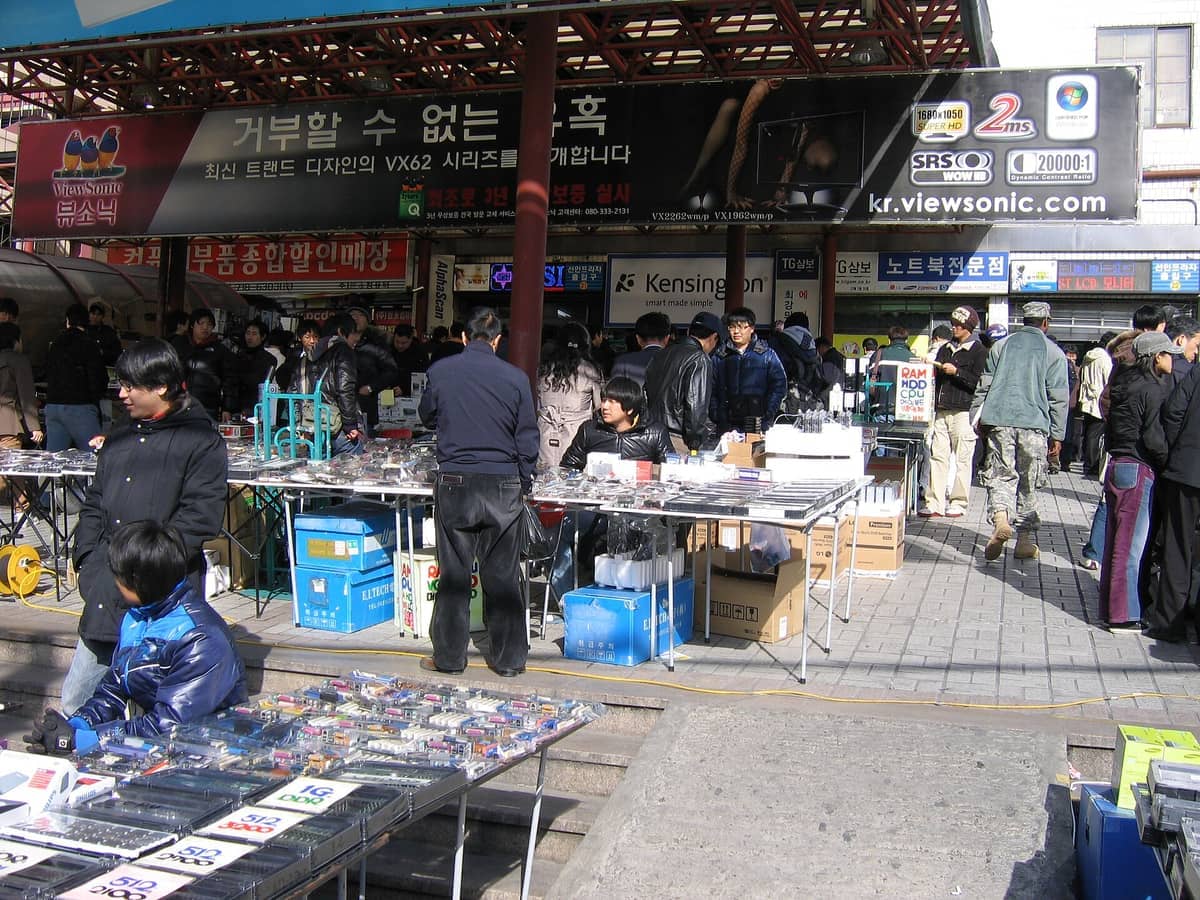
10. Score Rare Tech and Components at Yongsan Electronics Market
Korea's largest electronics marketplace is a multi-building complex selling everything from new flagship smartphones to vintage audio gear and obscure PC components. Open daily (closed 2nd and 4th Tuesdays), it's a destination for tech enthusiasts and anyone hunting for electronics at competitive prices.
Explore10. Score Rare Tech and Components at Yongsan Electronics Market
Korea's largest electronics marketplace is a multi-building complex selling everything from new flagship smartphones to vintage audio gear and obscure PC components. Open daily (closed 2nd and 4th Tuesdays), it's a destination for tech enthusiasts and anyone hunting for electronics at competitive prices.
Explore✨ Pro tip
The Hongdae Free Market is a seasonal weekend flea market where local artists and designers sell handmade goods. It runs Saturdays from March to November near Hongik University station — arrive by midday for the widest selection.
Night Markets & Evening Shopping
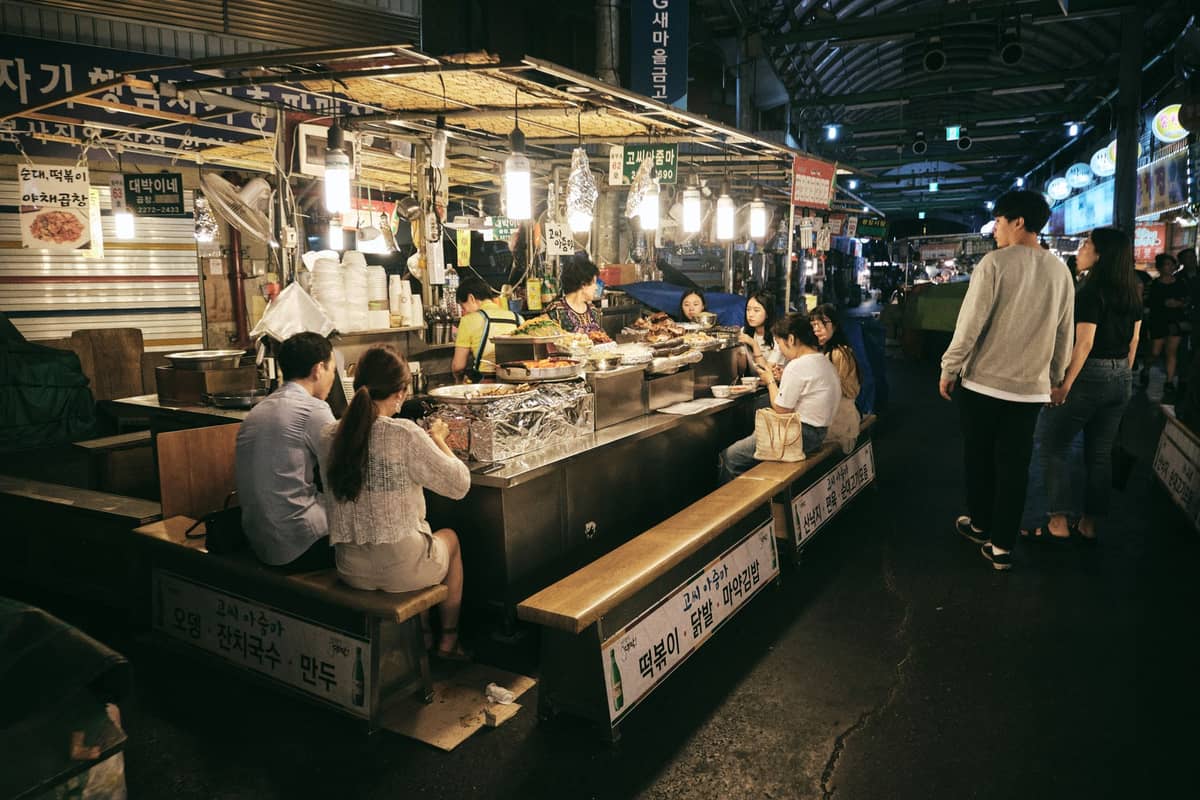
Seoul comes alive after dark, and its night markets are some of the best in Northeast Asia. The Seoul street food guide covers what to order when the stalls light up. The Bamdokkaebi Night Market is a pop-up that moves between venues seasonally, while Myeongdong and Dongdaemun have permanent evening street food and shopping strips that run well past midnight.
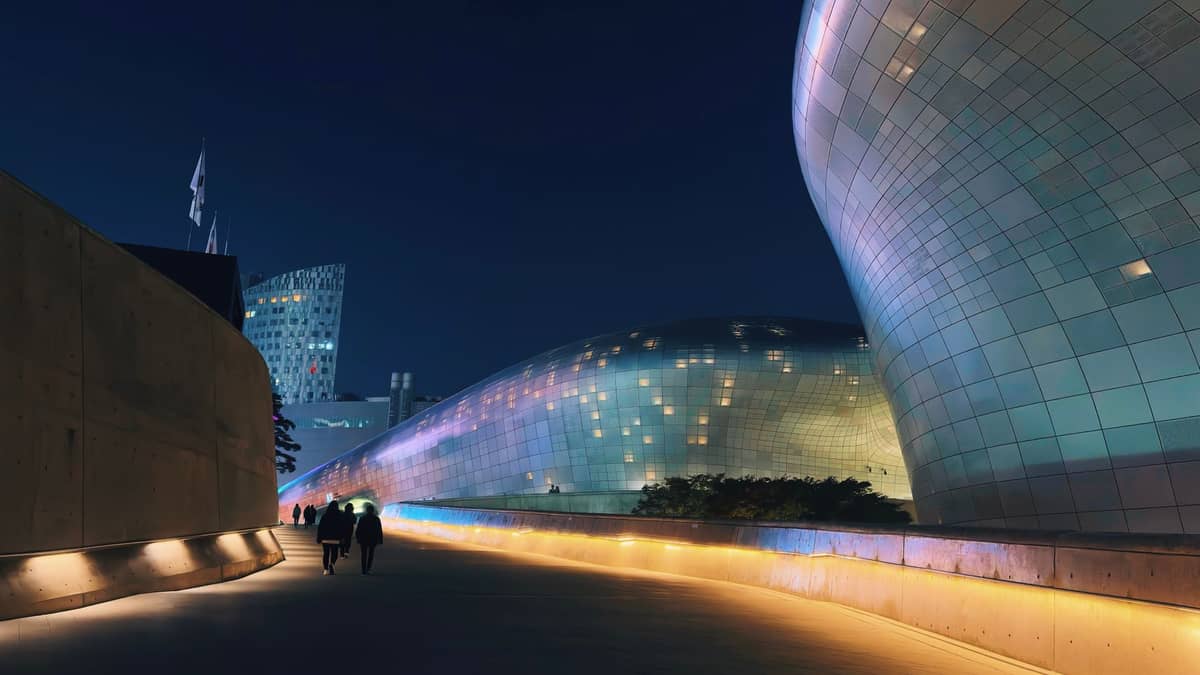
11. Visit the Bamdokkaebi Night Market at the DDP
The DDP hosts Seoul's most famous seasonal night market, Bamdokkaebi, on Friday and Saturday evenings from May to October (18:00–23:00). Food trucks, handmade craft vendors, and the building's spectacular nighttime lighting make it one of the city's unmissable after-dark experiences.
Explore11. Visit the Bamdokkaebi Night Market at the DDP
The DDP hosts Seoul's most famous seasonal night market, Bamdokkaebi, on Friday and Saturday evenings from May to October (18:00–23:00). Food trucks, handmade craft vendors, and the building's spectacular nighttime lighting make it one of the city's unmissable after-dark experiences.
Explore12. Shop Namdaemun After Dark for Street Food and Wholesale Deals
Parts of Namdaemun operate around the clock, and the market takes on a different energy at night when the wholesale traders give way to street food stalls and evening browsers. The galchi-jorim alley and the kalguksu (knife-cut noodle) stalls are particularly popular after sunset.
Explore12. Shop Namdaemun After Dark for Street Food and Wholesale Deals
Parts of Namdaemun operate around the clock, and the market takes on a different energy at night when the wholesale traders give way to street food stalls and evening browsers. The galchi-jorim alley and the kalguksu (knife-cut noodle) stalls are particularly popular after sunset.
Explore13. Stay Late at Gwangjang for the Full Night Market Atmosphere
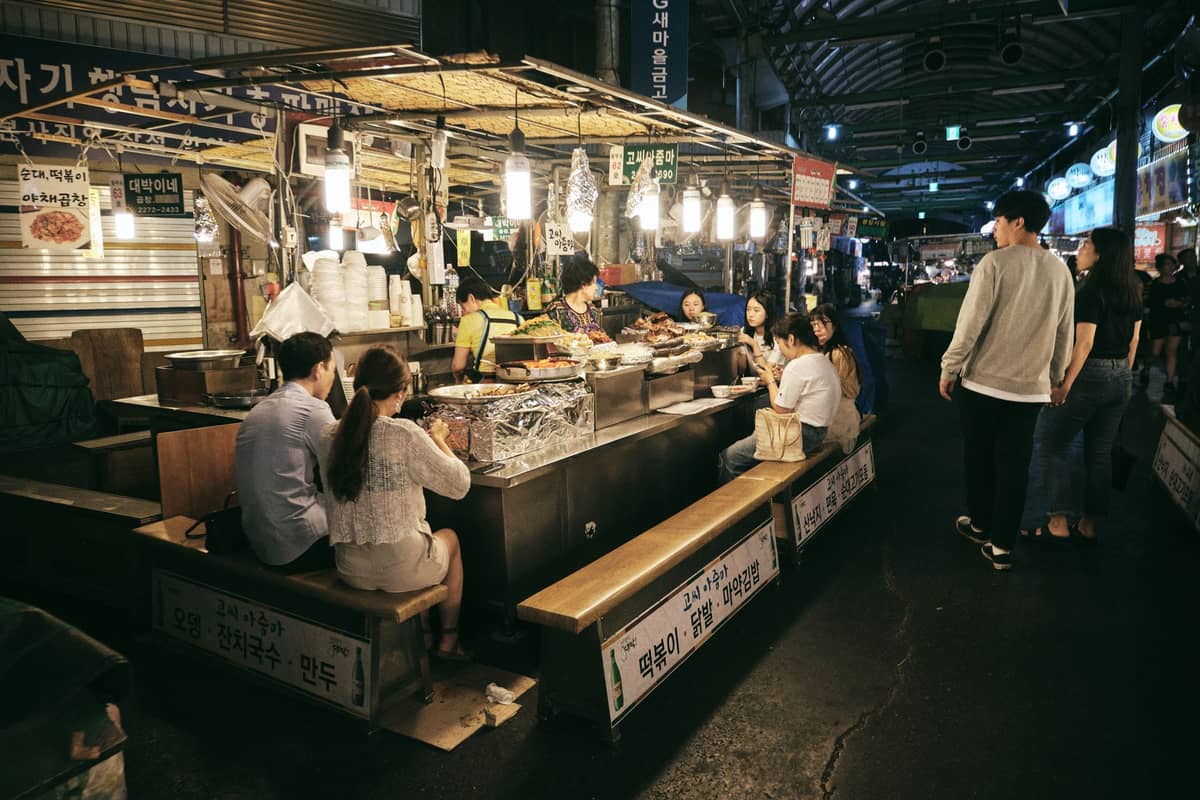
Gwangjang's food hall transforms after dark when office workers and late-night diners arrive. The raw beef stalls, makgeolli bars, and pajeon griddles run until midnight, and the covered neon-lit arcade is at its most atmospheric from 20:00 onward. One of Seoul's genuinely unmissable evening experiences.
Explore13. Stay Late at Gwangjang for the Full Night Market Atmosphere
Gwangjang's food hall transforms after dark when office workers and late-night diners arrive. The raw beef stalls, makgeolli bars, and pajeon griddles run until midnight, and the covered neon-lit arcade is at its most atmospheric from 20:00 onward. One of Seoul's genuinely unmissable evening experiences.
ExploreMarkets Worth a Detour
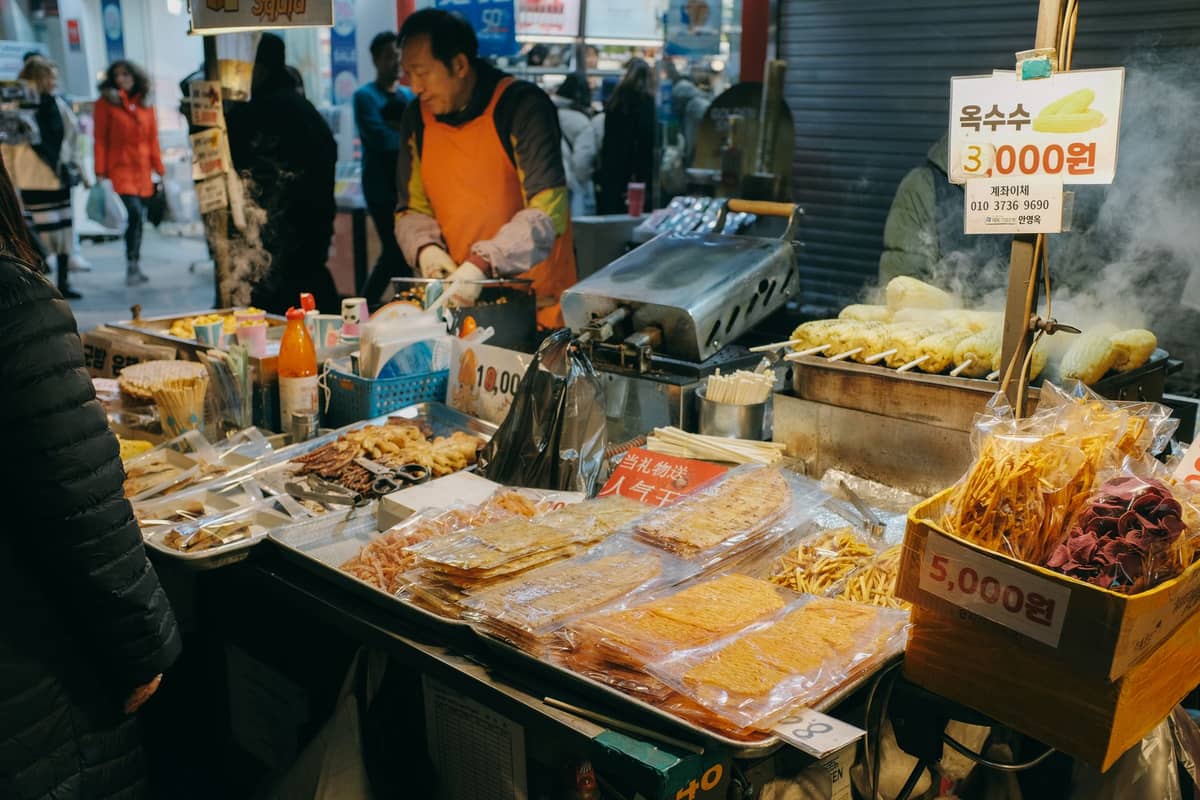
A few of Seoul's most interesting markets sit slightly off the main tourist circuits but reward the extra journey. These are the kind of places where you'll find fewer foreign visitors and more of the city's real commercial and social life.
14. Spend an Hour in the Atmospheric Corridors of Gyeongdong Market
Repeat visits reveal new details: a vendor drying medicinal bark on a tarp, another weighing ginseng roots with an antique scale. This is one of Seoul's most visually distinctive markets and pairs well with a visit to nearby Cheonggyecheon Stream for a full half-day in the eastern old city.
Explore14. Spend an Hour in the Atmospheric Corridors of Gyeongdong Market
Repeat visits reveal new details: a vendor drying medicinal bark on a tarp, another weighing ginseng roots with an antique scale. This is one of Seoul's most visually distinctive markets and pairs well with a visit to nearby Cheonggyecheon Stream for a full half-day in the eastern old city.
Explore15. Combine Mangwon Market with a Walk Along the Han River
Mangwon Market sits a short walk from Mangwon Hangang Park, making it an ideal start or end to an afternoon on the river. Pick up snacks at the market, then eat them on the riverbank. This is exactly how many young Seoulites spend a Saturday, and the combination is hard to beat.
Explore15. Combine Mangwon Market with a Walk Along the Han River
Mangwon Market sits a short walk from Mangwon Hangang Park, making it an ideal start or end to an afternoon on the river. Pick up snacks at the market, then eat them on the riverbank. This is exactly how many young Seoulites spend a Saturday, and the combination is hard to beat.
Exploreℹ️ Good to know
The Seoul Folk Flea Market at Sinseoldong is a permanent indoor flea market with antiques, vintage goods, and traditional crafts. Its restaurant area stays open until 22:00. Check www.pungmul.or.kr for current schedules.
FAQ
What is the best market in Seoul for street food?
Gwangjang Market is well known for traditional street food, with bindaetteok, mayak gimbap, and yukhoe as the standout dishes. Namdaemun Market and Mangwon Market are strong alternatives for a wider variety of Korean staples.
When do Seoul's night markets operate?
The Bamdokkaebi Night Market at the DDP runs Fridays and Saturdays from May to October, 18:00–23:00. Myeongdong's street food stalls run nightly until midnight. Gwangjang Market's food hall operates until midnight year-round. Many 'night markets' in Seoul are seasonal pop-ups rather than fixed nightly events, so check dates before visiting.
What day do most Seoul markets close?
Tuesday is the most common closing day for Seoul's flea and traditional markets. Always verify current schedules before making a dedicated trip.
Is bargaining normal at Seoul markets?
Bargaining is common at flea markets and in some wholesale or second-hand sections of major markets. At food stalls and most traditional markets, prices are generally fixed. A polite, reasonable counteroffer is rarely offensive in wholesale or second-hand contexts.
Which Seoul market is best for souvenirs and gifts?
Insa-dong street and the Ssamziegil courtyard within it offer a strong combination of Korean crafts, ceramics, hanji paper goods, and artisan products. For lower-cost souvenir shopping at higher volume, Namdaemun Market has a large section dedicated to gifts and Korean-branded goods.