DMZ Tour from Seoul: Everything You Need to Know
The Demilitarized Zone is one of the most visited sites in South Korea, yet most travelers arrive underprepared. This guide covers tour types, current prices, booking logistics, what you'll actually see, and the honest drawbacks before you commit.
Plan and book this trip
Tools from our partner Travelpayouts help you compare flights and hotels. If you book through them, we may earn a commission at no extra cost to you.
Flights
Hotels map
TL;DR
- Independent visits are not permitted: authorized guided tours are the only legal way to access restricted DMZ sites from Seoul.
- Half-day tours (around ₩55,000–95,000) cover Imjingak Park, the Third Infiltration Tunnel, and Dora Observatory; JSA tours are priced separately and cost more.
- Book at least one week in advance, bring your passport, and verify schedules before you go. For broader Seoul trip planning, see the 3-day Seoul itinerary.
- The DMZ tour does not mean roaming freely inside the buffer zone — all access is to specific controlled sites under military escort.
- JSA tours are subject to suspension and policy changes; confirm current availability directly with your operator before planning.
What the DMZ Actually Is (and What You'll Actually See)
The Korean Demilitarized Zone is a military buffer strip created by the 1953 Korean War Armistice Agreement. It runs approximately 250 km across the peninsula and is 4 km wide, with 2 km on each side of the Military Demarcation Line.
Here is where most travelers get tripped up: you do not enter the full 4 km DMZ on a standard tour. What you access is a series of specific, pre-approved sites inside and around the Civilian Control Zone (CCZ), a restricted buffer area south of the DMZ proper. You travel under escort, pass through military checkpoints, and follow strict rules at every stop. Photography is usually permitted at designated points only, and guides will tell you exactly when and where.
⚠️ What to skip
A passport is required for every DMZ tour. South Korean national ID is not sufficient for foreign nationals. Tourists who forget their passport at the hotel will be turned away at the checkpoint.
The sites you're likely to visit on a standard half-day tour include: Imjingak Park, a public memorial area near the border with monuments, a captured North Korean steam locomotive, and the Bridge of Freedom; the Third Infiltration Tunnel, one of four tunnels discovered dug by North Korea toward Seoul (visitors walk down a steep passage in hard hats — claustrophobic, but genuinely striking); Dora Observatory, a viewing deck with binoculars overlooking the North Korean side; and the Dorasan Train Station, South Korea's northernmost station, kept operational but currently not receiving cross-border traffic.
DMZ Tour Types: Half-Day, Full-Day, and JSA
There are three main tour formats, and choosing between them is the most important decision you'll make before booking.
- Half-Day DMZ Tour The most common option. Typically departs Seoul around 8:00 AM or 11:00 AM and returns by 1:30–2:30 PM. Covers Imjingak Park, the Third Infiltration Tunnel, Dora Observatory, and Dorasan Station. Price range: approximately ₩50,000–60,000 per person. Good for travelers on a tight schedule.
- Full-Day DMZ Tour Extends the half-day itinerary with additional stops and a lunch break. Some operators include a visit to the Unification Village or DMZ exhibitions. Price range: approximately ₩70,000–80,000, or up to ₩95,000 if lunch is included. Returns to Seoul by early evening.
- JSA (Joint Security Area) Tour The most in-depth option and the one that books out fastest. The JSA is the famous blue-roofed buildings straddling the Military Demarcation Line at Panmunjom, where face-to-face contact with North Korean soldiers was historically possible. Tours run Tuesday–Saturday only, departing around 8:00 AM. Additional passport and ID verification is required well before departure. Prices typically fall at the higher end of the full-day range. Note: JSA access has been subject to suspension and policy changes — confirm current availability directly with your operator before booking.
✨ Pro tip
If the JSA is your priority, schedule it for earlier in your trip so you have a backup day if it's fully booked or temporarily suspended. JSA tours require additional security screening and passport details to be submitted in advance — sometimes several days ahead.
Booking Your Seoul DMZ Tour: Practical Logistics
Most reputable DMZ tours depart from central Seoul, typically from major hotels or designated pickup points near Gwanghwamun Square or central subway stations. Booking at least one week in advance is strongly recommended, and two weeks is safer during peak travel periods (spring cherry blossom season in April, summer holidays, and the autumn foliage period in October). The Korea Tourism Organization and VISITKOREA both list authorized operators and maintain official DMZ tour information pages — these are worth cross-referencing with any third-party booking platform you use.
Operators vary in quality, language options, and group size. Smaller group tours tend to allow more time at each site and better access to guides for questions. Larger coach tours move faster and may feel rushed at the tunnel and observatory. Read recent reviews specifically for the guide's English proficiency if that matters to you — the historical context delivered on site is actually one of the most valuable parts of the experience, and a poor guide significantly diminishes it.
- Bring your passport (not a photocopy — the original document).
- Wear comfortable, closed-toe shoes: the Third Infiltration Tunnel involves a steep downhill walk on uneven surfaces.
- Avoid military-style or camouflage clothing — it is generally prohibited inside the CCZ.
- Photography restrictions apply at specific checkpoints and inside the tunnel; follow your guide's instructions exactly.
- Confirm your tour is not operating on a Korean public holiday before paying — many DMZ operators close on major national holidays.
- Bring small cash in Korean won for optional extras at Imjingak Park (food stalls, souvenir shops).
💡 Local tip
Dress in layers regardless of season. The Third Infiltration Tunnel sits roughly 73 meters underground and is noticeably cooler than surface temperature. In summer, this is a relief; in winter, the tunnel approach can be very cold.
Getting There: Seoul to the DMZ
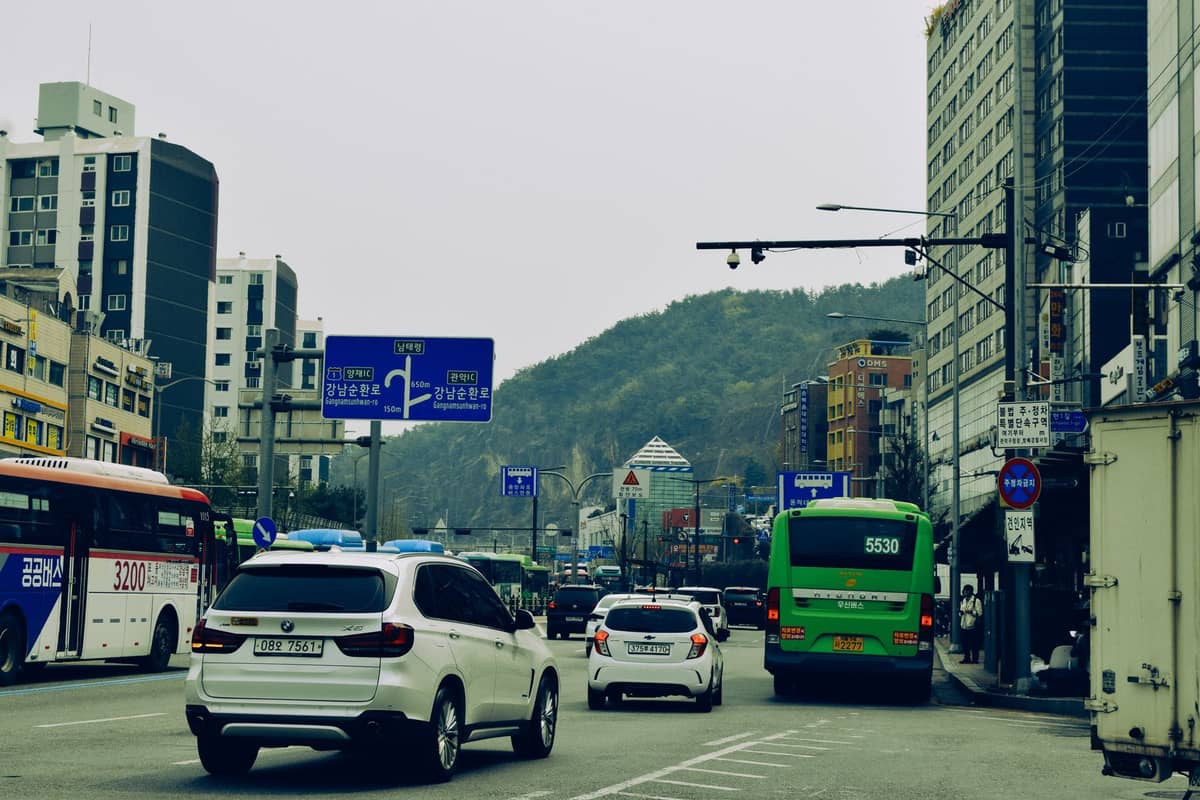
The DMZ area sits roughly 55–60 km north of central Seoul, near the city of Paju. Travel time on a guided tour is typically 1 to 1.5 hours each way, depending on traffic. Most operators provide transport as part of the tour package, so once you board the bus at the pickup point in Seoul, logistics are handled for you. If you are building a 5-day Seoul itinerary, the DMZ works well as a day or half-day excursion without disrupting the rest of your trip.
There is a public bus route that reaches Imjingak Park, but this only gets you to the public memorial area — not into the CCZ or any of the significant military sites. For anything beyond Imjingak, a registered tour operator is required. Attempting to approach restricted checkpoints independently is not a gray area: it is illegal and will result in being turned back by military personnel.
What to Expect on the Day: Honest Assessment
The DMZ tour is worth doing once, and for most visitors with an interest in modern Korean history or geopolitics, it is genuinely affecting. Standing at Dora Observatory and looking into North Korea with binoculars — at what appears to be a functioning town but is widely described as a showcase village — is an experience that stays with you. The Third Infiltration Tunnel is unexpectedly impressive as a piece of military engineering: North Korea denied digging it until blue-painted rock was found and experts determined the paint had been applied after excavation.
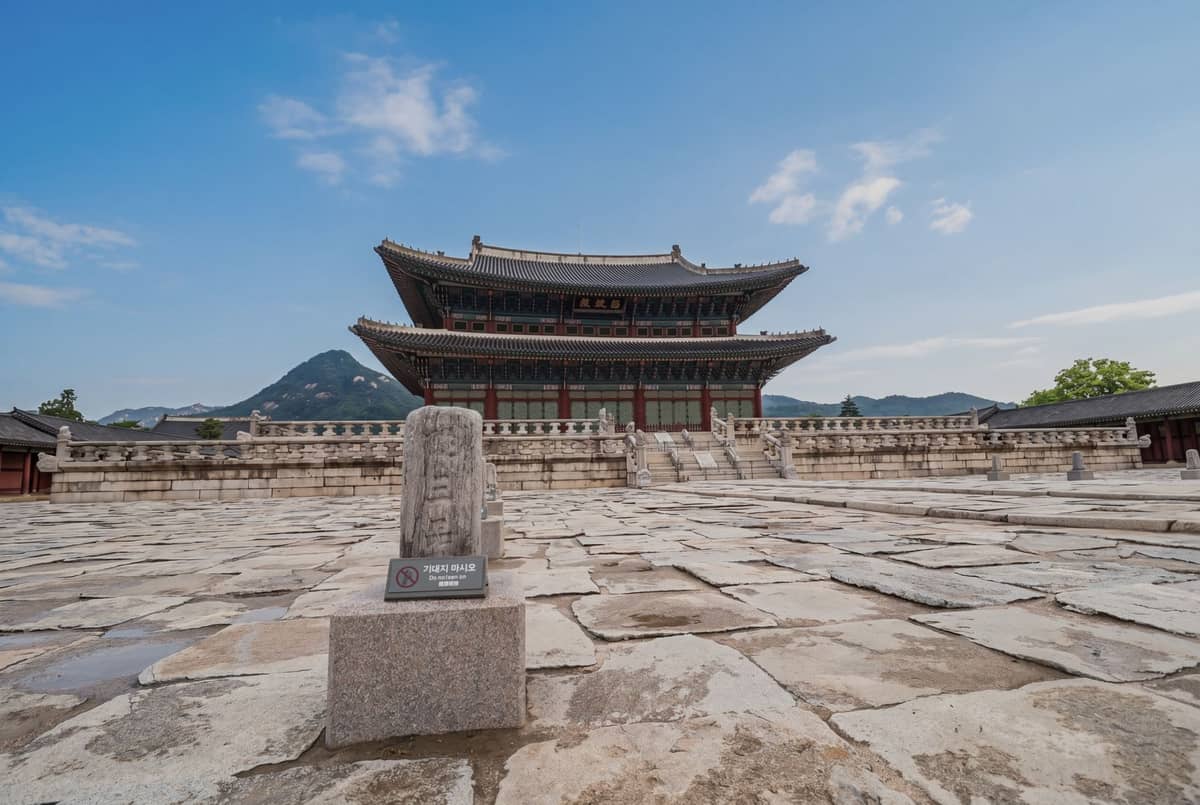
That said, some visitors leave feeling underwhelmed. The sites themselves are modest in scale and relatively sparse in interpretive content unless your guide is excellent. If you are expecting dramatic visuals comparable to, say, the Gyeongbokgung Palace complex or the immersive depth of the War Memorial of Korea in Seoul, recalibrate your expectations. The DMZ's power is conceptual: what it represents, not what it looks like.
Tour operations can also be affected by security conditions. The DMZ is an active military zone, and tours have historically been suspended or rerouted during periods of elevated inter-Korean tension. There is no reliable way to predict this in advance, which is a genuine limitation. Refund policies vary by operator, so clarify this before booking.
ℹ️ Good to know
The War Memorial of Korea in Yongsan is an excellent complement to a DMZ visit — particularly if you want deeper historical context about the Korean War before or after the tour. It is free to enter and provides broad coverage of the conflict's causes, battles, and aftermath.
Combining the DMZ with the Rest of Your Seoul Trip
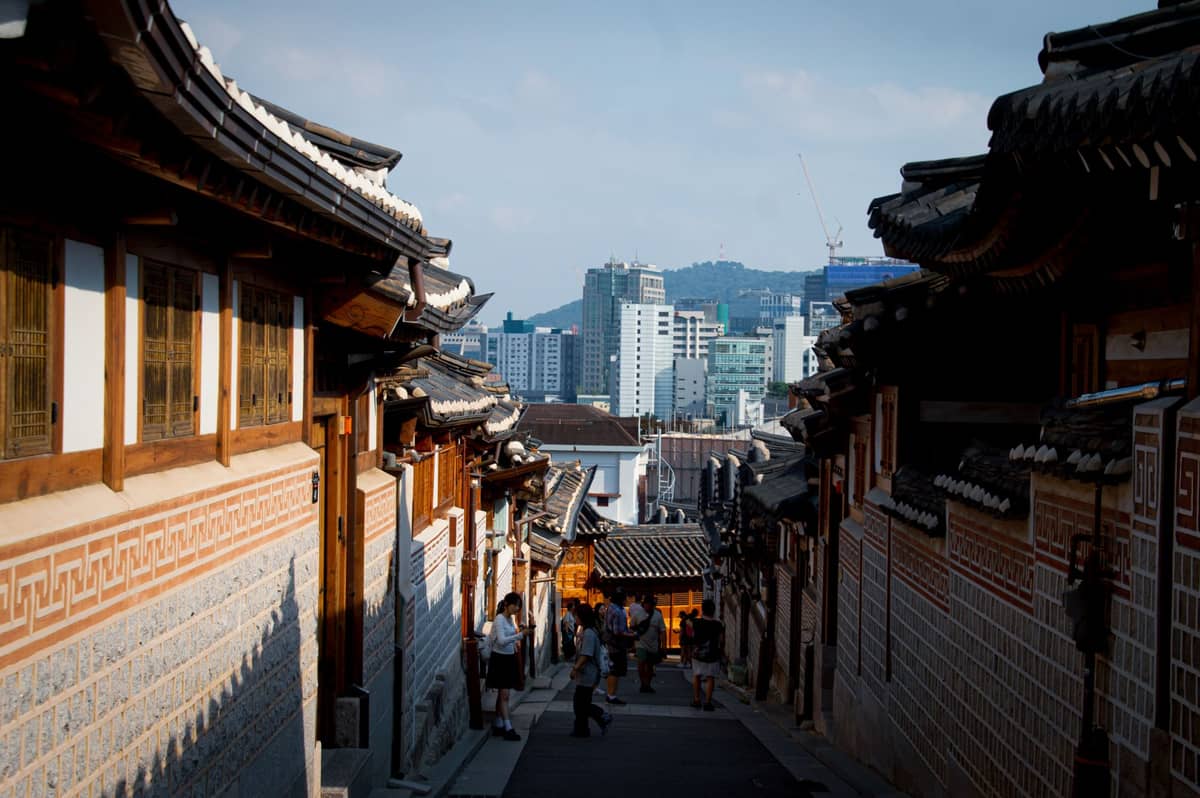
A half-day DMZ tour wraps up by early afternoon, leaving time for Seoul sightseeing. The area around Insadong and Seochon is a natural afternoon pairing given its slower pace and historical character. Alternatively, use the afternoon to visit Changdeokgung Palace or explore the Bukchon Hanok Village — both are in the Jongno area and require about two to three hours each.
If you are planning a wider trip around the country, the DMZ works well at the start of your korea trip before heading south. Seoul connects to Busan and other major cities by KTX high-speed rail, and the whole Seoul to Busan route can be done comfortably in a single day. For travelers extending into day trips, the DMZ is one of several strong options covered in the day trips from Seoul guide.
FAQ
Can I visit the DMZ from Seoul without a guided tour?
No. Access to the Civilian Control Zone and all major DMZ sites requires an authorized guided tour. You can reach Imjingak Park independently by public bus, but this is a public memorial area outside the restricted zone. Everything beyond — including the Third Infiltration Tunnel, Dora Observatory, and the JSA — requires a registered tour operator and checkpoint clearance.
How much does a DMZ tour from Seoul cost?
Half-day tours typically cost around ₩55,000–95,000 per person. Full-day tours range from approximately ₩70,000 to ₩95,000 depending on the operator and whether lunch is included. JSA-specific tours generally fall at the higher end of the full-day price range. Prices can change, so confirm with your operator before booking.
Do I need my passport for a DMZ tour?
Yes, and it must be the original document — not a photocopy or a photo on your phone. Your passport details may be submitted to military authorities before the tour departs, especially for JSA visits. Travelers who arrive without their passport will be turned away at the checkpoint.
Is the JSA (Panmunjom) included in standard DMZ tours?
No. The Joint Security Area is a separate, more restricted tour that is subject to suspension and policy changes. It is not included in standard half-day or most full-day DMZ packages. Book it specifically only if it is currently operating, and verify the latest status with your operator before booking.
How far in advance should I book a DMZ tour?
At least one week in advance for standard tours, and two weeks or more during peak periods (April, July–August, and October). JSA tours require additional lead time for passport verification and fill up faster. Last-minute bookings are possible outside of peak season but are a risk not worth taking if the DMZ is a priority stop on your seoul tour.