Luxury Seoul: The Definitive Guide to High-End Hotels, Dining & Experiences
From palatial five-star hotels in the historic north to slick Gangnam towers, this guide covers where to stay, eat, and spend at the top end — with a clear take on what's special and what's just expensive.
Plan and book this trip
Tools from our partner Travelpayouts help you compare flights and hotels. If you book through them, we may earn a commission at no extra cost to you.
Flights
Hotels map
TL;DR
- Average luxury hotel rates in Seoul can vary sharply by season, with prices rising in peak periods and dipping in shoulder months — timing your trip matters more than in most cities.
- Top 5-star properties cluster in two zones: the historic palace district (Jongno/Jung-gu) and the Gangnam corridor — each with a distinct character. See our full Seoul accommodation guide for neighborhood breakdowns.
- Seoul's luxury dining scene is genuinely world-class, with multiple Michelin-starred restaurants and a high-end Korean barbecue culture that no other city replicates.
- Book hotels directly or via major platforms (Booking.com, Expedia, KAYAK) — rates vary significantly across channels on the same property.
- The best luxury experiences in Seoul often involve the royal palaces, private hanbok fittings, and rooftop views that cost nothing extra beyond the hotel rate.
Understanding Seoul's Luxury Hotel Market
Seoul hotels at the luxury end occupy a wide price spectrum, which confuses first-time visitors. A five-star property in May might be significantly cheaper than the same room category in December. The short version: Seoul luxury is genuinely affordable by Tokyo or Hong Kong standards on good dates, and eye-watering on bad ones.
If you have flexibility, mid-week arrivals in spring (April to May) or early autumn (September to October) offer the best combination of weather and value. December rates inflate because of the Christmas and New Year period combined with limited corporate discount availability.
💡 Local tip
Always compare rates across at least two platforms before booking. The same room at Signiel Seoul or Four Seasons has been found at meaningfully different prices on Booking.com versus the hotel's own site on the same night. Some properties offer free breakfast or room upgrades for direct bookings.
Where to Stay: The Best Luxury Hotels in Seoul
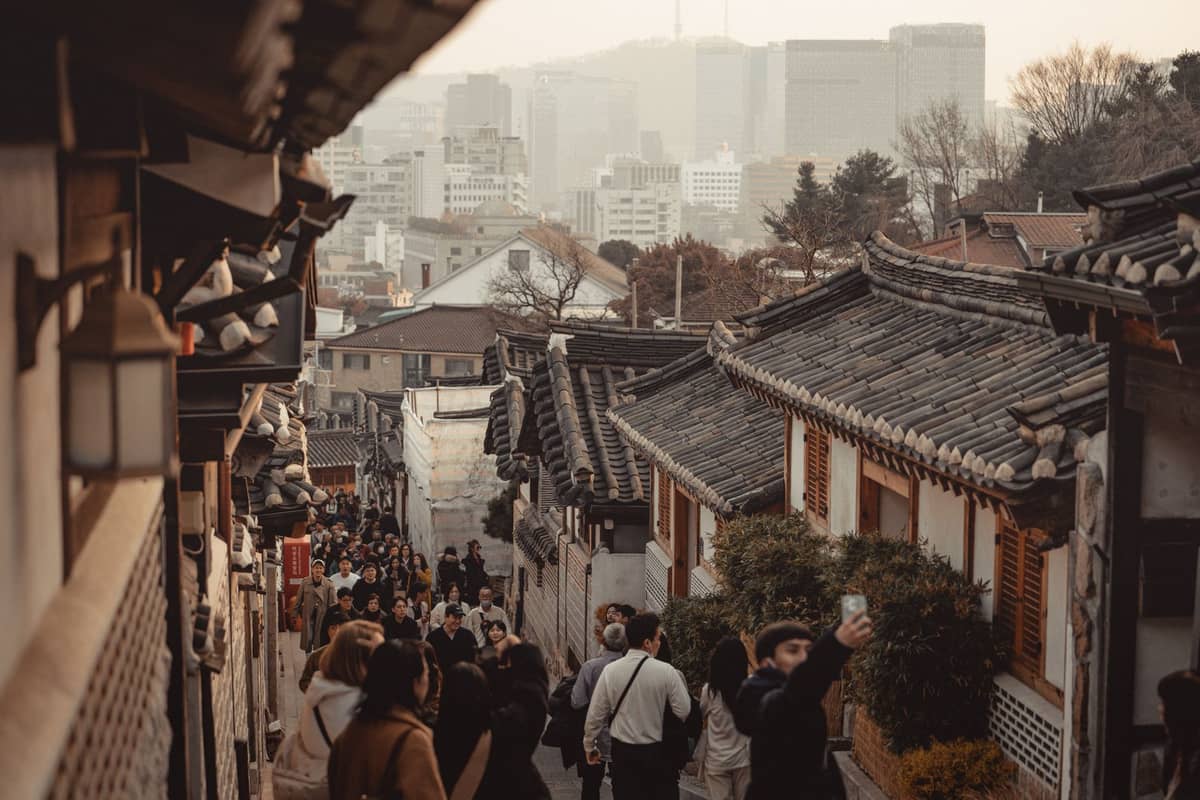
Seoul's five-star properties fall into two geographic camps, and the choice between them is essentially a lifestyle decision. The northern cluster, around Jongno and Jung-gu, places you within walking distance of Gyeongbokgung Palace, Bukchon Hanok Village, and the old city's cultural infrastructure. The southern Gangnam corridor trades history for contemporary energy: rooftop bars, Michelin-starred restaurants, and the COEX shopping complex.
- Four Seasons Hotel Seoul (Jongno-gu) Arguably the most complete luxury offering in the city. The location near Gwanghwamun puts you 10 minutes on foot from Gyeongbokgung Palace, and the in-house dining options — including a strong dim sum program — are worth the room rate alone. Pool, spa, and multiple F&B outlets across 317 rooms.
- The Shilla Seoul (Jung-gu) The Shilla is a Korean institution rather than an international brand import, which gives it a different atmosphere. Set on a hillside near Namsan Mountain, it has a large garden complex rare for central Seoul. Favored by business travelers and Korean VIPs. Rates tend to be competitive with Four Seasons.
- Signiel Seoul (Songpa-gu, floors 76–101 of Lotte World Tower) For the sheer spectacle of altitude, Signiel is unmatched. Rooms start above the 76th floor, and the views across the Han River toward the mountains are extraordinary on clear days. Location in Jamsil is less central than Gangnam or Jongno, but Lotte World Tower's own retail, dining, and aquarium make it self-contained.
- Park Hyatt Seoul (Gangnam-gu) Sleek, minimalist, and unapologetically contemporary. The rooftop pool and the GRID restaurant make it a strong choice for design-oriented travelers. Located in Teheran-ro, Seoul's tech and finance corridor.
- Lotte Hotel Seoul (Jung-gu) One of the largest luxury hotels in the city, connected directly to Lotte Department Store near Myeongdong. Less intimate than the properties above, but the central location and sheer range of facilities (multiple pools, tennis courts, extensive spa) make it practical for longer stays.
⚠️ What to skip
Watch for breakfast surcharges. Some Seoul luxury hotels add a substantial per-adult breakfast charge on top of the room rate. On a two-person stay, that can materially change the effective nightly cost. Factor this in when comparing headline rates — the hotel that looks cheaper may cost more once breakfast is included in a competitor's package. Factor this in when comparing headline rates — the hotel that looks $40 cheaper may cost more once breakfast is included in a competitor's package.
High-End Dining: Where Seoul's Luxury Food Scene Actually Delivers
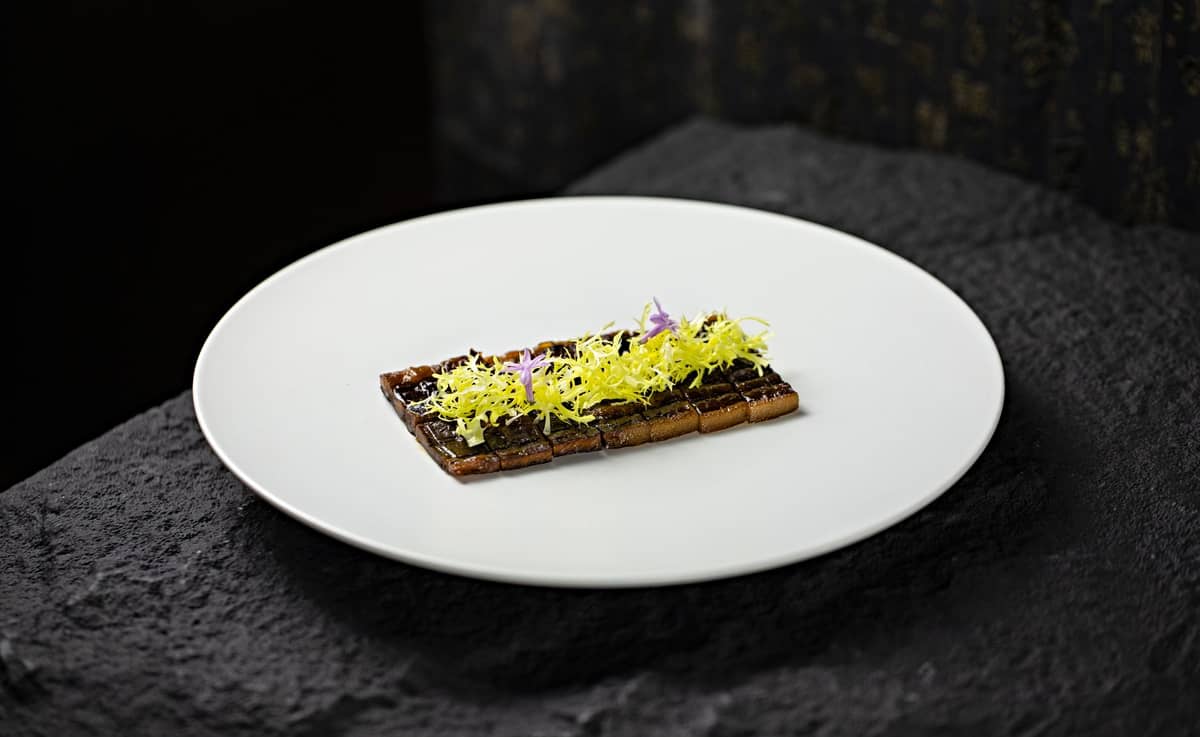
Seoul has accumulated Michelin stars rapidly since the guide launched its Korea edition in 2017. The city's fine dining landscape is genuinely global in ambition but distinctly Korean in ingredient sourcing, which is what separates the best restaurants from technically proficient but forgettable tasting menus. For context on the broader food culture underpinning this scene, the complete Seoul food guide covers everything from street stalls to upscale omakase.
Korean barbecue at the premium end deserves special mention. Mid-range KBBQ is everywhere, but high-end wagyu hanwoo (Korean beef) restaurants in Gangnam serve cuts that rival Japanese wagyu at prices that feel almost reasonable by comparison. Expect to spend 80,000–150,000 KRW per person at serious hanwoo specialists, which typically includes tableside grilling service and multiple side dishes.
For traditional Korean fine dining (hansik), the Insadong and Bukchon areas offer upscale hanjeongsik restaurants where multi-course royal court cuisine-inspired meals are served in restored hanok buildings. The atmosphere alone justifies the premium. Combine a dinner reservation with an afternoon at Bukchon Hanok Village for a coherent luxury afternoon in the historic north.
- Michelin-starred tasting menus in Seoul typically run in the higher-end range per person before wine pairing.
- Reserve well in advance — the most sought-after restaurants (La Yeon at The Shilla, Jungsik, Mingles) often book out 2–4 weeks ahead, especially on weekends.
- Hotel concierges at five-star properties can sometimes secure same-week reservations through relationships — ask before booking independently.
- Lunch seatings at Michelin-starred restaurants often offer the same menu at a lower price than dinner.
- Wine pairing in Korea carries a significant markup; a curated Korean traditional liquor (makgeolli or premium soju) pairing at the right restaurant is both cheaper and more appropriate to the cuisine.
Luxury Experiences Worth the Price in Seoul
Seoul's best luxury experiences are not the ones that cost the most. Some of the most memorable are low-cost or free once you're staying at the right property. That said, certain paid experiences genuinely deliver premium value. A private hanbok fitting and photography session in a high-end studio near Gyeongbokgung runs roughly 100,000–200,000 KRW for a couple and produces results that no smartphone photo from a rental stall can replicate.
For architectural and design experiences, the Dongdaemun Design Plaza and the Leeum Museum of Art (Samsung's private collection) are both free or low-cost entries with world-class contemporary art and architecture. The Leeum in particular houses Korean national treasures alongside international contemporary work in a building by Mario Botta and Jean Nouvel — it is simply not on the tourist radar in the way it deserves to be.
Spa culture in Seoul operates at a different scale than most cities. The luxury version is found in hotel spas (the Shilla and Four Seasons both operate full-service facilities), but traditional jimjilbang culture also has its upscale expression. For a genuinely Korean experience at reasonable cost, see the jimjilbang guide for the best options across price points.
✨ Pro tip
The Han River at night from a high-floor room or rooftop bar is one of Seoul's genuinely spectacular free luxury experiences. The Banpo Bridge rainbow fountain show runs seasonally and is visible from several riverfront hotel vantage points. Check seasonal schedules before booking a river-view room specifically for this.
Getting to Seoul and Moving Around at the High End
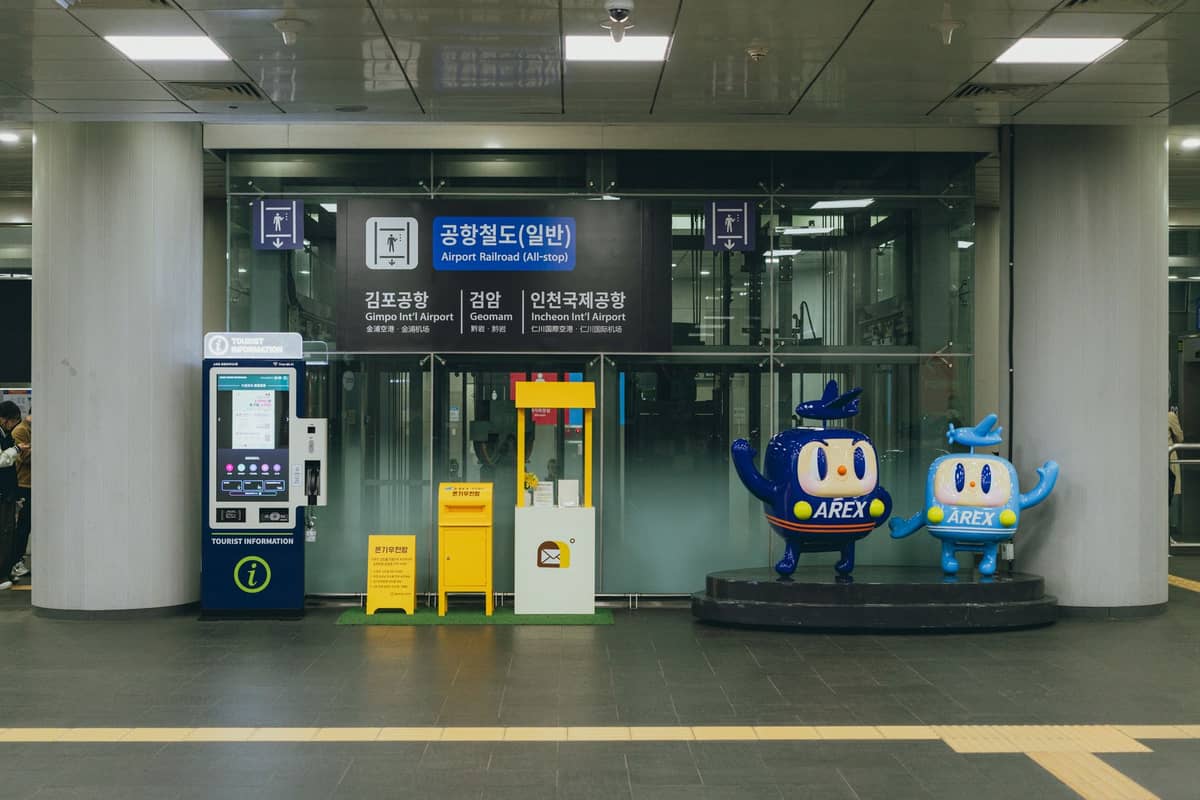
Most international visitors arrive at Incheon International Airport (ICN), roughly 50–60 km west of central Seoul. Transfer time to your hotel runs 50–90 minutes depending on traffic and transport choice. The AREX airport express rail connects to Seoul Station quickly and cheaply; a KAL limousine bus goes directly to major hotels in Gangnam and the city center for around 17,000 KRW or more. For luxury travelers, private transfer services are bookable through hotels directly — expect to pay significantly more than a metered taxi, but the meet-and-greet service and fixed pricing remove airport arrival friction.
Within Seoul, the subway system is comprehensive and fast enough that even guests at five-star hotels use it regularly. Kakao T is the dominant taxi and ride-hailing app. For a full breakdown of transport options including T-money card setup and subway navigation, the Seoul transport guide has the detail. Gimpo Airport (GMP) handles domestic flights and some regional routes; it is closer to central Seoul at roughly 15–20 km, making transfers faster and cheaper.
Seasonal Strategy: When Luxury Seoul Is Worth the Premium
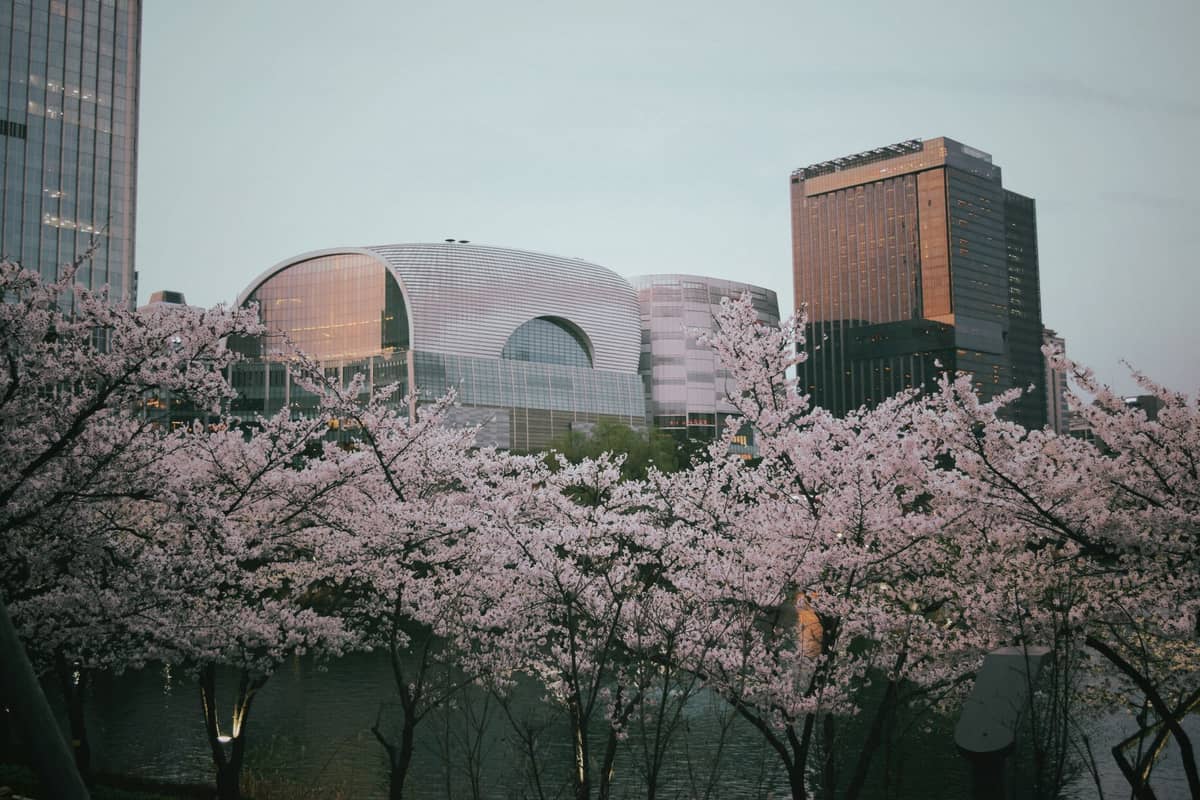
April and May are objectively the most photogenic months in Seoul, with cherry blossoms and warm spring light. They are also among the most expensive periods for accommodation. If you want the full visual experience without paying peak cherry blossom prices, Seoul in autumn April and May are objectively the most photogenic months in Seoul, with cherry blossoms and warm spring light. They are also among the most expensive periods for accommodation. If you want the full visual experience without paying peak cherry blossom prices, *autumn* (late September through November) offers comparable beauty with autumn foliage, slightly lower hotel rates, and more comfortable temperatures for walking the city's extensive outdoor spaces.
December is the single most expensive month for Seoul hotels — KAYAK data puts average luxury rates at $804/night in December, nearly four times the May low. The demand is driven by year-end corporate events, Christmas tourism, and the New Year period. If you have no choice but to travel in December, book at least 6–8 weeks ahead and consider mid-week check-in. January and February offer the lowest overall demand, though Seoul winters are genuinely cold (often near or below 0°C) and outdoor activities are limited.
ℹ️ Good to know
Seoul operates on Korean Standard Time (KST), UTC+9. The city is a 9–14 hour flight from most of North America and 10–12 hours from Europe. Jet lag management is worth factoring into your first night's accommodation choice — properties with good blackout curtains, late checkout options, and in-room dining matter more than usual on day one.
FAQ
What is the average cost of a luxury hotel in Seoul per night?
Aggregated booking data puts the average luxury hotel rate in Seoul at around $259/night, but this varies widely. May is the cheapest month on average (around $229/night) and December the most expensive (around $804/night). Weekday rates are typically lower than weekend rates, with Thursday being the cheapest night on average.
Which area of Seoul is best for luxury hotels?
It depends on your priorities. Jongno and Jung-gu (the historic north) put you near the royal palaces, traditional culture, and top museums — ideal for first-time visitors and those who want to understand Seoul's history. Gangnam offers the city's most contemporary energy, better access to Michelin-starred restaurants, and a more international business-hotel atmosphere. For dramatic views, Signiel Seoul in Jamsil (Songpa-gu) is in its own category.
Does Seoul have Michelin-starred restaurants?
Yes. Seoul has a growing number of Michelin-starred establishments since the guide launched its Korea edition in 2017. Notable names include La Yeon (Korean fine dining at The Shilla Seoul), Jungsik, and Mingles. Tasting menus typically run 150,000–300,000 KRW per person before beverage pairing. Lunch seatings often offer the same menu at a 30–40% discount versus dinner.
Is luxury travel in Seoul expensive compared to other Asian cities?
Seoul sits below Tokyo and Singapore in average luxury hotel pricing, and broadly comparable to Bangkok and Hong Kong depending on the season. The value proposition improves significantly in shoulder season (spring and early autumn), when hotel rates drop and the city is at its most appealing. Fine dining is genuinely competitive with other top-tier Asian food cities.
What are the best luxury experiences in Seoul beyond hotels?
Private hanbok photography sessions, high-end hanwoo (Korean beef) barbecue restaurants in Gangnam, the Leeum Museum of Art, rooftop bar views over the Han River, and hotel spa treatments are the most consistently praised. Many of Seoul's best cultural sites — the royal palaces, Bukchon Hanok Village, major museums — are low-cost or free, meaning luxury in Seoul is less about spending everywhere and more about choosing the right anchor experiences to pay well for.