Jimjilbang in Seoul: The Complete Korean Sauna, Spa & Bathhouse Guide
Seoul's jjimjilbangs are far more than bathhouses. They are all-hours social institutions where locals come to soak, sweat, eat, sleep, and decompress. This guide covers how they work, what everything costs, the unwritten rules of etiquette, and how to make the most of your visit whatever the season.
Plan and book this trip
Tools from our partner Travelpayouts help you compare flights and hotels. If you book through them, we may earn a commission at no extra cost to you.
Flights
Hotels map
TL;DR
- A jjimjilbang (찜질방) is a Korean bathhouse and sauna complex with gender-separated bathing areas and co-ed lounge spaces where you eat, rest, and sometimes sleep in shared spa clothing.
- Entry typically costs ₩10,000–₩20,000 and includes a uniform and access to sauna rooms; extras like body scrubs (세신) cost extra.
- Many Seoul jjimjilbangs run 24 hours, making them a legitimate budget overnight option for late-night arrivals or transit layovers.
- They are worth visiting in any season: a warm refuge in Seoul's freezing winters and an air-conditioned retreat during the hot, humid summers. Check the best time to visit Seoul if you're planning around the weather.
- Nudity is confined to the single-gender bath halls. Co-ed areas require the provided spa uniform. Follow that rule and you will be fine.
What Is a Jjimjilbang, Exactly?
The word jjimjilbang (찜질방) breaks down simply: jjimjil refers to the act of steaming or sweating, and bang means room. In practice, a jjimjilbang is a multi-floor complex built around the concept of heat therapy, bathing, and communal rest. Think of it as a Korean wellness center crossed with an overnight lounge. The format has been part of Korean daily life for decades and is used by families, couples, elderly regulars, and overworked office workers in equal measure.
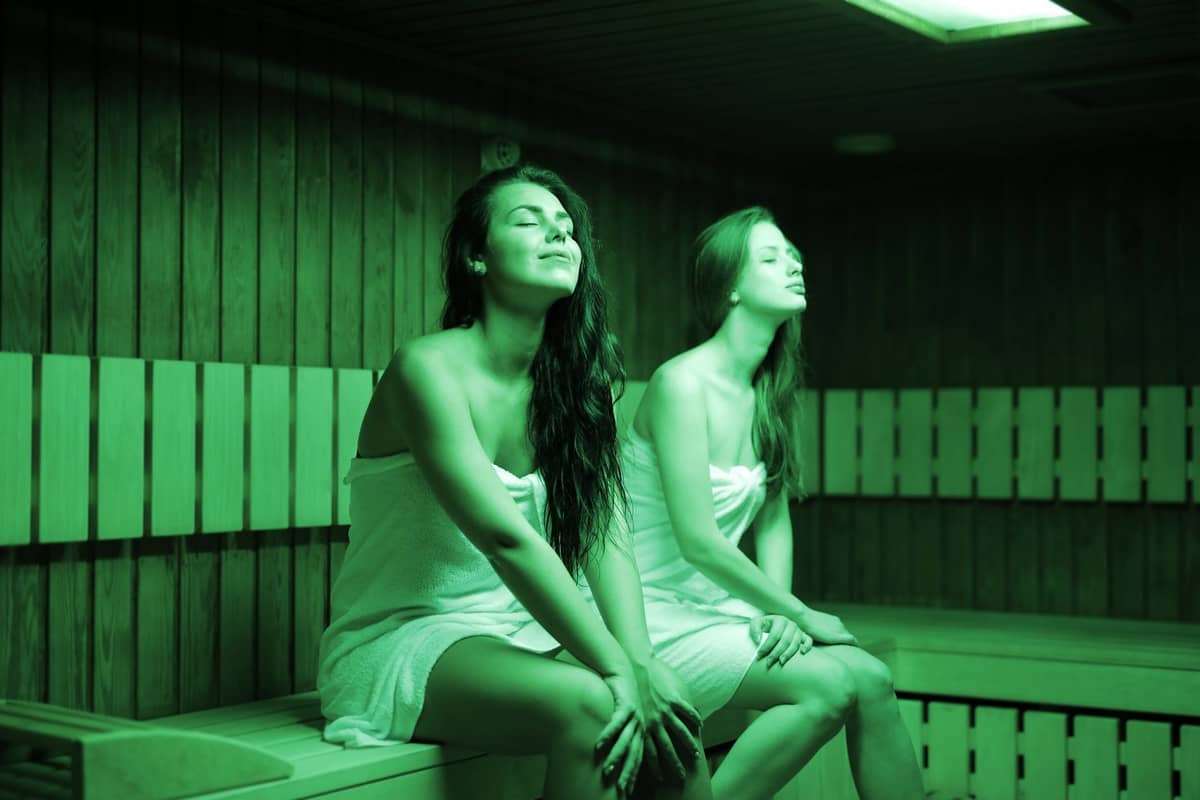
The core structure of any jjimjilbang divides into two zones. The first is the gender-separated bathing area, where you shower and soak in hot pools, cold plunge baths, and whirlpools. This zone is clothing-free, and lockers store your belongings. The second is the co-ed common area, which is where most first-time visitors are surprised by how much is going on: heated clay or salt rooms at different temperatures, a lounge floor with mats for sleeping, a snack bar, and often a TV area, gym, or PC room. In the co-ed zones, everyone wears the provided spa uniform, usually a cotton shorts-and-T-shirt set known as the jjimjil uniform.
ℹ️ Good to know
Jjimjilbang and mogyoktang (목욕탕) are related but different. A mogyoktang is a traditional neighborhood bathhouse focused purely on washing and soaking. A jjimjilbang includes the bathing area but adds heated sauna rooms, lounge space, food, and overnight facilities. Most visitors to Seoul are looking for the full jjimjilbang experience.
How a Visit Works: Step by Step
Arriving at a jjimjilbang for the first time can feel disorienting, but the process is consistent across most venues. At the front desk, you pay the entry fee (usually ₩10,000–₩20,000 depending on the venue and time of day) and receive a locker key and a set of spa clothes. The key often doubles as a digital payment device inside the facility, so you can charge food and extra services to your locker number and settle the total when you leave.
- Step 1: Pay and receive your kit Entry fee covers locker access and the standard uniform. Towels may be included or cost a small extra charge.
- Step 2: Head to the gender-separated bath area Remove all clothing, shower thoroughly before entering any pool, then use the hot baths, cold plunge, and steam rooms at your own pace.
- Step 3: Change into the spa uniform Put on the provided cotton shorts and T-shirt before entering the co-ed common areas. Wearing your own clothes is not allowed in the lounges.
- Step 4: Use the sauna rooms and lounges Heated rooms typically range from about 50°C to over 90°C. Move between them at your own pace. The heated clay floors in the lounge area are where most people rest or nap.
- Step 5: Eat, rest, or sleep Most jjimjilbangs have a snack counter or small restaurant selling sikhye (sweet rice drink), boiled eggs, ramen, and kimbap. Overnight guests sleep directly on the lounge floor on provided mats.
- Step 6: Return the uniform and settle your bill Hand back the clothes and key at the front desk and pay any additional charges before leaving.
💡 Local tip
The small hard pillow-shaped objects you will see people using as headrests in the lounge are called baegae (베개). They are often made of wood or ceramic and look uncomfortable but are standard. You can also just use your arms or a folded towel.
Pricing and What You Actually Get
Standard entry to a Seoul jjimjilbang runs roughly ₩10,000–₩16,000 during daytime hours, with slightly higher rates for evening and overnight stays, typically ₩15,000–₩20,000. These prices cover access to the bathing area, sauna rooms, the co-ed lounge, and the spa uniform. What they do not cover is the body scrub, which is the most talked-about add-on.
The body scrub, called se-shin (세신), is performed by a professional scrubber in the single-gender bath area. Using a rough exfoliating mitt, they remove dead skin from your entire body. Expect to pay around ₩20,000–₩35,000 for this service at a standard venue; upscale jjimjilbangs in Gangnam and other wealthier districts may charge more. It is worth booking in advance at busier venues or going early on weekdays if you want to avoid a wait.
- Entry fee (daytime): approximately ₩10,000–₩16,000
- Entry fee (overnight/evening): approximately ₩15,000–₩20,000
- Body scrub (세신): extra charge, varies by venue
- Massage services: vary widely by venue and duration, typically starting around ₩30,000+
- Food and drinks: charged separately via locker key, usually very cheap (boiled eggs and sikhye for under ₩3,000)
- Towel rental: small fee at some venues if not included in entry
For travelers watching their budget, a jjimjilbang overnight is one of the most cost-effective ways to sleep in Seoul. At ₩15,000–₩20,000 for a full night, it competes with the cheapest hostels while offering a genuinely cultural experience. Pair this with Seoul on a budget strategies for an affordable city break.
Etiquette: The Rules, Written and Unwritten
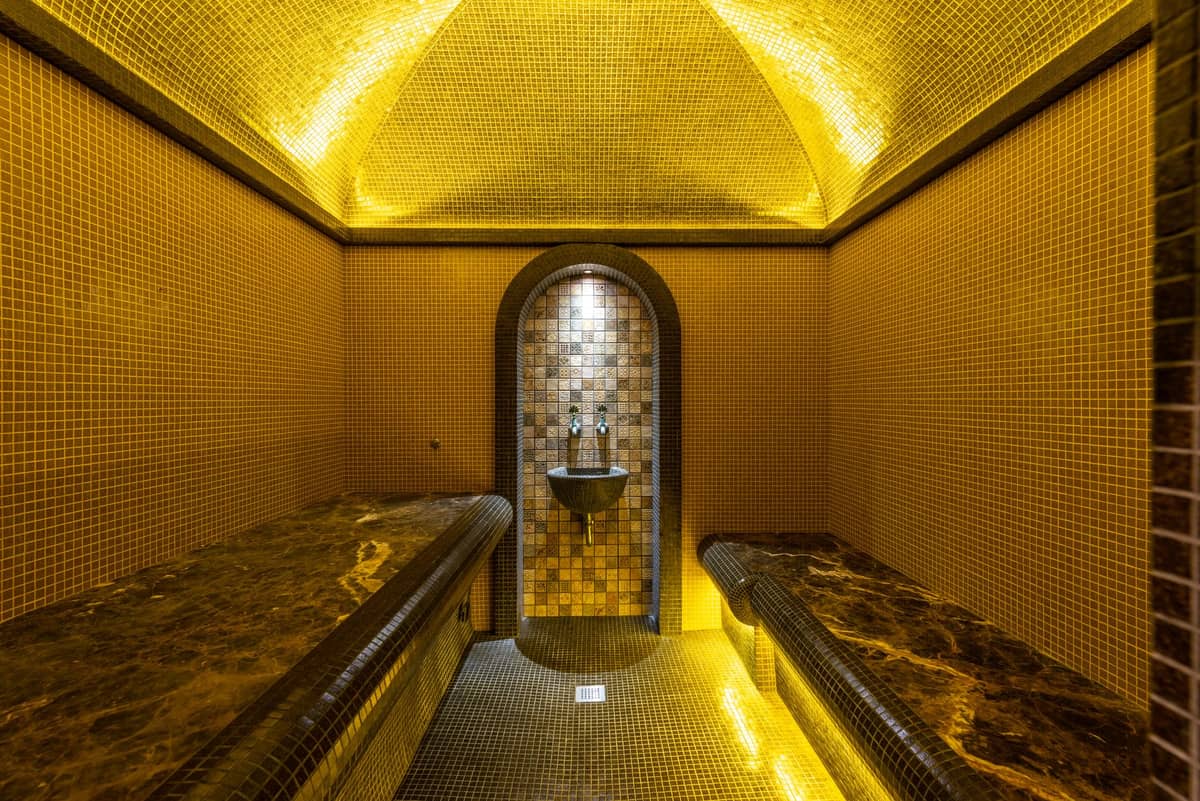
Korean bathhouse etiquette is not complicated, but some rules are firm enough that getting them wrong will cause real awkwardness. The most important: always shower before entering any communal pool or bath. This is non-negotiable and is enforced at the entrance to the bath area. Entering a pool without showering first is considered deeply unhygienic and disrespectful.
In the co-ed lounge areas, keep noise low. These spaces are used for genuine rest and sleep, even at unusual hours, and loud conversation or phone calls without headphones is frowned upon. Photography is a sensitive topic: never photograph other guests, and check the venue's rules before taking any photos even in empty spaces. Most jjimjilbangs prohibit photography in bathing areas entirely, which is reasonable.
- Shower before any communal bath or pool, every time
- Wear the provided spa uniform in all co-ed areas, no exceptions
- Keep conversations quiet in lounge and rest areas
- No photography in bathing areas; always ask about camera policies elsewhere
- Do not bring outside food or drinks into the facility without checking first
- Tattoos: some traditional jjimjilbangs still restrict visibly tattooed guests, especially in bathing areas. Call ahead if this applies to you
- Clean up after yourself: dispose of any food packaging, fold your mat, and return equipment
⚠️ What to skip
Tattoo policies vary significantly by venue. Some older, traditional jjimjilbangs still refuse entry to guests with visible tattoos, while newer or more internationally oriented venues are more relaxed. If you have prominent tattoos, check the specific venue's policy before showing up.
When to Go: Seasonal Considerations
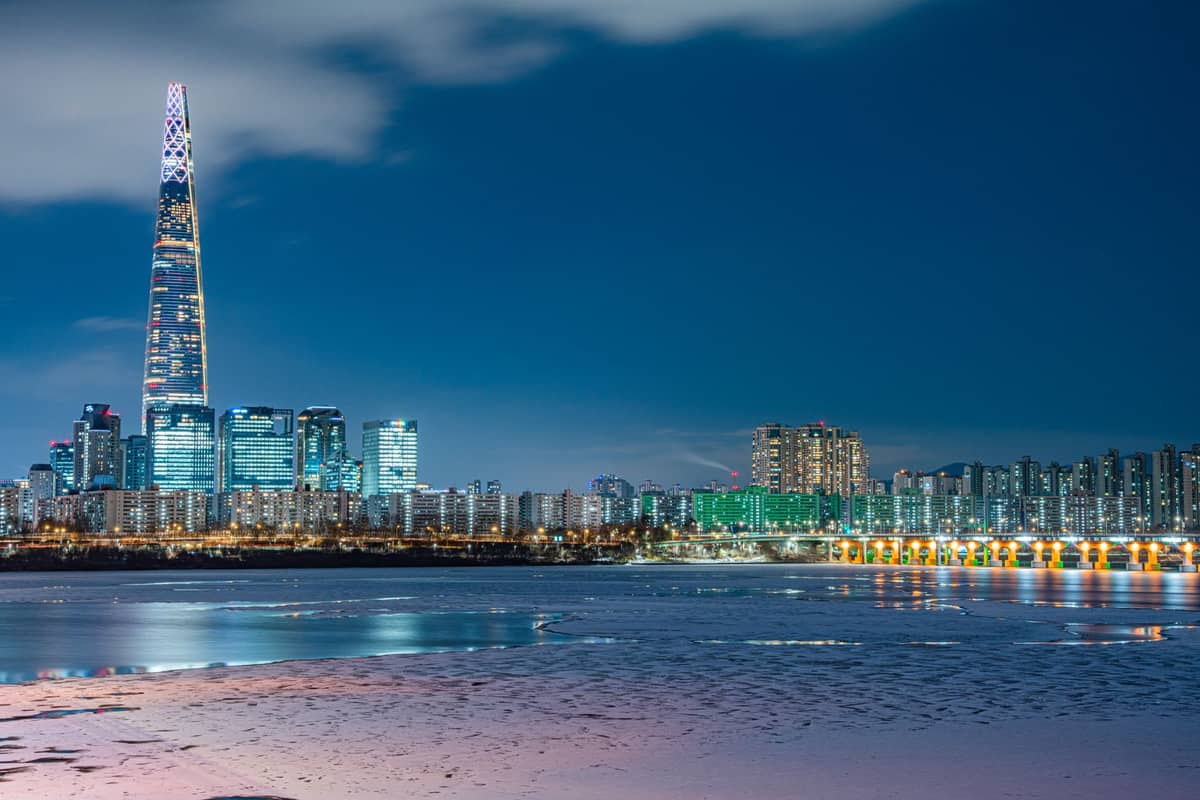
Jjimjilbangs are genuinely useful in every season, but the reason you would want to go shifts depending on the time of year. Seoul winters are cold, often dropping near or below 0°C, and stepping into a hot hwangto-bang (황토방, or yellow clay room) after walking through freezing streets is one of the more purely pleasurable things the city offers. If you are visiting between November and February, working a jjimjilbang into your itinerary is practically self-recommending. See the for more cold-weather activities. after walking through freezing streets is one of the more purely pleasurable things the city offers. If you are visiting between November and February, working a jjimjilbang into your itinerary is practically self-recommending. See the Seoul in winter guide for more cold-weather activities.
In summer, Seoul's heat and humidity peak during the jangma rainy season (roughly June to July) and the hot period that follows. Jjimjilbangs flip their appeal: the air-conditioned lounges and cool plunge baths make them an escape from outdoor heat rather than an antidote to cold. The overnight option is also particularly practical for budget travelers during summer, when accommodation costs tend to rise. Spring and autumn are the most comfortable seasons overall for a visit. Spring in Seoul and autumn in Seoul both offer moderate temperatures where a jjimjilbang visit feels like a pleasant wind-down rather than a weather necessity.
Timing within the week matters too. Weekends and public holidays draw larger crowds, particularly at well-known venues near tourist districts. If you want the lounge mostly to yourself and minimal wait for the se-shin scrub, a weekday morning or early afternoon is the best window. Late-night visits on Fridays and Saturdays tend to bring in groups of friends using the jjimjilbang as a post-nightlife recovery spot, which changes the atmosphere noticeably.
Where to Find Jjimjilbangs in Seoul
Jjimjilbangs are spread across the city, but certain districts have more options and more varied quality. Jongno and the historic center have traditional bathhouses alongside newer facilities. The Insadong Spa and Sauna in the Insadong area is a well-known option, reported to be open daily from 5:00 a.m. to 9:00 p.m. rather than 24 hours, so check hours carefully before planning an overnight there., so check hours carefully before planning an overnight there.
Gangnam has upscale jjimjilbangs that lean toward the spa end of the spectrum, with more premium services, cleaner facilities, and correspondingly higher prices. They tend to attract a younger, more international-friendly clientele and often have English-speaking staff. Dragon Hill Spa in Yongsan, once the best-known large-scale jjimjilbang for visitors, has been closed since around 2021. Use current neighborhood or hotel spas instead, and confirm hours before you go.
For a more local feel with fewer tourists, look at facilities in residential neighborhoods in Mapo or Seodaemun. These tend to be smaller, cheaper, and more authentic in atmosphere, though English signage may be limited. Google Maps reviews are the most reliable current source for checking whether a specific venue has English-language support before you go.
✨ Pro tip
If you are arriving on an overnight flight into Incheon International Airport and your hotel check-in is not until afternoon, a jjimjilbang is an excellent solution. Some travelers go directly from the airport to a 24-hour jjimjilbang, sleep for a few hours, shower, eat, and arrive at their accommodation at check-in time refreshed rather than exhausted. It costs far less than an extra hotel night.
For broader context on navigating Seoul's neighborhoods to find the right venue for your base, the where to stay in Seoul guide covers the character of each district in detail. If you are building a fuller itinerary around wellness and cultural experiences, the things to do in Seoul guide has a wider set of options to complement your jjimjilbang visit.
FAQ
Do I need to bring anything to a jjimjilbang in Seoul?
Most jjimjilbangs provide a locker, spa uniform, and basic towel as part of your entry fee. A change of underwear and personal toiletries (shampoo, soap, moisturizer) are worth bringing, though many venues sell these at the front desk. Flip-flops are useful in the bath area, and some travelers bring their own small towel for extra comfort. Leave valuables at your accommodation if possible.
Can tourists use jjimjilbangs in Seoul, or are they only for locals?
Tourists are welcome at all jjimjilbangs. Larger destination jjimjilbangs in tourist districts are more likely to have English signage and multilingual staff. Smaller neighborhood bathhouses may have limited English support, but the process is largely visual and procedural enough that language is rarely a serious barrier. A few phrases in Korean help, but are not required.
Is it safe to sleep overnight at a jjimjilbang?
Yes. Sleeping overnight in the co-ed lounge area is a normal, widely practiced use of jjimjilbangs. Your belongings go in a locked locker keyed to a wristband you wear throughout your stay. The common areas are typically well-lit and have staff on site. Solo travelers, including solo female travelers, regularly use jjimjilbangs for overnight stays without issue.
What is the difference between a jjimjilbang and a Korean spa like the ones in Western countries?
Korean-style spas abroad are typically based on the jjimjilbang model but scaled down and adapted for a different market. In Seoul, the original format is more community-oriented, cheaper, and less focused on luxury. You will find ordinary families, elderly regulars, and groups of friends alongside any tourists. The atmosphere is utilitarian in the best sense: these are places people genuinely use as part of daily life, not just as a treat.
Are there jjimjilbangs in Seoul that are open 24 hours?
Many are, but not all. Some large destination jjimjilbangs operate 24 hours; others close in the evening. Smaller venues, including some in tourist districts like Insadong, may close by early evening (the Insadong Spa and Sauna, for example, is reported to close at 9:00 p.m.). Always check current hours directly with the venue before planning an overnight visit, as hours can change seasonally or due to renovations.