Shopping in Seoul: The Complete Guide to Markets, Malls & Districts
Seoul's shopping scene is one of the most varied in Asia, spanning underground mega-malls, centuries-old traditional markets, and indie streetwear boutiques. This guide breaks down every major district by what you'll actually find there, how much to spend, and when to go.
Plan and book this trip
Tools from our partner Travelpayouts help you compare flights and hotels. If you book through them, we may earn a commission at no extra cost to you.
Flights
Hotels map
TL;DR
- Shopping in Seoul is district-specific: Myeongdong for K-beauty and cosmetics, Dongdaemun for late-night fashion, Hongdae for streetwear and indie labels, and Gangnam for luxury.
- Most malls open 10:30 AM and close 8–9 PM; Dongdaemun wholesale malls run roughly 8 PM to 5 AM; traditional markets like Gwangjang Market open as early as 6–7 AM.
- Avoid weekends and national holidays for a calmer experience; many shops close or run reduced hours during Lunar New Year and Chuseok.
- Budget shoppers should head to Namdaemun or Dongdaemun's daytime retail floors; for premium goods, Gangnam and COEX deliver the full luxury experience.
- T-money or a credit card covers most purchases; haggling is accepted at traditional markets but not in malls or branded shops.
How Seoul's Shopping Scene Actually Works
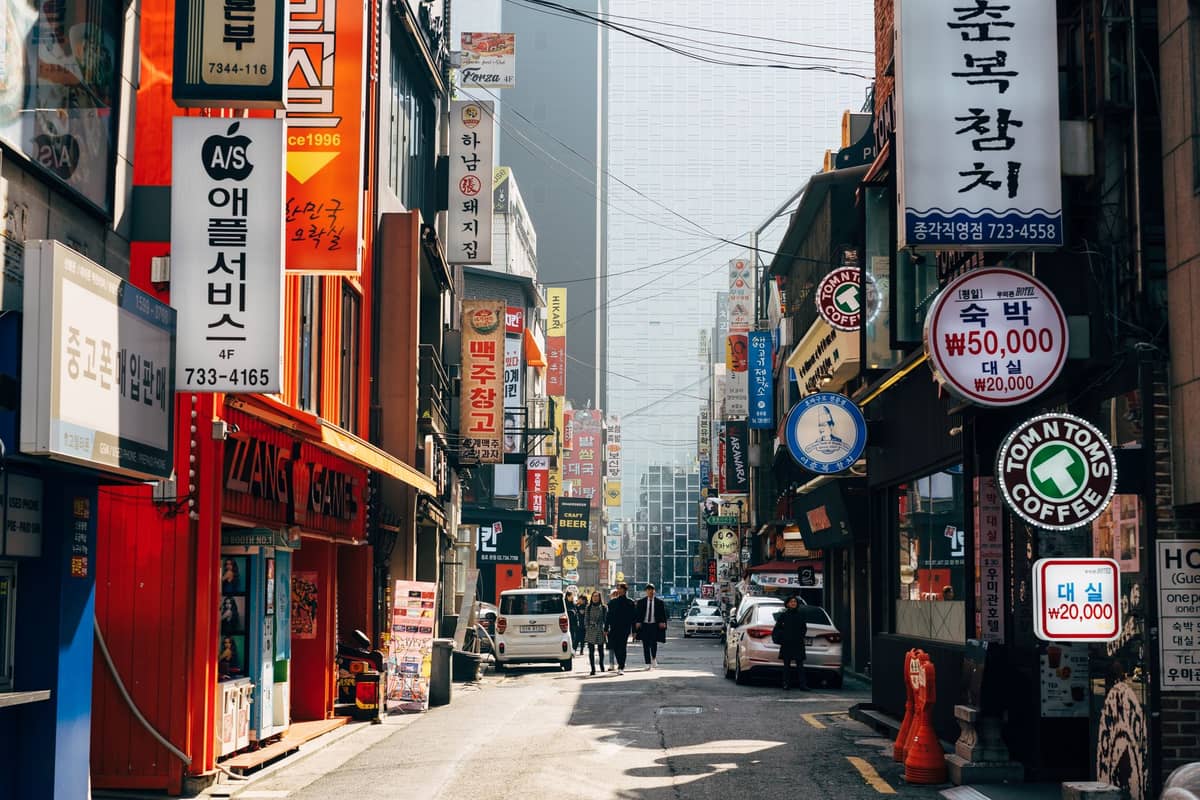
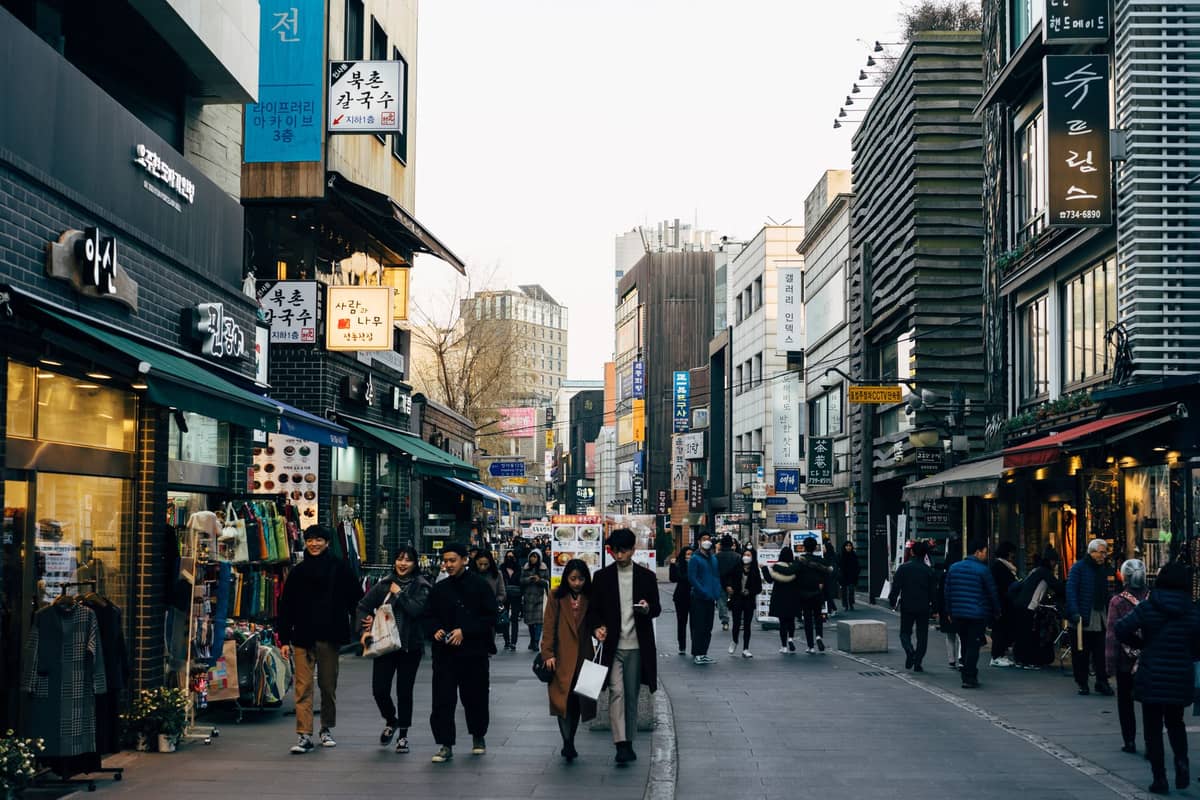
Shopping in Seoul is not concentrated in a single commercial strip. The city's retail geography is layered across distinct districts, each with its own specialty, price range, and atmosphere. Go to the wrong area for what you want and you will waste hours. Understand the logic, and you can move efficiently between a wholesale fashion mall at midnight, a traditional market at breakfast, and a K-beauty flagship in the afternoon.
The broad rule: Myeongdong and Jung-gu for cosmetics and mainstream fashion; Dongdaemun for fast fashion, wholesale, and late-night malls; Hongdae and Mapo-gu for indie streetwear and youth culture; Gangnam for luxury brands and high-end department stores; and the traditional markets of Jongno and Jung-gu for artisan goods, street food, and souvenirs.
ℹ️ Good to know
Cash is accepted almost everywhere, but most merchants in malls and beauty stores take credit cards without issue. At traditional markets — particularly Namdaemun and Gwangjang — carrying Korean won (KRW) in smaller denominations makes haggling and quick purchases much smoother. ATMs at convenience stores (CU, GS25, 7-Eleven) reliably dispense KRW and accept foreign cards.
Myeongdong: K-Beauty HQ and Mainstream Fashion
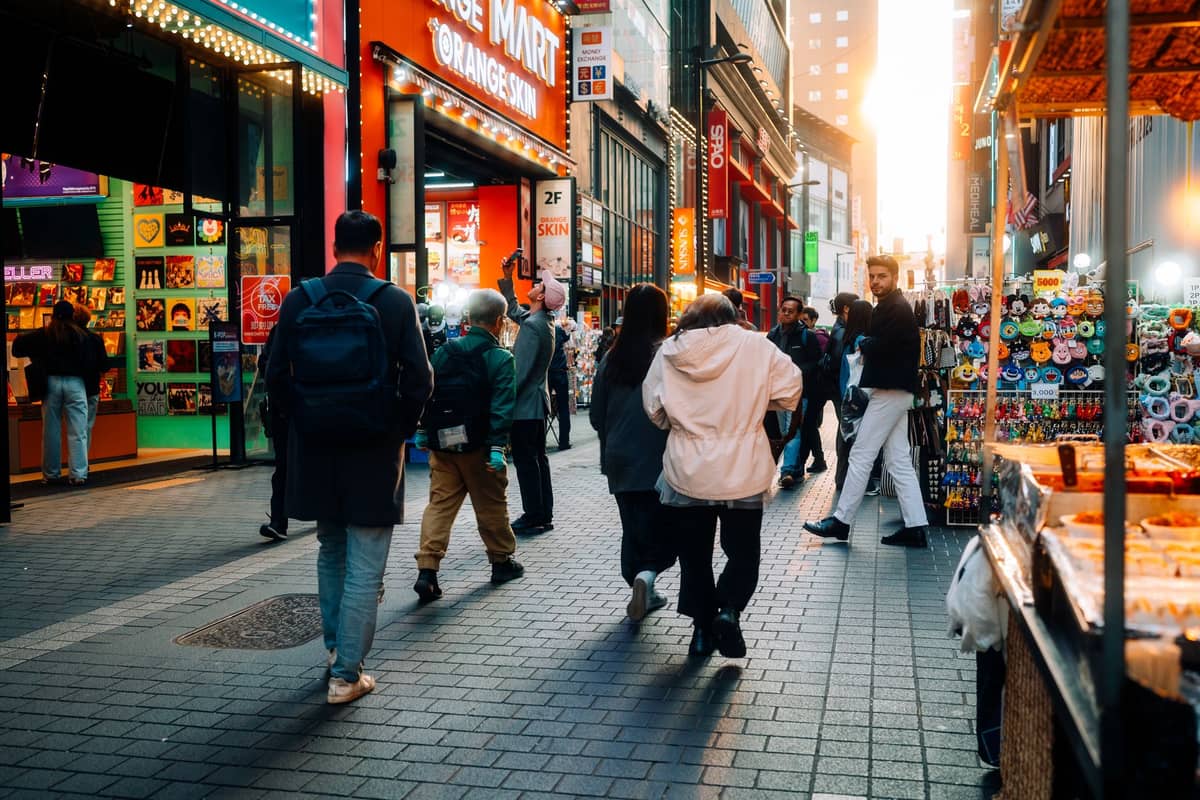
Myeongdong is the single most concentrated area for Korean skincare and cosmetics in the country. Within a few pedestrianized blocks you will find flagship stores for Innisfree, Etude House, Laneige, Sulwhasoo, Olive Young, and dozens of independent brands selling sheet masks, serums, and tinted sunscreens at prices noticeably lower than international markets. The flagship Olive Young on the main street is a reliable benchmark for product range and pricing.
Beyond beauty, Myeongdong offers mid-range fashion chains, currency exchange booths (competitive rates on the main street, not in hotel lobbies), and a street food corridor that fills up by late afternoon. It is loud and crowded on weekends, particularly during spring and autumn when tourist volumes peak. For a deeper dive into what to buy and where, the K-beauty shopping guide for Seoul covers product categories, price benchmarks, and which brands are worth prioritizing.
⚠️ What to skip
Myeongdong currency exchange stalls advertise high rates, but always confirm the final amount before handing over your cash. Some booths have fluctuating spreads depending on the denomination. The best rates are generally found at licensed exchange offices on the main pedestrian street, not inside the subway station or adjacent convenience stores.
Dongdaemun: Fashion Malls, Wholesale, and Late-Night Shopping
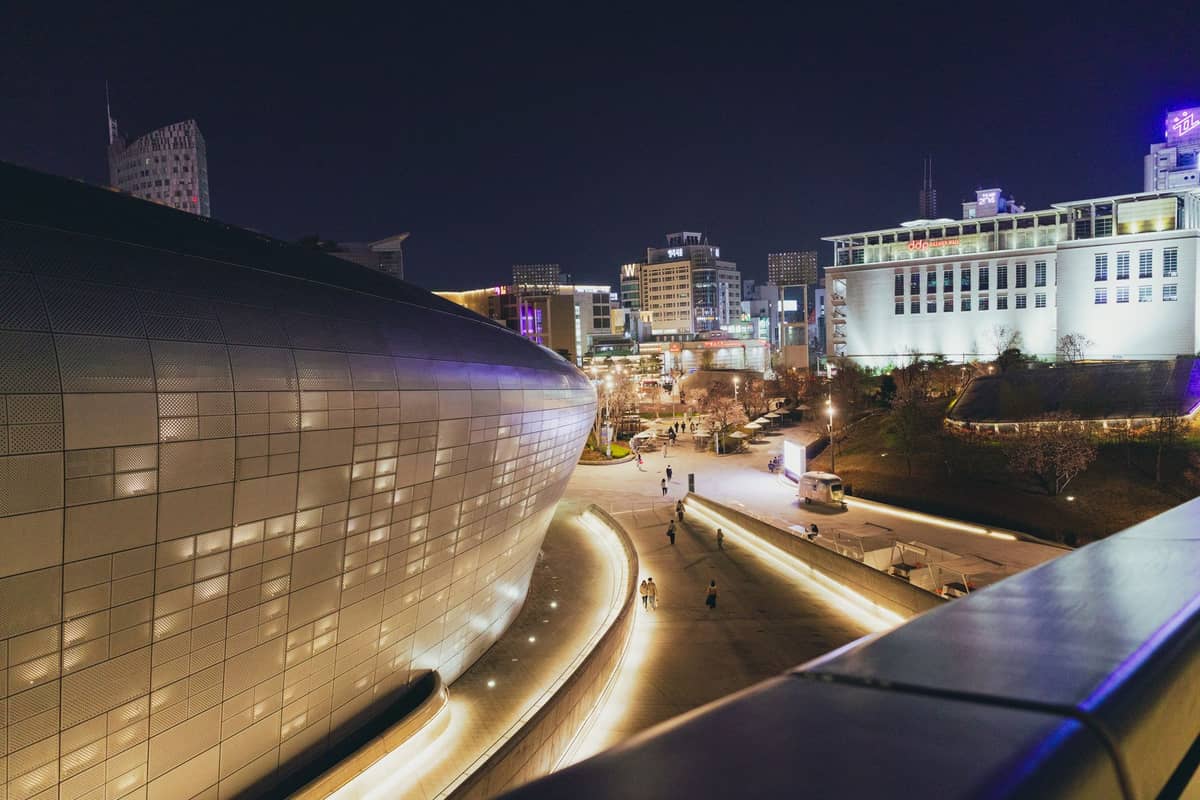
The Dongdaemun district operates on a schedule unlike anywhere else in Seoul. The cluster of fashion malls around the Dongdaemun Design Plaza — Doota Mall, Migliore, Hello apM, and the massive Dongdaemun wholesale buildings — caters to retailers, boutique owners, and individual buyers looking for fast fashion at competitive prices. Retail floors for individual shoppers generally open in the late afternoon and run until around 5 AM. Wholesale floors target trade buyers and are most active from midnight onward.
For travelers, the practical value of Dongdaemun is buying affordable Korean fashion that has not yet reached international markets. Prices on apparel are genuinely lower than equivalent quality in Myeongdong, and the sheer volume of options — multiple floors of women's, men's, and accessories stalls within each building — rewards patient browsing. Come after 9 PM on a weeknight for the best atmosphere and the least competition for the good pieces.
✨ Pro tip
If you are shopping Dongdaemun for the first time, start at Doota Mall for retail-friendly floors with English signage, then explore the older wholesale buildings like Dongdaemun Market if you want raw prices and a more local experience. Sizes run Korean standard, which skews smaller than European or North American sizing — check measurements, not labels.
Traditional Markets: Gwangjang, Namdaemun, and Beyond
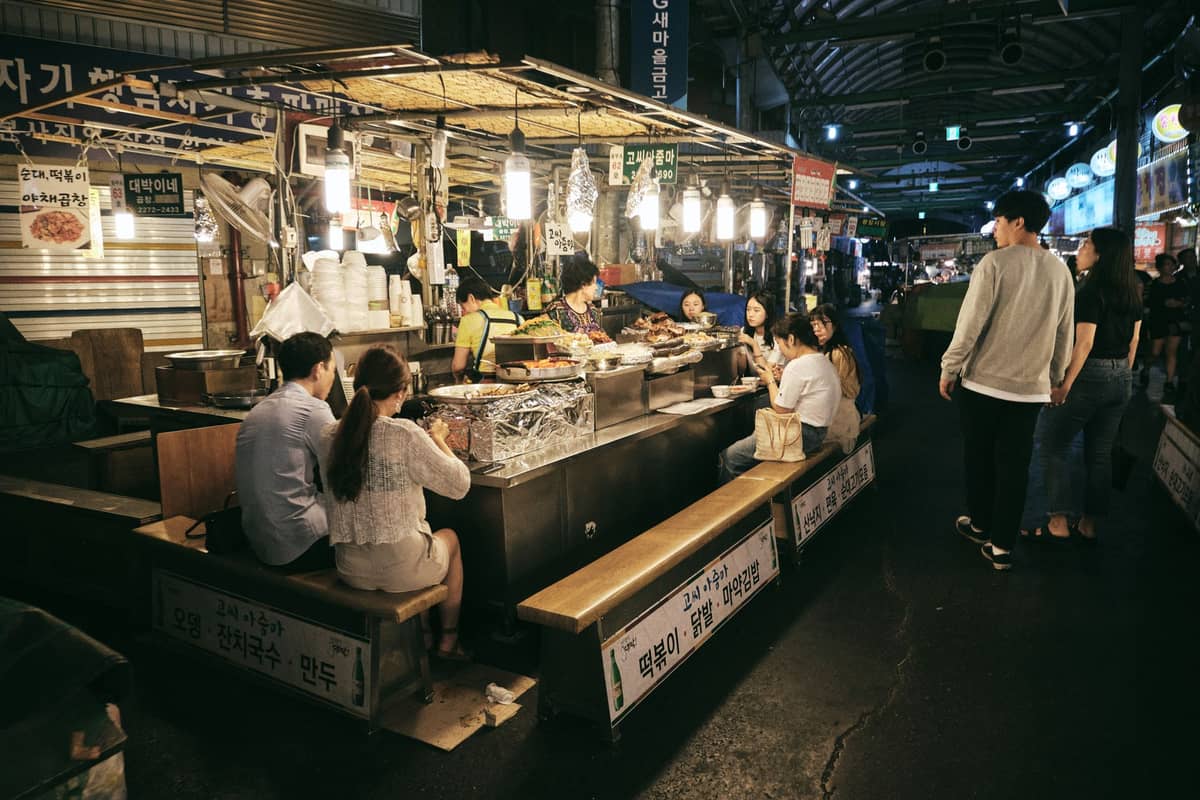
Traditional markets offer a fundamentally different shopping experience from the malls. Gwangjang MarketGwangjang Market in Jongno-gu is one of Korea's largest traditional markets, with a particularly strong reputation for raw silk, ramie, and Korean fabrics, alongside its famous food hall. It opened in 1905 and has operated on the same site for over a century. Morning is the right time to visit for fabric shopping; the food stalls peak at lunch and early evening.
Namdaemun MarketNamdaemun Market near Seoul Station is older and more chaotic than Gwangjang, but it is the city's best destination for low-cost souvenirs, dried food products, kitchen goods, clothing accessories, and random practical items. Price haggling is standard here. The market is at its most energetic in the early morning when commercial buyers are moving through. For travelers, midmorning on a weekday offers a calmer version of the same experience.
- Gwangjang Market Best for Korean fabrics, silk, ramie, and hanbok accessories. Also one of Seoul's top street food destinations. Opens around 7 AM, with most fabric vendors active until late afternoon.
- Namdaemun Market Best for budget souvenirs, kitchen goods, clothing accessories, and dried food products. Haggling expected. Most active before noon on weekdays.
- Mangwon Market A local neighborhood market in Mapo-gu, less touristy than Namdaemun or Gwangjang. Better for genuine local produce, street snacks, and a non-performative market atmosphere.
- Gyeongdong Market Seoul's main traditional medicine and herbal market in Dongdaemun-gu. Fascinating to walk through even if you are not buying; genuine medicinal herbs, dried roots, and specialty food ingredients.
For more on navigating Seoul's market culture, the Seoul markets guide goes deeper on what each market specializes in and how to approach vendors, including the etiquette around price negotiation. The Gwangjang Market food guide is worth reading separately if you want to combine shopping with eating.
Malls and Underground Shopping Centers
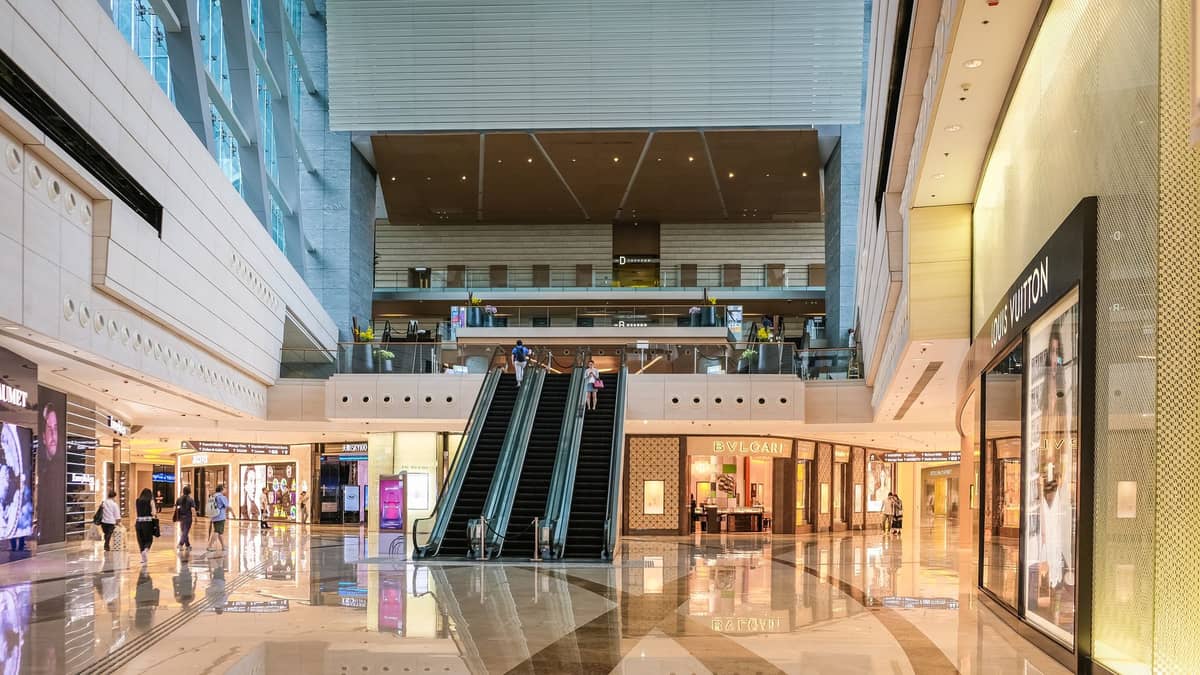
Seoul has an exceptional underground mall network built beneath major intersections, subway stations, and commercial blocks. COEX MallCOEX Mall in Gangnam is the most prominent example: Visit Seoul describes it as one of the largest underground shopping malls in Asia, with over 260 stores across fashion, electronics, bookshops, an aquarium, and a food court. It connects directly to Samseong station and the COEX convention center, making it a practical base for a full day in southern Seoul.
Beyond COEX, the underground passages beneath Myeongdong, Euljiro, and City Hall link hundreds of small boutique and accessory stalls. These underground arcade stalls sell fashion basics, phone cases, jewelry, and seasonal goods at prices that undercut the street-level shops. They are reliable for everyday items and affordable gifts; less so for quality statement pieces. Standard mall hours apply: most open around 10:30 AM and close by 8–9 PM.
Hongdae, Insadong, and District Shopping Worth Knowing
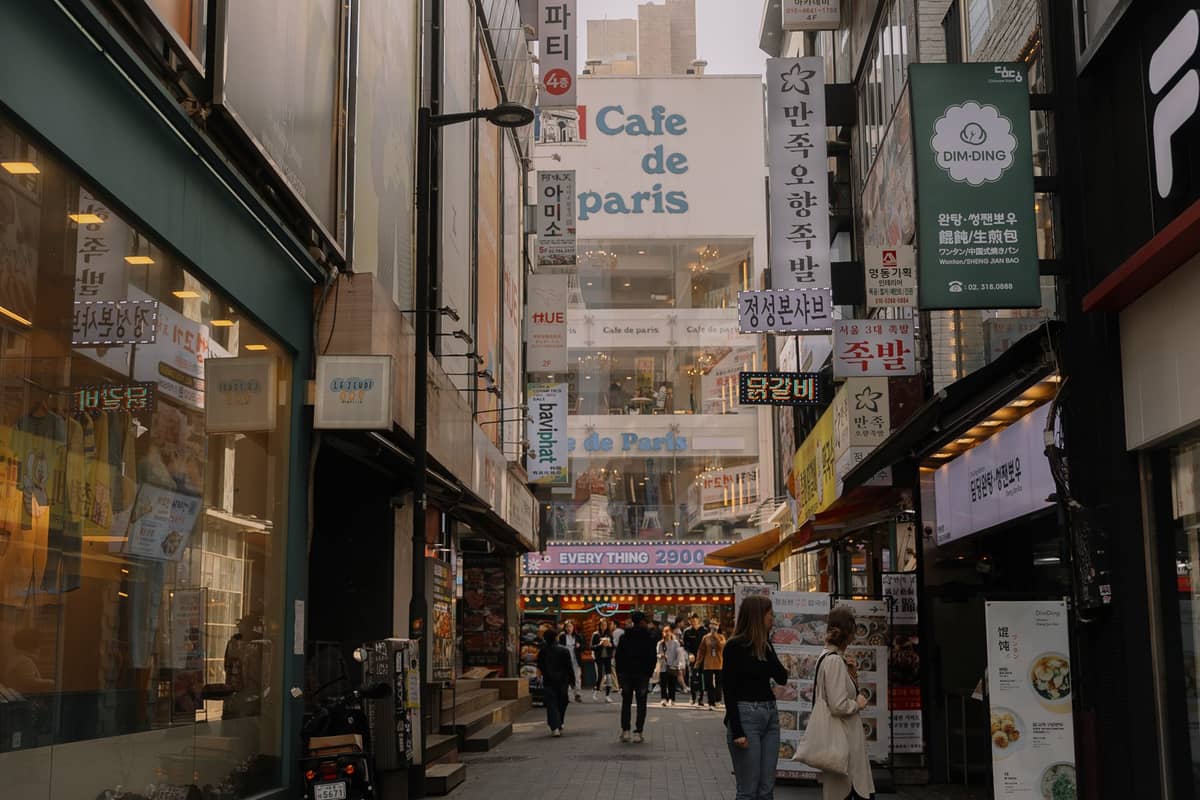
Hongdae in Mapo-gu is where Seoul's independent fashion scene concentrates. The streets around Hongik University are lined with streetwear boutiques, vintage stores, Korean designer shops, and accessories vendors. Weekend afternoons bring out street performers and a younger crowd, but the actual shopping is better on weekday afternoons when stores are less crowded and sellers are more engaged. For street food alongside shopping, Seoul's street food scene extends naturally through this neighborhood.
InsadongInsadong offers a different category entirely: traditional crafts, Korean paper goods (hanji), calligraphy supplies, ceramics, and independently produced art. The main street is tourist-oriented and crowded, but the side alleys and the Ssamziegil courtyard complex contain worthwhile independent boutiques. Insadong is the right area for thoughtful souvenir shopping rather than fashion or electronics.
Seongsu-dong,Seongsu-dong, east of central Seoul on the north bank of the Han, has developed a strong reputation for Korean designer shoes, leather goods, and independent fashion labels. The area around Seongsu attracts a creative, design-conscious local crowd and has a noticeably different atmosphere from the tourist-heavy zones. It is further from most accommodations, but worth the subway ride if independent Korean fashion is a priority.
- Myeongdong: K-beauty flagships, cosmetics, mid-range fashion. Best for skincare product variety and competitive pricing.
- Dongdaemun: Fast fashion malls, late-night wholesale, apparel at all price points. Best after 9 PM on weekdays.
- Hongdae: Streetwear, indie brands, vintage, Korean designer boutiques. Best on weekday afternoons.
- Insadong: Traditional crafts, hanji paper goods, ceramics, art. Best for non-fashion souvenirs.
- COEX and Gangnam: Luxury department stores (Hyundai, Shinsegae), premium Korean brands, international labels.
- Namdaemun: Budget goods, souvenirs, everyday items. Best in the morning on weekdays.
- Seongsu: Korean designer shoes, leather goods, independent fashion. Best for design-forward local labels.
💡 Local tip
Tax refunds (Global Tax Free) are available for foreign visitors on purchases over a minimum threshold at participating stores. Look for the 'Tax Free' logo at checkout in major malls and branded stores. You can claim refunds at Incheon Airport departure halls before boarding, or at designated city refund desks in some malls. Keep your receipts and passport accessible throughout your trip.
Practical Tips: Timing, Crowds, and What to Watch Out For
Timing your shopping around the calendar makes a significant difference. Spring (April to May) and autumn (September to October) bring the heaviest tourist volumes to Myeongdong and Insadong, meaning longer queues and fewer opportunities for unhurried browsing. Summer weekends at Dongdaemun are hot and packed. Weekday mornings are consistently the best window across all districts for space and service attention.
Major traditional markets and many independent shops close or operate on reduced hours during Lunar New Year (Seollal) and Chuseok, Korea's two major national holidays. Planning shopping days around these dates matters, especially since the exact dates shift each year. Department stores and large malls often stay open during holidays but at limited capacity.
For travelers focused on getting the most value from Seoul, the Seoul on a budget guide covers how to approach markets, underground arcades, and discount floors in department stores without sacrificing quality. If you are fitting shopping into a larger itinerary, the 3-day Seoul itinerary allocates district time efficiently across the city's key zones.
FAQ
What is the best area for shopping in Seoul?
There is no single best area — the right district depends entirely on what you are buying. Myeongdong is best for K-beauty and cosmetics. Dongdaemun is best for affordable fashion, especially late at night. Gangnam and COEX are best for luxury and premium brands. Insadong is best for traditional crafts and souvenirs. Hongdae is best for streetwear and indie Korean fashion.
When does Dongdaemun market open and close?
Dongdaemun operates across two different commercial cycles. Retail malls (like Doota) generally open in the afternoon and run until around 5 AM. Wholesale floors targeting trade buyers are most active from roughly midnight to early morning. Daytime hours on specific floors vary by building, so check individual mall hours before visiting.
Can you haggle at Seoul markets?
Yes, at traditional markets like Namdaemun and Gwangjang, polite price negotiation is normal and expected. It is not appropriate in branded stores, department stores, or shopping malls. A reasonable approach is to ask the price, compare across a few stalls, and make a counter-offer calmly rather than aggressively.
How do tax refunds work for tourists shopping in Seoul?
Foreign tourists can claim a VAT refund (Global Tax Free) on purchases above a minimum spend threshold at participating stores. The refund is processed at Incheon Airport departure halls or at some city-center refund desks. Keep your passport and all receipts. The minimum purchase amount and refund percentage are set by South Korean tax regulation, so confirm current thresholds with the store at time of purchase.
What should I buy in Seoul that I cannot easily find elsewhere?
Korean skincare and cosmetics are the most obvious answer — product ranges in Seoul flagship stores exceed what is available internationally, and prices are lower at source. Korean traditional fabrics and hanji paper goods from Gwangjang and Insadong are genuinely harder to source outside Korea. Local independent fashion labels in Hongdae and Seongsu offer design-forward pieces that have not reached international retail. Dried food products and traditional herbal goods from Namdaemun and Gyeongdong Market are also unique to the Seoul market context.