Seoul Café Culture: Best Coffee Districts & Concept Cafés
Seoul's café scene is one of the most developed in Asia, divided across distinct neighborhoods where each district has its own personality. This guide breaks down the best coffee districts and concept cafés by area, with honest advice on timing, crowds, and what to actually order.
Plan and book this trip
Tools from our partner Travelpayouts help you compare flights and hotels. If you book through them, we may earn a commission at no extra cost to you.
Flights
Hotels map
TL;DR
- Seongsu-dong is Seoul's most-talked-about café district, built inside converted factories and warehouses — but batch-schedule openings mean timing matters.
- Hongdae is the easiest district for first-timers: walkable, served directly by the AREX airport line, and packed with concept and themed cafés.
- For traditional atmosphere, Insadong and Bukchon offer hanok-style tea houses and courtyard cafés that are completely different in feel from the industrial south.
- Spring (April–May) and autumn (September–October) are the best seasons for café-hopping because the experience depends on walkability between spots.
- Seoul's café scene is district-based, not street-based — plan by neighborhood and allow half a day per area to get real value from each.
Why Seoul's Café Culture Is Different
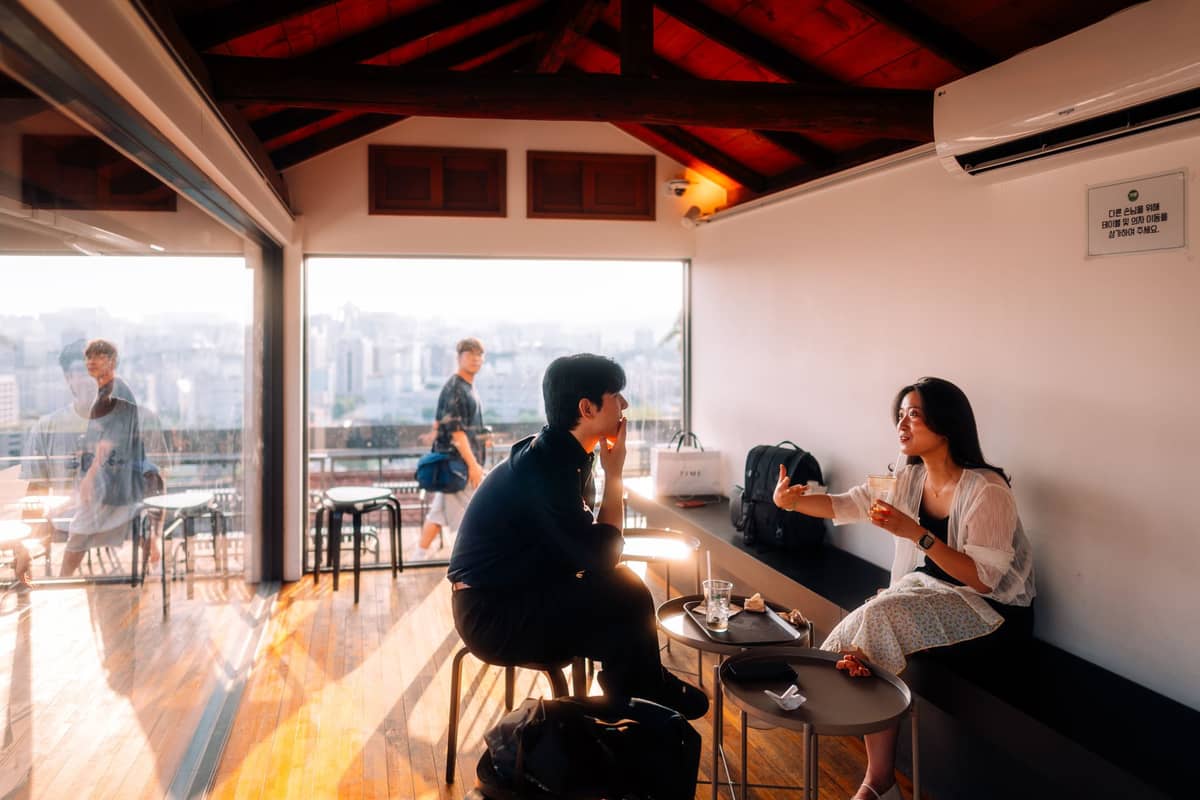
Seoul has more cafés per capita than almost any major city in the world, and the culture that has grown around them goes well beyond coffee. In Seoul, a café can be a converted 1960s grain warehouse, a rooftop with views of a Joseon-dynasty palace, a miniature bookshop, or a space where you pay to sit with cats or raccoons. The concept café format, where the design, theme, and experience are as important as the drink, originated partly here and has been exported across East Asia.
What makes Seoul's café scene genuinely interesting for visitors is that it is organized by district rather than scattered randomly across the city. Each neighborhood has developed a distinct identity: Seongsu leans into industrial-minimalist aesthetics, Hongdae runs younger and more experimental, and Bukchon and Insadong trade on historical settings. Understanding these zones before you arrive saves significant time and disappointment.
ℹ️ Good to know
Café drinks in Seoul typically cost between 5,000 and 10,000 KRW (roughly $3.50–$7.50 USD) for specialty coffee. Concept cafés may charge slightly more. Most places are cashless or prefer card payment, and T-money transit cards are not accepted in cafés.
Seongsu-dong: Seoul's Industrial Coffee Capital
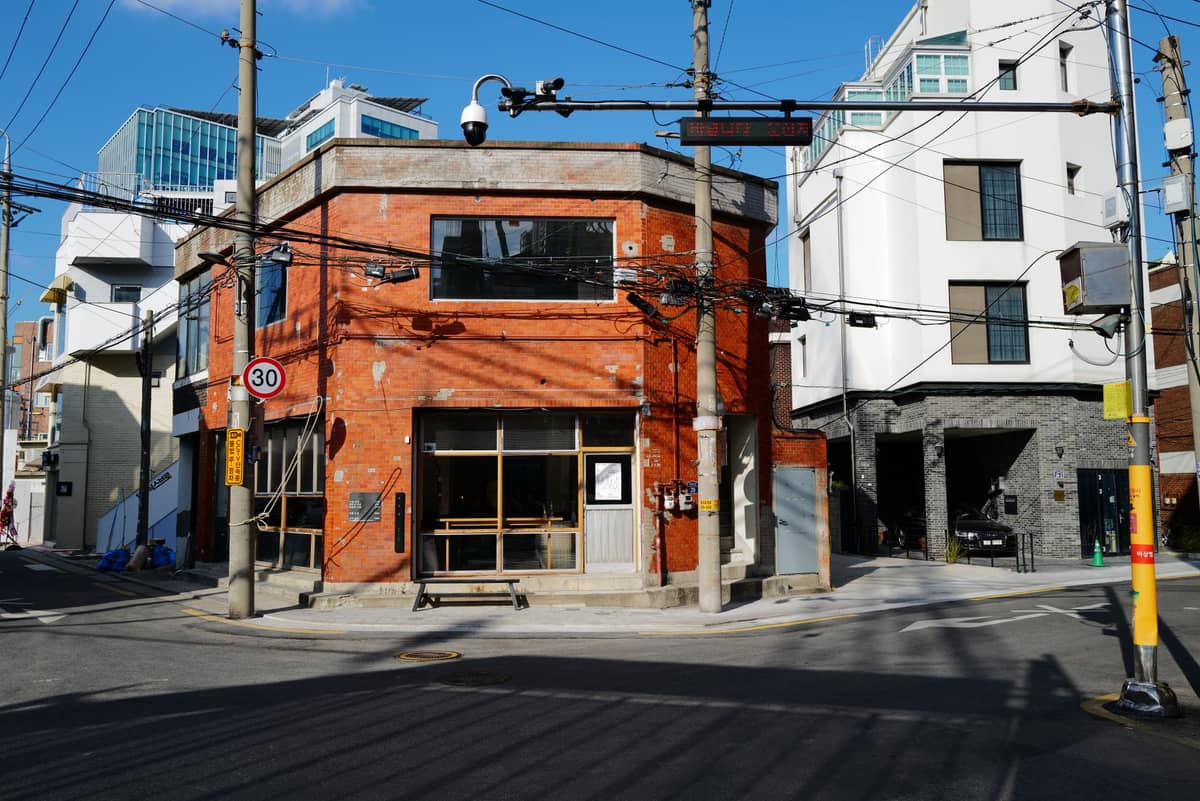
Seongsu-dong, in the eastern part of the city near the Seongsu district, has been the center of Seoul's specialty coffee conversation for several years. Former shoemaking factories and printing warehouses have been converted into multi-story cafés with exposed brick, raw concrete, and serious roasting equipment. Onion Seongsu and Daelim Changgo are two of the most photographed spots — expect weekend queues of 20–40 minutes at both.
The critical practical note for Seongsu: many of the most popular artisan bakeries and cafés here operate on fixed batch schedules for their baked goods, not standard all-day service. Arrive when they open (typically around 10–11am on weekends) for the best selection. By early afternoon, specific items such as croissants and signature pastries are often sold out. This is not a tourist trap — it reflects genuine production limits — but it does require planning.
Seongsu is best reached on Seoul Metro Line 2 via Seongsu Station (성수역). From there, the main café cluster is walkable within 10–15 minutes. Weekends are significantly more crowded than weekdays, and the area doubles as a street-culture and pop-up shopping destination, so morning weekday visits are the most relaxed option for serious café exploration.
⚠️ What to skip
Several Seongsu cafés have become so popular with content creators that the interior lighting and seating are frequently blocked by people photographing their drinks. If you want a quiet place to sit and work, Seongsu on a Saturday afternoon is not the right choice. Weekday mornings are a different experience entirely.
Hongdae and Yeonnam-dong: Concept Cafés and Creative Energy
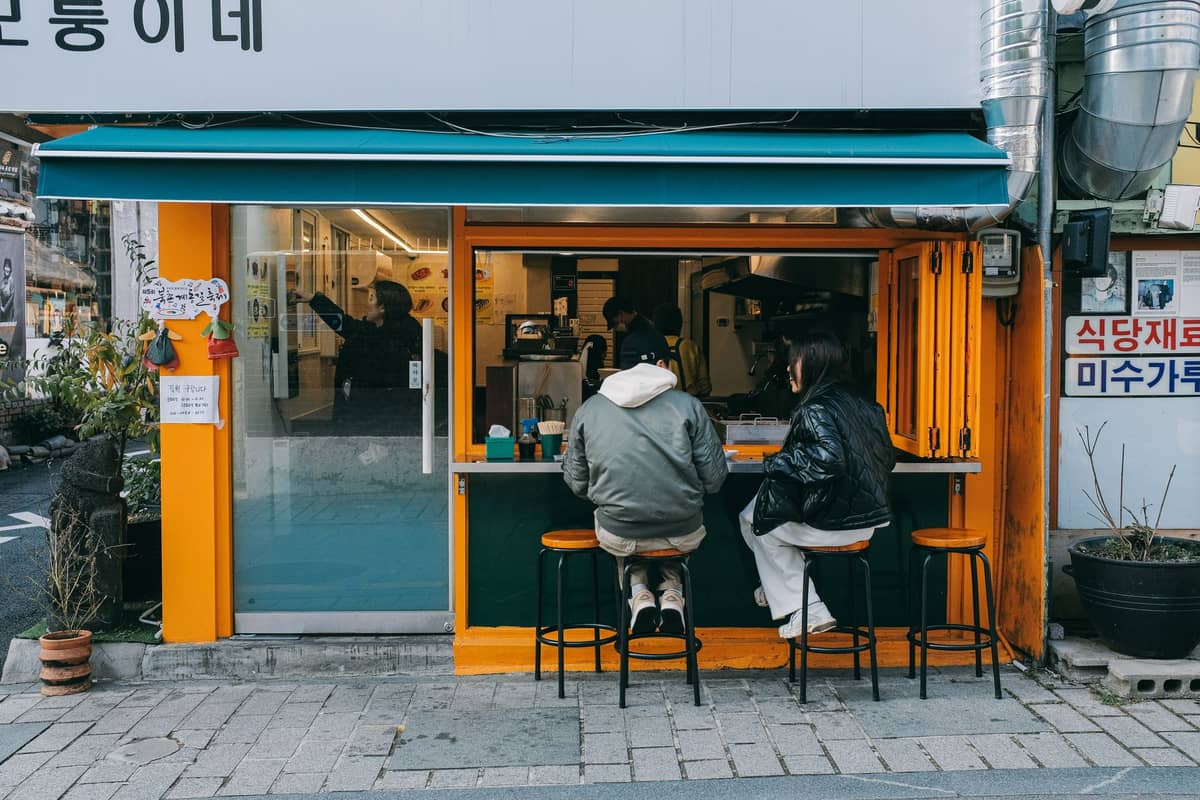
The Hongdae and Mapo area is the most walkable district in Seoul for café-hopping, and it has the widest variety of concept formats in a concentrated space. Animal cafés (cats, dogs, raccoons, sheep), dessert-first cafés, photo-booth café hybrids, and underground indie roasters are all within a 20-minute walk of each other. The district runs young — it is anchored by Hongik University — so the experimentation is real, not manufactured for tourists.
Yeonnam-dong, directly north of Hongdae station, is slightly calmer and attracts a more residential crowd. The streets here are lined with small independent cafés that have more seating and less queue pressure than the main Hongdae strip. For visitors who want concept café novelty without the weekend crush, Yeonnam on a weekday afternoon is the better call.
Transport is a genuine advantage here. Hongik University Station (홍대입구역) sits at the intersection of Metro Line 2, the Airport Railroad Express (AREX), and the Gyeongui-Jungang Line. This means travellers arriving from Incheon International Airport can reach Hongdae directly without a transfer, making it a practical first stop on the day of arrival.
- Best for first-timers Hongdae main strip for variety and easy navigation from the station.
- Best for a quieter visit Yeonnam-dong side streets, especially on weekday afternoons.
- Best for themed cafés The area around Aha Terrace and the streets south of Hongik University Station have the highest density of concept formats.
- Best for specialty coffee without theatrics Look for smaller roaster-run shops on the northern edge of Yeonnam — less instagrammable, better coffee.
Bukchon, Samcheong-dong, and Insadong: Traditional Atmosphere
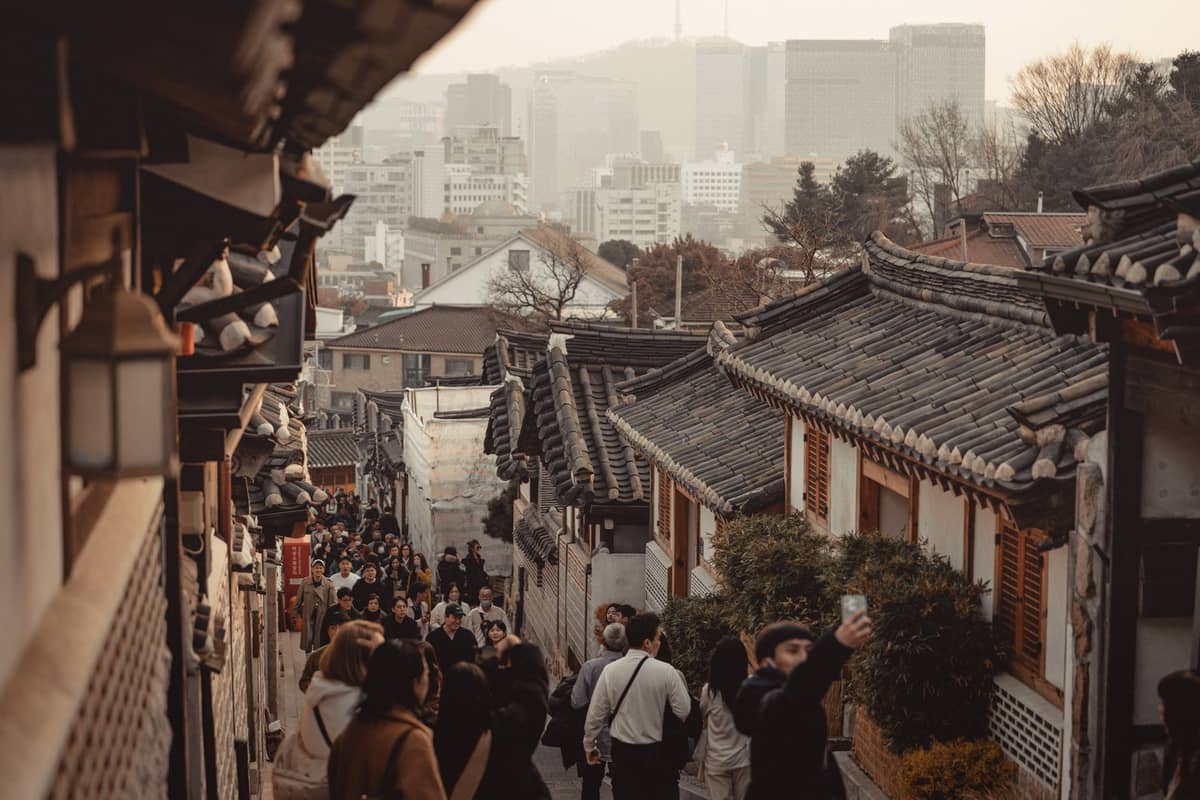
The historic northern neighborhoods around Bukchon Hanok Village and Samcheong-dong offer a completely different café experience. Here, the setting is the point: traditional Korean courtyard homes (hanok) converted into tea houses and cafés, where you sit on floor cushions or wooden platforms and drink omija (five-flavor berry) tea or sikhye (sweet rice punch) as much as espresso.
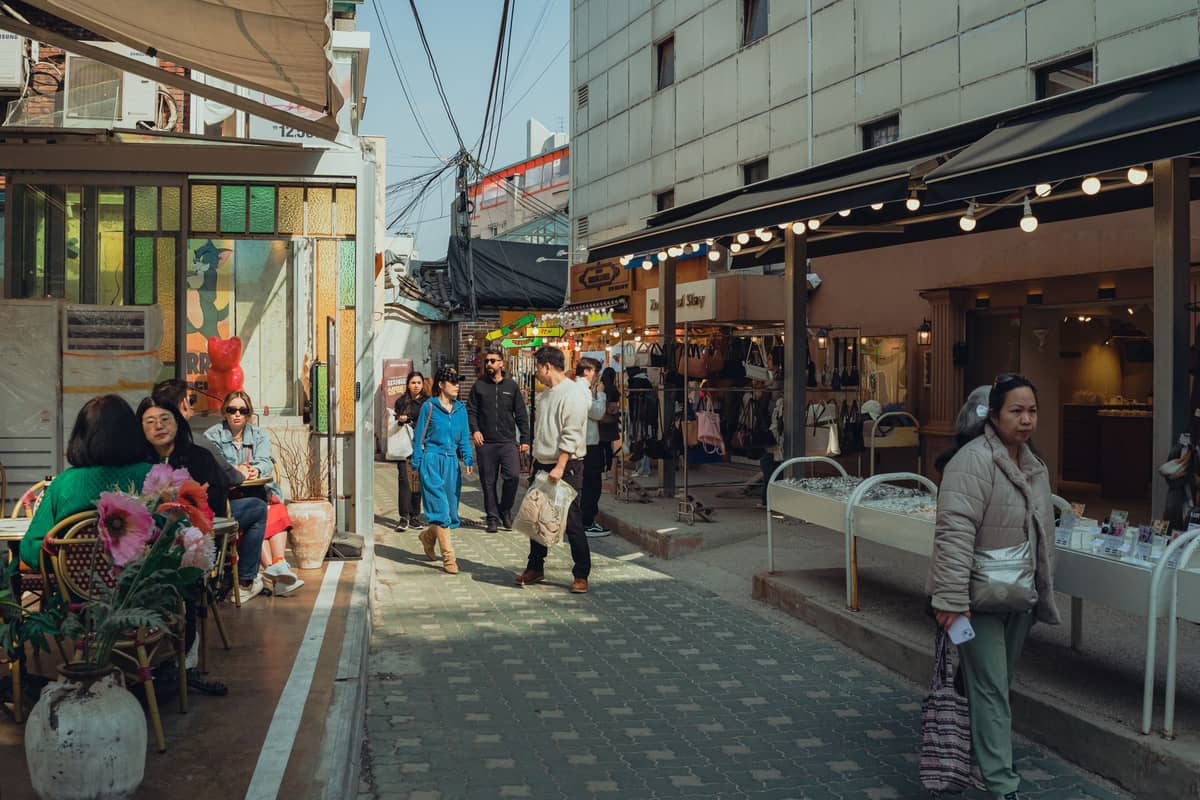
Insadong, the adjacent cultural district, has a longer-established café scene centered on Korean tea culture. Insadong's main streetInsadong and its side alleys are lined with tearooms and hanok cafés that cater to both locals seeking a traditional break and visitors who want something beyond the usual flat white. Prices here are comparable to specialty cafés elsewhere in the city, but the atmosphere justifies spending extra time.
The practical consideration in Bukchon and Samcheong-dong is that the uphill walking between spots is more demanding than in flat Hongdae or Seongsu. Comfortable shoes matter. This area is also significantly more tourist-heavy on spring and autumn weekends, especially around the hanok village lanes, so weekday mornings offer a noticeably different, more genuine experience.
💡 Local tip
Several hanok cafés in Bukchon and Samcheong-dong do not have large signage and are easy to walk past. Slow down and look for wooden gate entrances and stone-paved courtyards set back from the street. The best spots are often the ones without a queue outside.
Gangnam and Beyond: Flagship Cafés and Brand Showrooms
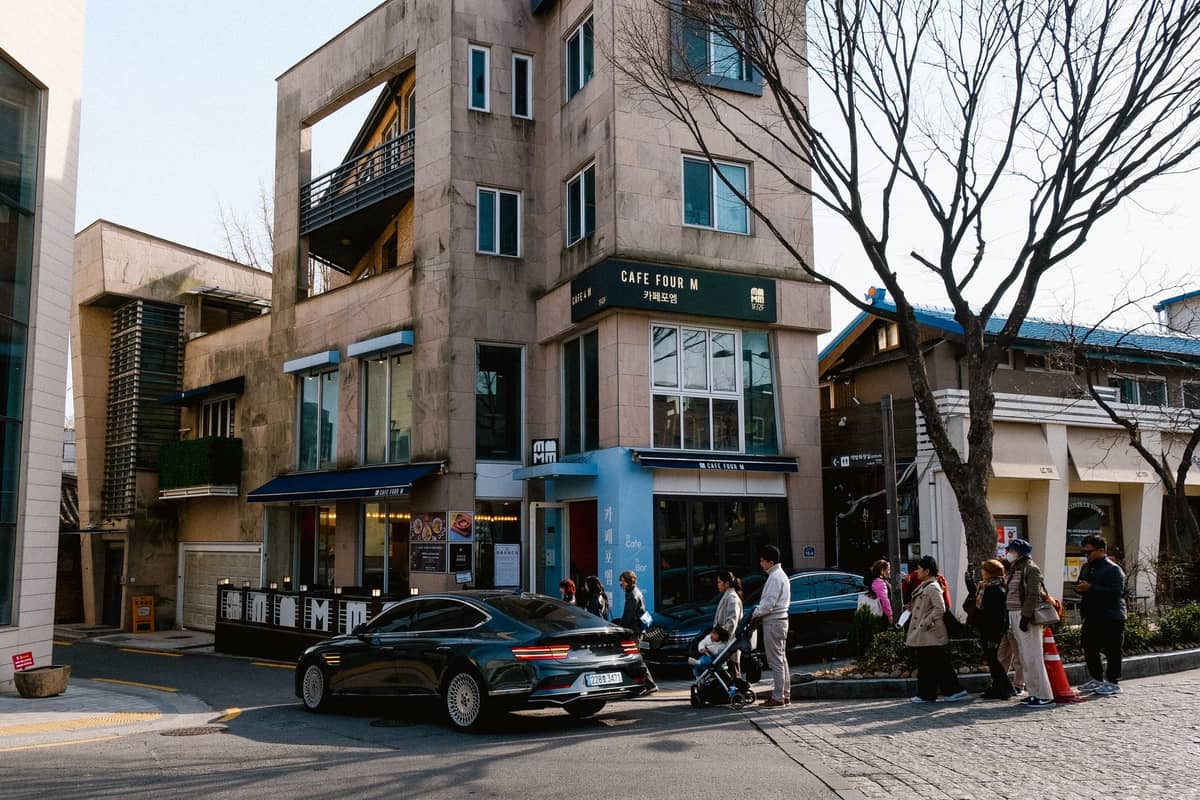
The Gangnam district offers a different category of café experience: flagship brand showrooms from Korean and international coffee chains, high-design spaces that function more as brand activations than standalone cafés. Anthracite Coffee, Beanbrothers, and several internationally recognized specialty roasters maintain polished locations in Cheongdam and Apgujeong. These are not tourist traps, but they are not cheap — expect to pay at the higher end of the Seoul range for the space and sourcing.
Garosu-gil, the tree-lined street in Sinsa-dong, is often cited alongside Hongdae for café culture, but it skews older and quieter. The cafés here tend to be more architecturally considered and less theme-driven. It is a good choice for visitors who want specialty coffee and a place to sit for an hour without noise or crowds, though weekend afternoons draw more foot traffic than weekday mornings.
Practical Tips for Seoul Café-Hopping
The best seasons for exploring Seoul's café culture on foot are spring (April to May) and autumn (September to October), as noted in our best time to visit Seoul guide. Summer is viable but the heat and humidity between June and August make extended walking between spots uncomfortable. Winter café-hopping is possible — warm interiors make this a cozy activity — but outdoor queues at popular Seongsu spots are genuinely unpleasant below 0°C.
- Download Naver Maps rather than Google Maps for navigating between cafés — coverage and accuracy for Seoul side streets is significantly better.
- Most popular concept cafés do not take reservations; arrive at opening time on weekdays for minimal wait times.
- Café etiquette in Seoul generally expects you to order something if you sit down, even at lower-key spots. Sharing a single drink between two people at a busy café during peak hours is frowned upon.
- Many concept cafés have strict no-outside-food policies and some have time limits (typically 1–2 hours) during busy periods. Check ahead if you plan to work from a café.
- Korean café culture is highly seasonal in its menus: strawberry season (late winter to spring) and sweet potato season (autumn to winter) bring limited offerings that sell out quickly.
Getting between districts is straightforward on the Seoul Metro. The T-money card, used for all metro and bus travel, is the most efficient option. For a broader overview of moving around the city, the getting around Seoul guide covers all transport options in detail. Seongsu (Line 2), Hongdae (Line 2, AREX, Gyeongui-Jungang), and the Bukchon area (Line 3, Anguk Station) are all well-connected.
✨ Pro tip
If you are building a multi-day Seoul itinerary, slot café-hopping into mornings and early afternoons rather than evenings. Most specialty cafés and concept spots close between 8pm and 10pm, and evening crowds at popular spots like Seongsu can be heavier than expected. The sweet spot for a relaxed visit to any Seoul café district is a weekday between 10am and 1pm.
For visitors combining café exploration with broader sightseeing, pairing Bukchon cafés with a visit to Gyeongbokgung Palace or Changdeokgung Palace makes geographic sense — both palaces are within 10–15 minutes' walk of Samcheong-dong. Similarly, combining Seongsu with Seoul Forest adds a green outdoor break to an otherwise urban coffee crawl.
FAQ
What is the best café district in Seoul for first-time visitors?
Hongdae is the most practical starting point: it is directly accessible from Incheon Airport via the AREX line, the cafés are concentrated in a walkable area, and the range of concept formats is broader than any other single district. Seongsu is more impressive architecturally, but its batch-schedule openings and weekend crowds make it harder to navigate without preparation.
Are there hanok cafés in Seoul where you can experience traditional Korean tea?
Yes. Bukchon, Samcheong-dong, and Insadong have the highest concentration of hanok-style cafés and traditional tea houses. These spaces serve omija tea, sikhye, and other Korean beverages alongside coffee. The experience is very different from the industrial-style cafés of Seongsu — quieter, more atmospheric, and better suited to a slow morning.
How much does coffee cost at specialty cafés in Seoul?
Most specialty coffee drinks cost between 5,000 and 10,000 KRW (roughly $3.50–$7.50 USD). Signature drinks at concept cafés or flagship brand locations in Gangnam can reach 12,000–15,000 KRW. Traditional Korean teas at Insadong tea houses are generally in a similar range. Chain cafés like Ediya or Mega Coffee are considerably cheaper, often under 3,000 KRW.
Do Seoul cafés have free Wi-Fi?
The majority of cafés in Seoul offer free Wi-Fi, though connection quality varies. Chain cafés and larger concept spots generally have reliable connections. Some smaller specialty roasters discourage extended laptop use during busy periods by limiting Wi-Fi access or enforcing time limits. If you plan to work remotely, independent cafés in Yeonnam-dong or Garosu-gil tend to be more accommodating than the high-footfall tourist-facing spots in Seongsu or Bukchon.
What is the best time of year to go café-hopping in Seoul?
April to May and September to October are ideal. Both periods offer mild temperatures (roughly 10–20°C), which makes walking between cafés comfortable. Spring also brings seasonal strawberry menus and cherry blossom-themed drinks at many spots. Summer is workable but hot and humid. Winter café visits are popular — the warm interiors are a draw — but outdoor queuing at Seongsu in January is genuinely cold.