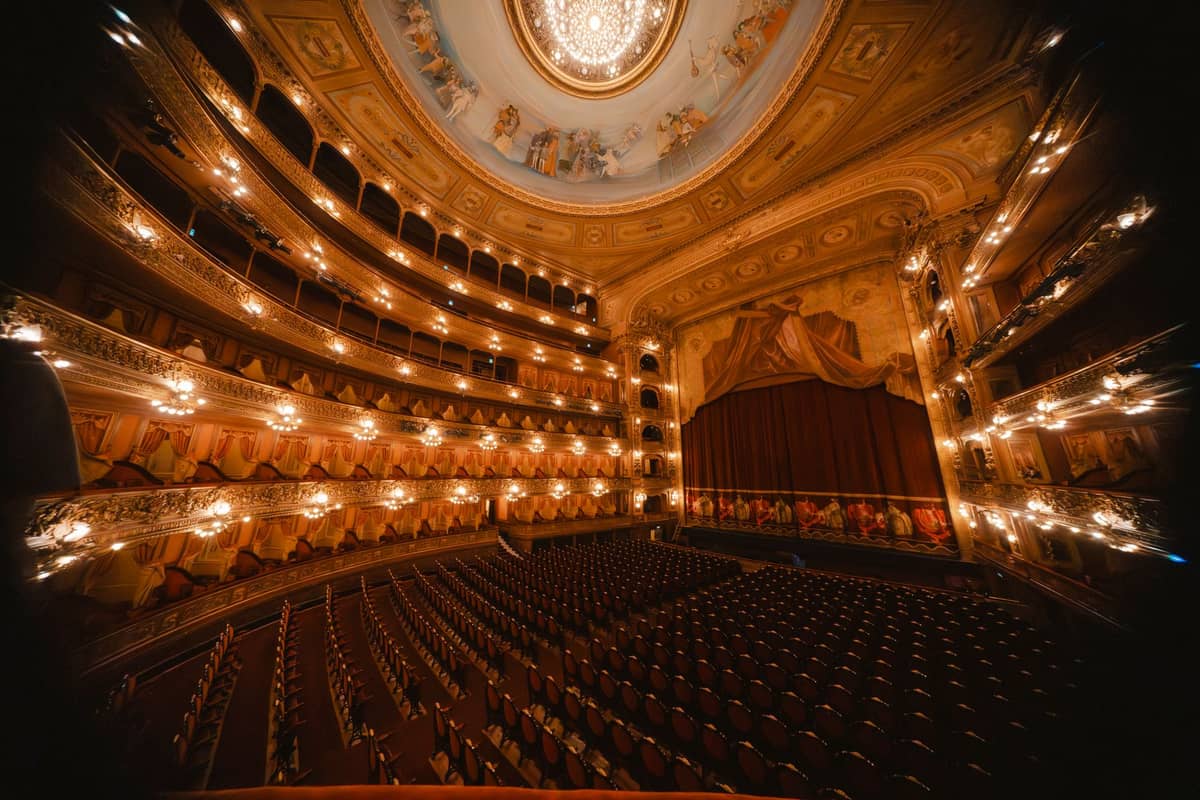
Microcentro and Monserrat form the political, historical, and commercial heart of Buenos Aires, where colonial-era plazas sit beside belle époque palaces and the city's densest Subte network runs underfoot. This is where Argentina's national story was written, and where the daily rhythm of the city still begins each morning.
Microcentro and Monserrat are the twin engines of Buenos Aires' downtown core, a district of grand avenues, government palaces, and pedestrian shopping streets that empties dramatically after dark. This is where the city is oldest, most formal, and most photogenic before the crowds arrive.
Orientation
Understanding Microcentro and Monserrat requires knowing that neither is a single official barrio in the Buenos Aires administrative sense. Microcentro is an informal label applied to the dense commercial core roughly bounded by Avenida Córdoba to the north, Avenida 9 de Julio to the west, Leandro N. Alem and the riverfront to the east, and Avenida de Mayo to the south. Monserrat, by contrast, is a formal barrio stretching south from Avenida de Mayo toward Parque Lezama, and it contains the oldest colonial fabric of the city.
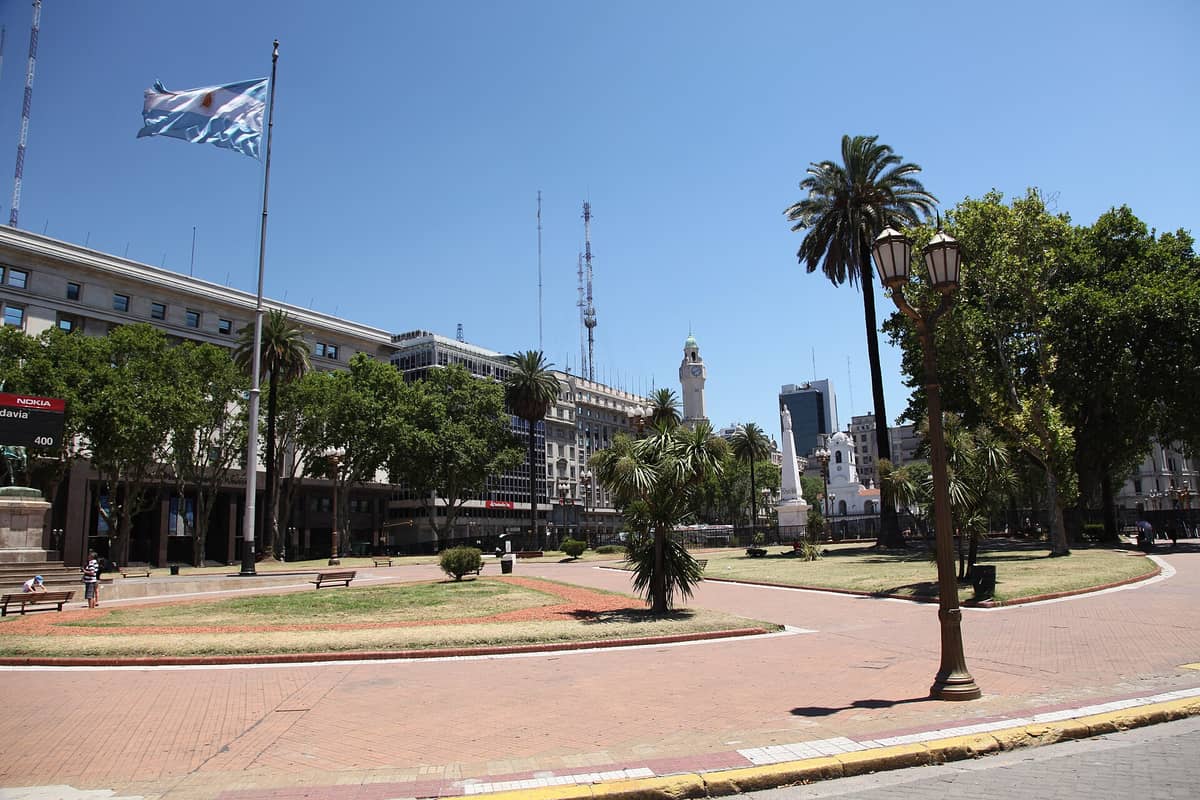
Together they occupy the geographic center of the Autonomous City of Buenos Aires, sitting just a few metres above sea level on the western shore of the Río de la Plata. Plaza de Mayo is the gravitational center of both neighborhoods and the symbolic center of Argentina itself. Walking west along Avenida de Mayo from the Plaza takes you through the grandest boulevard in the city, a kilometre-long procession of ornate buildings ending at the Congreso dome. Walking north from Plaza de Mayo along Florida Street brings you into the pedestrian retail corridor that cuts through the heart of Microcentro.
To the east, the neighborhoods border Puerto Madero's redeveloped docks. To the south, Monserrat transitions gradually into San Telmo around Parque Lezama, with the cobblestone streets and antique shops that San Telmo is known for beginning to appear around Defensa. To the north and west, Microcentro fades into the theater district around Avenida Corrientes and then into Tribunales and the broader San Nicolás barrio.
Character & Atmosphere
The rhythm of Microcentro and Monserrat is governed by the workday. At 8am on a weekday, the streets are already dense with office workers spilling out of Subte exits, kioscos doing brisk trade in facturas and coffee, and newspaper vendors set up on the corners of Diagonal Norte. The noise is constant: buses accelerating along Avenida de Mayo, horns on Leandro N. Alem, and the distinctive clatter of pedestrians crossing the wide intersections of 9 de Julio.
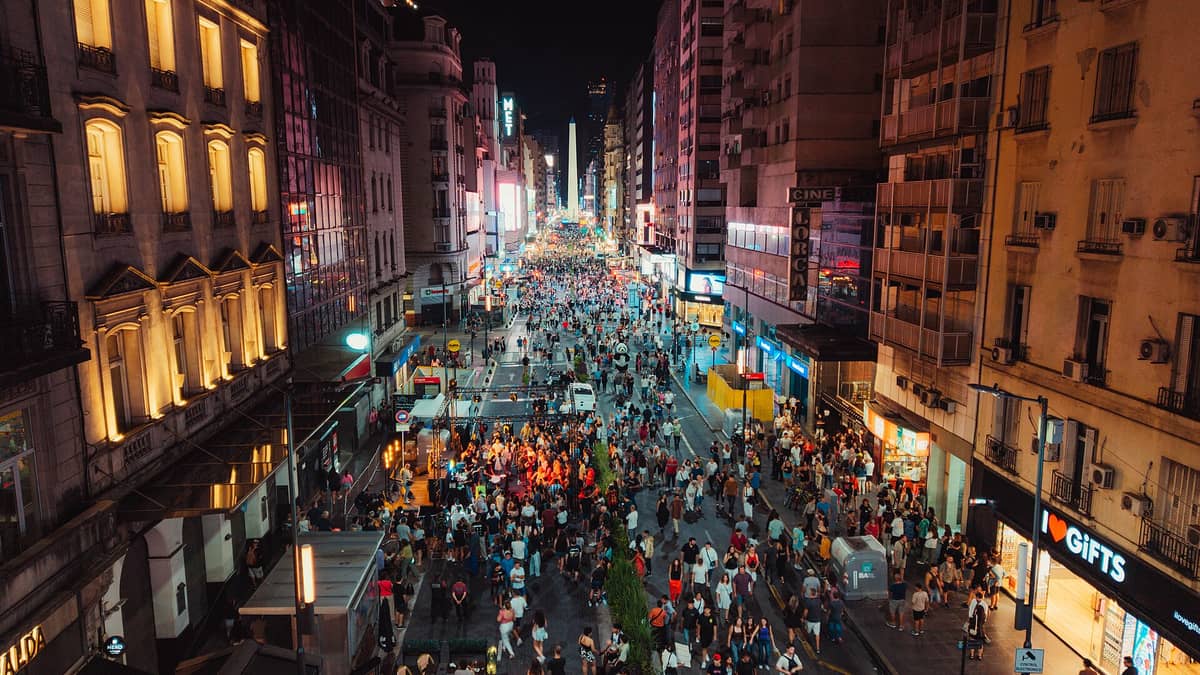
By midday, the energy shifts. Florida Street, the pedestrian shopping artery running north from Plaza de Mayo, fills with workers on lunch break, street performers, currency exchange touts (known locally as arbolitos), and tourists working their way between the major sights. The light at this hour hits the pale stone facades of the Galerias Pacifico and the older insurance company buildings in a way that flattens their detail. The better time to photograph them is early morning, when the streets are quieter and the low angle of the sun picks out every cornice and gargoyle.
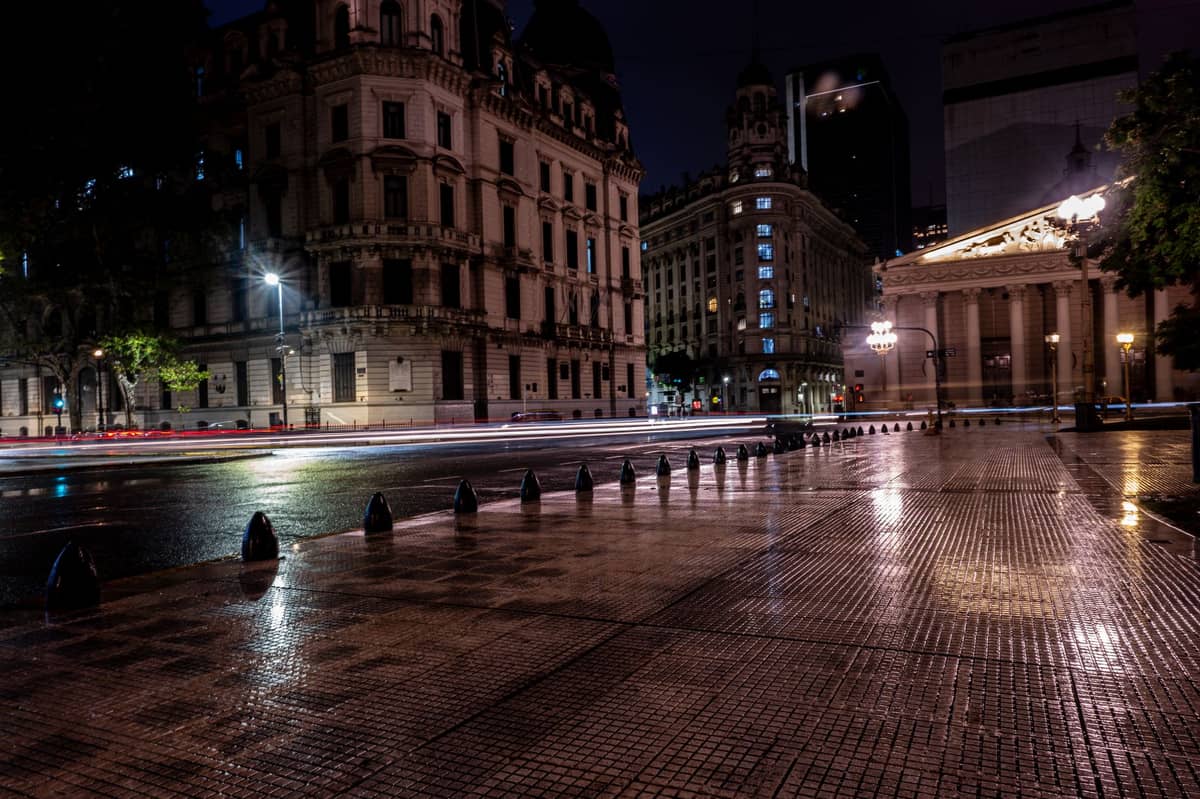
After 7pm on weekdays, the transformation is stark. Office towers empty, shop shutters come down on the side streets, and entire blocks that were impassable an hour ago become quiet enough to hear your own footsteps. Monserrat retains slightly more life at night, particularly around Plaza de Mayo where political gatherings and evening strollers keep a human presence, and along Avenida de Mayo where a handful of traditional cafes and restaurants stay open. But this is not a neighborhood for late-night entertainment. That life is concentrated north in Palermo and east in Puerto Madero.
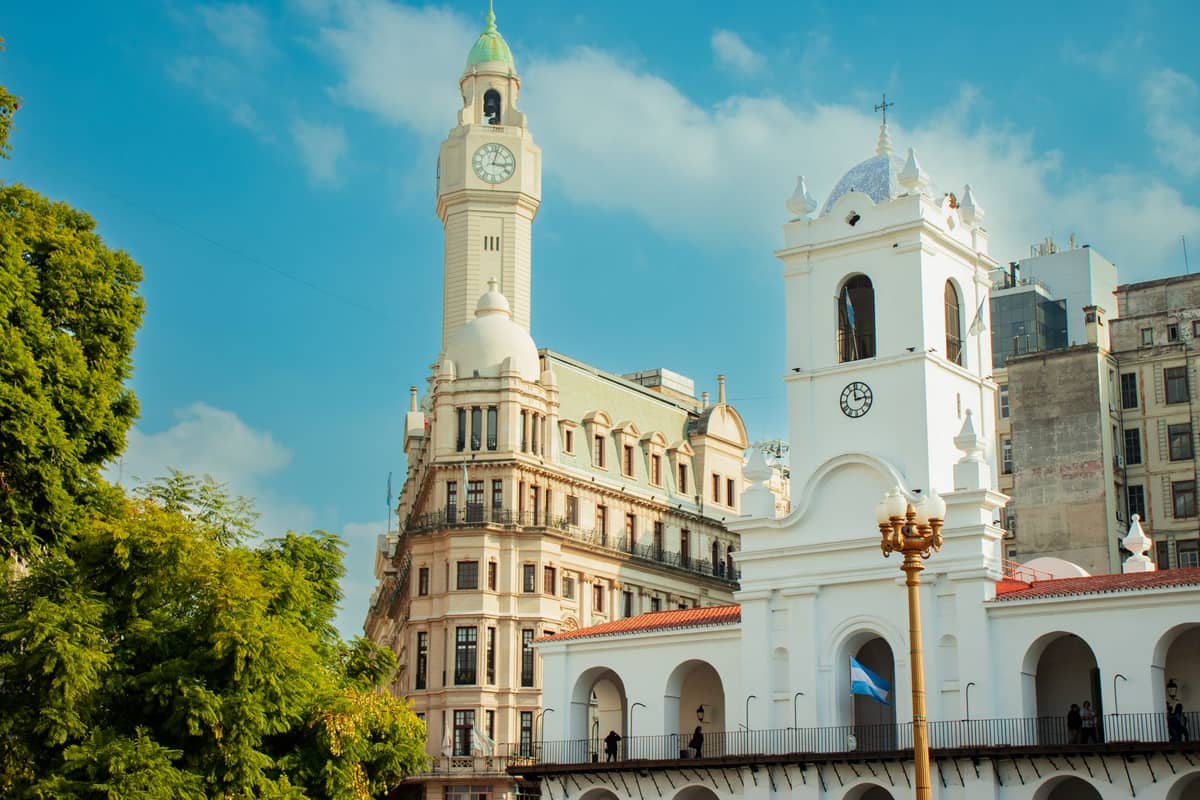
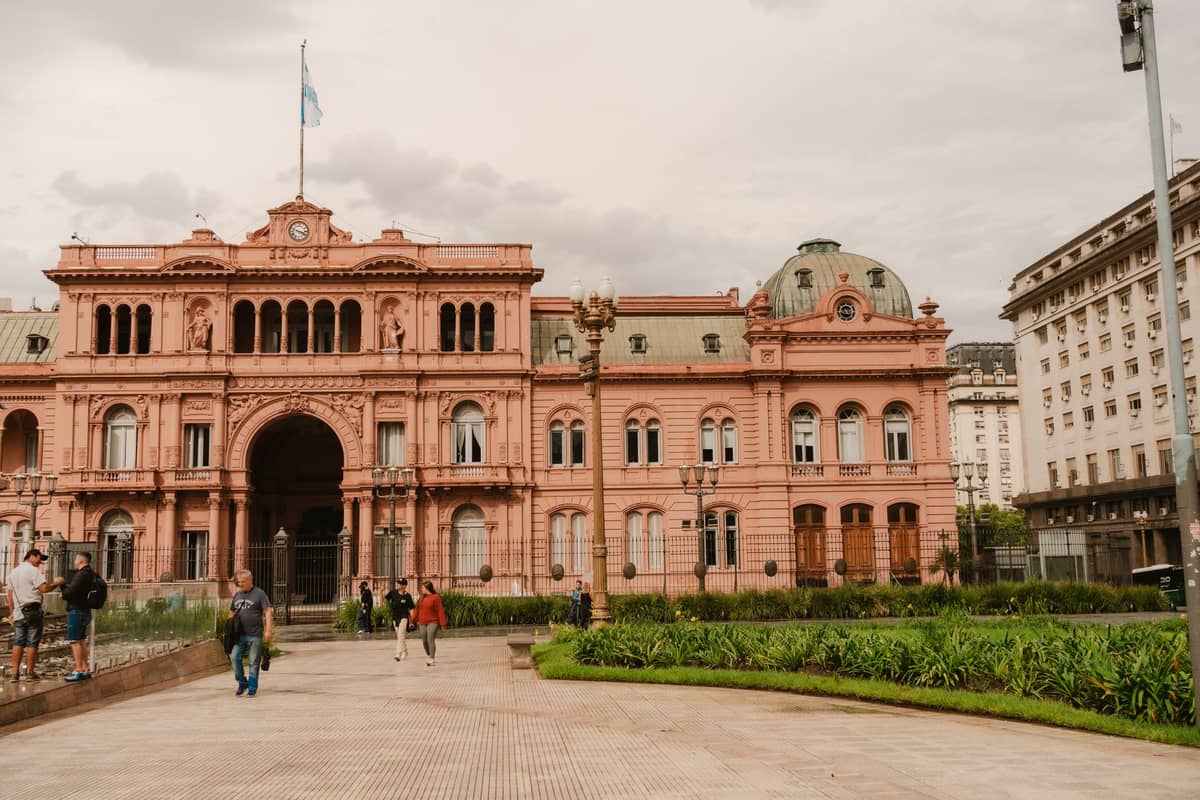
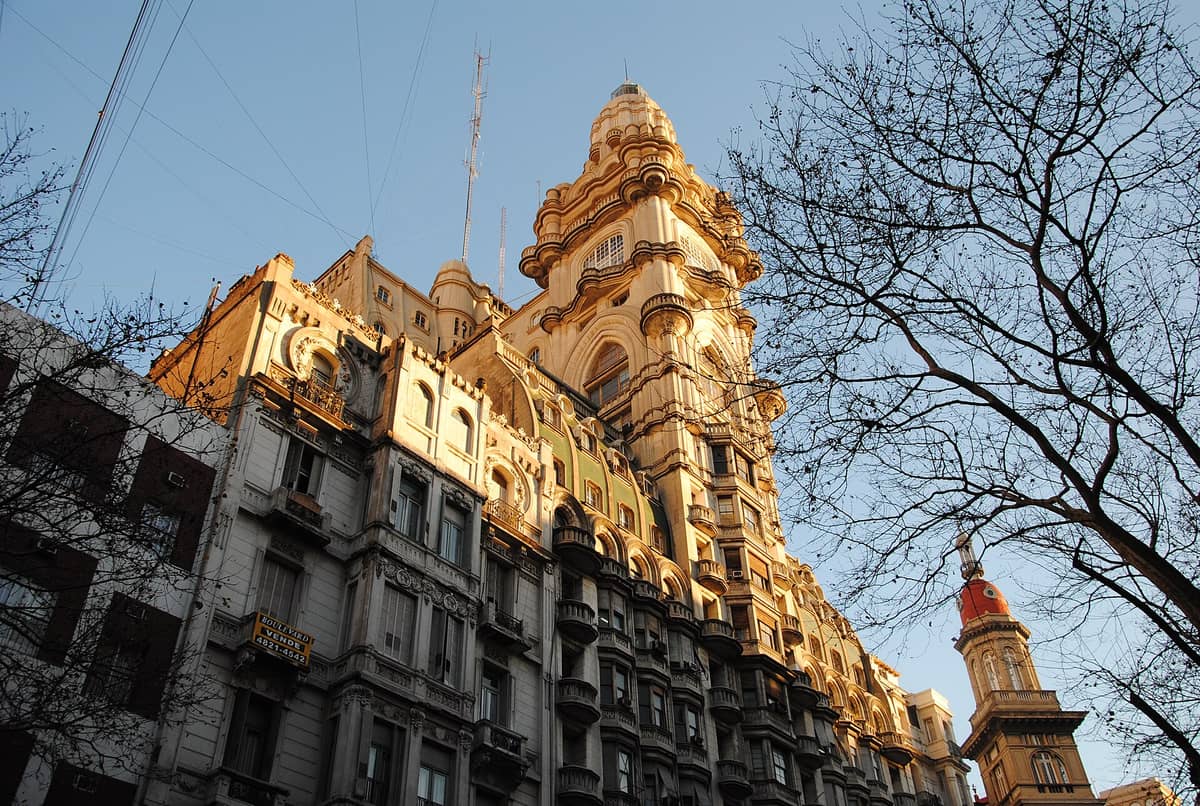
Weekends feel like a different city entirely. Without the weekday crowds, the architecture finally becomes legible. The dome of the Palacio Barolo, the arches of the Cabildo, the ornate stonework of the Catedral Metropolitana: all of these are easier to appreciate when you are not navigating around a stream of pedestrians. Sunday mornings in particular are almost serene, and the light on the pink-tinged facade of the Casa Rosada across an uncrowded Plaza de Mayo is one of the more striking sights in Argentina.
What to See & Do
The concentration of historically significant architecture in this area is unmatched anywhere else in Buenos Aires. Plaza de Mayo is the obvious starting point. Founded in 1580, it is where Argentina's most consequential political moments have played out, from the May Revolution of 1810 to the Mothers of the Plaza de Mayo marches under the dictatorship. The square is ringed by the most important buildings in the country.
Casa Rosada: the pink executive palace at the eastern end of the plaza, with a small free museum on its ground floor
Cabildo: the colonial-era town hall on the western side, now a history museum with an excellent rooftop view
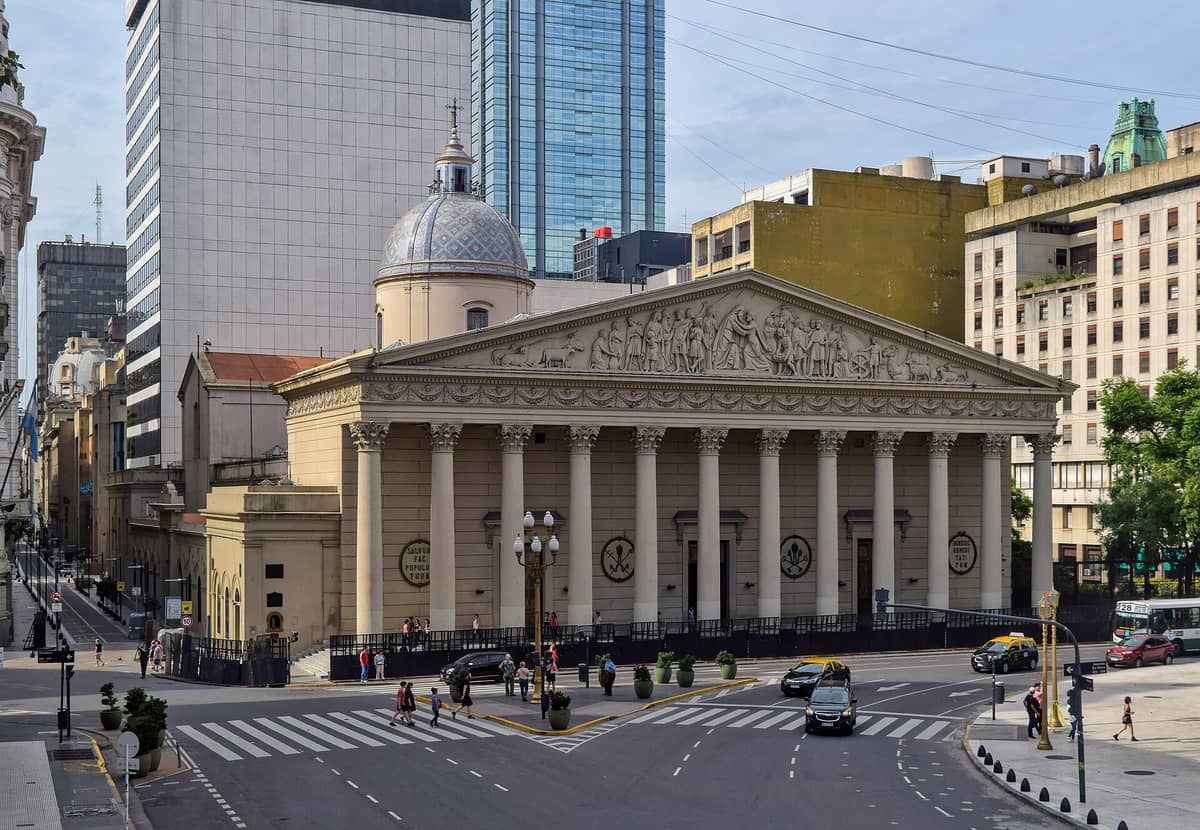
Catedral Metropolitana: the neoclassical cathedral containing the mausoleum of General San Martín
Palacio Barolo: an early 20th-century tower on Avenida de Mayo designed with Dante's Inferno as its organizing theme, with guided rooftop tours available
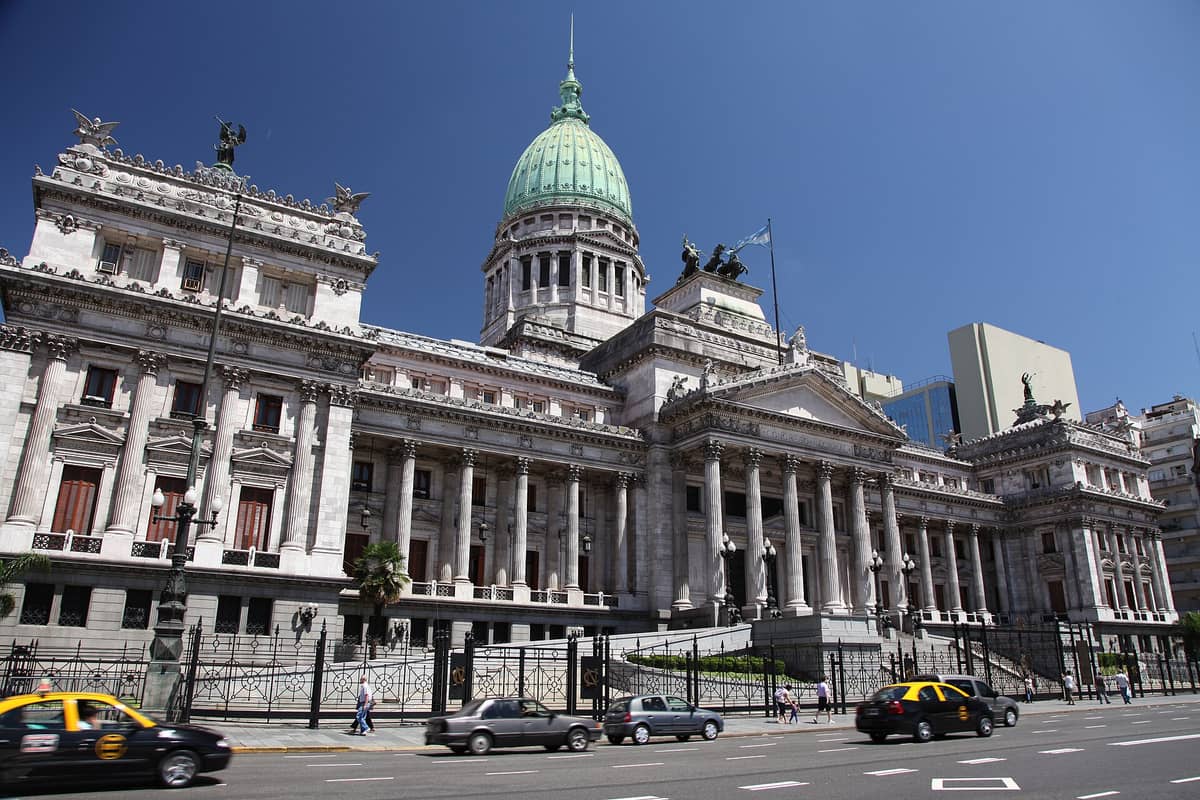
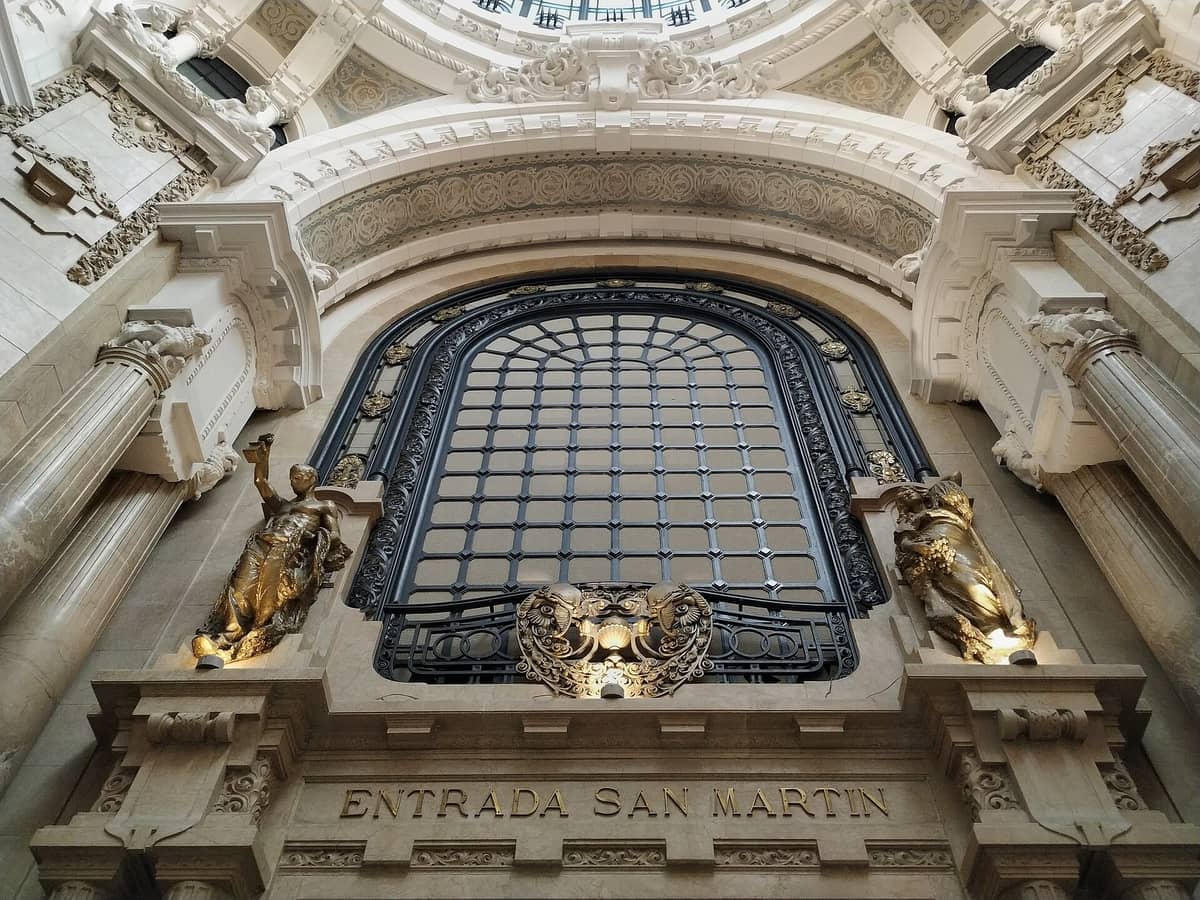
Congreso de la Nación: the national legislature building at the western end of Avenida de Mayo, with a domed facade modelled loosely on the US Capitol
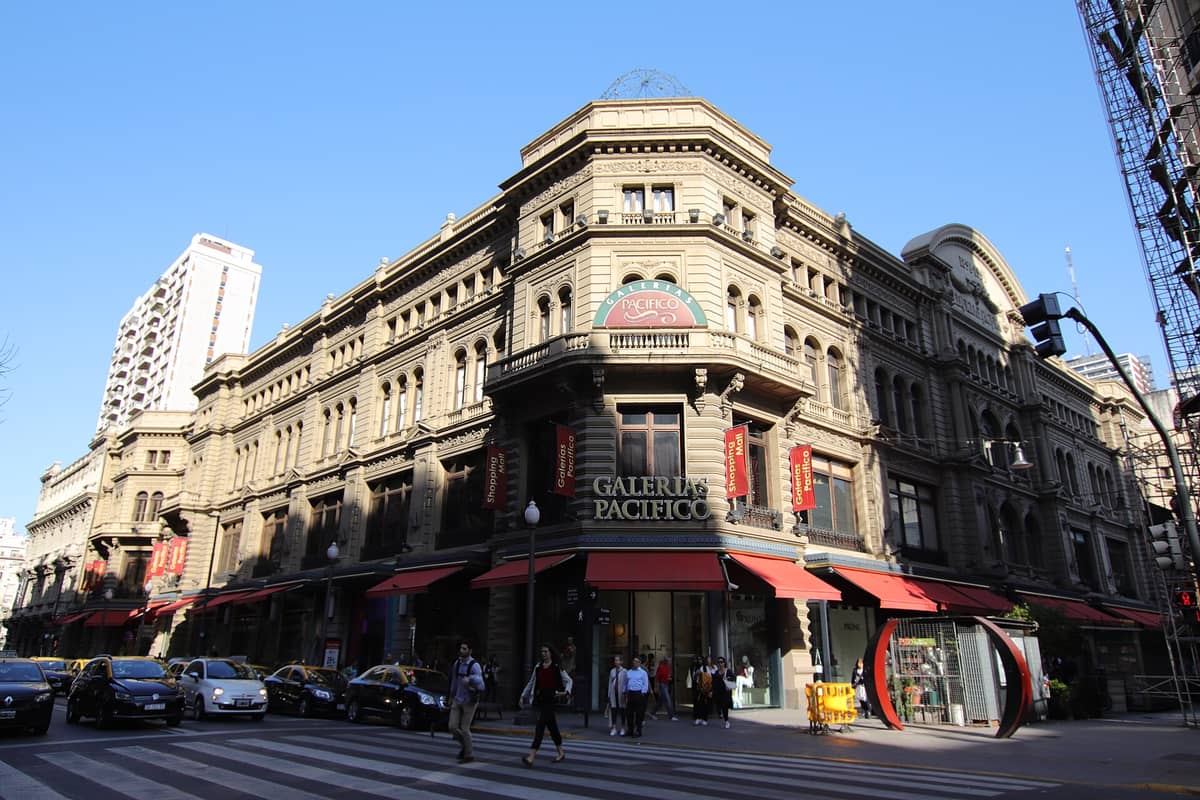
Galerias Pacifico: a shopping mall built inside a beaux-arts building on Florida Street, with ceiling murals by prominent Argentine painters
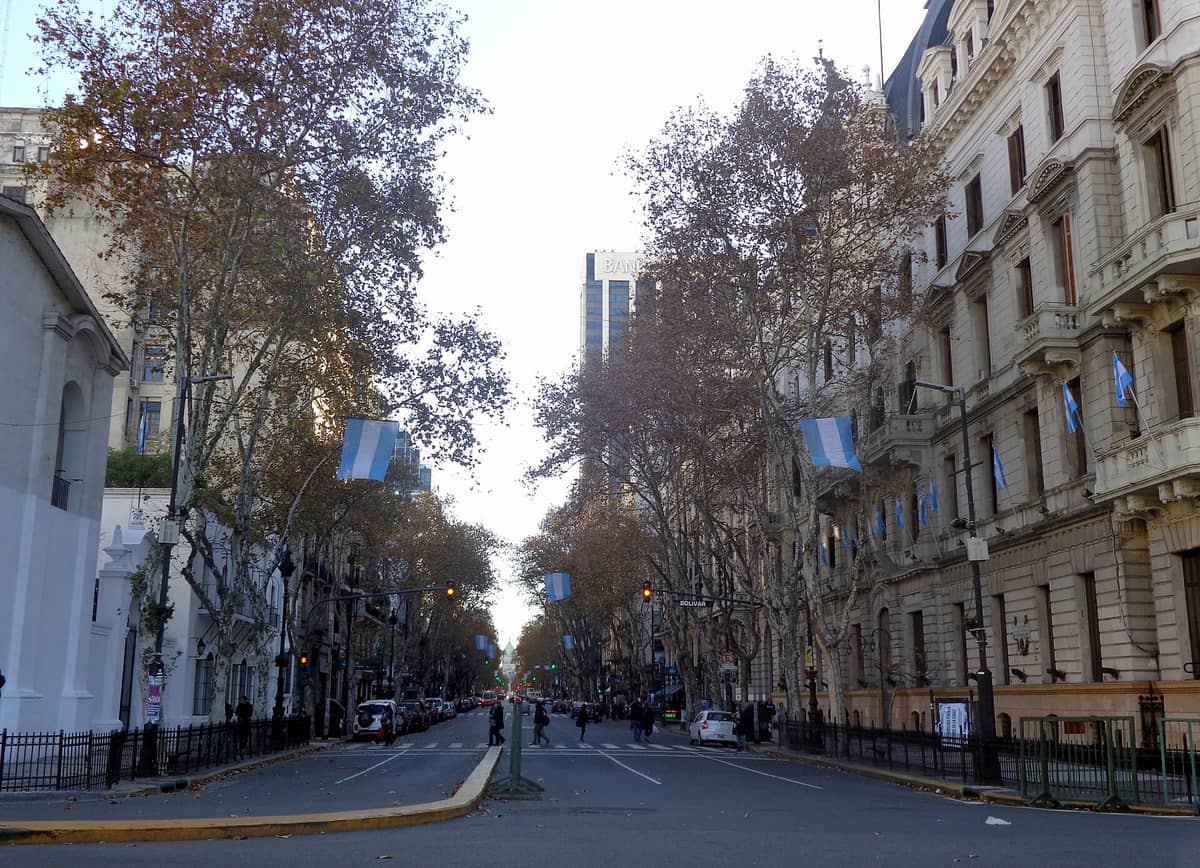
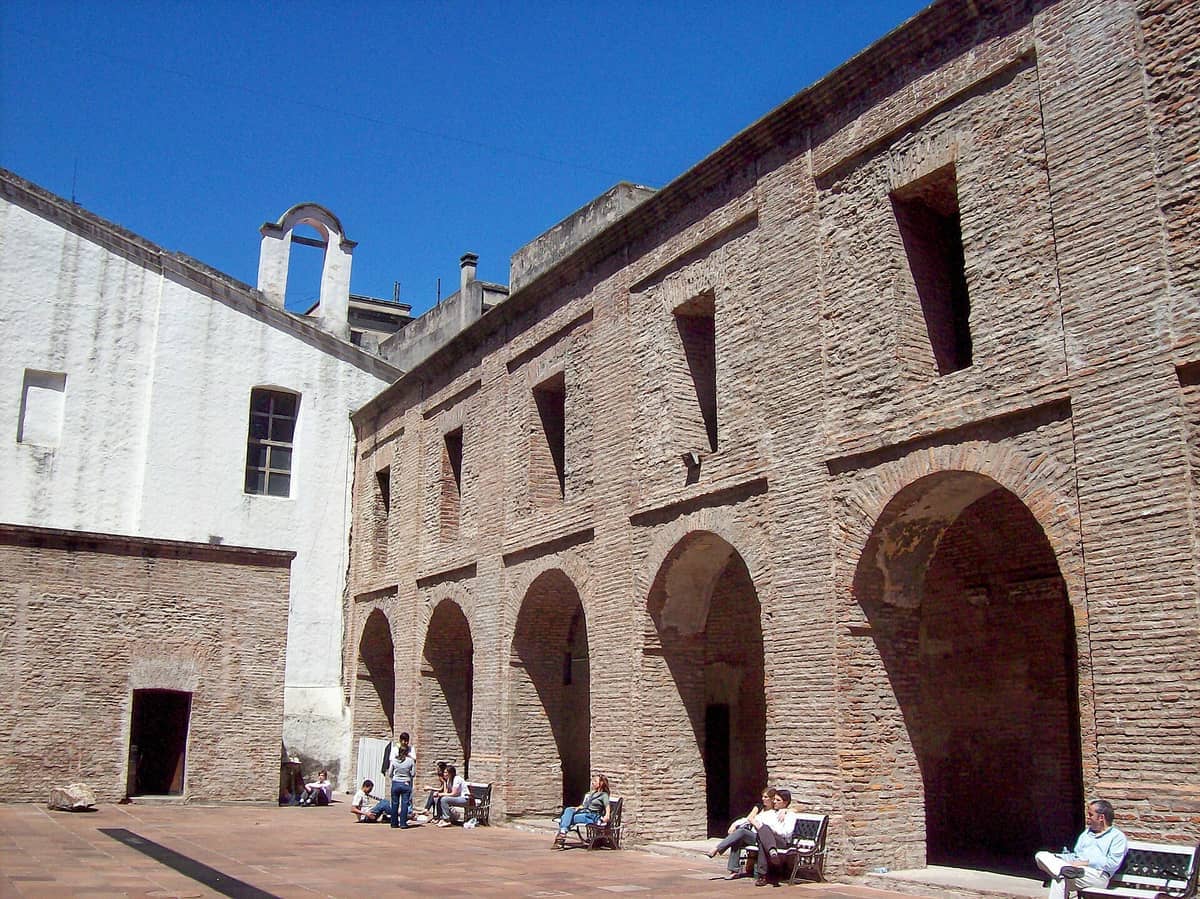
Monserrat also contains the Manzana de las Luces, a colonial block between Peru and Bolivar streets that served as the intellectual center of Buenos Aires during the colonial era. The tunnels beneath it, used historically for defense and commerce, can be visited on guided tours. This is one of the more underrated historic experiences in the city.
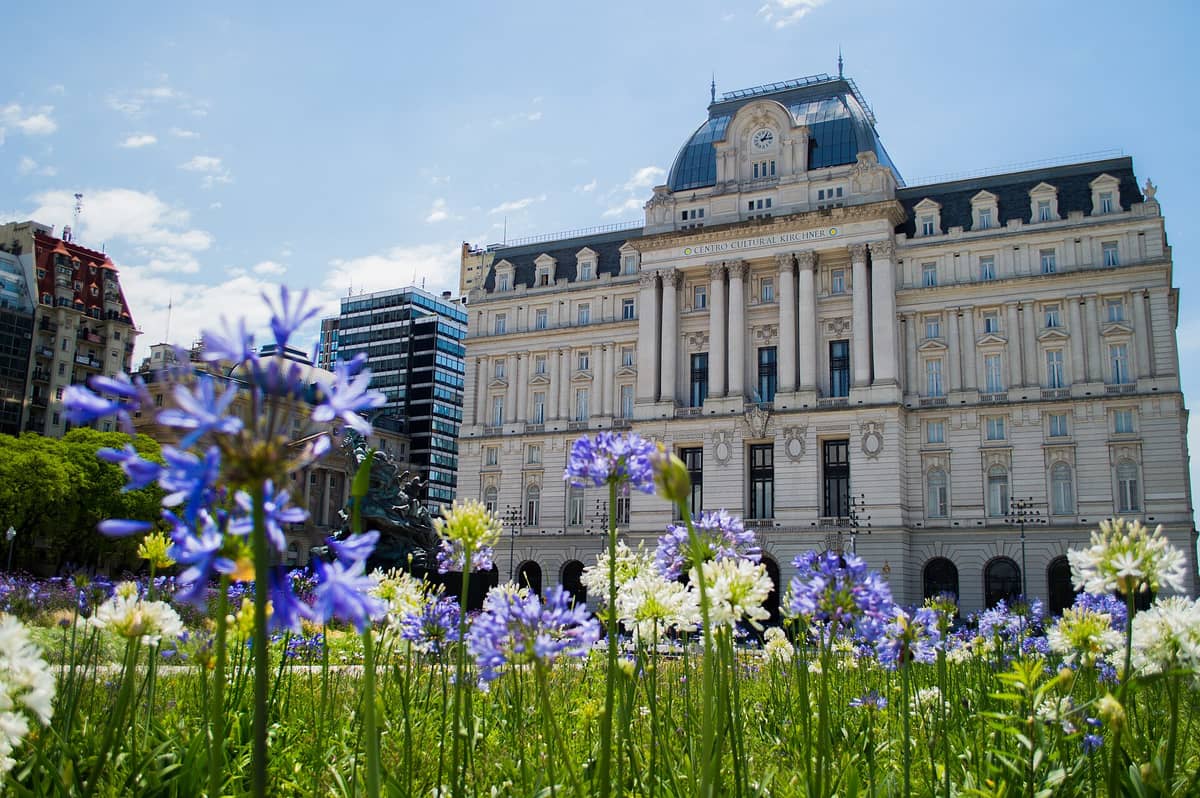
A few blocks north, the Centro Cultural Kirchner occupies a vast renovated belle époque post office building near the waterfront. Its main hall, the Ballena Azul, hosts concerts under a spectacular glass dome. Entry to the permanent spaces is free, and the rooftop terrace offers one of the better elevated views of the Rio de la Plata. It is one of the largest cultural centers in Latin America and worth several hours of exploration.
💡 Local tip
The best time to walk Avenida de Mayo is on a weekend morning. The grand boulevard empties of weekday traffic and you can actually read the building facades at eye level, including the tile details on the Café Tortoni, the ironwork on the Palacio Vera, and the stonework that gives the street its late-19th-century European character.
For a deeper dive into the city's architectural heritage, the Buenos Aires architecture guide covers the major styles across these downtown blocks, including the Italian Renaissance buildings around the financial district and the art deco towers that appeared in the 1920s and 30s.
Eating & Drinking
This is not a food destination in the way that Palermo or San Telmo are. The eating culture here is overwhelmingly oriented toward the lunch crowd: fast, filling, and functional. Side streets off Florida and the blocks around Lavalle and Corrientes are packed with tenedor libre restaurants (all-you-can-eat buffets), empanada shops, and sandwich counters that do enormous trade between noon and 2pm and then quiet down completely.
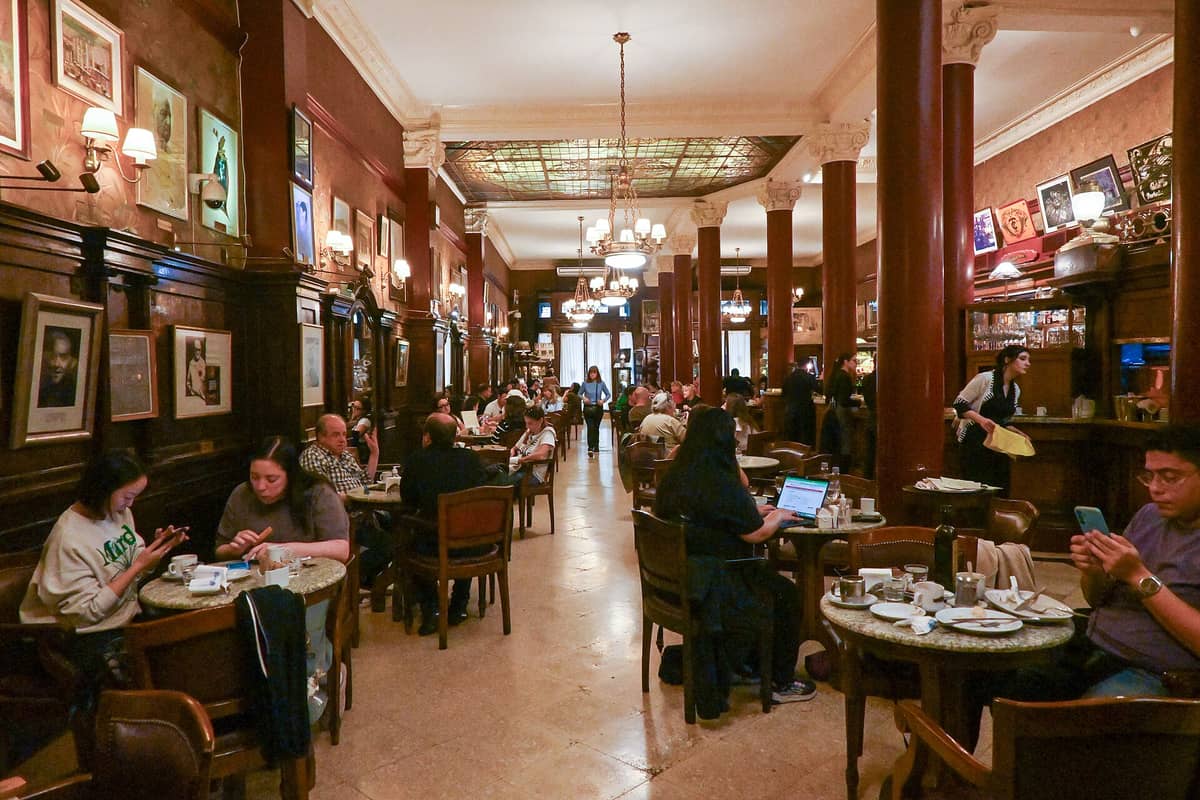
The standout exception is Café Tortoni on Avenida de Mayo, which has been serving coffee and medialunas in its tiled, wood-panelled interior since 1858. It is crowded with tourists most of the day, which is worth acknowledging: the experience is self-consciously historic, prices are higher than comparable cafes nearby, and you may wait for a table. But the room itself, with its marble tables, yellow lamps, and ornate back bar, is genuinely impressive and worth at least a coffee.
For a more authentic cafe experience without the queue, walk half a block in any direction. Avenida de Mayo has several traditional cafes that serve the same style of coffee and pastry to a local clientele at lower prices. The bar culture around Corrientes picks up later in the evening, with pizza joints and confiterias that stay open past midnight for theatergoers heading home after shows.
The financial blocks near Leandro N. Alem have a growing number of more polished lunch spots catering to office workers with higher disposable incomes, but dinner options thin out sharply after 8pm. If you are staying in this neighborhood and want a proper dinner, San Telmo is a short walk south and has a far wider range of evening restaurants and bars.
ℹ️ Good to know
Avenida Corrientes, running east-west through the northern edge of Microcentro, is the city's traditional theater and bookshop street. Pizzerias along this avenue serve by the slice until late, making it the most reliable strip for food after 10pm in this part of the city.
Getting There & Around
Microcentro and Monserrat are the best-connected neighborhoods in Buenos Aires for public transit. The Subte network is most dense here, with five lines converging within a few blocks of Plaza de Mayo. Line A runs east–west through this corridor, with downtown stops at Plaza de Mayo, Perú, Piedras, Lima, Sáenz Peña, and Congreso. Line B runs along Avenida Corrientes. Lines C, D, and E all have stations within the Microcentro perimeter, with major interchange points at Carlos Pellegrini and Diagonal Norte.
Line C connects Retiro station in the north, where the main long-distance bus terminal and suburban rail terminus are located, directly to Constitución in the south, passing through the heart of the downtown. This makes the area extremely easy to reach from virtually any part of the metropolitan area. For full transit orientation across the city, the getting around Buenos Aires guide explains the SUBE card system and how to navigate the different lines.
Bus coverage is also exceptional. Paseo Colón and Leandro N. Alem are major north-south bus corridors with dozens of colectivo lines running around the clock. Most parts of the city are reachable by bus from the downtown area within 20-40 minutes, though traffic on major avenues can extend that considerably during peak hours.
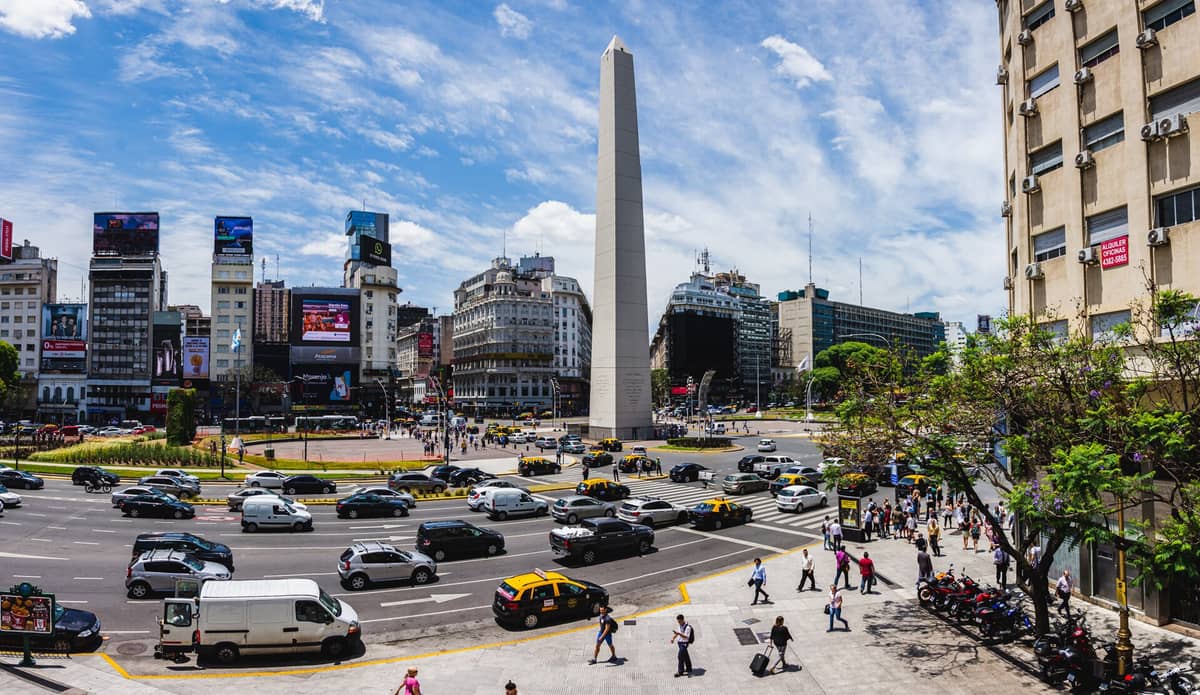
Walking is genuinely practical within the district itself. From Plaza de Mayo to the Congreso is a 1.2-kilometre walk along Avenida de Mayo. From Plaza de Mayo to the Centro Cultural Kirchner is about 600 metres east. From the Obelisco to the northern end of Florida Street is under ten minutes on foot. The pedestrianization of Florida and Lavalle streets makes the central grid walkable and largely free of car traffic during business hours.
⚠️ What to skip
Florida Street has a persistent presence of informal currency exchange touts (arbolitos) who approach pedestrians loudly offering to change dollars or euros at rates above the official rate. The practice operates in legal grey areas and the risk of receiving counterfeit pesos or being shortchanged is real. Use official exchange houses (casas de cambio) or check current best practices in the Buenos Aires currency and money guide before making any exchange decisions.
Where to Stay
Staying in Microcentro or Monserrat makes strong practical sense for first-time visitors who want immediate access to the major historical sights and the most connected transit hub in the city. The tradeoff is a neighborhood that is genuinely quiet after 8pm on weekdays, with limited nearby dining options and a street atmosphere that can feel slightly desolate on weekend nights in the business district blocks.
The best accommodation options are concentrated along or near Avenida de Mayo and in the blocks between Florida Street and 9 de Julio. Several of the older hotels on Avenida de Mayo occupy buildings from the early 20th century with high-ceilinged rooms, ornate lobbies, and a faded grandeur that suits the neighborhood. These tend to be mid-range in price. The blocks immediately around Plaza de Mayo and toward Puerto Madero have some newer, higher-end business hotels.
Travelers who prioritize nightlife, restaurant variety, or a neighborhood atmosphere with shops and cafes open in the evenings will be better served by staying in Palermo or Recoleta and taking the Subte into the downtown for sightseeing. The journey from either neighborhood to the center is under 15 minutes. For a full comparison of where to base yourself, the where to stay in Buenos Aires guide breaks down each area by traveler type.
Noise deserves a mention. Rooms facing Avenida de Mayo or the major cross-streets hear significant traffic noise during the day, including buses and emergency vehicles. If you are a light sleeper, look for rooms on interior-facing courtyards, which many of the older hotels on this strip have.
Safety
Microcentro and Monserrat are generally safe for tourists during daytime hours, but standard urban precautions apply throughout. Pickpocketing is the primary reported concern, concentrated on Florida Street, inside Subte stations during rush hour, and around Plaza de Mayo during large public gatherings. The Buenos Aires safety guide provides current, detailed guidance on what to watch for across the city.
The financial district blocks east of Florida Street, particularly the grid between Reconquista, San Martin, and the river, thin out quickly after the working day ends. Walking through these blocks at night is not inherently dangerous, but the lack of foot traffic and closed businesses means there is less of the natural surveillance that makes busy streets feel secure. Stick to the lit main avenues if you are unfamiliar with the area.
Plaza de Mayo itself sometimes serves as the site of political demonstrations and marches, which are a normal part of Argentine civic life. These are almost always peaceful, but can affect transit access to the surrounding area. The Subte's Line A stations along Avenida de Mayo are occasionally closed during large events. Local news apps and the Buenos Aires city government's social media accounts provide real-time alerts.
TL;DR
Microcentro and Monserrat contain the greatest concentration of historic architecture and civic landmarks in Buenos Aires, including Plaza de Mayo, the Casa Rosada, Avenida de Mayo, and the Palacio Barolo.
The area is the most transit-connected in the city, with five Subte lines and major bus corridors making it an efficient base for touring broadly.
The neighborhood is a weekday district: it is at its most alive Monday to Friday during business hours, and noticeably quiet after 8pm and on weekends.
Food and nightlife options are limited compared to Palermo or San Telmo; visitors who prioritize evening entertainment may prefer to stay elsewhere and commute in.
Best suited to: first-time visitors focused on historical sightseeing, business travelers, and anyone who wants maximum transit connectivity without requiring a lively evening scene on the doorstep.
Three days is enough to cover Buenos Aires' essential neighborhoods, landmarks, and cultural experiences, if you plan smart. This itinerary breaks the city into logical daily routes, with honest notes on timing, transport, and what the crowd-pleasing options actually deliver.
Buenos Aires delivers more than its size suggests as a museum city. From world-class fine art collections to intimate houses dedicated to Eva Perón and Carlos Gardel, the city's museums cover Argentina's full cultural range. This guide covers the best of them, organised by theme.
Buenos Aires works as a year-round destination, but the timing of your visit shapes everything from comfort to cost to what's actually happening on the street. This guide breaks down every season with real temperature data, crowd realities, and event timing so you can pick the trip that fits your priorities.
Buenos Aires has two airports serving very different purposes. Ezeiza (EZE) handles most long-haul international flights, while Aeroparque (AEP) sits close to downtown and covers domestic and regional routes. This guide breaks down both airports, how to get between them, and the best ways to reach the city center.
Buenos Aires spans more than three centuries of architectural history, from the Spanish colonial Cabildo on Plaza de Mayo to the sweeping art nouveau interiors of El Ateneo Grand Splendid and the glass towers of Puerto Madero. This guide breaks down the city's key styles, neighborhoods, and buildings worth seeking out, with practical tips on timing, logistics, and what to skip.
Buenos Aires takes its café culture seriously. The city has formally designated more than 80 establishments as bares notables, protecting them for their historic, architectural, or cultural significance. This guide covers the best historic cafés, what to order, neighbourhood coffee scenes, and practical advice for experiencing it all like a local.
Managing money in Buenos Aires is more nuanced than in most cities. Argentina's peso, evolving exchange rates, ATM fee structures, and the once-legendary 'blue dollar' all require a clear-headed strategy. This guide breaks down exactly how the Buenos Aires currency system works today, what's changed, and how to avoid the most common financial mistakes visitors make.
Eva Perón shaped Buenos Aires as much as any building or boulevard. This guide maps the key sites tied to her life and legacy, from the Museo Evita in Palermo to the Duarte family tomb in Recoleta Cemetery, with opening hours, entry prices, and a clear take on what is worth your time.
Buenos Aires has a well-earned reputation as one of South America's most romantic cities. This guide covers the best couples experiences, from tango dinner shows with verified pricing to waterfront dining, atmospheric neighborhoods, and practical advice for making your trip feel effortless.
Buenos Aires rewards those who go beyond the postcard. From a bookshop inside a theatre to a mosaic-covered alley in Barracas, these are the experiences that turn a good trip into an unforgettable one.
Buenos Aires nightlife runs on its own clock: dinner at 10 pm, bars filling after midnight, and clubs peaking at 3 am. This guide breaks down the best neighborhoods, venue types, price expectations, and the tango scene so you can stop guessing and start going out.
Buenos Aires offers genuine value for travelers who know the system. This guide covers everything from navigating the SUBE card and free museums to eating well for next to nothing — and where the city actually costs more than expected.
Buenos Aires is a major world city with real risks that are manageable with the right knowledge. This guide breaks down neighbourhood safety, common scams, transport precautions, and official emergency resources so you can travel with confidence.
Buenos Aires offers one of South America's most varied shopping landscapes, from grand European-style galleries and sprawling malls to weekend antique markets and independent designer stores. This guide breaks down where to shop, what to buy, and how to avoid the common tourist pitfalls.
Buenos Aires is one of South America's most rewarding solo destinations, with an extensive metro network, walkable neighborhoods, and a rich cultural scene. This guide covers everything from the safest areas to stay and how to navigate public transport, to money tips and the best times to visit as a solo traveler.
Buenos Aires is one of Latin America's most important cities for public art, with commissioned murals, mosaics, and political works spread across dozens of neighborhoods. This guide covers where to go, how to get there, which tours are worth booking, and what most visitors miss.
The Buenos Aires Tango Festival & World Cup (Tango BA Festival y Mundial) is one of the world's largest free tango events, drawing thousands of dancers and spectators each August. This guide covers how to get tickets, what to expect at the competition finals, which venues to prioritize, and how to make the most of two weeks of non-stop tango across the city.
Buenos Aires rewards those who look up and climb high. From a Dante-inspired skyscraper to a British clock tower overlooking the Río de la Plata, these are the city's finest viewpoints, street-level panoramas, and architectural frames worth seeking out.
Buenos Aires is one of the great walking cities of South America, with distinct neighborhoods close enough to link on foot and rich enough to fill a full day each. This guide breaks down the best self-guided walking routes by barrio, with practical details on duration, what to prioritize, when to go, and where to be careful.
Buenos Aires is a more family-friendly city than most first-time visitors expect. This guide covers the best kid-focused attractions, the most practical neighborhoods for families, how to get around with children, and what to skip — with honest notes on crowds, costs, and seasonal timing.
Buenos Aires delivers world-class culture, food, and architecture at a fraction of European city prices. But it rewards those who plan ahead. This guide breaks down costs, seasons, safety, and the neighborhoods that matter, so you can decide if it belongs on your itinerary.
Buenos Aires rewards slow exploration, but the city also sits within easy reach of some genuinely excellent escapes. This guide covers the top Buenos Aires day trips by distance, difficulty, and what you actually get for your time and money.
Buenos Aires is one of the world's great football cities, home to over 20 professional clubs and two of the most iconic stadiums on the planet. This guide covers everything you need to know: how to get match tickets, what stadium tours cost, when to visit, and how to avoid the most common tourist mistakes.
Buenos Aires rewards travelers who know where to look. The city has free-entry museums, landmark plazas, vast parks, and weekly market days that cost nothing at all. This guide covers 20 of the best free experiences across every corner of the city.
Buenos Aires has one of South America's most comprehensive urban transport networks. This guide covers every practical option for getting around the city, from the Subte metro and colectivo buses to ride-hailing apps, Ecobici bikes, and airport transfers from Ezeiza and Aeroparque.
Seven days is enough time to move through Buenos Aires properly, from the political heart of Plaza de Mayo to the cobblestones of San Telmo, the parks of Palermo, and a night at Teatro Colón. This day-by-day guide covers logistics, timing, and the trade-offs worth knowing before you go.
Buenos Aires is the birthplace of tango, and the city takes that seriously. This guide covers milongas, tango lessons, dinner shows, seasonal events, dress codes, and honest price breakdowns — everything you need to engage with tango culture on your own terms.
Buenos Aires rewards visitors who go beyond the obvious. This guide covers the city's top experiences across culture, history, food, and nightlife, organized by neighborhood and enriched with practical logistics, honest assessments, and local context to help you plan a trip that actually works.
Buenos Aires is one of South America's great eating cities, built on beef, Italian immigrants, and neighborhood traditions that stretch back a century. This guide covers the essential dishes, where to find them by neighborhood, what things actually cost, and how to navigate the city's food scene without wasting a meal.
Choosing where to stay in Buenos Aires shapes your entire trip. This guide covers the top neighborhoods for every travel style, from historic San Telmo to polished Recoleta, with practical advice on transport links, price ranges, and seasonal timing.