Palermo is the largest and most diverse neighborhood in Buenos Aires, stretching from leafy parklands and polo fields in the north to the design boutiques and restaurant strips of Palermo Soho and Palermo Hollywood further south. It is where much of the city's creative energy, dining culture, and outdoor life converges.
Palermo is not one neighborhood but many layered on top of each other: park trails used by joggers at sunrise, weekend craft fairs, gallery openings on a Wednesday night, and restaurant queues that form at 10 pm without anyone thinking that unusual. Buenos Aires' largest barrio rewards curiosity — the more you move between its sub-areas, the more the city starts to make sense.
Orientation
Palermo occupies the north-central part of Buenos Aires, spanning a larger area than most visitors initially expect. Its southern edge runs roughly along Avenida Córdoba and Avenida Juan B. Justo, while Avenida del Libertador and the riverfront define much of its northern and eastern border. To the west, Avenida Dorrego marks the boundary with Villa Crespo and Chacarita.
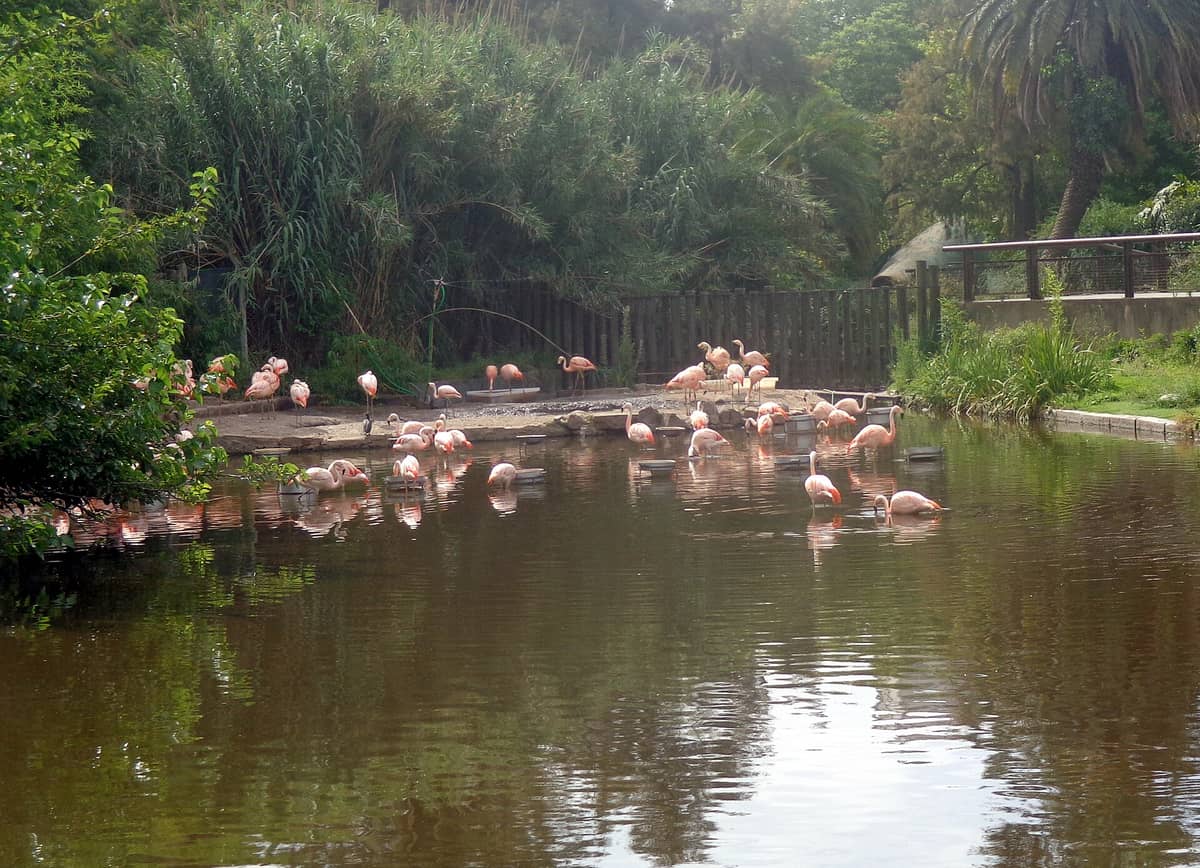
The neighborhood divides informally into several sub-areas that locals treat as distinct places. Palermo Soho, roughly bounded by Avenida Santa Fe, Avenida Córdoba, Juan B. Justo, and Avenida Scalabrini Ortiz, is the commercial and design core. Palermo Hollywood sits just northwest of that, beyond Scalabrini Ortiz, and takes its name from the production studios and media companies that moved in during the 1990s. To the east, Palermo Chico is a quiet, upscale residential enclave near the French Embassy and the Museo de Arte Decorativo. And to the north, the great green expanse of the Bosques de Palermo connects to the zoo, the rose garden, and the polo fields.
Palermo borders Recoleta to the southeast and Belgrano to the north, making it a logical midpoint on any north-south traversal of the city. Understanding this geography makes it easier to plan a day: the parks and museums are clustered in the northeast quadrant near Avenida del Libertador, while the eating, shopping, and nightlife are concentrated in the Soho and Hollywood zones to the southwest.
Character & Atmosphere
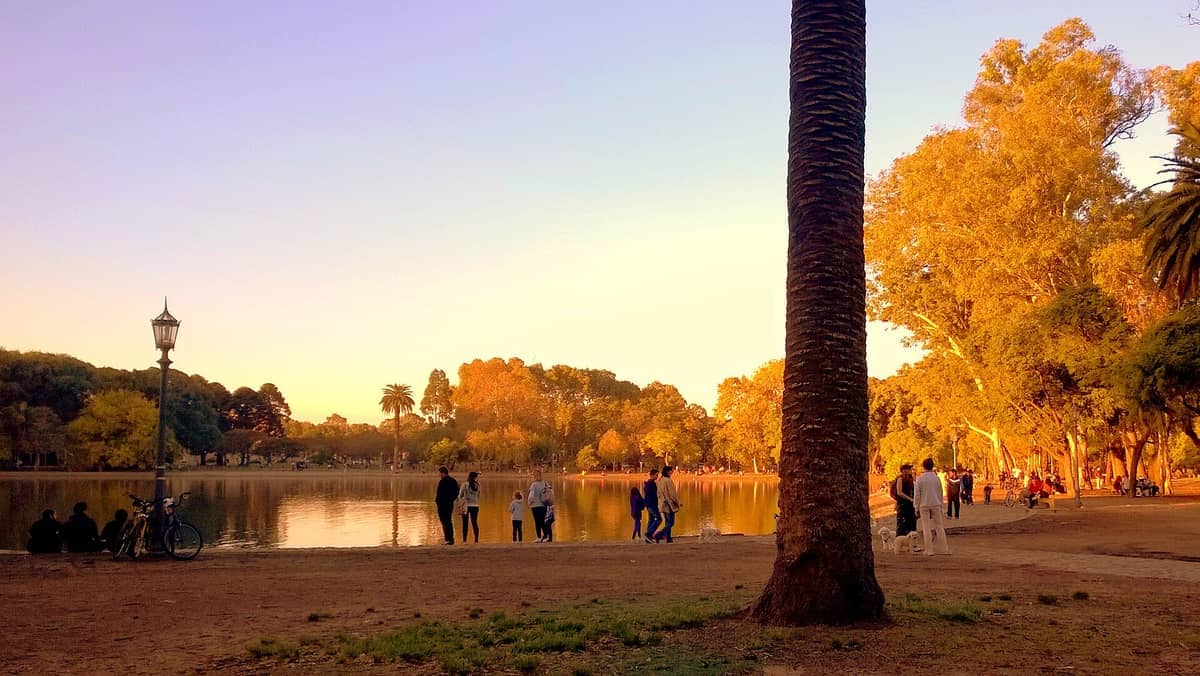
Early morning in the Bosques de Palermo is genuinely calm. Dog walkers move in packs — professional paseaperros managing eight or ten dogs at once are a fixture here — and joggers loop the paths around the artificial lakes while the eucalyptus and tipuana trees hold whatever overnight cool remains. By 8 am the café terraces on Thames and Costa Rica are setting out chairs, and the first espressos are being pulled.
By midday on a weekend, Palermo Soho is operating at full capacity. The streets around Plaza Serrano, formally Plaza Cortázar, fill with people browsing the weekend craft fair stalls, sitting on the low walls with coffee cups, or waiting for a table. The architecture around here is low-rise and irregular: art nouveau facades next to converted warehouses next to narrow townhouses painted in terracotta or sage green. It does not look like a planned commercial district because it was not one — it evolved block by block over twenty years.
After dark the rhythm changes. The restaurants in Palermo Hollywood, many of them set in former residences with interior courtyards, fill up from 9 pm onward. The cocktail bars on Fitz Roy and Malabia stay open past 2 am on weekdays. On weekends the pace shifts even later. This is not nightlife in the sense of clubs and queues — it is more like a city that simply refuses to stop talking and eating.
The tourist-to-local ratio here is more balanced than in San Telmo or La Boca. Palermo is where porteños who work in media, design, tech, and food actually live and socialize. That means the restaurants serve real audiences with real opinions, the boutiques stock things people actually buy, and the cafés are not performing authenticity for visitors.
ℹ️ Good to know
Palermo's sub-area names (Soho, Hollywood, Chico) are informal marketing labels adopted in the 1990s and 2000s. They are not official city designations, but they are widely used by locals and taxi drivers, so they are practical to know.
What to See & Do
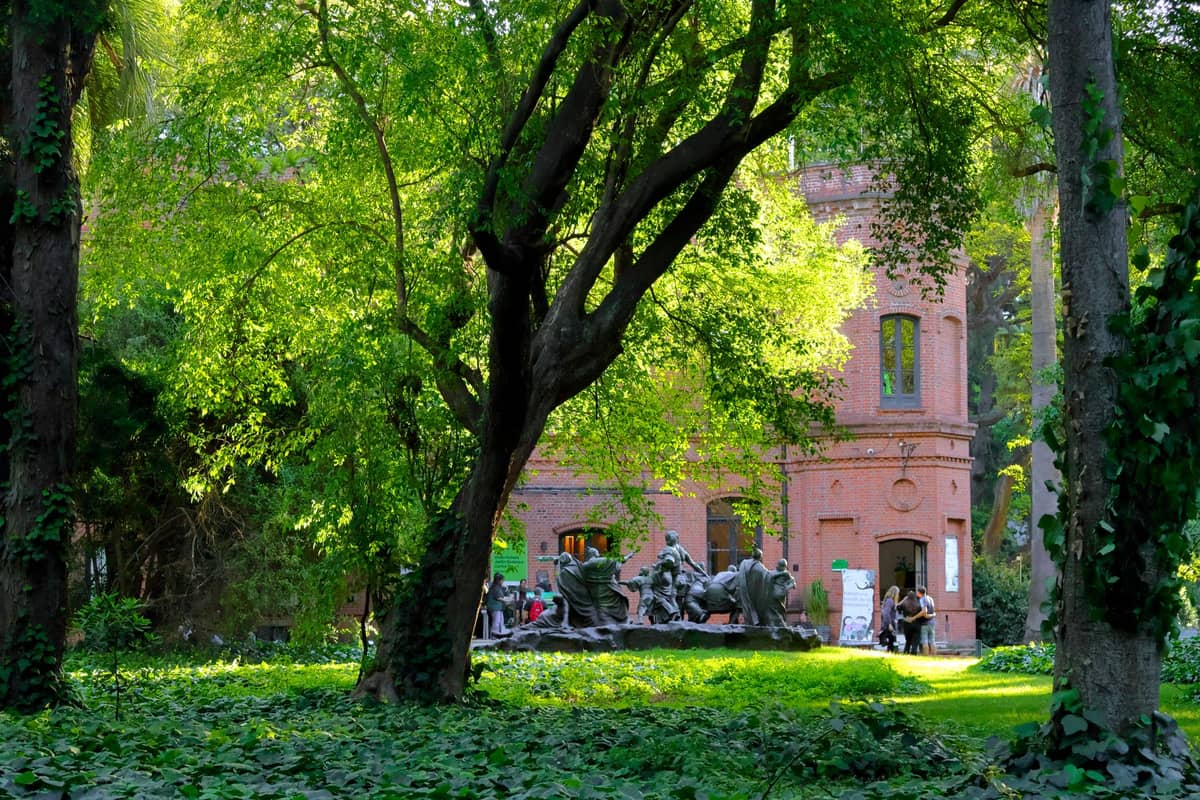
The Bosques de Palermo are the city's most expansive green space: a network of lakes, tree-lined paths, and open lawns covering several square kilometers near Avenida del Libertador. On Sundays the roads through the park close to cars and fill with cyclists, inline skaters, and families. It is worth arriving early, before the crowds form, to get a sense of why porteños genuinely love this place.
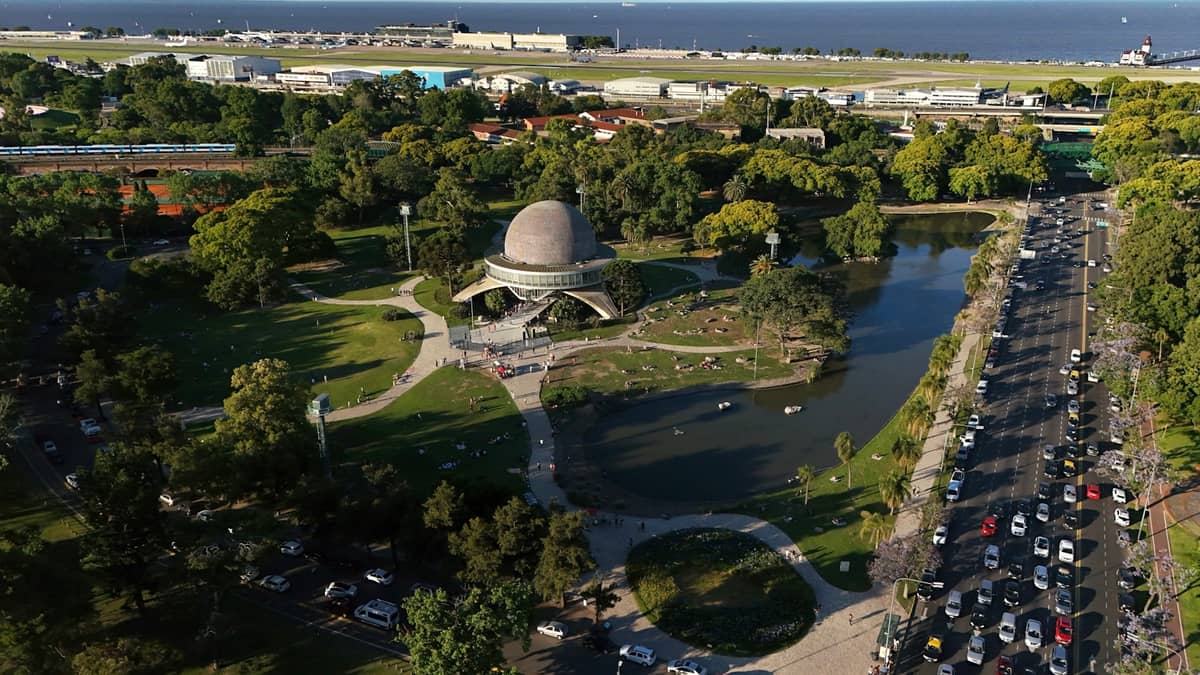
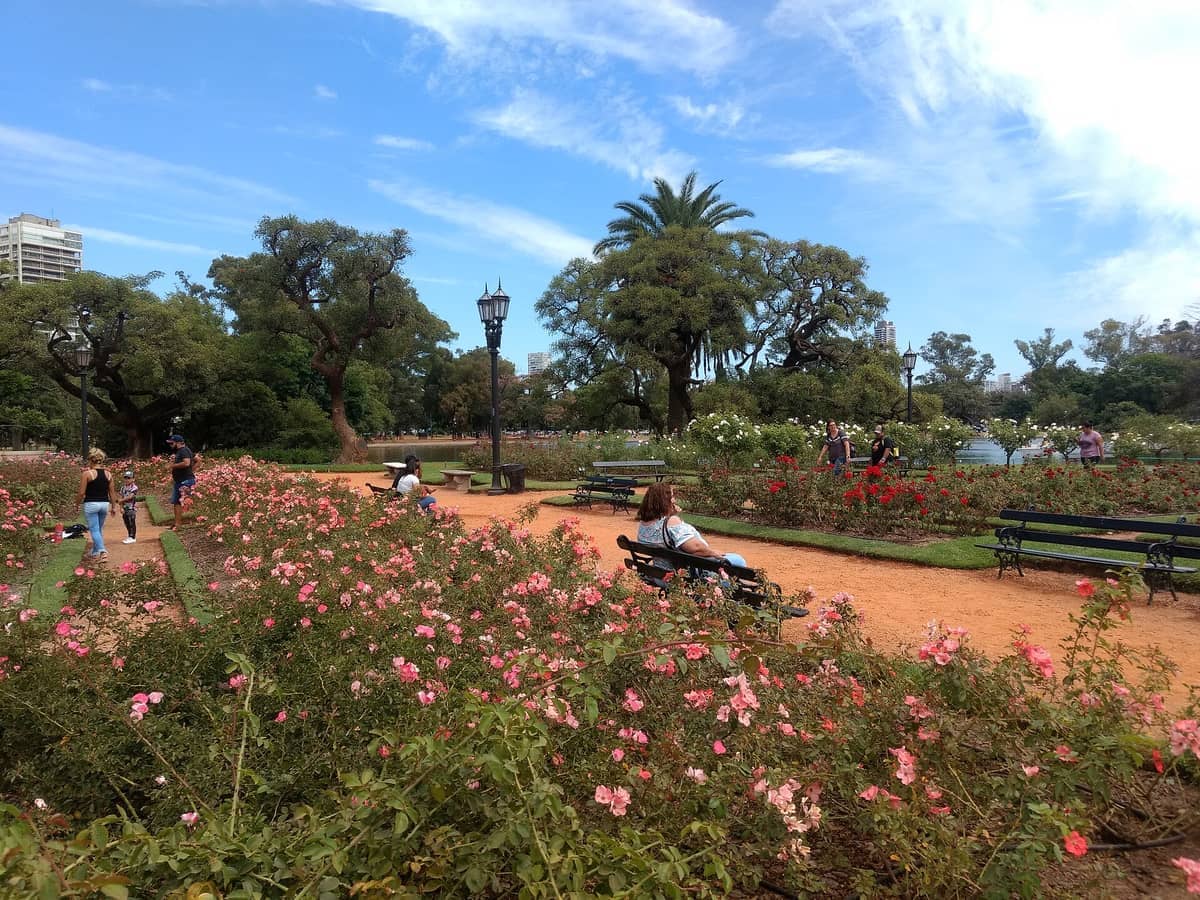
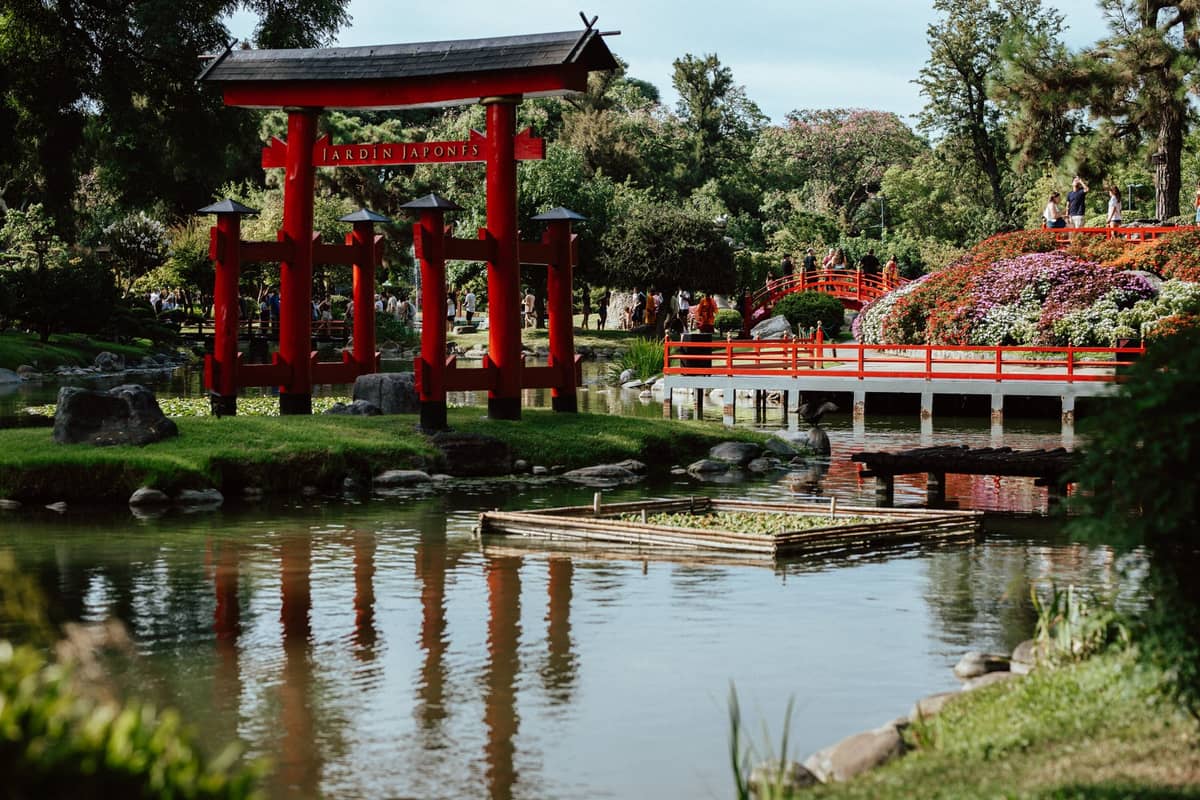
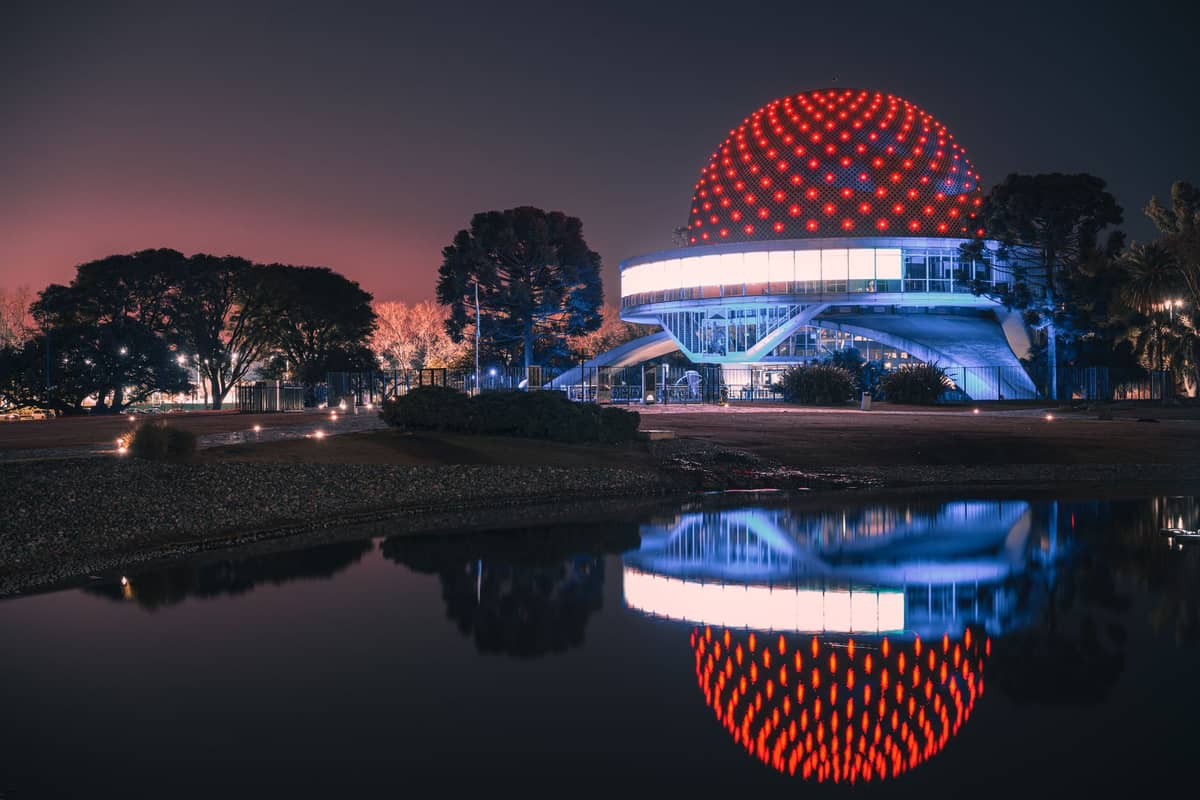
Within or adjacent to the park, several specific attractions deserve attention. The Jardín Japonés is a formal Japanese garden with koi ponds and a teahouse, maintained by the Japanese-Argentine community. The El Rosedal de Palermo is a rose garden at its peak in October and November. The Planetario Galileo Galilei sits near the Costanera Norte and hosts public shows as well as being a striking piece of 1960s architecture.
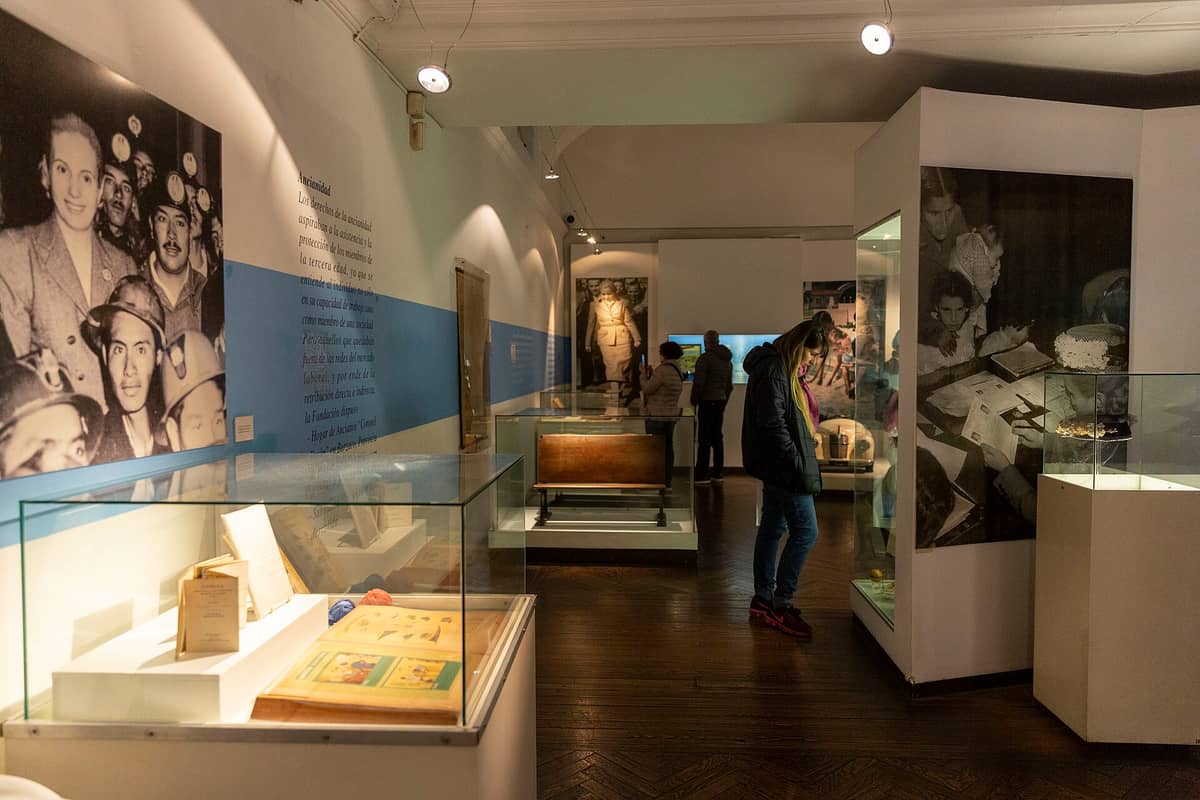
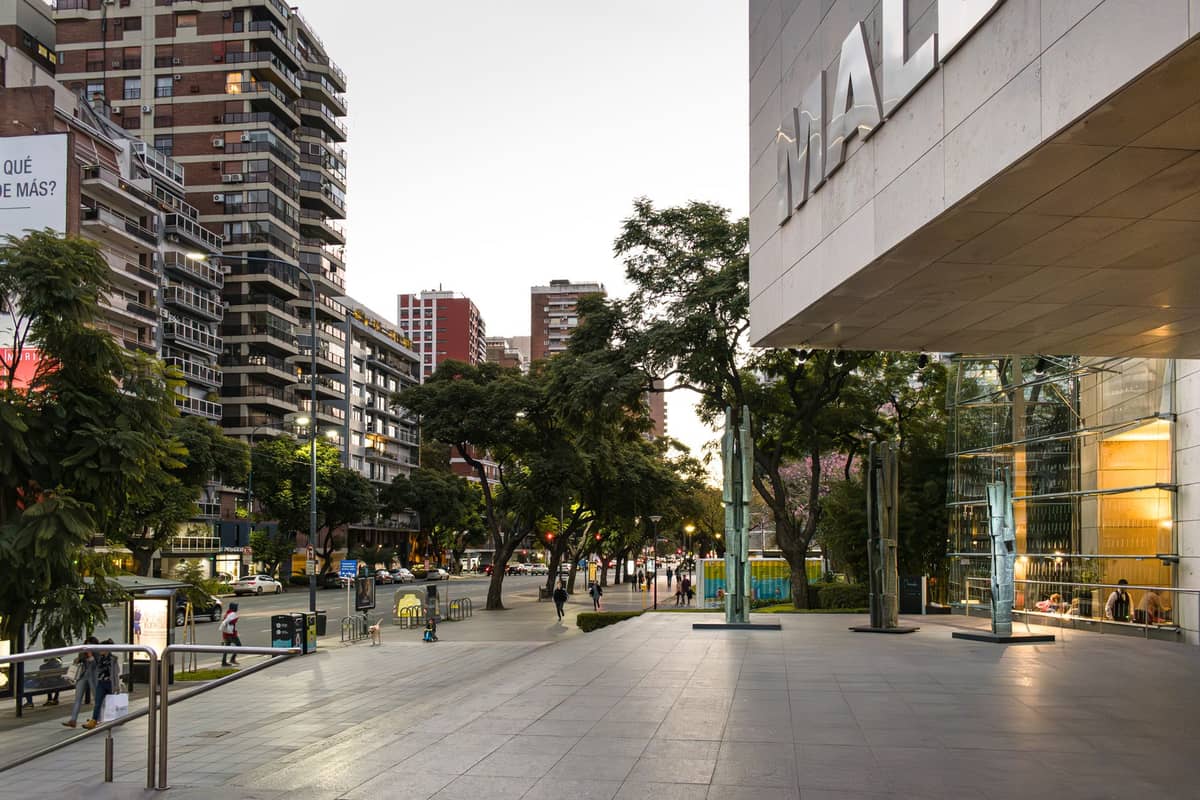
Palermo's museum offer is exceptional. The Museo MALBA houses one of Latin America's finest collections of modern and contemporary art, with permanent holdings that include major works by Frida Kahlo, Tarsila do Amaral, and Xul Solar. It is genuinely world-class and rarely as crowded as equivalent museums in Europe. A short walk away, the Museo Evita occupies a restored mansion in Palermo Chico and provides a nuanced account of Eva Perón's life and political legacy.
The Museo de Arte Decorativo on Avenida del Libertador is one of the city's most undervisited institutions: a Belle Époque palace housing European decorative arts, tapestries, and furniture collected by the Errázuriz family. The architecture of the building alone is worth the visit.
Bosques de Palermo for cycling and lakeside walking, especially on Sundays when roads close to traffic
Plaza Serrano (Plaza Cortázar) for the weekend craft fair and street-level cafe culture
MALBA for one of the strongest Latin American art collections in the city
Museo Evita for a well-curated account of one of Argentina's most contested figures
Jardín Japonés for a genuinely quiet hour away from city noise
El Rosedal for peak flower season in October and November
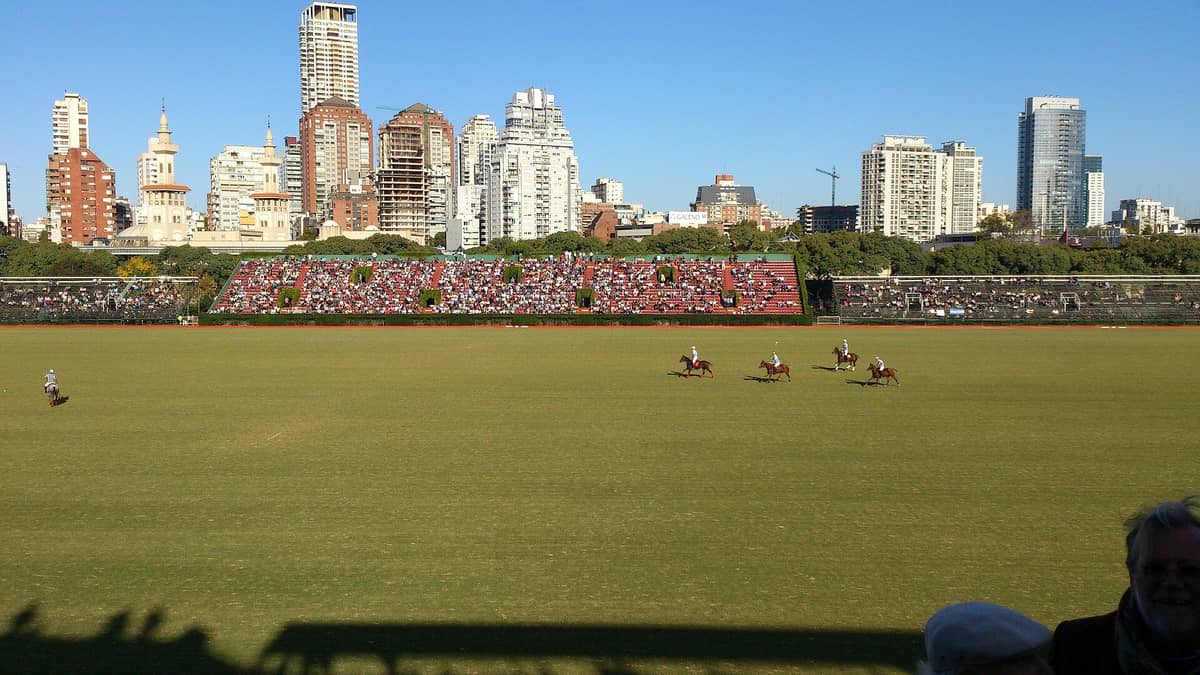
Campo Argentino de Polo for watching a match during the high season (November to December)
💡 Local tip
MALBA is closed on Tuesdays, and the Jardín Japonés charges an entrance fee. Both are worth checking current hours and prices before visiting, as these change periodically.
Eating & Drinking
Palermo is where Buenos Aires' food culture is most concentrated and most competitive. The restaurant density in Palermo Soho and Palermo Hollywood means operators cannot survive on novelty alone — the food actually has to be good. You will find everything from Argentine parrillas serving traditional asado to contemporary kitchens experimenting with Andean ingredients and Japanese technique.
The streets around Thames, Honduras, and El Salvador in Palermo Soho are the core of the café scene. Cortados and medialunas in the morning give way to lunch menus (the menú del día is still common at midday) and then aperitivo culture in the late afternoon. Fernet with Coke is ubiquitous; natural wine bars and craft beer taprooms have proliferated in the last decade.
Palermo Hollywood, particularly along Humboldt, Fitz Roy, and the streets surrounding them, has a higher concentration of restaurants per block than almost anywhere else in Buenos Aires. The cooking styles vary enormously: Japanese, Korean, Peruvian-Nikkei, and creative Argentine all coexist within a few blocks. Prices are higher than in San Telmo but still significantly lower than comparable dining in comparable cities in Europe or North America.
For context on the broader eating culture across Buenos Aires, the guide to what to eat in Buenos Aires covers the essentials, from choripán and empanadas to the cuts you should order at a traditional parrilla.
💡 Local tip
Restaurants in Palermo routinely fill up after 9 pm on weekdays and after 10 pm on weekends. If you want a table at a well-known spot without waiting, book at least a day in advance or arrive when doors open, typically around 8 pm.
Getting There & Around
Palermo is well connected by the Subte. Line D runs along or near Avenida Santa Fe and has three stations that serve the neighborhood: Scalabrini Ortiz, Plaza Italia, and Palermo. Plaza Italia is the most central for accessing the Bosques and the parks, while Scalabrini Ortiz drops you into the heart of Palermo Soho near Plaza Serrano. Line D connects southward through Recoleta to Tribunales and downtown.
Bus coverage in Palermo is extensive. Multiple colectivo lines run along Avenida Santa Fe, Avenida Córdoba, Avenida del Libertador, and Juan B. Justo, which also has a Metrobus corridor. The SUBE card, a rechargeable fare card available at many kiosks and lottery stands, is required for both Subte and bus travel.
Walking works well within each sub-area of Palermo. Palermo Soho to Palermo Hollywood is about 15 minutes on foot. The Bosques are roughly 20 minutes from Plaza Serrano on foot, or a short bus ride. Walking from MALBA to the Jardín Japonés takes under 10 minutes. The distances are manageable as long as you account for heat in summer.
Aeroparque Jorge Newbery, the domestic and some regional airport, is located on Palermo's northeastern edge along the Costanera Norte, making the neighborhood one of the easiest in the city to reach directly from a domestic flight. For full airport logistics, the Buenos Aires airport guide covers both Aeroparque and Ezeiza in detail.
For a broader overview of how to move around the city, including Subte lines, bus routes, and ride-hailing options, see the guide to getting around Buenos Aires.
Where to Stay
Palermo is one of the best base areas in Buenos Aires for most types of traveler. It offers a strong mix of boutique hotels, guesthouses, and apartment rentals, and its central-northern position means you can reach most major sights by transit or taxi without excessive travel time.
The Palermo Soho zone, within walking distance of Plaza Serrano and the Subte at Scalabrini Ortiz, is the most practical for people who want to be close to restaurants and nightlife. The streets here are lively until late, which suits some travelers and irritates others — if you need quiet after midnight, look for accommodation on the residential streets east of Scalabrini Ortiz rather than directly on the main commercial strips.
Palermo Chico, near Avenida del Libertador and the museums, is quieter and more residential. Hotels here tend toward the higher end of the market. It is a good choice for travelers focused on the parks and museum circuit who prefer to walk to MALBA or the Jardín Japonés without navigating through busier streets.
For a comparison of Palermo against other neighborhoods as a base, the where to stay in Buenos Aires guide lays out the trade-offs between Palermo, Recoleta, San Telmo, and the other main options.
⚠️ What to skip
Some streets in Palermo Soho and Palermo Hollywood can feel significantly quieter after midnight on weeknights. Standard urban precautions apply: stay aware of your surroundings, avoid displaying expensive electronics on the street, and use radio taxis or ride-hailing apps rather than flagging random cabs late at night.
Practical Notes
Palermo is a good neighborhood to use as a base for exploring the rest of the city. Recoleta is 15–20 minutes on foot to the southeast, or two Subte stops. San Telmo and the Microcentro are accessible by Line D toward the center, then transferring or walking. If you are planning a full itinerary, the 3 days in Buenos Aires itinerary uses Palermo as a natural anchor for the second or third day of exploration.
Travelers interested in Buenos Aires' street art scene will find some of the city's best murals in the streets around Palermo Soho, particularly on and around Thames and Gorriti. The Buenos Aires street art guide provides more context and specific locations.
Currency and money matters are worth understanding before you arrive, particularly given Argentina's complex exchange rate environment. The Buenos Aires currency and money guide is essential reading for any visitor planning how to manage cash.
TL;DR
Palermo is Buenos Aires' largest and most internally diverse neighborhood, divided informally into sub-areas including Palermo Soho, Palermo Hollywood, and Palermo Chico, each with a distinct character.
The parks, lakes, and museums clustered near Avenida del Libertador — including MALBA, the Bosques, and the Jardín Japonés — form one of the city's best cultural and green-space circuits.
The restaurant and bar scene in Palermo Soho and Palermo Hollywood is among the strongest in the city, with prices that remain accessible by international standards.
Subte Line D (stations Palermo, Plaza Italia, Scalabrini Ortiz) and extensive bus coverage make the neighborhood easy to reach and navigate, and Aeroparque airport sits on its northeastern edge.
Best for: first-time visitors who want a safe, well-connected base with good food and proximity to parks and museums. Not ideal for travelers who want deep historical immersion — for that, San Telmo or the Microcentro are better anchors.
Three days is enough to cover Buenos Aires' essential neighborhoods, landmarks, and cultural experiences, if you plan smart. This itinerary breaks the city into logical daily routes, with honest notes on timing, transport, and what the crowd-pleasing options actually deliver.
Buenos Aires delivers more than its size suggests as a museum city. From world-class fine art collections to intimate houses dedicated to Eva Perón and Carlos Gardel, the city's museums cover Argentina's full cultural range. This guide covers the best of them, organised by theme.
Buenos Aires works as a year-round destination, but the timing of your visit shapes everything from comfort to cost to what's actually happening on the street. This guide breaks down every season with real temperature data, crowd realities, and event timing so you can pick the trip that fits your priorities.
Buenos Aires has two airports serving very different purposes. Ezeiza (EZE) handles most long-haul international flights, while Aeroparque (AEP) sits close to downtown and covers domestic and regional routes. This guide breaks down both airports, how to get between them, and the best ways to reach the city center.
Buenos Aires spans more than three centuries of architectural history, from the Spanish colonial Cabildo on Plaza de Mayo to the sweeping art nouveau interiors of El Ateneo Grand Splendid and the glass towers of Puerto Madero. This guide breaks down the city's key styles, neighborhoods, and buildings worth seeking out, with practical tips on timing, logistics, and what to skip.
Buenos Aires takes its café culture seriously. The city has formally designated more than 80 establishments as bares notables, protecting them for their historic, architectural, or cultural significance. This guide covers the best historic cafés, what to order, neighbourhood coffee scenes, and practical advice for experiencing it all like a local.
Managing money in Buenos Aires is more nuanced than in most cities. Argentina's peso, evolving exchange rates, ATM fee structures, and the once-legendary 'blue dollar' all require a clear-headed strategy. This guide breaks down exactly how the Buenos Aires currency system works today, what's changed, and how to avoid the most common financial mistakes visitors make.
Eva Perón shaped Buenos Aires as much as any building or boulevard. This guide maps the key sites tied to her life and legacy, from the Museo Evita in Palermo to the Duarte family tomb in Recoleta Cemetery, with opening hours, entry prices, and a clear take on what is worth your time.
Buenos Aires has a well-earned reputation as one of South America's most romantic cities. This guide covers the best couples experiences, from tango dinner shows with verified pricing to waterfront dining, atmospheric neighborhoods, and practical advice for making your trip feel effortless.
Buenos Aires rewards those who go beyond the postcard. From a bookshop inside a theatre to a mosaic-covered alley in Barracas, these are the experiences that turn a good trip into an unforgettable one.
Buenos Aires nightlife runs on its own clock: dinner at 10 pm, bars filling after midnight, and clubs peaking at 3 am. This guide breaks down the best neighborhoods, venue types, price expectations, and the tango scene so you can stop guessing and start going out.
Buenos Aires offers genuine value for travelers who know the system. This guide covers everything from navigating the SUBE card and free museums to eating well for next to nothing — and where the city actually costs more than expected.
Buenos Aires is a major world city with real risks that are manageable with the right knowledge. This guide breaks down neighbourhood safety, common scams, transport precautions, and official emergency resources so you can travel with confidence.
Buenos Aires offers one of South America's most varied shopping landscapes, from grand European-style galleries and sprawling malls to weekend antique markets and independent designer stores. This guide breaks down where to shop, what to buy, and how to avoid the common tourist pitfalls.
Buenos Aires is one of South America's most rewarding solo destinations, with an extensive metro network, walkable neighborhoods, and a rich cultural scene. This guide covers everything from the safest areas to stay and how to navigate public transport, to money tips and the best times to visit as a solo traveler.
Buenos Aires is one of Latin America's most important cities for public art, with commissioned murals, mosaics, and political works spread across dozens of neighborhoods. This guide covers where to go, how to get there, which tours are worth booking, and what most visitors miss.
The Buenos Aires Tango Festival & World Cup (Tango BA Festival y Mundial) is one of the world's largest free tango events, drawing thousands of dancers and spectators each August. This guide covers how to get tickets, what to expect at the competition finals, which venues to prioritize, and how to make the most of two weeks of non-stop tango across the city.
Buenos Aires rewards those who look up and climb high. From a Dante-inspired skyscraper to a British clock tower overlooking the Río de la Plata, these are the city's finest viewpoints, street-level panoramas, and architectural frames worth seeking out.
Buenos Aires is one of the great walking cities of South America, with distinct neighborhoods close enough to link on foot and rich enough to fill a full day each. This guide breaks down the best self-guided walking routes by barrio, with practical details on duration, what to prioritize, when to go, and where to be careful.
Buenos Aires is a more family-friendly city than most first-time visitors expect. This guide covers the best kid-focused attractions, the most practical neighborhoods for families, how to get around with children, and what to skip — with honest notes on crowds, costs, and seasonal timing.
Buenos Aires delivers world-class culture, food, and architecture at a fraction of European city prices. But it rewards those who plan ahead. This guide breaks down costs, seasons, safety, and the neighborhoods that matter, so you can decide if it belongs on your itinerary.
Buenos Aires rewards slow exploration, but the city also sits within easy reach of some genuinely excellent escapes. This guide covers the top Buenos Aires day trips by distance, difficulty, and what you actually get for your time and money.
Buenos Aires is one of the world's great football cities, home to over 20 professional clubs and two of the most iconic stadiums on the planet. This guide covers everything you need to know: how to get match tickets, what stadium tours cost, when to visit, and how to avoid the most common tourist mistakes.
Buenos Aires rewards travelers who know where to look. The city has free-entry museums, landmark plazas, vast parks, and weekly market days that cost nothing at all. This guide covers 20 of the best free experiences across every corner of the city.
Buenos Aires has one of South America's most comprehensive urban transport networks. This guide covers every practical option for getting around the city, from the Subte metro and colectivo buses to ride-hailing apps, Ecobici bikes, and airport transfers from Ezeiza and Aeroparque.
Seven days is enough time to move through Buenos Aires properly, from the political heart of Plaza de Mayo to the cobblestones of San Telmo, the parks of Palermo, and a night at Teatro Colón. This day-by-day guide covers logistics, timing, and the trade-offs worth knowing before you go.
Buenos Aires is the birthplace of tango, and the city takes that seriously. This guide covers milongas, tango lessons, dinner shows, seasonal events, dress codes, and honest price breakdowns — everything you need to engage with tango culture on your own terms.
Buenos Aires rewards visitors who go beyond the obvious. This guide covers the city's top experiences across culture, history, food, and nightlife, organized by neighborhood and enriched with practical logistics, honest assessments, and local context to help you plan a trip that actually works.
Buenos Aires is one of South America's great eating cities, built on beef, Italian immigrants, and neighborhood traditions that stretch back a century. This guide covers the essential dishes, where to find them by neighborhood, what things actually cost, and how to navigate the city's food scene without wasting a meal.
Choosing where to stay in Buenos Aires shapes your entire trip. This guide covers the top neighborhoods for every travel style, from historic San Telmo to polished Recoleta, with practical advice on transport links, price ranges, and seasonal timing.