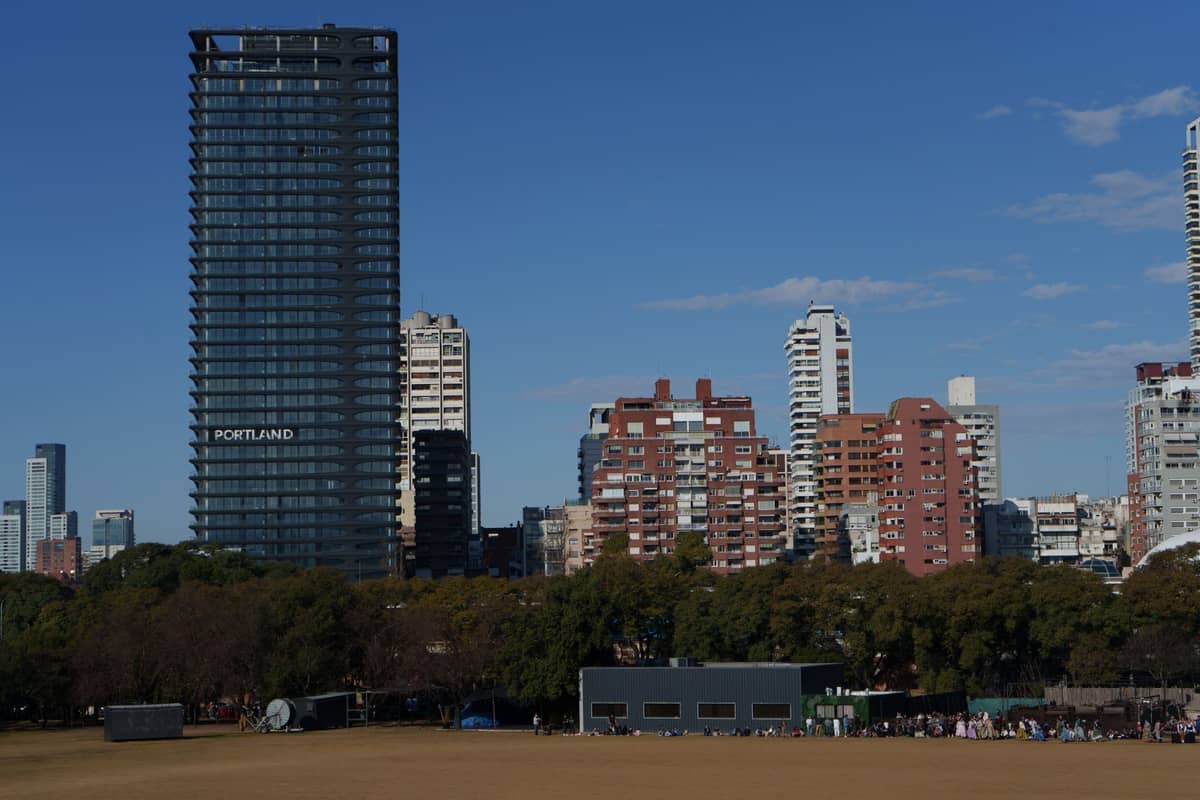
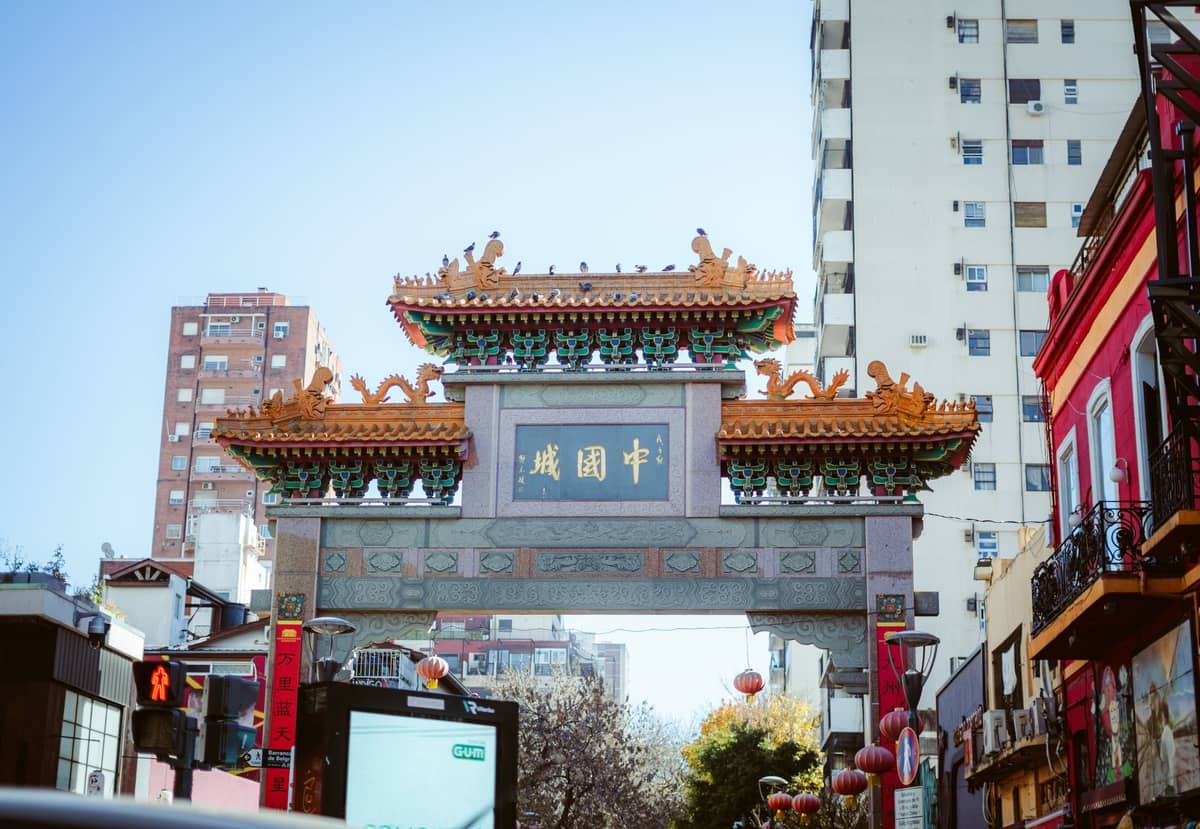
Belgrano is a large, predominantly residential neighborhood in the north of Buenos Aires, known for its leafy plazas, colonial-era churches, Spanish art museums, and the city's compact Chinatown along Arribeños street. Less touristy than Palermo or Recoleta, it rewards visitors who want to see how porteños actually live.
Belgrano sits in the northern arc of Buenos Aires, far enough from the tourist circuit to feel genuinely local, yet connected enough to make day trips downtown effortless. It is a neighborhood of wide avenues, weekend markets, a round-plan basilica, and surprisingly good Asian food — a residential stronghold that has been home to politicians, writers, and working families for over a century.
Orientation: Where Belgrano Sits in the City
Belgrano occupies the northern stretch of the Ciudad Autónoma de Buenos Aires, roughly 8 to 10 kilometers from Plaza de Mayo in the city center. Its eastern boundary runs along Avenida del Libertador and, further north, toward the Río de la Plata shoreline. To the southeast it borders Palermo, to the south it meets Colegiales and Villa Urquiza, and to the north it gives way to Núñez before reaching the city limits at Coghlan and Villa Ortúzar.
The neighborhood has a strong internal geography that locals navigate by sub-zone. Belgrano C is the commercial core, clustered around Avenida Cabildo and the Juramento Subte station — this is where you find supermarkets, cafés, pharmacies, and the weekend market at Barrancas. Belgrano R, roughly to the west and southwest toward Avenida Monroe and the Mitre rail line, is significantly quieter: large detached houses behind garden walls, streets shaded by jacaranda and tipuana trees, very little foot traffic from visitors. Barrio River, named for the nearby Estadio Monumental, sits further north toward the river and takes on an entirely different energy on match days.
Understanding this internal structure helps enormously when planning a visit. The attractions most travelers come for — Plaza Manuel Belgrano, the Larreta museum, Barrancas park, Barrio Chino — are all clustered within a 15-minute walk of each other in Belgrano C, making it easy to combine with a visit to northern Palermo on the same day.
Character and Atmosphere
Come to Belgrano on a weekday morning and the first thing you notice is how ordinary it all feels — in the best possible sense. Avenida Cabildo is lined with chain pharmacies and local bakeries, school runs happen on the side streets, and the Subte entrance at Juramento deposits office workers heading downtown rather than tourists. The streets around Plaza Manuel Belgrano smell of cut grass and medialunas from the corner confitería. Light falls softly through the plane trees that line the streets leading up toward Barrancas park.
By Saturday afternoon, the character shifts considerably. The weekend market at Plaza Manuel Belgrano fills with local artisans and antique vendors, while Barrancas de Belgrano — the park sloping down toward the former riverfront — draws families, dog walkers, and couples sharing a thermos of mate on the grass. The area around Arribeños street, Belgrano's compact Chinatown strip, sees its highest foot traffic on weekends, with queues outside dim sum restaurants and Chinese grocery shops doing steady trade.
After dark, Belgrano is calm by Buenos Aires standards. It is not a nightlife neighborhood. The restaurants and bars around Juramento and along Cabildo fill up between 9pm and midnight — porteño dinner hours — but the streets quiet down earlier than in Palermo or San Telmo. For visitors who find the noise and late-night energy of those neighborhoods exhausting, Belgrano's evenings can feel like a relief. For those who want to be close to the city's nightlife pulse, it may feel too quiet.
ℹ️ Good to know
Belgrano R is genuinely residential in character: streets can be almost entirely empty on weekday afternoons. If you are walking over from Belgrano C, the shift in atmosphere is noticeable within a few blocks west of Avenida Monroe.
What to See and Do
The neighborhood's most approachable starting point is Plaza Manuel Belgrano, the tree-lined square facing the Iglesia de la Inmaculada Concepción — known locally as La Redonda for its distinctive circular floor plan and neoclassical dome. Built in the mid-19th century, it remains an active parish and one of the more architecturally unusual churches in the city. On weekends, the plaza's perimeter fills with the Feria de Belgrano, a craft and antiques market that runs from around 10am to 6pm.
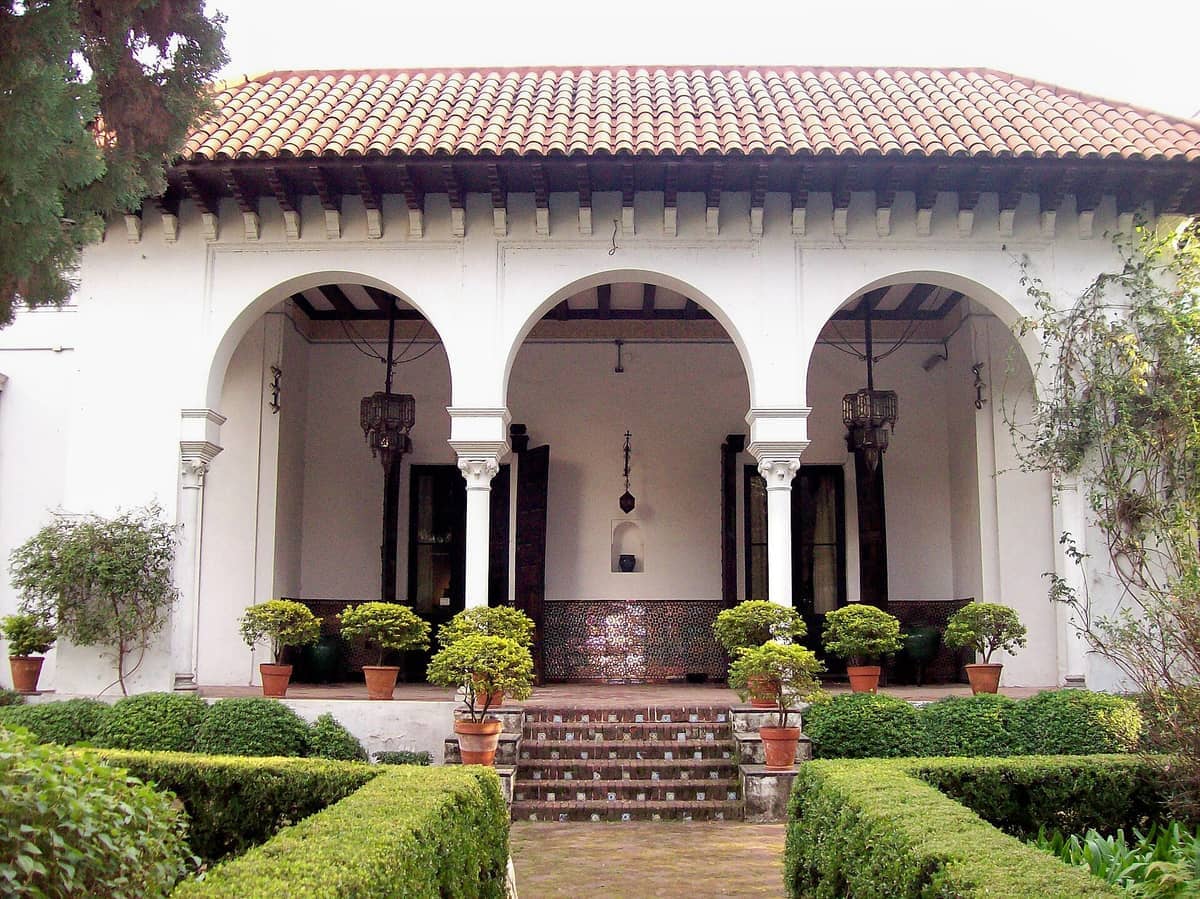
Directly facing the plaza is the Museo Histórico Sarmiento, housed in the building that served as Argentina's seat of government briefly in 1880 when the city was federalized. It functions as a small history museum dedicated to President Domingo Faustino Sarmiento, the 19th-century statesman and educator. A short walk away, the Museo de Arte Español Enrique Larreta on Juramento presents a fine collection of Spanish decorative arts, tapestries, and medieval objects inside a colonial-style house with a particularly beautiful Andalusian garden. It is genuinely worth the visit and rarely crowded, even on weekends.
Barrancas de Belgrano, the sloping park designed by landscape architect Carlos Thays (who also designed the city's Botanical Garden and Palermo's rose garden), wraps around the edge of a natural escarpment that once marked the original Río de la Plata shoreline. The park's gentle terraces, iron bandstand, and mature trees make it one of the most pleasant places in northern Buenos Aires for a slow afternoon. Just below the barrancas, Barrio Chino unfolds along a few blocks of Arribeños street between Juramento and Montañeses: Chinese supermarkets, bubble tea shops, dim sum restaurants, and a ceremonial gate mark Buenos Aires's small but active Chinese community hub.
Iglesia de la Inmaculada Concepción (La Redonda): circular neoclassical basilica on Plaza Belgrano
Museo de Arte Español Enrique Larreta: Spanish art collection with Andalusian garden, near Juramento
Museo Histórico Sarmiento: 19th-century political history in the former government building on the plaza
Barrancas de Belgrano: Carlos Thays-designed park on the old river escarpment
Barrio Chino (Arribeños street): Buenos Aires's Chinatown, most active on weekends
Weekend artisan and antiques market, Plaza Manuel Belgrano
💡 Local tip
The Larreta museum is closed on Tuesdays. Confirm opening hours before visiting, as they are subject to change. The garden alone is worth the entrance fee — it is one of the quietest green spaces in this part of the city.
Eating and Drinking
Belgrano's food scene is more diverse than its residential reputation might suggest. The most distinctive cluster is along Arribeños in Barrio Chino, where you will find Chinese, Taiwanese, and pan-Asian restaurants at prices significantly lower than the city center. Dim sum on weekend mornings draws a mix of the Chinese community and Buenos Aires residents who have made the trip specifically for the food. Several of the Chinese supermarkets stock ingredients unavailable elsewhere in the city, which attracts professional cooks from across Buenos Aires.
Around Avenida Cabildo and the streets fanning out from Juramento station, the offering is more conventional: neighborhood parrillas serving grilled meat, pizza restaurants, traditional confiterías with medialunas and cortados, and a handful of more contemporary cafés that have opened in recent years. Prices across Belgrano tend to be lower than equivalent places in Palermo Soho or Recoleta, partly because the clientele is overwhelmingly local.
For a classic Buenos Aires café experience away from the city's more theatrical tourist spots, the confiterías on and around Plaza Manuel Belgrano are reliable: dark wood fittings, marble counters, and the specific kind of unhurried service that has defined porteño café culture for generations. The neighborhood is not known for cocktail bars or late-night drinking venues, so travelers looking for that will need to head to Palermo or San Telmo.
If you want to understand the broader context of what and how porteños eat, the guide to what to eat in Buenos Aires covers the staples — empanadas, asado, facturas, dulce de leche — that you will find throughout Belgrano's bakeries and restaurants.
Getting There and Around
Belgrano is well served by public transport, which makes it easy to reach from anywhere in central Buenos Aires. The most practical connection is the Subte Line D, which runs between Congreso de Tucumán in Belgrano in the north and Catedral near Plaza de Mayo in the south, passing through Belgrano on its way toward the city center. The Juramento station deposits you directly at the edge of Plaza Manuel Belgrano, within easy walking distance of all the neighborhood's main attractions. The journey from Palermo's Scalabrini Ortiz station takes around 10 minutes; from the city center, around 25 minutes.
The Mitre commuter rail line (Tigre branch) serves two stations in the neighborhood: Belgrano C, near the commercial center, and Belgrano R, deeper in the quieter residential zone to the southwest. Trains run frequently from Retiro station in the city center, making this a fast alternative to the Subte, particularly during off-peak hours. Travel time from Retiro to Belgrano C is around 15 to 20 minutes.
Numerous bus routes (colectivos) serve Avenida Cabildo, Avenida del Libertador, and other main arteries crossing the neighborhood, running 24 hours on the busiest corridors. All public transport in Buenos Aires requires a rechargeable SUBE card, available at kiosks and Subte stations. For full guidance on navigating the city's transport network, see the getting around Buenos Aires guide.
Within Belgrano itself, the main attractions are walkable from Juramento station. The walk from the plaza to Barrancas park takes around 5 minutes; from Barrancas down to Barrio Chino on Arribeños is another 5 to 10 minutes. Belgrano R is too spread out to walk comfortably unless you have a specific address in mind — take the Mitre train or a remis.
💡 Local tip
Aeroparque Jorge Newbery (AEP), the domestic and regional airport, sits on the riverfront just south of Belgrano. If you are flying in from another Argentine city and staying in Belgrano, a taxi or remis from Aeroparque takes around 15 to 20 minutes depending on traffic — one of the shortest airport transfers in the city.
Where to Stay
Belgrano is not a major hotel district, but it has a steady supply of apartment rentals, boutique guesthouses, and mid-range hotels catering primarily to Argentine business travelers and families visiting relatives. The best location for a visitor is the Belgrano C zone, within a few blocks of Juramento station: you get direct Subte access to anywhere in the city while staying in a calm, residential setting.
Belgrano suits a particular type of traveler well: someone who wants a home-base feel rather than being in the middle of the tourist circuit, who plans to use public transport to explore the city systematically, and who values quiet evenings. Families with children may find the neighborhood's parks and lower noise levels particularly appealing. For travelers whose priority is immediate access to tango venues, nightlife, or the city's main museums in Recoleta and the center, staying in Belgrano adds commute time without obvious trade-offs. The guide to where to stay in Buenos Aires covers all the main neighborhoods side by side, which helps clarify the decision.
Belgrano R, while beautiful and genuinely tranquil, is too far from transit and nightlife to be practical for most short-stay visitors unless you are renting an apartment for a week or more and have a specific reason to be in that part of the city.
Practical Notes
Belgrano is generally considered one of Buenos Aires's safer residential neighborhoods. Standard urban precautions apply — keep phones discreet, be aware on crowded weekend markets — but the area does not have the specific concerns associated with parts of La Boca or late-night zones elsewhere in the city. For a broader overview of safety considerations across Buenos Aires, the Buenos Aires safety guide is worth reading before you arrive.
Argentina uses the Argentine peso (ARS), and the currency situation — including exchange rates and the practicalities of withdrawing cash — can change. Before traveling, check the Buenos Aires currency and money guide for current advice on payments, ATMs, and exchange. Most restaurants and shops in Belgrano accept cards, but smaller market stalls and some confiterías are cash-only.
Belgrano follows the same climate patterns as the rest of Buenos Aires: hot and humid in summer (December to February), mild and pleasant in spring and autumn (September to November, March to May), and cool in winter (June to August). The parks and outdoor market at Plaza Belgrano are at their best in the mild shoulder seasons. Summer afternoons can be genuinely uncomfortable for walking.
TL;DR
Belgrano is a large, livable northern neighborhood best known for Plaza Manuel Belgrano, the Larreta museum, Barrancas park, and Barrio Chino on Arribeños street.
It is significantly less touristy than Palermo, Recoleta, or San Telmo — the main attraction is experiencing a real, middle-class Buenos Aires barrio rather than a curated visitor zone.
Best for: travelers who want a calm, residential base with easy Subte access to the city; families; long-stay visitors; and anyone specifically interested in the Chinatown or Spanish art collections.
Not ideal for: travelers whose priority is nightlife, tango venues, or being within walking distance of the main tourist sights.
Getting there is straightforward: Subte Line D to Juramento, or the Mitre commuter rail to Belgrano C, both of which leave you within easy walking distance of the main attractions.
Three days is enough to cover Buenos Aires' essential neighborhoods, landmarks, and cultural experiences, if you plan smart. This itinerary breaks the city into logical daily routes, with honest notes on timing, transport, and what the crowd-pleasing options actually deliver.
Buenos Aires delivers more than its size suggests as a museum city. From world-class fine art collections to intimate houses dedicated to Eva Perón and Carlos Gardel, the city's museums cover Argentina's full cultural range. This guide covers the best of them, organised by theme.
Buenos Aires works as a year-round destination, but the timing of your visit shapes everything from comfort to cost to what's actually happening on the street. This guide breaks down every season with real temperature data, crowd realities, and event timing so you can pick the trip that fits your priorities.
Buenos Aires has two airports serving very different purposes. Ezeiza (EZE) handles most long-haul international flights, while Aeroparque (AEP) sits close to downtown and covers domestic and regional routes. This guide breaks down both airports, how to get between them, and the best ways to reach the city center.
Buenos Aires spans more than three centuries of architectural history, from the Spanish colonial Cabildo on Plaza de Mayo to the sweeping art nouveau interiors of El Ateneo Grand Splendid and the glass towers of Puerto Madero. This guide breaks down the city's key styles, neighborhoods, and buildings worth seeking out, with practical tips on timing, logistics, and what to skip.
Buenos Aires takes its café culture seriously. The city has formally designated more than 80 establishments as bares notables, protecting them for their historic, architectural, or cultural significance. This guide covers the best historic cafés, what to order, neighbourhood coffee scenes, and practical advice for experiencing it all like a local.
Managing money in Buenos Aires is more nuanced than in most cities. Argentina's peso, evolving exchange rates, ATM fee structures, and the once-legendary 'blue dollar' all require a clear-headed strategy. This guide breaks down exactly how the Buenos Aires currency system works today, what's changed, and how to avoid the most common financial mistakes visitors make.
Eva Perón shaped Buenos Aires as much as any building or boulevard. This guide maps the key sites tied to her life and legacy, from the Museo Evita in Palermo to the Duarte family tomb in Recoleta Cemetery, with opening hours, entry prices, and a clear take on what is worth your time.
Buenos Aires has a well-earned reputation as one of South America's most romantic cities. This guide covers the best couples experiences, from tango dinner shows with verified pricing to waterfront dining, atmospheric neighborhoods, and practical advice for making your trip feel effortless.
Buenos Aires rewards those who go beyond the postcard. From a bookshop inside a theatre to a mosaic-covered alley in Barracas, these are the experiences that turn a good trip into an unforgettable one.
Buenos Aires nightlife runs on its own clock: dinner at 10 pm, bars filling after midnight, and clubs peaking at 3 am. This guide breaks down the best neighborhoods, venue types, price expectations, and the tango scene so you can stop guessing and start going out.
Buenos Aires offers genuine value for travelers who know the system. This guide covers everything from navigating the SUBE card and free museums to eating well for next to nothing — and where the city actually costs more than expected.
Buenos Aires is a major world city with real risks that are manageable with the right knowledge. This guide breaks down neighbourhood safety, common scams, transport precautions, and official emergency resources so you can travel with confidence.
Buenos Aires offers one of South America's most varied shopping landscapes, from grand European-style galleries and sprawling malls to weekend antique markets and independent designer stores. This guide breaks down where to shop, what to buy, and how to avoid the common tourist pitfalls.
Buenos Aires is one of South America's most rewarding solo destinations, with an extensive metro network, walkable neighborhoods, and a rich cultural scene. This guide covers everything from the safest areas to stay and how to navigate public transport, to money tips and the best times to visit as a solo traveler.
Buenos Aires is one of Latin America's most important cities for public art, with commissioned murals, mosaics, and political works spread across dozens of neighborhoods. This guide covers where to go, how to get there, which tours are worth booking, and what most visitors miss.
The Buenos Aires Tango Festival & World Cup (Tango BA Festival y Mundial) is one of the world's largest free tango events, drawing thousands of dancers and spectators each August. This guide covers how to get tickets, what to expect at the competition finals, which venues to prioritize, and how to make the most of two weeks of non-stop tango across the city.
Buenos Aires rewards those who look up and climb high. From a Dante-inspired skyscraper to a British clock tower overlooking the Río de la Plata, these are the city's finest viewpoints, street-level panoramas, and architectural frames worth seeking out.
Buenos Aires is one of the great walking cities of South America, with distinct neighborhoods close enough to link on foot and rich enough to fill a full day each. This guide breaks down the best self-guided walking routes by barrio, with practical details on duration, what to prioritize, when to go, and where to be careful.
Buenos Aires is a more family-friendly city than most first-time visitors expect. This guide covers the best kid-focused attractions, the most practical neighborhoods for families, how to get around with children, and what to skip — with honest notes on crowds, costs, and seasonal timing.
Buenos Aires delivers world-class culture, food, and architecture at a fraction of European city prices. But it rewards those who plan ahead. This guide breaks down costs, seasons, safety, and the neighborhoods that matter, so you can decide if it belongs on your itinerary.
Buenos Aires rewards slow exploration, but the city also sits within easy reach of some genuinely excellent escapes. This guide covers the top Buenos Aires day trips by distance, difficulty, and what you actually get for your time and money.
Buenos Aires is one of the world's great football cities, home to over 20 professional clubs and two of the most iconic stadiums on the planet. This guide covers everything you need to know: how to get match tickets, what stadium tours cost, when to visit, and how to avoid the most common tourist mistakes.
Buenos Aires rewards travelers who know where to look. The city has free-entry museums, landmark plazas, vast parks, and weekly market days that cost nothing at all. This guide covers 20 of the best free experiences across every corner of the city.
Buenos Aires has one of South America's most comprehensive urban transport networks. This guide covers every practical option for getting around the city, from the Subte metro and colectivo buses to ride-hailing apps, Ecobici bikes, and airport transfers from Ezeiza and Aeroparque.
Seven days is enough time to move through Buenos Aires properly, from the political heart of Plaza de Mayo to the cobblestones of San Telmo, the parks of Palermo, and a night at Teatro Colón. This day-by-day guide covers logistics, timing, and the trade-offs worth knowing before you go.
Buenos Aires is the birthplace of tango, and the city takes that seriously. This guide covers milongas, tango lessons, dinner shows, seasonal events, dress codes, and honest price breakdowns — everything you need to engage with tango culture on your own terms.
Buenos Aires rewards visitors who go beyond the obvious. This guide covers the city's top experiences across culture, history, food, and nightlife, organized by neighborhood and enriched with practical logistics, honest assessments, and local context to help you plan a trip that actually works.
Buenos Aires is one of South America's great eating cities, built on beef, Italian immigrants, and neighborhood traditions that stretch back a century. This guide covers the essential dishes, where to find them by neighborhood, what things actually cost, and how to navigate the city's food scene without wasting a meal.
Choosing where to stay in Buenos Aires shapes your entire trip. This guide covers the top neighborhoods for every travel style, from historic San Telmo to polished Recoleta, with practical advice on transport links, price ranges, and seasonal timing.