Is Buenos Aires Worth Visiting? Here's What You Actually Need to Know
Buenos Aires delivers world-class culture, food, and architecture at a fraction of European city prices. But it rewards those who plan ahead. This guide breaks down costs, seasons, safety, and the neighborhoods that matter, so you can decide if it belongs on your itinerary.
Tickets & tours
Live prices and dates from our booking partner. If you book, we may earn a commission at no extra cost to you.
TL;DR
- Yes, Buenos Aires is worth visiting for most travelers, particularly those drawn to food, architecture, tango, and city culture at reasonable cost.
- The best times to visit are spring (September to November) and autumn (March to May). See the full best time to visit Buenos Aires guide for a month-by-month breakdown.
- Daily budgets range from around US$40 (hostel, street food) to US$90+ for mid-range travel, making it affordable compared to most major world cities.
- Petty crime exists, especially in tourist zones, but violent crime against visitors is statistically uncommon. Smart precautions matter more than fear.
- The city has two airports, an extensive metro and bus network, and dozens of distinct neighborhoods. Read our getting around Buenos Aires guide before you arrive.
What Buenos Aires Actually Offers
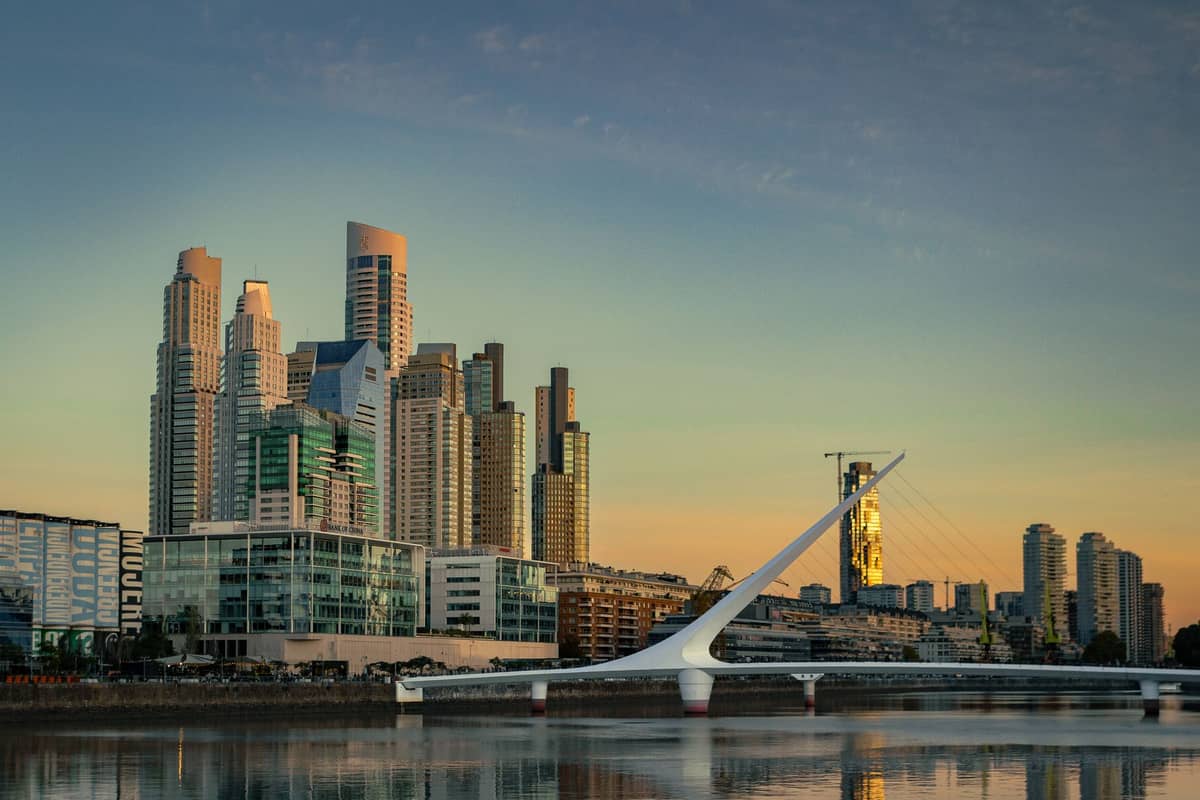
Buenos Aires is the capital of Argentina and one of South America's largest metropolitan areas, with roughly 3 million residents in the city proper and over 15 million across Greater Buenos Aires. It sits on the western shore of the Río de la Plata estuary, at about 17 metres above sea level, and functions as Argentina's political, cultural, and economic centre. The official name is Ciudad Autónoma de Buenos Aires (CABA), an autonomous city administratively separate from Buenos Aires Province, though geographically enclosed by it.
The city's draws are legitimately broad. Architecture ranges from colonial-era buildings along Avenida de Mayo to the 19th-century French Beaux-Arts facades of Recoleta and the converted industrial spaces of Puerto Madero. The food scene pulls from Italian, Spanish, and indigenous Argentine traditions. Tango is not just a tourist export but a living art form performed in milongas across the city. And institutions like the Teatro Colón, one of the world's great opera houses, and the Museo MALBA give the city genuine cultural weight.
Buenos Aires is not the right destination for everyone. It does not offer beach access, significant natural landscapes within the city, or a convenient base for rapid multi-country touring. It rewards slow, curious travelers over checklist tourists. If you want to cover South America in ten days, Buenos Aires may feel like it demands too much time for what you get. If you give it a week or more, it tends to exceed expectations.
When to Go: Seasons, Crowds, and Trade-offs
Buenos Aires has a humid subtropical climate with an annual mean temperature around 18°C (64°F). There is no dramatic dry season, but rainfall is higher from November through March, with the heaviest months typically February through March. The city does not close down in any season, but timing affects comfort, prices, and what is running.
- Spring (September to November) Widely regarded as the most comfortable season. Daytime highs average 18-26°C, jacaranda trees bloom across Palermo and Recoleta, and cultural programming is strong. October and November are the sweet spot for weather and value.
- Autumn (March to May) The other strong shoulder season. Temperatures mirror spring (15-25°C), post-summer crowds thin, and the Buenos Aires International Book Fair runs in April-May. Hotel rates tend to be lower than peak summer.
- Summer (December to February) Hot and humid, with daytime highs regularly exceeding 30°C. Many porteños (Buenos Aires residents) leave the city in January for the coast. Some smaller restaurants and shops reduce hours. That said, outdoor cultural events and festivals are plentiful, and prices for international visitors are competitive.
- Winter (June to August) Cool but rarely cold, with temperatures between 7-16°C. Theater and tango seasons are at their strongest. The World Tango Festival takes place in August. Prices tend to be lowest, and tourist numbers are down, which makes popular museums and attractions more manageable.
✨ Pro tip
If budget is a priority, target June or September. You avoid the December-January summer peak, accommodation rates drop, and you still get full access to everything the city offers. The World Tango Festival in August brings its own energy if that is on your list.
What It Costs: An Honest Budget Breakdown
Buenos Aires has historically been one of the most affordable major cities in South America for foreign visitors, and that remains broadly true, though Argentina's economic volatility means prices shift faster than in most destinations. The figures below are approximate and should be treated as directional rather than precise.
- Budget traveler (around US$40/day) Hostel dorm or basic guesthouse, street food and market meals, Subte and colectivo transport, free museums and parks. This is genuinely achievable.
- Mid-range traveler (around US$90/day) Comfortable private room or boutique hotel, sit-down meals at neighborhood restaurants, some paid attractions and guided experiences. This covers a solid trip without cutting corners.
- Upscale traveler (US$200+/day) Design hotels in Palermo or Puerto Madero, parrilla (grill) restaurants with extensive wine lists, private transfers. Buenos Aires can absorb high spending, but the gap between mid-range and luxury is smaller than in many cities.
Currency is a key practical consideration. Argentina uses the Argentine peso (ARS), and exchange rates, ATM limits, and the gap between official and unofficial rates have historically created complexity for visitors. Before you travel, read a current Buenos Aires currency and money guide to understand how to get the best value without running into problems.
⚠️ What to skip
Currency conditions in Argentina change frequently. Do not rely on money guidance that is more than a few months old. Exchange rates, ATM withdrawal limits, and accepted payment methods can shift significantly between visits.
Safety: What the Advisories Actually Say
A common concern among first-time visitors is whether Buenos Aires is safe. The short answer is: it depends on what you mean by safe, and it requires a bit more nuance than either 'perfectly fine' or 'dangerous'.
The UK Foreign Office advises travelers to exercise caution in tourist-heavy areas including Palermo, San Telmo, La Boca, the Ecological Reserve, Retiro, Florida Street, and around bus and ferry terminals. The primary risk flagged is pickpocketing and petty theft rather than violent crime. Protests are common in Buenos Aires and can turn unpredictable; the advice is to avoid large demonstrations and monitor local news. Violent crime targeting tourists is statistically rare in the central and upscale neighborhoods where most visitors spend their time.
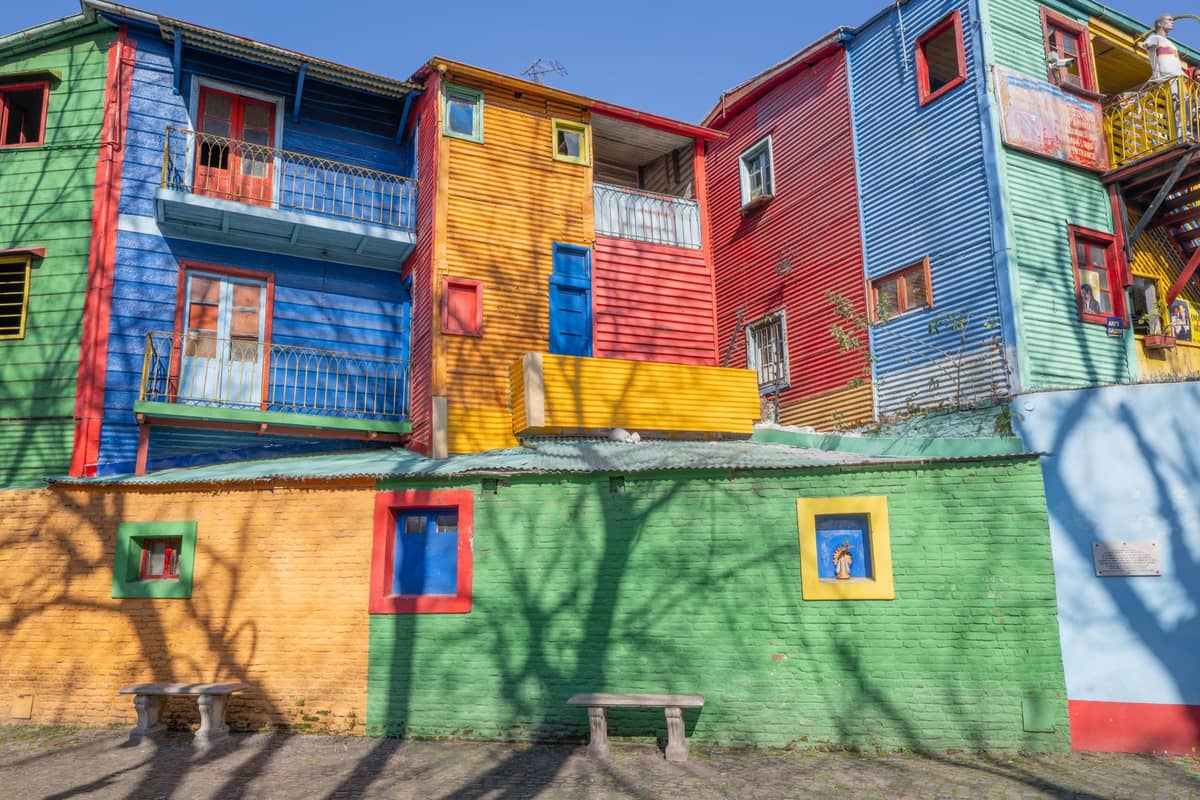
La Boca is worth a specific note. The Caminito pedestrian strip is fine to visit during daylight hours with normal awareness, but wandering into surrounding streets beyond the main tourist zone is not advised. This is consistent advice from multiple travel safety sources and applies year-round.
- Use app-based transport (Cabify or BA Taxi) rather than hailing cabs on the street, particularly at night.
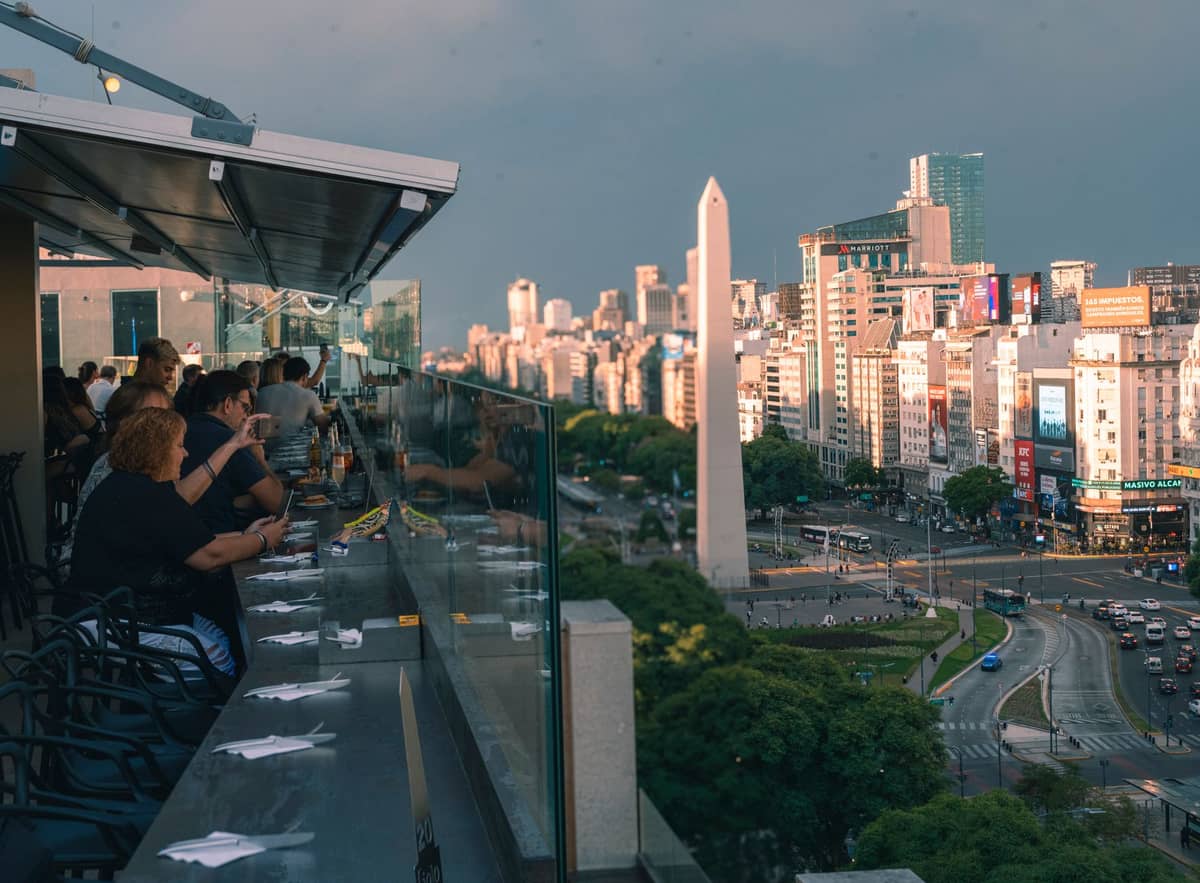
- Keep phones out of sight in crowded areas, especially around the Obelisco and Florida Street pedestrian zone.
- Avoid displaying expensive cameras or jewelry in La Boca and around Retiro bus terminal.
- Standard travel insurance covering medical and theft is strongly recommended.
- Avoid large public demonstrations, even if they appear peaceful.
For a fuller picture, the Buenos Aires safety guide covers neighborhood-by-neighborhood risk levels, transport safety, and practical precautions in detail.
The Neighborhoods: Where to Spend Your Time
Buenos Aires spreads across dozens of barrios, each with a distinct character. For most visitors, a handful cover the majority of worthwhile experiences.
San Telmo is the city's oldest residential neighborhood, with cobbled streets, colonial architecture, and the Sunday market at Plaza Dorrego that draws antique hunters and street performers alike. Recoleta is quieter and more formal, anchored by the Recoleta Cemetery and a stretch of French-influenced architecture that earns comparisons to Paris. Palermo is the largest barrio, subdivided into Soho and Hollywood, and covers everything from parks and the botanical garden to independent restaurants and rooftop bars.
Puerto Madero is the city's newest and most polished district, redeveloped from old docklands into a waterfront precinct with the Puente de la Mujer as its most photographed landmark. It looks impressive but is expensive and feels somewhat disconnected from the city's daily life. Worth an afternoon walk, not necessarily where you should stay. La Boca is best visited as a half-day trip during daylight for the Caminito street museum and Fundación Proa contemporary art space, with the caveats about boundaries already noted above.
💡 Local tip
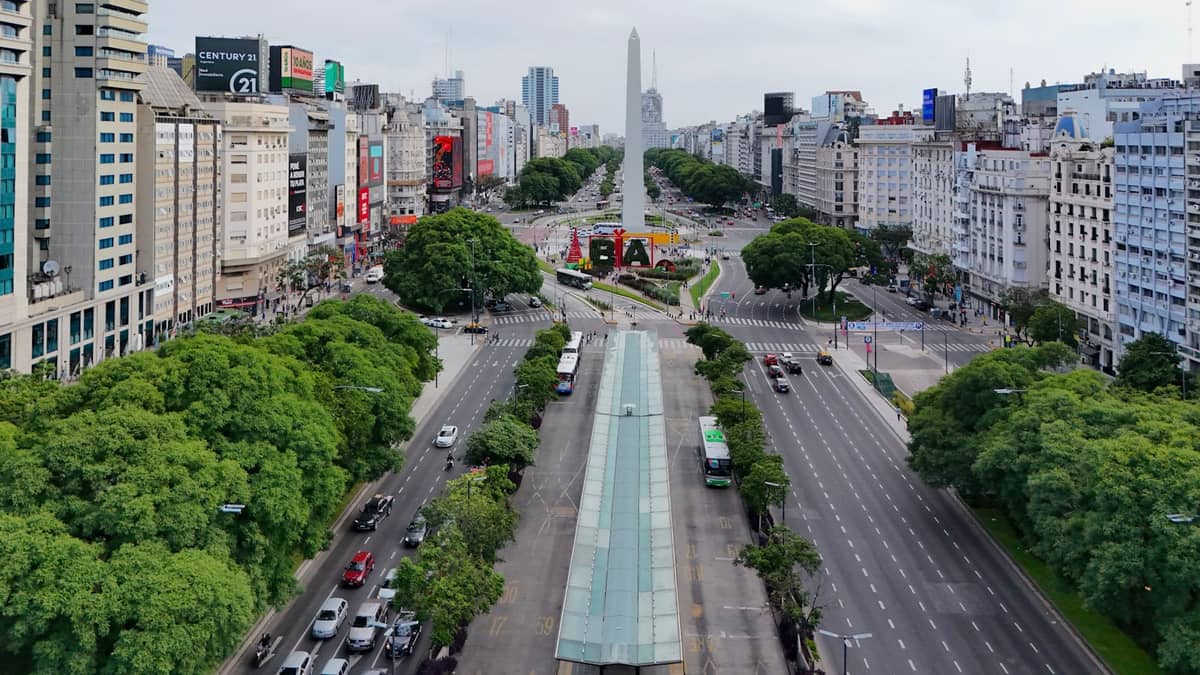
First-time visitors often try to cover too many neighborhoods in too little time. San Telmo, Recoleta, and Palermo form a natural triangle that can be explored on foot over two or three days and cover the majority of what makes Buenos Aires distinctive. Add Microcentro for the Obelisco and cultural landmarks like the Teatro Colón and El Ateneo Grand Splendid bookshop.
Getting There and Getting Around
Buenos Aires has two airports. Ministro Pistarini International Airport (IATA: EZE), commonly called Ezeiza, is located about 30 km southwest of the city centre and handles international flights. Aeroparque Jorge Newbery (IATA: AEP), on the northern riverfront just a few kilometres from Recoleta and Palermo, handles domestic routes and some regional international services. If you are connecting to another Argentine city, you will almost certainly use AEP. For the full logistics of arrivals, transfers, and terminal details, the dedicated Buenos Aires airport guide covers both airports.
Within the city, the Subte (metro) runs several lettered lines connecting the centre to key neighborhoods. It is fast, inexpensive, and uses the SUBE rechargeable card, which you can also use on the colectivo bus network. Buses are more comprehensive in coverage but slower and harder to navigate without Spanish or the Moovit app. For most tourist itineraries, a combination of Subte and app-based taxis covers everything efficiently.
FAQ
Is Buenos Aires worth visiting for first-time South America travelers?
Yes, Buenos Aires is one of the strongest entry points to South America. It has excellent international flight connections, English is widely spoken in tourist and hospitality contexts, and the infrastructure for independent travelers is well developed. The city's scale and variety mean a first-time visitor can spend a week and not exhaust what is on offer.
How many days do you need in Buenos Aires?
Four to five days is enough to cover the main neighborhoods and a handful of cultural highlights without feeling rushed. Seven days allows for day trips (Tigre Delta or Colonia del Sacramento in Uruguay are both feasible in around two hours’ travel each way), a proper tango experience, and a more relaxed pace. Less than three days means making tough choices.
Is Buenos Aires expensive for tourists?
By the standards of major world cities, Buenos Aires is affordable, particularly for visitors holding euros, US dollars, or British pounds. A mid-range daily budget of around US$90 covers comfortable accommodation, meals at proper restaurants, and paid attractions. The main variable is Argentina's currency situation, which affects how you exchange money and what rates you get. Check current guidance before you travel.
What is the best neighborhood to stay in Buenos Aires?
Palermo and Recoleta are the most practical bases for first-time visitors. Both are central, relatively safe, well-served by transport, and close to the city's best restaurants and cultural institutions. San Telmo suits travelers who want a more lived-in, historic atmosphere. Puerto Madero looks appealing on paper but is isolated from the city's daily rhythm and priced at a significant premium.
Is Buenos Aires safe for solo travelers?
Solo travel in Buenos Aires is common and manageable with standard urban precautions. The main risks are pickpocketing and scams in tourist areas rather than violent crime. Solo female travelers report broadly positive experiences, particularly in Palermo, Recoleta, and San Telmo. Avoid walking alone in unfamiliar areas at night, use app-based transport after dark, and keep valuables secure in crowded spaces.
Tickets & tours
Live prices and dates from our booking partner. If you book, we may earn a commission at no extra cost to you.
Planning a trip? Discover personalized activities with the Nomado app.