La Boca is a riverside working-class barrio in the south of Buenos Aires, defined by its corrugated-iron houses painted in vivid colors, its deep-rooted immigrant identity, and two of the city's most iconic landmarks: the pedestrian street museum of Caminito and the Estadio La Bombonera. It rewards visitors who arrive early, move deliberately, and understand where the tourist zone ends and the real neighborhood begins.
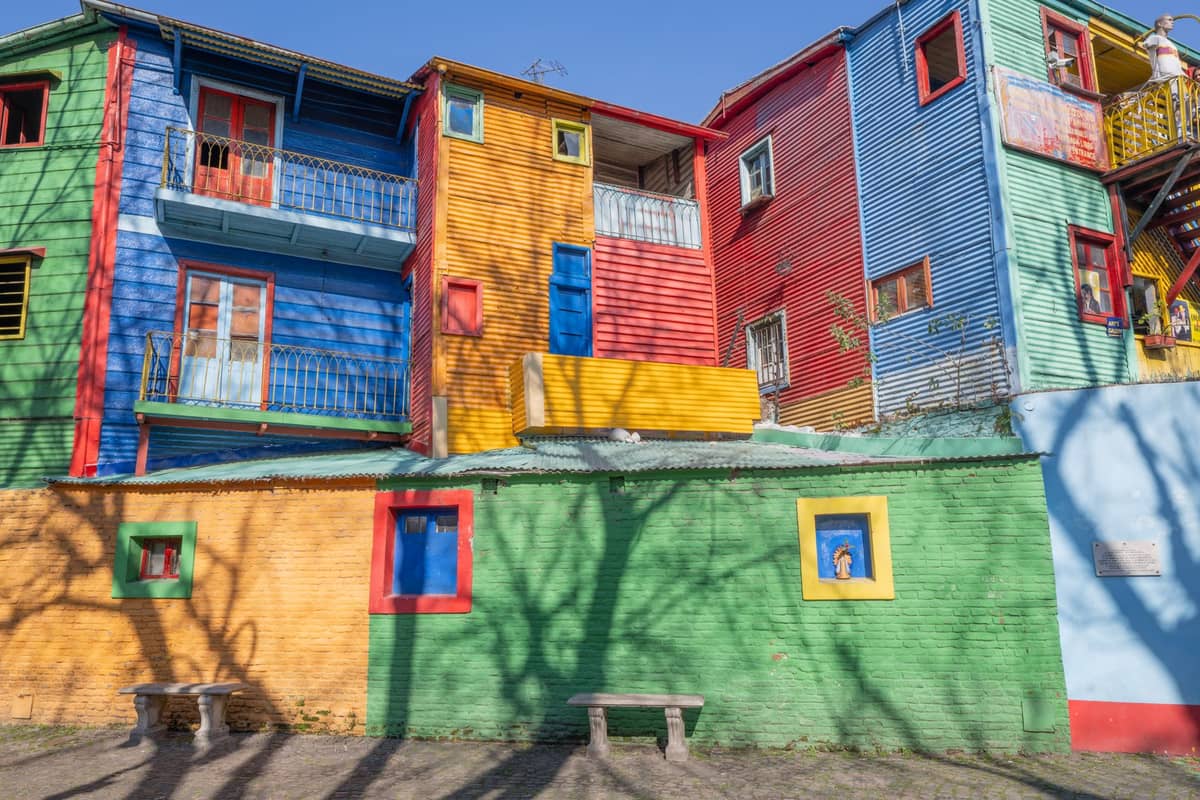
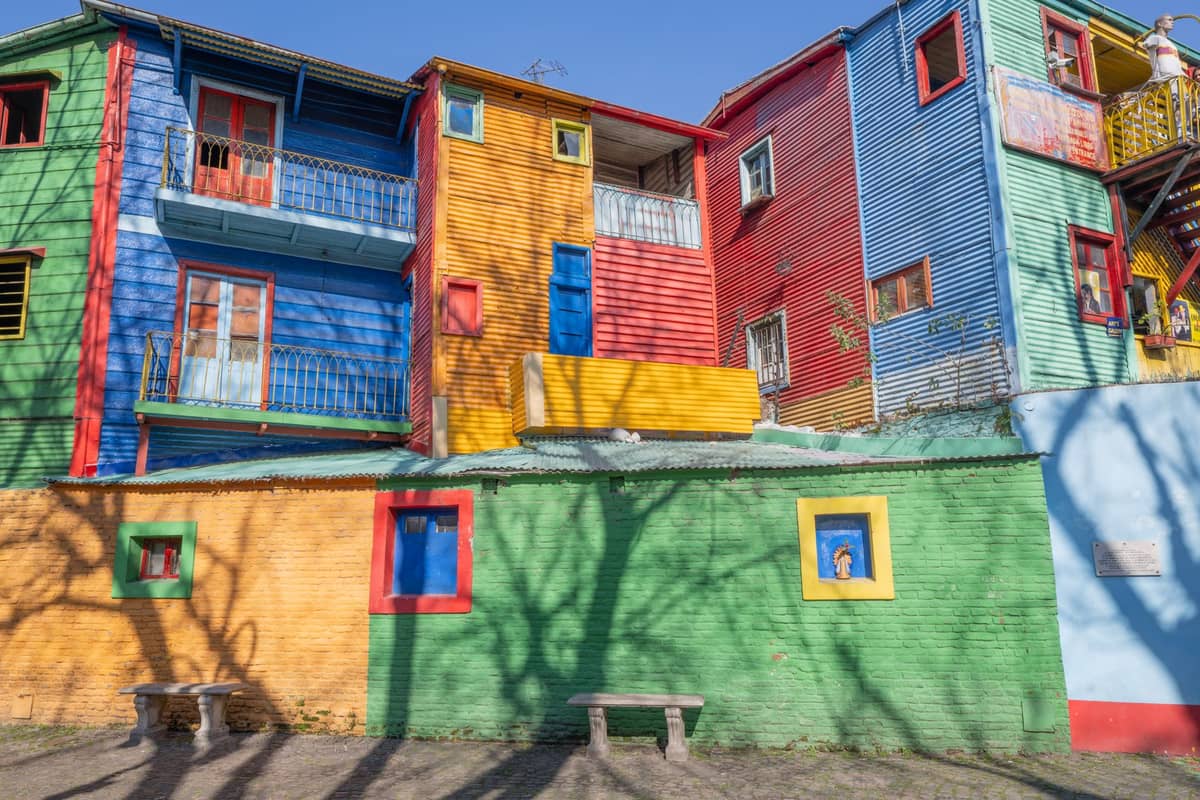
La Boca sits at the mouth of the Riachuelo river in the south of Buenos Aires, and it looks like nowhere else in the city. Sheets of corrugated zinc painted in clashing yellows, reds, and blues stack up along narrow streets, tango dancers pose for photos in the midday heat, and across the neighborhood a football stadium looms over low-rise houses with a scale that feels almost absurd. The barrio earned its colors and its reputation from the Genoese immigrants who settled here in the late 19th century, and both the pride and the complexity they left behind are still very much present.
Orientation
La Boca occupies the southeastern corner of the Ciudad Autónoma de Buenos Aires, where the Riachuelo canal marks the border with the industrial municipality of Avellaneda. The neighborhood sits roughly 3.5 kilometers south of the Plaza de Mayo, making it one of the closest barrios to the historic city center in terms of distance but one of the most distinct in character.
The tourist core is a compact area of a few blocks around Caminito and the waterfront on Avenida Pedro de Mendoza, extending toward streets like Avenida Almirante Brown, Calle Olavarría, and Calle Del Valle Iberlucea. This zone contains Caminito, the Museo Quinquela Martín, and the restaurants and souvenir stalls that make up most visitors' experience of the neighborhood.
Beyond that tourist core, the barrio extends north and west through streets of considerably different character: quieter, more residential, and noticeably rougher around the edges. To the north, La Boca transitions into Barracas, another historically working-class neighborhood. To the west, Avenida Almirante Brown connects back toward San Telmo. If you are planning a full day in the south of the city, pairing La Boca with San Telmo makes geographic sense: San Telmo sits directly to the northwest and is easily reached by bus or a short taxi ride.
Character & Atmosphere
La Boca in the morning has a quality that the midday crowds erase entirely. Before 10am, the corrugated facades along Caminito glow in low, flat light, and you can actually hear the Riachuelo lapping against the stone embankment along Pedro de Mendoza. Stall owners are setting up, the tango performers have not yet taken their positions, and the restaurants are still shuttered. This is the version of La Boca worth waking up early for.
By noon, the main strip is operating at full tourist intensity. Costumed dancers work for tips at the entrance to Caminito, competing vendors sell the same Maradona jerseys and painted tin plaques, and tour buses unload groups onto the pedestrian lane. The atmosphere is theatrical, deliberately so, and that is not necessarily a flaw. La Boca has been performing its own identity for more than a century. Understanding that the Caminito area is essentially a living street museum, as Buenos Aires city tourism officially describes it, helps set expectations.
Afternoons bring heat in summer and a slightly quieter rhythm in the cooler months of March through May and September through November. The light that falls on the painted facades in the late afternoon is genuinely good: the colors read more intensely against the low sun, and the waterfront promenade along Pedro de Mendoza offers views across the Riachuelo to the cranes and industrial buildings of Avellaneda. There is something honest in that contrast between painted house and working port that the neighborhood has never managed to fully disguise, and that is part of what makes it interesting.
After dark, the calculus changes. The tourist zone quiets significantly as vendors pack up and restaurants begin their evening service, and the surrounding streets are not recommended for walking alone. La Boca is not a neighborhood with an evening culture that draws visitors after dinner. Plan your visit for the daytime and leave before it gets fully dark.
⚠️ What to skip
The tourist core around Caminito is generally safe in daylight, but La Boca's surrounding streets carry a higher risk of street crime than central barrios. Walk directly between key attractions, avoid straying more than a block or two from the main pedestrian area, and use buses, taxis, or rideshare apps rather than walking in from San Telmo or Puerto Madero.
What to See & Do
The non-negotiable starting point is Caminito, the short pedestrian lane that defines the neighborhood's visual identity. The name means 'little path,' and the street is indeed only about 100 meters long, but it is dense with painted tenement facades, open-air art exhibitions, and tango performances. The houses here are built from corrugated zinc sheets painted in the colors that Genoese workers used in the late 19th and early 20th centuries, often mixing leftover boat paint. The lane was formalized as a street museum in the 1950s by the painter Benito Quinquela Martín, whose influence on the neighborhood's aesthetic identity is everywhere.
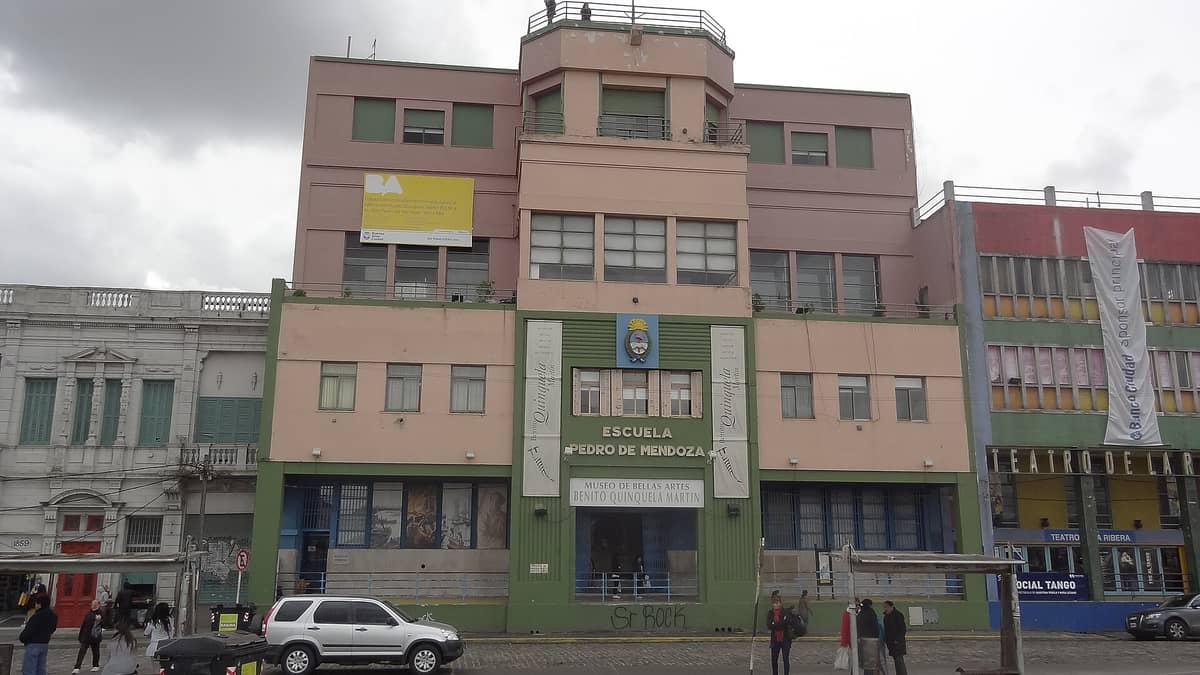
The Museo Quinquela Martín is on Avenida Pedro de Mendoza, directly above the river, and it is one of the more rewarding art museums in Buenos Aires for the context it provides. Quinquela Martín spent his career painting the port workers, furnaces, and ships of La Boca, and his large canvases do more to explain the neighborhood's history than any placard. The museum also contains a collection of ship figureheads and a rooftop terrace with unobstructed views over the Riachuelo and the docks of Avellaneda.
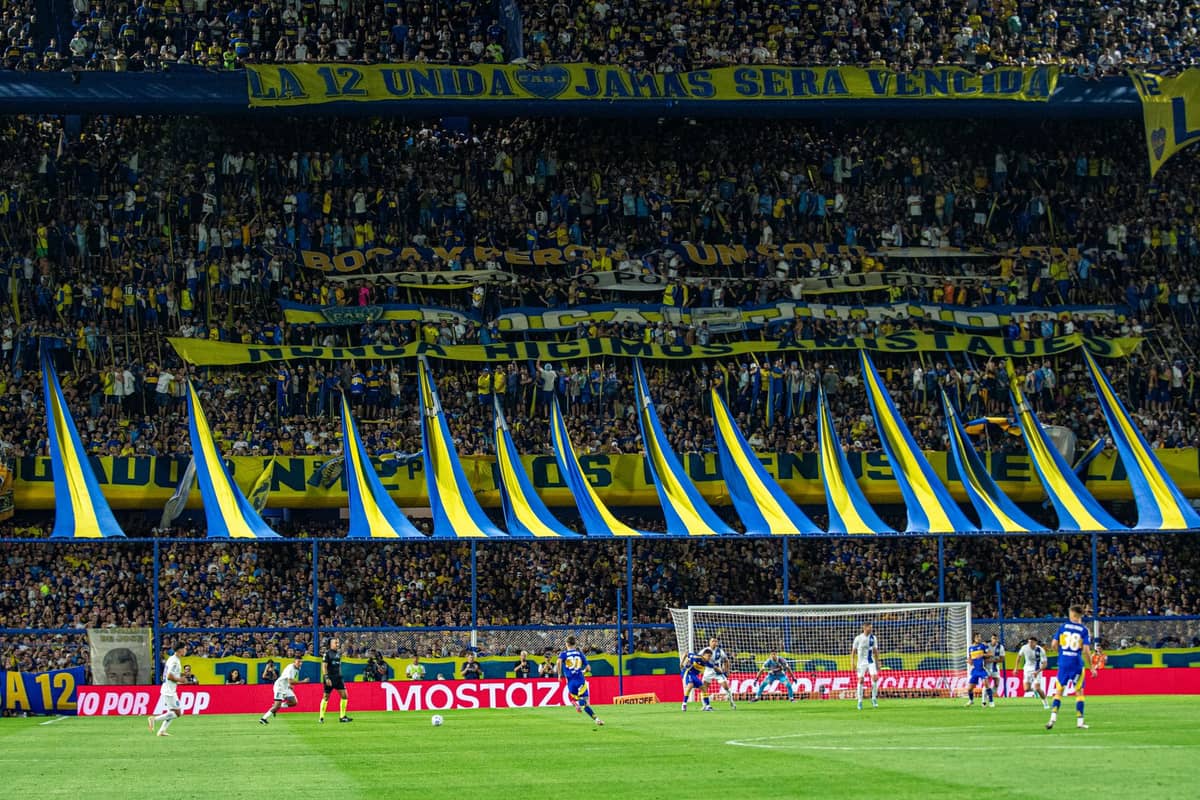
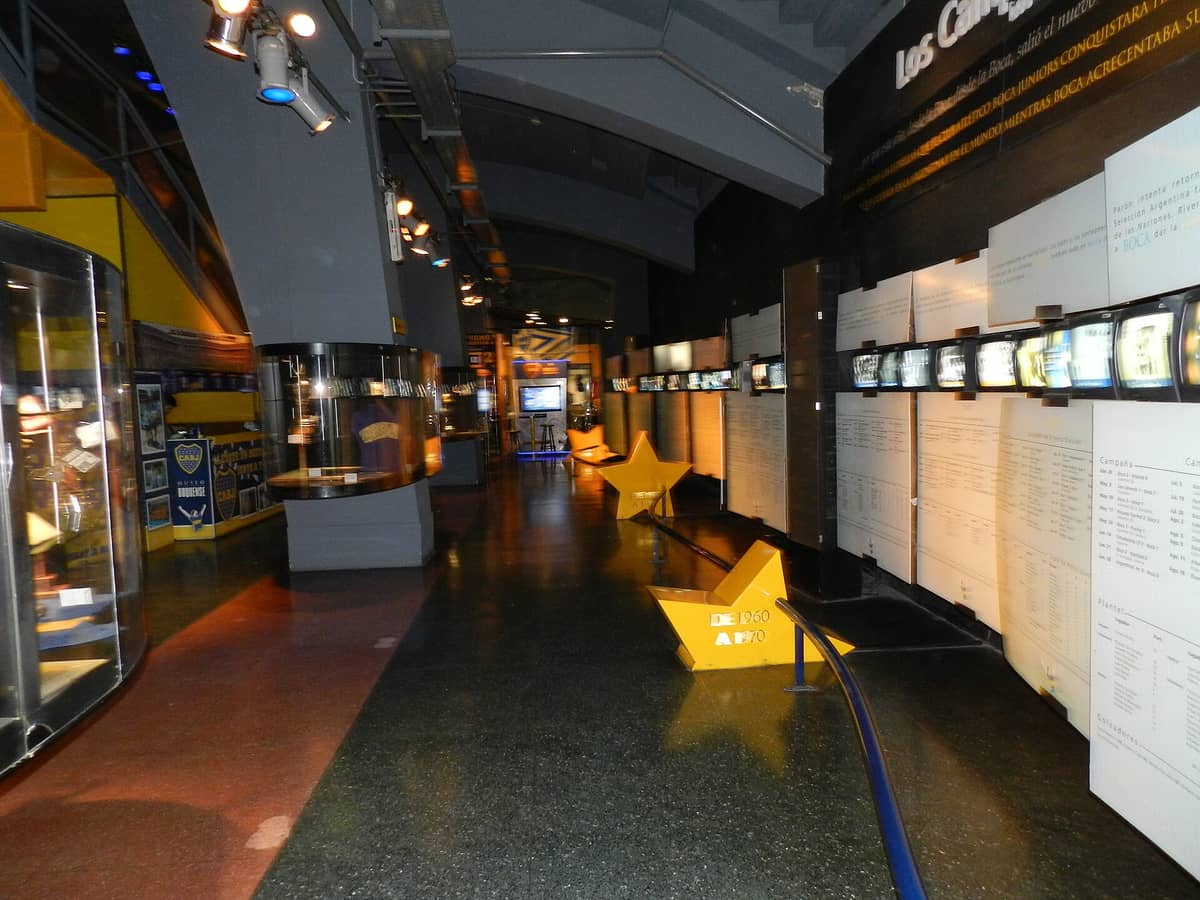
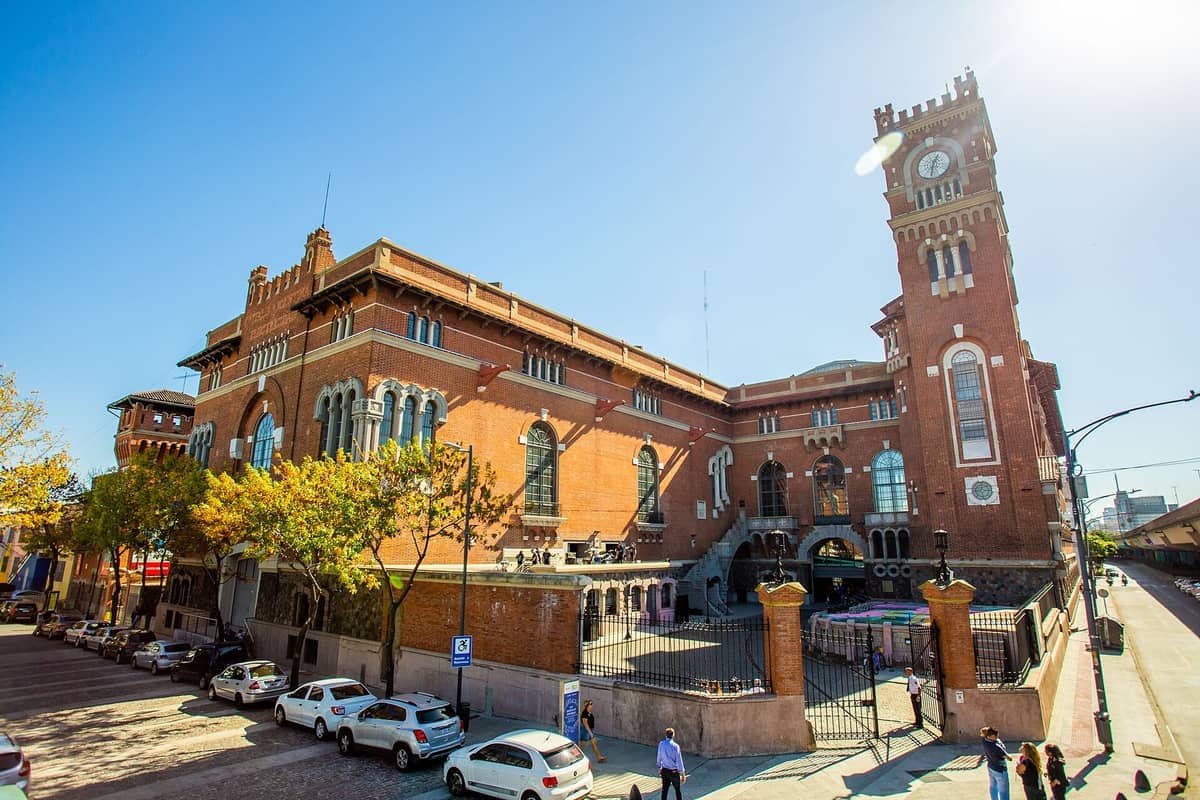
A short walk west of Caminito, the Estadio La Bombonera is the home ground of Club Atlético Boca Juniors and one of the most atmospheric football stadiums in South America. The nickname comes from the stadium's distinctive steep-sided design, which concentrates crowd noise in a way that players and fans describe as physically overwhelming. The attached Museo de la Pasión Boquense is worth visiting even for those with only a passing interest in football: it covers the club's history within the broader social history of the barrio and Argentine football culture. Guided stadium tours run when the ground is not in use for matches.
Caminito: the pedestrian street museum at the neighborhood's core
Museo Quinquela Martín: paintings of port-life Buenos Aires by the neighborhood's defining artist
Estadio La Bombonera: stadium tours and match days with Boca Juniors
Museo de la Pasión Boquense: the cultural and sporting history of Boca Juniors
Avenida Pedro de Mendoza waterfront promenade: views over the Riachuelo to the industrial south bank
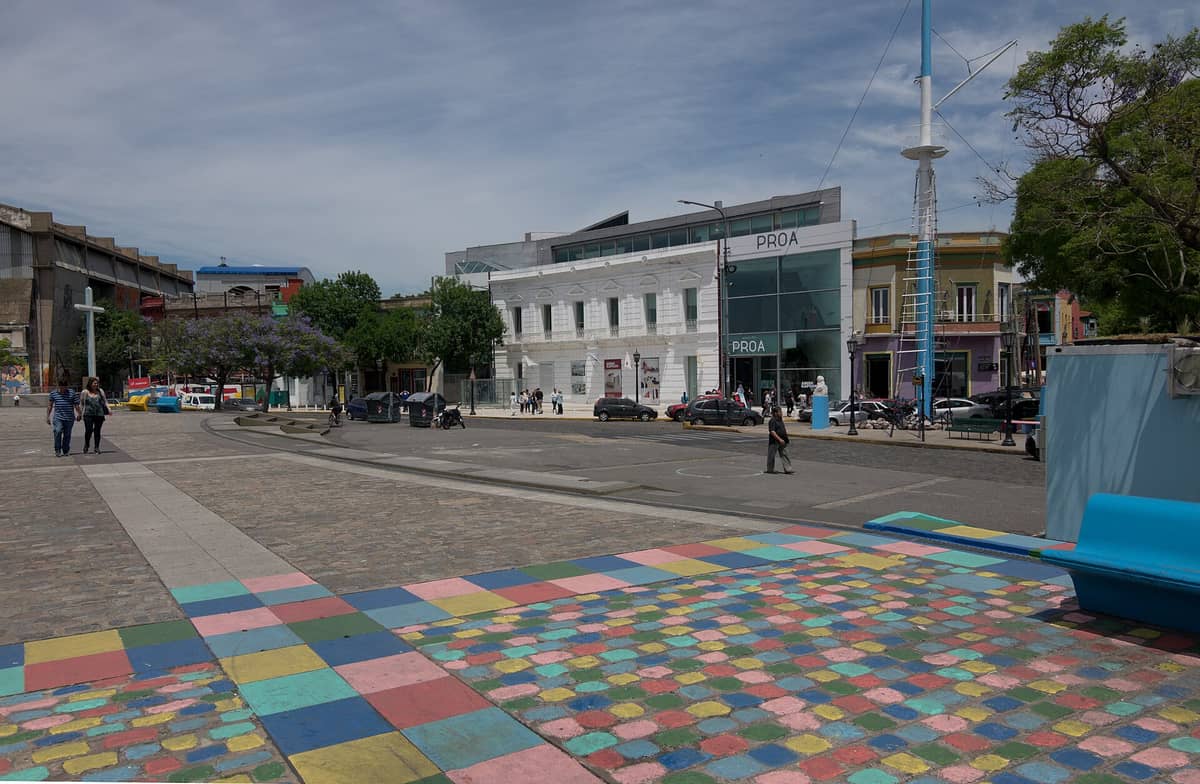
Fundación Proa: contemporary art gallery at the far end of Caminito on Pedro de Mendoza
The Fundación Proa is one of Buenos Aires' most respected contemporary art institutions and sits at the river end of the tourist zone on Avenida Pedro de Mendoza. It has a serious exhibition program that rotates several times per year, covering both Argentine and international contemporary artists. The building itself, converted from an old warehouse, is well worth entering for the views from the upper floors.
Eating & Drinking
The restaurants immediately on and around Caminito are aimed squarely at tourists, and the quality-to-price ratio reflects that. Tables spill out onto the pedestrian lane, menus are printed in multiple languages, and the touts outside can be persistent. The food is serviceable rather than special: parrillas serving standard cuts of beef, empanadas, and pasta dishes that nod to the neighborhood's Italian heritage. These places are convenient for lunch between sights, but they should not be the reason you come to La Boca.
If you are willing to walk a few blocks away from the main strip along Avenida Almirante Brown or the streets heading toward Barracas, you will find smaller family-run restaurants and cafés that serve a more local crowd at lower prices. These spots are not tourist-polished, which is exactly their value. A late morning coffee and medialunas at a bar on Almirante Brown before the crowds arrive costs a fraction of what you will pay on Caminito.
La Boca is not a neighborhood to visit for its nightlife or its bar scene. The evening restaurant culture is thin compared to San Telmo or Palermo, and the area is not set up for post-dinner wandering. Have lunch here, make use of the afternoon light for photographs and museum visits, and move on for dinner.
💡 Local tip
If you are visiting on a match day at La Bombonera, book a table in the area well in advance or expect to queue. The streets around the stadium fill with vendors selling choripán (chorizo sandwiches) before kickoff, and eating from these stalls is one of the more authentic food experiences the neighborhood offers.
Getting There & Around
La Boca has no Subte station. The city's underground network does not extend into the southern barrios, which means reaching the neighborhood requires a bus, taxi, or rideshare. This is worth factoring into your planning, especially on a hot afternoon or if you are carrying a bag.
Bus lines 29, 64, and 152 serve the Caminito and Pedro de Mendoza area. From the Microcentro or San Telmo, the journey takes roughly 20 to 30 minutes depending on traffic. The SUBE card (Argentina's rechargeable transit card) is required for bus travel; you can purchase and top up SUBE cards at kioscos and selected Subte stations. For full transit advice covering buses and the Subte network across the city, see the guide on getting around Buenos Aires.
Taxis and rideshare apps are the most convenient option for most visitors, particularly for the return journey in the afternoon when you may want to go directly to a different part of the city. The ride from the Microcentro to La Boca is short in distance but can take 20 minutes or more in heavy traffic. Do not attempt to walk to La Boca from Puerto Madero along the riverfront: although it looks close on a map, the route passes through areas that are not suitable for tourist foot traffic.
Within the tourist core, everything is walkable. Caminito, La Bombonera, Fundación Proa, and the Museo Quinquela Martín are all within a few minutes on foot of each other. Wear comfortable shoes, particularly if you plan to walk the waterfront promenade, where the surface can be uneven.
ℹ️ Good to know
La Boca is best approached as a half-day destination rather than a full day. The main sights, including Caminito, the Quinquela Martín museum, and a stadium tour, can be covered in three to four hours. Pair it with a morning in San Telmo for a full southern Buenos Aires itinerary.
Where to Stay
Most travelers do not base themselves in La Boca, and for good reason. The neighborhood has very limited accommodation infrastructure, the safety considerations after dark make it a stressful place to return to at night, and its location in the far south of the city makes getting around the rest of Buenos Aires less convenient.
For visitors who want to be in the southern part of the city, San Telmo is a far better base: it is close enough to La Boca for an easy daytime visit, has a well-developed hotel and hostel scene, and functions as a genuine neighborhood after dark. For accommodation guidance covering the whole city, the where to stay in Buenos Aires guide covers each barrio's strengths and trade-offs in detail. Travelers prioritizing comfort and convenience over neighborhood character often prefer Recoleta or Palermo, both of which have good transport links to La Boca by bus or taxi.
La Boca and the Broader City
Understanding La Boca means understanding its place in the city's history. The barrio grew in the late 19th century as the primary entry point for Genoese and other Italian immigrants arriving by ship, and the corrugated iron housing they built was never meant to be permanent. Workers mixed leftover marine paint from the shipyards to color their homes, which is why the facades look the way they do: vivid, mismatched, and slightly improvised. The port economy that sustained the neighborhood declined through the 20th century, and La Boca never fully transitioned to a middle-class barrio the way San Telmo did.
The artist Benito Quinquela Martín, who grew up in La Boca as an orphan adopted by a local family, spent his career documenting and celebrating the port workers of the neighborhood. His decision to formalize Caminito as a street museum in the 1950s was a deliberate act of preservation, and it created the template for how the world now pictures the barrio. The neighborhood's football club, Boca Juniors, emerged from the same immigrant working-class community and carries a comparable weight of local identity. On match days, the streets around the stadium carry an energy that has nothing to do with tourism. If you want to understand why football means what it does in Argentina, reading about it is not enough. The football in Buenos Aires guide covers how to attend matches safely and what the experience involves.
La Boca also sits within a broader itinerary of Buenos Aires' southern historic districts. The Buenos Aires walking tours guide outlines routes that connect the barrio with San Telmo and the areas around the Parque Lezama, which sits at the border between the two neighborhoods and offers a useful orientation point between them.
Practical Notes
La Boca is one of the neighborhoods covered in detail in the Buenos Aires safety guide. The core advice is consistent across sources: the pedestrian tourist area around Caminito is well-monitored and broadly safe during daylight hours, but the streets beyond the immediate tourist zone require more caution than central barrios like Microcentro or Recoleta. Pickpocketing in crowded areas is the most common concern rather than more serious incidents, but staying aware of your surroundings is reasonable practice anywhere in the city.
The neighborhood gets significantly hotter than central Buenos Aires in summer because the open waterfront and industrial surroundings offer little shade. Visit between March and May or September and November if you have flexibility in your timing. Bring water, particularly if you plan to spend time on the Pedro de Mendoza promenade.
Photography is the primary activity for most visitors, and Caminito and the surrounding painted facades photograph well at almost any time of day, though the midday light flattens the colors. Early morning and late afternoon are better for color and atmosphere, and the crowds thin considerably before 10am and after 4pm.
TL;DR
La Boca is a half-day destination in the south of Buenos Aires, best visited in the morning to avoid peak tourist crowds on Caminito.
The main draws are Caminito, the Museo Quinquela Martín, Fundación Proa, and La Bombonera stadium and museum.
There is no Subte station: reach the barrio by bus (lines 29, 64, 152) or taxi, and use the same for your return journey.
The tourist core around Caminito is safe during daylight hours, but the surrounding streets require extra awareness; do not wander far from the marked area or stay after dark.
La Boca is not recommended as an accommodation base; San Telmo, just to the northwest, is a far more practical and comfortable option for travelers wanting proximity to the southern barrios.
Best suited to first-time visitors to Buenos Aires, football fans, art enthusiasts interested in Quinquela Martín and Fundación Proa, and anyone curious about Argentine immigrant history.
Three days is enough to cover Buenos Aires' essential neighborhoods, landmarks, and cultural experiences, if you plan smart. This itinerary breaks the city into logical daily routes, with honest notes on timing, transport, and what the crowd-pleasing options actually deliver.
Buenos Aires delivers more than its size suggests as a museum city. From world-class fine art collections to intimate houses dedicated to Eva Perón and Carlos Gardel, the city's museums cover Argentina's full cultural range. This guide covers the best of them, organised by theme.
Buenos Aires works as a year-round destination, but the timing of your visit shapes everything from comfort to cost to what's actually happening on the street. This guide breaks down every season with real temperature data, crowd realities, and event timing so you can pick the trip that fits your priorities.
Buenos Aires has two airports serving very different purposes. Ezeiza (EZE) handles most long-haul international flights, while Aeroparque (AEP) sits close to downtown and covers domestic and regional routes. This guide breaks down both airports, how to get between them, and the best ways to reach the city center.
Buenos Aires spans more than three centuries of architectural history, from the Spanish colonial Cabildo on Plaza de Mayo to the sweeping art nouveau interiors of El Ateneo Grand Splendid and the glass towers of Puerto Madero. This guide breaks down the city's key styles, neighborhoods, and buildings worth seeking out, with practical tips on timing, logistics, and what to skip.
Buenos Aires takes its café culture seriously. The city has formally designated more than 80 establishments as bares notables, protecting them for their historic, architectural, or cultural significance. This guide covers the best historic cafés, what to order, neighbourhood coffee scenes, and practical advice for experiencing it all like a local.
Managing money in Buenos Aires is more nuanced than in most cities. Argentina's peso, evolving exchange rates, ATM fee structures, and the once-legendary 'blue dollar' all require a clear-headed strategy. This guide breaks down exactly how the Buenos Aires currency system works today, what's changed, and how to avoid the most common financial mistakes visitors make.
Eva Perón shaped Buenos Aires as much as any building or boulevard. This guide maps the key sites tied to her life and legacy, from the Museo Evita in Palermo to the Duarte family tomb in Recoleta Cemetery, with opening hours, entry prices, and a clear take on what is worth your time.
Buenos Aires has a well-earned reputation as one of South America's most romantic cities. This guide covers the best couples experiences, from tango dinner shows with verified pricing to waterfront dining, atmospheric neighborhoods, and practical advice for making your trip feel effortless.
Buenos Aires rewards those who go beyond the postcard. From a bookshop inside a theatre to a mosaic-covered alley in Barracas, these are the experiences that turn a good trip into an unforgettable one.
Buenos Aires nightlife runs on its own clock: dinner at 10 pm, bars filling after midnight, and clubs peaking at 3 am. This guide breaks down the best neighborhoods, venue types, price expectations, and the tango scene so you can stop guessing and start going out.
Buenos Aires offers genuine value for travelers who know the system. This guide covers everything from navigating the SUBE card and free museums to eating well for next to nothing — and where the city actually costs more than expected.
Buenos Aires is a major world city with real risks that are manageable with the right knowledge. This guide breaks down neighbourhood safety, common scams, transport precautions, and official emergency resources so you can travel with confidence.
Buenos Aires offers one of South America's most varied shopping landscapes, from grand European-style galleries and sprawling malls to weekend antique markets and independent designer stores. This guide breaks down where to shop, what to buy, and how to avoid the common tourist pitfalls.
Buenos Aires is one of South America's most rewarding solo destinations, with an extensive metro network, walkable neighborhoods, and a rich cultural scene. This guide covers everything from the safest areas to stay and how to navigate public transport, to money tips and the best times to visit as a solo traveler.
Buenos Aires is one of Latin America's most important cities for public art, with commissioned murals, mosaics, and political works spread across dozens of neighborhoods. This guide covers where to go, how to get there, which tours are worth booking, and what most visitors miss.
The Buenos Aires Tango Festival & World Cup (Tango BA Festival y Mundial) is one of the world's largest free tango events, drawing thousands of dancers and spectators each August. This guide covers how to get tickets, what to expect at the competition finals, which venues to prioritize, and how to make the most of two weeks of non-stop tango across the city.
Buenos Aires rewards those who look up and climb high. From a Dante-inspired skyscraper to a British clock tower overlooking the Río de la Plata, these are the city's finest viewpoints, street-level panoramas, and architectural frames worth seeking out.
Buenos Aires is one of the great walking cities of South America, with distinct neighborhoods close enough to link on foot and rich enough to fill a full day each. This guide breaks down the best self-guided walking routes by barrio, with practical details on duration, what to prioritize, when to go, and where to be careful.
Buenos Aires is a more family-friendly city than most first-time visitors expect. This guide covers the best kid-focused attractions, the most practical neighborhoods for families, how to get around with children, and what to skip — with honest notes on crowds, costs, and seasonal timing.
Buenos Aires delivers world-class culture, food, and architecture at a fraction of European city prices. But it rewards those who plan ahead. This guide breaks down costs, seasons, safety, and the neighborhoods that matter, so you can decide if it belongs on your itinerary.
Buenos Aires rewards slow exploration, but the city also sits within easy reach of some genuinely excellent escapes. This guide covers the top Buenos Aires day trips by distance, difficulty, and what you actually get for your time and money.
Buenos Aires is one of the world's great football cities, home to over 20 professional clubs and two of the most iconic stadiums on the planet. This guide covers everything you need to know: how to get match tickets, what stadium tours cost, when to visit, and how to avoid the most common tourist mistakes.
Buenos Aires rewards travelers who know where to look. The city has free-entry museums, landmark plazas, vast parks, and weekly market days that cost nothing at all. This guide covers 20 of the best free experiences across every corner of the city.
Buenos Aires has one of South America's most comprehensive urban transport networks. This guide covers every practical option for getting around the city, from the Subte metro and colectivo buses to ride-hailing apps, Ecobici bikes, and airport transfers from Ezeiza and Aeroparque.
Seven days is enough time to move through Buenos Aires properly, from the political heart of Plaza de Mayo to the cobblestones of San Telmo, the parks of Palermo, and a night at Teatro Colón. This day-by-day guide covers logistics, timing, and the trade-offs worth knowing before you go.
Buenos Aires is the birthplace of tango, and the city takes that seriously. This guide covers milongas, tango lessons, dinner shows, seasonal events, dress codes, and honest price breakdowns — everything you need to engage with tango culture on your own terms.
Buenos Aires rewards visitors who go beyond the obvious. This guide covers the city's top experiences across culture, history, food, and nightlife, organized by neighborhood and enriched with practical logistics, honest assessments, and local context to help you plan a trip that actually works.
Buenos Aires is one of South America's great eating cities, built on beef, Italian immigrants, and neighborhood traditions that stretch back a century. This guide covers the essential dishes, where to find them by neighborhood, what things actually cost, and how to navigate the city's food scene without wasting a meal.
Choosing where to stay in Buenos Aires shapes your entire trip. This guide covers the top neighborhoods for every travel style, from historic San Telmo to polished Recoleta, with practical advice on transport links, price ranges, and seasonal timing.