Best Day Trips from Buenos Aires: Ferries, Gauchos, and the Delta
Buenos Aires rewards slow exploration, but the city also sits within easy reach of some genuinely excellent escapes. This guide covers the top Buenos Aires day trips by distance, difficulty, and what you actually get for your time and money.
Tickets & tours
Live prices and dates from our booking partner. If you book, we may earn a commission at no extra cost to you.
TL;DR
- Colonia del Sacramento (Uruguay) is the most popular day trip: fast ferries cross in about 1h 15min, round-trip tickets run roughly USD 50–70+ booked in advance, and the UNESCO historic quarter is a 15-minute walk from the terminal.
- San Antonio de Areco offers the best gaucho experience, about 2 hours by road from Buenos Aires; full-day estancia tours with transport and asado lunch start around USD 150–220 per person. See the full entry on San Antonio de Areco.
- Tigre and the Paraná Delta is the easiest and cheapest option: commuter train from Retiro takes around 1 hour and costs almost nothing.
- Spring (September–November) and autumn (March–May) are the best seasons for all these trips: mild temperatures, lower humidity, and no summer downpours.
- Book Colonia ferry tickets at least a few days ahead in peak season; estancia tours sell out on weekends year-round.
How to Think About Buenos Aires Day Trips
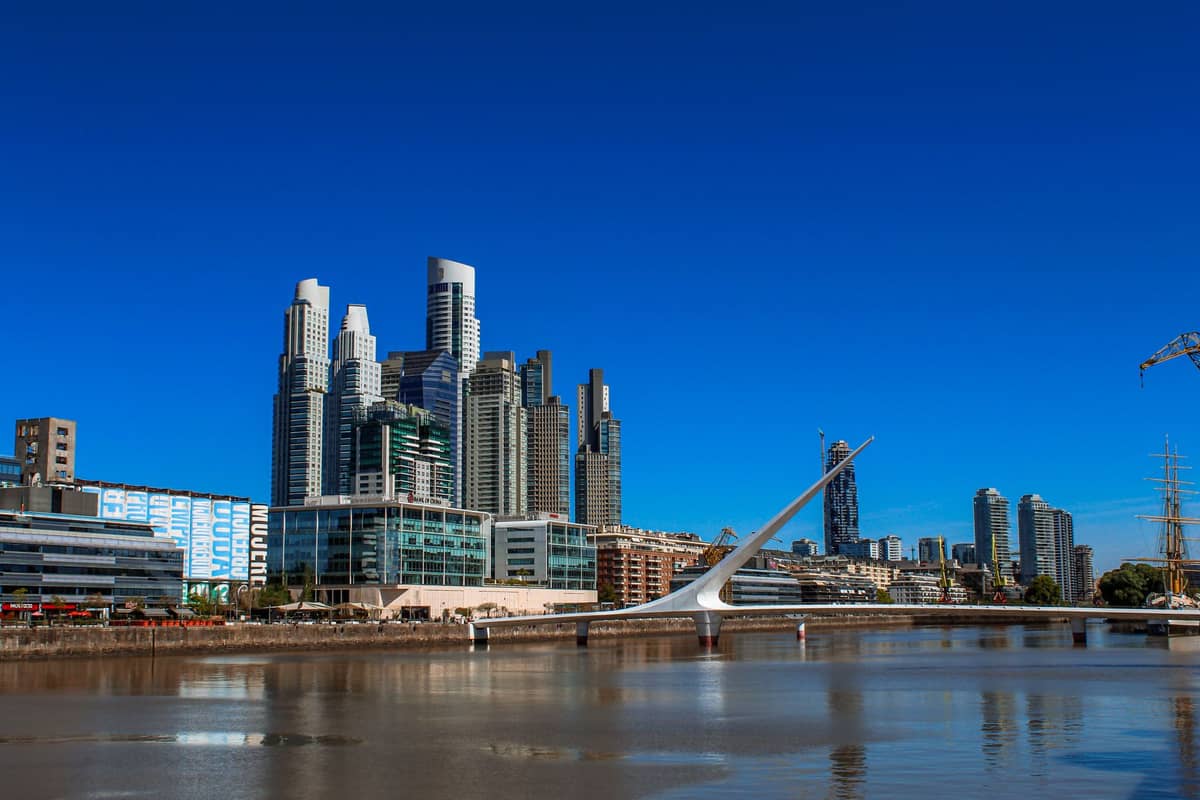
Buenos Aires day trips span three very different types of experience: a colonial city across an international border, a waterway delta you navigate by boat, and the open Argentine pampa. Each suits a different kind of traveler, and none requires a car. The city sits at roughly 34.6° S on the western shore of the Río de la Plata, which means you're already on the edge of an enormous river system and within reach of Uruguay's southern coast. The city’s average annual temperature is about 18°C (64°F), which keeps day trips feasible most of the year. Understanding the geography helps you plan realistically. For broader context on the city itself, the things to do in Buenos Aires guide covers what to see before or after any of these excursions.
One practical note: Argentina operates on Argentina Time (ART, UTC-03:00) with no daylight saving time, and Uruguay also keeps Uruguay Time (UYT, UTC-03:00) year-round. When you cross to Colonia del Sacramento, check local time carefully before booking return ferries. It sounds minor, but missed boats are a recurring source of traveler frustration on this route.
ℹ️ Good to know
Argentina's currency situation affects day-trip budgeting. Ferry tickets to Uruguay are typically priced and paid in USD or Uruguayan pesos. Estancia tours are usually quoted in USD. For tips on managing Argentine pesos and exchange rates at home, the Buenos Aires currency and money guide has current details.
Colonia del Sacramento, Uruguay: The Classic Cross-River Escape
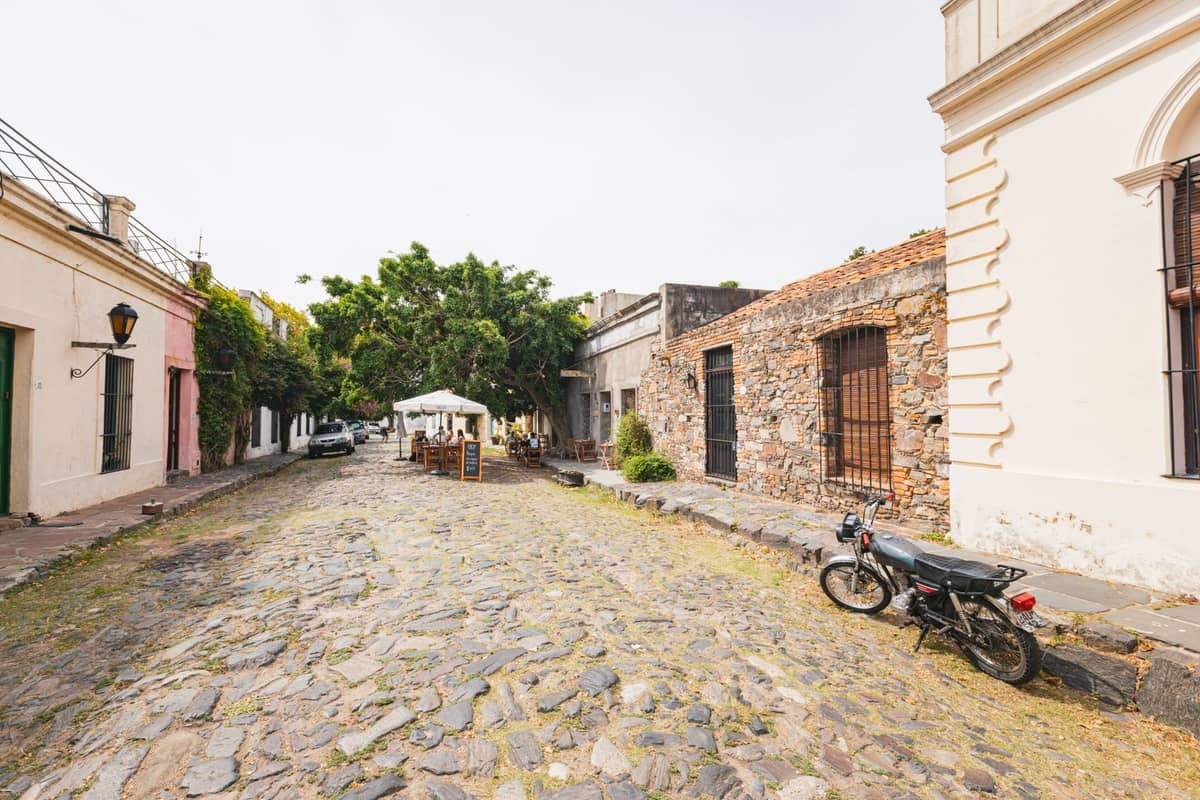
Colonia del Sacramento is the most iconic Buenos Aires day trip, and it earns that status. The Barrio Histórico, the city's colonial core, is a UNESCO World Heritage Site dating to Portuguese settlement in 1680. The streets are narrow, cobbled, and lined with ruins and restored colonial buildings, and the whole quarter is small enough to walk in a couple of hours without feeling rushed.
Getting there is straightforward. High-speed ferries depart daily from the Puerto Madero terminal and cross the Río de la Plata in approximately 1 hour 15 minutes. Buquebus and Colonia Express both operate multiple daily services, with first departures typically around 08:30 and last returns in the 20:00–21:15 window, giving you a comfortable 8–10 hours on the Uruguayan side. Round-trip tickets generally run USD 50–70 per person when booked in advance on standard class, though prices can climb significantly on popular dates or in higher booking classes.
- Buquebus The larger operator, with faster vessels and slightly more departure times. Tends to be pricier but reliable. Departs from the Buquebus terminal in Puerto Madero.
- Colonia Express Generally cheaper, with a separate terminal nearby. Worth comparing prices directly on the operator site before booking through an aggregator.
- Walk from terminal to historic center About 15–20 minutes on foot. No taxi or bus needed for a day visit focused on the old town. Rent a golf cart or bicycle at the terminal if you want to cover more ground.
⚠️ What to skip
Colonia requires a valid travel document: for Argentine citizens a current DNI is sufficient, while foreign travelers generally need a valid passport. Many travelers forget this is an international crossing. You will also go through Argentine emigration before boarding and Uruguayan immigration on arrival. Allow at least 45 minutes before departure at the terminal on busy weekend mornings.
The common misconception is that Colonia is mainly a beach destination. It is not. The riverfront promenade and the lighthouse district are the draws, along with the ruins of the Real de San Carlos bullring and the charm of the Barrio Histórico itself. The beaches are modest. If beaches are your goal, Colonia will disappoint. If colonial architecture, quiet streets, and a genuinely different pace are what you want, it delivers. See the dedicated Colonia del Sacramento page for itinerary details and what to see once you arrive.
Tigre and the Paraná Delta: The Budget Option
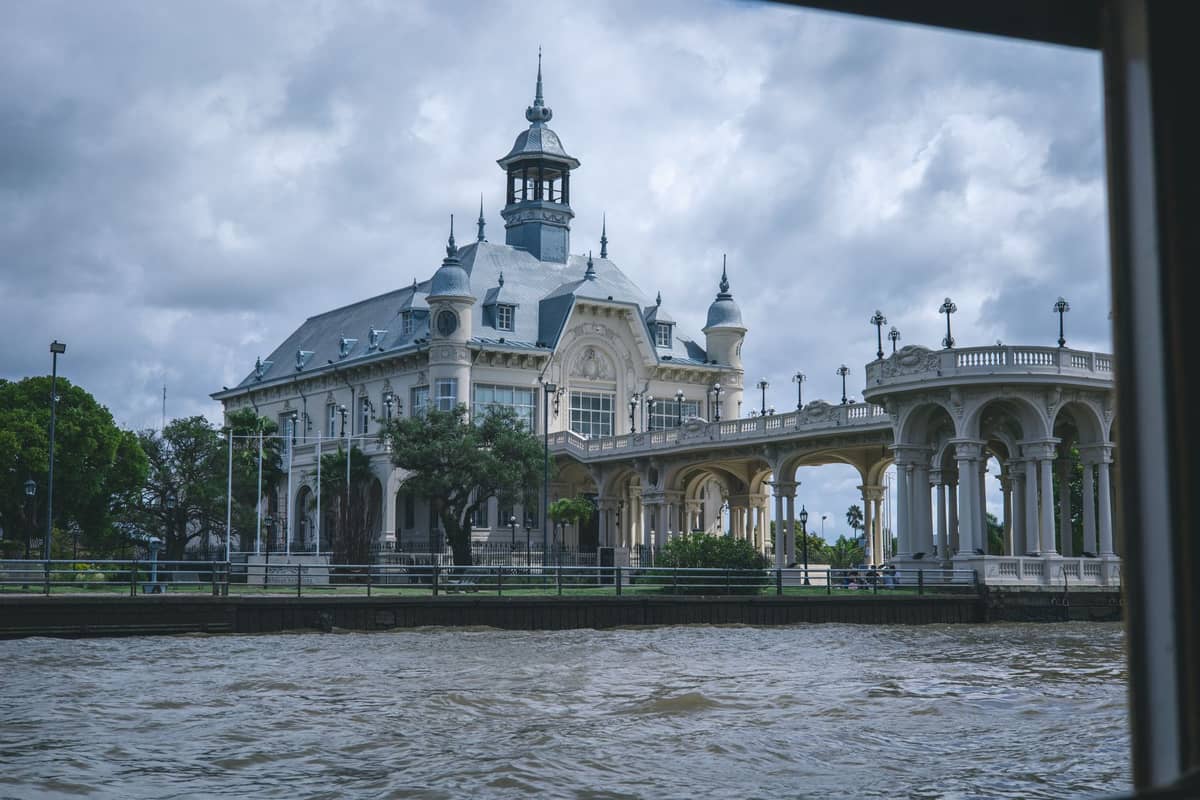
If Colonia is the premium day trip, Tigre is the local one. The town of Tigre sits at the mouth of the Paraná Delta, about 30–32 km north of central Buenos Aires, and is reachable by commuter train from Retiro station in roughly 1 hour. The train fare costs almost nothing by international standards. On weekends, porteños (Buenos Aires residents) fill the platforms heading north for the day.
From Tigre town, a network of wooden lanchas (water taxis) fan out into the delta channels. The delta is not a conventional tourist attraction: there are no major sites to tick off. It is a maze of low islands, weekend houses, rowing clubs, and quiet waterways where capybaras appear on riverbanks and the pace is genuinely different from the city. You can book a guided boat tour lasting 1–2 hours, or simply ride the public lancha colectiva routes into the delta and back. For travelers who want more time in the delta, the Tigre Delta attraction page covers the boat options in more detail.
💡 Local tip
The Tigre Fruit Market (Mercado de Frutos) is open daily (most stalls from around 10:00 to early evening) and makes a worthwhile stop before or after the delta. It sells local crafts, wicker furniture, and food, and gives a practical reason to linger in town rather than rushing back on the first train.
Tigre works best on weekdays. Weekends bring large crowds, particularly in summer (December to February) when the heat in Buenos Aires pushes everyone toward water. Spring and autumn weekdays are the sweet spot: pleasant temperatures, far fewer people, and the delta's natural atmosphere is easier to appreciate.
San Antonio de Areco: Gaucho Culture on the Pampa
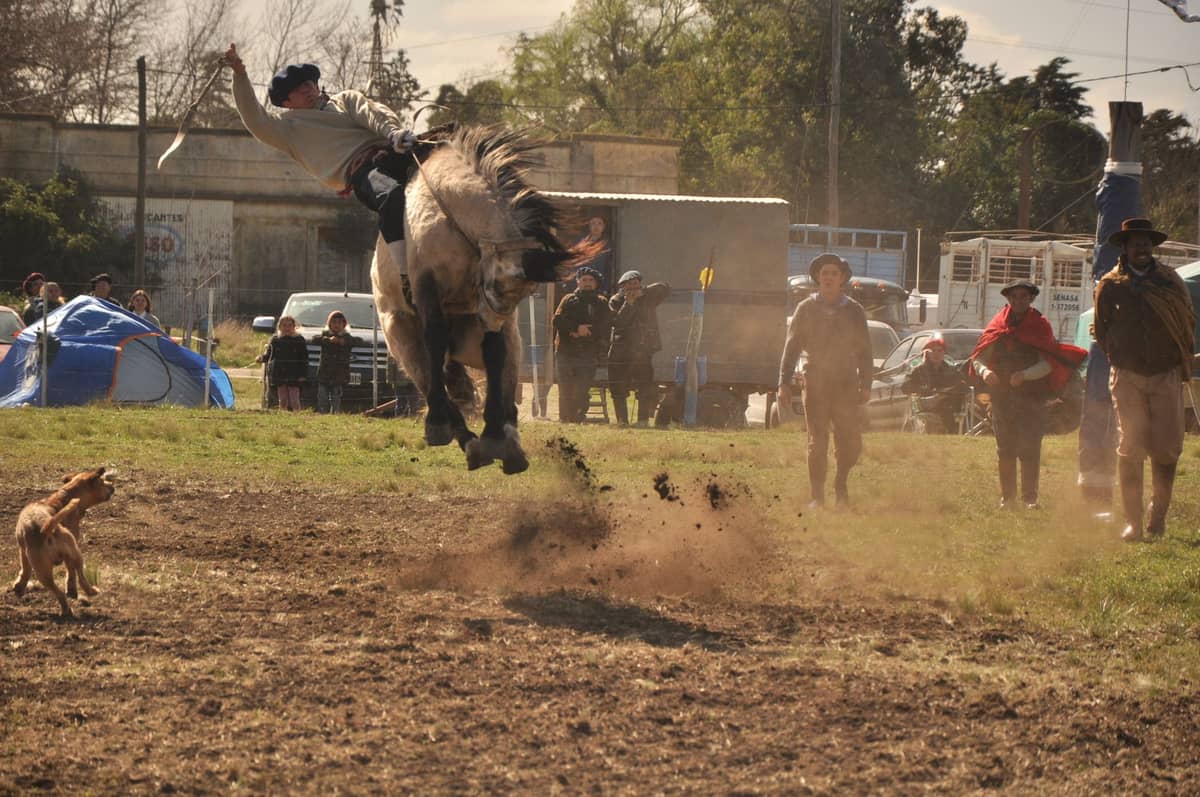
San Antonio de Areco is the best place within day-trip range to experience Argentine gaucho culture with substance rather than performance. The town, about 2 hours by road northwest of Buenos Aires, has preserved its 18th-century streetscape around Plaza Ruiz de Arellano, and the surrounding estancias (ranches) offer programs that go well beyond a quick photo opportunity. The dedicated San Antonio de Areco page has details on the town itself.
Most people do this trip on an organized tour departing Buenos Aires around 08:30–09:30 and returning by 17:45–18:30. A typical program combines a guided walk of the town with several hours at a working estancia: horseback or carriage rides, an asado (wood-fire barbecue) lunch, live folk music, and a demonstration of gaucho horsemanship skills. Full-day estancia tours with return transport from Buenos Aires and all meals start around USD 150–220 per person, which is competitive given the transport distance and the quality of the included lunch alone.
- Who it's for Travelers who want genuine Argentine rural culture, not just a barbecue. The estancias around Areco are working properties with real gaucho traditions, not theme parks.
- Who it's not for Travelers with limited mobility (horseback activities require some fitness) or those expecting a conventional sightseeing itinerary. The town itself is small; the estancia is the main event.
- Booking platforms Areco Tradición, GetYourGuide, and Viator all list verified operators with included transport. Prices and inclusions vary, so compare at least two before booking.
- Seasonal note Tours run year-round. Pool access is highlighted in summer; the pampa in spring and autumn is particularly scenic with green grasslands and moderate temperatures.
One misconception worth addressing: gaucho day trips are not only for people who want to ride horses. Many programs explicitly offer non-riding alternatives, including carriage rides and walking tours of the estancia grounds. If horseback riding is not your thing, ask operators specifically what the non-riding itinerary includes before booking.
Comparing the Three Main Options
These three trips serve different purposes, and picking the wrong one for your priorities is a common mistake. Here is a direct comparison to help you decide.
- Colonia del Sacramento Best for: history, architecture, international border crossing novelty, a genuinely different city. Cost: USD 50–70+ round-trip ferry plus spending money. Time: 1h 15min each way. Logistics: moderate (passport required, ferry booking, port procedures).
- Tigre and the Paraná Delta Best for: nature, low budget, a relaxed local experience. Cost: near-zero train fare plus optional boat tour (around USD 15–30). Time: 1 hour each way by train. Logistics: easy (no booking required for the train).
- San Antonio de Areco Estancia Best for: Argentine rural culture, asado, gaucho traditions. Cost: USD 150–220 per person all-inclusive. Time: 2 hours each way by road (usually included in tour). Logistics: easiest if booked through a tour operator.
Practical Planning: Seasons, Crowds, and Logistics
Buenos Aires has a humid subtropical climate with an annual mean around 18°C (64°F). The best months for day trips are March–April and October–November, when temperatures commonly sit in the 15–26°C range and rainfall is lower than in the summer peak. January and February are hot and humid (often up to about 30°C), which makes the outdoor elements of estancia tours and delta boat trips less comfortable. Winter (June–August) is mild by most standards, around 8–17°C, and rarely cold enough to disrupt travel, though some estancia pools and outdoor programs are limited. For a full seasonal breakdown, the best time to visit Buenos Aires guide covers the tradeoffs in detail.
All three main day trips operate year-round, but demand peaks in December–February (Southern Hemisphere summer) and during Argentine national holidays. Colonia ferry tickets regularly sell out on long weekends; book at least one week ahead in peak season, and 2–3 days ahead at other times, and arrive at the terminal around 2 hours before departure on very busy days. Estancia tours fill quickly on weekends regardless of season. Tigre is the only option you can do entirely spontaneously. For broader advice on getting around the city and connecting to departure points like Retiro station, the getting around Buenos Aires guide has transport details including the commuter rail network.
✨ Pro tip
If your Buenos Aires itinerary is 5–7 days, consider doing Tigre on a weekday afternoon (trains run until late), Colonia as a full-day trip mid-week, and reserving the estancia for whichever weekend day falls in your stay. This avoids the weekend crowd problem on Tigre and the Colonia ferry while making the estancia (which is inherently social) feel livelier with a fuller tour group.
One logistics point that catches travelers off guard: the Colonia ferry terminals in Buenos Aires are in Puerto Madero, which is easy to reach but not the same location as Retiro station (the commuter rail hub for Tigre on the Mitre line). Plan your morning accordingly and factor in that Buenos Aires traffic can add 20–30 minutes to any transfer across the city center. The Buenos Aires airport guide has additional transport context if you are arriving from Ezeiza or Aeroparque on the same day as a planned excursion.
FAQ
What is the best day trip from Buenos Aires?
For most travelers, Colonia del Sacramento offers the best combination of novelty, history, and ease. The 1h 15min ferry crossing, the UNESCO-listed historic quarter, and the full-day return schedule make it a complete, rewarding excursion. If budget is the priority, Tigre is a strong alternative. If cultural immersion is the goal, an estancia day trip to San Antonio de Areco is hard to beat.
How do I get from Buenos Aires to Colonia del Sacramento?
By high-speed ferry from the Puerto Madero terminal. Buquebus and Colonia Express both operate daily services. The crossing takes approximately 1 hour 15 minutes. Book tickets online in advance, especially on weekends and Argentine public holidays. Bring a valid passport, as this is an international crossing.
How much does a day trip from Buenos Aires to Colonia cost?
Round-trip ferry tickets typically start around USD 55–90 per person in standard class when booked in advance. Prices vary significantly by date, operator, and booking class, with some premium options reaching considerably more. Once in Colonia, the historic quarter is free to walk; optional museum entries and golf cart rentals add a small additional cost.
Can I do a day trip from Buenos Aires without a tour?
Yes, for both Colonia and Tigre. Colonia is entirely self-guided once you cross: buy the ferry ticket, walk to the historic quarter, and explore independently. Tigre is even simpler: take the commuter train from Retiro and purchase a boat tour or lancha ticket on arrival. San Antonio de Areco is more practical with an organized tour since it is 2 hours by road and the estancia programs are not easily accessible without private transport.
Are Buenos Aires day trips suitable in winter?
Yes. Buenos Aires winters (June–August) are mild, with temperatures roughly 8–17°C. All three main day trips operate year-round. Colonia is pleasant in winter with fewer tourists. The delta has a quieter, moodier atmosphere. Estancia programs continue in winter, though pool use and some outdoor activities are limited. Winter is actually one of the better seasons to avoid crowds on these routes.
Tickets & tours
Live prices and dates from our booking partner. If you book, we may earn a commission at no extra cost to you.
Planning a trip? Discover personalized activities with the Nomado app.