Best Time to Visit Buenos Aires: A Season-by-Season Guide
Buenos Aires works as a year-round destination, but the timing of your visit shapes everything from comfort to cost to what's actually happening on the street. This guide breaks down every season with real temperature data, crowd realities, and event timing so you can pick the trip that fits your priorities.
Tickets & tours
Live prices and dates from our booking partner. If you book, we may earn a commission at no extra cost to you.
TL;DR
- Spring (September to November) and autumn (March to May) offer the most comfortable sightseeing weather, with temperatures between 13°C and 26°C and lower humidity than summer.
- Summer (December to February) is hot, humid, and sees many locals leave the city in January, so some small venues close, but festivals and outdoor life are at their peak.
- Winter (June to August) is the cheapest, quietest period. Temperatures rarely drop below 7°C, which is mild enough for most travelers and good for indoor culture.
- The Tango BA Festival and World Cup runs late August to early September, driving up hotel demand significantly. Book well ahead if you plan to attend.
- For a broader trip combining Buenos Aires with other parts of Argentina, check day trips from Buenos Aires to plan seasonal timing across multiple destinations.
Understanding Buenos Aires' Climate
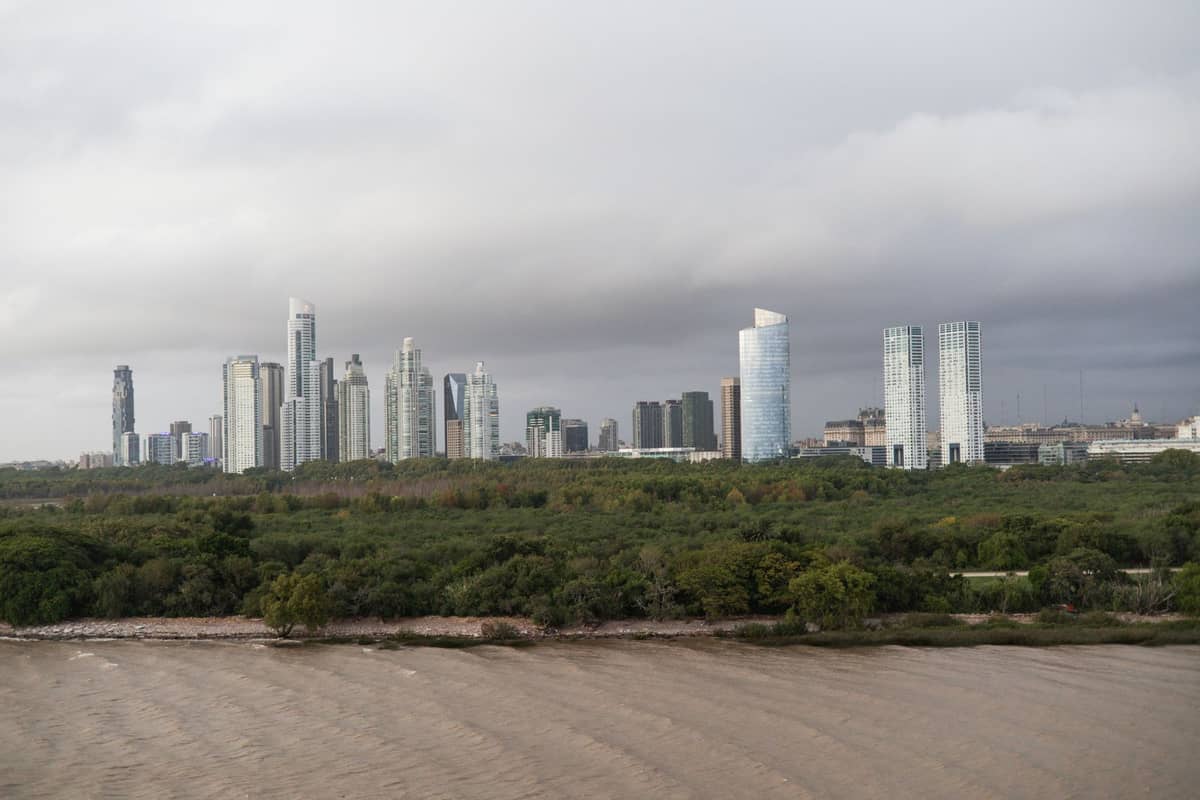
Buenos Aires sits at roughly 34.6° S latitude on the western shore of the Río de la Plata estuary, near sea level. Its climate classification is humid subtropical, which in practice means warm to hot summers with significant humidity, mild winters that rarely see frost, and two comfortable shoulder seasons in between. The annual mean temperature is around 18°C (64°F), and snow is essentially unheard of. What catches many visitors off guard is the summer heat index: even when the thermometer reads 30°C, the combination of river humidity and urban heat can push the felt temperature considerably higher.
Rainfall is spread across the year with no true dry season, but the wettest stretch runs from October through March, peaking in January and February with intense but usually short summer storms. Winter months (June to August) are relatively drier, averaging around 58 mm per month, though overcast, damp days are common. The city does not close down or change character dramatically because of rain, but waterlogged streets and flooded underpasses after heavy downpours are a genuine inconvenience.
ℹ️ Good to know
Buenos Aires observes Argentina Time (ART), UTC-03:00, with no daylight saving time currently in effect. The city is 3 hours behind UTC year-round, which simplifies scheduling for international calls and flights.
Spring (September to November): The Strongest Case
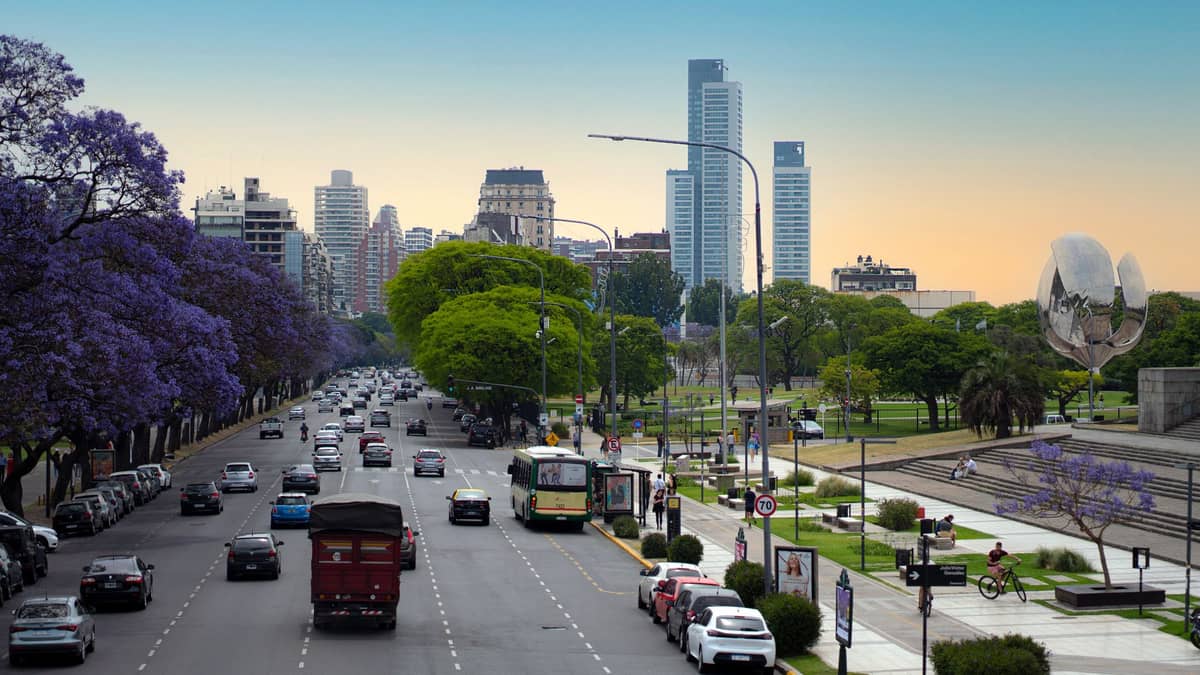
Spring is the period most consistently recommended by weather data and experienced travelers alike. Temperatures climb from around 10°C in early September to 26°C in November, humidity is lower than summer, and the jacaranda trees along Avenida de Mayo and throughout Palermo's parks erupt in purple around October and November. It is the kind of weather where you can walk for hours without overheating, which matters enormously in a city built for walking.
The cultural calendar fills out in spring. Buenos Aires hosts film festivals, jazz weeks, and design events across October and November, and the Tango BA Festival ends its late-August to early-September run just as spring begins, meaning post-festival accommodation prices settle back down. The Bosques de Palermo and the Jardín Botánico Carlos Thays are particularly rewarding in October when flowering is at its peak.
✨ Pro tip
Book accommodation for late August and early September well in advance if the Tango BA Festival overlaps with your dates. The festival draws tens of thousands of visitors and occupancy in central neighborhoods spikes. Outside that window, spring offers excellent hotel availability at mid-range prices.
Autumn (March to May): The Local Favorite
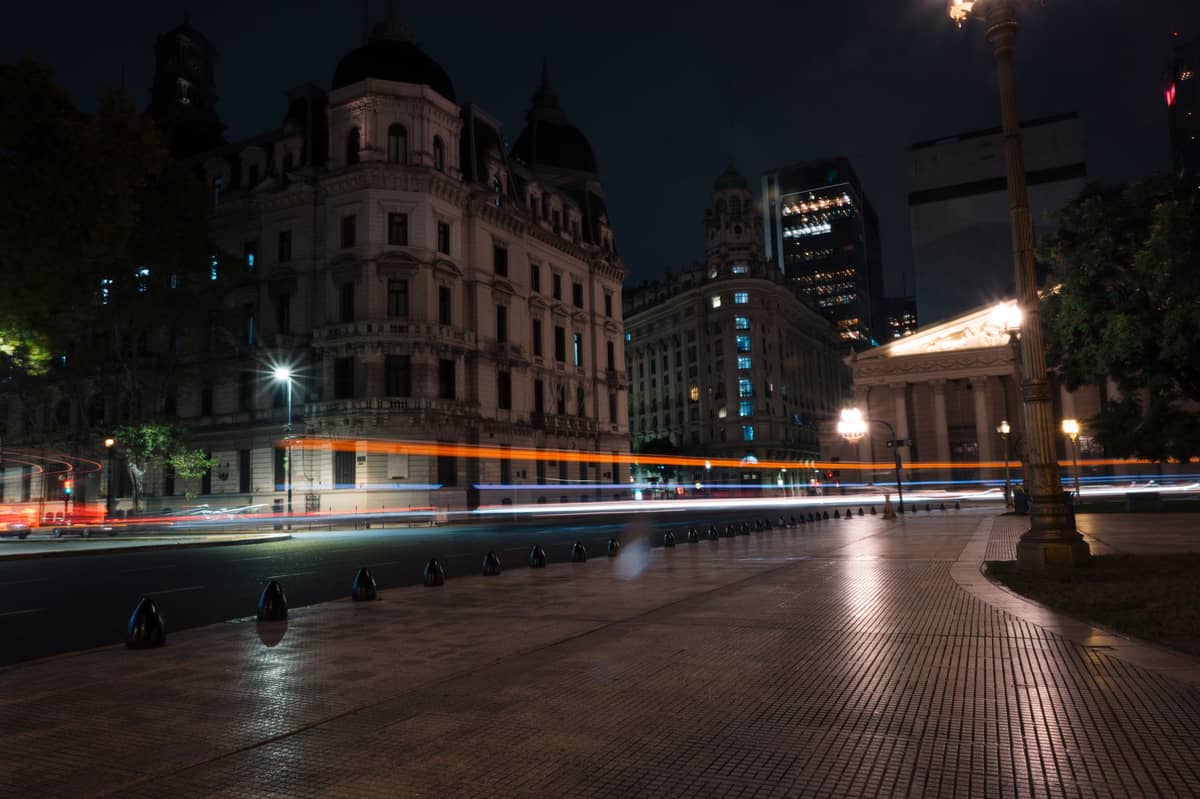
Porteños, as Buenos Aires residents are called, often prefer autumn over spring. The summer heat breaks by mid-March, temperatures settle into a comfortable 15°C to 25°C range, and the city feels like it has reclaimed itself after the holiday exodus of January. Crowds are thinner than in spring, prices are reasonable, and the afternoon light over the colonial architecture in San Telmo and Recoleta has a particular quality that photographers chase specifically in April.
April and May are arguably the most balanced months of the year. Rain is possible but not excessive, temperatures are rarely extreme in either direction, and the city's restaurant and nightlife scenes are in full operation. If your priority is experiencing tango in milongas rather than at a festival, autumn is ideal: the venues are active and less crowded with tourists. The Feria de San Telmo runs every Sunday year-round, but the autumn temperatures make the outdoor sections genuinely pleasant rather than a test of endurance.
Summer (December to February): Heat, Humidity, and Trade-offs
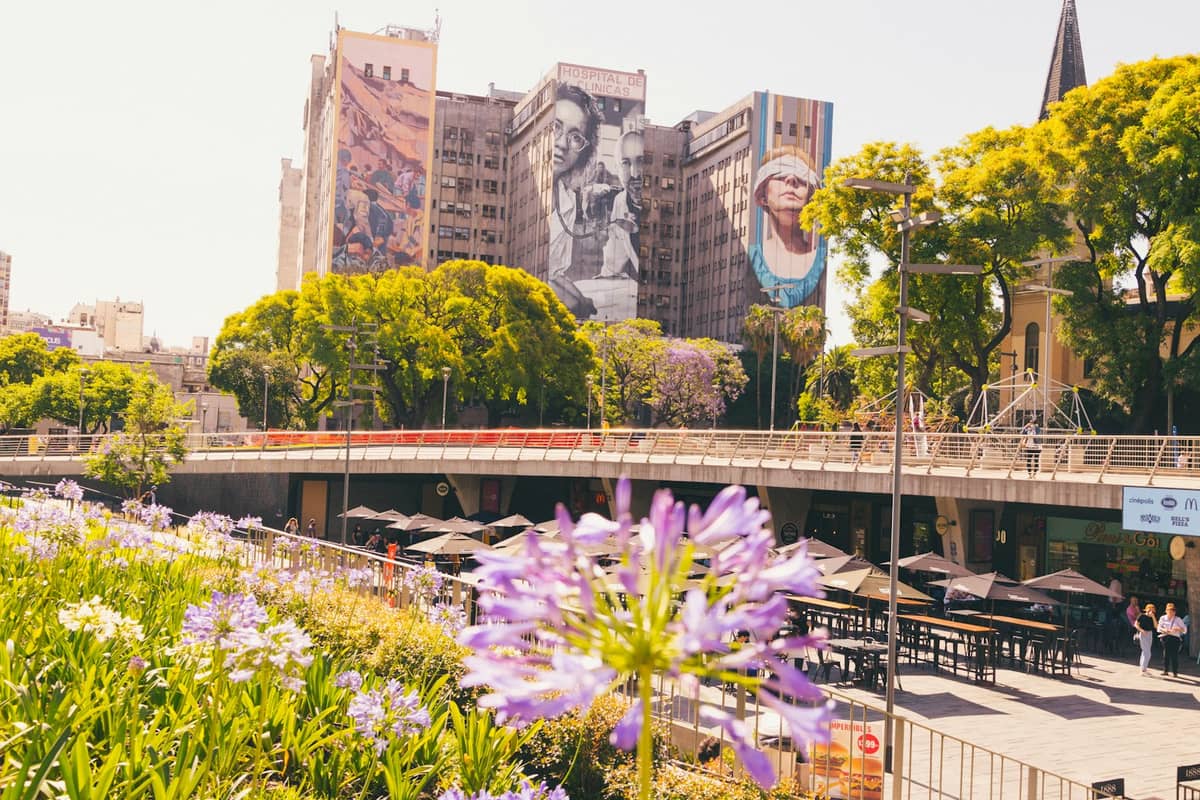
December and February bracket a month that genuinely divides opinion. January is when Buenos Aires exports a large portion of its middle and upper class to beach towns along the coast: Pinamar, Mar del Plata, and Uruguay's Punta del Este all pull residents away. The upside for visitors is that the city feels slightly less frantic, traffic eases, and some restaurants become easier to get into without reservations. The downside is that many small family-run shops, galleries, and neighborhood restaurants reduce hours or close entirely for two to four weeks.
Summer temperatures regularly hit 30°C to 31°C, and humidity makes the heat feel heavier than those numbers suggest. Afternoon thunderstorms are common, usually clearing within an hour. The outdoor terrace culture thrives despite this, and evening dining, which typically starts at 9 pm or later, becomes the natural rhythm for managing the heat. If you visit in summer, plan indoor activities for midday: the Museo MALBA, the Teatro Colón, and the Centro Cultural Kirchner are all air-conditioned and excellent.
⚠️ What to skip
January is the only month where Buenos Aires genuinely underperforms as a destination. Some of the best neighborhood restaurants and boutiques close for two to four weeks of staff holidays. If your trip falls in January, stick to larger established venues and check ahead before counting on specific restaurants or shops.
Winter (June to August): Underrated and Underpriced
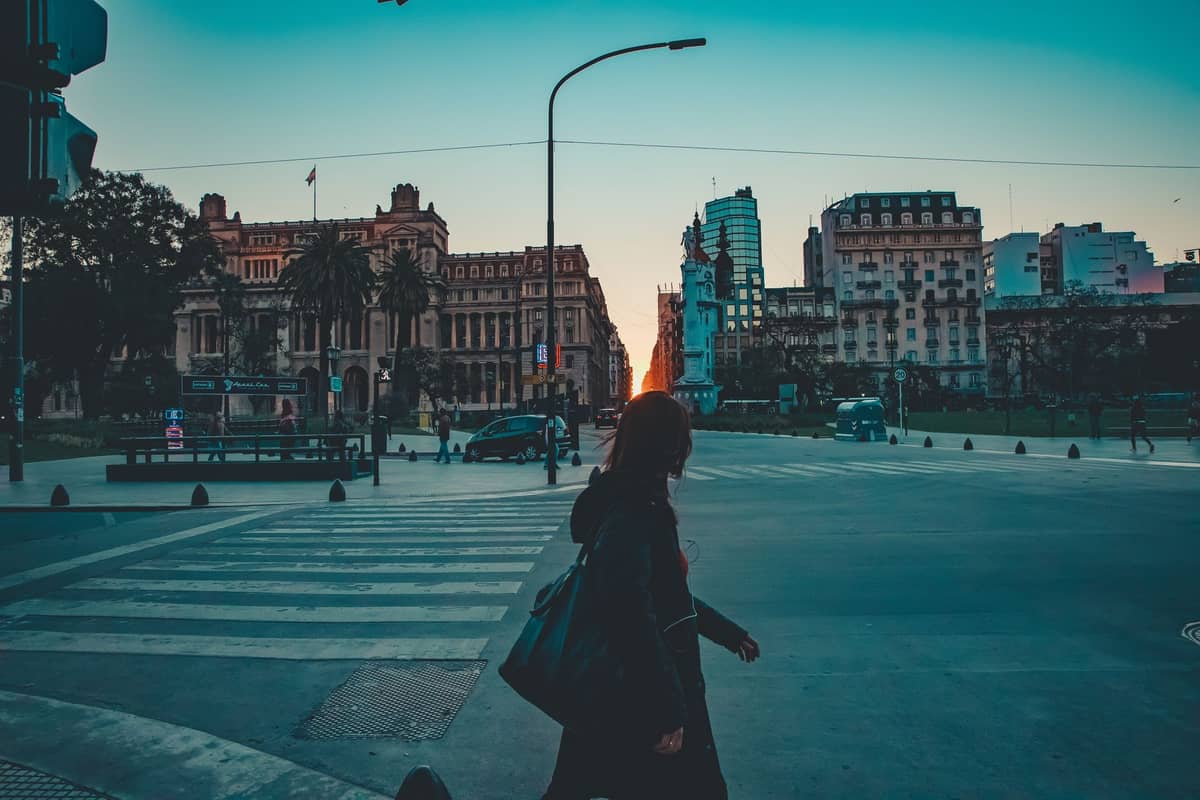
Buenos Aires winter has a reputation it doesn't fully deserve. Temperatures range from about 7°C to 16°C across June, July, and August. That is cool but not harsh, and a good mid-layer and waterproof jacket handle it comfortably. There is no snow. The city does not slow down culturally in winter: Buenos Aires runs its theater and opera seasons year-round, the milongas fill up on cold nights, and the parrillas are as busy as ever. The Tango BA Festival, one of the city's biggest annual events, runs in late August, meaning winter ends with a significant cultural spike.
The practical case for winter travel is straightforward: hotel rates drop, flights are generally cheaper, and popular attractions like the Recoleta Cemetery and the Teatro Colón are easier to access without the queues of peak season. Budget travelers who have read our Buenos Aires on a budget guide will find winter stretches their money further than any other season. The one honest drawback is grey, overcast skies that can persist for days, which affects outdoor photography and general mood.
- Spring (Sep–Nov) Best overall weather. Temperatures 10–26°C, jacaranda blooms in October, active cultural calendar, moderate prices. Busiest around the Tango Festival in late August to early September.
- Autumn (Mar–May) Local favorite. Temperatures 15–25°C, lower crowds than spring, excellent restaurant and nightlife access, good value accommodation.
- Summer (Dec–Feb) Hot and humid, 20–30°C. January sees some local business closures. Best for outdoor evening culture and festivals, but plan around the heat.
- Winter (Jun–Aug) Cheapest and quietest. Temperatures 7–16°C, no snow, full cultural calendar. Overcast skies are the main drawback. Tango BA Festival falls at the end of August.
Key Events That Should Shape Your Timing
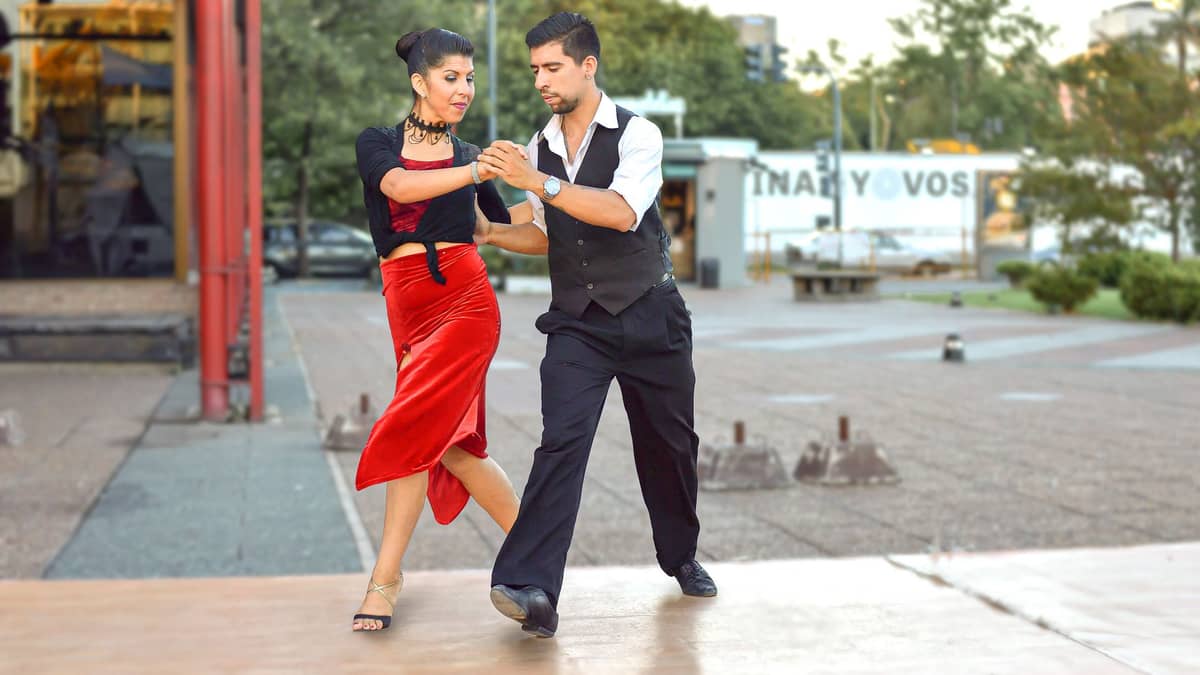
Buenos Aires runs a dense event calendar and several recurring events push accommodation demand and prices in ways that matter for planning. The Tango BA Festival and World Cup is the biggest. In 2026 it runs from 19 August to 2 September, drawing competitors and audiences from across the world. Booking accommodation within walking distance of the main venues during this period requires significant lead time.
Beyond tango, autumn and spring both carry jazz festivals, independent film weeks, and the Buenos Aires Book Fair, which is one of the largest in the Spanish-speaking world and typically runs in late April and early May. The football calendar is another factor: Superclásico matches between Boca Juniors and River Plate can sell out accommodation in certain zones for the weekend. If watching a match at the Estadio La Bombonera is on your list, check fixture dates before booking flights.
- Tango BA Festival and World Cup: late August to early September (book 3-4 months ahead for central accommodation)
- Buenos Aires Book Fair: late April to mid-May (Recoleta area gets busier)
- BAFICI independent film festival: typically April (central venues, moderate crowd impact)
- Superclásico football matches: dates vary by fixture schedule, check ahead
- New Year's Eve: Puerto Madero and Recoleta are extremely crowded, hotel prices peak
💡 Local tip
Argentina's public holidays cluster in March to April (Easter) and July (winter school holidays). During school holiday weeks, domestic tourism within Argentina rises and budget accommodation in Buenos Aires can fill quickly. These are not peak international tourist periods, but they affect availability in mid-range hotels near family-friendly attractions.
Practical Logistics by Season
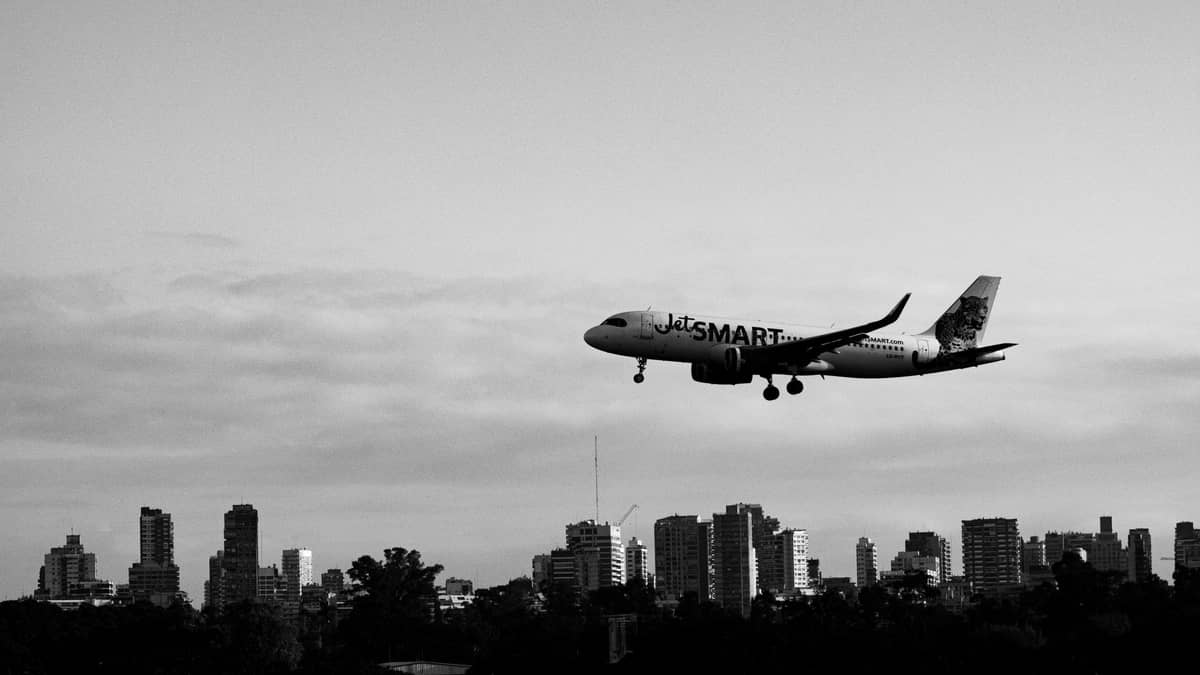
Two airports serve Buenos Aires. Ministro Pistarini International (EZE), roughly 30-35 km southwest of the city center, handles most international arrivals. Aeroparque Jorge Newbery (AEP), on the northern riverfront near Palermo and Recoleta, handles domestic flights and some regional routes. Seasonal demand does not dramatically change transfer options, but summer and Tango Festival periods see heavier traffic on the airport road from Ezeiza. For full airport logistics, the Buenos Aires airport guide covers transfers, costs, and timing in detail.
Getting around the city uses the Subte metro (six lines labeled A, B, C, D, E and H), an extensive network of colectivos (urban buses), and taxis or ride-hailing apps. A SUBE card is used for metro and bus fares. Fares are subsidized and cheap in absolute terms, though they change frequently with inflation adjustments. For current fare information, check the official Buenos Aires city government website before travel. The guide to getting around Buenos Aires covers the Subte, buses, and taxis in practical detail. One seasonal note: summer thunderstorms can briefly flood underpasses used by some bus routes, causing short-term service disruptions.
For accommodation strategy by season, the where to stay in Buenos Aires guide breaks down neighborhoods by character and price point. In broad terms: San Telmo and Palermo are the most popular bases for international visitors. Recoleta suits those who prefer quieter streets and proximity to museums. All three neighborhoods see price increases during the Tango Festival and over the Christmas to New Year period.
FAQ
What is the best time to visit Buenos Aires for good weather?
Spring (September to November) and autumn (March to May) consistently offer the most comfortable conditions, with temperatures between roughly 13°C and 26°C and lower humidity than summer. October and April are the standout months. Spring has the added bonus of jacaranda blooms, while autumn tends to have fewer tourists than spring.
Is Buenos Aires worth visiting in winter?
Yes, and it is underrated as a winter destination. Temperatures stay mostly between 7°C and 16°C, well above freezing, and the cultural life of the city continues at full pace. Hotels are cheaper, queues at major attractions are shorter, and the Tango BA Festival runs in late August, giving winter a major event to anchor a visit around. The main downside is persistent grey skies.
When is the best time to visit Argentina including Buenos Aires?
For a trip combining Buenos Aires with Patagonia, March to April is ideal: Buenos Aires is in comfortable autumn, and Patagonia's hiking season (which runs roughly November to April) is still open. Avoid January for Patagonia, as it is peak season with higher prices and crowds at popular parks. For Buenos Aires alone, spring and autumn are the most balanced choices.
How crowded is Buenos Aires during peak tourist season?
Buenos Aires does not have the overwhelming tourist overcrowding of some European cities, but the Tango BA Festival (late August to early September) and the New Year period significantly push up accommodation prices and foot traffic in central neighborhoods. Spring (October to November) is moderately busy with international visitors. January, despite being local summer, is quieter than expected because many residents leave the city for beach resorts.
What should I pack for Buenos Aires depending on the season?
Summer: light clothing, sunscreen, a compact umbrella for afternoon thunderstorms. Autumn: layers plus a light jacket for evenings in May. Winter: a warm mid-layer, a waterproof outer layer, and comfortable walking shoes that handle wet pavements. Spring: layers that work from cool mornings to warm afternoons, and again an umbrella. Buenos Aires is a fashion-conscious city, so smart-casual attire is appropriate for most restaurants and evening venues regardless of season.
Tickets & tours
Live prices and dates from our booking partner. If you book, we may earn a commission at no extra cost to you.
Planning a trip? Discover personalized activities with the Nomado app.