Football in Buenos Aires: Matches, Stadiums & Tours
Buenos Aires is one of the world's great football cities, home to over 20 professional clubs and two of the most iconic stadiums on the planet. This guide covers everything you need to know: how to get match tickets, what stadium tours cost, when to visit, and how to avoid the most common tourist mistakes.
Tickets & tours
Live prices and dates from our booking partner. If you book, we may earn a commission at no extra cost to you.
TL;DR
- La Bombonera (Boca Juniors) and Estadio Monumental (River Plate) both offer guided stadium tours on non-match days, bookable online through official partners or agencies.
- Match tickets for top clubs are rarely available at the gate: most visitors must book through a licensed agency or packaged tour experience.
- Stadium tour prices range from around US$42-48 per person for a single stadium visit; the La Bombonera and Estadio Monumental museums are genuinely worth the admission.
- Superclásico packages (Boca vs River) can cost US$800-1,100 per person including logistics: budget accordingly or consider a non-match-day tour instead.
- Tour schedules change on match days. Always confirm availability for your specific dates before arriving.
Why Buenos Aires Is a Football Destination Unlike Any Other
Argentina has produced more Ballon d'Or winners than any country except France, and Buenos Aires is where that footballing culture was forged. The city has more professional football clubs per capita than almost anywhere in the world, with over 20 teams competing across the top two national divisions. This is not a city where football is entertainment: it is identity, neighborhood pride, and in some cases, religion. Understanding that context makes a stadium visit or match experience far more meaningful than it would be at most other destinations.
The rivalry between Boca Juniors and River Plate, the Superclásico, is routinely cited by international observers as the most intense club derby in world football. Both clubs are based in Buenos Aires, giving the city a unique double identity. Beyond those two giants, clubs like San Lorenzo de Almagro, Racing Club, Independiente, and Vélez Sársfield all have passionate followings and stadiums worth visiting. For a broader look at the city's culture, the things to do in Buenos Aires guide gives useful context on how football fits into the wider experience.
La Bombonera: Boca Juniors Stadium Tours and Museum
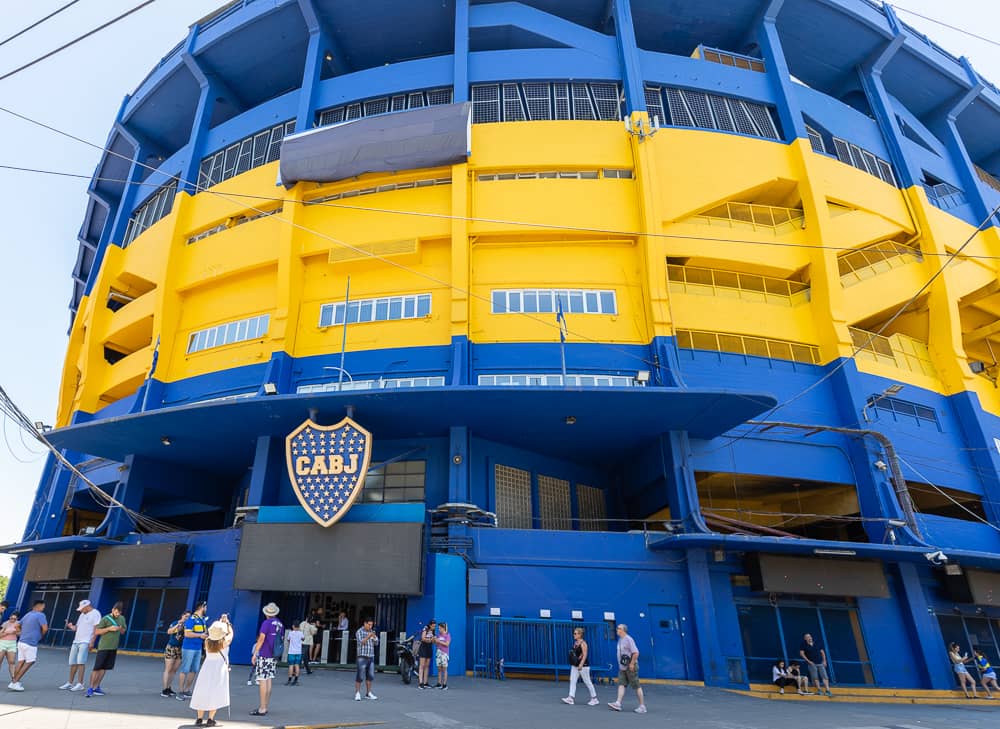
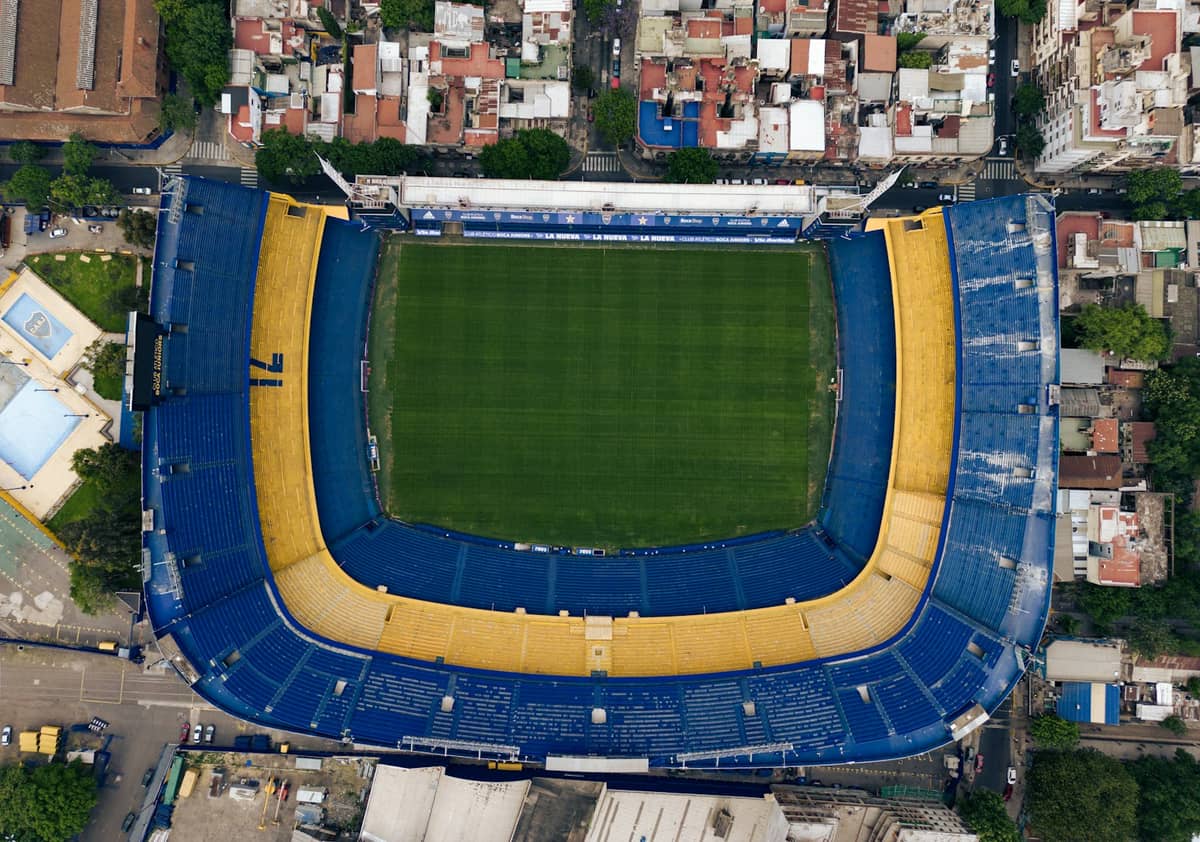
La Bombonera sits in the La Boca neighborhood, a working-class district in the south of the city. The stadium's nickname comes from its shape: a chocolate box, with three towering stands and one lower side that makes the structure visually unlike almost any other ground in the world. Capacity is officially in the mid‑50,000s (with fewer seats used for safety reasons), and the acoustic effect on match days is extraordinary. Even on a quiet Tuesday morning tour, you can feel the scale of the place.
Museum and stadium tours at La Bombonera are available on non-match days. Through international booking platforms, packages start at around US$48 per person. Booking directly through local agencies can shift the price: combined Boca and River Plate stadium tours from operators like Tangol are listed in the range of ARS 119,000-140,250 per adult, though ARS prices change frequently given Argentina's inflation rate. Verify current costs in USD at the time of booking rather than relying on peso figures. The museum covers Boca's history from its founding in 1905 by Italian immigrants, with extensive coverage of Diego Maradona's years at the club.
⚠️ What to skip
La Boca is one of the few Buenos Aires neighborhoods where staying alert really matters for tourists. The area around La Bombonera and Caminito is generally safe during the day when crowds are present, but wandering beyond the main tourist circuit, especially with visible cameras and phones, is not advisable. Come for the stadium, then move on.
Many visitors combine a Boca stadium tour with a walk through nearby Caminito, the colorful pedestrian street that has become synonymous with La Boca. It is touristy, but the combination makes for an efficient half-day. Go before noon on a weekday to avoid peak crowds.
Estadio Monumental: River Plate Tours and What to Expect
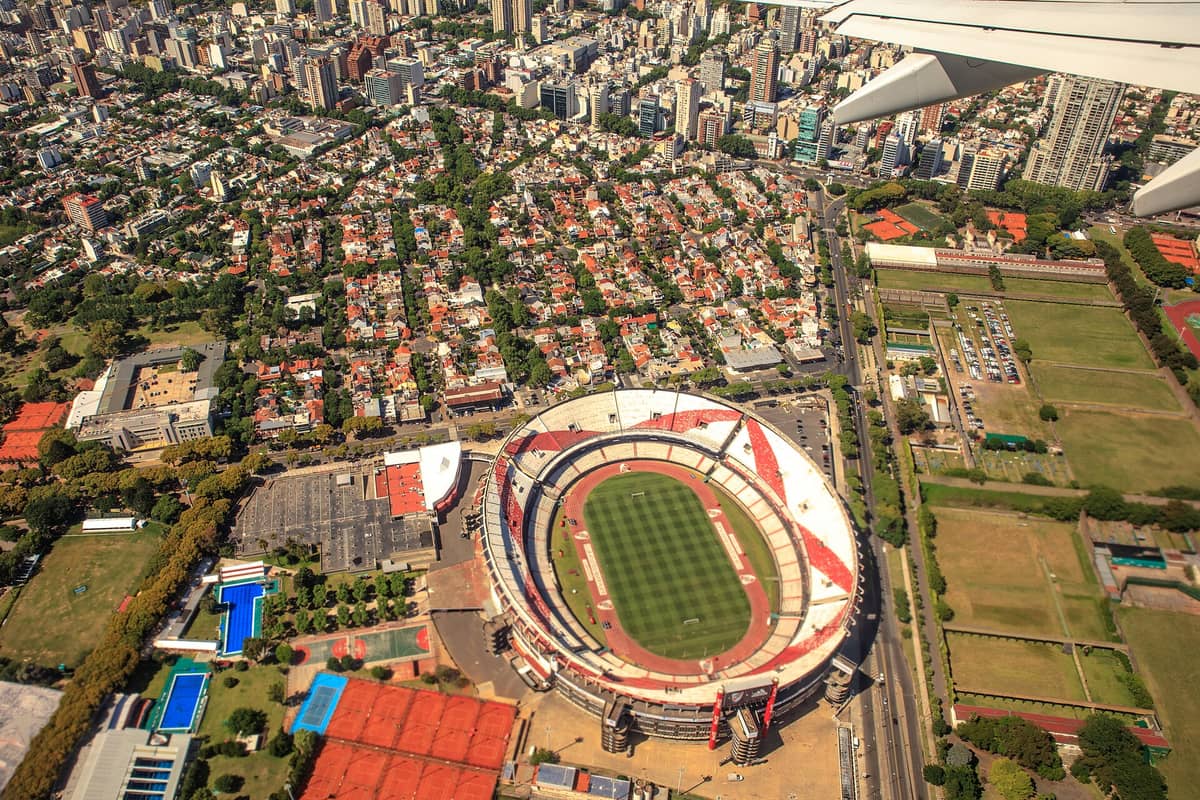
Estadio Monumental Antonio Vespucio Liberti, to use its full official name, is the largest stadium in South America by capacity, holding roughly 85,000 spectators. It is located in the Núñez neighborhood in the north of the city, well away from the gritty industrial setting of La Bombonera. The scale is genuinely impressive even for visitors who follow football only casually.
The club museum and stadium are open daily, typically from 10:00 to 17:00. Official guided tours run at set times between late morning and late afternoon and usually last under an hour. Prices via official tour partners are listed from roughly US$42 per adult equivalent, though again, peso pricing fluctuates. Tours cover the pitch-side areas, the press box, changing rooms, and the museum, which contains trophies, historical materials, and exhibits on former players.
💡 Local tip
River's Monumental is far easier to reach by public transport than La Bombonera. The Subte D line stops at Juramento, and from there it is a short walk north. For La Bombonera, most visitors take a taxi or join an organized tour with transport included, as the La Boca colectivo routes are less intuitive for first-timers.
Attending a Live Match: Tickets, Safety, and What the Experience Actually Involves
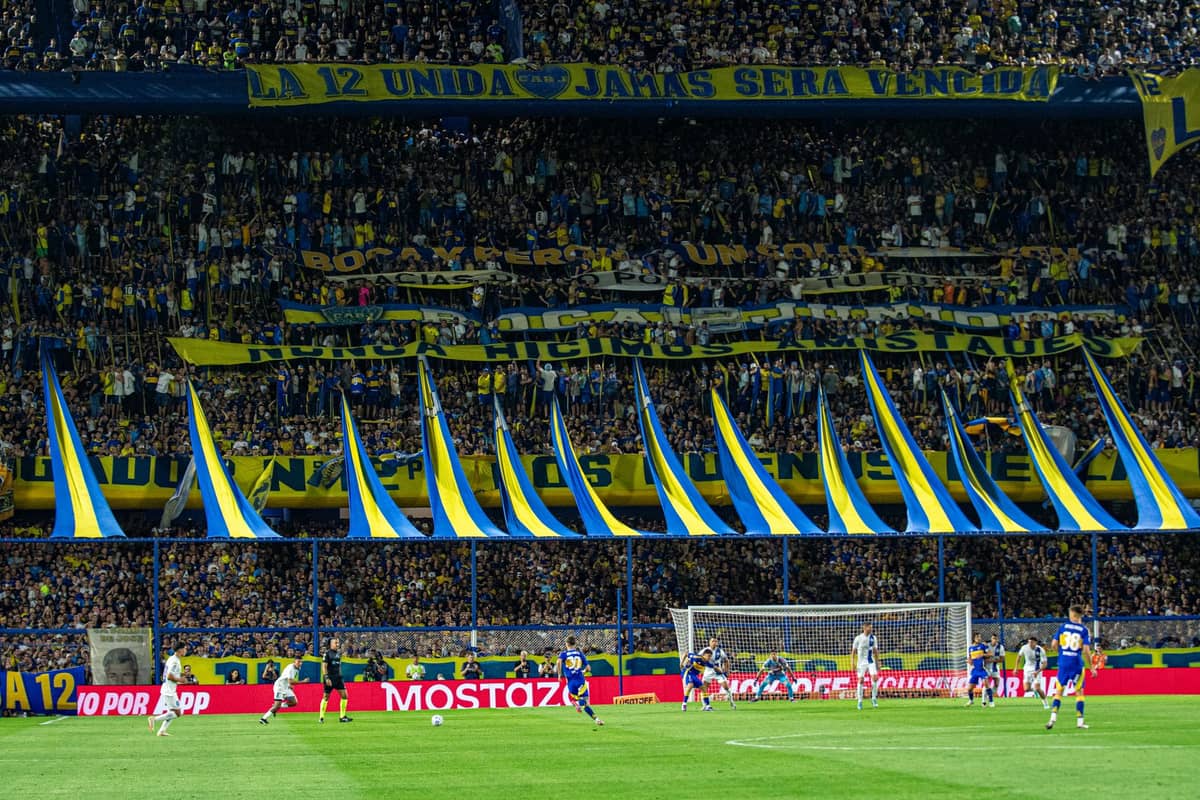
Watching a professional match in Buenos Aires is one of the more memorable things you can do in the city, but it requires more planning than in most European leagues. Argentine football's relationship between clubs and their fan bases is governed by a system where most tickets are allocated to socios (club members) and season ticket holders. Walk-up availability for visiting tourists at the box office is rare for high-profile fixtures and essentially nonexistent for derbies.
The practical solution for most visitors is a packaged match-day experience through a licensed agency. These include the ticket, transport to and from the ground, and a guide who stays with the group. Pricing for River Plate matches with this arrangement runs from around US$170-235 per person depending on the agency and the fixture. Boca Juniors match packages are similarly priced. These are not cheap, but they remove the significant logistical friction of trying to source tickets independently and handle transport in an unfamiliar city.
- River Plate match with transport and guide From around US$170-235 per person through licensed agencies. Includes round-trip transport and a group guide for the full match experience.
- Boca Juniors stadium and Caminito experience (non-match day) Typically US$68-100 depending on the provider. Good option if match tickets are unavailable or priced out of budget.
- Multi-stadium Argentine stadium tour Packages covering two or more grounds start from around US$139-160 per adult. Useful for football-focused visitors who want context across multiple clubs.
- Superclásico package (Boca vs River) When this fixture is played in Buenos Aires, packaged experiences including tickets and logistics can reach US$800-1,100 per person. The match itself justifies the premium for serious fans; for casual visitors, a tour day is a better use of budget.
- Maradona-themed and second-division tours Niche agencies offer Diego Maradona itineraries and tickets to matches at smaller clubs, typically US$80-150. Less tourist-oriented crowds and cheaper admission, but less atmosphere.
Argentine football grounds are intense environments. The local ultras (barra bravas) occupy specific sections and the atmosphere they generate is unlike anything in regulated European stadiums. Agencies generally seat tourists in separate areas that balance good sightlines with a manageable environment. This is not a criticism: the experience is still loud, passionate, and memorable. But visitors expecting a relaxed afternoon should know what they are signing up for.
✨ Pro tip
Second-division football (Primera Nacional) and even some top-flight matches involving mid-table clubs offer a more accessible, lower-cost route into Argentine football culture. Tickets are easier to obtain, the grounds are smaller and more intimate, and the price difference is substantial. Local agency Tangol and similar operators can advise on fixtures during your visit.
Planning Around the Season and Match Calendar
Argentine professional football currently operates on two tournaments per year: the Torneo Apertura (roughly January to mid‑year) and the Torneo Clausura (from August into the southern spring), with a brief break over the southern summer holidays around late December and early January. This means there is almost always top-flight football happening during a visit to Buenos Aires, with the exception of January and a short period around international breaks.
Spring in Buenos Aires, roughly September to November, falls in the middle of the Clausura season and coincides with some of the best weather in the city. Autumn, March to May, covers the middle of the Apertura. Both windows are good for combining a match with sightseeing. Winter months, June to August, see earlier kick-off times for evening matches and cooler conditions in open stands, so layer up.
Tour schedules at both La Bombonera and Estadio Monumental are directly affected by the match calendar. On the day of a game and sometimes the day before, access to certain areas, including the pitch and changing rooms, is restricted or the tour is canceled outright. If your dates in Buenos Aires are fixed, book a tour first and check the fixture list against it before committing. The best time to visit Buenos Aires guide covers seasonal factors beyond football that are worth factoring into your planning.
Other Football Experiences Worth Knowing About
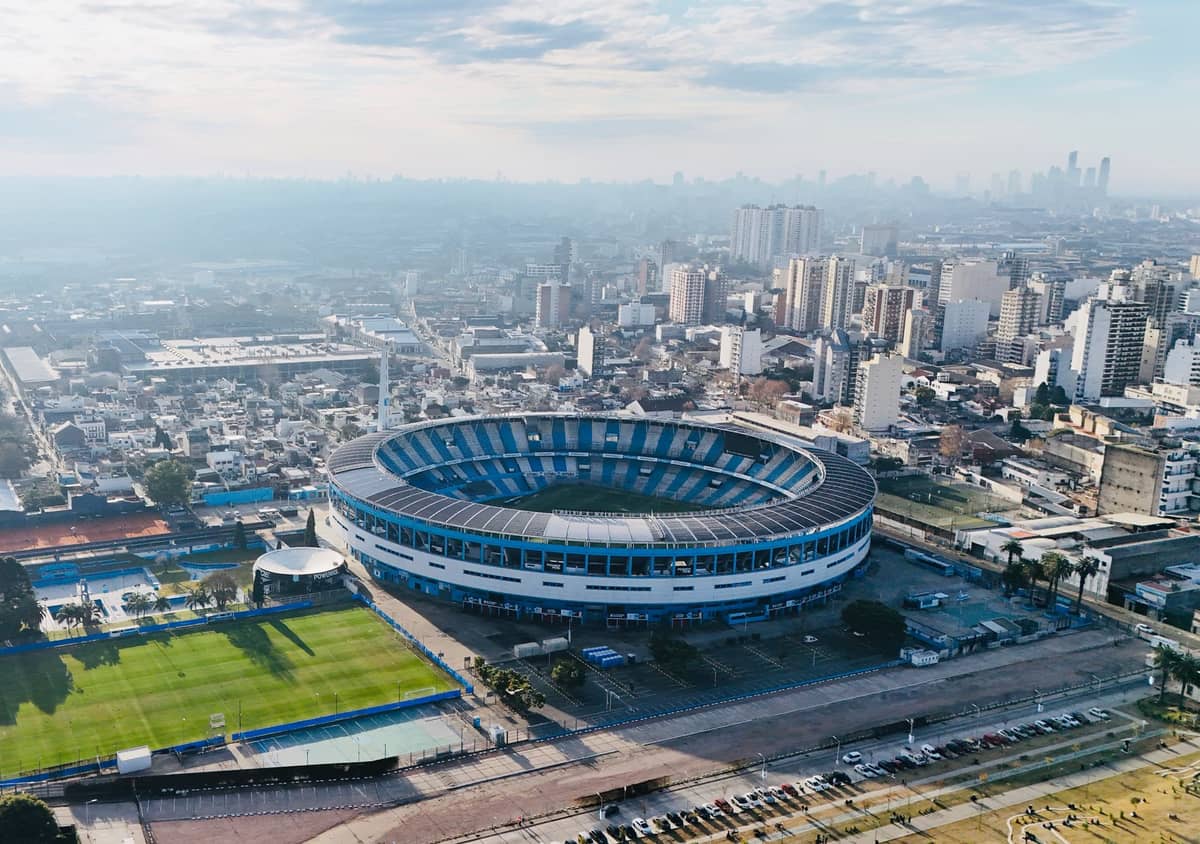
Beyond the Boca-River duopoly, Buenos Aires has a rich footballing geography that most tour packages ignore. San Lorenzo de Almagro plays in the Boedo neighborhood, with a history tied to the Catholic church and the late Pope Francis, who was a declared supporter. Racing Club and Independiente, bitter rivals known as the Avellaneda derby, play across the Riachuelo river in Greater Buenos Aires. Vélez Sársfield's Estadio José Amalfitani is a fine ground in the Liniers district. None of these are as straightforward to access as the main two, but they offer a less packaged, more local version of the experience. The Buenos Aires hidden gems guide touches on some of these off-the-beaten-path experiences.
- Museo de la Pasión Boquense: the official Boca Juniors museum inside La Bombonera. Entrance is included in most stadium tours and covers club history from 1905 to the present.
- River Plate Museum (Museo del Club Atlético River Plate): extensive collection at Estadio Monumental including trophies, jerseys, and interactive exhibits.
- Fútbol 5 and amateur pitches: playing pickup football in Buenos Aires parks, particularly in Palermo, is possible for visitors willing to join a local game. No booking required, just show up.
- Football-themed bars: watching a match in a Buenos Aires sports bar with locals is a genuine cultural experience and requires no ticket or planning beyond knowing the fixture time.
For visitors on a tight budget, watching a match in a bar is genuinely worthwhile. Buenos Aires has plenty of venues that broadcast every top-flight fixture, and Argentines are vocal, opinionated viewers. Pair this with a look at the Buenos Aires on a budget guide for ideas on keeping costs down across the trip.
ℹ️ Good to know
Argentine football uses a points-per-game ranking system across multiple seasons to determine promotion and relegation, which is different from the standard end-of-season table used in most European leagues. This means 'big' clubs can technically be in danger of relegation based on multi-year performance. It is a conversation starter with any porteño football fan.
FAQ
Can I buy Boca Juniors or River Plate match tickets at the stadium on the day?
For most fixtures, no. Tickets for top-flight matches at Boca and River are primarily allocated to socios (club members) and season ticket holders. Visiting tourists almost always need to book through a licensed agency or packaged tour experience. Last-minute availability at the gate is rare and unreliable, especially for popular fixtures.
How much does a La Bombonera or Estadio Monumental stadium tour cost?
Stadium tours at La Bombonera start at around US$48 per person through international booking platforms. River Plate's Estadio Monumental tours are listed from approximately US$42 per adult equivalent through official tour partners. Combined tours covering both stadiums are available from around US$139-160 per person. All prices should be verified before booking as they change frequently.
Is it safe to go to a football match in Buenos Aires as a tourist?
Attending a match through an organized agency is generally considered safe for tourists. These operators seat visitors in designated areas separate from the barra brava sections and handle transport, removing the most significant risks. Going independently, especially to high-tension fixtures, is a different calculation and not recommended without local knowledge. Always follow your guide's instructions regarding movement inside and around the ground.
How much do Superclásico tickets cost, and how do I get them?
The Superclásico (Boca vs River) is the hardest ticket in Argentine football. Packaged experiences from licensed agencies, which include the ticket, transport, and a guide, typically range from US$800-1,100 per person when the fixture is played in Buenos Aires. Independent tickets are almost impossible to source legally. Book well in advance, as packages sell out months ahead of the fixture date.
Are there football experiences in Buenos Aires that don't involve Boca or River Plate?
Yes. San Lorenzo, Racing Club, Independiente, and Vélez Sársfield all offer matches with genuine atmosphere and are far more accessible in terms of ticket availability and cost. Some agencies offer themed tours covering second-division clubs or Maradona-focused itineraries. Watching a top-flight match in a local Buenos Aires sports bar is also a legitimate cultural experience that costs nothing beyond a drink.
Tickets & tours
Live prices and dates from our booking partner. If you book, we may earn a commission at no extra cost to you.
Planning a trip? Discover personalized activities with the Nomado app.