Hidden Gems in Buenos Aires: Spots Most Visitors Miss
Buenos Aires rewards those who go beyond the postcard. From a bookshop inside a theatre to a mosaic-covered alley in Barracas, these are the experiences that turn a good trip into an unforgettable one.
Tickets & tours
Live prices and dates from our booking partner. If you book, we may earn a commission at no extra cost to you.
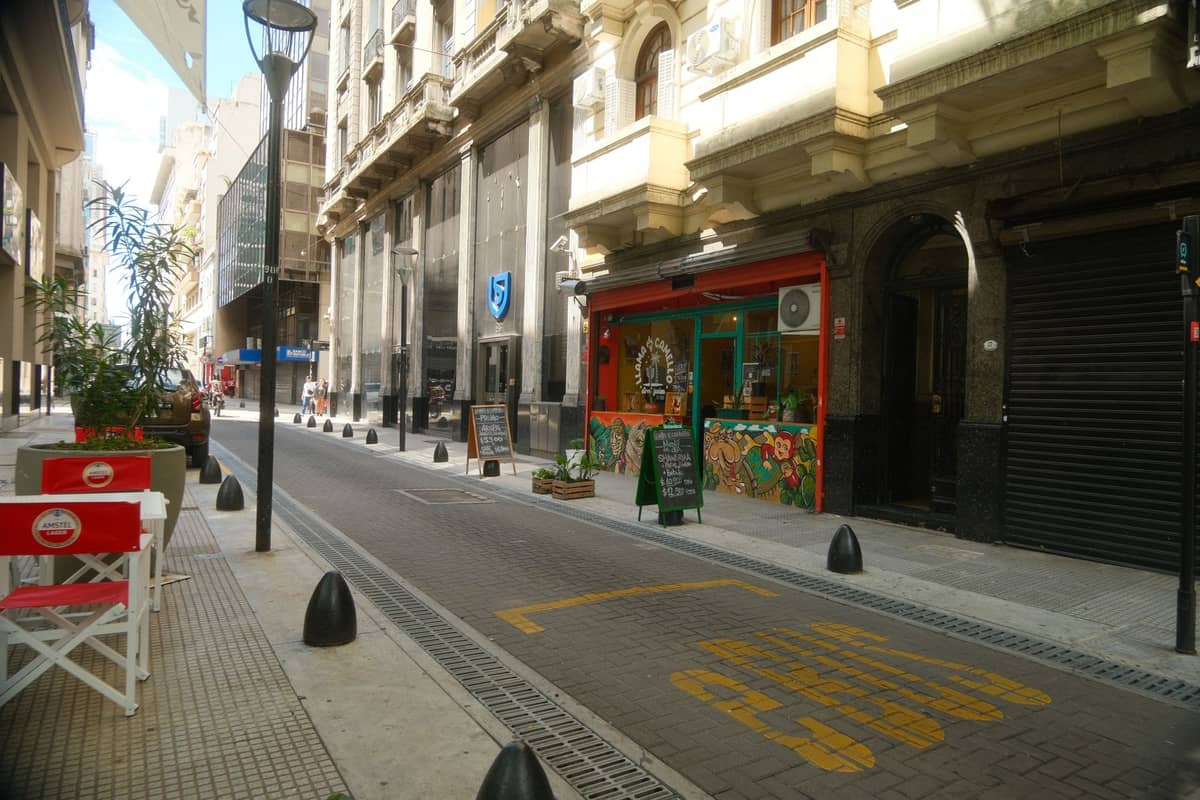
Buenos Aires is one of South America's most layered cities, and the well-worn trail between La Boca and Recoleta barely scratches the surface. The city's real character lives in a Brutalist national library, a gaucho fair at the city's edge, an ornate water palace few tourists ever find, and a secret-feeling alley entirely covered in mosaic. This guide cuts past the obvious to highlight overlooked experiences that reward curiosity, a willingness to take the Subte a few extra stops, and the occasional need to book ahead.
💡 Local tip
Several sites here require guided entry or advance booking, including Palacio Barolo rooftop tours. Check current schedules before you go, as hours and reservation systems change regularly.
Architecture You Won't Find in Every Guidebook
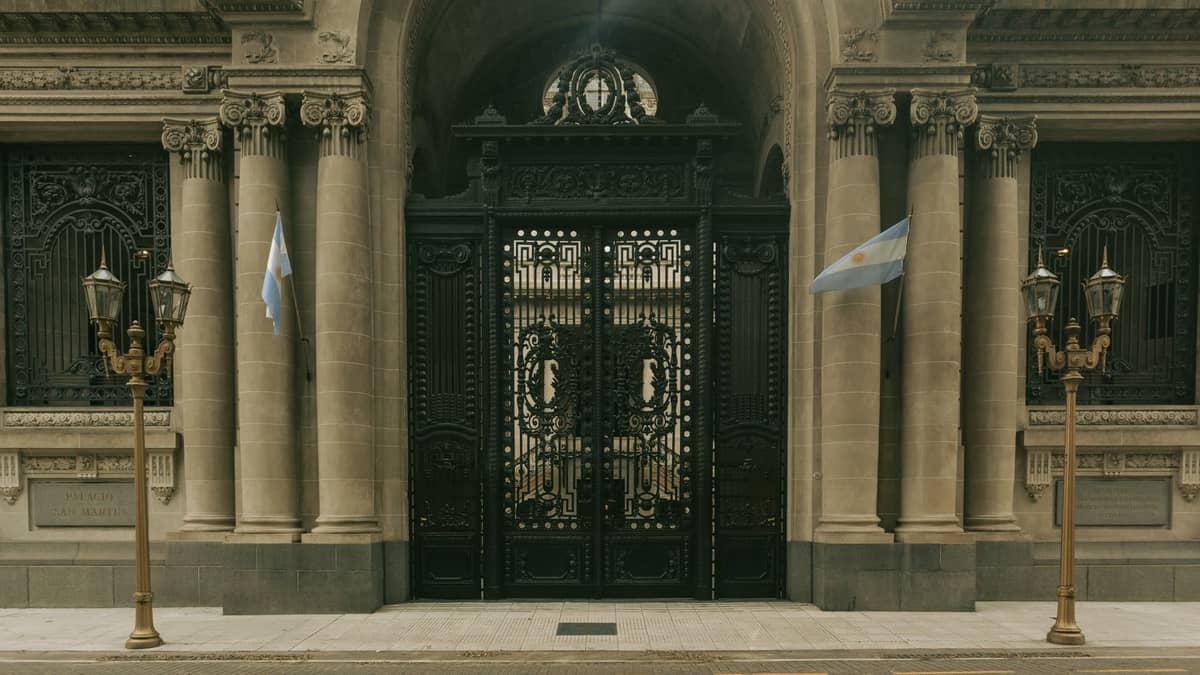
Buenos Aires has one of the most eclectic architectural landscapes in the Americas, from Art Nouveau arcades to a skyscraper modelled on Dante's Inferno. The architecture guide covers the full picture, but these are the buildings that consistently surprise even repeat visitors.
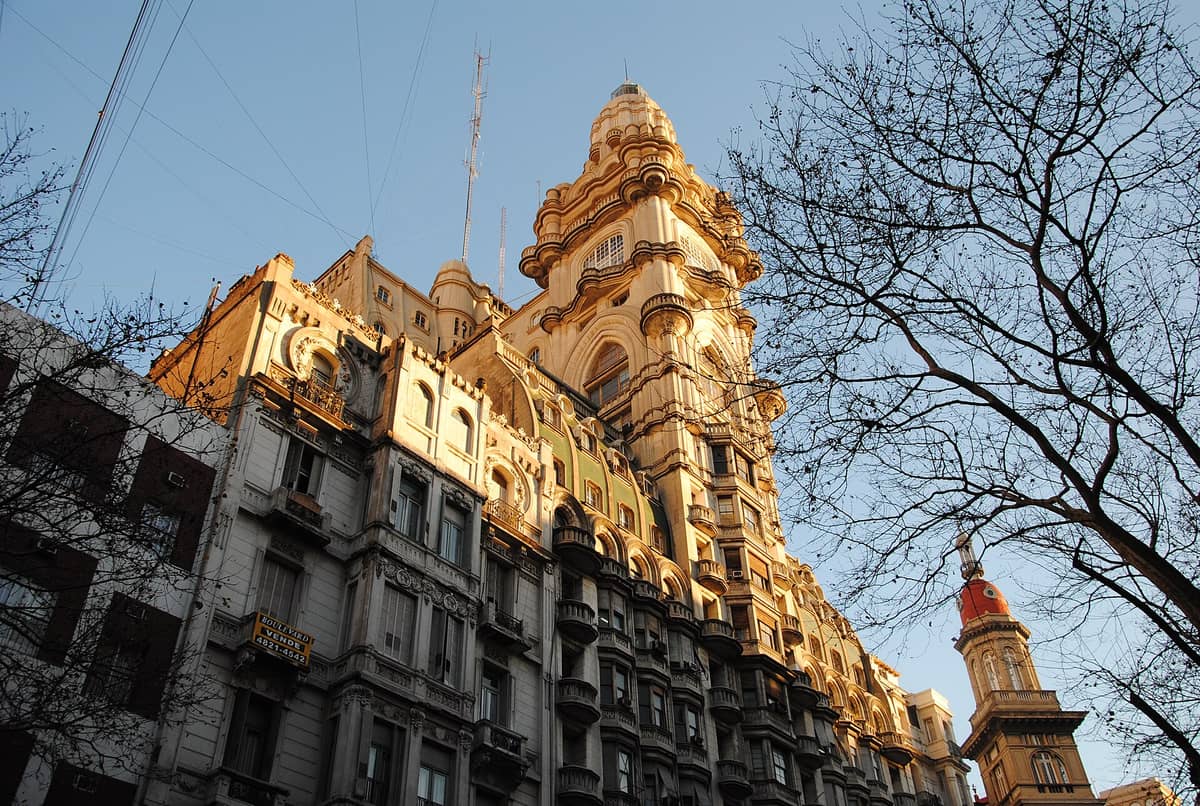
1. Climb to the Top of Dante's Divine Comedy in Steel and Stone
This 1923 skyscraper on Avenida de Mayo encodes Dante's Inferno, Purgatory, and Heaven into its floors. The rooftop lighthouse tour, bookable in advance, delivers some of the finest panoramic views in the entire city.
Explore1. Climb to the Top of Dante's Divine Comedy in Steel and Stone
This 1923 skyscraper on Avenida de Mayo encodes Dante's Inferno, Purgatory, and Heaven into its floors. The rooftop lighthouse tour, bookable in advance, delivers some of the finest panoramic views in the entire city.
Explore
2. Discover a Secret Art Nouveau Arcade on Florida Street
Tucked off the pedestrian shopping strip, this 1915 arcade hides a spectacular stained-glass dome and ornate ironwork that most visitors walk past completely. Guided tours reveal details invisible from street level.
Explore2. Discover a Secret Art Nouveau Arcade on Florida Street
Tucked off the pedestrian shopping strip, this 1915 arcade hides a spectacular stained-glass dome and ornate ironwork that most visitors walk past completely. Guided tours reveal details invisible from street level.
Explore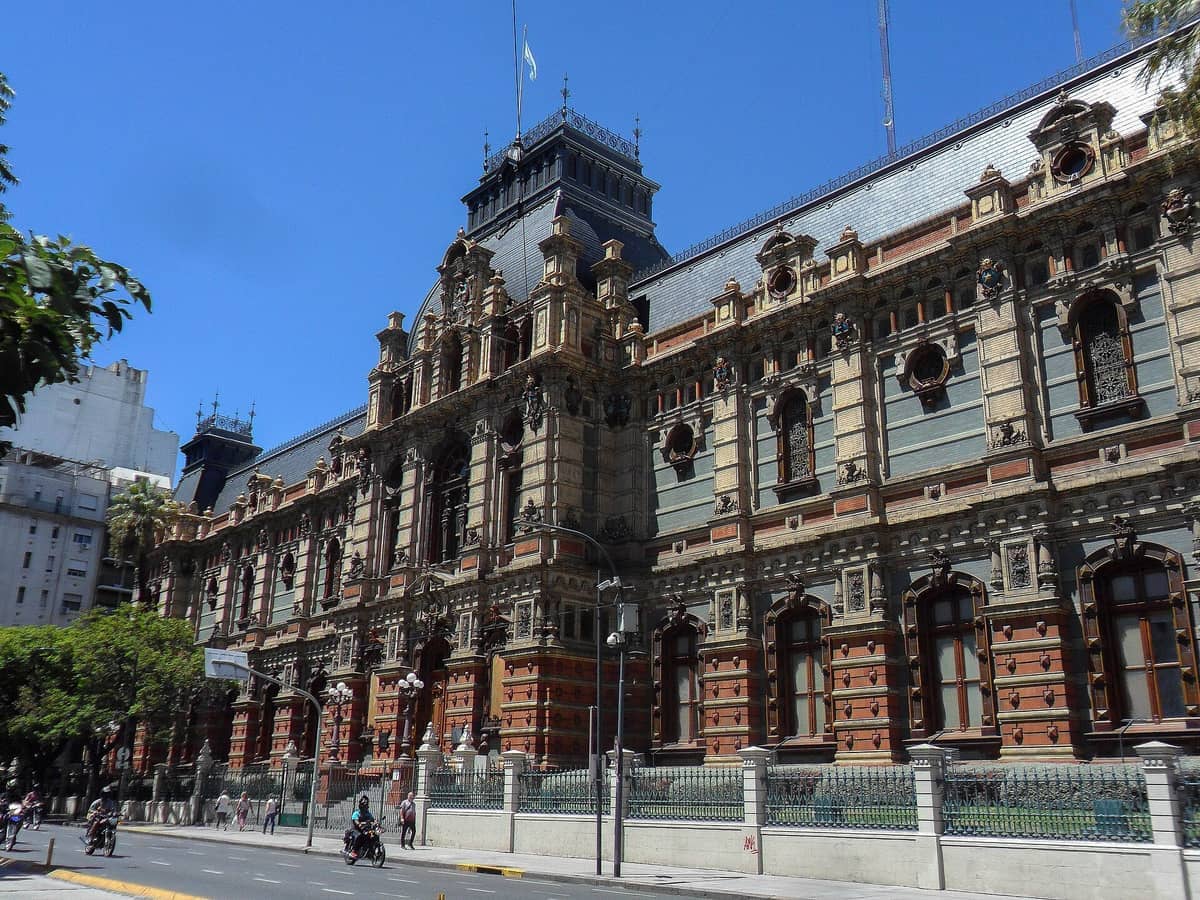
3. Marvel at 130,000 Glazed Tiles on a Victorian Water Palace
Built in 1894 to house water tanks, this ornate building is sheathed in English ceramic tiles and terracotta figures with zero functional reason to be this beautiful. A small museum inside tells the city's water history.
Explore3. Marvel at 130,000 Glazed Tiles on a Victorian Water Palace
Built in 1894 to house water tanks, this ornate building is sheathed in English ceramic tiles and terracotta figures with zero functional reason to be this beautiful. A small museum inside tells the city's water history.
Explore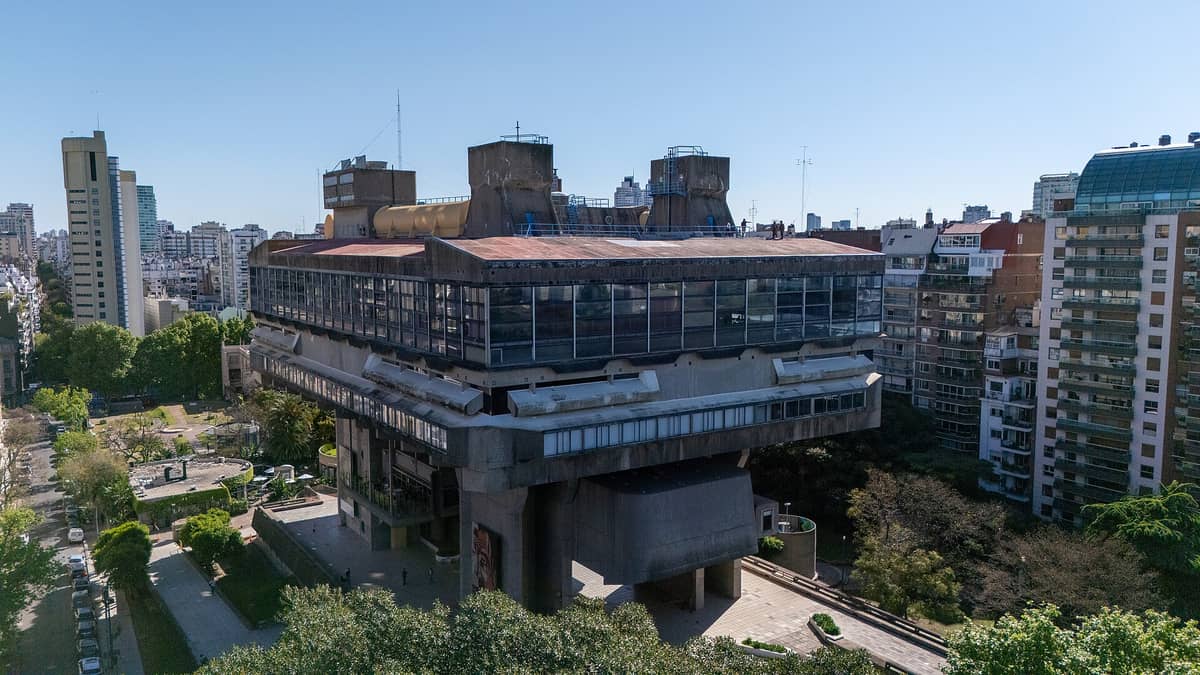
4. See Buenos Aires's Most Audacious Brutalist Building
Argentina's national library is a striking Brutalist structure in Recoleta holding over four million volumes, including rare manuscripts. Its elevated esplanade offers unexpected views north across the city's rooftops.
Explore4. See Buenos Aires's Most Audacious Brutalist Building
Argentina's national library is a striking Brutalist structure in Recoleta holding over four million volumes, including rare manuscripts. Its elevated esplanade offers unexpected views north across the city's rooftops.
Explore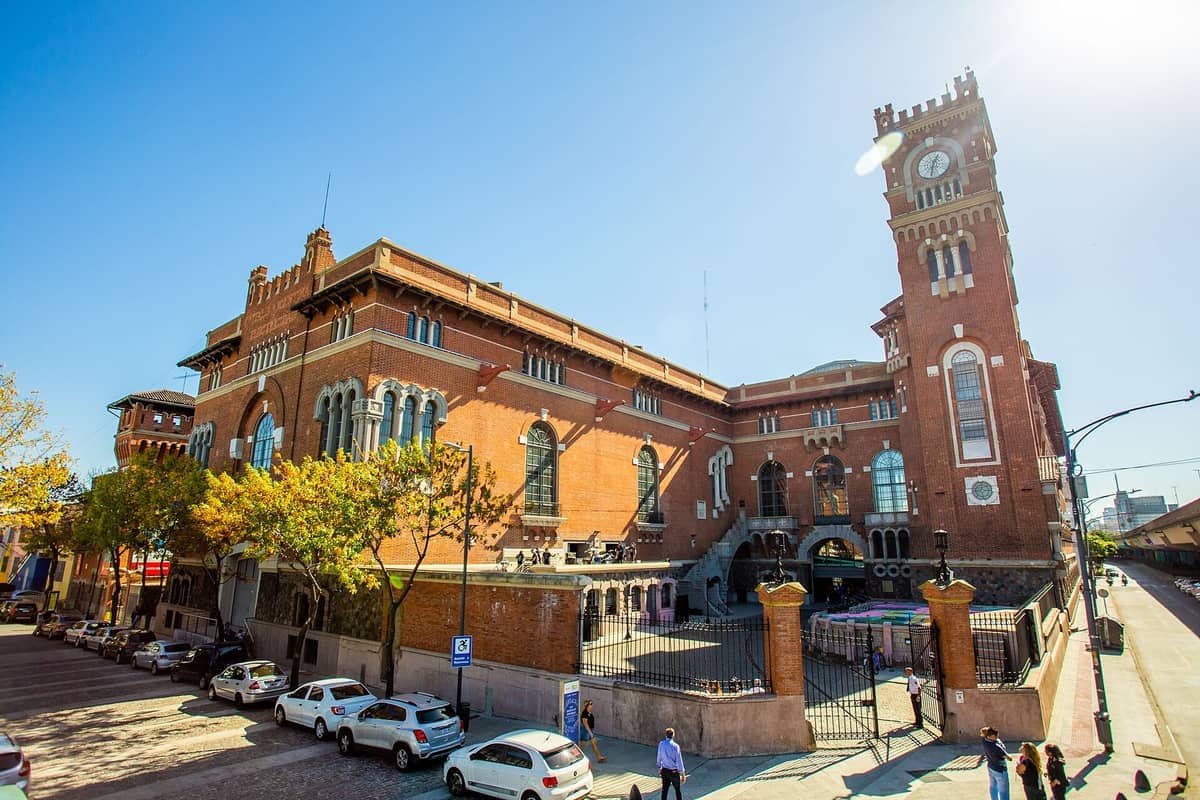
5. Catch a Concert Inside a Converted Power Station in La Boca
A century-old red-brick power station now hosts classical concerts and art exhibitions in La Boca's quieter western reaches. The industrial interior is extraordinary, and many performances are free or very low cost.
Explore5. Catch a Concert Inside a Converted Power Station in La Boca
A century-old red-brick power station now hosts classical concerts and art exhibitions in La Boca's quieter western reaches. The industrial interior is extraordinary, and many performances are free or very low cost.
Explore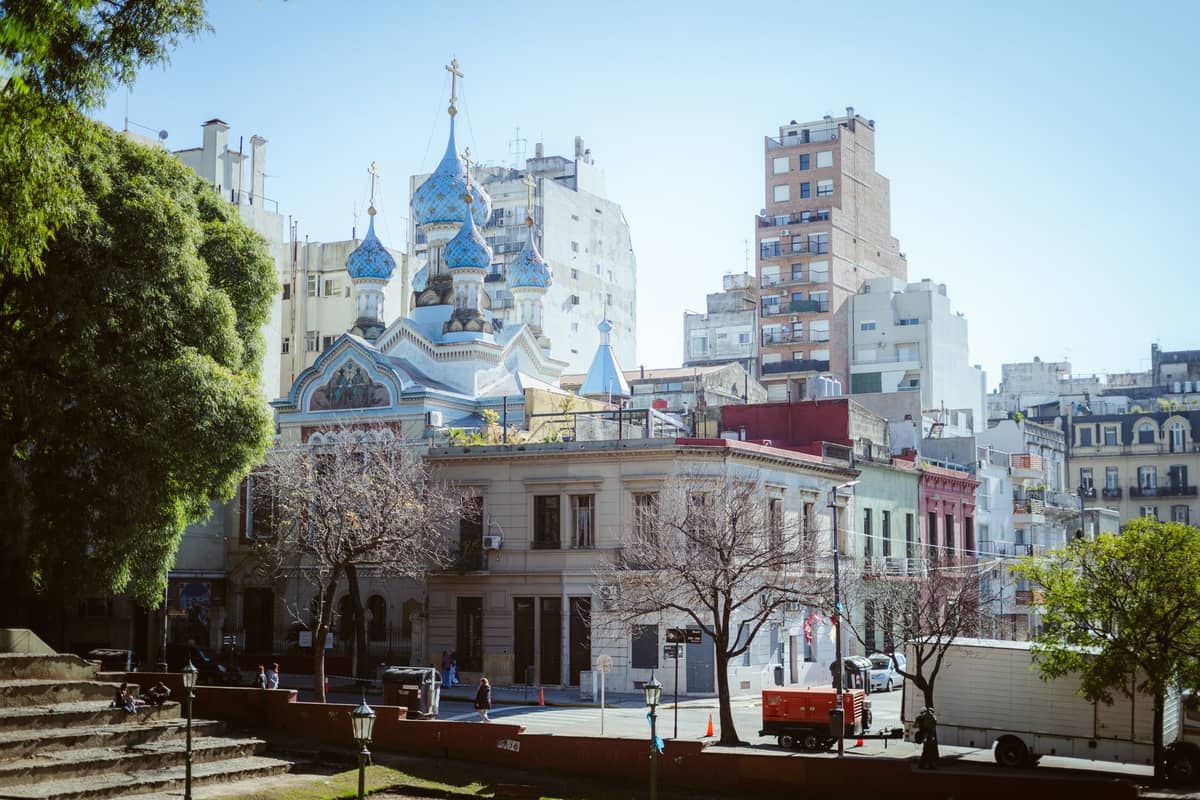
6. Spot the Blue Onion Domes Rising Above Parque Lezama
Few visitors expect a Russian Orthodox church with turquoise onion domes in San Telmo, but this one overlooks Parque Lezama. It's a reminder of how many immigrant communities shaped Buenos Aires's architectural fabric.
Explore6. Spot the Blue Onion Domes Rising Above Parque Lezama
Few visitors expect a Russian Orthodox church with turquoise onion domes in San Telmo, but this one overlooks Parque Lezama. It's a reminder of how many immigrant communities shaped Buenos Aires's architectural fabric.
ExploreOffbeat Museums and Cultural Institutions
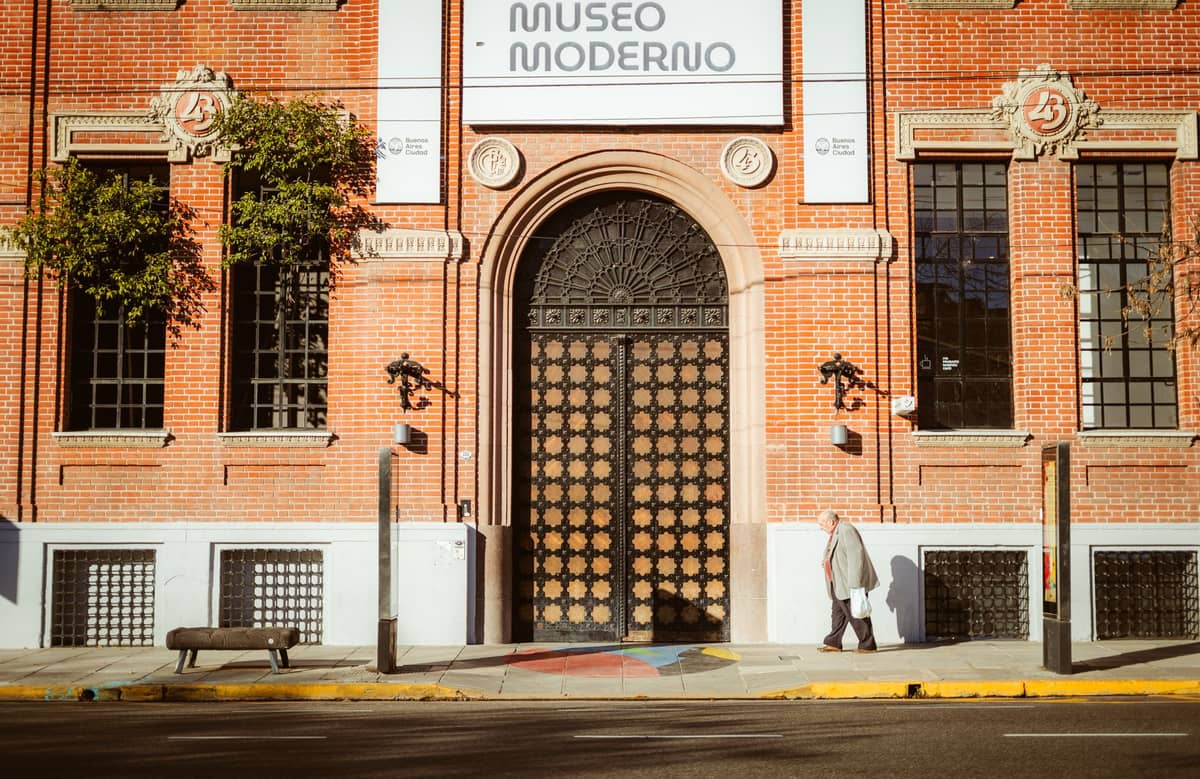
Buenos Aires has a museum for nearly everything, and the crowded rooms of the major institutions often overshadow some genuinely exceptional smaller ones. The best museums guide covers the full range, but these are the ones that rarely appear on a first-time itinerary.
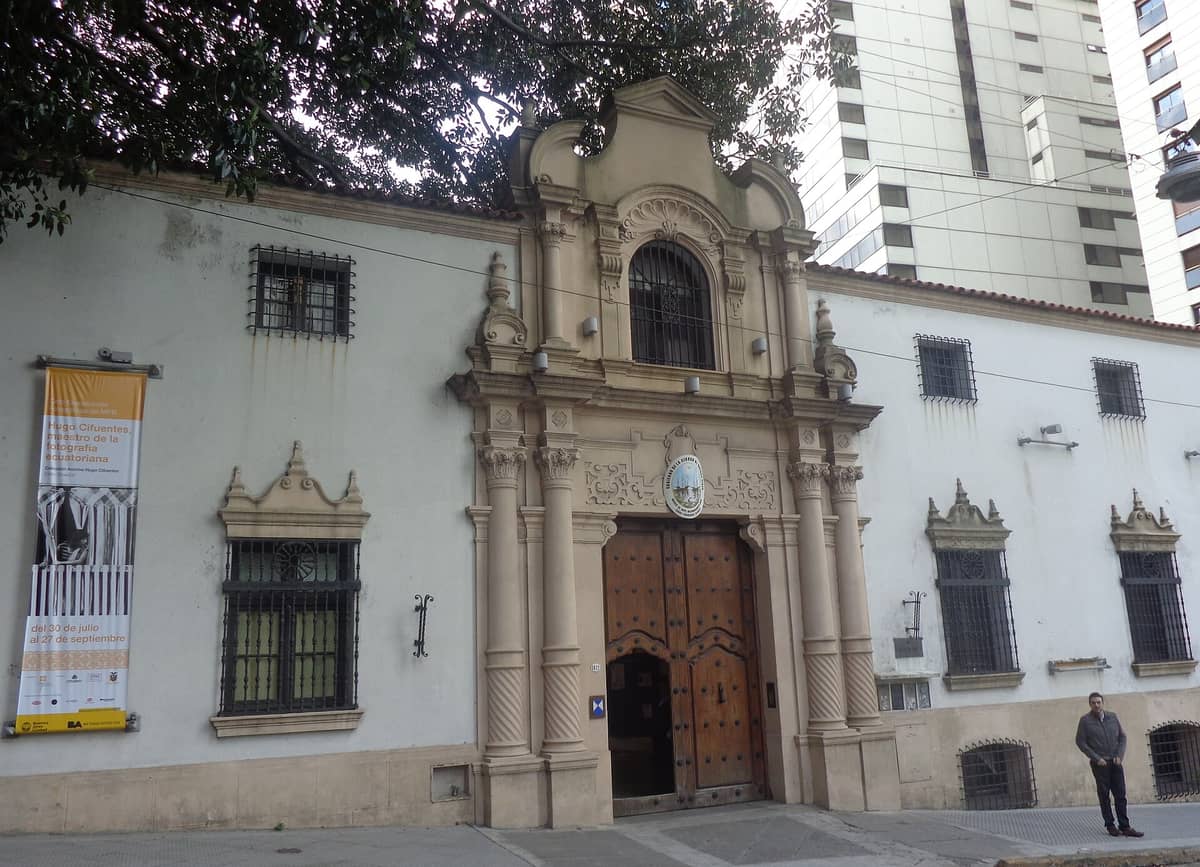
7. Find the City's Finest Colonial Silver Collection in a Moorish Garden
This Neocolonial mansion near Retiro houses the best collection of colonial-era Spanish American art in Buenos Aires, set around a garden that feels like a private courtyard. It's consistently overlooked and almost never crowded.
Explore7. Find the City's Finest Colonial Silver Collection in a Moorish Garden
This Neocolonial mansion near Retiro houses the best collection of colonial-era Spanish American art in Buenos Aires, set around a garden that feels like a private courtyard. It's consistently overlooked and almost never crowded.
Explore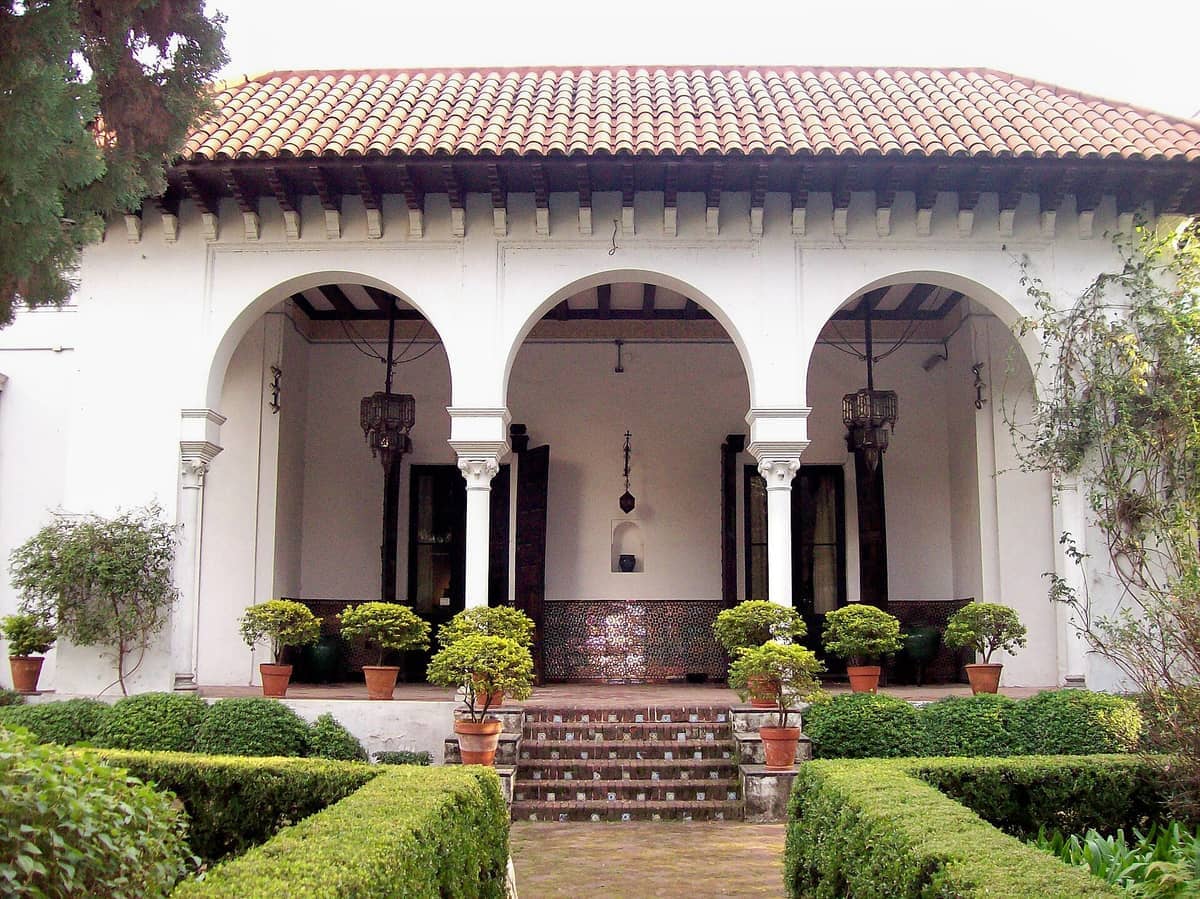
8. Explore Five Centuries of Spanish Art in an Andalusian Mansion
In residential Belgrano, this understated museum inside an Andalusian-style house holds a remarkable collection of Spanish art. The Moorish garden alone justifies the trip north on the D line.
Explore8. Explore Five Centuries of Spanish Art in an Andalusian Mansion
In residential Belgrano, this understated museum inside an Andalusian-style house holds a remarkable collection of Spanish art. The Moorish garden alone justifies the trip north on the D line.
Explore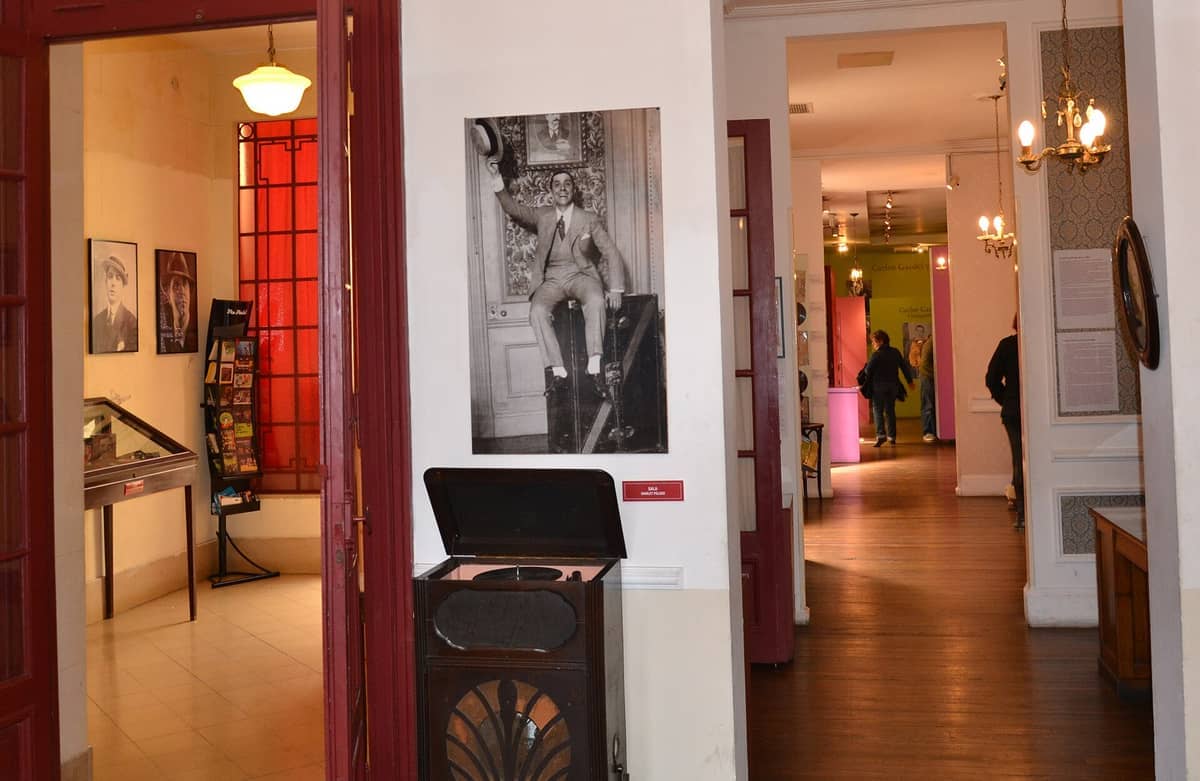
9. Step Inside the Childhood Home of the Man Who Defined Tango
Carlos Gardel's former home in Abasto is now a museum packed with recordings, photographs, and personal artefacts. For anyone interested in where tango's emotional core came from, this is far more revealing than any tango show.
Explore9. Step Inside the Childhood Home of the Man Who Defined Tango
Carlos Gardel's former home in Abasto is now a museum packed with recordings, photographs, and personal artefacts. For anyone interested in where tango's emotional core came from, this is far more revealing than any tango show.
Explore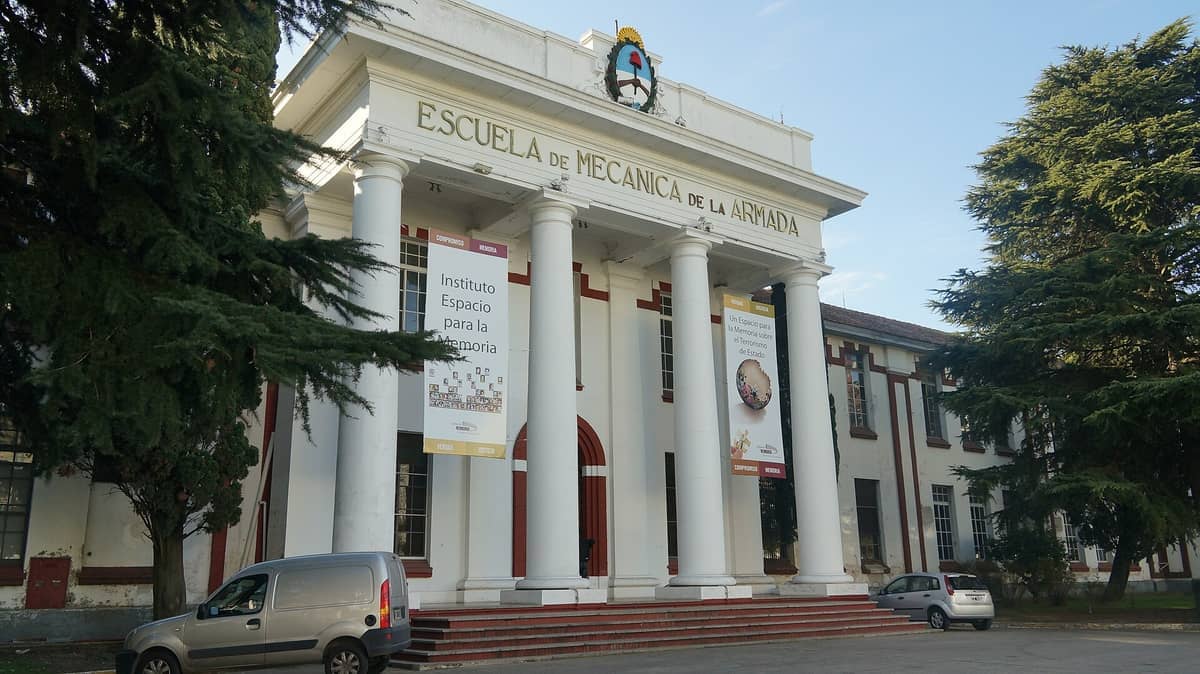
10. Confront Argentina's Darkest History at the Former ESMA
The largest clandestine detention centre of the 1976-1983 dictatorship is now a memorial and human rights museum. It is one of the most important sites of memory in Latin America and requires several hours to absorb properly.
Explore10. Confront Argentina's Darkest History at the Former ESMA
The largest clandestine detention centre of the 1976-1983 dictatorship is now a memorial and human rights museum. It is one of the most important sites of memory in Latin America and requires several hours to absorb properly.
Explore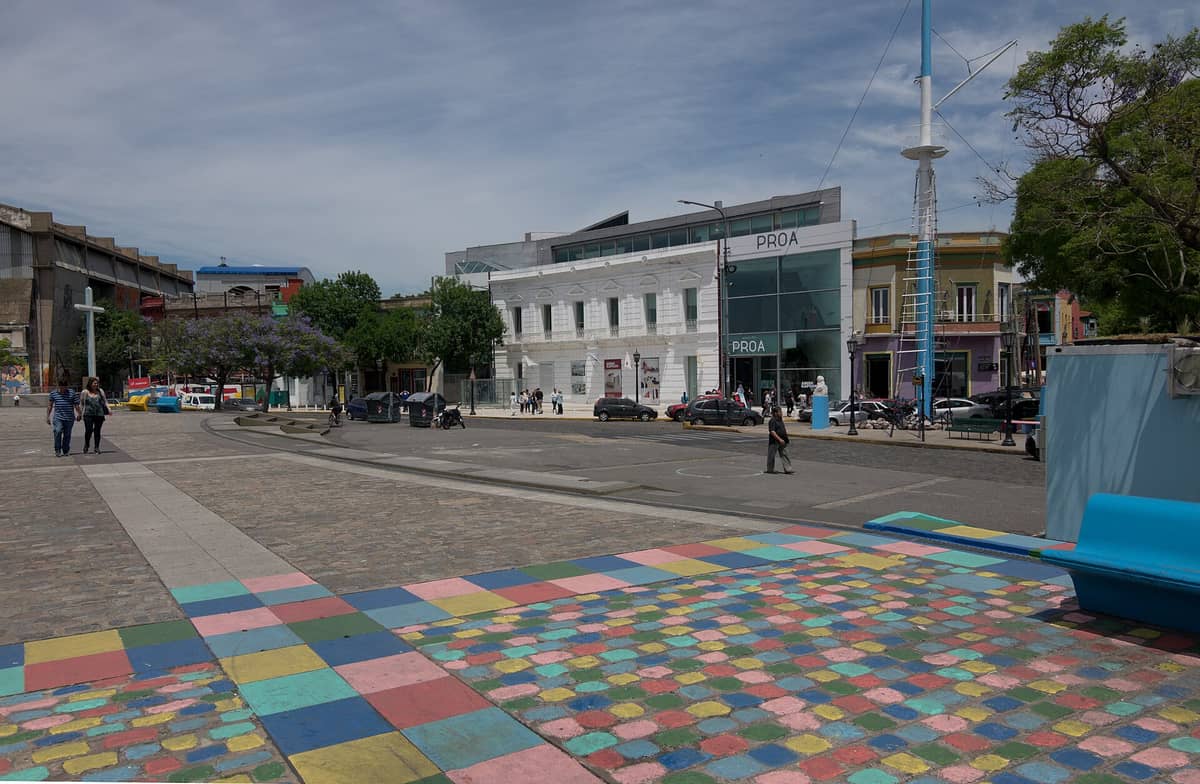
11. See World-Class Contemporary Art on the La Boca Waterfront
PROA hosts major international exhibitions in a beautifully restored building on the Riachuelo. The rooftop café with river views is worth the visit alone, and the gallery sits just a few blocks from Caminito.
Explore11. See World-Class Contemporary Art on the La Boca Waterfront
PROA hosts major international exhibitions in a beautifully restored building on the Riachuelo. The rooftop café with river views is worth the visit alone, and the gallery sits just a few blocks from Caminito.
ExploreNeighbourhoods and Streets Off the Tourist Trail
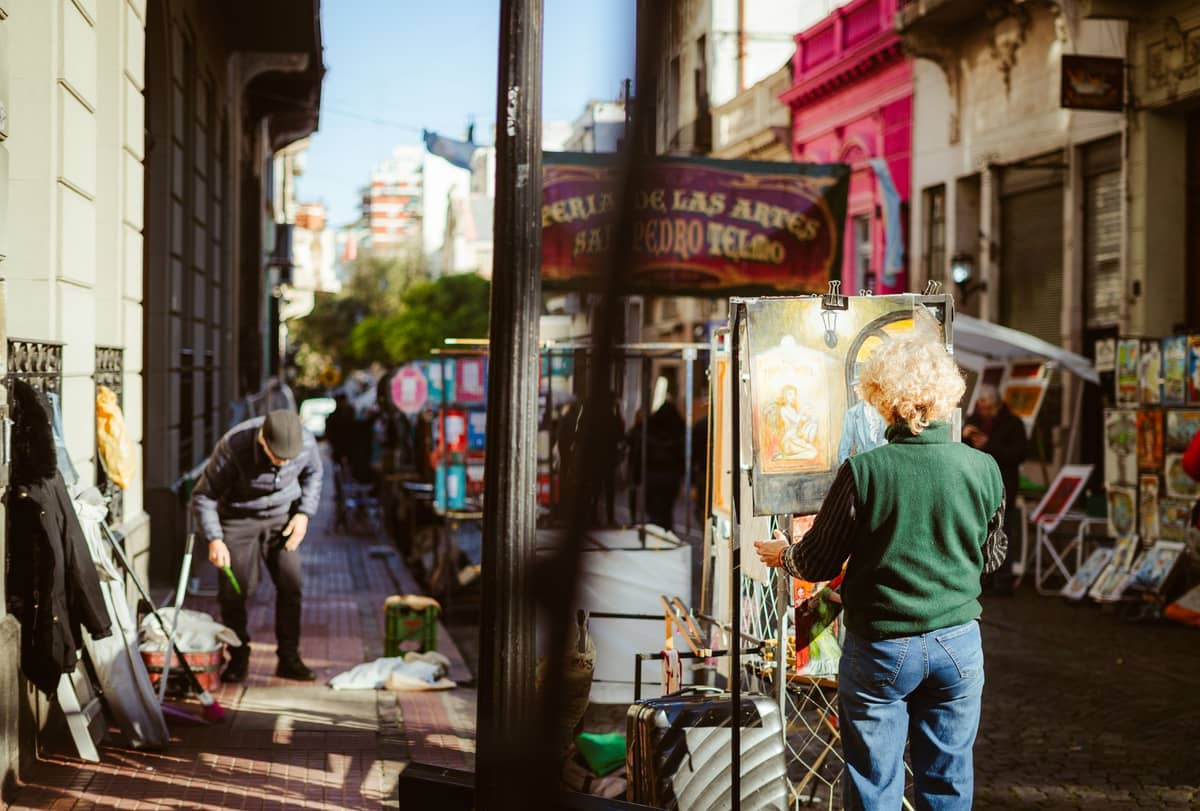
Some of Buenos Aires's most interesting pockets require little more than a willingness to travel beyond San Telmo and Palermo. The streets below reward the extra commute with experiences that feel genuinely local.
12. Walk Through an Alley Covered Entirely in Mosaic in Barracas
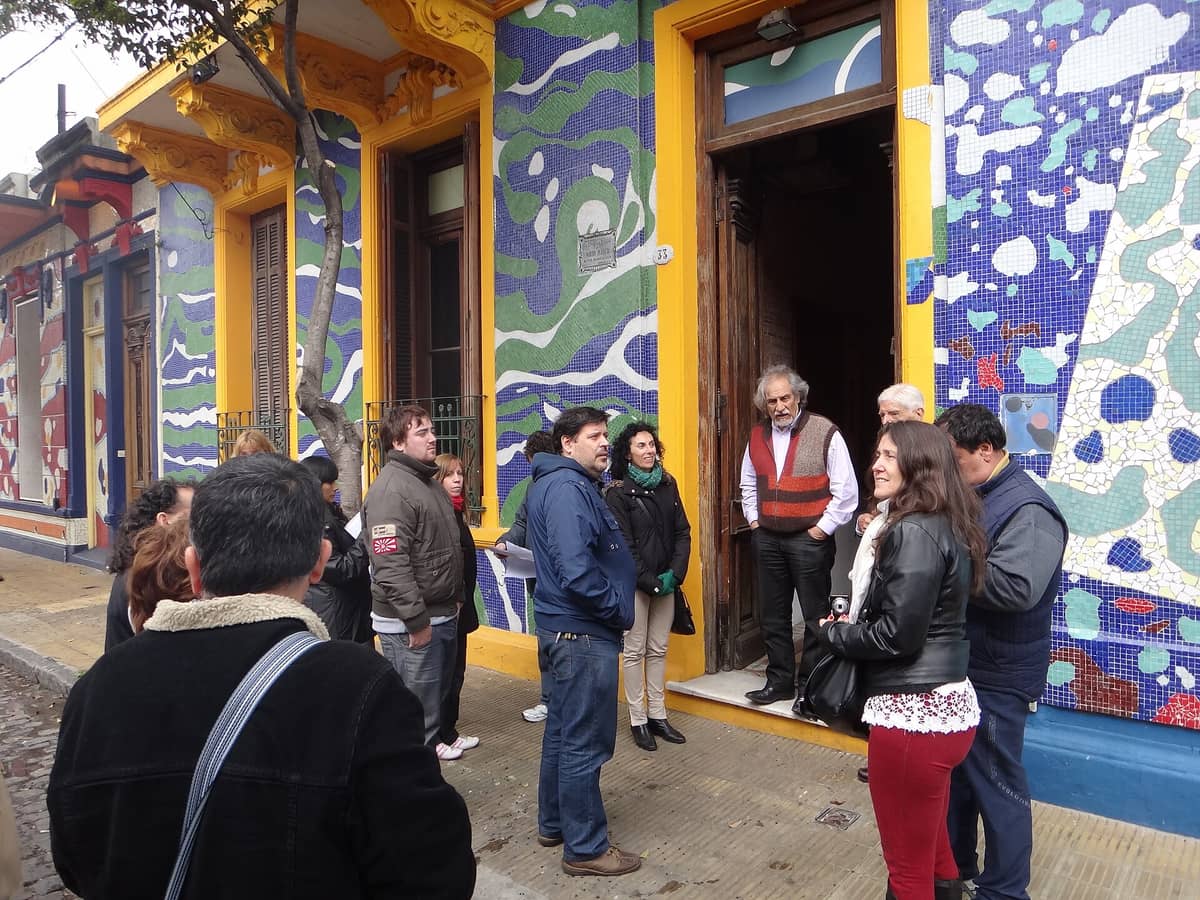
Artist Marino Santa María spent years covering every house facade on this narrow Barracas street with intricate painted and mosaic murals. It's one of Buenos Aires's most photogenic spots and draws almost no tourist foot traffic.
Explore12. Walk Through an Alley Covered Entirely in Mosaic in Barracas
Artist Marino Santa María spent years covering every house facade on this narrow Barracas street with intricate painted and mosaic murals. It's one of Buenos Aires's most photogenic spots and draws almost no tourist foot traffic.
Explore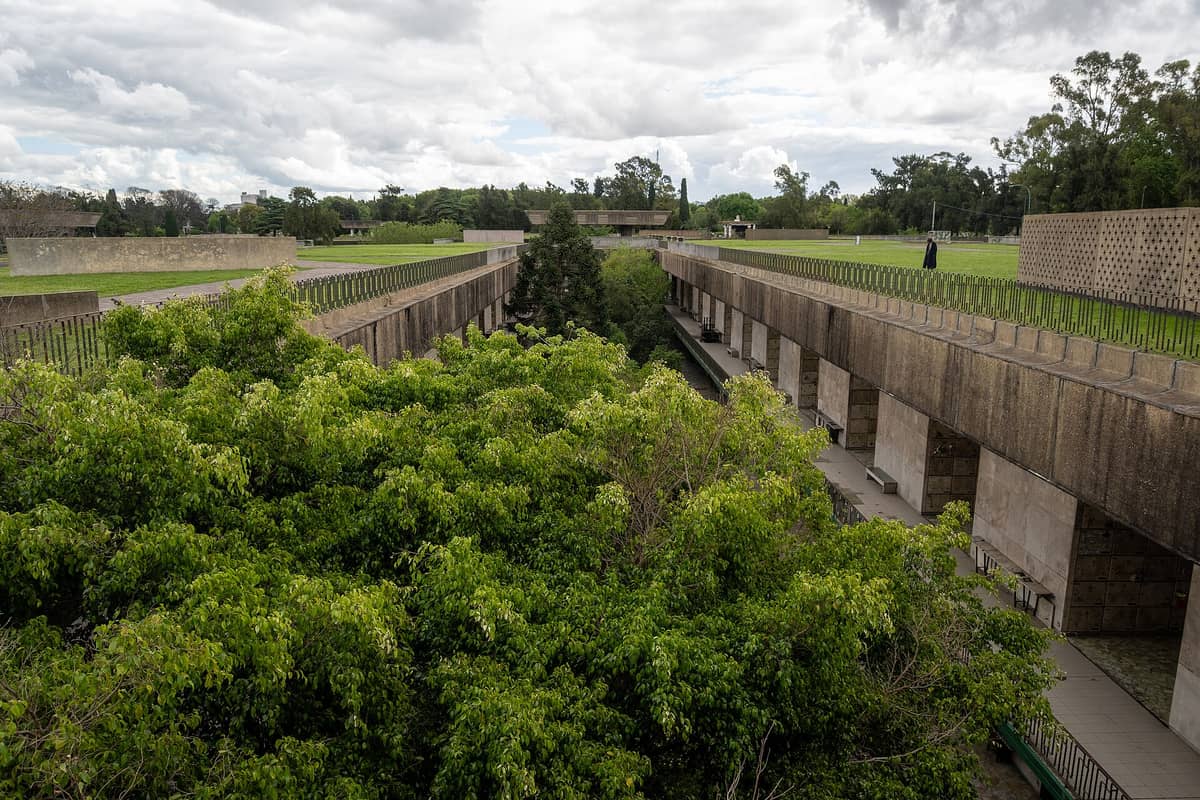
13. Pay Respects to Carlos Gardel at Buenos Aires's Other Great Cemetery
Far larger and far less visited than Recoleta, Chacarita Cemetery is where Carlos Gardel is buried alongside Argentina's folk and cultural heroes. The atmosphere is contemplative and thoroughly local, with no tour groups in sight.
Explore13. Pay Respects to Carlos Gardel at Buenos Aires's Other Great Cemetery
Far larger and far less visited than Recoleta, Chacarita Cemetery is where Carlos Gardel is buried alongside Argentina's folk and cultural heroes. The atmosphere is contemplative and thoroughly local, with no tour groups in sight.
Explore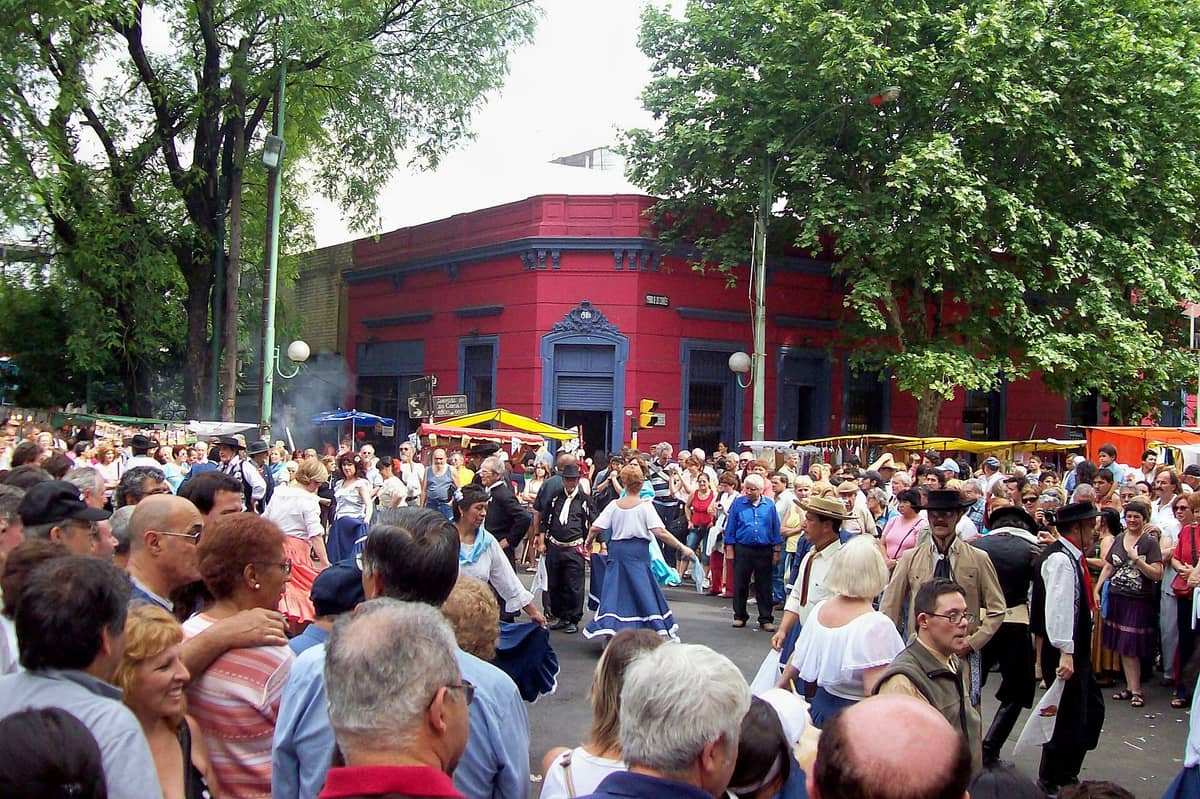
14. Experience Gaucho Culture at a Weekend Fair on the City's Edge
Held on weekends in the far western neighbourhood of Mataderos, this gaucho fair brings folk music, horse displays, traditional craft stalls, and Pampas street food to the fringes of the capital. It's nothing like the tourist centre.
Explore14. Experience Gaucho Culture at a Weekend Fair on the City's Edge
Held on weekends in the far western neighbourhood of Mataderos, this gaucho fair brings folk music, horse displays, traditional craft stalls, and Pampas street food to the fringes of the capital. It's nothing like the tourist centre.
Explore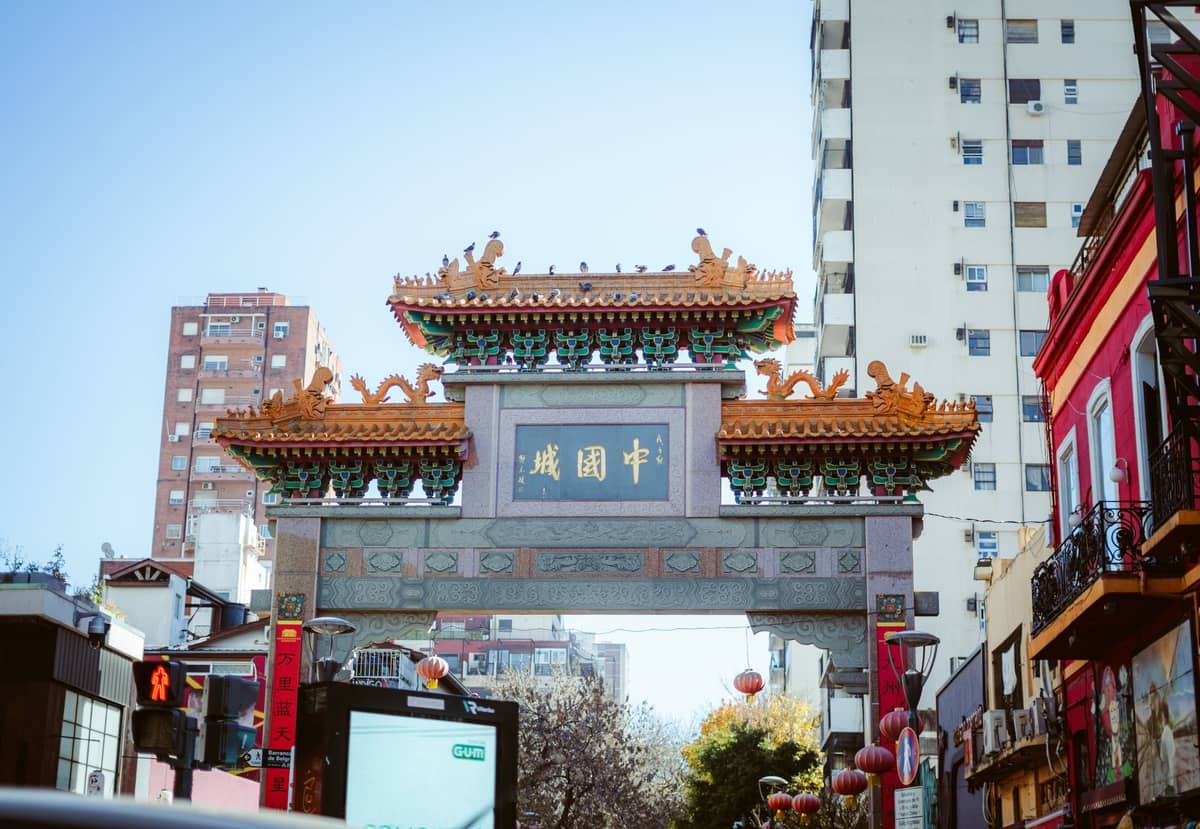
15. Eat Your Way Through the Most Atmospheric Block in Belgrano
Buenos Aires's compact Chinatown on Calle Arribeños packs Chinese, Korean, and Taiwanese restaurants, bakeries, and supermarkets into a single lively street. The Lunar New Year celebrations here are among the most energetic in South America.
Explore15. Eat Your Way Through the Most Atmospheric Block in Belgrano
Buenos Aires's compact Chinatown on Calle Arribeños packs Chinese, Korean, and Taiwanese restaurants, bakeries, and supermarkets into a single lively street. The Lunar New Year celebrations here are among the most energetic in South America.
ExploreUnexpected Green Spaces and Natural Escapes
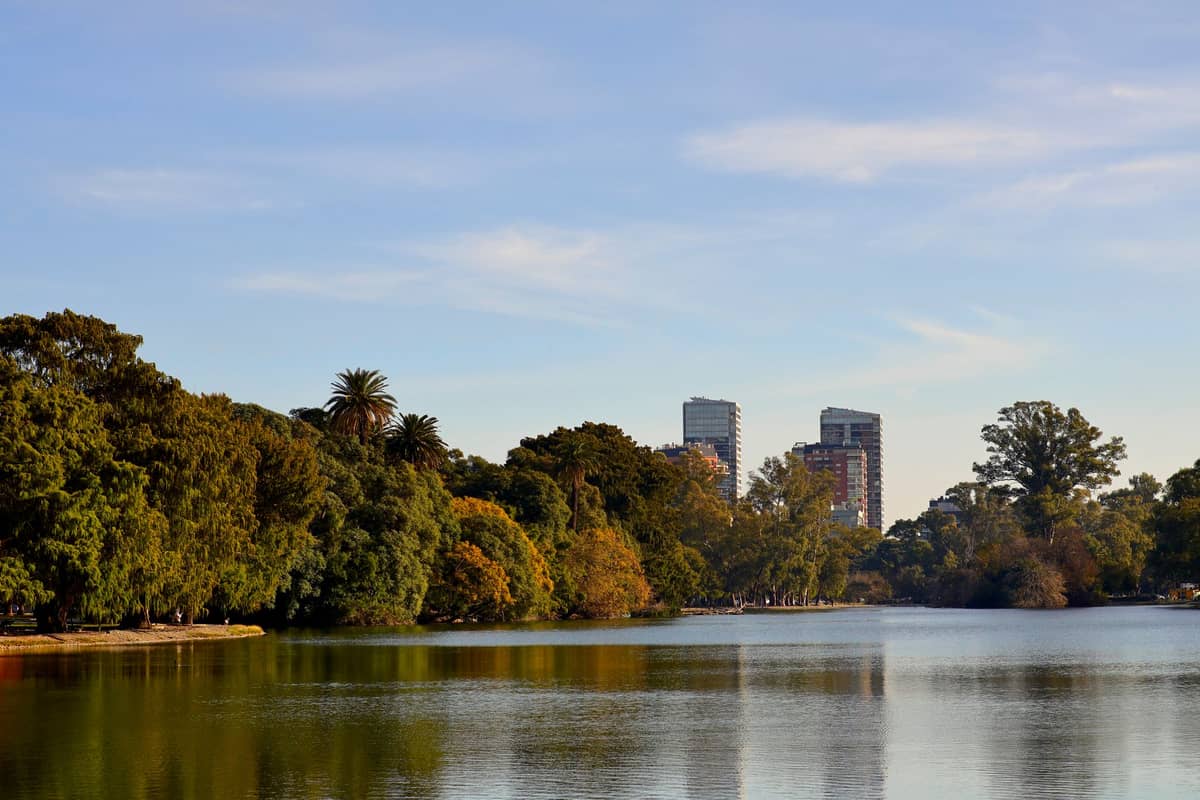
The city has far more green space than its urban reputation suggests, and several of its parks contain surprises beyond benches and grass. These are the natural spots that deserve more attention, whether you have an hour or a full afternoon.
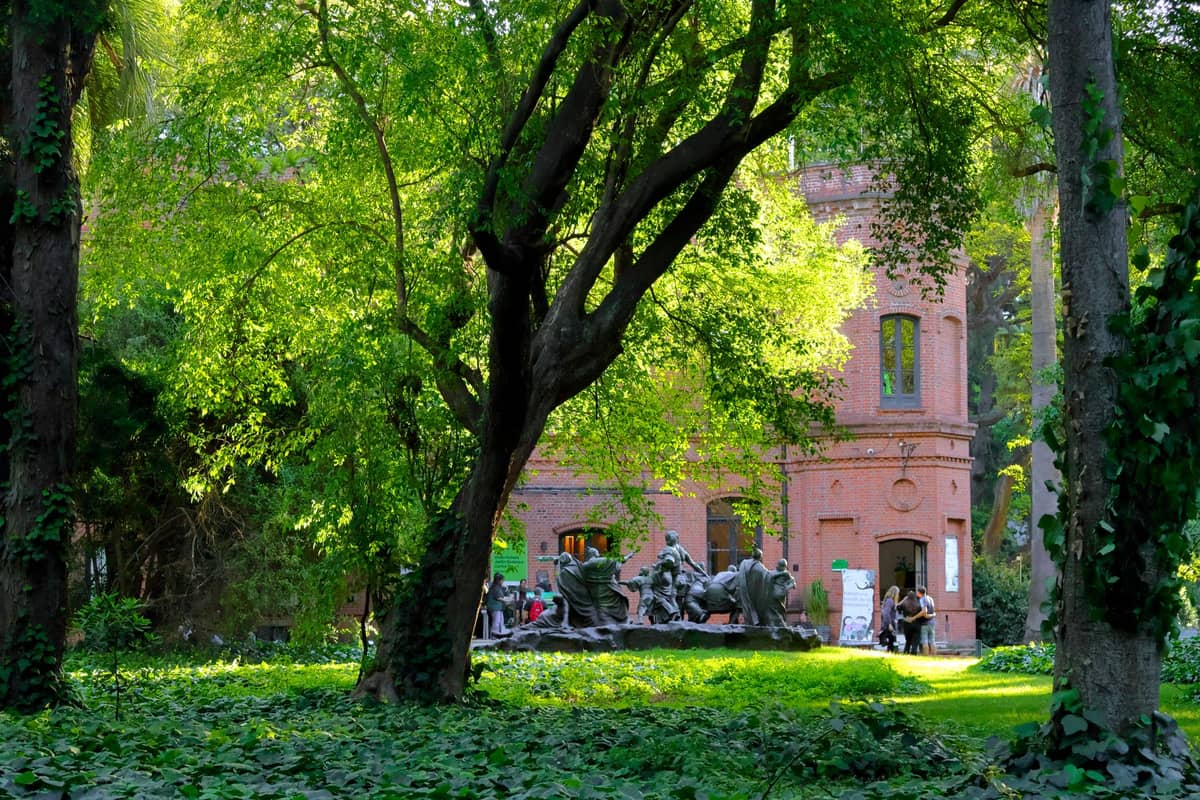
16. Wander Free Among 5,500 Plant Species and a Colony of Cats
Carlos Thays's 1898 botanical garden in Palermo is free to enter and home to Art Nouveau greenhouses, classical statuary, and a resident cat colony that has become a beloved local institution. Go on a weekday morning for genuine quiet.
Explore16. Wander Free Among 5,500 Plant Species and a Colony of Cats
Carlos Thays's 1898 botanical garden in Palermo is free to enter and home to Art Nouveau greenhouses, classical statuary, and a resident cat colony that has become a beloved local institution. Go on a weekday morning for genuine quiet.
Explore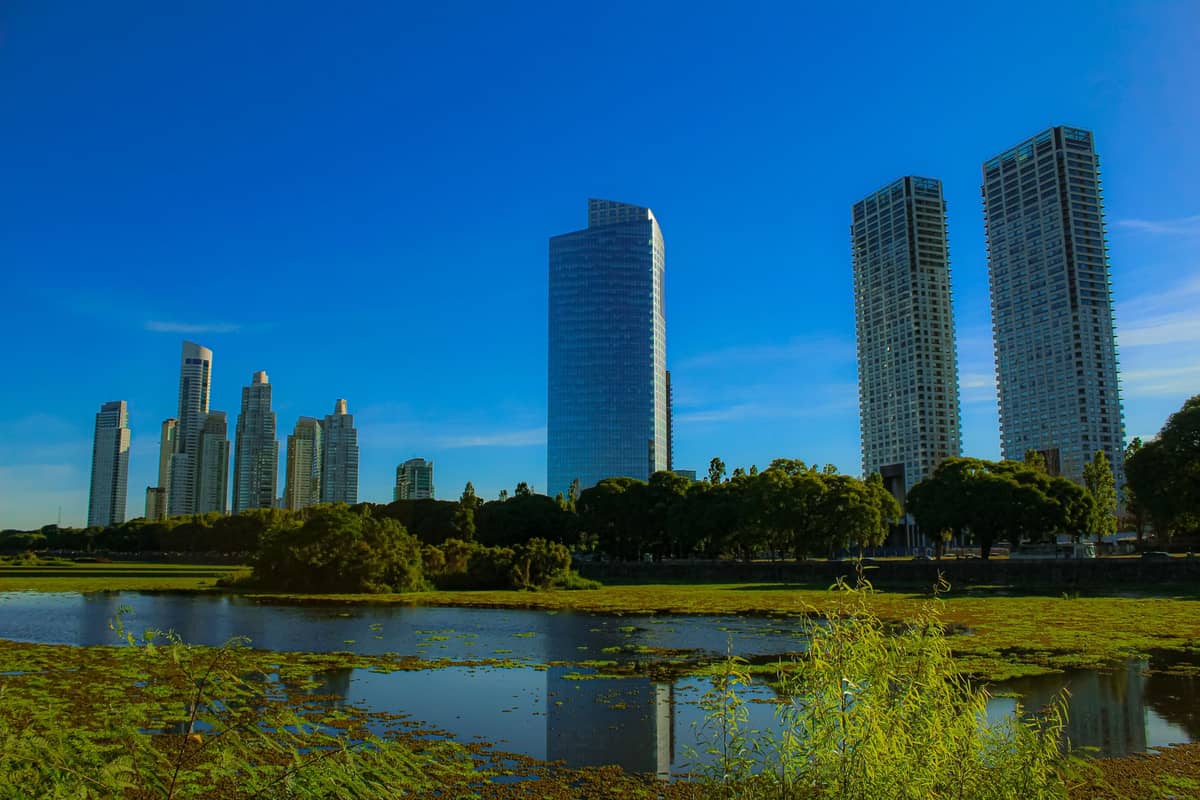
17. Birdwatch in a 350-Hectare Wetland Ten Minutes from Downtown
This ecological reserve beside the Río de la Plata harbours over 300 bird species and wandering capybaras, a short walk from the financial district. Dawn visits in spring and autumn offer the best birdwatching of any city in South America.
Explore17. Birdwatch in a 350-Hectare Wetland Ten Minutes from Downtown
This ecological reserve beside the Río de la Plata harbours over 300 bird species and wandering capybaras, a short walk from the financial district. Dawn visits in spring and autumn offer the best birdwatching of any city in South America.
Explore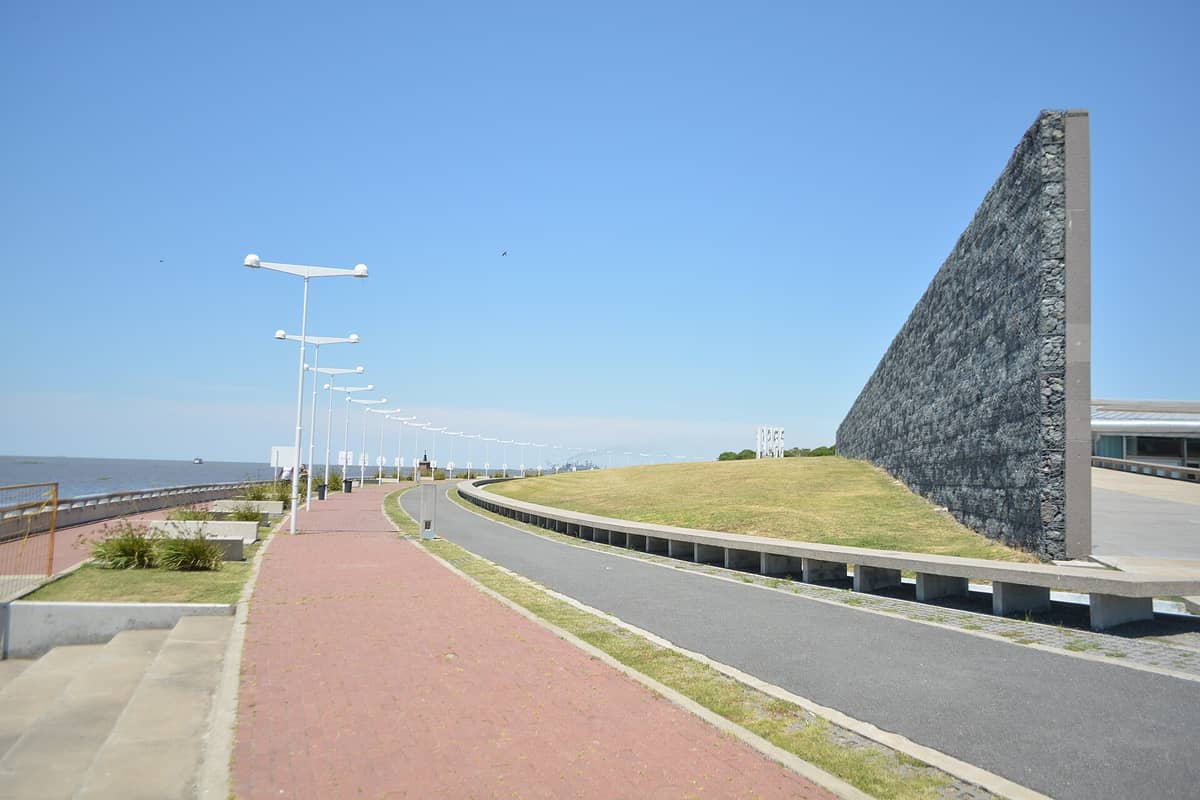
18. Reflect at the Riverside Memorial to the Disappeared
This riverside park in Núñez holds a monumental wall inscribed with 30,000 names of people disappeared during the dictatorship, alongside a thoughtful sculpture park and gallery. It is moving, important, and rarely on visitor itineraries.
Explore18. Reflect at the Riverside Memorial to the Disappeared
This riverside park in Núñez holds a monumental wall inscribed with 30,000 names of people disappeared during the dictatorship, alongside a thoughtful sculpture park and gallery. It is moving, important, and rarely on visitor itineraries.
ExploreOverlooked Classics Worth a Second Look
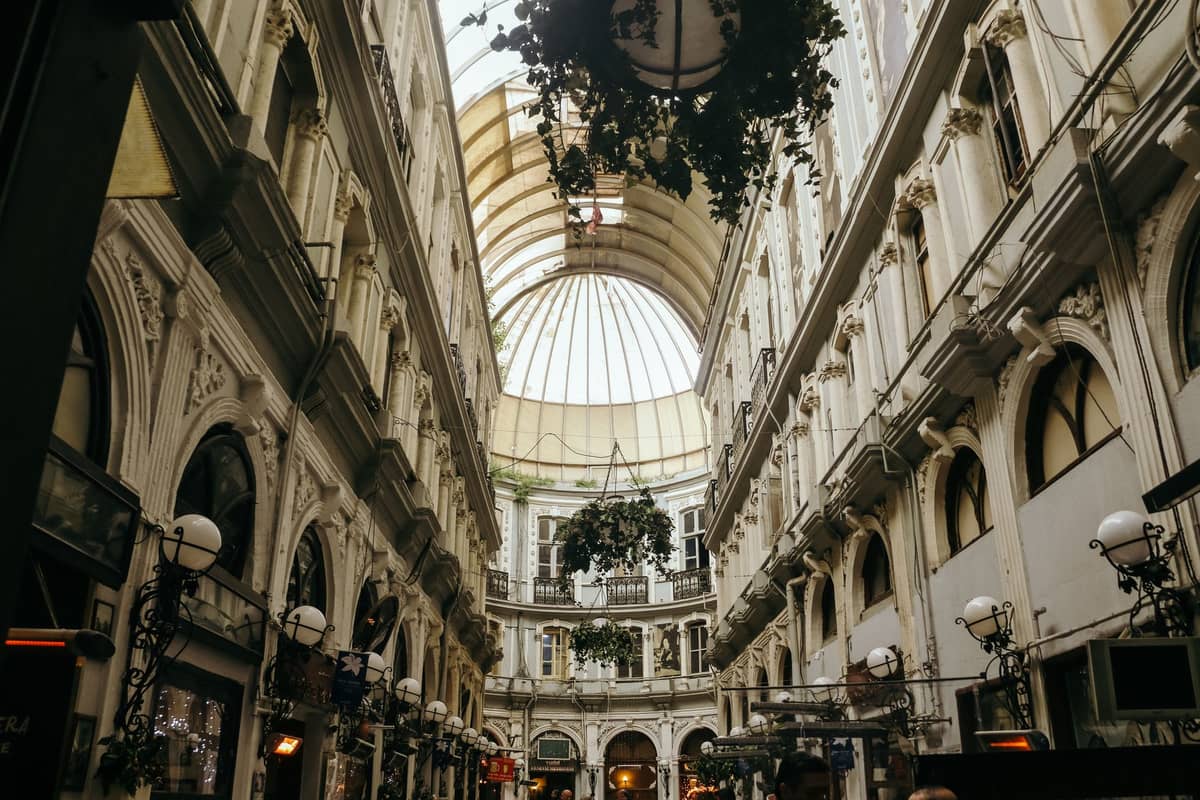
A few attractions appear on every map but are consistently rushed or reduced to a photo stop. Treated properly, with the right amount of time and context, these become some of the most rewarding experiences in the city. If you want deeper context for planning, the walking tours guide pairs several of these into coherent routes.
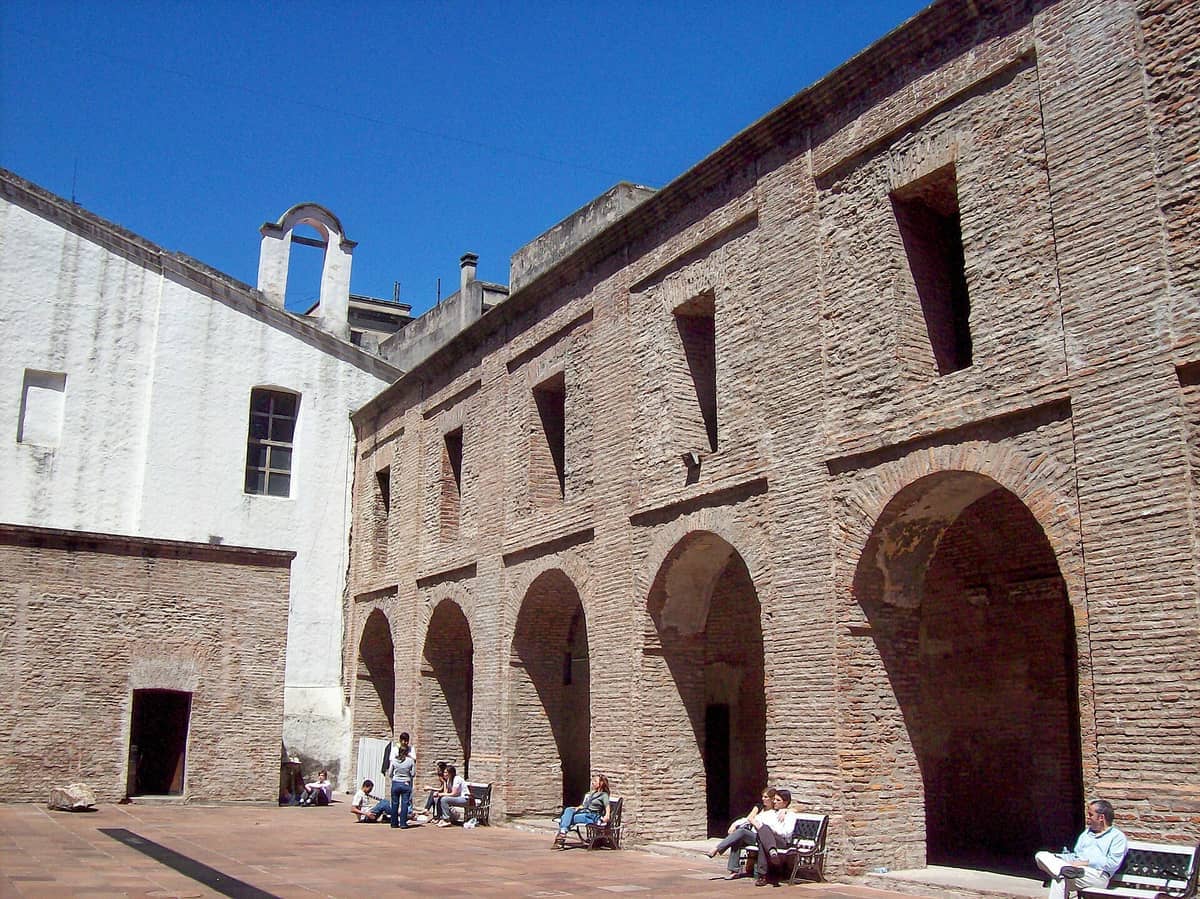
19. Descend Into Colonial-Era Tunnels Beneath the City's Oldest Block
The 'Block of Enlightenment' contains the city's oldest church, the site of the first Río de la Plata university, and a network of underground tunnels. Guided tours are required, but they reveal a Buenos Aires most visitors never see.
Explore19. Descend Into Colonial-Era Tunnels Beneath the City's Oldest Block
The 'Block of Enlightenment' contains the city's oldest church, the site of the first Río de la Plata university, and a network of underground tunnels. Guided tours are required, but they reveal a Buenos Aires most visitors never see.
Explore
20. Browse Books from the Boxes of a Restored 1919 Theatre
This converted theatre on Avenida Santa Fe has books lining the former stage boxes and a café on the stage itself. The architecture alone earns a visit, but arriving on a weekday morning beats the weekend queues significantly.
Explore20. Browse Books from the Boxes of a Restored 1919 Theatre
This converted theatre on Avenida Santa Fe has books lining the former stage boxes and a café on the stage itself. The architecture alone earns a visit, but arriving on a weekday morning beats the weekend queues significantly.
Explore✨ Pro tip
For Pasaje Lanín in Barracas, combine the visit with Usina del Arte in La Boca into a single afternoon heading south. Both are undervisited, and together they make a compelling case for exploring beyond the centre.
FAQ
Do Buenos Aires hidden gems require advance booking?
Several do. Palacio Barolo rooftop tours and the Manzana de las Luces tunnels typically require guided entry booked in advance. The Feria de Mataderos runs on weekends only and is weather-dependent. Always check current schedules directly with the venue before visiting.
Which hidden gems in Buenos Aires are free?
Several are free or low-cost: Jardín Botánico, Reserva Ecológica Costanera Sur, and Parque de la Memoria all have no entry fee, though some guided options within them may charge.
How far is the Feria de Mataderos from central Buenos Aires?
The feria is in the Mataderos neighbourhood, roughly 12-15 kilometres west of the Microcentro. It's reachable by colectivo (bus) or taxi and is worth the journey for the authentic gaucho atmosphere, but allow at least half a day.
When is the best time to visit Buenos Aires to explore hidden gems?
Spring (September to November) and autumn (March to May) offer the most comfortable temperatures for walking and exploring. Sundays unlock the Feria de Mataderos and the San Telmo market, while weekday mornings are best for avoiding crowds at sites like El Ateneo Grand Splendid.
Is Barrio Chino in Belgrano worth the trip from central Buenos Aires?
Yes, particularly if you're combining it with other Belgrano stops like the Museo Larreta. The Chinatown street itself is compact, so pair it with a meal to make the journey worthwhile.
Tickets & tours
Live prices and dates from our booking partner. If you book, we may earn a commission at no extra cost to you.
Planning a trip? Discover personalized activities with the Nomado app.