The Best Museums in Buenos Aires: Art, History, Football & More
Buenos Aires delivers more than its size suggests as a museum city. From world-class fine art collections to intimate houses dedicated to Eva Perón and Carlos Gardel, the city's museums cover Argentina's full cultural range. This guide covers the best of them, organised by theme.
Tickets & tours
Live prices and dates from our booking partner. If you book, we may earn a commission at no extra cost to you.
Buenos Aires has one of the densest concentrations of museums in Latin America, and the best part is that many of the finest are completely free. The city's museum scene spans everything from colonial-era decorative arts to cutting-edge contemporary exhibitions, with several institutions that rank among the best of their kind anywhere in the world. Whether you have a single afternoon or a full week, knowing which museums are worth your time makes a real difference. For a broader sense of how to plan your days, the 3 days in Buenos Aires guide is a good starting point, while the one-week itinerary helps you fit in more of the city's cultural depth. Note that hours and admission policies change, so always confirm with the official venue before visiting.
💡 Local tip
Many of Buenos Aires's best museums are free, including the Museo Nacional de Bellas Artes and the Museo Histórico Nacional. The MNBA is closed Mondays and has specific holiday closures, so check ahead before making it the centrepiece of your day.
Art Museums: From Old Masters to Latin American Modernity
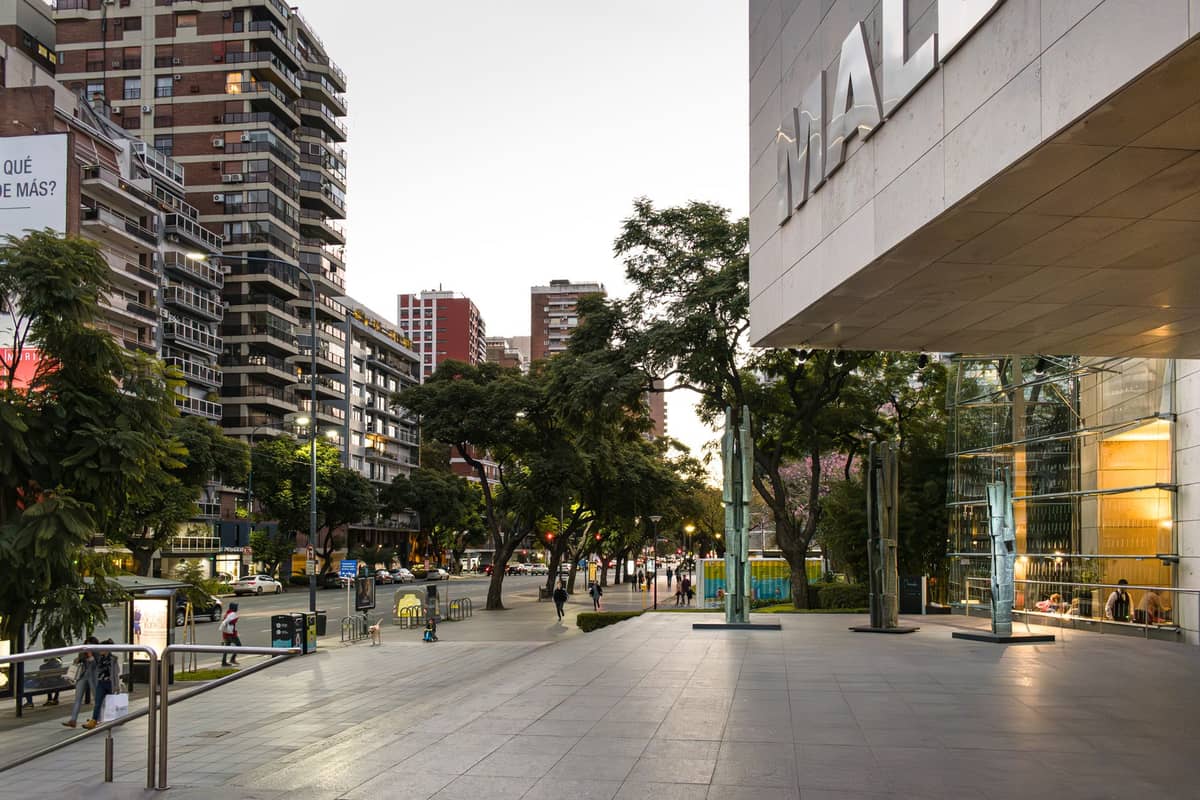
The art museum offer in Buenos Aires is exceptional for a city of its size. The northern corridor along Avenida del Libertador in Recoleta and Palermo is sometimes called Buenos Aires's Museum Mile, where the national fine arts museum, MALBA, and the decorative arts palace sit within easy walking distance of each other.
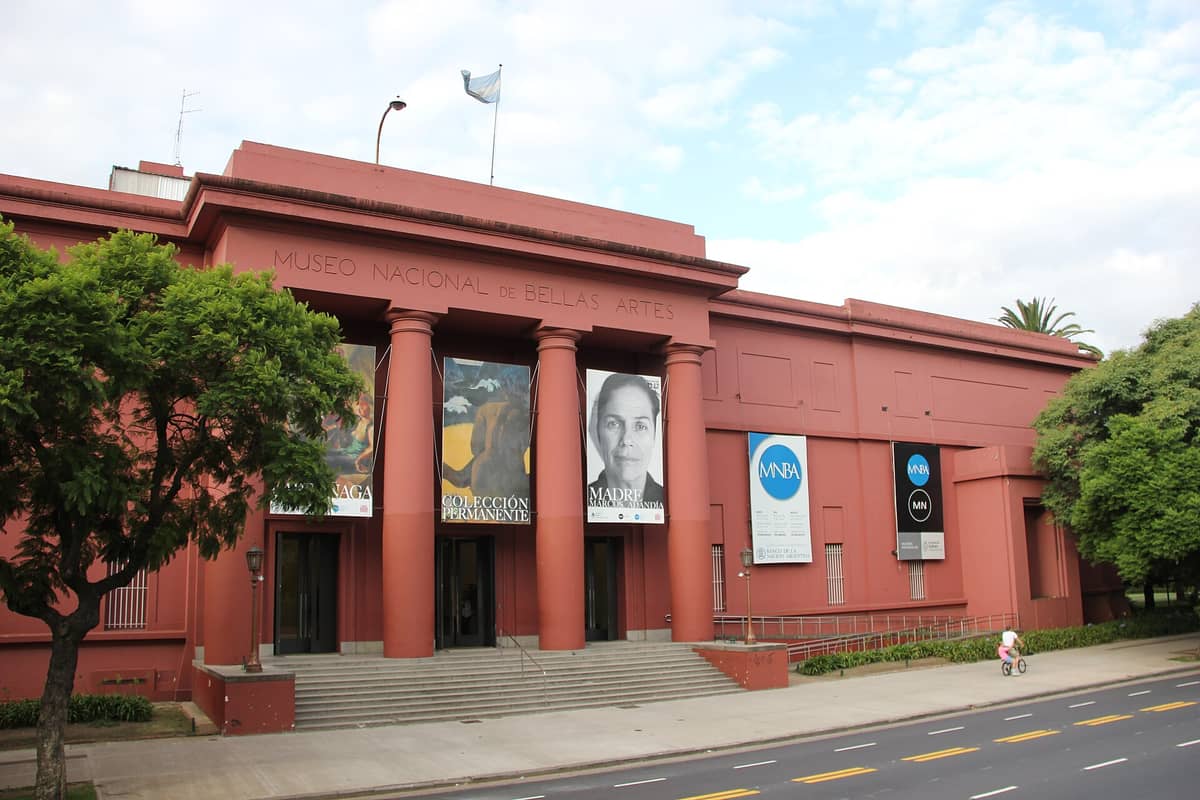
1. Explore Argentina's Greatest Art Collection at the MNBA
The national fine arts museum holds works by Rodin, Monet, Goya, and El Greco alongside the country's most comprehensive survey of Argentine painting. Free entry, open Tue–Sun. Arrive early on weekends; it gets crowded by midday.
Explore1. Explore Argentina's Greatest Art Collection at the MNBA
The national fine arts museum holds works by Rodin, Monet, Goya, and El Greco alongside the country's most comprehensive survey of Argentine painting. Free entry, open Tue–Sun. Arrive early on weekends; it gets crowded by midday.
Explore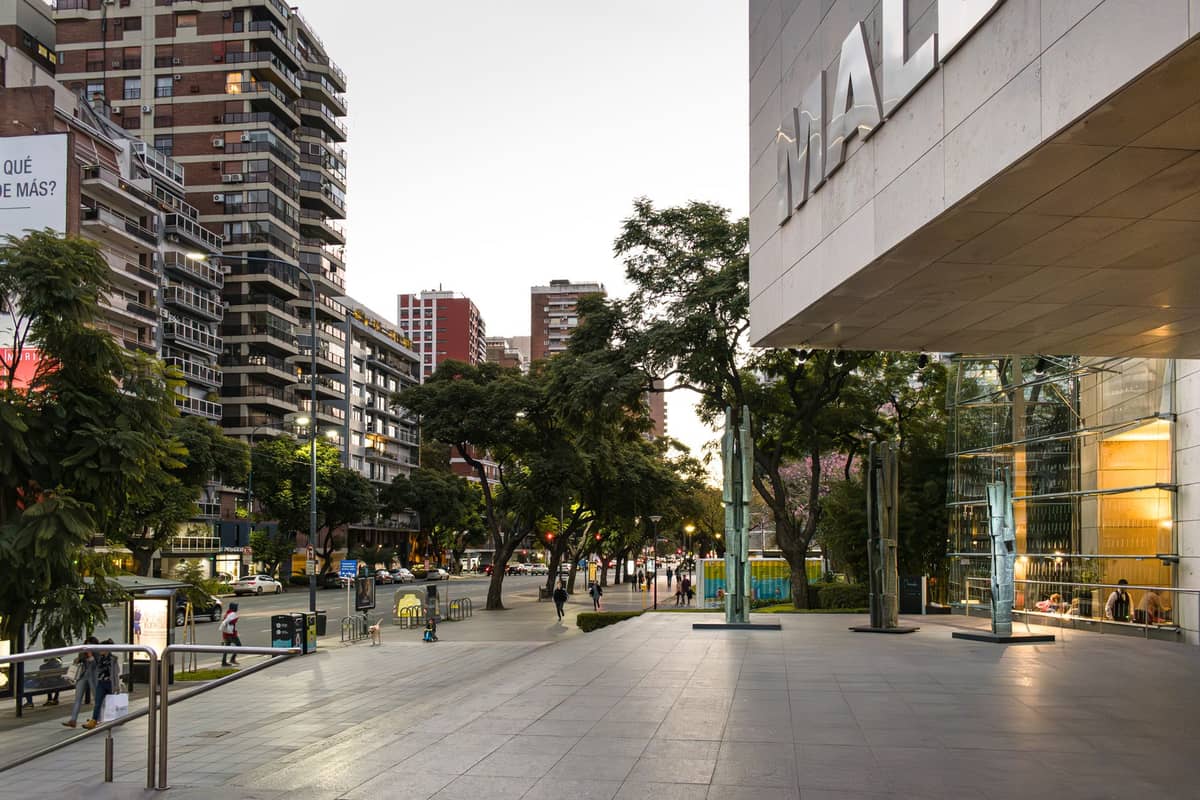
2. See Frida Kahlo and Xul Solar at MALBA
MALBA is the premier destination for 20th-century Latin American art, with major works by Frida Kahlo, Diego Rivera, and Argentina's own Xul Solar. The building itself is a striking piece of contemporary architecture worth seeing even before you enter.
Explore2. See Frida Kahlo and Xul Solar at MALBA
MALBA is the premier destination for 20th-century Latin American art, with major works by Frida Kahlo, Diego Rivera, and Argentina's own Xul Solar. The building itself is a striking piece of contemporary architecture worth seeing even before you enter.
Explore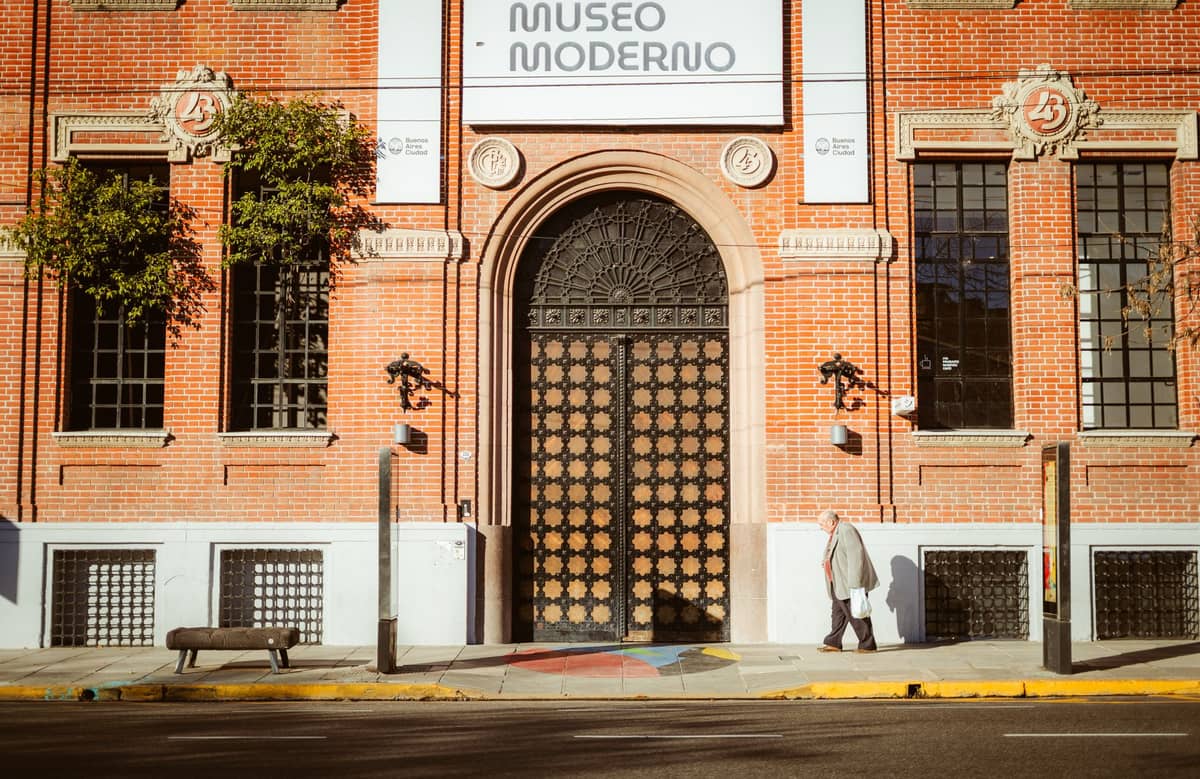
3. Discover Argentine Modern Art Free at MAMBA
Housed in a former San Telmo tobacco warehouse, MAMBA has a strong permanent collection of Argentine 20th-century work and a dynamic contemporary programme. Free admission makes it one of the best-value cultural stops in the city.
Explore3. Discover Argentine Modern Art Free at MAMBA
Housed in a former San Telmo tobacco warehouse, MAMBA has a strong permanent collection of Argentine 20th-century work and a dynamic contemporary programme. Free admission makes it one of the best-value cultural stops in the city.
Explore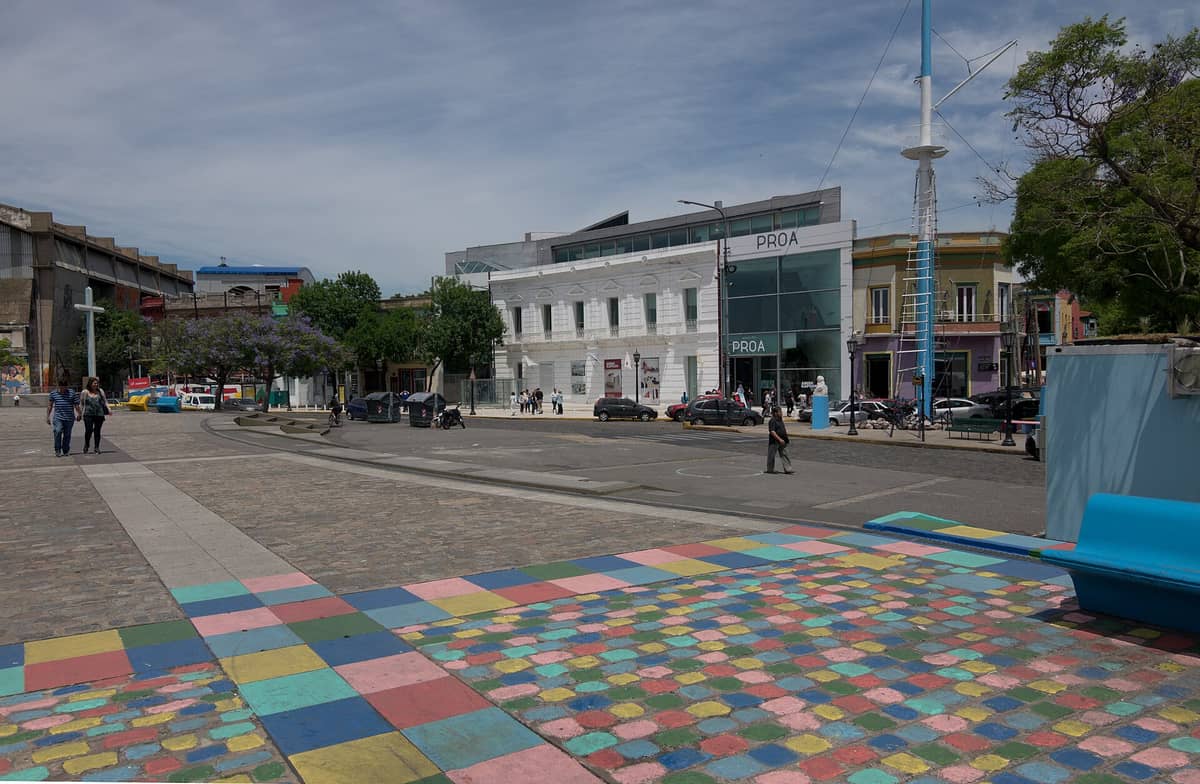
4. Catch a Major International Exhibition at Fundación PROA
One of Latin America's most respected contemporary art foundations, PROA occupies a beautifully restored building on the La Boca waterfront. The rooftop café with views over the Riachuelo makes it worth the trip even between major exhibitions.
Explore4. Catch a Major International Exhibition at Fundación PROA
One of Latin America's most respected contemporary art foundations, PROA occupies a beautifully restored building on the La Boca waterfront. The rooftop café with views over the Riachuelo makes it worth the trip even between major exhibitions.
Explore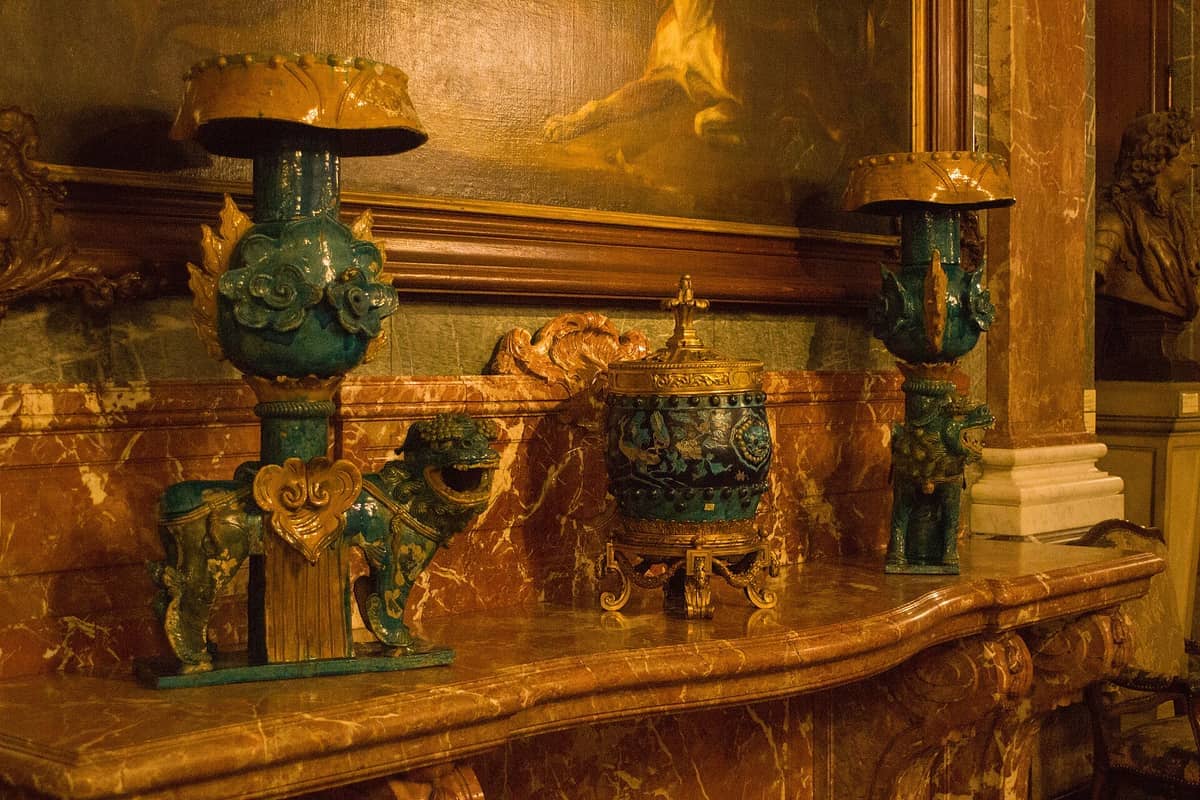
5. Tour a Palatial Collection of Decorative Arts in Recoleta
Housed in a French Neoclassical palace in Recoleta, this museum holds one of the finest decorative arts collections in Latin America: European furniture, Flemish tapestries, and porcelain. The building alone justifies the visit.
Explore5. Tour a Palatial Collection of Decorative Arts in Recoleta
Housed in a French Neoclassical palace in Recoleta, this museum holds one of the finest decorative arts collections in Latin America: European furniture, Flemish tapestries, and porcelain. The building alone justifies the visit.
Explore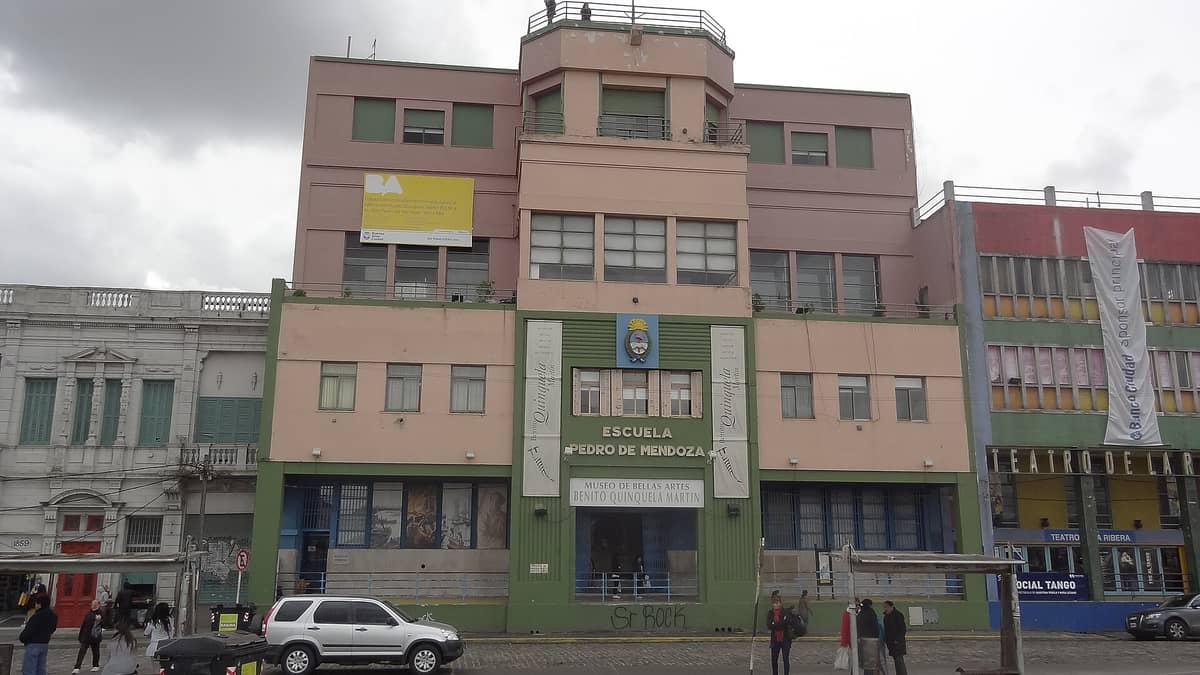
6. See La Boca Through the Eyes of Its Most Famous Painter
Benito Quinquela Martín's vivid large-scale paintings of dock workers and port life fill this museum in his former La Boca studio. The rooftop terrace is one of the neighbourhood's best viewpoints, offering context for the scenes in the paintings.
Explore6. See La Boca Through the Eyes of Its Most Famous Painter
Benito Quinquela Martín's vivid large-scale paintings of dock workers and port life fill this museum in his former La Boca studio. The rooftop terrace is one of the neighbourhood's best viewpoints, offering context for the scenes in the paintings.
ExploreHistory & Memory: Understanding Argentina's Past
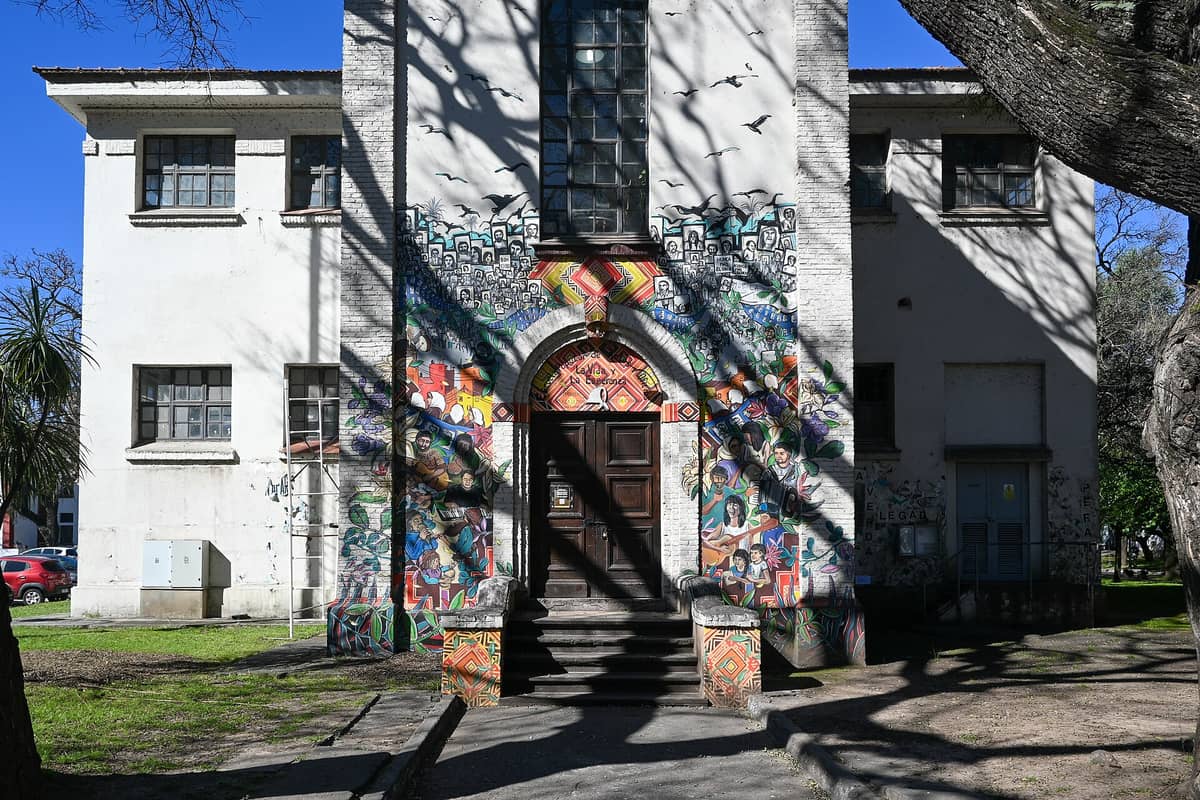
Argentina's turbulent 20th century is documented in some of the most powerful museum experiences in the city. The sites connected to the 1976–1983 military dictatorship are sobering and important, while the museums dedicated to Evita offer a deeply personal window into mid-century Argentine identity.
7. Confront Argentina's Darkest Chapter at the ex-ESMA Memorial
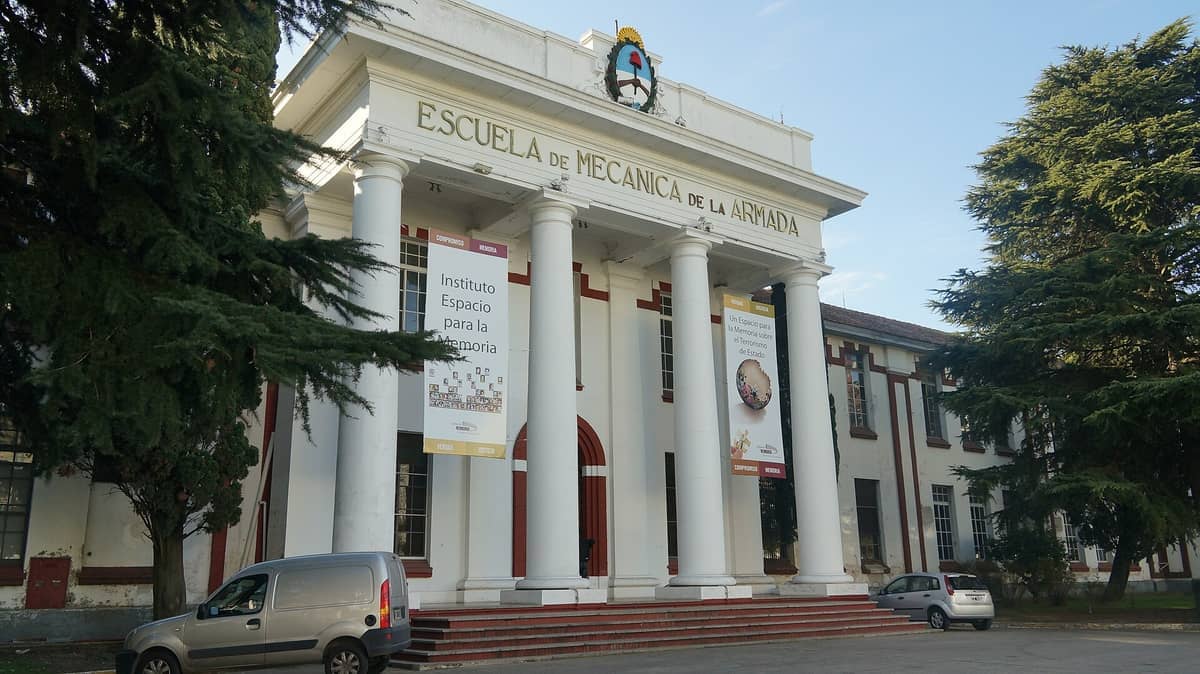
The former Navy School of Mechanics was the largest clandestine detention centre during the dictatorship and is now a memorial and human rights museum. It is the most historically significant site in Buenos Aires and one of the most important in Latin America.
Explore7. Confront Argentina's Darkest Chapter at the ex-ESMA Memorial
The former Navy School of Mechanics was the largest clandestine detention centre during the dictatorship and is now a memorial and human rights museum. It is the most historically significant site in Buenos Aires and one of the most important in Latin America.
Explore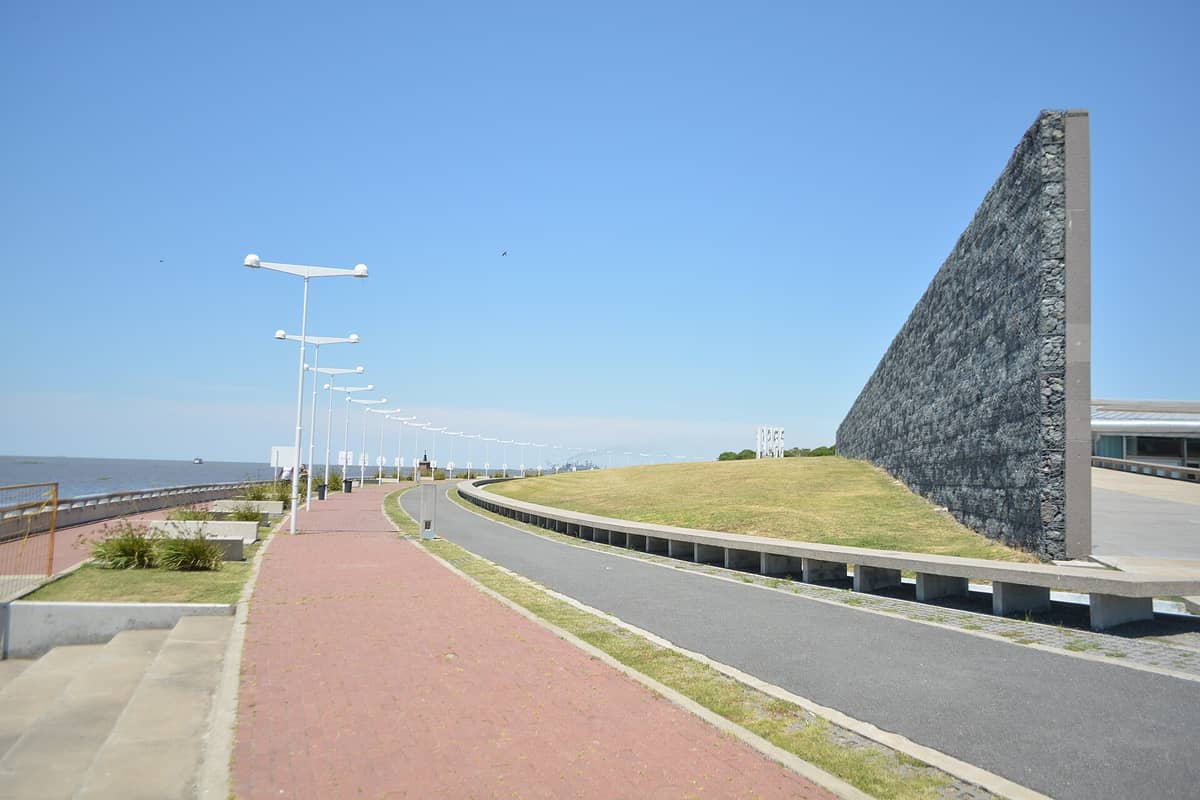
8. Reflect at the Riverside Memorial Park for the Disappeared
This riverside memorial in Núñez bears the names of 30,000 people disappeared during the dictatorship, alongside a compelling outdoor sculpture park and contemporary art gallery. The Río de la Plata setting adds weight to an already powerful experience.
Explore8. Reflect at the Riverside Memorial Park for the Disappeared
This riverside memorial in Núñez bears the names of 30,000 people disappeared during the dictatorship, alongside a compelling outdoor sculpture park and contemporary art gallery. The Río de la Plata setting adds weight to an already powerful experience.
Explore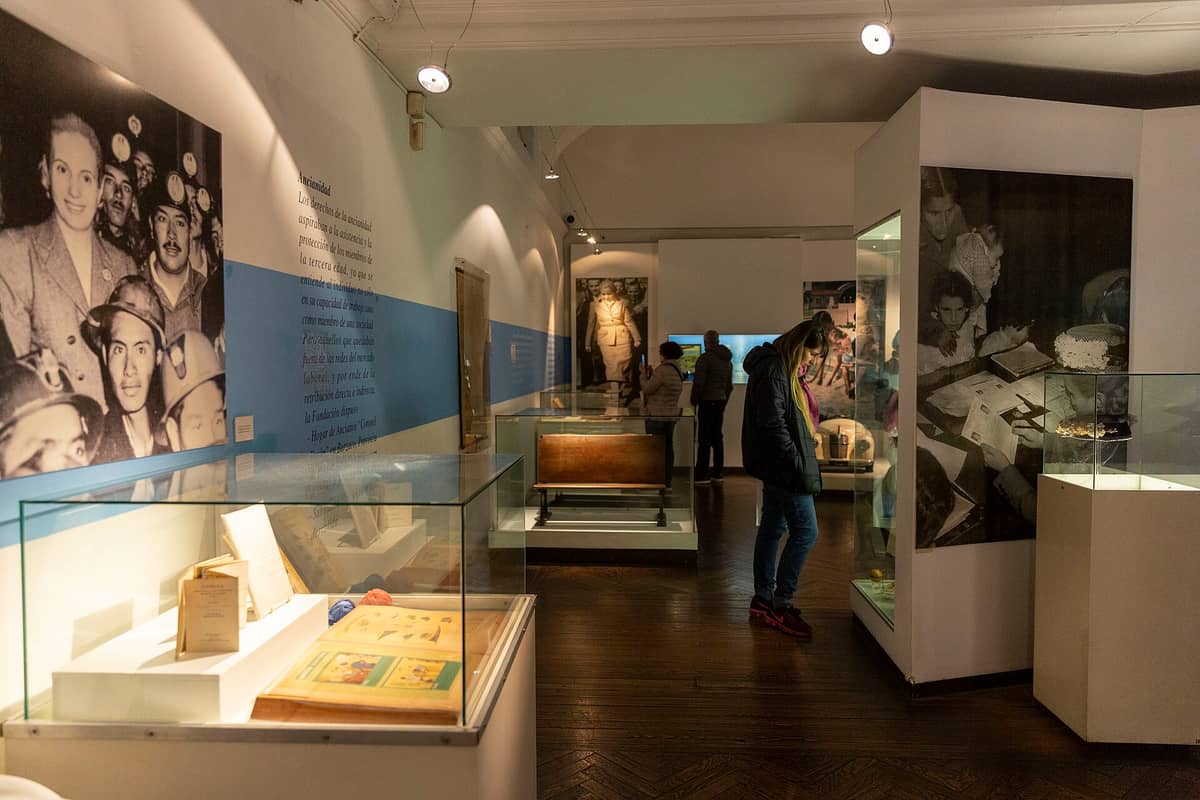
9. Explore Eva Perón's Life and Legacy at the Museo Evita
Housed in a restored 1920s Palermo mansion, this museum traces Evita's extraordinary life through her personal dresses, political posters, and archival footage. It is the most emotionally resonant of all Buenos Aires museums dedicated to a single figure.
Explore9. Explore Eva Perón's Life and Legacy at the Museo Evita
Housed in a restored 1920s Palermo mansion, this museum traces Evita's extraordinary life through her personal dresses, political posters, and archival footage. It is the most emotionally resonant of all Buenos Aires museums dedicated to a single figure.
Explore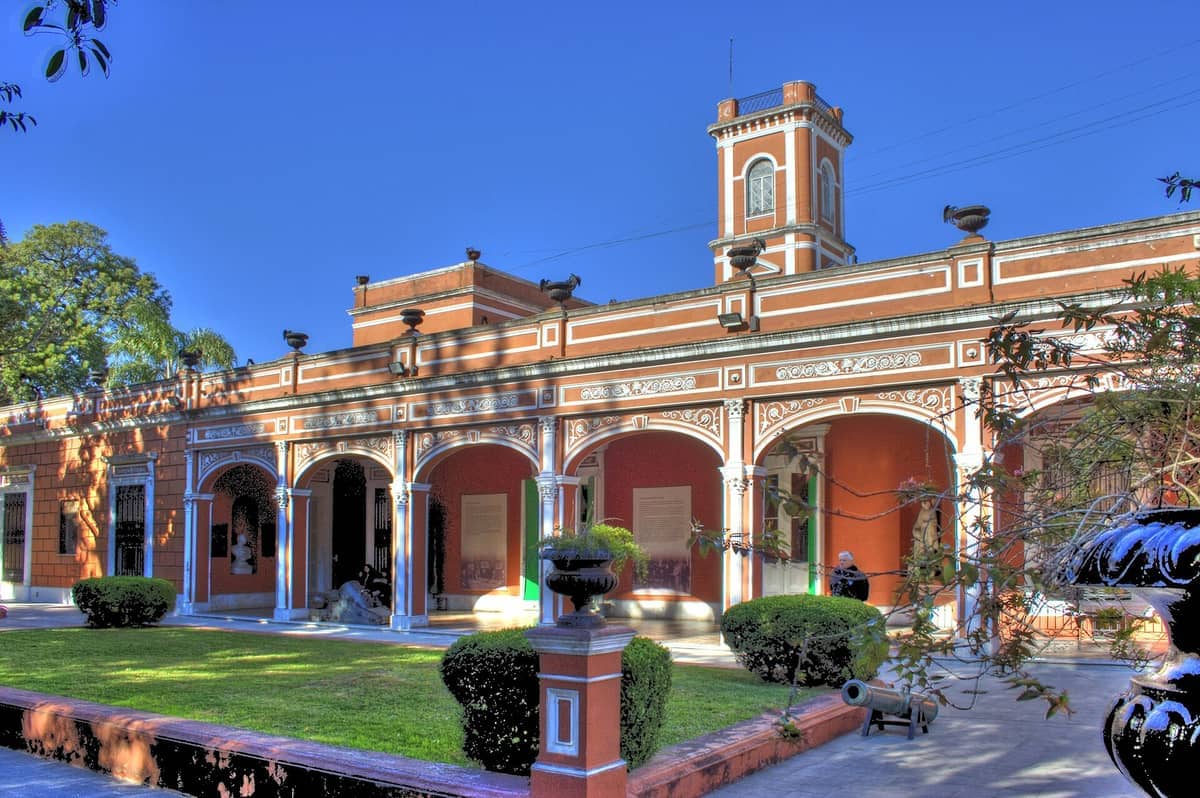
10. Trace Argentina's Independence Story at the National History Museum
Overlooking Parque Lezama in San Telmo, this free museum covers Argentina's colonial era through the independence wars, with portraits, weapons, and artefacts from the 18th and 19th centuries. Quiet on weekdays, it rewards an unhurried visit.
Explore10. Trace Argentina's Independence Story at the National History Museum
Overlooking Parque Lezama in San Telmo, this free museum covers Argentina's colonial era through the independence wars, with portraits, weapons, and artefacts from the 18th and 19th centuries. Quiet on weekdays, it rewards an unhurried visit.
Explore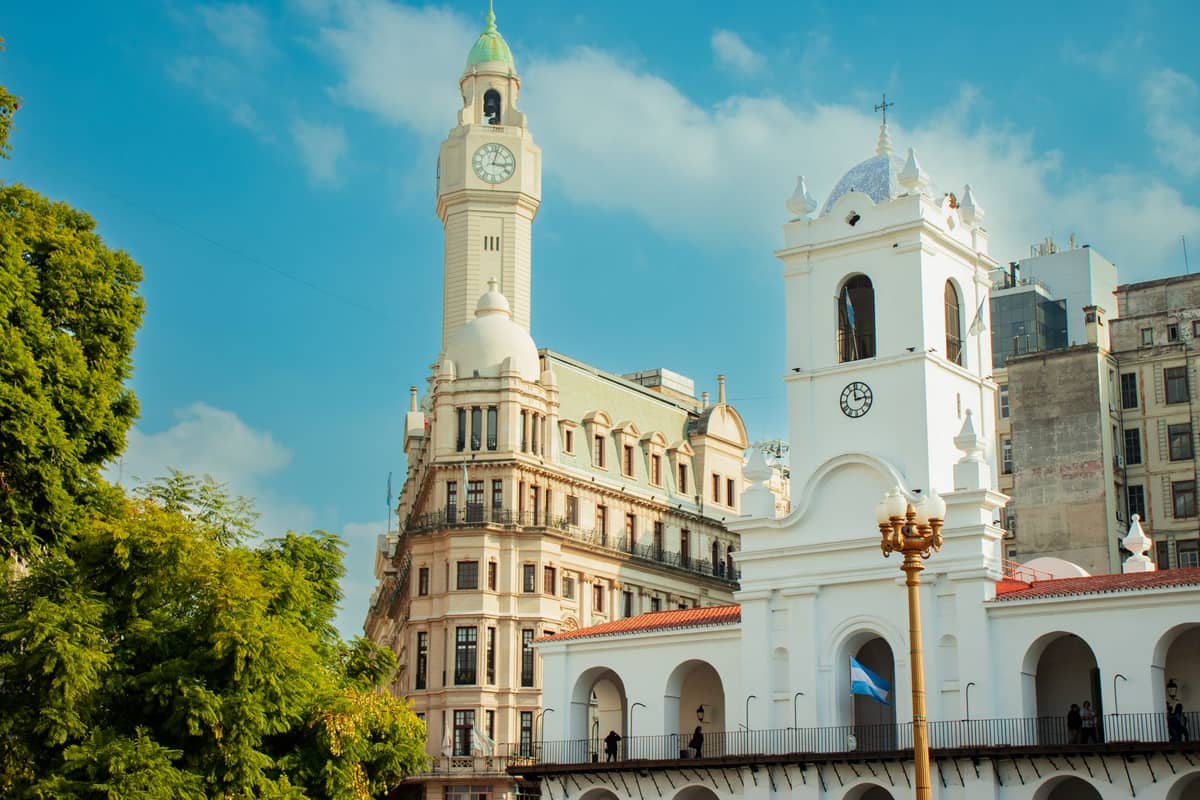
11. Step Inside the Colonial Town Hall on Plaza de Mayo
The whitewashed Cabildo is one of the few surviving colonial-era buildings in Buenos Aires and houses a museum dedicated to the May Revolution of 1810, when Argentina's path to independence began. Its arcaded façade is one of the city's most photographed structures.
Explore11. Step Inside the Colonial Town Hall on Plaza de Mayo
The whitewashed Cabildo is one of the few surviving colonial-era buildings in Buenos Aires and houses a museum dedicated to the May Revolution of 1810, when Argentina's path to independence began. Its arcaded façade is one of the city's most photographed structures.
Explore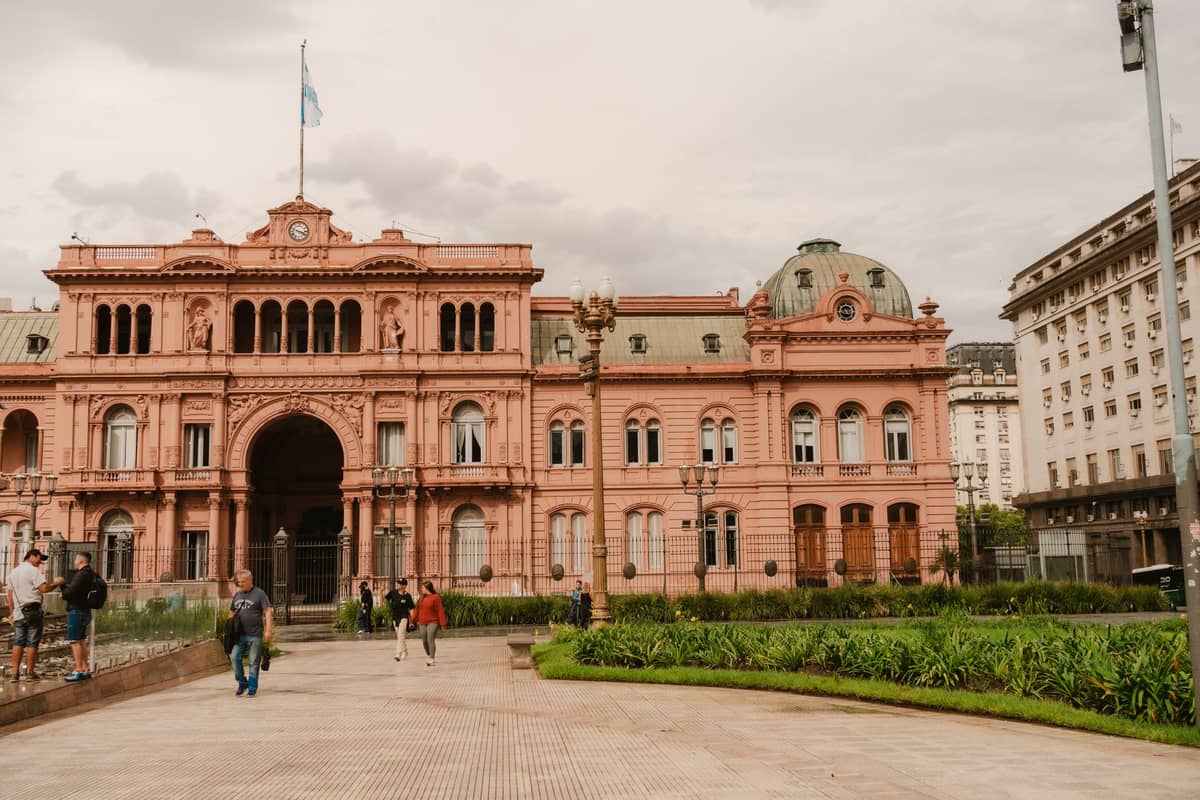
12. Tour the Presidential Palace's Interior Museum
Beyond the famous pink façade and the balcony where Eva Perón once spoke, the Casa Rosada has an interior museum tracing Argentina's presidential history. Guided tours run on weekends and must be booked in advance; confirm current access on the official site.
Explore12. Tour the Presidential Palace's Interior Museum
Beyond the famous pink façade and the balcony where Eva Perón once spoke, the Casa Rosada has an interior museum tracing Argentina's presidential history. Guided tours run on weekends and must be booked in advance; confirm current access on the official site.
ExploreCultural Centres with Museum Programmes
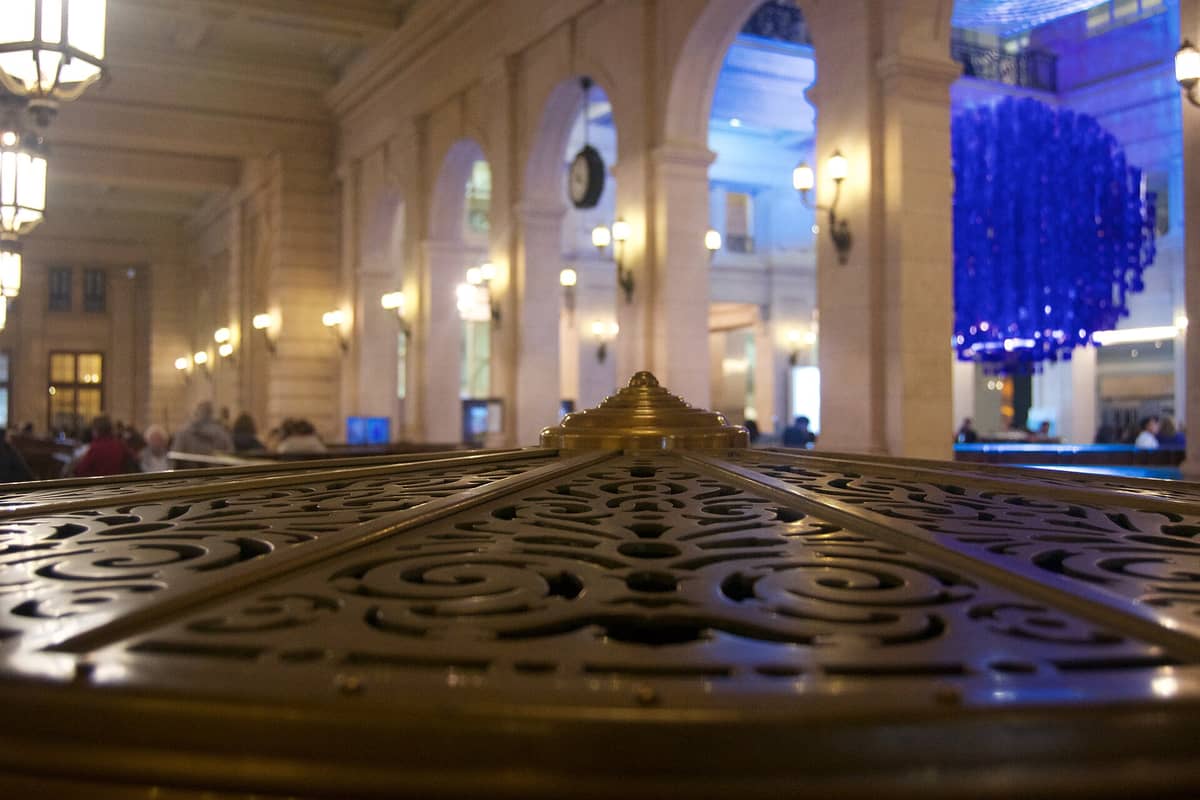
Several of Buenos Aires's most impressive cultural institutions blur the line between museum and cultural centre, hosting world-class exhibitions inside architecturally extraordinary buildings. The architecture guide covers these buildings in more detail, but as museum venues they stand on their own merits.
13. Visit the CCK: A Free Cultural Powerhouse in the City Centre
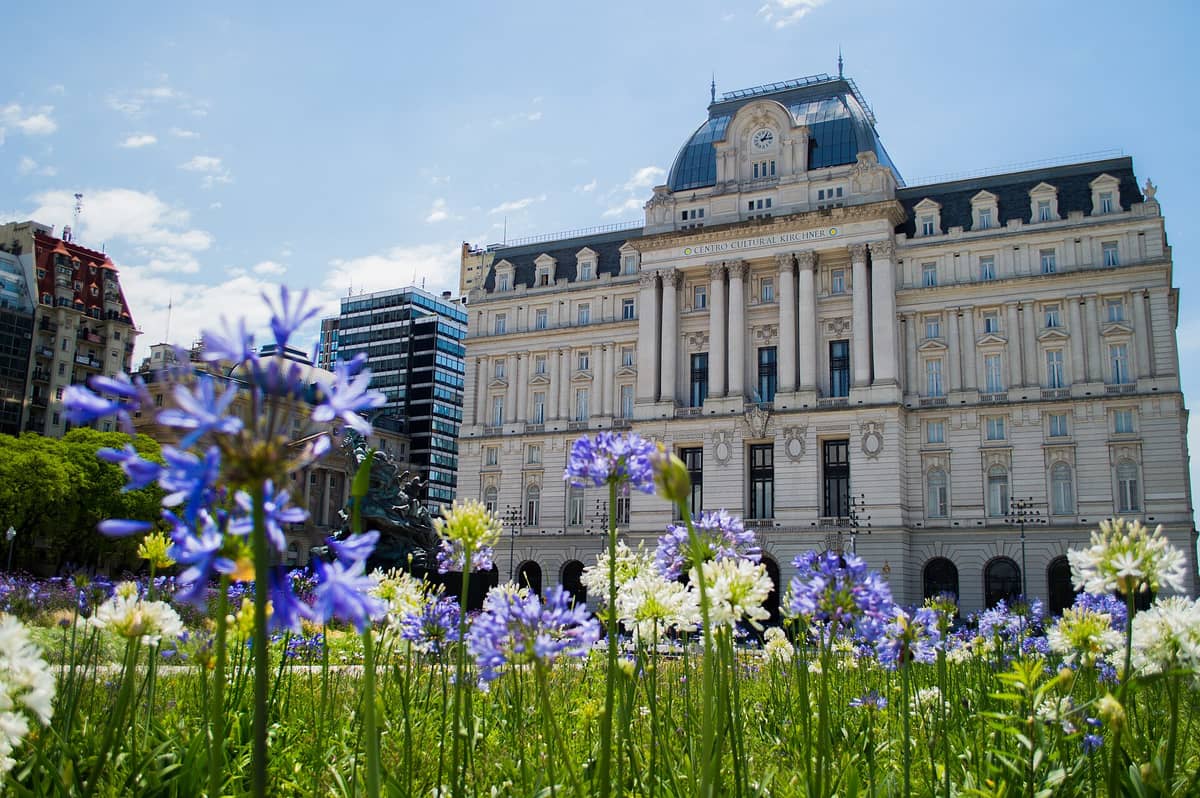
Housed in the magnificently restored former Central Post Office, the CCK is among the largest cultural centres in Latin America, with concert halls, galleries, and a rooftop terrace. Free admission and a full exhibitions calendar make it one of the best cultural stops in the city.
Explore13. Visit the CCK: A Free Cultural Powerhouse in the City Centre
Housed in the magnificently restored former Central Post Office, the CCK is among the largest cultural centres in Latin America, with concert halls, galleries, and a rooftop terrace. Free admission and a full exhibitions calendar make it one of the best cultural stops in the city.
Explore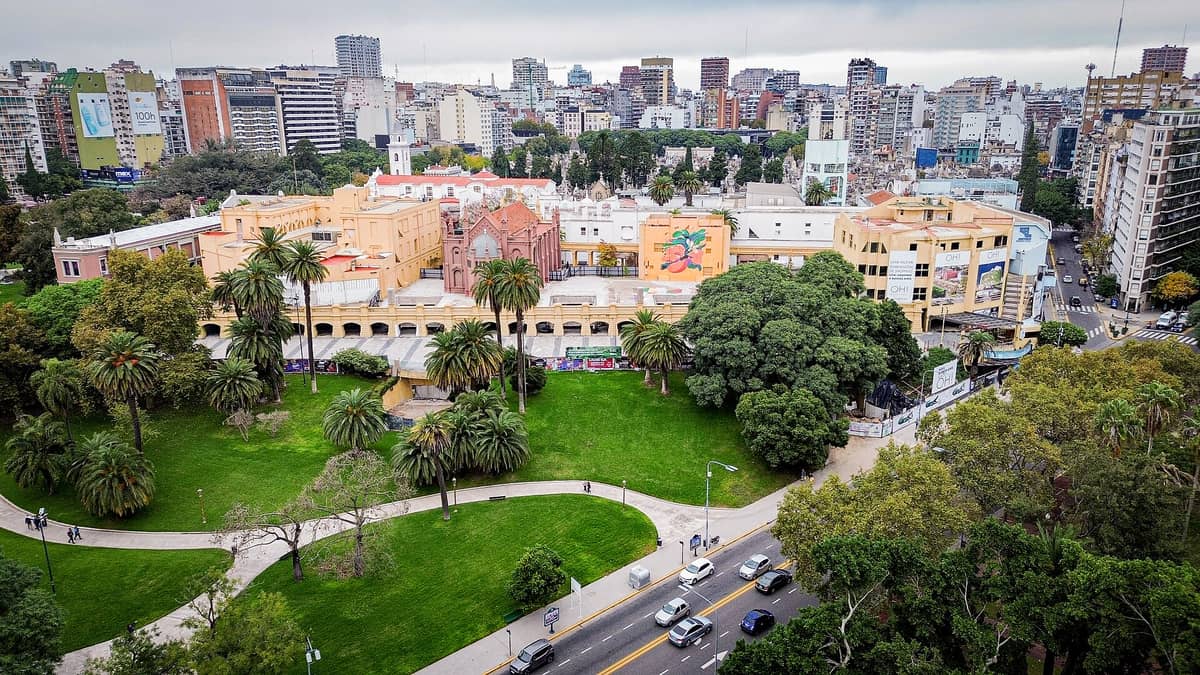
14. Catch Contemporary Art for Free at the Centro Cultural Recoleta
This free cultural centre in a converted 18th-century Franciscan convent adjacent to the famous cemetery hosts contemporary art exhibitions, theatre, and design events. One of the most active and accessible cultural venues in the city, free to enter.
Explore14. Catch Contemporary Art for Free at the Centro Cultural Recoleta
This free cultural centre in a converted 18th-century Franciscan convent adjacent to the famous cemetery hosts contemporary art exhibitions, theatre, and design events. One of the most active and accessible cultural venues in the city, free to enter.
Explore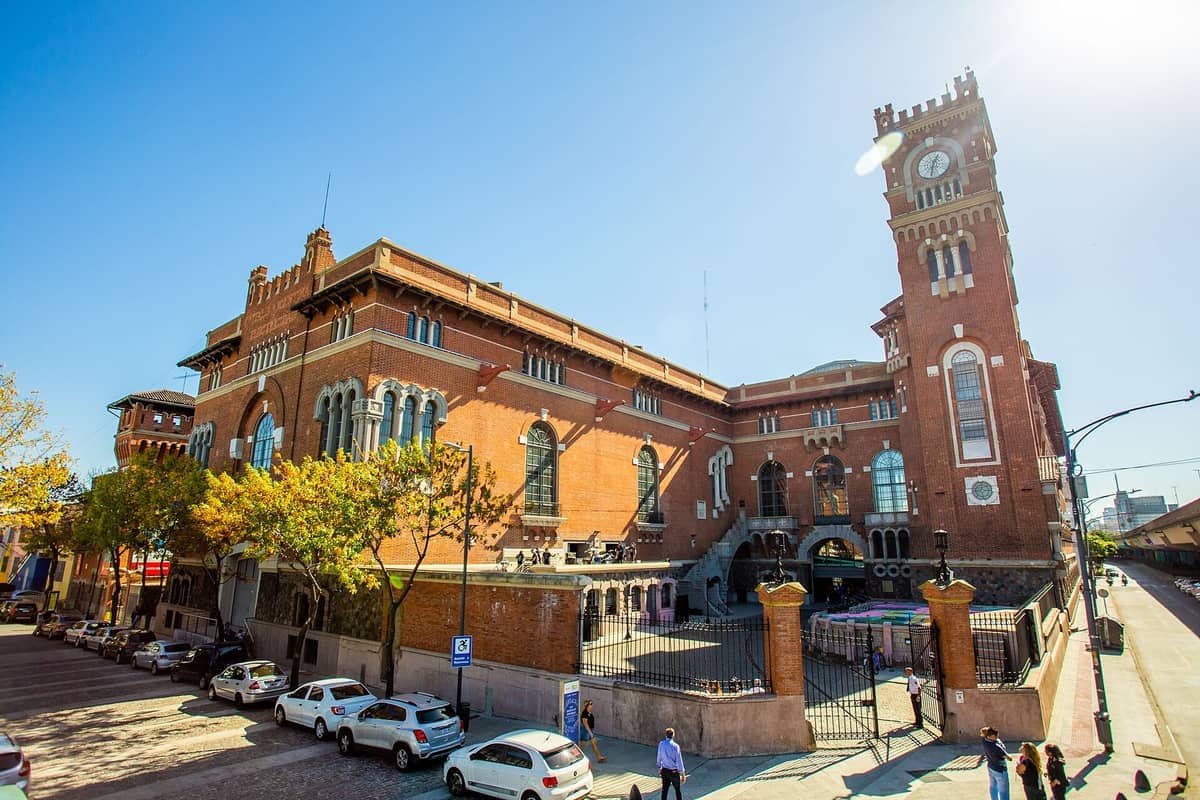
15. Experience Art and Music in a Converted Power Station in La Boca
A spectacular early 20th-century power station in La Boca now hosts classical concerts, art exhibitions, and theatre in a stunning industrial space. The building's red-brick towers are a landmark; check the programme online before visiting.
Explore15. Experience Art and Music in a Converted Power Station in La Boca
A spectacular early 20th-century power station in La Boca now hosts classical concerts, art exhibitions, and theatre in a stunning industrial space. The building's red-brick towers are a landmark; check the programme online before visiting.
Explore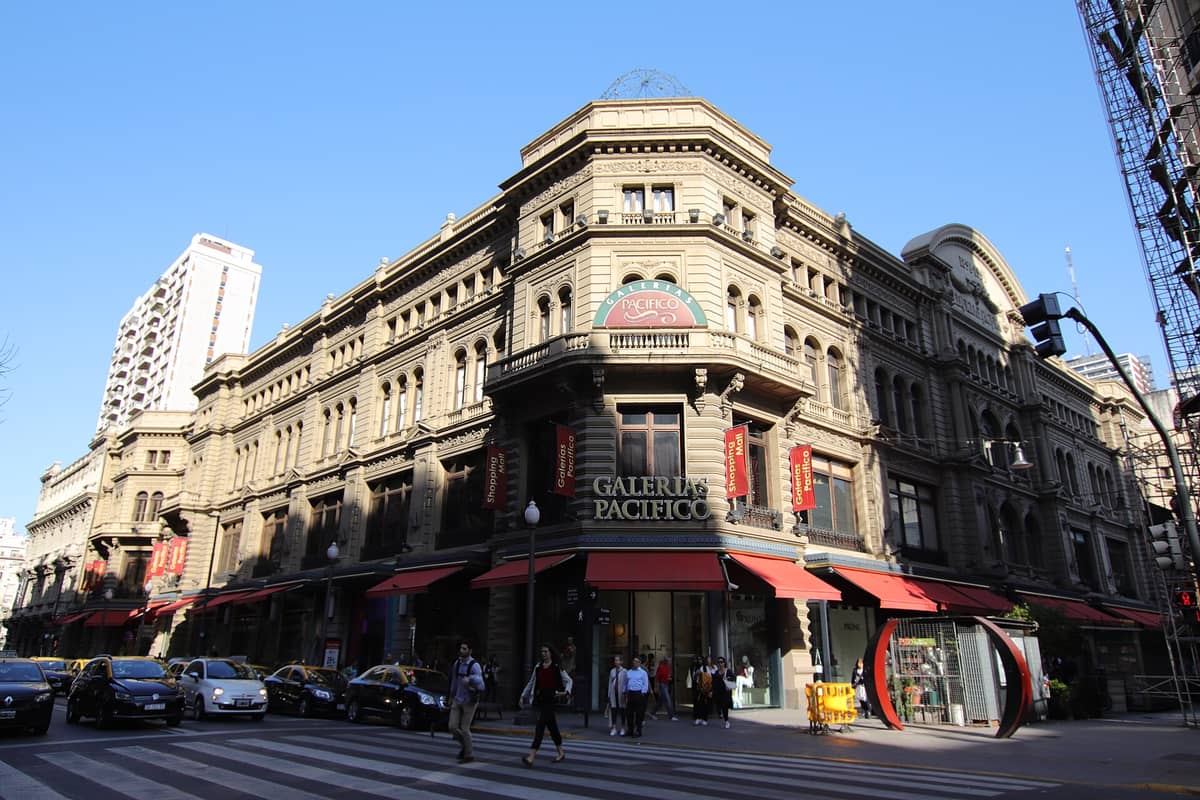
16. Look Up at the Murals Inside the Galerías Pacífico Cultural Centre
The 1889 shopping mall on Calle Florida has a spectacular painted dome ceiling featuring murals by five of Argentina's greatest artists. The cultural centre inside hosts tango events and exhibitions; the murals alone make a five-minute detour worthwhile.
Explore16. Look Up at the Murals Inside the Galerías Pacífico Cultural Centre
The 1889 shopping mall on Calle Florida has a spectacular painted dome ceiling featuring murals by five of Argentina's greatest artists. The cultural centre inside hosts tango events and exhibitions; the murals alone make a five-minute detour worthwhile.
ExploreSpecialist Museums: Tango, Football & Natural History
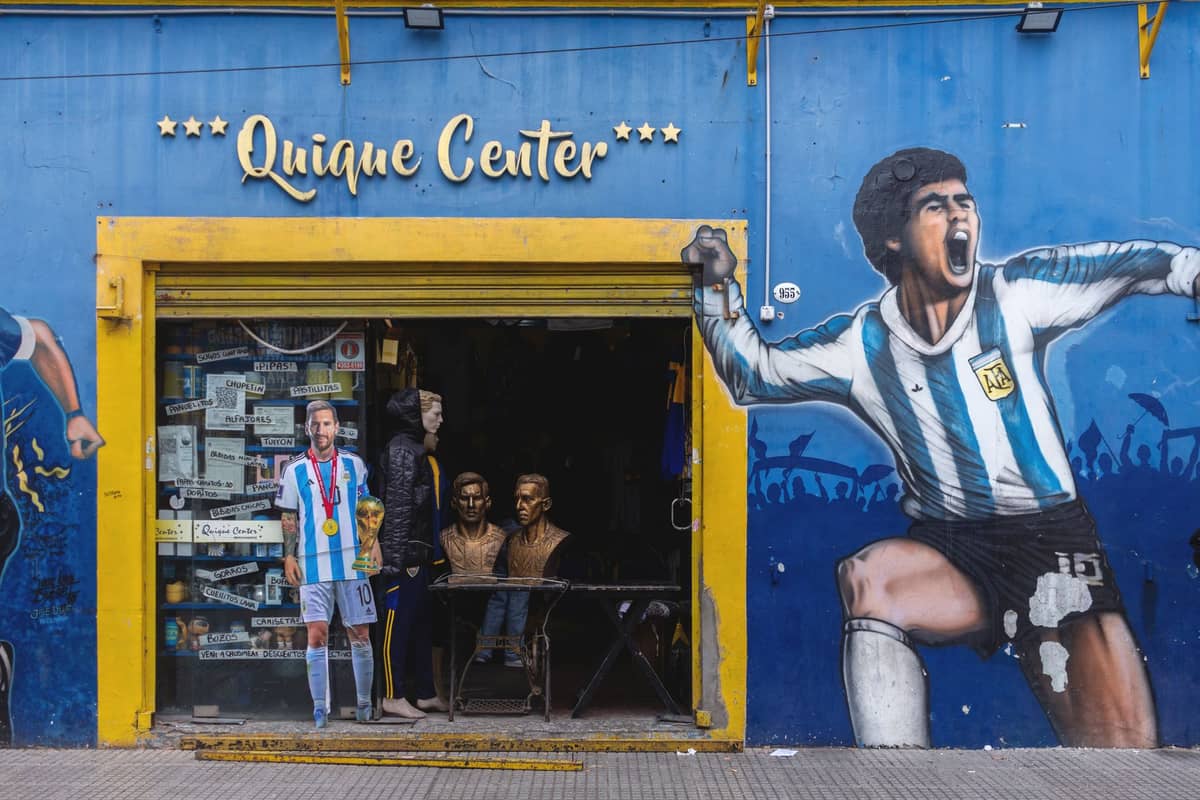
Some of Buenos Aires's best museums are devoted to single subjects, and the depth of coverage in each one reflects just how seriously the city takes its cultural icons. The football guide and the tango guide both point to experiences that start in the city's specialist museums.
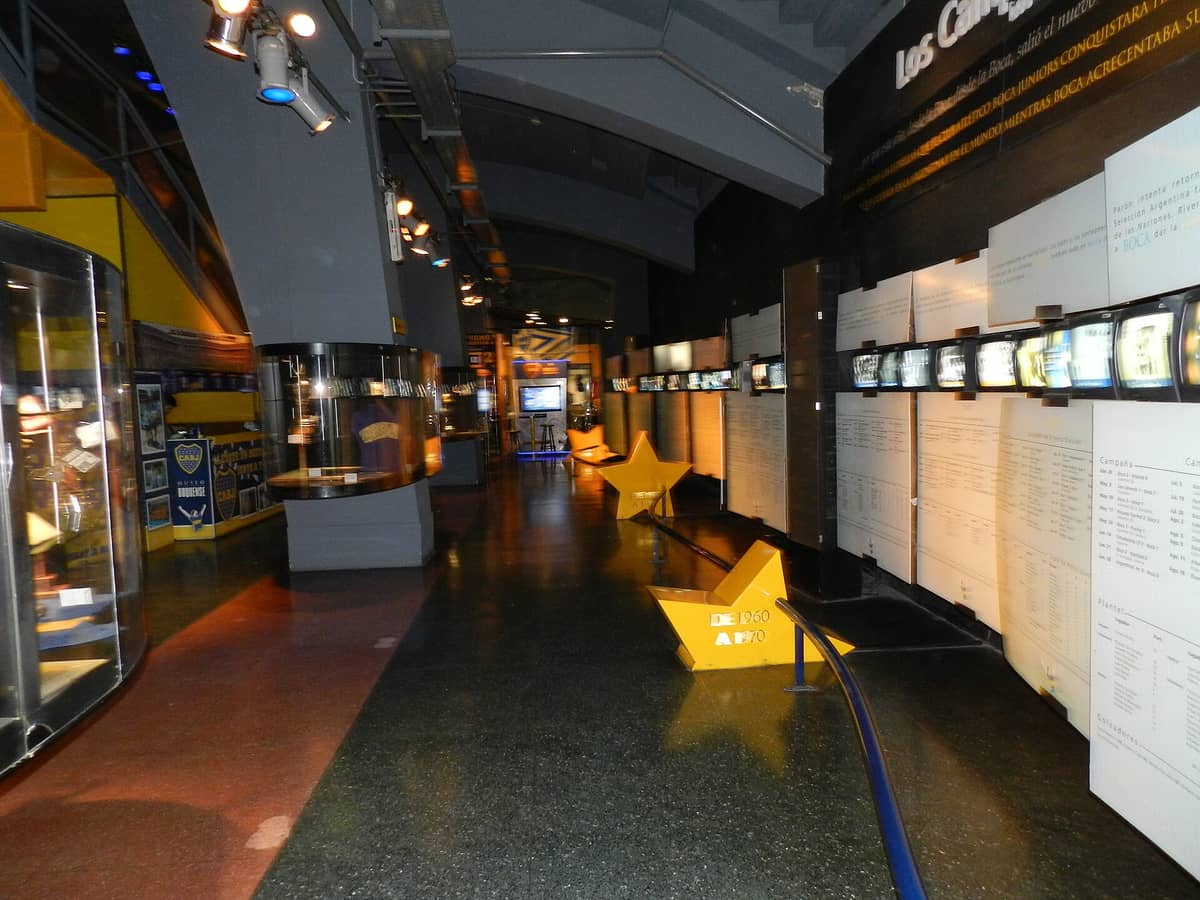
17. Relive Boca Juniors' History at the Museo de la Pasión Boquense
Attached to La Bombonera stadium, this immersive museum traces Boca Juniors' history through trophies, kits, and a 360-degree cinema. Ranked among the world's best football museums, it works as a standalone visit even if you can't attend a match.
Explore17. Relive Boca Juniors' History at the Museo de la Pasión Boquense
Attached to La Bombonera stadium, this immersive museum traces Boca Juniors' history through trophies, kits, and a 360-degree cinema. Ranked among the world's best football museums, it works as a standalone visit even if you can't attend a match.
Explore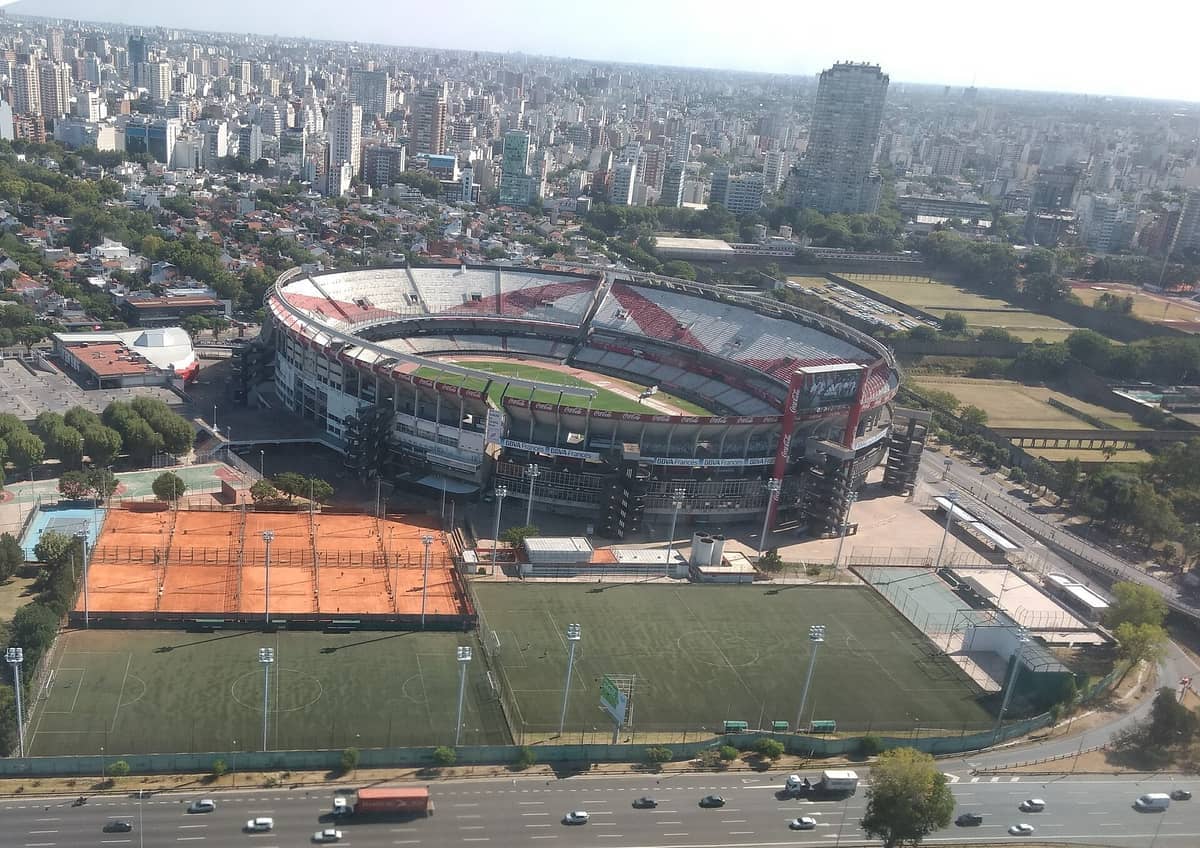
18. Tour the Monumental and Visit the Museo River Plate
The Monumental holds over 84,000 spectators and hosted the 1978 World Cup Final. The adjacent Museo River Plate is one of Argentina's best football museums, covering the club's history with trophies, memorabilia, and an interactive timeline.
Explore18. Tour the Monumental and Visit the Museo River Plate
The Monumental holds over 84,000 spectators and hosted the 1978 World Cup Final. The adjacent Museo River Plate is one of Argentina's best football museums, covering the club's history with trophies, memorabilia, and an interactive timeline.
Explore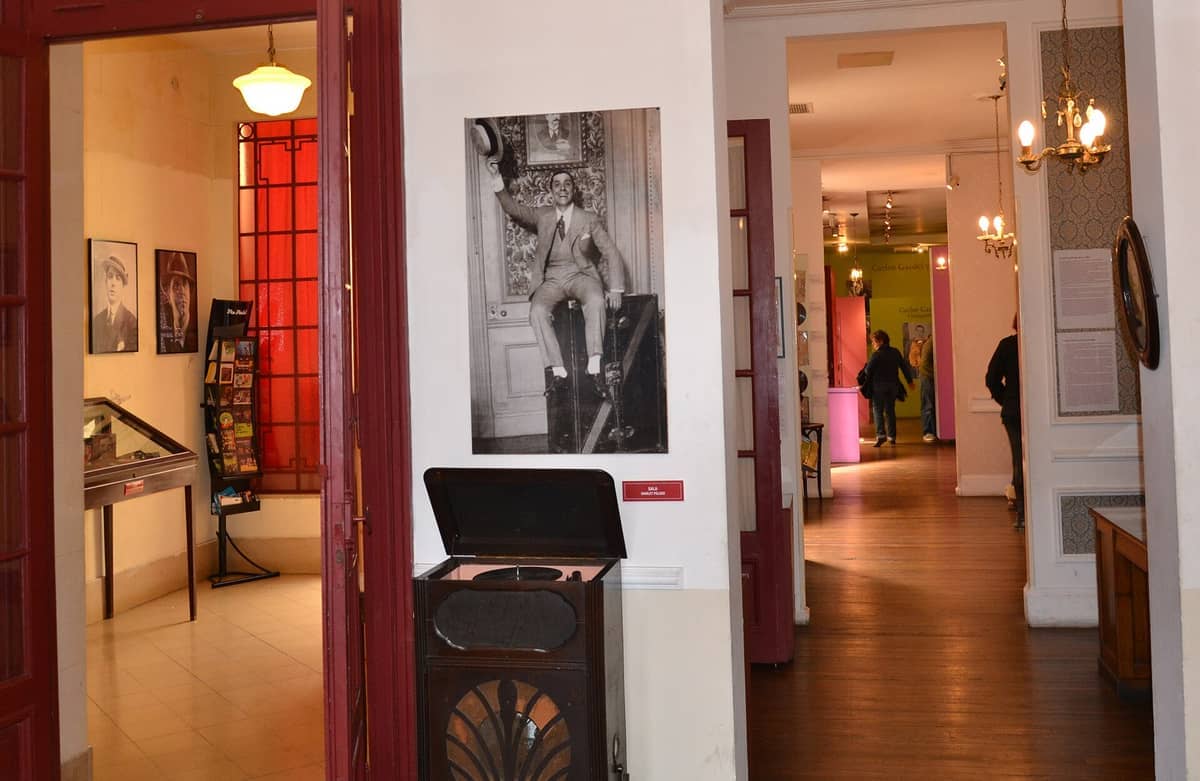
19. Walk Through Tango History at the Museo Casa Carlos Gardel
The Abasto home where Gardel grew up is now a museum tracing the life of the man who defined tango for the world. Small but well curated, it takes about an hour and is essential for anyone interested in the origins of Argentina's most famous art form.
Explore19. Walk Through Tango History at the Museo Casa Carlos Gardel
The Abasto home where Gardel grew up is now a museum tracing the life of the man who defined tango for the world. Small but well curated, it takes about an hour and is essential for anyone interested in the origins of Argentina's most famous art form.
Explore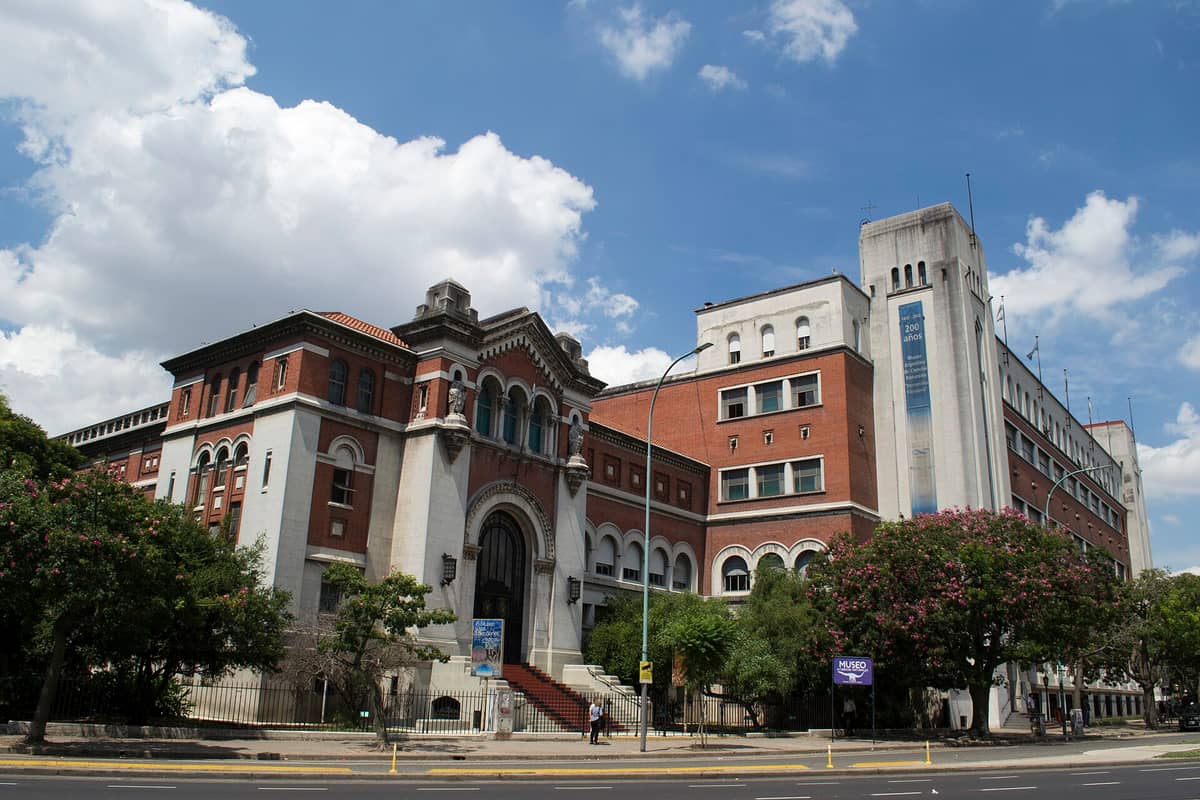
20. See Patagonian Dinosaurs at the Natural History Museum
Argentina's national natural history museum in Parque Centenario houses outstanding dinosaur fossils, meteorites, and specimens from Patagonia. One of the best natural history collections in South America, and a top family destination in Buenos Aires.
Explore20. See Patagonian Dinosaurs at the Natural History Museum
Argentina's national natural history museum in Parque Centenario houses outstanding dinosaur fossils, meteorites, and specimens from Patagonia. One of the best natural history collections in South America, and a top family destination in Buenos Aires.
Explore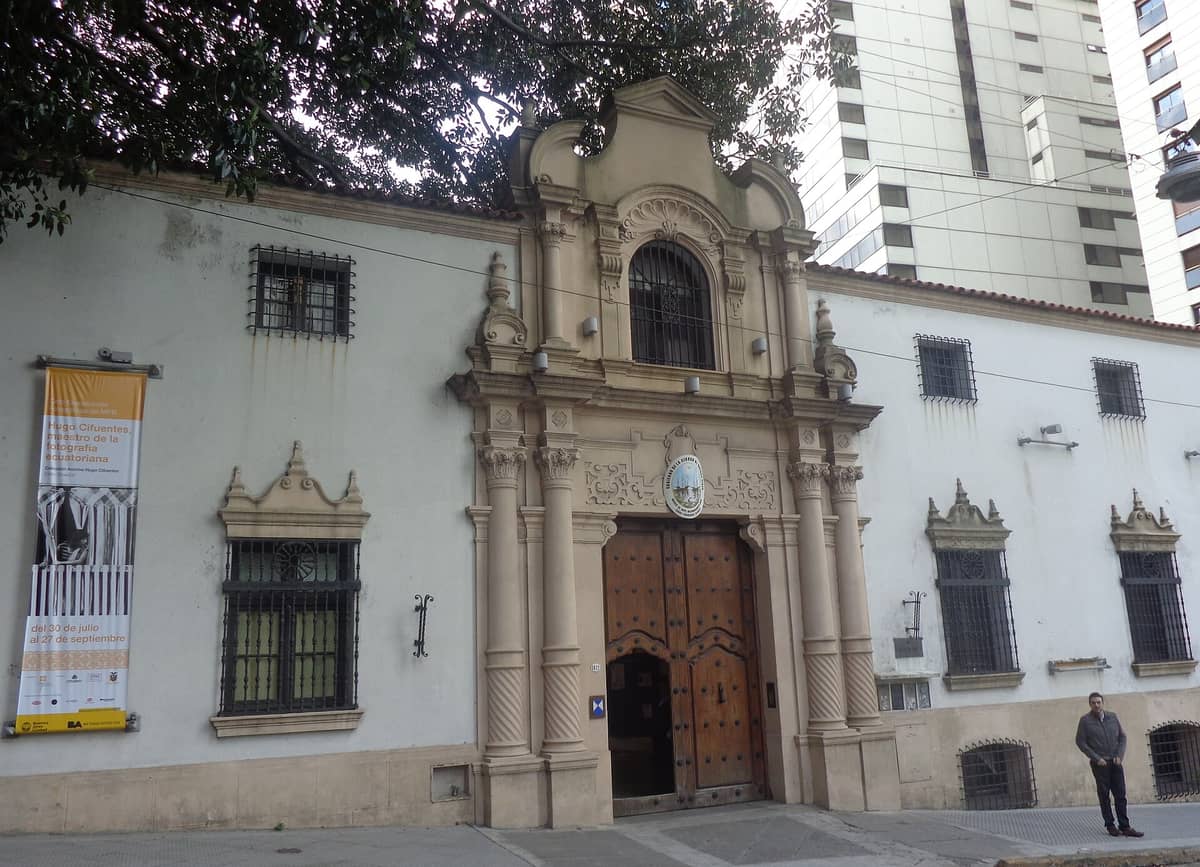
21. Discover Colonial Spanish-American Silver at the Fernández Blanco Museum
This intimate Neocolonial mansion near Retiro holds the finest collection of colonial-era Spanish American art in Buenos Aires: silver, religious paintings, and decorative objects from the 17th to 19th centuries. Its walled garden is one of the city's quietest retreats.
Explore21. Discover Colonial Spanish-American Silver at the Fernández Blanco Museum
This intimate Neocolonial mansion near Retiro holds the finest collection of colonial-era Spanish American art in Buenos Aires: silver, religious paintings, and decorative objects from the 17th to 19th centuries. Its walled garden is one of the city's quietest retreats.
Explore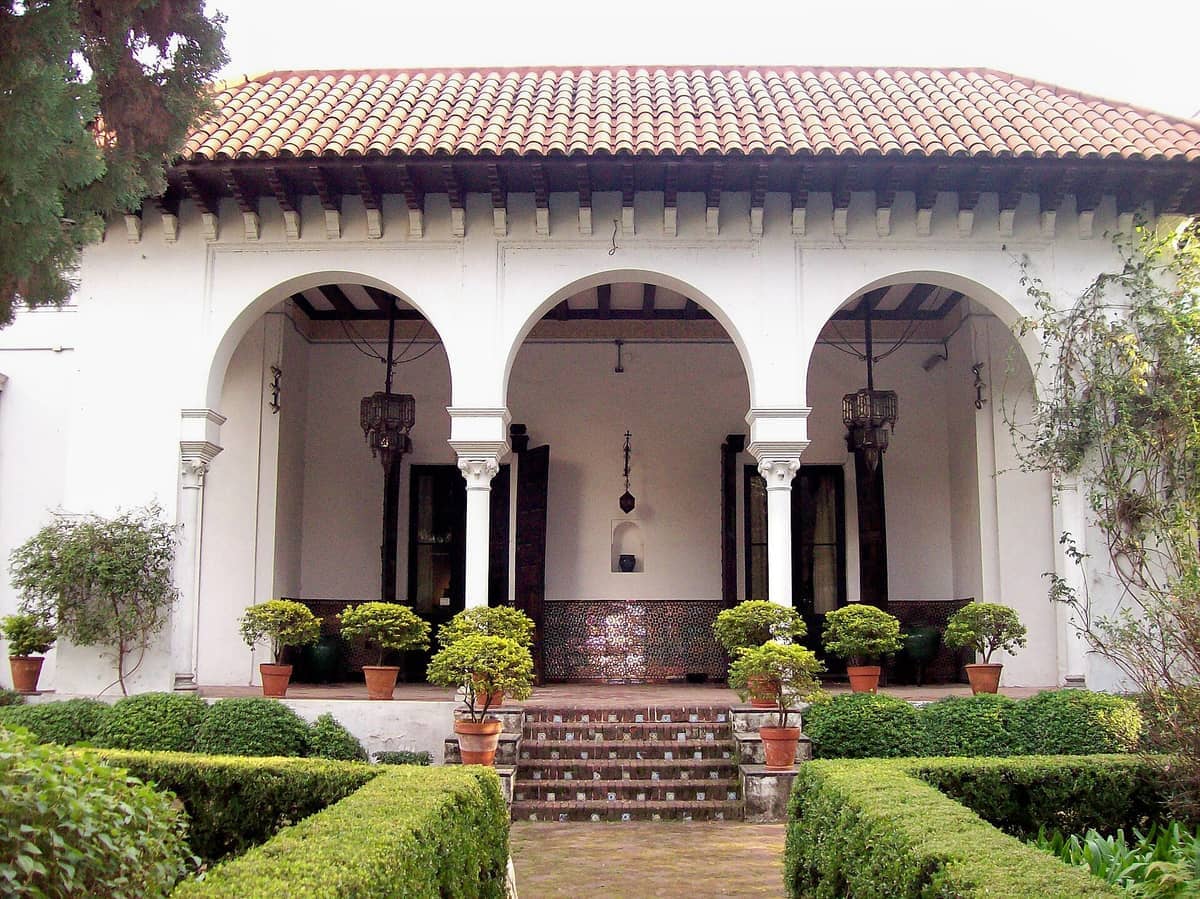
22. Find Five Centuries of Spanish Art in a Belgrano Garden Mansion
This Andalusian-style mansion in Belgrano holds a remarkable collection of Spanish art spanning five centuries, set within a Moorish garden. One of the most unexpected small museums in Buenos Aires, it rewards visitors who make the short trip north.
Explore22. Find Five Centuries of Spanish Art in a Belgrano Garden Mansion
This Andalusian-style mansion in Belgrano holds a remarkable collection of Spanish art spanning five centuries, set within a Moorish garden. One of the most unexpected small museums in Buenos Aires, it rewards visitors who make the short trip north.
ExploreMuseums Worth Visiting for the Buildings Alone
23. Go Backstage at One of the World's Greatest Opera Houses
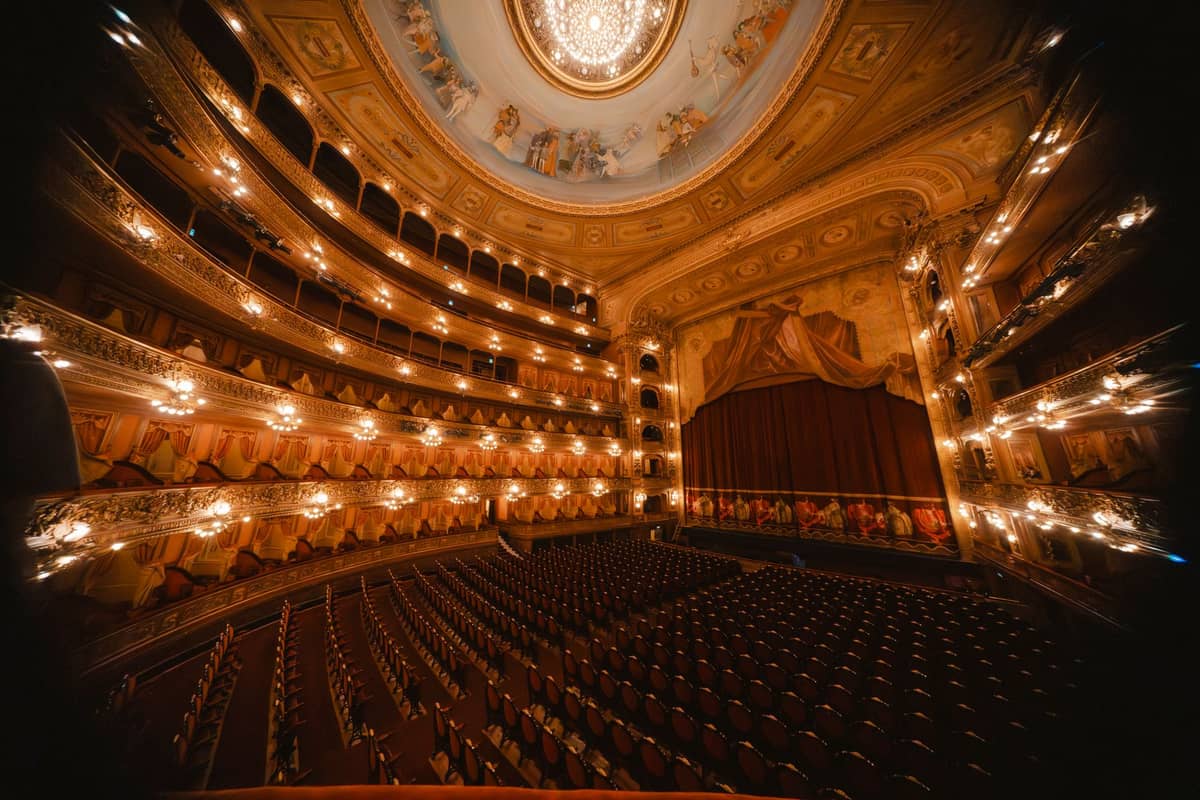
Ranked among the world's top opera houses, the Teatro Colón's Beaux-Arts interior is staggering in scale and detail. Daily guided tours take you through the auditorium, rehearsal rooms, and workshops; attending a performance is even better.
Explore23. Go Backstage at One of the World's Greatest Opera Houses
Ranked among the world's top opera houses, the Teatro Colón's Beaux-Arts interior is staggering in scale and detail. Daily guided tours take you through the auditorium, rehearsal rooms, and workshops; attending a performance is even better.
Explore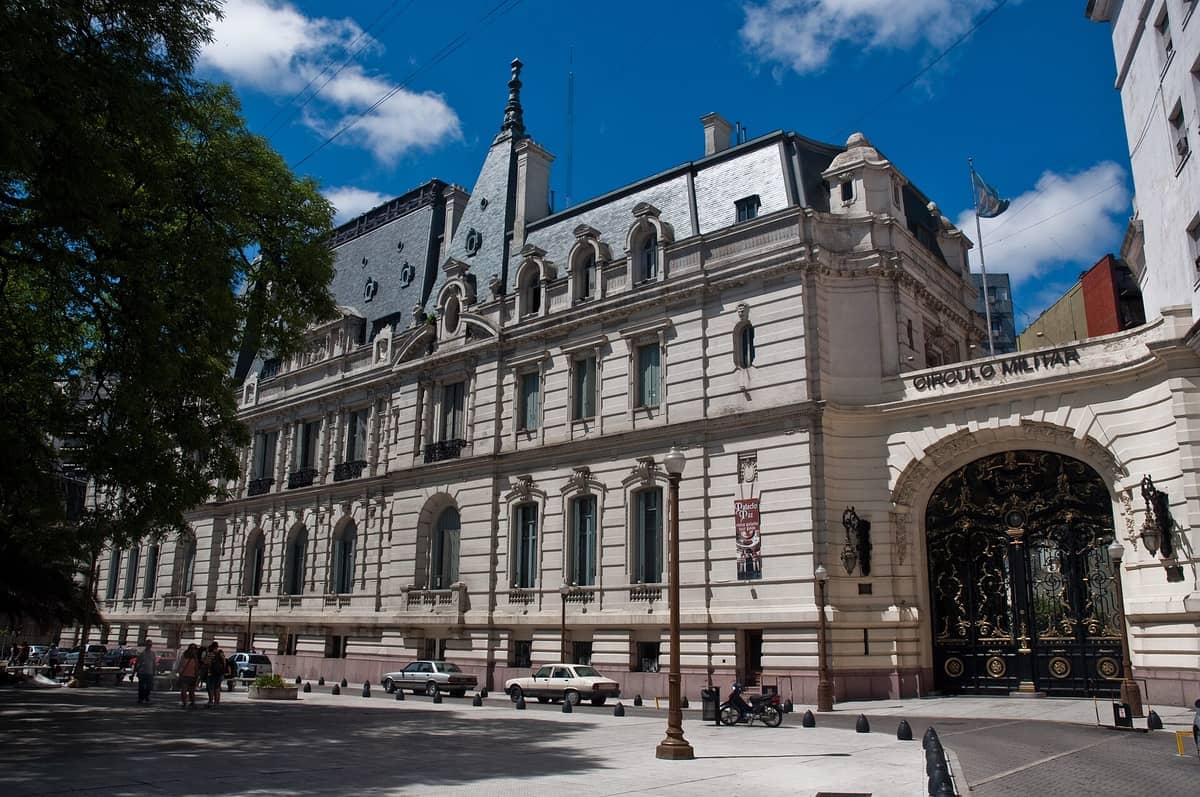
24. Tour the Largest Private Residence Ever Built in Argentina
This 1914 French château modelled on Versailles now serves as the Círculo Militar headquarters. Guided tours reveal extraordinary ballrooms, armour collections, and tapestries. One of the most opulent interiors in Buenos Aires and relatively few visitors know about it.
Explore24. Tour the Largest Private Residence Ever Built in Argentina
This 1914 French château modelled on Versailles now serves as the Círculo Militar headquarters. Guided tours reveal extraordinary ballrooms, armour collections, and tapestries. One of the most opulent interiors in Buenos Aires and relatively few visitors know about it.
Explore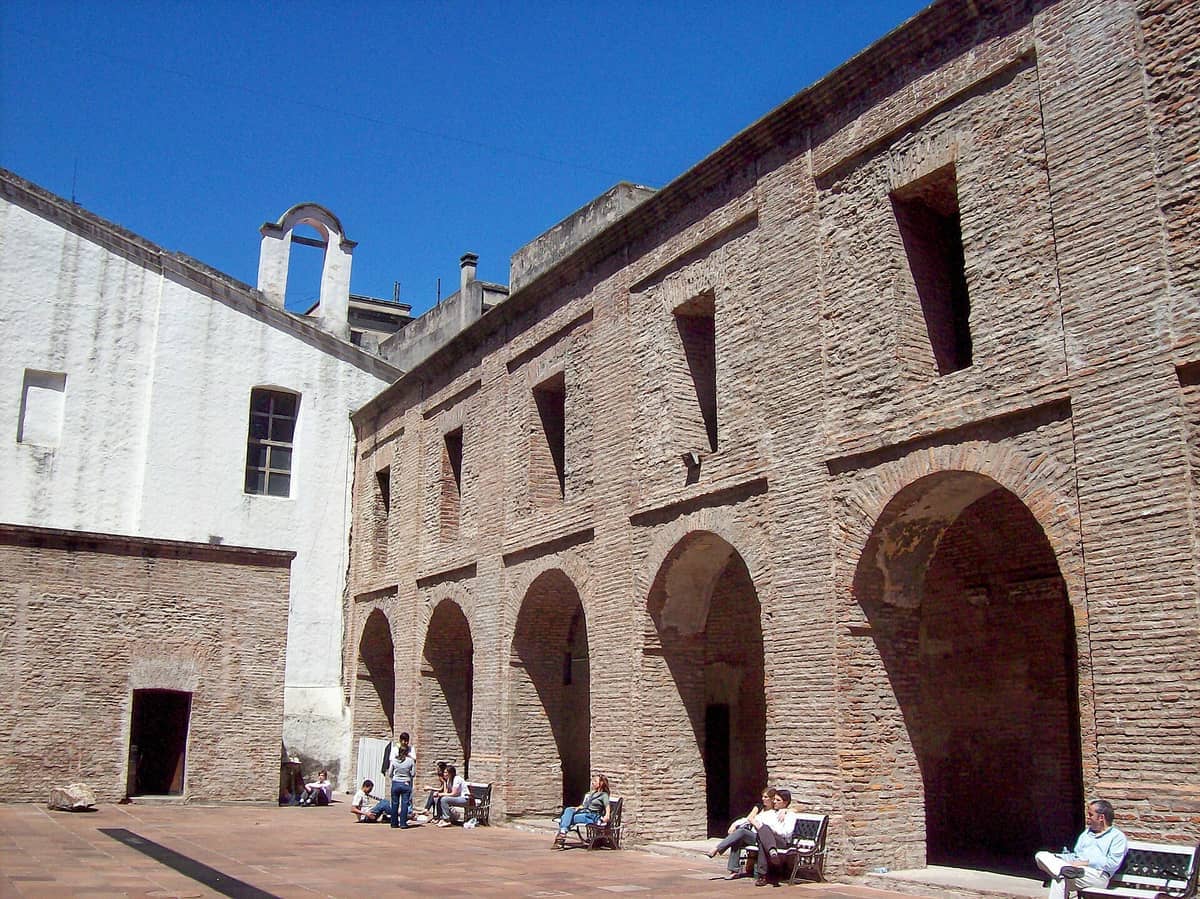
25. Explore Colonial Tunnels Beneath the Block of Enlightenment
The city's oldest and most historically significant block contains the 1675 Jesuit church of San Ignacio, the site of the first university in the Río de la Plata, and a network of colonial tunnels. Guided tours exploring the underground passages run regularly.
Explore25. Explore Colonial Tunnels Beneath the Block of Enlightenment
The city's oldest and most historically significant block contains the 1675 Jesuit church of San Ignacio, the site of the first university in the Río de la Plata, and a network of colonial tunnels. Guided tours exploring the underground passages run regularly.
Explore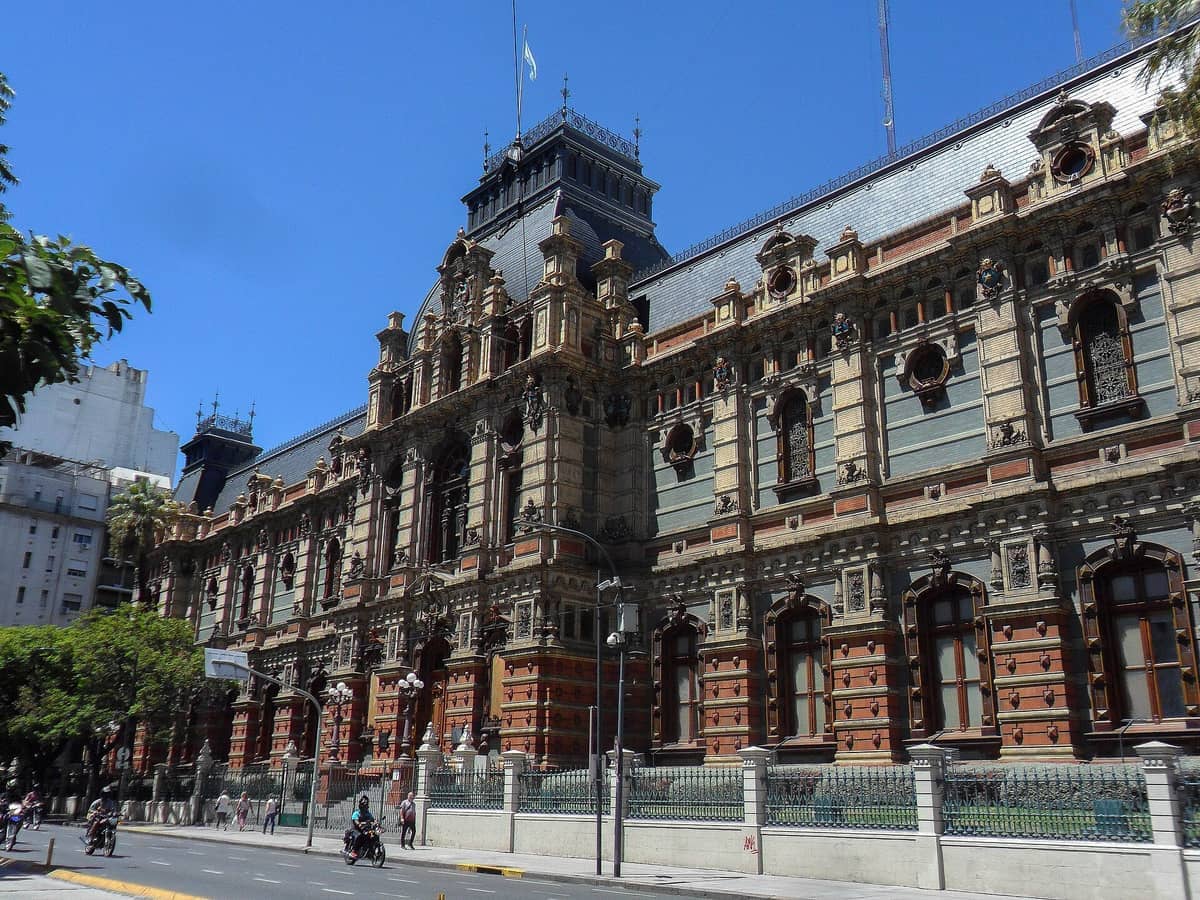
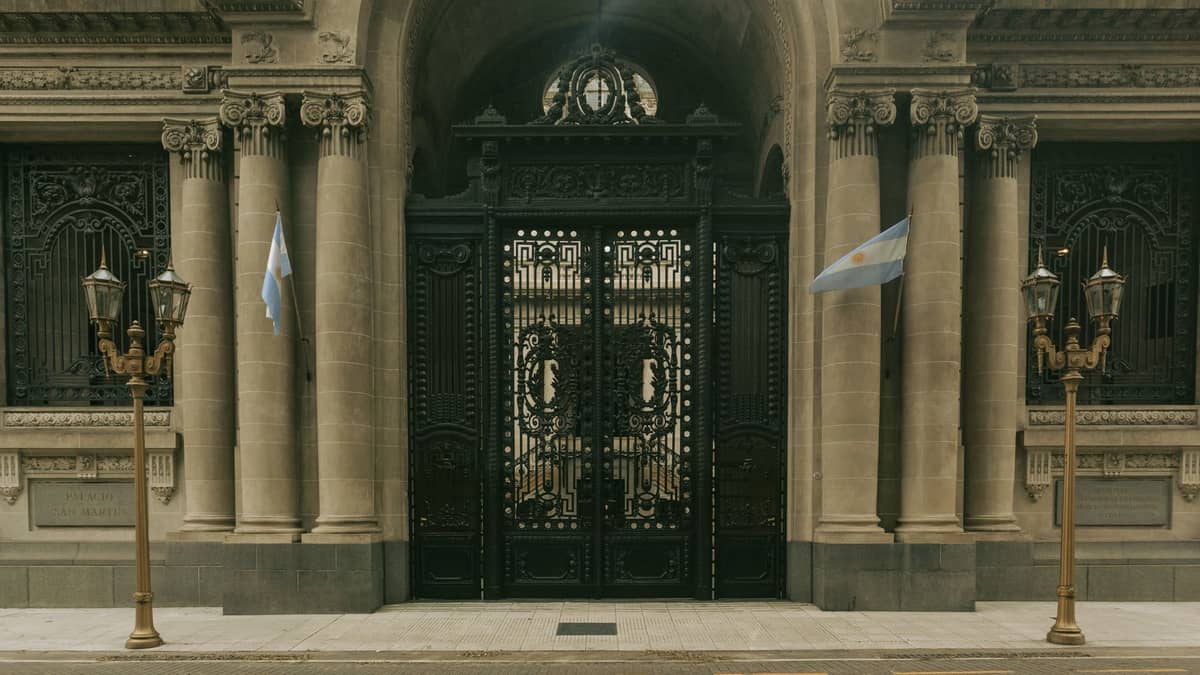
26. Marvel at 130,000 Ceramic Tiles on the Water Palace Façade
This extraordinary 1894 water company palace is covered in 130,000 glazed English ceramic tiles and terracotta figures. The interior houses a small museum of the city's water history; the building's ornate façade is reason enough to seek it out.
Explore26. Marvel at 130,000 Ceramic Tiles on the Water Palace Façade
This extraordinary 1894 water company palace is covered in 130,000 glazed English ceramic tiles and terracotta figures. The interior houses a small museum of the city's water history; the building's ornate façade is reason enough to seek it out.
Explore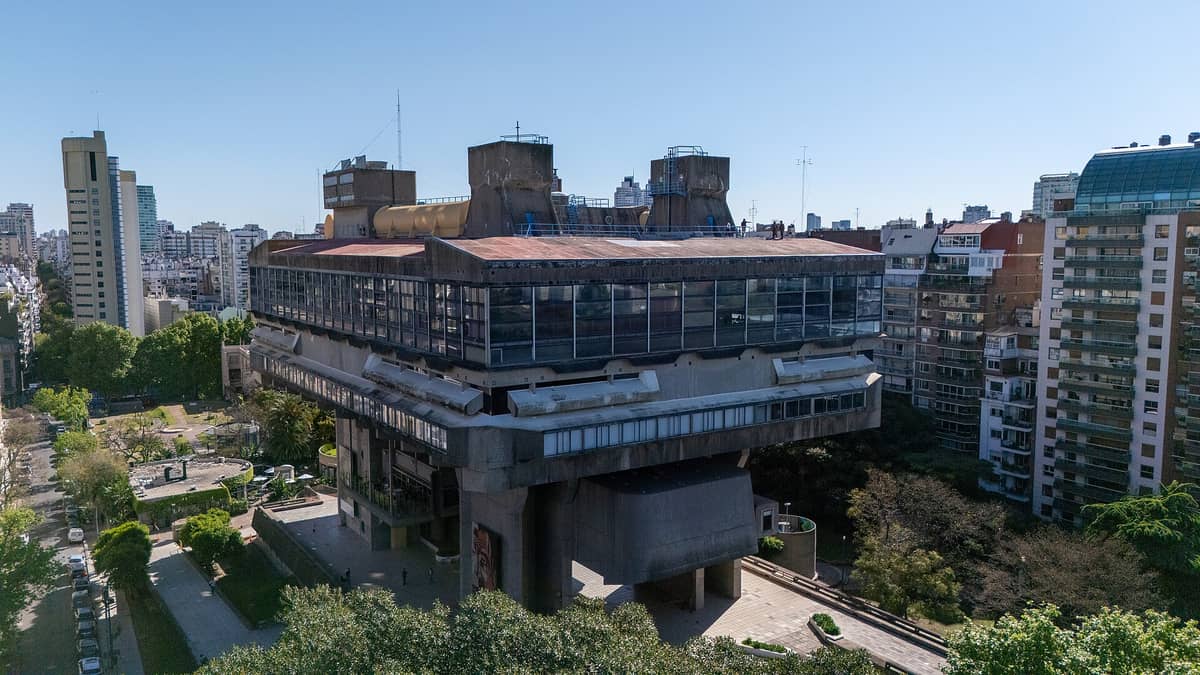
27. Visit Argentina's Brutalist National Library in Recoleta
The national library's striking Brutalist building holds over four million volumes including rare manuscripts and first editions. Temporary exhibitions are often free to attend, and the esplanade offers views over Buenos Aires's northern skyline.
Explore27. Visit Argentina's Brutalist National Library in Recoleta
The national library's striking Brutalist building holds over four million volumes including rare manuscripts and first editions. Temporary exhibitions are often free to attend, and the esplanade offers views over Buenos Aires's northern skyline.
Explore✨ Pro tip
Several museums cluster along Avenida del Libertador between Recoleta and Palermo: the MNBA, MALBA, the Museo de Arte Decorativo, and the Fernández Blanco museum can all be reached in one long afternoon on foot or by a short taxi ride between stops.
FAQ
Which museums in Buenos Aires are free?
The Museo Nacional de Bellas Artes (MNBA), the Museo Histórico Nacional, the Centro Cultural Kirchner, and the Centro Cultural Recoleta all offer free general admission. The MNBA is closed on Mondays and has specific holiday closures, so check the official site before visiting.
What is the best art museum in Buenos Aires?
For classical and European art, the MNBA is the top choice and it's free. For Latin American modern art, MALBA has the stronger collection, with major works by Frida Kahlo, Diego Rivera, and Xul Solar. For contemporary Argentine work, MAMBA in San Telmo is the go-to destination.
Do Buenos Aires museums require advance booking?
Most can be visited without a reservation, but popular venues like the Teatro Colón guided tours and some temporary exhibitions at the CCK may require booking ahead. The MNBA has noted that advance reservation by email may be required at certain times, so confirm on the official site.
How many days do I need to see the best museums in Buenos Aires?
Realistically, two to three dedicated museum days will cover the highlights: one day for the MNBA, MALBA, and the Decorative Arts Museum along the Libertador corridor; one day for the ex-ESMA, Parque de la Memoria, and the CCK; and a third day for MAMBA, Fundación PROA, and the football museums.
Are Buenos Aires museums suitable for children?
Several are excellent for families. The Museo de Ciencias Naturales in Parque Centenario (dinosaurs and fossils), the Planetario in Palermo, and the Museo de la Pasión Boquense at La Bombonera all offer engaging experiences for children. The Ecoparque in Palermo is also nearby for a combined day out.
Tickets & tours
Live prices and dates from our booking partner. If you book, we may earn a commission at no extra cost to you.
Planning a trip? Discover personalized activities with the Nomado app.