Centro Cultural Recoleta: Buenos Aires' Most Accessible Art Space
The Centro Cultural Recoleta is a large public cultural center in Recoleta, Buenos Aires, offering rotating contemporary art exhibitions, film screenings, and live performances across 27 rooms and additional dedicated spaces. Entry is free for Argentine residents and low-cost for international visitors, making it one of the most accessible cultural institutions in the city.
Quick Facts
- Location
- Junín 1930, Recoleta, Buenos Aires
- Getting There
- Multiple bus lines along Av. del Libertador and Pueyrredón; nearby Subte stations on lines D and H involve a short walk — taxis and ride-hailing apps are convenient
- Time Needed
- 1 to 2 hours for a focused visit; longer if attending a film or performance
- Cost
- Free for Argentine residents; ARS 6,000 for non-residents over 12 (as of 2025–2026). Persons with disabilities and one companion: free admission
- Best for
- Contemporary art, architecture, budget travelers, cultural events
- Official website
- www.centroculturalrecoleta.org
What the Centro Cultural Recoleta Actually Is
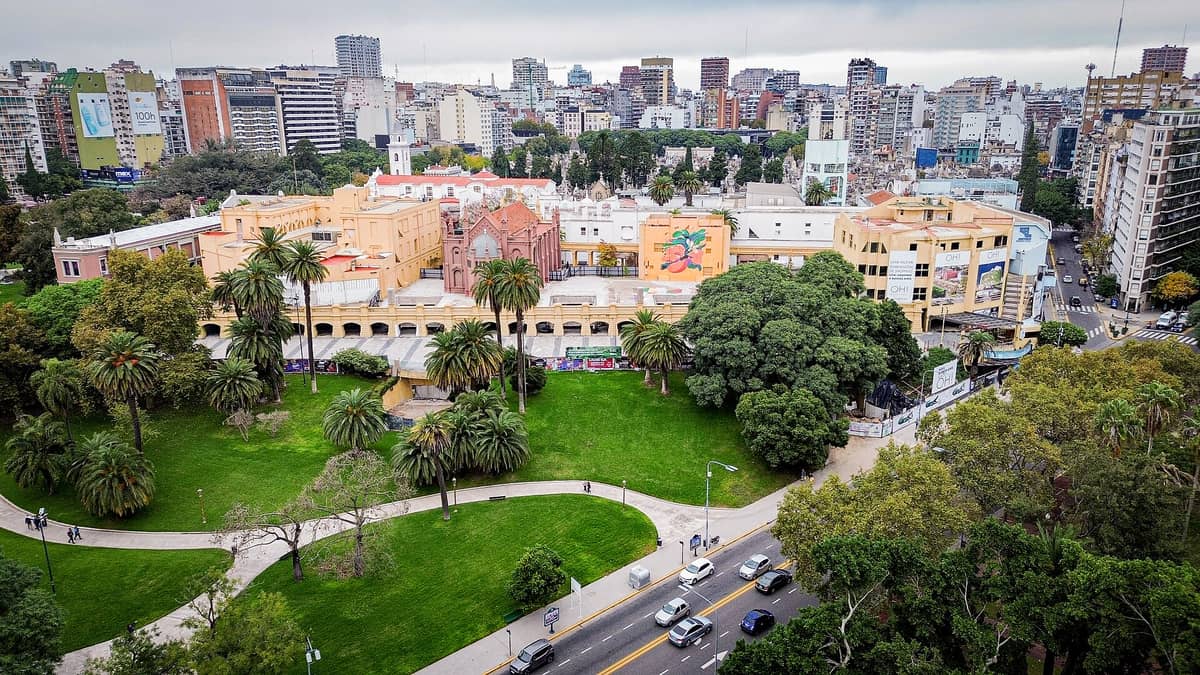
The Centro Cultural Recoleta (CCR) is a government-run cultural center occupying a large historic building at Junín 1930 in the Recoleta neighborhood. It operates under the Buenos Aires City Ministry of Culture and functions as one of the city's principal spaces for contemporary visual art, independent cinema, theater, and community programming. Unlike a traditional museum with a permanent collection, the CCR rotates its exhibitions constantly, which means no two visits feel exactly the same.
The complex is substantial: 27 exhibition rooms, an auditorium, and an open-air amphitheater. The building itself has a long institutional history, and its corridors carry the slightly worn character of a space that has been in continuous public use for decades. That is part of its appeal. This is not a polished, tourist-oriented gallery. It functions as a genuine community cultural hub for porteños, which gives it an authenticity that more commercialized venues lack.
ℹ️ Good to know
Opening hours: Tuesday to Friday 12:00–21:00, Saturday, Sunday, and public holidays 11:00–21:00. Closed Monday. Hours may vary during special events — confirm via the official website before visiting.
The Building and Its Surroundings
The CCR sits directly adjacent to the Recoleta Cemetery, one of the most-visited sites in Argentina. Arriving from that direction, you pass through an outdoor courtyard that connects the cemetery entrance, the cultural center, and the Basilica Nuestra Señora del Pilar. The spatial arrangement is worth pausing to appreciate: a functioning cemetery, a baroque church, and a contemporary arts venue sharing a single block. In most cities, that combination would seem incongruous. In Recoleta, it feels completely natural.
The exterior of the CCR is a colonial-era structure, whitewashed and colonnaded, that reads as institutional rather than grand. Inside, the spaces vary considerably: some rooms have high ceilings and tiled floors that echo with footsteps, while others are smaller, darker gallery spaces suited to video installations or photography. The amphitheater at the rear opens onto a garden and is used for outdoor performances, particularly in spring and autumn when temperatures cooperate. For context on Recoleta's broader architectural character, the Buenos Aires architecture guide provides useful background on the neighborhood's European-influenced urban fabric.
Tickets & tours
Live prices and dates from our booking partner. If you book, we may earn a commission at no extra cost to you.
Recoleta and Palermo Bike Tour in Buenos Aires
From 43 €Instant confirmationFree cancellationMadero Tango Show tickets with optional dinner
From 32 €Instant confirmationFree cancellationBuenos Aires small-group city tour with optional lunch and cruise
From 25 €Instant confirmationFree cancellationPiazzolla Tango Show VIP tickets with transfer and optional dinner
From 112 €Instant confirmationFree cancellation
What You'll Find Inside: Exhibitions and Programming
The CCR's exhibition program covers contemporary Argentine and Latin American art, design, photography, and installation work. The programming tends toward the experimental rather than the canonical — you're more likely to encounter a young Argentine photographer's first major solo show or an interdisciplinary installation mixing sound and sculpture than a retrospective of a household name. This is a space where the city's creative community tests ideas.
The micro-cinema screens independent and art-house films, often as part of curated cycles tied to current exhibitions or visiting festivals. The auditorium hosts talks, music performances, and theater. On weekends especially, the schedule tends to fill out with workshops and community activities, some of which require prior registration. Checking the CCR's official website or social media before visiting is the most reliable way to know what's on — the program turns over frequently enough that general descriptions go stale quickly.
💡 Local tip
Some workshops and special exhibitions require separate registration or tickets beyond the general admission fee. If you have a specific event in mind, check the official site in advance — popular workshops fill up quickly.
How the Experience Changes by Time of Day
Arriving just after opening on a weekday afternoon, the CCR tends to be quiet. The courtyards are often empty apart from a handful of art students and locals cutting through the space. This is the best window for moving through the exhibition rooms without feeling rushed, and for taking in the building's physical details without the distraction of crowds.
By late afternoon on weekends, the atmosphere shifts noticeably. Families arrive for workshops, teenagers gather in the outdoor areas, and the gallery spaces fill with a cross-section of Buenos Aires society that you rarely see in the upscale boutiques and cafes that dominate the surrounding streets. The amphitheater, if an outdoor event is scheduled, draws a genuinely mixed crowd. The CCR has a social function that extends well beyond the art on the walls.
Evening visits, particularly on Fridays and Saturdays, can coincide with opening nights for new exhibitions. These are public and free to attend; they tend to draw a creative crowd and offer an unscripted window into Buenos Aires' contemporary arts scene. The building stays open until 21:00, and the light through the courtyard archways at dusk is worth catching if your timing works out.
Practical Walkthrough: Getting There and Getting Around Inside
The CCR has no Subte station at its doorstep, but lines D and H stop within several blocks, making a short walk necessary; buses and taxis remain the most practical options. Multiple colectivo lines run along Avenida del Libertador and Avenida Pueyrredón, both within a short walk of the entrance. Taxis and ride-hailing apps drop off directly outside, which is convenient given that the surrounding streets are well-trafficked and easy to navigate.
From central Recoleta, the CCR is an easy walk through the neighborhood's leafy streets. If you're already visiting the Recoleta Cemetery, the cultural center entrance is immediately adjacent — combining the two visits in a single morning or afternoon is a natural and efficient choice.
Inside, the complex is large enough to be slightly disorienting on a first visit. Room numbers are posted, but the layout is not entirely linear — corridors branch off in unexpected directions. Pick up a printed floor plan at the entrance or check the map near the main door. If you're focused on a specific exhibition, ask staff at the information desk; they are generally helpful and some speak basic English.
⚠️ What to skip
Accessibility: the CCR building includes stairs in several sections. The city's official documentation notes that the structure has physical constraints typical of historic buildings. If you or someone in your group has mobility considerations, contact the CCR directly before visiting to confirm current access arrangements. Persons with disabilities and one companion receive free admission.
Photography, What to Bring, and Limitations
Photography policies vary by exhibition. In most gallery spaces, personal photography without flash is tolerated, but specific installations or shows with artist restrictions may be posted as no-photo zones. When in doubt, check with staff before shooting. The courtyard and exterior architecture are freely photographable and offer some of the more interesting architectural compositions in the neighborhood.
Bring a light layer if you're visiting in winter — some of the larger gallery rooms can feel cold, particularly in the older sections of the building. There is a small cafe or refreshment area within or adjacent to the complex, though food and drink options inside are limited compared to the many cafes on the surrounding streets.
A note on expectations: the CCR is not a blockbuster destination in the way that the MALBA is, with its consistent international programming and landmark building. The CCR's appeal is different — it rewards visitors who are genuinely curious about what Argentine artists are doing right now, rather than those seeking a curated greatest-hits experience. If your time in Buenos Aires is limited and you're prioritizing major collections, the MALBA or the Museo Nacional de Bellas Artes (which is also free and nearby) may better fit your schedule. But if you want to see the city's cultural life operating on its own terms, the CCR is worth the visit.
The Neighborhood Context
Recoleta is one of Buenos Aires' most distinctive neighborhoods, defined by its French-influenced residential architecture, wide tree-lined streets, and a concentration of cultural institutions. The CCR sits at the cultural heart of that cluster. Within a short walk, you have the cemetery, the Basilica Nuestra Señora del Pilar, and the Museo Nacional de Bellas Artes. The Recoleta neighborhood itself repays exploration on foot — the streets between these institutions are lined with notable buildings and the occasional weekend market.
The area immediately around the CCR, particularly the plaza and adjacent park, fills with locals on weekend afternoons. Street vendors, food stalls, and a craft fair that sets up nearby add to the general atmosphere. The CCR is not an isolated cultural monument — it exists within a functioning urban space that gives it energy and context.
Insider Tips
- Check the CCR's official website or Instagram account the week before your visit. Opening nights for new exhibitions are public events and free to attend — they offer one of the most authentic windows into Buenos Aires' contemporary arts community.
- The amphitheater at the rear of the building hosts free outdoor performances in spring and autumn. These are rarely mentioned in generalist travel guides but are well-known among Buenos Aires residents. Check the schedule online.
- If you're visiting on a weekend, arrive closer to opening time (11:00) to walk the exhibition rooms with minimal crowds before the afternoon influx of families and workshop participants.
- The CCR is directly adjacent to the Recoleta Cemetery — combining both in a single visit is easy and logical. Plan for at least two hours total if you're doing both.
- Non-residents pay ARS 6,000 for general admission. Given Argentina's currency dynamics, this amount can feel negligible or more significant depending on when you visit. Check the official site for current pricing, as fees are subject to adjustment.
Who Is Centro Cultural Recoleta For?
- Travelers interested in contemporary Argentine and Latin American art who want to see the local scene rather than a curated international program
- Budget-conscious visitors: free for residents, low-cost for international travelers, and often with free public events in the evenings
- Architecture and history enthusiasts who appreciate the contrast of a colonial building repurposed as a contemporary arts space
- Visitors spending a half-day in Recoleta who want to combine the cemetery, the basilica, and a cultural stop in a single walk
- Anyone curious about what Buenos Aires' creative community is actually working on right now
Nearby Attractions
Other things to see while in Recoleta:
- Basílica Nuestra Señora del Pilar
Standing directly beside the Recoleta Cemetery, the Basílica Nuestra Señora del Pilar is one of the oldest churches in Buenos Aires. Built in the 18th century as part of a Franciscan convent complex, it offers free entry, a small cloister museum, and a rare moment of quiet in one of the city's most visited corners.
- Biblioteca Nacional Mariano Moreno
The Biblioteca Nacional Mariano Moreno is Argentina's main national library, a striking Brutalist landmark in Recoleta that has safeguarded the country's literary and documentary heritage since its founding in 1810. Entry is free, the building is architecturally significant, and the reading rooms offer a rare window into Buenos Aires intellectual life.
- Cementerio de la Recoleta
The Cementerio de la Recoleta is a 13-hectare open-air monument to Argentina's political elite, military heroes, and cultural icons, mapped out in streets of carved marble, wrought iron, and crumbling Art Deco grandeur. It is where Eva Perón is buried, but the cemetery rewards those who wander beyond her tomb. Few attractions in Buenos Aires deliver this much history, beauty, and quiet drama in a single visit.
- El Ateneo Grand Splendid
Once a grand theater, El Ateneo Grand Splendid on Avenida Santa Fe is now a working bookstore where the original stage, balconies, and painted dome have been preserved in full. Entry is free, the café sits where performers once stood, and the sheer scale of the space stops first-time visitors in their tracks.
Planning a trip? Discover personalized activities with the Nomado app.