Recoleta sits in the northern center of Buenos Aires, where ornate mausoleums, neoclassical facades, and wide tree-lined boulevards create an atmosphere unlike anywhere else in the city. It is the address of the Cementerio de la Recoleta, the Museo Nacional de Bellas Artes, and Avenida Alvear, one of Latin America's most prestigious shopping streets. Equal parts cultural district and residential enclave, Recoleta rewards travelers who want to understand Buenos Aires at its most architecturally ambitious.
Recoleta is where Buenos Aires wears its European ambitions most openly: limestone facades, wrought-iron balconies, and a cemetery so elaborate it qualifies as an open-air museum of Argentine history. The neighborhood stretches north of the city center along the edge of the Río de la Plata, anchored by one of the world's most photographed burial grounds and a cluster of museums and cultural centers that would hold their own in any capital city.
Orientation
Recoleta occupies a roughly wedge-shaped territory in the north-central part of Buenos Aires, bounded to the south by Avenida Córdoba, and to the southeast by Montevideo and Uruguay streets, and to the west by Coronel Díaz and Avenida Las Heras. To the north and northeast, the neighborhood runs toward the Ferrocarril General Bartolomé Mitre railway and the Río de la Plata shoreline. These are official boundaries, but in practice most visitors experience Recoleta as the compact zone clustered around Junín, Quintana, and Avenida del Libertador.
Geographically, Recoleta sits between the city center to the south and Palermo to the northwest. Walking south from the cemetery along Avenida Callao or Avenida Santa Fe brings you into Barrio Norte and eventually into the Microcentro within thirty minutes. Head northwest along Libertador and you cross into Palermo's parkland zone within ten to fifteen minutes on foot. The neighborhood's elevation is minimal, Buenos Aires being essentially flat throughout, but the streets here feel wider and more formally laid out than in adjacent barrios.
For travelers using Buenos Aires as a base, Recoleta is also close to Aeroparque Jorge Newbery (IATA: AEP), the domestic and regional airport located on the northern riverfront, which sits roughly 4 kilometers away. This proximity makes it one of the more convenient neighborhoods for early flights. See the Buenos Aires airport guide for transfer options and timing.
Character & Atmosphere
Recoleta has a particular quality in the morning: the streets around Plaza Francia are quiet and slightly formal, the stone facades catching low sideways light, the smell of espresso drifting from corner cafés that have barely opened their shutters. Older residents walk small dogs along Avenida Alvear with a regularity that suggests decades of the same route. The neighborhood does not rush into its day.
By mid-morning on weekends, the dynamic shifts. The weekend artisan fair at Plaza Francia draws large crowds, and the approach to the cemetery on Junín fills with tour groups, independent travelers, and vendors. The cultural center next door opens its doors and the whole zone takes on a festive but not chaotic character. This is the Recoleta most visitors see, and it is genuinely worth experiencing, though the density of tourists around the cemetery entrance can feel concentrated between 10am and 2pm.
Afternoons in the quieter residential streets, particularly around Avenida Alvear and its side streets, reveal the neighborhood's other register: a composed, low-key affluence. The restaurants along Quintana and the shops on Alvear cater to a primarily local clientele of long-established porteño families, diplomats, and business visitors. This is old money by Buenos Aires standards, which means good coffee, unhurried service, and architecture maintained with visible care.
After dark, Recoleta is calmer than Palermo or San Telmo. The bar and restaurant scene is present but not dominant. Most activity clusters around the blocks immediately surrounding the cultural center and the streets leading toward Santa Fe, where there are wine bars and parrillas that stay open late. The deeper residential streets become genuinely quiet by 11pm, which suits travelers wanting to sleep but may disappoint those looking for nightlife at the door.
ℹ️ Good to know
Recoleta's character changes noticeably depending on the day. Weekday mornings are the most local-feeling, with almost no tourist crowds. Weekend afternoons around the fair and cemetery see the highest visitor density of the week.
What to See & Do
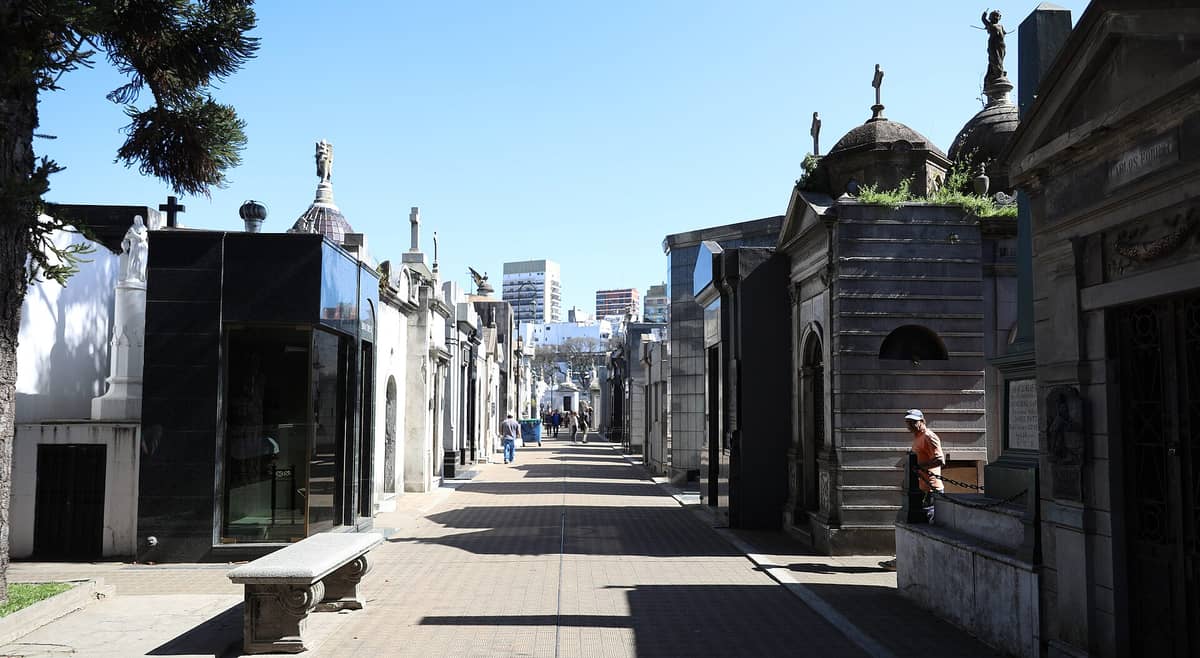
The Cementerio de la Recoleta at Junín 1790 is the neighborhood's defining landmark and genuinely earns its reputation. Opened in 1822, it contains thousands of above-ground tombs and mausoleums, many of them elaborate works of sculpture and architecture. The tomb of Eva Perón is the most visited, but navigating the grid of narrow passages reveals dozens of equally striking monuments to generals, presidents, and aristocratic families. Entry is free. Plan at least 90 minutes, and go early on weekdays to experience it without crowds pressing in on every turn.
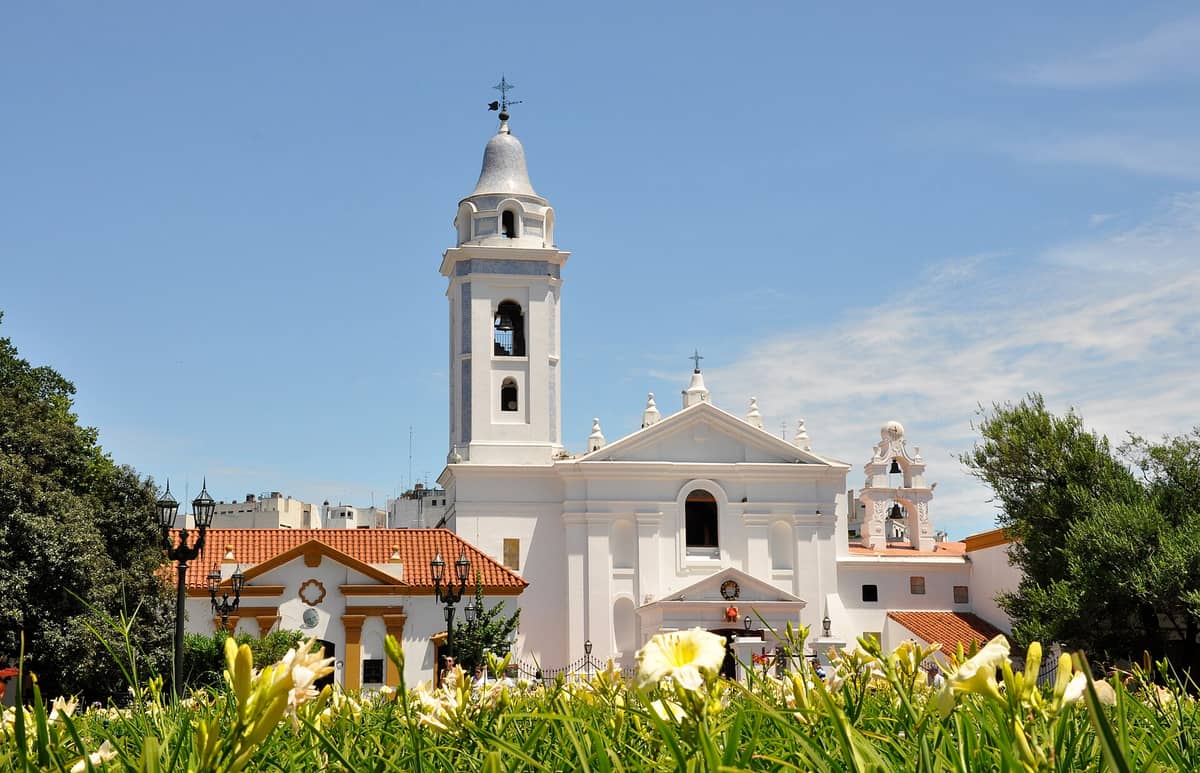
Immediately adjacent to the cemetery stands the Basílica Nuestra Señora del Pilar on Junín 1892. Built in the early 18th century by Franciscan friars, the white colonial church provides a striking contrast to the ornate cemetery walls behind it. The interior is relatively simple, with decorative tilework and a silver altar, and it remains an active parish church.
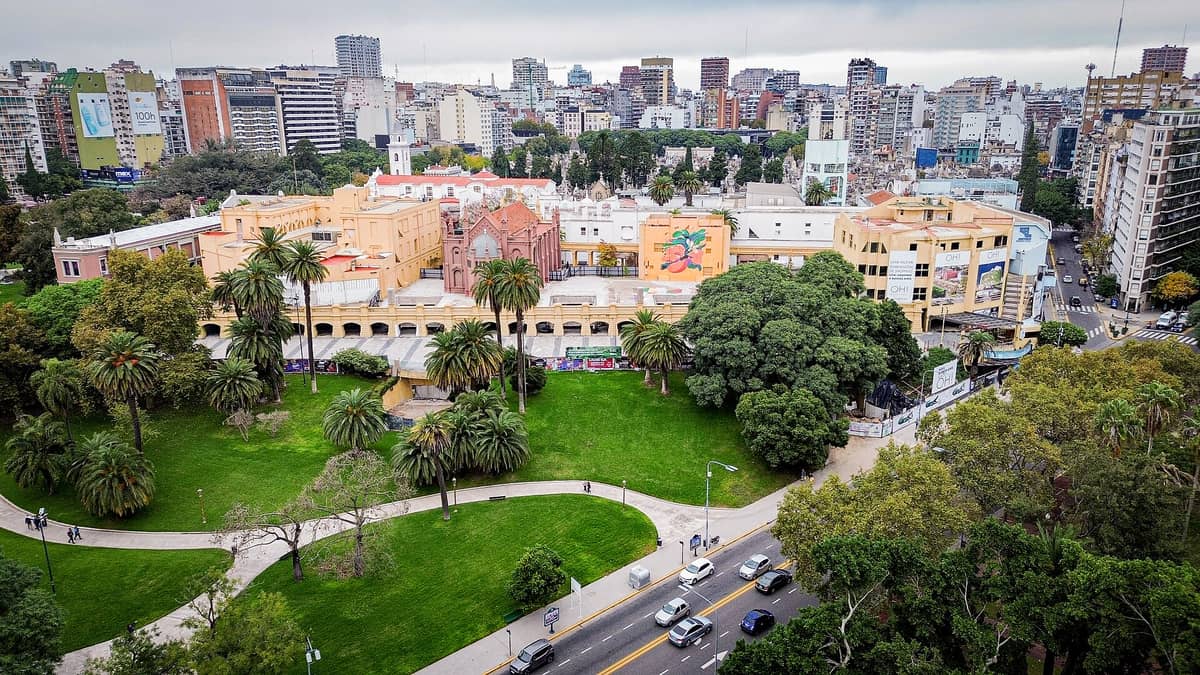
The Centro Cultural Recoleta at Junín 1930 occupies a former Franciscan convent that shares a wall with the basilica. The complex has been converted into a sprawling venue for contemporary art exhibitions, theater, music, and design shows. Admission to most exhibitions is free or low-cost, and the programming tends to be genuinely current rather than heritage-focused. The courtyard is a good place to take a break on a warm afternoon.
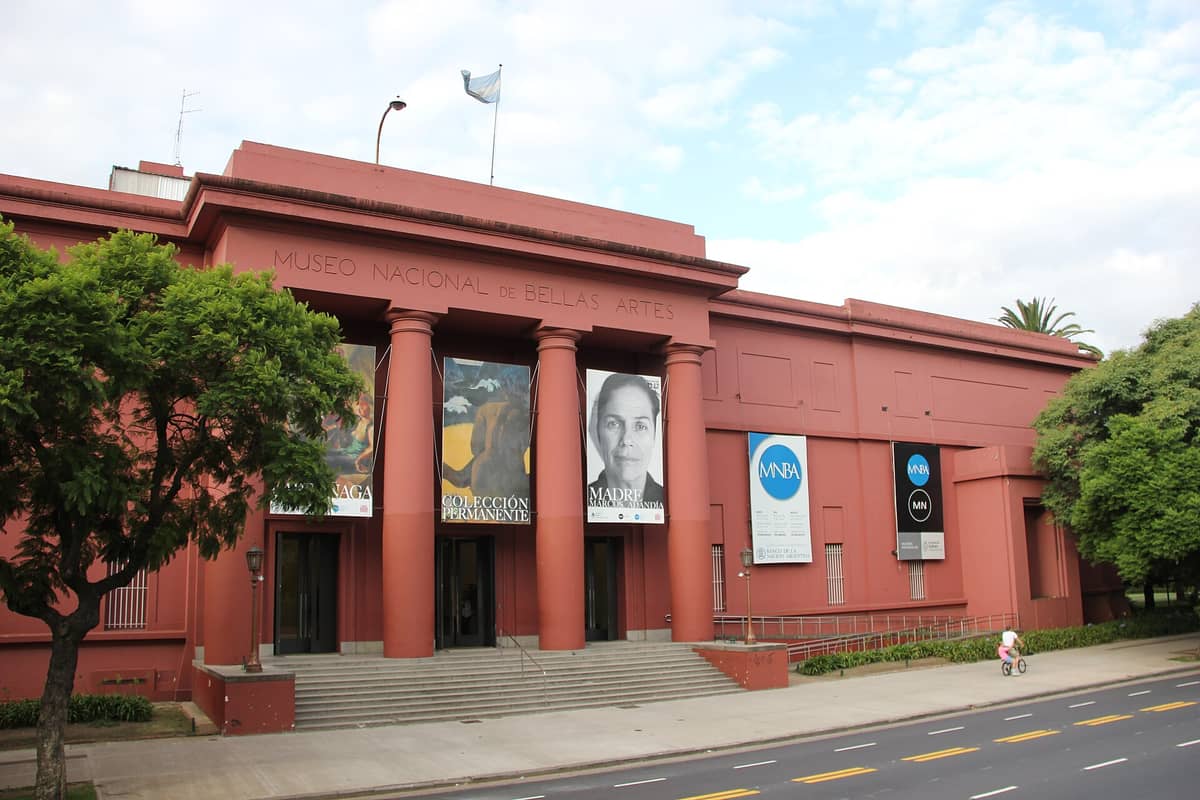
A few blocks east along Avenida del Libertador, the Museo Nacional de Bellas Artes houses Argentina's most significant collection of fine art: Rodin sculptures, works by Rembrandt and Goya, and an extensive collection of Argentine and Latin American painting from the 19th and 20th centuries. Admission is free. The building itself, a converted pumping station, has an industrial elegance that suits the collection well. Allow two to three hours for a serious visit.
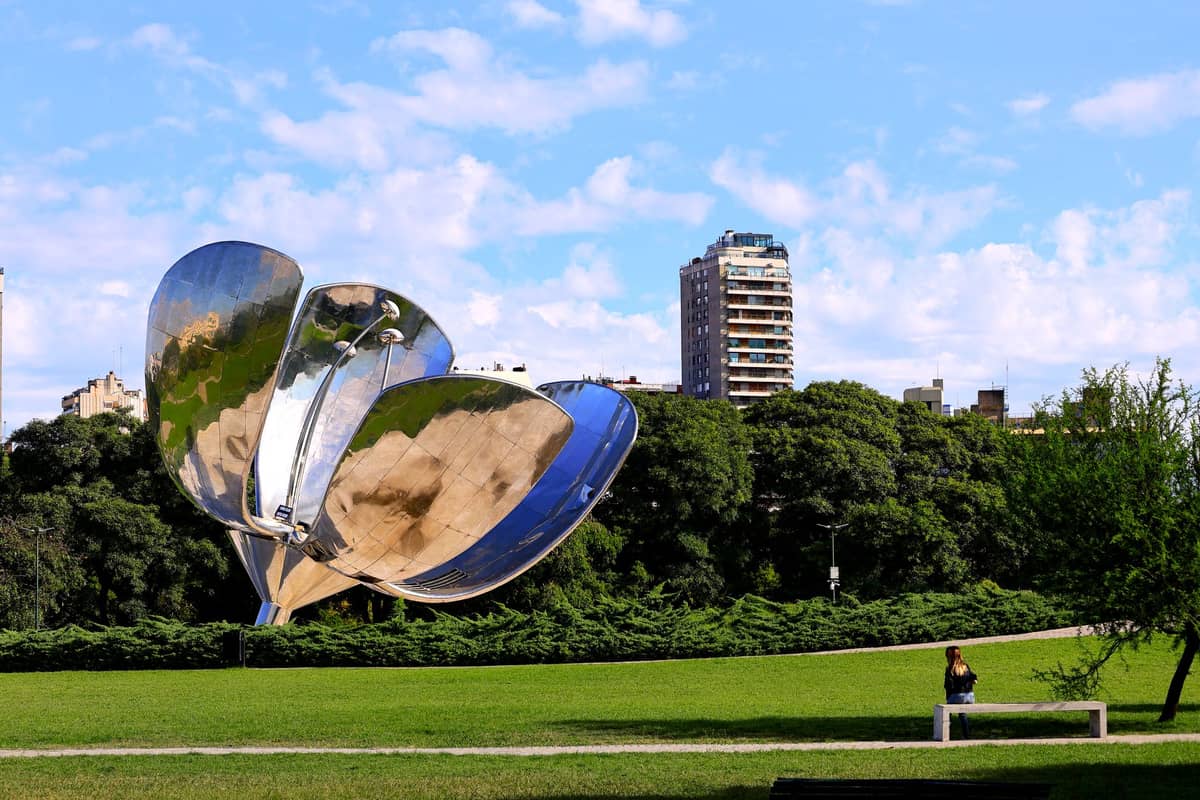
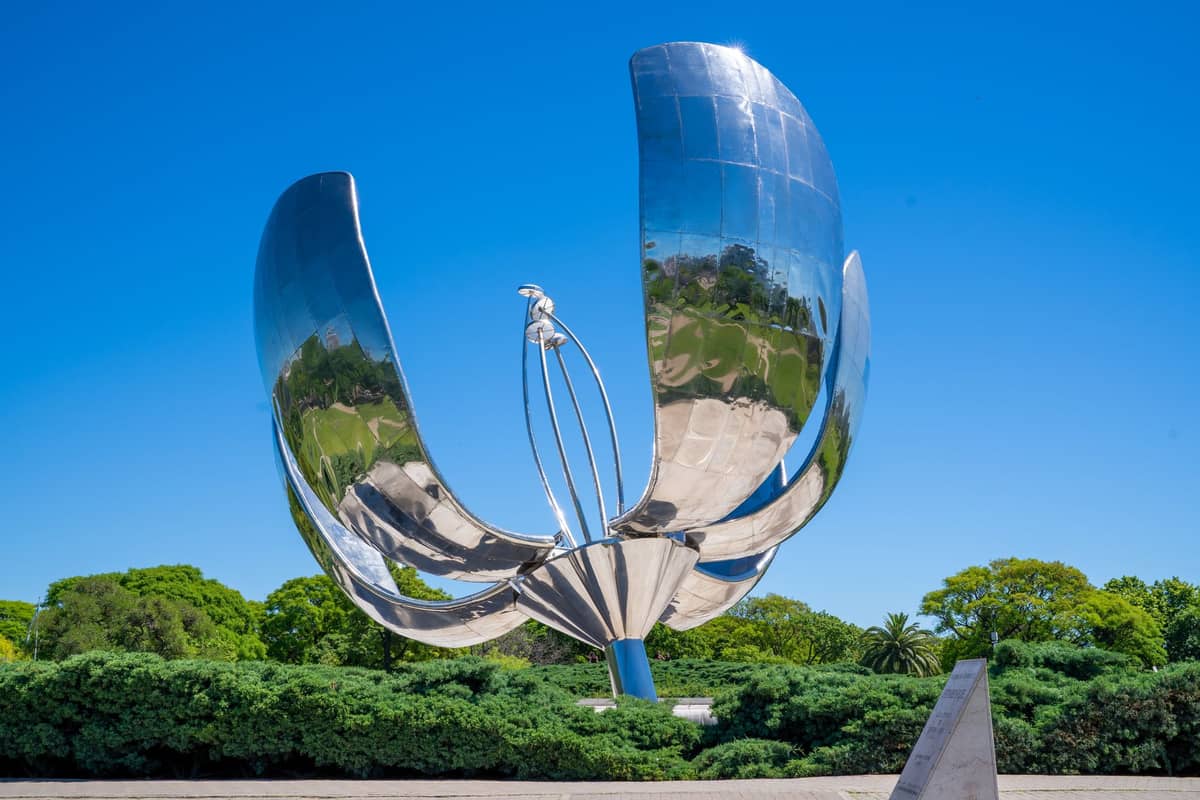
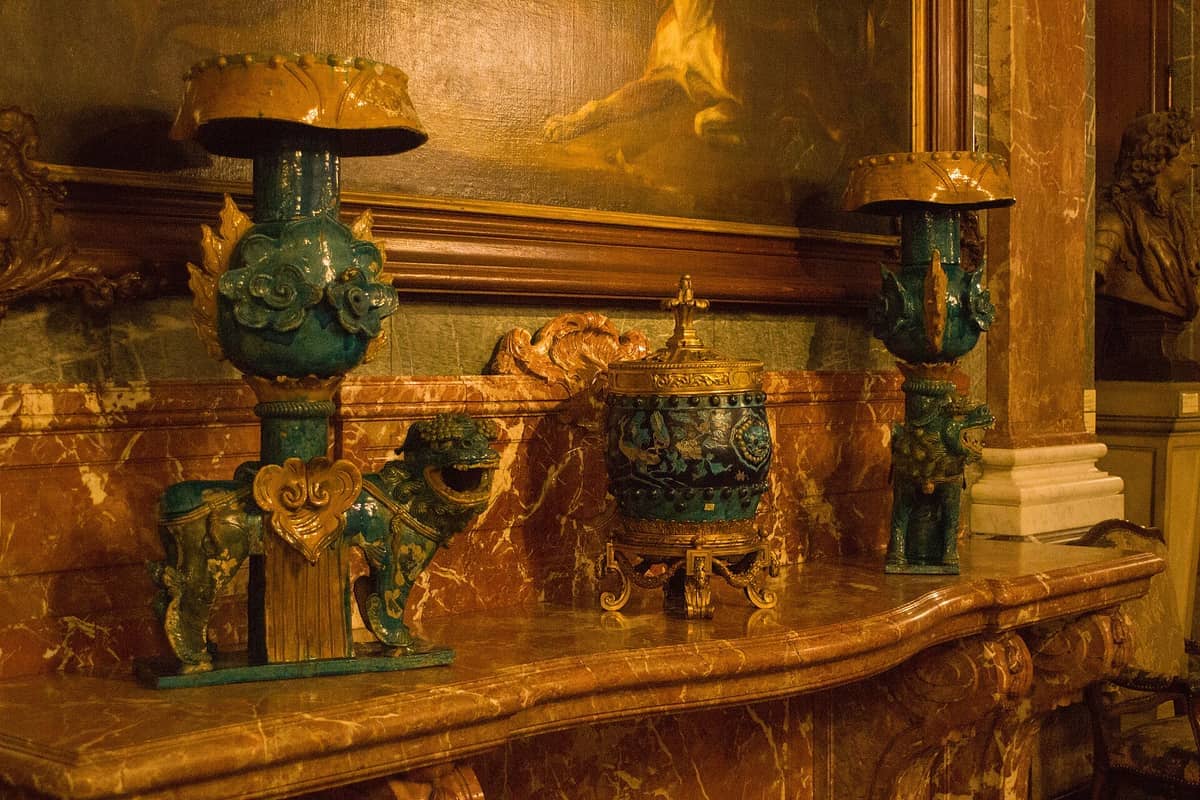
Also on Libertador, the Museo de Arte Decorativo occupies the Palacio Errázuriz, a French neoclassical palace designed by René Sergent in the early 20th century. The permanent collection of decorative arts, furniture, and objets d'art is essentially a guided tour through the tastes of Buenos Aires' landed elite circa 1900. It is less visited than the Bellas Artes and all the better for it. Nearby, the Floralis Genérica, a large steel and aluminum flower sculpture by Eduardo Catalano, sits in Plaza de las Naciones Unidas and opens its petals each morning.
Recoleta Cemetery (Junín 1760) – foreigners pay admission (about ARS 24,030 as of mid-2026, card only); residents free with DNI; tourist hours 09:00–17:00
Basílica Nuestra Señora del Pilar (Junín 1892) – active church, free
Centro Cultural Recoleta (Junín 1930) – exhibitions and performances
Museo Nacional de Bellas Artes (Av. del Libertador 1473) – free, Argentina's premier art museum
Museo de Arte Decorativo (Av. del Libertador 1902) – French palace, decorative arts collection
Plaza Francia weekend artisan fair – handmade crafts, open Saturdays and Sundays (and public holidays)
Floralis Genérica sculpture – Plaza de las Naciones Unidas
Eating & Drinking
Recoleta's food scene skews toward traditional and upscale rather than experimental. The restaurants along Avenida Alvear and the streets immediately south of the cemetery are generally full-service, white-tablecloth establishments serving classic Argentine steaks, pasta, and European-influenced menus. Prices here are higher than in Palermo or San Telmo, particularly at establishments that cater explicitly to hotel guests and foreign visitors.
The blocks around Posadas and Quintana have a concentration of parrillas (Argentine grills) and brasserie-style restaurants that represent good value for the neighborhood, particularly at lunch when many offer fixed-price menus. Wine lists tend to be long and Argentine-focused, with Mendoza Malbecs and Patagonian reds well represented.
Café culture is important here. Traditional confiterías, large formal cafés serving coffee, pastries, and sandwiches, are concentrated along Avenida Santa Fe and the streets branching off toward the cemetery. If you want context for what a Buenos Aires confitería was at its 1950s peak, Recoleta is one of the better places to find it, alongside the more famous examples in the Microcentro. The Buenos Aires café culture guide covers the wider citywide scene in detail.
For more casual eating, the weekend fair at Plaza Francia is surrounded by food stalls selling empanadas, choripán, and sweets. There are also several informal cafés along the edges of the plaza that work well for a quick lunch between museum visits. Budget travelers will find Recoleta expensive overall compared to other neighborhoods, but it is possible to eat well without spending a lot if you focus on fixed-price lunch deals and avoid the obvious tourist traps closest to the cemetery entrance.
💡 Local tip
Many restaurants in Recoleta offer a 'menú ejecutivo' at lunch: a two-course meal with a drink for a fixed price that is substantially cheaper than ordering à la carte. Look for chalkboard signs in the window, usually posted by noon.
Getting There & Around
Recoleta has no Subte station in its core, which surprises some visitors given how central it is. The closest stops are Pueyrredón on Line D and Las Heras on Line H, each roughly a 10-minute walk from the cemetery and cultural center cluster. Line D runs along Santa Fe and connects to the Microcentro at Catedral station, then continues west toward Palermo; Line H runs north-south and connects at Corrientes and other stations for transfers to other lines.
Bus routes compensate well for the lack of direct Subte access. Several colectivo lines run along Avenida Las Heras and Avenida Santa Fe, connecting Recoleta with downtown, Palermo, Belgrano, and points south. The SUBE card is required for all bus and Subte travel; it can be loaded at kiosks, Subte stations, and some supermarkets. The getting around Buenos Aires guide explains the full transit network, fares, and the SUBE system in detail.
Taxis and ride-hailing apps are widely used and generally reliable for getting between Recoleta and other neighborhoods. The journey from the Microcentro to the cemetery takes around 15 minutes by taxi outside rush hour. From Aeroparque, a taxi to Recoleta typically runs 20 to 30 minutes depending on traffic on Avenida Costanera Norte, and the fare should be checked against current rate tables before publishing specific amounts.
Within the neighborhood, walking is the most practical option. The main cluster of attractions, between the cemetery on Junín and the Bellas Artes on Libertador, spans roughly 500–600 meters. The streets are wide, well-paved, and generally easy to navigate. The grid layout, common to most of Buenos Aires, makes orientation straightforward: Libertador runs along the park edge to the north, Alvear runs parallel one block south, and the numbered addresses increase as you move away from the city center.
⚠️ What to skip
Recoleta's main tourist zone has no dedicated parking and traffic on Libertador can be heavy. If you are arriving by taxi, specify the entrance on Junín to avoid being dropped on the far side of the cemetery complex.
Where to Stay
Recoleta is one of the most hotel-dense neighborhoods in Buenos Aires, with properties ranging from international five-star chains on Avenida Alvear to boutique hotels on side streets around Posadas and Juncal. It is consistently recommended as one of the best base neighborhoods for first-time visitors, alongside Palermo. The where to stay in Buenos Aires guide covers the full neighborhood comparison if you are still deciding.
The best-positioned hotels for accessing the cemetery, museums, and fair are those within four or five blocks of the Junín and Quintana intersection. Properties on or near Alvear offer the most prestigious address but also the highest prices. Budget accommodation is limited in Recoleta proper; hostels and cheaper guesthouses tend to cluster in adjacent Barrio Norte, just south of Córdoba, which shares much of Recoleta's walkability without quite the same price premium.
The neighborhood suits travelers who prioritize proximity to cultural institutions, a calmer nighttime environment, and good access to the rest of the city by taxi or bus. It is less suited to travelers who want to be within walking distance of nightlife; for that, Palermo Soho or San Telmo are better positioned. Families and older travelers tend to find Recoleta's pace and safety profile particularly appropriate.
Safety & Practical Notes
By Buenos Aires standards, Recoleta is considered one of the safer central neighborhoods for visitors. The streets around the main tourist cluster are well-lit at night, foot traffic is consistent into the early evening, and the presence of security personnel around the cemetery and cultural center adds a degree of reassurance. That said, standard precautions apply: keep phones and cameras less visible in crowds, be aware of your bag at the weekend fair and around the cemetery entrance, and avoid leaving valuables in view in taxis.
Petty theft, particularly pickpocketing in dense crowds at the fair and near bus stops on Las Heras, is the primary concern rather than any more serious threat. The Buenos Aires safety guide provides a thorough, neighborhood-by-neighborhood breakdown of risks and practical strategies.
Argentina uses 220V electricity with Type C and Type I plugs; travelers from North America will need adapters and possibly voltage converters for sensitive electronics. The Argentine peso (ARS) is the local currency, and given Argentina's ongoing economic volatility, exchange rates and ATM withdrawal limits change frequently. Always verify current money-changing practices before travel, and keep some cash on hand as card acceptance varies.
TL;DR
Recoleta is the right base for travelers who want cultural depth: the cemetery, Bellas Artes, and Centro Cultural Recoleta form one of the densest museum clusters in Buenos Aires.
The neighborhood is quieter at night than Palermo or San Telmo, making it good for travelers who prefer a calmer environment and don't need nightlife at the door.
No Subte station sits in the heart of Recoleta, but frequent bus routes and short taxi rides connect it quickly to the rest of the city.
Eating and staying here costs more than in adjacent barrios; budget travelers should use fixed-price lunch menus and consider accommodation in nearby Barrio Norte.
Weekday mornings offer the most local, crowd-free experience; weekend afternoons around the cemetery and fair are lively but significantly more tourist-heavy.
Three days is enough to cover Buenos Aires' essential neighborhoods, landmarks, and cultural experiences, if you plan smart. This itinerary breaks the city into logical daily routes, with honest notes on timing, transport, and what the crowd-pleasing options actually deliver.
Buenos Aires delivers more than its size suggests as a museum city. From world-class fine art collections to intimate houses dedicated to Eva Perón and Carlos Gardel, the city's museums cover Argentina's full cultural range. This guide covers the best of them, organised by theme.
Buenos Aires works as a year-round destination, but the timing of your visit shapes everything from comfort to cost to what's actually happening on the street. This guide breaks down every season with real temperature data, crowd realities, and event timing so you can pick the trip that fits your priorities.
Buenos Aires has two airports serving very different purposes. Ezeiza (EZE) handles most long-haul international flights, while Aeroparque (AEP) sits close to downtown and covers domestic and regional routes. This guide breaks down both airports, how to get between them, and the best ways to reach the city center.
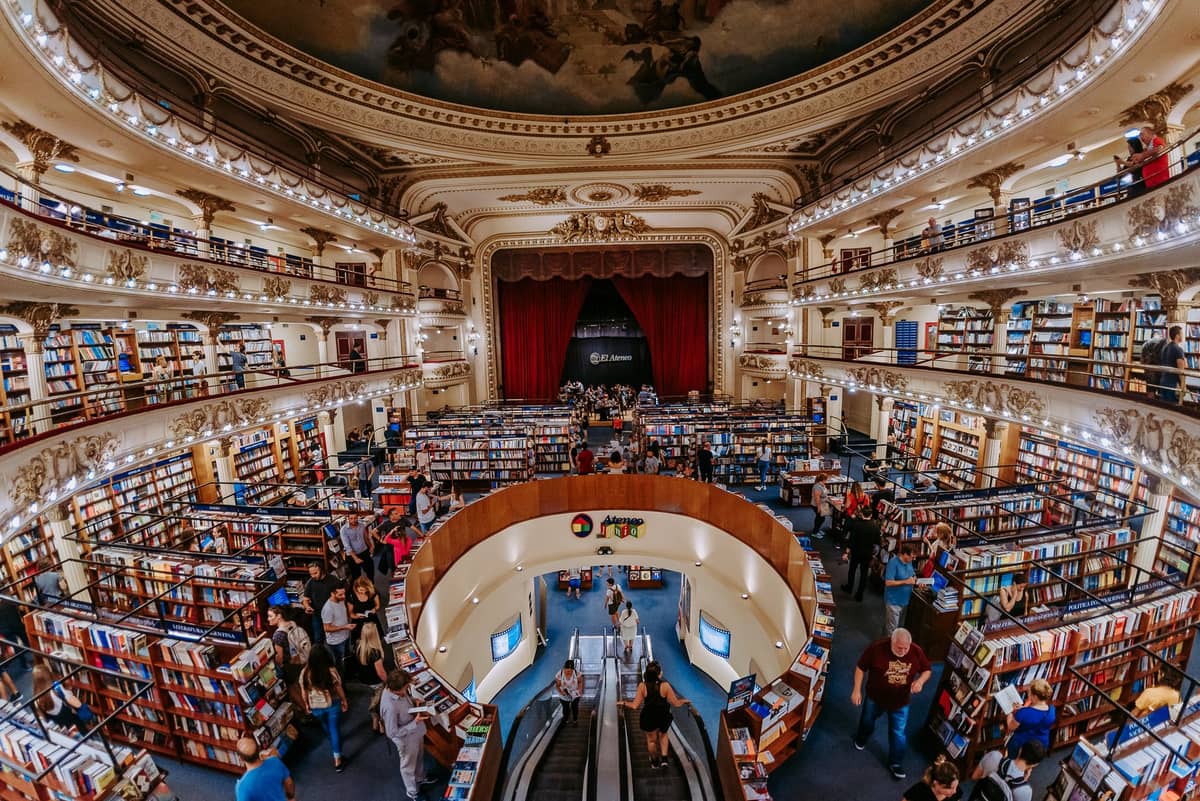
Buenos Aires spans more than three centuries of architectural history, from the Spanish colonial Cabildo on Plaza de Mayo to the sweeping art nouveau interiors of El Ateneo Grand Splendid and the glass towers of Puerto Madero. This guide breaks down the city's key styles, neighborhoods, and buildings worth seeking out, with practical tips on timing, logistics, and what to skip.
Buenos Aires takes its café culture seriously. The city has formally designated more than 80 establishments as bares notables, protecting them for their historic, architectural, or cultural significance. This guide covers the best historic cafés, what to order, neighbourhood coffee scenes, and practical advice for experiencing it all like a local.
Managing money in Buenos Aires is more nuanced than in most cities. Argentina's peso, evolving exchange rates, ATM fee structures, and the once-legendary 'blue dollar' all require a clear-headed strategy. This guide breaks down exactly how the Buenos Aires currency system works today, what's changed, and how to avoid the most common financial mistakes visitors make.
Eva Perón shaped Buenos Aires as much as any building or boulevard. This guide maps the key sites tied to her life and legacy, from the Museo Evita in Palermo to the Duarte family tomb in Recoleta Cemetery, with opening hours, entry prices, and a clear take on what is worth your time.
Buenos Aires has a well-earned reputation as one of South America's most romantic cities. This guide covers the best couples experiences, from tango dinner shows with verified pricing to waterfront dining, atmospheric neighborhoods, and practical advice for making your trip feel effortless.
Buenos Aires rewards those who go beyond the postcard. From a bookshop inside a theatre to a mosaic-covered alley in Barracas, these are the experiences that turn a good trip into an unforgettable one.
Buenos Aires nightlife runs on its own clock: dinner at 10 pm, bars filling after midnight, and clubs peaking at 3 am. This guide breaks down the best neighborhoods, venue types, price expectations, and the tango scene so you can stop guessing and start going out.
Buenos Aires offers genuine value for travelers who know the system. This guide covers everything from navigating the SUBE card and free museums to eating well for next to nothing — and where the city actually costs more than expected.
Buenos Aires is a major world city with real risks that are manageable with the right knowledge. This guide breaks down neighbourhood safety, common scams, transport precautions, and official emergency resources so you can travel with confidence.
Buenos Aires offers one of South America's most varied shopping landscapes, from grand European-style galleries and sprawling malls to weekend antique markets and independent designer stores. This guide breaks down where to shop, what to buy, and how to avoid the common tourist pitfalls.
Buenos Aires is one of South America's most rewarding solo destinations, with an extensive metro network, walkable neighborhoods, and a rich cultural scene. This guide covers everything from the safest areas to stay and how to navigate public transport, to money tips and the best times to visit as a solo traveler.
Buenos Aires is one of Latin America's most important cities for public art, with commissioned murals, mosaics, and political works spread across dozens of neighborhoods. This guide covers where to go, how to get there, which tours are worth booking, and what most visitors miss.
The Buenos Aires Tango Festival & World Cup (Tango BA Festival y Mundial) is one of the world's largest free tango events, drawing thousands of dancers and spectators each August. This guide covers how to get tickets, what to expect at the competition finals, which venues to prioritize, and how to make the most of two weeks of non-stop tango across the city.
Buenos Aires rewards those who look up and climb high. From a Dante-inspired skyscraper to a British clock tower overlooking the Río de la Plata, these are the city's finest viewpoints, street-level panoramas, and architectural frames worth seeking out.
Buenos Aires is one of the great walking cities of South America, with distinct neighborhoods close enough to link on foot and rich enough to fill a full day each. This guide breaks down the best self-guided walking routes by barrio, with practical details on duration, what to prioritize, when to go, and where to be careful.
Buenos Aires is a more family-friendly city than most first-time visitors expect. This guide covers the best kid-focused attractions, the most practical neighborhoods for families, how to get around with children, and what to skip — with honest notes on crowds, costs, and seasonal timing.
Buenos Aires delivers world-class culture, food, and architecture at a fraction of European city prices. But it rewards those who plan ahead. This guide breaks down costs, seasons, safety, and the neighborhoods that matter, so you can decide if it belongs on your itinerary.
Buenos Aires rewards slow exploration, but the city also sits within easy reach of some genuinely excellent escapes. This guide covers the top Buenos Aires day trips by distance, difficulty, and what you actually get for your time and money.
Buenos Aires is one of the world's great football cities, home to over 20 professional clubs and two of the most iconic stadiums on the planet. This guide covers everything you need to know: how to get match tickets, what stadium tours cost, when to visit, and how to avoid the most common tourist mistakes.
Buenos Aires rewards travelers who know where to look. The city has free-entry museums, landmark plazas, vast parks, and weekly market days that cost nothing at all. This guide covers 20 of the best free experiences across every corner of the city.
Buenos Aires has one of South America's most comprehensive urban transport networks. This guide covers every practical option for getting around the city, from the Subte metro and colectivo buses to ride-hailing apps, Ecobici bikes, and airport transfers from Ezeiza and Aeroparque.
Seven days is enough time to move through Buenos Aires properly, from the political heart of Plaza de Mayo to the cobblestones of San Telmo, the parks of Palermo, and a night at Teatro Colón. This day-by-day guide covers logistics, timing, and the trade-offs worth knowing before you go.
Buenos Aires is the birthplace of tango, and the city takes that seriously. This guide covers milongas, tango lessons, dinner shows, seasonal events, dress codes, and honest price breakdowns — everything you need to engage with tango culture on your own terms.
Buenos Aires rewards visitors who go beyond the obvious. This guide covers the city's top experiences across culture, history, food, and nightlife, organized by neighborhood and enriched with practical logistics, honest assessments, and local context to help you plan a trip that actually works.
Buenos Aires is one of South America's great eating cities, built on beef, Italian immigrants, and neighborhood traditions that stretch back a century. This guide covers the essential dishes, where to find them by neighborhood, what things actually cost, and how to navigate the city's food scene without wasting a meal.
Choosing where to stay in Buenos Aires shapes your entire trip. This guide covers the top neighborhoods for every travel style, from historic San Telmo to polished Recoleta, with practical advice on transport links, price ranges, and seasonal timing.