Buenos Aires with Kids: The Definitive Family Travel Guide
Buenos Aires is a more family-friendly city than most first-time visitors expect. This guide covers the best kid-focused attractions, the most practical neighborhoods for families, how to get around with children, and what to skip — with honest notes on crowds, costs, and seasonal timing.
Tickets & tours
Live prices and dates from our booking partner. If you book, we may earn a commission at no extra cost to you.
TL;DR
- Buenos Aires works well for families with children aged 2 and up — the city has dedicated children's museums, large parks, and a strong cafe culture that accommodates kids.
- The Museo de los Niños Abasto is the top structured attraction for ages 2–12, with fixed 2-hour time slots and online booking; Palermo's parks offer the best free outdoor space for families.
- Spring (September–November) and autumn (March–May) are the most comfortable seasons for family visits — summer heat and humidity can be exhausting with young children.
- Prices at attractions change rapidly due to Argentine inflation; always verify ticket costs directly with official venues before your trip.
- Families staying 3 or more days should read our 3-day Buenos Aires itinerary for a practical framework to build from.
Is Buenos Aires a Good Destination for Families?
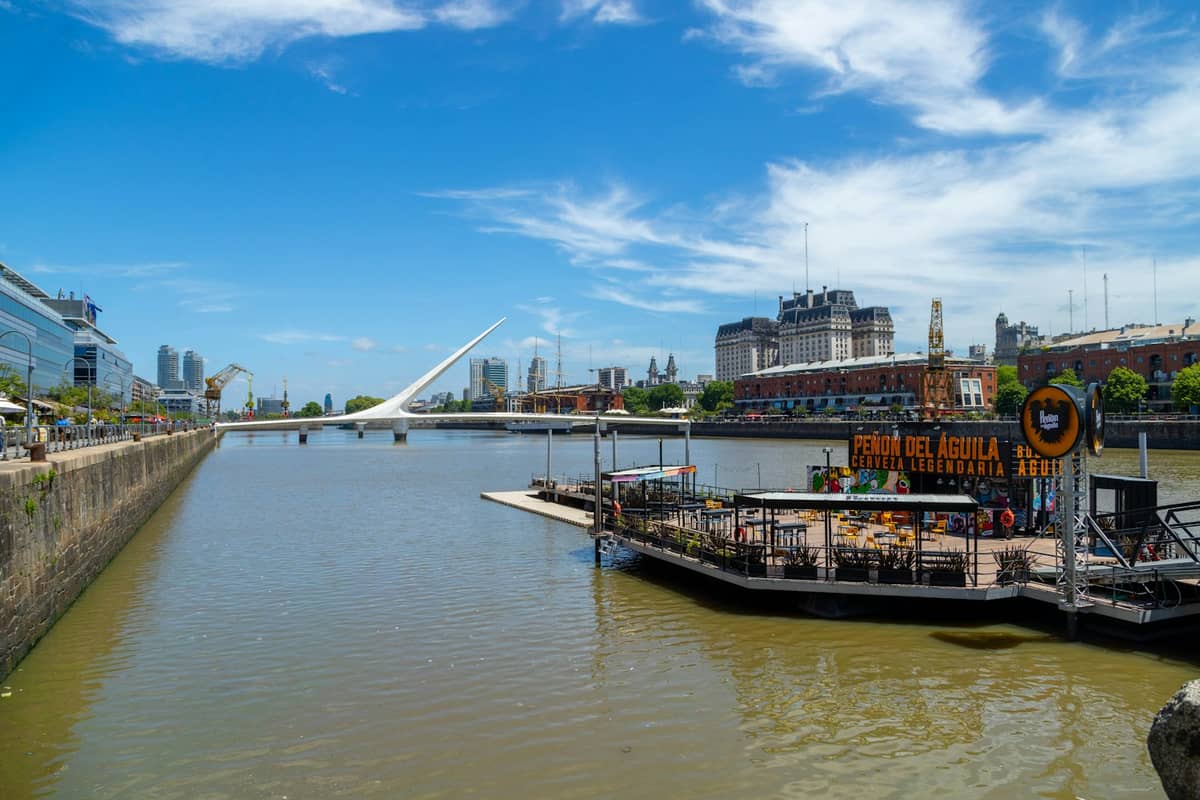
Buenos Aires is Argentina's capital and largest city, home to around 3.1 million residents within the city proper and over 16 million in the wider metro area. It operates on Argentina Time (UTC-03:00) and sits at roughly 34.6°S, meaning its seasons are reversed from the northern hemisphere. The city has a humid subtropical climate, which matters enormously when you're managing young children.
Porteños — residents of Buenos Aires — are genuinely welcoming to children in public spaces. Kids are common in restaurants well into the evening, noise in cafes is expected, and breastfeeding in public draws no attention. That said, infrastructure for families with strollers is inconsistent: some neighborhoods have smooth, wide footpaths; others have broken tiles, narrow passages, and subway stations with stairs and no elevators. Plan accordingly.
The city's strongest selling point for families is the sheer variety at different price points. Free parks and plazas are extensive, admission to many cultural venues is subsidized or free, and the peso's exchange rate has historically made international visitors' spending power relatively strong — though currency dynamics change fast. Read our Buenos Aires currency and money guide before budgeting your trip.
Best Time to Visit Buenos Aires with Kids
Timing matters more with children than with adult-only travel. Buenos Aires summers (December to February) see temperatures regularly reaching 30°C with high humidity — uncomfortable for long outdoor stretches with kids, and taxing for stroller-pushing parents. January is also when many porteño families leave the city for coastal resorts, so some local restaurants and services reduce hours.
The optimal windows for family travel are autumn (March to May, with temperatures between roughly 15–25°C) and spring (September to November, 18–25°C). Both seasons offer mild weather, manageable crowds at most attractions, and good availability at family-friendly accommodations. October and November are particularly good: jacaranda trees bloom across the city, parks are pleasant, and school groups haven't yet peaked.
⚠️ What to skip
July is Argentina's winter school holiday period. The Museo de los Niños Abasto and other child-focused attractions operate daily during this time and fill up fast. If you're visiting in July, book tickets online well in advance and aim for weekday morning slots.
Winter (June to August) is cooler but rarely freezing — temperatures typically stay between 7–15°C. It's a perfectly viable time to visit with older children who can handle layers and don't need extended outdoor time. The city's cultural calendar stays full, and indoor attractions like the Teatro Colón and the city's museums are excellent alternatives to park days.
Top Kid-Friendly Attractions in Buenos Aires
The Museo de los Niños Abasto is the city's dedicated children's museum, located inside Abasto Shopping at Av. Corrientes 3247. It is purpose-built for ages 2 to 12, with interactive role-play areas covering themes like a city in miniature, a supermarket, a television studio, and more. The museum runs in fixed time slots of 2 hours and 20 minutes each — no re-entry is permitted once you leave, so pack snacks for before and after. Typical slots run from around 12:30, 15:00, and 17:40, Tuesday to Sunday (hours extend to daily during July school holidays). Tickets can be purchased online up to one hour before each slot. Prices have risen sharply with inflation — as of recent local sources, children's entry was listed around ARS 7,000 and adults ARS 2,000, but these figures change; always confirm on the official site at museoabasto.org.ar before visiting.
💡 Local tip
At the Museo de los Niños Abasto, children under 2 enter free, as do teachers, retirees, pensioners, and visitors with disability certificates (with documentation). Weekdays are significantly less crowded than weekends — if your schedule allows, a Tuesday or Wednesday afternoon slot is far more manageable than a Saturday.
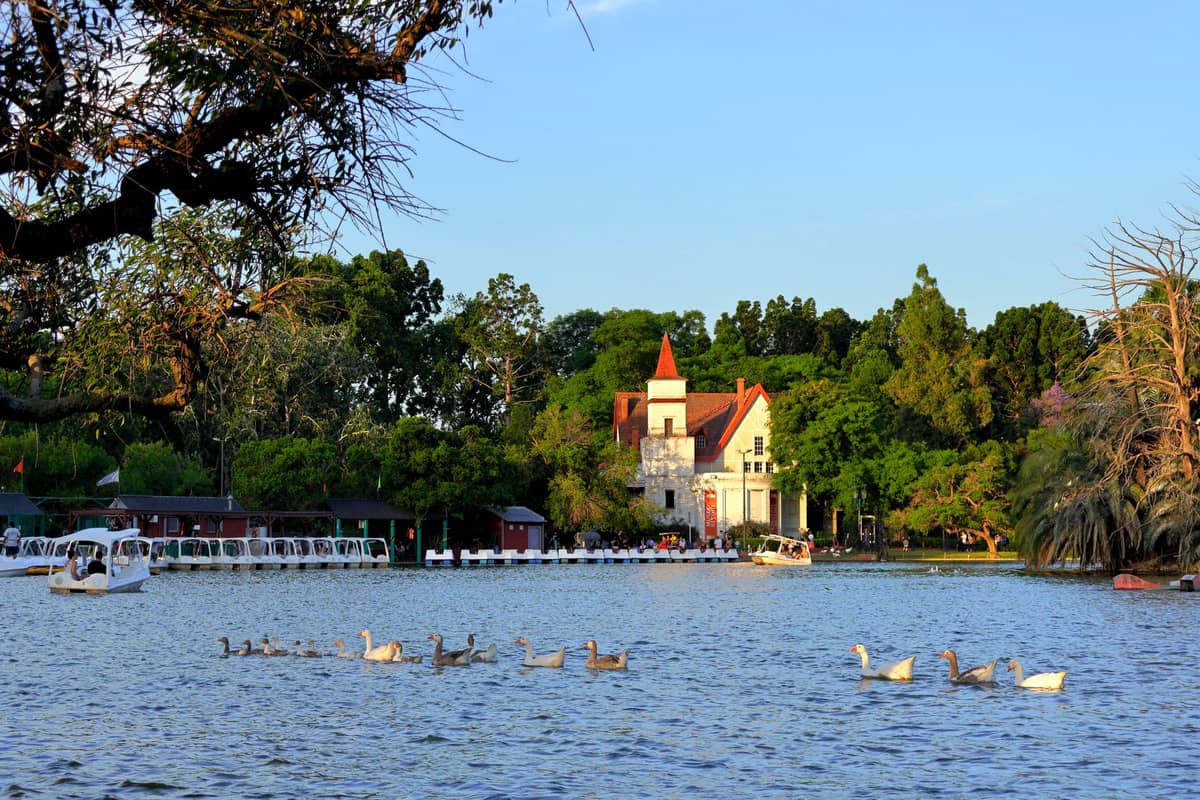
For outdoor space, Bosques de Palermo is the city's largest urban park and the best single free destination for families. Within the Palermo park system you'll find the Jardín Japonés, the Jardín Botánico Carlos Thays, the Ecoparque Buenos Aires (the former zoo, now a conservation park), and the Planetario Galileo Galilei — all within easy walking distance of each other.
- Ecoparque Buenos Aires (Palermo) The former Buenos Aires Zoo, now a biopark focused on conservation. Suitable for all ages; entry fees apply and vary — confirm current pricing before visiting. Easier with a stroller than most Buenos Aires attractions.
- Planetario Galileo Galilei Free to enter the grounds; shows inside the dome are ticketed and run regularly. The building itself is iconic, and kids respond well to the scale model solar system path outside.
- Jardín Botánico Carlos Thays Free entry. Eighteen hectares of mature trees, sculptures, and greenhouses. Good for toddlers and primary-school-age children who need space to run.
- Museo de Ciencias Naturales Bernardino Rivadavia Natural history museum with paleontology, zoology, and mineralogy collections. Particularly strong for dinosaur-obsessed children. Admission is low-cost; confirm current hours before visiting.
- Reserva Ecológica Costanera Sur A large urban nature reserve on the riverfront near Puerto Madero. Free entry, flat terrain (good for bikes and strollers), and surprisingly rich birdlife. Best visited on weekend mornings when it's busiest but most animated.
Outside the city, two major family attractions are worth the half-day trip for families with older children: Bioparque Temaikèn, a well-regarded zoo and conservation park about 50 km north of the city, and Parque de la Costa, an amusement park in Tigre. Both require advance planning for transport. The Tigre Delta area itself is also a manageable half-day excursion — a boat ride through the river delta appeals to most children, and the town of Tigre has a pleasant waterfront market.
Best Neighborhoods for Families
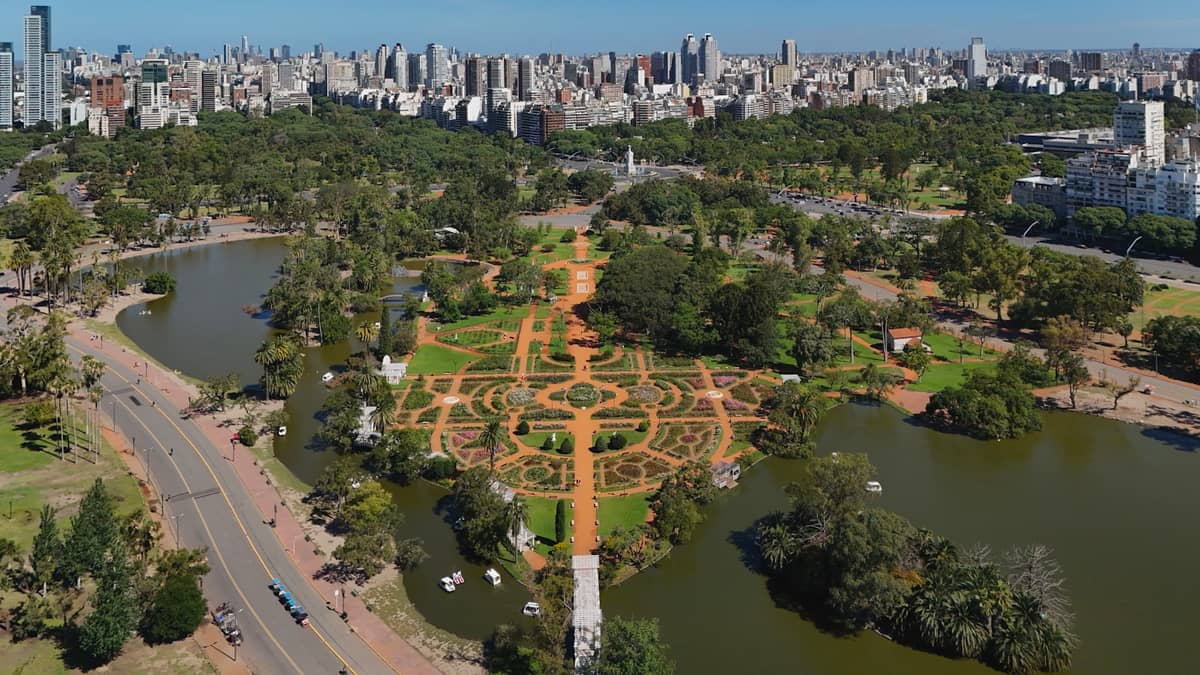
Palermo is the most practical base for families visiting Buenos Aires. It has the highest concentration of parks, the widest footpaths, the most international restaurant options (including early seatings more compatible with children's schedules), and good access to both the Subte network and Aeroparque Jorge Newbery (IATA: AEP), the city's domestic airport located just a few kilometers from the neighborhood.
Recoleta is another strong choice — quieter than Palermo, with the large open space around the Centro Cultural Recoleta, the Floralis Genérica sculpture, and good cafe options along Alvear Avenue. The Recoleta Cemetery is free to enter and genuinely interesting to older children who respond to the elaborate mausoleums and history — less appropriate for very young children.
San Telmo and La Boca are worth visiting on day trips rather than basing yourself in. La Boca's tourist area around Caminito is compact and visually stimulating for children, but the surrounding streets require care, and staying overnight in the neighborhood is not recommended for families unfamiliar with the city.
✨ Pro tip
Families with strollers should avoid the Subte (subway) wherever possible — most stations have stairs with no elevator access, and peak-hour carriages are extremely crowded. Colectivos (buses) are cheaper and more stroller-accessible on many routes, and are paid with SUBE cards or contactless bank cards. For short distances with luggage or a pram, a registered radio taxi or app-based ride is the most practical option.
Getting Around Buenos Aires with Children
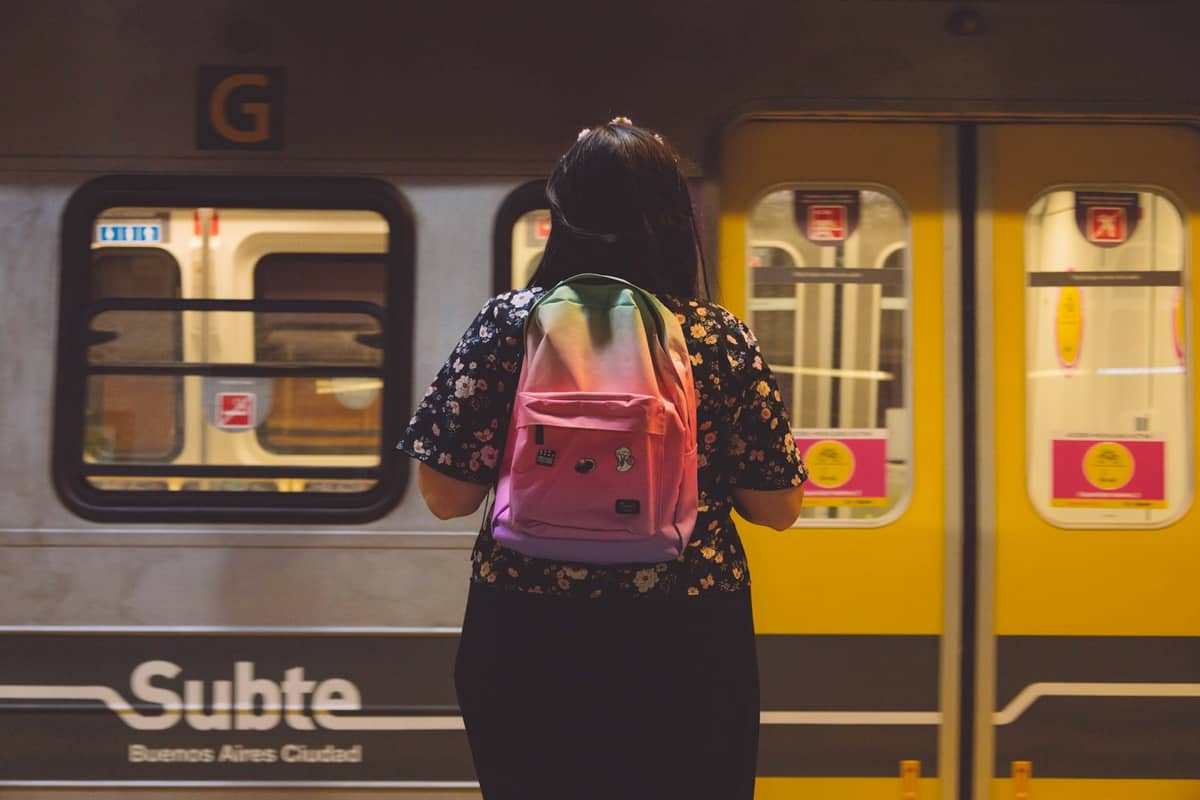
Buenos Aires has an extensive public transport network. The Subte (metro) runs several lettered lines connecting the city center to key neighborhoods, but its infrastructure is old and elevator access is limited to a minority of stations. For families with young children or strollers, buses (colectivos) are generally more accessible — they run 24 hours on many routes and cover the entire city. Payment on both the Subte and buses is via SUBE or contactless bank cards; confirm current fares before travel, as they adjust periodically.
From Ezeiza International Airport (EZE), roughly 30–32 km southwest of the city center, families have three realistic options: a remise (private car service booked at the official counters inside the terminal), an airport shuttle coach, or a private transfer booked in advance. Taxis are available but a remise from the official counter is the standard recommendation for first-time arrivals. Journey time to central neighborhoods is typically 45–60 minutes depending on traffic. For more detail, see our Buenos Aires airport guide. Aeroparque (AEP) is far more convenient — it sits on the city's northern riverfront, minutes from Palermo and Recoleta.
- Registered radio taxis and remises are the safest and most practical option for families moving between neighborhoods, especially with luggage or after dark.
- Cycling is feasible in Palermo and along the Puerto Madero riverfront, both of which have dedicated bike lanes. The city's public bike-share system (EcoBici) is an option for adults, but not designed for accompanying young children.
- Walking is the best way to explore individual neighborhoods — Buenos Aires is a district-by-district city and most attractions cluster within a 20–30 minute walk within each area.
- Argentina uses 220V/50Hz electricity with Type C and Type I plugs. Bring a universal adapter for charging devices and powering travel appliances.
Practical Tips for Families in Buenos Aires
Argentine mealtimes run late by northern hemisphere standards. Lunch is typically between 13:00 and 15:00; dinner rarely starts before 21:00, with peak restaurant seating around 22:00. Families with young children who need to eat at 18:00 or 19:00 will often find restaurants just opening, with only a handful of tables occupied. This is not a problem — staff are accommodating — but it means your selection of restaurants will be limited at those hours, and the atmosphere will differ from later sittings.
Food options for children are generally good. Empanadas, pizza, and pasta are ubiquitous and appeal to most kids. The city's cafe culture is strong, and most cafes welcome children without issue. For a broader picture of what the city offers culinary families, see our guide to what to eat in Buenos Aires.
On safety: Buenos Aires is a large city and normal urban caution applies. Tourist areas such as La Boca's Caminito, the Microcentro, and San Telmo's Sunday market are heavily visited and generally safe in daylight hours, but petty theft (bag snatching, phone theft) occurs in crowded spaces. Keep bags zipped and phones out of sight in busy areas. The residential areas of Palermo, Recoleta, and Belgrano are considered low-risk for typical tourist activity.
Tap water in Buenos Aires is treated municipal water supplied by AySA and is generally considered safe to drink for most visitors, but families with young children who have sensitive stomachs may prefer bottled water during the first few days. Consult a health professional for current guidance rather than relying on general travel blog advice, which varies widely.
FAQ
Is Buenos Aires safe for families with young children?
Buenos Aires is generally safe for family tourism in the main neighborhoods. Palermo, Recoleta, Belgrano, and San Telmo (daytime) are low-risk areas. The main concern is petty theft in crowded tourist spots — keep bags secure and avoid displaying expensive items. La Boca is best visited during the day and only in the immediate Caminito tourist area. Avoid walking unfamiliar streets late at night.
What is the best time of year to visit Buenos Aires with kids?
Spring (September to November) and autumn (March to May) are the most comfortable seasons. Temperatures sit between roughly 15–25°C, making outdoor time with children manageable. Summer (December to February) brings heat and humidity that can be draining. July (winter school holidays) is busy at children's attractions — book ahead if visiting then.
How do I book tickets for the Museo de los Niños Abasto?
Tickets can be purchased online through the official Museo de los Niños Abasto website (museoabasto.org.ar) up to one hour before each time slot. The museum runs in fixed 2-hour-and-20-minute sessions; re-entry is not permitted. Check current prices directly on the official site — costs change frequently due to Argentine inflation, and many third-party blogs list outdated figures.
Are there free things to do in Buenos Aires with kids?
Yes, significantly. The Bosques de Palermo, Jardín Botánico, Reserva Ecológica Costanera Sur, and most of the city's plazas and parks are free. The grounds of the Planetario are free to walk. Many cultural centers offer free or low-cost programming. See our guide to free things to do in Buenos Aires for a full breakdown.
Is it easy to get around Buenos Aires with a stroller?
It depends on the neighborhood. Palermo and Recoleta have the widest, most maintained sidewalks. San Telmo's cobblestoned streets are charming but genuinely difficult with a pushchair. The Subte (metro) has very limited elevator access and is not stroller-friendly during peak hours. Buses (colectivos) are more accessible but require a SUBE card. For practical family travel, registered taxis and remises are the most reliable option for medium distances.
Tickets & tours
Live prices and dates from our booking partner. If you book, we may earn a commission at no extra cost to you.
Planning a trip? Discover personalized activities with the Nomado app.