What to Eat in Buenos Aires: The Complete Food Guide
Buenos Aires is one of South America's great eating cities, built on beef, Italian immigrants, and neighborhood traditions that stretch back a century. This guide covers the essential dishes, where to find them by neighborhood, what things actually cost, and how to navigate the city's food scene without wasting a meal.
Tickets & tours
Live prices and dates from our booking partner. If you book, we may earn a commission at no extra cost to you.
TL;DR
- Buenos Aires food is meat-forward but far more diverse than steak alone: Italian-influenced pasta, pizza, and gelato are everywhere, and the vegetarian scene is growing fast.
- Budget travelers can eat well on USD 15–22 per day; a full parrilla dinner with wine runs USD 20–35 per person. See our Buenos Aires budget guide for the full cost breakdown.
- The must-try dishes are asado, empanadas, choripán, milanesa, and alfajores. Don't skip provoleta (grilled cheese) at a parrilla.
- Palermo and San Telmo have the highest concentration of quality restaurants; Microcentro has fast, cheap lunches for locals.
- Food markets are most active in spring (September–November) and autumn (March–May). Check the Feria de Mataderos on Sundays for regional specialties and grilled meats.
The Essential Dishes: What Buenos Aires Actually Eats
Understanding Buenos Aires food means understanding where it comes from. Argentina's cattle ranching tradition, combined with massive waves of Italian and Spanish immigration in the late 19th and early 20th centuries, produced a cuisine that is simultaneously simple and deeply specific. Porteños (Buenos Aires residents) take food seriously, and local pride runs high around certain dishes and techniques.
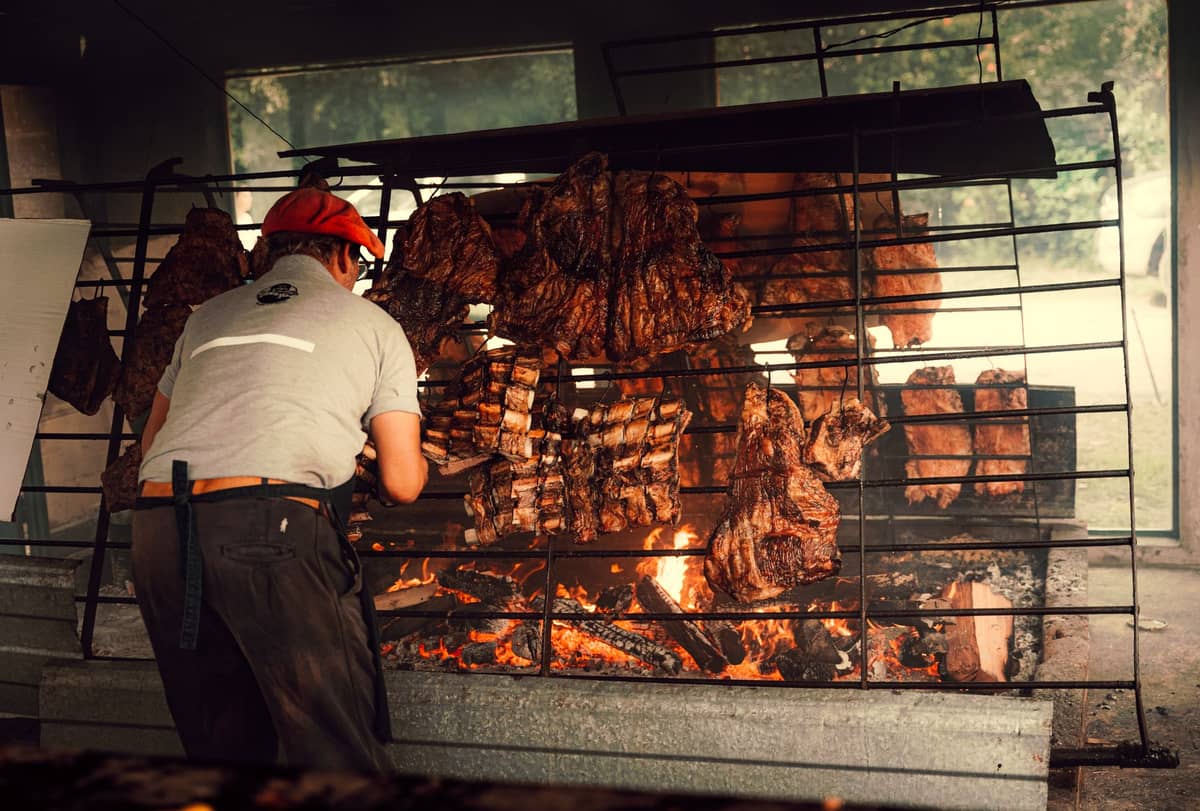
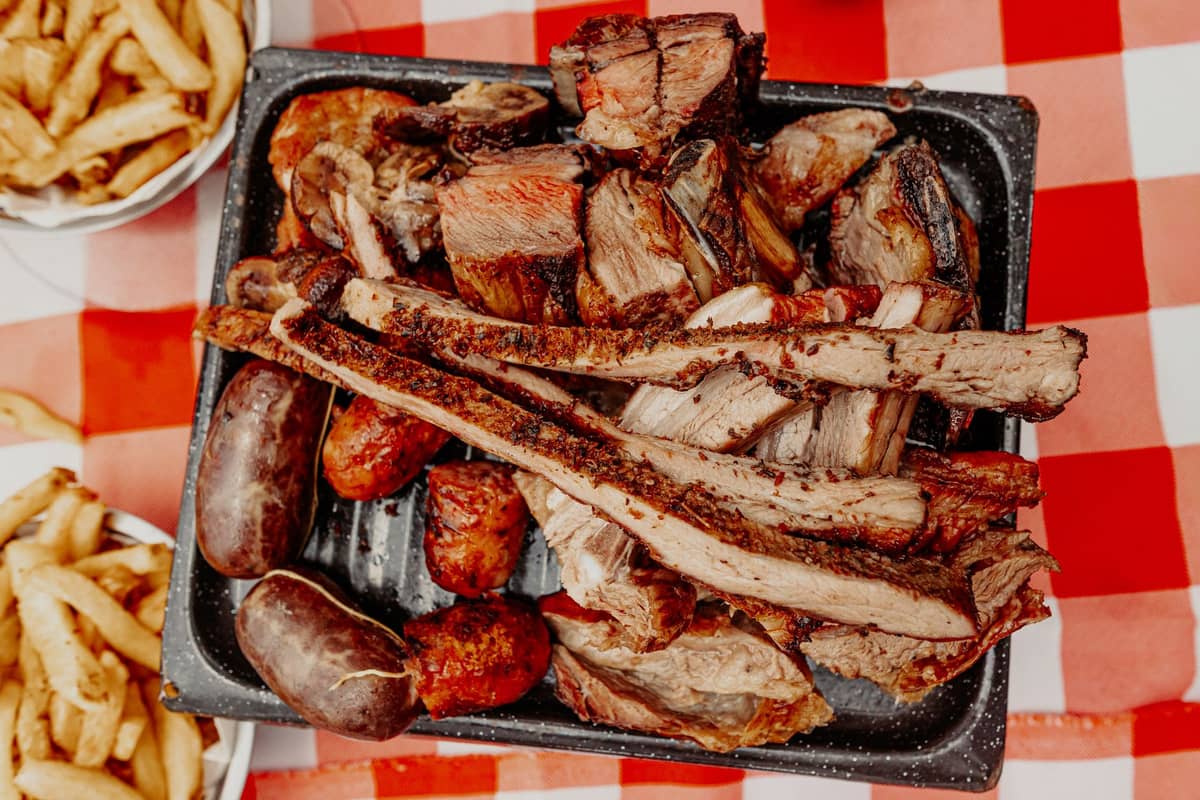
- Asado Argentina's defining culinary tradition: meats slow-grilled over wood or charcoal on a parrilla (grill rack) or asador (vertical spit). At a restaurant parrilla, expect cuts like vacío (flank), tira de asado (short ribs), and entraña (skirt steak), often preceded by achuras (offal: kidneys, sweetbreads, blood sausage) and provoleta (grilled provolone cheese). A full dinner with house wine runs USD 20–35 per person at a mid-range parrilla.
- Empanadas Half-moon pastries filled with spiced beef, chicken, ham and cheese, or spinach, then baked or fried. The folded edge (repulgue) indicates the filling at traditional spots. Each costs around USD 1–2; a casual meal of four to six empanadas runs USD 6–12. Quality varies enormously: chain spots are convenient but neighborhood bakeries (panaderías) and dedicated empanaderías are usually better.
- Choripán A split chorizo sausage served on a crusty bread roll (pan) with chimichurri or salsa criolla. This is the definitive Buenos Aires street food, sold from carts near stadiums, parks, and markets. Price from street vendors: USD 3–5. Cheap, immediate, and excellent.
- Milanesa A breaded and fried beef or chicken cutlet, directly descended from the Italian cotoletta via Italian immigration. Eaten as a standalone dish, in a sandwich (milanesa al pan), or topped with ham, cheese, and tomato sauce (milanesa a la napolitana). One of the most ordered lunch items in the city's neighborhood restaurants.
- Alfajores Two soft cookies sandwiched with dulce de leche (caramel spread) and coated in chocolate or powdered sugar. Every supermarket, café, and kiosk sells them. The Havanna brand is the most famous, but independent confiterías often make better versions. Try the triple-layer varieties if you see them.
- Provoleta A thick round of provolone cheese, grilled directly on the parrilla until charred on the outside and molten inside, usually finished with dried oregano and olive oil. Often listed as an appetizer at parrillas. Do not skip it.
💡 Local tip
At a parrilla, ordering a 'parrillada para dos' (grill for two) is usually better value than individual cuts. It arrives as a mixed spread of sausages, offal, and two or three meat cuts on a small tabletop grill. Ask staff to explain the components if nothing is labeled.
Beyond Beef: The Italian Influence and Other Food Traditions
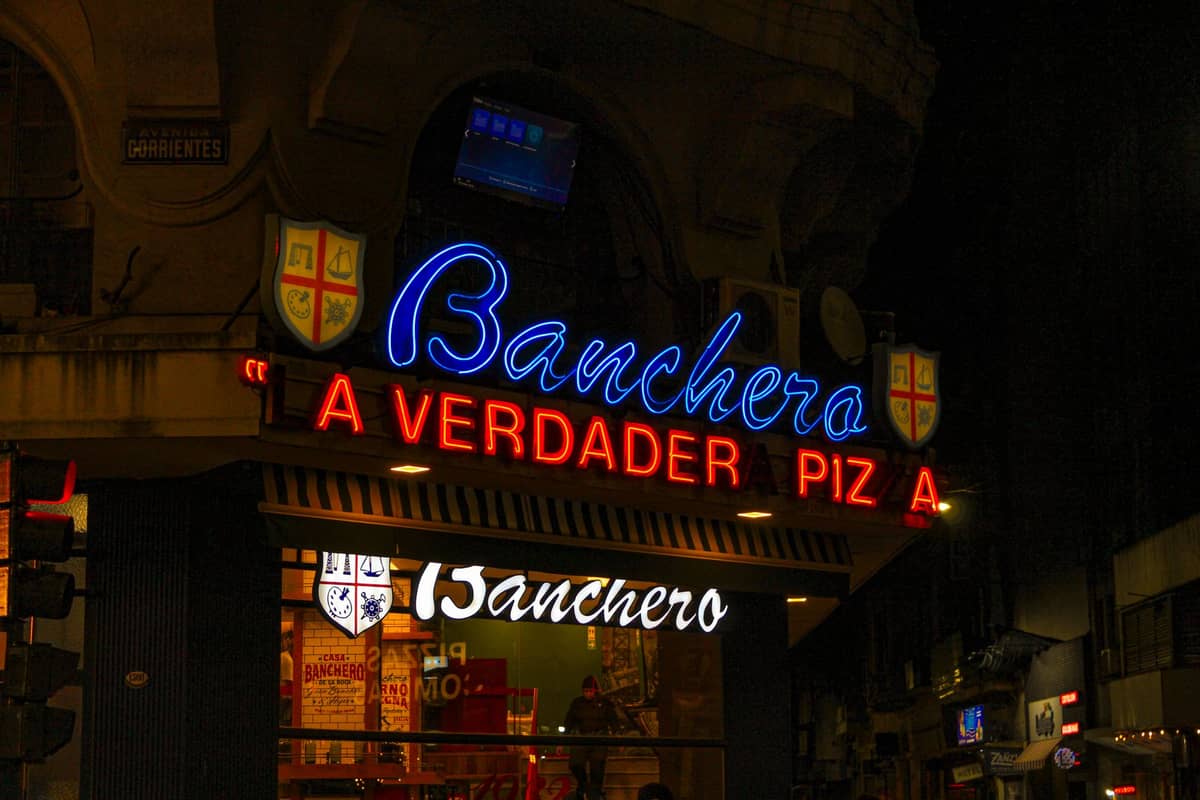
The cliché that Buenos Aires food is only steak misses about half the picture. Argentina received more Italian immigrants per capita than almost any other country in the Americas between 1880 and 1930, and that legacy is on every block. Buenos Aires has a genuine pizzeria culture, distinct from Neapolitan or New York styles, with its own thick-crust variant called pizza a la piedra and the ultra-thick media luna (half-moon) pizza found in bars serving late-night slices.
Pasta is equally embedded. Fideos, ravioles, and ñoquis (gnocchi) are standard items in the city's traditional family restaurants, called bodegones. On the 29th of each month, eating gnocchi with money placed under the plate is a widespread local superstition for good luck. It's genuinely observed and worth timing a bodegón visit around. Gelato, locally spelled helado, is also at a world-class level in Buenos Aires: the Italian-Argentine heladería tradition produces dense, rich flavors quite different from the softer American-style ice cream.
The city also has a growing street food and gourmet market scene. The Buenos Aires Market runs on selected Friday and Saturday evenings (typically 16:00–23:00) in parks like Parque Rivadavia and Parque Chacabuco. For a more traditional experience, the Sunday Feria de Mataderos in the western suburbs features regional Argentine foods, folkloric music, and grilled meats in an atmosphere that is as much cultural event as food market.
ℹ️ Good to know
Buenos Aires café culture is its own institution. The traditional 'café de bar' serves espresso, cortado, and medialunas (croissants) at any hour. Café Tortoni on Avenida de Mayo is the most famous, dating to 1858, though it is extremely tourist-heavy. Better coffee is found in Palermo's specialty coffee shops, which have expanded significantly since 2018.
Where to Eat by Neighborhood
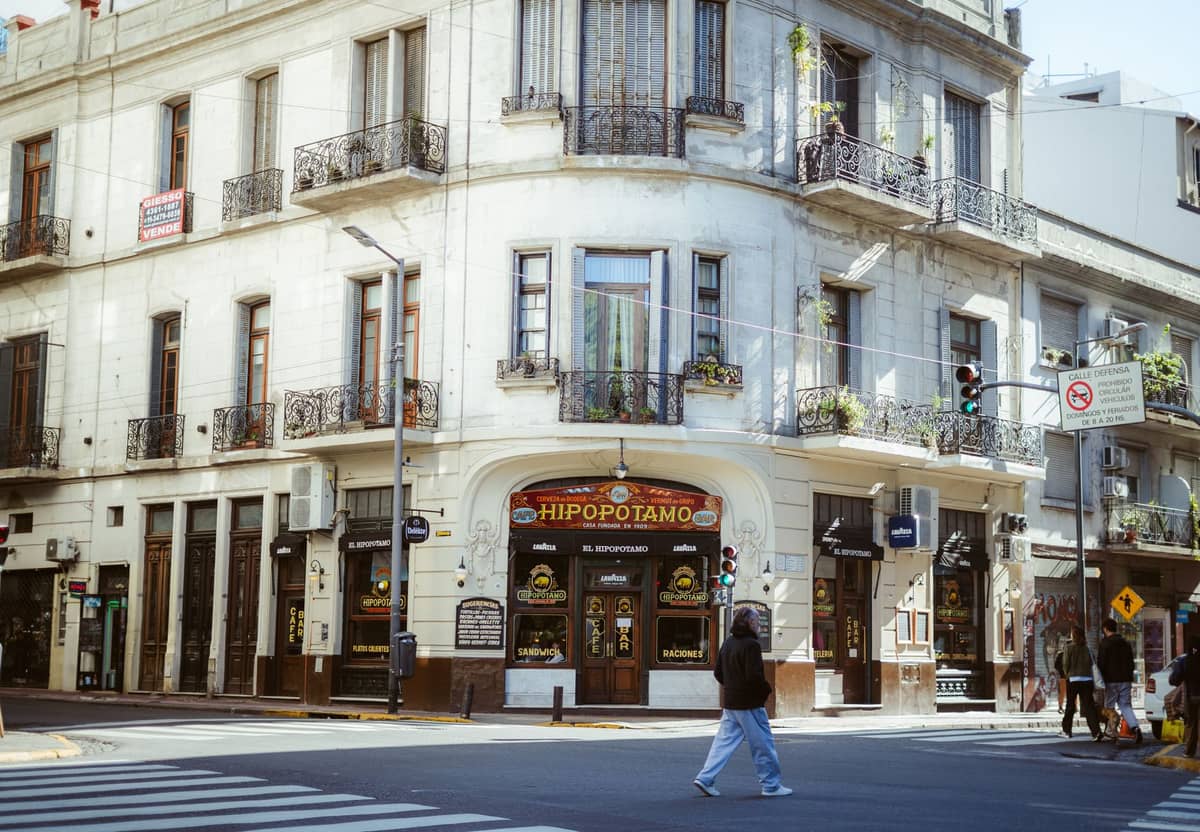
Buenos Aires is a city of neighborhoods, and each has a distinct food identity. Knowing where to go for what saves time and avoids tourist-trap pricing.
- Palermo The city's most diverse restaurant neighborhood, split into subsectors. Palermo Soho concentrates trendy restaurants, specialty coffee, craft beer bars, and international cuisine. Palermo Hollywood has a higher density of upscale parrillas and modern Argentine cooking. Best for: variety, quality, evening dining. Prices are slightly higher than in residential neighborhoods but still very affordable by international standards.
- San Telmo The historic district has a mix of traditional bodegones serving milanesas and pastas, plus tourist-facing restaurants on the main streets. The Mercado de San Telmo (a covered market) has food stalls serving sandwiches, oysters, and snacks throughout the day. Avoid the overpriced restaurants immediately on Plaza Dorrego on market days: quality drops and prices inflate.
- Recoleta Upscale residential neighborhood with formal restaurants, café-style lunch spots, and traditional confiterías. The area near the cemetery has tourist-oriented pricing; venture a few blocks west for better value. Good for afternoon tea and classic Argentine pastries.
- Microcentro The city center is not a dinner destination, but it serves the best fast, cheap weekday lunches. Office workers fill traditional restaurants and lunch counters offering a menú del día (set lunch: starter, main, drink) for around ARS 15,000 or roughly USD 13. Busy, functional, and honest.
- La Boca Most restaurants near Caminito are tourist traps with inflated prices and mediocre food. If you visit La Boca for the street art and color, eat before you arrive or walk several blocks away from the main tourist strip to find local prices.
- Puerto Madero The upscale docklands district has Buenos Aires's most expensive restaurants, mainly targeting business travelers and tourists. The food is not proportionally better than what you find in Palermo for less money. Skip unless someone else is paying.
For a deeper look at navigating the city between these neighborhoods, the getting around Buenos Aires guide covers the Subte lines, colectivo buses, and ride-hailing options in detail. Most of the city's best eating is accessible without a taxi.
What Things Cost: Realistic Food Prices in Buenos Aires
Argentina's economy has gone through significant inflation and currency adjustments in recent years, which means prices published more than a few months ago can be outdated. The figures below reflect approximate USD-equivalent costs in 2025–2026, based on the legal exchange rate. Always verify current rates before your trip, as the gap between official and informal rates has historically affected real purchasing power for travelers.
- Choripán from a street cart: USD 3–5
- Empanadas (per piece, bakery or empanada shop): USD 1–2
- Casual lunch with drink (menú del día): USD 10–15
- Mid-range restaurant dinner per person: USD 15–25
- Full parrilla dinner with house wine per person: USD 20–35
- Craft beer at a bar: USD 4–7
- Espresso or cortado at a traditional café: USD 2–4
- Helado (gelato, two scoops): USD 3–5
- Daily budget (street food and cheap restaurants): USD 15–22
- Daily budget (mid-range dining): USD 30–55
- Daily budget (upscale restaurants): USD 80–200
⚠️ What to skip
Tipping in restaurants is customary but not mandatory. A 10% tip is common and appreciated; some locals leave slightly more at parrillas. Do not assume service charges are included unless explicitly shown on the bill. At street food stalls, tipping is not expected. Verify current local customs before your visit, as practices shift with economic conditions.
Food Markets and Where to Find Fresh Produce
Buenos Aires operates a network of Mercados de la Ciudad (municipal markets) spread across different neighborhoods. These are functional food markets selling fresh produce, meat, cheese, and deli items rather than tourist attractions. Most operate Monday through Saturday, roughly 8:00 to 18:00, though hours vary by location. Check the city government's official portal (buenosaires.gob.ar) for updated schedules, as individual market hours and closures change.
The Mercado de San Telmo is the most visited market for tourists, and rightly so: it operates daily, the historic iron-and-glass building from 1897 is worth seeing, and the food stalls inside serve good sandwiches and snacks. It does get crowded on weekends. For produce shopping without the crowds, the smaller neighborhood markets in Palermo, Belgrano, and Caballito are better options.
Outdoor food fairs and gourmet markets are most active during spring (September–November) and autumn (March–May), when temperatures make standing outside comfortable. Summer events (December–February) often shift to evening hours to avoid the heat. Always check market websites or city listings before visiting, as schedules change seasonally and events can be cancelled at short notice.
Practical Tips for Eating Well in Buenos Aires
Buenos Aires runs on a late schedule. Lunch is typically 12:30–15:00, with many porteños eating closer to 14:00. Dinner rarely starts before 21:00, and popular parrillas don't fill up until 22:00 or later. Arriving at 20:00 gets you a table but an empty dining room; arriving at 22:00 feels more like the city actually eats. Adjust your expectations if you prefer early dinners: you will be seated, but the atmosphere will be muted.
Reservations are advisable for better parrillas and popular Palermo restaurants on Friday and Saturday nights, but most casual spots don't require them. For context on the full Buenos Aires experience including culture and evening programs, the Buenos Aires nightlife guide explains how dinner fits into the city's late-night structure.
- Order bread carefully: some restaurants charge a 'cubierto' (table cover charge) that includes bread. It is legal and listed on the menu; check before assuming bread is free.
- Tap water is generally safe in Buenos Aires, but if you are sensitive to changes in water quality, bottled water is inexpensive. Ask for 'agua sin gas' (still) or 'agua con gas' (sparkling).
- Vegetarians are increasingly well-served in Palermo and San Telmo, but traditional bodegones and parrillas outside the central neighborhoods have limited options beyond salads and pasta.
- The SUBE card used for buses and the Subte is useful for getting between neighborhoods cheaply. Load it at kiosks or Subte stations.
- Lunch is almost always better value than dinner at the same restaurant. Many upscale spots offer a two-course lunch for roughly half the evening price.
Understanding Buenos Aires money is essential for food budgeting. The Argentine peso (ARS) has seen significant inflation and exchange rate movements. Read the Buenos Aires currency and money guide before you travel to understand how to access cash and what exchange rate to expect.
✨ Pro tip
For the best empanadas in a neighborhood setting, look for signs reading 'empanadas caseras' (homemade empanadas) rather than chains. The fillings at good spots are moist and heavily seasoned: the beef version should have onion, hard-boiled egg, olives, and cumin. Dry, bland filling is the sign of a lazy kitchen.
FAQ
What is the most popular food in Buenos Aires?
Asado (grilled meat from a parrilla) is the definitive Buenos Aires food experience, but empanadas and milanesas are arguably more frequently eaten on a daily basis by locals. Choripán is the go-to street food. All four are genuinely representative of how the city eats.
Is Buenos Aires food expensive for tourists?
No. Buenos Aires remains one of the most affordable major cities in South America for eating out. Street food and casual restaurants cost USD 3–15 per meal, and even a full parrilla dinner with wine typically runs USD 20–35 per person. Budget travelers can eat very well on USD 15–22 per day.
Is it easy to eat vegetarian in Buenos Aires?
It depends on the neighborhood. Palermo and San Telmo have dedicated vegetarian and vegan restaurants plus menus with real options. Traditional parrillas and bodegones in other areas are more limited: pasta, salads, and provoleta are often the practical choices. The vegetarian scene has improved significantly since 2018 but is not yet consistent across the whole city.
What time do restaurants open for dinner in Buenos Aires?
Most restaurants open for dinner from around 20:00, but the city eats late: popular spots don't fill up until 21:30–22:30. If you arrive before 21:00 you will be seated easily at most places without a reservation, but the atmosphere builds later in the evening.
Where is the best place to eat asado in Buenos Aires?
Palermo has a high concentration of quality parrillas across price ranges. Don Julio in Palermo is frequently cited as one of the city's best and has been on the Latin America's 50 Best Restaurants list. It requires advance reservations. For a more casual and local experience, look for neighborhood parrillas in areas like Chacarita, Villa Crespo, or Almagro, where prices are lower and the clientele is largely local.
Tickets & tours
Live prices and dates from our booking partner. If you book, we may earn a commission at no extra cost to you.
Planning a trip? Discover personalized activities with the Nomado app.