Buenos Aires Nightlife: The Complete Guide to Going Out Like a Porteño
Buenos Aires nightlife runs on its own clock: dinner at 10 pm, bars filling after midnight, and clubs peaking at 3 am. This guide breaks down the best neighborhoods, venue types, price expectations, and the tango scene so you can stop guessing and start going out.
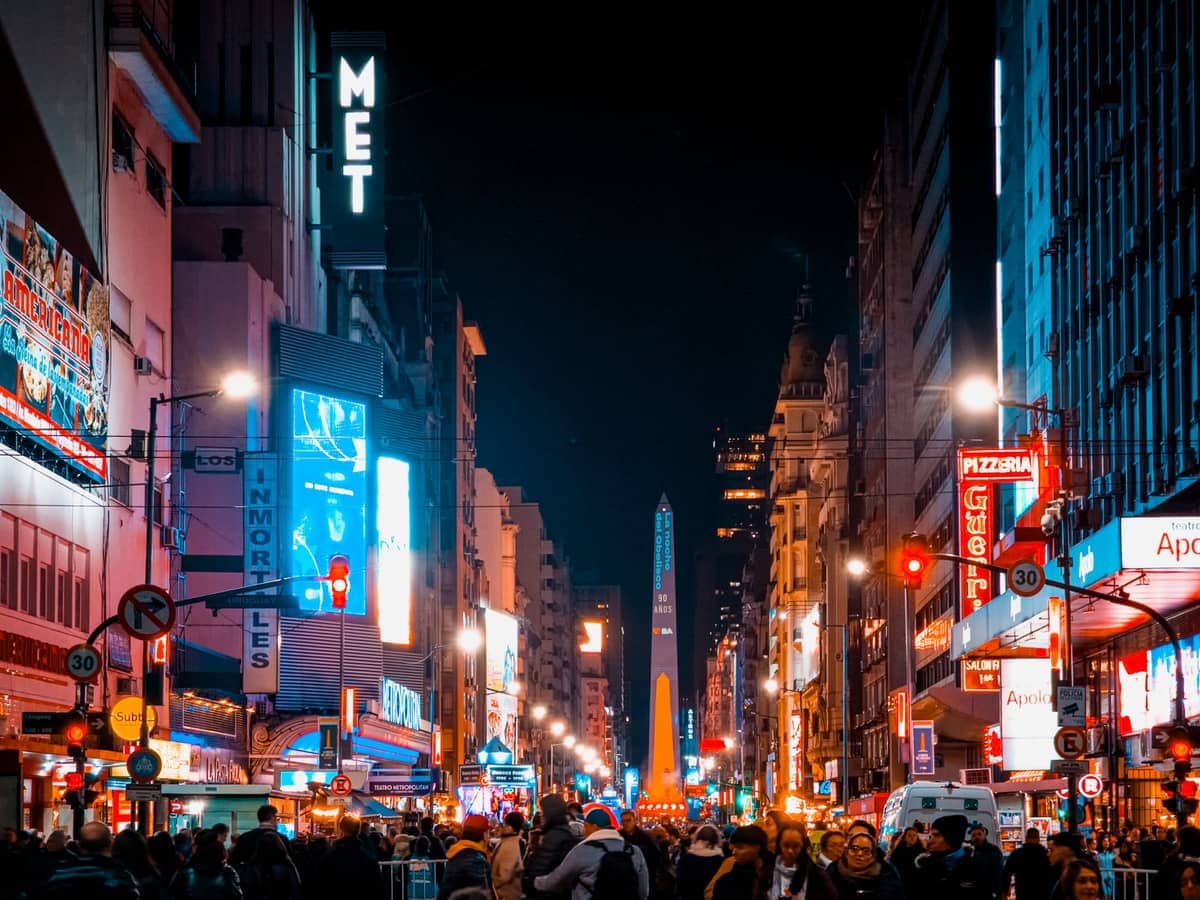
Tickets & tours
Live prices and dates from our booking partner. If you book, we may earn a commission at no extra cost to you.
TL;DR
- Buenos Aires nightlife starts late. Clubs (called boliches) don't fill until 2 am and run until 6–8 am on weekends. Arriving before midnight means an empty dance floor.
- A full night out including dinner, drinks, and a club can cost around US$50–80, which is reasonable by major-capital standards.
- Palermo is the main nightlife hub, but San Telmo and Recoleta each have distinct scenes worth exploring.
- Milongas (tango dance events) run most nights of the week. You don't need to know how to dance to attend. Many are free or low-cost through city programs.
- Check the tango scene in Buenos Aires guide for milonga schedules and what to expect at your first social tango night.
Understanding the Buenos Aires Nightlife Schedule
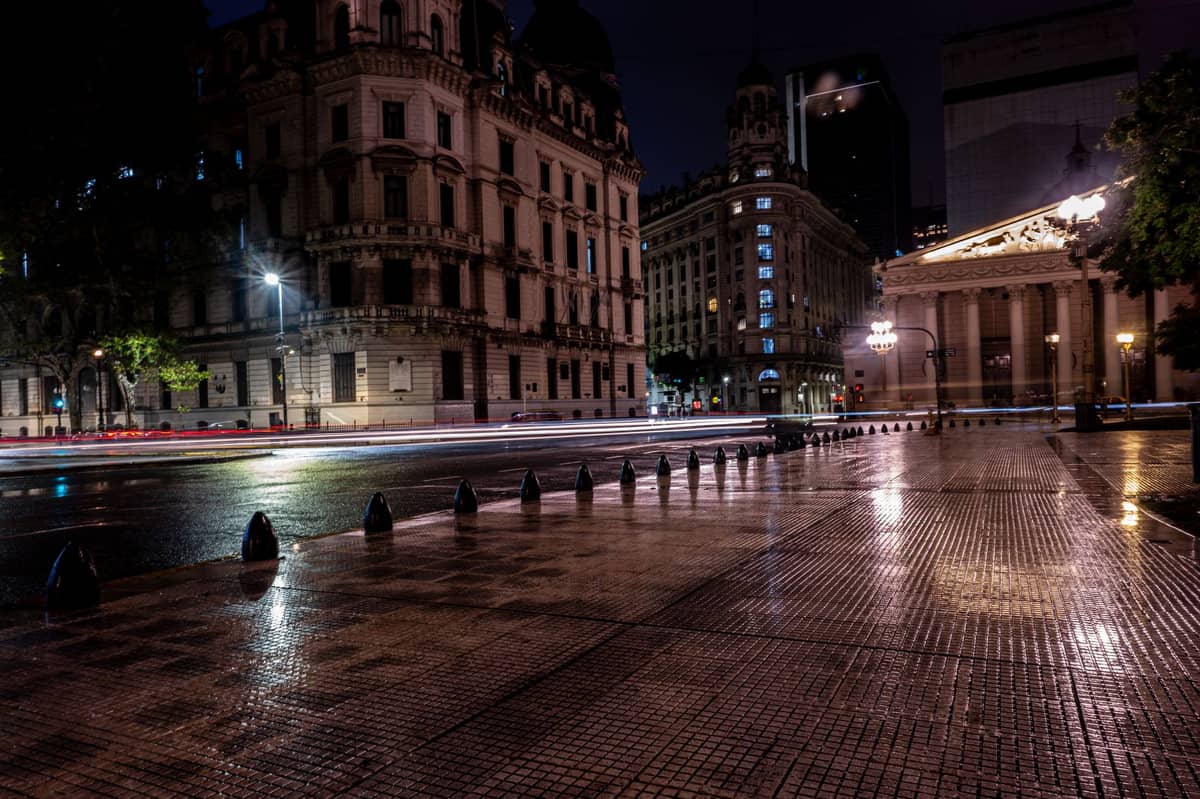
The single most important thing to understand about Buenos Aires nightlife is the timeline. It runs roughly three hours later than most other major cities. Porteños (Buenos Aires residents) eat dinner between 9 and 11 pm. Bars begin filling around 11 pm to midnight. Nightclubs open around midnight to 2 am but don't reach peak energy until 2–5 am. On weekends, clubs routinely stay open until 7 or 8 am. This is not an exaggeration or a tourist cliché. It's the operational reality, and planning around it will determine whether you have a great night or spend an hour staring at an empty room.
Cocktail bars and speakeasies typically operate from around 8 pm to 2 am. Neighborhood craft beer bars open earlier, often from 7 pm onward, and draw a more relaxed crowd. The historic bares notables (officially protected traditional bars) often open from 6 pm and serve as excellent pre-dinner stops. Tango milongas follow their own schedule: most start between 10 pm and midnight, with the dance floor picking up well after midnight, and many run until 4 or 5 am.
⚠️ What to skip
Don't show up to a Buenos Aires nightclub before 1:30 am expecting a party. Even on Friday and Saturday nights, you'll likely find a handful of staff and maybe a dozen people before midnight. The action starts when most cities are closing. Plan your pre-game accordingly.
The Best Neighborhoods for Going Out
Most of the city's nightlife is concentrated in Palermo, which divides informally into Palermo Soho and Palermo Hollywood. Palermo Soho (centered around Thames and Honduras streets) is dense with cocktail bars, boutique clubs, and restaurants with late-night service. Palermo Hollywood, slightly north, leans toward larger clubs and a younger crowd. The streets between these zones hold some of the city's best-reviewed independent bars.
San Telmo offers a different energy: older buildings converted into bars, a strong craft cocktail scene, and the milonga circuit. Plaza Dorrego comes alive on weekend nights with street performers and bar terraces. Recoleta has a more polished crowd and a strip of clubs near the cemetery area that attract both locals and visitors. Venues there often post guest lists on Instagram, and arriving before a set time (often 1 am) can secure free or discounted entry.
- Palermo Soho and Hollywood The default hub. Best concentration of cocktail bars, mid-size clubs, and late-night restaurants. Good for most tastes.
- San Telmo Historic bar scene, strong tango connection, more local-leaning crowd. Better for craft cocktails and milongas than mega-clubs.
- Recoleta Polished clubs and upscale bars. Watch Instagram pages for guest lists and early-entry deals.
- Puerto Madero Upscale riverfront dining that runs late, but limited club scene. Best for a high-end dinner that stretches past midnight.
- Microcentro Not a nightlife neighborhood. Mostly office district that empties after business hours. Avoid for going out.
What Things Cost: A Realistic Price Breakdown
Buenos Aires nightlife is genuinely affordable by international standards, though prices have shifted significantly as Argentina's economy has fluctuated. The figures below are indicative for 2026 and quoted in US dollars, which is how most travelers benchmark costs. Always check current exchange rates and verify against local sources before traveling, as Argentina's peso pricing can shift quickly.
- Craft beer (pint) in a neighborhood bar: around US$3–5
- Cocktails at a quality cocktail bar: roughly US$8–14 per drink, more at top-tier venues
- Club cover charge: many smaller bars have no cover; larger clubs and major parties typically charge US$15–30, sometimes including one drink
- Early entry discounts: many Recoleta and Palermo clubs offer free or reduced entry before a set time if you're on the guest list (usually via Instagram or an online platform)
- Full night out: dinner, drinks at a bar, and club entry can realistically be done for US$50–80 per person depending on choices
✨ Pro tip
Many Buenos Aires clubs post guest lists on their Instagram accounts. Following the venue and messaging them (or using linked third-party platforms) can get you free or discounted entry before 1:30 am. It's standard practice, not a special deal, and locals do it routinely.
For travelers keeping an eye on spending, going out in Buenos Aires on a budget is very achievable. City-sponsored milongas are often free (reservation required), neighborhood bars charge modest cover or none at all, and the free or cheap early-entry window at clubs means you can experience the full nightlife circuit for significantly less than you'd spend on a single night out in London or New York.
Tango and Milongas: The Heart of the Night
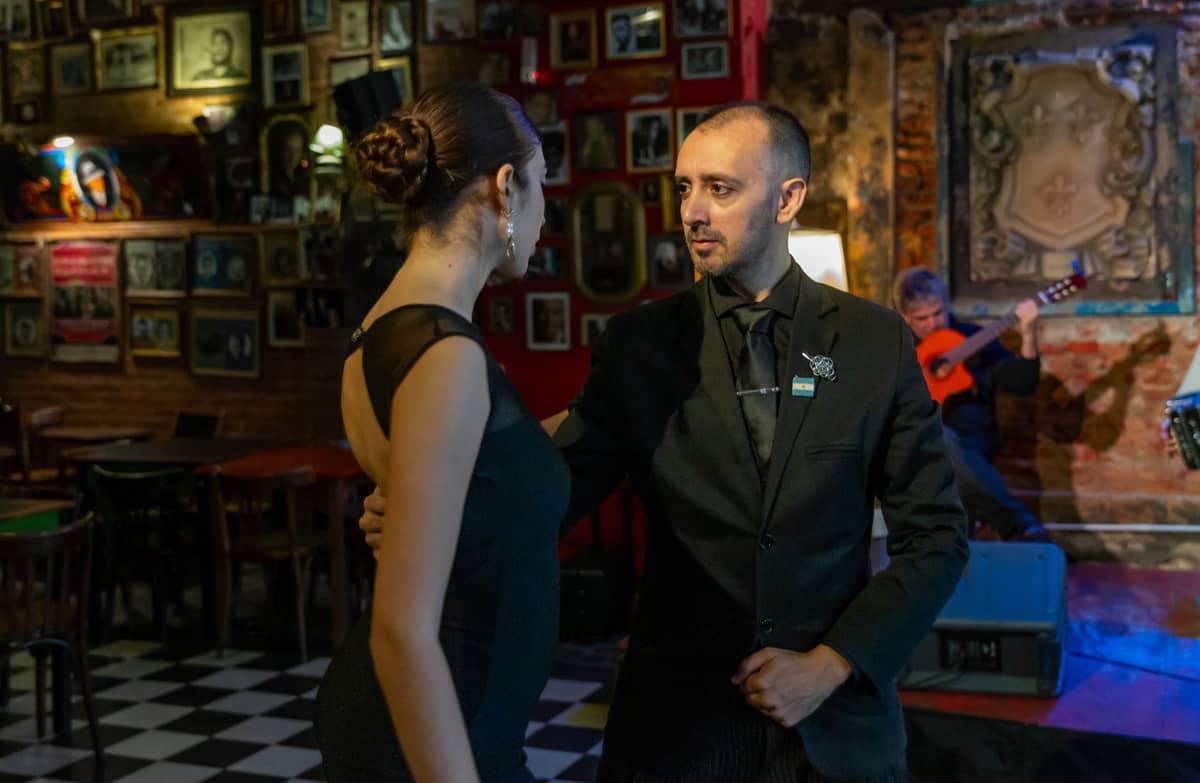
Buenos Aires nightlife and tango are inseparable, but the tango night scene is more accessible than most visitors expect. A milonga is a social tango event, not a performance. People of all ages and skill levels attend. Beginners and observers are welcome at most city-run milongas. You don't need to dance to enjoy the atmosphere.
The City of Buenos Aires operates a dedicated BA Milonga program that lists registered milongas by neighborhood and day of the week. A downloadable milonga map (updated annually, with a 2026 edition available from the city government website) shows venues, addresses, hours, and contact details. The city's tourism portal also maintains a milongas page with event listings and organizer registration. Special programs like the Semana de las Milongas (Milonga Week, typically scheduled in July) offer free entry to milongas across the city, though reservations are usually required.
Tango venues vary widely in atmosphere. Some milongas are held in dedicated tango salons, others in cultural centers, and a few in spaces that double as bars or restaurants earlier in the evening. For a deeper look at the scene, the tango in Buenos Aires guide covers venue types, etiquette, how to find the best milongas by neighborhood, and what to expect at the Buenos Aires Tango Festival, which draws dancers from around the world each August.
ℹ️ Good to know
The misconception that tango nights are only for experienced dancers keeps too many visitors away. Many city-sponsored milongas actively welcome beginners and curious observers. Sitting at a table, watching, and having a drink is a completely normal way to experience a milonga. Some venues even offer introductory lessons before the social dancing starts.
Types of Venues and What to Expect
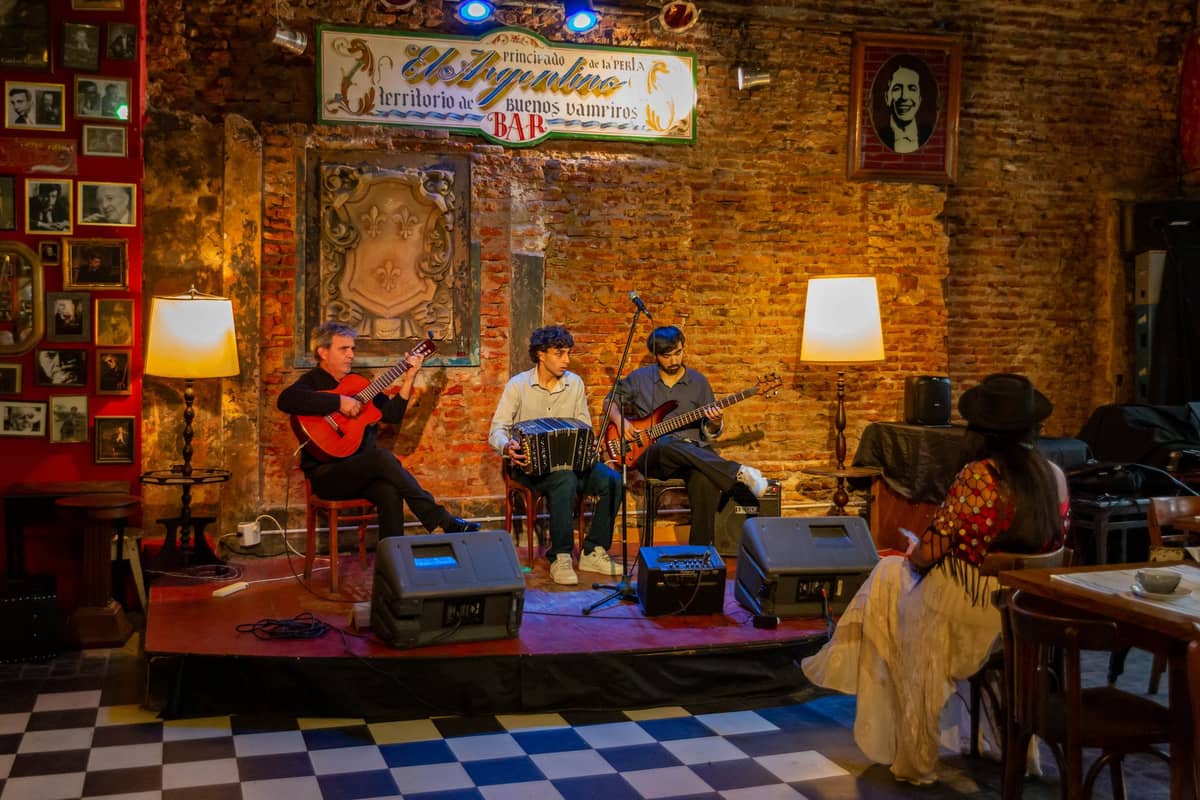
Buenos Aires has a layered nightlife ecosystem. Understanding the categories helps you match your energy to the right place rather than ending up at a tourist-trap show when you wanted a real local experience, or at a neighborhood bar when you came to dance until sunrise.
- Boliches (nightclubs) Large-format clubs with DJs or live music. Open from midnight, peak at 2–5 am. Genre ranges from electronic and reggaeton to cumbia. Cover typically US$15–30. Best nights are Thursday, Friday, and Saturday.
- Cocktail and speakeasy bars Buenos Aires has a strong cocktail culture, particularly in Palermo and San Telmo. Many bars serve until 2 am. Expect US$8–14 per drink at quality venues.
- Bares notables Officially designated historic bars protected by city heritage law. Places like Café Tortoni have daytime and early-evening hours. They're best as pre-dinner stops, not late-night destinations.
- Milongas Social tango events. Start between 10 pm and midnight, run until 4–5 am. Entry from free (city-run events) to around US$10–15. Welcome all levels.
- Craft beer bars A growing scene, especially in Palermo and Villa Crespo. Open from early evening. More relaxed than clubs. Good for starting the night or if late-night clubbing isn't your priority.
- Tango shows for tourists Staged dinner-and-show productions, mainly in San Telmo and Palermo. Professional and polished, but a very different experience from a real milonga. Prices are high relative to the rest of the nightlife scene.
Seasonal Patterns and When to Go
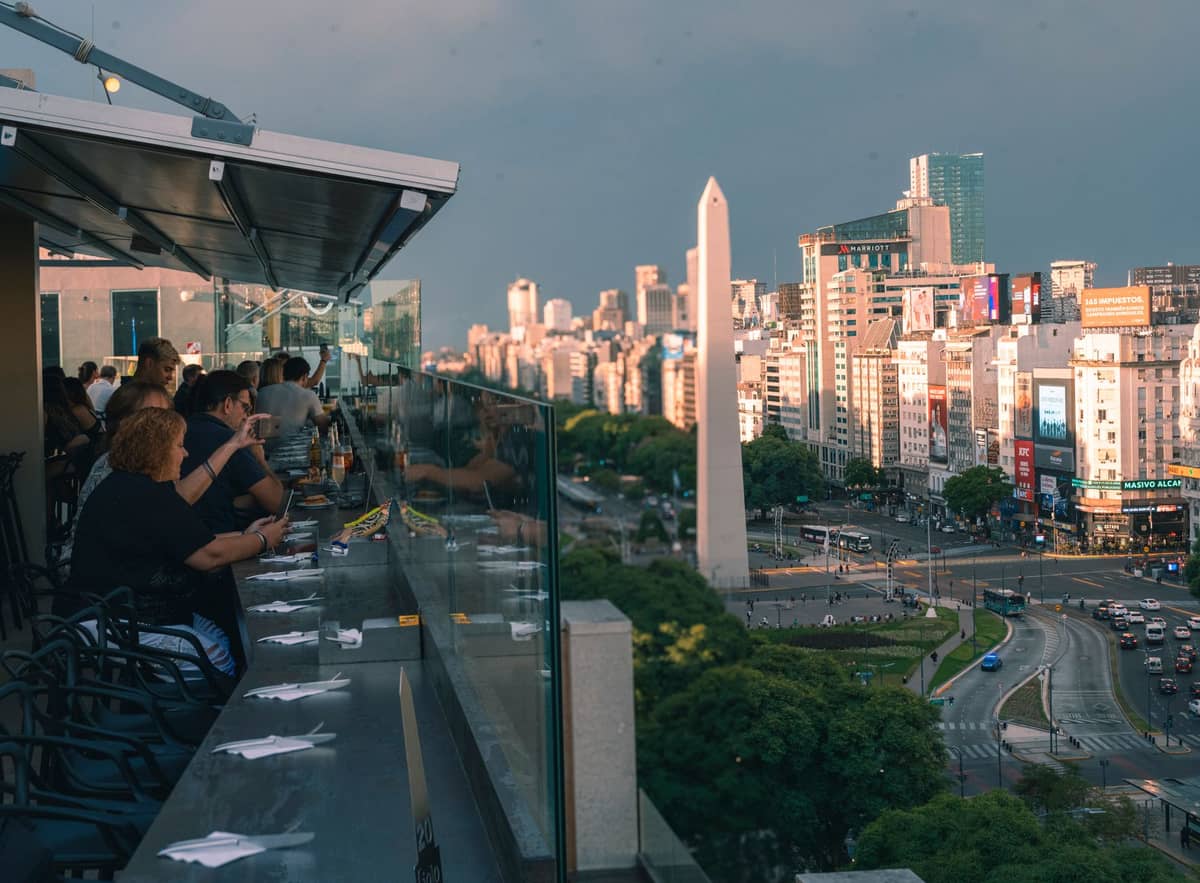
Buenos Aires nightlife runs year-round. The city's climate means winters (June to August) are cool but mild enough that going out is never a problem. Outdoor and terrace venues are more active from October through March when temperatures sit between 20–30°C. Summer (December to February) sees the city's own population thin out slightly as residents head to the coast, but visitor numbers remain strong and the club scene stays active.
Spring (September to November) and autumn (March to May) are generally considered the most comfortable months for nightlife, combining pleasant temperatures for walking between venues with full event calendars. The Buenos Aires Tango Festival in August is a major event for the milonga scene specifically. For a broader view of how timing affects your overall trip, the best time to visit Buenos Aires guide breaks down month-by-month conditions and major events.
Practical Tips Before You Go Out
Getting around at night in Buenos Aires requires a bit of planning. The Subte (metro) stops running around 10–11 pm on weekdays and slightly later on weekends, which means it's useful for getting to dinner but not for getting home after a club. The colectivo bus network runs 24 hours on many routes and uses the SUBE rechargeable card. Taxis and ride-hailing apps are the most practical options for late-night travel. For a full breakdown of how to get between neighborhoods, see the getting around Buenos Aires guide.
Safety after dark in Buenos Aires is a reasonable concern, and the answer is nuanced. Stick to the main nightlife neighborhoods (Palermo, San Telmo, Recoleta) and use registered taxis or apps rather than unmarked cabs, especially late at night. Avoid displaying expensive items unnecessarily. The Buenos Aires safety guide covers this in detail with neighborhood-specific context.
- Load your SUBE card before going out. Buses are useful and cheap but the card can't always be topped up at night.
- Carry some local pesos for smaller bars or street food after a night out. Not all venues accept cards reliably.
- Eat before 9 pm if you want to keep your energy up for a club at 2 am. That's a long gap between dinner and peak club hours.
- Follow your target venues on Instagram before you travel. Guest lists, event changes, and cancellations are communicated there first.
- Dress relatively well for clubs. Buenos Aires nightlife has a smart-casual standard. Sports gear and flip-flops will get you turned away at the door of better venues.
- Argentina uses 220V electricity with Type C and Type I plugs. Bring the right adapter if you're planning to charge your phone before a long night.
💡 Local tip
If you're visiting on a budget and want to experience both the tango world and the club scene, plan one night for a city-sponsored milonga (free or near-free) and one for a Palermo club. Together, they give you a solid cross-section of what Buenos Aires nightlife actually looks like, without the inflated pricing of tourist-oriented tango shows.
FAQ
What time do nightclubs open and close in Buenos Aires?
Clubs (boliches) typically open around midnight to 1 am but don't get busy until 2–3 am. The dance floor peaks between 2 and 5 am. On weekends, many stay open until 7 or 8 am. Arriving before 1:30 am usually means a nearly empty room.
How much does a night out cost in Buenos Aires?
A realistic budget for a full night out, including dinner, drinks at a bar, and club entry, is around US$50–80 per person depending on your choices. Craft beer in a neighborhood bar runs about US$3–5. Cocktails at quality bars cost roughly US$8–14. Club entry is typically US$15–30, though many venues offer free or discounted entry via Instagram guest lists.
Do I need to know how to tango to go to a milonga?
No. Many milongas, especially city-run events, welcome beginners and observers. You can sit, watch, and enjoy the atmosphere without dancing. Some venues offer short introductory lessons before the social dancing begins. The city's BA Milonga program specifically aims to make the tango scene accessible to everyone.
Is it safe to go out at night in Buenos Aires?
The main nightlife neighborhoods (Palermo, San Telmo, Recoleta) are generally active and reasonably safe during peak nightlife hours when there are plenty of people around. Use registered taxis or app-based rides rather than unmarked cabs, avoid displaying expensive items, and stay aware of your surroundings. Check a current Buenos Aires safety guide for neighborhood-specific advice before you travel.
What is the best neighborhood for nightlife in Buenos Aires?
Palermo is the most versatile option, with both Palermo Soho and Palermo Hollywood offering cocktail bars, clubs, and restaurants that run late. San Telmo is better for a tango-focused or craft cocktail night. Recoleta has upscale clubs with a more polished crowd. Microcentro and La Boca are not nightlife neighborhoods and should be avoided after dark for that purpose.
Tickets & tours
Live prices and dates from our booking partner. If you book, we may earn a commission at no extra cost to you.
Planning a trip? Discover personalized activities with the Nomado app.