Buenos Aires Tango Festival & World Cup: The Complete Visitor's Guide
The Buenos Aires Tango Festival & World Cup (Tango BA Festival y Mundial) is one of the world's largest free tango events, drawing thousands of dancers and spectators each August. This guide covers how to get tickets, what to expect at the competition finals, which venues to prioritize, and how to make the most of two weeks of non-stop tango across the city.
Tickets & tours
Live prices and dates from our booking partner. If you book, we may earn a commission at no extra cost to you.
TL;DR
- The festival runs for roughly two weeks in late August to early September, with all official events free of charge but requiring online reservations.
- Events span dozens of venues across the city, from the iconic Usina del Arte to neighborhood cultural centers in San Telmo and beyond.
- Reservations for popular shows open 72 hours before each event via tangoba.org — book early or arrive at the venue when walk-in tickets are distributed.
- The World Cup competition has two main categories: Tango de Pista (salon style) and Tango Escenario (stage tango). Finals are held in major venues such as Teatro Gran Rex.
- Book accommodation well in advance: the festival significantly increases demand for hotels across Buenos Aires during its run.
What Is the Buenos Aires Tango Festival & World Cup?
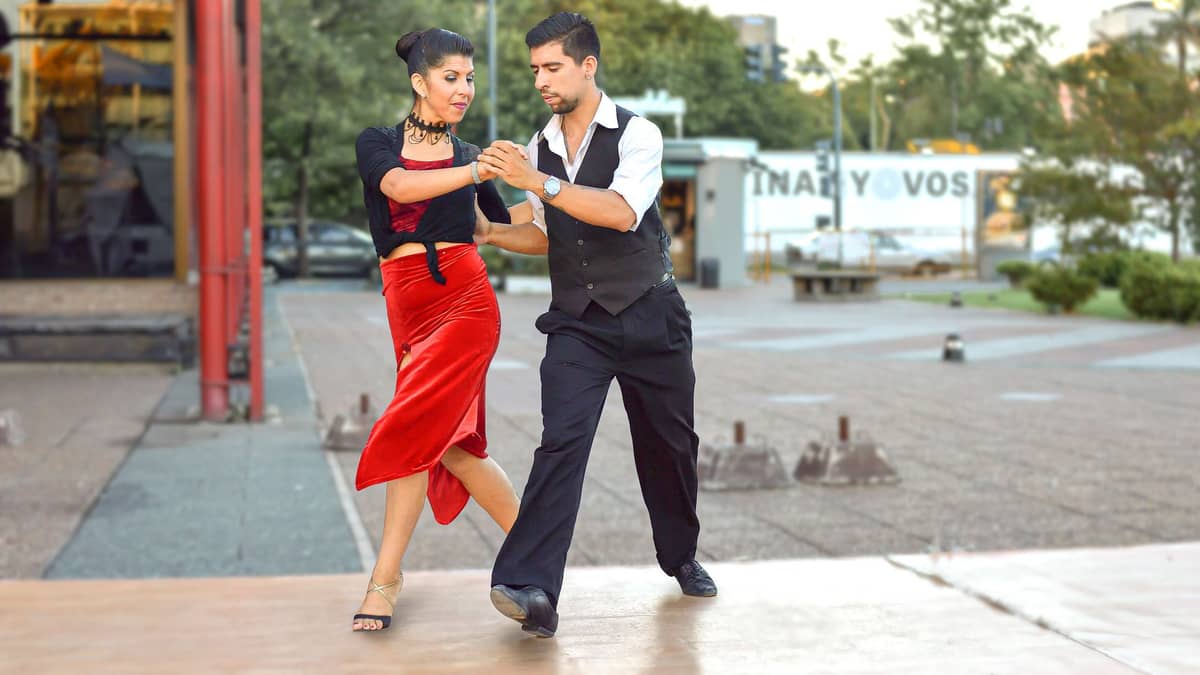
The Buenos Aires Tango Festival y Mundial (Tango BA Festival y Mundial) is the city's flagship annual tango celebration, organized by the Buenos Aires city government under its Tango BA cultural program. It is simultaneously a performance festival, a global competition, and a public education event spread across two weeks of concerts, workshops, outdoor milongas, academic talks, and exhibition shows. Participation is remarkably accessible: official events are free of charge, with some requiring advance reservation, making this one of the few world-class dance events where a general spectator can watch elite international competitors for nothing.
The World Cup component draws amateur and semi-professional couples from dozens of countries, competing in qualifying rounds before national and international finals. Buenos Aires takes the competition seriously: winners earn the title of World Tango Champions, and competition rounds are broadcast and streamed. For visitors who have no interest in the competitive side, the festival's concerts, free group classes, and social milongas in public plazas offer a completely separate, equally compelling program.
ℹ️ Good to know
The festival is run by the Ciudad Autónoma de Buenos Aires (CABA) government, not a private promoter. This means the free-admission policy is a genuine public commitment, not a marketing gimmick. All official programming is listed on tangoba.org, the authoritative source for schedules and reservations.
Dates, Schedule, and What to Expect Each Week
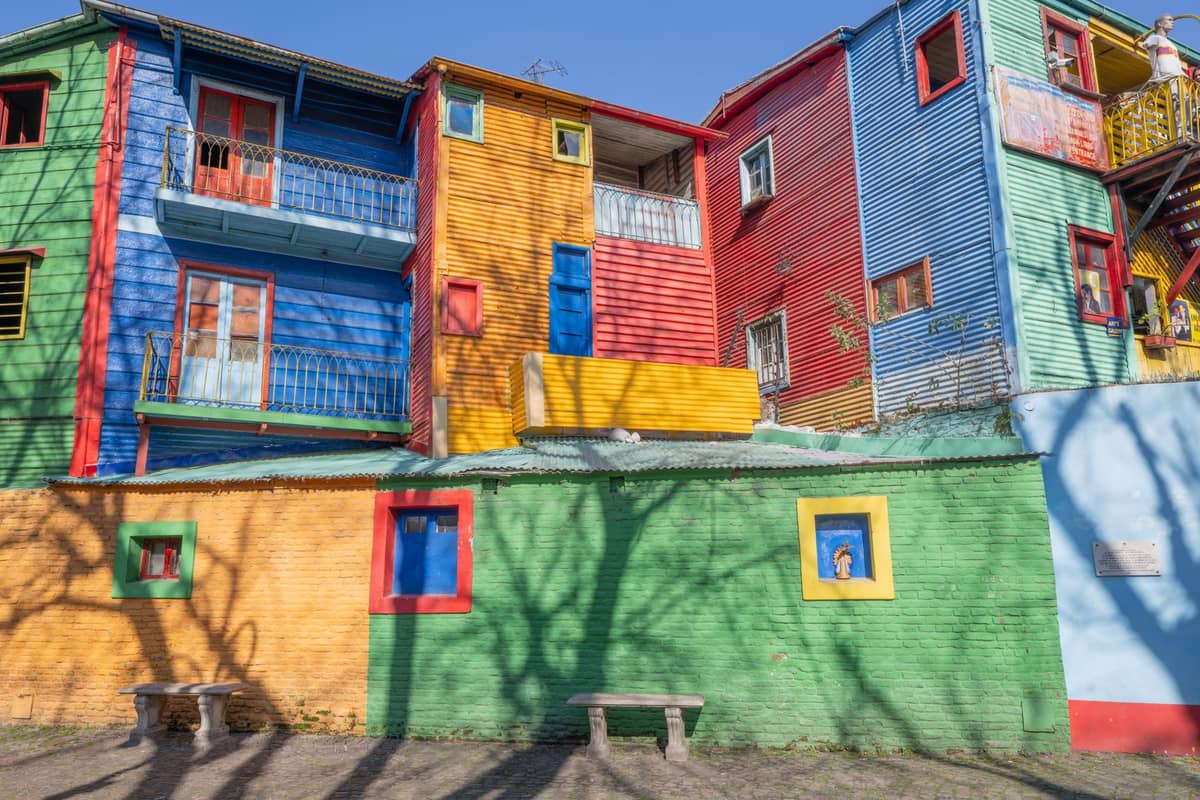
Recent editions of the festival have run from approximately August 19 to September 2, though exact dates shift slightly year to year. The opening ceremony has traditionally been held at Usina del Arte in the La Boca neighborhood, setting a high-production tone with live orchestras and featured choreographies. Check tangoba.org each year for the confirmed dates of the upcoming edition. The opening ceremony has traditionally been held at Usina del Arte in the La Boca neighborhood, setting a high-production tone with live orchestras and featured choreographies. Check tangoba.org in July each year for the confirmed dates of the upcoming edition.
The schedule follows a logical arc. The first week concentrates on workshops, qualifying rounds for the World Cup, and neighborhood performances that bring tango into parks and plazas across the city. The second week escalates toward the finals, with the national and international championship rounds moving to larger venues. The last two or three days are the most intense: competition finals, gala concerts, and closing milongas often run late into the night.
- Week One: Discovery Free group classes, qualifying competition rounds at Usina del Arte, neighborhood milongas, and introductory workshops at cultural centers. Good for first-timers and families.
- Week Two: Competition National finals, international semi-finals, and high-profile shows at Centro Cultural Recoleta and Cultural San Martín. Crowds are larger and reservations fill faster.
- Final Weekend: Championships World Cup finals at a major arena (Movistar Arena in recent years), plus closing galas. These are the hardest tickets to secure and the most spectacular events.
💡 Local tip
If you can only attend for a few days, arrive for the final weekend. The World Cup finals are the pinnacle of the event: international finalists, a packed arena, and a theatrical production scale that rivals any professional show. Reserve your spot the moment the 72-hour window opens.
Venues: Where the Festival Happens
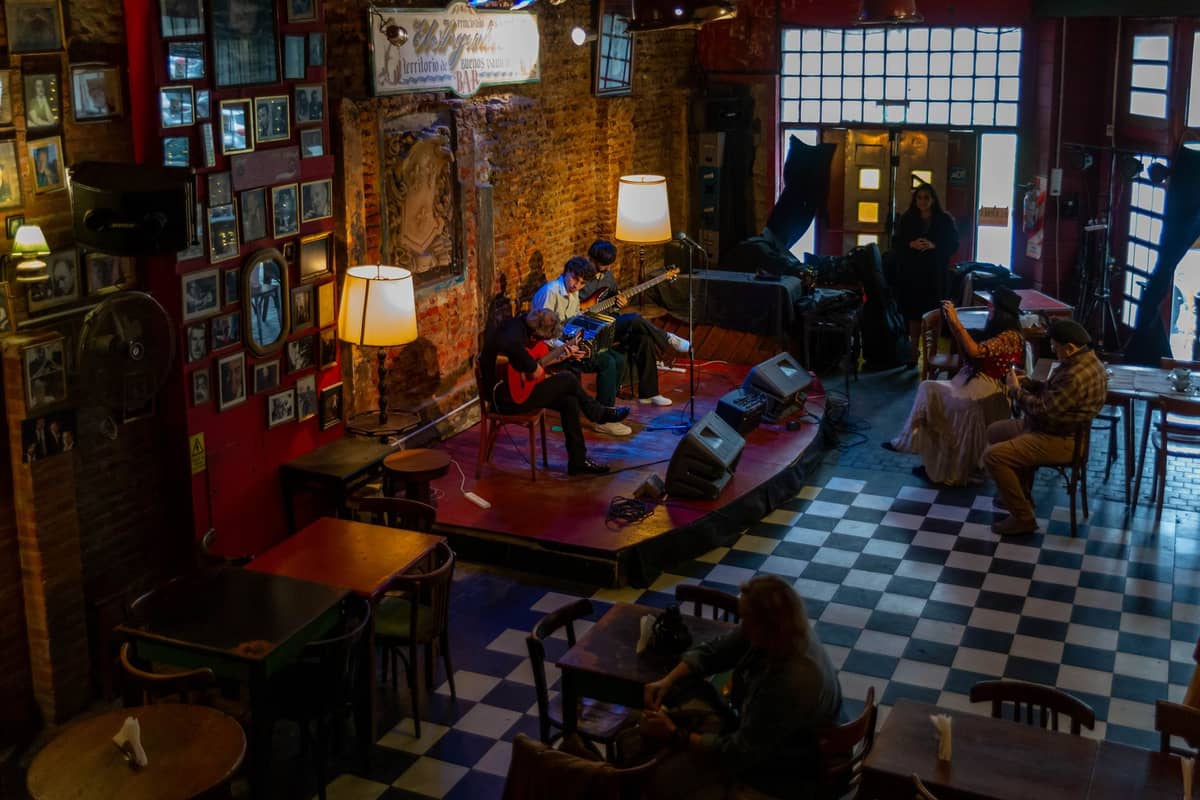
One of the most common misconceptions about the festival is that it takes place in a single theater. In reality, events are distributed across 30 or more locations throughout the city. The anchor venue for qualifying rounds and major performances is Usina del Arte, a converted early 20th-century power station in La Boca with excellent acoustics and a capacity that suits both dance competitions and large concerts.
Other key venues include the Centro Cultural Recoleta, Cultural San Martín on Corrientes, Casa de la Cultura, and a rotation of neighborhood cultural centers (Centros Culturales Barriales) that bring programming to areas outside the tourist circuit. For the finals, the city has used large-capacity arenas including Movistar Arena, which holds thousands of spectators and gives the championship a genuinely spectacular atmosphere.
- Usina del Arte (La Boca): qualifying rounds, opening ceremony, major shows
- Cultural San Martín (Microcentro): concerts, workshops, academic program
- Centro Cultural Recoleta (Recoleta): shows, exhibitions, milongas
- Movistar Arena: World Cup finals (recent editions)
- Teatro Gran Rex: championship finals in some years
- Neighborhood cultural centers: free classes, local milongas across all barrios
- Outdoor plazas and parks: spontaneous and scheduled public milongas throughout the two weeks
Tickets, Reservations, and the Walk-In System
Every official festival event is free, but capacity is strictly controlled. The reservation system works in two tiers. For many shows and competition rounds, online reservations open up to 72 hours before the event starts on tangoba.org. Popular events, particularly competition finals and headliner concerts, sell out within minutes of reservations opening. Set a reminder and have your registration ready on the platform in advance.
If you miss the online window or an event is listed as first-come-first-served, venues typically distribute a limited number of walk-in tickets at the venue before showtime. Arriving early for popular walk-in events is not excessive during the final weekend.
⚠️ What to skip
Third-party sites occasionally list 'Tango Festival tickets' for sale. These are not legitimate: all official events are free. Any site charging for access to the standard festival program is either selling an unofficial tour package or operating a scam. Use only tangoba.org and turismo.buenosaires.gob.ar for reservations and scheduling.
The World Cup Competition: Categories and What to Watch
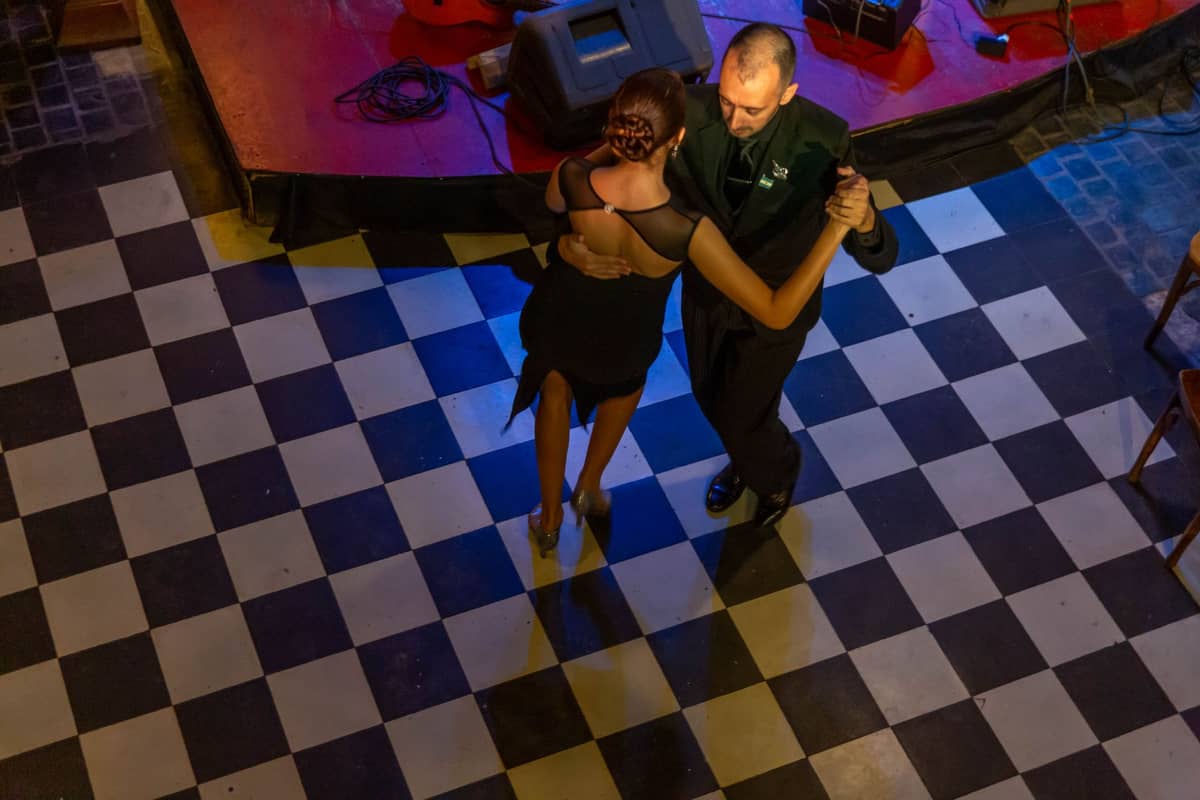
The competition is structured around two distinct tango styles, each judged on different criteria. Understanding the difference makes watching the competition significantly more rewarding.
Tango de Pista (also called Tango Salón) judges couples on social dance technique: the embrace, fluidity, musical interpretation, and the ability to navigate a crowded floor without disrupting other couples. It is the closer, more intimate style and the one most closely associated with the traditional milonga culture of Buenos Aires. Tango Escenario (Stage Tango) allows choreographed sequences, acrobatics, lifts, and theatrical elements not permitted in Tango de Pista. The Escenario finals tend to be the more visually spectacular event for uninitiated audiences, while the Pista finals are more appreciated by tango practitioners.
Competition rounds proceed through local Buenos Aires qualifying heats, then national Argentine finals, then international finals drawing couples from across South America, Europe, Asia, and beyond. The event has grown into a genuinely global championship: in recent years, finalists have come from Japan, Russia, France, Colombia, and dozens of other countries. If you want context before attending, the tango in Buenos Aires guide covers the cultural history and milonga etiquette you'll need to appreciate the competition.
Planning Your Visit: Practical Details
The festival takes place in late winter in Buenos Aires. August temperatures range from around 7 to 18°C, with occasional rain and overcast skies. Most events are indoors, but outdoor milongas and plaza performances do happen and can be cancelled or moved on wet evenings. Pack a light waterproof layer and comfortable shoes if you plan to attend outdoor sessions or walk between venues.
Accommodation demand spikes significantly during the festival, particularly in San Telmo, Palermo, and Recoleta. Book hotels at least two to three months ahead, or further if you want central options at reasonable rates. For general accommodation strategy, see the where to stay in Buenos Aires guide.
Getting between venues is straightforward by public transport. The Subte (metro) connects Microcentro with Recoleta and Palermo, while colectivos (city buses) cover the wider network. A SUBE rechargeable card makes using public transport much easier; load it at kiosks throughout the city. For airport transfers and general navigation advice, the getting around Buenos Aires guide has current details on routes and fares.
Argentina uses the Argentine peso (ARS). Currency exchange logistics in Buenos Aires are notably complex and rates change frequently. Before your trip, read the Buenos Aires currency and money guide for practical guidance on getting the best rate. Since festival events are free, your main costs during the festival will be food, transport, and accommodation.
✨ Pro tip
Attending a social milonga during festival week is a completely different experience from watching the competition. Local milongas across the city fill with both serious dancers and curious spectators. You do not need to dance to attend: sitting at a table and watching is entirely normal. Check the festival program for free milongas at cultural centers, which tend to be more welcoming to newcomers than private club milongas.
Beyond the Festival: Tango Year-Round in Buenos Aires
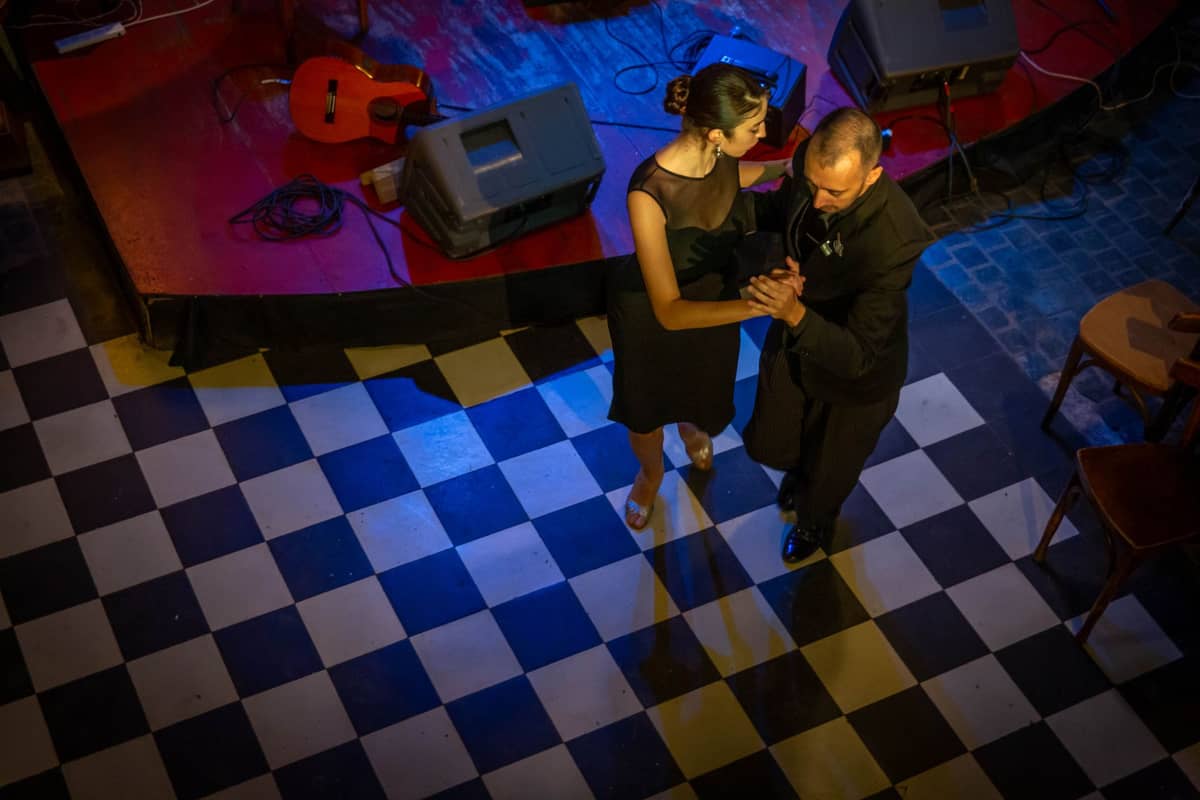
The festival is the peak event, but tango runs continuously in Buenos Aires. Neighborhood milongas operate most nights of the week across the city, from the famous clubs of San Telmo to venues in Almagro and Villa Urquiza. The street performances along Caminito in La Boca are a well-known tourist fixture, but they represent a commercial version of tango rather than the social dance culture the festival celebrates.
If your trip doesn't overlap with the festival dates, Buenos Aires still offers significant tango infrastructure: classes, milongas, and shows every week of the year. The complete tango guide covers milonga etiquette, show recommendations, class options for beginners, and the cultural history behind the dance. For broader trip planning, the best time to visit Buenos Aires guide helps you weigh the festival against other seasonal factors.
FAQ
Is the Buenos Aires Tango Festival really free?
Yes. Every official event in the Tango BA Festival y Mundial program is free of charge. This includes competition rounds, concerts, workshops, and social milongas. Reservations are required for most events and open 72 hours before showtime at tangoba.org. Any third-party site charging for access to the official festival program is not legitimate.
When exactly does the Buenos Aires Tango Festival take place?
Recent editions have run from August 19 to September 2, spanning roughly two weeks in late winter in Buenos Aires. Exact dates shift year to year. Check tangoba.org in June or July for confirmed dates of the upcoming edition before booking travel.
Do I need to know how to dance tango to enjoy the festival?
No. Most of the festival's audience consists of spectators, not dancers. Competition finals, concerts, and exhibition shows are designed for general audiences. Free beginner workshops are also part of the program, so the festival is actually a good opportunity to take a first tango class in a low-pressure setting.
Where are the World Cup finals held?
In recent editions, the finals have been held at large-capacity venues including Teatro Gran Rex. Qualifying rounds typically take place at Usina del Arte in La Boca. Venues can change between editions, so confirm the finals location on tangoba.org once the program is published.
How far in advance should I book a hotel for the Tango Festival?
At least two to three months before the festival, and ideally longer if you want a well-located hotel at a competitive rate. The festival draws thousands of international visitors and significantly increases accommodation demand across Buenos Aires, particularly in San Telmo, Recoleta, and Palermo.
Tickets & tours
Live prices and dates from our booking partner. If you book, we may earn a commission at no extra cost to you.
Planning a trip? Discover personalized activities with the Nomado app.