Tango in Buenos Aires: The Complete Guide
Buenos Aires is the birthplace of tango, and the city takes that seriously. This guide covers milongas, tango lessons, dinner shows, seasonal events, dress codes, and honest price breakdowns — everything you need to engage with tango culture on your own terms.
Tickets & tours
Live prices and dates from our booking partner. If you book, we may earn a commission at no extra cost to you.
TL;DR
- Buenos Aires has tango options at every budget: social milongas cost around USD 3–8 entry, while private lessons range from USD 25 to USD 130+ per hour depending on the instructor.
- The best neighborhoods for tango are San Telmo and Palermo, each with a distinct scene and venue style.
- The Buenos Aires Tango Festival and World Cup is held annually starting in August and typically runs for about two weeks into early September — book accommodation early if your trip overlaps with it.
- Most milongas offer a beginner class before the main dance, so zero experience is not a barrier to joining.
- Dinner tango shows are polished and worth attending once, but they are tourist productions — not where porteños actually dance.
What Tango Actually Means in Buenos Aires
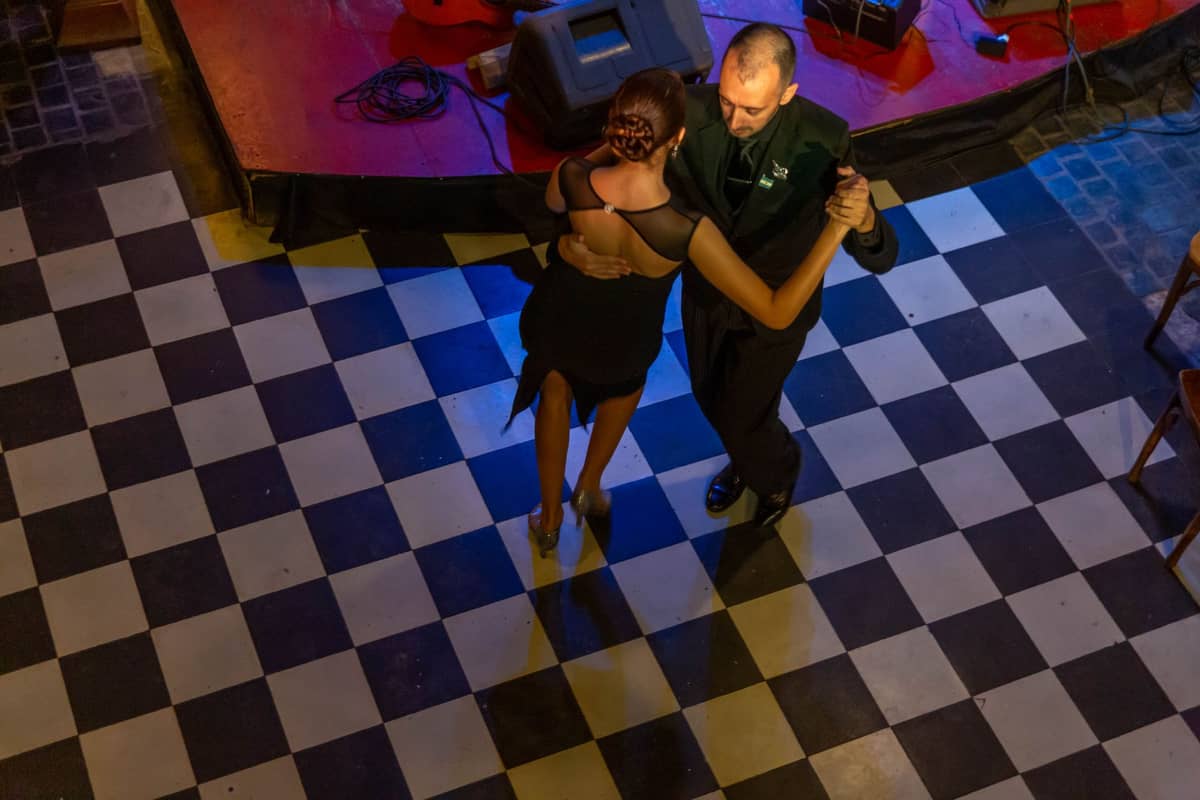
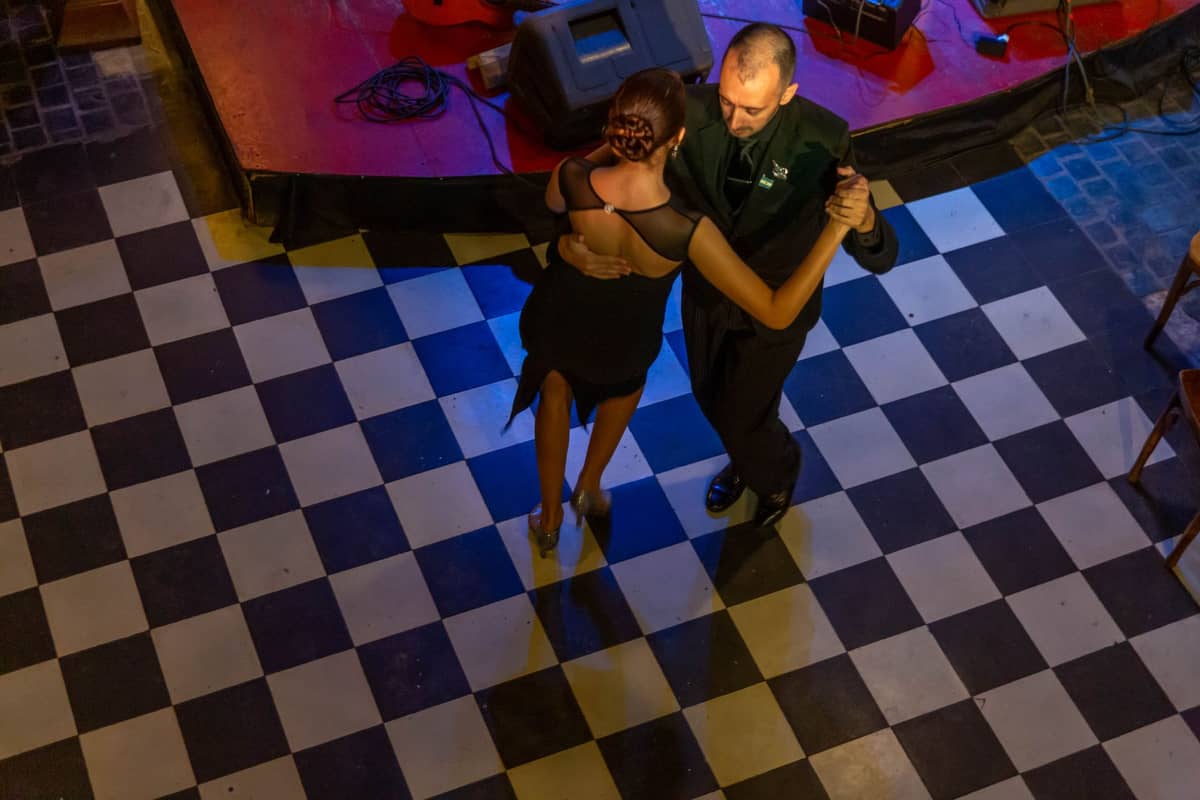
Tango originated in the late 19th century in the working-class neighborhoods along the Río de la Plata, born from a mix of immigrant cultures including Italian, Spanish, and African influences. It was recognized by UNESCO as Intangible Cultural Heritage of Humanity in 2009, shared between Argentina and Uruguay. In Buenos Aires, tango is not a performance put on for tourists — it is a living social practice with its own codes, hierarchies, and venues that have operated continuously for decades.
Understanding this distinction matters when planning your experience. There are essentially three categories of tango in the city: social milongas (where locals actually dance), tango schools and studios (for structured learning), and dinner shows (theatrical productions designed primarily for visitors). Each serves a different purpose, and the right choice depends on what you want to get out of the experience.
Social Milongas: Where Buenos Aires Actually Dances
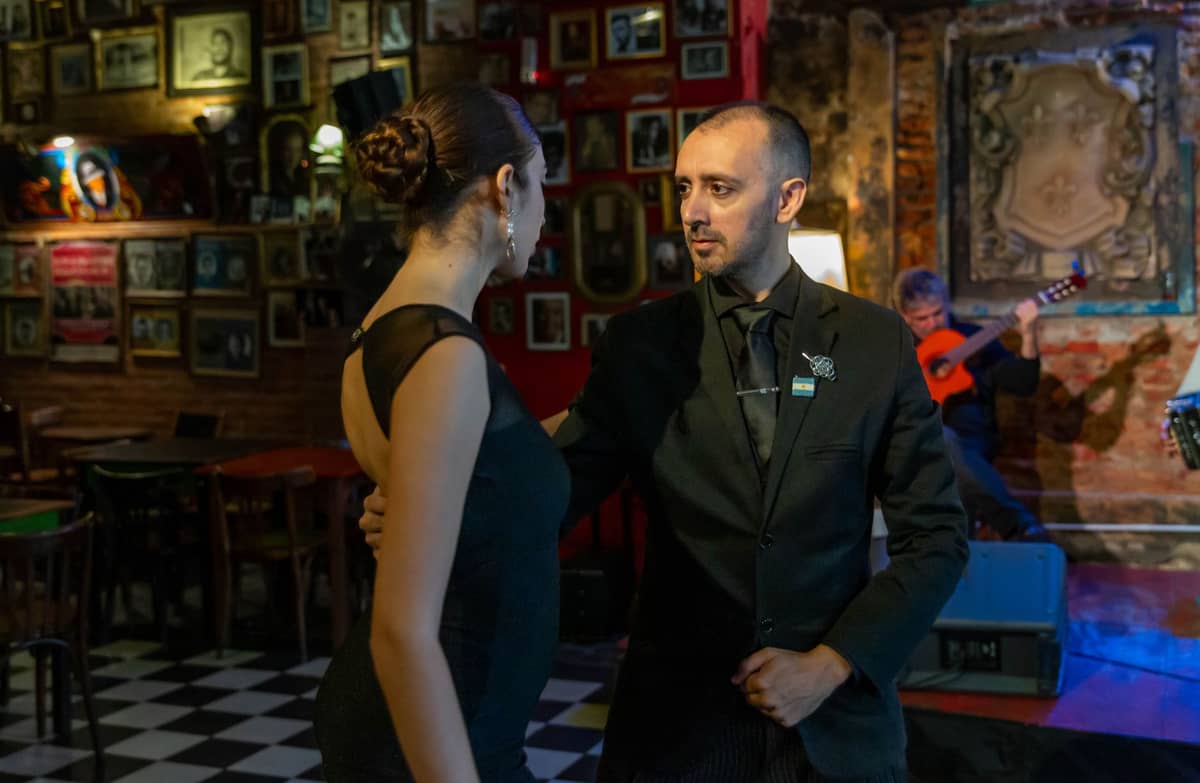
A milonga is a social dance event, not just a venue. Entry typically costs between USD 3 and USD 8, and most venues include a group class in the hour or two before the main dancing starts, usually from around 20:00 to 22:00. The milonga itself runs late — often from 23:00 until 04:00 or 05:00 on weekends. This is not an exaggeration. Buenos Aires nightlife runs on a schedule that shocks most first-time visitors.
- La Viruta (Palermo) One of the most accessible milongas for newcomers. Relaxed atmosphere, consistent beginner classes before the dance, and a mixed crowd of locals and visitors. Entry around USD 5–8.
- La Catedral (Almagro) Housed in a converted warehouse with a deliberately rough, bohemian aesthetic. No formal dress code. Known for a younger, alternative crowd and a creative atmosphere. Entry around USD 3–5.
- Salón Canning (Palermo) A more traditional venue with a polished dance floor and an older, more experienced crowd. Some nights follow stricter milonga codes, including the cabeceo (the subtle head-nod invitation system). Entry around USD 5–8.
- Club Gricel (San Cristóbal) A classic ballroom-style milonga popular with serious dancers. Less tourist-facing than the Palermo options, which is either a plus or a minus depending on your comfort level.
💡 Local tip
At traditional milongas, dancers use the cabeceo system to invite partners: a subtle nod or eye contact from across the room. Approaching someone directly on the dance floor and asking verbally is considered poor form at more traditional venues. At beginner-friendly spots like La Viruta, the rules are looser — but knowing the etiquette earns respect.
The dress code varies significantly by venue. La Catedral is genuinely casual. Salón Canning and Club Gricel expect smarter attire, particularly for women. As a baseline, avoid sportswear and flip-flops at any milonga. If you plan to dance seriously, dedicated tango shoes with smooth soles make a real difference on the dance floor — rental options are available at many venues. For more on navigating the city's late-night culture, see the Buenos Aires nightlife guide.
Tango Lessons: What to Expect and What It Costs
Buenos Aires has hundreds of tango schools and independent instructors, which makes quality highly variable. Price is not always a reliable indicator, but it gives a useful framework. Introductory private lessons marketed toward visitors typically start around USD 50–60 per person for 60 minutes. Mid-range lessons with experienced instructors run around USD 70 per person per hour. Top-tier teachers — those who compete internationally or have decades of teaching behind them — charge USD 130 or more per hour, with some two-hour premium packages reaching USD 260.
Group classes offer a more affordable entry point. Many milongas include a group lesson in the entry price (USD 3–8 total), and standalone group sessions at schools typically cost USD 10–20 per person. These are fine for getting a feel for the basic steps but limited for actual skill development. If you are serious about learning even the fundamentals correctly, a private lesson — even just one — is a better investment than multiple group sessions.
- Book lessons directly with schools or instructors rather than through hotel concierges, who typically take a commission and may not steer you toward the best options.
- Ask specifically about the instructor's background: whether they perform, compete, or teach locally versus exclusively to tourists matters for teaching quality.
- Multi-class packs typically offer 15–25% discounts over single-session rates — worth negotiating if you plan more than two or three lessons.
- Lessons in Palermo and San Telmo are the most accessible geographically, but instructors in other neighborhoods can be excellent and sometimes less expensive.
- Online booking platforms (listing prices from around USD 39–50 for small groups) are convenient but book fast during peak season and the August festival period.
✨ Pro tip
Some instructors offer a combined lesson-and-milonga package: one hour of private or semi-private instruction followed by accompanying you to a milonga the same evening. This is genuinely useful for first-timers — you get context and a guided introduction to the social environment in a single session. Prices for these packages typically run USD 80–120 per person.
Dinner Shows: Assessment
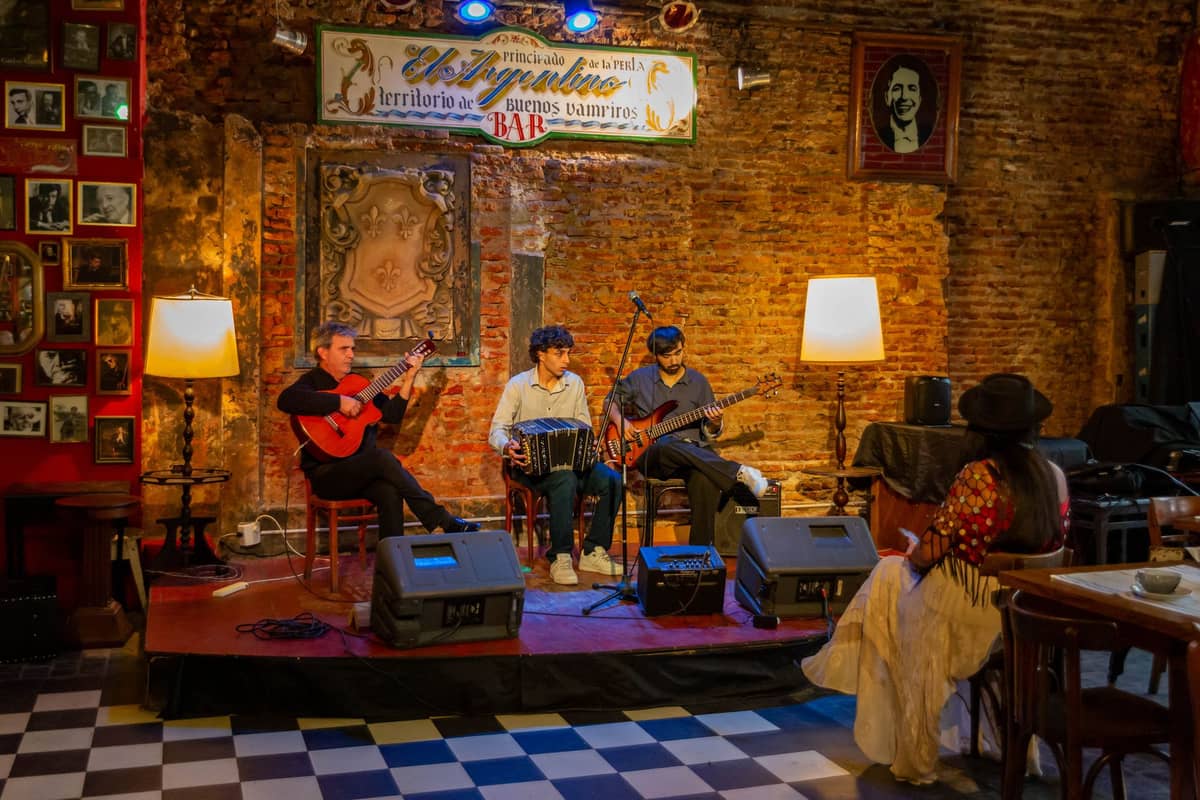
Tango dinner shows are a staple of the Buenos Aires visitor experience, and they are worth attending at least once if theatrical performance appeals to you. The production quality at the main venues is genuinely high: professional dancers, live orchestras, elaborate costumes, and well-rehearsed choreography. These are not low-budget operations. Venues like Rojo Tango (at the Faena Hotel), El Viejo Almacén in San Telmo, and Esquina Carlos Gardel near the Abasto market are among the most well-regarded.
The tradeoff is price and authenticity. Dinner show packages typically run roughly USD 100–250 per person including a fixed-menu dinner and the show, with premium seats or better menus pushing the cost higher. The food is generally adequate rather than remarkable — you are paying for the experience, not the cuisine. And crucially, this is performance tango, not social tango. The two forms share a name and some vocabulary but are otherwise quite different in feeling and purpose.
⚠️ What to skip
Avoid purchasing dinner show tickets from street touts near tourist areas in San Telmo or La Boca. They often sell at inflated prices and may not honor seat assignments. Book directly through venue websites or a reputable booking platform.
Key Tango Neighborhoods and Landmarks
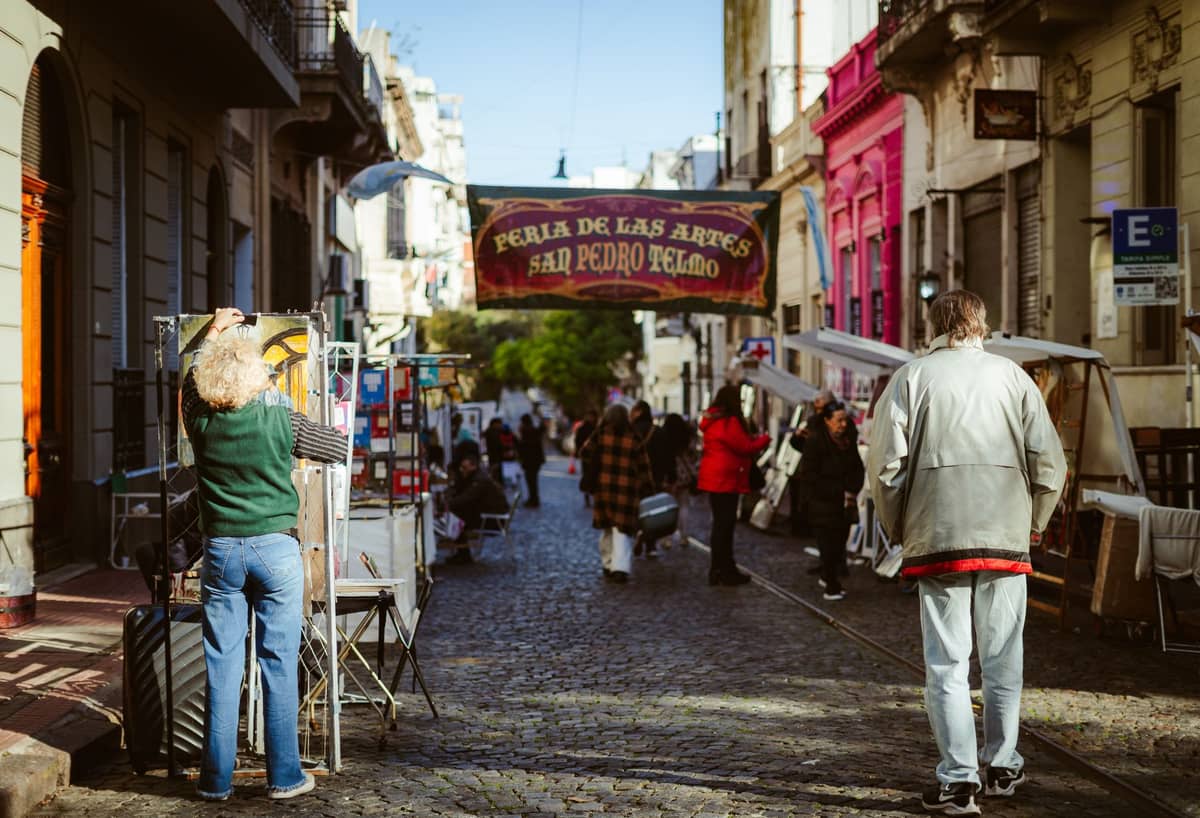
Tango has strong geographic roots in the city. San Telmo is the oldest tango neighborhood and the most atmospheric for walking around: cobbled streets, the Feria de San Telmo on Sundays, and several traditional milongas and schools within easy reach. The neighborhood has a rougher, less polished edge compared to Palermo, which some visitors appreciate and others find uncomfortable.
Palermo houses the largest concentration of visitor-accessible tango schools and milongas, and its infrastructure (transport links, cafes, accommodation) makes it the most practical base for tango-focused stays. Almagro, just south of Palermo, is where serious local dancers tend to concentrate, with venues like La Catedral that attract a more authentic crowd. The Museo Casa Carlos Gardel in the Abasto neighborhood is dedicated to the life of tango's most iconic figure and is worth a visit for cultural context even if you have limited time.
La Boca has tango street performances on Caminito, the famous painted pedestrian street. These are genuine performers, but the setting is explicitly tourist-facing. It is enjoyable as street theater, but it bears almost no resemblance to how tango is actually practiced in the city. Worth a photo, not worth building your tango itinerary around.
Seasonal Timing and the Tango Festival
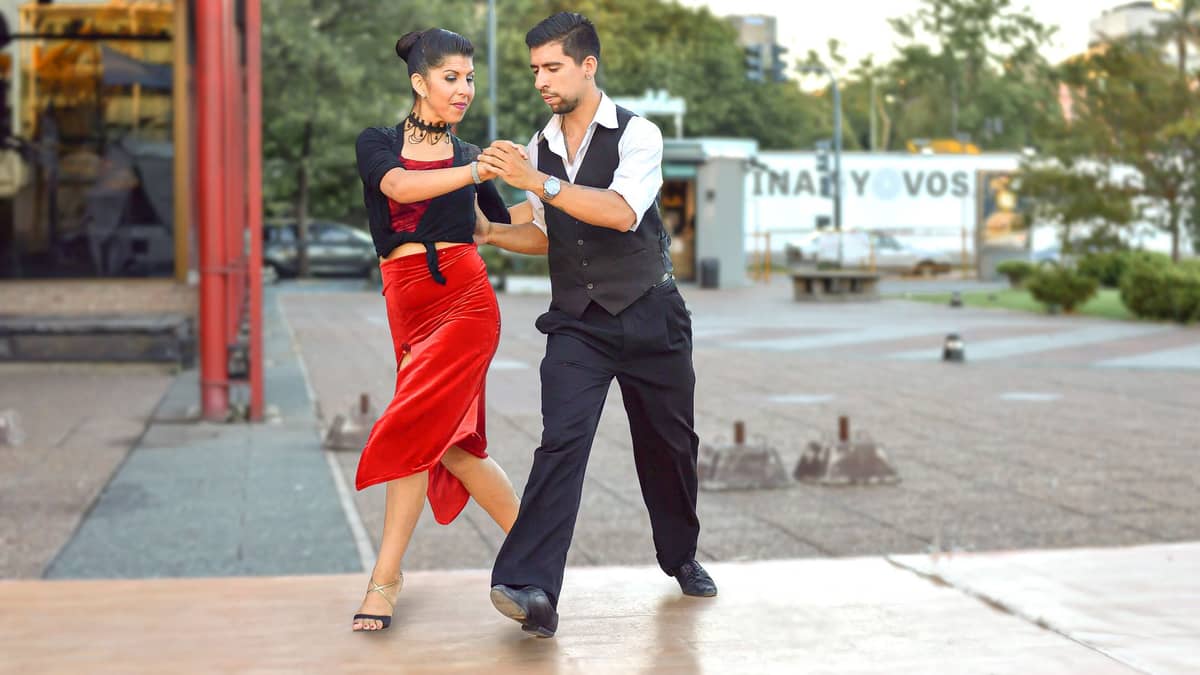
Tango activities run year-round in Buenos Aires. There is no off-season for milongas or lessons. That said, the calendar has one unmissable event: the Buenos Aires Tango Festival and World Cup (Festival y Mundial de Tango), held annually starting in August and usually continuing into early September. The festival spans about two weeks and brings dancers and teachers from across the world to the city. It includes free outdoor milongas in public spaces, championship competitions open to spectators, workshops with internationally recognized maestros, and a general intensification of tango culture across the city.
August in Buenos Aires is winter, with temperatures typically between around 8°C and 16°C. The weather is cool and occasionally rainy but manageable. The festival period puts real pressure on accommodation and popular milonga spots, so booking in advance is essential. For a deeper breakdown of the festival program and logistics, see the dedicated Buenos Aires Tango Festival guide.
Outside the festival, spring (September to November) and autumn (March to May) offer the most comfortable weather for the city in general. Summer (December to February) is hot and humid, which affects the atmosphere in venues without strong air conditioning. For broader advice on timing your trip, the best time to visit Buenos Aires guide covers seasonal trade-offs in detail.
Practical Tips Before You Go
Tango is an affordable activity by global standards, but only if you engage with it correctly. The most expensive option is not necessarily the best experience. A USD 5 milonga entry with a group class included can be more memorable than a USD 120 dinner show. Budget travelers should know that Buenos Aires on a budget is genuinely possible for the tango experience — social dancing is one of the cheapest ways to spend an evening in the city.
- Bring cash in Argentine pesos to milongas. Some venues accept cards, but cash is more reliable and avoids delays at the door.
- Arrive at the pre-milonga class, not the milonga itself, if you are a beginner. Arriving at midnight with no foundation is disorienting.
- Learn five words of Spanish tango vocabulary before you go: tanda (a set of dances), cortina (the musical break between tandas), cabeceo (the eye-contact invitation), abrazo (the embrace hold), and milonga (both the event and a tango rhythm sub-style).
- Comfortable, low-heeled shoes are fine for your first milonga. Purpose-built tango shoes with suede soles are available for purchase or rent at many venues if you get serious.
- The SUBE card used for public transport (Subte and buses) makes getting to and from late-night milongas significantly easier and cheaper than taxis for every journey.
For getting between neighborhoods at night, the city's Subte closes around 22:00–23:00, so late-night milonga returns require a bus, taxi, or ride-hailing app. The getting around Buenos Aires guide covers transport options and the SUBE card in detail.
FAQ
Do I need to know how to tango before attending a milonga?
No. Most milongas in Buenos Aires — especially beginner-friendly venues like La Viruta — offer a group class in the hour before the main dance begins. Arriving for the class and staying for the milonga is the standard approach for newcomers. You will not be expected to perform at any level; the environment is social, not competitive.
How much does tango cost in Buenos Aires?
Social milongas cost around USD 5–12 for entry, often including a beginner class. Group tango classes at schools run USD 12–25 per session. Private lessons start around USD 50–60 per person per hour for introductory sessions, rising to USD 70–130 for more experienced instructors. Dinner tango shows typically cost roughly USD 100–250 per person including the meal.
What is the best neighborhood to experience tango in Buenos Aires?
For social dancing and lessons, Palermo has the highest concentration of accessible milongas and schools. San Telmo is the most historically atmospheric. Almagro is where serious local dancers tend to go. La Boca has street performances on Caminito but is more theatrical than authentic.
When is the Buenos Aires Tango Festival?
The Buenos Aires Tango Festival and World Cup typically takes place starting in August and lasting approximately two weeks into early September. It includes free outdoor milongas, championship competitions open to spectators, and workshops with international teachers. It is the single best time to experience tango culture at its most concentrated — but accommodation books up quickly, so plan ahead.
Are tango dinner shows worth it in Buenos Aires?
They are worth attending once if you enjoy theatrical performance. The production quality at top venues is high, with professional dancers and live orchestras. However, at USD 80–150 per person, they are significantly more expensive than social milongas and represent performance tango rather than the social form locals actually practice. If your budget is limited, prioritize a milonga with a class over a dinner show.
Tickets & tours
Live prices and dates from our booking partner. If you book, we may earn a commission at no extra cost to you.
Planning a trip? Discover personalized activities with the Nomado app.