Solo Travel in Buenos Aires: Safety, Neighborhoods, Transport & Everything Else You Need
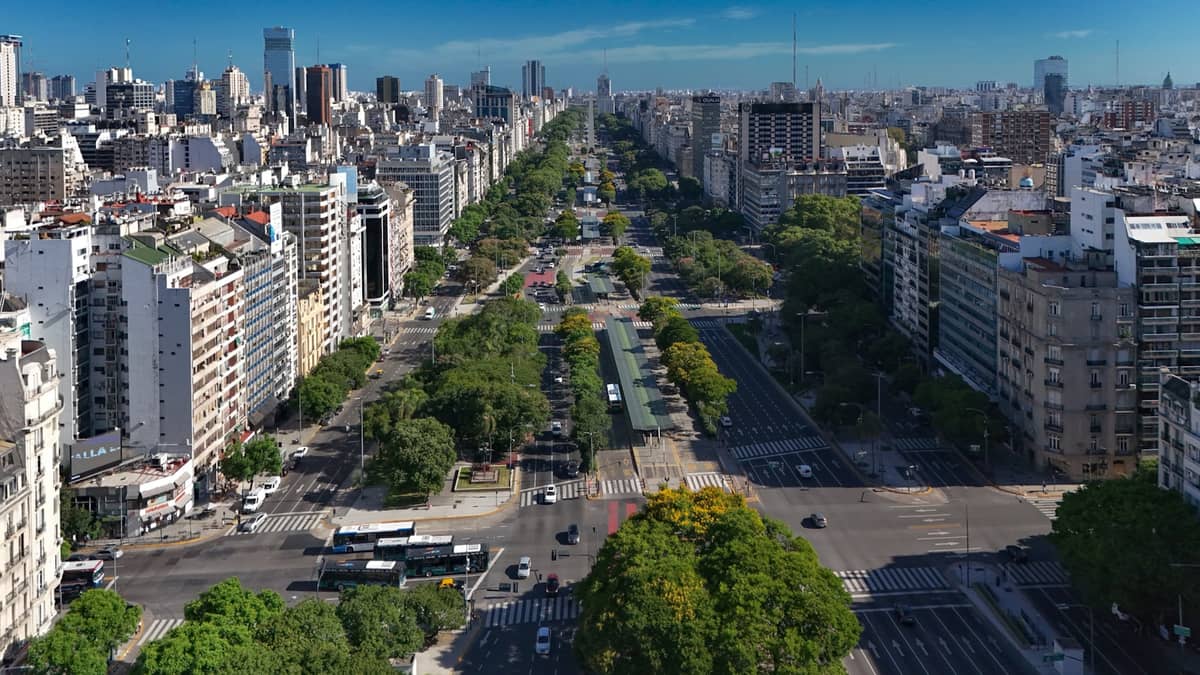
Buenos Aires is one of South America's most rewarding solo destinations, with an extensive metro network, walkable neighborhoods, and a rich cultural scene. This guide covers everything from the safest areas to stay and how to navigate public transport, to money tips and the best times to visit as a solo traveler.
Tickets & tours
Live prices and dates from our booking partner. If you book, we may earn a commission at no extra cost to you.
TL;DR
- Buenos Aires is broadly safe for solo travelers, including solo female travelers, in main tourist neighborhoods like Palermo, Recoleta, San Telmo, and Puerto Madero.
- The Subte (metro) has 6 lines and around 90 stations. Register your SUBE card or pay up to 50% more per ride.
- Spring (September–November) and autumn (March–May) offer the most comfortable conditions for solo exploration. See our guide on the best time to visit Buenos Aires for a full breakdown.
- Argentina's currency situation requires attention: use official exchange channels, check large peso notes for authenticity, and understand the SUBE fare tiers before you travel.
- For logistics on arrival, the Buenos Aires airport guide covers both Ezeiza (EZE) and Aeroparque (AEP) in detail.
Is Buenos Aires Safe for Solo Travelers?
The short answer is yes, with the same caveats that apply to any major metropolitan area. Buenos Aires is the Ciudad Autónoma de Buenos Aires (CABA), a city of just over 3 million residents within a metropolitan area of around 15–16 million people. At that scale, petty crime exists, but violent crime against tourists is rare, and most solo travelers complete their trips without incident. Multiple travel safety analyses consistently rate Buenos Aires as manageable and broadly safe in its main tourist zones.
The neighborhoods most consistently cited as low-risk for solo travelers are Palermo, Recoleta, Puerto Madero, Belgrano, and central San Telmo. These areas have consistent foot traffic, good lighting at night, and a strong tourist infrastructure. La Boca is a different story — the Caminito street market area is fine during the day, but it is not recommended for solo walking at night or for venturing beyond the tourist core.
⚠️ What to skip
Pickpocketing and bag-snatching are the most common risks in Buenos Aires, particularly on the Subte during rush hour (08:00–09:30 and 17:30–19:30) and in crowded markets. Keep phones in a front pocket or bag that stays in front of your body. Counterfeit peso notes also circulate — always check large bills for watermarks and the raised feel of security printing before accepting them.
For a thorough breakdown of risk by neighborhood and practical precautions, read our dedicated Buenos Aires safety guide.
Choosing Where to Stay as a Solo Traveler
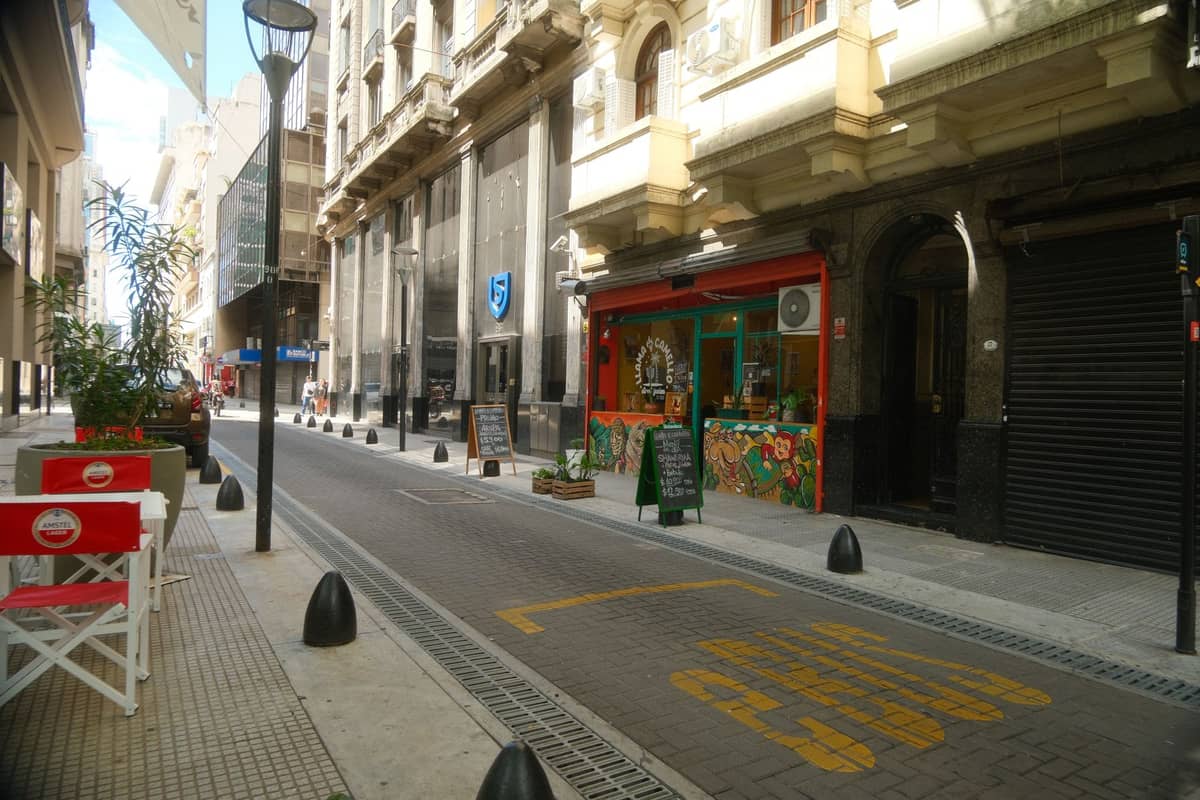
Where you base yourself shapes the entire trip. Buenos Aires is a large city — about 203 km² for the city proper — and commuting from the wrong neighborhood to the places you want to spend time in will drain both money and energy. The three neighborhoods below represent the strongest choices for solo travelers at different budget and lifestyle points.
- Palermo The largest and most diverse neighborhood in the city. Palermo Soho and Palermo Hollywood have dense concentrations of restaurants, bars, hostels, and boutique hotels. It is the natural base for solo travelers who want an active social scene and easy access to the city's parks, including the Bosques de Palermo. Well-connected by Subte Line D and multiple bus routes.
- Recoleta Quieter and more residential than Palermo, but centrally located and extremely walkable. The Recoleta Cemetery, MALBA art museum, and the national fine arts museum are all within easy walking distance. A better fit for solo travelers who prefer a calmer base and are less focused on nightlife.
- San Telmo The most historically atmospheric option. Cobblestone streets, the Mercado de San Telmo, and the Sunday Feria at Plaza Dorrego create a strong sense of place. Good hostel options make it popular with budget solo travelers. It borders some rougher areas, so orientation on arrival is worth the effort.
💡 Local tip
Puerto Madero looks appealing on a map, but it is built for corporate travelers and couples. Accommodation there is expensive, dining options skew toward steak-house chains, and the neighborhood is essentially empty of street life after dinner. Most solo travelers find it isolating for longer stays — use it for a walk along the Puente de la Mujer or dinner, not as a base.
Getting Around: Transport for Solo Travelers
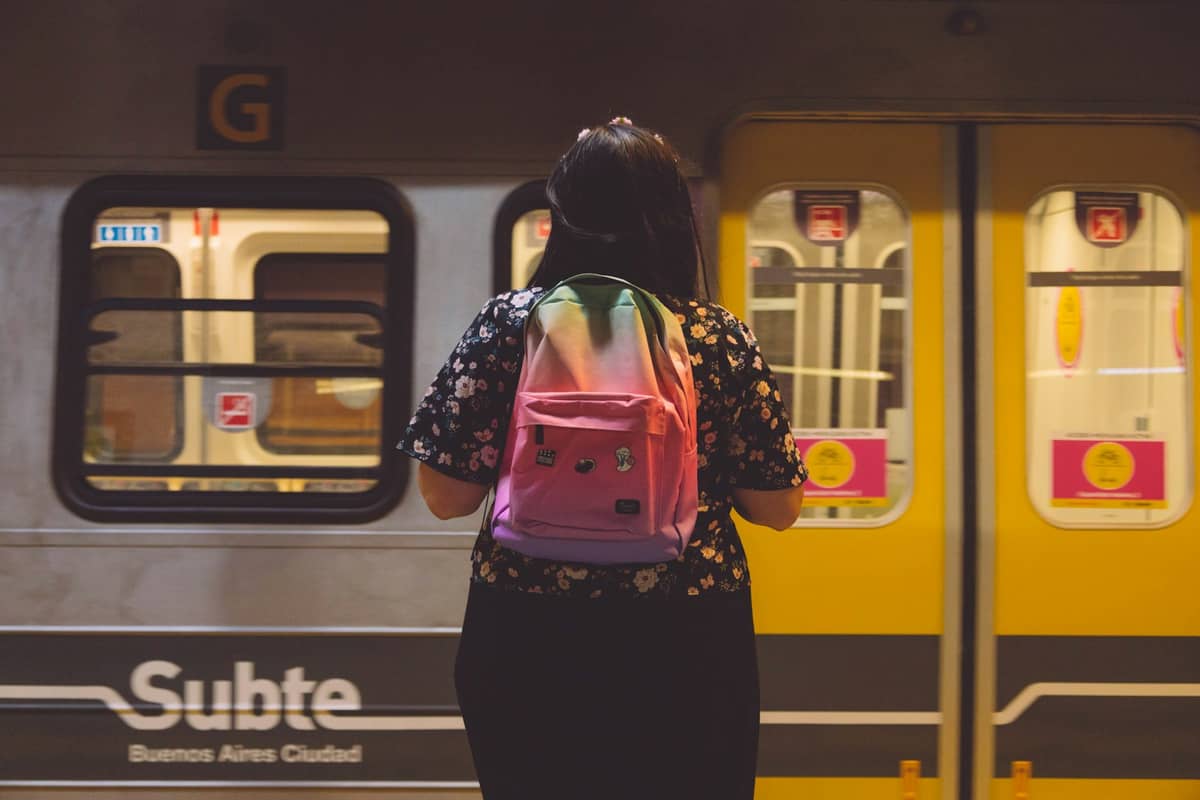
Buenos Aires has one of the most extensive public transport networks in South America, which makes solo travel genuinely practical without needing taxis for every journey. The Subte (metro) runs 6 lines labeled A, B, C, D, E, and H (with some gaps in the lettering due to historical naming), connecting the city center with key neighborhoods across around 90 stations. It is fast, cheap with a registered SUBE card, and easy to navigate.
The SUBE card is a rechargeable contactless card used across the Subte, buses, and suburban train lines. Picking one up at a kiosk, pharmacy, or Subte station is the first practical task after arriving. The fare difference between a registered and unregistered card is significant: as of August 2026, a single registered Subte ride costs AR$1,684 for the first 20 trips, while an unregistered card costs AR$2,526 for the same trip — roughly 50% more. Registration takes a few minutes online or at a Correo Argentino post office and immediately saves money for anyone taking more than a handful of rides.
- Subte Line D runs through Palermo and Recoleta toward the city center — the most useful line for most tourists.
- Colectivos (city buses) cover routes the Subte does not reach and run 24 hours on many routes. The Cómo Llego feature on the Buenos Aires city website or Google Maps is the practical way to navigate them.
- Suburban trains connect the city center to outlying areas: Line Mitre from Retiro serves San Isidro and Tigre, useful for day trips.
- Registered SUBE fare discounts increase with trip frequency: 1–20 trips per month are AR$1,684, 21–30 trips drop to AR$1,347.20, 31–40 trips to AR$1,178.80, and 41+ trips to AR$1,010.40 (August 2026 rates).
- Argentina uses 220V electricity with Type C and Type I plugs — bring a universal adapter and ensure your devices support 220V.
✨ Pro tip
Avoid the Subte during weekday rush hours if you are carrying a daypack or camera equipment. Lines A and B in particular get extremely crowded between 08:00 and 09:30 in the morning. If your timing is flexible, leave 20 minutes earlier or wait until after 10:00 — the difference in comfort is considerable.
For full details on navigating the city by metro, bus, and train, including maps and current fare structures, see the guide on getting around Buenos Aires.
Money, Currency, and Practical Finances
Argentina's currency situation is genuinely unusual and requires attention from solo travelers. The official currency is the Argentine peso (ARS), but the gap between official and parallel exchange rates has historically been significant, and the economic context changes frequently. Before traveling, check current exchange rates from a reliable financial source and understand what options are legally available to you for exchanging foreign currency. Carrying some US dollars in cash is common practice among visitors, as they are widely accepted in exchange offices.
ATM withdrawal limits per transaction can be low relative to the peso amounts you will need daily, and fees can accumulate quickly. Research current limits before relying exclusively on ATM withdrawals. For a full breakdown of the money situation, read the Buenos Aires currency and money guide.
Tipping norms in Buenos Aires are more flexible than in North America or Western Europe. In restaurants, rounding up or leaving around 10% is common and appreciated but not strictly required. For taxis, rounding up to the nearest convenient number is standard. These norms shift with inflation and economic conditions, so treat any specific figure as a baseline rather than a fixed rule.
When to Go: Seasons and Solo Travel Conditions
Buenos Aires sits at around 34.6° S latitude, which means its seasons are the reverse of the Northern Hemisphere. Summer runs December through February and brings heat and humidity — average highs reach around 29–30°C (84–86°F) in January. It is not unbearable, but walking long distances through Microcentro in the midday heat of January requires planning. Winter (June through August) is mild by most standards, with averages around 7–15°C, and is actually a comfortable time to visit for Europeans and North Americans accustomed to colder winters.
Spring (September through November) and autumn (March through May) are the most consistently recommended periods for solo travel, and the data supports this. Temperatures sit between roughly 13°C and 26°C, rainfall is lower than the January–March peak, and the city's outdoor spaces, street markets, and cafe terraces are at their most pleasant. The Buenos Aires Tango Festival typically runs in August, which gives winter travel an additional draw for those interested in the dance scene.
- Summer (Dec–Feb): Hot and humid (around 19–30°C). Crowds at museums are lower than peak European summer, but heat limits comfortable walking time.
- Autumn (Mar–May): Ideal temperatures (15–25°C), lower rainfall than summer. March and April are the sweet spot.
- Winter (Jun–Aug): Cool (7–15°C), relatively dry. Buenos Aires Tango Festival in August. Fewer tourists overall.
- Spring (Sep–Nov): Comparable to autumn in comfort. October and November are particularly pleasant for outdoor sightseeing.
What to Do as a Solo Traveler: Practical Itinerary Anchors
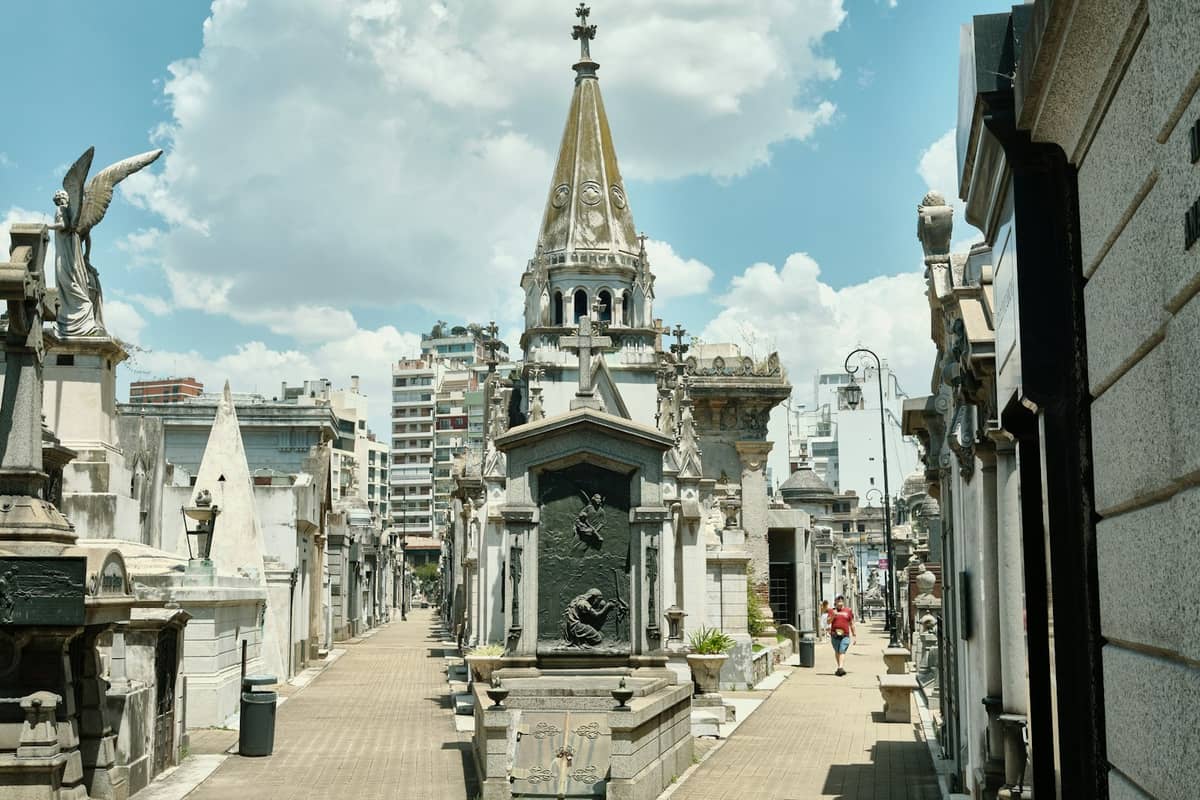
Solo travel in Buenos Aires rewards self-direction. The city has enough cultural density that you can fill two weeks without repeating yourself, but a few anchors are worth building a first visit around. The Recoleta Cemetery is the obvious starting point for anyone interested in Argentine history — there is now an admission fee for visitors, and it still takes two to three hours to explore properly, not thirty minutes. The Teatro Colón is among the finest opera houses in the world by acoustic and architectural standards, and guided tours run regularly without needing to book a performance, except on a few major holidays when tours do not operate.
San Telmo's Sunday market at Plaza Dorrego is a strong solo afternoon — vendors, street performers, and live tango displays create an environment that does not require a companion to enjoy. The El Ateneo Grand Splendid, a bookstore built inside a converted theatre, is worth an hour of any solo traveler's time even if you do not read Spanish. For contemporary art, MALBA in Palermo consistently has strong exhibitions of Latin American art.
If you want structure without a full tour group, Buenos Aires walking tours are an excellent option for solo travelers — free walking tours in particular provide both orientation and a social context for meeting other independent travelers. Tango is another activity that works exceptionally well solo: milongas (social tango dances) welcome single attendees, and group lessons are designed for participants without fixed partners. See the tango in Buenos Aires guide for specifics on venues and lesson options.
ℹ️ Good to know
Argentina's international country code is +54. Buenos Aires city numbers are prefixed with area code 11. Emergency numbers in Argentina include 911 (general emergency), 101 (police), 107 (ambulance), and 100 (fire). Confirm these with an official Argentine government or consular source before travel, as short codes can be updated.
FAQ
Is Buenos Aires safe for solo female travelers?
Buenos Aires is considered broadly safe for solo female travelers in the main tourist neighborhoods, including Palermo, Recoleta, Belgrano, and central San Telmo. As in any large city, situational awareness matters: avoid walking alone in unfamiliar areas late at night, use registered taxis or established ride-hailing apps rather than unofficial cabs, and keep phones out of sight in crowded areas. The city's nightlife starts late and runs deep into the night, which is worth factoring into safety planning — being in a taxi alone at 04:00 carries different considerations than walking home at midnight.
Do I need to speak Spanish to travel solo in Buenos Aires?
Basic Spanish is genuinely useful and will improve your experience, but it is not essential in most tourist-facing contexts. English is spoken in hostels, upscale hotels, tour operations, and many restaurants in Palermo and Recoleta. In local markets, smaller cafes, and on public transport, Spanish is the working language. Learning 20–30 key phrases — including numbers for prices — is worth the effort and is appreciated by locals. Buenos Aires locals speak Rioplatense Spanish, which uses 'vos' instead of 'tú' and has a distinctive Italian-influenced intonation.
What is the best neighborhood to stay in Buenos Aires for solo travelers?
Palermo is the most practical first-time solo base: it has the highest density of hostels and mid-range hotels, the best concentration of restaurants and bars, strong Subte connections, and easy access to the city's parks. Recoleta suits solo travelers who prefer a quieter atmosphere and are focused on museums and cultural sites. San Telmo has the most character and is popular with budget travelers, but requires a bit more orientation awareness given its proximity to rougher surrounding areas.
How do I get from Ezeiza airport to the city center solo?
The most established options are official radio taxis booked at the official desk inside the arrivals hall (avoid approaches from unofficial drivers), shuttle bus services like Tienda León which run directly to the city center, and private remises (car services) booked in advance. Shared shuttle buses are the budget-friendly choice and drop off at a central terminal from which you can take a taxi or Subte. The journey takes roughly 40–60 minutes outside of peak traffic, longer during morning rush hour. Always book your transport at official counters inside the terminal building.
Is Buenos Aires expensive for solo travelers?
Relative to Western European or North American cities, Buenos Aires is affordable to moderately priced for solo travelers, particularly on accommodation and local food. Public transport is very cheap with a registered SUBE card. The economic volatility of Argentina means prices in peso terms shift frequently, so any specific figure should be verified close to your travel date. Dining at local restaurants (parrillas, tenedor libre buffets, and neighborhood cafes) costs a fraction of tourist-focused steak houses. Budget travelers can live well; the main expenses to watch are accommodation in high-demand neighborhoods during peak seasons and currency exchange decisions.
Tickets & tours
Live prices and dates from our booking partner. If you book, we may earn a commission at no extra cost to you.
Planning a trip? Discover personalized activities with the Nomado app.