Buenos Aires Café Culture: A Guide to Historic Cafés and Coffee
Buenos Aires takes its café culture seriously. The city has formally designated more than 80 establishments as bares notables, protecting them for their historic, architectural, or cultural significance. This guide covers the best historic cafés, what to order, neighbourhood coffee scenes, and practical advice for experiencing it all like a local.
Tickets & tours
Live prices and dates from our booking partner. If you book, we may earn a commission at no extra cost to you.
TL;DR
- Buenos Aires has more than 80 officially designated bares notables, historic cafés and bars protected by the city government for their cultural significance.
- Café Tortoni (Av. de Mayo 825) is the most famous, open daily 8:00–21:00, but La Biela in Recoleta is considered the oldest café in the city.
- Historic cafés are working venues, not museums. They serve breakfast, lunch snacks, merienda (afternoon tea), dinner, and late-night drinks.
- The best café-hopping route in the centre follows Plaza de Mayo along Avenida de Mayo to Plaza del Congreso, passing several bares notables.
- For a broader look at planning your time, see the things to do in Buenos Aires guide for context on how cafés fit into a full itinerary.
What Makes Buenos Aires Café Culture Different
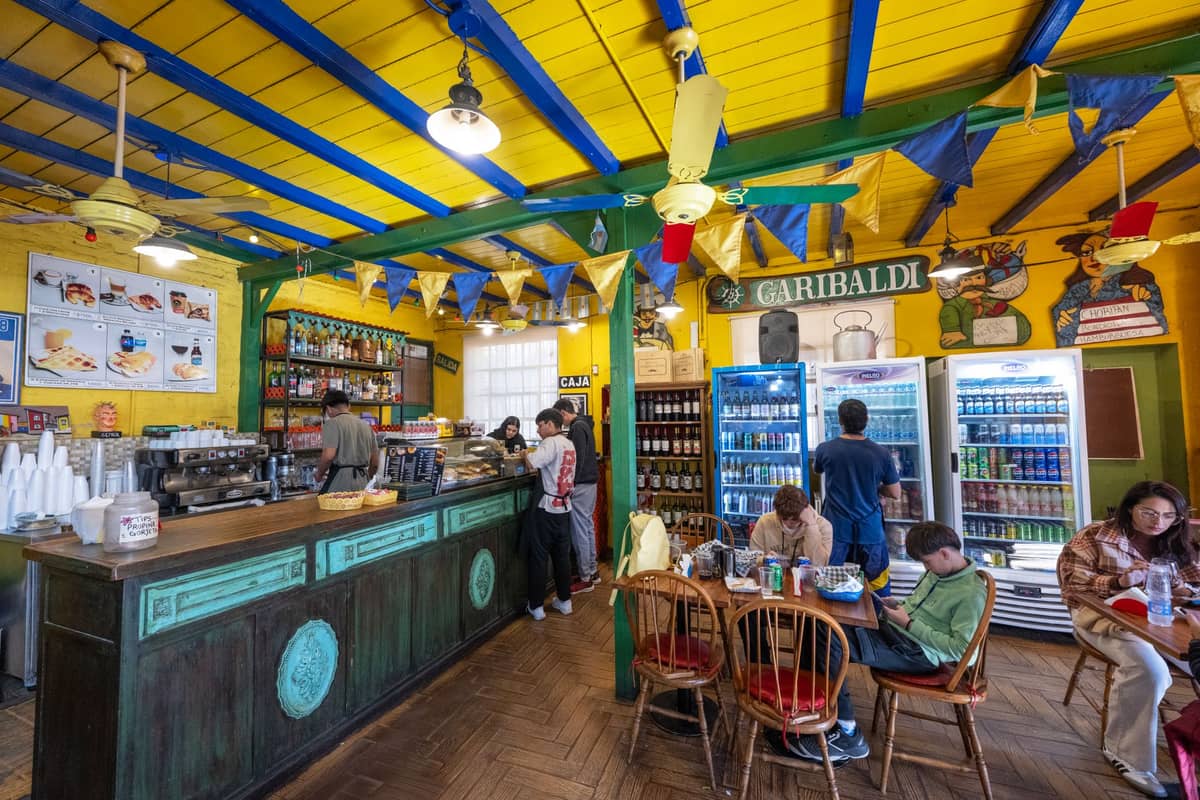
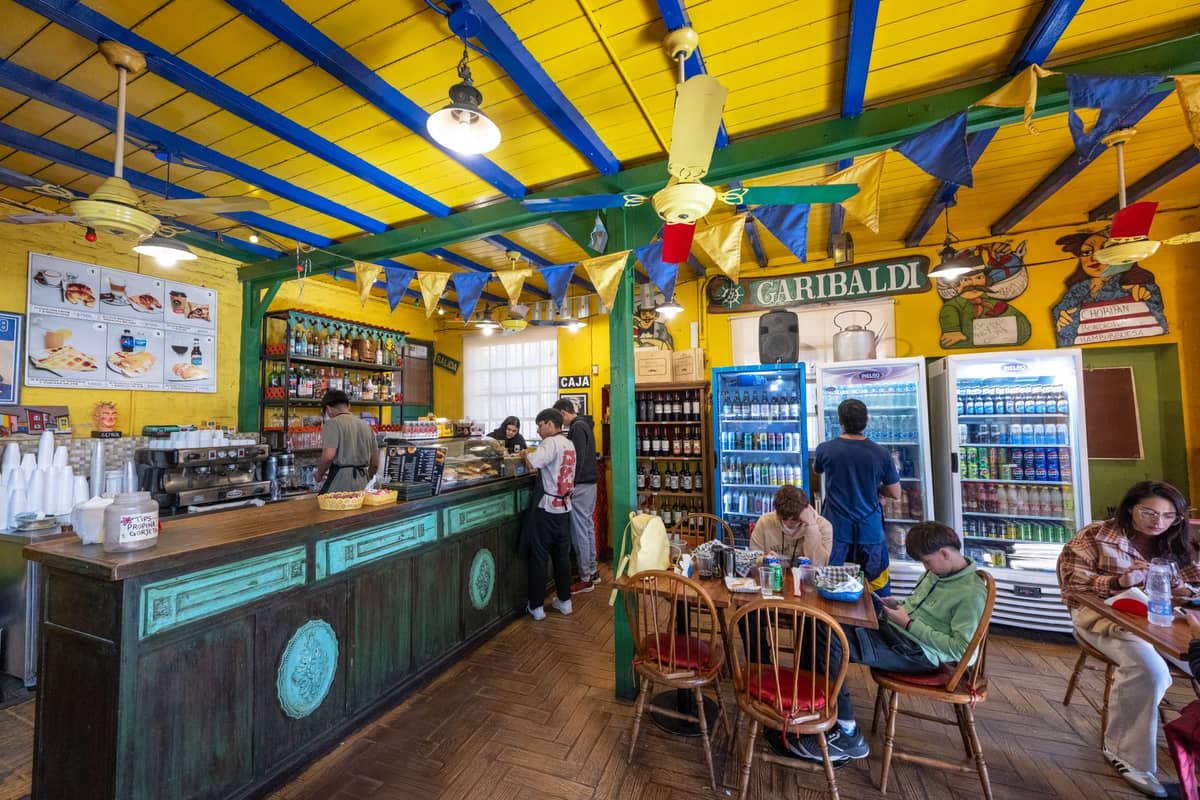
Buenos Aires café culture is genuinely distinct from what you find in most cities. It draws from Italian and Spanish immigrant traditions, filtered through more than a century of Argentine social life, and the result is something that does not map neatly onto European café culture or North American coffee-shop culture. The café here is not primarily about the coffee itself. It is about time. Locals sit for hours over a single cortado, reading, meeting friends, or doing nothing in particular. No one rushes you. No one gives you the bill until you ask.
The city government has formalized this heritage through the bares notables program, which has designated more than 80 cafés, bars, and confiterías (a term for traditional café-bakery hybrids) as protected cultural spaces. These are not frozen in amber: they continue to function as everyday venues with full menus, regular clientele, and normal service. The designation simply ensures they cannot be gutted, rebranded, or demolished without significant bureaucratic friction. It is one of the more practical heritage preservation mechanisms you will find in any city.
ℹ️ Good to know
Bares notables are identified by a small plaque near the entrance. Dozens are concentrated in the Microcentro, San Telmo, and Recoleta, making neighbourhood walks a natural way to discover them.
The Essential Bares Notables: Where to Start
Café Tortoni is the name that appears on every list, and the attention is earned. Founded in 1858 and located at Avenida de Mayo 825, it is one of the oldest cafés in South America and retains its original salon structure: dark wood panelling, marble tables, brass fittings, and tiled floors. Hours run daily from 8:00 to 21:00. The coffee is solid but unremarkable by specialty standards. What you are paying for, partly, is the room itself and the weight of what has happened in it: writers, presidents, and tango musicians have all passed through.
The honest caveat: Café Tortoni draws large tourist groups, particularly in the late morning and midday. If you want to experience it closer to how locals use it, arrive before 9:30 or after 18:00 on a weekday. For something less photographed but equally atmospheric, RecoletaFor something less photographed but equally atmospheric, Recoleta is home to La Biela, which the city tourism authority describes as the oldest café in Buenos Aires. It sits opposite the main entrance of the Recoleta Cemetery and has a large, shaded terrace that fills on weekend afternoons.
- Café Tortoni (Microcentro) Av. de Mayo 825. Open daily 8:00–21:00. Iconic Belle Époque interior, tango shows in the basement (separate ticket). Go early or late to avoid tour groups.
- La Biela (Recoleta) Av. Quintana 596. Considered the city's oldest café. Large terrace facing the cemetery gates. Popular with an older, local crowd on weekday mornings.
- Bar El Federal (San Telmo) Corner of Peru and Carlos Calvo. One of the most intact 19th-century bar interiors in the city. Quieter than Tortoni and genuinely used by neighbourhood regulars.
- Confitería Ideal (Microcentro) Suipacha 384. Famous for its tango milongas held upstairs. The ground-floor café has a worn grandeur that feels genuinely unreconstructed.
- Bar notable near Plaza Dorrego (San Telmo) Several bares notables cluster around Plaza Dorrego. On Sundays when the feria (antiques market) runs, the outdoor tables fill from mid-morning. On other days, the same cafés are quiet and local.
⚠️ What to skip
The tango shows inside some historic cafés (including Tortoni's basement) are tourist-oriented performances, not authentic milongas. They are worth knowing about if you want a packaged introduction to tango, but they are not representative of how locals engage with the dance. For the real thing, look for neighbourhood milongas in San Telmo or Palermo.
What to Order: Coffee, Merienda, and Beyond
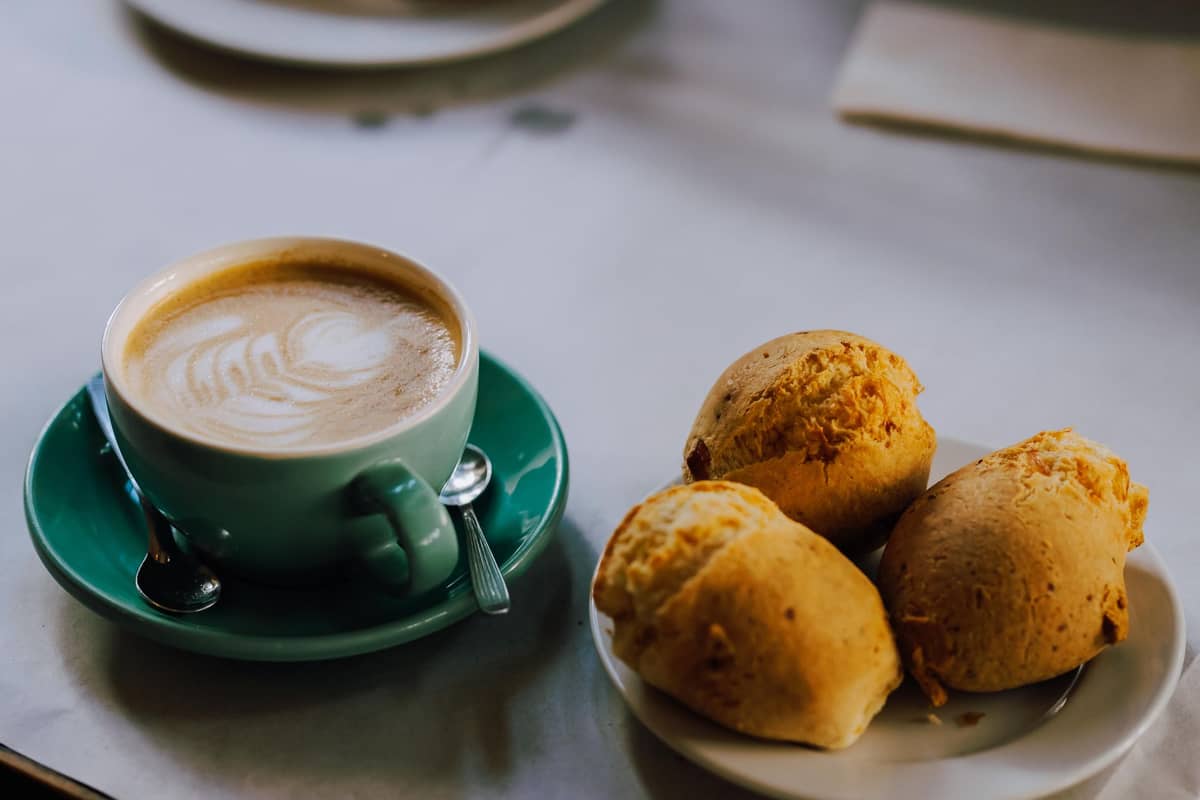
Buenos Aires café menus follow predictable and reassuring patterns. Coffee comes in several standard forms: cortado (espresso with a small amount of milk), café con leche (roughly half espresso, half steamed milk, usually served in a larger cup), and café solo or espresso. A common ritual is the submarino: a cup of hot milk served with a square of dark chocolate that you submerge and stir in. It is a cold-weather staple and genuinely good.
Most traditional cafés will bring a small glass of sparkling water with your coffee, unprompted. This is standard service, not a upsell. Medialunas, the Argentine version of a croissant (sweeter and smaller than the French original), are the default pairing. Ask for them tostadas (toasted) if you prefer a bit of crunch. The merienda, served roughly between 16:00 and 19:00, is the meal that most resembles British afternoon tea: coffee or tea, a pastry or sandwich, sometimes a small cake. Many locals treat it as their main social meal of the day.
💡 Local tip
If a café advertises 'café de especialidad' or has a visible espresso grinder with single-origin beans on display, you are in a specialty coffee shop rather than a traditional bar notable. The two categories are separate and do not overlap much. Both are worth visiting, but for different reasons.
Neighbourhood Café Scenes: Where to Go by Barrio
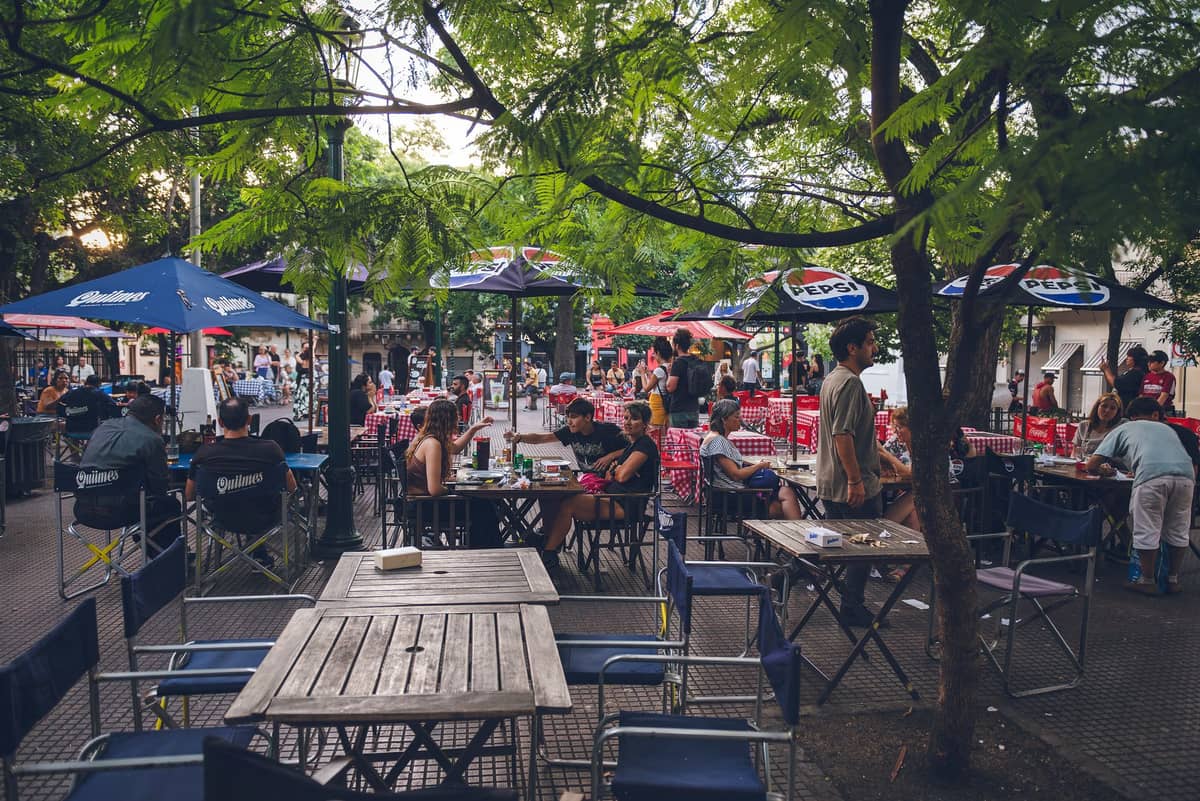
The café experience varies significantly by neighbourhood. San Telmo has the highest concentration of historic cafés with genuinely worn interiors and a local clientele that has not been entirely displaced by tourism. Walk along Calle Defensa or cut through the side streets near Plaza Dorrego and you will find multiple bares notables within a few blocks.
Palermo is where the specialty coffee scene is concentrated. The subsectors of Palermo Soho and Palermo Hollywood have a high density of third-wave coffee shops with filter brewing, single-origin options, and the kind of barista culture you would recognize from Melbourne or Berlin. These are not bares notables, but they represent a parallel and increasingly serious coffee tradition. Prices here run higher than in traditional cafés, typically in the range of several hundred pesos per drink (verify current pricing, as Argentina's inflation shifts these figures regularly).
The Microcentro and Monserrat districts are where the Avenida de Mayo café route sits. This corridor, running from Plaza de Mayo west to the Congreso, has the most walkable concentration of historic cafés in the city. The architecture along this boulevard was modelled loosely on the Parisian Gran Via, and several of the café interiors date to the same early 20th-century construction wave.
- San Telmo: best for intact historic interiors and local regulars. Lower tourist density away from Calle Defensa.
- Microcentro / Avenida de Mayo: most historic café options per block. Walk the full route from Plaza de Mayo to Congreso.
- Recoleta: upscale café terraces, La Biela, and proximity to parks for post-coffee walks.
- Palermo Soho: best for specialty coffee and modern café design. Not historic, but serious about quality.
- Belgrano: undervisited neighbourhood with local cafés that rarely appear on tourist lists.
Practical Logistics: Hours, Etiquette, and What to Expect
Historic cafés in Buenos Aires operate year-round without the seasonal closures common in beach or ski destinations. The city's own guidance notes no season-specific patterns for café operations, though hours can shift slightly in summer (December to February) when the city partially empties as residents head to the coast. The safest approach is to confirm hours directly with the venue before visiting, particularly for the more famous spots that have updated their schedules post-pandemic.
Service etiquette differs from northern European or North American norms. Do not expect the bill to be brought automatically: in most cafés, you need to ask for it by catching the waiter's eye and miming a signature or saying 'la cuenta, por favor.' It is not rude to sit for an extended period. Tipping is customary but not rigidly fixed; rounding up or leaving around 10% is common practice in traditional cafés, though this varies and is affected by the local economic context. Verify current norms with a recent travel source before assuming a specific percentage.
One practical note on currency: Buenos Aires has a complex exchange rate environment that affects the real cost of everything, including a coffee. Check the Buenos Aires currency and money guide before your trip to understand current exchange dynamics and whether paying in cash or card gives you a better rate at any given time.
✨ Pro tip
The best time to experience a traditional bar notable without crowds is a weekday morning between 8:00 and 10:00. By mid-morning, tour groups start arriving at the major spots. By visiting early, you get the full atmosphere with a fraction of the noise, and you can often get a window or corner table without waiting.
Building a Café-Focused Walking Route
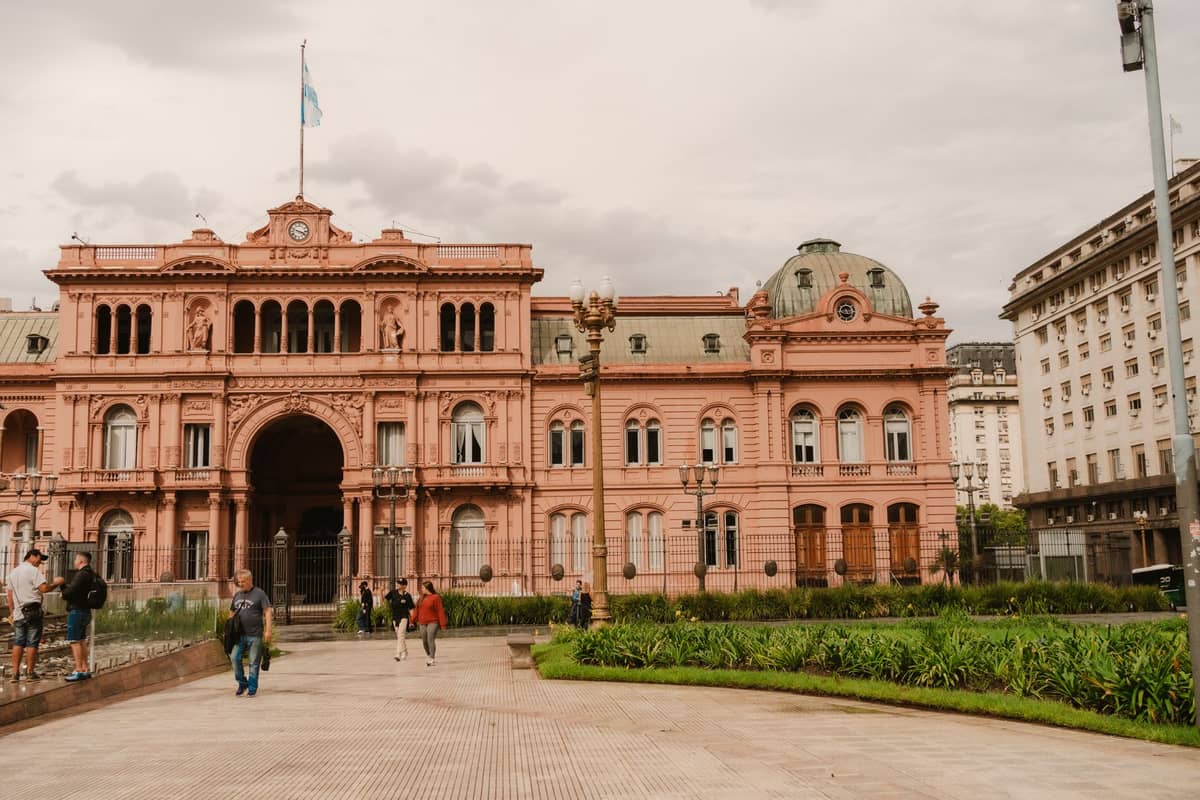
The most logical self-guided café walk in Buenos Aires starts at Plaza de Mayo, which is surrounded by the city's most significant historic architecture. From there, walk west along Avenida de Mayo: Café Tortoni is at number 825, roughly a five-minute walk from the plaza. Continue along the same avenue toward Plaza del Congreso, and you will pass several other cafés and confiterías with bar notable plaques. The full route is around 1.5 kilometres and can be done in a morning, factoring in one or two stops.
For a second route, the San Telmo circuit works well in the afternoon. Start at Mercado de San Telmo and walk south on Defensa, turning into the side streets around Parque Lezama. Several bares notables are on these blocks, and the neighbourhood's low-rise architecture makes the whole walk visually coherent. This area is also where you will find guided walking tours that specifically cover the café and tango history of the district.
FAQ
What is a bar notable in Buenos Aires?
A bar notable is a café, bar, or confitería that has been officially designated by the Buenos Aires city government as having historic, cultural, or architectural significance. More than 80 establishments hold this status. They are identified by a plaque near the entrance and continue to operate as normal, working venues with regular menus and service.
Is Café Tortoni worth visiting, or is it a tourist trap?
Café Tortoni is worth visiting for its interior alone, which is one of the most intact examples of early 20th-century café design in the city. The coffee is acceptable but not exceptional. The main drawback is the tourist volume, particularly between 10:00 and 17:00. Visit before 9:30 or after 18:00 on a weekday for a more comfortable experience. The basement tango shows are a separate, tourist-oriented product and optional.
What is the difference between a café, a confitería, and a bar in Buenos Aires?
In traditional Buenos Aires usage, a confitería is a café that also sells pastries and cakes and typically has a more formal setup. A bar is a social drinking and coffee space, usually with a counter. In practice, the terms overlap significantly, and many historic venues use them interchangeably. The bar notable designation covers all three categories.
What should I order at a historic café in Buenos Aires?
For coffee, a cortado (espresso with a small amount of milk) or café con leche (equal parts espresso and steamed milk) are the standard orders. Pair with medialunas (small, sweet croissants). In the afternoon, try a submarino: hot milk with a submerged dark chocolate bar. Most cafés bring sparkling water with coffee automatically, which is a standard courtesy, not an additional charge.
Are historic cafés in Buenos Aires open year-round?
Yes. The city's bares notables operate year-round without a standard seasonal closure pattern. Individual venues may adjust hours slightly in January and February when the city is quieter. Always confirm hours directly with the café before visiting, particularly for the more prominent spots, as hours can change.
Tickets & tours
Live prices and dates from our booking partner. If you book, we may earn a commission at no extra cost to you.
Planning a trip? Discover personalized activities with the Nomado app.