Shopping in Buenos Aires: The Complete Guide
Buenos Aires offers one of South America's most varied shopping landscapes, from grand European-style galleries and sprawling malls to weekend antique markets and independent designer stores. This guide breaks down where to shop, what to buy, and how to avoid the common tourist pitfalls.
Tickets & tours
Live prices and dates from our booking partner. If you book, we may earn a commission at no extra cost to you.
TL;DR
- Shopping in Buenos Aires spans several distinct zones: Florida Street for leather and souvenirs, Palermo Soho for local designers, San Telmo for antiques, and malls like Galerías Pacífico and Alto Palermo for brands.
- Most independent stores open Monday to Friday 9:00–20:00 and Saturday 9:00–13:00; shopping malls typically stay open until 22:00 daily, including Sundays.
- Foreign tourists can reclaim VAT on domestically manufactured goods at departure points (Ezeiza or Aeroparque); keep all receipts. Check our Buenos Aires currency and money guide for the latest exchange rate context.
- Argentine leather, wine, yerba mate sets, and locally designed clothing represent the best-value purchases; imported electronics and branded goods are rarely a bargain.
- Prices fluctuate significantly with Argentina's economic conditions; always confirm current rates and VAT refund thresholds before travel.
Understanding the Shopping Landscape
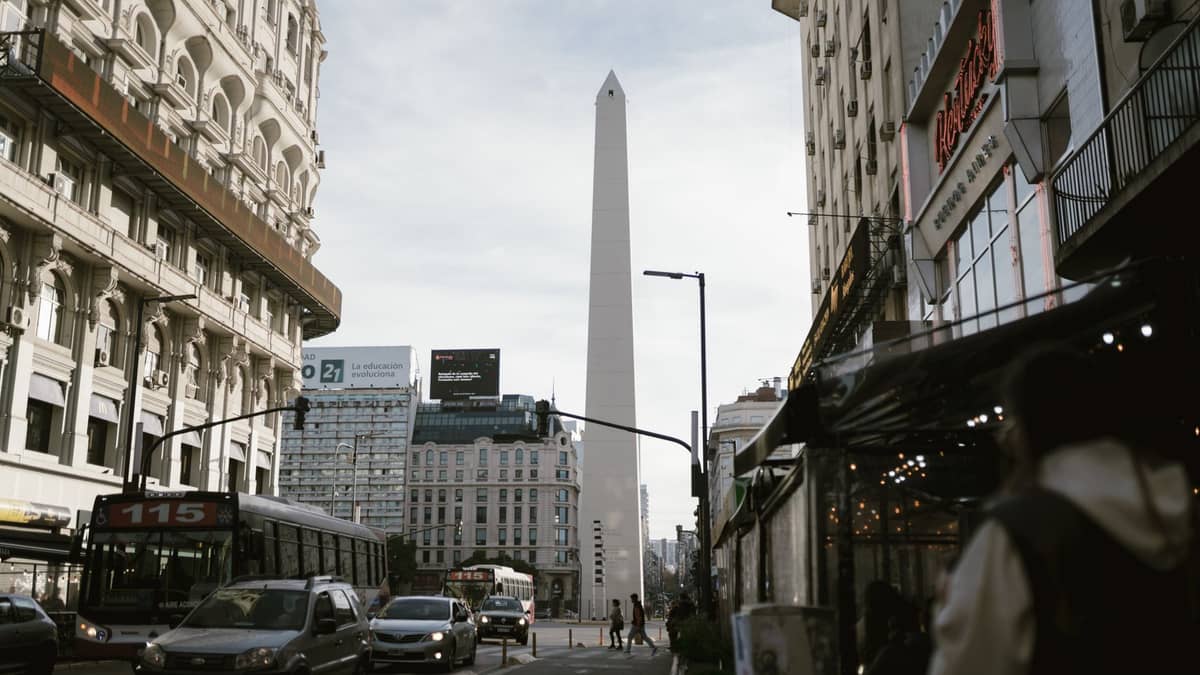
Buenos Aires is a city of 16 million people in its metropolitan area, and its retail geography reflects that scale. and its retail geography reflects that scale. Shopping here is not a single experience but a collection of very different environments, each suited to a different kind of buyer. The European-style shopping galleries of the Microcentro cater to locals rushing through a lunch break. The weekend flea markets of San Telmo draw collectors hunting for silverware and vintage tango records. The boutique-lined streets of Palermo Soho attract design-conscious visitors looking for pieces they cannot find anywhere else.
One practical reality shapes all shopping in Buenos Aires: Argentina's economy is volatile, and the peso's value against hard currencies changes frequently. This works in favour of visitors paying in foreign currency, as purchasing power for quality goods is often high by international standards. Argentine leather goods, wool textiles, and locally produced wines and food products represent genuine value. Imported electronics, branded luxury goods, and anything priced in US dollars for tourist consumption are rarely competitive.
ℹ️ Good to know
Store hours in Buenos Aires are less uniform than in many cities. Shopping malls (centros comerciales) typically open 10:00–22:00 seven days a week. Most independent street-level stores follow a Monday to Friday 9:00–20:00 schedule and Saturday 9:00–13:00, with Saturday afternoons more common on busy commercial avenues. Do not assume everything is open on Sunday afternoon; it usually is not, outside of malls.
Key Shopping Districts: Where to Go and Why
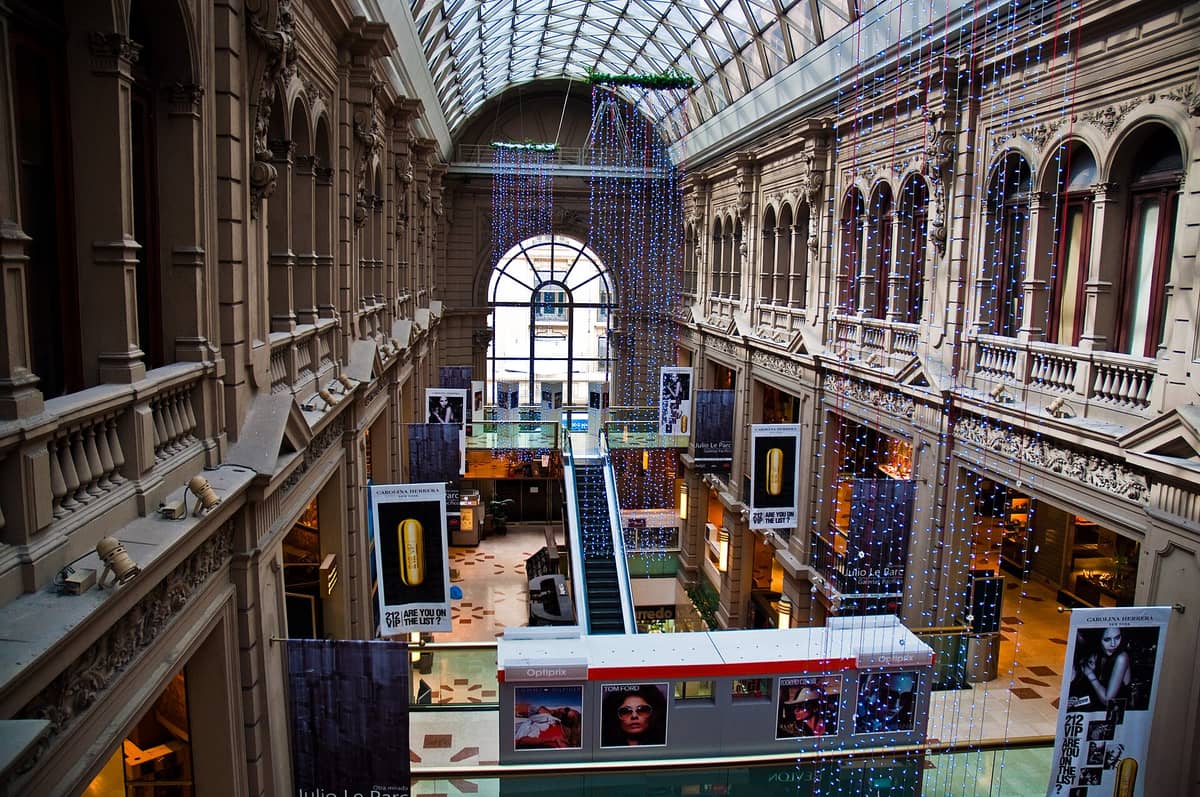
The pedestrian street Galerías Pacífico anchors the city's most concentrated commercial zone. Built in the 1890s as a replica of Milan's Galleria Vittorio Emanuele II, its interior murals and domed ceiling make it one of the more architecturally striking malls in South America. The tenant mix leans toward mid-range to premium Argentine and international brands. It sits on Florida Street, the pedestrian artery that runs through the Microcentro, and the surrounding blocks are lined with leather goods shops, souvenir stalls, and money changers.
For a more local retail experience, Palermo Soho is the neighbourhood that matters most. The area around Thames, El Salvador, and Gurruchaga streets is dense with independent Argentine fashion labels, concept stores, ceramics studios, and bookshops. This is where porteño designers who cannot afford Recoleta rents set up, and the quality-to-price ratio for clothing and accessories is often genuinely good. Crowds are thinner on weekday mornings; Saturday afternoons can feel cramped on the narrower streets.
- Florida Street (Microcentro) The main pedestrian artery for mass-market leather goods, souvenirs, and currency exchanges. High foot traffic all week. Quality varies enormously between shops; inspect stitching carefully on leather items.
- Palermo Soho Best neighbourhood for independent Argentine fashion, design objects, and concept stores. Plan two to three hours. Quieter on weekday mornings.
- Recoleta Higher-end boutiques and the weekend Recoleta craft fair near the cemetery. Good for artisan jewellery, textiles, and art reproductions. Prices are higher than Palermo.
- San Telmo Antiques, vintage clothing, and the Sunday market on Plaza Dorrego. The Mercado de San Telmo also has permanent antique stalls open daily.
- Abasto and Once More working-class commercial districts favoured by locals. Useful for everyday goods at lower prices. Less tourist infrastructure.
The Best Malls in Buenos Aires
Buenos Aires has no shortage of shopping malls, and their consistent 10:00–22:00 hours make them reliable options any day of the week. The quality of the offer ranges from mass-market to genuinely premium, so choosing the right mall depends on what you are looking for.
- Galerías Pacífico (Microcentro) The most architecturally significant mall in the city. Mid-to-high range Argentine and international brands. Central location on Florida Street makes it easy to combine with other Microcentro sights.
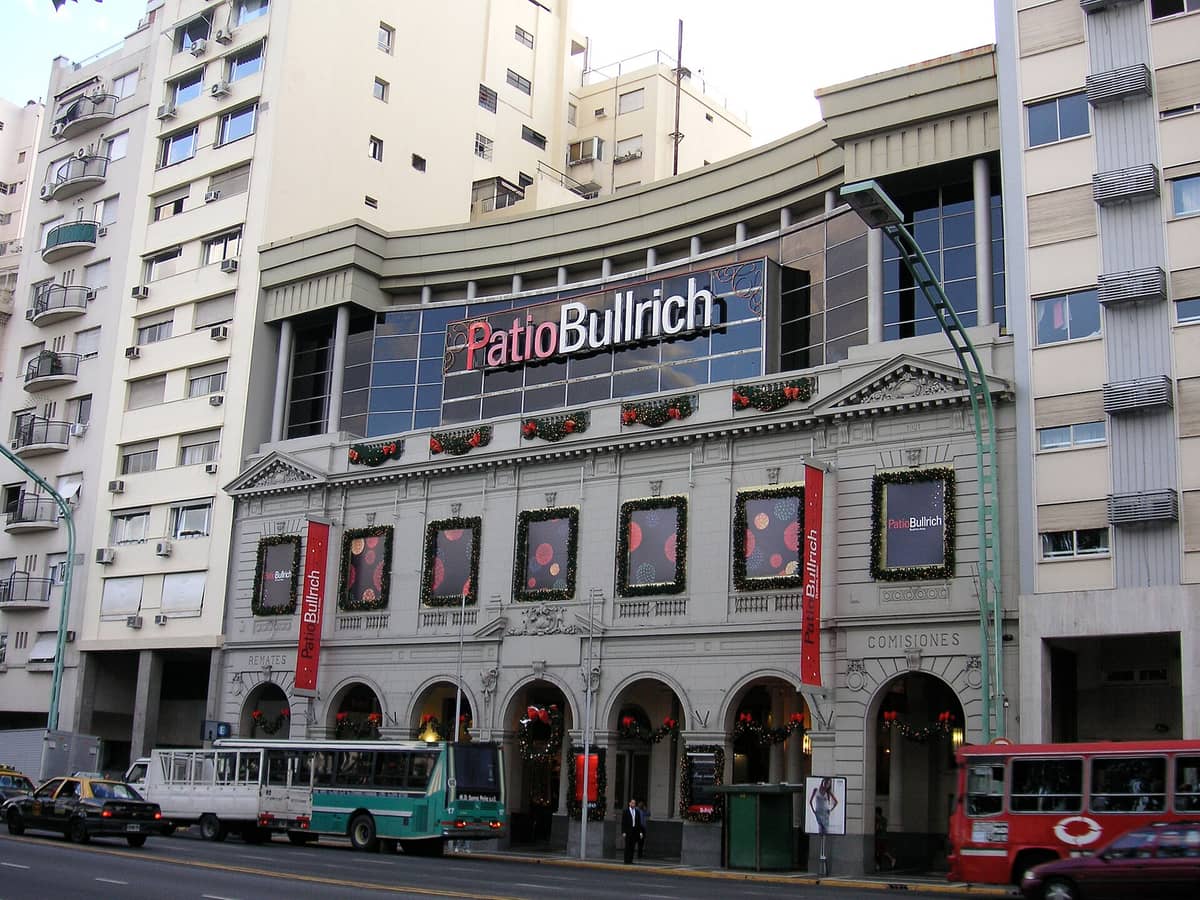
- Patio Bullrich (Recoleta/Retiro) The city's most upmarket mall, housed in a converted 19th-century building. International luxury brands alongside premium Argentine labels. The food court is better than average.
- Alto Palermo (Palermo) Popular with porteños for everyday shopping. Good range of Argentine chain stores, sportswear, and electronics. Busy on weekends; go on a weekday if you want to move at a reasonable pace.
- Abasto Shopping (Almagro) A converted 1930s market hall with a wide mix of brands and a dedicated children's floor. The area around it is less polished than Palermo or Recoleta, but the building itself is worth seeing.
- Paseo Alcorta (Palermo) Positioned between Palermo and Recoleta. Leans slightly more upmarket than Alto Palermo. The outdoor terraces are pleasant in spring and autumn.
- Distrito Arcos (Palermo) An open-air outlet mall under the Palermo train viaducts. Good for discounted Argentine and international sportswear and casual fashion brands. Layout is more interesting than a standard indoor mall.
💡 Local tip
If you are short on time and want one mall that combines architecture, central location, and a reasonable range of shops, Galerías Pacífico is the obvious choice. If you prioritize labels and are staying in Recoleta or Retiro, Patio Bullrich is within walking distance and a clear step up in quality.
Markets Worth Your Time (and One to Skip)
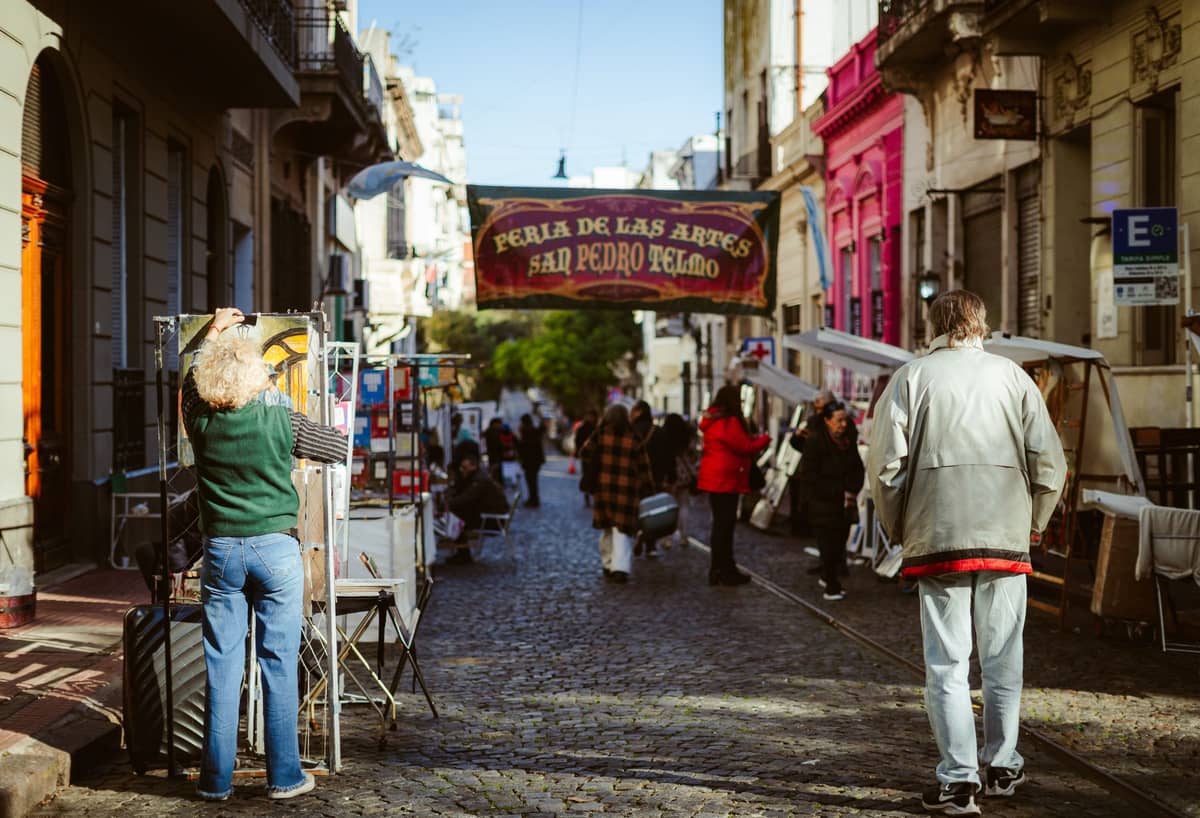
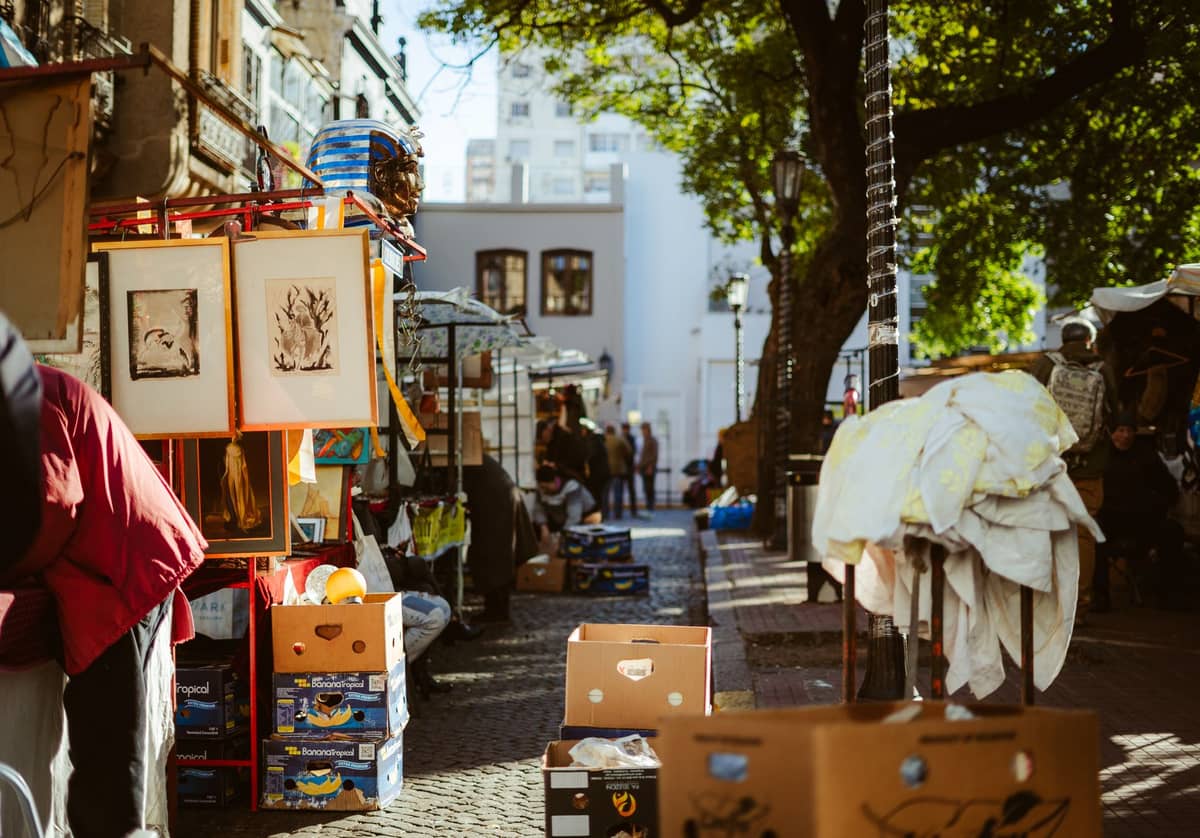
The Sunday antique market at Plaza Dorrego in San Telmo is the most famous in the city. It runs from around 10:00 to 17:00 most Sundays and draws genuine antique dealers alongside sellers of tourist bric-a-brac. The distinction matters: serious pieces (silverware, maps, vintage watches, leather-bound books) sit alongside mass-produced mate gourds and football shirts. Take time to walk the full perimeter before buying; prices are often negotiable, especially later in the afternoon.
For a less tourist-heavy market experience, the Feria de Mataderos in the far western neighbourhood of Mataderos operates on Sunday mornings and focuses on gaucho crafts, rural food products, and folk music. Getting there requires a longer commute (around 45 minutes by bus from the centre), but the atmosphere is more authentically Argentine than anything closer to the tourist core. The Feria de San Telmo also has permanent stalls inside the Mercado de San Telmo building open daily for antiques and curiosities.
⚠️ What to skip
The Caminito area in La Boca has souvenir stalls selling leather goods, mate sets, and Boca Juniors merchandise. The quality is generally low and prices are often higher than equivalent items in San Telmo or Palermo. It is worth visiting Caminito for its painted facades and street art, but skip it as a shopping destination.
What to Buy: The Honest Short List
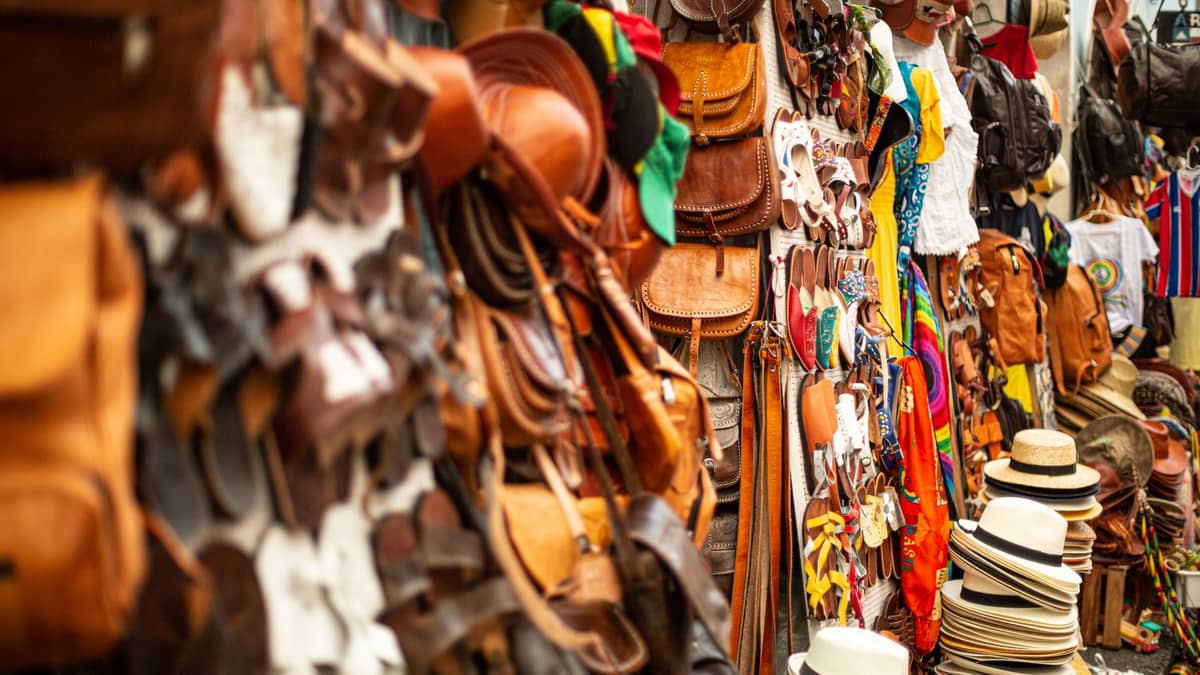
Not everything sold to tourists in Buenos Aires represents good value. Argentine leather goods, when bought from reputable shops rather than street stalls, are genuinely among the best in the world. Look for full-grain leather bags, belts, wallets, and jackets. Prices are competitive by European or North American standards for comparable quality. The key is avoiding the tourist-grade compressed leather products common on Florida Street.
Argentine wine, dulce de leche in artisan forms, premium yerba mate with a quality gourd and bombilla, and locally designed clothing are all solid purchases. Alpaca and merino wool textiles from northern Argentina are also worth considering. On the other end, imported electronics are subject to high import duties and are rarely cheaper than in the buyer's home country. Branded goods from international luxury houses are similarly uncompetitive.
- Full-grain leather bags, jackets, and belts from specialist leather shops in Palermo or Microcentro
- Argentine Malbec and Torrontés wines from specialty wine shops (vinaterías), which offer far better selection than malls
- Artisan mate gourds (mates) and metal straws (bombillas) from San Telmo market stalls
- Locally designed clothing and accessories from Palermo Soho boutiques
- Dulce de leche and alfajores in premium packaging for gifts
- Alpaca and merino knitwear, especially from shops stocking products from Patagonia or Jujuy
VAT Refunds and Practical Money Matters
Foreign tourists are entitled to a VAT refund on domestically manufactured goods purchased at participating stores displaying the Tax Free Shopping sign. The minimum purchase threshold and refund process change periodically, so verify the current rules before travel. As a baseline, purchases must exceed a minimum invoice amount per store and receipts must be kept. Refund processing is available at departure points including Ezeiza (EZE) and Aeroparque (AEP). For a full breakdown of how money works in Buenos Aires, the guide covers exchange rates, ATM fees, and payment methods in detail. The minimum purchase threshold and refund process change periodically, so verify the current rules before travel. As a baseline, purchases must exceed a minimum invoice amount per store and receipts must be kept. Refund processing is available at departure points including Ezeiza (EZE) and Aeroparque (AEP). For a full breakdown of how money works in Buenos Aires, the Buenos Aires currency and money guide covers exchange rates, ATM fees, and payment methods in detail.
In practical terms, the most important step is requesting a tax-free invoice (factura fiscal) at the point of purchase and making sure the retailer fills it out correctly with your passport details. Incomplete paperwork is the most common reason refunds are rejected at the airport. Allow extra time at the departure terminal to process the refund, as queues can be slow.
✨ Pro tip
Ask for the tax-free form at the point of sale, not after you have paid. Some smaller stores are registered participants but staff may not volunteer the option. Showing your passport and asking directly before completing the transaction saves significant time and potential paperwork issues at the airport.
Budgeting for shopping in Buenos Aires is closely tied to Argentina's broader economic situation. For context on how to handle currency and payments generally, see our guide to Buenos Aires on a budget, which covers practical cost management across the city.
Seasonal Shopping: When Crowds and Deals Peak
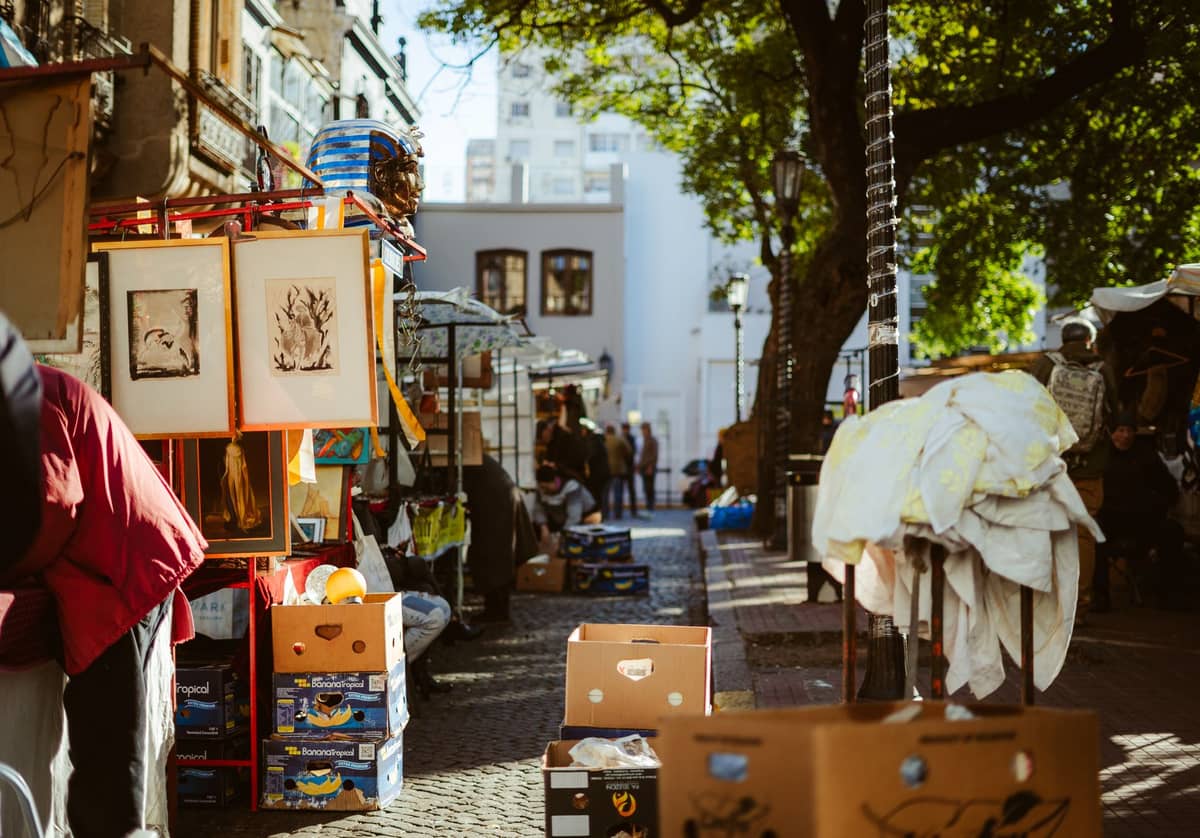
Shopping conditions in Buenos Aires follow the city's broader seasonal rhythms. Spring (September to November) and autumn (March to May) offer the most comfortable temperatures for walking between neighbourhoods and markets. Summer (December to February) brings heat and humidity that can make extended outdoor shopping in areas like San Telmo or Palermo Soho genuinely uncomfortable by midday. The best time to visit Buenos Aires guide covers seasonal patterns in more detail if you are still planning your trip dates.
Argentine retail sales events tend to cluster around local holidays and seasons rather than following the Black Friday or Boxing Day calendar. End-of-season sales (liquidaciones) typically run in January to February for summer stock and July to August for winter stock. Mall-level promotional events are common around national holidays in July and October. These periods can offer genuine discounts on Argentine clothing and leather goods, though tourist-oriented souvenir shops rarely participate.
FAQ
What are the best areas for shopping in Buenos Aires?
The main shopping zones are: Florida Street and Galerías Pacífico in the Microcentro for leather goods and mid-range brands; Palermo Soho for independent Argentine designers; San Telmo for antiques and the Sunday market; and Recoleta for higher-end boutiques and the weekend craft fair near the cemetery. Each serves a different type of buyer.
Can tourists get a VAT refund when shopping in Buenos Aires?
Yes. Foreign tourists can reclaim VAT on domestically manufactured goods purchased at participating Tax Free Shopping stores (Global Blue Argentina). You need to request the tax-free invoice at the point of sale with your passport, keep all receipts, and process the refund at the airport before departure (Ezeiza or Aeroparque). The minimum purchase threshold changes periodically, so verify the current amount before your trip.
What are the opening hours for shops and malls in Buenos Aires?
Shopping malls generally open 10:00 to 22:00 seven days a week, including Sundays and public holidays. Independent street-level stores typically open Monday to Friday 9:00–20:00 and Saturday 9:00–13:00, though stores on major commercial avenues may extend Saturday hours. Most independent shops are closed Sunday.
What should I buy in Buenos Aires as a tourist?
Argentine leather goods (full-grain bags, jackets, belts) bought from specialist shops offer genuine quality at competitive international prices. Locally designed clothing from Palermo Soho boutiques, premium yerba mate sets, Argentine wines, and artisan food products like dulce de leche are also strong purchases. Imported electronics and international luxury brands are not cheaper in Argentina than in most visitors' home countries.
Is it safe to carry cash when shopping in Buenos Aires?
Using common urban precautions is advisable. Avoid displaying large amounts of cash in crowded market areas, particularly in the San Telmo Sunday market and on Florida Street where pickpocketing is reported. For safety context across the city, the Buenos Aires safety guide covers neighbourhood-by-neighbourhood risk levels and practical tips.
Tickets & tours
Live prices and dates from our booking partner. If you book, we may earn a commission at no extra cost to you.
Planning a trip? Discover personalized activities with the Nomado app.