Free Things to Do in Buenos Aires: 20 Ways to Explore the City for Nothing
Buenos Aires rewards travelers who know where to look. The city has free-entry museums, landmark plazas, vast parks, and weekly market days that cost nothing at all. This guide covers 20 of the best free experiences across every corner of the city.
Tickets & tours
Live prices and dates from our booking partner. If you book, we may earn a commission at no extra cost to you.
Buenos Aires is one of the great bargains of South American travel, not because it's cheap but because so much of what makes it extraordinary costs nothing. The city's nationally run museums, sprawling parks, and historic public spaces are open to all, and the Microcentro alone packs in enough architecture, history, and street life to fill a full day without spending a peso. Whether you're traveling on a tight budget or simply want to experience the city like a porteño, this guide covers the 20 best free things to do in Buenos Aires. For context on planning your days, see our Buenos Aires on a budget guide.
ℹ️ Good to know
Free-admission policies at museums can change. Some institutions are free only on specific days (e.g., MAMBA on Tuesdays). Always check the official Buenos Aires tourism site or the venue's own page before visiting.
Historic Plazas & Iconic Landmarks
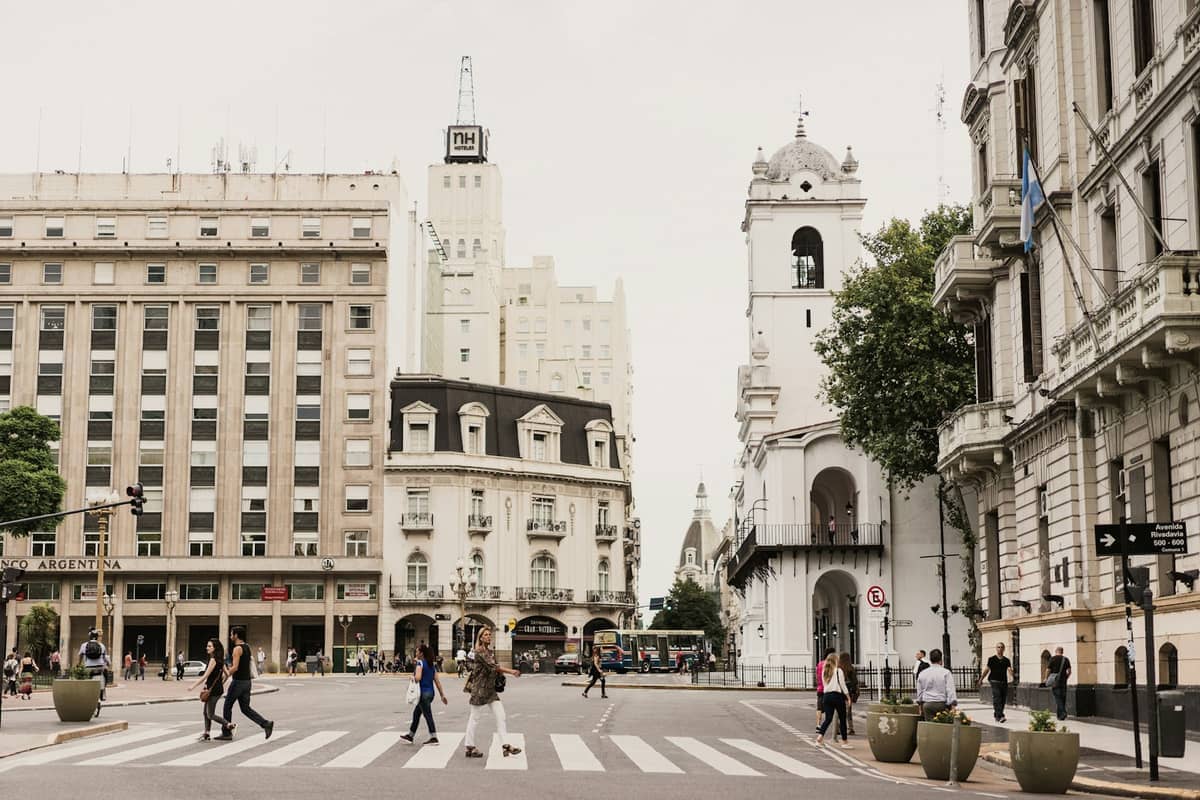
The best introduction to Buenos Aires requires nothing more than comfortable shoes. The city's historic axis, running from Plaza de Mayo to the Congress building, is a free open-air museum of political history and Belle Époque architecture. Add the waterfront and Retiro's elegant parks, and you have a full day of landmark-spotting that costs nothing.
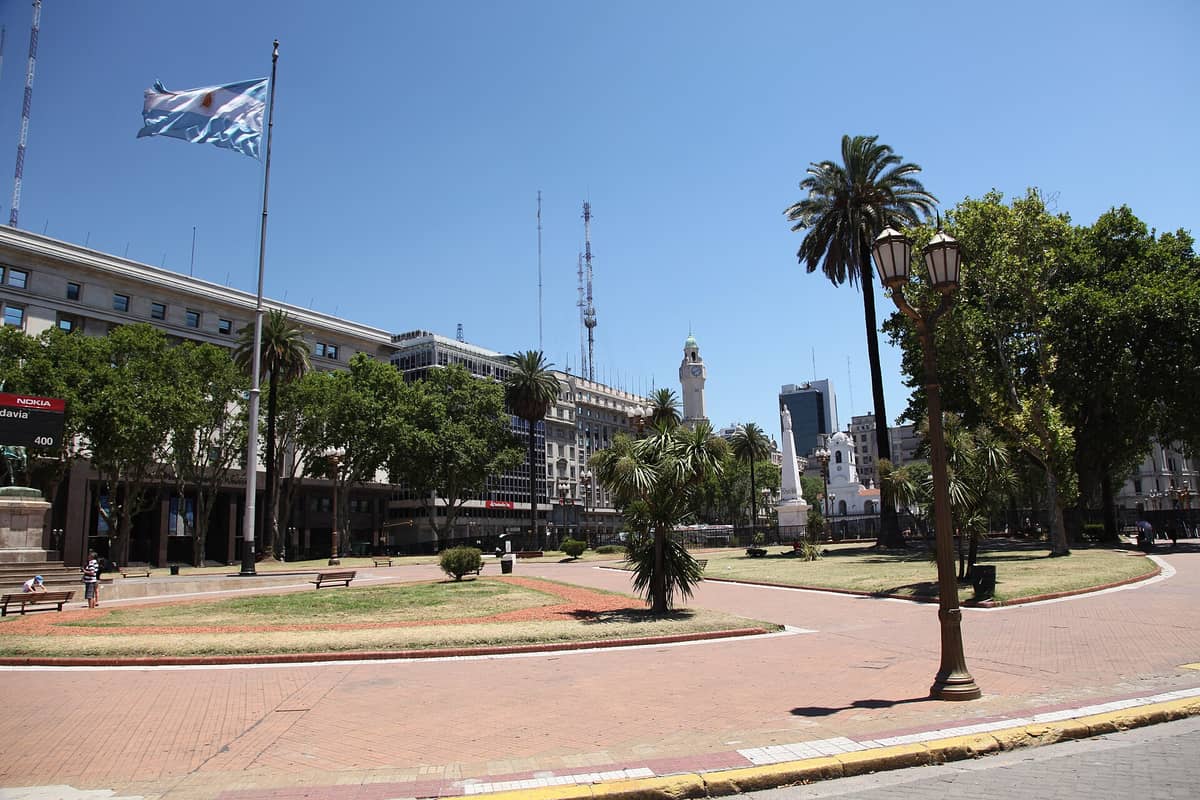
1. Stand at the Heart of Argentine History on Plaza de Mayo
The symbolic centre of Argentine political life for 400 years, this plaza is ringed by the Casa Rosada, the Cabildo, and the Metropolitan Cathedral. It's free to enter at any hour and takes about 30 minutes to explore on foot.
Explore1. Stand at the Heart of Argentine History on Plaza de Mayo
The symbolic centre of Argentine political life for 400 years, this plaza is ringed by the Casa Rosada, the Cabildo, and the Metropolitan Cathedral. It's free to enter at any hour and takes about 30 minutes to explore on foot.
Explore
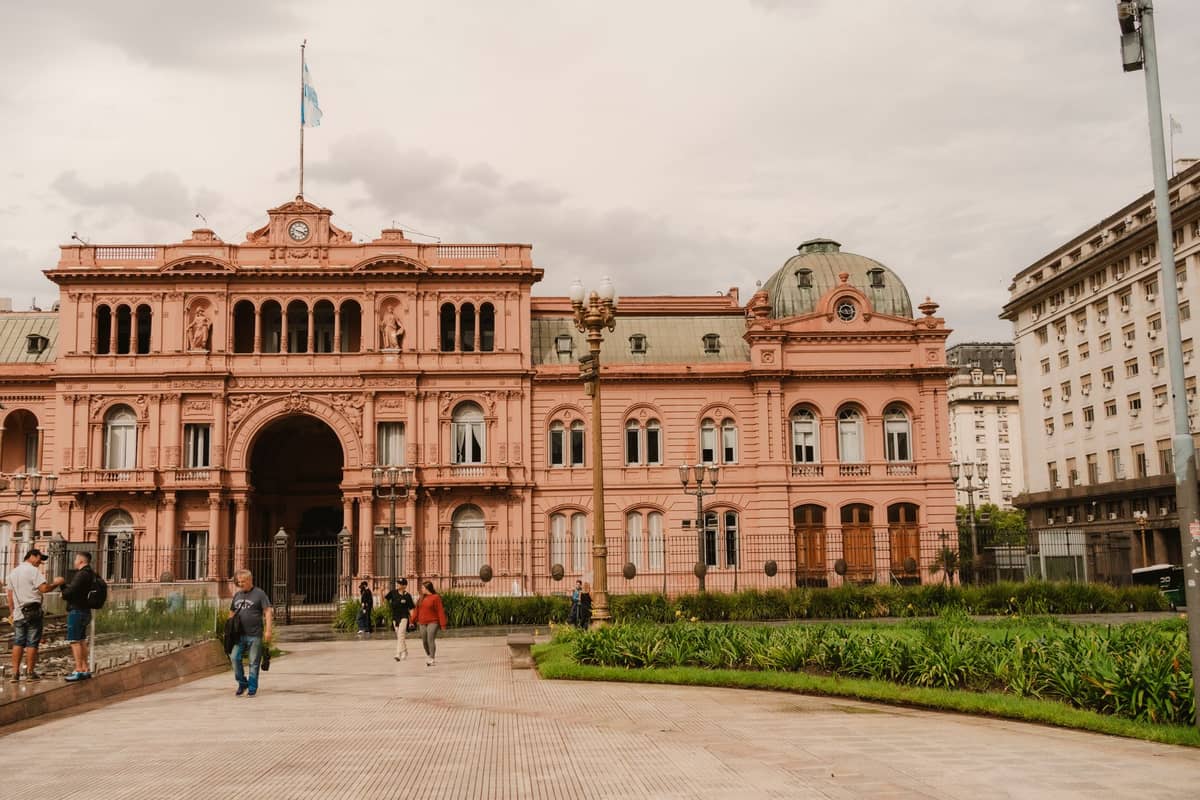
2. See the Famous Pink Balcony of the Casa Rosada
Argentina's presidential palace is free to view from the plaza, and the interior museum has free entry. You'll see the balcony from which Eva Perón addressed the crowds and exhibits covering Argentine political history.
Explore2. See the Famous Pink Balcony of the Casa Rosada
Argentina's presidential palace is free to view from the plaza, and the interior museum has free entry. You'll see the balcony from which Eva Perón addressed the crowds and exhibits covering Argentine political history.
Explore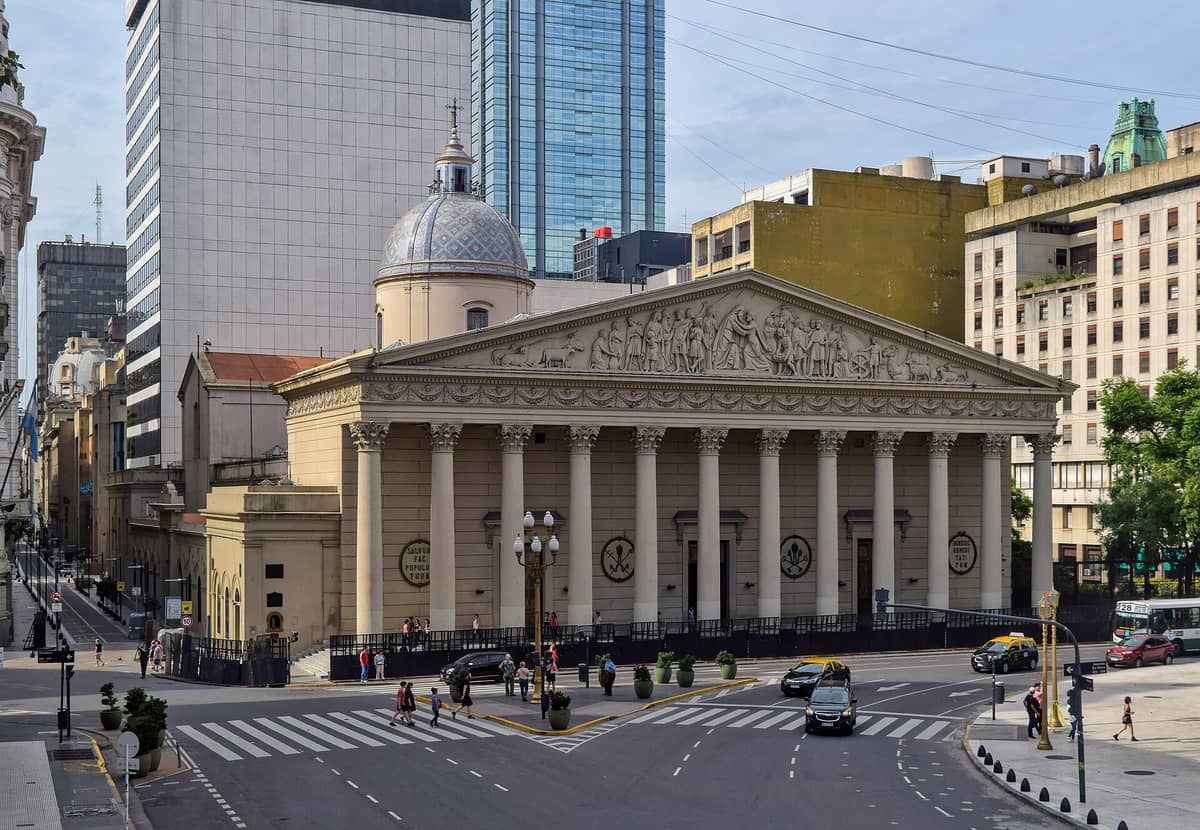
3. Visit the Metropolitan Cathedral and San Martín's Tomb
Entry is free to this neoclassical cathedral on Plaza de Mayo, which holds the marble mausoleum of General San Martín, Argentina's independence hero. The interior is grand, and the eternal flame burns day and night.
Explore3. Visit the Metropolitan Cathedral and San Martín's Tomb
Entry is free to this neoclassical cathedral on Plaza de Mayo, which holds the marble mausoleum of General San Martín, Argentina's independence hero. The interior is grand, and the eternal flame burns day and night.
Explore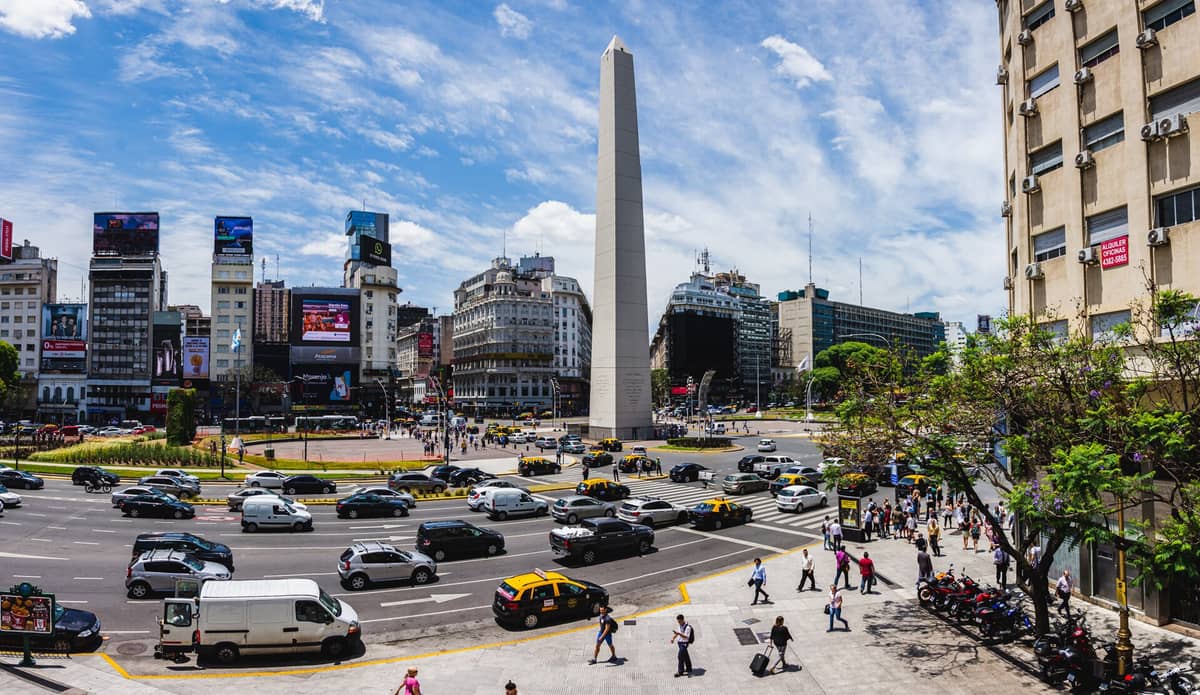
4. Photograph the Obelisco at the Crossroads of the City
The 67-metre white obelisk at the junction of Avenida 9 de Julio and Corrientes is Buenos Aires's defining landmark. It's always free to approach, and the surrounding avenues are spectacular for street photography, especially at night.
Explore4. Photograph the Obelisco at the Crossroads of the City
The 67-metre white obelisk at the junction of Avenida 9 de Julio and Corrientes is Buenos Aires's defining landmark. It's always free to approach, and the surrounding avenues are spectacular for street photography, especially at night.
Explore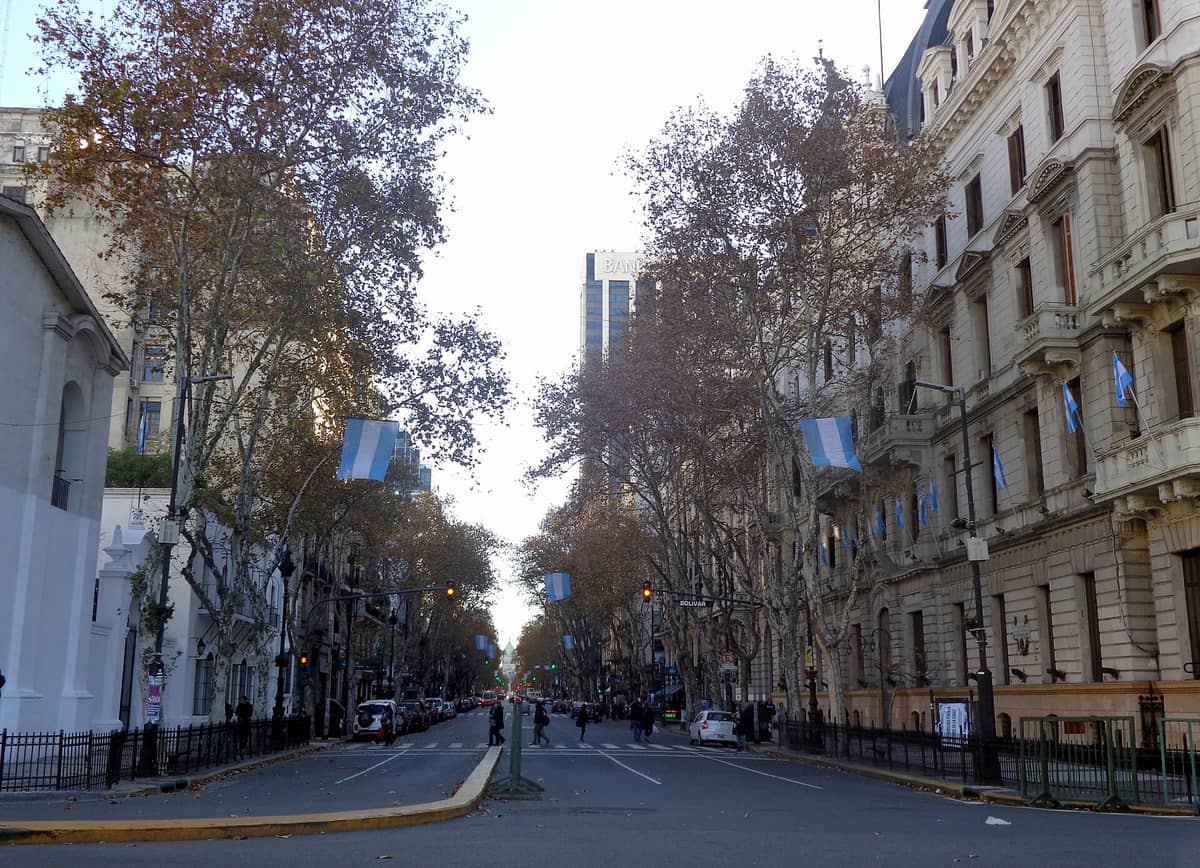
5. Walk the Length of Avenida de Mayo
This kilometre-long boulevard connecting Plaza de Mayo to Congress is lined with Beaux-Arts and Art Nouveau buildings, historic cafés, and cultural institutions. It's the best single free walk in Buenos Aires and takes about an hour at a leisurely pace.
Explore5. Walk the Length of Avenida de Mayo
This kilometre-long boulevard connecting Plaza de Mayo to Congress is lined with Beaux-Arts and Art Nouveau buildings, historic cafés, and cultural institutions. It's the best single free walk in Buenos Aires and takes about an hour at a leisurely pace.
Explore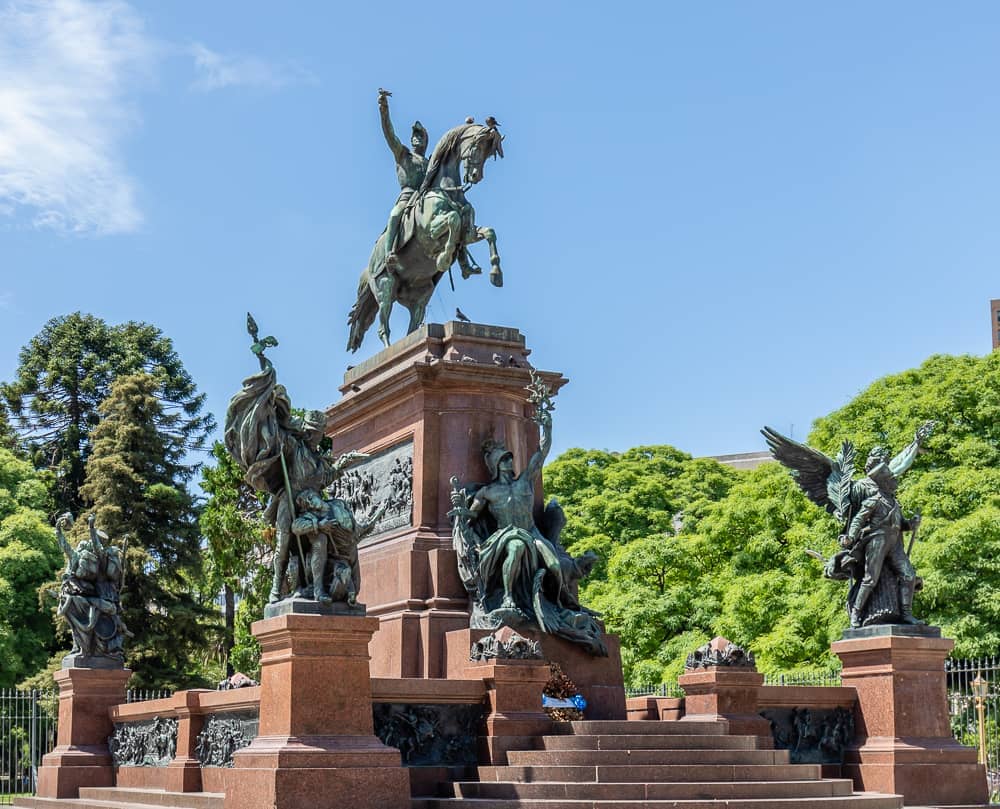
6. Relax Under the Giant Rubber Trees of Plaza San Martín
Retiro's elegant central plaza is shaded by enormous ombú and rubber trees and surrounded by Beaux-Arts palaces. It's a favourite spot for porteños to read and rest, and the surrounding architecture is among the finest in the city.
Explore6. Relax Under the Giant Rubber Trees of Plaza San Martín
Retiro's elegant central plaza is shaded by enormous ombú and rubber trees and surrounded by Beaux-Arts palaces. It's a favourite spot for porteños to read and rest, and the surrounding architecture is among the finest in the city.
Explore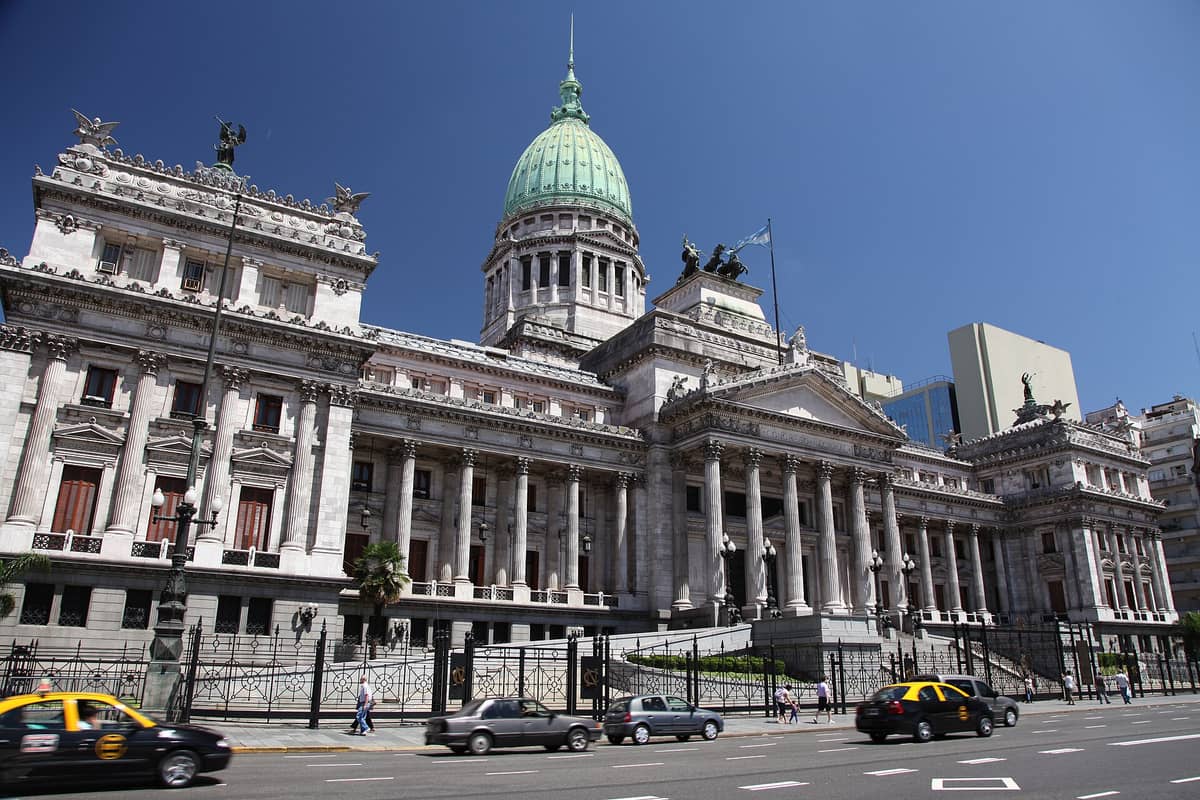
7. Admire the Congress Dome from the Plaza de los Dos Congresos
The Argentine Congress building anchors the western end of Avenida de Mayo with a grand dome modelled on the US Capitol. The surrounding plaza is a favourite public gathering space and the symbolic endpoint of the city's historic axis.
Explore7. Admire the Congress Dome from the Plaza de los Dos Congresos
The Argentine Congress building anchors the western end of Avenida de Mayo with a grand dome modelled on the US Capitol. The surrounding plaza is a favourite public gathering space and the symbolic endpoint of the city's historic axis.
ExploreFree Museums & Cultural Centres
Buenos Aires has a remarkable number of world-class museums with free or rotating free-admission policies. The best museums in Buenos Aires guide covers paid options too, but the free tier alone is exceptional: a national fine arts collection that rivals anything in South America, a stunning converted post office, and several specialist museums that charge nothing at all.
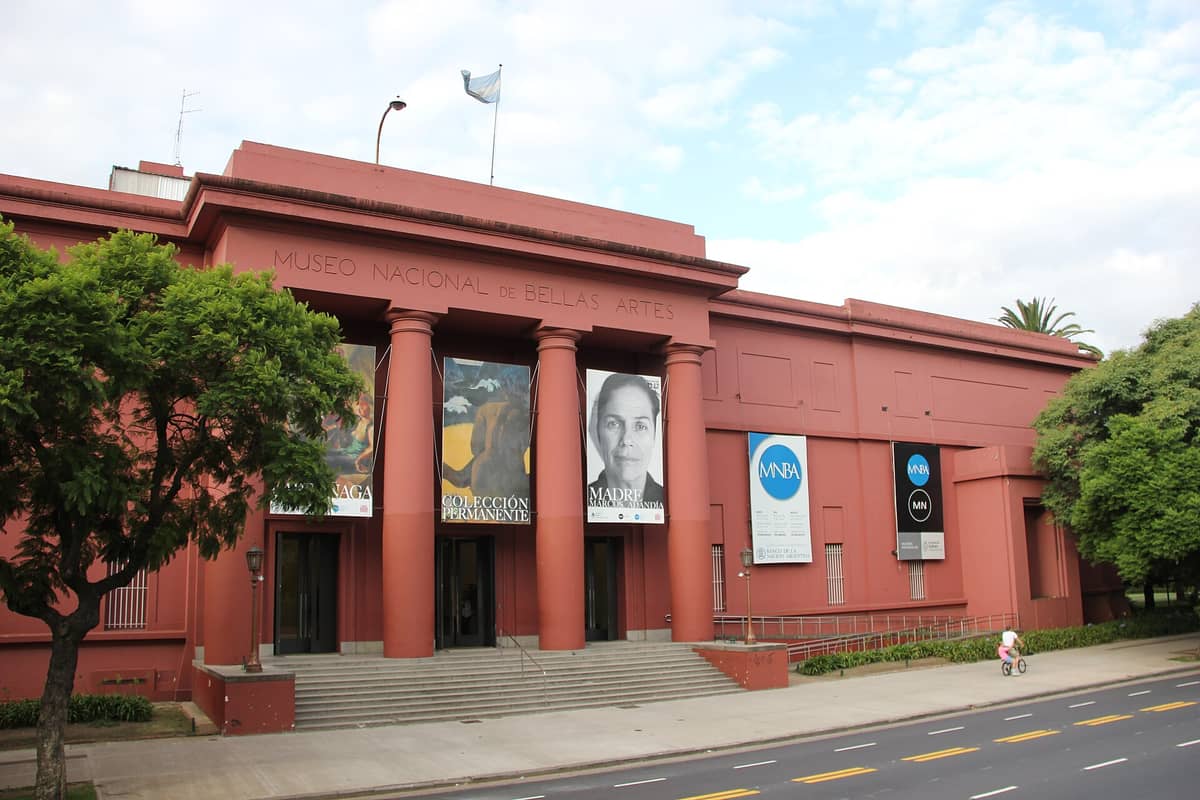
8. See Rodin and Monet for Free at the Museo Nacional de Bellas Artes
Argentina's national fine arts museum in Recoleta holds works by Rodin, Monet, El Greco, and Goya alongside the most comprehensive survey of Argentine painting anywhere. Admission is permanently free, and the permanent collection alone justifies two hours.
Explore8. See Rodin and Monet for Free at the Museo Nacional de Bellas Artes
Argentina's national fine arts museum in Recoleta holds works by Rodin, Monet, El Greco, and Goya alongside the most comprehensive survey of Argentine painting anywhere. Admission is permanently free, and the permanent collection alone justifies two hours.
Explore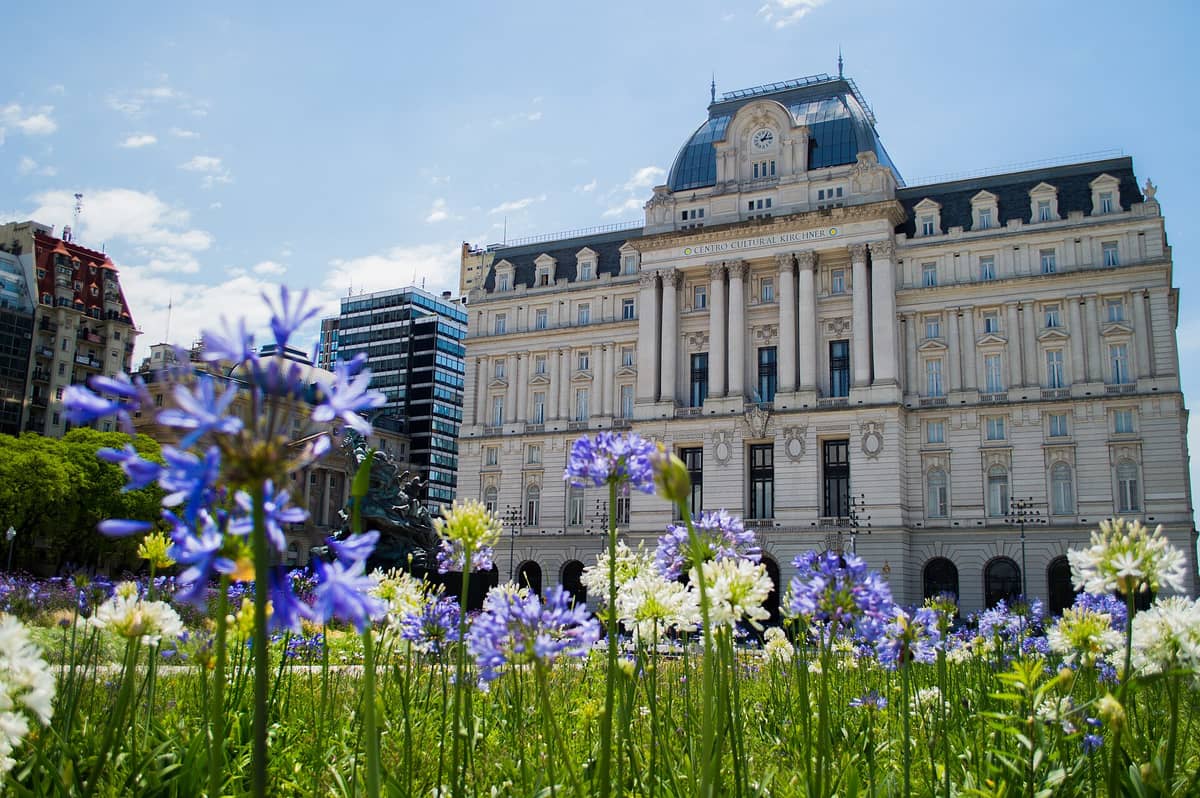
9. Explore Latin America's Largest Cultural Centre at the CCK
The magnificently restored former Central Post Office houses concert halls, galleries, a rooftop terrace, and a breathtaking central atrium. Entry is free, the programme is packed year-round, and the building itself is one of Buenos Aires's architectural highlights.
Explore9. Explore Latin America's Largest Cultural Centre at the CCK
The magnificently restored former Central Post Office houses concert halls, galleries, a rooftop terrace, and a breathtaking central atrium. Entry is free, the programme is packed year-round, and the building itself is one of Buenos Aires's architectural highlights.
Explore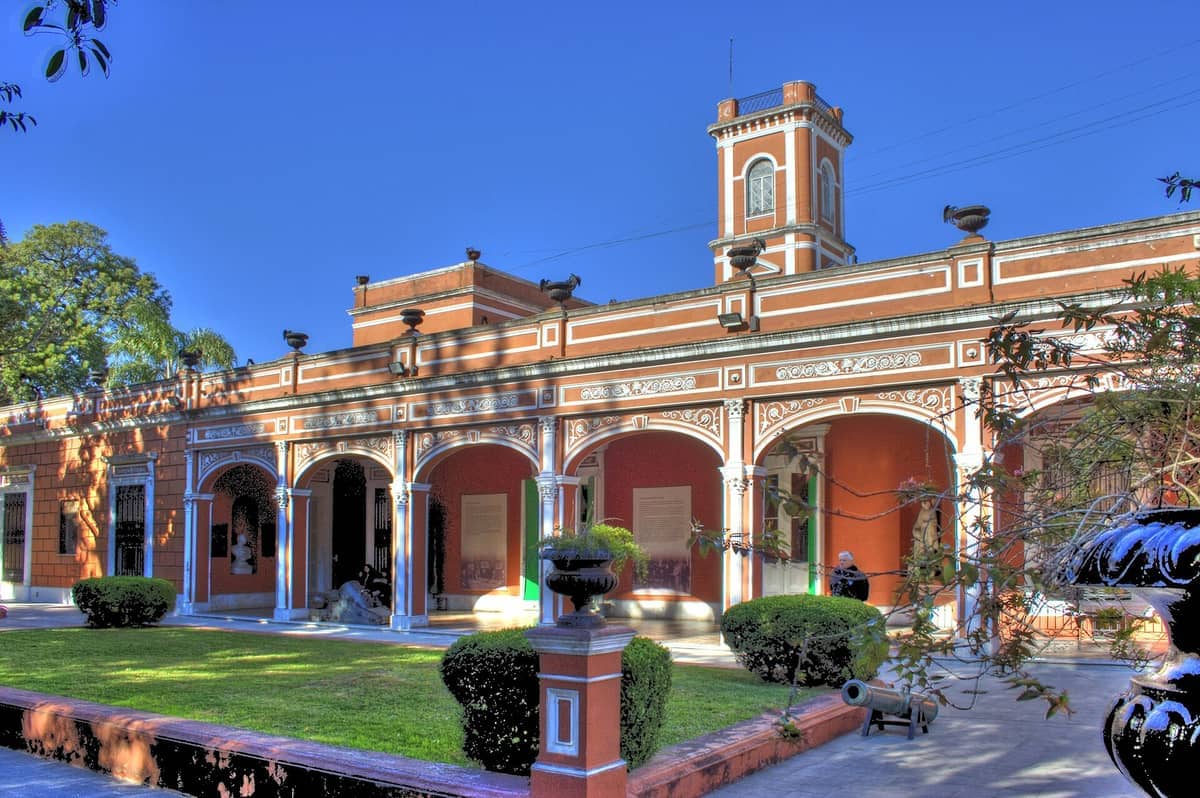
10. Learn Argentina's Story for Free at the Museo Histórico Nacional
Overlooking Parque Lezama in San Telmo, this national history museum traces Argentina's story from the colonial era through independence. Admission is free, and the collection of portraits, weapons, and artefacts from the independence wars is impressive.
Explore10. Learn Argentina's Story for Free at the Museo Histórico Nacional
Overlooking Parque Lezama in San Telmo, this national history museum traces Argentina's story from the colonial era through independence. Admission is free, and the collection of portraits, weapons, and artefacts from the independence wars is impressive.
Explore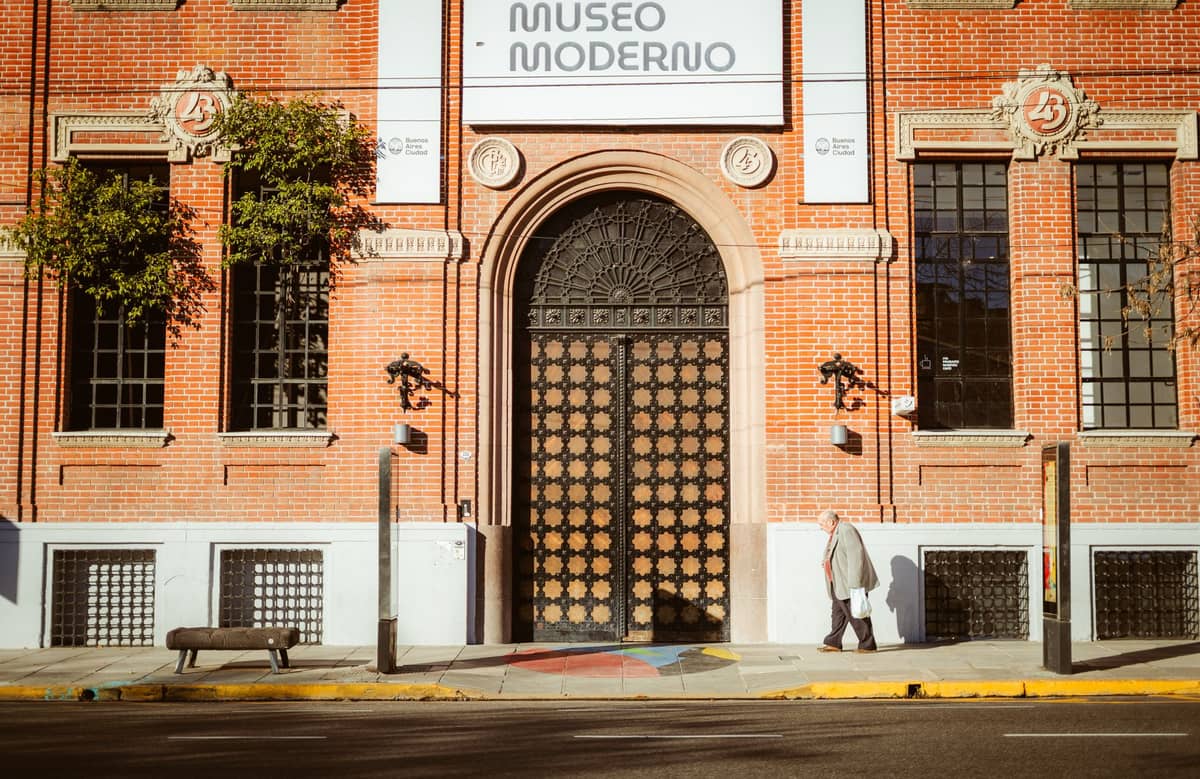
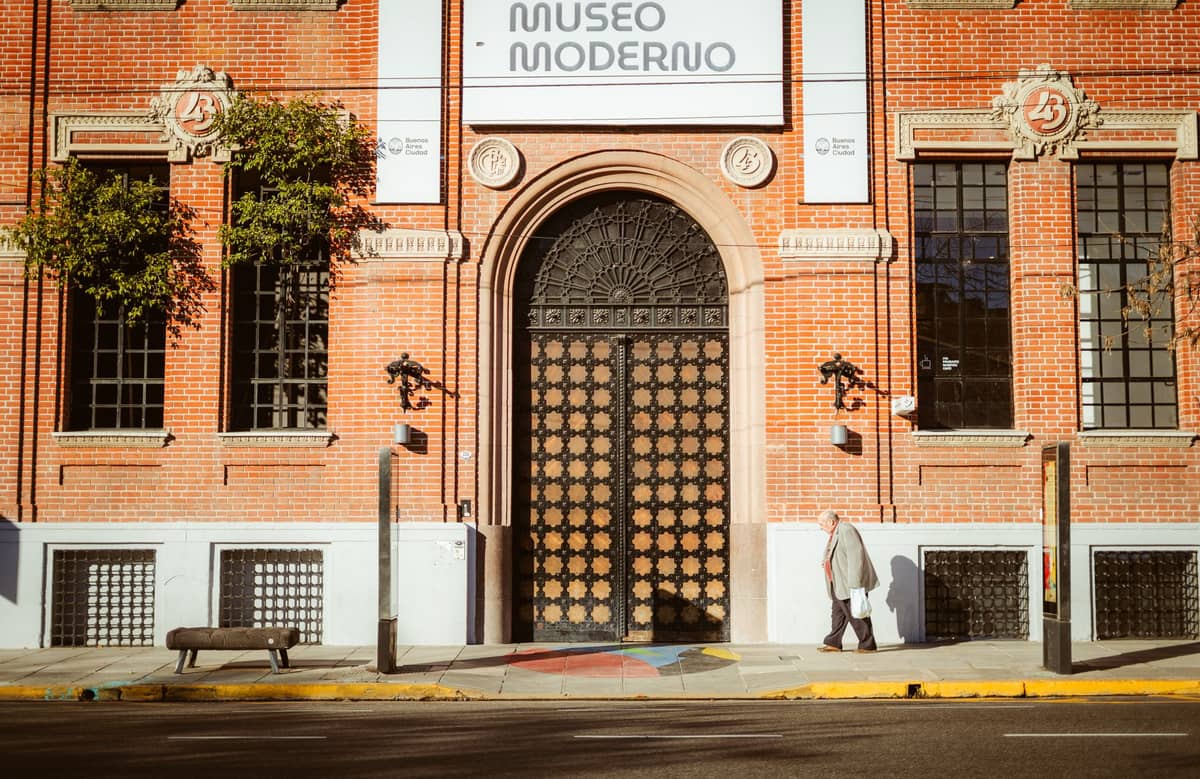
11. Catch Contemporary Argentine Art Free at MAMBA on Tuesdays
The Museo de Arte Moderno in San Telmo has a strong permanent collection of 20th-century Argentine art and dynamic temporary exhibitions. Entry is free on Tuesdays; other days carry a small charge. The converted tobacco warehouse is a great setting.
Explore11. Catch Contemporary Argentine Art Free at MAMBA on Tuesdays
The Museo de Arte Moderno in San Telmo has a strong permanent collection of 20th-century Argentine art and dynamic temporary exhibitions. Entry is free on Tuesdays; other days carry a small charge. The converted tobacco warehouse is a great setting.
Explore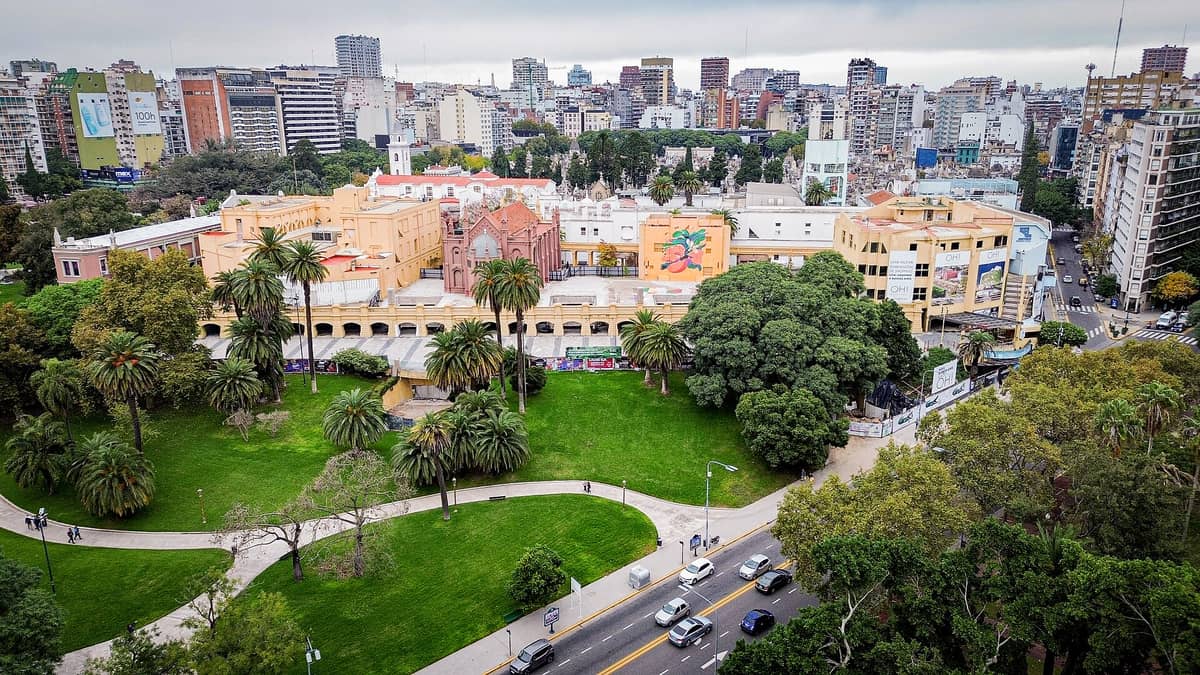
12. See Free Contemporary Art at the Centro Cultural Recoleta
This free cultural centre in a converted 18th-century Franciscan convent next to the famous cemetery hosts contemporary art, theatre, and design events year-round. It's one of the most accessible and active cultural venues in the city, with no admission charge.
Explore12. See Free Contemporary Art at the Centro Cultural Recoleta
This free cultural centre in a converted 18th-century Franciscan convent next to the famous cemetery hosts contemporary art, theatre, and design events year-round. It's one of the most accessible and active cultural venues in the city, with no admission charge.
Explore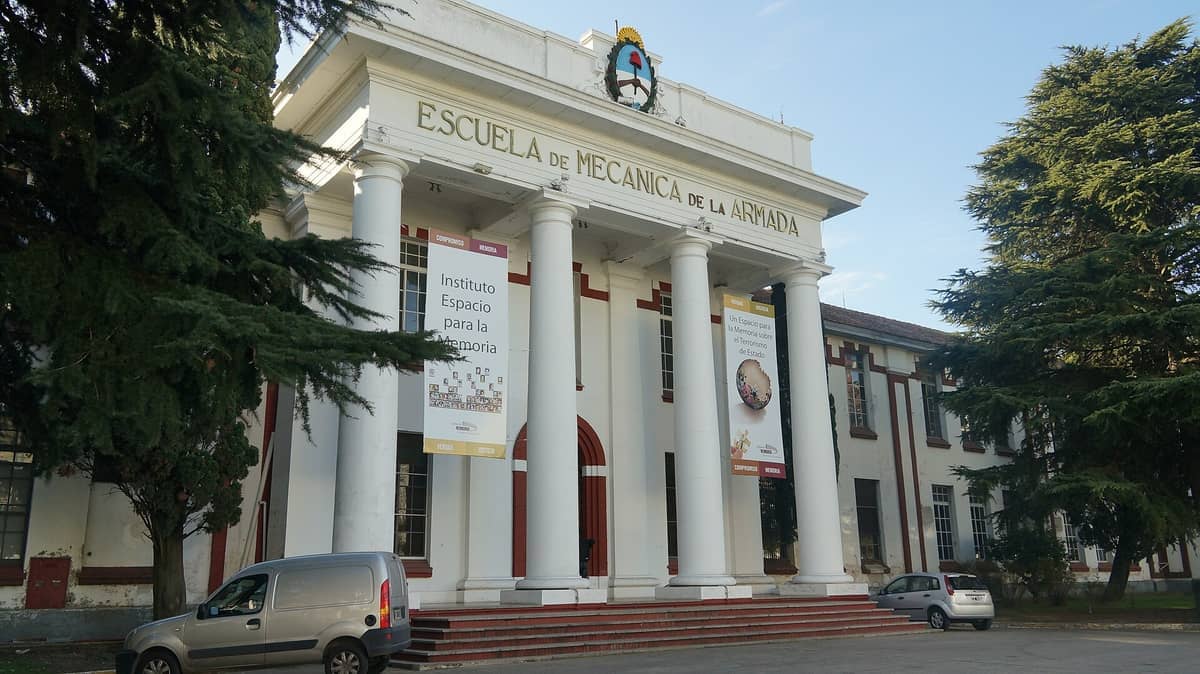
13. Understand Argentina's Recent History at the ex-ESMA Memorial
The former navy detention centre used during the military dictatorship is now a free memorial and human rights museum. It's one of the most significant sites of memory in Latin America and a sobering, important experience for any visitor to Buenos Aires.
Explore13. Understand Argentina's Recent History at the ex-ESMA Memorial
The former navy detention centre used during the military dictatorship is now a free memorial and human rights museum. It's one of the most significant sites of memory in Latin America and a sobering, important experience for any visitor to Buenos Aires.
Explore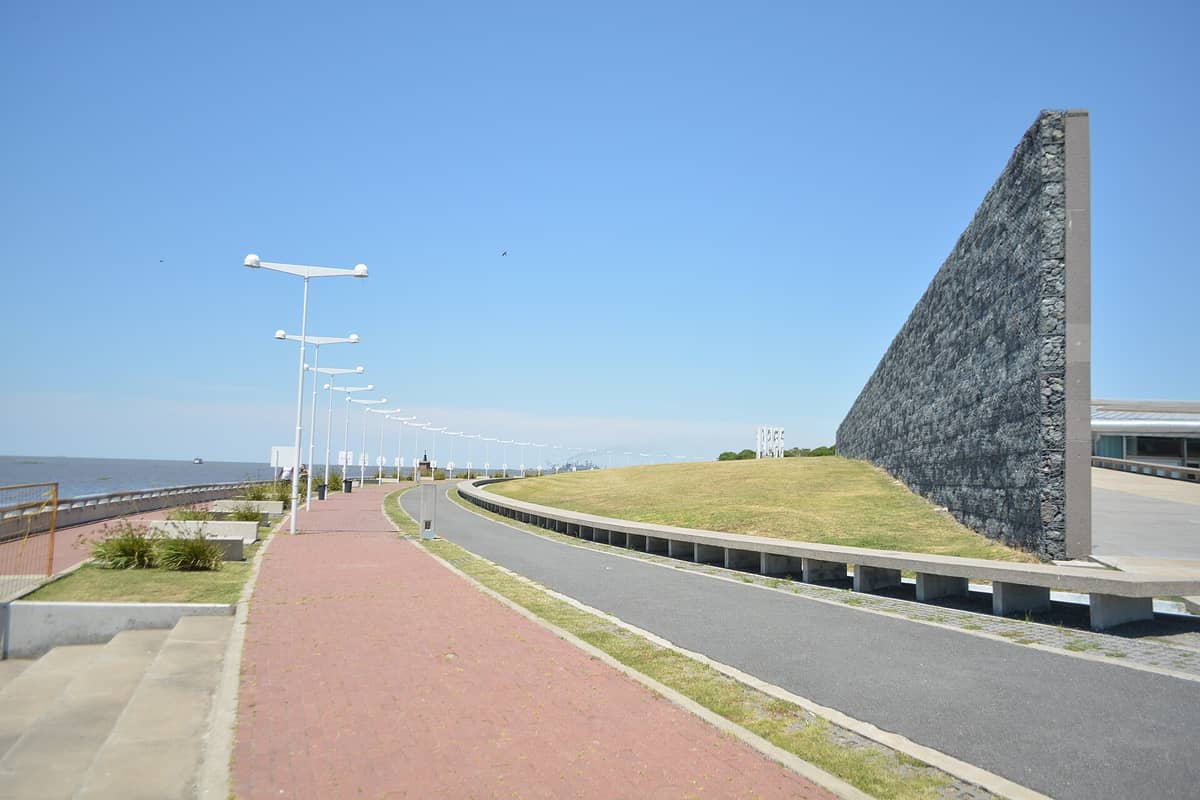
14. Pay Respects at the Riverside Parque de la Memoria
This free riverside memorial in Núñez commemorates Argentina's 30,000 disappeared with a monumental wall of names, a sculpture park, and a contemporary art gallery. It's one of the most moving outdoor experiences in the city and entry is always free.
Explore14. Pay Respects at the Riverside Parque de la Memoria
This free riverside memorial in Núñez commemorates Argentina's 30,000 disappeared with a monumental wall of names, a sculpture park, and a contemporary art gallery. It's one of the most moving outdoor experiences in the city and entry is always free.
ExploreParks, Nature & Outdoor Spaces
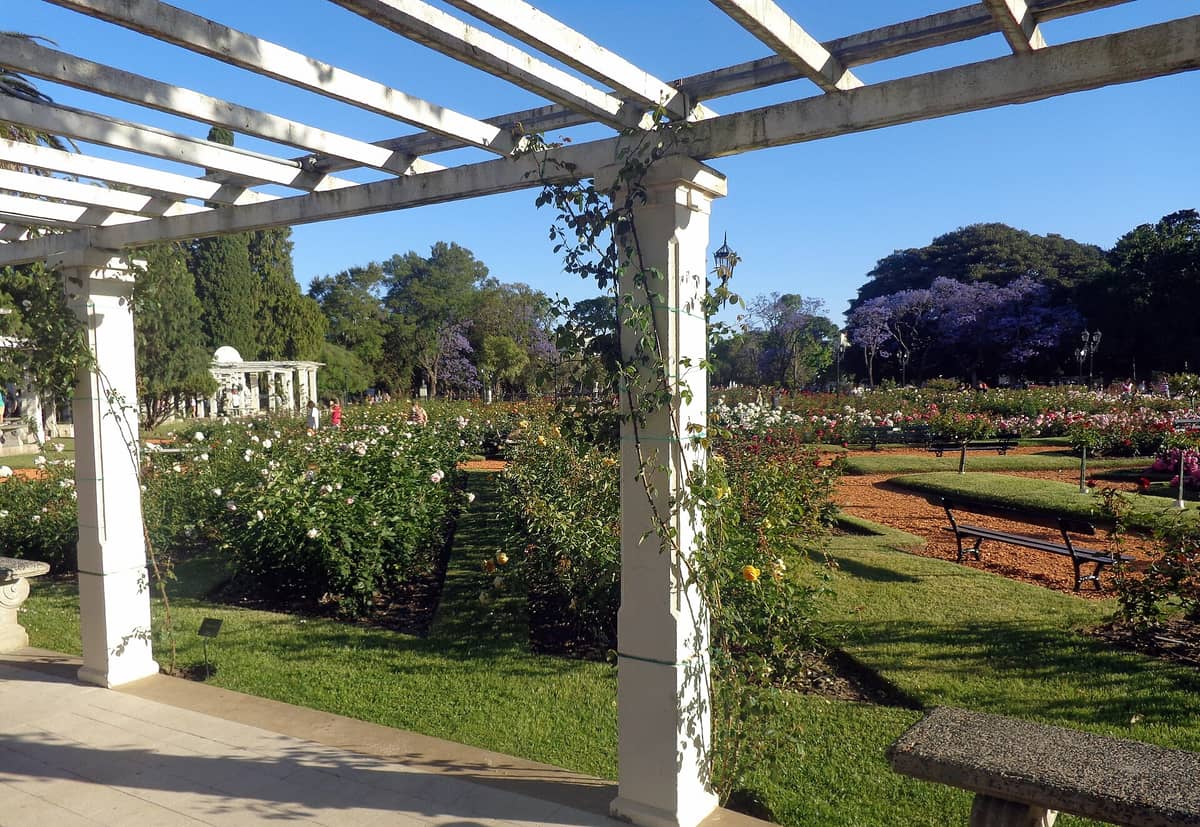
Buenos Aires has invested heavily in public green space, and the results are some of the best free outdoor experiences in South America. The parks of Palermo alone could fill an entire day, from the rose garden to the ecological reserve along the river.
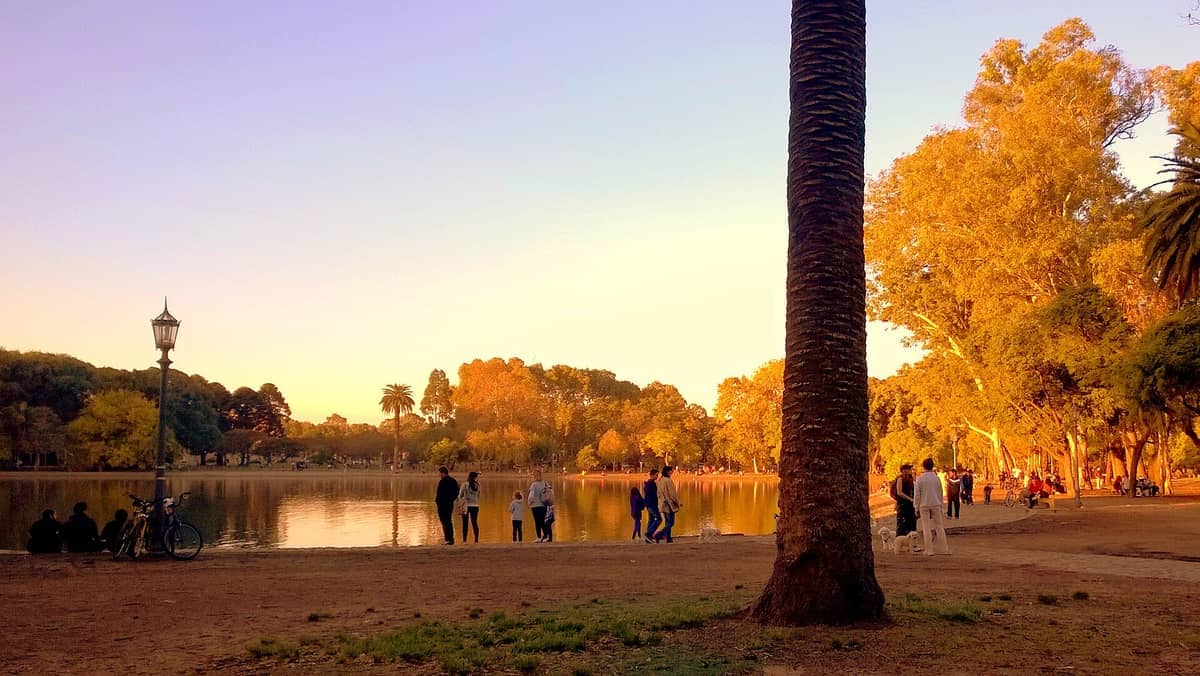
15. Spend a Sunday in the Bosques de Palermo Like a Porteño
This vast park in northern Palermo has lakes, a rose garden, cycling paths, and a planetarium, all free to enter. On weekends it fills with families picnicking and cycling. Go on a Sunday morning to see Buenos Aires at its most relaxed and communal.
Explore15. Spend a Sunday in the Bosques de Palermo Like a Porteño
This vast park in northern Palermo has lakes, a rose garden, cycling paths, and a planetarium, all free to enter. On weekends it fills with families picnicking and cycling. Go on a Sunday morning to see Buenos Aires at its most relaxed and communal.
Explore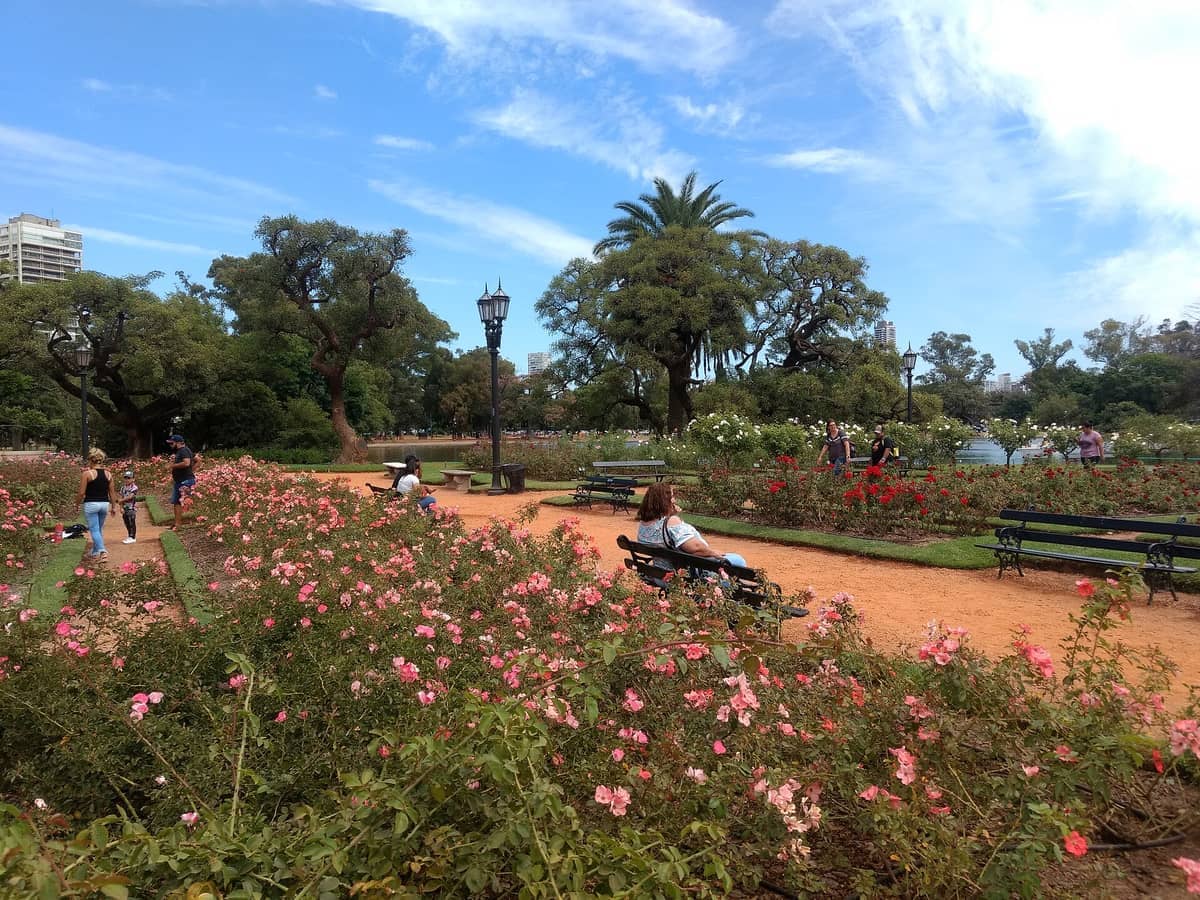
16. Walk Through 18,000 Rose Bushes at El Rosedal
This formal rose garden within the Bosques de Palermo is free to enter and contains over 18,000 rose bushes arranged around a central lake with a Venetian bridge. Visit in November or December when the roses are in full bloom for the best experience.
Explore16. Walk Through 18,000 Rose Bushes at El Rosedal
This formal rose garden within the Bosques de Palermo is free to enter and contains over 18,000 rose bushes arranged around a central lake with a Venetian bridge. Visit in November or December when the roses are in full bloom for the best experience.
Explore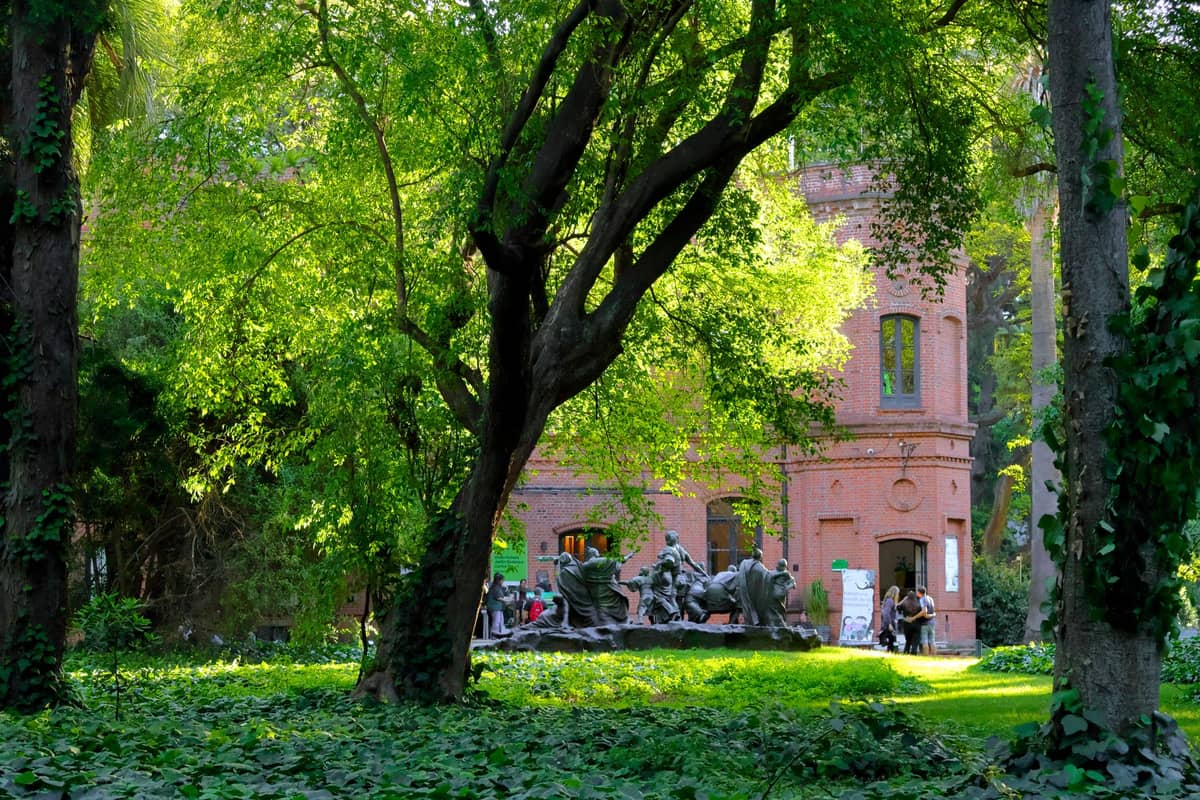
17. Wander a Free Botanical Garden in the Heart of Palermo
Designed in 1898 and free to enter, this botanical garden contains over 5,500 plant species, Art Nouveau greenhouses, classical statuary, and a famous colony of resident cats. It's a calm, shaded retreat in the middle of one of Buenos Aires's most active neighbourhoods.
Explore17. Wander a Free Botanical Garden in the Heart of Palermo
Designed in 1898 and free to enter, this botanical garden contains over 5,500 plant species, Art Nouveau greenhouses, classical statuary, and a famous colony of resident cats. It's a calm, shaded retreat in the middle of one of Buenos Aires's most active neighbourhoods.
Explore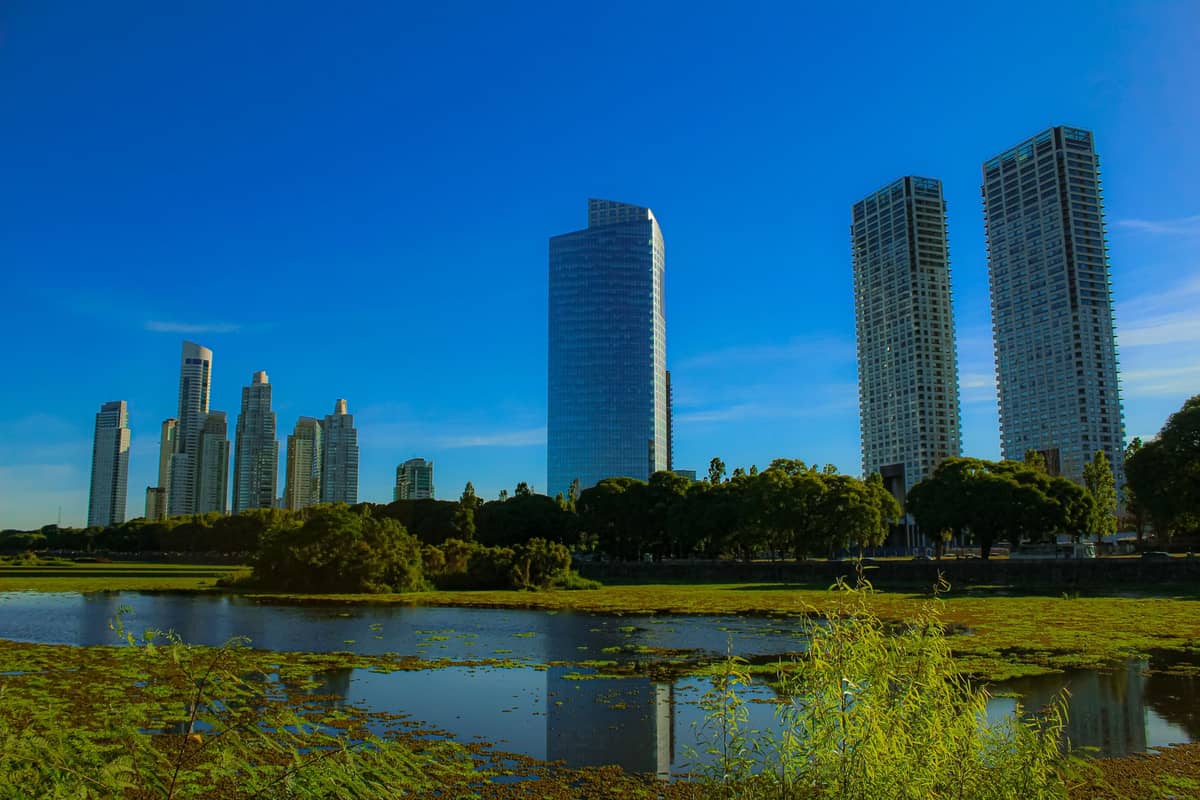
18. Go Birdwatching in the Costanera Sur Ecological Reserve
This free 350-hectare wetland reserve in Puerto Madero is home to over 300 bird species and capybaras, minutes from downtown. Entry is free, and the early morning is best for birdwatching. It's one of the world's most remarkable urban wildlife destinations.
Explore18. Go Birdwatching in the Costanera Sur Ecological Reserve
This free 350-hectare wetland reserve in Puerto Madero is home to over 300 bird species and capybaras, minutes from downtown. Entry is free, and the early morning is best for birdwatching. It's one of the world's most remarkable urban wildlife destinations.
Explore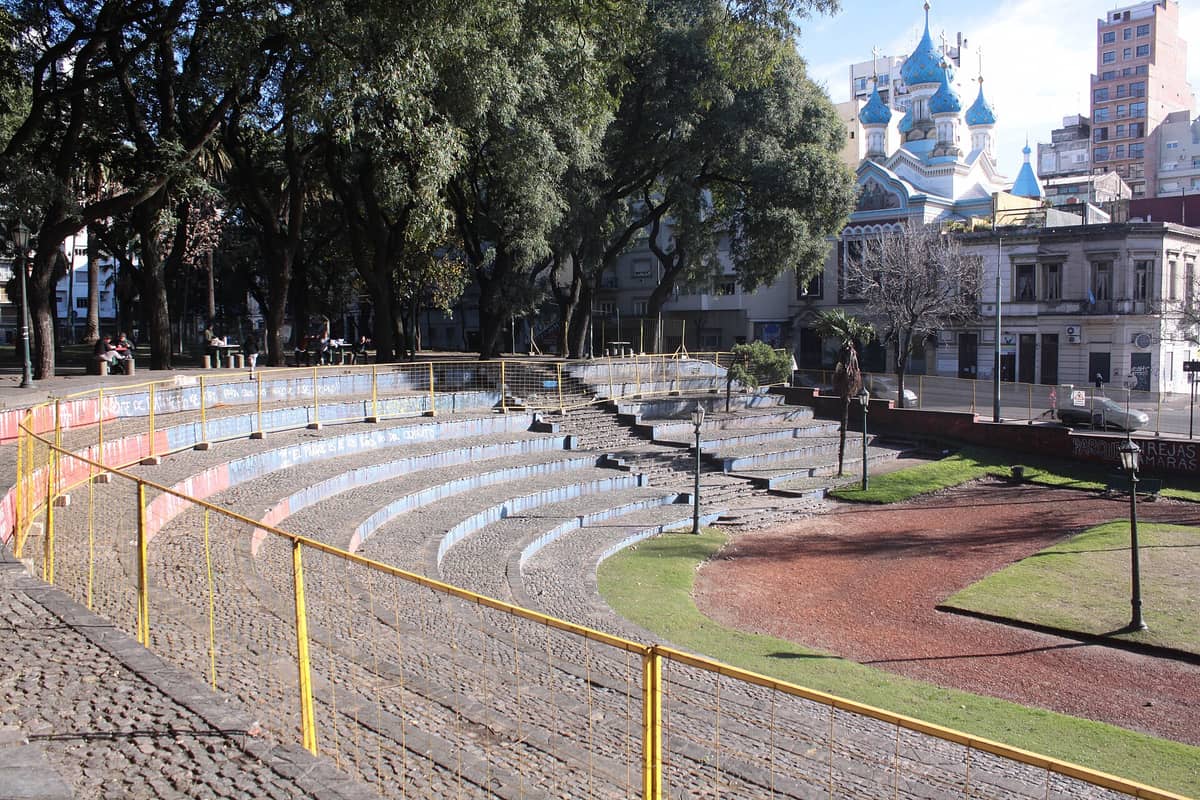
19. Spend a Lazy Afternoon at Parque Lezama in San Telmo
San Telmo's hilltop park is one of the oldest in the city, free to enter, and home to a Russian Orthodox church, a neoclassical amphitheatre, and the free Museo Histórico Nacional. On weekends musicians play and milonga dancers take over the paths.
Explore19. Spend a Lazy Afternoon at Parque Lezama in San Telmo
San Telmo's hilltop park is one of the oldest in the city, free to enter, and home to a Russian Orthodox church, a neoclassical amphitheatre, and the free Museo Histórico Nacional. On weekends musicians play and milonga dancers take over the paths.
ExploreStreets, Markets & Neighbourhood Walks
Some of the best experiences in Buenos Aires happen on foot, in markets, and along streets that have no entry price at all. The San Telmo neighbourhood is especially rewarding on Sundays, when the street market takes over the entire area. For a deeper dive into the city's walkable districts, see our Buenos Aires walking tours guide.
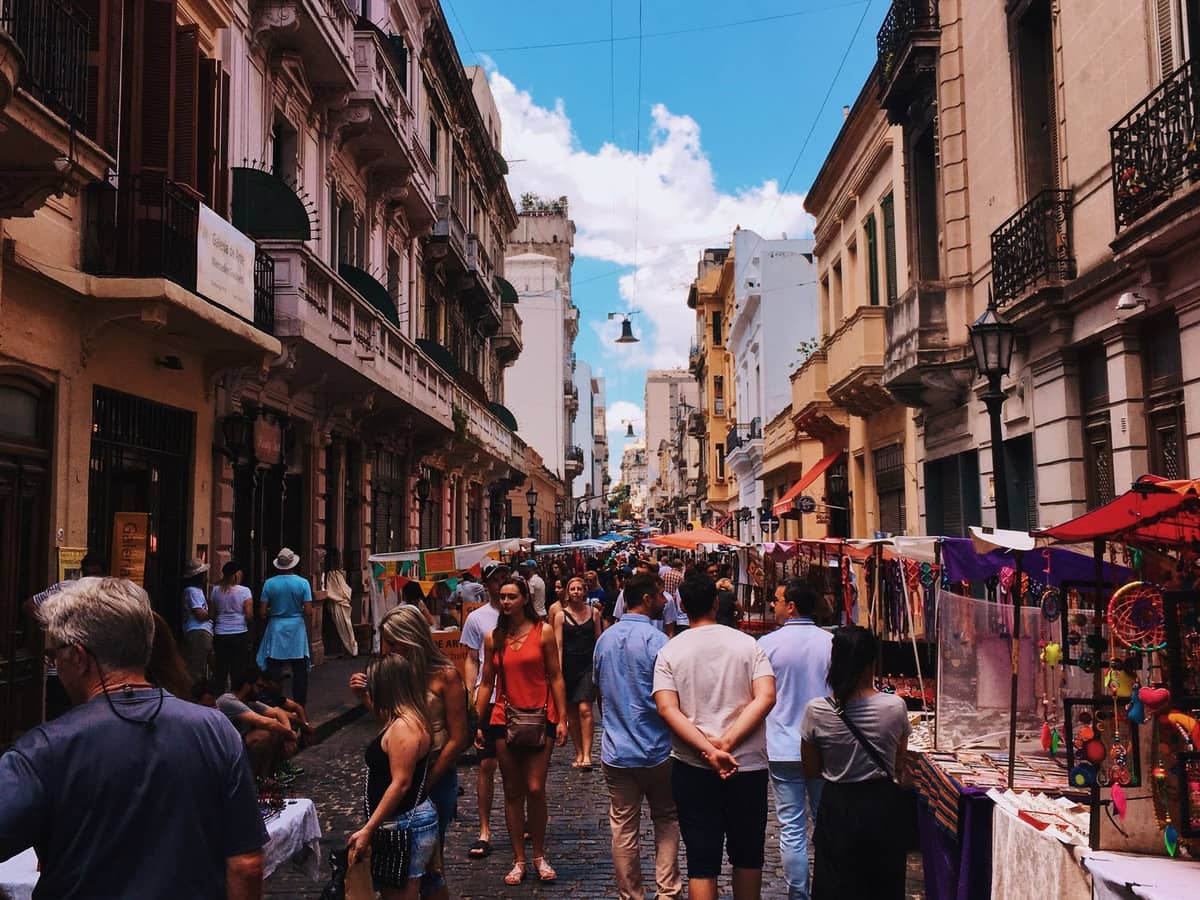
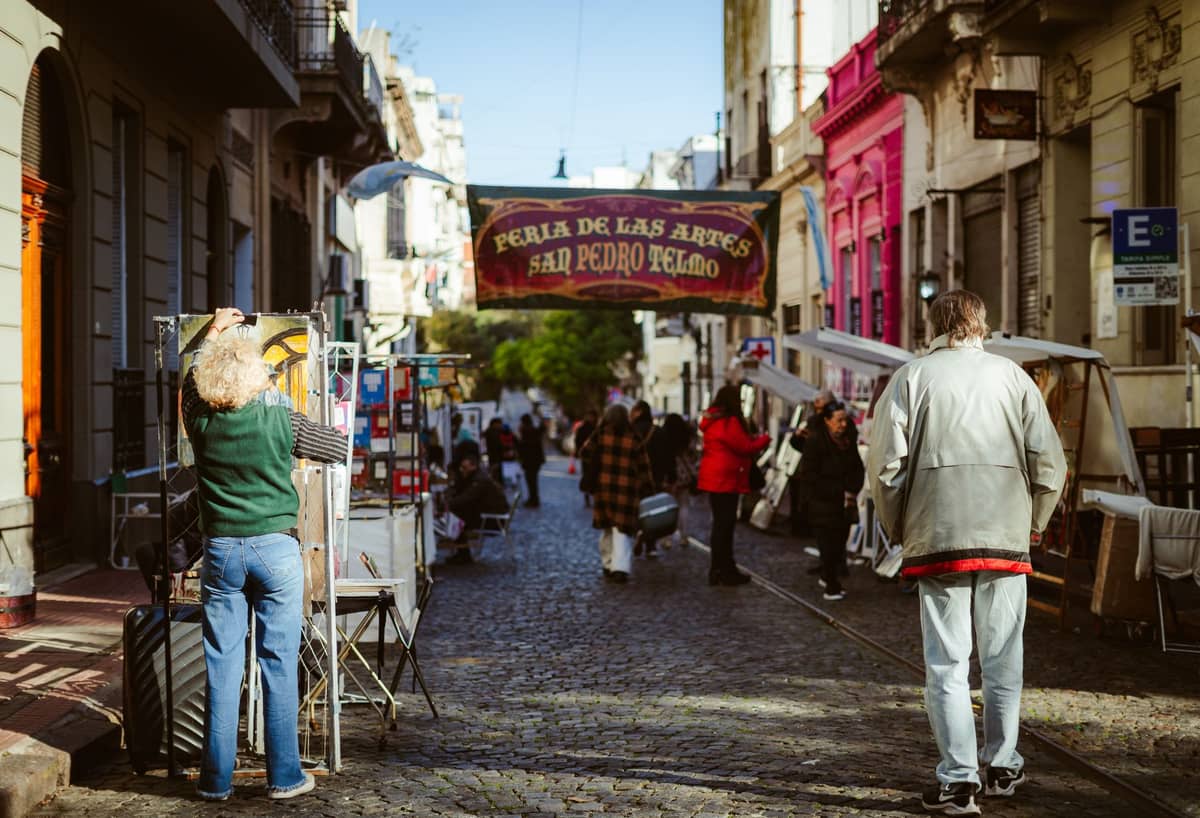
20. Browse the Famous Sunday Market in San Telmo
Every Sunday, hundreds of stalls selling antiques, vintage clothing, and handmade crafts spread across San Telmo's streets, with tango dancers performing among the crowds. It's completely free to wander and one of the most atmospheric experiences in the city.
Explore20. Browse the Famous Sunday Market in San Telmo
Every Sunday, hundreds of stalls selling antiques, vintage clothing, and handmade crafts spread across San Telmo's streets, with tango dancers performing among the crowds. It's completely free to wander and one of the most atmospheric experiences in the city.
Explore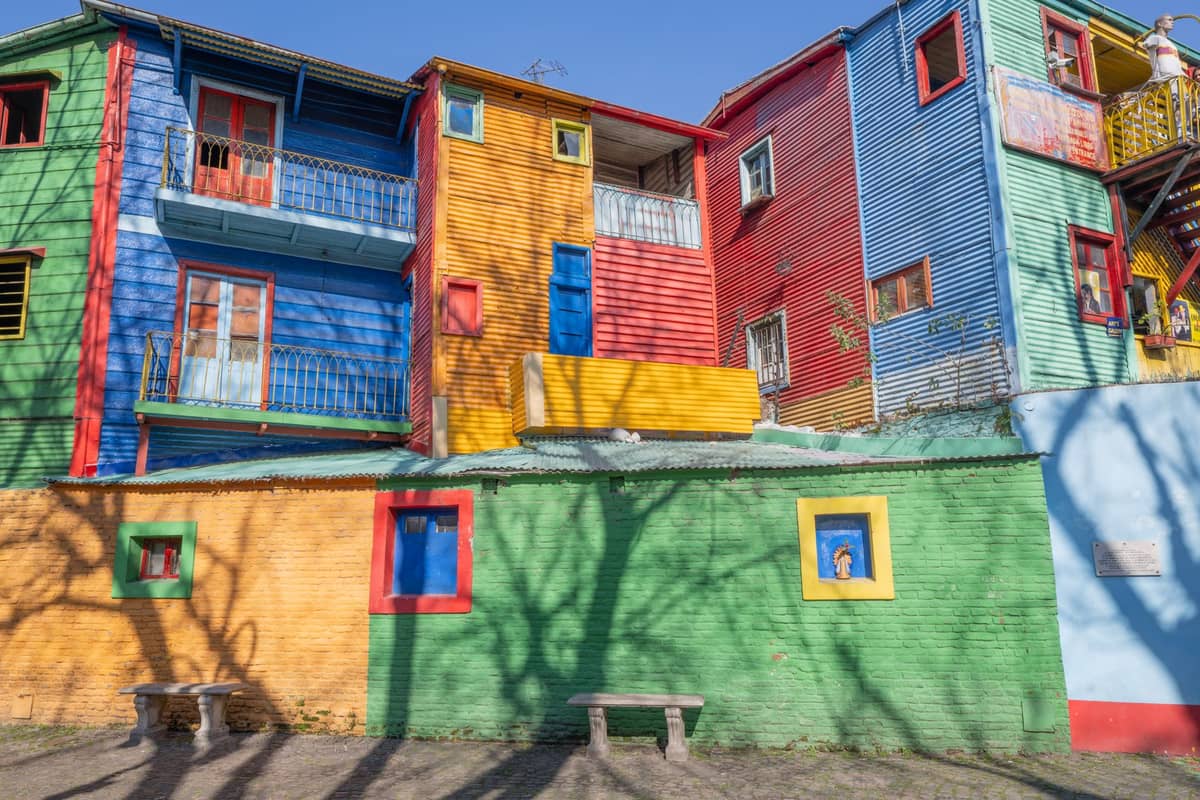
21. Walk the Colourful Open-Air Alley of Caminito in La Boca
La Boca's famous pedestrian street is free to walk at any time, lined with brightly painted corrugated-iron houses, street artists, and tango performers. Go on a weekday morning before the tour buses arrive for a more relaxed experience of this iconic spot.
Explore21. Walk the Colourful Open-Air Alley of Caminito in La Boca
La Boca's famous pedestrian street is free to walk at any time, lined with brightly painted corrugated-iron houses, street artists, and tango performers. Go on a weekday morning before the tour buses arrive for a more relaxed experience of this iconic spot.
Explore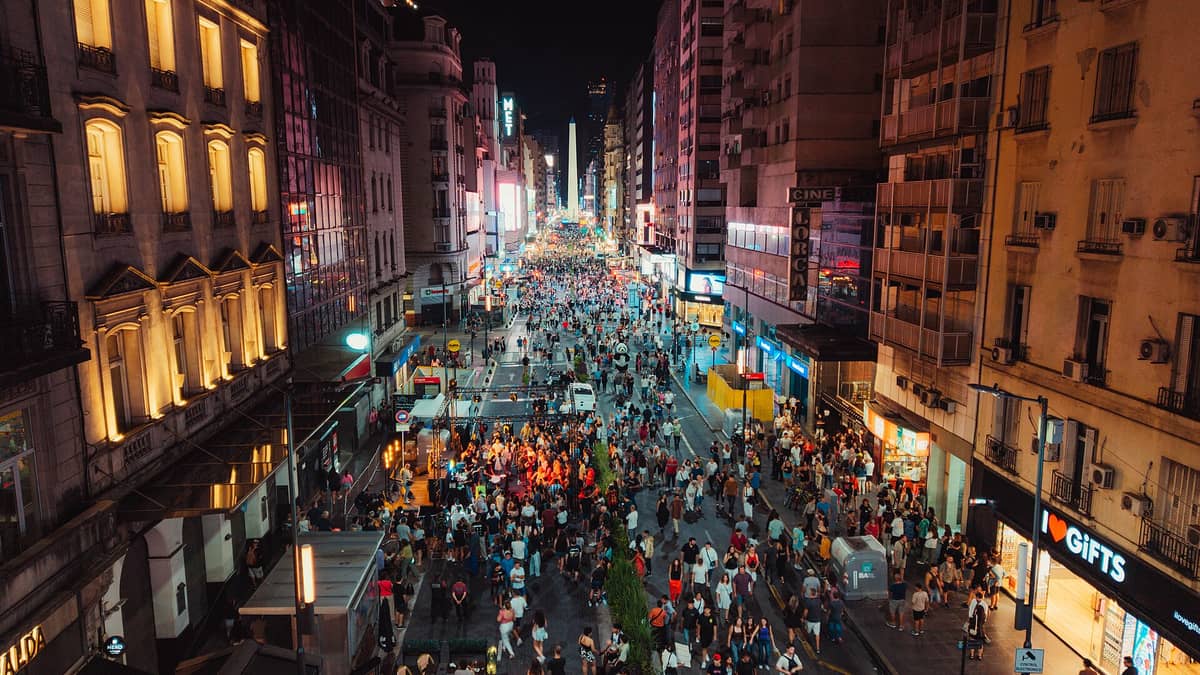
22. Explore Buenos Aires's Cultural Spine on Avenida Corrientes
The street that never sleeps runs from the Obelisco toward the Congress and is lined with bookshops, theatres, and late-night pizzerias. Browsing the 24-hour bookshops and watching street performers costs nothing and works best after 10pm when the energy peaks.
Explore22. Explore Buenos Aires's Cultural Spine on Avenida Corrientes
The street that never sleeps runs from the Obelisco toward the Congress and is lined with bookshops, theatres, and late-night pizzerias. Browsing the 24-hour bookshops and watching street performers costs nothing and works best after 10pm when the energy peaks.
Explore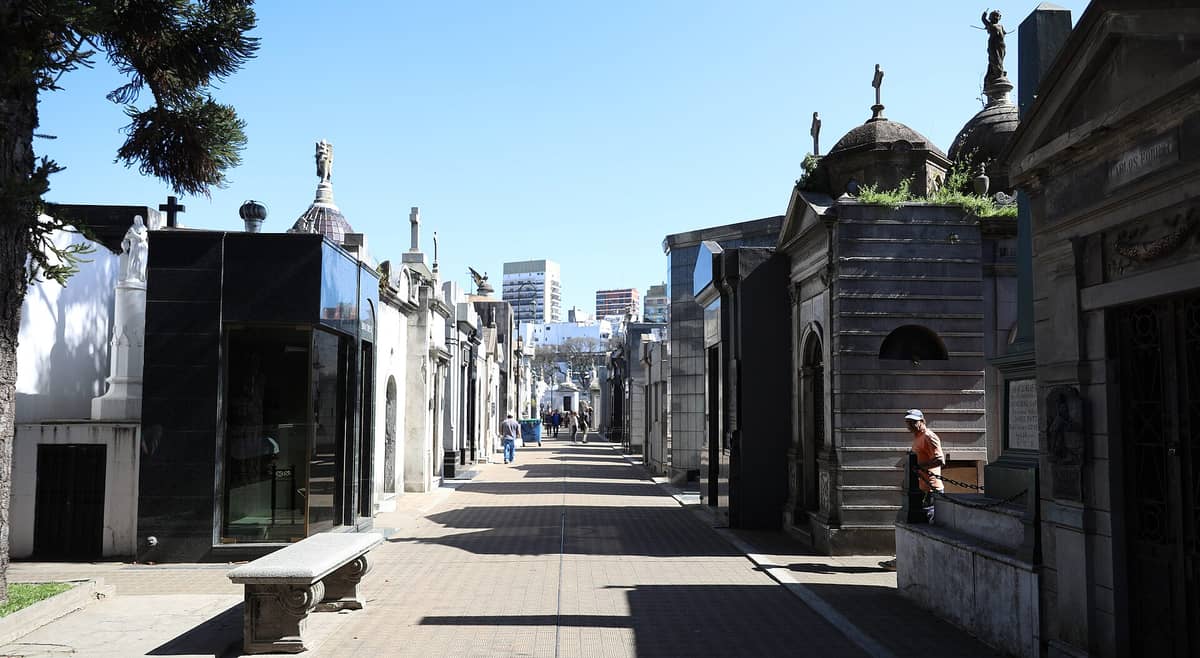
23. Explore the Extraordinary Recoleta Cemetery
This labyrinthine above-ground cemetery holds the tombs of Argentina's most illustrious families, including Eva Perón's. Entry is free and the marble mausoleums, Art Deco chapels, and Gothic spires make it one of the world's great cemeteries. Allow at least an hour.
Explore23. Explore the Extraordinary Recoleta Cemetery
This labyrinthine above-ground cemetery holds the tombs of Argentina's most illustrious families, including Eva Perón's. Entry is free and the marble mausoleums, Art Deco chapels, and Gothic spires make it one of the world's great cemeteries. Allow at least an hour.
Explore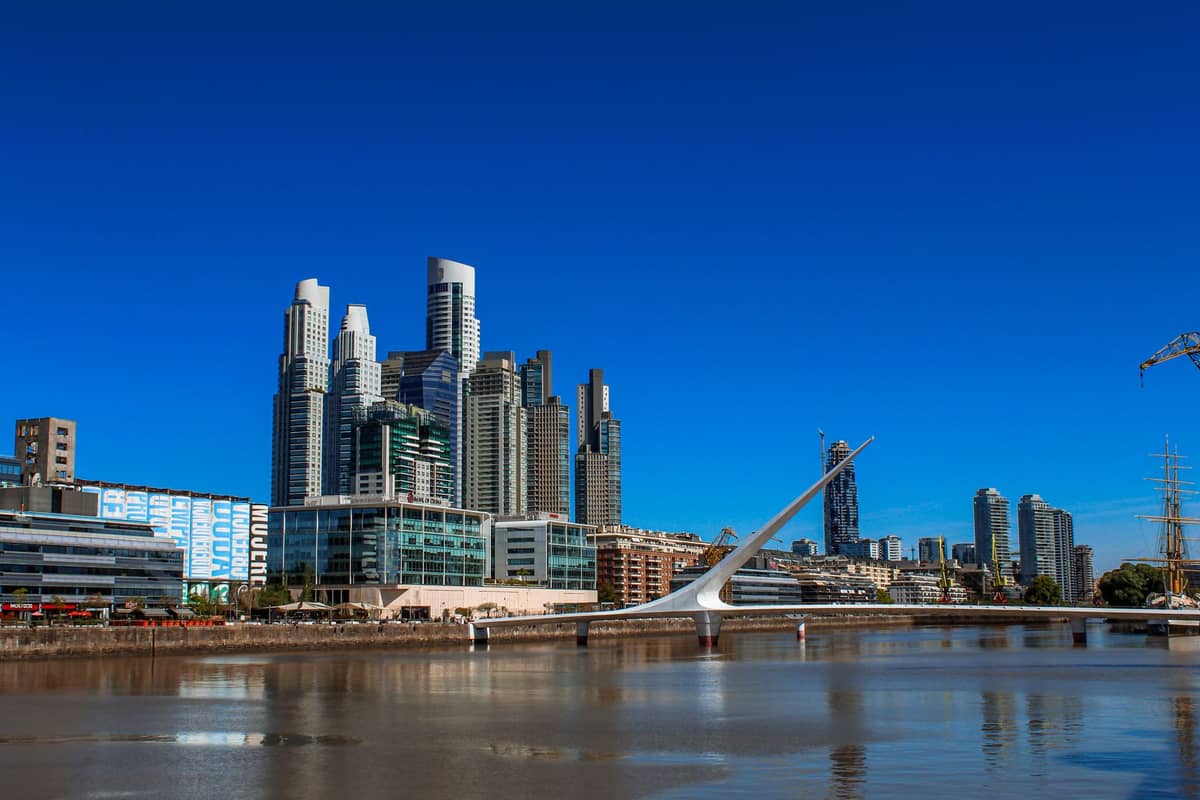
24. Cross Santiago Calatrava's Iconic Pedestrian Bridge in Puerto Madero
This elegant rotating white bridge in Puerto Madero is one of the most photographed structures in Buenos Aires. It's free to cross at any time, and the surrounding docklands waterfront makes for a pleasant evening walk with views across the Río de la Plata.
Explore24. Cross Santiago Calatrava's Iconic Pedestrian Bridge in Puerto Madero
This elegant rotating white bridge in Puerto Madero is one of the most photographed structures in Buenos Aires. It's free to cross at any time, and the surrounding docklands waterfront makes for a pleasant evening walk with views across the Río de la Plata.
Explore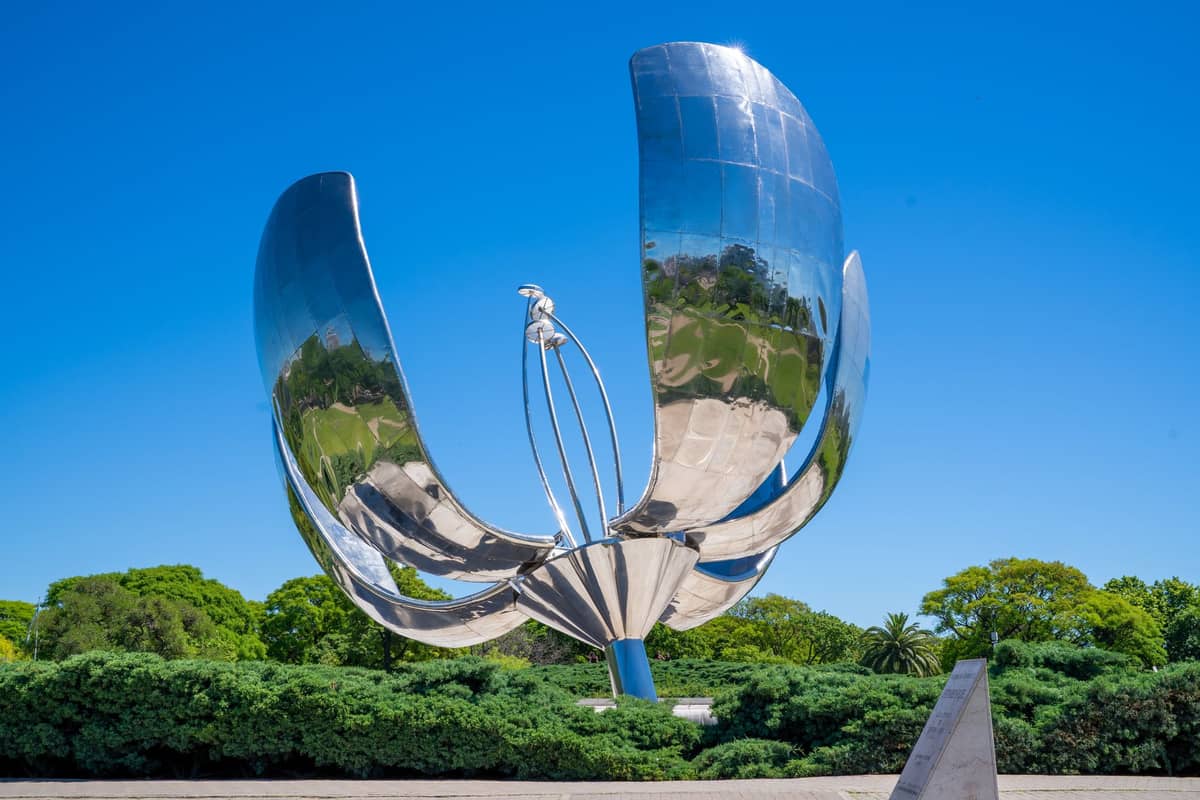
25. Watch the Giant Steel Flower Open at Sunrise in Recoleta
Eduardo Catalano's kinetic sculpture in the Plaza de las Naciones Unidas opens its petals at sunrise and closes at sunset. It's always free to view and is most spectacular at golden hour, when the light reflects off its steel surface. A short walk from the cemetery.
Explore25. Watch the Giant Steel Flower Open at Sunrise in Recoleta
Eduardo Catalano's kinetic sculpture in the Plaza de las Naciones Unidas opens its petals at sunrise and closes at sunset. It's always free to view and is most spectacular at golden hour, when the light reflects off its steel surface. A short walk from the cemetery.
Explore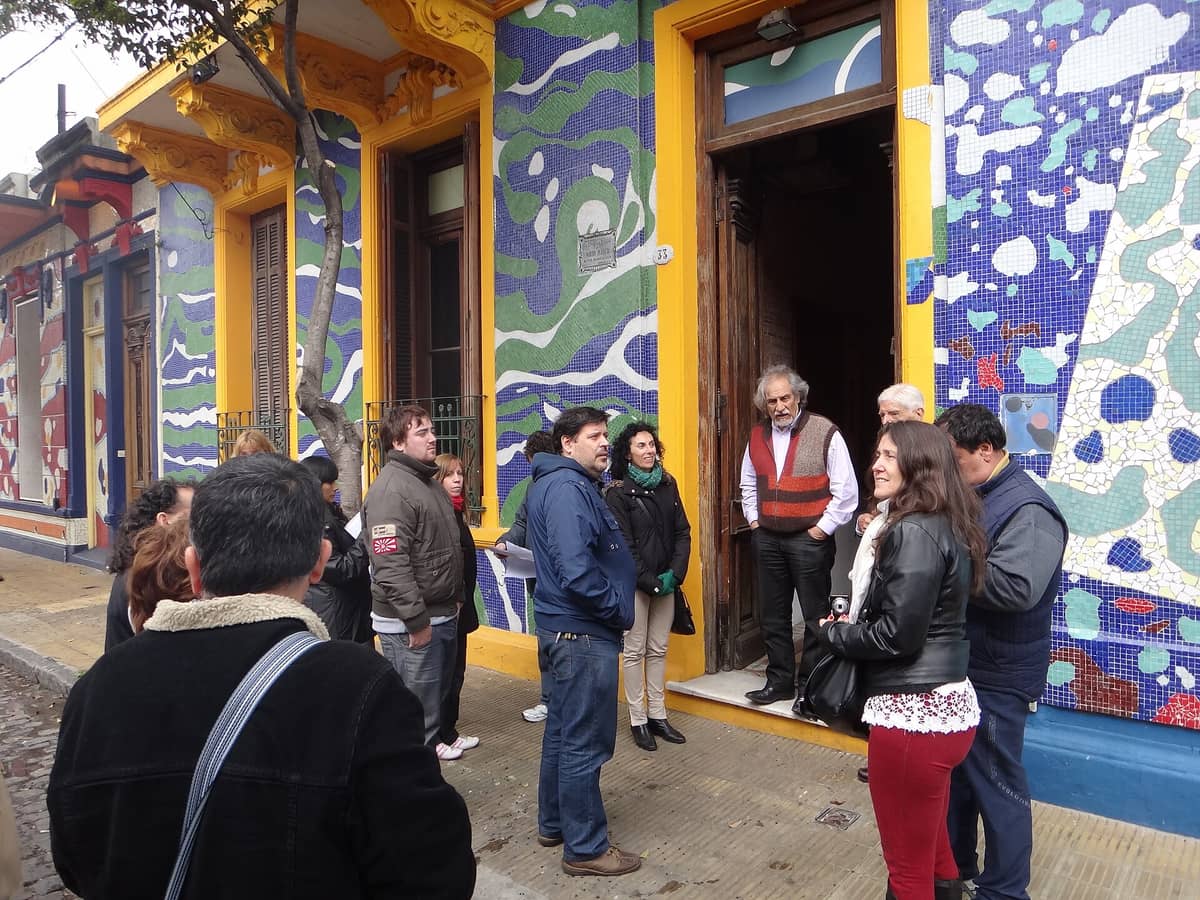
26. Find the Mosaic-Covered Street of Pasaje Lanín in Barracas
In the Barracas neighbourhood south of San Telmo, artist Marino Santa María has covered every surface of this narrow alley with intricate colourful mosaics and painted murals. Entry is free and it's one of the most extraordinary street art destinations in the city.
Explore26. Find the Mosaic-Covered Street of Pasaje Lanín in Barracas
In the Barracas neighbourhood south of San Telmo, artist Marino Santa María has covered every surface of this narrow alley with intricate colourful mosaics and painted murals. Entry is free and it's one of the most extraordinary street art destinations in the city.
Explore✨ Pro tip
The city tourism office runs free guided walking tours of major historic and cultural sites. Schedules are published on the official Buenos Aires tourism website and spots fill quickly, so book in advance online.
Architectural Landmarks You Can Admire for Free
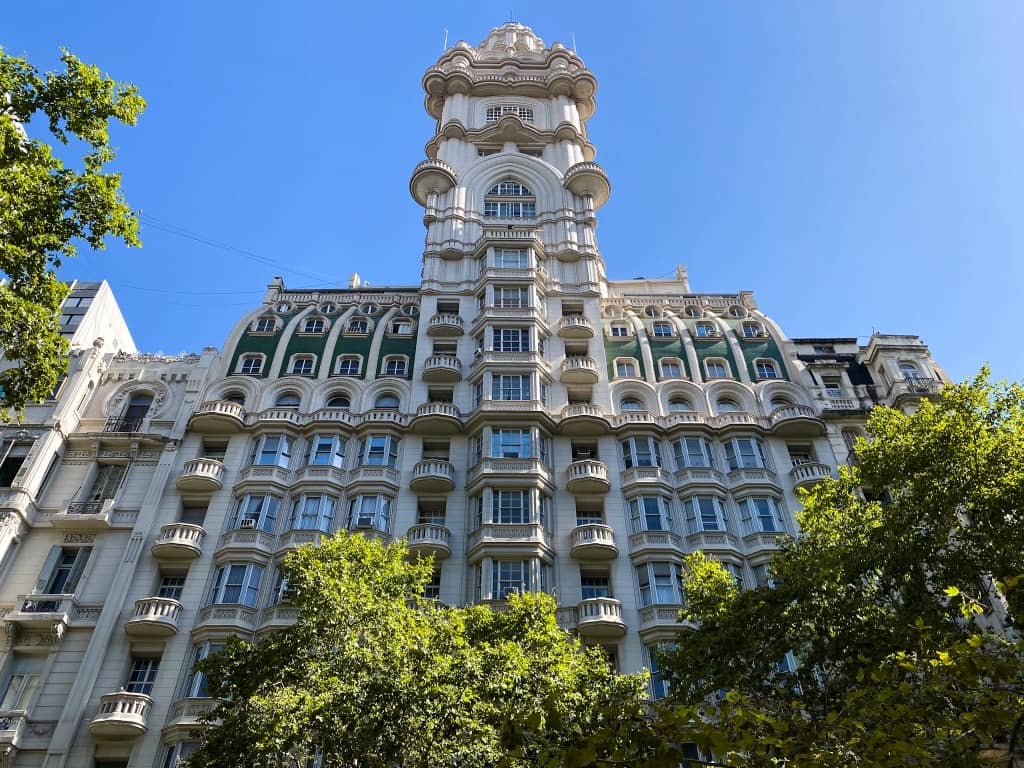
Buenos Aires is one of the great architectural cities of the Americas, and most of its finest buildings can be appreciated from the street at no cost. The Buenos Aires architecture guide goes deeper, but the buildings below are all free to enter or at least free to explore from the exterior.

27. Browse the World's Most Beautiful Bookshop at El Ateneo Grand Splendid
This converted 1919 theatre on Avenida Santa Fe is free to enter and explore. Books line the former stage boxes and a café occupies the stage itself. You're not obligated to buy anything, making it one of the most spectacular free sights in the city.
Explore27. Browse the World's Most Beautiful Bookshop at El Ateneo Grand Splendid
This converted 1919 theatre on Avenida Santa Fe is free to enter and explore. Books line the former stage boxes and a café occupies the stage itself. You're not obligated to buy anything, making it one of the most spectacular free sights in the city.
Explore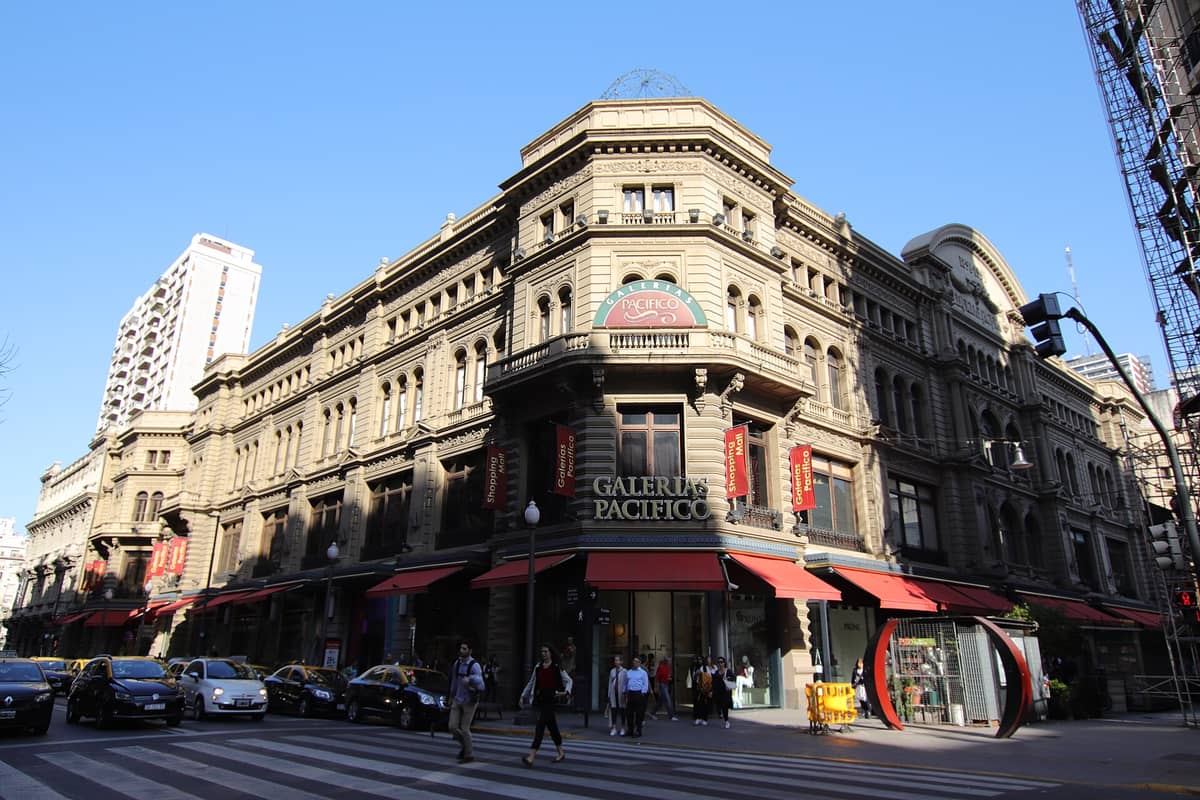
28. Look Up at the Painted Dome of Galerías Pacífico on Florida Street
This 1889 shopping mall is free to enter and houses a stunning dome ceiling painted by five of Argentina's greatest artists. Walking through to admire the murals and architecture costs nothing and takes about 20 minutes as part of a Florida Street stroll.
Explore28. Look Up at the Painted Dome of Galerías Pacífico on Florida Street
This 1889 shopping mall is free to enter and houses a stunning dome ceiling painted by five of Argentina's greatest artists. Walking through to admire the murals and architecture costs nothing and takes about 20 minutes as part of a Florida Street stroll.
Explore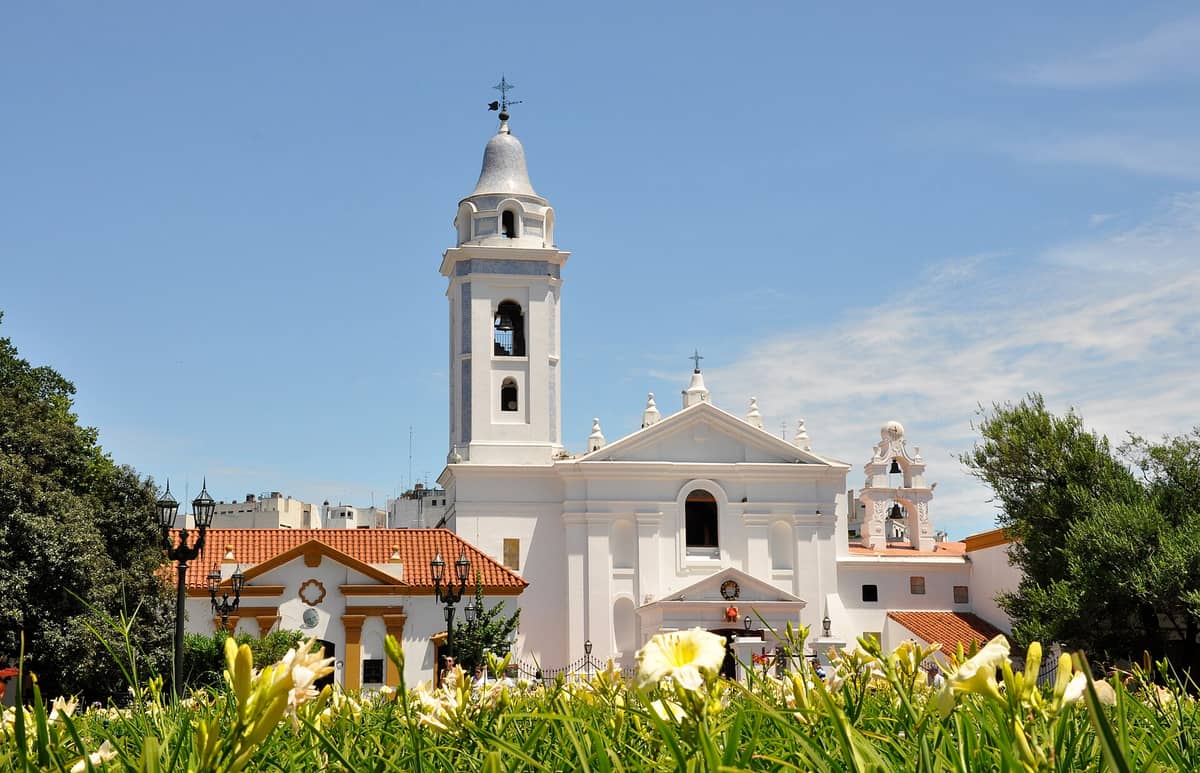
29. Step Inside Buenos Aires's Oldest Surviving Baroque Church
This 1732 church beside Recoleta Cemetery is free to enter and offers a quiet contrast to the cemetery crowds outside. The whitewashed interior and silver altarpiece are genuine colonial-era highlights and the visit takes no more than 20 minutes.
Explore29. Step Inside Buenos Aires's Oldest Surviving Baroque Church
This 1732 church beside Recoleta Cemetery is free to enter and offers a quiet contrast to the cemetery crowds outside. The whitewashed interior and silver altarpiece are genuine colonial-era highlights and the visit takes no more than 20 minutes.
Explore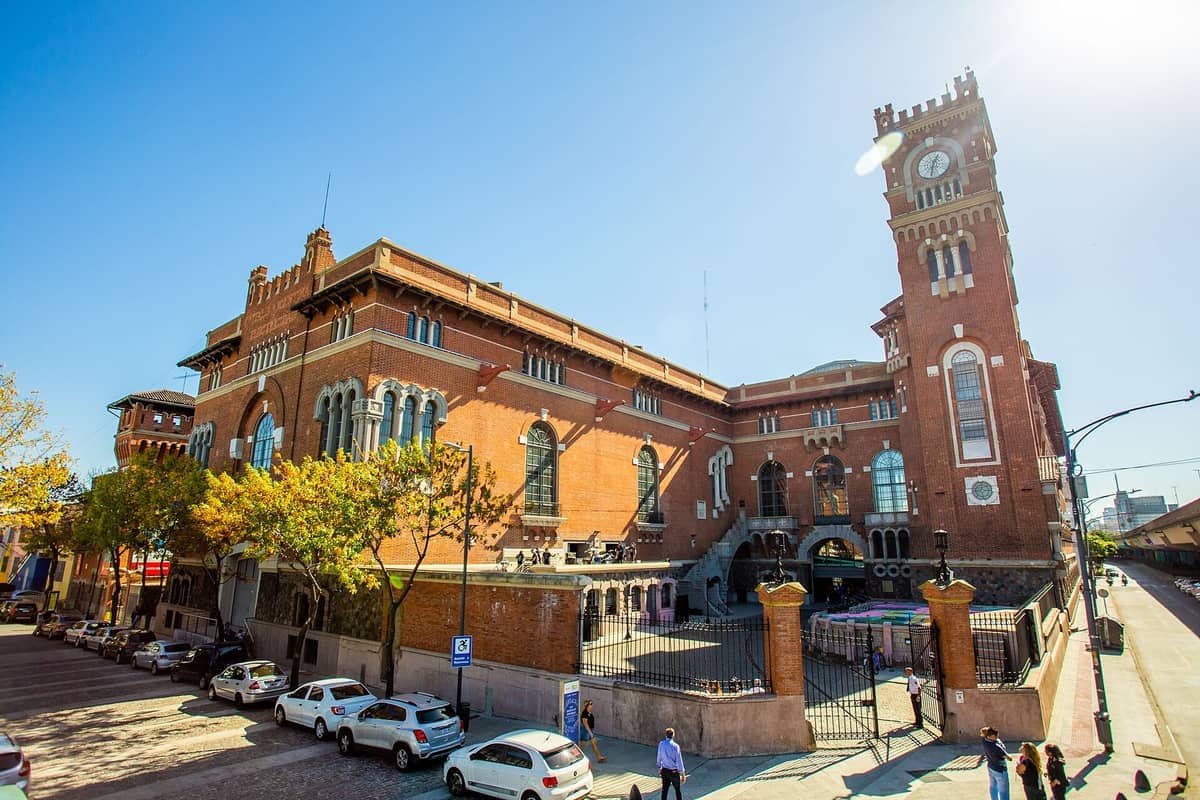
30. Tour a Free Cultural Centre in La Boca's Former Power Station
This spectacular early 20th-century red-brick power station in La Boca is free to enter and hosts concerts, art exhibitions, and theatre in a stunning industrial interior. Combine it with Caminito and the Quinquela Martín museum for a full La Boca day.
Explore30. Tour a Free Cultural Centre in La Boca's Former Power Station
This spectacular early 20th-century red-brick power station in La Boca is free to enter and hosts concerts, art exhibitions, and theatre in a stunning industrial interior. Combine it with Caminito and the Quinquela Martín museum for a full La Boca day.
ExploreFAQ
Which museums in Buenos Aires are completely free?
The Museo Nacional de Bellas Artes, the Museo Histórico Nacional, the Centro Cultural Kirchner (CCK), the Centro Cultural Recoleta, and the Parque de la Memoria all have free entry. MAMBA (Museo de Arte Moderno) charges a general admission fee but is free on Tuesdays. Always verify current policies on the official Buenos Aires tourism website before visiting, as schedules can change.
Is it free to visit the Recoleta Cemetery?
Foreign visitors pay admission (about ARS 24,030 as of mid-2026; card only). Argentine residents enter free with a valid DNI. Tourist hours are daily 09:00–17:00. Free Spanish guided tours leave from the main gate on a posted schedule.
Are there free guided tours in Buenos Aires?
Yes. The City of Buenos Aires tourism bureau operates a programme of complimentary guided walking tours covering historic sites, neighbourhoods, and cultural landmarks. Schedules are published on the official turismo.buenosaires.gob.ar website, and registration in advance is recommended as spots fill up.
What is the best free neighbourhood to walk in Buenos Aires?
San Telmo on a Sunday is unmatched: the street market, the free Museo Histórico Nacional, Parque Lezama, the Mercado de San Telmo (free to enter), and Plaza Dorrego all sit within easy walking distance. Recoleta is a close second, with the Bellas Artes museum and (for Argentine residents) free cemetery entry; foreign visitors pay for the cemetery, and Centro Cultural Recoleta charges non-residents.
When is the best time of year to enjoy free outdoor activities in Buenos Aires?
Spring (September to November) and autumn (March to May) offer the most comfortable temperatures for walking and outdoor activities, with averages around 14-22°C. Summer (December to February) can be hot and humid, which makes long outdoor walks less comfortable, though parks and the Costanera reserve are still popular in the early morning.
Tickets & tours
Live prices and dates from our booking partner. If you book, we may earn a commission at no extra cost to you.
Planning a trip? Discover personalized activities with the Nomado app.