Buenos Aires Street Art Guide: Neighborhoods, Tours & Hidden Murals
Buenos Aires is one of Latin America's most important cities for public art, with commissioned murals, mosaics, and political works spread across dozens of neighborhoods. This guide covers where to go, how to get there, which tours are worth booking, and what most visitors miss.
Tickets & tours
Live prices and dates from our booking partner. If you book, we may earn a commission at no extra cost to you.
TL;DR
- Buenos Aires street art is concentrated in Palermo, Colegiales, Villa Crespo, Chacarita, Barracas, and La Boca — each with a distinct visual character.
- Much of the city's mural art is legal and commissioned, not illicit — so these are safe, walkable residential neighborhoods.
- Calle Lanín in Barracas is the single most spectacular street art destination: a full block of mosaic murals created by artist Marino Santa María. Combine it with a visit to Pasaje Lanín for the full experience.
- Guided walking tours run Tuesday, Thursday, and Saturday from around US$10–20 per person; self-guided exploration is entirely feasible using free neighborhood maps.
- Spring (September–November) and autumn (March–May) offer the most comfortable temperatures for outdoor walks. Check the best time to visit Buenos Aires for full seasonal breakdown.
Why Buenos Aires Became a Street Art Capital
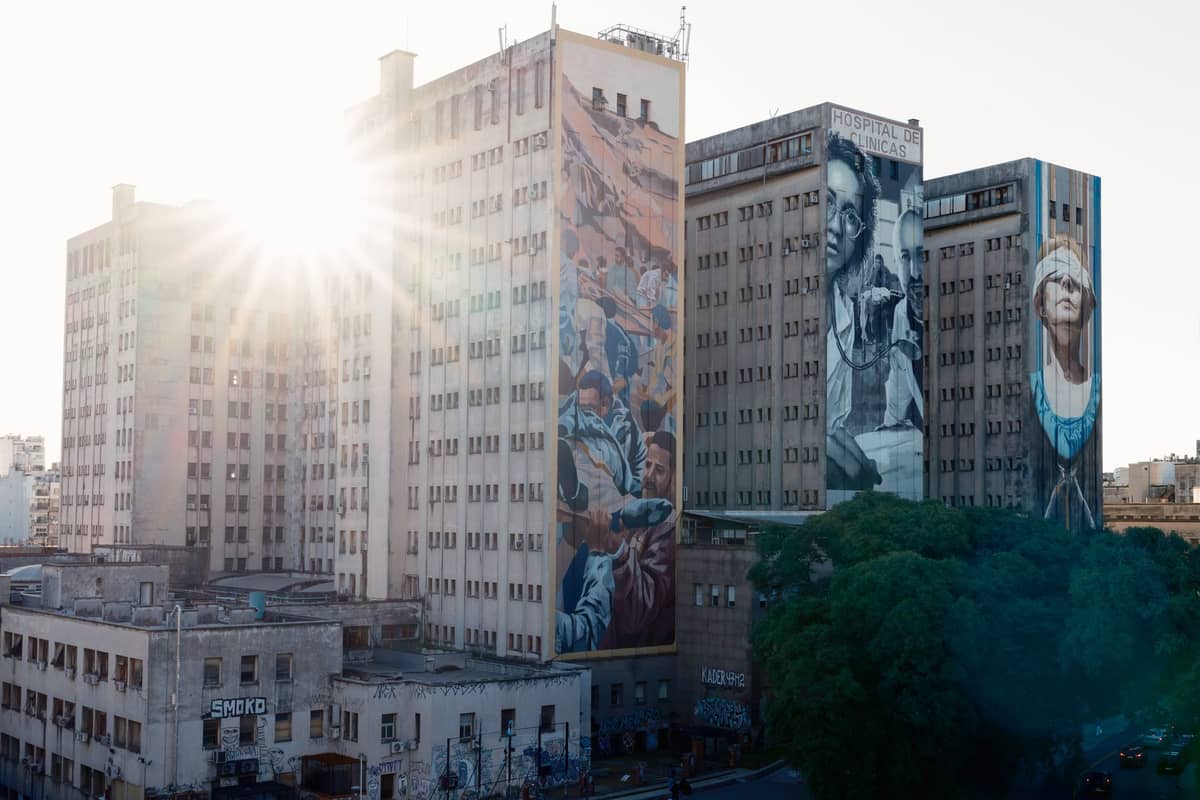
The roots of Buenos Aires street art run deeper than aesthetics. After the 2001 economic collapse, public space became a canvas for political expression, social protest, and community identity. Graffiti and muralism had existed here for decades, but that period unlocked a generation of artists who treated the city's walls as legitimate exhibition space. What sets Buenos Aires apart from other cities with strong mural scenes is that local government eventually recognized and formalized much of it: the Ciudad Autónoma de Buenos Aires now actively promotes public art through its official tourism board, and many of the most striking murals visible today are commissioned works on privately owned buildings.
The style here leans toward large-scale figurative muralism rather than stencil work or tags. Pieces often run three or four stories tall, cover entire building facades, and blend political commentary with surrealism, folklore, and portraiture. Artists like Martín Ron, whose hyperrealistic faces appear across the city, have built international reputations from walls in Buenos Aires. This context matters when you're exploring: you're not hunting for illicit marks, you're engaging with an accepted, evolving public gallery.
The Best Neighborhoods for Street Art
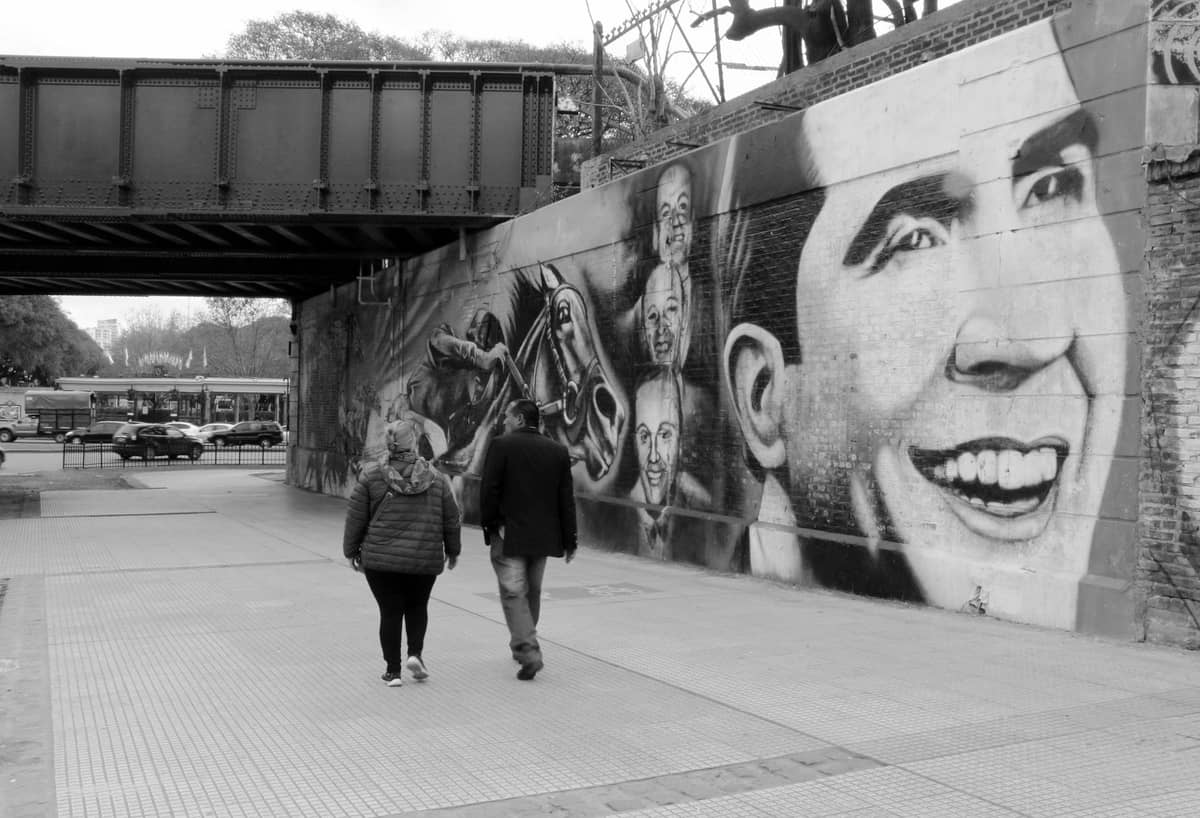
The city divides neatly into a northern cluster and a southern cluster for street art purposes. The north, covering Palermo, Colegiales, Villa Crespo, Chacarita, and Palermo Hollywood, tends toward colorful, large-format murals on residential buildings. The south, including La Boca and Barracas, features more political and industrial-scale works. Both are worth your time, but they reward different types of visitors.
- Palermo & Palermo Hollywood The densest concentration of accessible murals. Streets around Thames, Serrano, and the Palermo Hollywood blocks reward a slow walk. Works here tend to be newer and turn over more frequently than in other barrios.
- Colegiales & Villa Crespo Quieter residential streets with some of the city's most considered large-scale murals. Less tourist foot traffic than Palermo, so works stay up longer and the neighborhood context feels more authentic.
- Chacarita Rising quickly as an art neighborhood. The streets around the Chacarita cemetery have accumulated significant murals, and the area's mix of workshops, bars, and art spaces makes it one of the more interesting areas to spend half a day.
- Barracas (Calle Lanín) Home to the most singular street art site in the city: Calle Lanín, where artist Marino Santa María spent years covering every surface of a residential block in intricate mosaic work. It's roughly a 15-minute taxi ride from San Telmo, and unlike most street art, it's permanent.
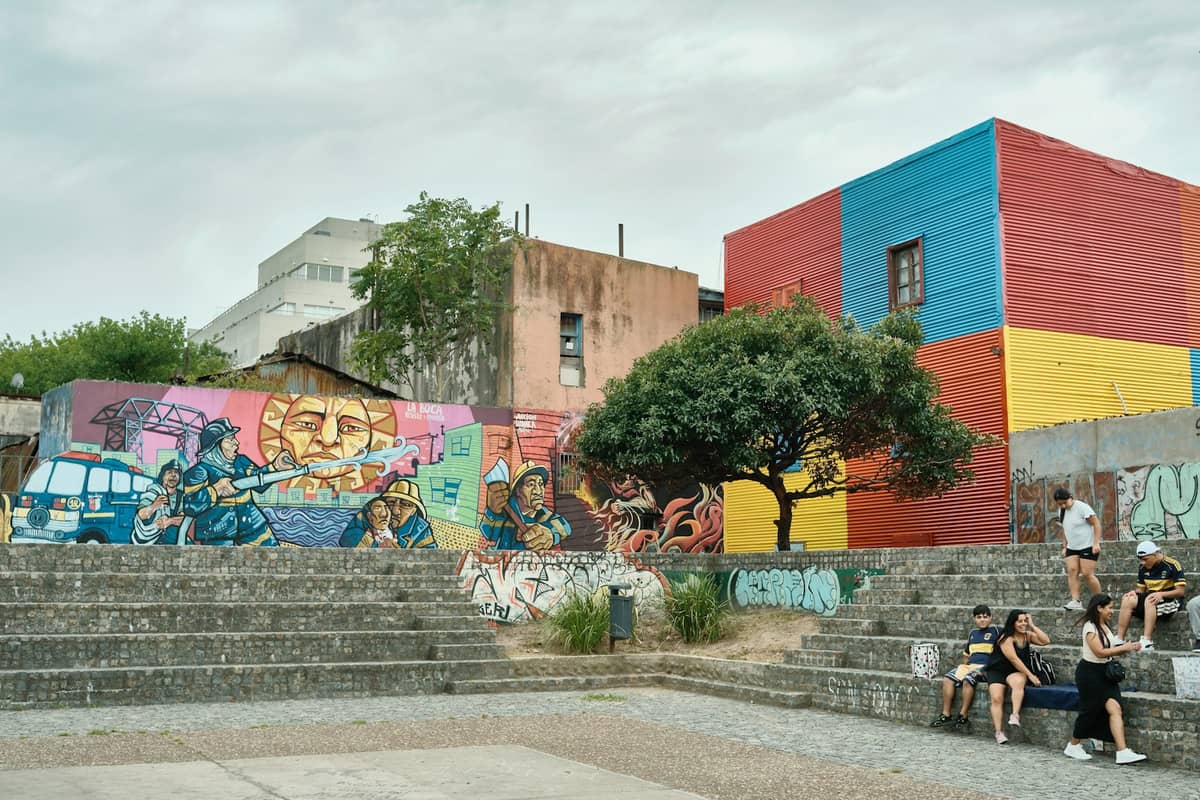
- La Boca Large-format, often overtly political murals dominate here. The area around the Usina del Arte has strong pieces; Caminito has art too, but it skews more commercial and tourist-facing.
- Villa Urquiza Further north and off the standard tourist circuit, this neighborhood is where the BA Street Art walking tour focuses. The works here tend to be newer commissions and the area shows what the city's street art scene looks like away from the tourism lens.
ℹ️ Good to know
Calle Lanín (Pasaje Lanín in Barracas) is the one street art site in Buenos Aires that is genuinely irreplaceable. Unlike murals elsewhere, which can be painted over within months, the mosaic work here is built into the architecture. If you only have time for one dedicated street art stop outside Palermo, make it this one.
Guided Tours: What's Available and What It Costs
The guided tour market in Buenos Aires for street art is well-developed and reasonably priced compared to equivalent experiences in European cities. You have three realistic options: a dedicated street art walking tour, a broader city walking tour that includes murals as a component, or a private guided experience for more flexibility.
Buenos Aires Street Art (buenosairesstreetart.com) runs the most established dedicated tours, departing Tuesday, Thursday, and Saturday at 14:00. Tours last around 2.5 hours and concentrate on the northwestern barrios including Villa Urquiza and Coghlan. Prices sit around US$20 or the ARS equivalent per person, though ARS pricing shifts with exchange rates, so confirm current figures when booking. Groups are kept small, the guides are artists or art educators themselves, and the tours go to areas most visitors never reach independently.
Buenos Aires Free Walks offers a Palermo Graffiti Tour on Mondays, Wednesdays, Fridays, and Saturdays starting at 15:00, running roughly two hours, priced around US$10 or EUR10 per person paid in cash at the end. It covers a more accessible route in Palermo, which makes it a good option if you're short on time or new to the city. Aggregator platforms like GetYourGuide and Viator list additional options including bike tours and private group formats, with prices generally ranging from US$15 to US$50 depending on duration and format.
- Buenos Aires Street Art tours: Tue/Thu/Sat at 14:00, ~2.5 hours, around US$20 per person
- Buenos Aires Free Walks Palermo Graffiti Tour: Mon/Wed/Fri/Sat at 15:00, ~2 hours, around US$10 per person
- Private and bike tour options via GetYourGuide and Viator: US$15–50+ depending on format
- All tours are outdoors: check for cancellation policies during Buenos Aires summer (Dec–Feb) when afternoon heat and storms can disrupt schedules
💡 Local tip
Book walking tours at least 24 hours in advance during Buenos Aires peak season (November–March). Groups fill quickly on weekends, and showing up without a reservation wastes a trip to the meeting point. Most operators confirm by email with exact meeting point details — double-check these, as they're often not at a metro station.
Self-Guided Street Art Exploration
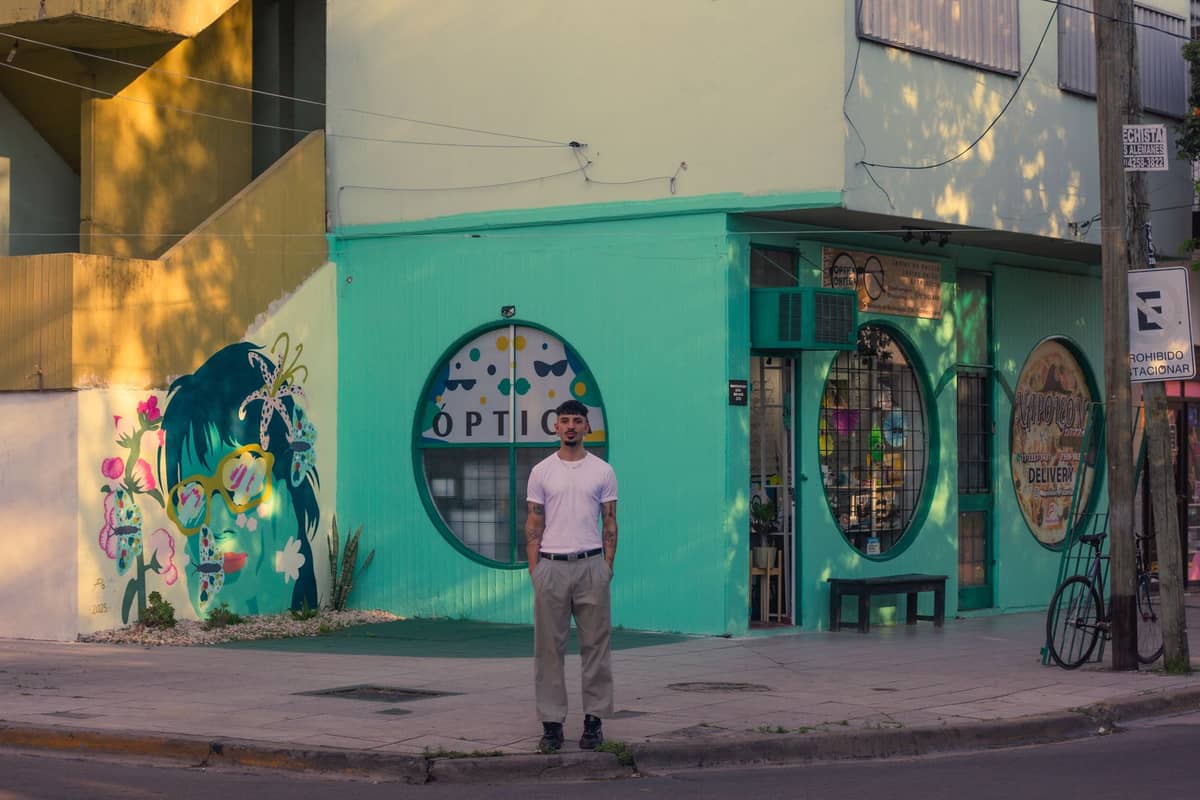
You don't need a guide to find good street art in Buenos Aires, but knowing where to start saves time. The most practical self-guided route for first-time visitors is a walk through Palermo Soho and Palermo Hollywood, crossing into the lower end of Colegiales. Use the Subte Line D to reach Palermo (Federico Lacroze or Palermo stations), then walk east-to-west along the side streets between Avenida Santa Fe and Avenida Córdoba. This zone is safe, well-served by cafes and restaurants, and easy to combine with other Palermo highlights. For transport context, see the full guide to getting around Buenos Aires.
For the southern circuit, take a taxi or remis directly to Calle Lanín in Barracas rather than trying to navigate there by public transport on your first visit. The street is about two blocks long, and you can easily spend 30–40 minutes examining the mosaic work. From there, a short taxi ride connects to La Boca and the area around the Fundación PROA gallery, which often integrates contemporary street art into its programming alongside its exhibition spaces.
Chacarita is emerging as one of the stronger areas for new work. The streets immediately surrounding Cementerio de la Chacarita have accumulated a serious number of large murals, and the barrio as a whole has developed a creative economy that keeps new work appearing. It's accessible by Line B (Federico Lacroze station) and makes a natural pairing with a visit to the cemetery itself, which is significant for Argentine cultural history.
⚠️ What to skip
Street art changes constantly. What you see in a photo from six months ago may have been painted over or significantly altered. This is especially true in Palermo, where building owners periodically commission new works. If you're specifically seeking a mural you've seen online, check recent social media posts before building your day around finding it.
Practical Considerations for Street Art Visitors
The best light for photographing murals in Buenos Aires falls in the morning (roughly 08:00–11:00) when walls in the north-facing barrios catch direct sun, and in the late afternoon (16:00–18:00) when the heat drops and shadows lengthen. Midday in January or February brings temperatures above 30°C with high humidity, making extended outdoor walks genuinely uncomfortable. Spring (September–November) and autumn (March–April) are significantly more pleasant for multi-hour outdoor exploration.
Most street art neighborhoods are safe for daytime walking, including Barracas, which often gets flagged as risky in generic safety guides. That said, standard urban precautions apply: keep your phone inside your bag when not photographing, avoid displaying camera equipment unnecessarily on quieter blocks, and be aware of your surroundings. For a broader perspective on safety by neighborhood, the Buenos Aires safety guide is the right starting point.
Street art exploration pairs well with several other aspects of Buenos Aires culture. Palermo's mural walks connect naturally with the parks at Bosques de Palermo and the weekend market at Feria de San Telmo if you're doing the southern circuit. If you're on a tight budget, street art is entirely free to see independently, and it fits well into any free things to do in Buenos Aires itinerary.
- Wear comfortable shoes: self-guided routes easily cover 4–8 km of walking
- Bring water, especially November–March when afternoon temperatures regularly exceed 28°C
- The SUBE card (Buenos Aires transit card) lets you use the Subte and colectivos to reach starting points
- Most murals are on public-facing exterior walls and completely free to photograph
- Avoid scheduling outdoor art walks between 13:00–16:00 in summer months due to heat
Beyond the Murals: Street Art in Buenos Aires Museums
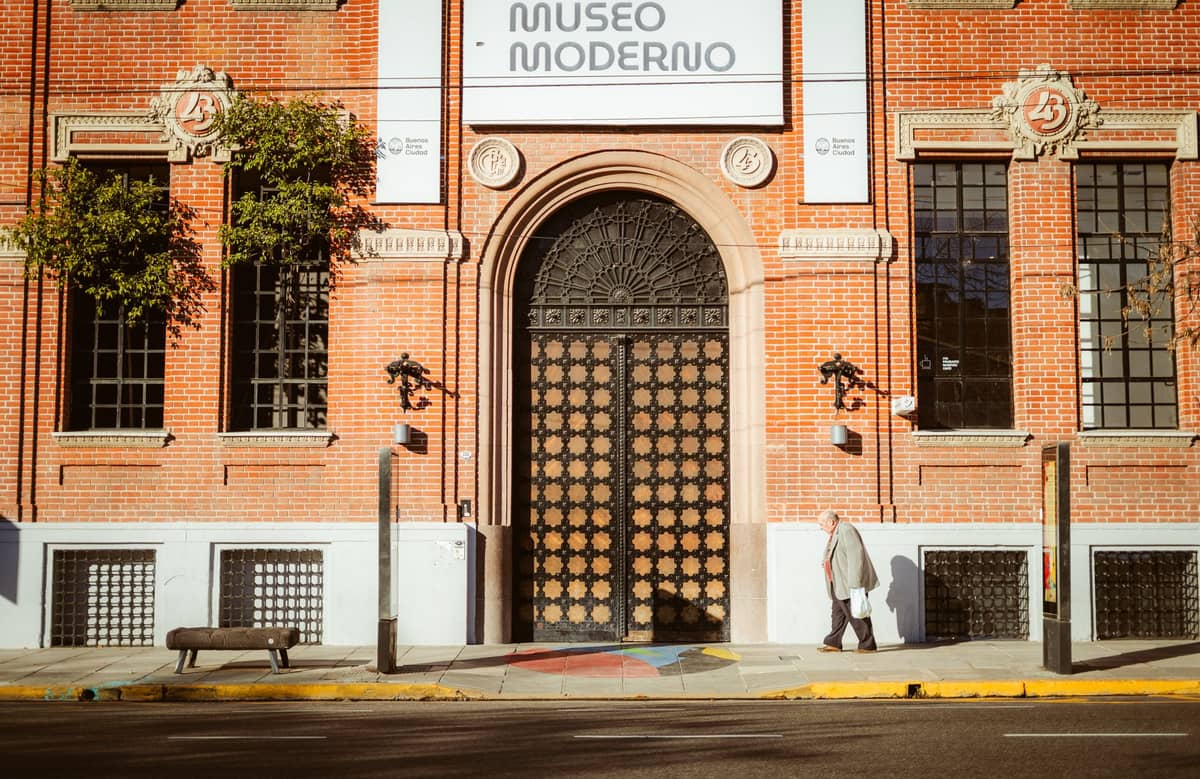
The city's gallery circuit complements the outdoor scene. The Museo de Arte Moderno de Buenos Aires in San Telmo regularly includes urban artists in its contemporary programming, and the Fundación PROA in La Boca has mounted significant exhibitions on the intersections of street art, pop, and Latin American political art. Neither is exclusively a street art institution, but both provide context that deepens what you see on the walls outside.
The Centro Cultural Kirchner (CCK) in Microcentro, one of the largest cultural centers in South America, also periodically features installations and exhibitions that draw on Buenos Aires' public art heritage. It's free to enter most days and worth checking the current program if you're in the city for more than a few days. Street art as a formal discipline has gained enough recognition in Buenos Aires that the boundary between outdoor muralism and gallery art is genuinely blurry here in a way it isn't in most cities.
FAQ
Is street art in Buenos Aires legal?
Much of it is. The city's tourism board explicitly notes that a large proportion of Buenos Aires murals are commissioned or officially sanctioned works on public and private buildings. Unsolicited graffiti exists too, but the large-scale murals that draw visitors are predominantly legal. Some of the most famous pieces were painted with direct permission from building owners or through city-sponsored programs.
What is Calle Lanín and where is it?
Calle Lanín (also known as Pasaje Lanín) is a residential street in the Barracas neighborhood where artist Marino Santa María covered every building facade in elaborate mosaic art over many years. It's roughly a 15-minute taxi ride from San Telmo. Unlike most Buenos Aires murals, the mosaic work is permanent and integrated into the architecture, making it uniquely durable among the city's public art sites.
Which Buenos Aires neighborhoods have the most street art?
Palermo, Colegiales, Villa Crespo, and Chacarita form the northern cluster with the highest density of murals per block. Barracas and La Boca anchor the southern circuit. For guided tours, Villa Urquiza and Coghlan are also included. Palermo is the most accessible starting point for first-time visitors, while Barracas (Calle Lanín) is the single most concentrated site.
How much do Buenos Aires street art tours cost?
Expect to pay around US$10–20 per person for group walking tours. Buenos Aires Free Walks charges approximately US$10 for its Palermo Graffiti Tour (paid in person at the end). Buenos Aires Street Art's dedicated tours run around US$20. Private tours and bike-format experiences through platforms like GetYourGuide or Viator can run US$30–50 or more. All ARS pricing should be verified at booking time given exchange rate fluctuations.
Is it safe to explore street art neighborhoods alone?
Yes, for the most part. Palermo, Colegiales, Villa Crespo, and Chacarita are established residential neighborhoods with regular foot traffic throughout the day. Barracas, which includes Calle Lanín, has a rougher reputation in some sources but is routinely visited on guided group tours without incident. Standard urban precautions apply regardless of neighborhood: keep valuables discreet, stay aware of your surroundings, and stick to the main streets after dark.
Tickets & tours
Live prices and dates from our booking partner. If you book, we may earn a commission at no extra cost to you.
Planning a trip? Discover personalized activities with the Nomado app.