Teatro Colón: Inside Buenos Aires' World-Class Opera House
Opened in 1908, Teatro Colón is the premier opera and concert venue of Buenos Aires, celebrated globally for its acoustics and Italian Renaissance-influenced architecture. Whether you attend a performance or join a guided tour, visiting the Colón is one of the most rewarding cultural experiences the city offers.
Quick Facts
- Location
- Cerrito 618, Microcentro, Buenos Aires (block bounded by Cerrito, Libertad, Tucumán & Viamonte)
- Getting There
- Subte Line D – Tribunales/Teatro Colón station (under Plaza Lavalle, a short walk from Cerrito); multiple bus lines along Cerrito and Libertad
- Time Needed
- 1–1.5 hours for a guided tour; longer if attending a performance
- Cost
- ARS 34,000 general (foreign visitors); ARS 17,000 Argentine residents (DNI required); children under 7 free. Verify current prices before visiting.
- Best for
- Architecture lovers, classical music fans, cultural travelers, first-time visitors to Buenos Aires
- Official website
- teatrocolon.org.ar
What Is Teatro Colón?
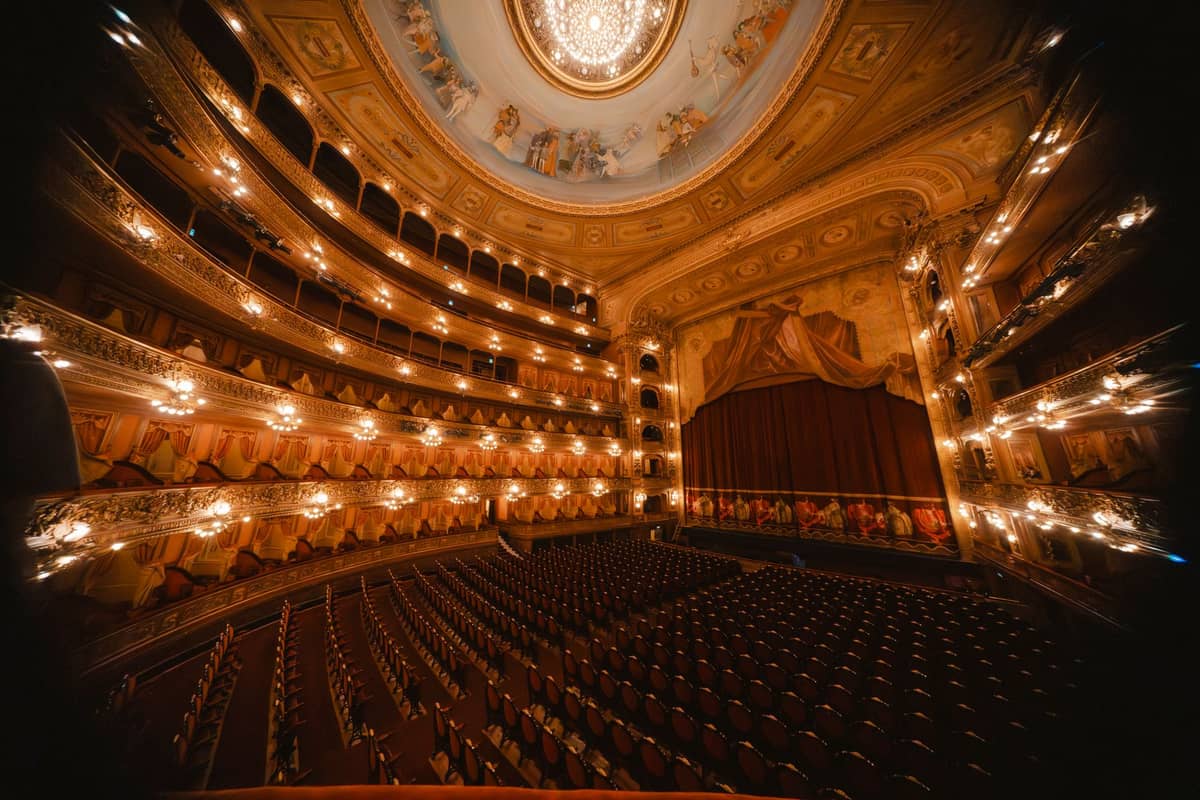
Teatro Colón is the principal opera house of Buenos Aires and one of the most acoustically respected performance venues in the world. It opened on 25 May 1908, replacing an earlier theater of the same name, and occupies an entire city block in the Microcentro district, steps from Plaza Lavalle. The building's exterior blends Italian Renaissance and French baroque influences, while the interior is defined by seven tiers of boxes and galleries wrapped in red velvet and gold leaf, rising beneath a central dome painted by Raúl Soldi.
For over a century, the Colón has hosted the world's leading opera singers, conductors, and ballet companies. Enrico Caruso, Maria Callas, Plácido Domingo, and Luciano Pavarotti have all performed here. That legacy gives the building a weight that goes beyond architecture: standing in the main hall, even on a quiet morning tour, you are in a space that has absorbed an enormous amount of musical history.
💡 Local tip
Guided tours depart every 15 minutes, Monday to Sunday, 10:00–16:45. During winter school holidays (approximately July 1–August 2), the schedule extends to roughly 9:30–17:15. Tours can sell out on weekends, so booking tickets online in advance is strongly recommended.
The Architecture: What You Actually See
The exterior facade on Cerrito is imposing but not showy. Grey stone columns frame arched windows across three floors, and the building's scale only registers fully when you step back far enough to take in the entire block. The main entrance portico, with its broad steps and ornamental ironwork, is a natural gathering point before performances, and in the late afternoon it catches warm light in a way that flatters photographs.
Inside, the sequence of spaces is what surprises most visitors. You move from marble entrance halls through a series of rooms — foyers, rehearsal spaces, dressing rooms — before reaching the main auditorium. The Golden Hall (Salón Dorado), used for smaller concerts and receptions, is particularly striking: pale gold walls, Venetian chandeliers, and parquet floors that reflect the light. It is a room that stops conversation.
The main hall seats approximately 2,487 in the stalls and boxes, with standing room for several hundred more in the upper gallery. From the stalls, the acoustic geometry is immediately apparent: the horseshoe shape, the shallow angles of the boxes, and the deep stage opening work together to project sound with unusual clarity. Even during a quiet tour, guides will demonstrate the effect by speaking softly from the stage.
The building is architecturally relevant to the broader story of Buenos Aires' early twentieth-century ambitions. To understand how the Colón fits into that context, the Buenos Aires architecture guide covers the period in detail, including comparable landmarks like the Palacio Barolo and the Galerías Pacífico.
Tickets & tours
Live prices and dates from our booking partner. If you book, we may earn a commission at no extra cost to you.
Day trip to Colonia from Buenos Aires
From 127 €Instant confirmationFree cancellationMadero Tango Show tickets with optional dinner
From 32 €Instant confirmationFree cancellationBuenos Aires small-group city tour with optional lunch and cruise
From 25 €Instant confirmationFree cancellationPiazzolla Tango Show VIP tickets with transfer and optional dinner
From 112 €Instant confirmationFree cancellation
The Guided Tour Experience
Guided tours are the primary way most visitors experience the Colón. Each tour lasts approximately 50 minutes and covers a set route through public and semi-public spaces: the foyers, the Golden Hall, backstage workshops, and the main auditorium. Groups are small enough that you can generally get close to exhibits and ask questions, though the pace is set by the guide and there is no lingering.
The backstage section is often the most memorable part for non-opera visitors. The Colón produces almost all of its costumes, sets, and props on site, in workshops housed in the subterranean levels of the building. You pass rooms where seamstresses work on period gowns, storage areas holding thousands of costumes, and workshops where scenic painters and carpenters build the physical world of each production. It is a working theatre, not a museum piece, and that distinction is palpable.
Tours are available in Spanish and English, with other languages offered on specific schedules. Check the official site for the language schedule before booking. The tour price for foreign visitors is ARS 34,000 (verify this before visiting, as ticket prices in Argentina change frequently). Argentine residents with a DNI pay ARS 17,000. Children under 7 are admitted free but require a ticket. People with a valid disability certificate (CUD) and one companion enter free.
⚠️ What to skip
Tours are closed on May 1, December 24, 25, 31, and January 1. Photography policies inside the auditorium can change depending on rehearsal schedules — confirm on arrival. Large bags may need to be checked.
Attending a Performance
If your schedule allows, attending a performance is a categorically different experience from a guided tour. The opera and ballet season typically runs from late March to November, with the symphony orchestra presenting concerts throughout the year. Programs range from full-scale opera productions to chamber concerts in the Golden Hall, the latter being a more accessible and often more affordable entry point.
Ticket pricing for performances varies widely depending on the production, seat tier, and whether you qualify for resident discounts. The box office at Tucumán 1171 is open Monday to Saturday, 09:00–20:00, and Sundays and holidays 09:00–17:00. Tickets are also available online through the official website. For major productions, seats in the front stalls and lower boxes sell out weeks in advance; the upper gallery (paraíso) offers cheaper standing-room and seated options with an elevated view and excellent acoustics.
Dress code for performances at the Colón sits somewhere between smart casual and formal, depending on the event. For premiere nights, many Buenos Aires residents dress formally. For regular weeknight performances, neat clothing is sufficient. The front lobby bar opens before performances and during intervals; arriving 30 minutes early gives you time to absorb the building before the lights dim.
The Colón's performance calendar connects naturally with the wider cultural life of the city. Buenos Aires has one of the most concentrated classical music and theatre scenes in Latin America — the complete Buenos Aires cultural guide lists complementary venues and events worth pairing with a visit.
Time of Day and Crowd Patterns
Morning tours, especially from 10:00–11:30, tend to be the quietest. School groups and organized tours tend to arrive mid-morning, so if you want a more relaxed experience with smaller groups, aim for either the first departures of the day or the last slot around 16:30. Weekend afternoons are the busiest period for guided tours.
The area around the Colón on Cerrito and Libertad is active throughout the day with office workers and students from the nearby courthouse and law faculty buildings. At night, before and after performances, the whole block transforms: taxi queues form on Cerrito, formally dressed theatergoers gather on the steps, and the golden light from the lobby windows spills onto the pavement. It is one of the more cinematic street scenes in the city center.
In summer (December to February), the building's interior is cool, making tours a comfortable option during the hottest part of the day. The exterior plaza gets harsh midday sun with little shade, so factor that in when planning your arrival.
Getting There and Practical Notes
The most direct public transit route is Subte Line D to the Tribunales/Teatro Colón station, located under Plaza Lavalle a short walk from the main entrance on Cerrito. Multiple bus lines serve the surrounding streets. Avoid driving: the Microcentro has restricted vehicle access on weekdays, and parking nearby is limited.
For accessible entry, use the entrance at Tucumán 1171, which has elevator access. The theater has two wheelchairs available for loan on site, subject to availability. Visitors with a disability certificate (CUD) can reserve free tickets through a dedicated online procedure detailed on the official accessibility page. For mobility or vision considerations, contact the theater directly before your visit to confirm the tour route and available accommodations.
If you are navigating Buenos Aires on public transit for the first time, the getting around Buenos Aires guide explains how the Subte network, SUBE card, and bus system work together.
ℹ️ Good to know
The box office at Tucumán 1171 is separate from the main tour entrance at Cerrito 618. If you are buying performance tickets in person, head to Tucumán 1171. For guided tours, the main Cerrito entrance is the starting point.
Limitations
The guided tour is worth the ticket price, but it is not a substitute for attending a live performance. If you have no interest in opera, ballet, or classical music, the backstage workshops and architectural details will carry the visit, but the emotional impact of the space is far greater when the house lights go down and the orchestra tunes up. If your Buenos Aires itinerary is short and you have to choose, prioritize an evening performance over a daytime tour.
The tour route does not allow free exploration — you follow a guide through a predetermined sequence of spaces. If you are an architecture specialist hoping to examine details at your own pace, a standard tour will feel constrained. Some photographers find the interior lighting challenging for handheld shots without flash, particularly in the main auditorium where flash is typically prohibited.
Travelers focused primarily on Buenos Aires' visual arts scene may want to balance a Colón visit with time at the MALBA or the Museo Nacional de Bellas Artes, both of which offer self-guided, unhurried experiences.
Insider Tips
- Book guided tour tickets online before arriving. Weekend slots, especially at 11:00 and 13:00, sell out regularly. The official website lets you select language and tour time.
- The upper gallery (paraíso) for performances is the cheapest way to experience the Colón with a live orchestra. Acoustics up top are surprisingly good, and you get an unrestricted aerial view of the stage.
- The Golden Hall hosts smaller chamber concerts and occasional recitals at lower ticket prices than main-stage productions. These events are listed on the official website and are often overlooked by visitors.
- If you arrive early for your tour, walk around the exterior block first. The Viamonte and Libertad facades reveal details — ornamental cartouches, ironwork balconies — that are easy to miss from the front.
- Ticket prices in Argentina are denominated in Argentine pesos and adjusted periodically for inflation. Always check the official website for current prices immediately before your visit, as any figure published online (including on this page) may be out of date by the time you arrive.
Who Is Teatro Colón For?
- Architecture and design enthusiasts who want to understand what early twentieth-century Buenos Aires aspired to be
- Classical music and opera fans seeking one of the hemisphere's finest acoustic venues
- First-time visitors to Buenos Aires looking for a single landmark that captures the city's European cultural ambitions
- Travelers who enjoy going behind the scenes: the backstage workshops are genuinely unusual
- Couples looking for a formal evening out that is culturally substantial rather than purely touristy
Nearby Attractions
Other things to see while in Microcentro & Monserrat:
- Avenida Corrientes
Avenida Corrientes is the cultural backbone of central Buenos Aires, a long avenue lined with independent bookshops, mid-century theatres, and late-night pizzerias. Free to walk at any hour, it rewards visitors who linger past midnight as much as those who arrive at noon.
- Avenida de Mayo
Stretching 1.35 km through the heart of Buenos Aires, Avenida de Mayo connects the seat of government at Plaza de Mayo to the National Congress. Inaugurated in 1894 and declared a National Historic Site in 1997, it remains the city's most architecturally dense corridor — free to walk, open at all hours, and best explored at a deliberate pace.
- Cabildo de Buenos Aires
Standing at the western end of Plaza de Mayo, the Cabildo de Buenos Aires is where Argentina's independence process began in May 1810. Today it operates as the Museo Nacional del Cabildo de Buenos Aires y de la Revolución de Mayo, offering free admission and a carefully curated look at colonial-era governance and revolutionary history. Few buildings in the country carry this much political and architectural weight.
- Café Tortoni
Founded in 1858 on Avenida de Mayo, Gran Café Tortoni is the oldest continuously operating café in Buenos Aires. Its marble counters, stained-glass ceilings, and literary history make it one of the city's most photographed interiors — though the lines outside and tourist-oriented service mean expectations need calibrating before you walk in.
Planning a trip? Discover personalized activities with the Nomado app.