Palma de Mallorca is the island's capital and its most complex city, where a medieval cathedral overlooks a modern waterfront promenade and Arab baths survive behind boutique hotel lobbies. It rewards slow exploration, shifting character block by block, from the pedestrian lanes of the old town to the terrace bars of Santa Catalina.
Palma de Mallorca sits on the southern coast of Spain's largest Balearic island and holds nearly half the island's population within its metropolitan limits. It is not a gateway to be passed through quickly: the capital is a destination in its own right, with a layered old town, a serious food scene, and a waterfront that changes mood entirely between morning and midnight.
Orientation: How Palma Fits Together
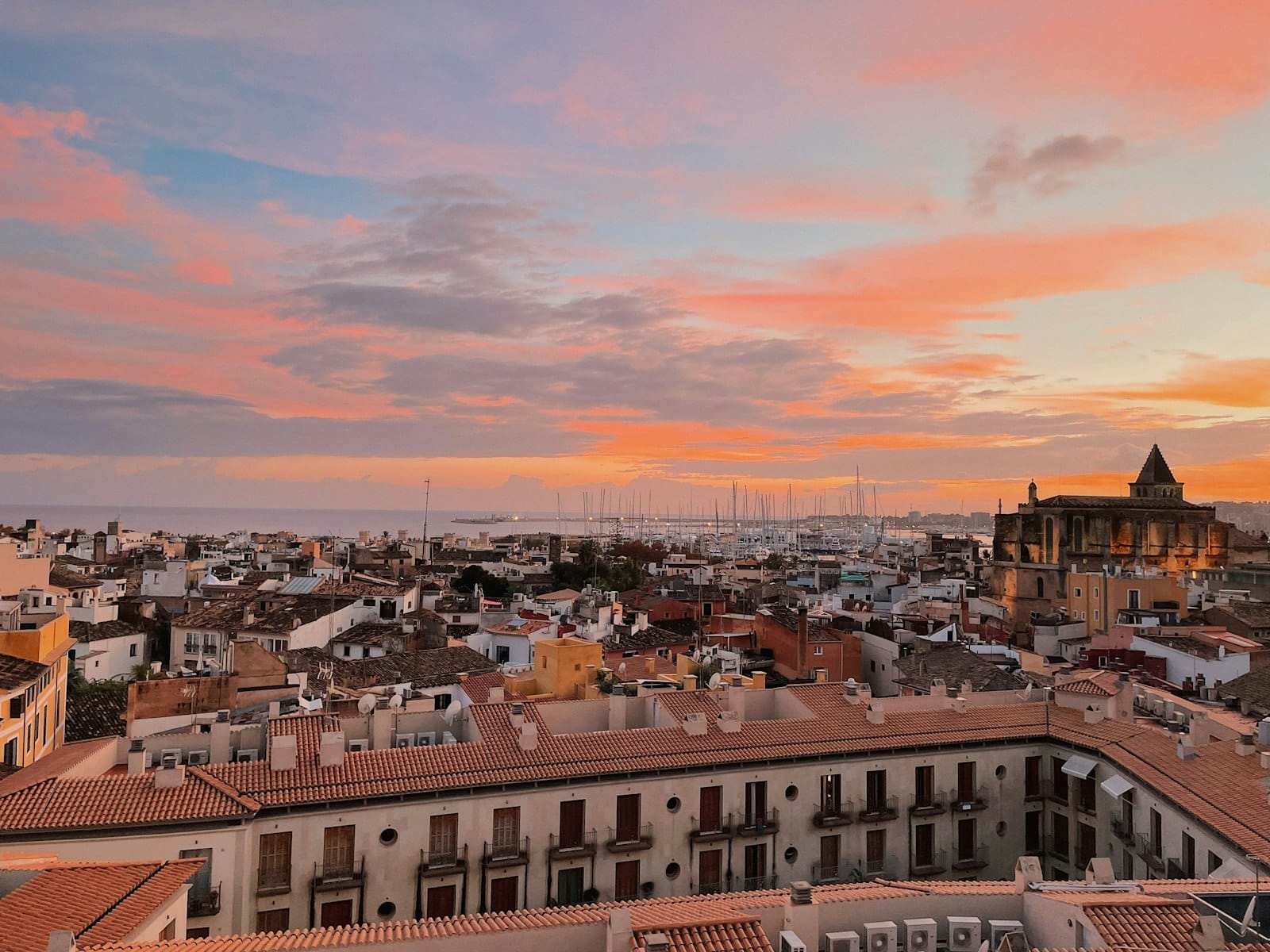
Palma sits along the broad arc of the Bay of Palma on Mallorca's southern coast, roughly equidistant from the island's eastern and western extremes. The city faces south, which means the light on the cathedral facade shifts dramatically through the day and the sunsets over the water are some of the best views in the city without going anywhere special.
The mental map is straightforward once you have the key reference points. The historic old town, known locally as the Casc Antic, occupies the area closest to the water and is bounded to the north and east by a ring road called the Avingudes (also written 'Avenidas' in Spanish), a broad semi-circular boulevard that separates the medieval core from the newer residential districts beyond. West of the old town, the neighbourhood of Santa Catalina transitions from its former working-class identity into one of Palma's best areas for food and nightlife. To the east along the waterfront, Portixol and Molinar are quieter, more residential, with fishing-village bones still visible. Further inland from the Avingudes lie the commercial neighbourhoods of El Terreno, Son Espanyolet, and eventually the sprawl of Greater Palma extending toward the airport, which sits roughly 8 kilometres east of the city centre. You can read more about planning your time across the island in our guide to where to stay in Mallorca.
Within the old town itself, the districts are small enough to walk between in minutes, but each has its own character. The area directly around the cathedral and Palau de l'Almudaina is the most monumental, with wide plazas and institutions. Moving northeast toward Plaça del Mercat and Plaça Major, the streets fill with cafés and shops. Further north, the lanes around Plaça Santa Eulàlia and the Arab quarter narrow and quieten. La Calatrava, the southeast corner of the old town dropping toward the water, is the most residential and least touristic strip of the historic core.
ℹ️ Good to know
Palma uses ACIRE zones (Àrees de Circulació Restringida) throughout the old town and surrounding historic neighbourhoods. Cameras enforce these 24 hours a day, and unauthorized entry carries fines of €90 or more. If you are renting a car, park outside the old town in a public car park and walk in. Your GPS may route you into restricted streets — always follow physical signage over navigation apps.
Character and Atmosphere: What Palma Actually Feels Like
Palma is not a city that performs for tourists. Locals use it: they shop at Mercat de l'Olivar, argue over café con leche at bar counters, and cycle along the waterfront promenade on weekend mornings. The tourist infrastructure is thick in summer, especially around the cathedral and Passeig del Born, but walk two or three blocks in any direction from the main monuments and the city becomes noticeably quieter and more everyday.
Early morning is the most honest version of Palma. Between 7am and 9am, the lanes of the old town belong to delivery vans, people walking dogs, and bar owners setting out chairs. The light is cool and low, hitting the golden sandstone walls of the cathedral from the east. By mid-morning, the tourist pulse picks up around the big landmarks: crowds gather at La Seu cathedral and along Passeig del Born, and the outdoor café terraces fill quickly. Afternoons in summer are intense, and most visitors retreat or slow down between 2pm and 5pm. The city picks back up in the early evening with a proper passeig culture: people walking, meeting, eating late.
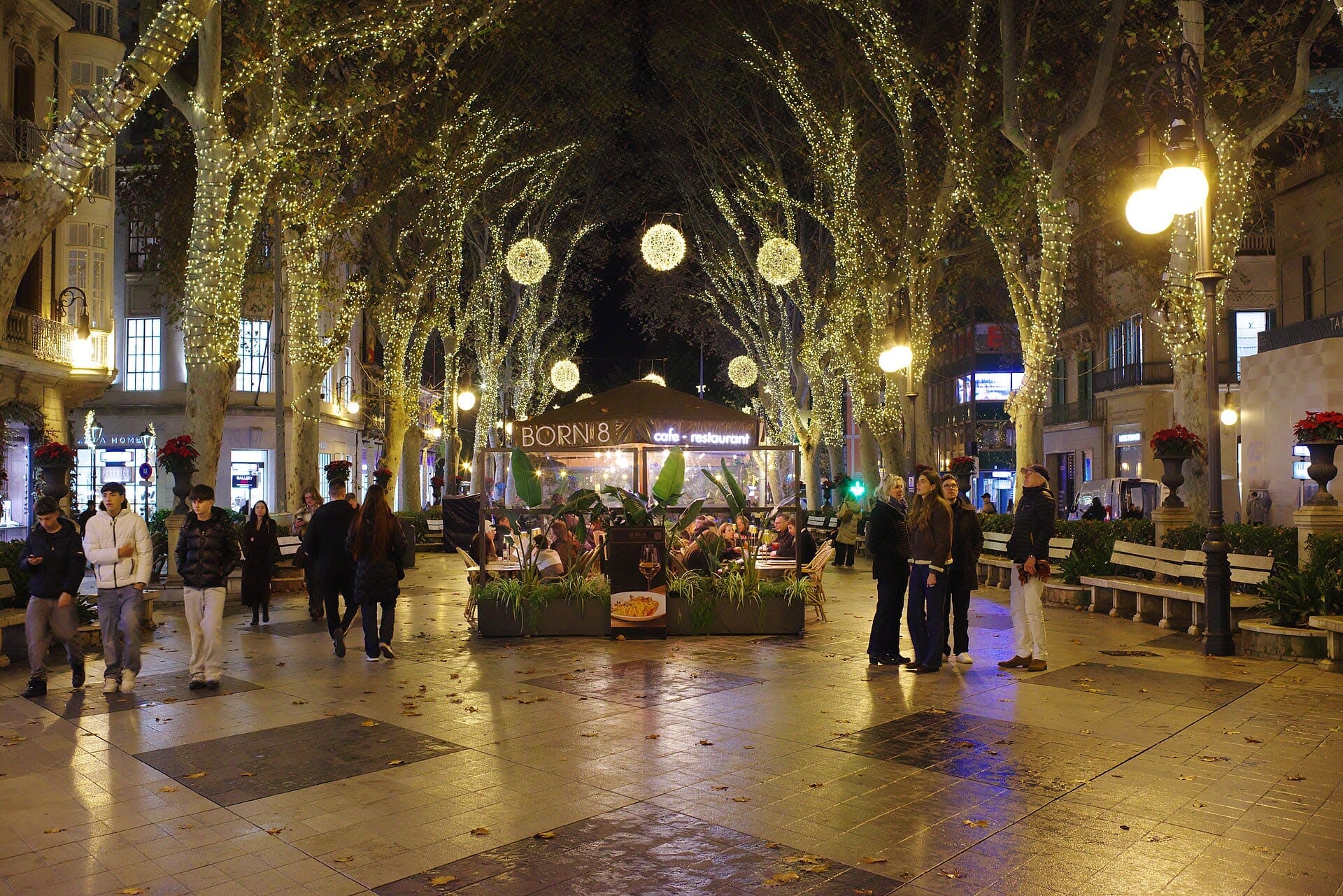
After dark, the mood splits by neighbourhood. The old town around Apuntadors street and Plaça de la Drassana is animated with restaurant-goers and bar hoppers until late. Santa Catalina, a short walk west of the old town, has a younger and more local energy, with wine bars and small restaurants staying open past midnight. The waterfront along Passeig Marítim shifts toward clubs and louder venues as the night progresses, particularly in summer.
Winter is a genuinely different city. Mallorca has over 300 sunny days per year on average, but January and February bring cooler temperatures and occasional rain. The old town is walkable without crowds, restaurants are quieter, and the architecture is easier to appreciate without shoulder-to-shoulder competition. Some seasonal businesses close, but the city's institutions and most restaurants stay open year-round.
What to See and Do in Palma
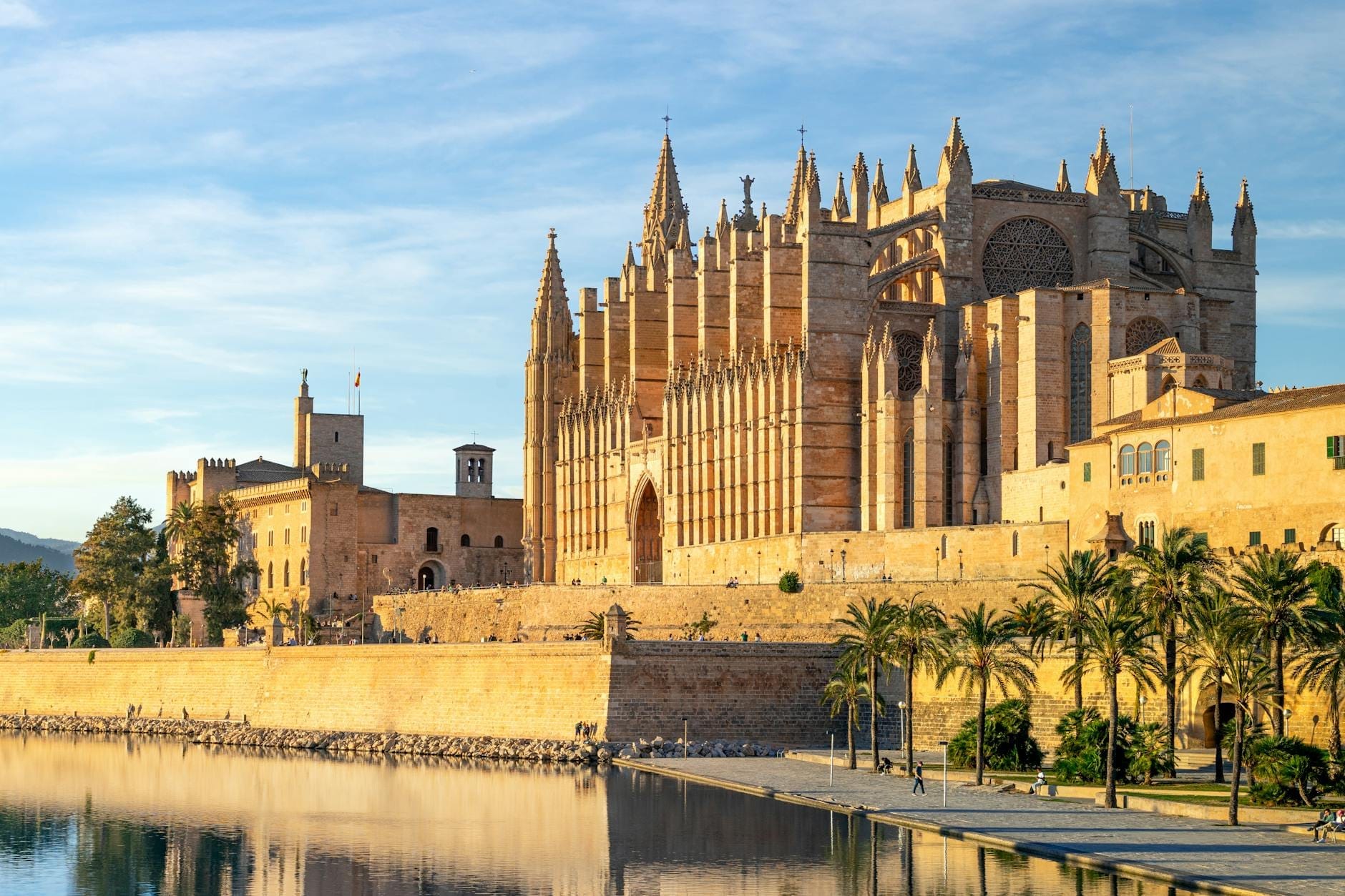
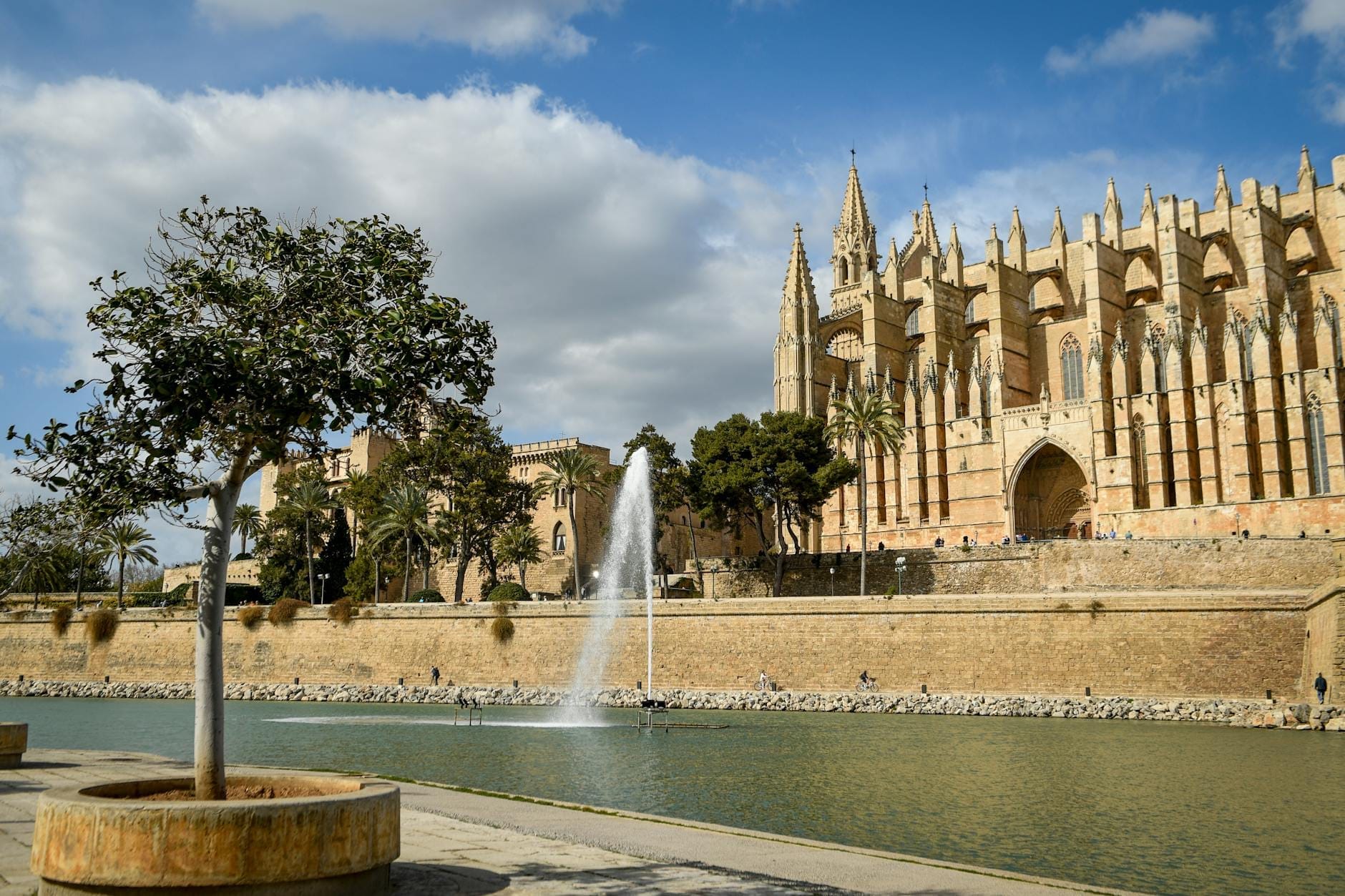
The cathedral is the obvious starting point and it earns the attention. La Seu is one of the largest Gothic cathedrals in Europe, and the interior holds work by Antoni Gaudí and the contemporary artist Miquel Barceló, which makes it genuinely unusual among historic churches. The best exterior view is from Parc de la Mar below, where the reflection in the park's artificial lake doubles the effect, particularly in the golden hour before sunset.
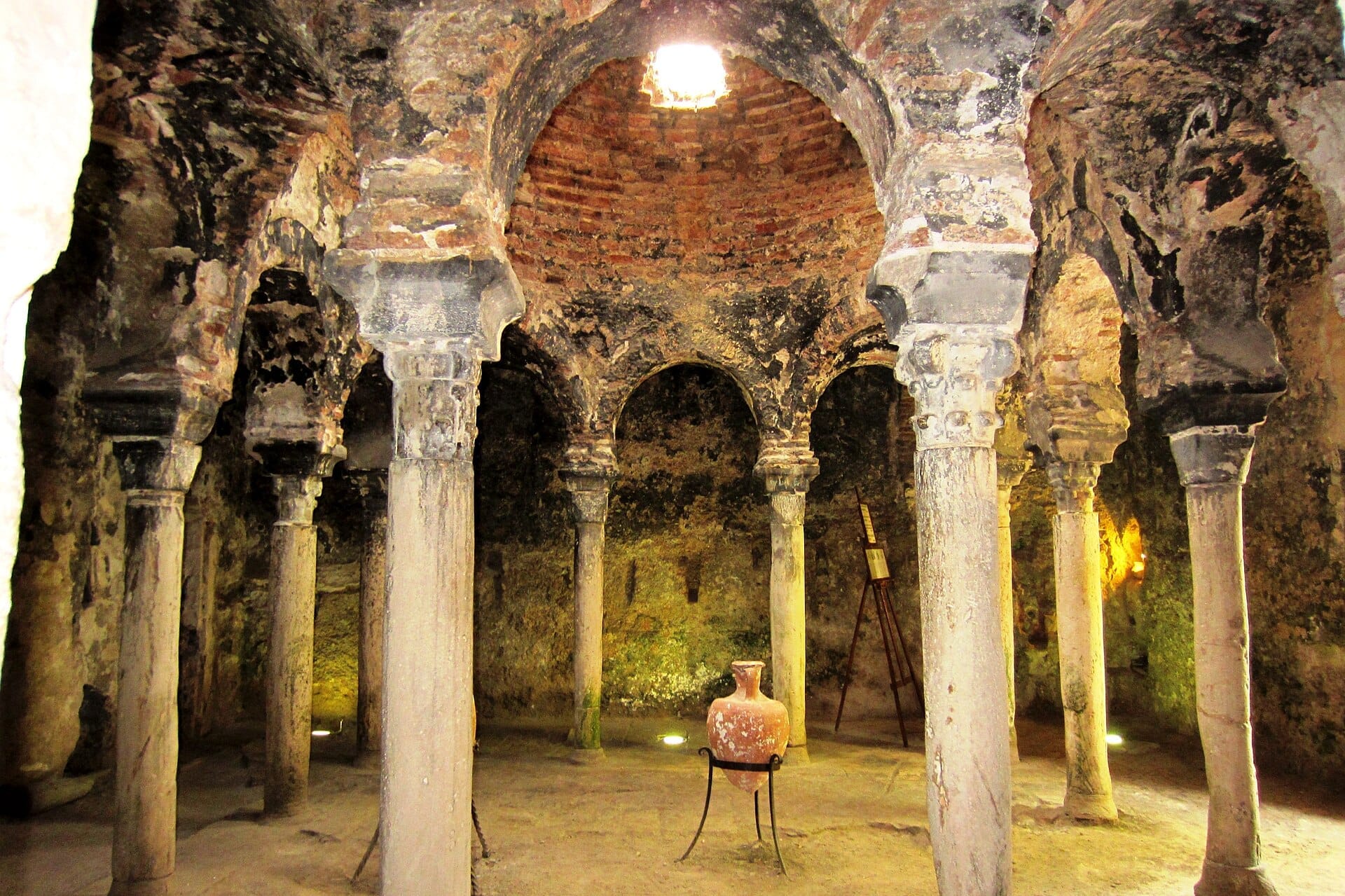
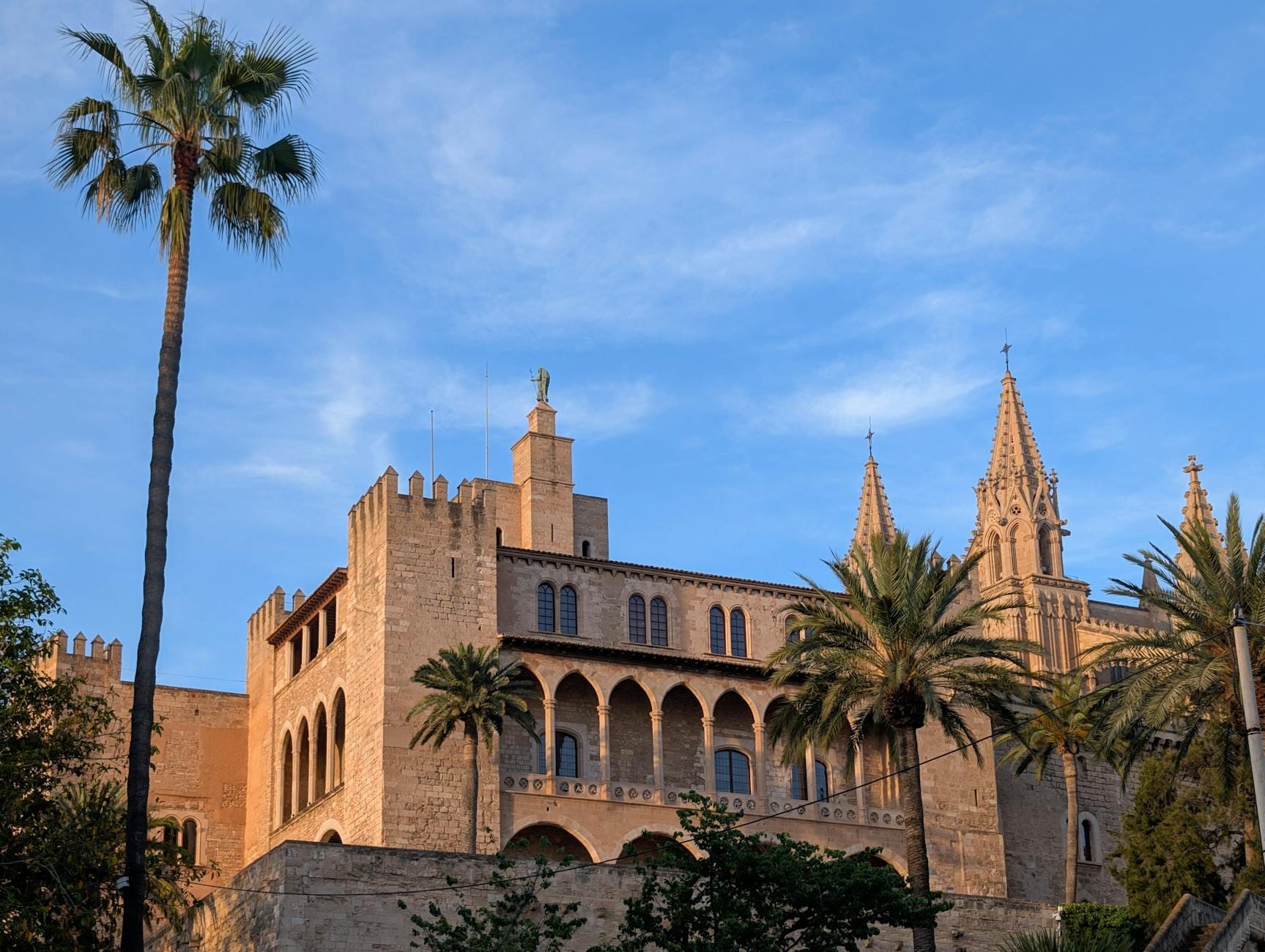
Directly adjacent to the cathedral, the Palace of La Almudaina is the former Moorish citadel converted into a royal residence after the Christian reconquest of 1229. It is still an official royal residence and is open to visitors when the Spanish royal family is not in residence. A few blocks further into the old town, the Arab Baths on Carrer de Can Serra are among the best-preserved Moorish remains on the island, a quiet and atmospheric site that often has shorter queues than the larger landmarks.
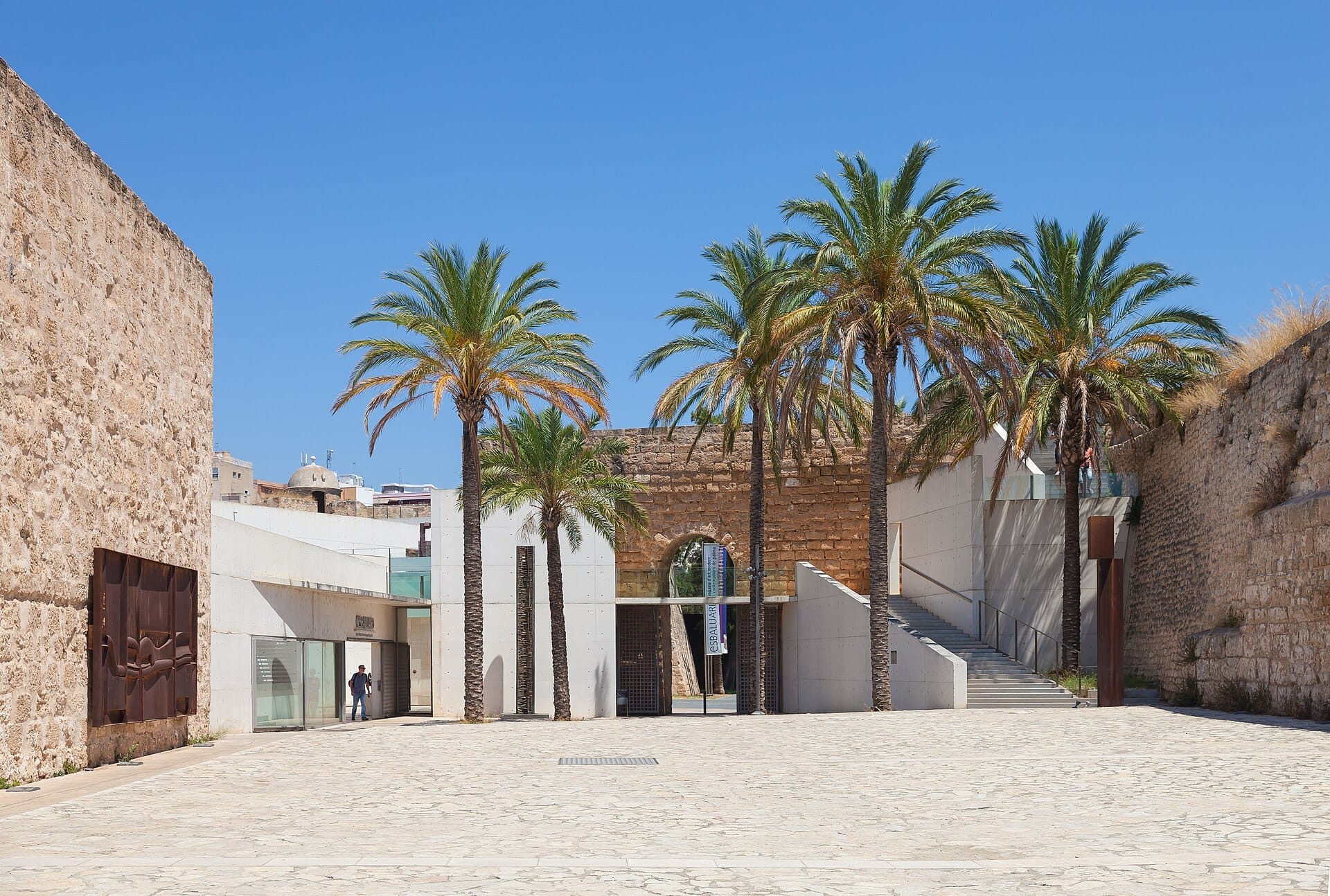
Es Baluard Museum of Modern and Contemporary Art: situated inside a 16th-century bastion at the western edge of the old town, with rooftop terraces overlooking the sea
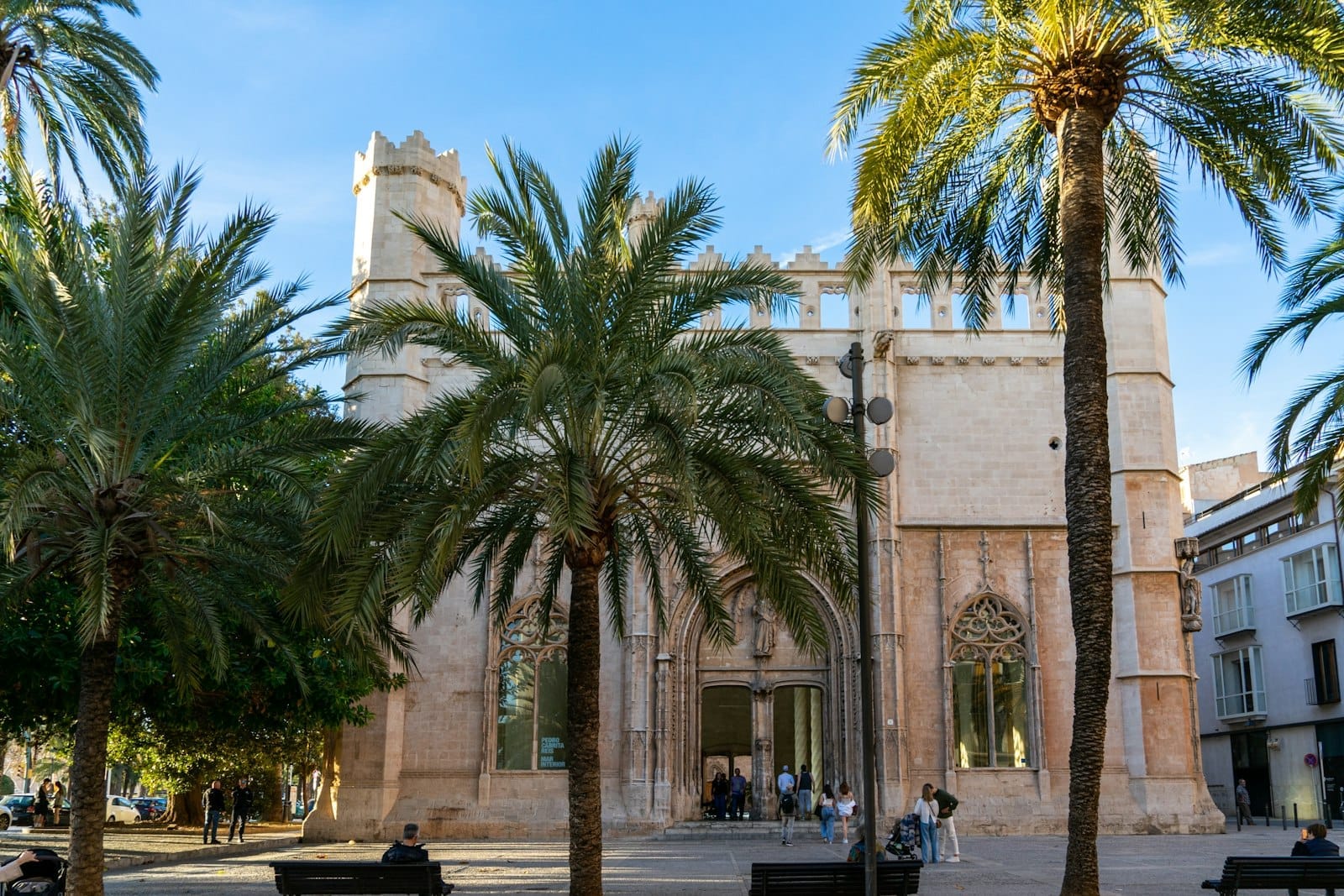
La Llotja: a 15th-century Gothic merchants' exchange on the waterfront, used today for cultural exhibitions
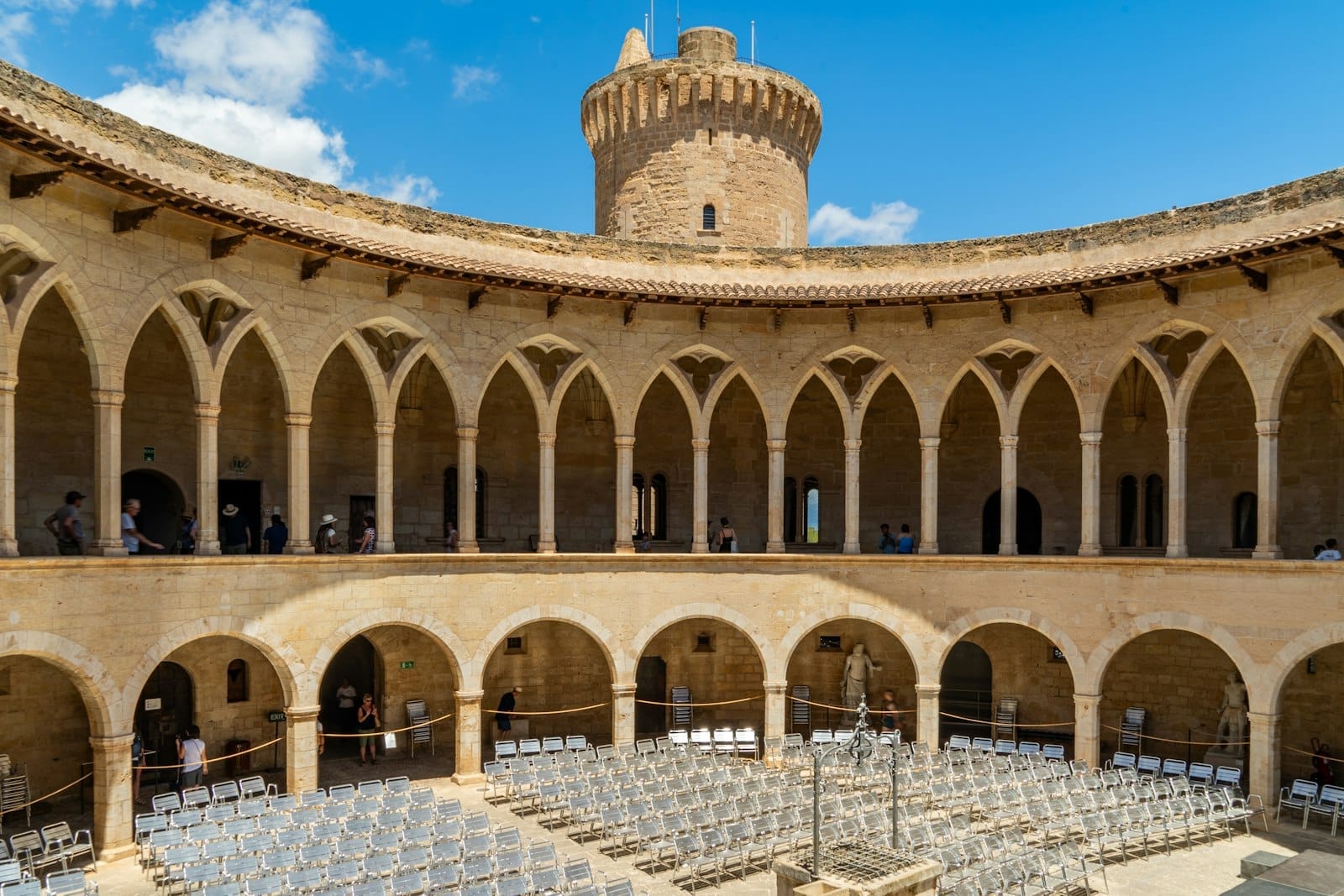
Bellver Castle: a circular 14th-century castle on a pine-covered hill above the city, with panoramic views over the bay
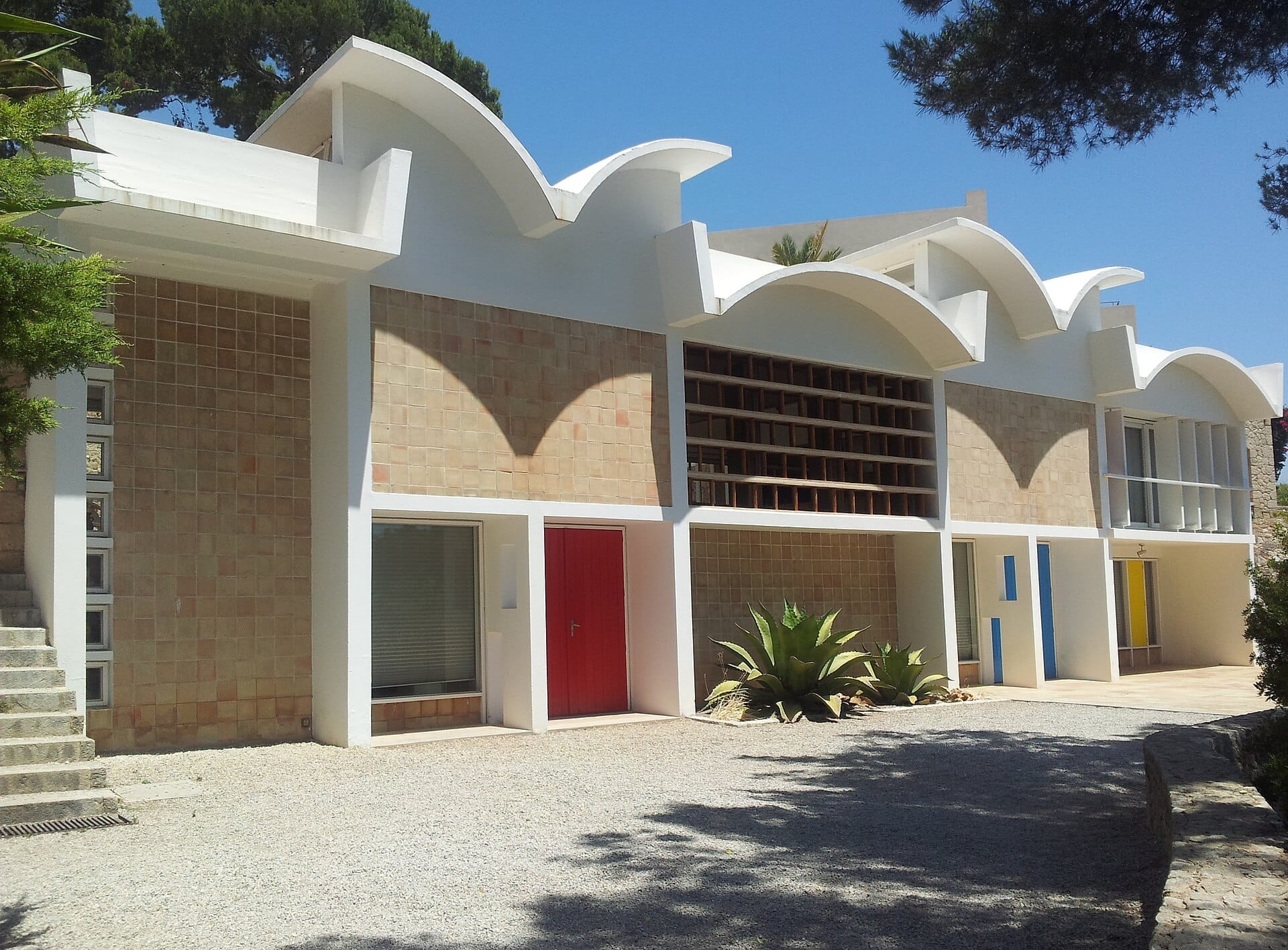
Fundació Pilar i Joan Miró: the studio and foundation of the artist Joan Miró, located in the Cala Major district west of the centre
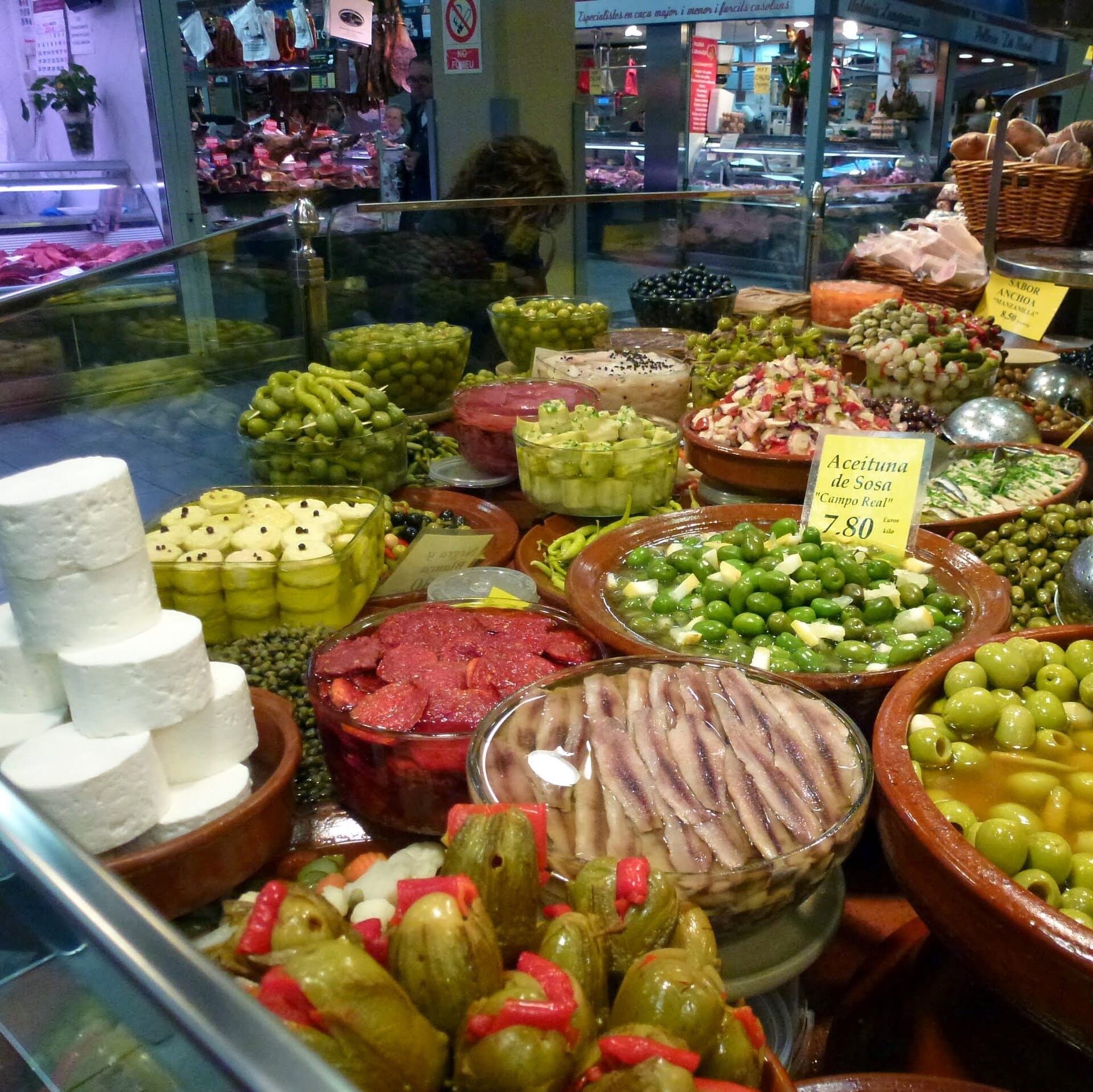
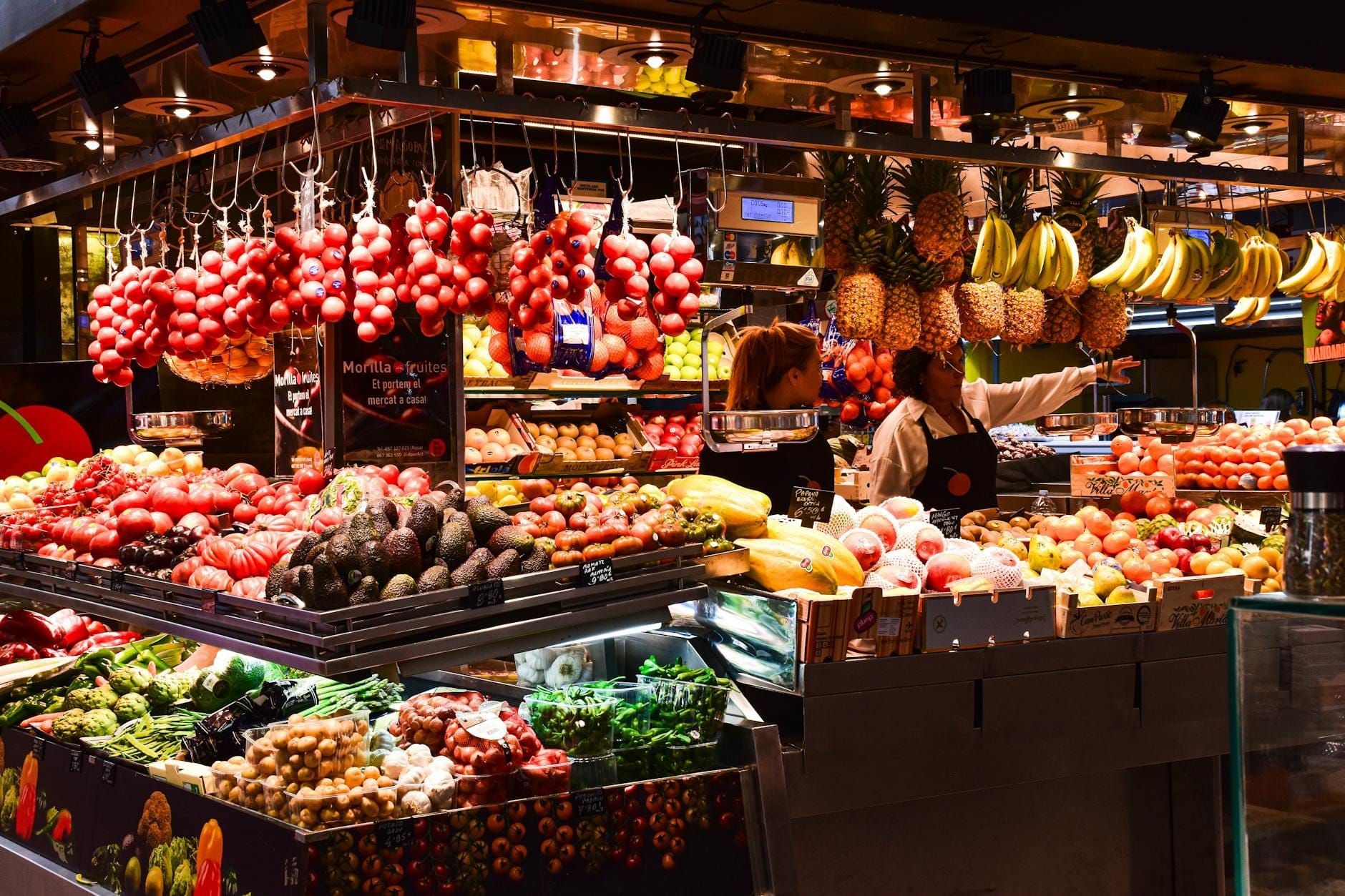
Mercat de l'Olivar: Palma's main covered market, selling fresh produce, seafood, and charcuterie on a working weekday morning
Beyond the old town, Bellver Castle rewards the uphill walk or short taxi ride with 360-degree views across the bay and the city grid below. The Es Baluard Museum is worth an afternoon for anyone interested in 20th-century Spanish and Balearic art, and its terrace café is a good reason to visit even if you skip the galleries. The Fundació Pilar i Joan Miró is a slightly further trip but genuinely significant for art travellers.
💡 Local tip
The area around La Llotja and the waterfront is calm and photogenic in the early morning before tour groups arrive. If you want to photograph La Seu from Parc de la Mar with minimal crowds, aim for before 8:30am or in the final hour before closing time.
Eating and Drinking in Palma
Palma has one of the strongest food scenes of any Spanish city its size. The combination of fresh Mediterranean produce, a serious local restaurant culture, and decades of international visitors who raised expectations has produced a city where eating well is not difficult. The best overview of what to eat and where to look is in the Mallorca food guide, but the city itself has a few distinct zones worth knowing.
The Mercat de l'Olivar near Plaça d'Espanya is the practical heart of Palma's food supply. Go on a Tuesday or Friday morning when the stalls are fully stocked, and you will find ensaimades (the island's signature pastry, a spiral of lightly sweetened dough dusted with powdered sugar), sobrassada (the cured, paprika-spiced pork sausage unique to Mallorca), local cheeses, and fish pulled from the bay that morning. The market has a bar section inside where you can eat at the counter for very little money.
Santa Catalina, just west of the old town, has its own neighbourhood market, the Mercat de Santa Catalina, and the surrounding streets have become the most consistent restaurant neighbourhood in the city. You will find everything here from traditional Mallorcan cooking to Japanese, Turkish, and contemporary Spanish menus. The price range is mid-market to fairly expensive, and booking ahead is advisable for dinner in high season.
For something faster and cheaper, the streets around Plaça Major and the old town have plenty of café counters serving pa amb oli, the local staple of bread rubbed with tomato and olive oil, topped with whatever cured meat or cheese you choose. It sounds simple and it is, but the quality of the bread and the oil makes a significant difference. Look for places where locals eat standing at the bar rather than seated on the tourist terrace outside.
Palma is also a reasonable starting point for exploring Mallorca's wine production. The Binissalem DO region is less than 30 minutes by road or rail, and several of the island's better wine bars in the old town stock bottles from local producers. The Mallorca wine guide covers the island's wine regions in detail if you want to extend beyond the city.
Getting There and Around
Palma de Mallorca Airport (IATA: PMI) is the main point of entry for the island and sits roughly 8 kilometres east of the city centre. Public bus line 1 connects the airport to Plaça d'Espanya in central Palma, running frequently and taking around 15 to 20 minutes. Taxis are available outside arrivals and cost significantly more; the journey takes a similar time. During peak summer traffic, bus is often faster.
Within the city, Palma has no metro. The public bus network (EMT Palma) covers the urban area, and it is possible to reach most neighbourhoods without a car. Palma also has a dedicated cycling infrastructure and the waterfront promenade is genuinely pleasant to cycle along. The island's public railway, Serveis Ferroviaris de Mallorca (SFM), runs from Plaça d'Espanya to Inca, Manacor, and Sa Pobla. Separately, the privately operated Ferrocarril de Sóller — a historic narrow-gauge line — departs from its own station nearby. The Sóller train is a worthwhile day trip in itself. For reaching more remote parts of the island, renting a car gives you the most flexibility; the getting around Mallorca guide covers all your options.
On foot, the old town is compact and most of the major landmarks are within a 15 to 20 minute walk of each other. The route from La Seu to Plaça Major takes around 8 minutes walking north through Plaça del Palau. From the cathedral to the Arab Baths is a similar distance heading northeast into the old lanes. The walk from the old town centre to Santa Catalina takes about 12 minutes heading west along Carrer de Sant Miquel or through the Avingudes ring road.
⚠️ What to skip
If you are driving a rental car, do not follow GPS into the old town ACIRE zones. Cameras operate 24 hours a day, and the fines (€90 and above) are sent to the rental company and passed on to you. Use public car parks outside the restricted area, particularly those near the Avingudes ring road, and walk from there. Some hotels in the old town can register your licence plate for temporary access, so check with your accommodation before driving.
Where to Stay in Palma
Palma has accommodation across every category, from budget hostels near Plaça d'Espanya to five-star hotels in converted palaces in the old town. The neighbourhood you choose significantly affects your experience of the city.
Staying in the old town puts you within walking distance of the main monuments and the best evening restaurant strips, but the narrow streets can be noisy until late in summer, and driving to your hotel requires navigating the ACIRE restrictions. The lanes around La Calatrava and Santa Eulàlia are quieter than those near Apuntadors, which is the bar-heavy street closest to the waterfront.
Santa Catalina suits visitors who want to be in a neighbourhood that feels more residential and less monument-focused, with easy access to the best restaurant concentration in the city. It is a short walk from the old town but noticeably calmer after midnight. The Passeig Marítim waterfront has larger hotels with sea views and good access to the marina, but it is car-dominated and less interesting as a walking neighbourhood.
Portixol and Molinar, east along the waterfront, are worth considering for visitors who want a quieter base and are comfortable using buses or a bicycle to reach the old town. For a broader comparison of Palma against the rest of the island's accommodation options, the guide to where to stay in Mallorca is the right starting point.
Palma as a Base for Exploring Mallorca
One of Palma's practical advantages is that it functions as a launch point for almost every part of the island. The train to Sóller takes about an hour and drops you in one of the most scenic towns on the island. The drive northwest into the Serra de Tramuntana reaches Valldemossa in under 30 minutes and Deià in around 45. The south coast beaches around Es Trenc are about 50 minutes by car. Even the eastern beaches near Cala d'Or are reachable in 90 minutes.
The island's road network radiates outward from Palma, which makes returning to the capital at the end of a day straightforward from most directions. If you are planning to cover significant ground across the island, a car based in Palma for a week is a practical and efficient strategy. The Mallorca road trip guide and the overview of one week in Mallorca both assume Palma or its surroundings as a home base.
Palma also has a working cultural calendar beyond the summer season. The city is a reasonable destination in October, November, and even winter: the Mallorca in October guide covers what to expect in the shoulder season, when hotel prices drop, temperatures stay mild, and the old town has space to breathe. In late January and February, the almond trees in the countryside around Palma begin to blossom, a genuinely striking sight that draws photographers and walkers from across Europe.
TL;DR
Palma de Mallorca is the island's capital and its most complete city, with a historic old town, a strong food scene, and good transport connections to every other part of Mallorca.
The old town is best explored on foot; the ACIRE restricted traffic zones mean driving into the historic centre will result in fines, so use public car parks on the Avingudes ring road and walk from there.
Santa Catalina is the best neighbourhood for restaurants and a more local atmosphere; the area around Apuntadors and La Drassana is where the bar-heavy nightlife concentrates in the old town.
Palma works well as a year-round destination: summer is crowded and hot but energetic; spring and autumn offer the best balance of good weather and manageable visitor numbers; winter is quiet and genuinely atmospheric.
Best suited to: travellers who want a city break alongside beach and mountain access, food and architecture enthusiasts, visitors using Palma as a hub for island-wide day trips.
Mallorca has over 200 beaches, ranging from long sandy family bays to dramatic limestone coves that feel almost impossibly beautiful. This guide covers the best beaches across the island, with practical advice on access, crowds, and what makes each one worth the trip.
Mallorca works in every season, but the right time depends on what you want. This guide breaks down the weather, crowds, prices, and events by month so you can plan a trip that actually suits you.
Mallorca rewards those who look up, out, and across. From the Tramuntana's limestone ridges to the bay of Palma at dusk, these are the viewpoints that make the island unforgettable. This guide covers the best panoramas, how to reach them, and when to go.
Mallorca is one of Europe's premier road cycling destinations, drawing professionals and enthusiasts from across the continent every spring. This guide covers the island's best routes from brutal mountain climbs to flat coastal loops, plus practical tips on when to go, where to base yourself, and what to expect on the road.
Mallorca rewards budget travellers generously. From UNESCO mountain trails and wild coves to free museum days and medieval old towns, the island has more cost-free experiences than most visitors realise. This guide covers the best free things to do in Mallorca, organised by theme.
From the urban buses of Palma to the scenic train to Sóller and the open roads of the Serra de Tramuntana, Mallorca has more transport options than most visitors expect. This guide breaks down every mode of transport, with real prices, route details, and honest advice on what actually works.
Mallorca rewards those willing to look beyond the resort strips and postcard beaches. This guide uncovers the island's quieter side: Bronze Age settlements, uninhabited nature reserves, atmospheric mountain villages, and coves that still feel genuinely undiscovered.
The Serra de Tramuntana is one of Europe's finest hiking destinations, a UNESCO World Heritage limestone range stretching across Mallorca's northwest. This guide covers the best trails, villages, and natural landmarks for walkers of every level.
Mallorca is larger and more varied than most visitors expect. This guide breaks down exactly how many days you need depending on your pace, priorities, and which parts of the island you want to explore — from a long weekend in Palma to a full two-week circuit.
Mallorca gets dismissed as a cheap package-holiday island. That reputation is decades out of date. From UNESCO mountain landscapes to Gothic architecture, world-class cycling, and some of the Mediterranean's best beaches, the island has far more range than most visitors expect. This guide lays out exactly what Mallorca delivers, where it falls short, and who it suits best.
Mallorca's luxury scene stretches far beyond beach resorts. This guide breaks down the island's finest hotels, private villas, Michelin-starred dining, and exclusive experiences — with honest advice on where to stay, when to go, and what's genuinely worth the premium.
Every January and February, Mallorca's countryside transforms into a landscape of white and pale-pink blossom as around four million almond trees come into flower. This guide covers peak timing, the best villages and routes to visit, local festivals, and practical tips for making the most of the season.
With 554 kilometres of coastline and over 250 beaches and coves, Mallorca rewards exploration by sea like nowhere else in the Mediterranean. This guide covers every boat trip option on the island: shared tours, private charters, bareboat sailing, departure points by region, and exactly when to go.
Mallorcan food is rooted in peasant traditions, pork, olive oil, and seasonal produce. This guide covers the island's essential dishes, local specialties worth seeking out, and practical advice for eating well without falling into tourist-trap traps.
October is one of the most underrated months to visit Mallorca. Daytime temperatures hover around 22-24°C, the sea stays swimmable at 21-23°C, and the summer crowds have thinned dramatically. This guide covers the real weather picture, what closes, what opens, and the best things to do across the island in autumn.
Spring transforms Mallorca into one of the Mediterranean's most rewarding destinations. This guide covers the weather month by month, what to do, when crowds arrive, and how to make the most of the shoulder season before summer prices kick in.
July and August are Mallorca's peak season for a reason: warm sea temperatures, near-constant sunshine, and a full calendar of activities. But peak season also means peak crowds and peak prices. This guide breaks down exactly what summer looks like on the island so you can decide if it's right for you.
Mallorca's nightlife spans centuries-old cocktail palaces in Palma, Germany-flavoured beach parties in Arenal, and full-scale club nights in Magaluf. This guide cuts through the noise to tell you exactly where to go, when to arrive, and what to skip.
Mallorca has a reputation for luxury resorts and big-spending tourists, but the island is far more affordable than most people expect. This guide breaks down real daily costs, the best free activities, cheap transport options, and the smartest ways to stretch your euros across one of Europe's most spectacular islands.
Mallorca delivers extraordinary photography at every turn, from impossible turquoise coves and medieval hilltop villages to soaring Gothic architecture and dramatic sea cliffs. This guide covers the island's most photogenic locations, with practical advice on the best times to shoot and what to look for at each spot.
Mallorca rewards drivers more than almost any island in the Mediterranean. From the UNESCO-listed Serra de Tramuntana to the wild cape at Formentor, this guide covers the best scenic routes, practical driving advice, and the stops worth pulling over for.
From Palma's covered food halls to village weekly markets and artisan workshops, shopping in Mallorca goes well beyond tourist trinkets. This guide covers the best markets, the products worth buying, and the ones to leave on the shelf.
Mallorca produces some of Spain's most distinctive wines, built on native grape varieties you won't find anywhere else. This guide covers the island's two DO regions, the best wineries to visit, what to expect on a tasting tour, and how to plan your visit from Palma.
Mallorca has a well-earned reputation as one of the Mediterranean's top family destinations, but knowing which beaches, attractions, and activities actually work for children makes the difference between a great holiday and a stressful one. This guide cuts through the noise with specific recommendations, honest assessments, and practical logistics.
Mallorca's villages are its soul. Beyond the beaches and resorts, stone-built hilltop towns, flower-draped lanes, and centuries of history await. This guide covers the most beautiful villages in Mallorca, from the Tramuntana's famous trio to the northeast's medieval strongholds.
Seven days is enough time to experience the full range of Mallorca: Gothic cathedrals, UNESCO mountain roads, turquoise calas, medieval villages, and local wine. This day-by-day itinerary cuts through the noise and tells you exactly where to go, when to go, and what to skip.
Renting a car in Mallorca is the single best decision you can make for your trip. This guide covers everything: seasonal pricing, insurance traps, the best booking platforms, parking realities, and which companies consistently deliver. No fluff, just practical advice.
Mallorca is far more than beach resorts and package holidays. This guide covers the best things to do across the island — from free hikes in the UNESCO-listed Tramuntana mountains to boat trips along the rugged north coast — with real prices, seasonal advice, and honest opinions on what's worth your time.
Mallorca is a 3,640 km² island with wildly different characters depending on where you base yourself. This guide cuts through the noise and maps out the best areas to stay, who each one suits, and what to watch out for before you book.