How Many Days Do You Need in Mallorca? An Honest Breakdown
Mallorca is larger and more varied than most visitors expect. This guide breaks down exactly how many days you need depending on your pace, priorities, and which parts of the island you want to explore — from a long weekend in Palma to a full two-week circuit.
Plan and book this trip
Tools from our partner Travelpayouts help you compare flights and hotels. If you book through them, we may earn a commission at no extra cost to you.
Flights
Hotels map
TL;DR
- A minimum of 7 days is the broadly accepted recommendation for first-time visitors who want to see more than just Palma.
- 7-10 days covers the three main zones: Palma, the Tramuntana mountains, and the southeast beaches. See our one week in Mallorca itinerary for a practical day-by-day breakdown.
- A long weekend (3-5 days) works well if you stay Palma-based and add one or two day trips.
- 10-14 days suits anyone who wants to hike, road-trip, and explore inland villages without feeling rushed.
- Mallorca covers 3,640 km², and drives between regions commonly take over an hour. Don't underestimate the distances. Check the getting around Mallorca guide before you plan.
Why Duration Planning Matters More Here Than on Most Islands
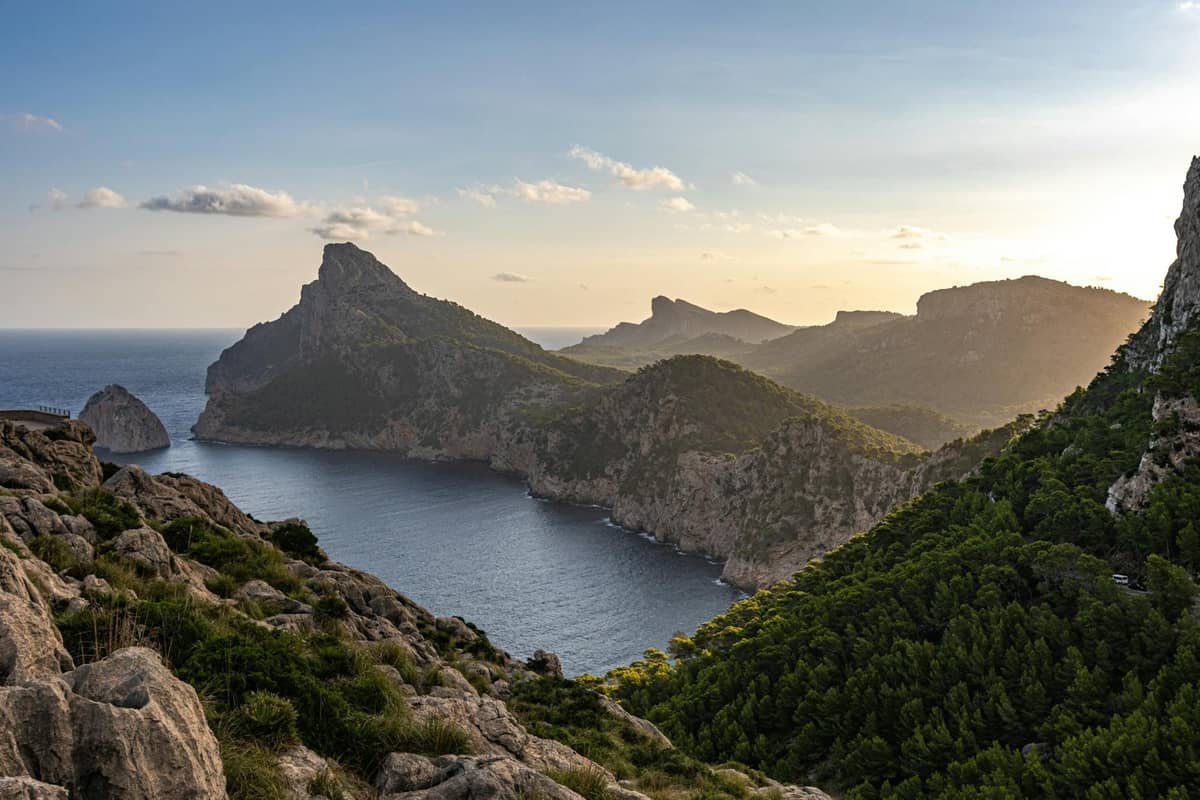
Mallorca has a reputation as a beach-and-pool destination that you can absorb in a few days. That reputation is misleading. The island spans 3,640 km² and holds over 200 beaches, a UNESCO-listed mountain range in the Tramuntana, historic inland towns, and a capital city with a cathedral that took over 300 years to build. Doing justice to even two of these zones requires real planning — and real time.
The bigger problem for under-prepared visitors is the driving. Palma to Sa Calobra in the northwest takes around 1.5 hours each way on mountain roads. Palma to the southeast coast near Cala Figuera takes roughly 50-60 minutes. Traffic in July and August adds significant time to every route. If you spend your whole trip commuting from one base, you waste half your days.
⚠️ What to skip
Don't plan Mallorca like a city break. Unlike Barcelona or Palma alone, covering the whole island from a single hotel is exhausting. Most experienced travellers split their stay across two or three bases — typically Palma, a village in the northwest, and somewhere on the southeast coast.
The Long Weekend: 3 to 5 Days
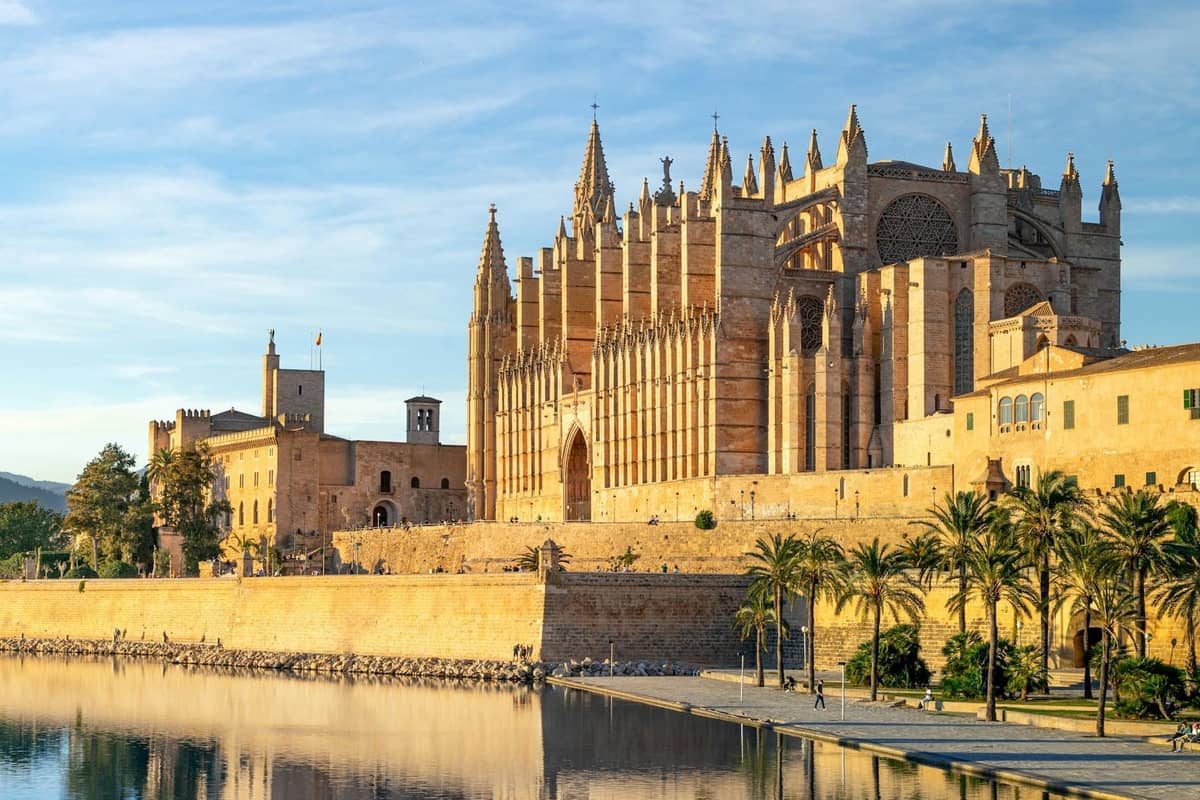
A short break works well in Mallorca if you frame it correctly: as a Palma city trip with optional day excursions, not an island circuit. Three to five days in Palma gives you enough time to visit the Palma Cathedral (La Seu), explore the Arab Baths, walk the Passeig des Born, and eat your way through the Mercat de l'Olivar without any of it feeling rushed.
With 5 days and a hire car, you can add one or two day trips: the Tramuntana villages of Valldemossa or Deià, or the beaches of the southeast near Es Trenc. But keep expectations realistic. You will see highlights, not the full picture.
- Day 1-2 Palma old town: La Seu cathedral, Arab Baths, Bellver Castle, Passeig des Born, Mercat de Santa Catalina for dinner.
- Day 3 Day trip to Valldemossa and Deià via the MA-1110 mountain road. Allow a full day including a lunch stop.
- Day 4-5 Drive to the southeast: Es Trenc beach, Cala Llombards, or Cala Figuera depending on how much coast you want to see.
💡 Local tip
For a 3-5 day trip, stay in Palma's old town (Casc Antic) or the Santa Catalina neighbourhood. Both put you within walking distance of the city's best restaurants, bars, and sights, cutting down on unnecessary driving.
The Standard Trip: 7 to 10 Days
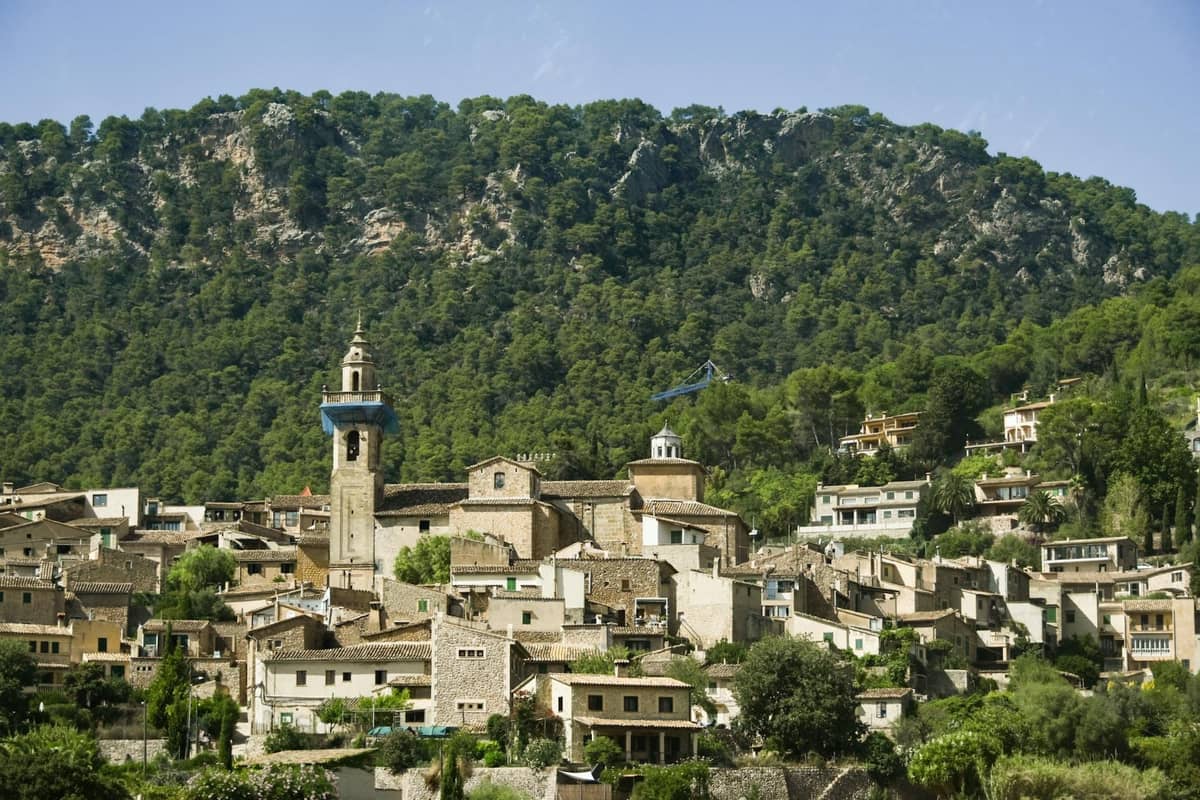
Seven to ten days is the most-recommended duration for first-time visitors, and it earns that consensus. It gives you enough time to split the island into logical zones, move between two or three bases, and actually sit somewhere for a full afternoon without watching the clock.
A well-structured 7-night itinerary typically looks like this: 2-3 nights in Palma for the city, 2-3 nights in a village in the Tramuntana (Sóller, Deià, or Fornalutx work well as bases), and 2 nights somewhere on the southeast coast near Santanyí or Cala d'Or. That split gives you the city, the mountains, and the beaches without a single day spent entirely in a car.
Ten days allows you to add the north: Alcúdia's walled old town, the Formentor peninsula (arrive before 10am in summer to beat the access restrictions and the crowds), and the Albufera nature reserve for anyone who enjoys birdwatching or quieter landscapes. The north is genuinely different in character from the rest of the island and rewards the extra time.
✨ Pro tip
Book accommodation in the Tramuntana at least 2-3 months ahead for summer travel. Small hotels and rural fincas in villages like Deià and Fornalutx have very limited room counts, and peak season fills them quickly. Shoulder season (May, June, September) has much better availability and noticeably lower prices.
The Full Exploration: 10 to 14 Days
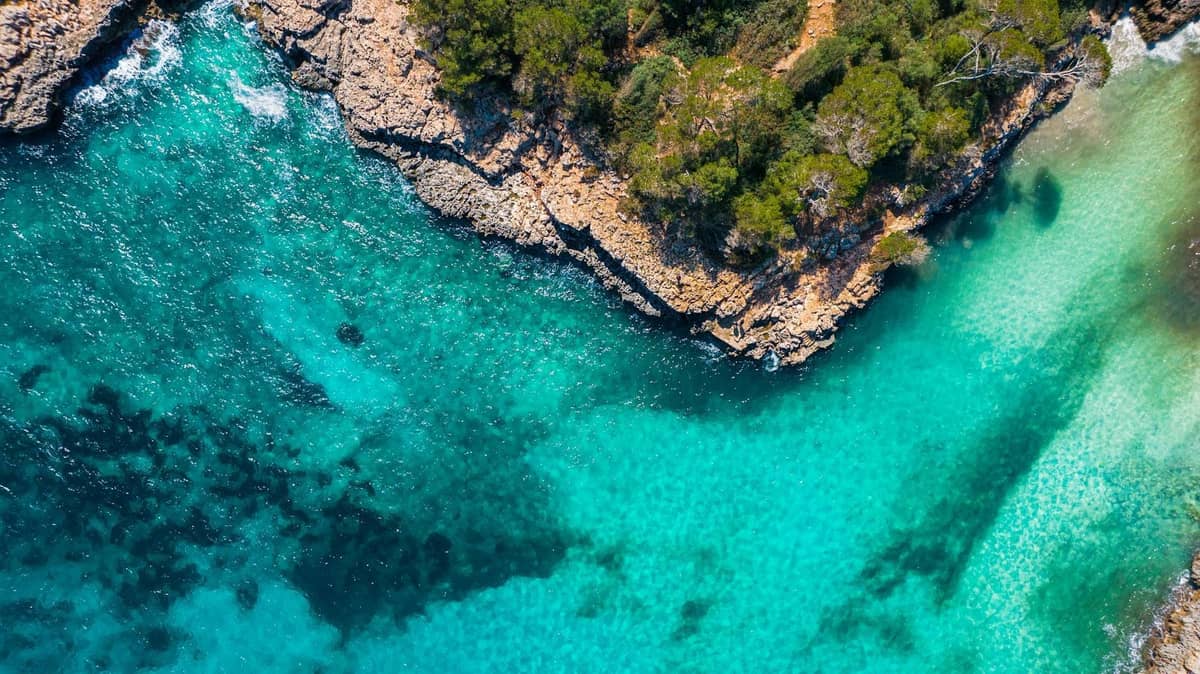
Two weeks in Mallorca sounds indulgent until you start listing what a 7-10 day trip leaves out: the inland towns of the Pla (try the weekly market at Sineu on Wednesdays), the wine country around Binissalem, the eastern caves at Coves del Drac, the remote beaches of the northeast like Cala Mesquida and Cala Agulla, and the hiking trails that require more than a single afternoon.
A 10-14 day trip suits travellers who want to combine beach time with a proper hiking itinerary or those who prefer a slower pace: spending two full days in one spot, visiting a local market, eating lunch where there's no English menu. At this length, you stop ticking things off a list and start actually feeling what the island is like away from the tourist circuit.
- 3 nights Palma: city sights, markets, Santa Catalina neighbourhood dining
- 3 nights Tramuntana: Sóller as a base, day trips to Sa Calobra, Deià, Sóller train to Palma
- 2 nights Alcúdia or Pollença: old town, Formentor peninsula, Albufera marshes
- 3 nights southeast coast: Santanyí area, Cala Llombards, Es Trenc, Cabrera boat trip
- 1-2 nights inland Mallorca: Sineu, Binissalem wineries, Coves del Drac in Manacor
How Season Changes the Calculation
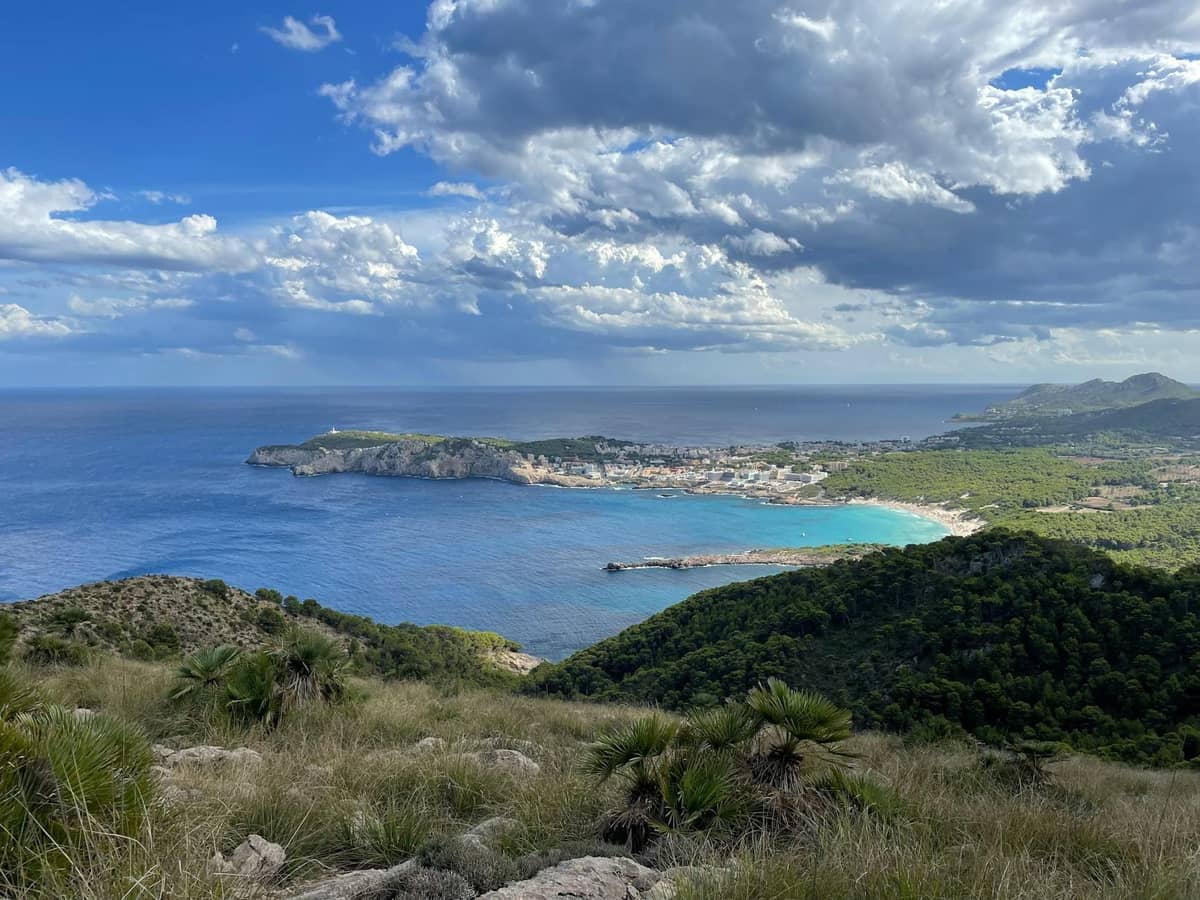
Mallorca gets roughly 300 sunny days per year and an average annual temperature of around 21°C. That sounds like it works any time of year, and in many ways it does. But the best time to visit Mallorca genuinely depends on what you're coming for.
June through August is peak beach season. The sea reaches above 25°C, nearly every restaurant and bar is open, and the island is fully operational. It is also expensive, crowded at popular beaches, and uncomfortably hot for serious hiking. In July and August, some access roads to popular coves operate reservation systems or close to private vehicles entirely. Plan for that.
April, May, September, and October are objectively better months for anyone who wants to combine beaches with hiking, cycling, or exploring villages. Temperatures are comfortable (18-25°C), water temperatures in September still reach above 23°C, and accommodation costs drop significantly from peak rates. Spring also brings the famous almond blossom season in January and February, which transforms the inland landscape, though it is too cold for swimming. See the almond blossom guide if you're planning around that event.
Winter (November through March) is quiet, cheaper, and genuinely pleasant for city breaks or cycling. Many coastal restaurants and beach bars close entirely, and some rural hotels operate reduced hours. October in Mallorca is a particular sweet spot: warm enough for swimming, calm enough to get a table anywhere without booking three weeks ahead.
Practical Tips for Making the Most of Your Days
Renting a car is close to essential for anything beyond Palma. The bus network covers many routes, but the frequency between inland towns and remote beaches is limited, and timetables don't always match beach hours. See the full breakdown in the Mallorca car hire guide before deciding.
Moving bases mid-trip adds packing and check-in time, but it dramatically cuts daily driving. If you're doing 7 nights and you want to see the northwest and the southeast, two bases beat a central location every time. The island is not so large that you need to move every two days, but staying in Palma for all 7 nights and trying to day-trip everywhere is a recipe for spending half your holiday in a hire car. For broader context on whether the island suits your travel style at all, the Mallorca worth visiting guide covers the honest pros and cons.
- Book the Sóller vintage train in advance during peak season: seats fill up, especially for the morning Palma departure.
- The Formentor peninsula road is restricted for private vehicles in summer. Check current access rules before planning a self-drive visit.
- Markets are region-specific and day-specific: Sineu on Wednesday, Alcúdia on Tuesday and Sunday, Santanyí on Saturday. Build your itinerary around them rather than hoping to catch them by chance.
- Palma Airport (PMI) is roughly 8 km from the city centre. Bus line A1 connects the airport to Plaça d'Espanya for under €6 and takes around 30 minutes. Taxis cost around €20-25 depending on traffic.
- If hiking is a priority, allocate days specifically for it rather than combining long hikes with long drives. The GR 221 (Ruta de Pedra en Sec) through the Tramuntana is a multi-day route that deserves dedicated time.
ℹ️ Good to know
Mallorca's official languages are Catalan and Spanish. The local dialect, Mallorquí, is a variant of Catalan. Most people in tourist areas speak some English, and German is widely understood due to the island's significant German-speaking visitor base. Learning a few phrases in Spanish or Catalan goes a long way in inland towns and local restaurants.
FAQ
How many days in Mallorca is enough for a first-time visit?
Seven days is the minimum most travel planners recommend for first-timers. It gives you enough time to cover Palma (2-3 nights), one base in the Tramuntana mountains (2 nights), and the southeast coast (2 nights) without feeling like every day is a logistics exercise. If you can stretch to 10 days, you'll have space to add the north and explore more leisurely.
Is 3 days enough for Mallorca?
Three days is enough for Palma alone: the cathedral, the old town, a market, and some of the city's excellent restaurants. It's not enough to get a representative sense of the island as a whole. If you only have 3-4 days, stay in Palma and treat it as a city break rather than an island circuit.
What's the best way to split a 7-day Mallorca itinerary?
The most practical split is: 2-3 nights in Palma, 2 nights in the Tramuntana (Sóller or Deià area), and 2 nights on the southeast coast (Santanyí or Cala d'Or area). This gives you city, mountains, and beaches without any single day involving a return drive of more than 90 minutes.
Is Mallorca worth visiting for more than 2 weeks?
Yes, if you go slowly. Two weeks or more makes sense for travellers combining multi-day hikes on the GR 221, road trips around the island's lesser-known inland areas, sailing or boat trips to Cabrera, and extended stays in villages. At that pace you're not rushing; you're actually living in it temporarily.
What time of year requires the fewest days to feel satisfied?
Summer (July-August) ironically requires more days because access restrictions, crowds, and heat slow everything down. Shoulder season visits in May, June, September, or October move faster: easier parking, no access road restrictions, shorter queues at major sights. A 7-day September trip will feel more complete than a 7-day August trip.