Mallorca Almond Blossom: When and Where to See It
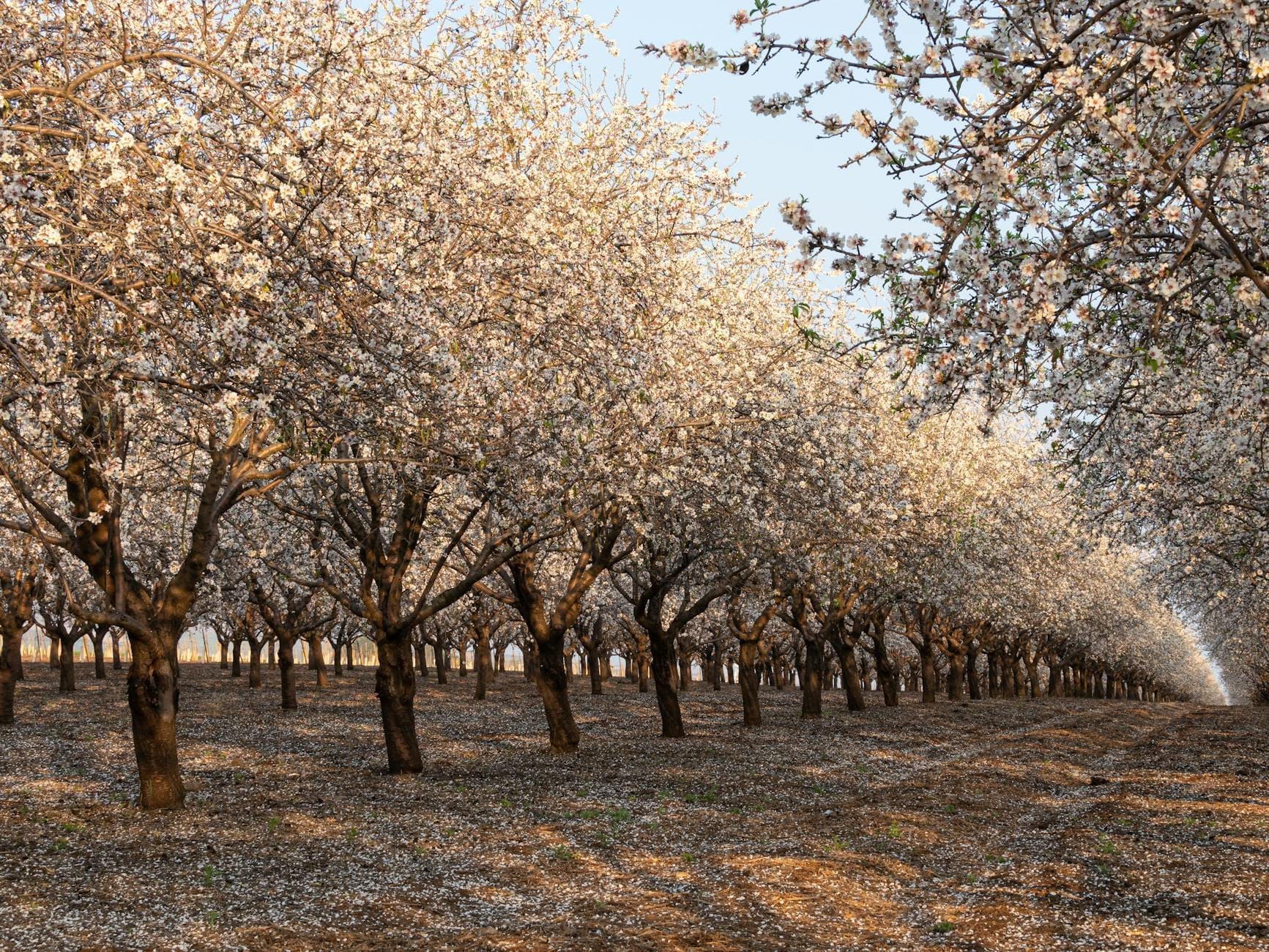
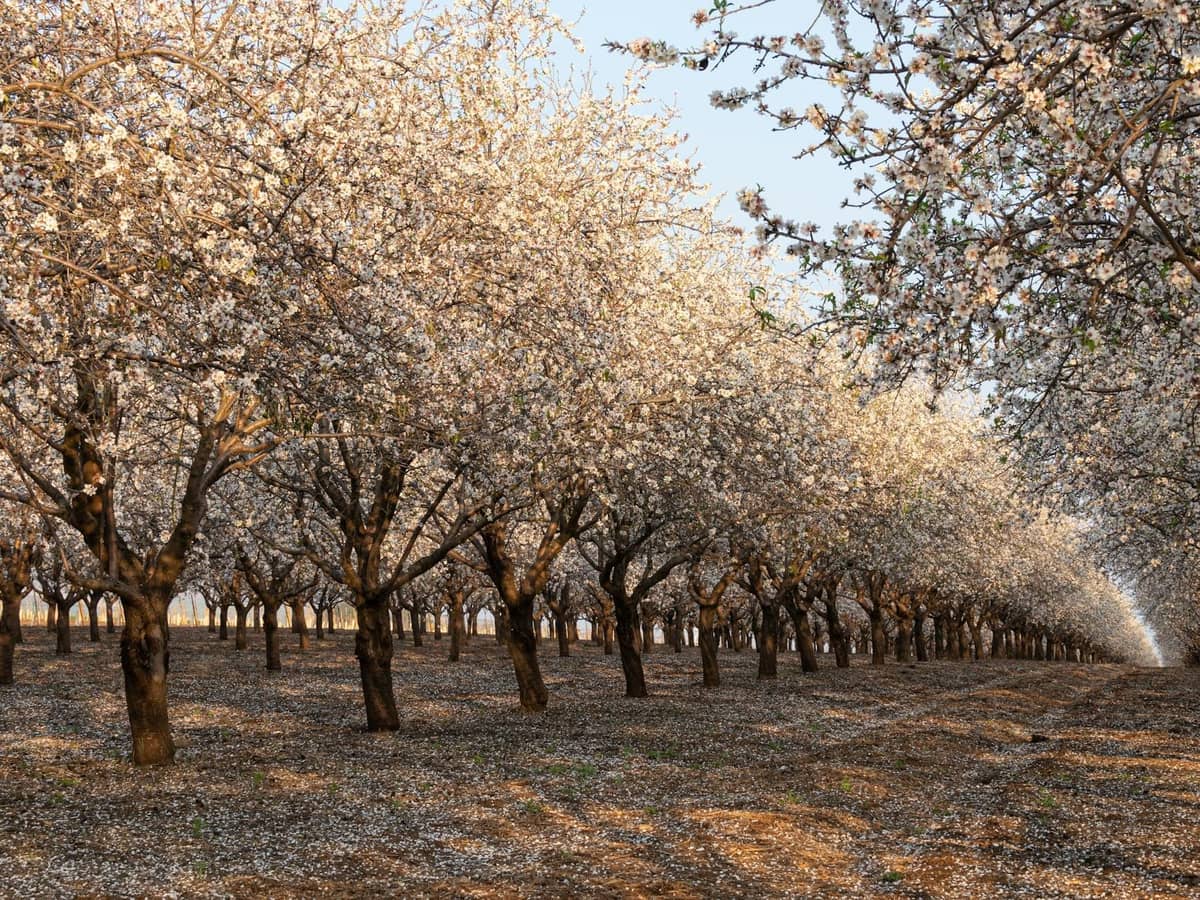
Every January and February, Mallorca's countryside transforms into a landscape of white and pale-pink blossom as around four million almond trees come into flower. This guide covers peak timing, the best villages and routes to visit, local festivals, and practical tips for making the most of the season.
Plan and book this trip
Tools from our partner Travelpayouts help you compare flights and hotels. If you book through them, we may earn a commission at no extra cost to you.
Flights
Hotels map
TL;DR
- Peak almond blossom in Mallorca runs from late January through February, with mid-February typically the best single week to visit.
- The highest concentrations of trees are in the central-west interior: Marratxí, Consell, Santa Maria, Sencelles, and nearby villages.
- The Tramuntana foothills around Valldemossa and Sóller offer blossom combined with dramatic mountain scenery.
- Timing is never guaranteed — a warm January can bring early blooms, while a cold winter pushes them toward March.
- The Fira de la Flor d'Ametller festival in Son Servera (early February) is the main event dedicated to the blossom season.
When Does Almond Blossom Happen in Mallorca?
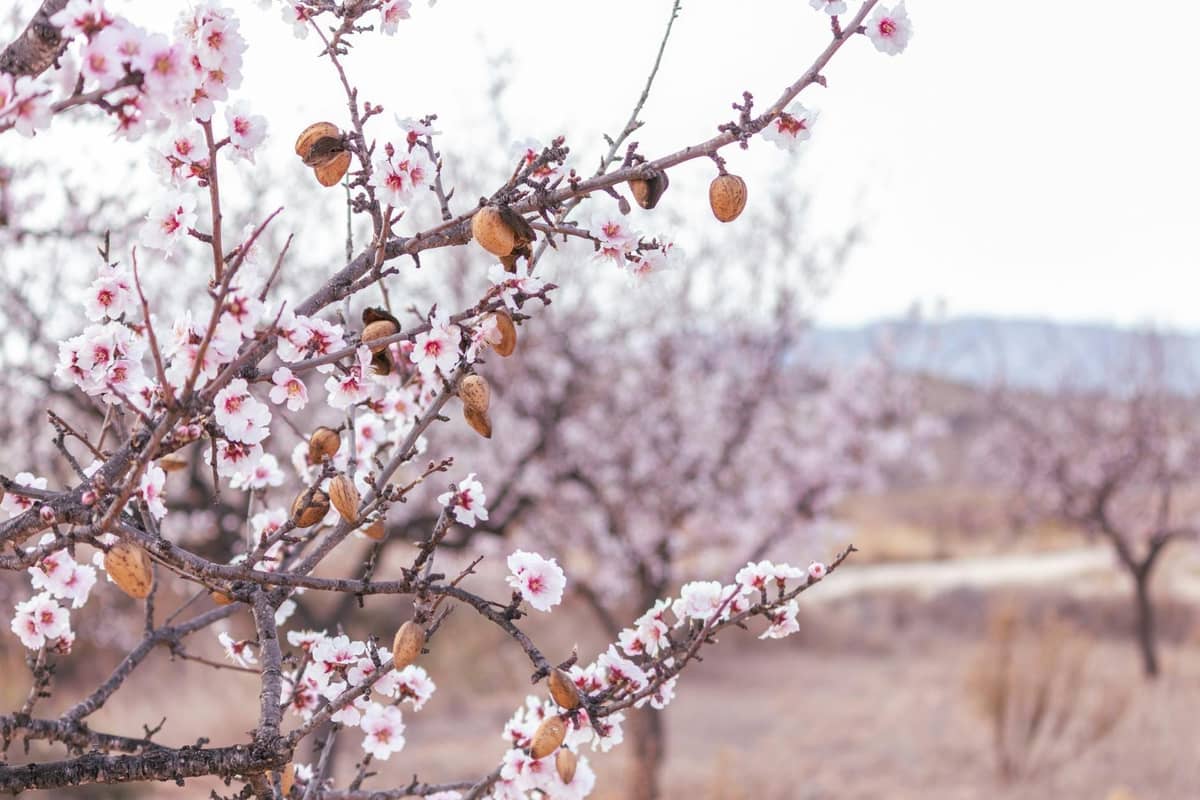
Mallorca almond blossom season generally runs from late January to mid-March, but the exact window shifts every year depending on winter temperatures and rainfall. In mild winters, trees in the south and east of the island can begin flowering as early as mid-January. In cooler, wetter years, the bloom across the interior may not reach its peak until the first week of March.
If you are planning a trip specifically for the blossom, mid-February is the safest target. This is when the majority of the island's trees tend to be in flower simultaneously, and the Mediterranean winter light — clear, low-angled, and warm without being harsh — makes the landscape particularly photogenic. Average daytime temperatures at this time of year sit around 15-17°C, which is comfortable for walking and cycling.
⚠️ What to skip
Do not book flights around a fixed date and assume the blossom will cooperate. The bloom is weather-dependent and can be early, late, or patchy in any given year. Check local forecasts and Mallorcan news sources (such as the Majorca Daily Bulletin) in the week before you travel. Build at least 4-5 days into your trip to account for variation across different parts of the island.
One important clarification: the blossom does not happen uniformly across Mallorca at the same time. South and east-facing slopes and lower-altitude areas bloom first. The higher Tramuntana foothills and more exposed central terrain tend to peak a week or two later. This staggered progression actually works in your favour — a well-planned itinerary can extend your total viewing window by moving between zones.
Where to See Almond Blossom: The Best Locations
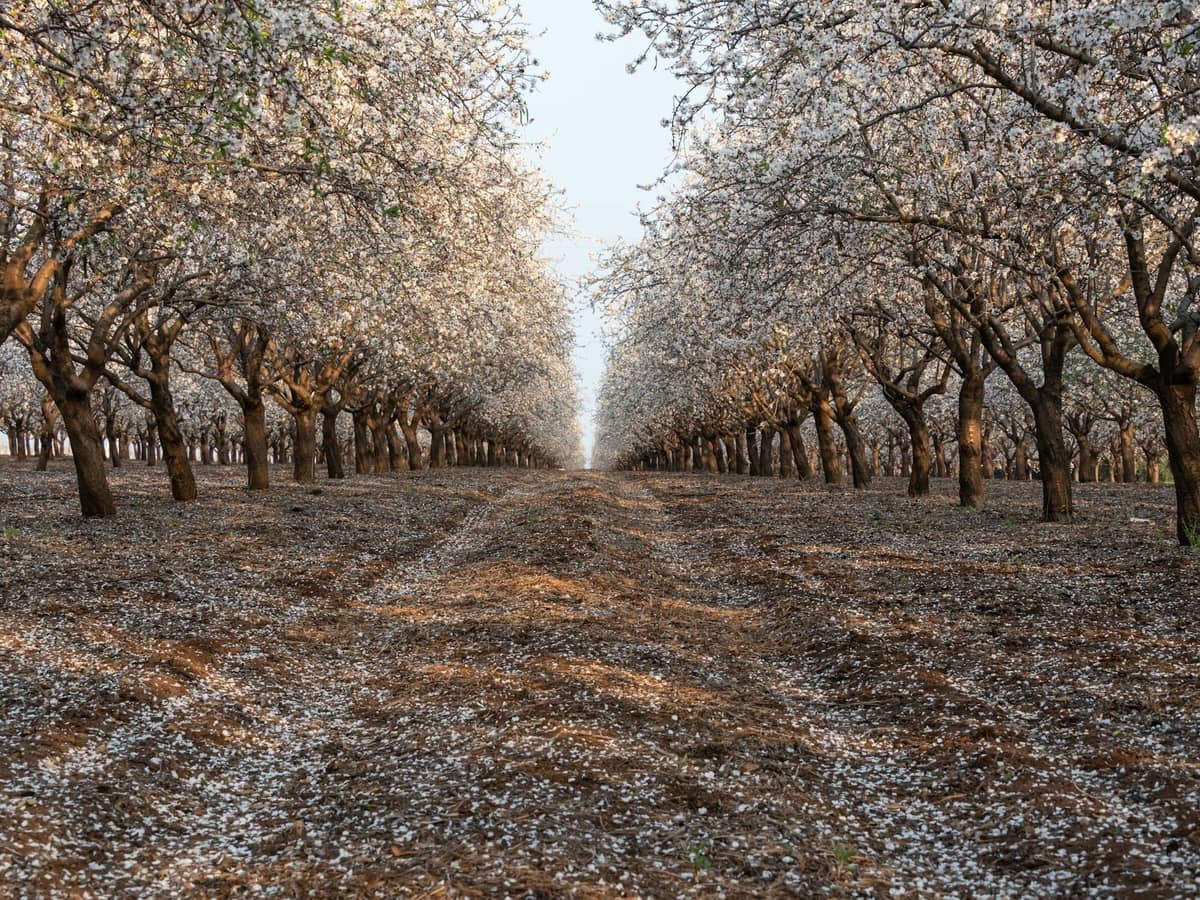
Mallorca has about four million almond trees, so blossom appears across much of the island. But certain areas have much higher concentrations, and knowing where to focus will save you time driving through stretches of pine forest or coastal development.
- Central-West Interior (Raiguer region) The densest almond country on the island. The villages of Marratxí, Consell, Santa Maria del Camí, Sencelles, Lloseta, and Selva sit within a compact area where almond groves dominate the terraced hillsides. This is the single best zone for sheer volume of blossom.
- Tramuntana Foothills: Valldemossa, Sóller, and Deià Fewer trees than the central-west, but the combination of blossom against stone walls, ancient olive trees, and mountain backdrops makes this the most visually dramatic option. The road between Valldemossa and Deià is particularly rewarding.
- Southeast: Manacor, Son Servera, Sant Llorenç, and Porto Cristo The southeast has significant almond cultivation and tends to bloom slightly earlier than the interior. Son Servera hosts the island's main almond blossom festival. The landscape here is flatter and more agricultural, which suits cycling.
- Southwest Routes: Es Capdellà and Alaró The area around Es Capdellà and the base of Puig Galatzó has productive almond groves, while the road up toward Alaró Castle passes through blossoming terraces. Son Espanyol, just outside Palma, is another accessible option if you are based in the capital.
If you are planning a broader trip around this time of year, the Serra de Tramuntana offers the most complete experience: almond blossom in the valleys, dramatic scenery on the passes, and quiet villages that are largely free of summer crowds. The inland Mallorca zone covering Sencelles, Consell, and Santa Maria is easier to navigate and better for those who want relaxed, low-effort blossom walks.
How to Get Around During Blossom Season
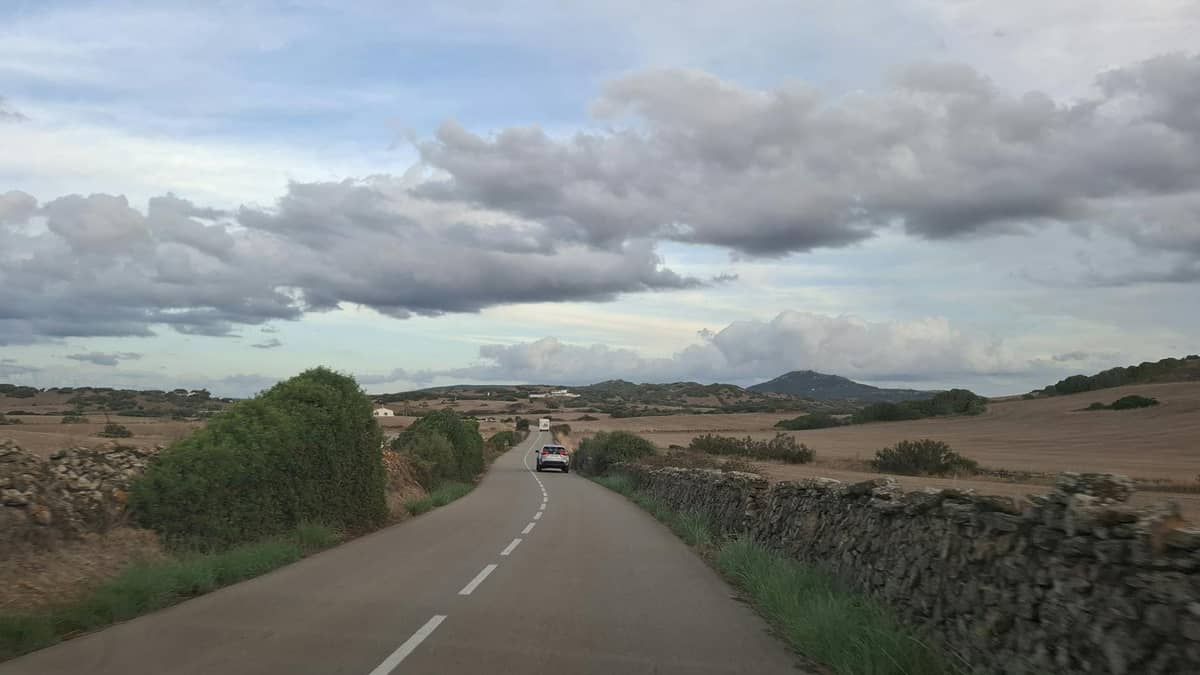
A rental car gives you the most flexibility, particularly for reaching the smaller villages in the central-west interior where public transport connections are limited. The rural roads between Consell, Sencelles, and Lloseta are narrow and unhurried, and you can stop at any terraced hillside that catches your eye. Distances are short — the central blossom zone is roughly 20-30 km northeast of Palma.
Cycling is the other recommended approach and, for many visitors, the better one. January and February temperatures are ideal for riding: cool enough to sustain effort, warm enough to be pleasant in the sun. Cycling in Mallorca is popular year-round, but the blossom season draws dedicated cycling tourists who build multi-day routes through the almond groves. The TI-3 road between Santa Maria and Sencelles is a classic low-traffic blossom route.
💡 Local tip
If you are using the Sóller train, consider riding it from Palma to Sóller in February — the old wooden train passes through almond orchards in the foothills and the views from the carriage windows during blossom season are genuinely spectacular. The journey takes around 55 minutes and tickets should be booked in advance.
For those without a car, the train to Sóller provides access to Tramuntana blossom, and buses connect Palma to Santa Maria del Camí (on the Inca line) for the central-west routes. That said, the most rewarding spots are genuinely off the bus network, so a rental car or organised cycling tour will unlock significantly more of the season. Check renting a car in Mallorca for practical advice on costs and logistics.
The Fira de la Flor d'Ametller and Local Festivals
Son Servera, in the southeast of the island, hosts the Fira de la Flor d'Ametller (Almond Blossom Fair) in early February. Entry is free, and the event celebrates Mallorcan almond products: local vendors sell traditional sweets like torró (nougat), almond cake, robiols (pastries filled with almond paste), and fresh-pressed almond oil. It is a low-key, genuinely local fair rather than a tourist spectacle, which is precisely what makes it worth attending.
Dates shift year to year and are typically confirmed in January, so check the Son Servera municipal website or the Majorca Daily Bulletin calendar for current scheduling. The fair usually spans a single weekend. Given the southeast location, it pairs well with a wider drive through the almond groves around Manacor and Sant Llorenç on the same trip.
ℹ️ Good to know
Beyond Son Servera, several other municipalities organise smaller walks and markets timed to the blossom. The Calendar Mallorca website (thecalendarmallorca.com) is one of the most reliable sources for tracking these events as the season approaches, as official dates are rarely confirmed more than a few weeks ahead.
Practical Tips for Visiting During Blossom Season
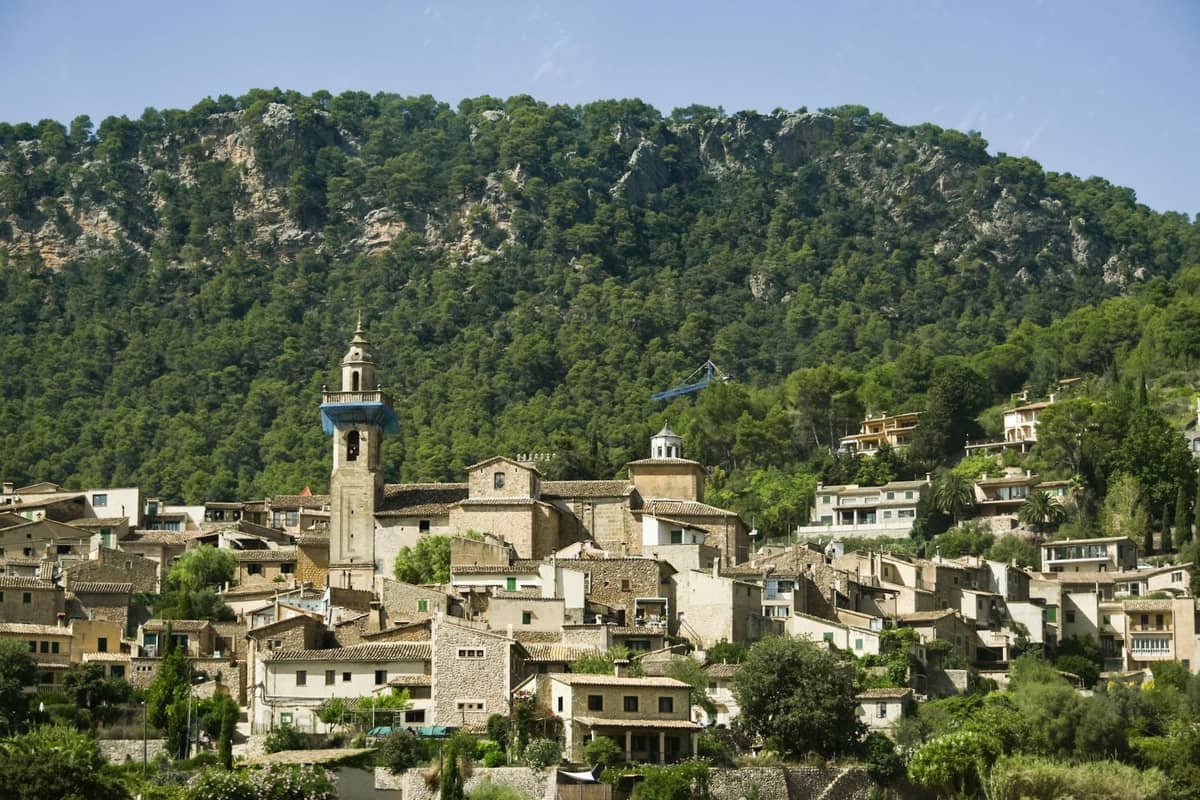
January and February are firmly in Mallorca's low season. Hotels, rural fincas, and car rental rates are considerably lower than summer prices, and popular spots like Valldemossa and Deià are quiet enough to feel genuinely peaceful. Palma functions normally year-round and makes a practical base for day trips into blossom country.
- Book accommodation in advance if you are visiting in mid-February specifically for the blossom — it has become popular with European visitors and cycling groups, and quality rural accommodation sells out.
- Mornings offer the best light for photography. Blossom also holds better before midday warmth and any wind.
- Pack layers. February days can be warm and sunny (15-18°C) but mornings and evenings drop to 8-10°C, and the Tramuntana can be significantly cooler.
- Almonds are harvested in late summer, so the trees you see in bloom will not have nuts on them. The blossom itself is white to pale pink and appears before the leaves, giving the trees an especially delicate appearance.
- Bring rain gear. Winter weather in Mallorca includes unpredictable showers, and a wet day can reduce blossom visibility significantly.
For a broader picture of what the island offers in this period, the Mallorca in spring guide covers the transition from winter through April, while the best time to visit Mallorca compares seasonal trade-offs in detail. If you are considering combining blossom with photography, Mallorca's photography guide has specific location and light advice.
✨ Pro tip
The road from Alaró up toward the castle (Castell d'Alaró) is one of the least-visited blossom drives on the island. The lower section passes through working almond groves with almost no tourist traffic in February, and the castle ruins visible above give the whole scene an unusual drama. It is a short detour from the central-west blossom zone and takes about 20 minutes from Consell.
What to Do Beyond the Blossom
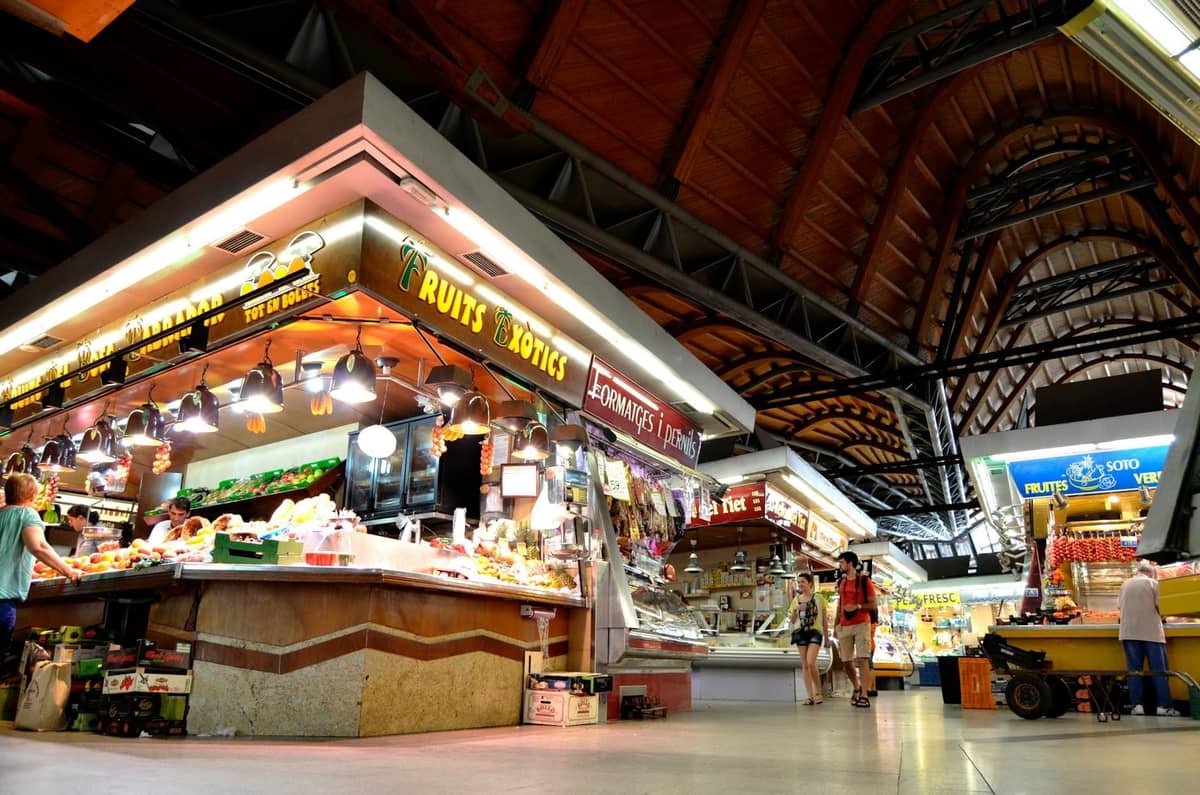
The almond season coincides with one of the most pleasant and underrated times to visit Mallorca overall. Palma is crowd-free, and its cathedral, old town markets, and restaurant scene operate at full capacity. The Mercat de l'Olivar is worth a morning stop for local almonds, cheese, and sobrassada. If you are spending several days on the island, the Mallorca food guide will help you eat well beyond tourist menus.
Walking is excellent in February — trails are dry more often than not, temperatures suit sustained effort, and the hiking in Mallorca guide covers the best routes from easy valley walks to serious Tramuntana traverses. For those with broader itinerary questions, how many days to spend in Mallorca is a useful planning reference.
FAQ
When is the best time to see almond blossom in Mallorca?
Mid-February is the most reliable single target, but the full season runs from late January to mid-March depending on the year's weather. Warmer winters push the bloom earlier; cooler ones delay it. Building 4-5 days into your trip gives you the best chance of catching peak blossom regardless of year-to-year variation.
Where is the best place to see almond blossom in Mallorca?
The central-west interior, particularly the villages of Marratxí, Consell, Santa Maria del Camí, Sencelles, Lloseta, and Selva, has the highest concentration of almond trees. For more scenic landscapes, the Tramuntana foothills around Valldemossa, Deià, and Sóller combine blossom with mountain backdrops.
Is almond blossom season in Mallorca worth planning a trip around?
Yes, if you enjoy countryside scenery, cycling, or photography — and you travel with some flexibility in your dates. Low-season prices, quiet roads, and comfortable temperatures make it a genuinely pleasant time to visit even if the blossom is slightly early or late. It is not worth the trip if you are mainly interested in beaches or nightlife, as those are firmly off-season.
What is the Fira de la Flor d'Ametller?
The Fira de la Flor d'Ametller is an almond blossom fair held in Son Servera in the southeast of Mallorca, usually in early February. Entry is free and stalls sell traditional almond products including torró (nougat), almond pastries, and almond oil. Exact dates are confirmed each January — check local event listings closer to the time.
Can you see almond blossom from Palma without a car?
You can reach Santa Maria del Camí by train (on the Palma-Inca line) and walk or cycle through almond groves from there. The Sóller train also passes through blossom country in the foothills. However, the densest and most rewarding blossom zones involve narrow rural roads that are not served by public transport, so a rental car or organised cycling tour gives a much better experience.