Cycling in Mallorca: Routes, Tips & Best Roads
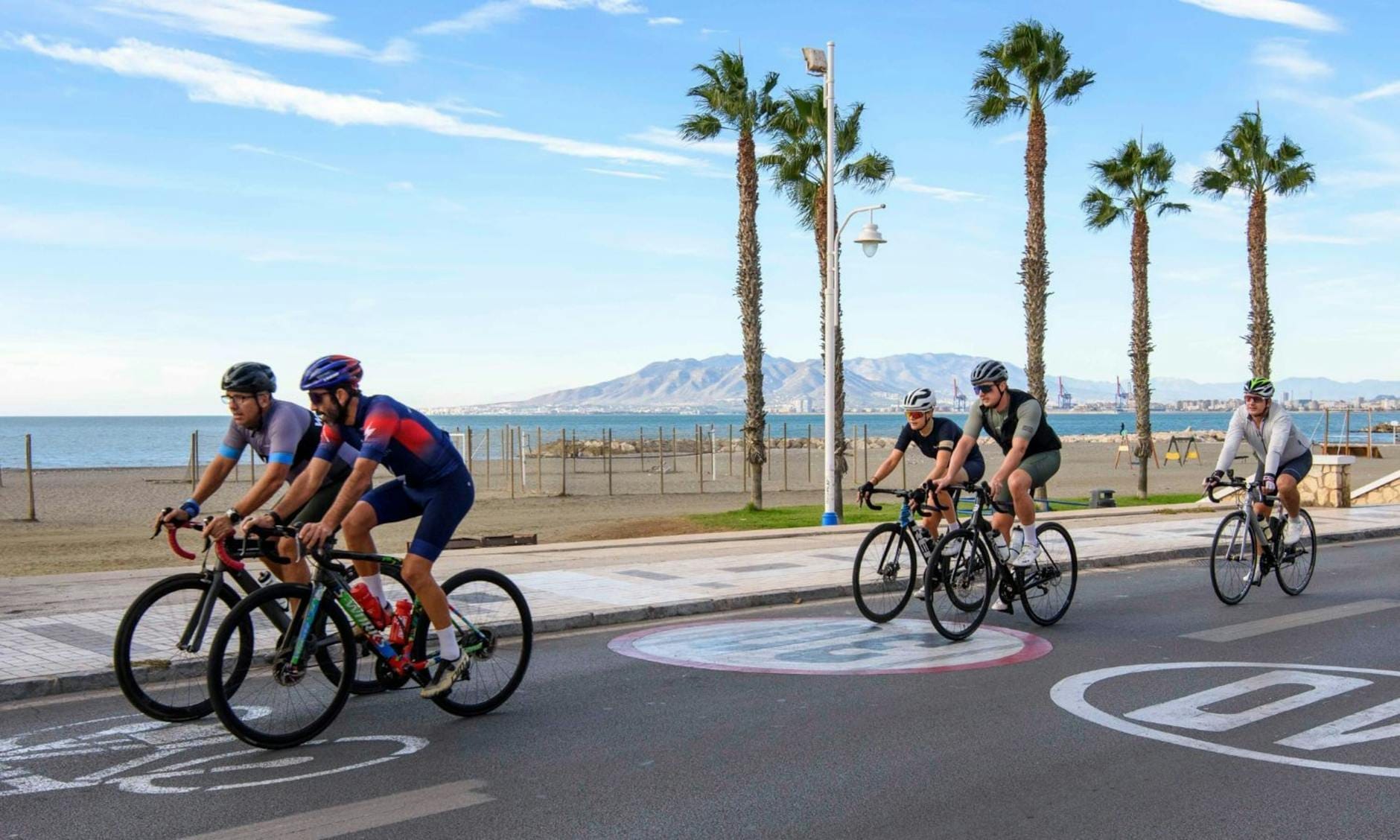
Mallorca is one of Europe's premier road cycling destinations, drawing professionals and enthusiasts from across the continent every spring. This guide covers the island's best routes from brutal mountain climbs to flat coastal loops, plus practical tips on when to go, where to base yourself, and what to expect on the road.
Plan and book this trip
Tools from our partner Travelpayouts help you compare flights and hotels. If you book through them, we may earn a commission at no extra cost to you.
Flights
Hotels map
TL;DR
- Mallorca's Serra de Tramuntana offers world-class climbs including Sa Calobra and Puig Major, both used by professional teams in winter training.
- The best months for cycling in Mallorca are March to early June and September to mid-November. See our best time to visit Mallorca guide for full seasonal detail.
- Not every route is a mountain grind. Flat coastal loops around Alcúdia Bay and the southeast are perfectly suited to leisure riders.
- Port de Pollença is the most popular base for cyclists, with direct access to Formentor, Sa Calobra, and Puig Major.
- The Mallorca 312 gran fondo (held each spring) is one of Europe's most prestigious sportive events, with route options from 167km to 312km.
Why Mallorca Became a Cycling Mecca
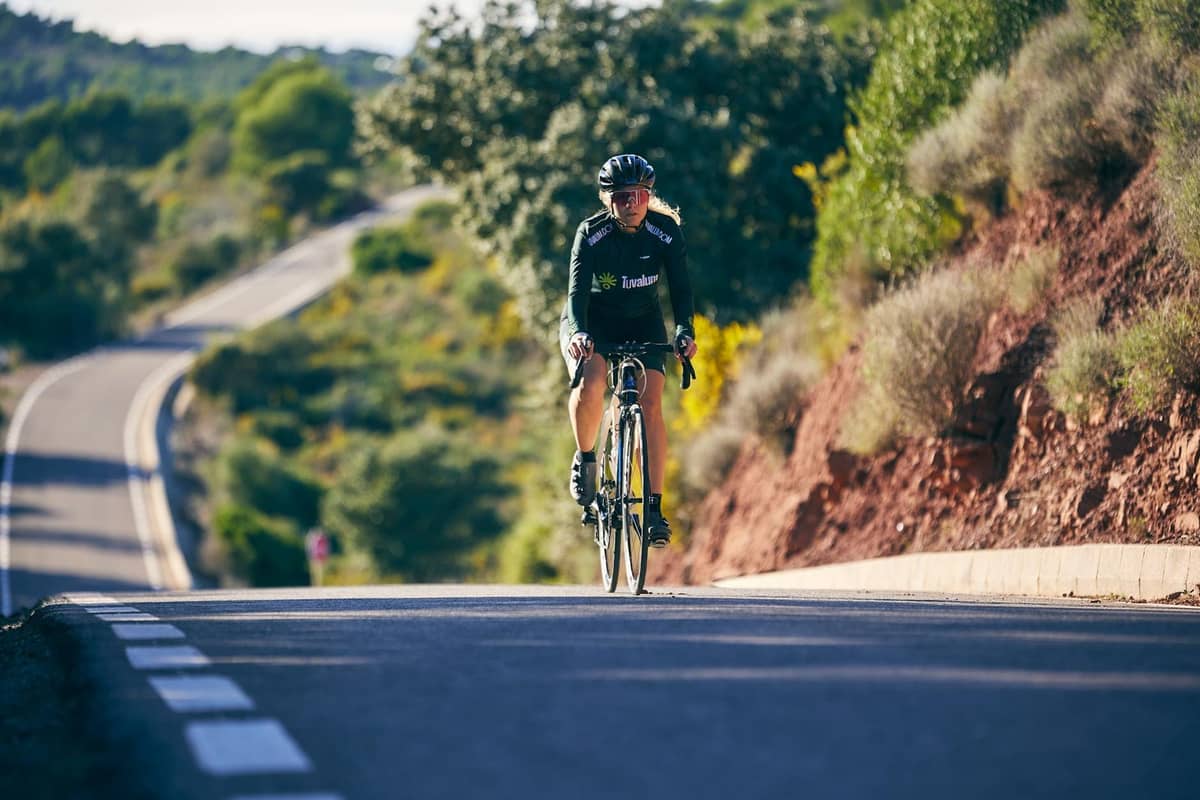
Mallorca cycling culture didn't happen by accident. The island offers a near-perfect combination of factors: Mediterranean climate with over 300 sunny days per year, a road network with low traffic volumes outside peak summer, and terrain that ranges from flat agricultural plains to serious mountain passes. The Serra de Tramuntana, a UNESCO World Heritage mountain range running along the northwest coast, provides some of the most technically demanding road cycling in southern Europe.
Professional teams have trained here for decades, and that legacy has created excellent infrastructure for cyclists: dedicated bike-friendly hotels, well-stocked hire shops, and roads where drivers are genuinely accustomed to sharing space with riders. The island's compact size (3,627 km²) means you can ride from the mountains to the coast and back in a single day. Pair this with direct flights from across Europe and the appeal becomes obvious. If you're still deciding whether to visit, our honest assessment of Mallorca covers everything beyond the two-wheeled highlights.
The Signature Climbs: What Every Cyclist Comes For
Three climbs stand above the rest in terms of reputation and challenge. Each has a distinct character, and serious cyclists typically target all three in a single trip.
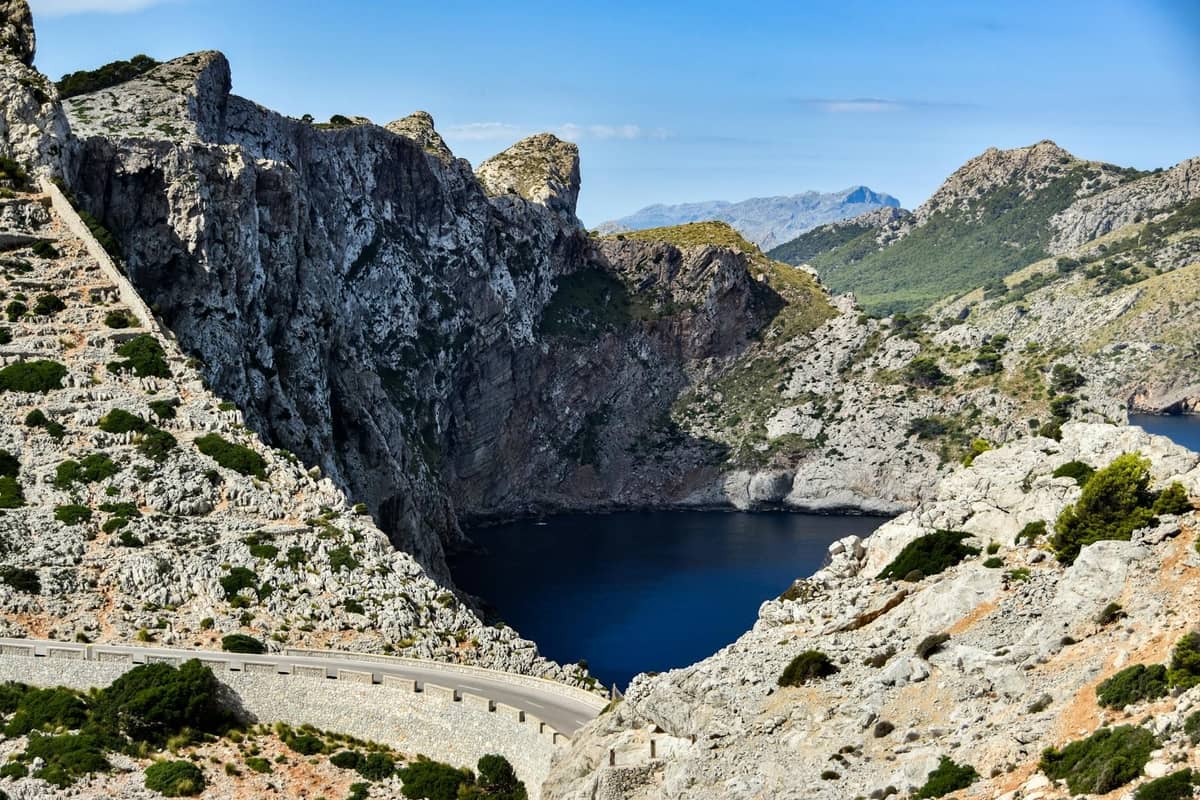
- Sa Calobra 10.2km at an average gradient of 6.9%, peaking at 11.8%, with 703 metres of elevation gain across 26 hairpin bends. The route drops from the Coll dels Reis pass down to the coast at Sa Calobra — meaning you descend first, then must reclimb every metre you've lost. This detail catches first-timers off guard. The road itself is an engineering spectacle, famously looping back under itself in a full 270-degree knot. Descend early on weekdays to avoid tourist coaches on the tight bends.
- Puig Major The longest sustained climb on the island: 14.6km from L'Horta at an average gradient of 5.9%, gaining 860 metres to the military radar station at the summit. The road beyond the barriers is restricted, but the climb itself is exceptional. Most riders combine it with the Col de Soller, which adds 420 metres of gain depending on which side you approach (4.9 to 7.5km options). Together they form the backbone of most serious Tramuntana loops.
- Cap de Formentor A 36 to 40km loop from Port de Pollença with around 960 to 995 metres of elevation gain at an average gradient of 3.7%. This is the most scenic of the three classics — the road runs along cliffs above the sea before ending at the lighthouse at the peninsula's tip. Traffic restrictions now apply on the Formentor road during summer, which can affect access. Riding early in the morning significantly improves the experience.
⚠️ What to skip
Sa Calobra is not a direct ascent from the coast. The standard route descends from the Coll dels Reis pass before climbing back up, which means your hardest effort comes on tired legs. Budget significantly more time and energy than the 10.2km distance suggests.
Coastal and Flat Routes: Not Just for Beginners
Mallorca's reputation as a mountain cycling destination has overshadowed its excellent flat and coastal riding. The northern bay circuit around Alcúdia is a genuine highlight: a 42km loop linking Port de Pollença, Alcúdia, Sa Pobla, and back to Pollença, partly on a dedicated cycle path shared with pedestrians. The terrain is almost entirely flat, the views across the bay are exceptional, and the route passes the wetlands of S'Albufera.
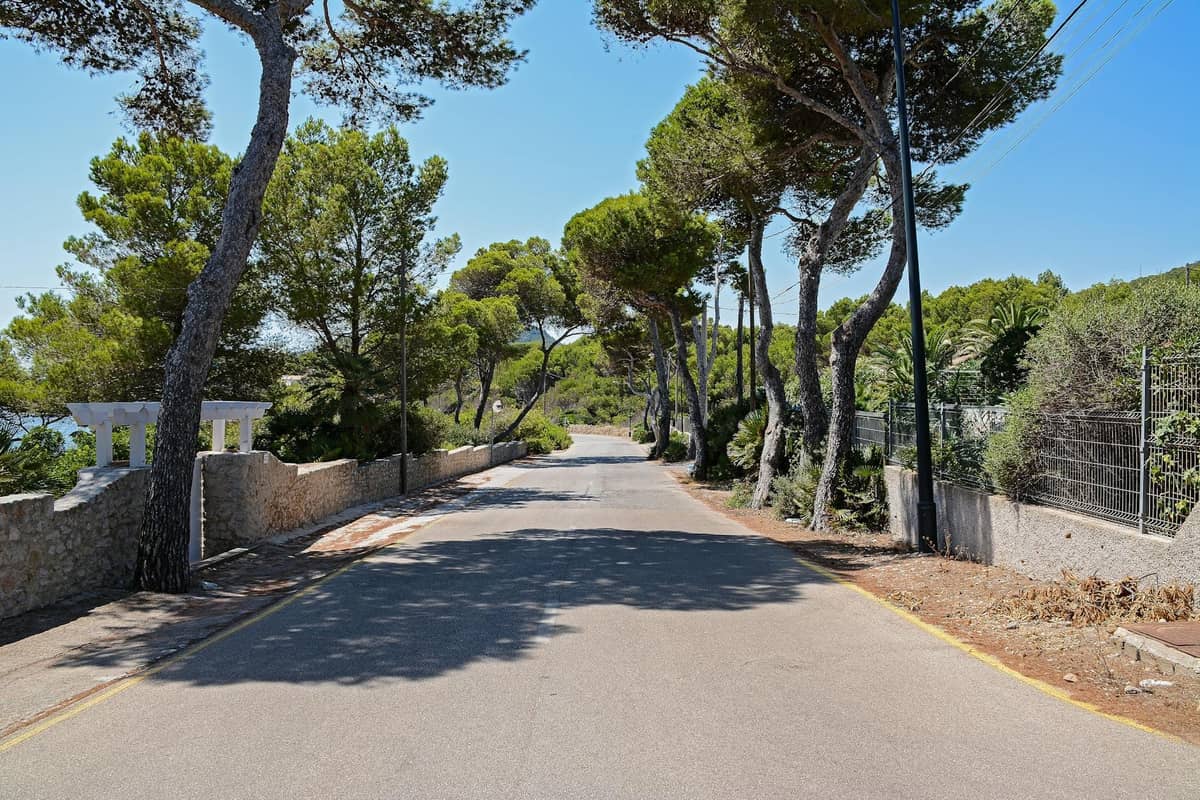
The southeast coast offers a different mood entirely. Quiet roads wind through pine forest between small coves, and the area around Mondragó Natural Park and Cala Figuera provides low-traffic cycling with genuinely beautiful coastal scenery. Es Trenc beach and Porto Cristo are also popular waypoints on easier eastern and southern routes. These routes suit riders who want to combine cycling with some beach time — a perfectly reasonable approach.
💡 Local tip
The Alcúdia bay cycle path is shared with pedestrians and can get congested near the beach resort areas on summer afternoons. Ride it in the morning or visit in shoulder season for a much more enjoyable experience.
The Big Challenge: Andratx to Pollença and the Mallorca 312
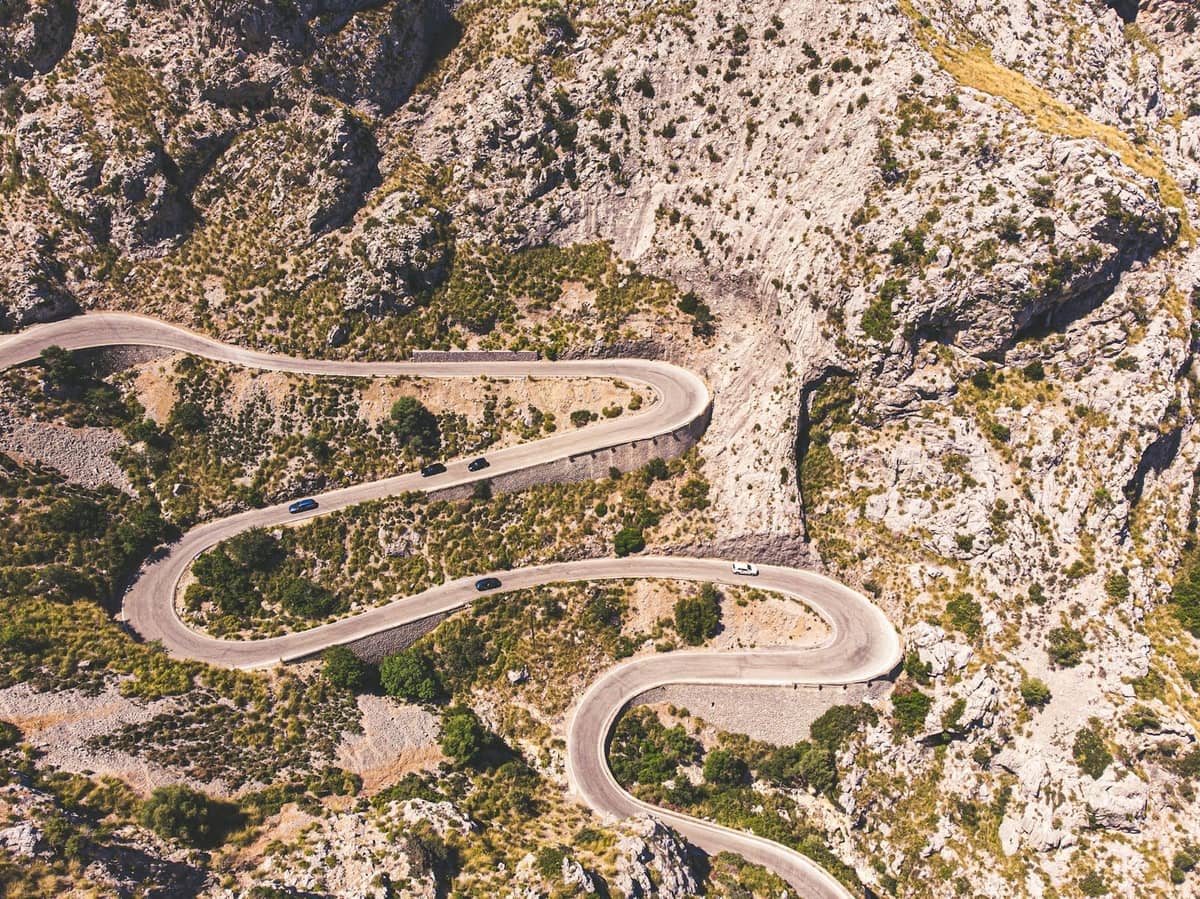
For riders who want to push across the full scale of the island, the Andratx to Pollença route (known informally as the 'Big Daddy') covers 62 to 115km depending on variant, with 2,430 to 4,100 metres of elevation gain. This is a full-day commitment that strings together the Tramuntana's best terrain in sequence. It's not a loop, so logistics require planning: either arrange a transfer back or build it into a point-to-point tour.
The Mallorca 312 gran fondo takes a similar north-island approach on a grander scale. The event offers three distance options: 167km, 225km, and the full 312km, all starting and finishing near Playa de Muro at Port d'Alcúdia. The 312km route includes Puig Major and represents a serious day out even for trained cyclists. The event typically takes place on the first Saturday in June, coinciding with the best cycling weather, and entries sell out well in advance. It has become one of Europe's most sought-after sportive entries.
When to Ride: Seasons, Crowds, and Conditions
The cycling calendar in Mallorca is defined by two clear sweet spots. March to early June brings mild temperatures (typically 15 to 22°C), quiet mountain roads, and optimal climbing conditions. This is when you'll see the highest concentration of serious cyclists and when professional teams complete their pre-season training camps. September through mid-November offers similar conditions with the added bonus of summer crowds having cleared from the resorts.
July and August present real problems for mountain cycling: temperatures regularly exceed 35°C on exposed climbs, tourist coach traffic on scenic roads increases substantially, and the Formentor peninsula access restrictions are at their most complicated. That said, the flat coastal routes remain manageable if you ride early. Winter (December to February) is genuinely viable for leisure cyclists, with temperatures around 12 to 16°C and nearly empty roads. The Mallorca cycling routes available in winter are fewer but the solitude is real. The island's famous almond blossom season in February adds a genuinely beautiful backdrop to inland rides.
- March to May: Best overall. Warm but not hot, roads quiet, wildflowers on mountain routes.
- June: Still excellent. Temperatures rising but mornings are ideal. Formentor traffic increasing.
- July to August: Avoid mountain routes midday. Coastal loops fine if you start before 8am.
- September to October: Second peak season. Harvest roads in the Pla region add scenic interest.
- November to February: Off-peak. Mild, empty roads. Some days of rain but rarely prolonged.
Where to Base Yourself and How to Get Around
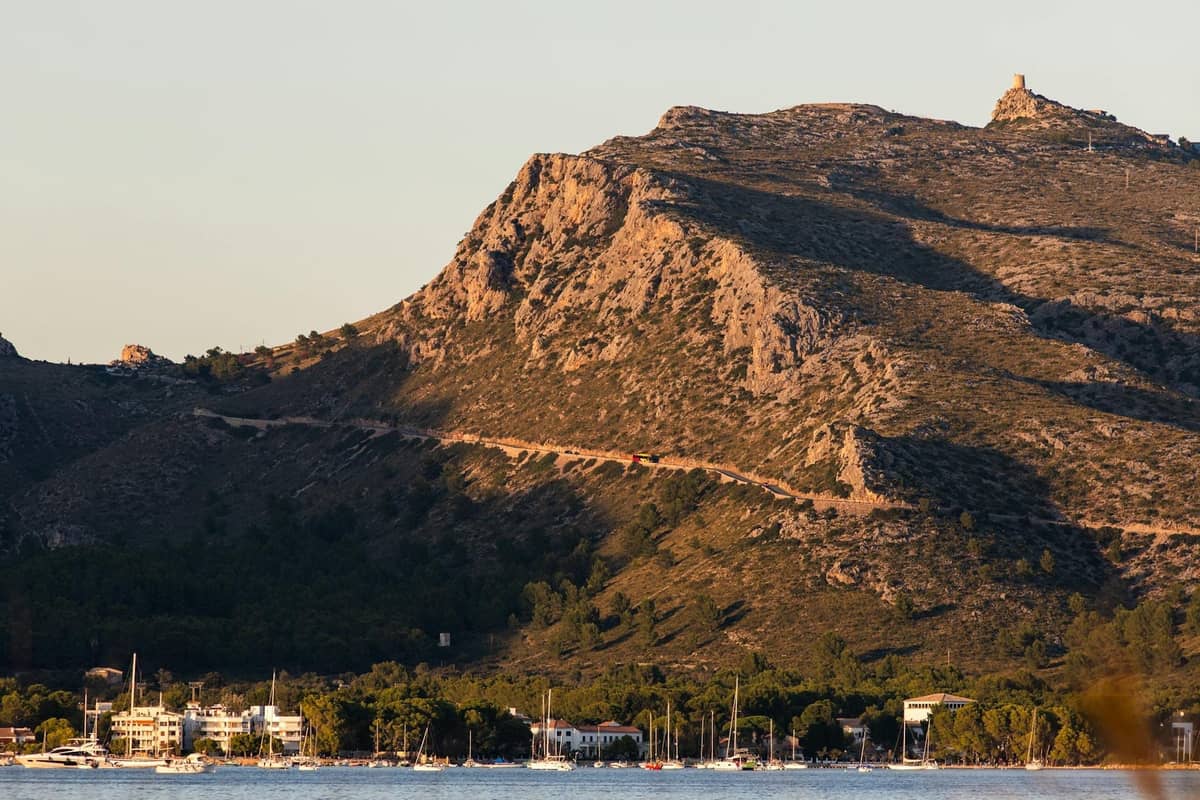
Port de Pollença is the undisputed cycling hub of Mallorca. The town sits at the base of the Formentor peninsula with direct access to Sa Calobra, Puig Major, and the Alcúdia bay loop all within easy reach. The local area has the highest concentration of cycling-oriented hotels and bike hire shops on the island, and the road culture here is genuinely welcoming. For context on the wider area, the Port de Pollença area overview covers accommodation and logistics in detail.
Palma is the island's capital and main arrival point via Palma de Mallorca Airport (PMI). It's a workable base for cycling, particularly for routes into the southern Tramuntana via the Col de Soller, but the city itself requires navigating suburban traffic before you reach open roads. Renting a car to drive to your starting point is a common and practical solution. Our car rental guide for Mallorca covers the practical considerations, including transporting bikes. For those who prefer to explore more broadly, the Mallorca road trip guide maps out the island's best driving routes which overlap significantly with the best cycling corridors.
✨ Pro tip
Download GPX files before you travel. Platforms like Ride with GPS and Love Velo have well-curated Mallorca route files. Mobile data can be unreliable in the Tramuntana tunnels and on remote mountain sections, so having routes loaded offline is essential rather than optional.
- Port de Pollença Best all-round cycling base. Closest to Sa Calobra, Formentor, Puig Major, and the bay loop. Strong bike hire and service infrastructure.
- Sóller Excellent base for Tramuntana rides. Col de Soller starts from town. Charming, less touristy than the north. Access requires navigating the mountain road or taking the tunnel.
- Palma Convenient for airport arrivals. Good for southern routes and Es Trenc coast loops but less ideal for the classic mountain climbs without driving first.
- Alcúdia Good family-friendly base. Flat bay routes directly accessible. Tramuntana climbs require a short transfer. Well-connected by road.
FAQ
Is Mallorca good for beginner cyclists?
Yes, with the right route selection. The flat Alcúdia bay circuit, coastal routes in the southeast, and quieter inland roads of the Pla region are all suitable for riders without a strong climbing background. The mountain routes like Sa Calobra and Puig Major are not beginner terrain, but they represent only a fraction of what the island offers. Many cycling visitors never touch the serious climbs and still have excellent trips.
Can I bring my own bike or should I hire one in Mallorca?
Both are viable. Hire quality in cycling hubs like Port de Pollença is generally high, with proper road bikes and carbon options available at rates that typically range from around €30 to €70 per day depending on spec. Bringing your own bike avoids fit and setup compromises but adds airline logistics and handling risks. Most cycling-oriented airlines charge €30 to €60 each way for bike carriage. For a week-long trip, hiring often works out comparable in total cost and significantly lower in hassle.
What is the Mallorca 312 and when does it take place?
The Mallorca 312 is a gran fondo (mass-participation sportive) that offers route options of 167km, 225km, and 312km, all starting and finishing near Playa de Muro at Port d'Alcúdia. The full 312km route traverses the north of the island and includes Puig Major. It's held in April or May each year and consistently sells out. Registration opens months in advance and the event attracts riders from across Europe.
Are roads in Mallorca safe for cycling?
Generally yes. Traffic volumes outside the main resort zones and summer months are low, drivers are accustomed to cyclists on mountain roads, and the road surfaces on popular routes are maintained well. The main risks are tourist coaches on narrow mountain roads like Sa Calobra (descend early to avoid them), and heat exhaustion in July and August if you start rides too late in the day. Some mountain road tunnels are unlit and require front and rear lights.
Do I need to book a guided cycling tour or can I ride independently?
Independent riding is entirely practical in Mallorca. Routes are well-documented with GPX files available from multiple sources, roads are well-signed, and the cycling infrastructure is mature. Guided tours add value if you want vehicle support, nutrition stops, mechanical backup, or group motivation for a major challenge like the full Andratx to Pollença traverse. For most riders visiting specifically to tackle the classic climbs, self-guided riding is the norm.