Mondragó Natural Park: Mallorca's Most Accessible Protected Coast
Mondragó Natural Park covers 766 hectares of protected coastline, wetlands, and pine scrubland in the municipality of Santanyí. With free entry, four marked trails, and two sandy coves, it's one of the few places in southeast Mallorca where the landscape has been actively preserved from development.
Quick Facts
- Location
- Carretera de Cala Mondragó s/n, 07691 Santanyí, southeast Mallorca
- Getting There
- By car: ~1 hour from Palma, ~15 minutes from Cala d'Or. Regular bus service available. Free parking at S'Amarador and ses Fonts de n'Alis.
- Time Needed
- 2–4 hours for a full trail circuit plus beach time; 1 hour for a single cove and short walk
- Cost
- Free entry. Parking fees apply.
- Best for
- Nature lovers, families, birdwatchers, swimmers, photographers
What Mondragó Actually Is
Parc Natural de Mondragó is a 766-hectare protected area on Mallorca's southeastern coast, within the municipality of Santanyí. Established in 1992, it carries multiple layers of legal protection: it is a Natural Area of Special Interest (ANEI), a Special Protection Area for Birds (SPA), and a Site of Community Importance (SCI) under the European Union's Natura 2000 network. Only 95 of its 766 hectares are publicly owned, which means the park is a patchwork of protected private and public land — something that shapes how it looks and feels compared to fully state-managed reserves.
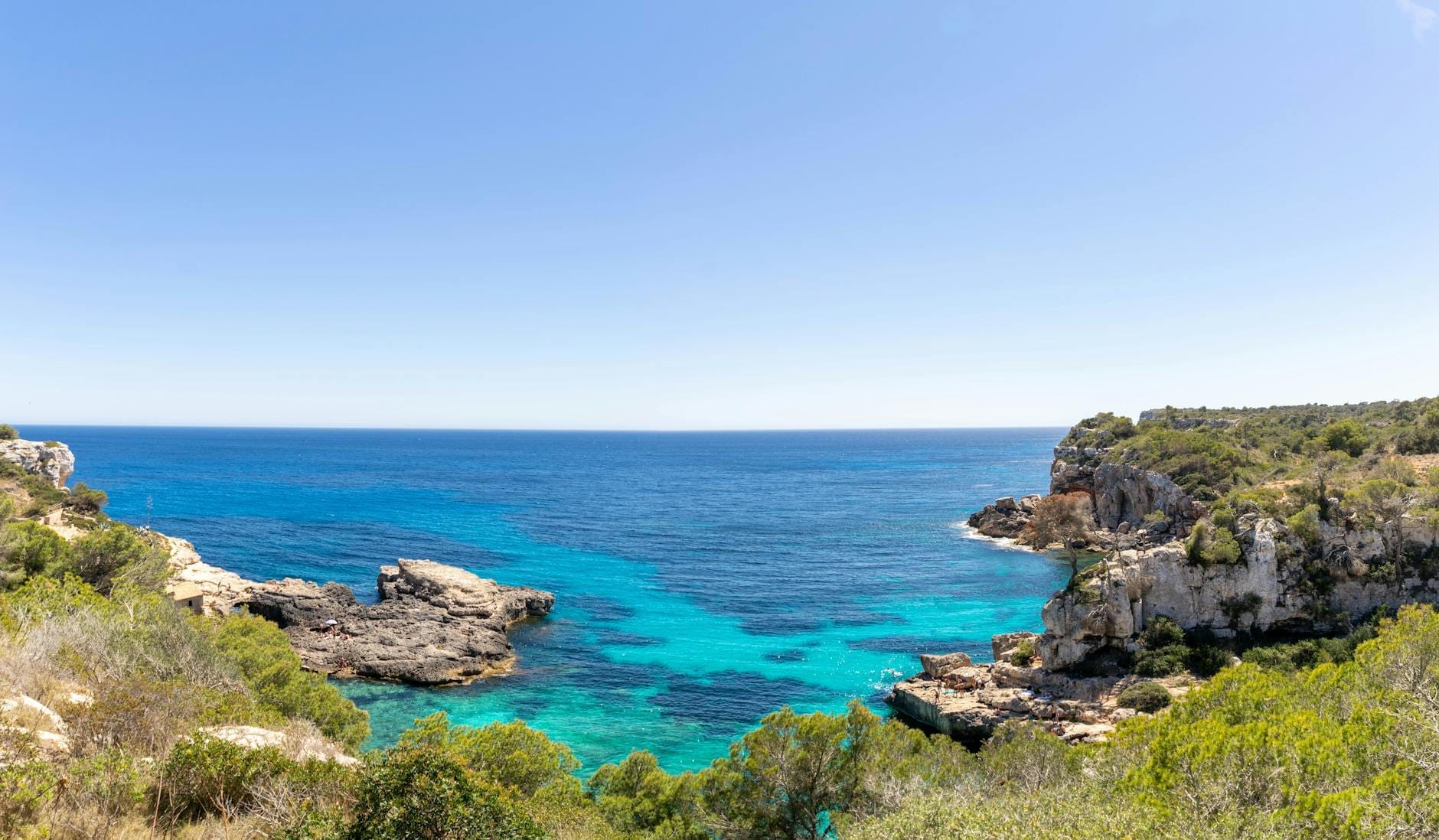
The terrain combines pine and scrubland, freshwater and brackish wetlands, sand dunes, and rocky coastal cliffs. At the southern edge, two small coves — Cala Mondragó and Cala S'Amarador — provide sheltered swimming in clear, shallow water. These are not remote wilderness beaches; they have toilets, a seasonal beach bar, and enough infrastructure to make them comfortable. But the natural park status has kept the surrounding land free of hotels and apartment blocks, which is the real value of this place compared to nearly every other beach in this part of Mallorca.
💡 Local tip
The information center at ses Fonts de n'Alis is typically open mornings and is a good first stop. Staff can point you to the trail condition that day and indicate which areas have recent birdwatching activity.
The Four Trails: What to Expect on Each
The park has four marked walking routes, each taking between 15 and 45 minutes at a moderate pace. They can be combined into a longer circuit that covers the full park in about two hours of walking, not counting beach stops. The terrain is mostly flat with some rocky sections near the cliffs. None of the routes is technically demanding, but the uneven ground and loose sand near the dunes make wheeled mobility difficult on significant portions of the network.
The route connecting ses Fonts de n'Alis to Cala S'Amarador passes through dense pine forest and skirts a small freshwater lagoon, which is where most birdwatching happens. Early mornings in spring and autumn, this area draws a noticeable variety of wading birds, reed warblers, and passing migrants. The coastal section between the two coves offers the most dramatic scenery: low limestone cliffs, turquoise water visible below, and the kind of panoramic quiet that is genuinely hard to find on this coast in summer.
All four routes are open year-round. Winter mornings here are mild rather than cold, and the reduced foot traffic makes the trails feel entirely different from the July version. Birdsong replaces conversation. The light is lower and softer. If your visit to Mallorca extends into late autumn or early spring, this is worth factoring in.
Tickets & tours
Hand-picked options from our booking partner. Prices are indicative; availability and final rates are confirmed when you complete your booking.
Boat trip from Sant Elm to Dragonera Island Natural Park
From 20 €Instant confirmationFree cancellationLevante Natural Park boat trip
From 50 €Instant confirmationFree cancellationBoat trip to Parc Natural de Llevant and Blue Cave
From 63 €Instant confirmationFree cancellationJet Ski Tour to Los Deltas Natural Reserve
From 159 €Instant confirmationFree cancellation
The Beaches: S'Amarador and Cala Mondragó
Cala Mondragó is the larger of the two coves, with fine white sand, clear water grading from pale turquoise to deep blue, and a small beach bar that operates in the summer months. It fills up quickly in July and August, particularly between 10:00 and 16:00. By late afternoon, the light is better for photography and the crowd thins considerably. Cala S'Amarador, a shorter walk from the main parking area, is smaller and slightly less known — it tends to stay quieter even when Mondragó is packed.
Both beaches face south and benefit from calm water most days due to the natural shelter of the surrounding headlands. The sea floor is sandy and gradual, making entry easy for children and less confident swimmers. Snorkeling around the rocky edges of either cove reveals sea grass beds and small fish populations that benefit from the park's protected status — spearfishing and anchoring are restricted, which keeps the underwater environment noticeably healthier than at comparable unprotected coves nearby.
⚠️ What to skip
Parking at S'Amarador and ses Fonts de n'Alis fills completely by 09:30 on peak summer days. If you arrive after that without a reserved spot, you may need to park on the access road and walk in — add 10–15 minutes each way. Coming before 09:00 or after 17:00 avoids this entirely.
If you are visiting this part of Mallorca specifically for beaches, it is worth comparing Mondragó with other protected and semi-protected options in the area. The cove at Cala Llombards is about 10 minutes by car and significantly quieter, though without the walking infrastructure of a natural park. For a full overview of the island's coastal options, the best beaches in Mallorca guide ranks the southeast coast as one of the stronger regions for clear water and natural scenery.
Birdwatching and Wildlife
Mondragó's designation as a Special Protection Area for Birds is not ceremonial. The park sits on a migration corridor and contains the kind of habitat mix — open water, reed beds, scrubland edge, and pine canopy — that supports a wide range of species. Resident birds include kingfishers, red kites, and various warblers. During spring and autumn migration, the wetland areas attract a more varied cast. Serious birders should bring binoculars and arrive early; casual visitors will still notice the noise and movement of bird life even without any equipment.
The park also supports populations of the Hermann's tortoise, a protected species that can occasionally be spotted crossing the drier scrubland sections of the trails, particularly in spring. Do not handle or disturb them. The Mediterranean chameleon has also been recorded in similar habitats in southern Mallorca, though sightings are rare. The freshwater lagoon area near ses Fonts de n'Alis is also where you are most likely to see dragonflies and aquatic insects, which thrive in the park's managed wetlands.
How the Park Changes Through the Day and Year
In midsummer, the park shifts through three distinct phases. Before 09:00, the trails are quiet, the light is angled and warm, and the only sounds are birds and insects. From 10:00 onward, the beaches fill and the trail entrances see steady foot traffic. By early afternoon, the pine scrubland radiates stored heat, the shade of the trees is noticeably welcome, and the coves are at maximum capacity. After 17:00, the light becomes photographic gold and visitors begin to leave. The evening walk from ses Fonts de n'Alis to S'Amarador in the hour before closing is consistently one of the most pleasant experiences the park offers.
Outside summer, the character of the place shifts substantially. October and November bring cooler temperatures, excellent light, and a near-complete absence of crowds. The beaches are not swimmable for everyone in these months, though water temperatures remain reasonable into October. The trails, however, are arguably at their best: the vegetation is still green, the air smells of pine and wild rosemary, and the cliffs look sharper in the lower autumn sun.
For a broader view of what southeast Mallorca offers beyond this park, the southeast Mallorca area guide covers the full range of coves, villages, and inland attractions within reach of Santanyí. If you are planning to rent a car to explore this region properly — which is practically essential for reaching Mondragó and the surrounding coast — the car rental guide for Mallorca explains the main options and what to watch for in the fine print.
Who Should Come, and Who Might Not Bother
Mondragó works well for families with young children — the beach access is easy, there are toilets and shaded picnic areas, and the trails are short enough to manage with a reluctant six-year-old. It also suits anyone who wants a protected natural environment without the remoteness or physical difficulty of somewhere like Sa Calobra or the Tramuntana interior. The combination of swimming, walking, and wildlife in one place, all free, is genuinely unusual for a popular Mediterranean island.
On the other hand, travelers looking for dramatic mountain scenery, total solitude, or a full-day wilderness experience will find the park modest in scale. At 766 hectares with trails ranging from 15 to 45 minutes, it is a half-day destination at most, and that is fine — but be clear-eyed about what you are getting. It is protected coastal lowland, not a mountain wilderness. The beaches are beautiful, but they are beach-bar beaches in summer, not secret coves. And visitors with mobility limitations should note that while the park is theoretically accessible, the practical reality of sand, rocks, and uneven paths means significant portions of the trail network are not wheelchair-friendly.
Mondragó pairs well with a visit to nearby Cala Figuera, a traditional fishing village about 15 minutes by car that offers a completely different kind of experience: narrow lanes, working boat garages, and good seafood without any of the resort infrastructure. The contrast between the two in a single afternoon makes for an unusually complete picture of what the southeast of the island actually looks like.
Insider Tips
- The ses Fonts de n'Alis parking area is slightly less known than the S'Amarador entrance and tends to fill a little later in the morning — use it if you are primarily interested in birdwatching or the inland trails rather than the beach.
- Cala S'Amarador faces slightly west of south, meaning the afternoon light is better there than at Cala Mondragó for photography and for swimming once the midday heat has peaked.
- The scrubland section between the two coves smells strongly of wild rosemary and mastic after rain — even a light shower the night before transforms the walk entirely.
- The park information center staff can tell you about recent wildlife sightings and trail conditions, including which sections have seen the most tortoise activity or bird movement that week. This is worth two minutes of your time before you start walking.
- There is no reliable shade on the beach sections. In July and August, the intense midday sun between noon and 15:00 makes beach time genuinely uncomfortable without a parasol — and these are not always available for hire. Bring your own or plan your timing accordingly.
Who Is Mondragó Natural Park For?
- Families with young children who want a managed natural environment with easy beach access
- Birdwatchers, especially during spring and autumn migration periods
- Travelers who want swimming, walking, and wildlife in a single half-day stop
- Photographers working in the early morning or late afternoon light on the coastal cliffs
- Budget travelers: entry is free and the park's facilities cover the basics
Nearby Attractions
Other things to see while in Southeast Mallorca:
- Cabrera National Park
The Cabrera Archipelago Maritime-Terrestrial National Park is one of the most strictly protected natural areas in the western Mediterranean. Nineteen uninhabited islands, near-pristine seabed, and a 14th-century castle make it a world apart from mainstream Mallorca tourism. Access is limited and must be booked in advance.
- Cala Agulla
Cala Agulla is a 550-metre natural beach in northeast Mallorca, declared a protected natural area in 1991. Backed by dunes and pine forest, with shallow turquoise water and no major development, it's one of the cleanest and most unspoiled stretches of coastline on the island.
- Cala d'Or
Cala d'Or is a planned resort village on Mallorca's southeast coast, designed in the 1930s by an Ibizan architect and built around several sheltered sandy coves. With calm, clear water, low-rise whitewashed buildings, and a relaxed marina atmosphere, it draws families and couples looking for beach days without the noise of larger resorts.
- Cala Figuera
Cala Figuera is a working fishing village on the southeastern coast of Mallorca, set inside a narrow, fjord-like inlet that splits into two quiet arms. With no sandy beach, no resort hotels, and a harbor still active with traditional wooden boats, it offers something genuinely rare on this island: calm, character, and a sense of place.