Cabrera National Park: Mallorca's Wildest, Most Protected Escape
The Cabrera Archipelago Maritime-Terrestrial National Park is one of the most strictly protected natural areas in the western Mediterranean. Nineteen uninhabited islands, near-pristine seabed, and a 14th-century castle make it a world apart from mainstream Mallorca tourism. Access is limited and must be booked in advance.
Quick Facts
- Location
- 10–18.5 km southeast of Mallorca, off Colònia de Sant Jordi, Southeast Mallorca
- Getting There
- Tourist boats from Colònia de Sant Jordi port (approx. 25-min crossing); car or bus to Colònia de Sant Jordi from Palma
- Time Needed
- Full day (most boat excursions are day trips); overnight stays bookable at the park refuge
- Cost
- Boat excursion fees vary by operator; advance booking required via official CAIB portal or licensed operators
- Best for
- Snorkelling, wildlife watching, hiking, history, photography, solitude
- Official website
- cabreranacionalpark.caib.es/en/
What Cabrera Actually Is
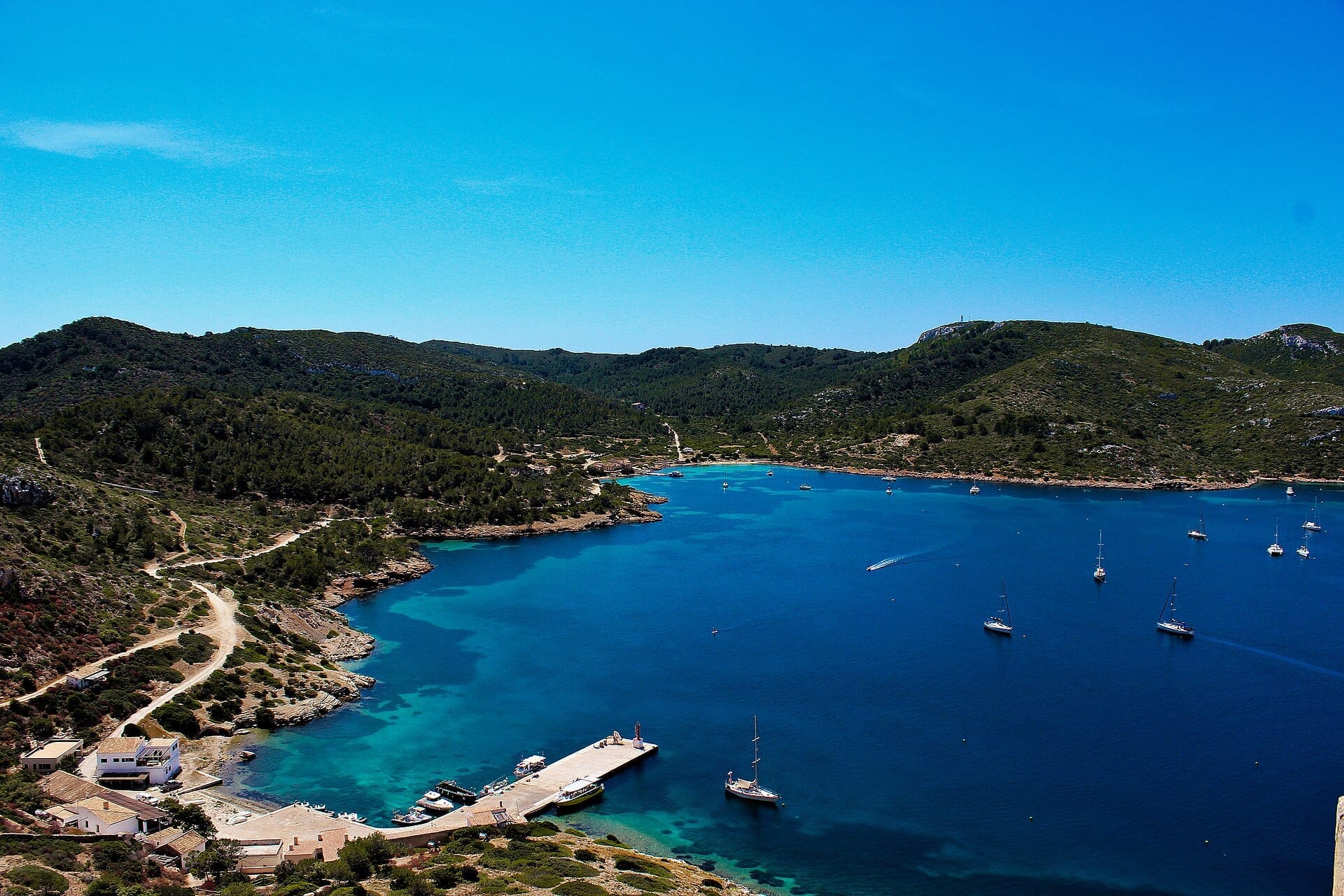
The Cabrera Archipelago Maritime-Terrestrial National Park is Spain's first national park to protect both land and sea in a single designation. Declared in 1991 and expanded in 2019 to cover roughly 90,000 hectares, the park encompasses 19 islands and islets southeast of Mallorca's coast. The main island, Cabrera, is the only one with any infrastructure at all: a small harbour, a restored 14th-century castle, a basic refuge for overnight stays, and ranger stations. The rest of the archipelago is bare rock, scrub, and open water.
The marine component is the real centrepiece. The seabed around Cabrera contains posidonia oceanica meadows (a protected seagrass that is one of the oldest living organisms on Earth), Eleonora's falcon nesting colonies, Audouin's gulls, loggerhead sea turtles, and monk seal sightings, though the latter are rare. The water clarity is exceptional precisely because commercial fishing and mass tourism have been excluded for decades.
⚠️ What to skip
Visitor numbers are strictly capped each day. Do not assume you can turn up in Colònia de Sant Jordi and find a boat with space. Book well in advance, especially between May and September, via the official CAIB booking portal or a licensed operator.
Getting to Cabrera: The Crossing and What to Expect
The journey begins in Colònia de Sant Jordi, a small fishing and sailing town on Mallorca's southern coast. The port is modest and unhurried in the early morning: a smell of salt and diesel, fishermen returning before the tourist boats load up. The crossing to Cabrera takes around 25 minutes by fast catamaran, or longer on slower vessels. On clear days, the archipelago appears as a dark silhouette against open Mediterranean water well before arrival.
To reach Colònia de Sant Jordi by car, the drive from Palma takes roughly 55–70 minutes via the Ma-19. Public buses also connect Palma to Colònia de Sant Jordi, though schedules are seasonal. If you are combining the trip with other stops in the south, consider planning around Es Trenc beach, which is just a short drive north along the same coast.
Parking in Colònia de Sant Jordi is reasonably available outside peak summer weekends, but the port area fills up by mid-morning in July and August. Arrive at least 30 minutes before your scheduled departure to check in and load gear. Licensed excursion operators manage the booking and boarding process; the Parc Nacional Interpretation Centre, located near the port, is worth a quick visit before departure for ecological context and maps.
Tickets & tours
Hand-picked options from our booking partner. Prices are indicative; availability and final rates are confirmed when you complete your booking.
Cabrera full-day excursion from Colonia Sant Jordi
From 60 €Instant confirmationFree cancellationCabrera full-day excursion from S'Arenal
From 90 €Instant confirmationFree cancellationDinosaurland and Caves of Hams combined ticket
From 25 €Instant confirmationFree cancellationShuttle Boat from Cala Millor to Cala Ratjada
From 26 €Instant confirmationFree cancellation
On the Island: Castle, Harbour, and the Landscape
When the boat enters Cabrera's natural harbour, the first thing you see is a medieval castle on the ridge above. Built in the late 14th century as a defensive outpost against pirate raids, the Castell de Cabrera remained strategically relevant for centuries. The island served as a military base from 1916 until its incorporation into the national park in 1991, which explains why the land remained almost completely undeveloped. The military presence, paradoxically, was good for the ecology.
A short, steep trail leads from the harbour up to the castle. The walk takes 15–20 minutes each way, climbing through low scrub and rosemary. From the ramparts, the view across the archipelago and back toward the Mallorcan coast is one of the most genuinely remote perspectives you can access in the Balearics without a sailing yacht. The landscape is dry, stony, and almost completely silent except for wind and seabirds. There are no cafes, no vendors, and no music.
A longer route, approximately 11 km, extends to the island's lighthouse on the opposite end. This trail requires a ranger escort and takes most of the day. It passes through the island's interior, which is greener than the harbour area suggests, with endemic plant species and the kind of uninterrupted birdlife that has become almost impossible to find on the Mallorcan mainland. Book the ranger-guided lighthouse hike in advance if this is your goal; spots are limited and not always available on every excursion day.
In the Water: Snorkelling and Diving
For most visitors, the water is the primary reason to come. The harbour bay and several designated coves allow snorkelling directly from the boat or from rocky shorelines. The posidonia meadows start at shallow depths and visibility regularly exceeds 20 metres in summer. You will see sea bass, bream, starfish, and occasional octopus without going deep. The water is cold at depth even in August, noticeably cooler than the beaches of southern Mallorca.
Scuba diving requires a permit coordinated through the park administration. The dive sites around Cabrera are considered among the best in the western Mediterranean, with wall dives, underwater caves, and seabed intact enough to feel genuinely wild. Commercial dive operators based in Colònia de Sant Jordi offer guided day dives in conjunction with boat access. Check with operators directly for current licensing and permit requirements, as regulations around diving zones are subject to seasonal adjustment.
💡 Local tip
Bring your own snorkel gear. Some boat operators provide basic equipment, but supply is limited and fit is variable. A wetsuit top is worth considering even in summer: the deeper coves stay cool.
Time of Day: How the Experience Shifts
Most day-trip boats arrive at Cabrera by mid-morning and depart in the early-to-mid afternoon, which means the harbour area sees its highest foot traffic between around 10am and 2pm. The midday sun is intense in summer, and the rocky terrain offers very little shade outside the castle walls. If you are on a standard day excursion, try to complete the castle hike in the first hour after arrival before temperatures peak.
The park allows private sailboats and yachts to anchor overnight in designated zones, and those who stay see the island in an entirely different register. In the late afternoon, after the day-trip boats have left, the harbour becomes almost silent. The light at dusk over the archipelago is extraordinary, and the night sky, with no light pollution from the island itself, is properly dark. The park refuge offers basic dormitory-style accommodation for those who want to stay without a boat; reserve this well ahead of the season.
Practical Intelligence: What to Bring and What to Know
There are no shops on Cabrera. No restaurants, no kiosks, no ATMs. Bring everything you need for the day: food, water (at least 2 litres per person in summer), sunscreen, a hat, and closed-toe shoes for the castle trail. The terrain is uneven and rocky, and sandals are inadequate for anything beyond the harbour area. Swimwear and a towel are essential if you plan to swim.
- Book boat excursions in advance via the official CAIB portal or a licensed operator in Colònia de Sant Jordi
- Bring all food, water, and supplies; nothing is available on the island
- Wear sunscreen and a hat; shade is very limited outside the castle
- Closed-toe shoes are required for the castle trail and the lighthouse route
- Snorkel gear is worth bringing if you have it; wetsuit tops are recommended for longer swims
- Photography is unrestricted for personal use; the castle ridge and the harbour at departure time are the best vantage points
- Wheelchair access is not feasible on the island; rugged terrain and no adapted infrastructure make mobility very difficult
Cabrera fits naturally into a broader exploration of southeast Mallorca. The area around Colònia de Sant Jordi also gives access to the Mondragó Natural Park and the dramatic coves further up the coast. If you are planning several days in this part of the island, the guide to southeast Mallorca covers the full range of options.
ℹ️ Good to know
The park is open year-round in principle, but boat excursions are seasonal and most heavily concentrated between April and October. Some operators suspend services in winter entirely. Always confirm current schedules directly with operators or the park administration before planning your trip.
Is Cabrera Worth the Effort?
For nature-oriented travellers, yes, unambiguously. The combination of near-pristine marine environment, genuine solitude, and historical atmosphere is almost impossible to find at this proximity to a major tourism destination. The logistical barrier — the advance booking, the early start, the lack of on-island amenities — filters out casual visitors, which is precisely why the experience remains so different from the rest of Mallorca.
Visitors who are primarily interested in beaches, bars, and resort amenities will find Cabrera frustrating. The beach-focused south coast, including Es Trenc, offers far more comfort with less planning. Similarly, those with limited mobility or travelling with very young children should weigh the rugged terrain carefully before booking.
Photography enthusiasts should note that Cabrera offers lighting conditions and subjects that are exceptional by Mediterranean standards, from underwater macro work to wide landscape shots from the castle. The Mallorca photography guide covers several other locations that pair well with a Cabrera day trip.
Insider Tips
- Book the official CAIB permit as early as possible, sometimes months ahead for summer weekends. The cap on daily visitors is enforced without exceptions.
- If you want the lighthouse hike, specify this when booking. Not all excursion packages include the ranger-guided route, and it covers terrain that is genuinely different from the harbour area.
- The clearest water for snorkelling is usually found in the coves to the northeast of the main harbour rather than in the harbour itself, where boat traffic disturbs sediment.
- Private yacht and sailing boat visitors can anchor overnight in designated zones with a park permit. This is the single best way to experience Cabrera: arriving after the day boats leave and staying until morning.
- Pack a small pair of binoculars. Eleonora's falcons nest on the cliff faces of the outer islets and are visible from the main island, but they are distant without magnification.
Who Is Cabrera National Park For?
- Snorkellers and divers seeking Mediterranean waters in near-pristine condition
- Hikers and wildlife enthusiasts who want the Balearics without the crowds
- Photographers looking for landscapes and marine subjects with real remoteness
- History-minded travellers interested in the medieval castle and military heritage
- Sailors and yacht owners wanting a legitimate overnight anchorage in protected waters
Nearby Attractions
Other things to see while in Southeast Mallorca:
- Cala Agulla
Cala Agulla is a 550-metre natural beach in northeast Mallorca, declared a protected natural area in 1991. Backed by dunes and pine forest, with shallow turquoise water and no major development, it's one of the cleanest and most unspoiled stretches of coastline on the island.
- Cala d'Or
Cala d'Or is a planned resort village on Mallorca's southeast coast, designed in the 1930s by an Ibizan architect and built around several sheltered sandy coves. With calm, clear water, low-rise whitewashed buildings, and a relaxed marina atmosphere, it draws families and couples looking for beach days without the noise of larger resorts.
- Cala Figuera
Cala Figuera is a working fishing village on the southeastern coast of Mallorca, set inside a narrow, fjord-like inlet that splits into two quiet arms. With no sandy beach, no resort hotels, and a harbor still active with traditional wooden boats, it offers something genuinely rare on this island: calm, character, and a sense of place.
- Cala Llombards
Cala Llombards is a compact white-sand bay on Mallorca's southeast coast, framed by limestone cliffs and pine woodland. At roughly 55 metres wide, it fills quickly in summer, but its clear shallow water, cliff-side ladders for swimming, and relative quiet compared to more marketed beaches make it one of the more rewarding stops in the Santanyí area.