Southeast Mallorca stretches from the Serra de Llevant mountains down to the dramatic coastline between Porto Cristo and Colònia de Sant Jordi, taking in medieval towns, protected coves, prehistoric sites, and one of the island's most famous cave systems. It is the part of Mallorca that still feels like it belongs to itself.
Southeast Mallorca is where the island's postcard imagery gives way to something more textured: hilltop fortresses, fishing harbours that actually land fish, ancient towns built for defence rather than tourism, and coves so well-sheltered you can hear the water dripping off the limestone cliffs. This is the part of Mallorca where you genuinely need a car, and where that inconvenience pays dividends.
Orientation
Southeast Mallorca is a broad arc of coastline and inland terrain occupying roughly the lower-right quarter of the island. Think of it as the area bounded by Artà and Capdepera in the north, Manacor and its surroundings in the west, and the coast running south from Porto Cristo all the way to Colònia de Sant Jordi and the edge of Es Trenc. The Serra de Llevant, a quieter mountain range running roughly north to south through the eastern interior, gives the region its backbone and keeps the eastern coast surprisingly sheltered from westerly winds.
The main towns you will use as reference points are Artà in the north of the region, Capdepera on the northeast cape, Porto Cristo on the central east coast, Cala d'Or and Porto Colom further south, and Santanyí near the southern end. Manacor, the island's second-largest city, sits just inland and functions as the commercial hub for the whole southeast, with supermarkets, workshops, and the kind of infrastructure that keeps a working island running. From Palma, the Ma-15 motorway runs east through Manacor and provides the main artery into the region, taking around 45 to 55 minutes depending on where you are heading.
The southeast connects naturally to the east coast beaches and is within reasonable driving distance of Alcudia in the north and inland Mallorca to the west. If you are basing yourself here, plan on Palma being roughly an hour away by car, which is close enough for a day trip but far enough to make you appreciate staying put.
Character and Atmosphere
The southeast does not have one mood. It has several, and they shift depending on which town you are in, which time of day it is, and which month of the year you have arrived.
Mornings in Artà start with a quality of light that makes the old stone look almost amber. The narrow lanes climbing toward the hilltop fortress church are quiet before 9am, the cafés on the main square filling slowly with locals rather than visitors. By mid-morning the town is more animated, but it never tips into the frenetic pace you find at the island's beach resorts. Artà has always been a working town, home to artisans and farmers, and that identity is still readable in its streets.
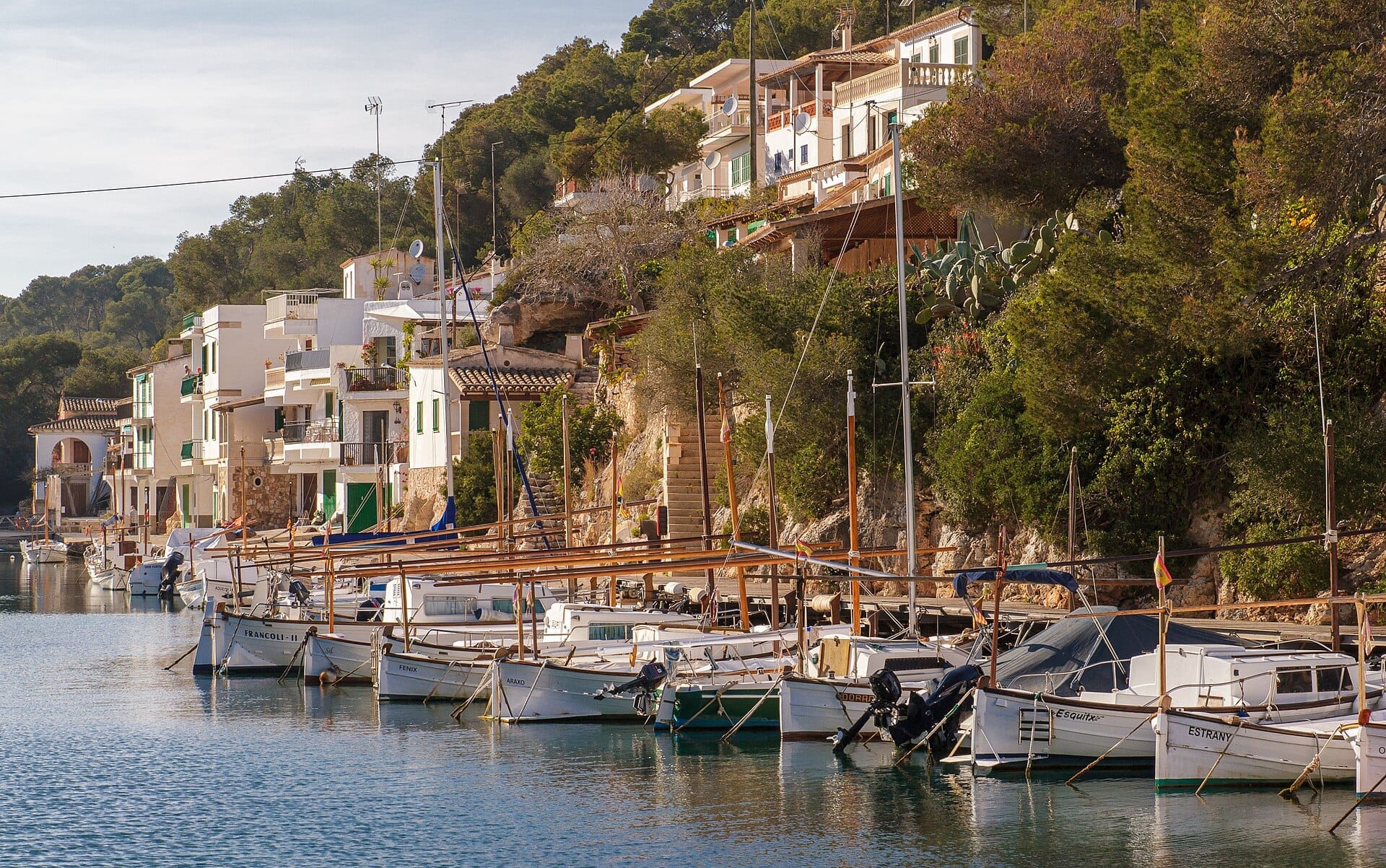
Porto Cristo is different in character. It is a proper harbour, with a natural inlet that has been used since Roman times, and in the early morning you can watch fishing boats return or see the Coves del Drach tour groups gathering at the entrance. The waterfront becomes tourist-facing by late morning, with restaurant terraces filling up, but walk five minutes back from the harbour and the residential streets are calm and lived-in.
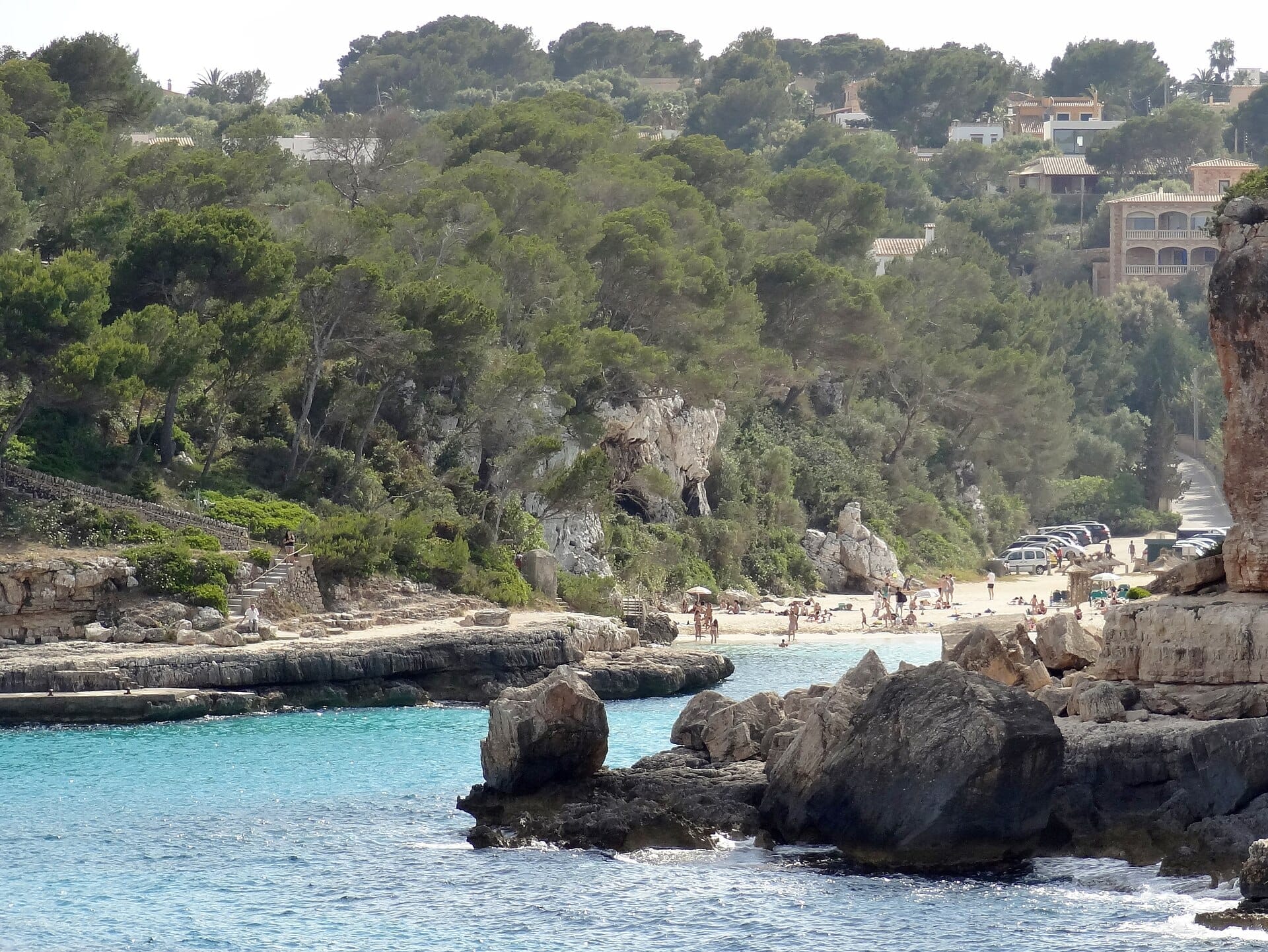
In summer, the coves and beaches attract serious crowds, particularly at places like Cala d'Or and Cala Llombards. Arriving at any popular cove after 10am in July or August means competing for space. In shoulder season, October or April especially, those same coves can be almost empty. The afternoon light across the limestone cliffs in autumn is worth a trip on its own. After dark, the southeast is quiet by Mallorcan standards. This is not a nightlife destination. Restaurants in Artà and Porto Cristo serve dinner at a leisurely pace, the bars close at a reasonable hour, and the streets are largely silent by midnight.
💡 Local tip
If you are planning to visit the popular southern coves between June and September, aim to arrive before 9:30am or after 5pm. Cala Llombards and Caló des Moro in particular reach capacity by mid-morning and have very limited parking.
What to See and Do
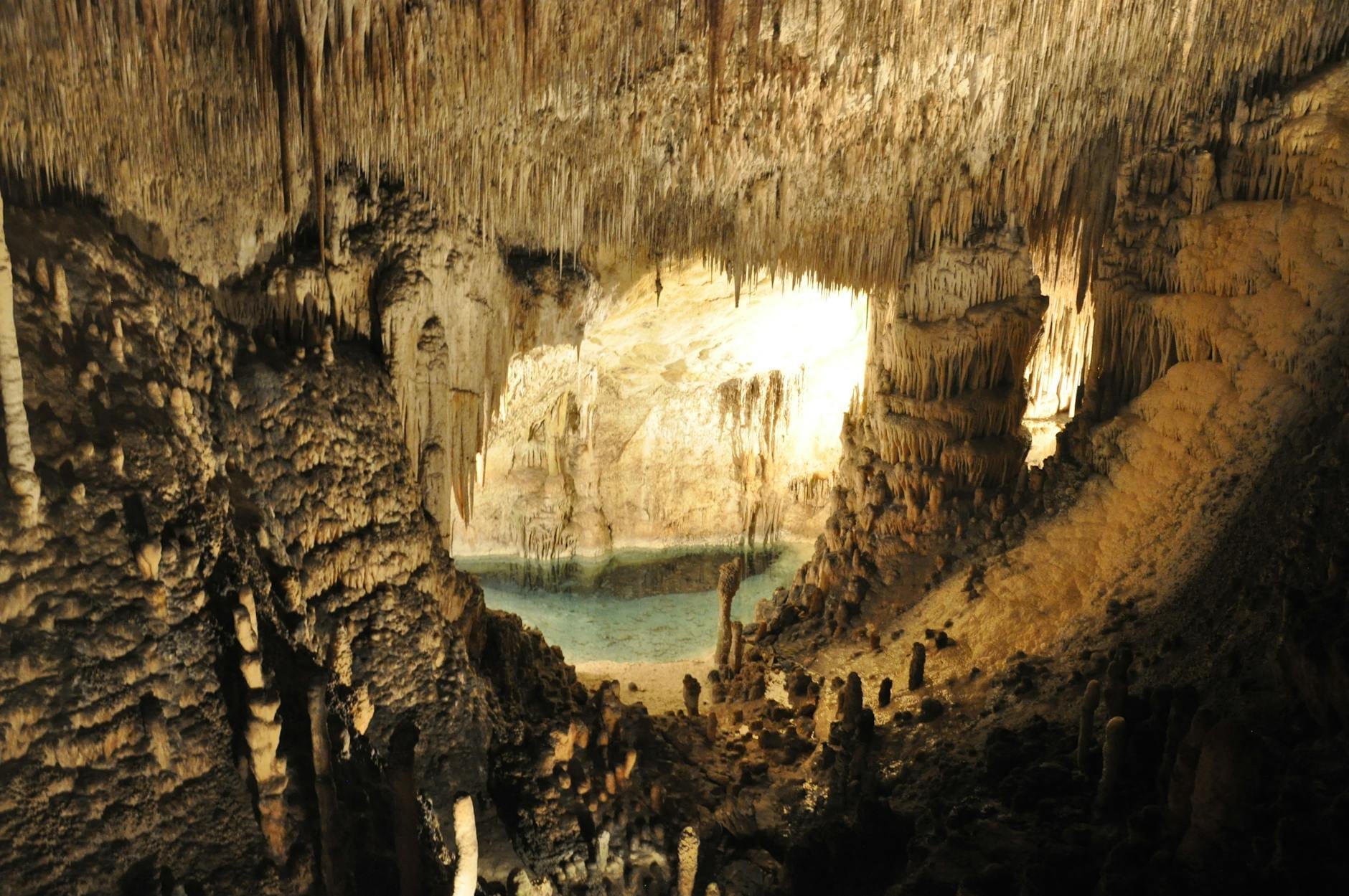
The southeast has more concentrated sightseeing than its relatively low profile might suggest. The Coves del Drach near Porto Cristo are one of the most visited attractions on the whole island, and with good reason. The cave system is genuinely spectacular, featuring one of the largest underground lakes in Europe. Tours run several times daily and include a live classical music performance on the lake, delivered by musicians in rowing boats. It is theatrical and slightly surreal, but the geological scale of the caves earns your attention regardless.
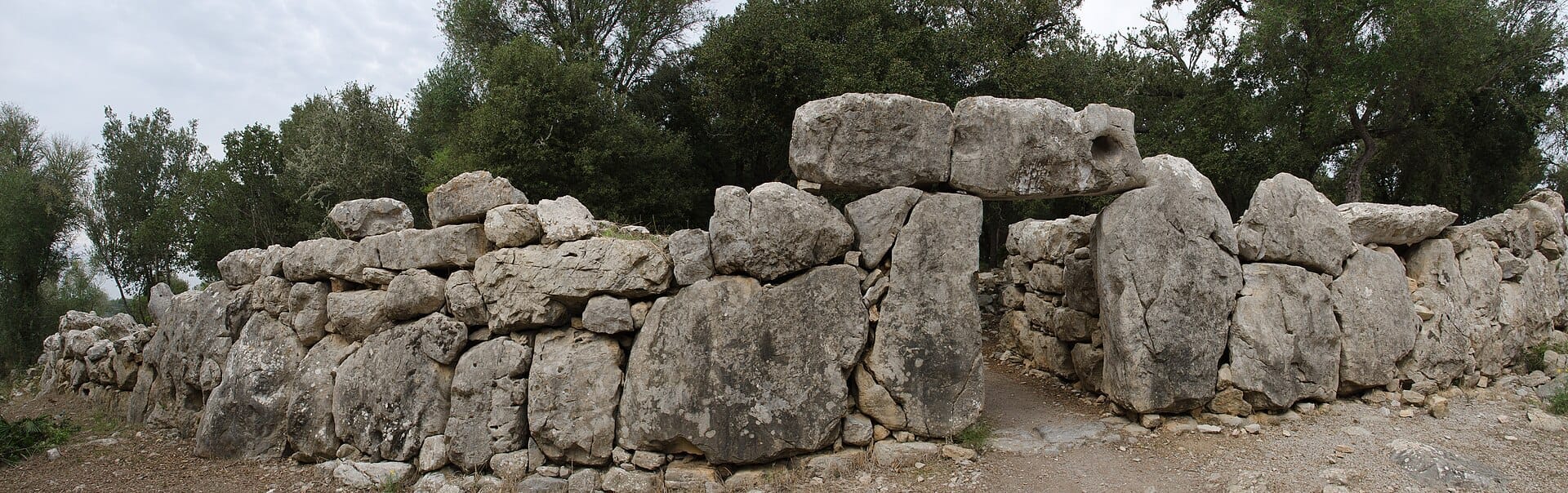
Near Artà, the prehistoric talayotic settlement of Ses Païsses is one of the best-preserved Bronze Age sites in the Balearics. The massive cyclopean walls at its entrance are around 3,000 years old and still standing to chest height. It receives far fewer visitors than it deserves. Read more about Ses Païsses in Artà before you visit.
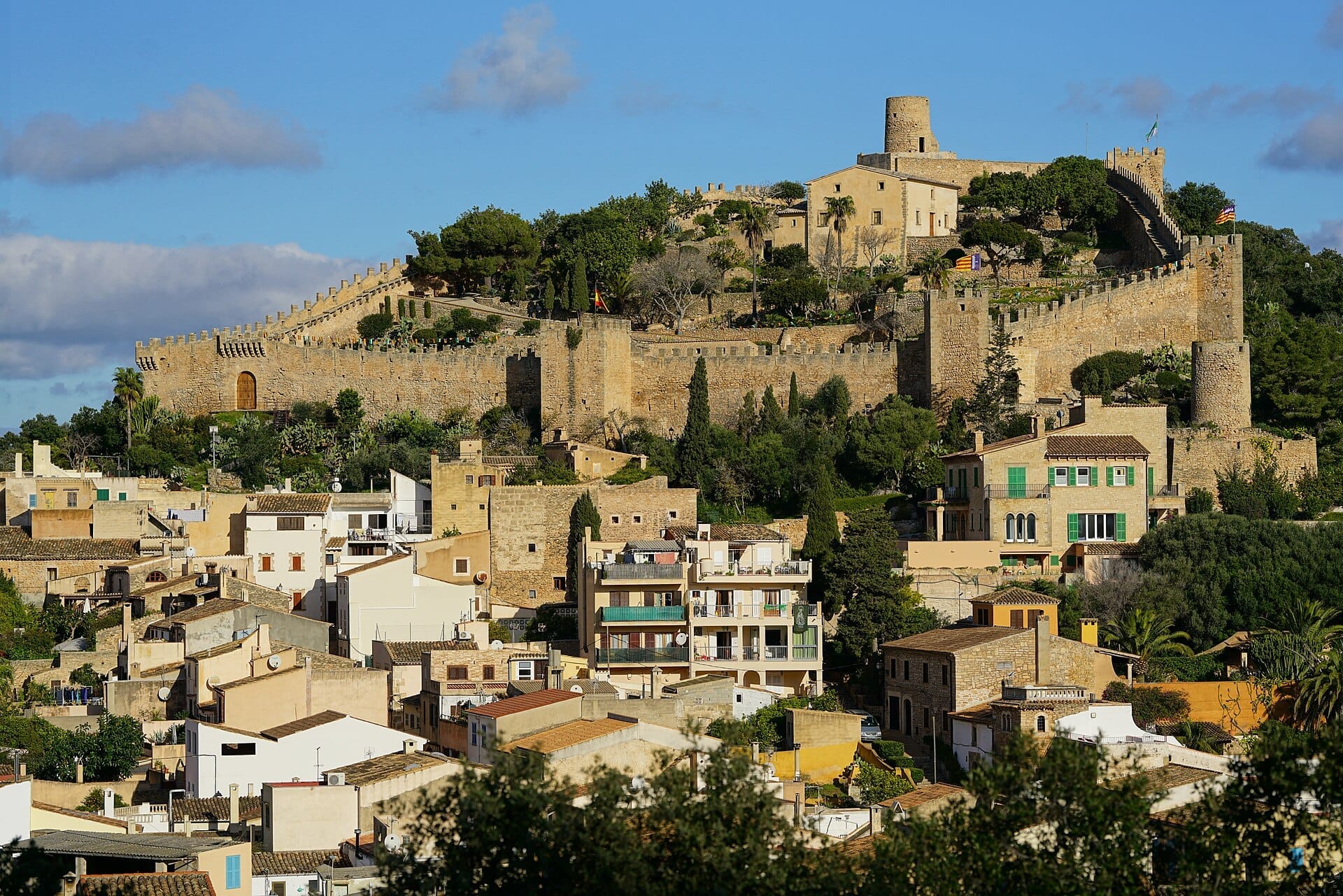
The medieval fortress at Capdepera sits on a hill above the town and commands views across to Menorca on a clear day. The walls and towers are largely intact, and the climb through the town to reach the entrance passes some of the most photogenic streets in the southeast. For more details, see the Capdepera Castle guide.
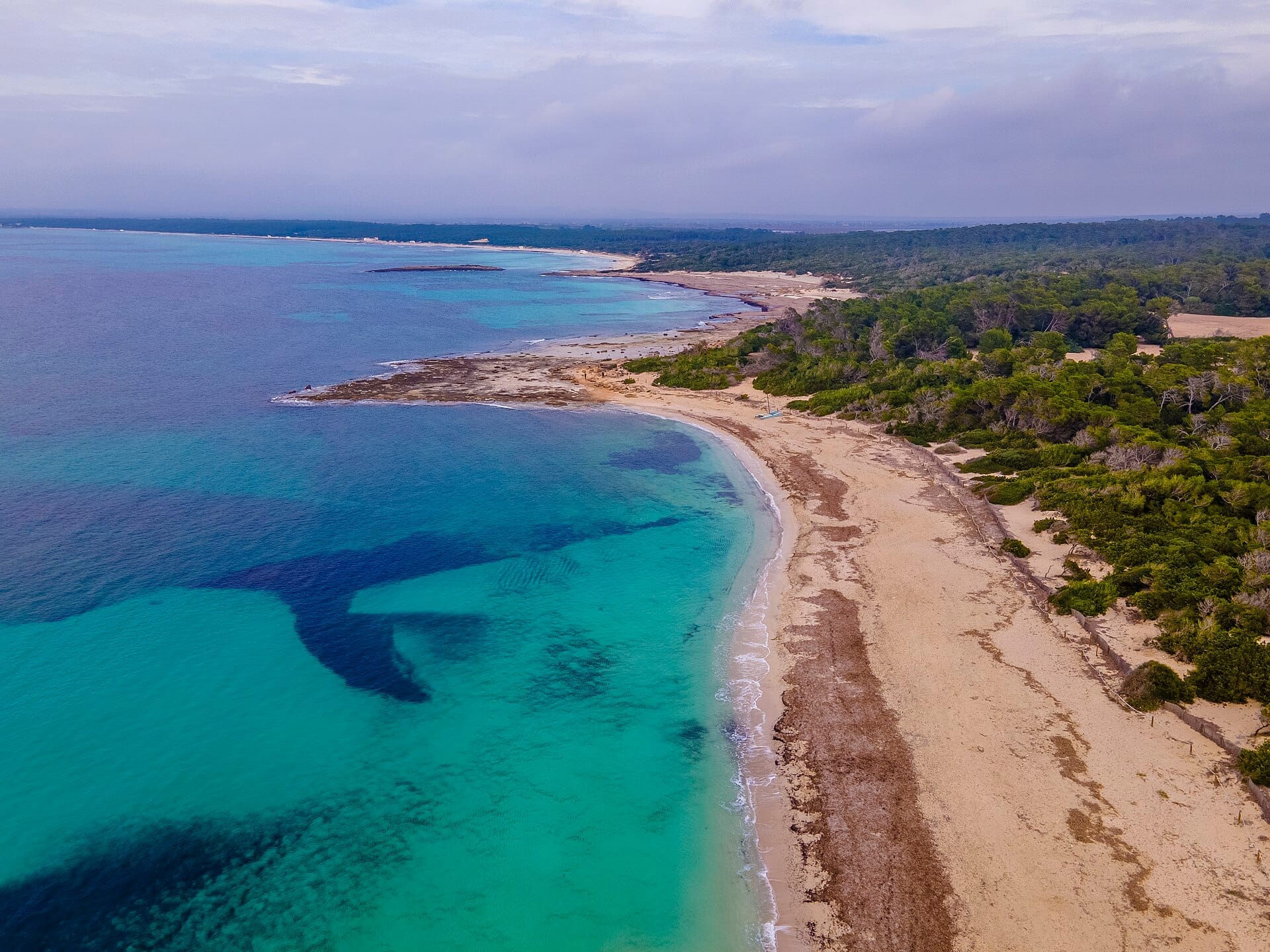
Mondragó Natural Park, south of Cala d'Or, protects a stretch of coastline and pine woodland that includes two beaches connected by walking trails. It is the kind of place where you can spend half a day walking between coves and barely see another person outside peak summer. The Mondragó Natural Park is one of the few genuinely protected coastal areas on the island.
Coves del Drach: underground lake and cave system, daily guided tours near Porto Cristo
Ses Païsses: walled Bronze Age settlement outside Artà, free or low-cost entry
Capdepera Castle: intact medieval fortress with panoramic coastal views
Mondragó Natural Park: protected coastline with walking trails connecting two beaches
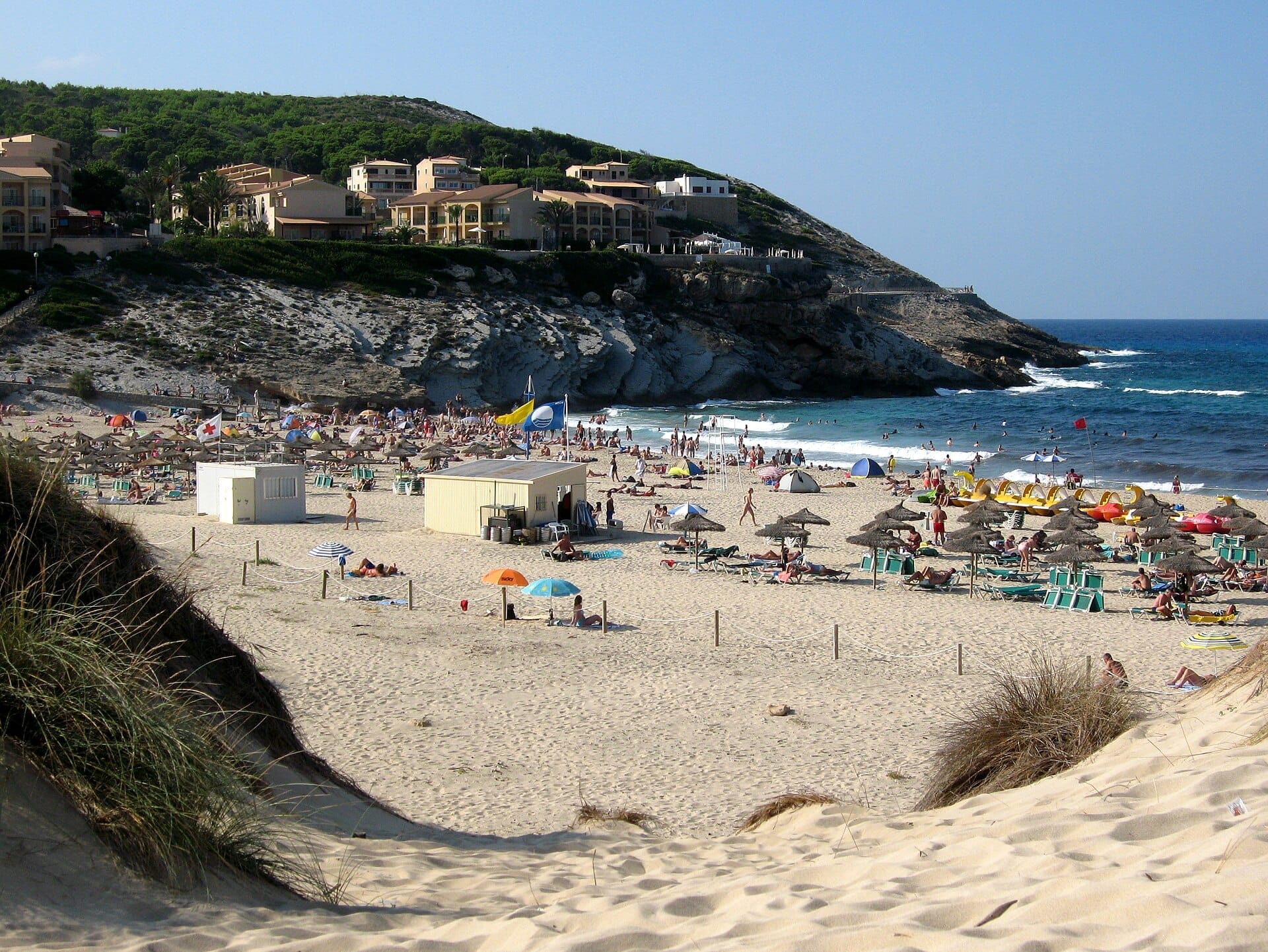
Cala Agulla: wide sandy beach north of Cala Ratjada, backed by pines
Santuari de Sant Salvador, Felanitx: hilltop monastery with panoramic views across the southeast coast
Sineu market: inland Wednesday market, a short drive west, one of Mallorca's most authentic
The southeast is also excellent territory for cycling, particularly the quieter roads around Artà and the Llevant interior. See the cycling in Mallorca guide for route suggestions. Hikers should note that the Serra de Llevant trails are considerably less crowded than those in the Tramuntana, with similar scenery on a smaller scale.
Eating and Drinking
The food scene across southeast Mallorca is uneven in the best possible way. Capdepera and Artà have small restaurants serving genuinely local cooking to a genuinely local clientele, the kind of places where the menu changes with what the market has that week. Porto Cristo and Cala d'Or have broader options, ranging from waterfront seafood restaurants aimed squarely at visitors to small neighbourhood bars where the set lunch menu costs under twelve euros and comes with bread, wine, and no performance whatsoever.
Seafood is the obvious draw along the coast. Look for fresh catch grilled simply with olive oil and lemon, or the local variant of suquet, a fish stew with potatoes and saffron broth. Inland, the cooking leans toward meat, particularly lamb from the Llevant hills and sobrassada, the soft, spreadable cured sausage made from local pork and paprika that appears on almost every table in some form.
Manacor is worth knowing about if you are self-catering or shopping for supplies. The town has good markets and local food shops, and the weekly Tuesday market draws producers from across the southeast. For a broader picture of what to eat across the island, the Mallorca food guide covers local specialties, restaurant types, and what to order.
Wine drinkers should note that the southeast sits close to the Pla i Llevant denominació d'origen, a relatively small wine region producing structured reds from the Callet grape and some interesting whites. Several small estates around Felanitx and Porreres offer visits by appointment.
ℹ️ Good to know
The set lunch menu (menú del día) is the best value in the southeast, typically running two or three courses with a drink for under fifteen euros. Look for it in restaurants that cater to local workers rather than those with English-language menus displayed outside.
Beaches and Coastline
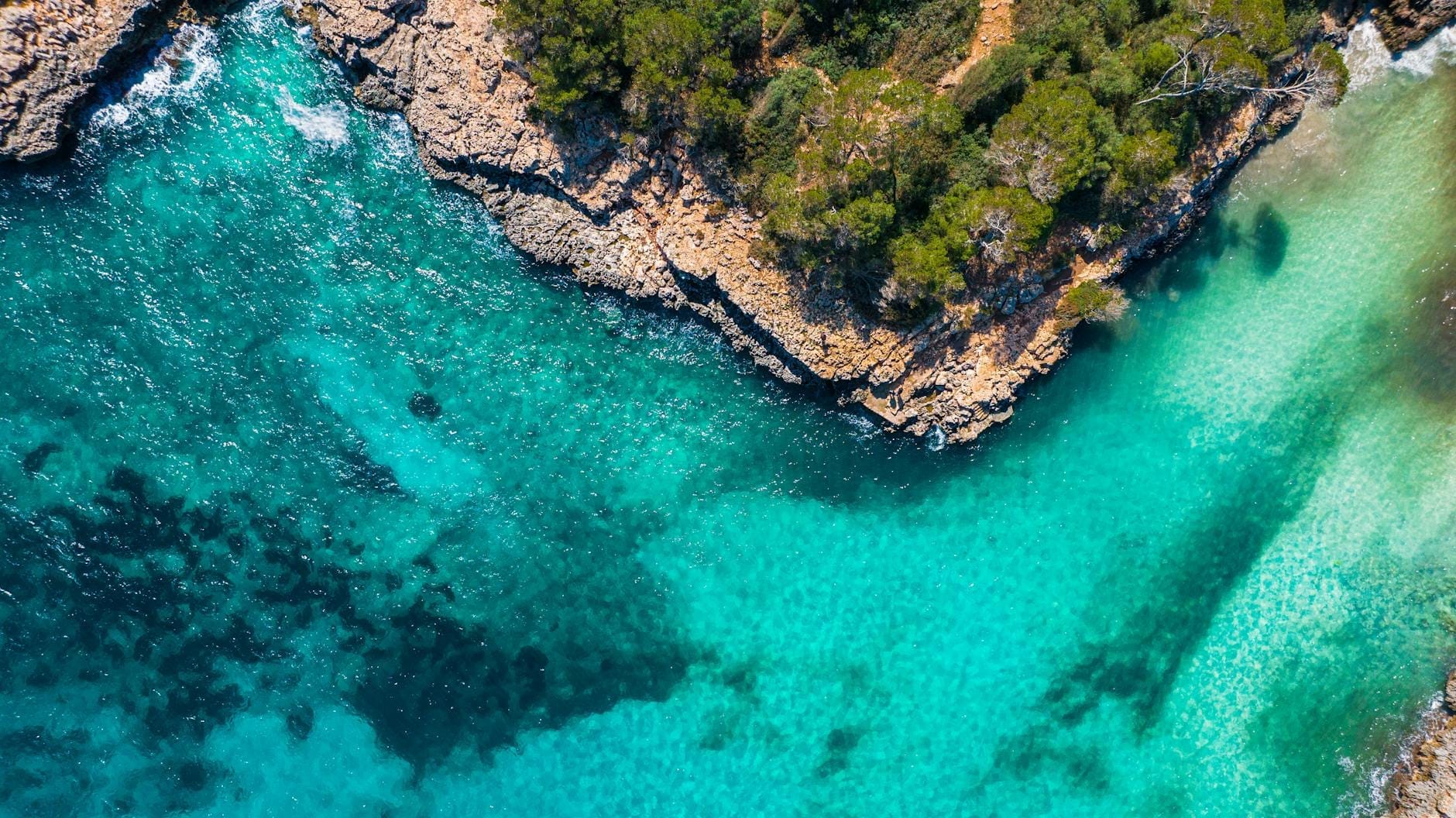
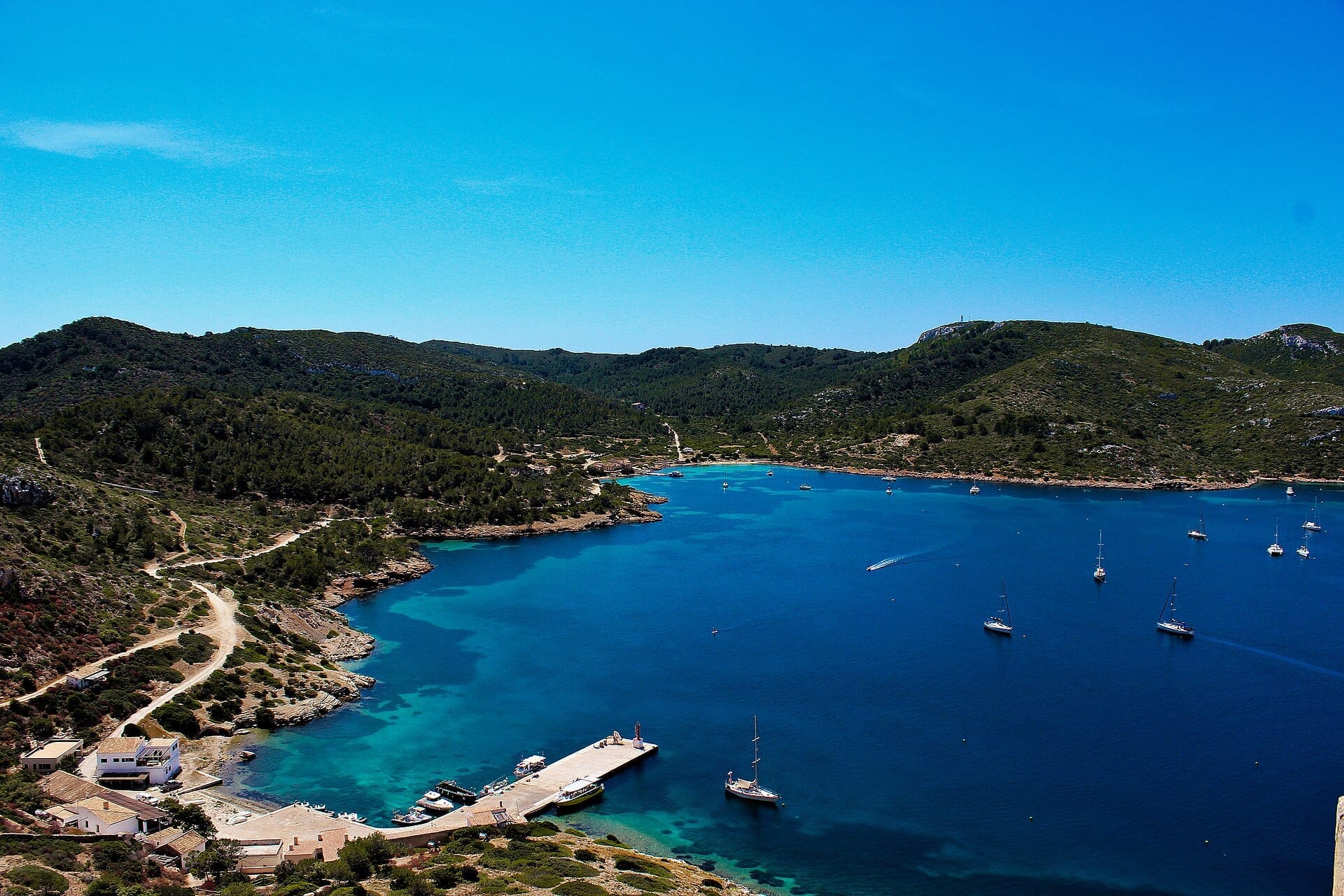
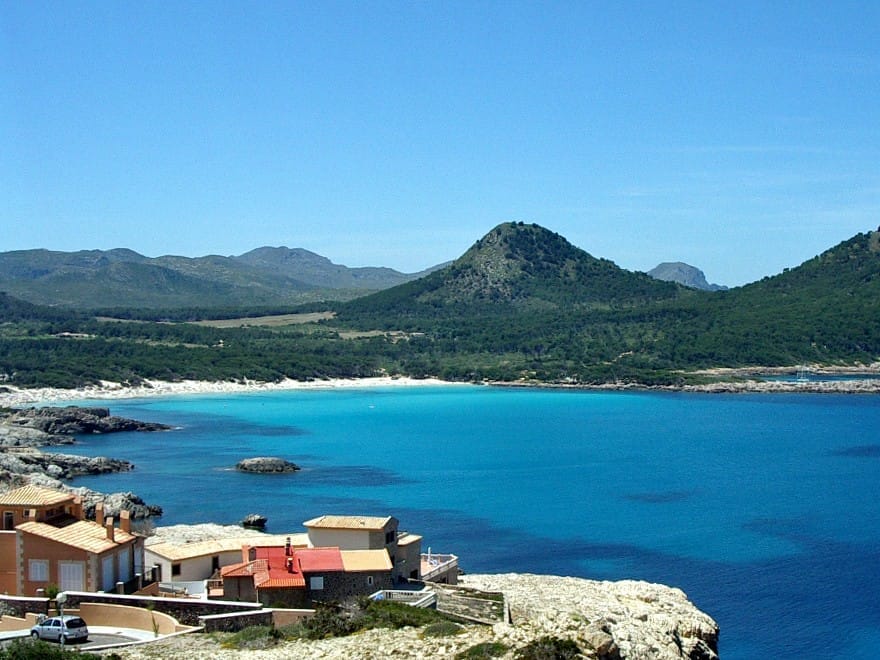
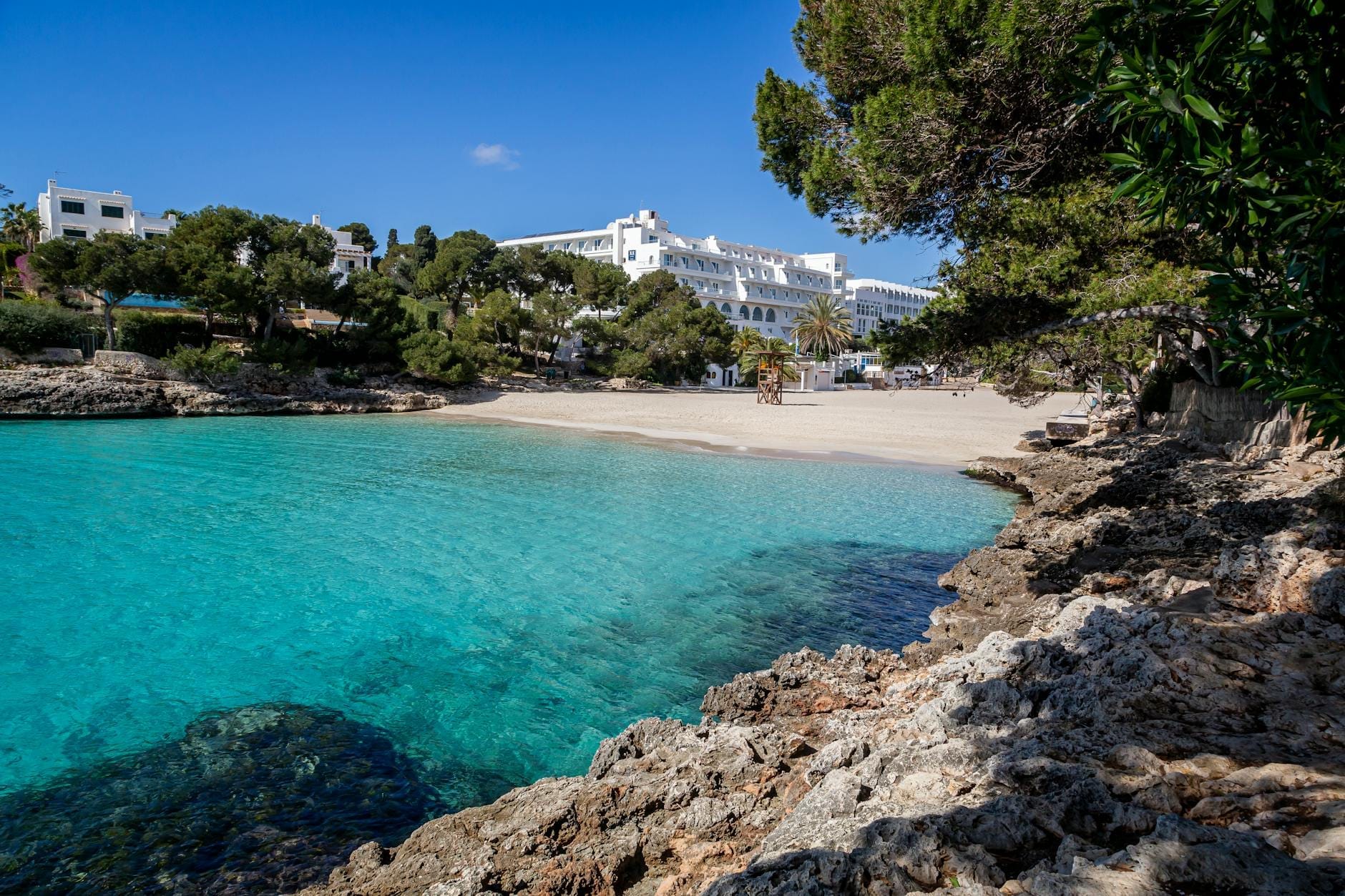
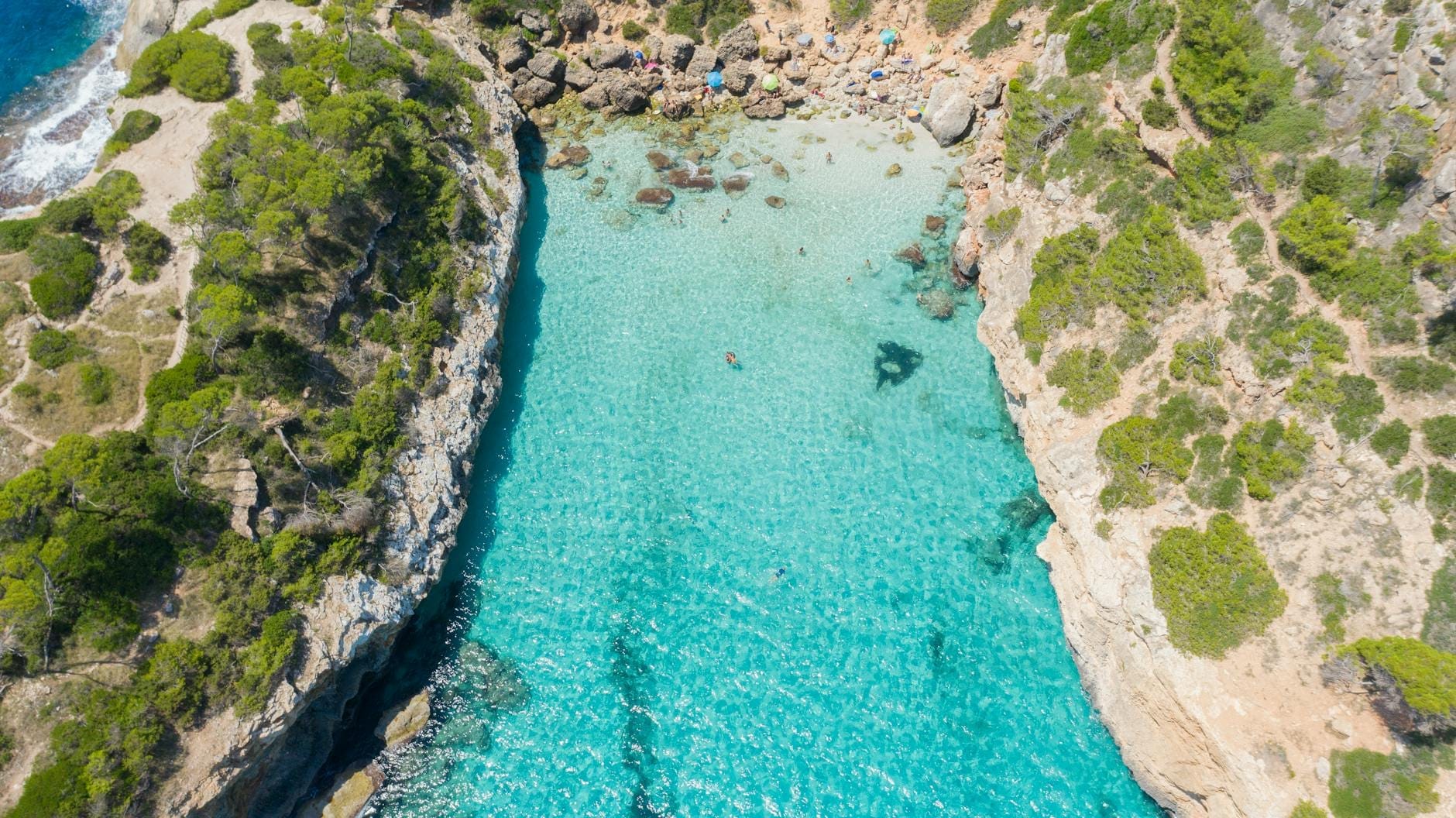
The southeast coastline is the defining feature of the region, and it varies considerably over its length. In the north, around Cala Ratjada and Cala Agulla, the beaches are wide and backed by pine forest, with enough space to absorb summer crowds without feeling completely overrun. Moving south, the coves become smaller and more dramatic: rocky limestone headlands, turquoise water in shades that shift with the depth, and beaches accessible only by foot or boat.
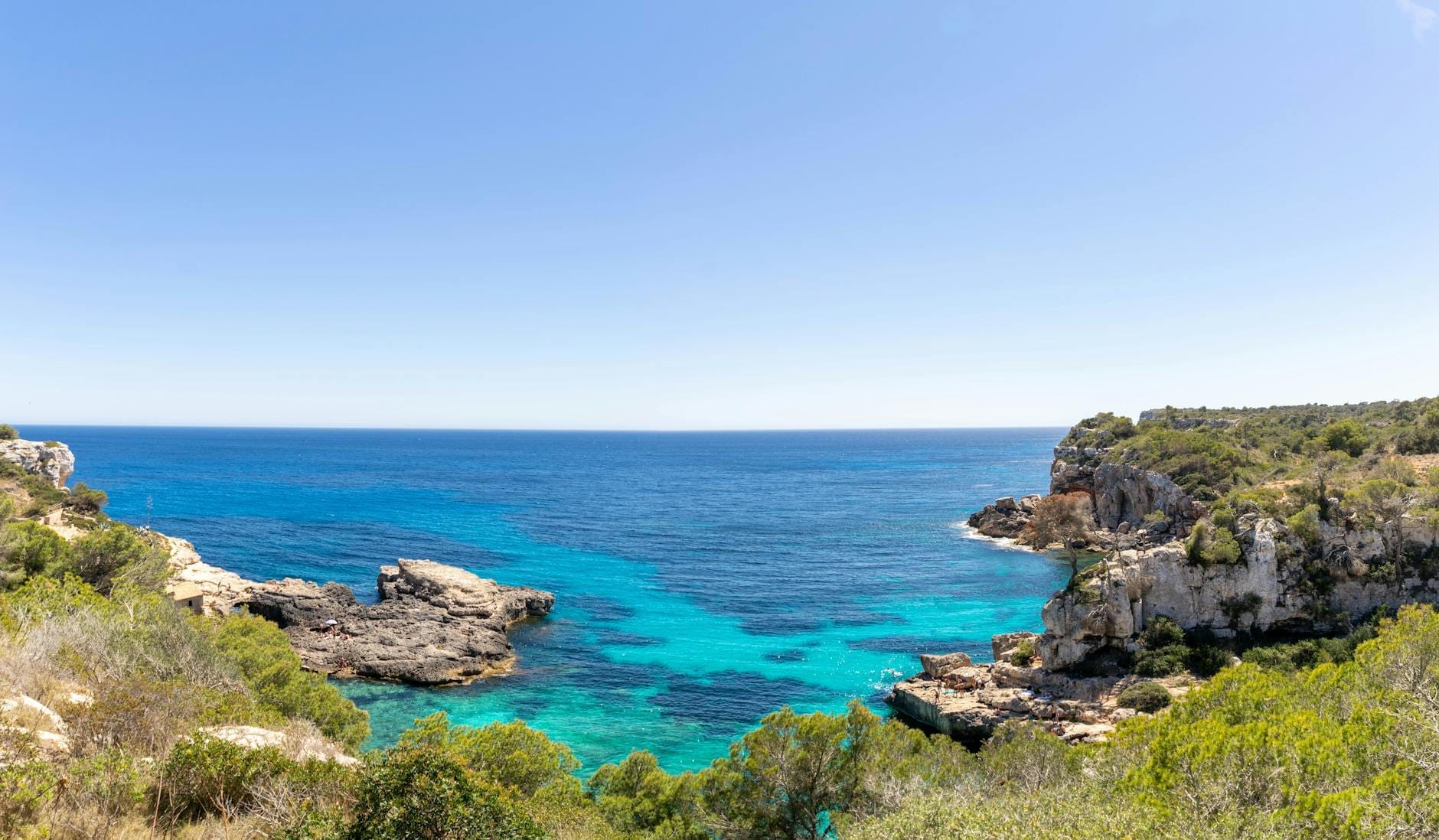
Caló des Moro, south of Santanyí, has become extremely popular in recent years and can feel uncomfortably crowded in peak season despite being reached only by a 20-minute walk from the nearest road. Cala Llombards nearby is more accessible but equally beautiful. For both, early morning visits are strongly recommended. Read more about Cala Llombards and Caló des Moro before planning your visit.
Further north, Cala Agulla offers a broader, more relaxed beach experience with facilities and parking that make it suitable for families. The beach faces northeast and catches a breeze through much of the day, which makes it particularly pleasant in high summer when the southern coves can feel airless.
⚠️ What to skip
Several of the most photographed coves in the southeast have no formal parking within reasonable distance and are reached by rough paths. If you see a cove listed with directions only to a roadside stopping point, factor in a 15 to 30 minute walk each way in direct sun. Bring water, shoes with grip, and do not rely on mobile signal for navigation once you are on the path.
Getting There and Around
A hire car is not optional in the southeast. It is the only practical way to move between the towns, reach the coves, and get the most from a stay here. The public bus network run by Serveis Ferroviaris de Mallorca does connect Palma to Manacor, Artà, Porto Cristo, and Cala d'Or, but services are infrequent, stop running in the early evening, and do not serve the coastal paths or smaller coves at all. If you are visiting for a day trip from Palma or a beach resort, renting a car for that specific day makes much more sense than planning around bus timetables.
From Palma, the Ma-15 is the main road east toward Manacor. The drive takes around 50 minutes in normal traffic. From Manacor, the road splits: the Ma-4014 runs south to Porto Colom and beyond, while the Ma-4030 heads northeast toward Porto Cristo and Artà. For planning your wider travel around the island, the getting around Mallorca guide covers all transport options in detail, including tips on renting a car.
Porto Cristo and Cala d'Or both have marinas with visitor moorings for those arriving by sea. The Cala d'Or marina is one of the largest on the southeast coast, with facilities for longer stays. Porto Cristo's natural harbour offers moorings in a more sheltered and atmospheric setting.
If you are touring the island by car and want to build an itinerary that includes the southeast, the Mallorca road trip guide suggests routes that connect the region to the Tramuntana, the north coast, and Palma without backtracking unnecessarily.
Where to Stay
Accommodation in the southeast ranges from large resort hotels in Cala d'Or and Cala Ratjada to small rural hotels and agrotourism properties in the Artà hinterland. The choice of base matters more here than in most parts of Mallorca because distances between the main areas are not huge, but the roads are winding and everything takes slightly longer than the map suggests.
Artà makes an excellent base for travelers who want a genuinely Mallorcan town experience rather than a beach resort setting. The town has good restaurants, a weekly market, and is well-positioned for both the northern coves and the cave systems near Porto Cristo. Cala d'Or suits those who want beach access, sailing, and a more social atmosphere, with a marina, waterfront bars, and a reasonable concentration of restaurants. Porto Cristo sits between the two extremes: small enough to feel local, but with enough tourism to support a range of services.
For a broader overview of where to base yourself across the island, the where to stay in Mallorca guide compares all the main areas and types of accommodation.
TL;DR
Best for: independent travelers with a hire car who want medieval towns, protected coves, and prehistoric sites without the crowds of the northwest or south.
Key attractions: Coves del Drach, Capdepera Castle, Ses Païsses prehistoric site, Mondragó Natural Park, and a string of coves from Cala Agulla south to Caló des Moro.
Honest drawback: public transport is very limited, and the most appealing beaches require a car plus a walk. Without a hire car, the southeast is difficult to explore properly.
Best time to visit: May, June, September, and October offer warm weather, manageable crowds at the coves, and the best conditions for walking and cycling.
Who should skip it: travelers who want beach clubs, nightlife, or a single walkable base with everything nearby. The southeast rewards planning and self-sufficiency.
Mallorca has over 200 beaches, ranging from long sandy family bays to dramatic limestone coves that feel almost impossibly beautiful. This guide covers the best beaches across the island, with practical advice on access, crowds, and what makes each one worth the trip.
Mallorca works in every season, but the right time depends on what you want. This guide breaks down the weather, crowds, prices, and events by month so you can plan a trip that actually suits you.
Mallorca rewards those who look up, out, and across. From the Tramuntana's limestone ridges to the bay of Palma at dusk, these are the viewpoints that make the island unforgettable. This guide covers the best panoramas, how to reach them, and when to go.
Mallorca is one of Europe's premier road cycling destinations, drawing professionals and enthusiasts from across the continent every spring. This guide covers the island's best routes from brutal mountain climbs to flat coastal loops, plus practical tips on when to go, where to base yourself, and what to expect on the road.
Mallorca rewards budget travellers generously. From UNESCO mountain trails and wild coves to free museum days and medieval old towns, the island has more cost-free experiences than most visitors realise. This guide covers the best free things to do in Mallorca, organised by theme.
From the urban buses of Palma to the scenic train to Sóller and the open roads of the Serra de Tramuntana, Mallorca has more transport options than most visitors expect. This guide breaks down every mode of transport, with real prices, route details, and honest advice on what actually works.
Mallorca rewards those willing to look beyond the resort strips and postcard beaches. This guide uncovers the island's quieter side: Bronze Age settlements, uninhabited nature reserves, atmospheric mountain villages, and coves that still feel genuinely undiscovered.
The Serra de Tramuntana is one of Europe's finest hiking destinations, a UNESCO World Heritage limestone range stretching across Mallorca's northwest. This guide covers the best trails, villages, and natural landmarks for walkers of every level.
Mallorca is larger and more varied than most visitors expect. This guide breaks down exactly how many days you need depending on your pace, priorities, and which parts of the island you want to explore — from a long weekend in Palma to a full two-week circuit.
Mallorca gets dismissed as a cheap package-holiday island. That reputation is decades out of date. From UNESCO mountain landscapes to Gothic architecture, world-class cycling, and some of the Mediterranean's best beaches, the island has far more range than most visitors expect. This guide lays out exactly what Mallorca delivers, where it falls short, and who it suits best.
Mallorca's luxury scene stretches far beyond beach resorts. This guide breaks down the island's finest hotels, private villas, Michelin-starred dining, and exclusive experiences — with honest advice on where to stay, when to go, and what's genuinely worth the premium.
Every January and February, Mallorca's countryside transforms into a landscape of white and pale-pink blossom as around four million almond trees come into flower. This guide covers peak timing, the best villages and routes to visit, local festivals, and practical tips for making the most of the season.
With 554 kilometres of coastline and over 250 beaches and coves, Mallorca rewards exploration by sea like nowhere else in the Mediterranean. This guide covers every boat trip option on the island: shared tours, private charters, bareboat sailing, departure points by region, and exactly when to go.
Mallorcan food is rooted in peasant traditions, pork, olive oil, and seasonal produce. This guide covers the island's essential dishes, local specialties worth seeking out, and practical advice for eating well without falling into tourist-trap traps.
October is one of the most underrated months to visit Mallorca. Daytime temperatures hover around 22-24°C, the sea stays swimmable at 21-23°C, and the summer crowds have thinned dramatically. This guide covers the real weather picture, what closes, what opens, and the best things to do across the island in autumn.
Spring transforms Mallorca into one of the Mediterranean's most rewarding destinations. This guide covers the weather month by month, what to do, when crowds arrive, and how to make the most of the shoulder season before summer prices kick in.
July and August are Mallorca's peak season for a reason: warm sea temperatures, near-constant sunshine, and a full calendar of activities. But peak season also means peak crowds and peak prices. This guide breaks down exactly what summer looks like on the island so you can decide if it's right for you.
Mallorca's nightlife spans centuries-old cocktail palaces in Palma, Germany-flavoured beach parties in Arenal, and full-scale club nights in Magaluf. This guide cuts through the noise to tell you exactly where to go, when to arrive, and what to skip.
Mallorca has a reputation for luxury resorts and big-spending tourists, but the island is far more affordable than most people expect. This guide breaks down real daily costs, the best free activities, cheap transport options, and the smartest ways to stretch your euros across one of Europe's most spectacular islands.
Mallorca delivers extraordinary photography at every turn, from impossible turquoise coves and medieval hilltop villages to soaring Gothic architecture and dramatic sea cliffs. This guide covers the island's most photogenic locations, with practical advice on the best times to shoot and what to look for at each spot.
Mallorca rewards drivers more than almost any island in the Mediterranean. From the UNESCO-listed Serra de Tramuntana to the wild cape at Formentor, this guide covers the best scenic routes, practical driving advice, and the stops worth pulling over for.
From Palma's covered food halls to village weekly markets and artisan workshops, shopping in Mallorca goes well beyond tourist trinkets. This guide covers the best markets, the products worth buying, and the ones to leave on the shelf.
Mallorca produces some of Spain's most distinctive wines, built on native grape varieties you won't find anywhere else. This guide covers the island's two DO regions, the best wineries to visit, what to expect on a tasting tour, and how to plan your visit from Palma.
Mallorca has a well-earned reputation as one of the Mediterranean's top family destinations, but knowing which beaches, attractions, and activities actually work for children makes the difference between a great holiday and a stressful one. This guide cuts through the noise with specific recommendations, honest assessments, and practical logistics.
Mallorca's villages are its soul. Beyond the beaches and resorts, stone-built hilltop towns, flower-draped lanes, and centuries of history await. This guide covers the most beautiful villages in Mallorca, from the Tramuntana's famous trio to the northeast's medieval strongholds.
Seven days is enough time to experience the full range of Mallorca: Gothic cathedrals, UNESCO mountain roads, turquoise calas, medieval villages, and local wine. This day-by-day itinerary cuts through the noise and tells you exactly where to go, when to go, and what to skip.
Renting a car in Mallorca is the single best decision you can make for your trip. This guide covers everything: seasonal pricing, insurance traps, the best booking platforms, parking realities, and which companies consistently deliver. No fluff, just practical advice.
Mallorca is far more than beach resorts and package holidays. This guide covers the best things to do across the island — from free hikes in the UNESCO-listed Tramuntana mountains to boat trips along the rugged north coast — with real prices, seasonal advice, and honest opinions on what's worth your time.
Mallorca is a 3,640 km² island with wildly different characters depending on where you base yourself. This guide cuts through the noise and maps out the best areas to stay, who each one suits, and what to watch out for before you book.