Luxury Mallorca: The Definitive Guide to High-End Hotels, Villas & Experiences
Mallorca's luxury scene stretches far beyond beach resorts. This guide breaks down the island's finest hotels, private villas, Michelin-starred dining, and exclusive experiences — with honest advice on where to stay, when to go, and what's genuinely worth the premium.
Plan and book this trip
Tools from our partner Travelpayouts help you compare flights and hotels. If you book through them, we may earn a commission at no extra cost to you.
Flights
Hotels map
TL;DR
- Mallorca Spain hotels at the luxury end range from restored 17th-century fincas to clifftop fortress conversions — many are nowhere near a beach, and that's often a selling point.
- The Tramuntana mountains (northwest coast) host the island's most celebrated high-end properties, including Belmond La Residencia in Deiá and Four Seasons Resort Mallorca at Formentor.
- Mallorca villas with private pools typically start around €500–800/night in shoulder season; premium estates with full concierge services run €2,000+ per night in July and August.
- The best months for luxury travel are May–June and September–October: lower rates, fewer crowds, and temperatures that let you actually enjoy outdoor dining and spa terraces.
- For the full picture on timing your trip, see our guide on the best time to visit Mallorca.
Why Mallorca Punches Above Its Weight for Luxury Travel
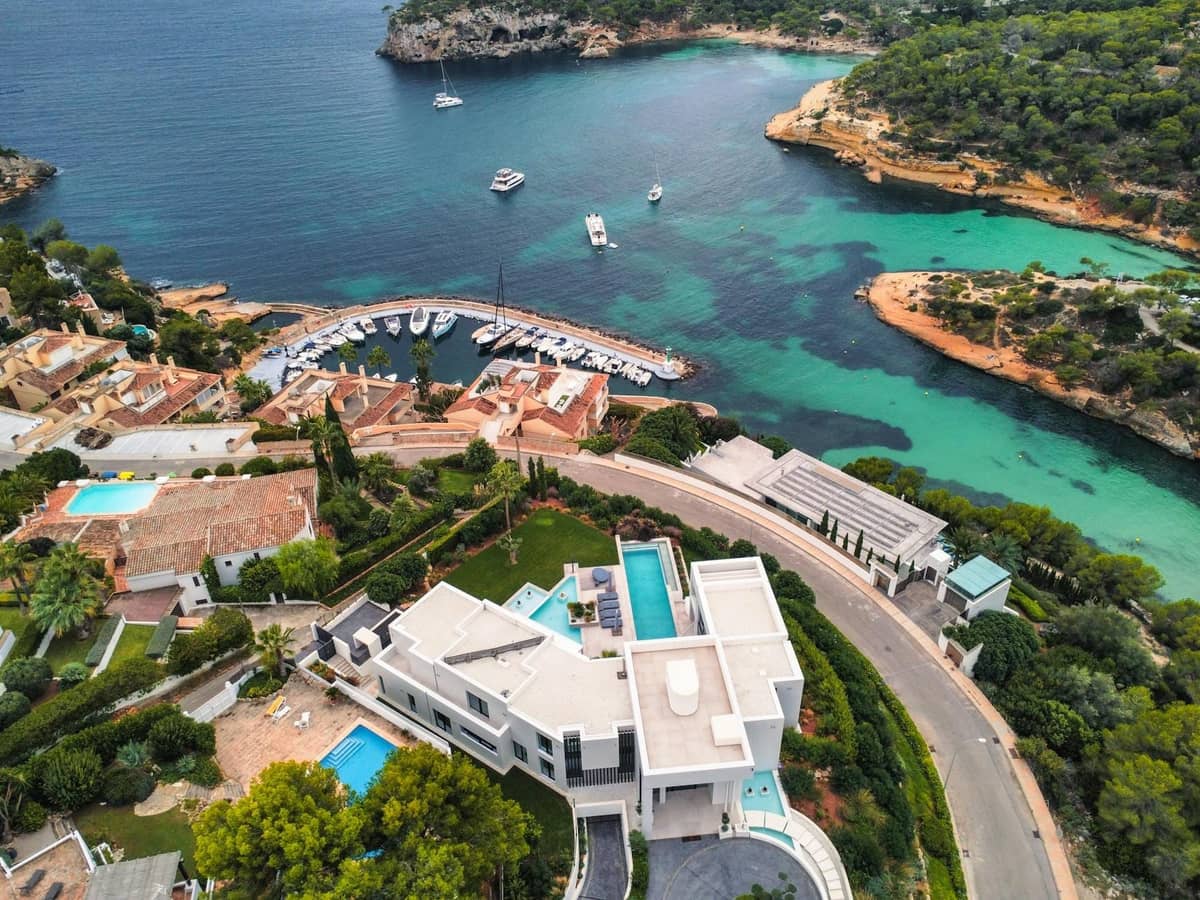
Mallorca, the largest of Spain's Balearic Islands at 3,640 km², has spent decades shaking off its package-holiday reputation. What remains is an island that genuinely supports multiple tiers of luxury: boutique mountain retreats, grand coastal estates, design-forward urban hotels, and private villa compounds with full staff. The infrastructure that supports mass tourism — direct flights from across Europe, good roads, a reliable food supply chain — actually benefits high-end travelers too. You get the amenities of a mature destination without the logistical friction of somewhere more remote.
The island's geography creates distinct luxury micro-destinations. The Serra de Tramuntana, a UNESCO World Heritage mountain range running along the northwest coast, is where you'll find the most atmospheric high-end retreats. The south and east coasts offer more conventional beach luxury. Palma, the capital, has evolved into a serious city-break destination with Michelin-starred restaurants, world-class art museums, and boutique hotels in centuries-old palaces. Each zone suits a different kind of luxury traveler.
ℹ️ Good to know
A common misconception: the best luxury hotels in Mallorca are not necessarily beachfront. Some of the island's most acclaimed properties sit in mountain villages or on coastal cliffs, prioritizing views, privacy, and architectural drama over sand access. If direct beach access is non-negotiable for you, filter for that specifically when booking.
The Best Luxury Hotels in Mallorca, by Zone
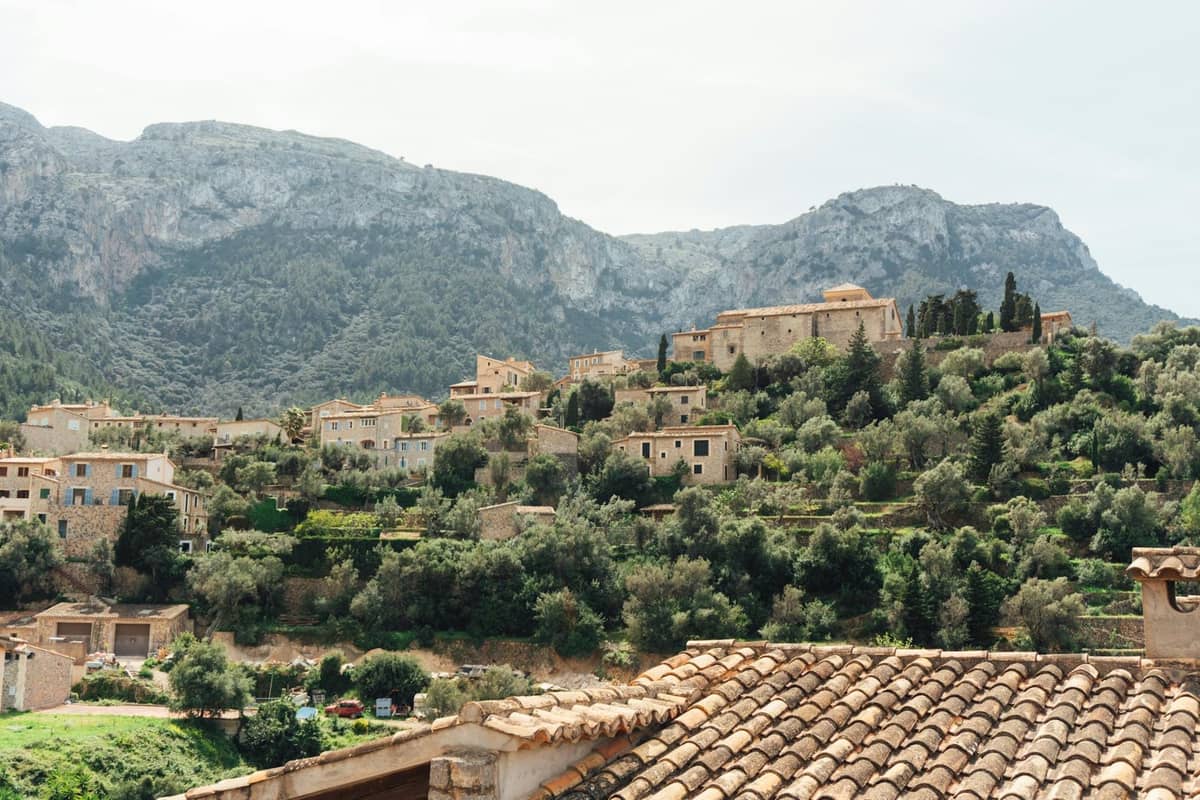
Belmond La Residencia in Deiá is the benchmark against which other Tramuntana properties are measured. Set between the village of Deiá and the coast, it occupies two restored 16th and 17th-century manor houses surrounded by olive and citrus groves. The hotel produces its own olive oil, available exclusively to guests, and the food and beverage program reflects that estate-grown philosophy. Rates are high year-round — expect to pay well above €600 per night in season — but the combination of setting, service, and culinary quality justifies the premium for most guests.
The Four Seasons Resort Mallorca at Formentor opened following a 2023 renovation of the historic Hotel Formentor, repositioning one of the Mediterranean's most legendary addresses under a global luxury brand. The property sits on a 1,200-acre private estate on the Formentor Peninsula, with 110 rooms and suites and direct access to one of the island's most dramatic coastal stretches. It's a strong choice for travelers who want Four Seasons-level consistency in an exceptionally scenic location.
Grand Hotel Son Net in Puigpunyent takes a different approach. Housed in a restored 17th-century Majorcan country house 15 minutes west of Palma in the Tramuntana foothills, it operates on an intimate scale with just 24 rooms. Three outdoor pools, a spa with a heated sea-salt pool, five treatment rooms, and a private vineyard with organic orchards make it feel more like a private estate than a hotel. The seclusion is genuine: you won't stumble into tour groups here.
Cap Rocat, on the Bay of Palma, is one of the most architecturally singular properties on the island. Built into a 19th-century coastal fortress, the hotel wraps guests in thick stone walls with sweeping sea views. The saltwater swimming pool and wellness program including Hammam and Ayurvedic treatments make it a serious spa destination. Its proximity to Palma (around 15–20 minutes by car) also makes it workable as a base for city exploration.
For urban luxury, El Llorenç Parc de la Mar in Palma stands out. It features an infinity pool with direct views over the Balearic Sea and hosts DINS Santi Taura, one of the city's Michelin-starred restaurants focused on Mallorcan cuisine. Its location near the city walls makes it walkable to the Palma Cathedral (La Seu) and the historic center. For travelers combining a city break with broader island exploration, this is an efficient and genuinely high-quality base.
- Belmond La Residencia (Deiá) Best for: Tramuntana atmosphere, culinary focus, romantic getaways. Mountain and sea views, estate-produced olive oil, pool terraces cut into the hillside.
- Four Seasons Resort Mallorca (Formentor) Best for: Brand-consistent five-star service, dramatic coastal setting, families who want organized activities and polished infrastructure.
- Grand Hotel Son Net (Puigpunyent) Best for: Genuine seclusion, spa-focused stays, guests who want Palma within reach but crowds firmly at arm's length.
- Cap Rocat (Bay of Palma) Best for: Architectural drama, spa retreats, couples wanting a fortress-chic aesthetic with easy Palma access.
- El Llorenç Parc de la Mar (Palma) Best for: City-break luxury, Michelin-starred dining, travelers who want to explore Palma's culture and food scene.
Mallorca Villas: What to Expect and How to Budget
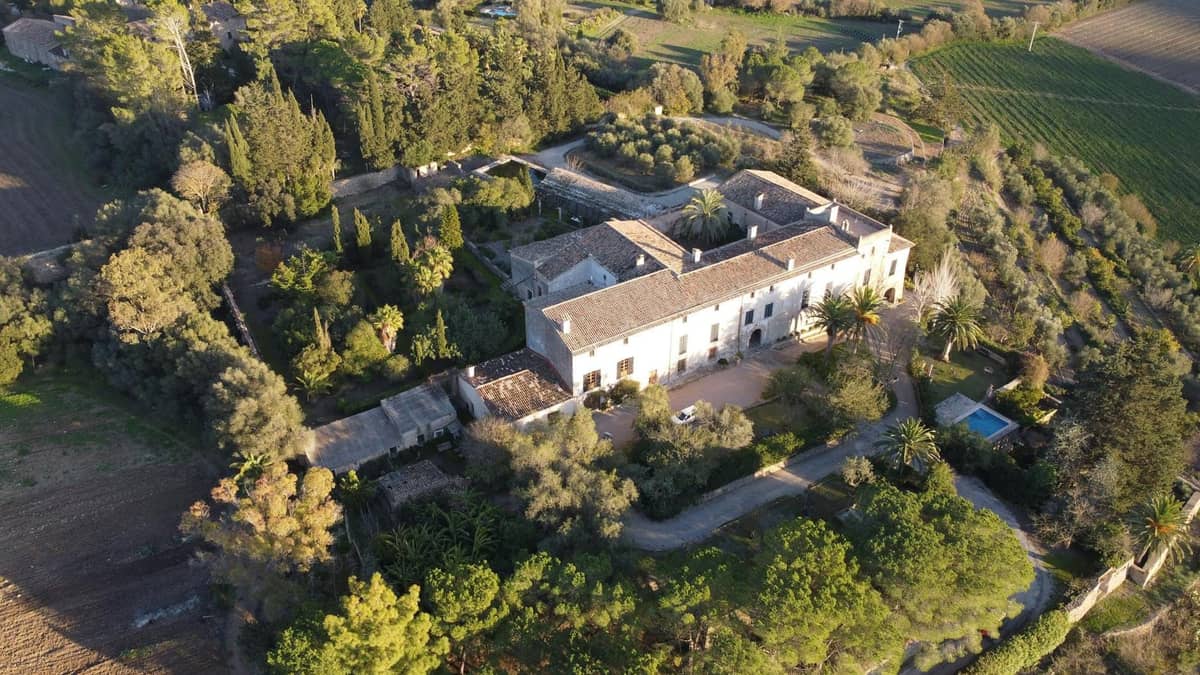
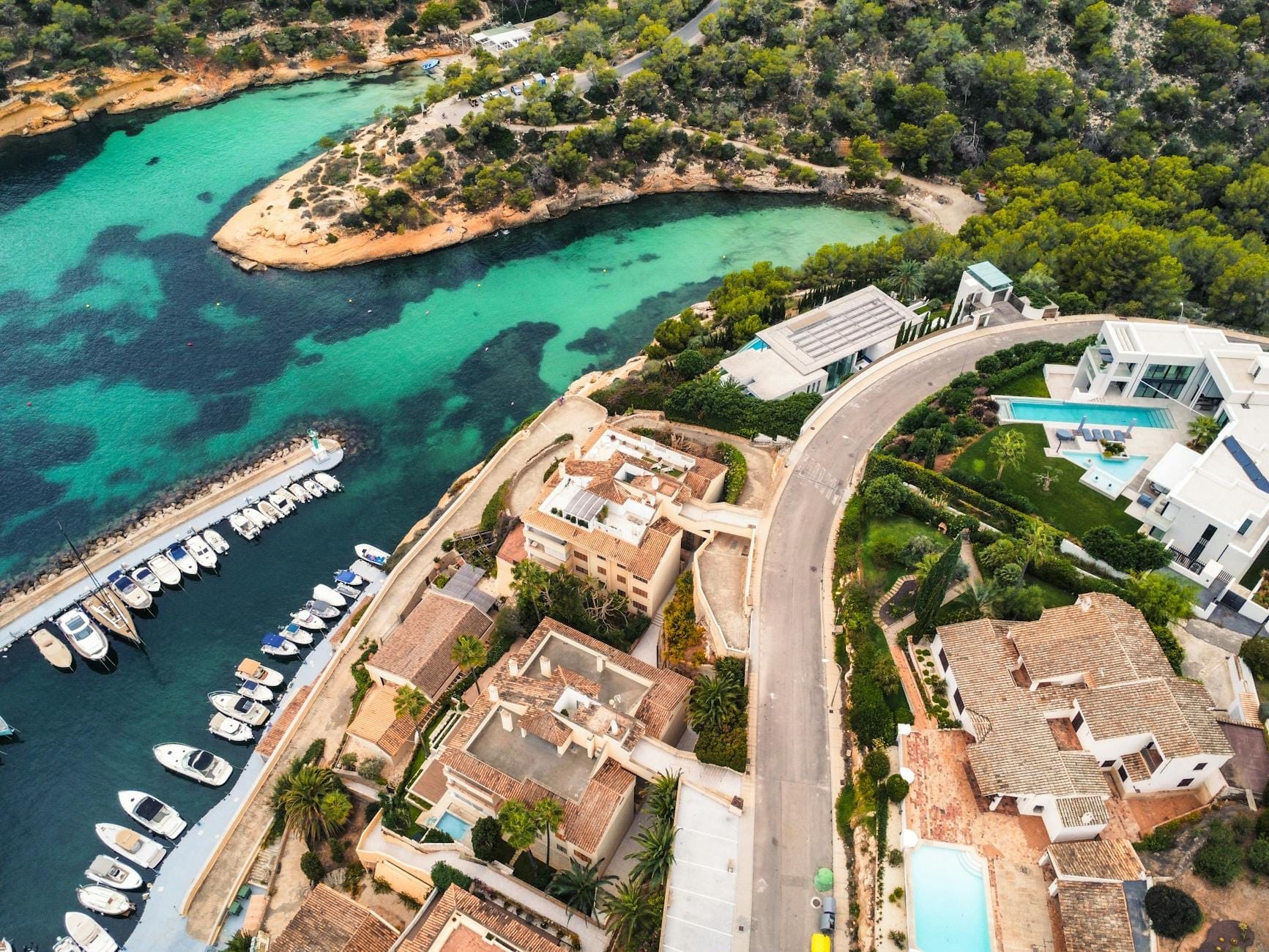
Private villa rentals represent a fundamentally different luxury proposition to hotels. For groups of six or more, or families with young children, a well-staffed villa with a private pool often delivers better value and more flexibility than equivalent hotel rooms. The Mallorcan villa market is mature and competitive, which means there's genuine quality across multiple price bands — but also a lot of mediocre product dressed up in premium photography.
Entry-level luxury villas with private pools in inland or east-coast locations start around €500–800 per night in shoulder season (May and October). Peak July-August rates for the same properties typically run 40–70% higher. At the top end, villa compounds with full concierge service, dedicated chefs, and multiple pools on the west coast or near Formentor start around €2,000–3,000 per night in summer, with some estates available only on weekly terms. The Fontsanta Luxury Villa category, as one reference point, starts from around €1,465 per night including taxes.
⚠️ What to skip
Illegal tourist rentals are a known issue in Mallorca. Always book through licensed platforms or established luxury villa specialists (Scott Dunn, Mr & Mrs Smith, Bramble Ski sister brands) and confirm the property has a valid Estancia Turística license. Unlicensed properties can face fines and forced closures, leaving guests stranded.
Location dramatically affects the villa experience. The west coast (around Sóller and Port de Sóller and the road toward Deiá) offers the most dramatic terrain but comes with narrow mountain roads that make every supermarket run an event. The southeast, particularly around southeast Mallorca, offers flatter terrain, easier driving, and beaches within a few minutes — better suited to families with small children or groups who want frictionless access to the water.
Luxury Experiences Beyond the Hotel Pool
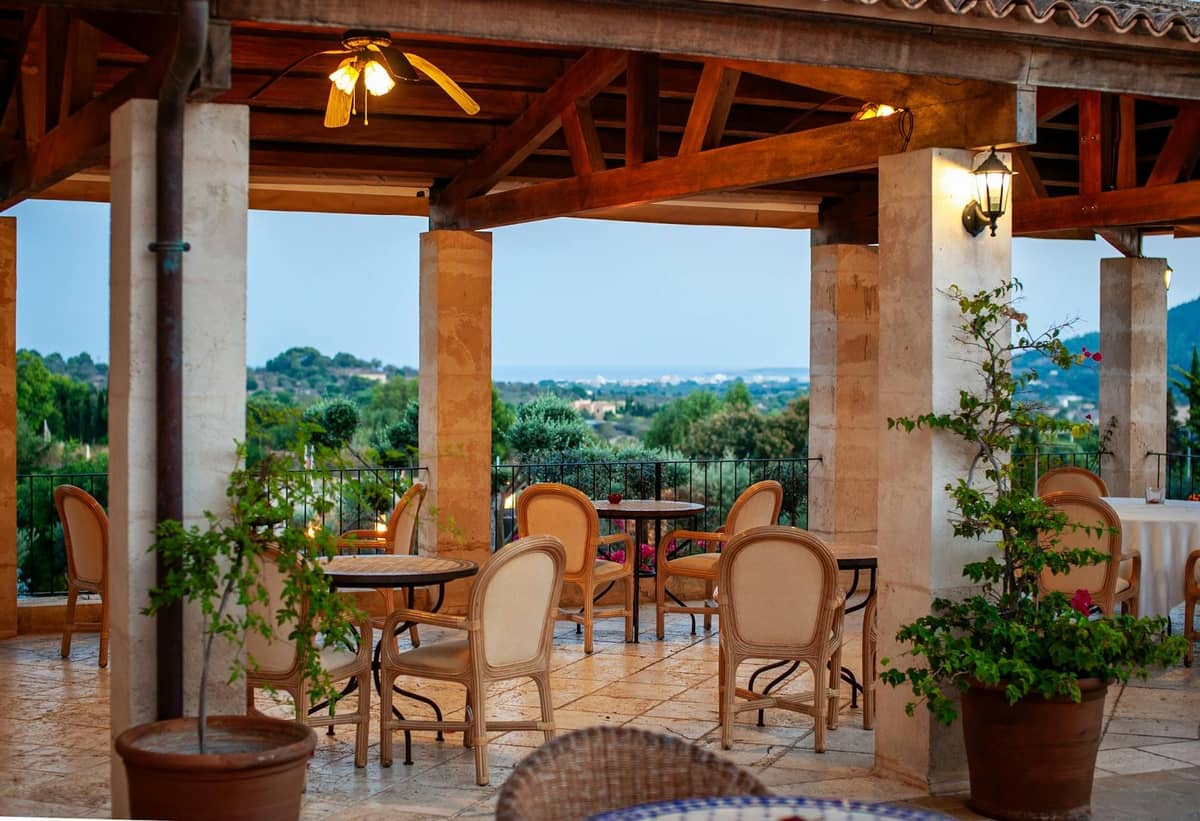
High-end travel in Mallorca extends well past checking into an expensive room. The island's food scene has matured significantly: Palma now has multiple Michelin-starred restaurants and a thriving natural wine culture rooted in local grape varieties from the Binissalem and Pla i Llevant denominations. For a serious introduction to Mallorcan wine, the Mallorca wine guide covers the key producers and appellations worth seeking out.
Private boat charters are among the most consistently rewarding luxury experiences on the island. A crewed day charter on a sailing yacht or motor catamaran, visiting coves inaccessible by road, costs roughly €800–2,500 depending on vessel size and duration. The southeast coastline and the waters around Cabrera National Park are the standout itineraries. Cabrera is a protected marine reserve with extraordinary water clarity — a credible claim to being the best day on the water in the western Mediterranean.
- Private crewed yacht charter: €800–2,500/day depending on vessel size. Best departure points are Puerto Portals and Port d'Andratx in the southwest.
- Michelin-starred dining in Palma: Book 4–6 weeks ahead for peak season. DINS Santi Taura and Marc Fosh Restaurant are the most consistently cited.
- Hot air balloon over central Mallorca: Sunrise flights over the inland plains offer a perspective no beach or mountain road can match.
- Private cycling guide in the Tramuntana: The mountain roads draw professional cycling teams in spring — a guided ride with a local expert is genuinely excellent.
- Spa day at a luxury property: Several hotels including Grand Hotel Son Net and Cap Rocat accept non-resident spa bookings, worth checking if you're villa-based.
When to Go: Timing Your Luxury Trip
Mallorca has a classic Mediterranean climate: over 300 sunny days per year, dry summers, and mild winters. The tourist infrastructure means the island is technically visitable year-round, but luxury travel has clearer sweet spots than budget travel. July and August deliver the warmest water temperatures (above 24°C) and the most reliable sun, but also the highest prices, fully-booked restaurants, and enough visitors to make the island feel considerably less exclusive.
May, June, and September are the strongest months for luxury travelers. Temperatures are warm (25–30°C), the sea is swimmable, restaurant reservations are available with reasonable notice, and the best properties operate at full capacity without the crushing demand of peak summer. October is also underrated: hotel rates drop noticeably after the first week, the light is exceptional for photography, and the island takes on a quieter, more authentic character. For a fuller breakdown of seasonal conditions, the guide to Mallorca in October is worth reading.
✨ Pro tip
Many of Mallorca's top luxury hotels offer better rates and genuine availability during the first two weeks of June and the last two weeks of September. You get near-identical weather to peak summer with meaningfully lower prices and easier access to restaurants, boat charters, and experiences. The Tramuntana properties in particular are dramatically less crowded.
Getting Around: Logistics for High-End Travelers
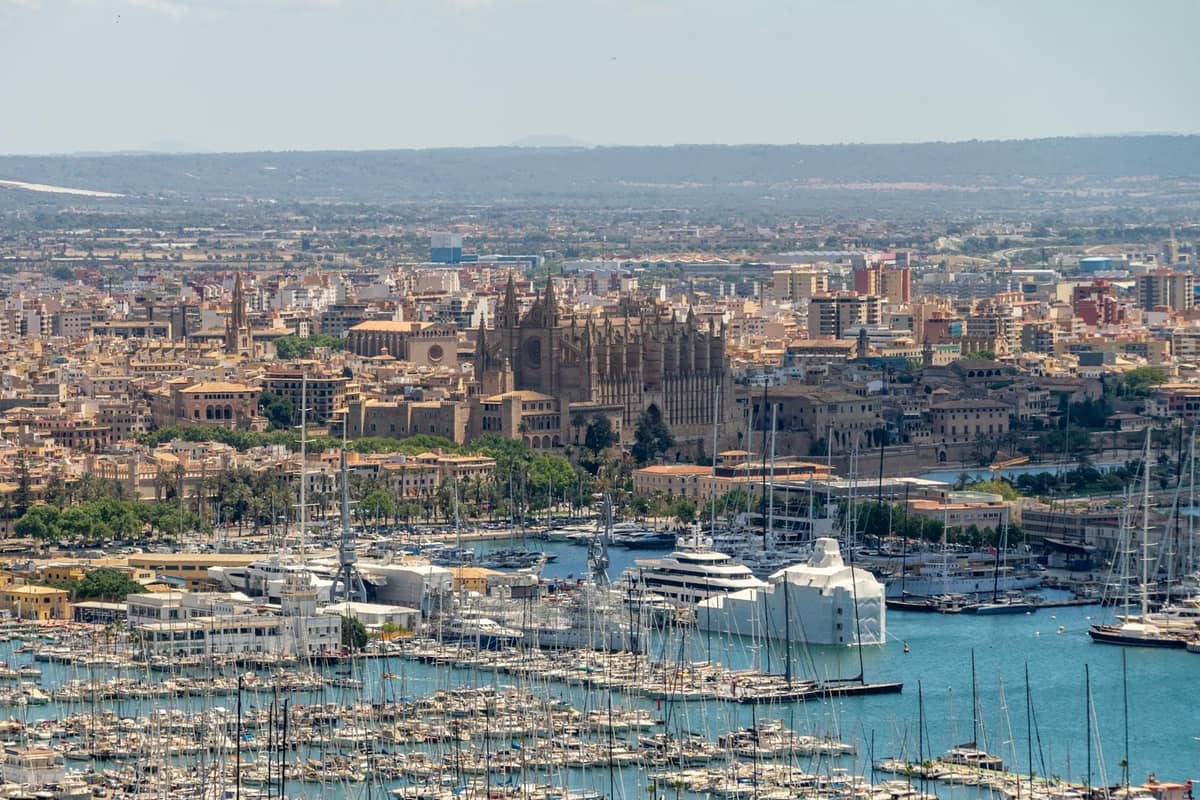
Palma de Mallorca Airport (PMI) handles direct flights from most major European cities. Flight time from London is approximately 2–2.5 hours. For luxury villa and hotel stays outside Palma, a hire car is effectively essential: public transport covers the main routes but doesn't reach most high-end properties on useful schedules. The guide to renting a car in Mallorca covers what to book and what to avoid.
Many five-star properties offer private transfers from the airport, which is worth factoring into your total cost. A private transfer to the Tramuntana (Deiá, Sóller, Formentor) typically costs €80–150 each way depending on vehicle type. For groups arriving at a villa, a pre-arranged transfer removes the stress of navigating narrow mountain roads after a long journey.
FAQ
What are the best luxury hotels in Mallorca?
The most consistently acclaimed options are Belmond La Residencia in Deiá (for Tramuntana atmosphere and culinary excellence), Four Seasons Resort Mallorca at Formentor (for brand-standard five-star service in a stunning coastal setting), Grand Hotel Son Net in Puigpunyent (for seclusion and spa focus), and Cap Rocat near Palma (for architectural drama in a converted fortress). Urban travelers should consider El Llorenç Parc de la Mar in Palma for Michelin-starred dining and city-center access.
How much do luxury villas in Mallorca cost per night?
Mallorca villas at the luxury end start around €500–800 per night in shoulder season (May, October) for a well-appointed property with a private pool. Peak summer (July–August) rates run 40–70% higher. Top-end estates with full staff, chef services, and premium locations can cost €2,000–4,000+ per night in high season. Always confirm the property holds a valid Estancia Turística rental license before booking.
Is Mallorca worth visiting for luxury travel, or is it too touristy?
Yes, with the right planning. The island's mass-tourism infrastructure is concentrated in specific zones (Magaluf, Arenal, parts of Alcúdia). The Tramuntana coast, the southwest around Port d'Andratx, much of inland Mallorca, and the southeast coves operate on a completely different register. Staying in or near these areas and booking high-end properties means you can spend an entire trip without encountering the package-holiday version of the island.
When is the best time to visit Mallorca for a luxury trip?
May–June and September are the optimal window: warm enough to swim, cool enough to enjoy outdoor dining and activities comfortably, and meaningfully less crowded than July–August. Prices at top hotels and restaurants are also more accessible. October is worth considering for travelers who prioritize value, atmosphere, and photography over guaranteed beach weather.
Do luxury hotels in Mallorca need to be booked far in advance?
For July and August, yes: the best rooms at Belmond La Residencia, Four Seasons Formentor, and similar properties are typically booked 3–6 months ahead, and some suites go even faster. For shoulder season, 6–8 weeks is usually sufficient. If you have a specific property in mind for peak summer, book as early as possible and confirm cancellation terms carefully.