Best Time to Visit Mallorca: A Month-by-Month Guide
Mallorca works in every season, but the right time depends on what you want. This guide breaks down the weather, crowds, prices, and events by month so you can plan a trip that actually suits you.
Plan and book this trip
Tools from our partner Travelpayouts help you compare flights and hotels. If you book through them, we may earn a commission at no extra cost to you.
Flights
Hotels map
TL;DR
- April to June and September to October are the best times to visit Mallorca for most travelers: warm weather, open beaches, and manageable crowds.
- July and August are the hottest and most expensive months — great for beach holidays if you book early and accept the crowds.
- September is widely considered the single best month: 27°C average air temps, warm sea, fewer families post-school-return, and the wine harvest season.
- Winter (November to March) suits hikers, cyclists, and slow travelers — see our cycling in Mallorca guide for why pros train here in February.
- Mallorca has a Mediterranean climate with over 300 sunny days per year. No month is truly off-limits.
Understanding Mallorca's Climate
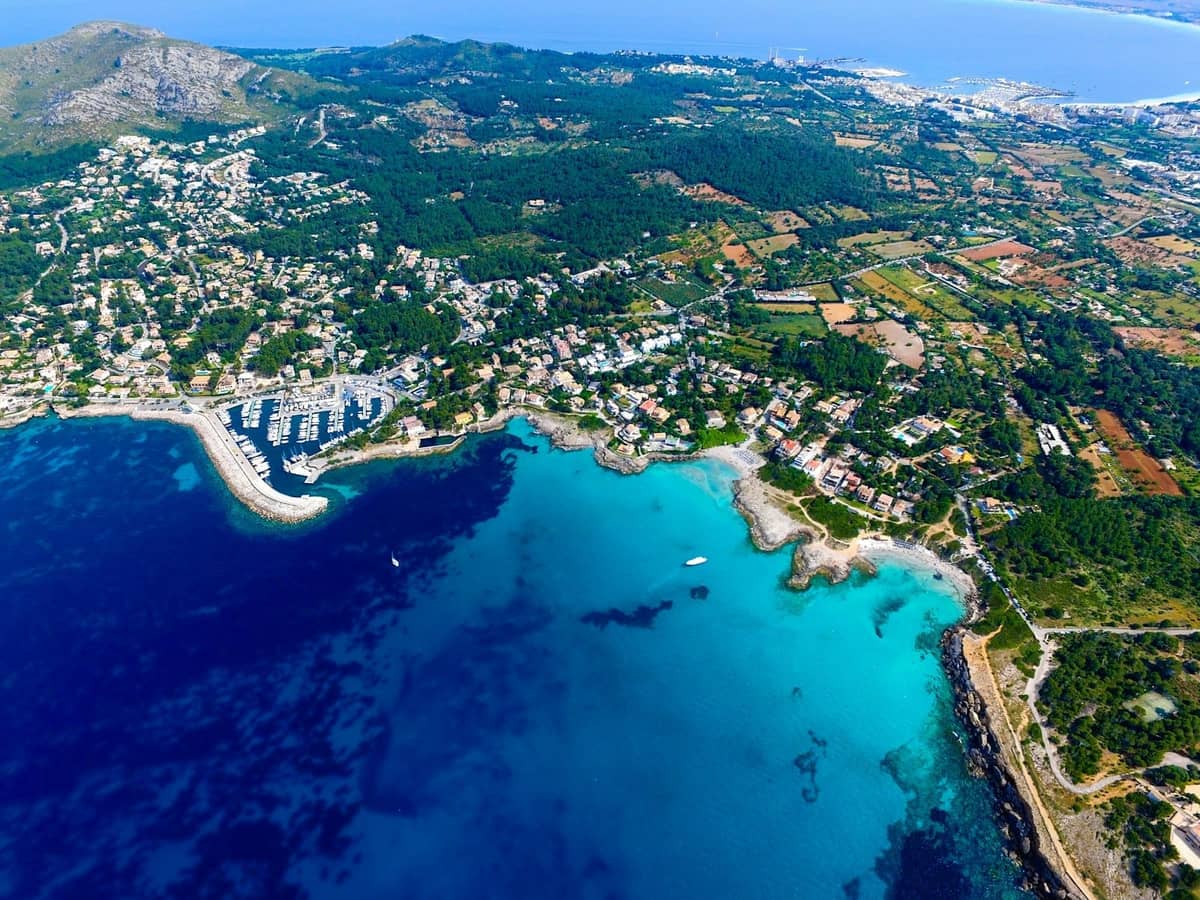
Mallorca sits in the western Mediterranean off the east coast of Spain, covering 3,642 km². Its climate is classic Mediterranean: hot, dry summers and mild, wetter winters. Average annual temperature hovers around 18°C, and the island gets more than 300 sunny days per year. That said, the island is not a monolith. The Serra de Tramuntana mountains in the northwest create a different microclimate from the flat central plains (Es Pla) and the sheltered southeast bays. In January, Palma might reach 15°C while the Tramuntana peaks get frost and occasional snow.
Sea temperatures follow a predictable arc: around 13°C in winter (cold enough to discourage swimming for most), 15-18°C in spring, peaking above 24°C in August, and staying at a very swimmable 21-22°C through October. This matters more than air temperature for many visitors, since the sea stays warm well after the tourist crowds thin out in September.
ℹ️ Good to know
Mallorca operates on Central European Time (CET, UTC+1), shifting to CEST (UTC+2) during summer. Flights from most UK airports take around 2 to 2.5 hours. Palma de Mallorca Airport (PMI) handles flights year-round, though the schedule is significantly denser from April through October.
Shoulder Season: April–June and September–October
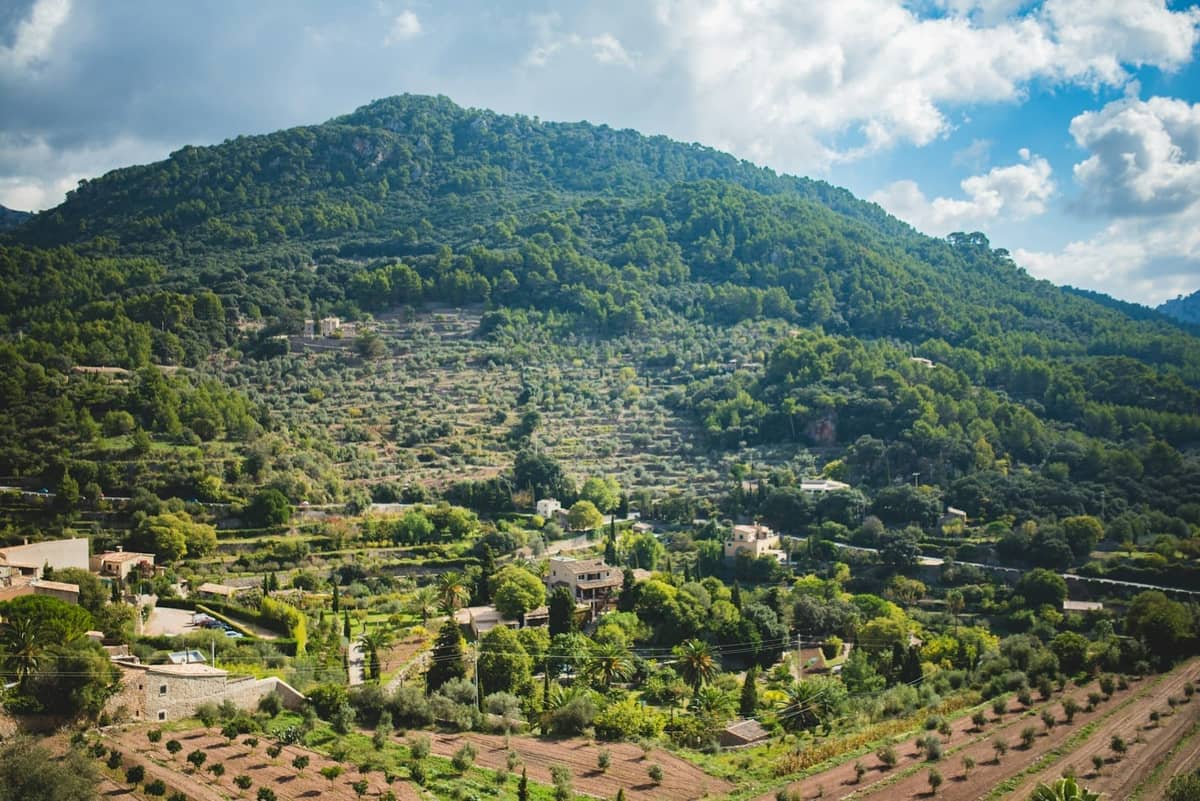
This is the sweet spot for the majority of travelers, and the period most experts recommend. Spring in Mallorca is genuinely beautiful: temperatures range from 20°C to 26°C, almond trees blossom in February and the countryside stays green and floral through May. The spring season also coincides with the island coming back to life after its quiet winter without the resort-town chaos that characterises July.
May and June hit a particular sweet point: sea temperatures climb to 18-21°C, beach space is plentiful, and accommodation prices sit well below peak-summer rates. You can book a beachside hotel in Port de Pollença for noticeably less than you'd pay in August, with the same views and far shorter queues for restaurants.
September is the month most in-the-know visitors target. Average air temperatures sit around 27°C, the sea peaks at 24-25°C from its summer warming, and Spanish and German families have gone home as schools reopen. The wine harvest season (La Verema) adds a cultural dimension, with events in wine-producing areas like Binissalem. October extends the good conditions: air cools slightly to 22-24°C but sea temperatures hold, making it ideal for swimming, hiking, and photography without the midday heat penalty.
💡 Local tip
If you're choosing between spring and autumn, lean toward late September or early October if you want beach swimming. Lean toward May if you prefer hiking, cycling, and cooler days for exploring towns and villages.
- April Temperatures 18-22°C. Easter week (Semana Santa) brings processions and crowds around the Palma cathedral. Sea still cool at around 16°C but hiking conditions are excellent.
- May Arguably the best month for walkers and cyclists. 20-24°C, green landscapes, wildflowers in the Tramuntana, and beaches with space to breathe.
- June Warm and dry, sea reaches 20-21°C. Crowds start building in resort towns by late June but inland areas and villages remain calm.
- September The single strongest month overall. Post-summer calm, warm sea, wine harvest, and lower prices than July or August.
- October Sea still swimmable at 21-22°C. Hiking season fully opens in the Tramuntana. A few resorts close mid-month, but Palma, Alcúdia, and the southeast stay active.
Peak Summer: July and August
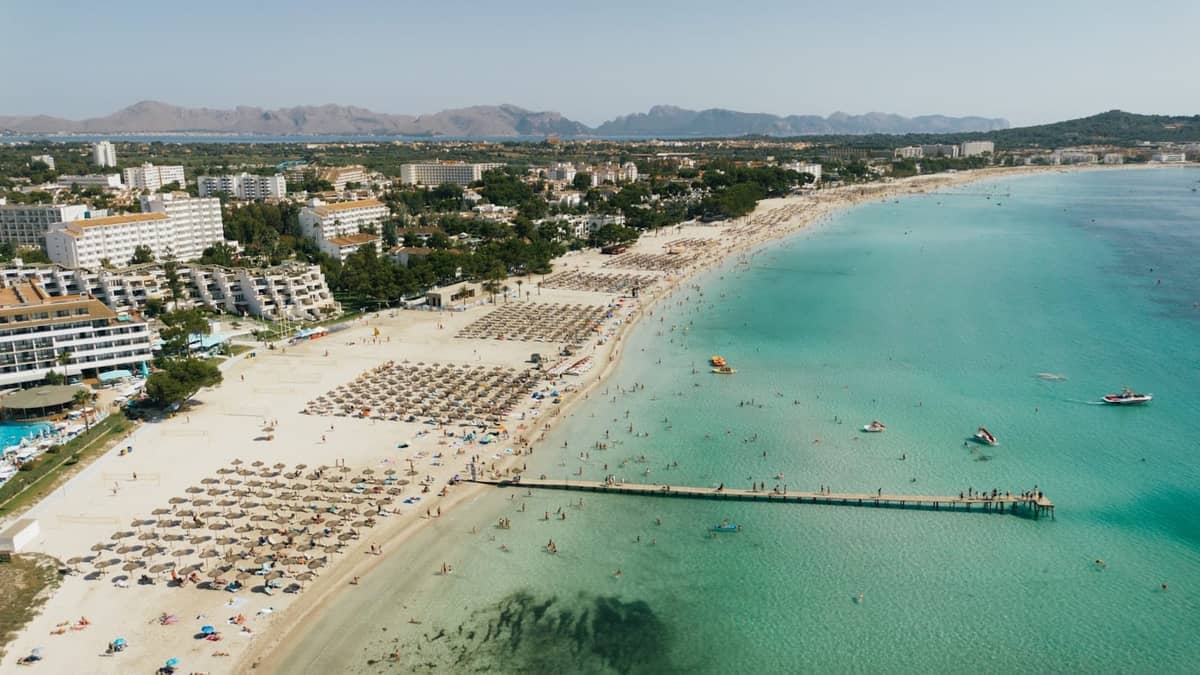
July and August are the hottest, most crowded, and most expensive months. Temperatures regularly hit 32-35°C, and Palma de Mallorca Airport handles several thousand flights per week at peak. Beach resorts like Magaluf, Alcúdia, and Cala d'Or fill completely. Booking accommodation six to eight months in advance is not excessive for the most popular areas.
That said, summer is not a trap if you go in with realistic expectations. The beaches are genuinely excellent, the nightlife peaks, and the warm evenings make outdoor dining and sailing a pleasure. July is statistically the driest month on the island (around 7mm of rainfall), which means near-guaranteed sunshine. If beach time and a lively atmosphere are your priorities, summer delivers. Just be prepared to pay a premium and plan your day around the midday heat. The best beaches in Mallorca require early arrival in July and August to secure a good spot.
⚠️ What to skip
Caló des Moro and Es Trenc beach are social-media famous and extremely crowded in July and August. Parking fills by 9am at popular spots. In peak weeks, some beaches operate shuttle buses because road access is restricted. Plan accordingly, or shift these visits to late September when the crowds thin dramatically.
Winter: November to March
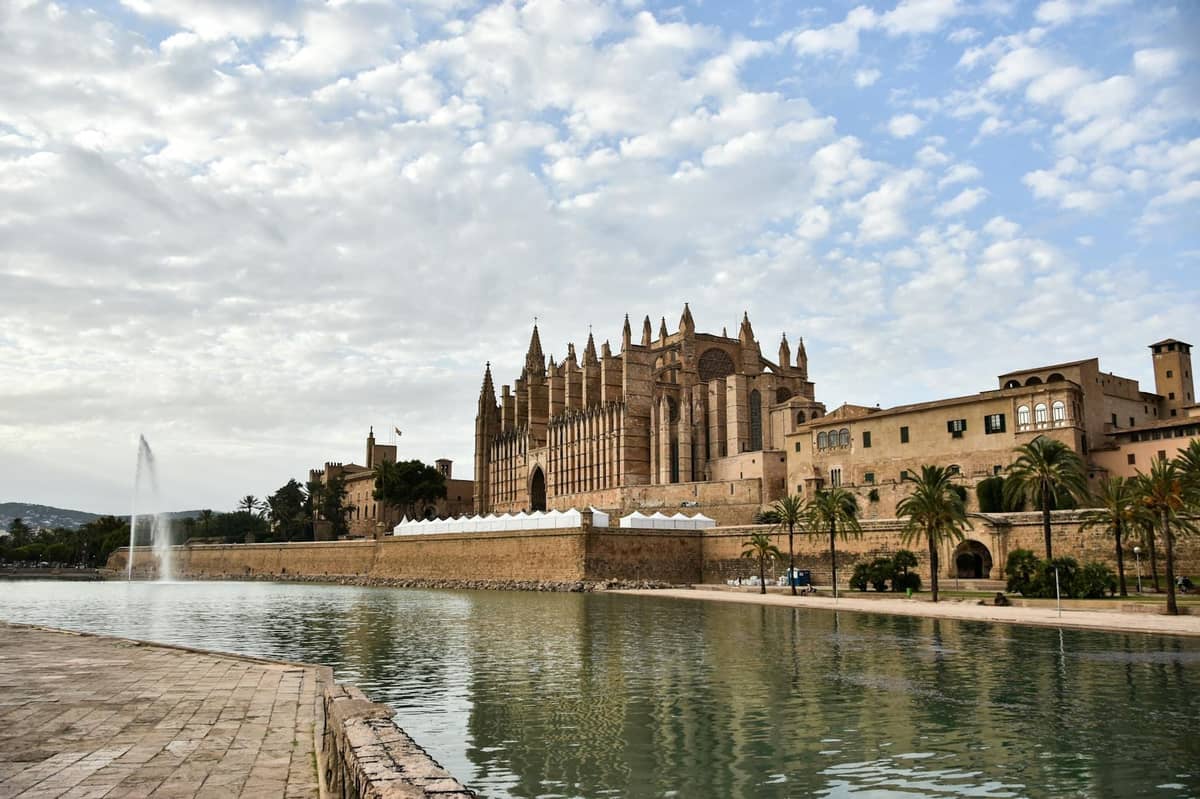
Mallorca in winter is genuinely underrated, but it is not for every traveler. Temperatures range from 12°C to 17°C, sea swimming is off the table for most people, and a significant portion of beach resorts close or operate on skeleton services between November and February. Nightlife quietens substantially outside Palma.
What you get instead: the real island. Palma functions as a proper city year-round with museums, restaurants, and the Mercat de l'Olivar in full swing. The Tramuntana mountains are at their most dramatic with moody light and empty trails. Professional cycling teams from across Europe base their winter training camps here in January and February precisely because the roads are quiet and temperatures are mild enough to ride comfortably. Hiking in the Tramuntana is actually safer in winter than summer because there is no heat exhaustion risk on the exposed ridges.
February brings the almond blossom, a genuinely spectacular phenomenon where tens of thousands of almond trees across the interior bloom simultaneously in white and pink. It typically peaks in mid-to-late February and draws a much smaller, more appreciative crowd than any summer event. December brings Christmas markets in Palma, Artà, and other towns, with Mallorcan traditions including the 'Cavalcada dels Reis' (Three Kings parade) on January 5th being a particularly atmospheric local event.
✨ Pro tip
Traveling in January or February means accommodation prices can be 40-60% lower than August peak rates in the same properties. Many of Palma's best restaurants are easier to book without months of advance planning. If you have flexibility on dates, this is when Mallorca genuinely rewards slow travel.
Matching Your Trip Type to the Right Season
The best time to visit Mallorca depends almost entirely on what you plan to do there. A beach holiday, a cycling trip, a food and wine tour, and a family holiday with kids each have different optimal windows. Here is a direct breakdown.
- Beach holidays June, July, August for maximum sun and warm sea. Late September and early October for warm sea without summer crowds.
- Hiking and walking March to May and October to November. Avoid July-August on the Tramuntana ridges due to extreme heat and fire risk.
- Cycling February to April and October to November. Roads are quieter, temperatures ideal for exertion, and the island's cycling culture is visible in full.
- Families with children June and early July before European school holidays peak; late August as families leave. The water parks and beach clubs are fully open from June.
- Food, wine, and culture September for the wine harvest; April to May for local festivals; year-round in Palma for restaurant culture and markets.
- Budget travel November to February (excluding Christmas week) offers the lowest prices. May and October offer the best value-to-weather ratio.
- Avoiding crowds entirely January and February are the quietest months. Even popular sites like Valldemossa and the Drach Caves have shorter waits.
One thing worth noting: Mallorca is a large island with distinct regions that behave differently. The Serra de Tramuntana villages like Deià and Fornalutx draw a quieter, more independent traveler year-round. The resort strip around Alcúdia and the northeast is almost entirely seasonal, shutting down significantly from November. Palma operates on a different rhythm entirely, functioning as a genuine city with year-round culture, dining, and nightlife.
Practical Planning: What to Book in Advance
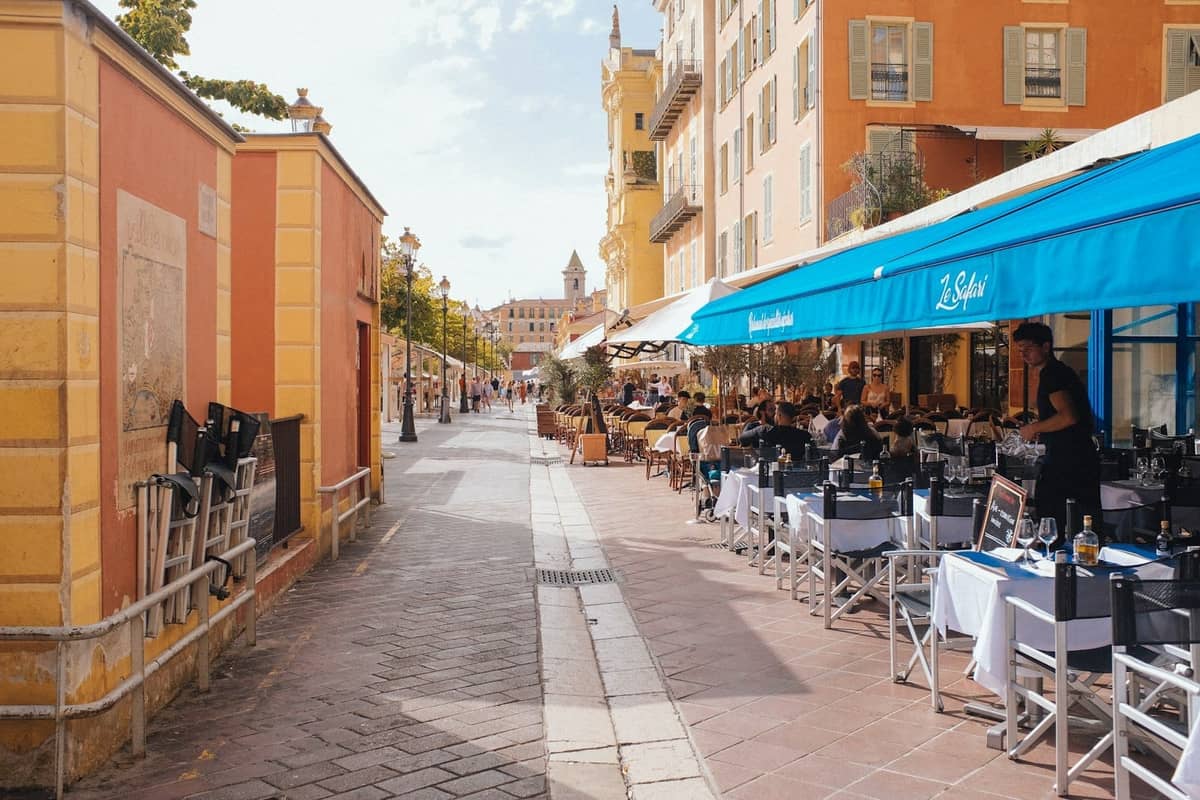
Regardless of when you visit, certain things require advance planning. The iconic Sóller vintage train sells out days in advance during peak season. Popular restaurants in Palma's Santa Catalina district and in Port d'Andratx are booked weeks ahead in summer. Car rental is essential for exploring beyond Palma properly, and in July and August, supply tightens quickly — see our guide to renting a car in Mallorca for what to watch out for.
For accommodation, booking two to three months ahead is sufficient for shoulder season. For July and August, particularly if you want a specific coastal area or a well-reviewed property, four to six months is realistic. Budget travelers visiting in winter can often book a week or less in advance and find good deals. For more on where to base yourself, check our guide on where to stay in Mallorca which breaks down the island's distinct zones.
FAQ
What is the best month to visit Mallorca?
September is the strongest single month for most travelers. Air temperatures average 27°C, the sea remains warm at 24-25°C from summer, crowds thin as European schools reopen, and prices drop from August peaks. May is the best spring alternative, with excellent hiking conditions and blooming countryside.
Is Mallorca too hot in July and August?
It can be. Temperatures regularly reach 32-35°C in July and August, and midday heat makes outdoor activities uncomfortable. Coastal breezes help at the beach, but hiking the Tramuntana in midsummer is genuinely ill-advised. If you go in peak summer, plan active activities for early morning and use the midday hours for shade and sea.
Can you swim in the sea in October in Mallorca?
Yes. Sea temperatures in October typically range from 21-23°C, which is warmer than most UK swimming pools and comfortable for extended sessions. October is one of the best months for swimming if you prefer calm, uncrowded conditions.
Is Mallorca worth visiting in winter?
For the right traveler, yes. Winter in Mallorca (December to February) offers mild temperatures of 12-17°C, significantly lower prices, and a quieter, more authentic experience of the island. It suits hikers, cyclists, culture seekers, and anyone who finds packed resort towns unappealing. Beach swimming and many resort facilities will not be available.
How far in advance should I book flights to Mallorca in summer?
For July and August departures, booking three to five months in advance typically gives you the best combination of availability and price. Last-minute deals do appear but become rarer as peak summer approaches. Shoulder season flights (May, June, September, October) are easier to find with four to eight weeks' notice.