Mallorca in October: Weather, Crowds & What to Do
October is one of the most underrated months to visit Mallorca. Daytime temperatures hover around 22-24°C, the sea stays swimmable at 21-23°C, and the summer crowds have thinned dramatically. This guide covers the real weather picture, what closes, what opens, and the best things to do across the island in autumn.
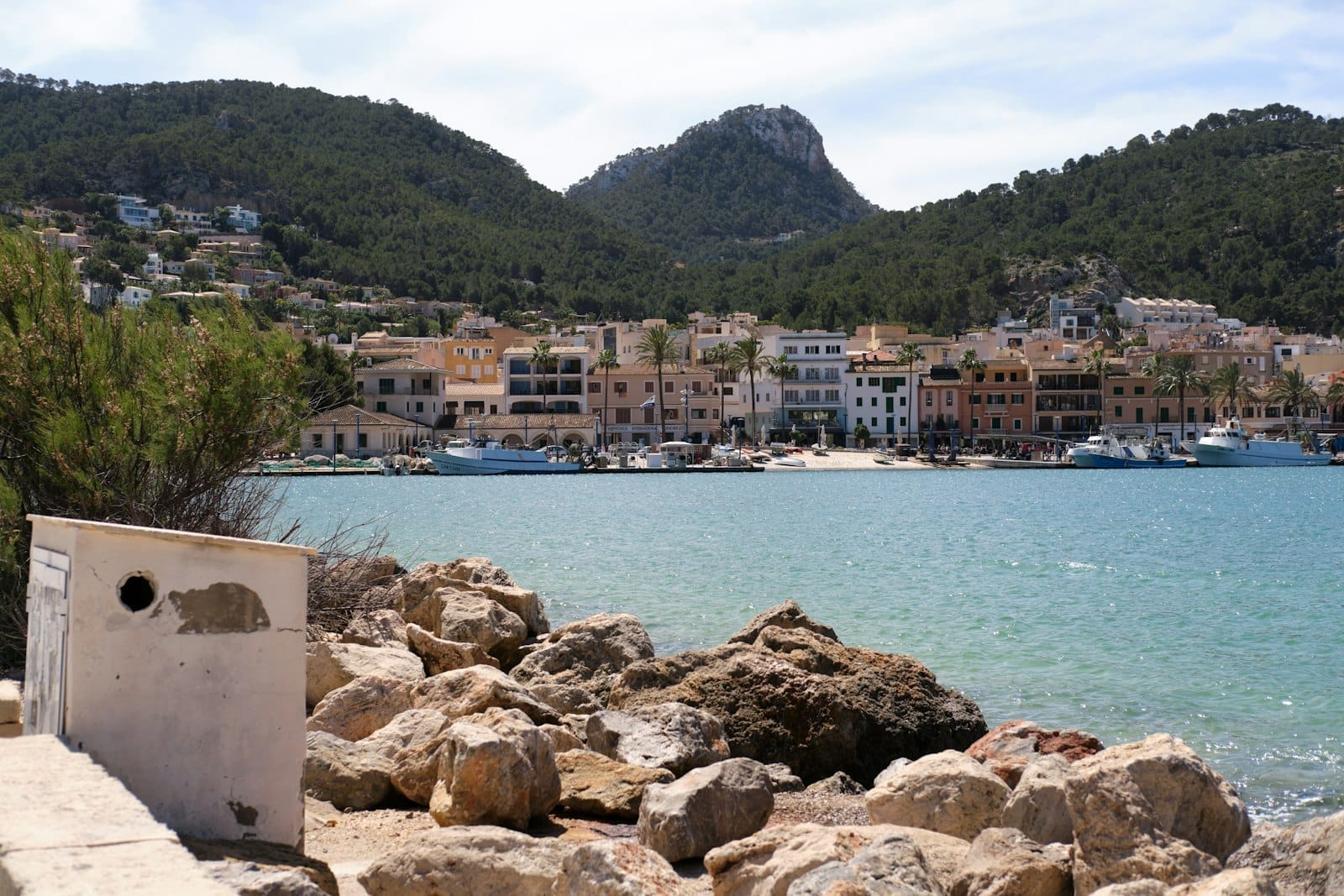
Plan and book this trip
Tools from our partner Travelpayouts help you compare flights and hotels. If you book through them, we may earn a commission at no extra cost to you.
Flights
Hotels map
TL;DR
- Mallorca in October averages 22-24°C by day and 14-16°C at night. The sea stays at 21-23°C — still very swimmable, especially early in the month.
- Rainfall is higher than summer (around 59-69mm across 5-7 rainy days), but most showers are short. Expect mostly sunny days with occasional afternoon storms.
- Crowds drop significantly after the first week of October. Prices on accommodation and flights follow. It's a smart window for beach visits, hiking, and food-focused travel.
- Some beach bars, boat operators, and resort-area restaurants begin closing from mid-October. Plan accordingly, especially if you're heading to the northeast or southwest coasts.
- Pack light layers, swimwear, and a rain jacket. Clocks go back one hour at the end of October (last Sunday), so evenings get darker faster than expected.
What the Weather Is Actually Like in October
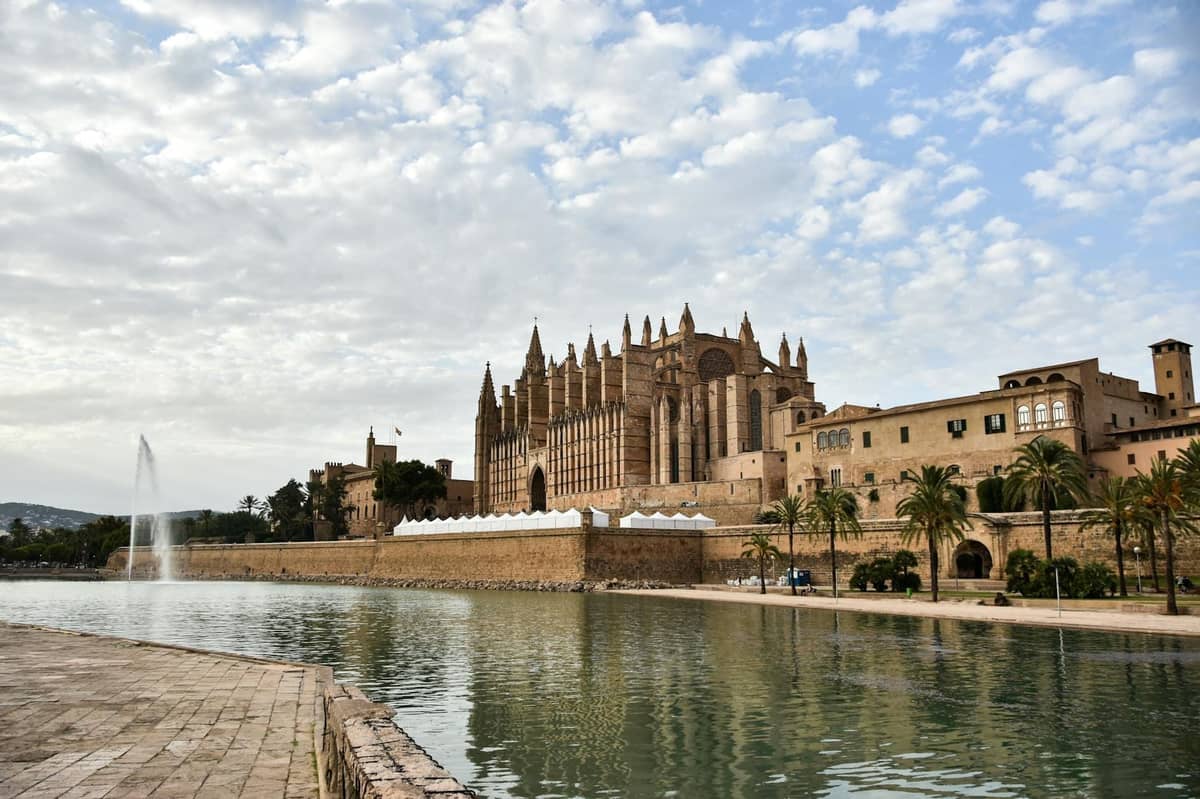
Mallorca weather in October catches a lot of visitors off guard — in a good way. Daytime highs sit between 22-24°C in the first two weeks, easing to around 20-22°C by the end of the month. Evenings cool to 14-16°C, so a light jacket becomes useful after sunset. By most European standards, this is still summer-adjacent weather. It is not cold.
The sea temperature is the real bonus. The Mediterranean around Mallorca retains summer heat well into autumn, sitting at 21-23°C through most of October. That's warmer than many peak-season destinations elsewhere in Europe. Swimming is genuinely comfortable, not just technically possible. If you arrive in the first week of October after a warm September, you might find sea temperatures nudging 24-25°C.
Sunshine averages around 6 hours per day, with around 11 hours of total daylight early in the month before the clocks change. UV levels remain moderate, so sunscreen is still worth applying if you're spending time outdoors. Wind speeds are typically gentle — around 14 km/h — though the Tramuntana range in the northwest can channel stronger gusts that accelerate afternoon storms.
⚠️ What to skip
October is Mallorca's rainiest month, averaging 59-69mm spread across 5-7 days. More importantly, late October is when the 'gota fría' phenomenon can occur — a sharp, intense rainfall event caused by cold air meeting warm Mediterranean surface water. These are short-lived but can be very heavy. If you're hiking or renting a car, check forecasts the night before, especially for mountain routes.
The northwest of the island, particularly the Serra de Tramuntana mountains, receives more rain than the south and east coasts. If weather is a concern, base yourself near Palma, the southeast, or the Bay of Alcúdia. These areas tend to get rain events that pass faster and leave long stretches of clear sky.
Crowds, Prices, and the Shoulder Season Reality
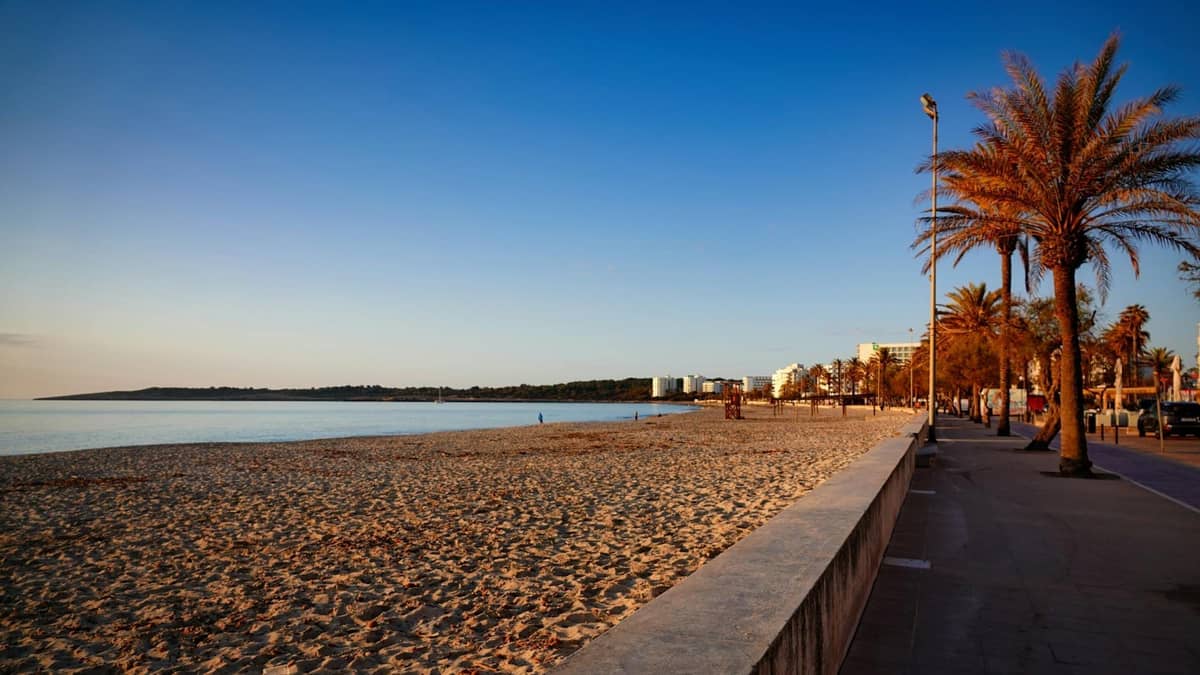
The crowd situation in October is one of the main reasons experienced Mallorca visitors return during this month. The bulk of European package holiday traffic departs after the last week of September. By the first week of October, you can walk Cala Mondragó or Cala Agulla without navigating a maze of sun loungers. Popular villages like Valldemossa and Deià become noticeably calmer. Even Palma's cathedral district feels different when you're not queuing behind a cruise ship passenger group.
The tradeoff is that some infrastructure starts winding down. Resort-area beach clubs typically close between mid and late October. Boat trips and water sports operators in smaller harbours may operate reduced schedules or shut entirely. If you want to do a boat trip around the coast, book early in the month. By late October, options become limited unless you're departing from Palma or Alcúdia.
- Accommodation prices Drop noticeably from peak August rates. Boutique hotels in Palma and rural fincas often offer 20-35% lower rack rates in October compared to July. Last-minute deals become possible.
- Flight availability Routes from the UK and Germany begin to thin out after mid-October as charter seasons end. Book flights before September if you're travelling late in the month.
- Restaurants In resort areas like Magaluf or S'Arenal, many seasonal places close. In Palma, Sóller, Alcúdia old town, and island villages, restaurants operate normally year-round.
- Weekends are still busy Spanish domestic tourists and German residents on the island fill hotels on October weekends, particularly around the Spanish national holiday on 12 October (Día de la Hispanidad). Book ahead for that weekend.
💡 Local tip
The second week of October is the sweet spot: summer crowds are gone, most businesses are still open, sea temperatures are still comfortable, and daytime weather is consistently warm. If you have flexibility, aim for 7-14 October.
Best Things to Do in Mallorca in October
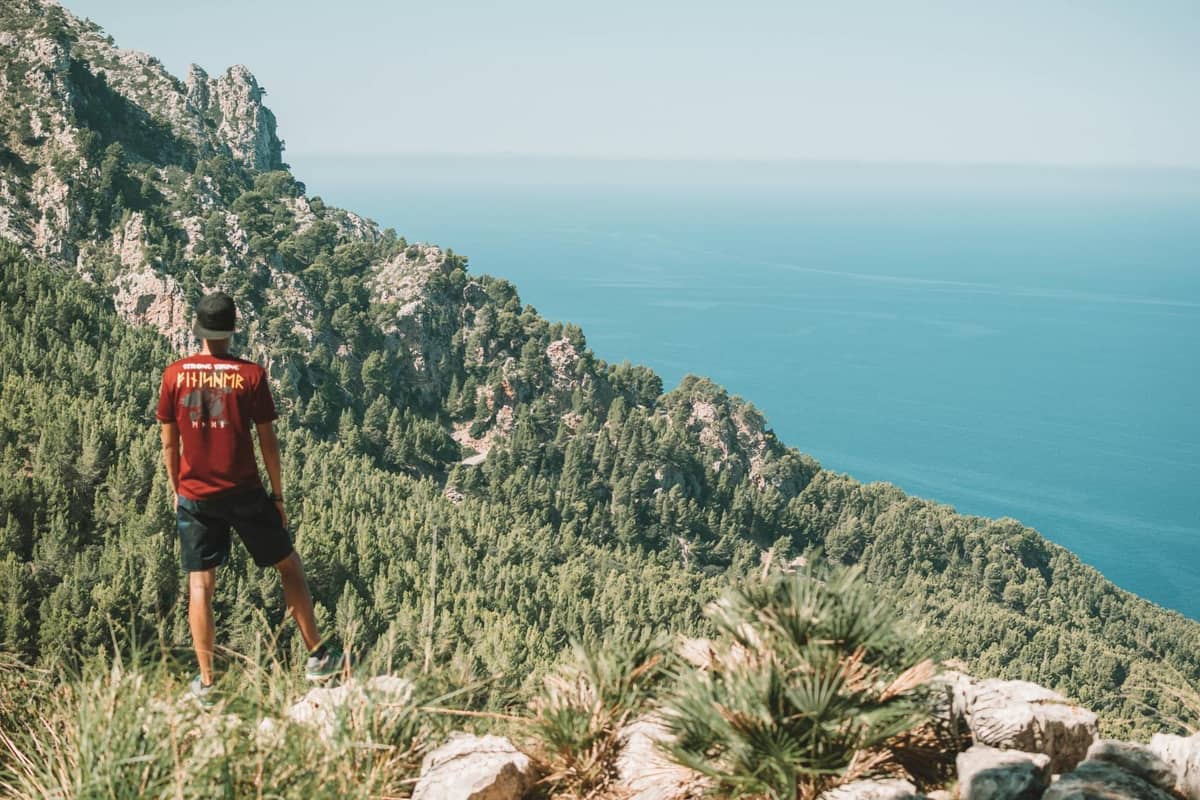
October is genuinely one of the best months for hiking in Mallorca. The summer heat makes serious trail walking uncomfortable from June through August. In October, temperatures are ideal for long routes through the Tramuntana, and the crowds on paths like the GR-221 (Dry Stone Route) are a fraction of what they are in spring. The mountain light in October also has a quality that photographers specifically seek out — softer, warmer, and with dramatic cloud formations.
The local food scene shifts in October toward seasonal produce. Autumn means wild mushrooms (especially esclatasangs, a local type of saffron milk cap), sobrassada, and the wine harvest. The Binissalem wine region in the central Pla area wraps up its grape harvest in late September and early October. Visiting a local Mallorcan winery during or just after harvest season offers a more authentic experience than any summer tour.
Cycling in October is popular with serious riders. Mallorca has an established cycling culture, and October sees European clubs and amateur riders doing training camps before winter. The roads are cooler, quieter, and the island's signature routes through the Tramuntana and around the Cap de Formentor are at their most pleasant. See our guide to cycling in Mallorca for route detail and logistics.
- Visit the beaches of the southeast coast — Cala Figuera, Cala Llombards, and Es Trenc — with a fraction of the summer crowd
- Explore Palma's old town, including the cathedral (La Seu) and the Arab Baths, without peak queues
- Take the vintage wooden train from Palma to Sóller — a route that doesn't require booking weeks in advance in October like it does in August
- Walk the streets of Alcúdia's walled old town or Pollença without a sunhat blocking your view of the architecture
- Visit the Drach Caves near Porto Cristo — still open through October and notably less crowded than summer
- Attend the Binissalem Grape Harvest Festival (typically late September — check local event listings for exact dates each year)
Where to Go Based on What You Want
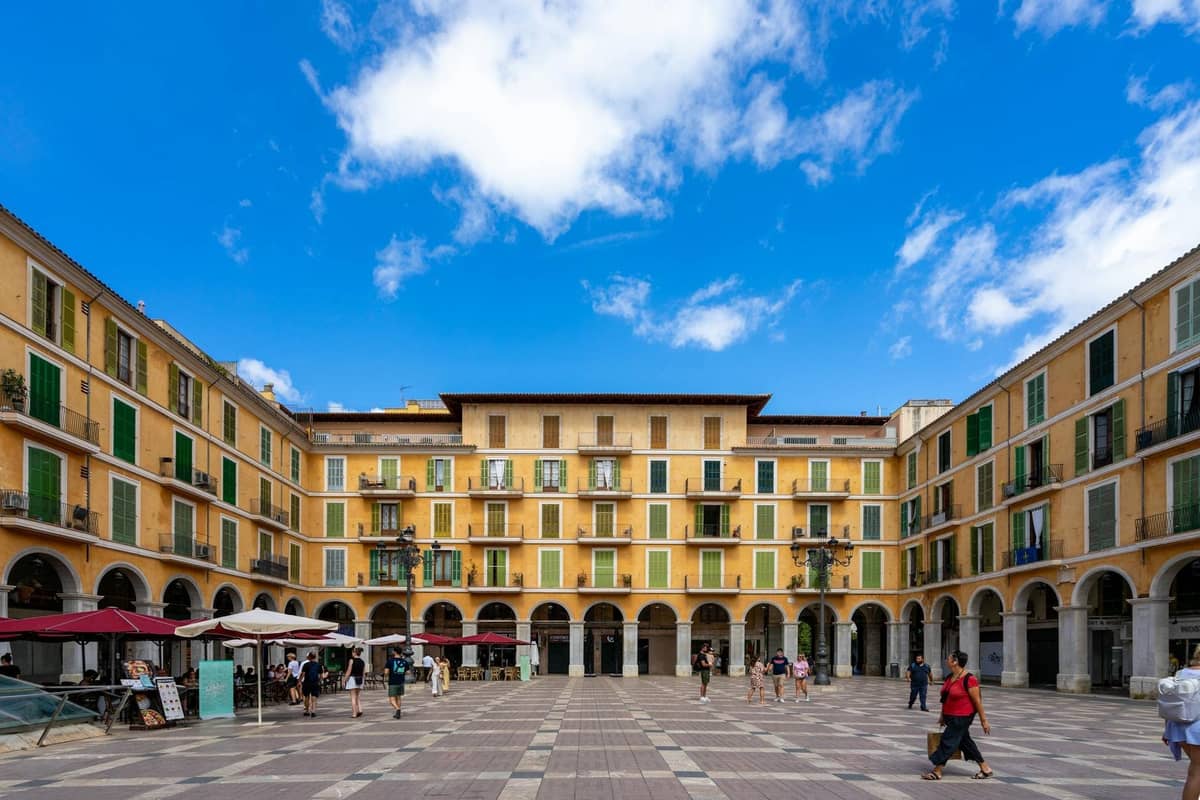
Palma is the obvious base and remains fully functional in October. The city's restaurant scene, museums, markets, and nightlife don't operate on a seasonal schedule. Mercat de Santa Catalina and the Mercat de l'Olivar are both excellent for local food shopping and eating. If you want a Palma base with day trips around the island, October gives you more flexibility than any summer month.
For the Tramuntana mountains, October is peak season for walkers and cyclists. The villages of Deià, Fornalutx, and Valldemossa are at their most characterful when not overrun with tour buses. Accommodation in rural fincas and small hotels is easier to find, and you get a clearer sense of what these places actually are when they're not performing for summer visitors.
The southeast coast, including Cala Figuera and Cala Llombards, remains beautiful in October without the parking chaos of July. Es Trenc, the island's long natural beach, is accessible and uncrowded. Water temperatures here in the south stay warmer longer due to shallower bays.
✨ Pro tip
If you're visiting the Formentor Peninsula in October, go on a weekday morning. The road access restrictions that operate in summer are typically lifted by mid-September, meaning you can drive to the lighthouse again. But the light and visibility are best before noon, and you'll have the views largely to yourself on weekday mornings.
What to Pack for October in Mallorca
The packing question trips up first-time October visitors. They either overpack with winter gear (unnecessary) or underpack expecting pure summer conditions (a mistake by the end of the month). The right approach is layering.
- Swimwear Bring it. You will use it, particularly in the first half of the month. Sea temperatures of 21-23°C are comfortable for most swimmers.
- Light jacket or mid-layer Essential for evenings. Temperatures drop to 14-16°C after dark. A light fleece or denim jacket is enough in early October; something slightly warmer suits late October.
- Rain jacket or compact umbrella Don't overthink it, but do bring one. A packable waterproof layer takes no space and covers you for the 5-7 days that are likely to see some rain.
- Sunscreen UV is moderate but still significant. SPF 30 is reasonable for most skin types during outdoor activities.
- Walking shoes If you plan any trail walking, proper footwear matters. Trails in the Tramuntana can be rocky and uneven. Trainers are fine for village walking; trail shoes for anything serious.
Practical Notes Before You Go
Mallorca sits in the Central European Time zone (CET, UTC+1 in winter). Clocks go back one hour on the last Sunday of October, shifting from CEST to CET. If you're visiting across that transition weekend, account for it when booking transfers or early-morning activities. Getting around the island is easiest with a rental car. Public buses connect major towns, but frequency drops in October compared to summer. See our guide to getting around Mallorca for a full breakdown of transport options.
The island's official languages are Catalan and Spanish, with the local dialect Mallorquí widely spoken. English and German are common in tourist areas. The currency is the Euro. Standard EU emergency services apply — call 112 for emergencies. Mallorca falls under Schengen Area rules, so most EU, US, UK, and Australian passport holders can visit without a visa for up to 90 days. Check current entry requirements before travel. For more on planning the overall trip, our how many days in Mallorca guide helps you structure your time across the island.
FAQ
Is Mallorca warm enough to swim in October?
Yes. Sea temperatures average 21-23°C throughout October, which is comfortable for most swimmers. Early in the month, temperatures can reach 24-25°C after a warm September. The sea stays swimmable well into late October for those who don't mind slightly cooler water.
Is October a good time to visit Mallorca?
October is one of the better months to visit if you want decent weather without summer crowds. Daytime temperatures of 20-24°C, manageable rainfall, and significantly lower prices and visitor numbers make it a strong choice for beaches, hiking, cycling, and food-focused travel. The main caveat is that some seasonal businesses begin closing mid-month.
How much rain does Mallorca get in October?
October is Mallorca's rainiest month, averaging 59-69mm spread across roughly 5-7 rainy days. However, most of this falls in short, sharp showers rather than sustained grey days. The northwest of the island near the Tramuntana mountains tends to get more rain than the south and east coasts. Late October carries a small risk of 'gota fría' events — intense but brief Mediterranean storm systems.
What is there to do in Mallorca in October?
Hiking and cycling in the Tramuntana mountains, beach visits to the quieter southeast coast, exploring Palma's old town and markets, wine harvest experiences in the Binissalem region, visiting the Drach Caves and historical sites without queues, and food-focused travel through local restaurants and village markets. Most inland and Palma-based activities run normally throughout October.
Does it get cold in Mallorca in October?
No, not by northern European standards. Daytime highs are 22-24°C in early October, dropping to around 20-22°C by month's end. Evenings cool to 14-16°C, which feels fresh after summer but is not cold. You'll want a light jacket after sunset, but heavy coats and thermal layers are not needed.