Getting Around Mallorca: The Complete Transport Guide
From the urban buses of Palma to the scenic train to Sóller and the open roads of the Serra de Tramuntana, Mallorca has more transport options than most visitors expect. This guide breaks down every mode of transport, with real prices, route details, and honest advice on what actually works.
Plan and book this trip
Tools from our partner Travelpayouts help you compare flights and hotels. If you book through them, we may earn a commission at no extra cost to you.
Flights
Hotels map
TL;DR
- Mallorca's public transport covers the whole island, not just Palma. TIB intercity buses connect 150+ routes from Palma to all major regions.
- A rental car gives you the most freedom, especially for the Serra de Tramuntana and the southeast coast. Book in advance in summer.
- The Sóller train is one of the best scenic rides in Spain. Budget around €20-25 return per person.
- EMT urban buses in Palma are affordable and frequent, with discounted fares available through the Intermodal Public Transport Card.
- The best time to rely on public transport is spring or autumn. In peak summer, renting a car saves a lot of schedule-juggling.
Getting to Mallorca: The Starting Point
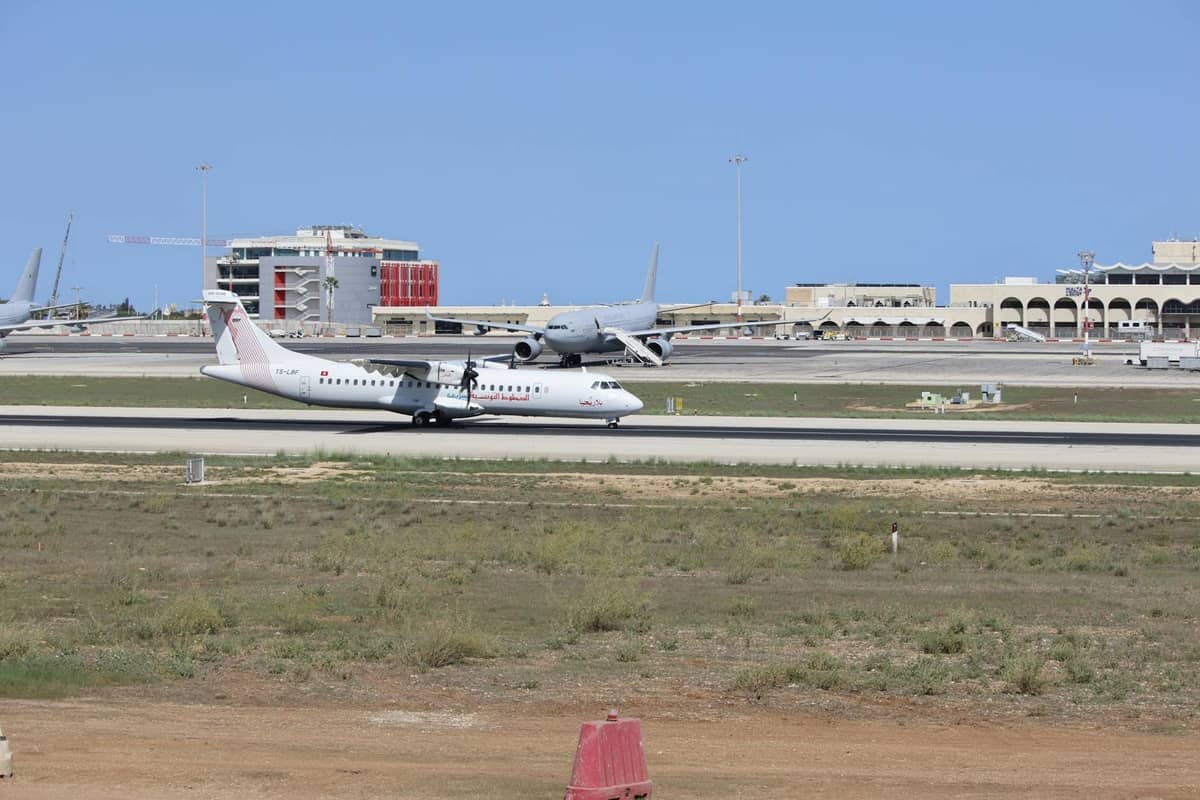
Knowing how to get around Mallorca starts before you land. Palma de Mallorca Airport (IATA: PMI) sits roughly 8 km east of Palma's city centre and is one of the busiest airports in Spain, handling around 30 million passengers annually. Flights connect from most major European cities, typically taking around 2 to 2.5 hours from the UK and 2 hours from Germany. The airport has two tourist information offices in the arrivals area where you can pick up transport maps and buy bus tickets. For a broader look at planning your arrival, the best time to visit Mallorca guide covers seasonal flight availability and crowd patterns.
From the airport into Palma, you have three realistic choices: public bus (lines A1 and A2), taxi, or pre-booked transfer. The A1 bus runs to Palma city centre and the A2 serves s'Arenal, with fares around €5 per journey. Taxis operate on a metered fare system; expect roughly €20-30 to central Palma depending on traffic, with surcharges for luggage and late-night travel. Pre-booked private transfers offer a fixed price and door-to-door convenience, which is worth considering if you're arriving late or with a family.
💡 Local tip
If you plan to use public transport throughout your stay, pick up an Intermodal Public Transport Card at the airport or at Palma Intermodal Station on Plaça d'Espanya. It covers EMT urban buses, TIB intercity buses, metro lines, and the SFM train network, and qualifies you for heavily subsidized or free rides on EMT routes.
Public Buses: EMT in Palma and TIB Across the Island
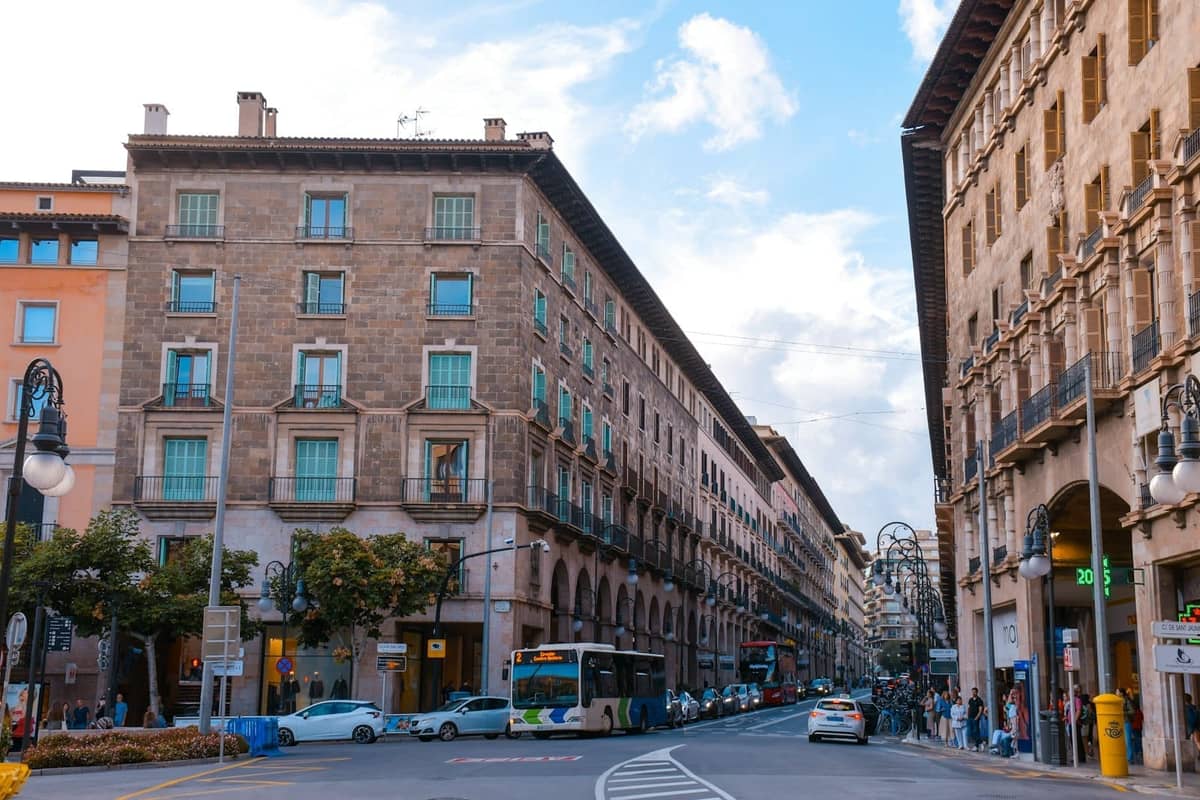
Mallorca's bus network is split into two distinct systems. EMT (Empresa Municipal de Transports) operates within Palma, running 31+ urban lines identifiable by their white, blue, and green livery. The hub for most routes is Plaça d'Espanya in the city centre. EMT single fares cost around €2 cash, but the Intermodal Card offers significant discounts per ride. For anyone spending more than a day or two in Palma, the card pays for itself quickly.
TIB (Transport de les Illes Balears) handles intercity connections, with over 150 routes numbered in groups from 100 to 500, each corresponding to a different region of the island. Buses are red and yellow and depart from Palma Intermodal Station, the same building as Plaça d'Espanya. TIB reaches the north coast (Alcúdia), the east (Artà, Cala Ratjada), the southwest (Andratx), and everywhere in between. A common misconception is that public transport in Mallorca is only useful for Palma. In reality, TIB connects almost every municipality on the island, though frequency drops significantly in the off-season and on rural routes.
- Airport buses (A1 and A2) A1 links PMI airport to Palma city centre; A2 connects to s'Arenal. Fares around €5. Runs approximately 6am to midnight with extended hours in summer.
- EMT urban lines (Palma) 31+ lines covering the city. Single fare around €2 cash; free with Intermodal Card. Key lines 4, 25, and 35 add frequency to popular beach areas in summer.
- TIB intercity buses 150+ routes island-wide departing Palma Intermodal Station. Schedules roughly 6am to midnight; summer timetables add frequencies to coastal destinations.
⚠️ What to skip
TIB timetables change significantly between summer (June to September) and winter. If you're travelling outside peak season, always check the current schedule at tib.org before planning a day trip. Some routes drop to two or three services per day in October through April.
Trains and Metro: The Rail Network
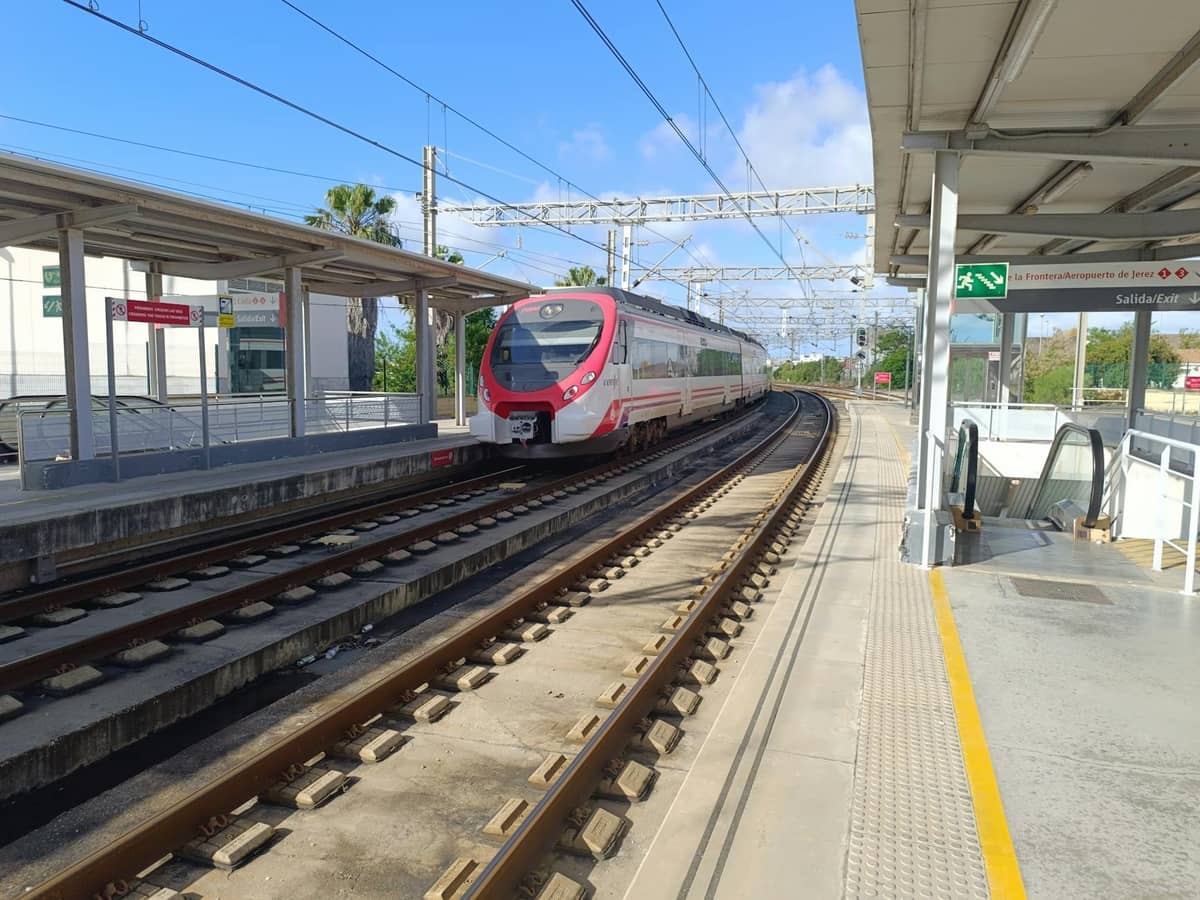
Serveis Ferroviaris de Mallorca (SFM) operates the island's rail network, with three main lines radiating from Palma Intermodal Station: to Inca, to Sa Pobla (branching from Inca), and to Manacor. These are practical commuter-style trains rather than scenic rides, useful for reaching inland towns like Inca (famous for its Thursday leather market) and Sineu. Journey times from Palma range from around 30 minutes to Inca to just under an hour to Manacor.
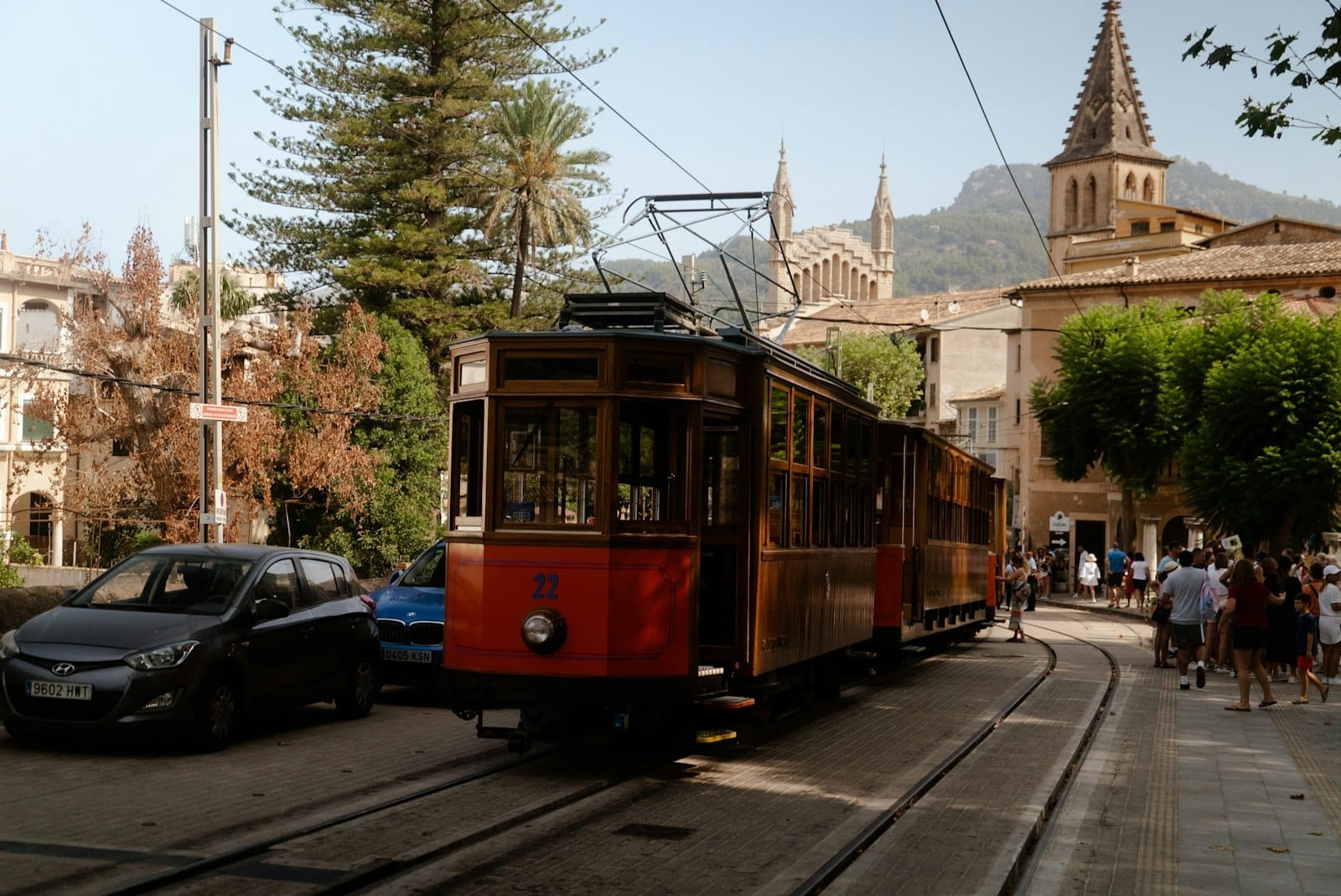
The exception is the Sóller train, a privately operated narrow-gauge line that has been running since 1912. This is one of the most enjoyable train journeys in Spain: the wooden carriages wind through the Tramuntana mountains for about an hour before arriving in Sóller town. From Sóller, a vintage tram connects to the Port de Sóller waterfront, taking around 15 minutes and costing roughly €9-10 for a single. The full Palma-Sóller return plus tram can cost around €20-25 per person for the train return plus around €9-10 for the tram (approximately €29-35 total). It is worth booking ahead in summer as departures are limited and seats sell out. The Sóller train guide has current pricing and booking details.
Palma also has a small metro system with two lines, M1 and M2, operating underground through the city. Single fares are around €1.60. The metro is useful for moving quickly between the Intermodal Station and the university area, but most visitors find the EMT buses more convenient for reaching the Old Town and waterfront.
Renting a Car: When It's Worth It and When It Isn't
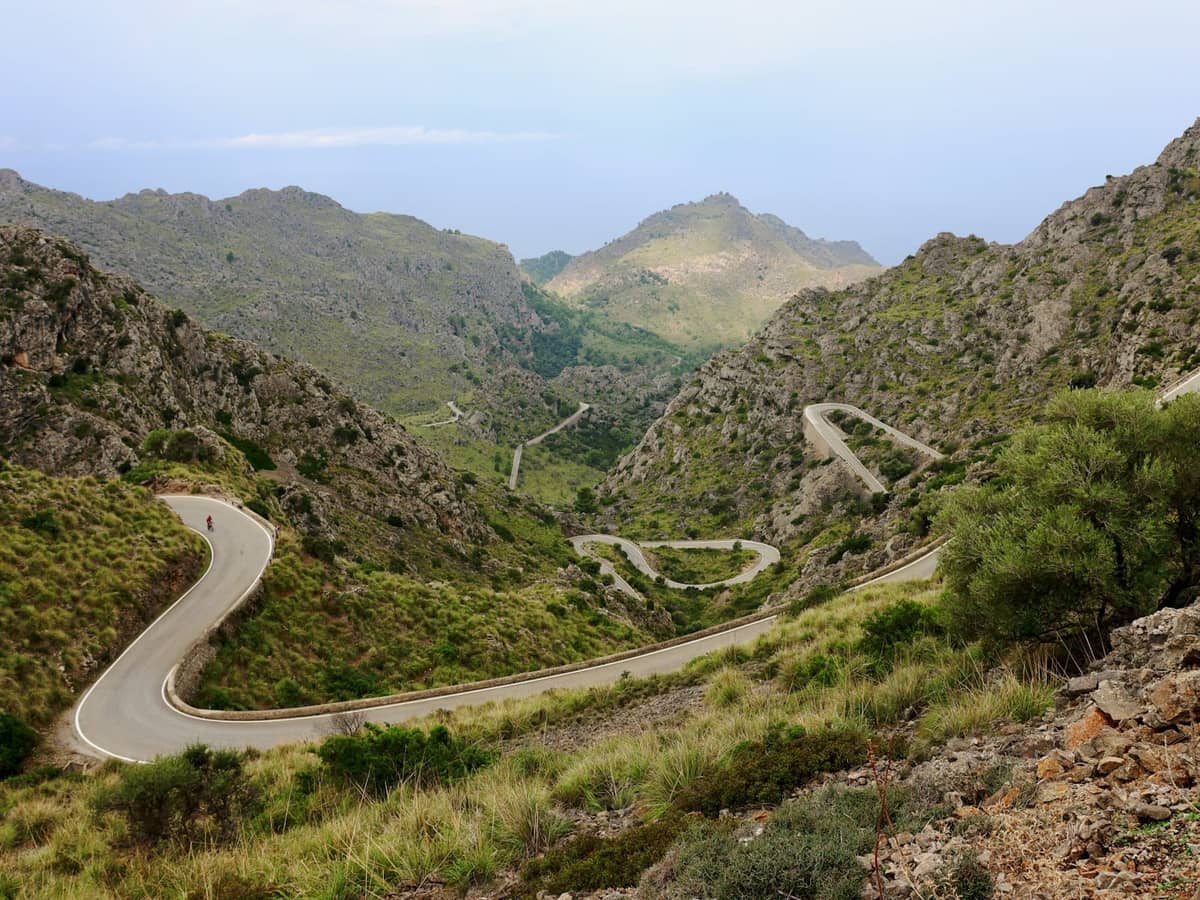
For most visitors who want to explore beyond Palma, a rental car is the single most practical decision they can make. Mallorca is approximately 3,640 km² with a road network that includes some genuinely spectacular drives, particularly through the Serra de Tramuntana road trip routes. The east coast beaches, the inland villages of the Pla, the wine country around Binissalem — almost all of it is accessible on your own timeline with a car, and very patchy without one.
Car rental prices fluctuate considerably by season. In low season (November through March), you can find compact cars for under €30 per day. In August, the same car might cost €60-100 per day or more through popular booking platforms. The key rule: book early. Last-minute rentals in peak summer are expensive and the choice narrows quickly. Major rental desks operate at PMI airport from all the international chains, plus several local operators who often offer competitive rates.
- Palma and surroundings A car is unnecessary and often a liability in central Palma. Parking is expensive (around €2-3 per hour in city car parks), traffic is heavy, and many streets in the Old Town are pedestrianized. Use public transport here.
- Serra de Tramuntana A car is almost essential for exploring the mountain roads, viewpoints, and villages like Deià and Valldemossa at your own pace. Roads are narrow and winding; allow extra time.
- Southeast and east coast beaches Many of the best coves (Cala Llombards, Cala Figuera, Caló des Moro) have no direct bus service or very limited summer-only frequency. A car makes all the difference.
- Northern coast (Alcúdia, Formentor) The Formentor Peninsula now operates a mandatory shuttle bus system during peak season (June to September), meaning private cars are restricted. A car gets you to the shuttle stop, but no further.
✨ Pro tip
Mallorca has 13 public car parks in Palma with around 7,000 spaces total. EV charging is available at several sites with the first 30 minutes free. If you're driving to Palma for a day visit, use a peripheral car park and take the bus or walk in rather than hunting for street parking in the Old Town.
Taxis, Rideshare, and Private Transfers
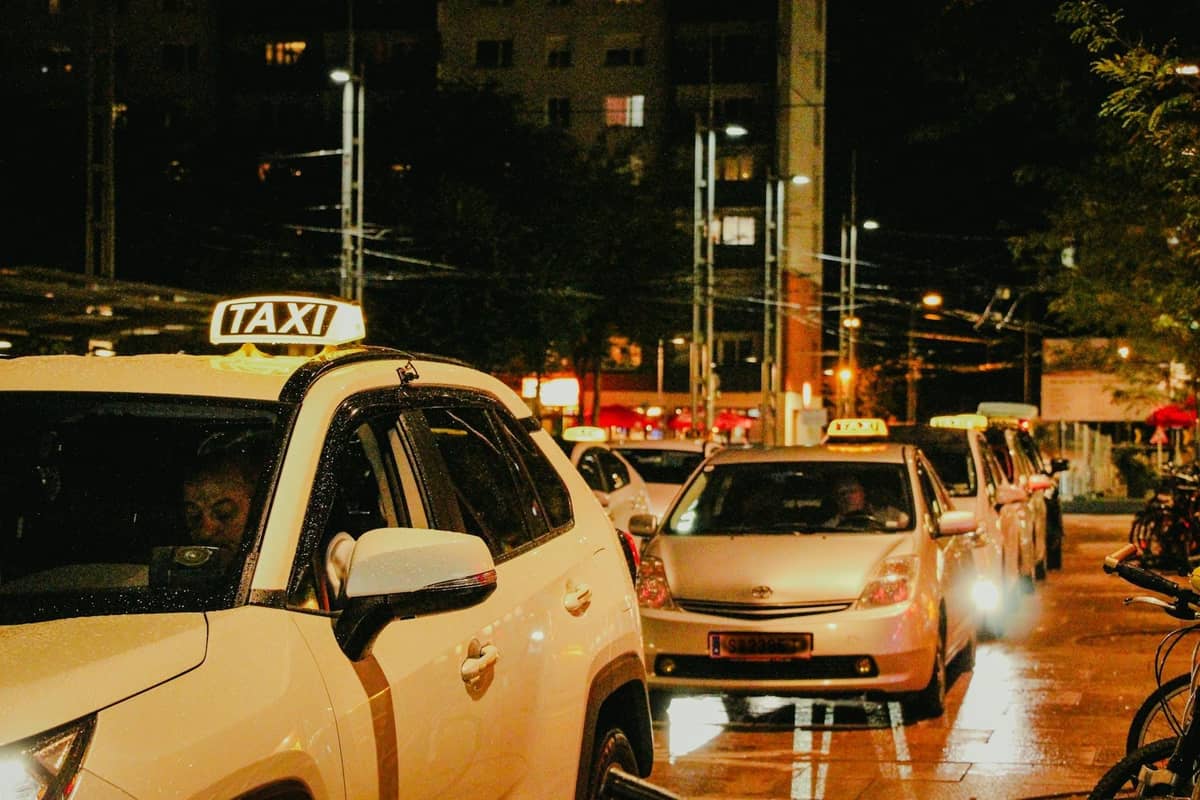
Taxis in Mallorca operate on official metered fares set by the Balearic Islands government. They are reliable, widely available in Palma and resort areas, and most drivers accept card payment, though it's worth confirming before you get in. From central Palma to popular areas like Magaluf or Portals Nous, expect to pay €25-45 depending on traffic and time of day. Late-night and Sunday surcharges apply.
Uber is technically available in Mallorca but coverage is very limited, especially outside Palma, and local regulations restrict its expansion. In practice, the more reliable options are Cabify and the official taxi apps. The practical difference in price between Cabify and a regular taxi is often minimal, so many visitors simply hail a cab or use the Radio Taxi Palma app. For airport transfers to hotels outside Palma, pre-booked private transfers often work out cheaper than a taxi if you have a group of three or more people.
Cycling and Bike Hire
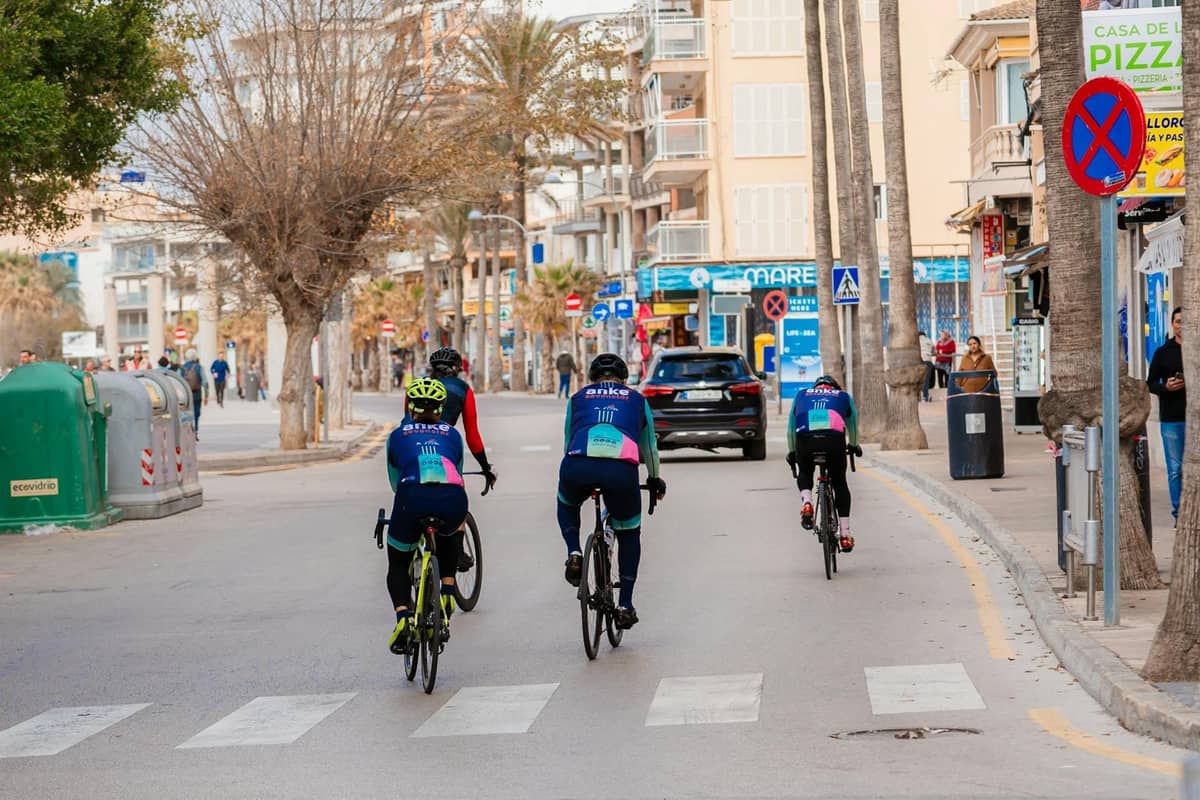
Mallorca has a serious cycling culture, and not just among tourists. The island hosts professional training camps and gran fondos throughout spring, and the roads in the Tramuntana are considered among the best road cycling terrain in Europe. For visitors, the infrastructure backs this up: over 50 km of dedicated cycling paths, a public hire scheme in Palma (BiciPalma and the Mou-te Bé system), and a growing network of routes across the island. The cycling in Mallorca guide covers route recommendations for all levels, from flat coastal rides to serious mountain climbs.
Within Palma, cycling makes sense for short trips between the Old Town, the waterfront, and residential areas. The BiciPalma public bike scheme operates similarly to city bike systems across Europe, with docking stations near major attractions. For longer day trips into the countryside, most visitors hire from private operators, which typically include road bikes, e-bikes, and hybrids by the day or week. E-bikes have made the island's hillier inland routes accessible to a much wider range of fitness levels.
ℹ️ Good to know
If you plan to cycle on main roads, especially in the Tramuntana, wear high-visibility clothing and check that your hire includes a helmet. Road surfaces are generally excellent on major routes but can narrow considerably on mountain passes. Cars and cyclists share many of the same routes and speeds vary dramatically.
Practical Tips for Getting Around Mallorca
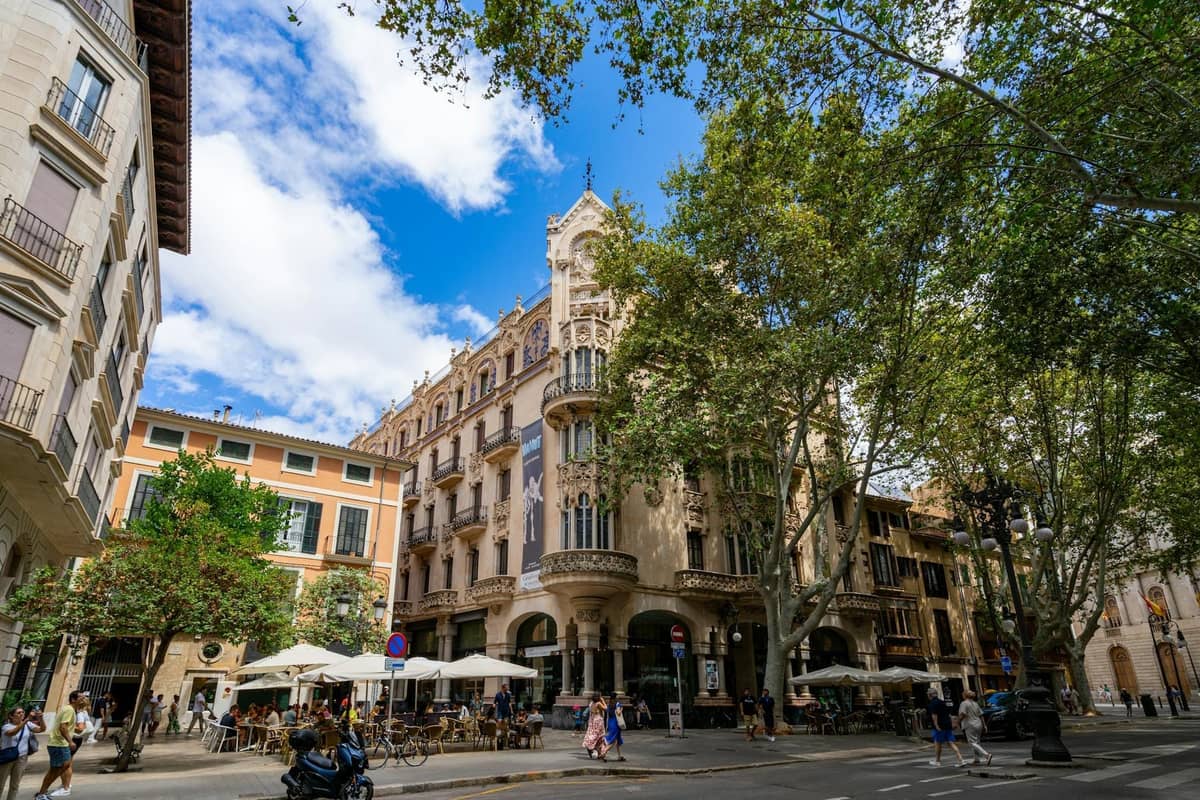
The Plaça d'Espanya transport hub in Palma is where almost everything connects: EMT urban buses, TIB intercity coaches, SFM trains, the metro, and the Sóller train all operate from or within walking distance of this square. If you get lost in the transport network, come here. Most journeys around the island start or end at Palma Intermodal Station. For broader planning, the one week in Mallorca itinerary maps out how to combine transport modes across different regions.
- Download the TIB app or bookmark tib.org for real-time bus schedules and route planning. The website is available in English.
- Cash is still widely accepted on buses, but the Intermodal Card saves money and avoids fumbling for exact change.
- In July and August, popular coastal bus routes (especially to beaches near Palma) run standing-room only. Leave earlier than you think you need to.
- The Formentor Peninsula shuttle operates June to September; check the current season's schedule at the Alcúdia tourist office or online before planning a visit.
- Petrol stations are plentiful on main roads but can be sparse in the Tramuntana. Fill up in a town before heading into the mountains.
- Road signs in Mallorca use Catalan place names as the primary form. Sóller, not Soller; Alcúdia, not Alcudia. GPS apps handle this correctly, but older maps may differ.
For visitors focused on Palma, the combination of walking, EMT buses, and the occasional taxi covers nearly everything. The city's compact Old Town is walkable, and the waterfront from the Palma Cathedral to the Passeig del Born is easily covered on foot. For anyone planning day trips to the coast or mountains, the calculus shifts: a rental car, even for just two or three days, dramatically widens what's reachable.
FAQ
How do I get from Palma Airport to central Palma by public transport?
Take bus line A1 from the airport to central Palma. The journey takes around 15-25 minutes depending on traffic and costs approximately €5 per person. Buses run roughly every 12-15 minutes during the day. Alternatively, taxis operate on metered fares; expect to pay around €20-30 to the city centre.
Do I need a car to get around Mallorca?
Not necessarily, but it depends on your itinerary. If you're staying in Palma or a resort with good TIB connections, public transport is adequate. If you want to explore remote coves, mountain villages, or travel on your own schedule, a car makes the trip considerably easier. Many visitors hire a car for two or three days to cover the coast and mountains, then rely on buses in Palma.
Is the Sóller train worth the price?
Yes, for most visitors. The journey through the Tramuntana is genuinely scenic, and the vintage carriages are charming. It works best as an experience rather than pure transport. The round trip plus the tram to Port de Sóller costs around €40-50 per adult. Book ahead in summer, as departures are limited and it sells out.
Can I get to the Formentor Peninsula by car in summer?
Not all the way. Between June and September, private vehicles are restricted on the road beyond the Formentor beach car park. A mandatory shuttle bus system operates from a designated drop-off point near Alcúdia. Check the current season's schedule before visiting, as it changes annually.
What is the Intermodal Public Transport Card and is it worth getting?
The Intermodal Card (also called the Single Public Transport Card) is a contactless smart card that covers EMT buses, TIB intercity buses, the metro, and SFM trains. As of 2025, EMT urban bus rides are effectively free for cardholders under the government's transport subsidy scheme. The card is available at Palma Intermodal Station and the airport. For any stay of more than two or three days with regular bus use, it pays for itself quickly.