Alcúdia sits on Mallorca's northern coast and manages something rare: a genuinely preserved medieval old town standing just minutes from one of the island's longest beaches. The combination of Roman ruins, Arabic-named streets, pine-backed dunes, and a neighboring nature reserve makes it the most layered destination in the north.
Alcúdia is northern Mallorca's most complete destination, where a well-preserved walled old town, two thousand years of recorded history, and 14 kilometres of beach coexist without canceling each other out. The resort zone is large and busy in summer, but the historic core remains pedestrianized and remarkably intact — making Alcúdia a genuine alternative to staying in Palma for travelers who want both coast and culture.
Orientation
Alcúdia sits at the base of a narrow peninsula on Mallorca's north coast, roughly 54 kilometres northeast of Palma. The municipality effectively divides into three distinct zones that sit side by side but feel quite different from one another.
The old town, known simply as Alcúdia or Casc Antic, occupies a low hill at the top of the peninsula and is ringed by medieval walls. South and east of the old town, Port d'Alcúdia clusters around the marina and ferry terminal — this is where you find supermarkets, dive shops, and a busy main strip of restaurants. Further south again, Platja d'Alcúdia is the resort beach zone, with hotels running along Avinguda Mas Pere Reus and the beachfront road stretching toward the neighbouring municipality of Muro.
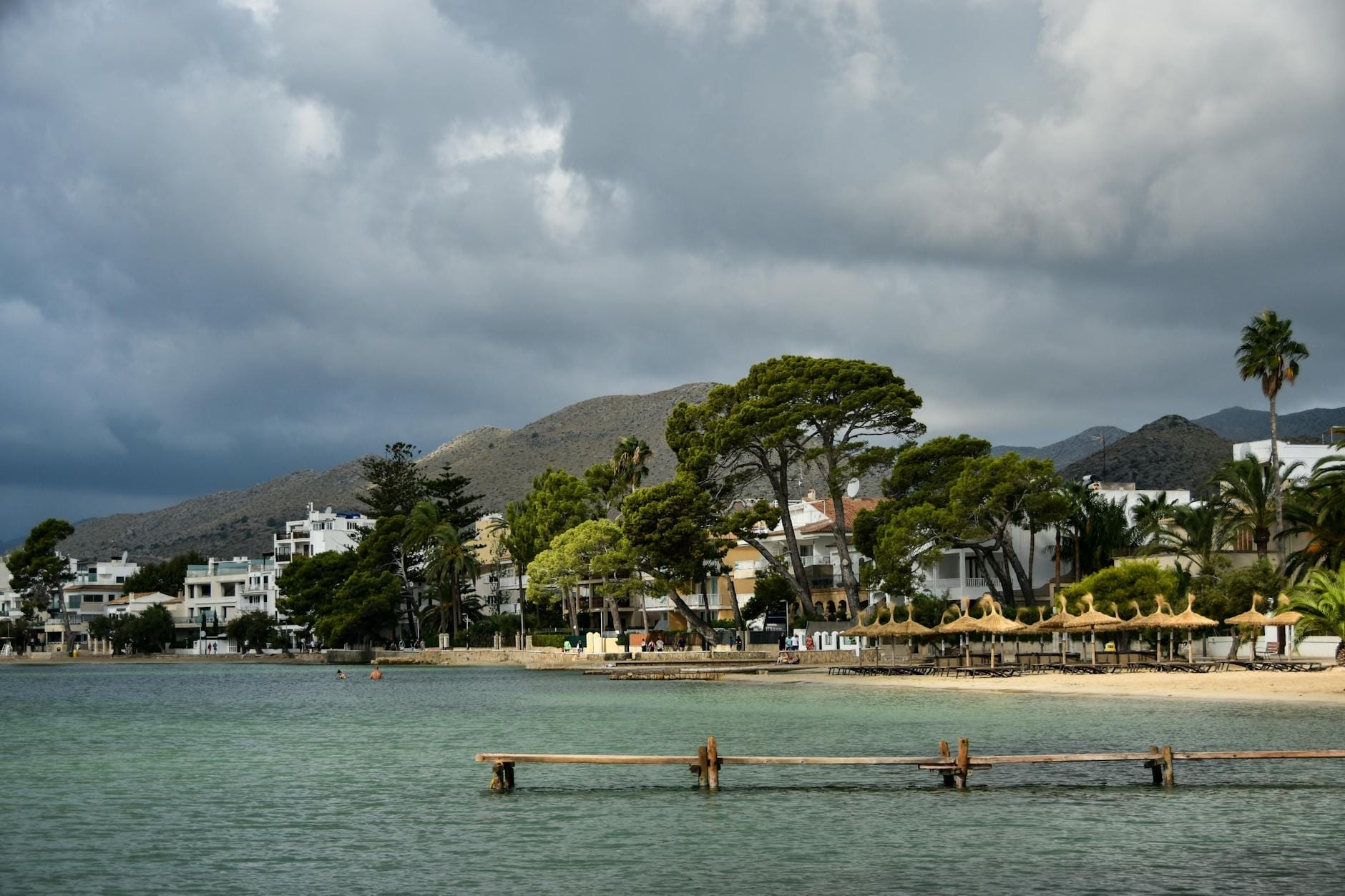
Immediately to the south, Alcúdia borders the S'Albufera natural park and connects to Playa de Muro, which extends the beach strip for several more kilometres toward Can Picafort. The total coastline covered by the Bay of Alcúdia runs approximately 14 kilometres — one of the longest continuous sandy stretches on the island. The bay itself is enclosed by the Cap des Pinar headland to the north and the Artà peninsula to the east, which gives the water a calm, sheltered quality that distinguishes it from the choppier western and southern coasts.
ℹ️ Good to know
The Port of Alcúdia operates passenger ferry services to Menorca (Ciutadella), handled by Baleària and Trasmediterránea. If you're combining a Mallorca trip with a short hop to Menorca, departures leave from here rather than Palma.
Character & Atmosphere
Alcúdia rewards visitors who understand that it runs on two completely separate clocks. Early mornings in the old town are quiet in the best possible way: the light is soft, the stone is cool, and the lanes inside the walls — Carrer Major, Carrer de Sant Jaume, the streets threading toward the Roman theatre site — are almost empty. Locals pick up bread from the few family bakeries that open early. A market runs on Tuesdays and Sundays on the edge of the old town, near the Porta de Mallorca gateway, drawing both residents and visitors from the resort strip for produce, olives, and clothing.
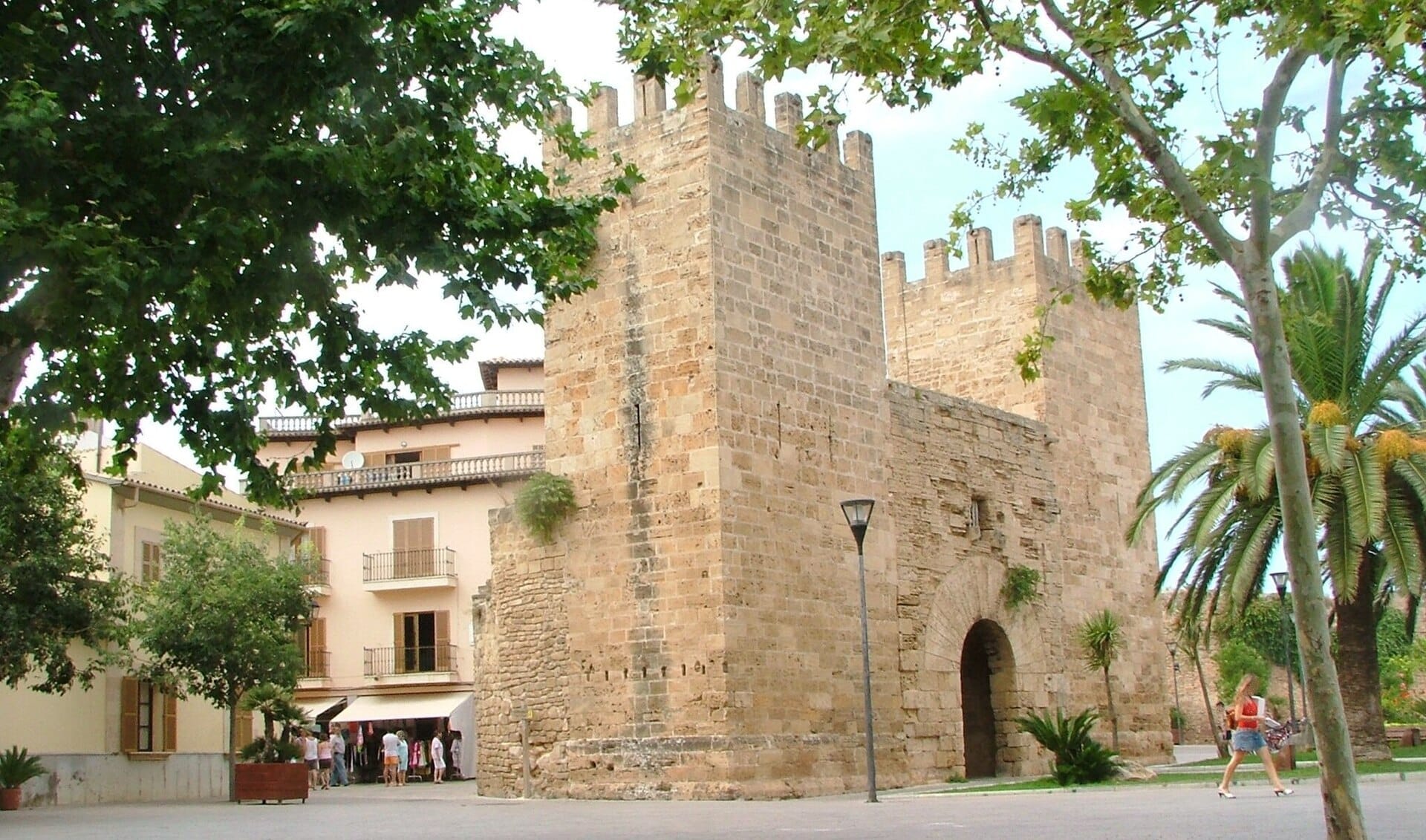
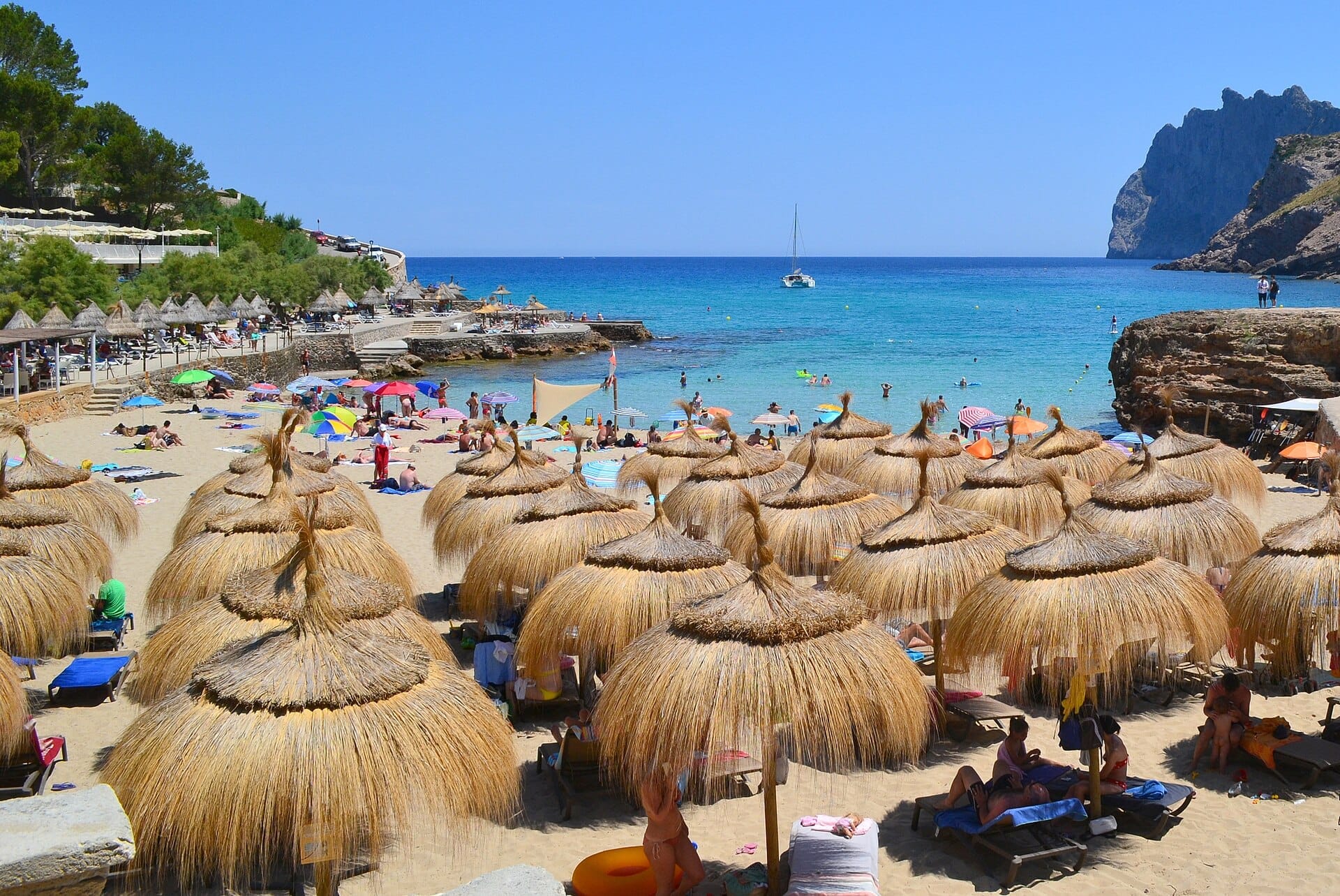
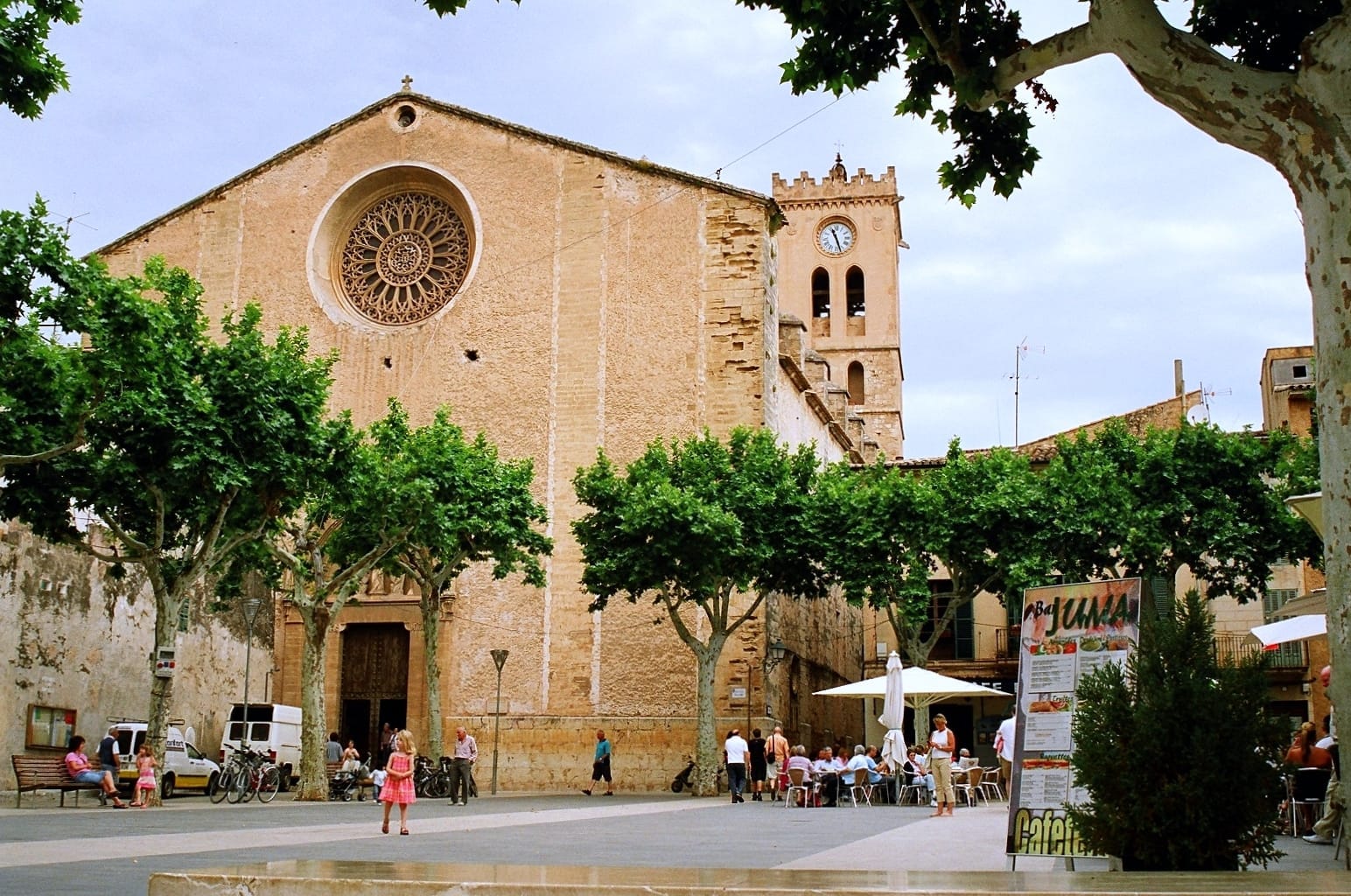
By mid-morning in July and August, the dynamic shifts. The beach strip and port area fill with the particular energy of a north European package resort — sun loungers appearing in rows, ice cream stands opening, the waterfront restaurants putting out terrace tables. The old town sees its own flood of visitors by around 10 a.m., cameras pointed at the intact medieval walls and the Gothic church of Sant Jaume. But because the streets are pedestrianized and the architecture is genuinely old rather than reconstructed, the old town absorbs the traffic better than you might expect.
Afternoons in summer push most sensible people to the beach or indoors. The beach itself is wide enough and long enough that even in peak season, walking north toward Cap des Pinar or south past the S'Albufera boundary, you can find stretches of sand that feel uncrowded. After 6 p.m., the old town wakes up again: terrace restaurants fill, the evening light turns the tawny stone walls amber, and the whole place acquires a character that the midday heat had stripped away. Off season, from October through April, Alcúdia is almost entirely local — the resort strip closes down significantly, but the old town continues its rhythm, and walking the walls in October with the bay spread out below you is one of the north's better experiences.
What to See & Do
The old town is the starting point. Alcúdia's medieval walls are among the best-preserved in Mallorca, and unlike Palma's sea walls, these can be walked almost entirely on foot via a circuit that takes around thirty minutes at a relaxed pace. The walls were built in the 14th century over earlier Arabic fortifications, themselves layered over Roman-era structures.
The Roman connection goes deeper than most visitors realise. The ancient city of Pollentia — established after Rome took the island in 123 BC — sat on the site of what is now Alcúdia, and remains are still visible at the excavated site just outside the old town walls. The adjacent Museu Monogràfic de Pollentia holds finds from the excavations, including pottery, coins, and sculpture. For more on the Roman remains and the town's layered history, the Alcúdia old town attraction page covers the key sites in detail.
The name Alcúdia itself comes from the Arabic 'al-kudja,' meaning 'on the hill,' a reference to a Moorish farmstead that occupied the site between the Roman period and the medieval Christian settlement. This layering of civilizations — Bronze Age habitation, Roman city, Moorish farmstead, medieval walled town — is what gives the old town its unusual density of history in a small space.
Walk the medieval walls circuit, starting from the Porta de Mallorca gate
Visit the Museu Monogràfic de Pollentia and the adjacent Roman theatre ruins
Explore the Gothic church of Sant Jaume, rebuilt after earthquake damage
Attend the Tuesday or Sunday market near the Porta de Mallorca
Take a boat trip from Port d'Alcúdia to Cap des Pinar or toward the caves of the peninsula
Cycle or walk south along the beach toward S'Albufera for birdwatching
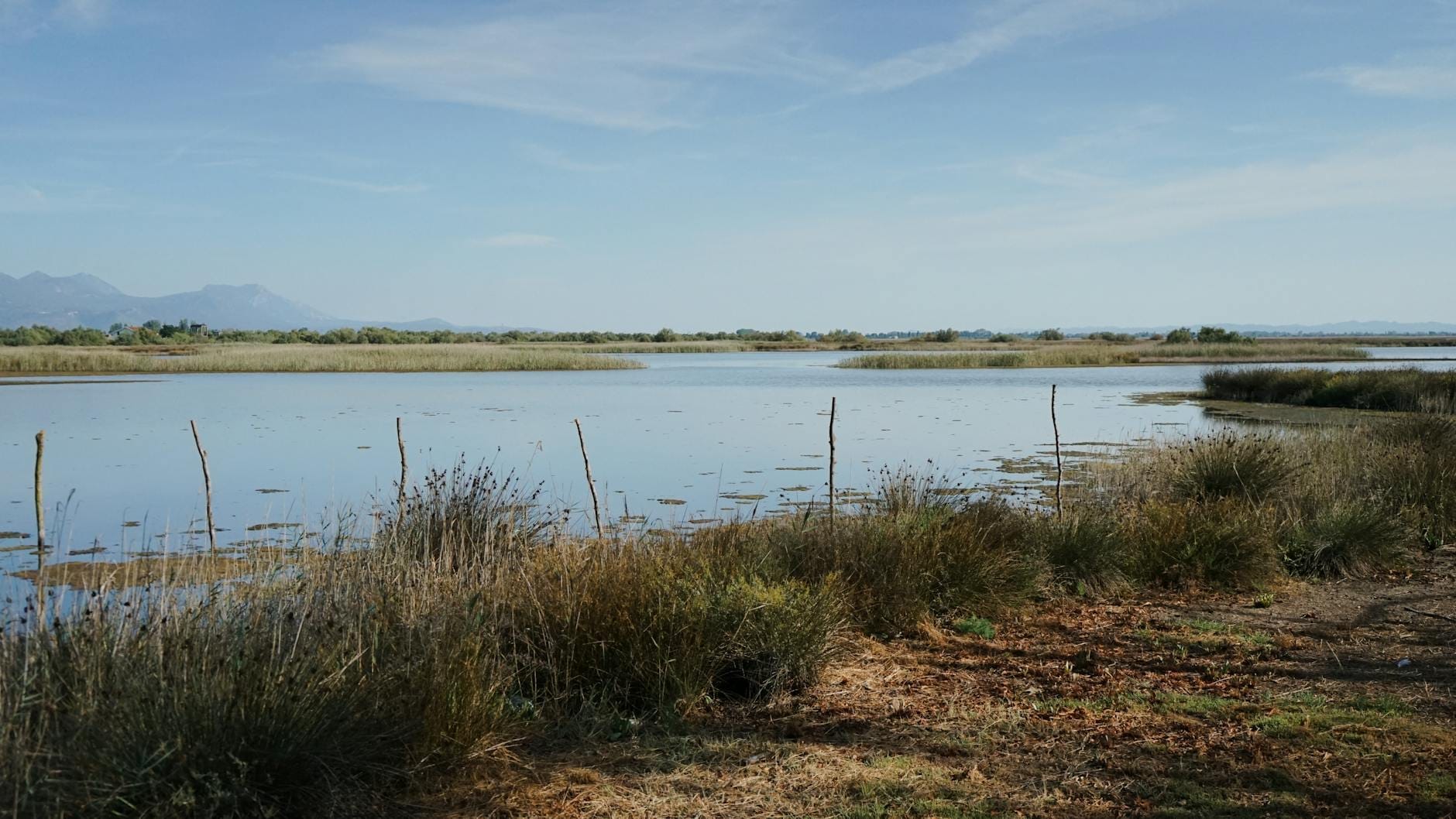
South of the resort, the S'Albufera nature reserve is one of the most important wetlands in the western Mediterranean and sits within easy cycling distance of Platja d'Alcúdia. Over 200 species of birds have been recorded here, including reed warblers, herons, and seasonal migratory species. Entry is free; the park opens daily and provides maps at the entrance. Early morning visits before the heat builds are strongly recommended.
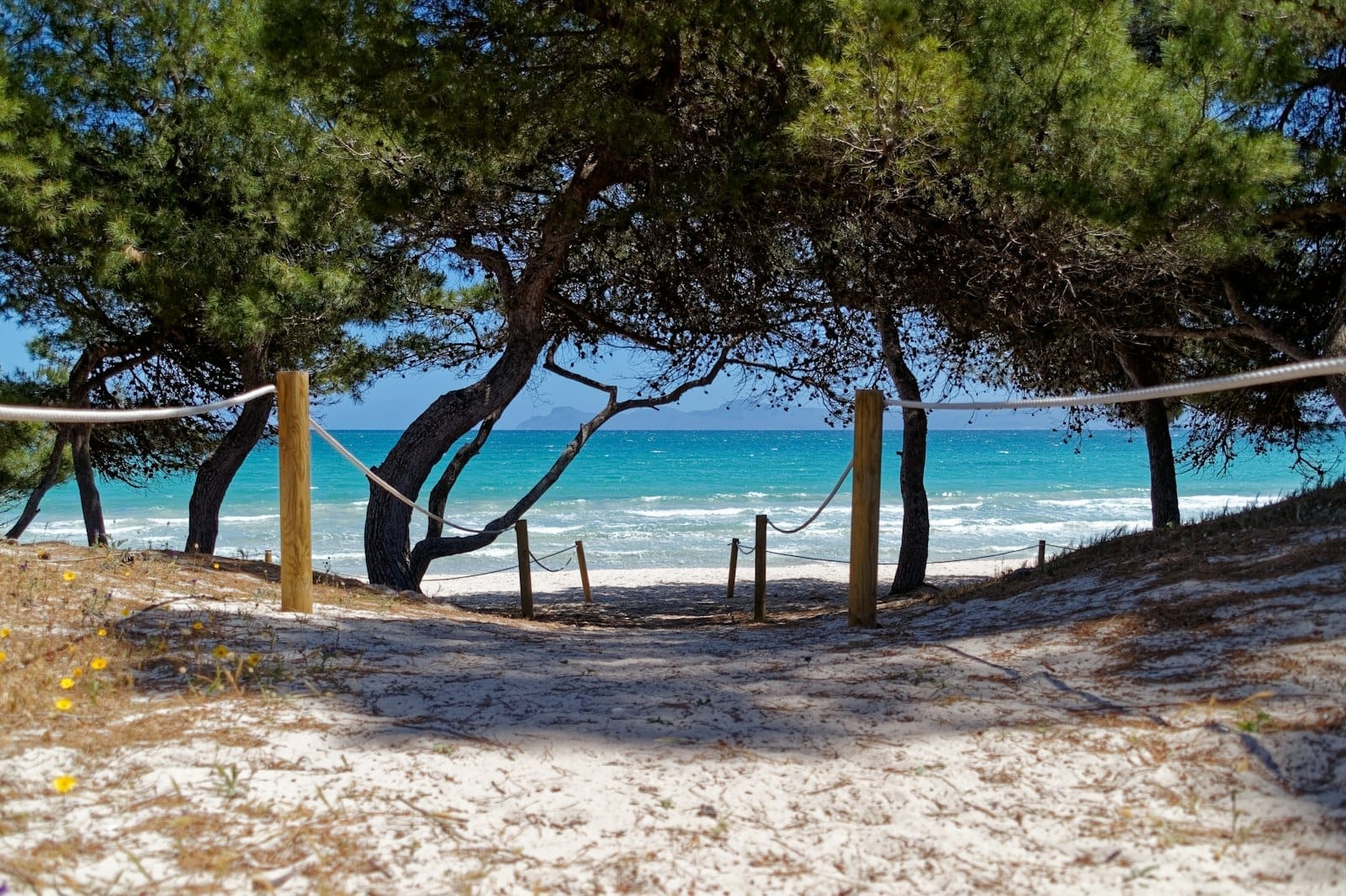
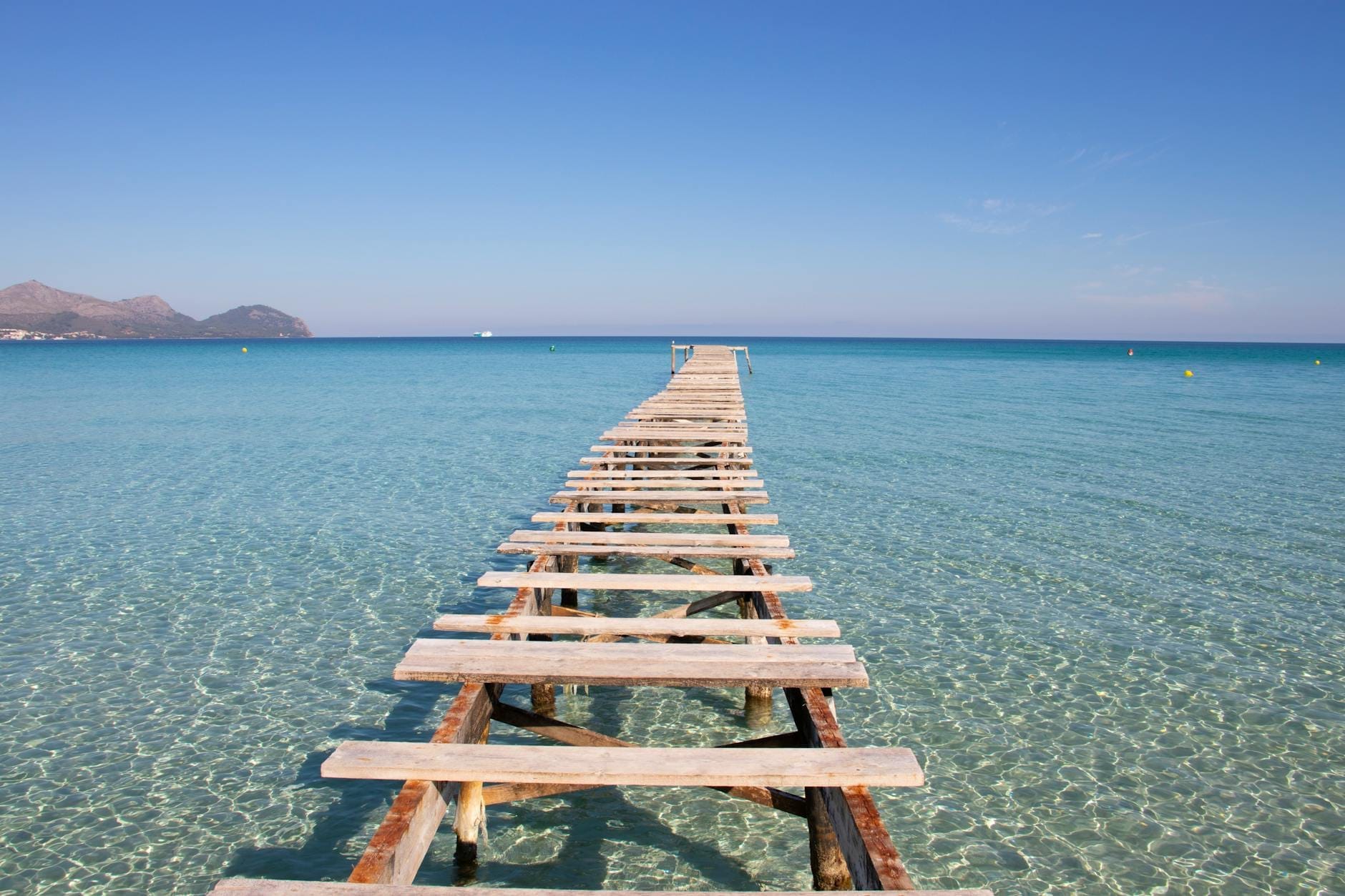
The beach itself — Playa de Muro to the south and Platja d'Alcúdia to the north of the Muro boundary — offers fine, pale sand and shallow water that slopes very gently, making it one of the better beaches on the island for families with young children. The northern end, closer to the Cap des Pinar headland, is backed by pine trees and is noticeably quieter than the central resort section.
💡 Local tip
Cap des Pinar, the headland north of Alcúdia, is military land and formally restricted, but the coastal paths and small coves around its edges are accessible. A boat trip from Port d'Alcúdia is the easiest way to see the dramatic limestone cliffs and the small coves tucked below them.
Eating & Drinking
Alcúdia has a clear culinary geography. The old town holds the most character-driven restaurants, with several places occupying vaulted stone interiors or courtyard terraces inside the walls. Menus lean toward Mallorcan and Spanish cooking: pa amb oli (bread rubbed with tomato and oil, the island's base ingredient), fresh fish from the north coast, and rice dishes. Prices in the old town are moderate by Mallorca standards, and you're paying partly for the setting.
The port area has a longer strip of restaurants that runs along the waterfront promenade. This is where you find the full range of resort-style dining: English breakfasts, German bakeries, pizza, and paella aimed squarely at northern European visitors. Quality varies considerably, and choosing somewhere set slightly back from the main strip tends to improve your odds. The freshest fish options are usually at the places nearest the marina itself.
For self-catering or market shopping, the Tuesday and Sunday market in the old town is useful for local produce. Alcúdia also has a covered market building near the port. The island's wider food culture is explored in the Mallorca food guide, which covers regional specialties worth seeking out including sobrassada, ensaïmada, and local wine from the Pla interior.
For drinks, the old town has several wine bars and terrace cafés that work well in the evening. The port strip has livelier bar options that run later into the night in high season. Alcúdia is not a party destination in the way Magaluf or El Arenal are — the nightlife is relaxed, dinner-focused, and winds down at a reasonable hour. Families and older travelers tend to find this appealing; visitors looking for club-scale nightlife will need to look elsewhere.
Getting There & Around
From Palma, Alcúdia is approximately 54 kilometres by road. By car, the MA-13 motorway runs directly north from Palma to Inca and then continues to Alcúdia — the drive takes around 50 minutes outside of peak summer traffic, longer in July and August when the road approaching the resort fills up on weekend mornings.
Public buses run between Palma and Alcúdia operated by TIB (Transport de les Illes Balears). The service is reliable and runs year-round, with increased frequency in summer. Journey time is roughly 90 minutes. Renting a car significantly increases your flexibility for reaching the beaches and the surrounding areas; the rent a car in Mallorca guide covers the practicalities. For a broader overview of island-wide transport options, the getting around Mallorca guide is the most complete resource.
Within Alcúdia, the distances between the old town, port, and beach strip are walkable — around 15-20 minutes on foot from the old town gate to the marina, and another 10-15 minutes from the marina to the beach hotels on Avinguda Mas Pere Reus. In practice, most visitors staying on the beach strip use local tuk-tuk-style tourist trains, bicycles, or the in-resort bus that connects key points. Cycling is genuinely useful here: the terrain is flat, and bike rental shops operate throughout the resort.
The Port d'Alcúdia ferry terminal handles departures to Menorca (Ciutadella), making it a useful hub for island-hopping without routing through Palma. Check current schedules with Baleària or Trasmediterránea directly, as seasonal timetables vary considerably.
⚠️ What to skip
Parking in and around the old town is severely limited in July and August. If driving, arrive before 9 a.m. or use the signed parking areas near the port and walk into the old town. Driving into the pedestrianized historic core is restricted.
Where to Stay
Where you stay in Alcúdia determines which version of the resort you experience. Hotels and apartment complexes along Platja d'Alcúdia and Playa de Muro are primarily large-scale, beach-focused properties with pools — many operating on all-inclusive or half-board models. They cater to families and couples who want easy beach access and a self-contained base. Construction regulations introduced in the 1990s kept building heights and density in check, so the resort strip is less overwhelming visually than some equivalent beach zones on the island.
The port area has a mix of mid-range hotels and smaller guesthouses, positioned for travelers who want proximity to the marina, ferry connections, and a wider range of restaurants within walking distance. The old town itself has a small number of boutique guesthouses inside the walls — this is the quietest and most characterful option, though it means a 15-20 minute walk to the beach. For a comparison of where Alcúdia fits within Mallorca's wider accommodation landscape, the where to stay in Mallorca guide breaks down the island's zones by traveler type.
Families with young children consistently rate the beach strip highly for its shallow water, wide sand, and proximity to services. Couples and independent travelers wanting a quieter base with more local character tend to prefer staying inside or near the old town walls and spending mornings at the beach before the crowds peak. Off-season visitors — October through April — will find that many beach hotels close, but the old town's small guesthouses often remain open and prices drop considerably.
Day Trips & Connections
Alcúdia's location in the north makes it a natural base for exploring both the northeastern coast and the edges of the Serra de Tramuntana. The walled town of Pollença old town is just 10 kilometres to the northwest and is easily reached by car or local bus — it's a different, more residential character than Alcúdia and well worth an afternoon.
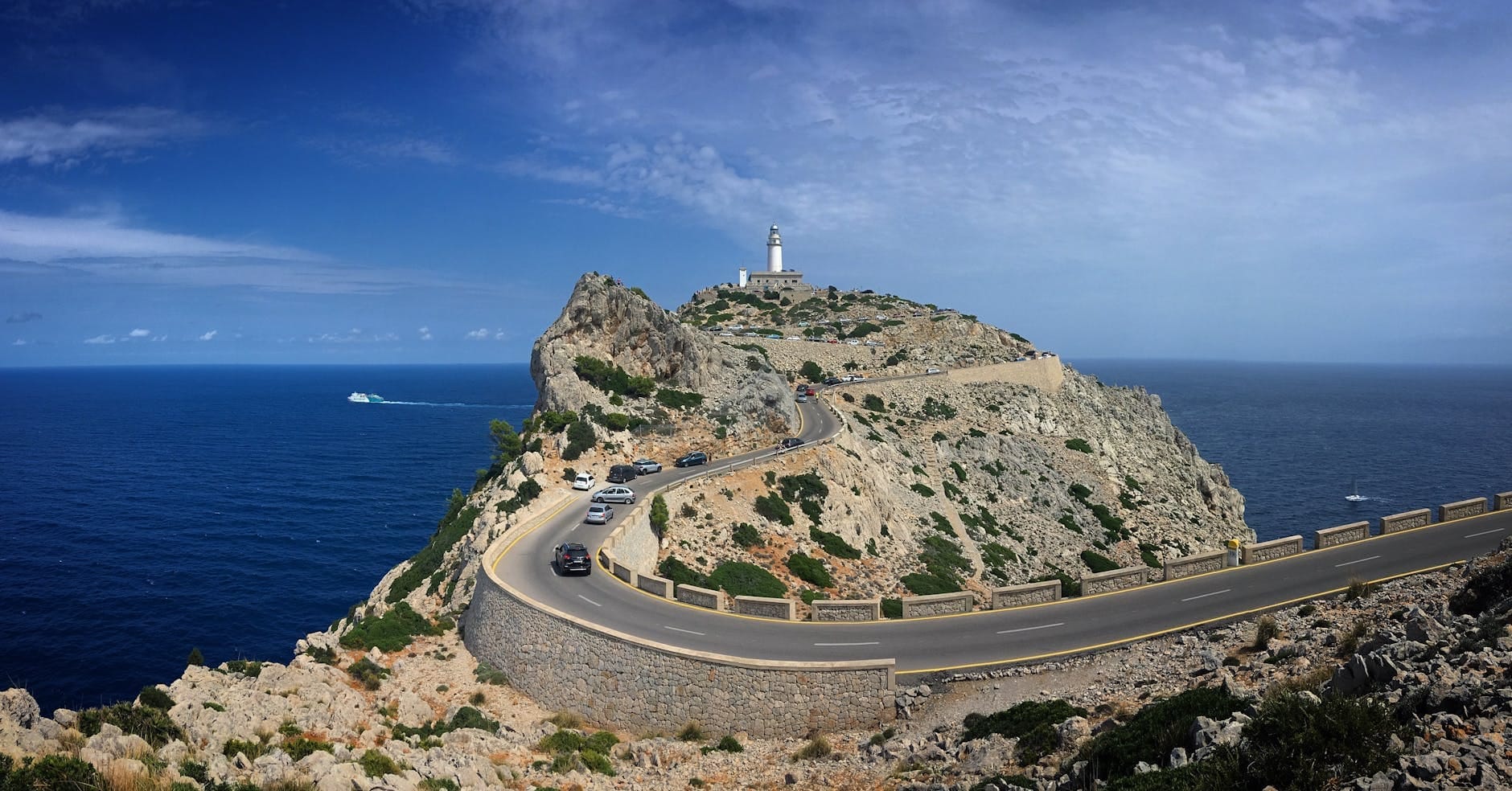
The drive east toward Artà and the Cap de Formentor is well-suited to a day on the road. The Formentor peninsula begins roughly 15 kilometres north of Alcúdia and rewards the drive with some of the most dramatic coastal scenery on the island — high limestone cliffs above deep blue water. Access to Formentor beach is now restricted by shuttle bus in peak summer months, so check current regulations before driving.
For those interested in the island's cycling culture, the flat terrain around the Bay of Alcúdia transitions fairly quickly into the hills behind Pollença, which connect to some of Mallorca's most established road cycling routes. The cycling in Mallorca guide covers the north's routes in context of the wider island network.
ℹ️ Good to know
Alcúdia is one of the better bases in northern Mallorca for travelers who want variety without long daily drives. Pollença, Formentor, S'Albufera, and the northeastern coves around Artà are all within 45 minutes.
Honest Assessment
Alcúdia is not a place everyone will connect with immediately. The resort strip in July and August is large, commercial, and unmistakably oriented toward package tourism. The restaurants along the port waterfront run the full spectrum from excellent to deeply mediocre. Noise from beach bars can carry into the early hours during peak season in the strip zone.
What redeems it, and what sets it apart from most comparable northern European resort destinations, is the quality of the old town and the scale of the natural assets surrounding it. Very few resorts of this size sit adjacent to a protected natural park like S'Albufera, a 14-kilometre beach of real quality, and a medieval walled town with two millennia of visible history. The construction controls of the 1990s helped preserve enough visual integrity that the resort doesn't feel as built-out as it might have.
The traveler who gets the most from Alcúdia is someone who uses the old town as a daily anchor, reaches the beach early before the crowds, spends a morning at S'Albufera, and treats the port strip as a convenience rather than a destination. Approached that way, it delivers more than most north Mallorca alternatives.
TL;DR
Alcúdia combines a well-preserved medieval walled old town with one of Mallorca's longest beaches — a combination unique on the island's north coast.
Best suited to families, couples, and independent travelers who want coast and culture in the same base without staying in Palma.
The resort strip is large and commercial in peak summer; book inside or near the old town for a quieter, more characterful stay.
S'Albufera nature reserve, the Formentor peninsula, and Pollença old town are all within easy range, making Alcúdia a strong northern base for day-tripping.
Off-season (October to April), the old town is genuinely peaceful, prices drop significantly, and the beach is yours — the resort side largely closes, but the historic core remains open and local.
Mallorca has over 200 beaches, ranging from long sandy family bays to dramatic limestone coves that feel almost impossibly beautiful. This guide covers the best beaches across the island, with practical advice on access, crowds, and what makes each one worth the trip.
Mallorca works in every season, but the right time depends on what you want. This guide breaks down the weather, crowds, prices, and events by month so you can plan a trip that actually suits you.
Mallorca rewards those who look up, out, and across. From the Tramuntana's limestone ridges to the bay of Palma at dusk, these are the viewpoints that make the island unforgettable. This guide covers the best panoramas, how to reach them, and when to go.
Mallorca is one of Europe's premier road cycling destinations, drawing professionals and enthusiasts from across the continent every spring. This guide covers the island's best routes from brutal mountain climbs to flat coastal loops, plus practical tips on when to go, where to base yourself, and what to expect on the road.
Mallorca rewards budget travellers generously. From UNESCO mountain trails and wild coves to free museum days and medieval old towns, the island has more cost-free experiences than most visitors realise. This guide covers the best free things to do in Mallorca, organised by theme.
From the urban buses of Palma to the scenic train to Sóller and the open roads of the Serra de Tramuntana, Mallorca has more transport options than most visitors expect. This guide breaks down every mode of transport, with real prices, route details, and honest advice on what actually works.
Mallorca rewards those willing to look beyond the resort strips and postcard beaches. This guide uncovers the island's quieter side: Bronze Age settlements, uninhabited nature reserves, atmospheric mountain villages, and coves that still feel genuinely undiscovered.
The Serra de Tramuntana is one of Europe's finest hiking destinations, a UNESCO World Heritage limestone range stretching across Mallorca's northwest. This guide covers the best trails, villages, and natural landmarks for walkers of every level.
Mallorca is larger and more varied than most visitors expect. This guide breaks down exactly how many days you need depending on your pace, priorities, and which parts of the island you want to explore — from a long weekend in Palma to a full two-week circuit.
Mallorca gets dismissed as a cheap package-holiday island. That reputation is decades out of date. From UNESCO mountain landscapes to Gothic architecture, world-class cycling, and some of the Mediterranean's best beaches, the island has far more range than most visitors expect. This guide lays out exactly what Mallorca delivers, where it falls short, and who it suits best.
Mallorca's luxury scene stretches far beyond beach resorts. This guide breaks down the island's finest hotels, private villas, Michelin-starred dining, and exclusive experiences — with honest advice on where to stay, when to go, and what's genuinely worth the premium.
Every January and February, Mallorca's countryside transforms into a landscape of white and pale-pink blossom as around four million almond trees come into flower. This guide covers peak timing, the best villages and routes to visit, local festivals, and practical tips for making the most of the season.
With 554 kilometres of coastline and over 250 beaches and coves, Mallorca rewards exploration by sea like nowhere else in the Mediterranean. This guide covers every boat trip option on the island: shared tours, private charters, bareboat sailing, departure points by region, and exactly when to go.
Mallorcan food is rooted in peasant traditions, pork, olive oil, and seasonal produce. This guide covers the island's essential dishes, local specialties worth seeking out, and practical advice for eating well without falling into tourist-trap traps.
October is one of the most underrated months to visit Mallorca. Daytime temperatures hover around 22-24°C, the sea stays swimmable at 21-23°C, and the summer crowds have thinned dramatically. This guide covers the real weather picture, what closes, what opens, and the best things to do across the island in autumn.
Spring transforms Mallorca into one of the Mediterranean's most rewarding destinations. This guide covers the weather month by month, what to do, when crowds arrive, and how to make the most of the shoulder season before summer prices kick in.
July and August are Mallorca's peak season for a reason: warm sea temperatures, near-constant sunshine, and a full calendar of activities. But peak season also means peak crowds and peak prices. This guide breaks down exactly what summer looks like on the island so you can decide if it's right for you.
Mallorca's nightlife spans centuries-old cocktail palaces in Palma, Germany-flavoured beach parties in Arenal, and full-scale club nights in Magaluf. This guide cuts through the noise to tell you exactly where to go, when to arrive, and what to skip.
Mallorca has a reputation for luxury resorts and big-spending tourists, but the island is far more affordable than most people expect. This guide breaks down real daily costs, the best free activities, cheap transport options, and the smartest ways to stretch your euros across one of Europe's most spectacular islands.
Mallorca delivers extraordinary photography at every turn, from impossible turquoise coves and medieval hilltop villages to soaring Gothic architecture and dramatic sea cliffs. This guide covers the island's most photogenic locations, with practical advice on the best times to shoot and what to look for at each spot.
Mallorca rewards drivers more than almost any island in the Mediterranean. From the UNESCO-listed Serra de Tramuntana to the wild cape at Formentor, this guide covers the best scenic routes, practical driving advice, and the stops worth pulling over for.
From Palma's covered food halls to village weekly markets and artisan workshops, shopping in Mallorca goes well beyond tourist trinkets. This guide covers the best markets, the products worth buying, and the ones to leave on the shelf.
Mallorca produces some of Spain's most distinctive wines, built on native grape varieties you won't find anywhere else. This guide covers the island's two DO regions, the best wineries to visit, what to expect on a tasting tour, and how to plan your visit from Palma.
Mallorca has a well-earned reputation as one of the Mediterranean's top family destinations, but knowing which beaches, attractions, and activities actually work for children makes the difference between a great holiday and a stressful one. This guide cuts through the noise with specific recommendations, honest assessments, and practical logistics.
Mallorca's villages are its soul. Beyond the beaches and resorts, stone-built hilltop towns, flower-draped lanes, and centuries of history await. This guide covers the most beautiful villages in Mallorca, from the Tramuntana's famous trio to the northeast's medieval strongholds.
Seven days is enough time to experience the full range of Mallorca: Gothic cathedrals, UNESCO mountain roads, turquoise calas, medieval villages, and local wine. This day-by-day itinerary cuts through the noise and tells you exactly where to go, when to go, and what to skip.
Renting a car in Mallorca is the single best decision you can make for your trip. This guide covers everything: seasonal pricing, insurance traps, the best booking platforms, parking realities, and which companies consistently deliver. No fluff, just practical advice.
Mallorca is far more than beach resorts and package holidays. This guide covers the best things to do across the island — from free hikes in the UNESCO-listed Tramuntana mountains to boat trips along the rugged north coast — with real prices, seasonal advice, and honest opinions on what's worth your time.
Mallorca is a 3,640 km² island with wildly different characters depending on where you base yourself. This guide cuts through the noise and maps out the best areas to stay, who each one suits, and what to watch out for before you book.