Is Mallorca Worth Visiting? Here's What You Actually Need to Know
Mallorca gets dismissed as a cheap package-holiday island. That reputation is decades out of date. From UNESCO mountain landscapes to Gothic architecture, world-class cycling, and some of the Mediterranean's best beaches, the island has far more range than most visitors expect. This guide lays out exactly what Mallorca delivers, where it falls short, and who it suits best.
Plan and book this trip
Tools from our partner Travelpayouts help you compare flights and hotels. If you book through them, we may earn a commission at no extra cost to you.
Flights
Hotels map
TL;DR
- Yes, Mallorca is worth visiting, but the experience varies enormously depending on where you stay and when you go.
- The island covers 3,640 km² with distinct regions: a UNESCO-listed mountain range, historic inland villages, a cultured capital city, and over 200 beaches. See our guide to the best beaches in Mallorca to understand the range.
- Peak summer (July-August) brings intense crowds and heat. Spring (April-May) and autumn (September-October) offer a dramatically better experience for most travellers.
- Palma de Mallorca is one of the Mediterranean's most underrated cities, with serious architecture, food, and culture.
- The island is not just a budget resort destination — it caters equally well to luxury travellers, cyclists, hikers, families, and culture seekers.
What Kind of Island Is Mallorca, Really?
Mallorca is the largest of Spain's Balearic Islands at 3,642 km², sitting in the western Mediterranean off the east coast of Spain. It has a population of around 940,000, roughly half of whom live in Palma, the capital. The official languages are Catalan and Spanish, with the local dialect known as Mallorquí. In practice, English and German are widely spoken in tourist areas, a reflection of the island's decades as a major European holiday destination.
The island divides into traditional geographic regions: the Serra de Tramuntana mountains along the northwest coast (a UNESCO World Heritage Site since 2011), the central plains of Pla and Raiguer, and the coastal areas of Llevant and Migjorn to the east and south. Each has a different character. The Tramuntana is rugged, terraced, and spectacularly scenic. The central plains are quieter, more agricultural, dotted with market towns and vineyards. The southeast coast is where you'll find many of the island's most photogenic coves.
The short answer to whether Mallorca is worth visiting is yes, with conditions. If you book a resort hotel in Magaluf in August and stay on the beach the whole time, you'll get a perfectly functional beach holiday. If you rent a car and explore, you'll find something much closer to a genuinely outstanding travel destination.
ℹ️ Good to know
Mallorca enjoys a Mediterranean climate with over 300 sunny days per year and an average annual temperature of around 21°C. The island has no permanent rivers, only seasonal torrents — all fresh water comes from aquifers and partly from desalination plants.
The Case For Visiting: What Mallorca Does Exceptionally Well
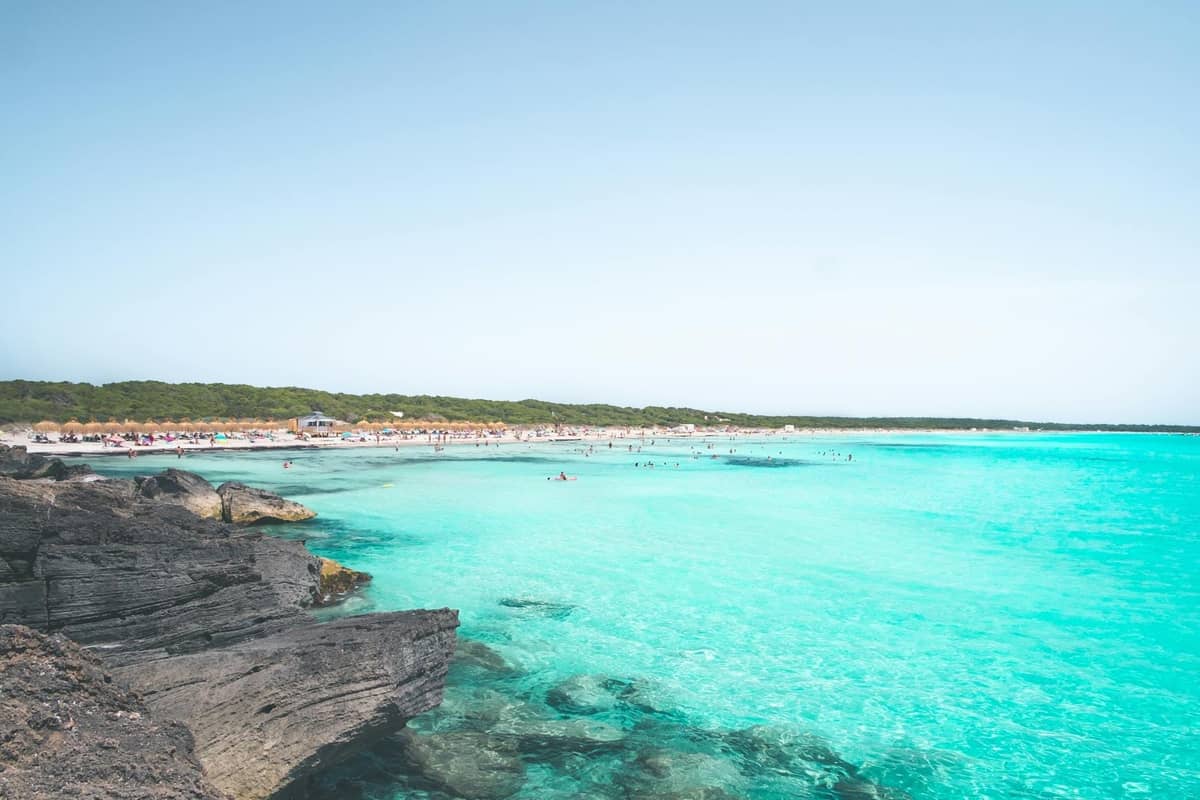
The beaches alone would justify the trip for most people. Mallorca has over 200 beaches and coves ranging from broad sandy stretches like Es Trenc (a protected natural area in the south with Caribbean-clear water) to tiny rocky inlets accessible only on foot or by boat. The variety is genuine — this is not a string of identical resort beaches. Caló des Moro, Cala Llombards, and Cala Figuera in the southeast each have completely different characters within 20 km of each other.
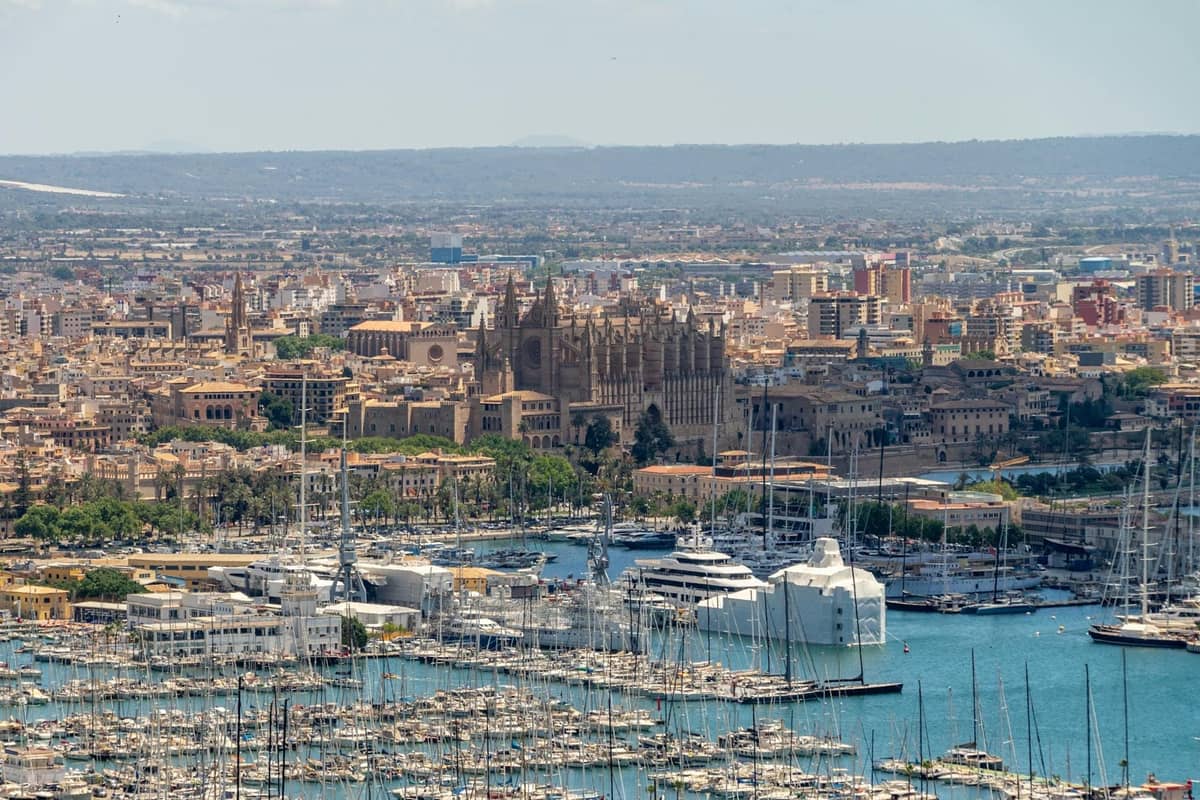
Then there's Palma. The capital is consistently underestimated by visitors who fly in and head straight to their resort. The Gothic Palma Cathedral (La Seu) is one of the most architecturally significant Gothic cathedrals in Europe — construction ran from 1229 to 1601 — and its interior, partly redesigned by Antoni Gaudí, is extraordinary. The old town has Roman origins, Moorish Arab Baths, medieval palaces, and a serious contemporary food scene. Budget at least a full day, ideally two.
The Serra de Tramuntana mountains are probably the most overlooked aspect of Mallorca for first-time visitors. The range runs 70 km along the northwest coast, with cliffs dropping directly into the sea. Villages like Deià, Valldemossa, and Fornalutx are some of the most architecturally preserved in the Mediterranean. The Cap de Formentor, at the island's northern tip, has cliffs exceeding 300 metres with views that genuinely stop you in your tracks.
- Beaches and coastline Over 200 beaches and coves across all four coastal regions. From 10-metre-wide secret inlets to 2 km of fine sand. Water visibility often exceeds 15 metres.
- Architecture and history Palma's Gothic cathedral, the Almudaina Palace, Alcúdia's 14th-century walls, prehistoric talayotic sites at Ses Paísses, and Arab Baths that date to Moorish rule.
- Outdoor activities The island is one of Europe's top cycling destinations, with professional teams training here every spring. Hiking trails in the Tramuntana include the Dry Stone Route (GR 221). Hot air ballooning, sailing, and snorkelling are all widely available.
- Food and wine Mallorcan cuisine is distinct from mainland Spanish food. Local products include sobrassada (cured pork sausage), ensaïmada pastries, almonds, and olive oil. Binissalem and Pla i Llevant are recognised wine denominations.
- Accessibility Palma Airport (PMI) has direct connections from across Europe year-round, and from the US (Newark) during summer months. Flight time from London is around 2-2.5 hours.
Where Mallorca Falls Short: Honest Drawbacks
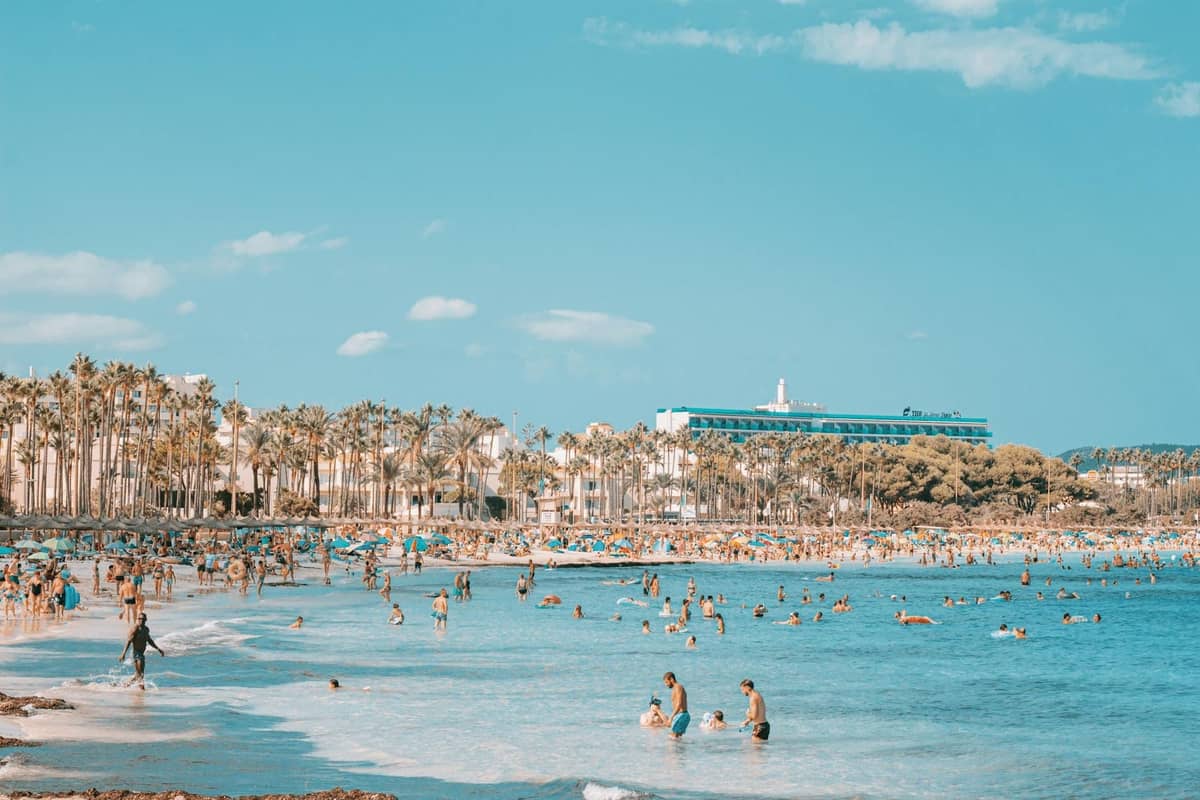
Peak summer is a serious problem if you're sensitive to crowds. July and August bring enormous visitor numbers concentrated in a handful of coastal resorts and the island's most famous spots. Parking at popular beaches becomes impossible by 9am. The road to Cap de Formentor now restricts private vehicles during peak season, requiring a shuttle bus instead. Prices in tourist areas spike, service quality in overworked restaurants drops, and queues at Palma Cathedral can be long.
Some resort areas, particularly around Magaluf and parts of Playa de Palma, are effectively self-contained tourism infrastructure with very little connection to Mallorcan culture or character. If you book one of these areas without knowing what you're getting, you might conclude the whole island is like that. It isn't, but the contrast is stark. These zones are fine for what they are, but they're not representative of the island.
⚠️ What to skip
Without a rental car, your experience of Mallorca will be significantly limited. Public transport covers the main towns but misses most of the best beaches, mountain villages, and rural areas. A car is strongly recommended for anyone wanting to explore beyond Palma and the main resorts.
The island also has a water stress issue — Mallorca relies partly on desalination due to limited freshwater resources. This is worth knowing from an environmental perspective, and why water conservation efforts are increasingly visible. If sustainability is a deciding factor in your travel choices, that context matters. For practical trip planning, see the full breakdown in our guide to the best time to visit Mallorca.
When to Go: Seasons Make a Bigger Difference Than You Think
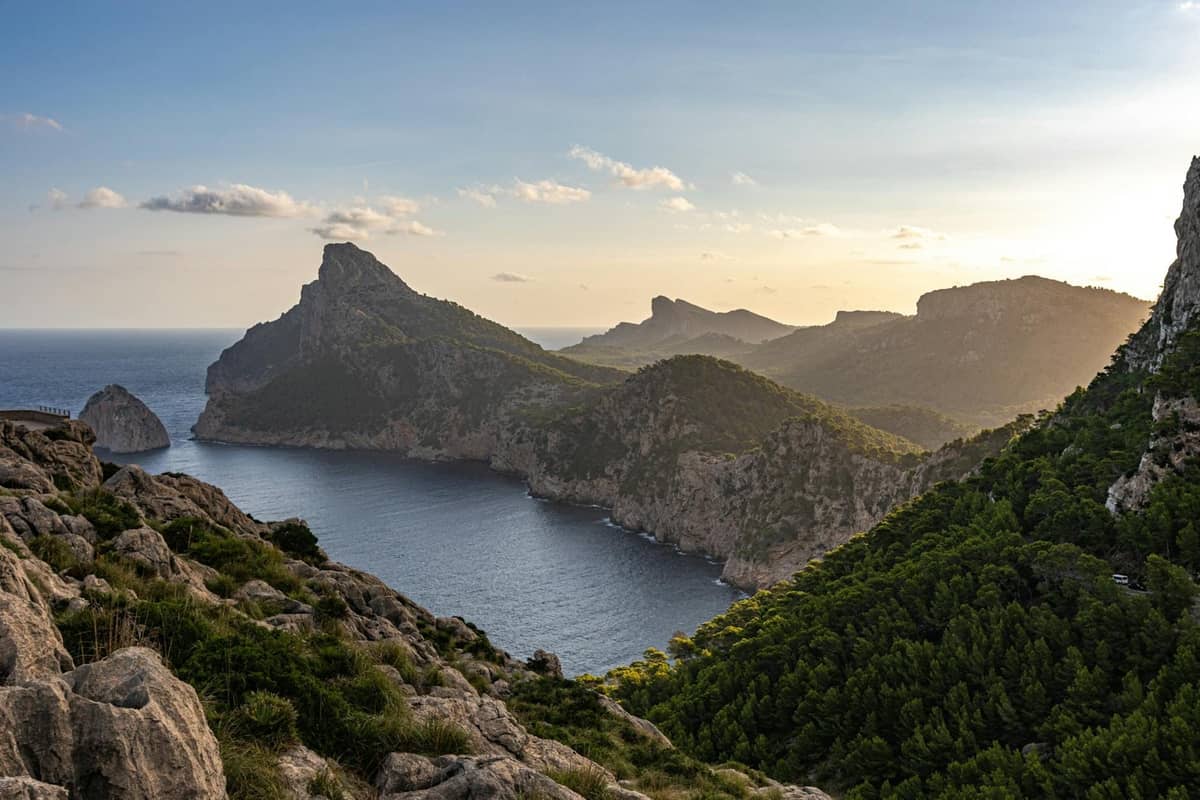
Mallorca operates on a strongly seasonal rhythm. The island receives around 17 inches of annual rainfall, almost all outside of summer. Summers are dry and hot, with temperatures regularly reaching 32-35°C in July and August. Sea temperatures exceed 20°C from mid-June through October.
April to June is the sweet spot for most travellers. The island is green from winter rain, almond trees bloom in late January and February (a spectacular sight in the interior), wildflowers cover the Tramuntana foothills, and professional cycling teams are training on the mountain roads. Crowds are manageable, prices are reasonable, and the weather is reliably warm without being oppressive. The spring season in Mallorca genuinely deserves its reputation as the best time to visit.
September and October offer a second excellent window. The sea is at its warmest, summer crowds have thinned considerably, and the light is outstanding for photography. October in particular has a very different pace from high summer. For a detailed breakdown, the October in Mallorca guide covers what to expect month by month. Winter (November through February) is quiet, prices are low, and Palma functions as a normal city rather than a tourist hub — but expect some rain, and many coastal businesses close entirely.
✨ Pro tip
If you're planning to see the almond blossom in the interior — one of the island's most distinctive seasonal events — aim for late January to mid-February. The trees bloom across the Tramuntana foothills and inland villages, and the island is far less visited than any other time of year.
Who Is Mallorca Best For?
Mallorca works for a wider range of travellers than its mass-market reputation suggests. Here's an honest breakdown by travel style:
- Families with children Excellent infrastructure, calm shallow-water beaches, water parks, and Palma Aquarium make this a straightforward family destination. The resort areas are geared for families.
- Cyclists The island is genuinely world-class for road cycling. The Tramuntana mountain roads, used by professional teams for pre-season training, offer challenging climbs with café stops in historic villages. A dedicated cycling infrastructure exists island-wide.
- Hikers The GR 221 Dry Stone Route through the Tramuntana is a multi-day trail of serious quality. Day hikes from villages like Deià or Pollença can be spectacular.
- Culture and history travellers Palma alone justifies the trip for architecture and history lovers. Add Alcúdia's Roman ruins, the prehistoric site at Ses Paísses near Artà, and the weekly Sineu market for a rich cultural itinerary.
- Luxury travellers The northeast coast (around Port de Pollença), the Tramuntana villages, and Palma itself have a strong luxury accommodation and restaurant scene that rivals any Mediterranean destination.
For travellers who want to understand how the island fits together geographically before committing to an itinerary, the where to stay in Mallorca guide breaks down the main regions by travel style and budget.
Practical Information Before You Book
Mallorca uses the Euro (EUR). The island operates on Central European Time (CET, UTC+1), shifting to CEST (UTC+2) during daylight saving. Palma Airport (IATA: PMI) is the main entry point, with year-round connections from across Europe and seasonal direct flights from the US (United Airlines from Newark, roughly May to September). Flight time from London is approximately 2 to 2.5 hours.
Schengen Area entry rules apply: EU citizens enter freely, and visitors from the US, UK, Australia, and most other developed nations can enter visa-free for up to 90 days in any 180-day period. Renting a car is the single most impactful logistical decision you'll make — it unlocks the majority of the island's best experiences. Our car rental guide for Mallorca covers what to look for, what to avoid, and typical price ranges by season. Public transport (buses and the Serveis Ferroviaris de Mallorca railway) is functional for reaching Palma, Sóller, and a few larger towns, but impractical for most coastal exploration.
💡 Local tip
Book accommodation in Palma's old town or in a rural finca rather than a seafront resort if you want a more authentic experience. The price difference is often smaller than expected, particularly outside July and August.
For first-time visitors trying to structure an itinerary, one week in Mallorca covers a realistic route that balances beaches, mountains, and city time without feeling rushed. Most people who ask whether Mallorca is worth visiting come away wishing they'd stayed longer.
FAQ
Is Mallorca worth visiting if I've already been to other Mediterranean islands?
Yes, and it may surprise you. Mallorca has more geographic variety than most Mediterranean islands of comparable size — a UNESCO mountain range, a historically rich capital city, prehistoric archaeological sites, and coastal landscapes that range from rugged limestone cliffs to fine sandy beaches. Travellers who have done the Greek islands or Ibiza often find Mallorca has more to offer in terms of culture and terrain.
Is Mallorca too touristy?
Parts of it are extremely touristy, particularly the resort strips around Magaluf, Playa de Palma, and Alcúdia's bay in July and August. But these areas are geographically contained. The interior, the mountain villages, the southeast coves, and most of Palma's old town feel nothing like a mass-market resort. The key is getting off the resort strip, ideally with a rental car.
How many days do you need in Mallorca?
A minimum of five days is needed to cover Palma, the Tramuntana, and a few beaches without feeling rushed. Seven to ten days allows you to explore the southeast coast, the inland market towns, and the northeast properly. Shorter trips (3-4 days) are feasible but limiting — you'll likely leave wanting more.
Is Mallorca expensive?
It spans a huge price range. Budget travellers can manage comfortably with accommodation in hostels or simple guesthouses, supermarket food, and free beaches. The island also has ultra-luxury hotels, Michelin-starred restaurants, and exclusive marina villages. The most tourist-heavy areas inflate prices in peak summer. Shoulder season (May or October) brings significantly lower costs across the board.
Can you visit Mallorca without a car?
Technically yes, but it significantly limits the experience. Palma is very walkable and has good urban transport. The Sóller train and bus routes connect a handful of towns. But most of the island's best beaches, the Tramuntana mountain roads, rural villages, and southern coves are not realistically accessible without a car. If you're staying in Palma for a city-focused trip, you can manage without one. Otherwise, rent a car.