Best Beaches in Mallorca: 15 Top Picks for Sun, Sand & Sea
Mallorca has over 200 beaches, ranging from long sandy family bays to dramatic limestone coves that feel almost impossibly beautiful. This guide covers the best beaches across the island, with practical advice on access, crowds, and what makes each one worth the trip.
Plan and book this trip
Tools from our partner Travelpayouts help you compare flights and hotels. If you book through them, we may earn a commission at no extra cost to you.
Flights
Hotels map
Mallorca's coastline is one of the most varied in the Mediterranean. The southeast delivers the island's most photogenic coves, the north offers long Blue Flag bays backed by dunes and pine trees, and the Tramuntana coast hides rocky inlets accessible only by boat or on foot. Whether you want calm shallow water for children, a beach with a good chiringuito, or a wild unspoiled bay where you can spread out in peace, this island delivers. For help planning your time, see our guide on how many days to spend in Mallorca, and for getting between beaches efficiently, check our advice on renting a car in Mallorca — for most of the beaches below, a car is essential.
✨ Pro tip
At the most popular coves (Caló des Moro, Es Trenc), arrive before 9am in July and August or face full car parks and packed sand. Weekdays are significantly quieter than weekends throughout summer.
The Southeast's Most Beautiful Coves
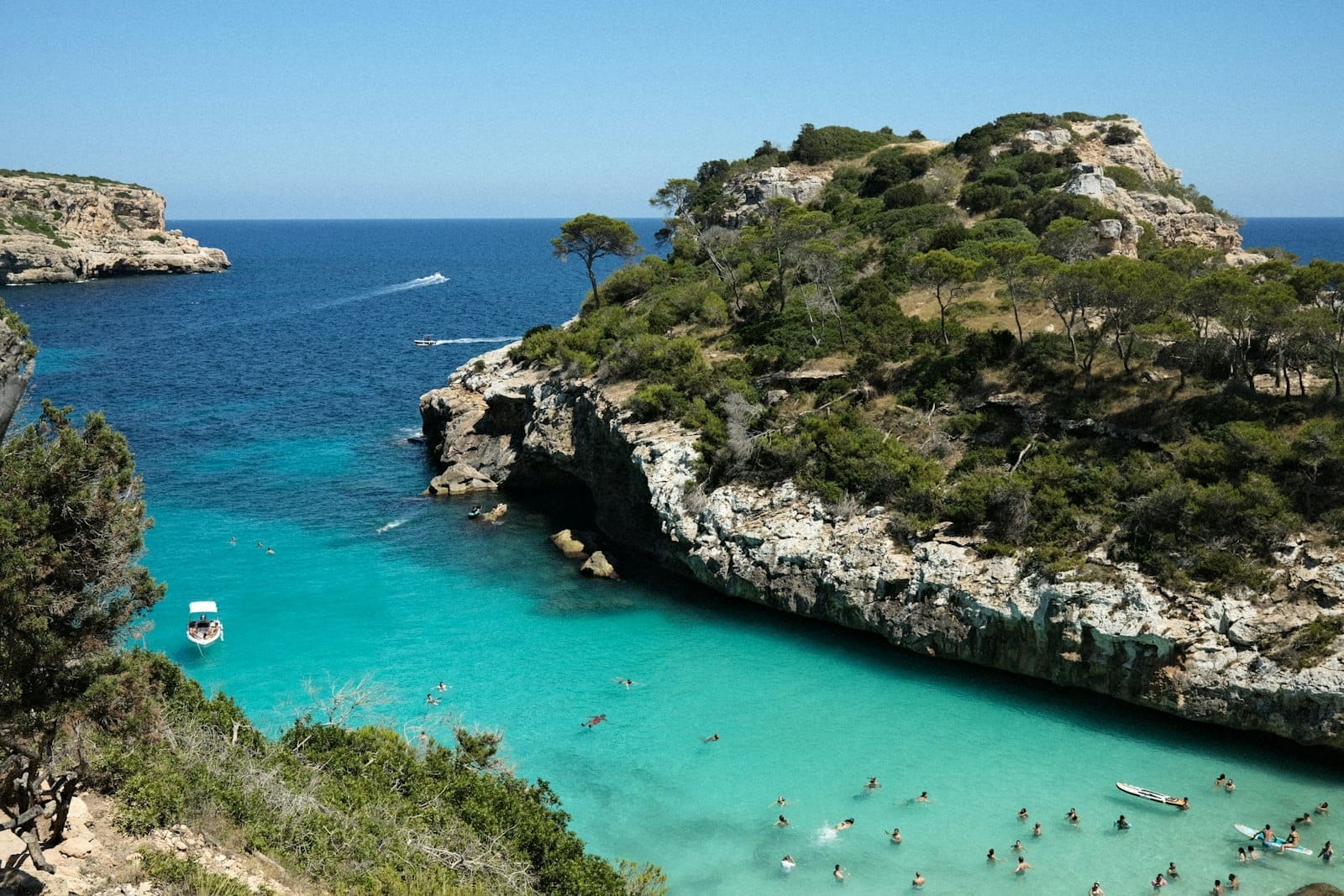
The southeast coast between Santanyí and Cala d'Or is where you'll find Mallorca's most photographed coves. The water here is a shade of turquoise that seems almost artificial, framed by white limestone cliffs and pine-covered hillsides. Many require a short walk from a car park, which naturally keeps the worst of the crowds at bay. For a fuller picture of this part of the island, see our guide to southeast Mallorca.
1. Swim in the Turquoise Waters of Caló des Moro
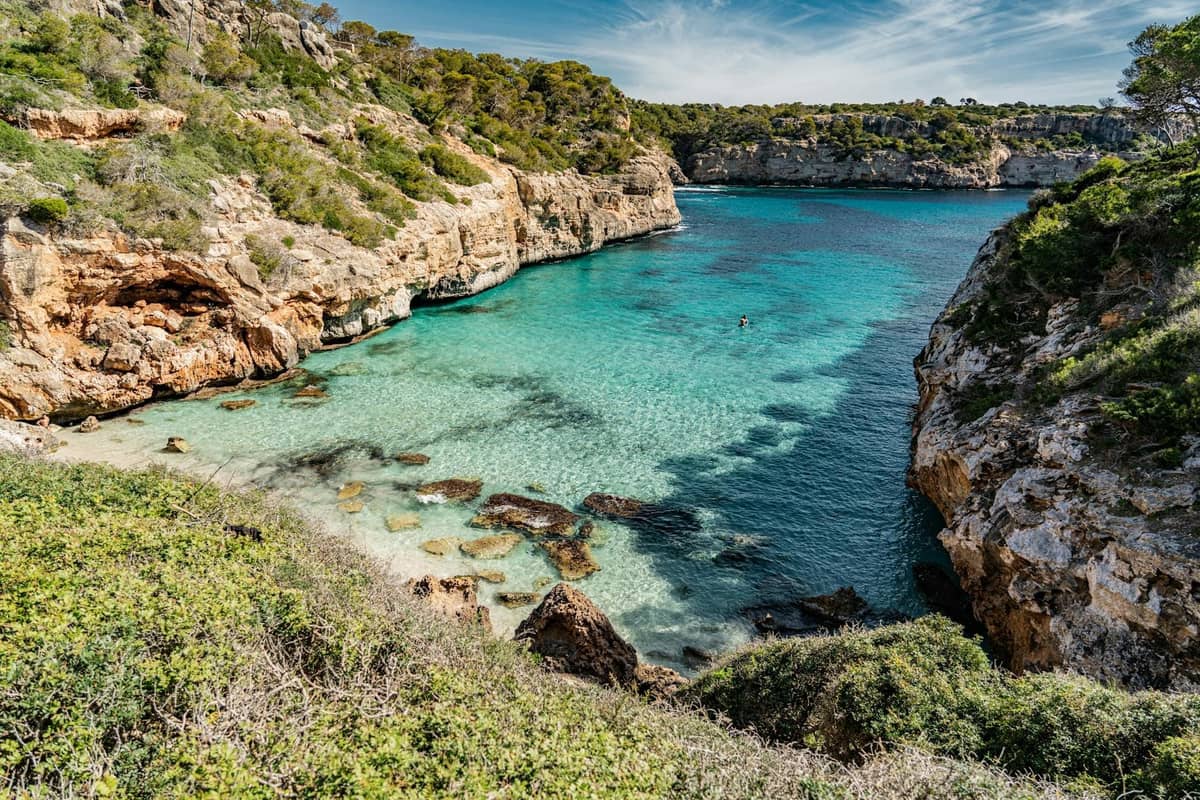
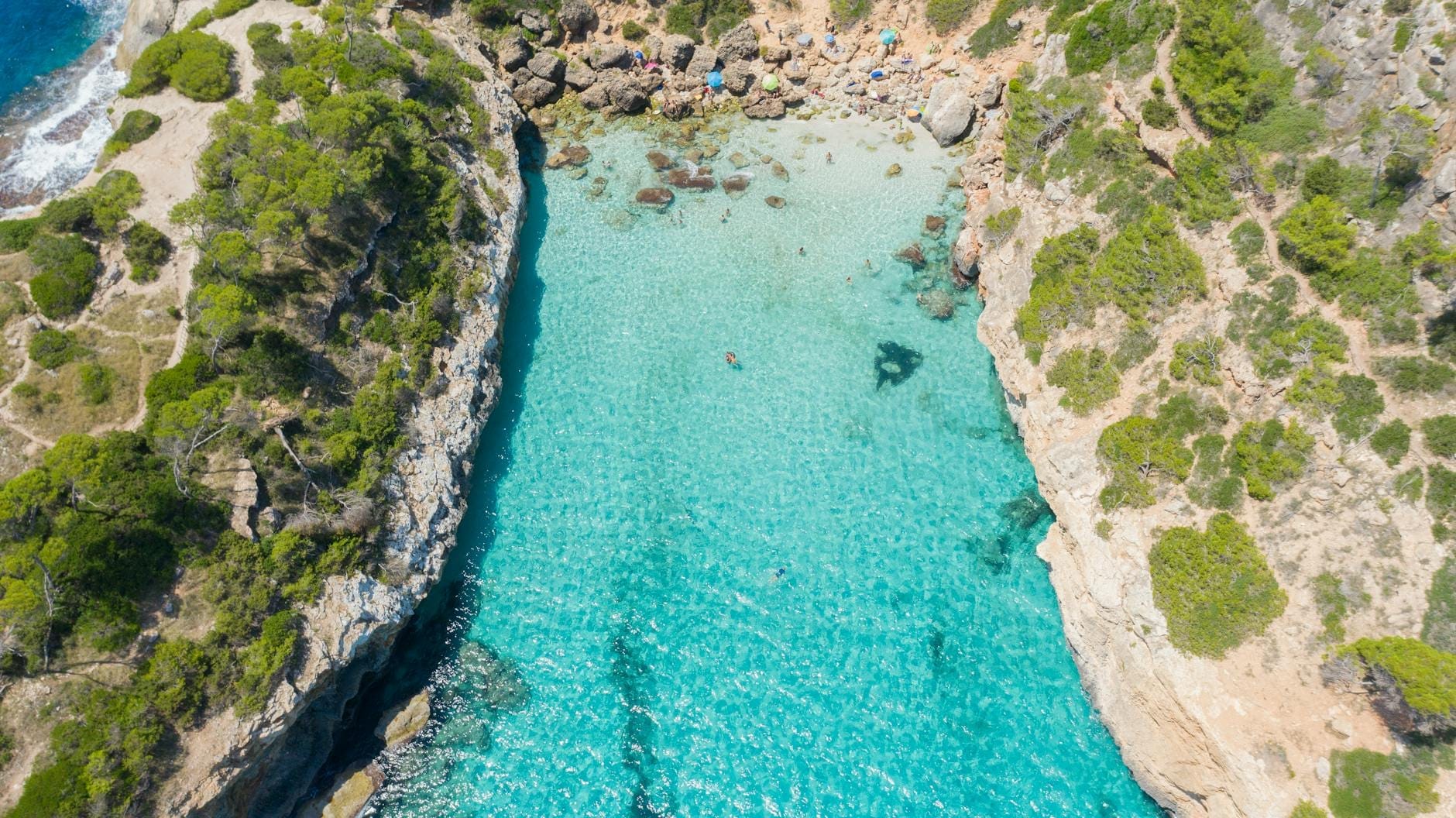
Mallorca's most photographed cove is a tiny horseshoe bay of electric-blue water framed by white limestone cliffs. It's small and fills fast in summer — arrive by 8:30am or come late afternoon. A 10-minute walk from the car park keeps it just wild enough.
Explore1. Swim in the Turquoise Waters of Caló des Moro
Mallorca's most photographed cove is a tiny horseshoe bay of electric-blue water framed by white limestone cliffs. It's small and fills fast in summer — arrive by 8:30am or come late afternoon. A 10-minute walk from the car park keeps it just wild enough.
Explore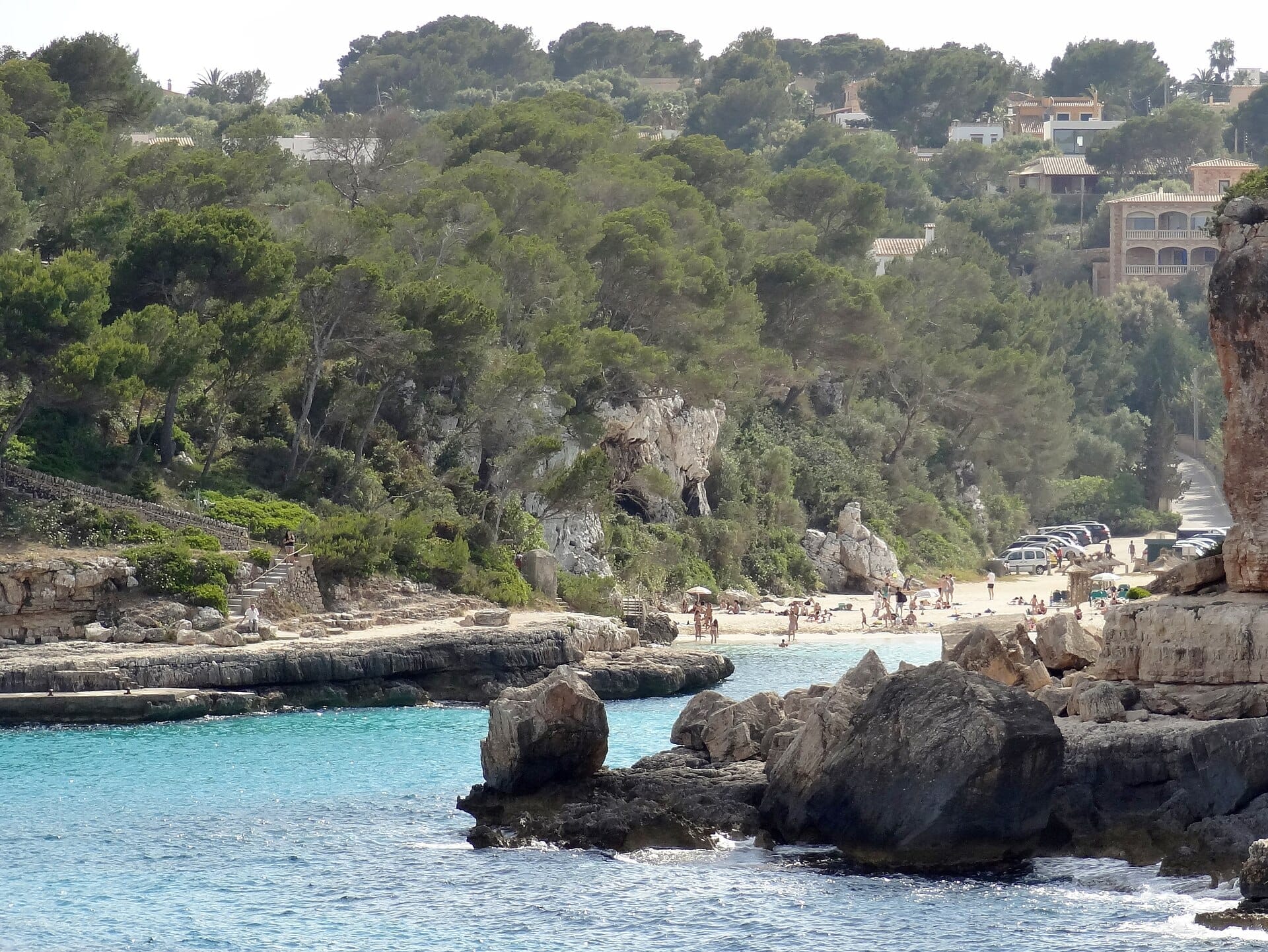
2. Relax at Cala Llombards, a Sheltered Sandy Gem
A gently sheltered sandy cove near Santanyí with calm, gin-clear water and a laid-back beach bar. Pine trees provide natural shade along the edges, and the beach is wider and easier to access than nearby Caló des Moro. Good for families wanting beauty without the chaos.
Explore2. Relax at Cala Llombards, a Sheltered Sandy Gem
A gently sheltered sandy cove near Santanyí with calm, gin-clear water and a laid-back beach bar. Pine trees provide natural shade along the edges, and the beach is wider and easier to access than nearby Caló des Moro. Good for families wanting beauty without the chaos.
Explore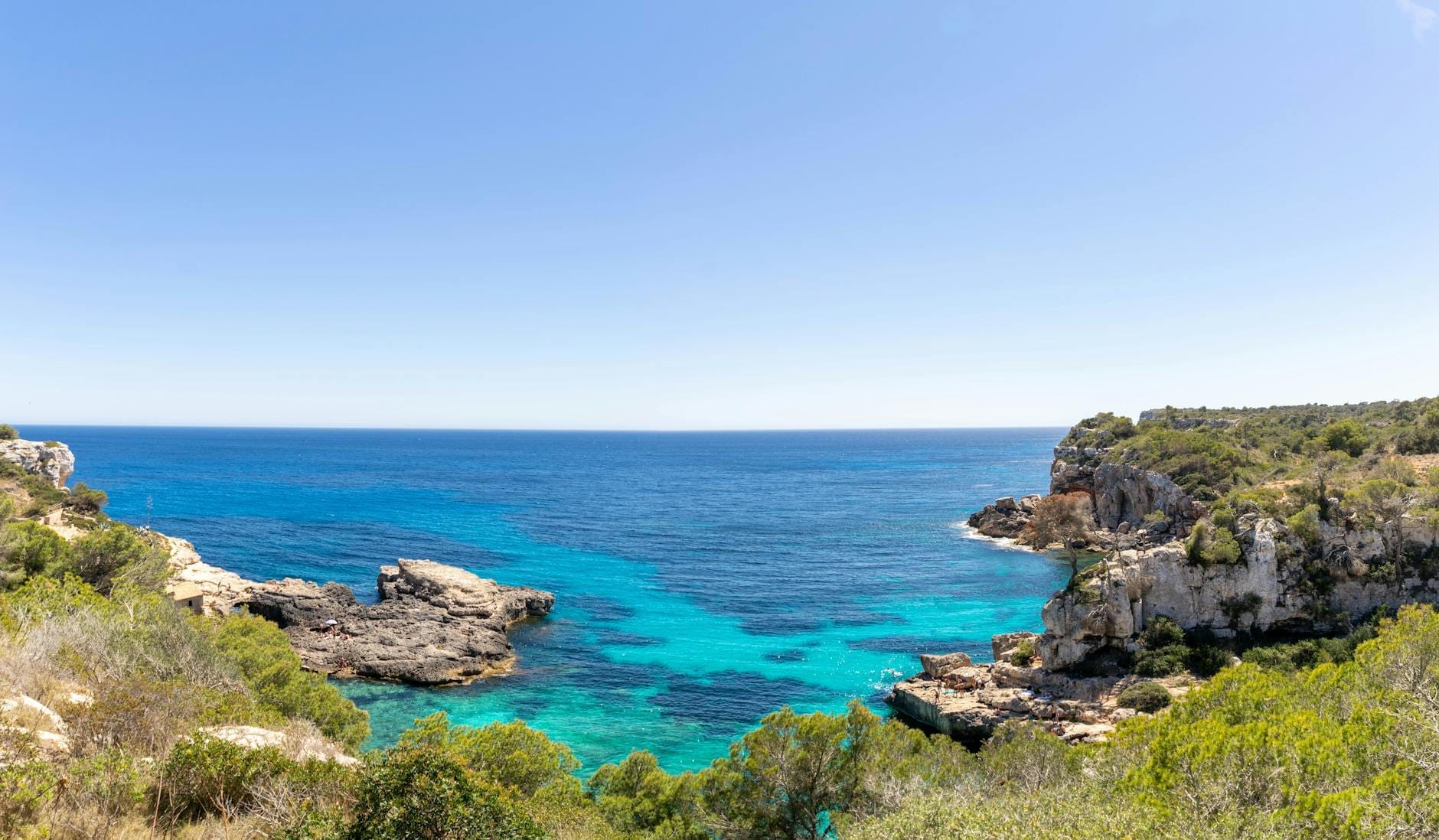
3. Explore Two Beaches in Mondragó Natural Park
Mondragó combines protected pine forests, coastal trails, and two excellent beaches: Cala Mondragó and S'Amarador. S'Amarador has been voted one of Europe's best beaches for its fine sand and clear water. Entry is free and the walking trails connecting the coves take under 20 minutes.
Explore3. Explore Two Beaches in Mondragó Natural Park
Mondragó combines protected pine forests, coastal trails, and two excellent beaches: Cala Mondragó and S'Amarador. S'Amarador has been voted one of Europe's best beaches for its fine sand and clear water. Entry is free and the walking trails connecting the coves take under 20 minutes.
Explore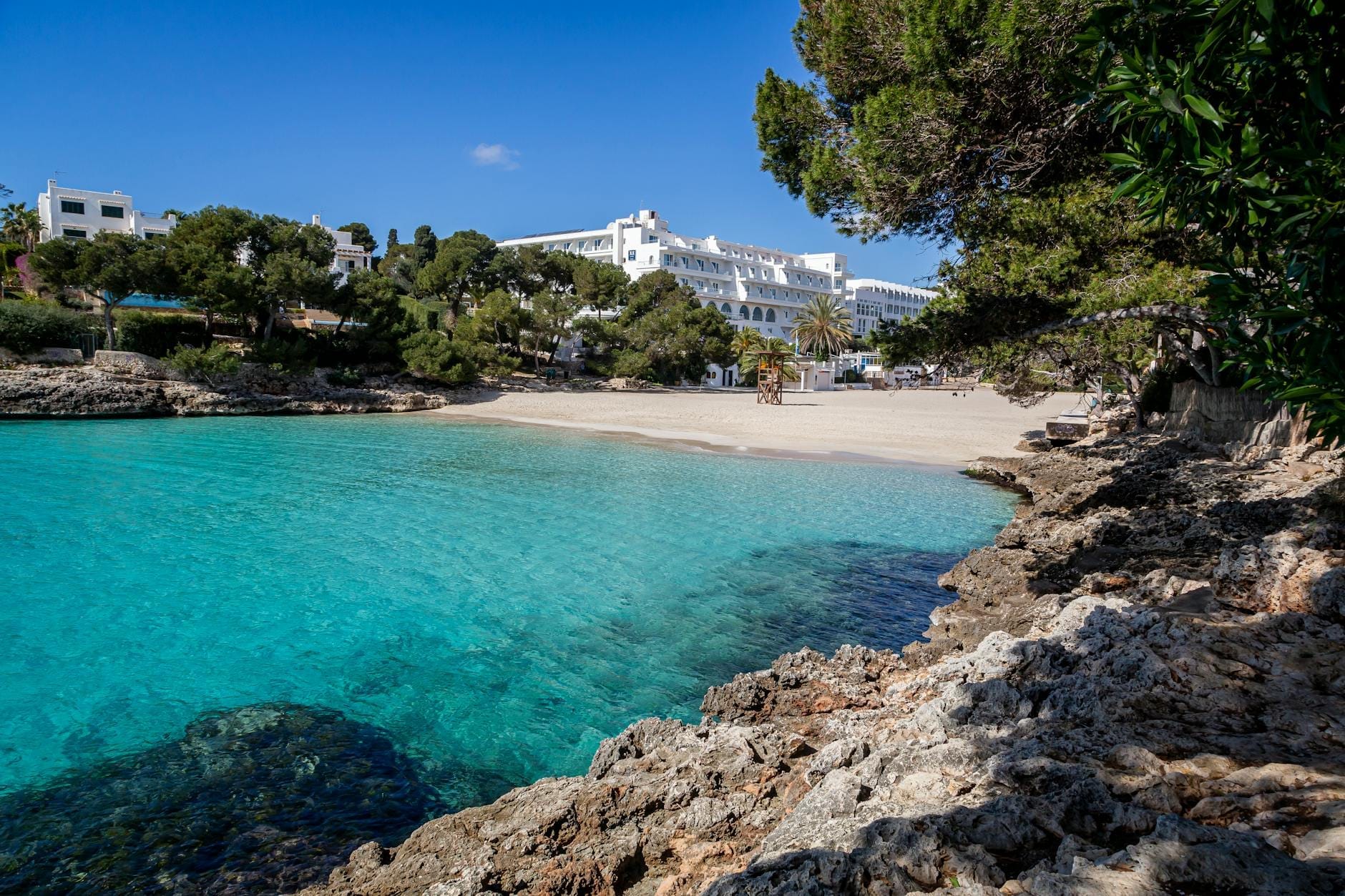
4. Explore the Whitewashed Coves of Cala d'Or
Cala d'Or is not one beach but a series of small, intimate sandy bays separated by rocky headlands. The Ibizan-style white architecture gives it a distinctive look, and the calm sheltered water suits swimmers of all abilities. A yacht marina and good restaurants round out the appeal.
Explore4. Explore the Whitewashed Coves of Cala d'Or
Cala d'Or is not one beach but a series of small, intimate sandy bays separated by rocky headlands. The Ibizan-style white architecture gives it a distinctive look, and the calm sheltered water suits swimmers of all abilities. A yacht marina and good restaurants round out the appeal.
ExploreLong Sandy Beaches for Families
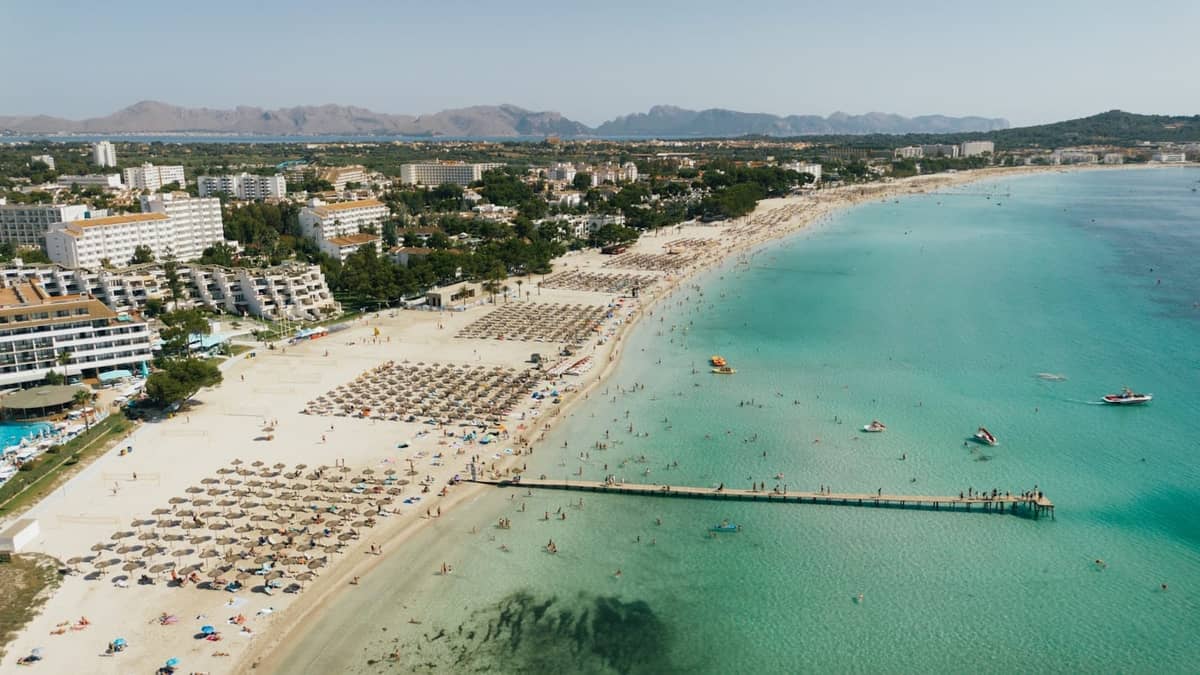
For long stretches of sand, shallow water, and full beach facilities, Mallorca's north and south coasts are the places to head. These beaches suit families with young children and travellers who want space to spread out. The Mallorca with kids guide covers the best family-friendly options across the island in more detail.
5. Walk the Wild Dunes of Es Trenc, Mallorca's Iconic Beach
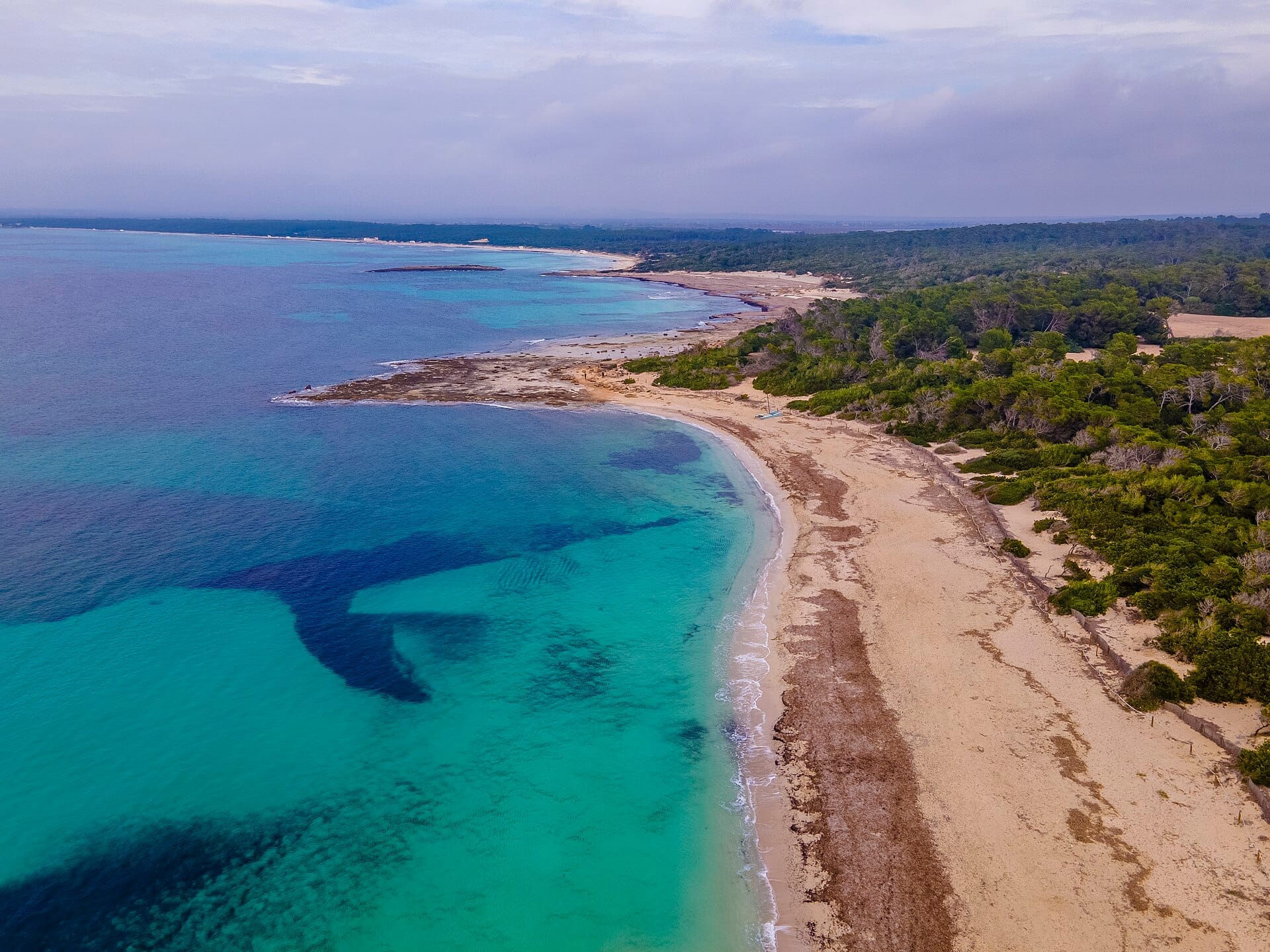
Es Trenc is Mallorca's most celebrated long beach: a sweeping arc of pale sand backed by protected dunes and salt flats. No hotel blocks the horizon here. The water is shallow and brilliant turquoise. Arrive early in summer — the car park fills by 10am and there's no shade beyond the dunes.
Explore5. Walk the Wild Dunes of Es Trenc, Mallorca's Iconic Beach
Es Trenc is Mallorca's most celebrated long beach: a sweeping arc of pale sand backed by protected dunes and salt flats. No hotel blocks the horizon here. The water is shallow and brilliant turquoise. Arrive early in summer — the car park fills by 10am and there's no shade beyond the dunes.
Explore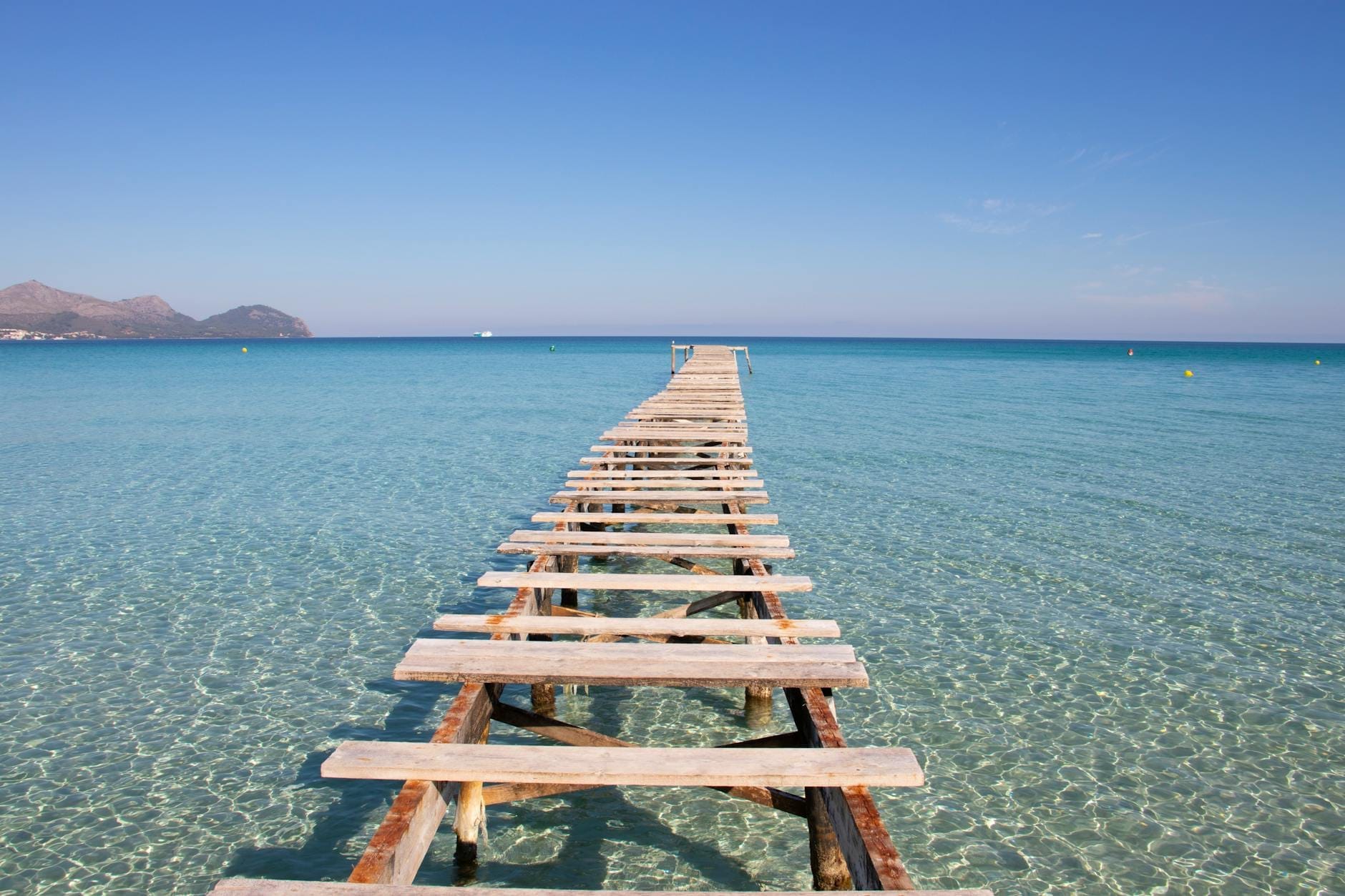
6. Spend a Day at Playa de Muro, the North's Best Family Beach
Over six kilometres of fine white sand with shallow, calm water and a Blue Flag award. Playa de Muro is backed by dunes and pine trees, with full facilities and good parking. It borders S'Albufera nature reserve, so you can combine a beach day with birdwatching early in the morning.
Explore6. Spend a Day at Playa de Muro, the North's Best Family Beach
Over six kilometres of fine white sand with shallow, calm water and a Blue Flag award. Playa de Muro is backed by dunes and pine trees, with full facilities and good parking. It borders S'Albufera nature reserve, so you can combine a beach day with birdwatching early in the morning.
Explore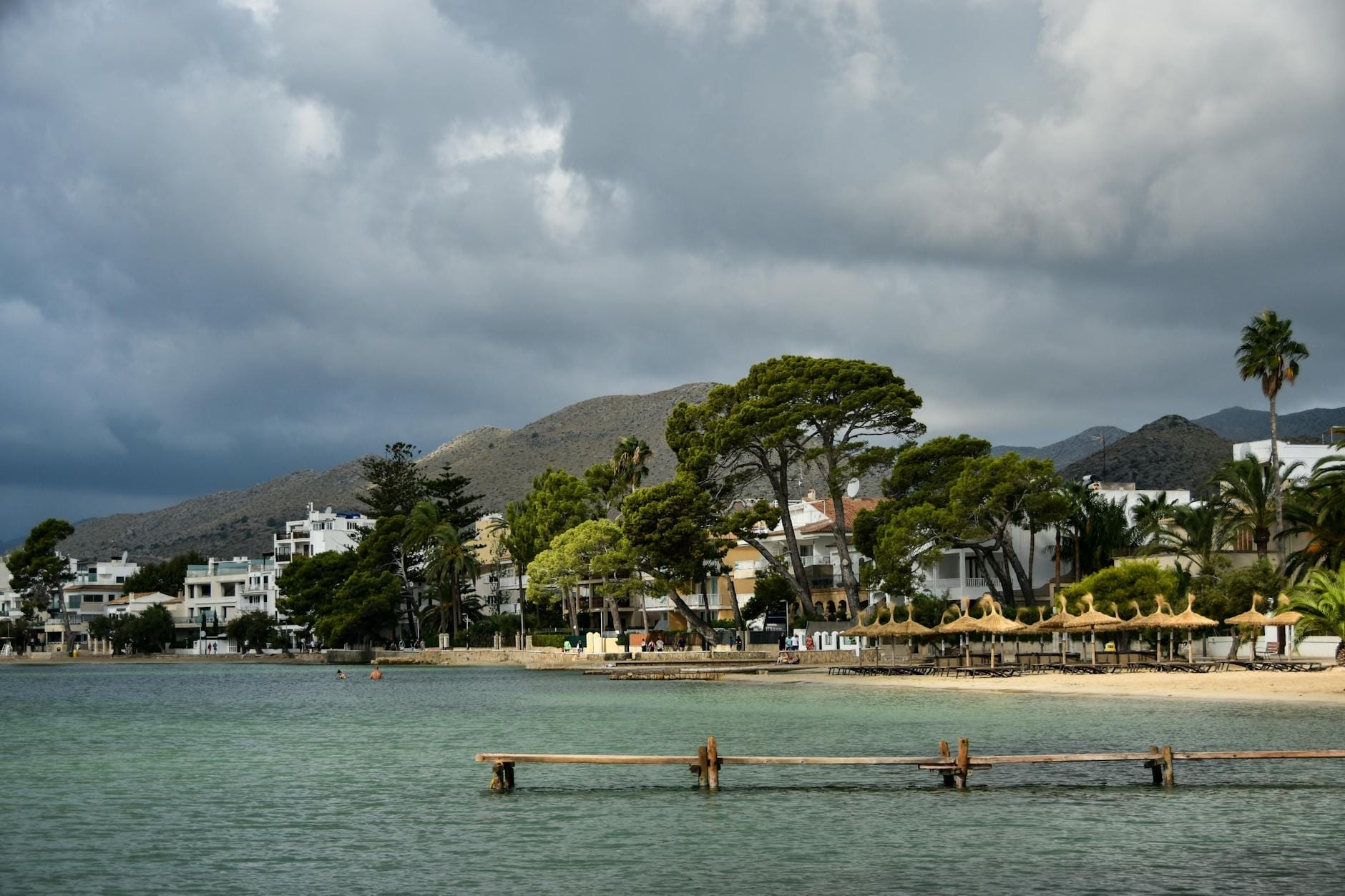
7. Stroll to the Beach at Port de Pollença
Port de Pollença's long, sheltered bay is one of northern Mallorca's most relaxed beach settings, with a pine-lined promenade, calm water, and good facilities. The beach runs along the town's waterfront, making it easy to combine swimming with lunch. A strong base for exploring Formentor.
Explore7. Stroll to the Beach at Port de Pollença
Port de Pollença's long, sheltered bay is one of northern Mallorca's most relaxed beach settings, with a pine-lined promenade, calm water, and good facilities. The beach runs along the town's waterfront, making it easy to combine swimming with lunch. A strong base for exploring Formentor.
Explore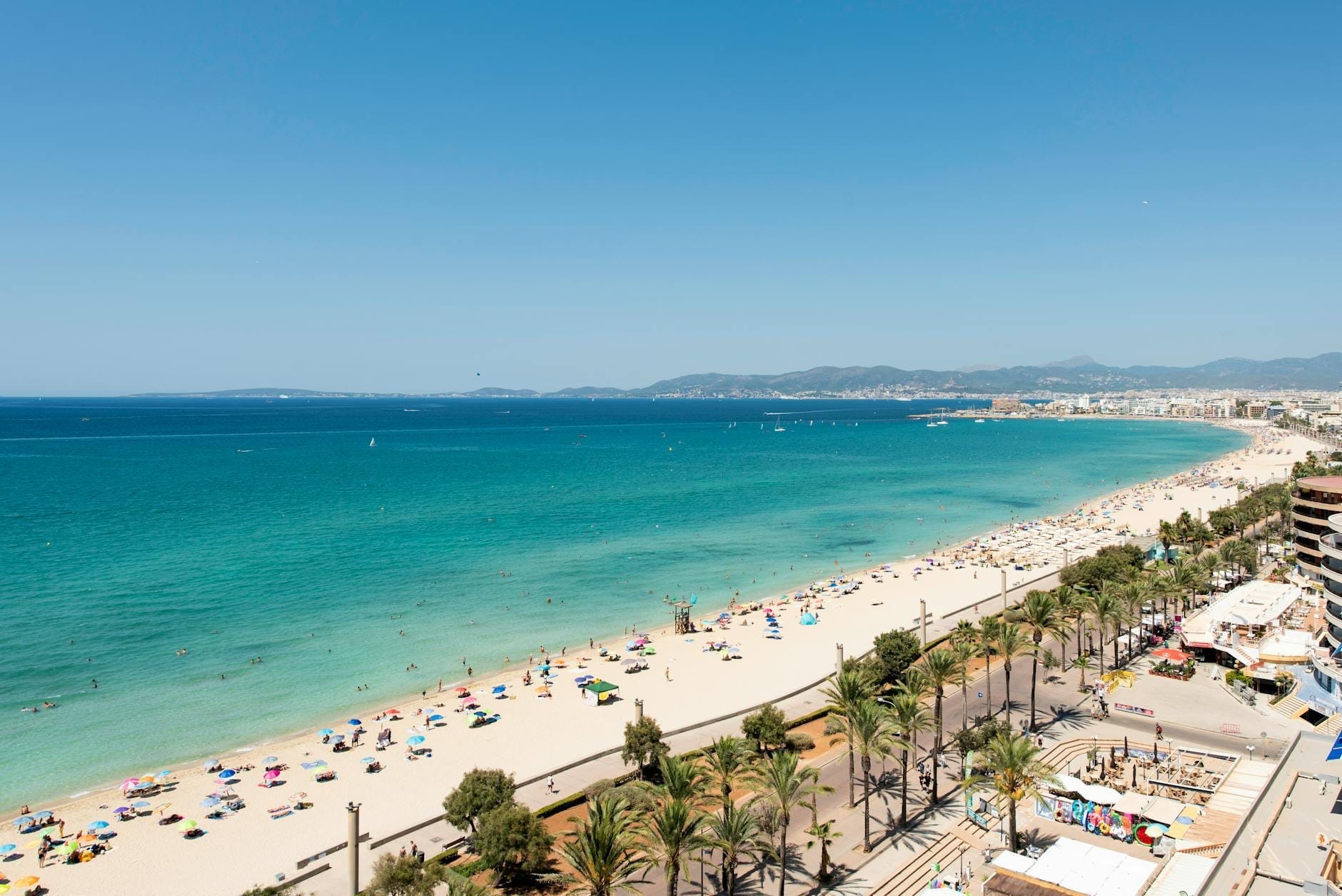
8. Hit the Beach at Magaluf for a Classic Resort Day
Magaluf's wide sandy beach is well-maintained, well-serviced, and popular with families during the day despite the town's party reputation. Water sports, sunbeds, and beach bars line the bay. If you're staying in the southwest and want easy beach access with everything on hand, this delivers.
Explore8. Hit the Beach at Magaluf for a Classic Resort Day
Magaluf's wide sandy beach is well-maintained, well-serviced, and popular with families during the day despite the town's party reputation. Water sports, sunbeds, and beach bars line the bay. If you're staying in the southwest and want easy beach access with everything on hand, this delivers.
ExploreNatural & Wild Beaches Off the Beaten Track
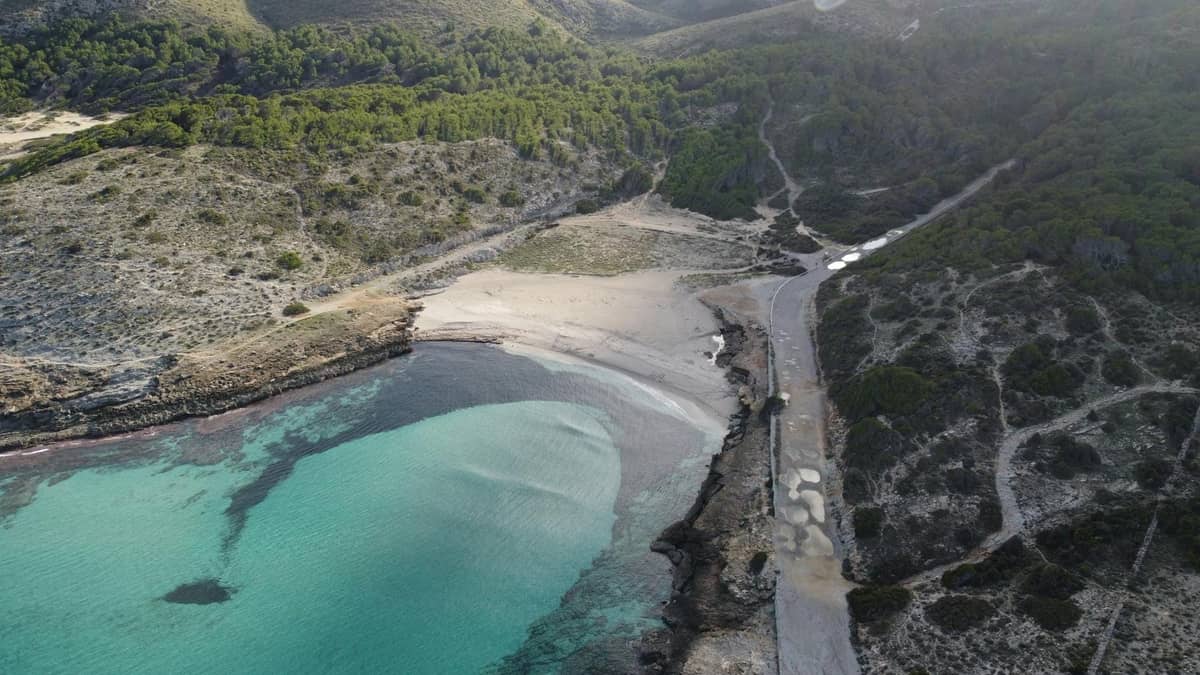
Some of Mallorca's best beaches reward a little extra effort. Whether that means a short hike through pine forest, a boat trip to an uninhabited island, or simply driving to the less obvious end of the coast, these spots offer something closer to the island's natural character. For more ideas like these, the hidden gems of Mallorca guide is worth reading before you go.
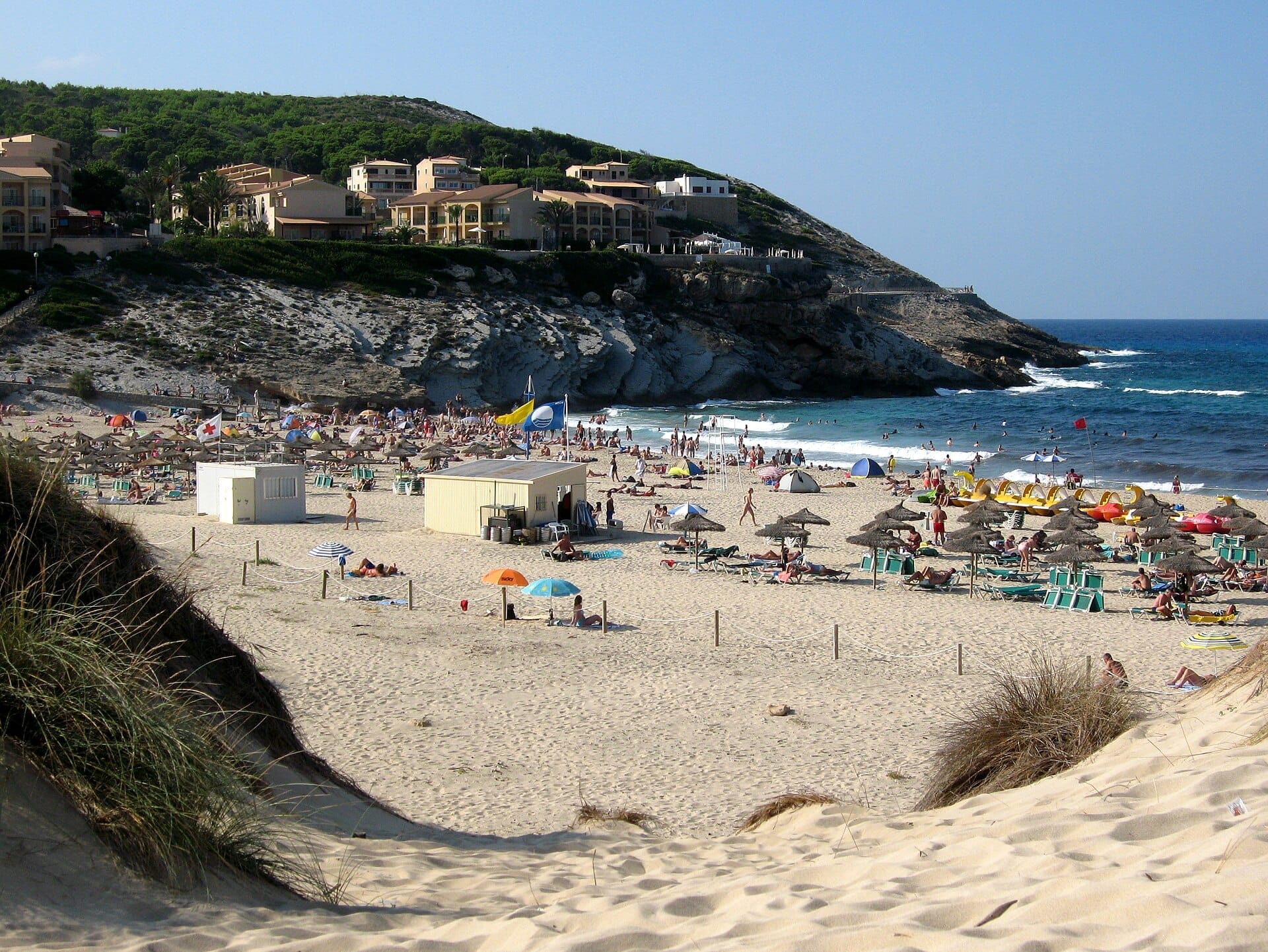
9. Find Space at Cala Mesquida, a Wild Dune-Backed Bay
Cala Mesquida is backed by sand dunes and low scrubland in the northeast, giving it a raw, undeveloped feel rare in Mallorca. The beach is exposed enough to attract windsurfers and waves, making it less ideal for toddlers but excellent for anyone seeking an uncrowded, natural setting.
Explore9. Find Space at Cala Mesquida, a Wild Dune-Backed Bay
Cala Mesquida is backed by sand dunes and low scrubland in the northeast, giving it a raw, undeveloped feel rare in Mallorca. The beach is exposed enough to attract windsurfers and waves, making it less ideal for toddlers but excellent for anyone seeking an uncrowded, natural setting.
Explore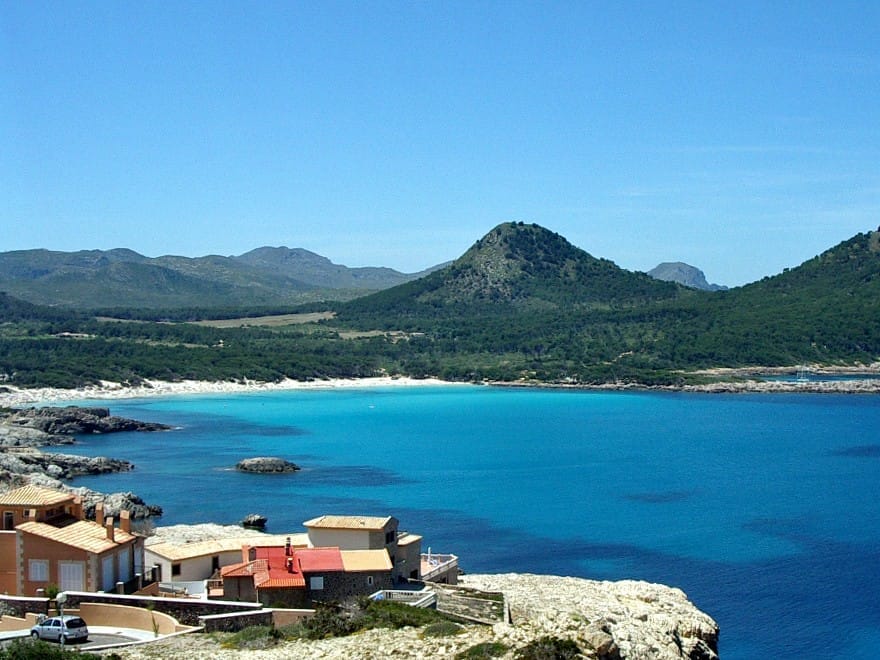
10. Swim at Cala Agulla, a Pine-Backed Bay Near Cala Ratjada
A wide, sandy northeast bay backed by pine-forested hills within a protected natural area. The water is clear and the setting genuinely attractive. Beach chairs and umbrellas are available in peak season, but the natural surroundings distinguish it from standard resort beaches.
Explore10. Swim at Cala Agulla, a Pine-Backed Bay Near Cala Ratjada
A wide, sandy northeast bay backed by pine-forested hills within a protected natural area. The water is clear and the setting genuinely attractive. Beach chairs and umbrellas are available in peak season, but the natural surroundings distinguish it from standard resort beaches.
Explore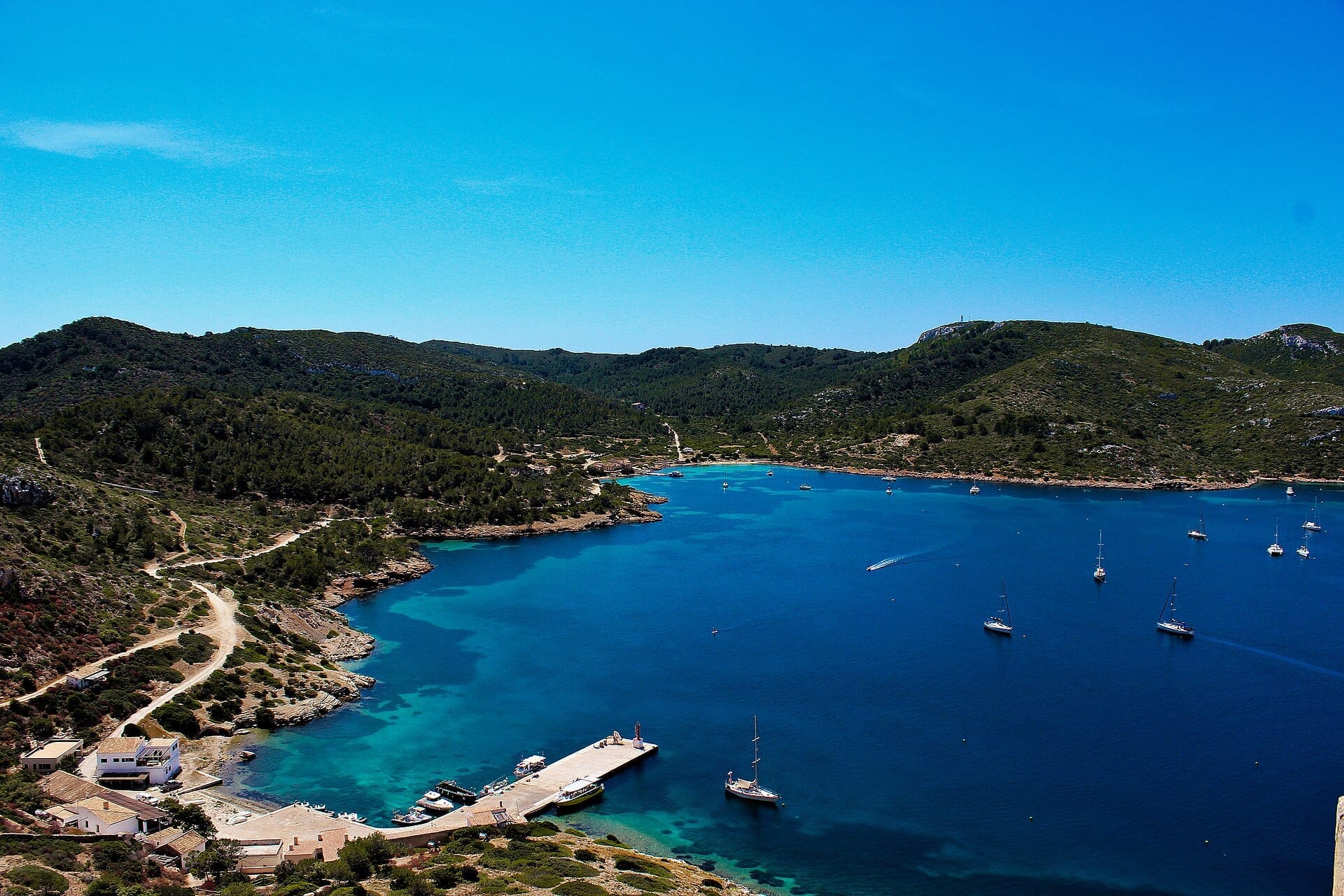
11. Take a Boat to the Beaches of Cabrera National Park
Cabrera is a protected island archipelago reached by boat from Colònia de Sant Jordi. The sea caves, sea turtle sightings, and crystalline waters make it one of Mallorca's most extraordinary full-day excursions. Numbers are strictly limited — book your boat well in advance in summer.
Explore11. Take a Boat to the Beaches of Cabrera National Park
Cabrera is a protected island archipelago reached by boat from Colònia de Sant Jordi. The sea caves, sea turtle sightings, and crystalline waters make it one of Mallorca's most extraordinary full-day excursions. Numbers are strictly limited — book your boat well in advance in summer.
Explore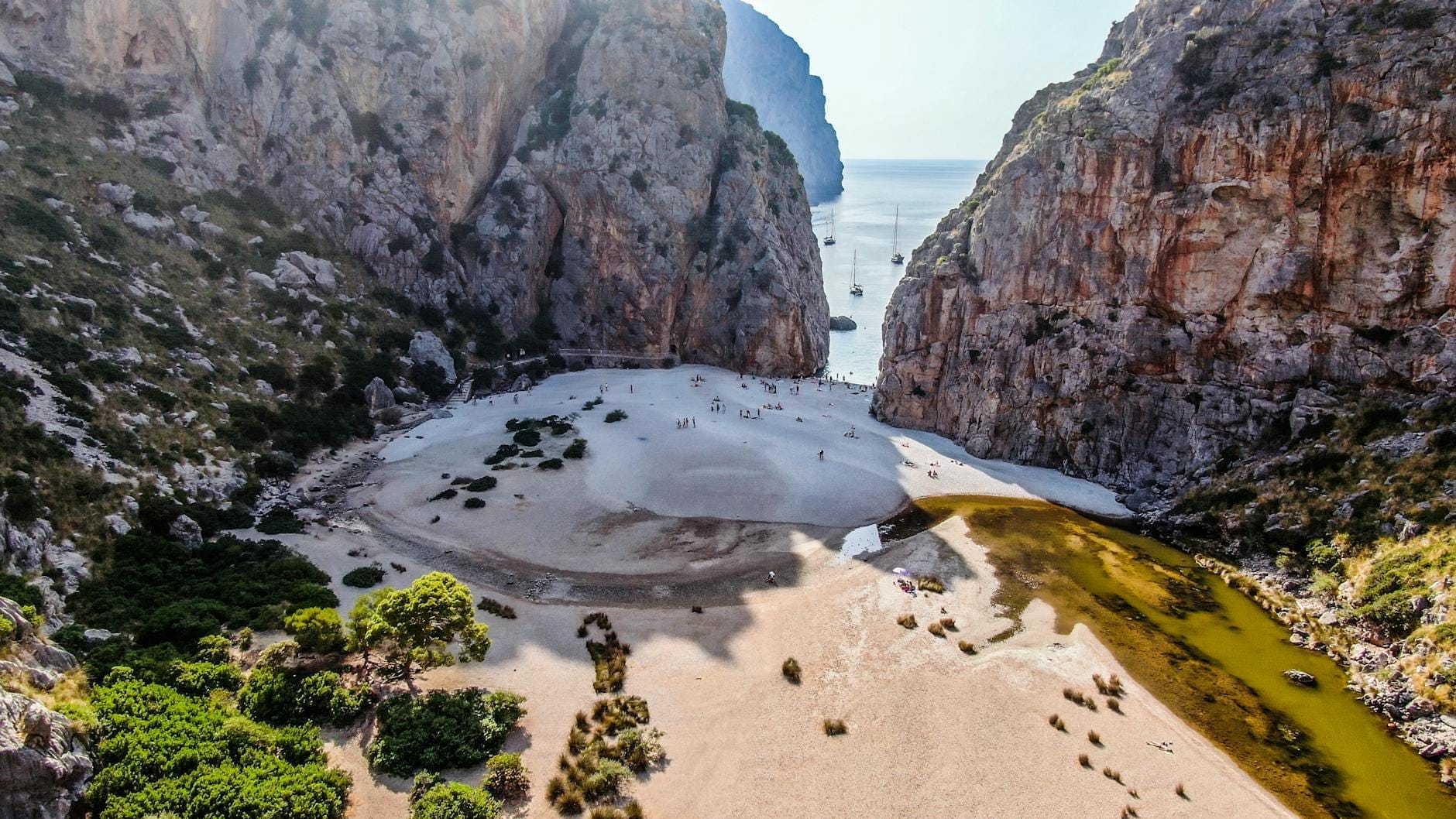
12. Reach the Dramatic Pebble Beach at Sa Calobra
Sa Calobra's narrow canyon opens onto a pebble beach framed by towering limestone cliffs — one of Mallorca's most dramatic coastal settings. The journey there is half the experience: a legendary serpentine mountain road or a boat from Port de Sóller. Bring water shoes for the pebbly shore.
Explore12. Reach the Dramatic Pebble Beach at Sa Calobra
Sa Calobra's narrow canyon opens onto a pebble beach framed by towering limestone cliffs — one of Mallorca's most dramatic coastal settings. The journey there is half the experience: a legendary serpentine mountain road or a boat from Port de Sóller. Bring water shoes for the pebbly shore.
ExploreScenic Bays & Coastal Towns Worth Combining with a Beach Day
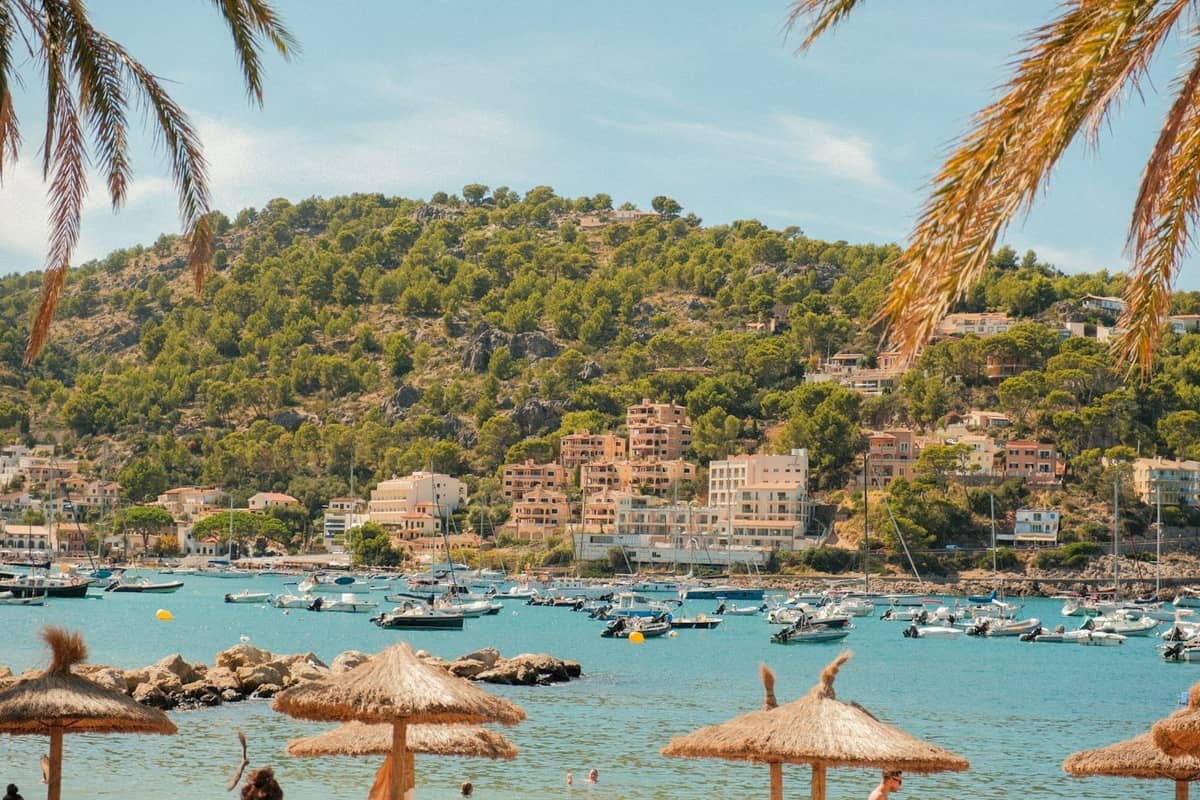
Some of Mallorca's best coastal experiences aren't pure beach days but combinations of swimming, walking, and exploring a harbour or village. These spots work particularly well for travellers who want more than just a sunbed. For a structured approach to seeing the island's coast, the Mallorca road trip guide maps out several excellent coastal routes.
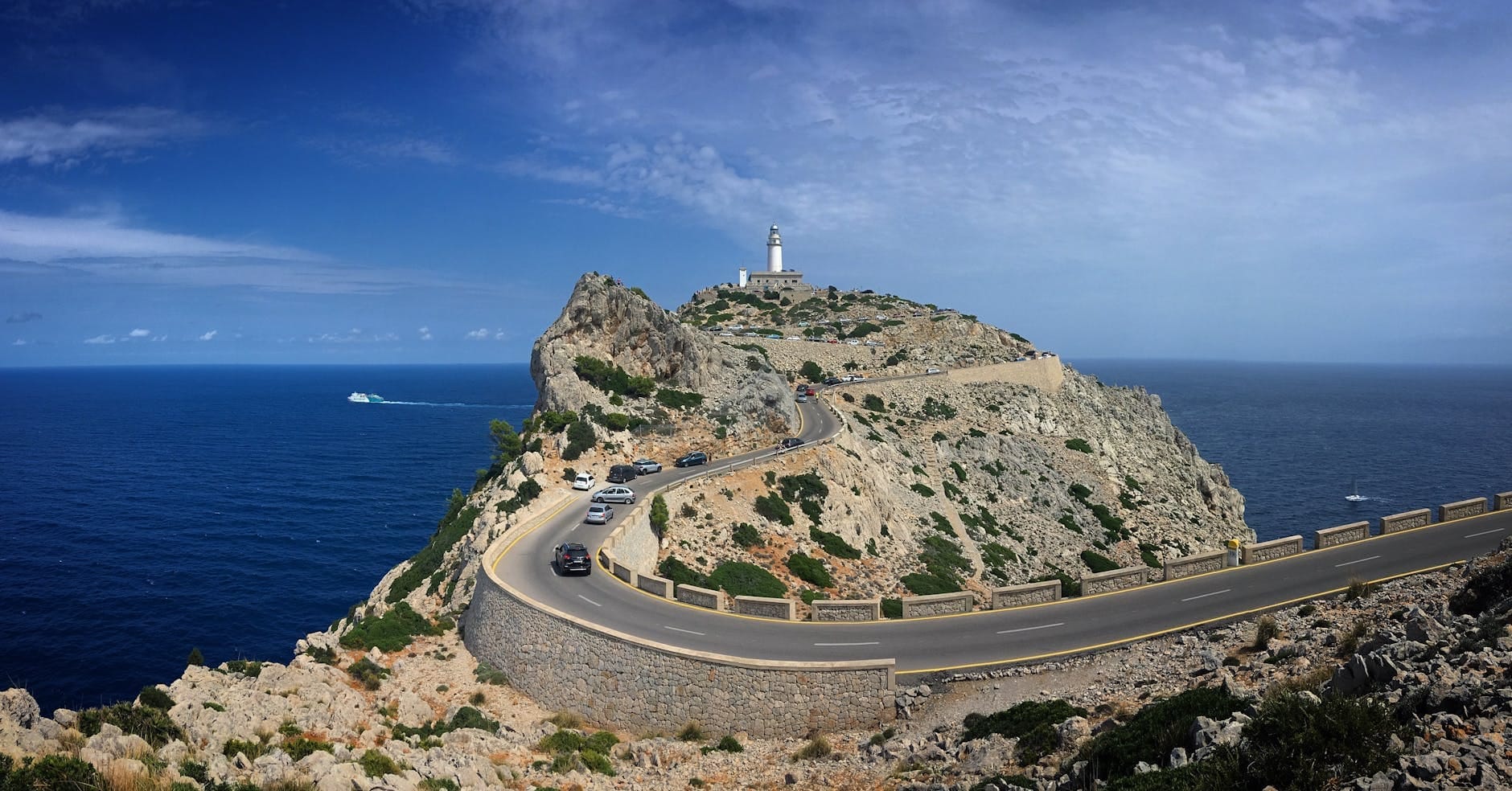
13. Drive to Cala Formentor, the Island's Most Exclusive Beach
Cala Formentor sits at the end of a dramatic mountain road flanked by pine forest and sea cliffs. The long sandy beach, with its calm, clear water and striking mountain backdrop, is one of Mallorca's finest. A shuttle bus from Port de Pollença runs in summer when the road is restricted to private cars.
Explore13. Drive to Cala Formentor, the Island's Most Exclusive Beach
Cala Formentor sits at the end of a dramatic mountain road flanked by pine forest and sea cliffs. The long sandy beach, with its calm, clear water and striking mountain backdrop, is one of Mallorca's finest. A shuttle bus from Port de Pollença runs in summer when the road is restricted to private cars.
Explore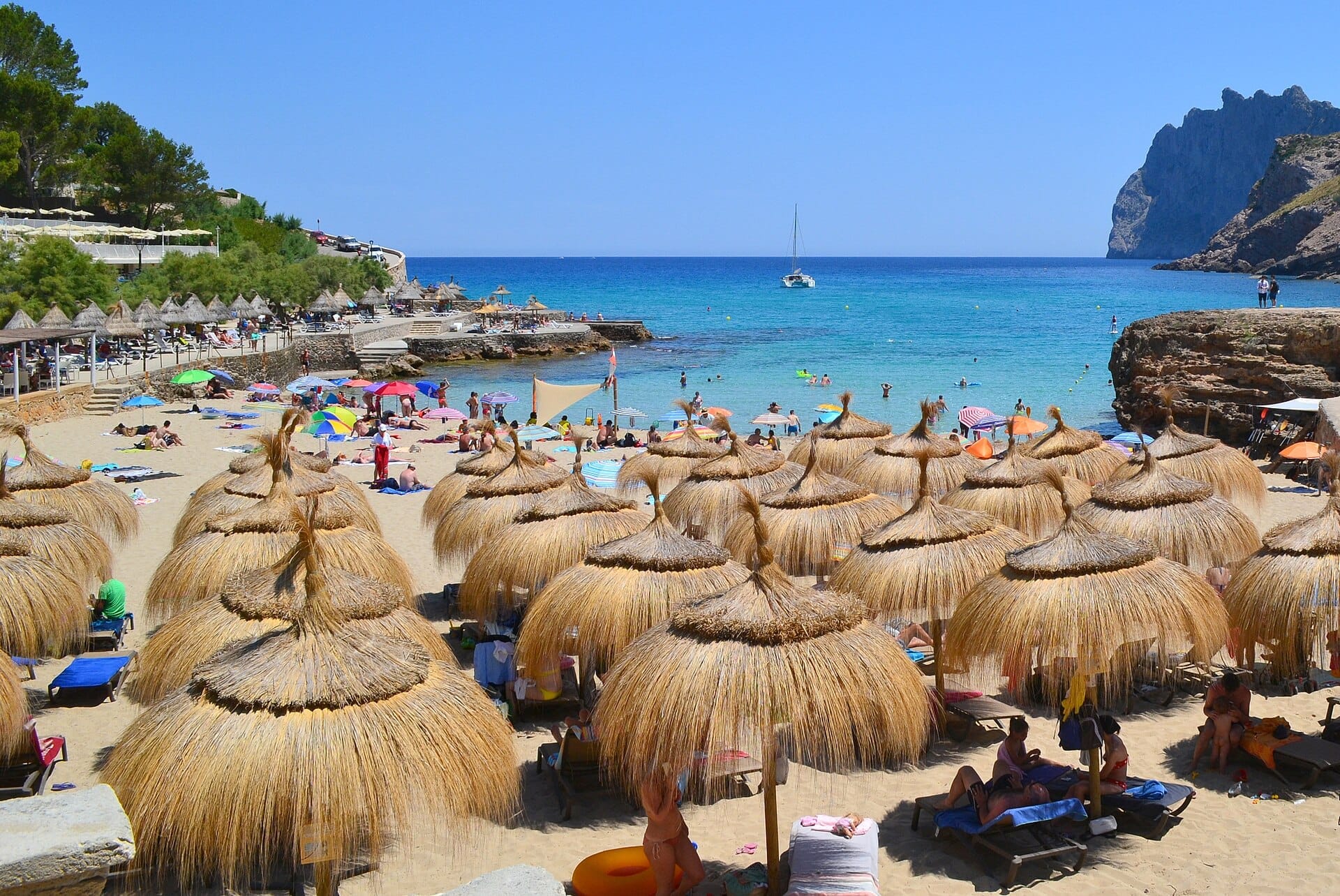
14. Swim at Cala Molins Below the Village of Cala Sant Vicenç
One of the prettiest small beaches in the north, Cala Molins sits in a sheltered bay below the hilltop village of Cala Sant Vicenç. Turquoise water, a relaxed beach bar, and easy access make it an ideal half-day stop when combining the area with Formentor or Pollença.
Explore14. Swim at Cala Molins Below the Village of Cala Sant Vicenç
One of the prettiest small beaches in the north, Cala Molins sits in a sheltered bay below the hilltop village of Cala Sant Vicenç. Turquoise water, a relaxed beach bar, and easy access make it an ideal half-day stop when combining the area with Formentor or Pollença.
Explore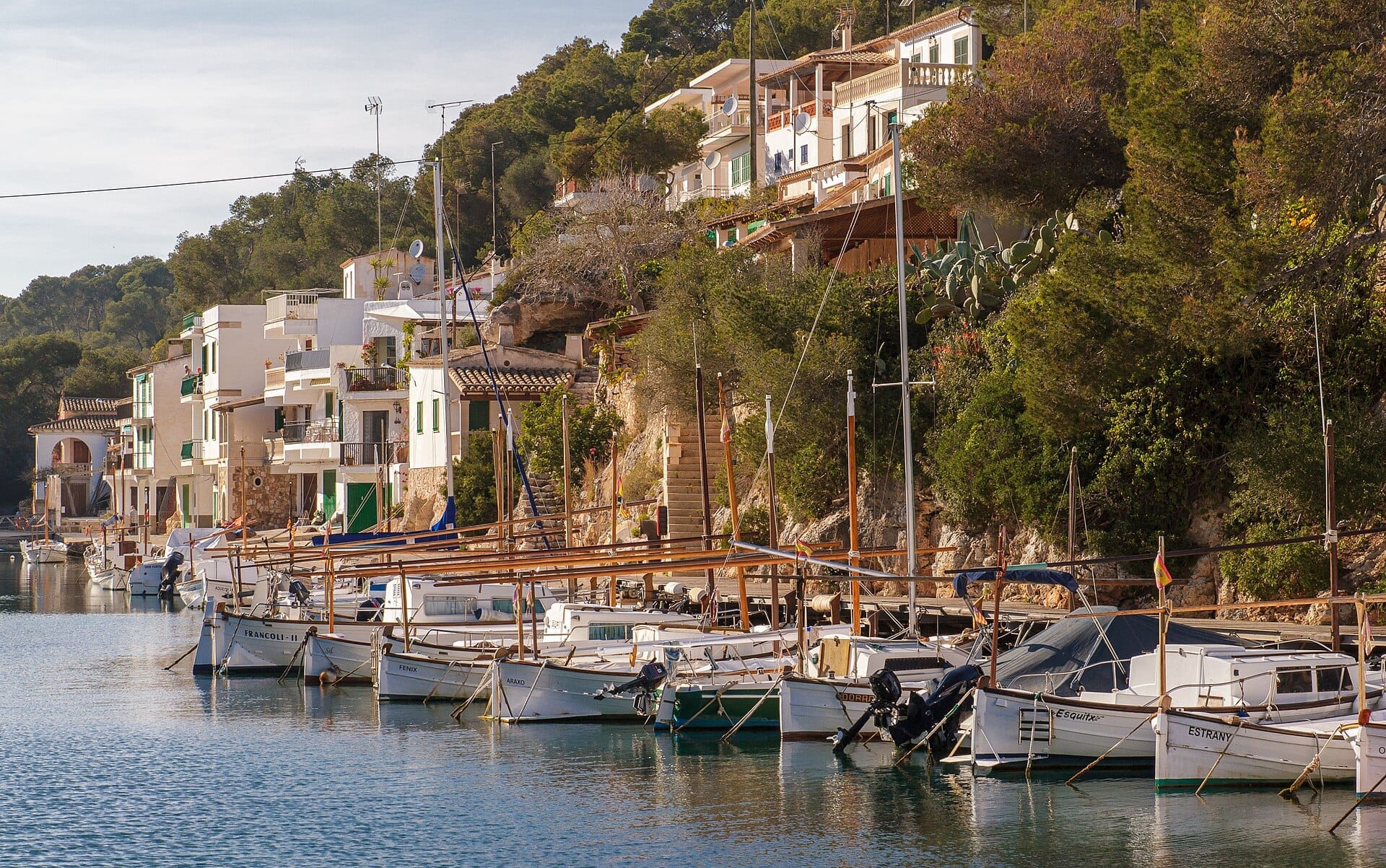
15. Walk the Fjord-Like Inlet at Cala Figuera Before a Swim
Cala Figuera is one of the southeast's most characterful fishing villages, with whitewashed boathouses lining a narrow inlet where working boats still moor. There's no beach in the village itself, but rocky swimming spots and small coves are a short walk away. Best visited in the morning before the tour groups arrive.
Explore15. Walk the Fjord-Like Inlet at Cala Figuera Before a Swim
Cala Figuera is one of the southeast's most characterful fishing villages, with whitewashed boathouses lining a narrow inlet where working boats still moor. There's no beach in the village itself, but rocky swimming spots and small coves are a short walk away. Best visited in the morning before the tour groups arrive.
Explore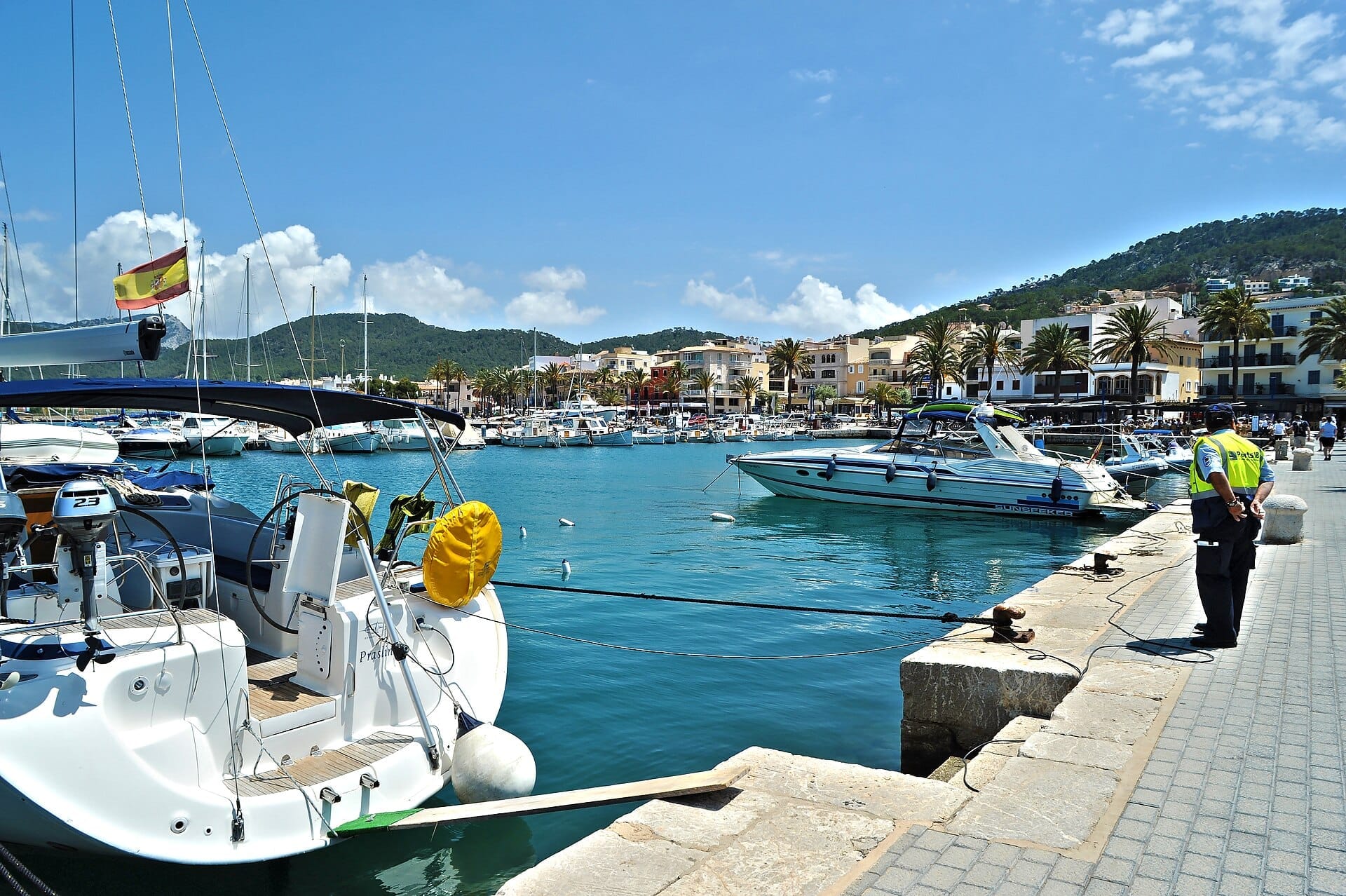
16. Spend an Evening at Port d'Andratx After a Beach Day
Port d'Andratx is one of Mallorca's most elegant harbour towns, with yachts, waterfront restaurants, and a genuine fishing-port atmosphere. Combine it with nearby small coves for swimming, then stay for sunset and dinner at the harbourfront. It's the southwest's most stylish base.
Explore16. Spend an Evening at Port d'Andratx After a Beach Day
Port d'Andratx is one of Mallorca's most elegant harbour towns, with yachts, waterfront restaurants, and a genuine fishing-port atmosphere. Combine it with nearby small coves for swimming, then stay for sunset and dinner at the harbourfront. It's the southwest's most stylish base.
Exploreℹ️ Good to know
Mallorca's best beaches are spread across the island and most are not served by public transport. A hire car gives you the flexibility to arrive early at popular coves and move on when they fill up. See our car hire guide for tips on booking and driving on the island.
FAQ
What is the most beautiful beach in Mallorca?
Caló des Moro near Santanyí is consistently rated the island's most beautiful cove, with its horseshoe shape, white limestone cliffs, and extraordinary turquoise water. However, it's tiny and extremely busy in summer — arriving before 9am is essential. Es Trenc and Cala Formentor are strong alternatives with more space.
Which beaches in Mallorca are best for families with young children?
Playa de Muro on the north coast offers shallow, calm water and over 7 kilometres of sand with full facilities. Port de Pollença and Cala Molins are also good options in the north. In the southeast, Cala Mondragó inside the natural park has gentle, clear water and good shade.
Do you need to pay to access beaches in Mallorca?
Beach access itself is free throughout Mallorca. However, car parks at popular beaches like Es Trenc and Caló des Moro charge a fee in summer, and sunbed hire at resort beaches is a separate cost. The protected natural park beaches (Mondragó, Cabrera) are free to enter but Cabrera requires a paid boat excursion.
When is the best time to visit Mallorca's beaches?
June and September offer warm sea temperatures (above 20°C) with significantly fewer crowds than July and August. The water is warm enough from late May through October. July and August are peak season — beaches fill early and parking at the most popular spots becomes difficult by mid-morning.
Which beaches in Mallorca are hardest to reach and require a hike?
Caló des Moro requires a 10-15 minute walk from the car park on an uneven path. Sa Calobra's beach at Torrent de Pareis involves walking through a narrow gorge. Cabrera requires a full boat trip. Most other beaches on this list are accessible directly from a car park or a short level walk.