Hidden Gems in Mallorca: Beyond the Tourist Trail
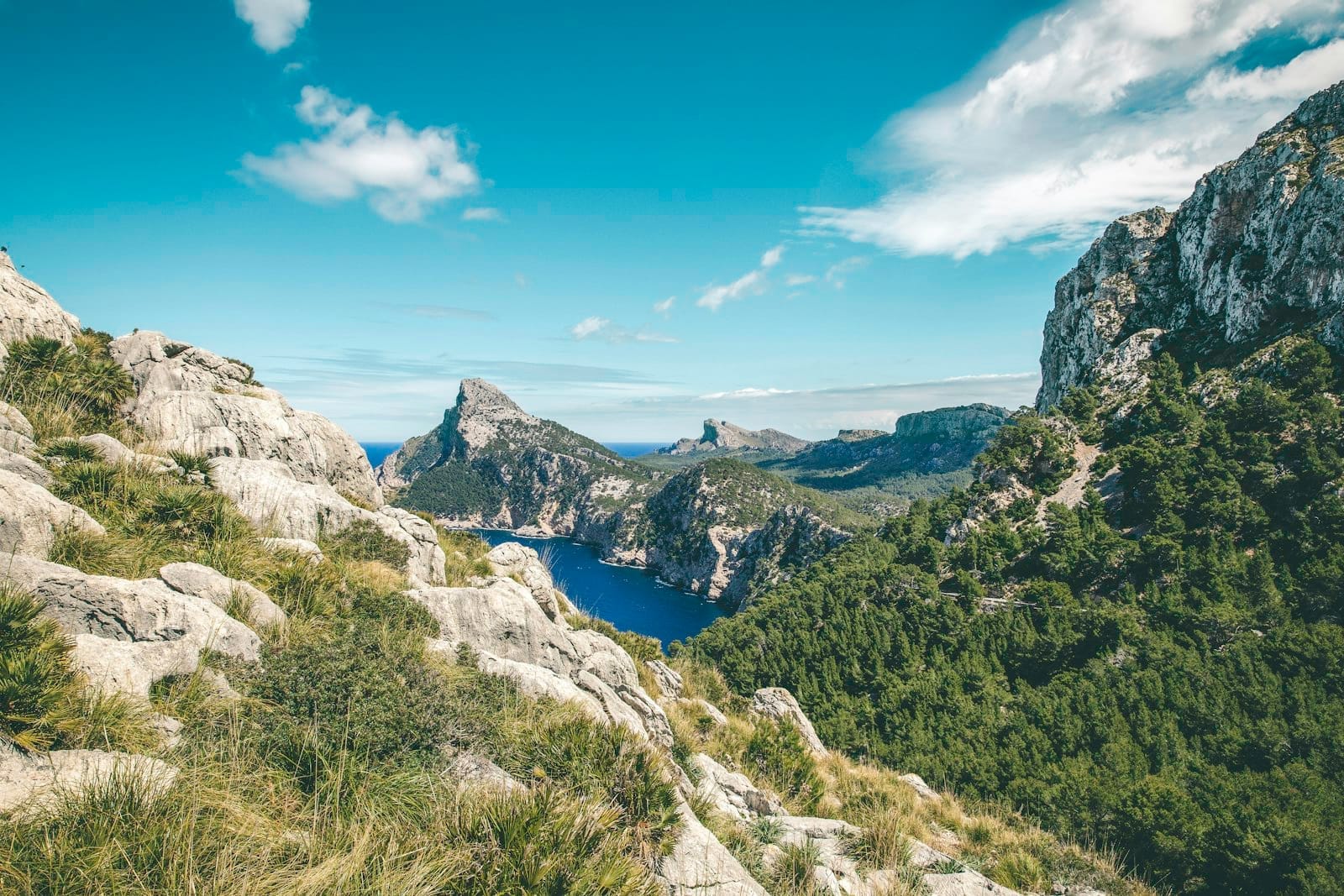
Mallorca rewards those willing to look beyond the resort strips and postcard beaches. This guide uncovers the island's quieter side: Bronze Age settlements, uninhabited nature reserves, atmospheric mountain villages, and coves that still feel genuinely undiscovered.
Plan and book this trip
Tools from our partner Travelpayouts help you compare flights and hotels. If you book through them, we may earn a commission at no extra cost to you.
Flights
Hotels map
Most visitors to Mallorca see the same handful of attractions. The Cathedral, the Drach Caves, Es Trenc beach: all worth visiting, but far from the full picture. The island has a remarkable depth to it, from prehistoric ruins in the northeast to uninhabited islands off the southwest coast, and Tramuntana mountain villages that have changed little in centuries. Whether you have a week or a long weekend, getting off the main tourist circuit is easier than you think. You just need to know where to go. For context on how to structure your time, our one-week Mallorca itinerary integrates several of these lesser-known stops alongside the classics.
Secluded Coves and Wild Coastline
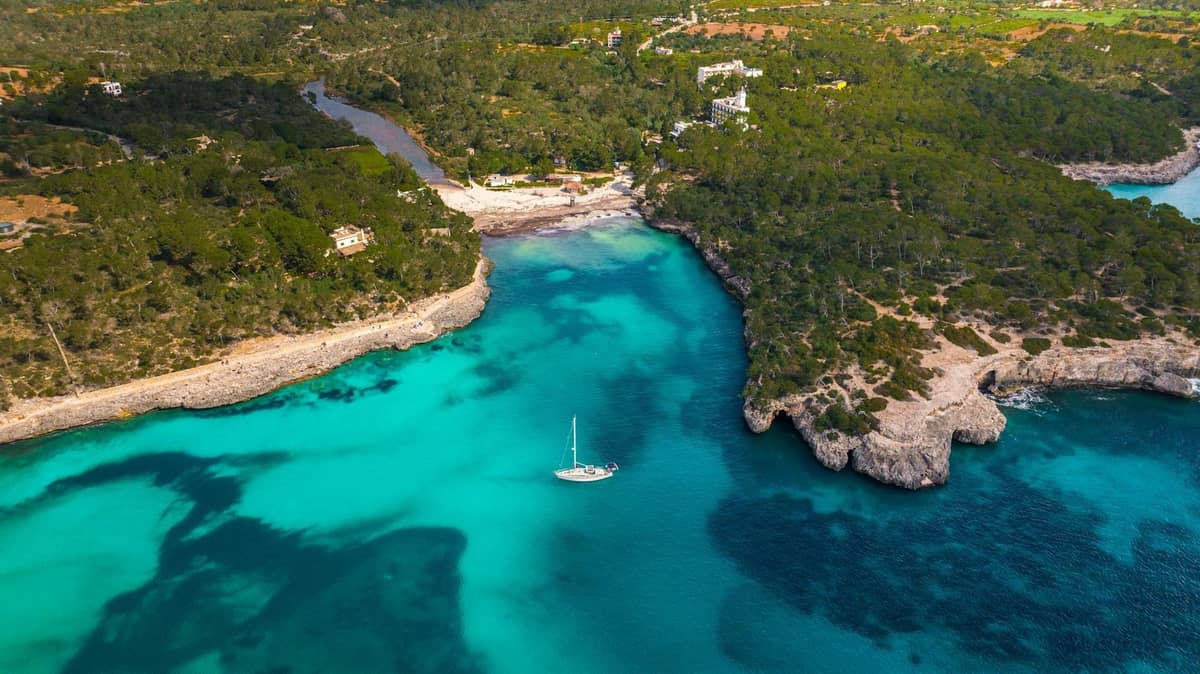
Mallorca's coastline stretches for over 550 kilometres, and a significant portion of it remains protected from development. The southeast and northeast coasts in particular hide coves that require a short hike or early start to appreciate at their best. For a broader overview of where to swim, our beach guide covers the full range from family-friendly bays to the wilder, harder-to-reach spots below.
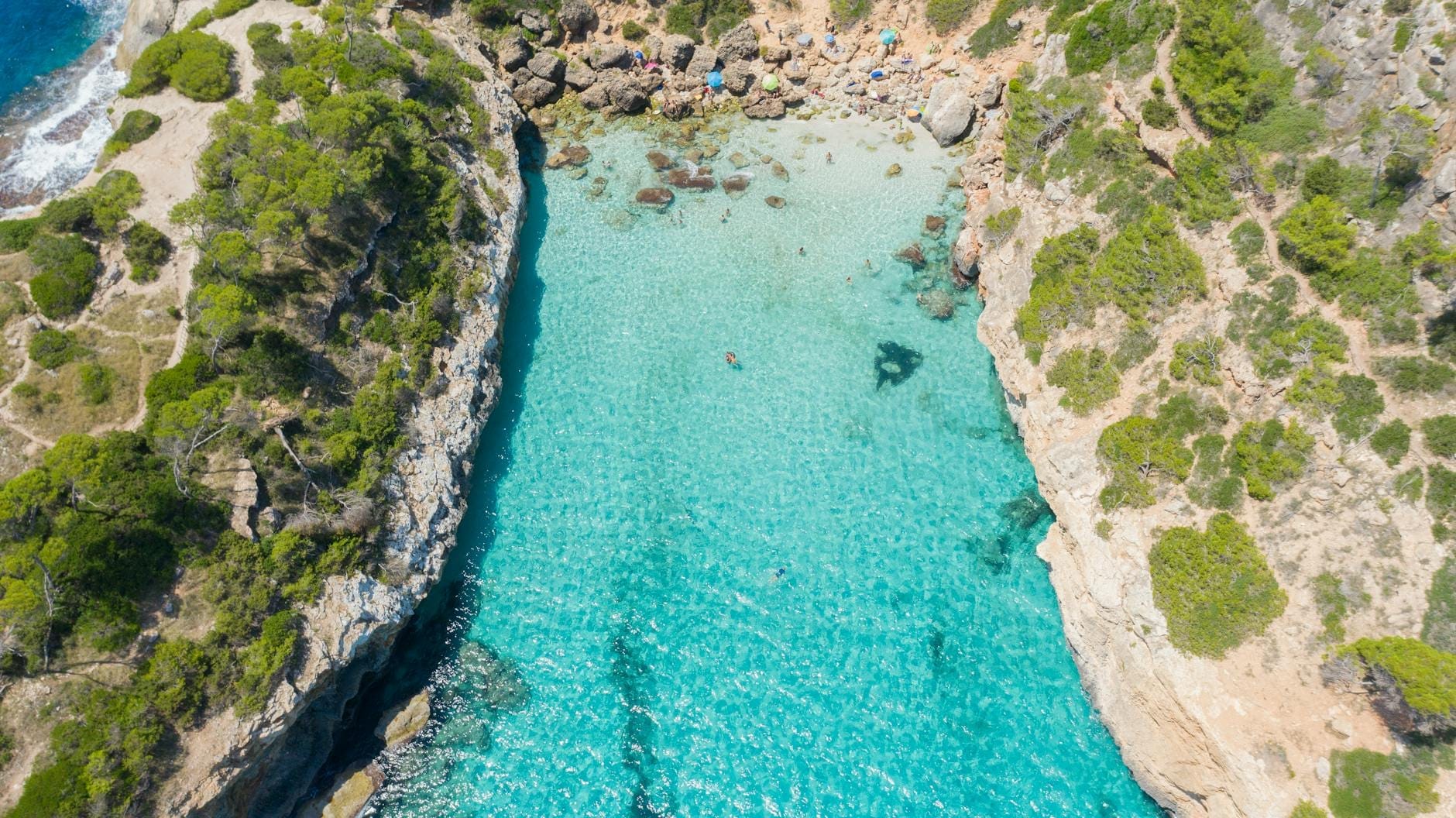
1. Arrive at Dawn to Experience Caló des Moro at Its Best
A tiny horseshoe cove of turquoise water and white limestone cliffs near Santanyí. No facilities, limited parking, and a steep path down. Come before 9am in summer to find it quiet. The water clarity here is extraordinary, and the cliffs make it feel enclosed and private.
Explore1. Arrive at Dawn to Experience Caló des Moro at Its Best
A tiny horseshoe cove of turquoise water and white limestone cliffs near Santanyí. No facilities, limited parking, and a steep path down. Come before 9am in summer to find it quiet. The water clarity here is extraordinary, and the cliffs make it feel enclosed and private.
Explore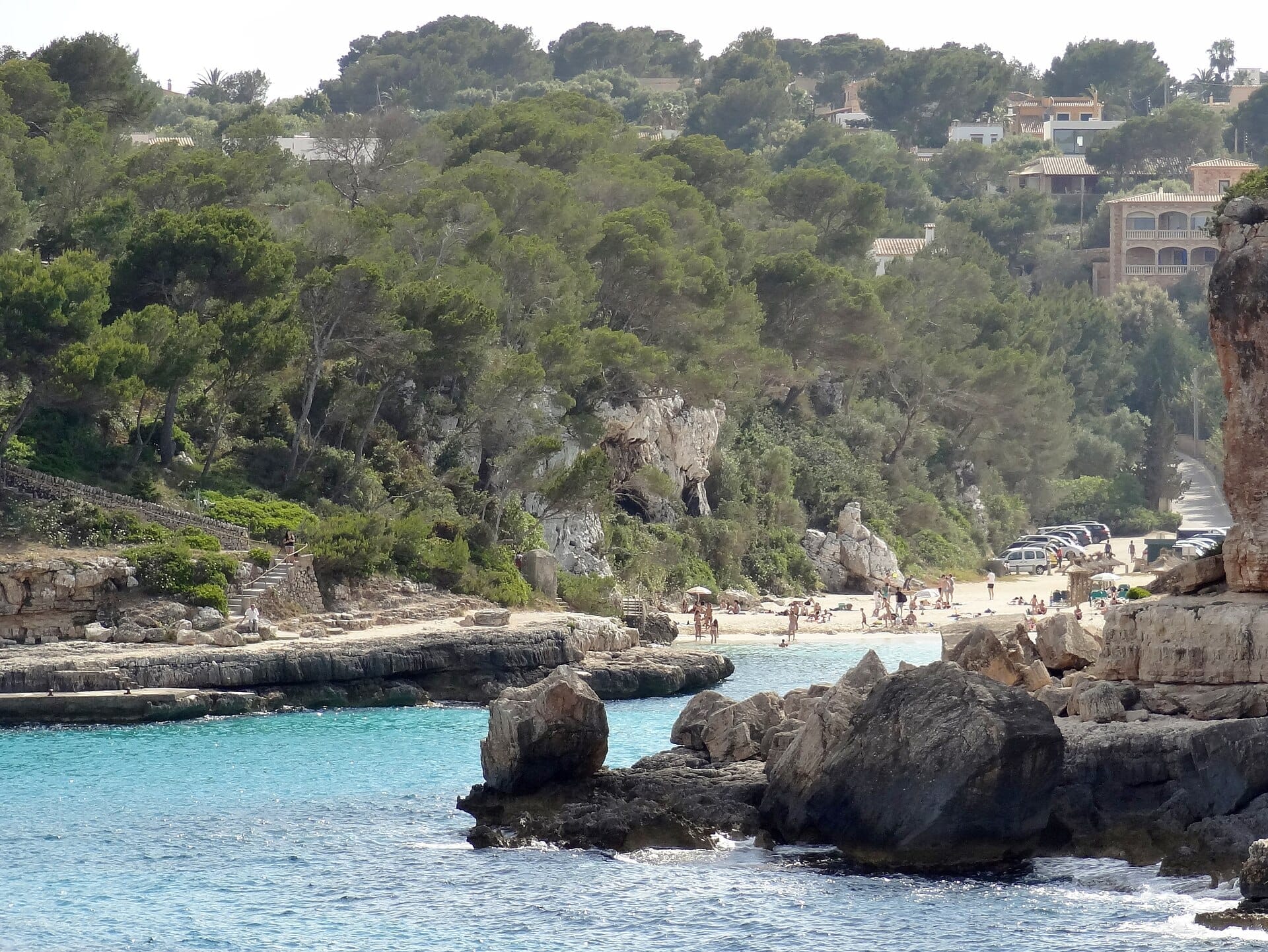
2. Swim in the Pine-Shaded Calm of Cala Llombards
A sheltered sandy cove a few kilometres from Santanyí with calm, shallow water and a low-key beach bar. Pine trees frame the bay and provide real shade. Far less photographed than Caló des Moro but genuinely beautiful, and far easier to access with a car.
Explore2. Swim in the Pine-Shaded Calm of Cala Llombards
A sheltered sandy cove a few kilometres from Santanyí with calm, shallow water and a low-key beach bar. Pine trees frame the bay and provide real shade. Far less photographed than Caló des Moro but genuinely beautiful, and far easier to access with a car.
Explore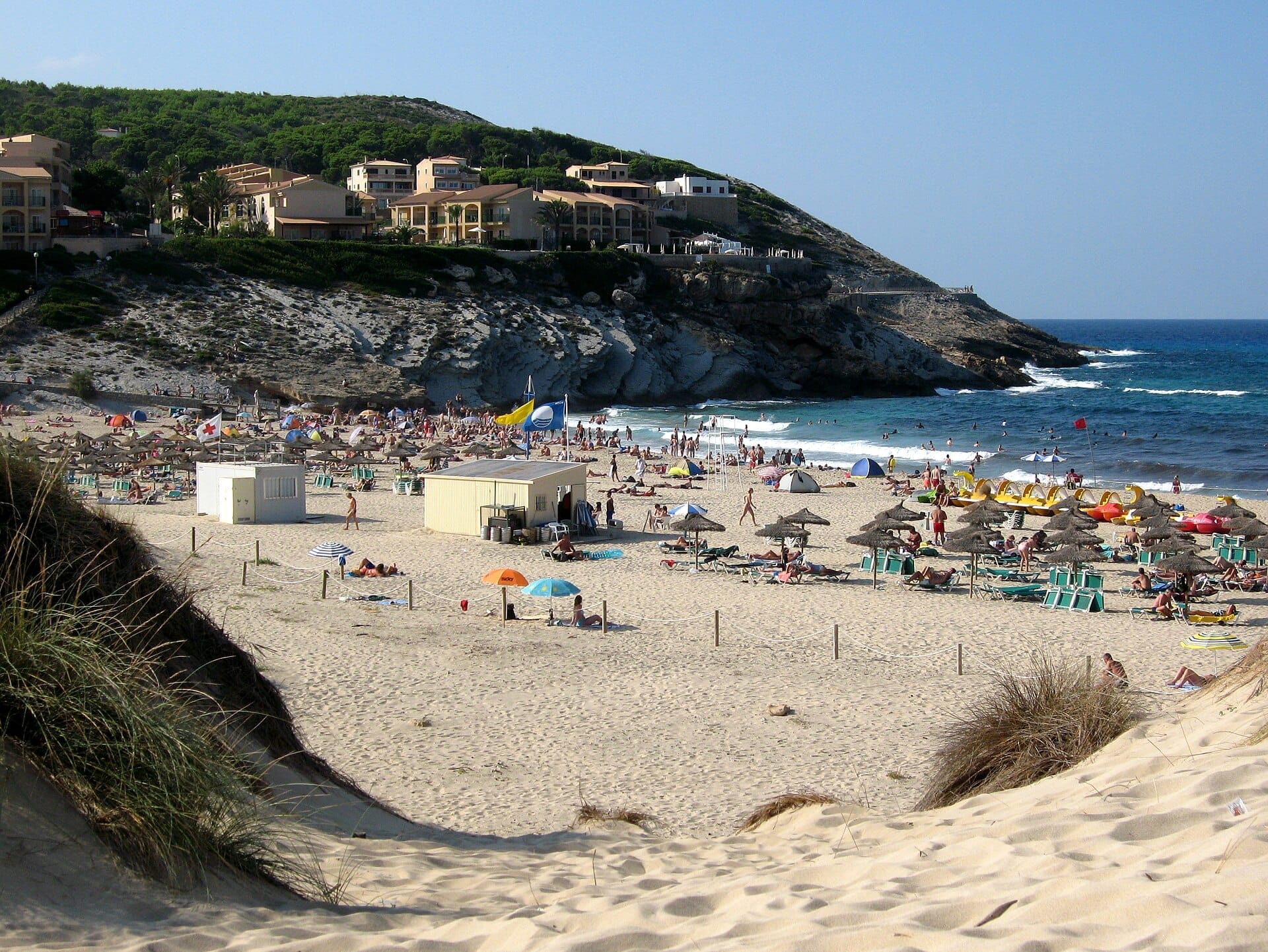
3. Find Empty Sand Dunes at Cala Mesquida in the Northeast
Wild, dune-backed beach in the northeast with minimal development and a rugged feel. Popular with windsurfers when the breeze picks up. The lack of nearby resort infrastructure keeps the crowds lower than comparable beaches. Park at the top and walk down through low scrubland.
Explore3. Find Empty Sand Dunes at Cala Mesquida in the Northeast
Wild, dune-backed beach in the northeast with minimal development and a rugged feel. Popular with windsurfers when the breeze picks up. The lack of nearby resort infrastructure keeps the crowds lower than comparable beaches. Park at the top and walk down through low scrubland.
Explore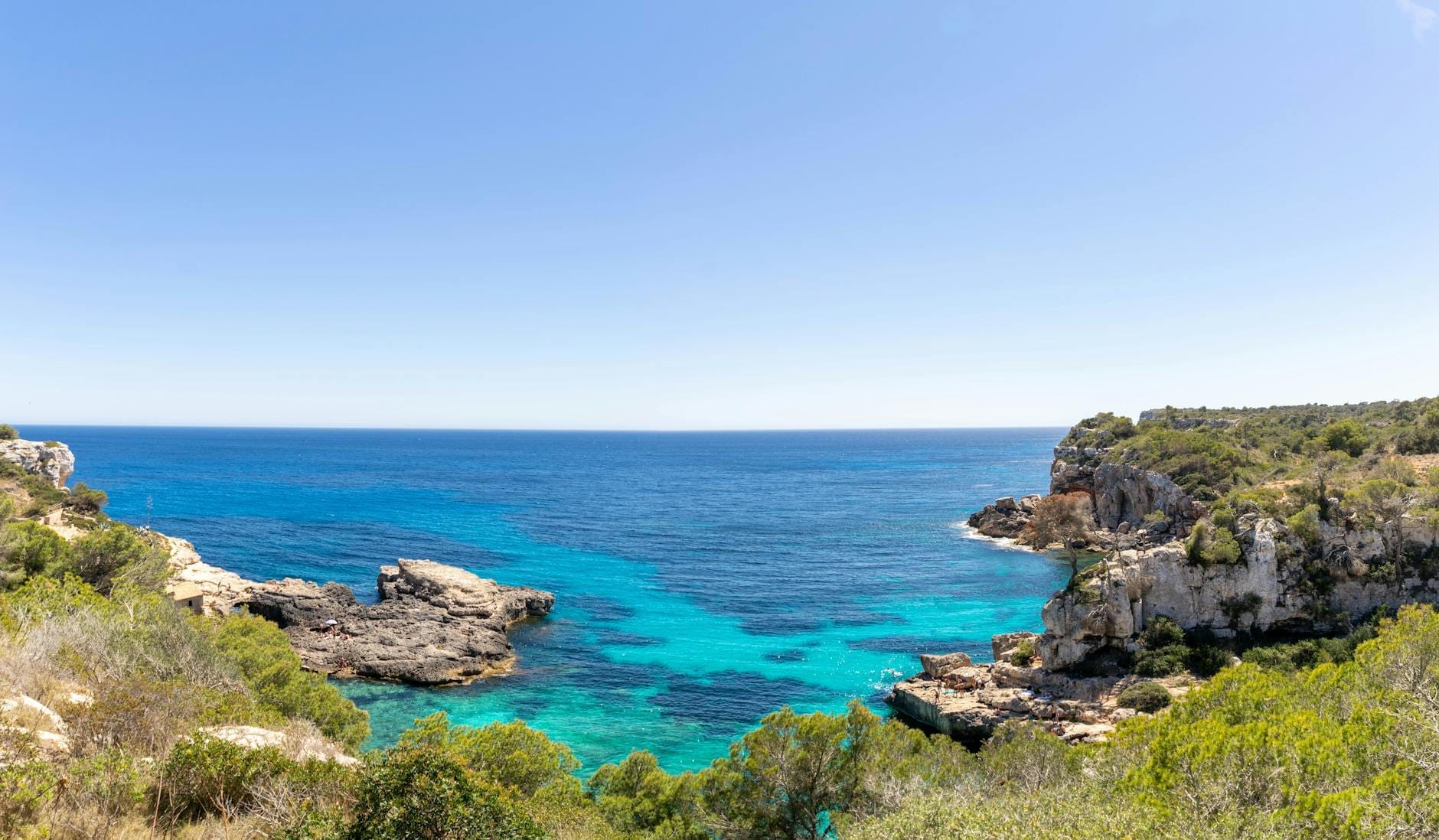
4. Walk the Coastal Trails of Mondragó Natural Park
A protected coastal park in the southeast combining pine-forest trails, wetland ponds, cliffs, and two pristine coves: Cala Mondragó and S'Amarador. Bring walking shoes and plan for two to three hours. Entry to the park is free, and the birdlife in the wetland areas is exceptional.
Explore4. Walk the Coastal Trails of Mondragó Natural Park
A protected coastal park in the southeast combining pine-forest trails, wetland ponds, cliffs, and two pristine coves: Cala Mondragó and S'Amarador. Bring walking shoes and plan for two to three hours. Entry to the park is free, and the birdlife in the wetland areas is exceptional.
Explore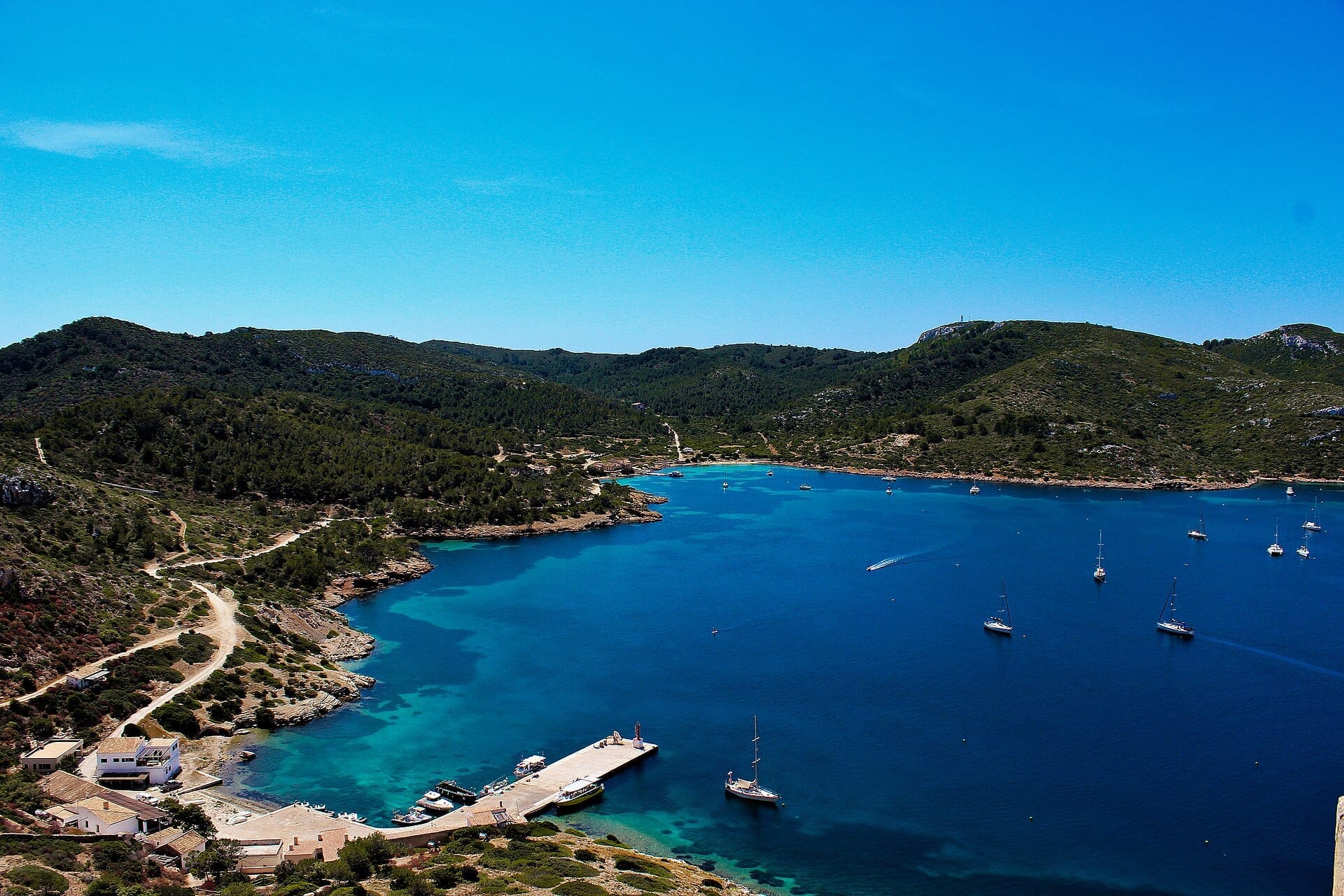
5. Take the Boat to Cabrera, Mallorca's Most Untouched Coastline
An uninhabited island archipelago off the south coast, accessible only by licensed boat from Colònia de Sant Jordi. The water is among the clearest in the Mediterranean, sea caves are explorable by kayak, and the absence of permanent tourism infrastructure is the entire point.
Explore5. Take the Boat to Cabrera, Mallorca's Most Untouched Coastline
An uninhabited island archipelago off the south coast, accessible only by licensed boat from Colònia de Sant Jordi. The water is among the clearest in the Mediterranean, sea caves are explorable by kayak, and the absence of permanent tourism infrastructure is the entire point.
Explore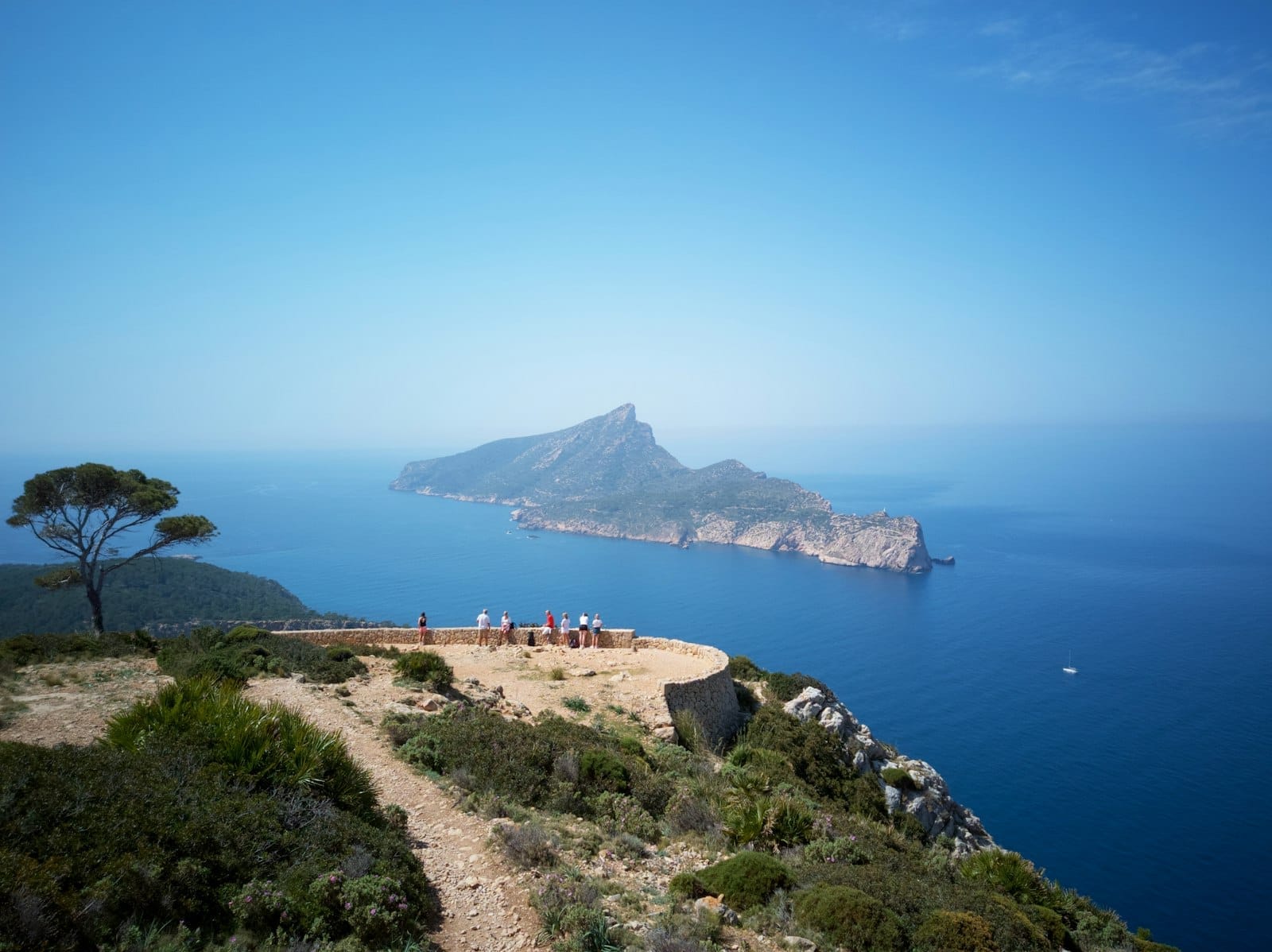
6. Hike an Uninhabited Island Reserve at Sa Dragonera
A small nature reserve island off the southwest tip, reached by ferry from Sant Elm. Walking trails cross lizard-covered terrain to a lighthouse with sweeping sea views. It takes around three hours to explore properly. Almost no one outside Mallorca has heard of it.
Explore6. Hike an Uninhabited Island Reserve at Sa Dragonera
A small nature reserve island off the southwest tip, reached by ferry from Sant Elm. Walking trails cross lizard-covered terrain to a lighthouse with sweeping sea views. It takes around three hours to explore properly. Almost no one outside Mallorca has heard of it.
ExploreMountain Villages and Tramuntana Secrets
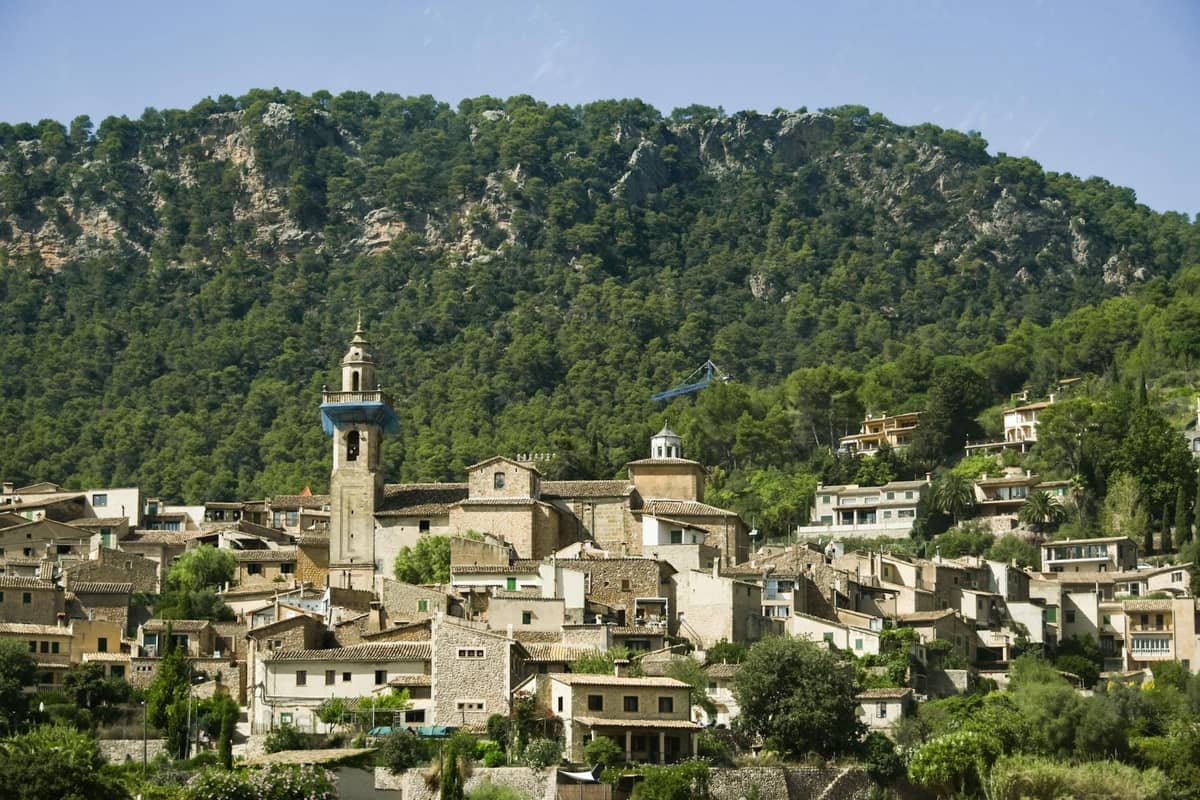
The Serra de Tramuntana is a UNESCO World Heritage Site, but most visitors only scratch the surface with a drive to Valldemossa or a glance at the Sa Calobra road. The villages deeper in the mountains, and the quieter viewpoints between them, are where the real character of the island lives. Our hiking guide goes into detail on the best trails connecting these villages.
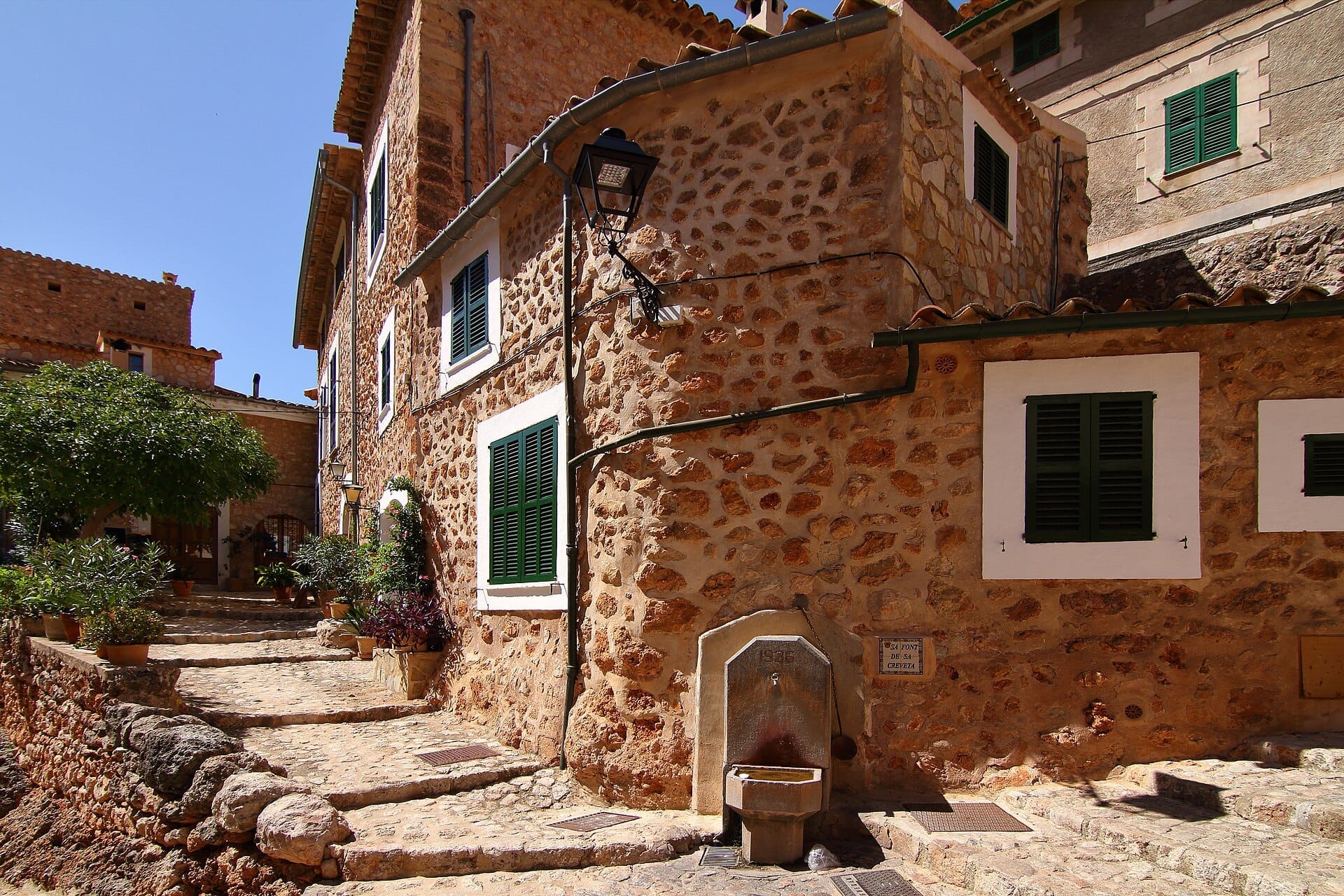
7. Wander the Stone Lanes of Fornalutx, Spain's Most Beautiful Village
A tiny village above Sóller with honey-coloured stone houses, terraced orange groves, and mountain views that stop people mid-sentence. Far fewer visitors reach it than Valldemossa. Combine it with a visit to Sóller below, or walk between the two on the old mule track.
Explore7. Wander the Stone Lanes of Fornalutx, Spain's Most Beautiful Village
A tiny village above Sóller with honey-coloured stone houses, terraced orange groves, and mountain views that stop people mid-sentence. Far fewer visitors reach it than Valldemossa. Combine it with a visit to Sóller below, or walk between the two on the old mule track.
Explore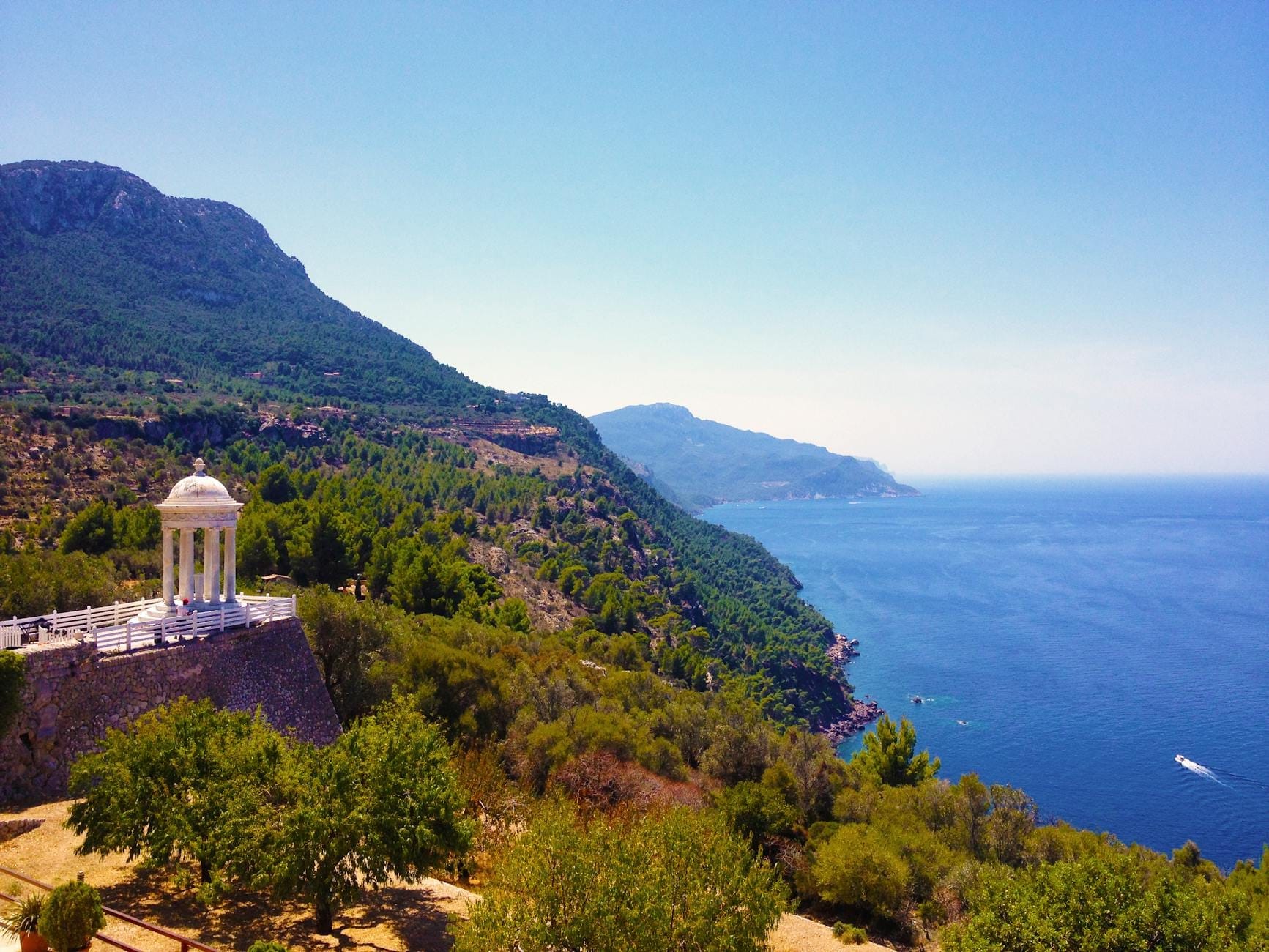
8. Watch the Sunset from Son Marroig Above Sa Foradada
An archduke's clifftop estate on the Tramuntana coast, with a marble rotunda overlooking the Sa Foradada rock peninsula. One of Mallorca's most dramatic viewpoints, and relatively few people stop here compared to the road traffic passing below. Late afternoon light is spectacular.
Explore8. Watch the Sunset from Son Marroig Above Sa Foradada
An archduke's clifftop estate on the Tramuntana coast, with a marble rotunda overlooking the Sa Foradada rock peninsula. One of Mallorca's most dramatic viewpoints, and relatively few people stop here compared to the road traffic passing below. Late afternoon light is spectacular.
Explore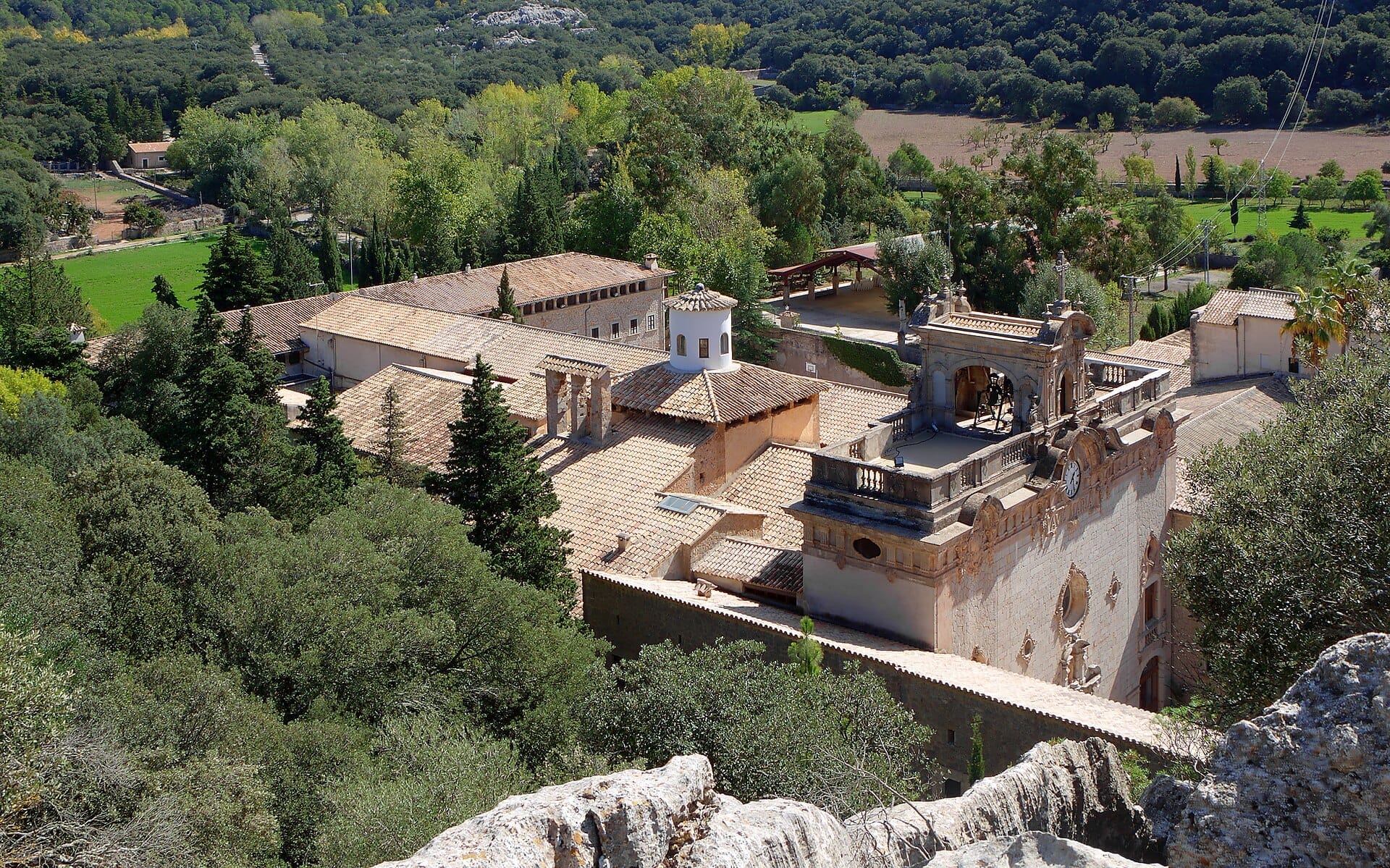
9. Visit Mallorca's Sacred Heart at the Lluc Monastery
Deep in the mountains, this pilgrimage monastery is Mallorca's most sacred site and also one of its most atmospheric. The boy's choir sings at midday. The complex includes a museum, botanical garden, and rooms for overnight stays. Most day-trippers skip it in favour of coastal scenery.
Explore9. Visit Mallorca's Sacred Heart at the Lluc Monastery
Deep in the mountains, this pilgrimage monastery is Mallorca's most sacred site and also one of its most atmospheric. The boy's choir sings at midday. The complex includes a museum, botanical garden, and rooms for overnight stays. Most day-trippers skip it in favour of coastal scenery.
Explore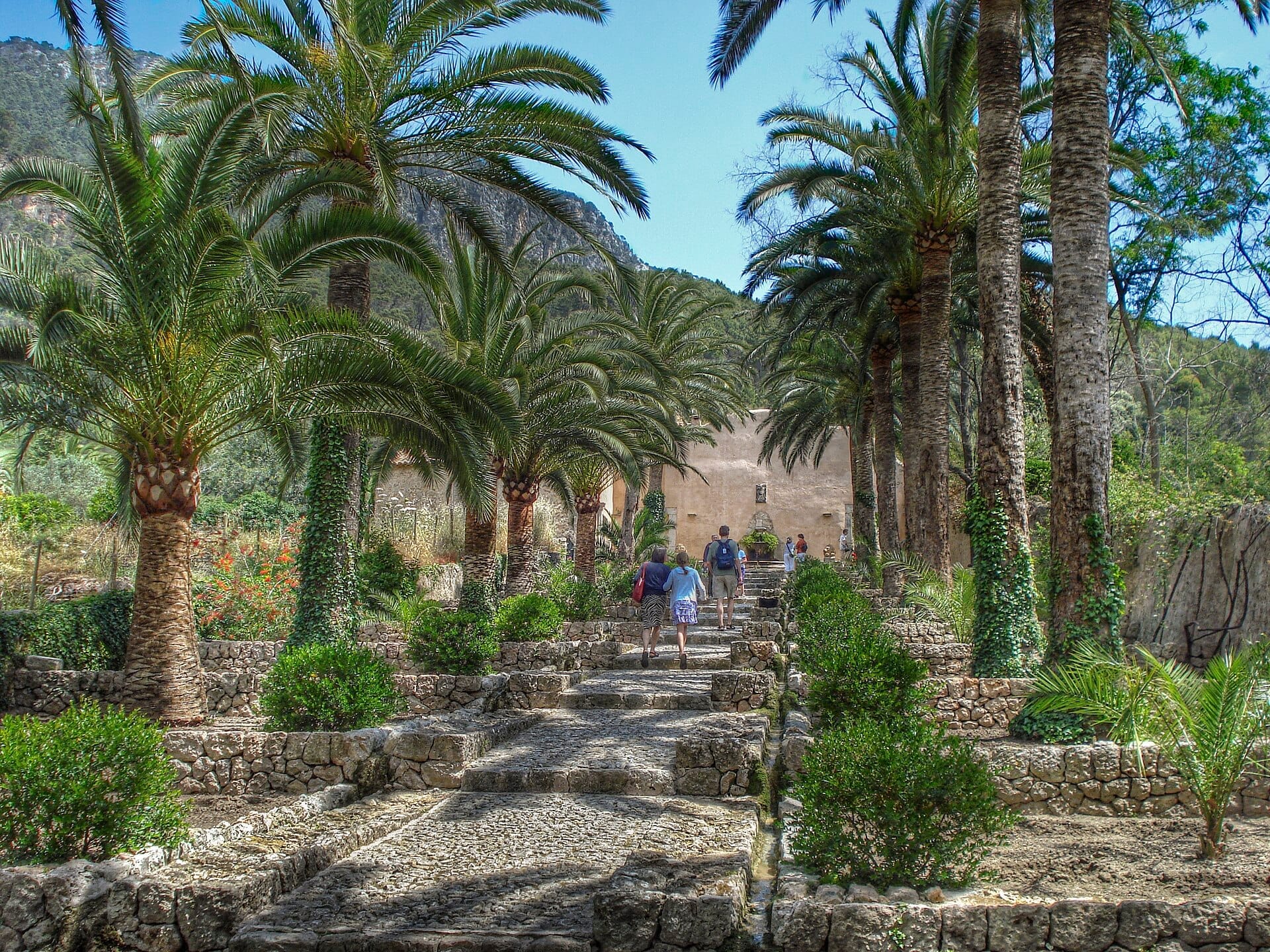
10. Cool Down in the Moorish Gardens of Alfabia
Set at the foot of the Tramuntana near Bunyola, these centuries-old gardens combine Moorish water channels, palm alleys, shaded walkways, and a historic manor house. An easy stop between Palma and Sóller that most people drive straight past. Allow around an hour.
Explore10. Cool Down in the Moorish Gardens of Alfabia
Set at the foot of the Tramuntana near Bunyola, these centuries-old gardens combine Moorish water channels, palm alleys, shaded walkways, and a historic manor house. An easy stop between Palma and Sóller that most people drive straight past. Allow around an hour.
Explore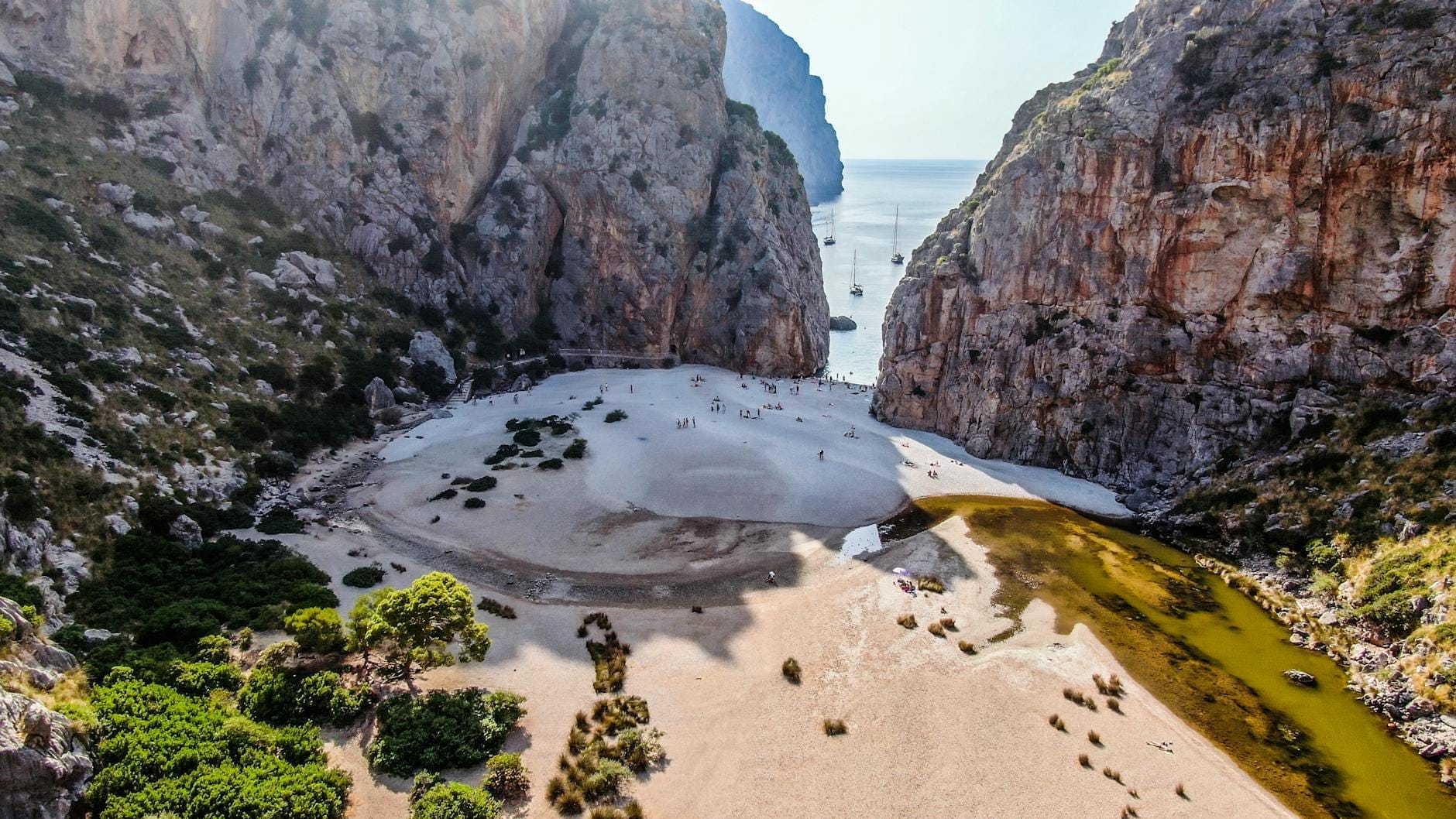
11. Follow the Torrent de Pareis Gorge Down to Sa Calobra
The Sa Calobra road is famous among cyclists, but the real prize is the Torrent de Pareis: a narrow limestone gorge that opens dramatically onto a pebble beach. The canyon walk takes around 90 minutes one way. Arrive before 11am to avoid coach tour crowds at the beach.
Explore11. Follow the Torrent de Pareis Gorge Down to Sa Calobra
The Sa Calobra road is famous among cyclists, but the real prize is the Torrent de Pareis: a narrow limestone gorge that opens dramatically onto a pebble beach. The canyon walk takes around 90 minutes one way. Arrive before 11am to avoid coach tour crowds at the beach.
ExploreAncient History and Overlooked Architecture
Mallorca has been continuously inhabited for over 4,000 years, and traces of that history are scattered across the island in forms most beach-holiday visitors never encounter. From Bronze Age settlements to Arab bathhouses, the island's pre-tourist past is genuinely accessible and largely crowd-free. Palma's old town alone holds several overlooked monuments within walking distance of each other.
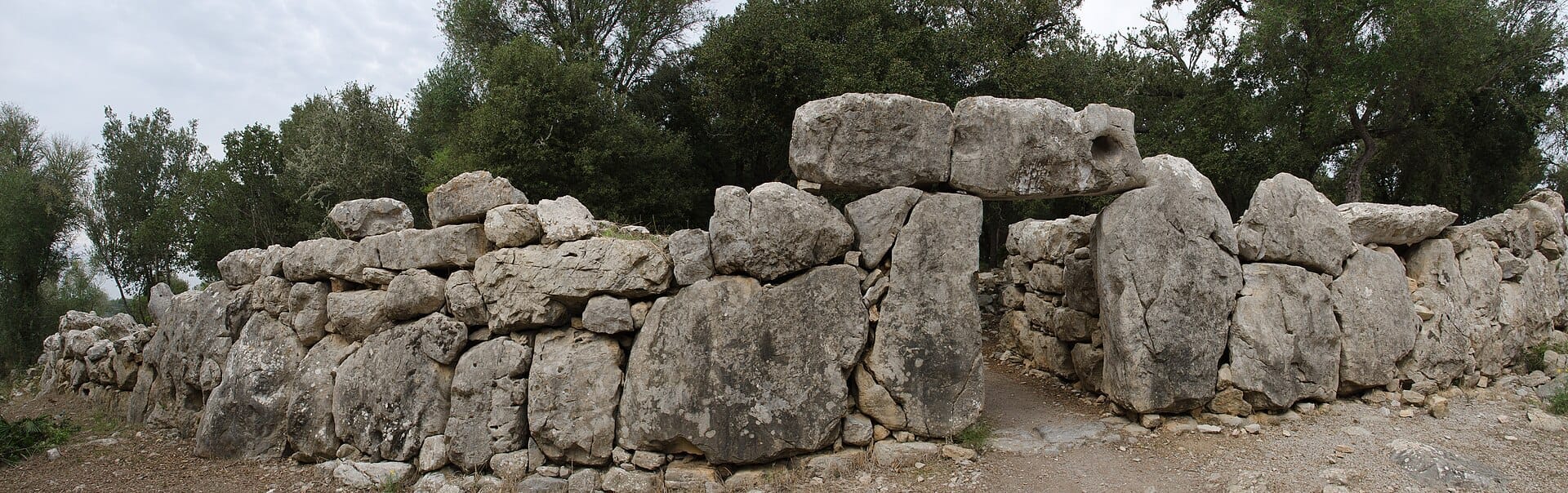
12. Touch 3,000-Year-Old Walls at Ses Païsses Near Artà
One of the best-preserved Bronze Age settlements in the Balearics, with massive Cyclopean stone walls and a monumental gateway still standing near Artà. Entry costs just a few euros and the site is rarely busy. Allow 45 minutes and combine it with a visit to Artà town above.
Explore12. Touch 3,000-Year-Old Walls at Ses Païsses Near Artà
One of the best-preserved Bronze Age settlements in the Balearics, with massive Cyclopean stone walls and a monumental gateway still standing near Artà. Entry costs just a few euros and the site is rarely busy. Allow 45 minutes and combine it with a visit to Artà town above.
Explore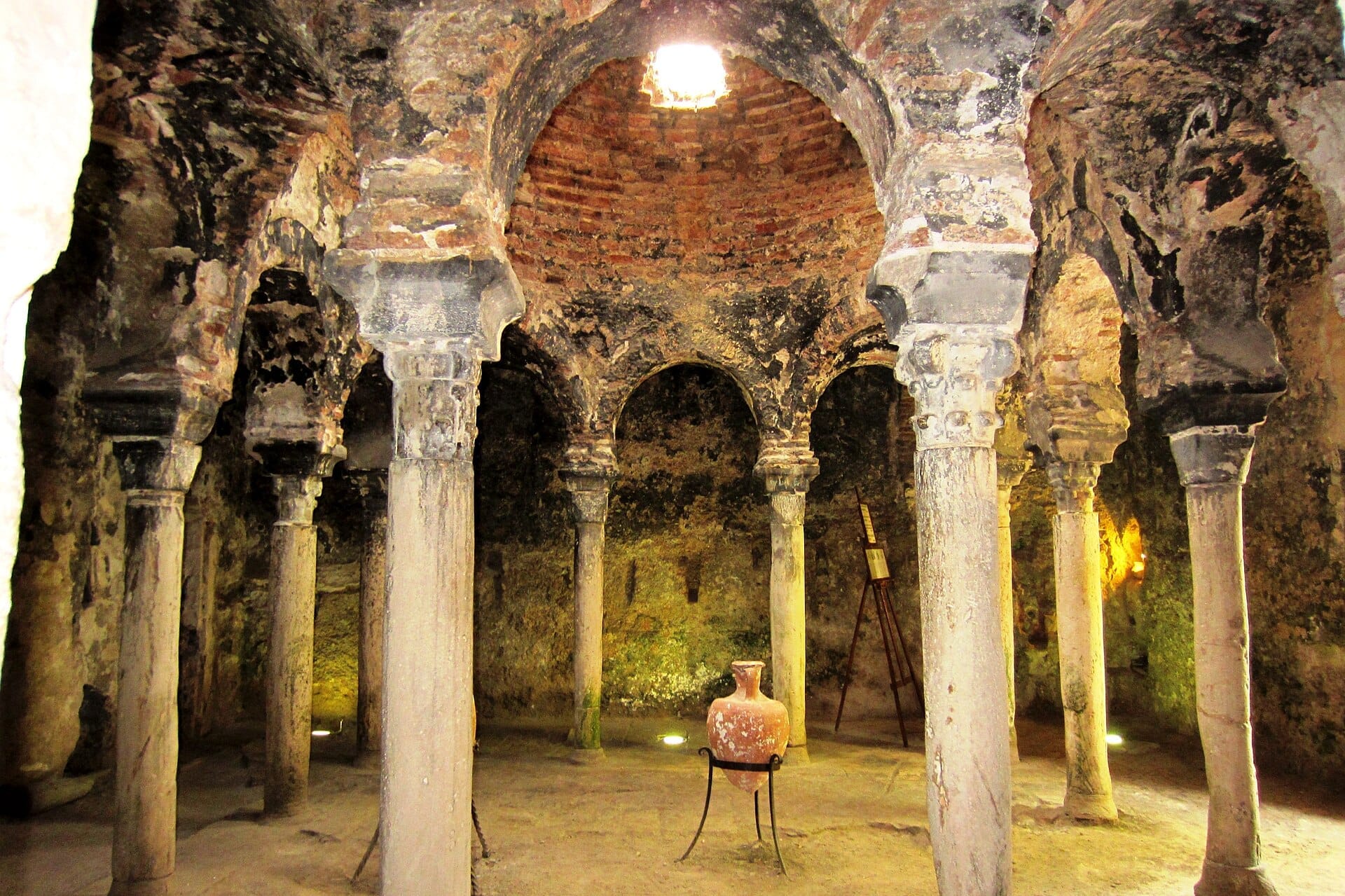
13. Find the 10th-Century Arab Baths Hidden in Palma's Old Town
A courtyard garden in the old town conceals one of the best-preserved Islamic monuments in the Balearics: horseshoe-arched bathhouses from the Moorish city of Medina Mayurqa. Most visitors walk straight past the unmarked entrance. Small, atmospheric, and genuinely surprising.
Explore13. Find the 10th-Century Arab Baths Hidden in Palma's Old Town
A courtyard garden in the old town conceals one of the best-preserved Islamic monuments in the Balearics: horseshoe-arched bathhouses from the Moorish city of Medina Mayurqa. Most visitors walk straight past the unmarked entrance. Small, atmospheric, and genuinely surprising.
Explore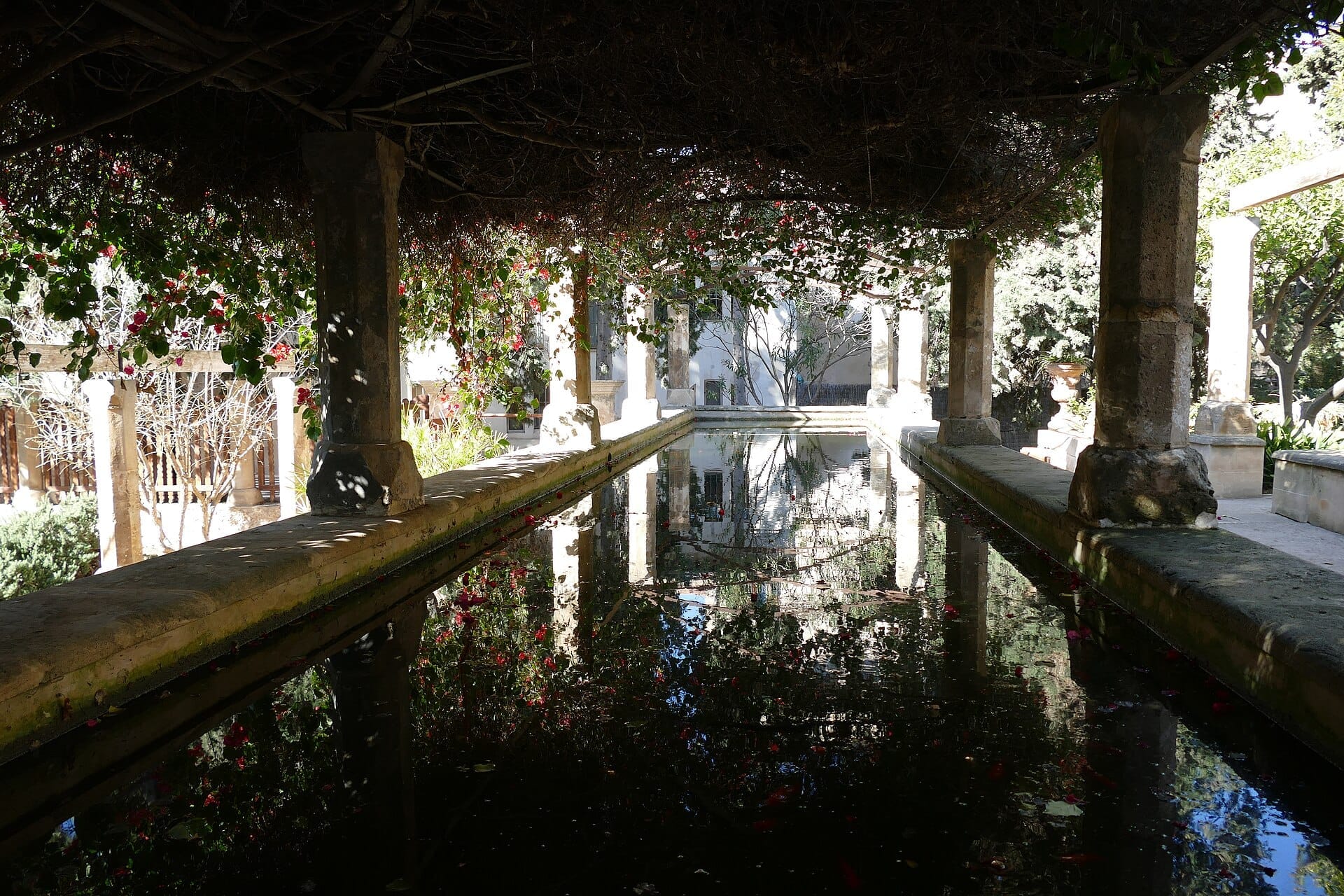
14. Find Peace in the Bishop's Garden Behind Palma's Cathedral
A walled Renaissance garden of orange trees, fountains, and Gothic archways tucked behind La Seu. One of Palma's most overlooked spaces, free to enter, and almost always quiet even in peak summer. Takes ten minutes to find and an hour to fully appreciate.
Explore14. Find Peace in the Bishop's Garden Behind Palma's Cathedral
A walled Renaissance garden of orange trees, fountains, and Gothic archways tucked behind La Seu. One of Palma's most overlooked spaces, free to enter, and almost always quiet even in peak summer. Takes ten minutes to find and an hour to fully appreciate.
Explore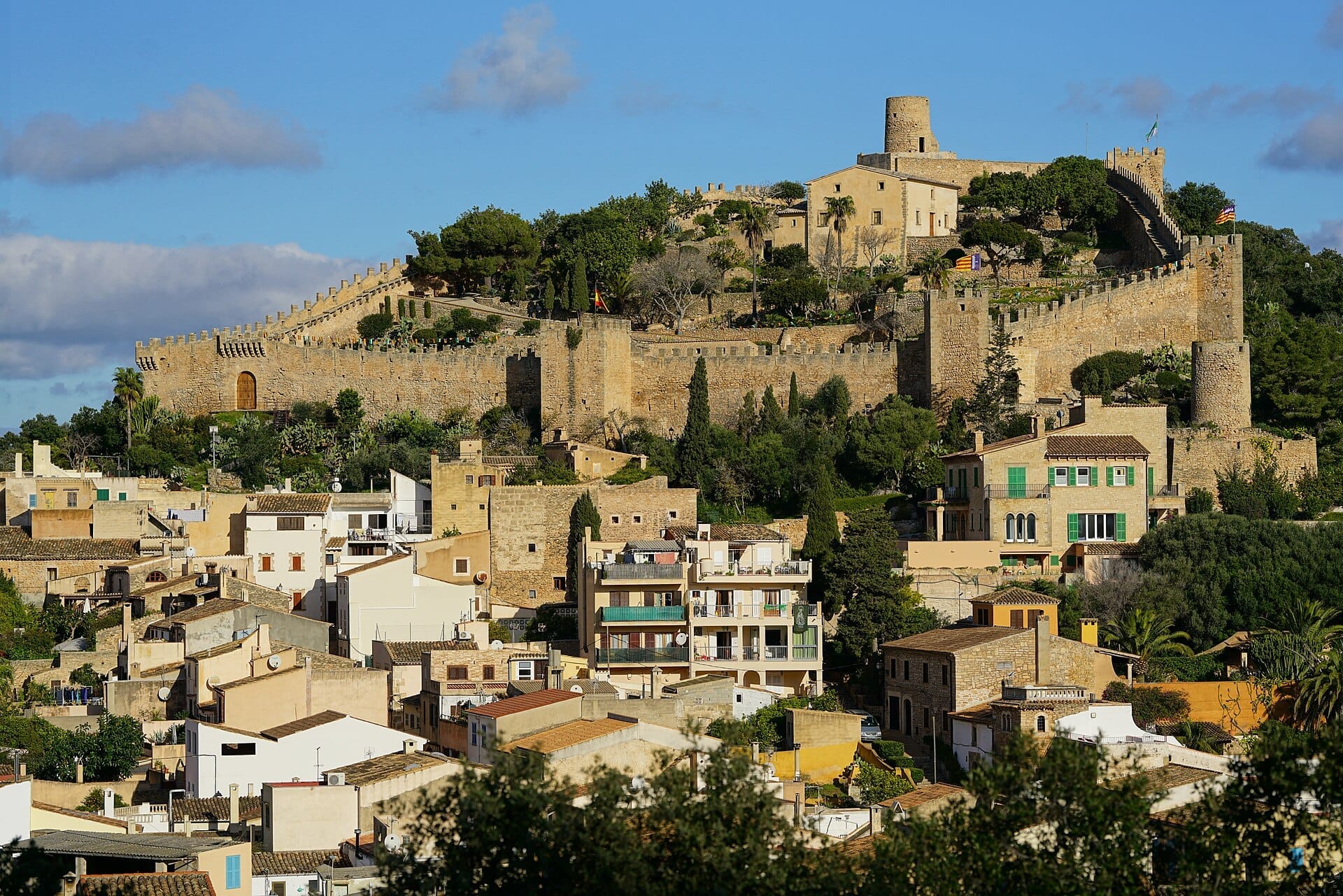
15. Climb to Capdepera, Mallorca's Best-Preserved Medieval Castle
A walled hilltop castle in the northeast enclosing a Gothic chapel and the ruins of a village that once sheltered the entire local population during pirate raids. Views stretch towards Menorca on clear days. Far less visited than Bellver despite being better preserved.
Explore15. Climb to Capdepera, Mallorca's Best-Preserved Medieval Castle
A walled hilltop castle in the northeast enclosing a Gothic chapel and the ruins of a village that once sheltered the entire local population during pirate raids. Views stretch towards Menorca on clear days. Far less visited than Bellver despite being better preserved.
Explore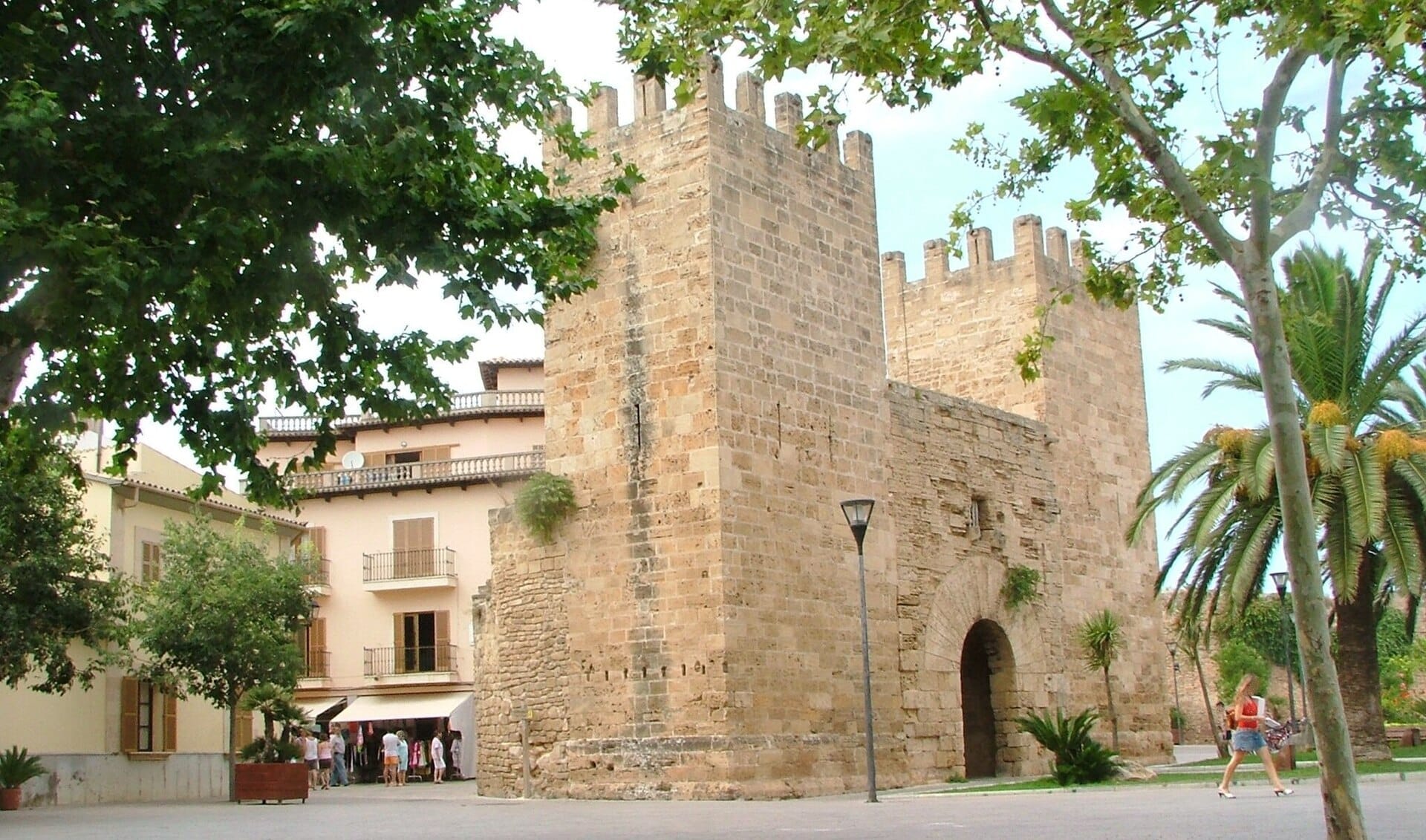
16. Walk Inside Alcúdia's Intact Medieval Walls
Alcúdia's old town sits within some of the most complete medieval fortifications in Mallorca, with Roman ruins, a Gothic church, and a Sunday market that draws locals more than tourists. The walls are walkable and the lanes inside are largely traffic-free. Allow two hours minimum.
Explore16. Walk Inside Alcúdia's Intact Medieval Walls
Alcúdia's old town sits within some of the most complete medieval fortifications in Mallorca, with Roman ruins, a Gothic church, and a Sunday market that draws locals more than tourists. The walls are walkable and the lanes inside are largely traffic-free. Allow two hours minimum.
Explore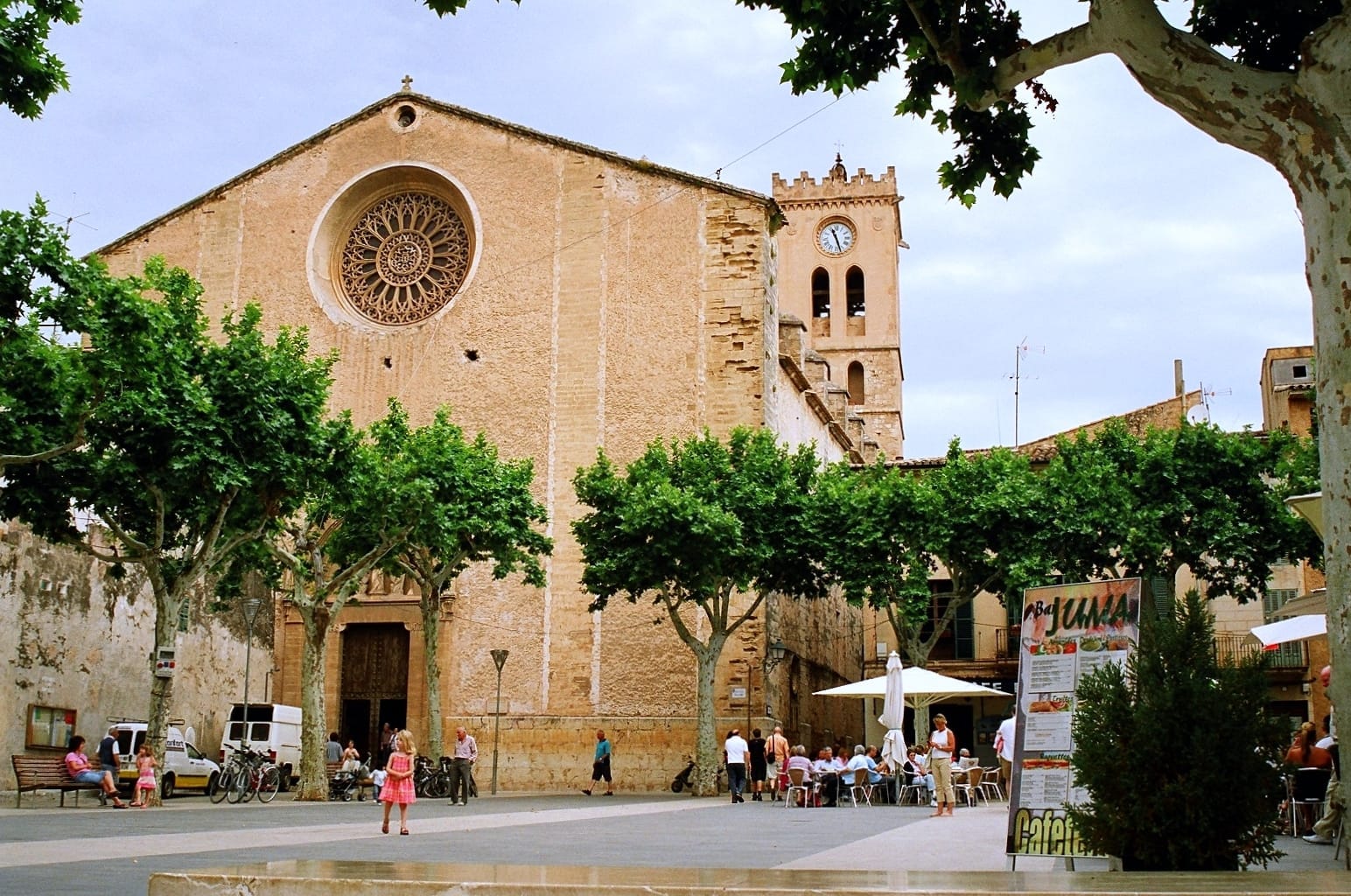
17. Climb the 365 Calvari Steps in Pollença for Quiet Panoramic Views
Pollença's cypress-lined stone staircase leads to a small chapel with views over the town and valley below. The Sunday market in the main square is one of northern Mallorca's most authentic. Far fewer day-trippers reach here than nearby Port de Pollença or Formentor.
Explore17. Climb the 365 Calvari Steps in Pollença for Quiet Panoramic Views
Pollença's cypress-lined stone staircase leads to a small chapel with views over the town and valley below. The Sunday market in the main square is one of northern Mallorca's most authentic. Far fewer day-trippers reach here than nearby Port de Pollença or Formentor.
ExploreAuthentic Markets and Local Life
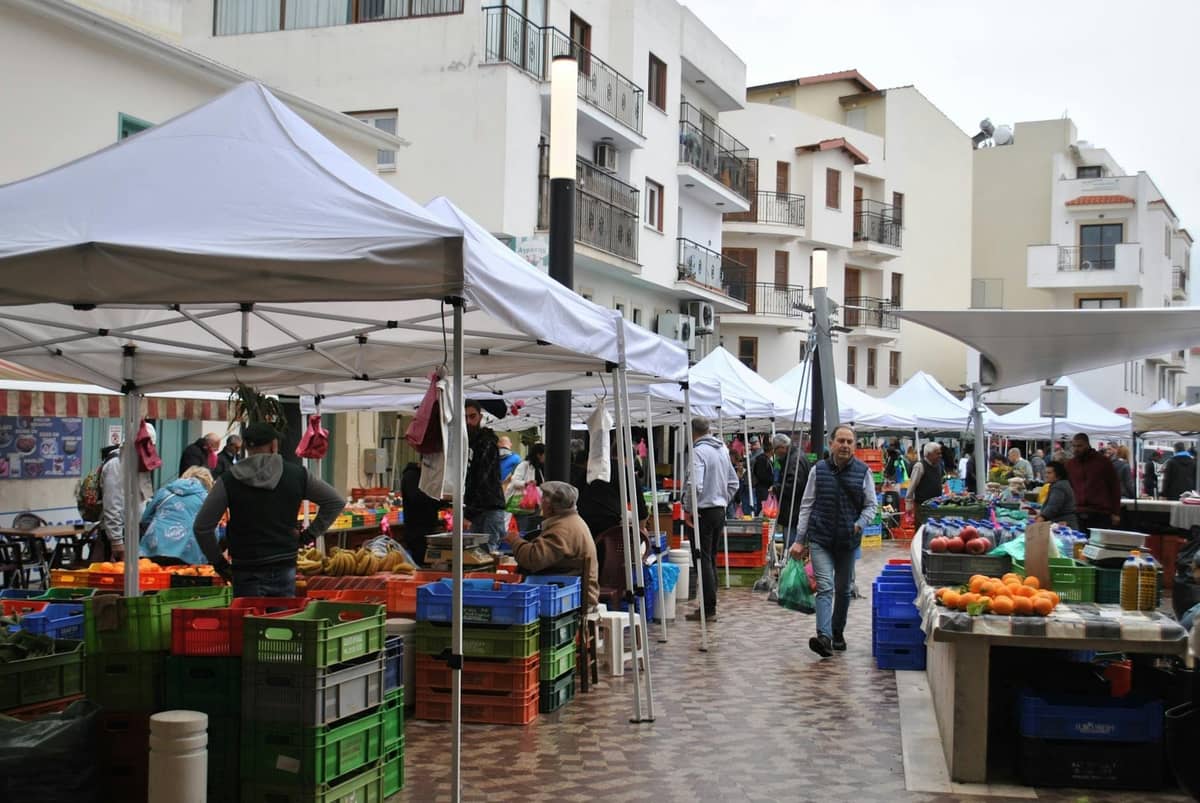
Weekly markets are one of the best ways to experience Mallorcan life beyond the tourist infrastructure. The inland markets in particular operate at their own pace and sell to local farmers and villagers first, visitors second. For more on eating and drinking locally, our Mallorca food guide covers what to eat and where to find it.
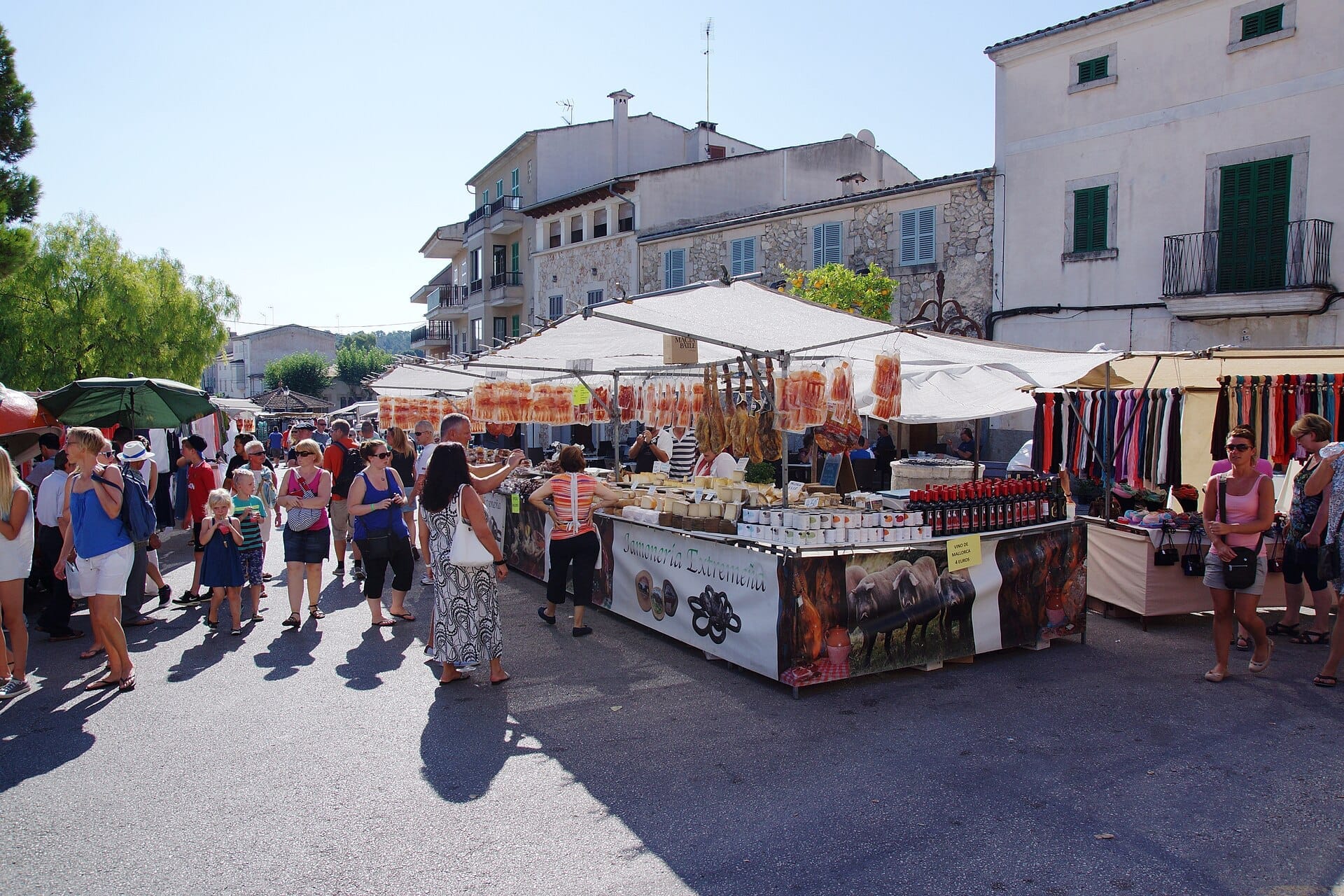
18. Attend the Oldest Market in Mallorca at Sineu on Wednesdays
Held since medieval times in the shadow of a 13th-century church in the island's geographic centre, the Sineu Wednesday market still sells livestock alongside fresh produce, ceramics, and local crafts. It's a genuinely working market, not a tourist facsimile. Arrive by 9am.
Explore18. Attend the Oldest Market in Mallorca at Sineu on Wednesdays
Held since medieval times in the shadow of a 13th-century church in the island's geographic centre, the Sineu Wednesday market still sells livestock alongside fresh produce, ceramics, and local crafts. It's a genuinely working market, not a tourist facsimile. Arrive by 9am.
Explore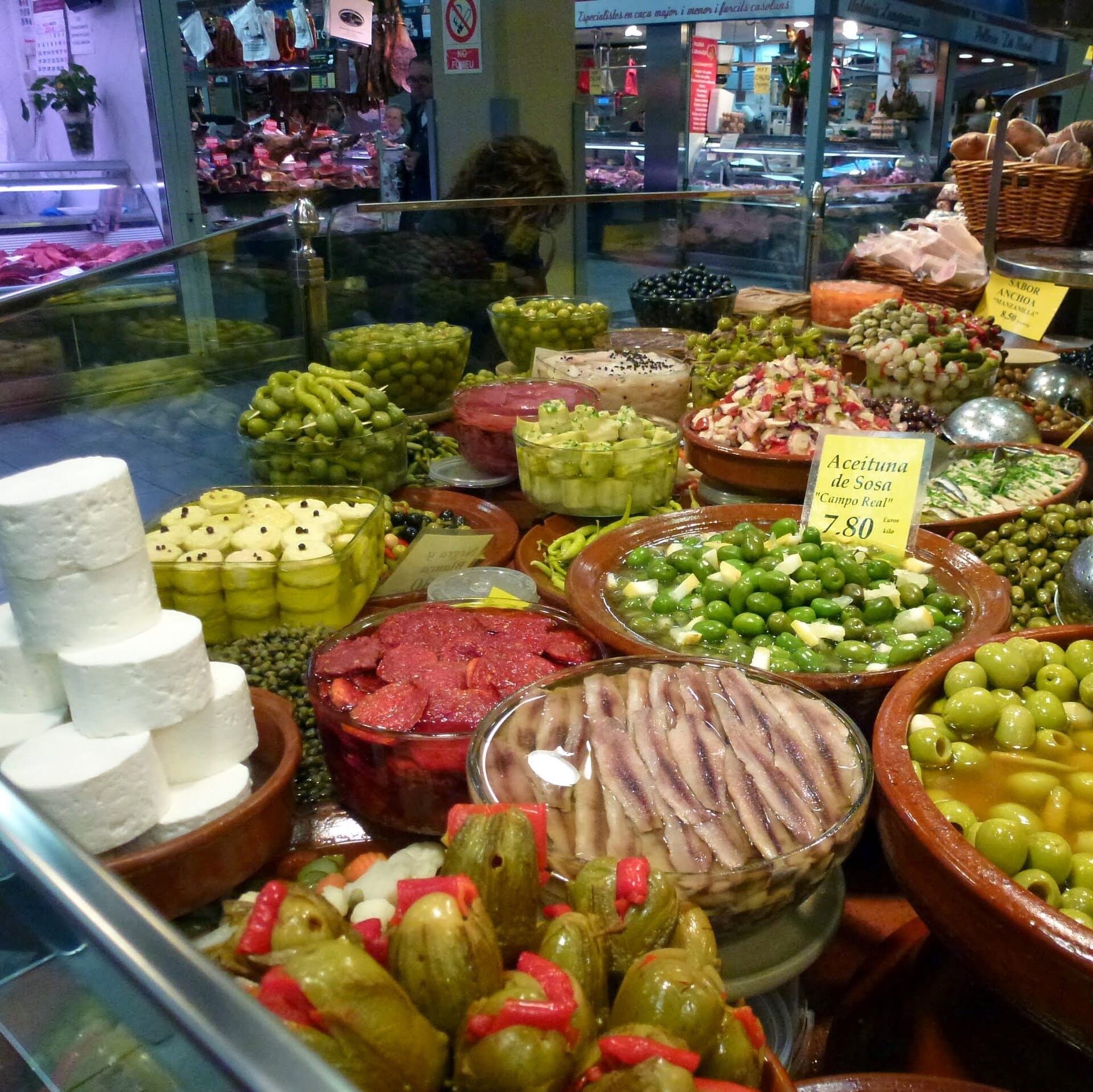
19. Eat Like a Local at Palma's Mercat de l'Olivar
Palma's largest covered market is where locals shop for fish, cheese, and sobrasada. The upper floor food hall has tapas bars and wine counters that fill with city workers at lunchtime. A far more authentic and affordable alternative to the tourist restaurants nearby.
Explore19. Eat Like a Local at Palma's Mercat de l'Olivar
Palma's largest covered market is where locals shop for fish, cheese, and sobrasada. The upper floor food hall has tapas bars and wine counters that fill with city workers at lunchtime. A far more authentic and affordable alternative to the tourist restaurants nearby.
Explore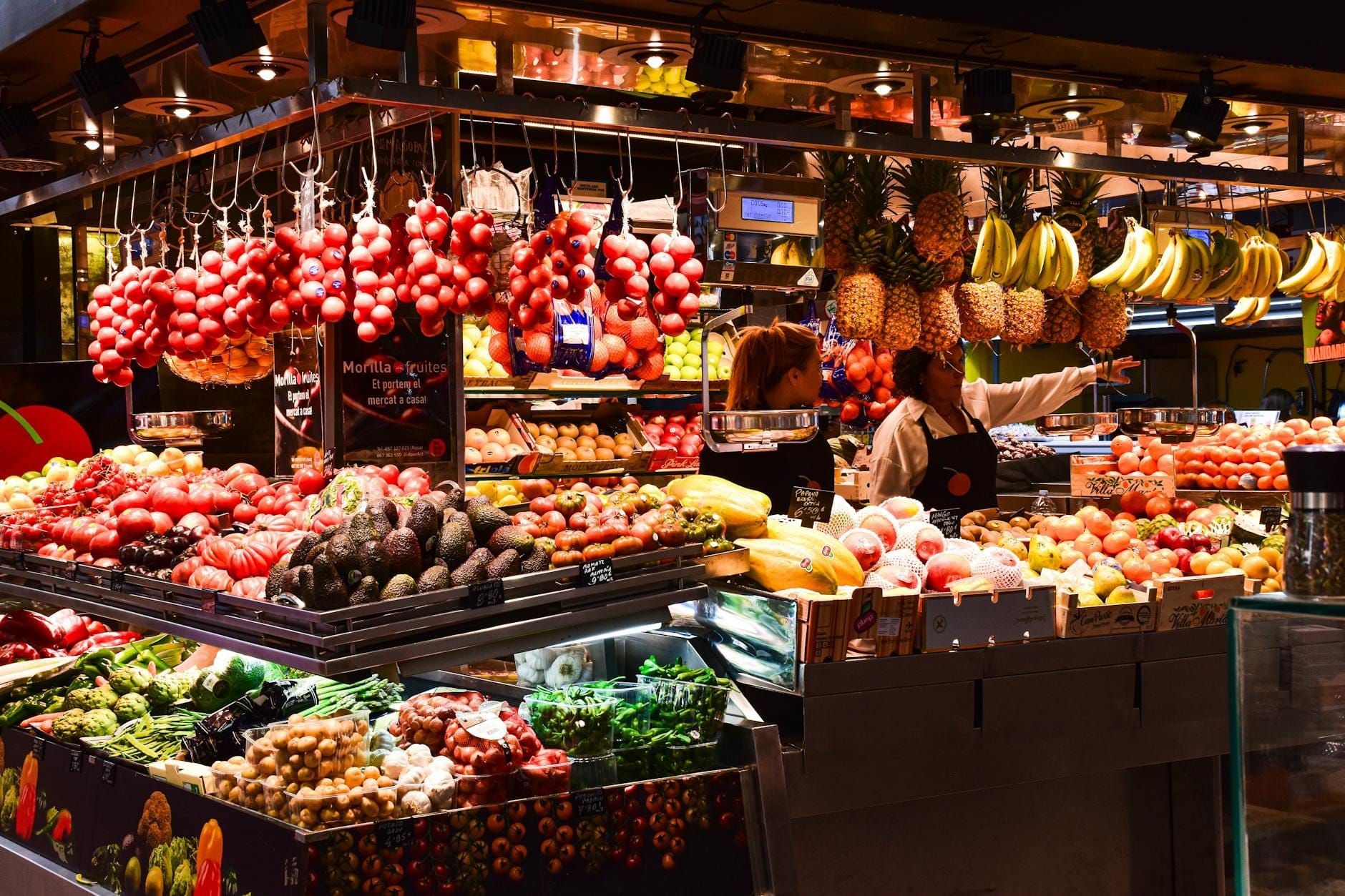
20. Explore Santa Catalina Market and Palma's Best Food Neighbourhood
The neighbourhood market in Santa Catalina is the anchor for what has become Palma's most interesting eating district. Fresh produce inside, craft beer on the corner, and a cluster of excellent restaurants on the surrounding streets. Best on a Saturday morning before it gets busy.
Explore20. Explore Santa Catalina Market and Palma's Best Food Neighbourhood
The neighbourhood market in Santa Catalina is the anchor for what has become Palma's most interesting eating district. Fresh produce inside, craft beer on the corner, and a cluster of excellent restaurants on the surrounding streets. Best on a Saturday morning before it gets busy.
ExploreNature Reserves and Wildlife Encounters
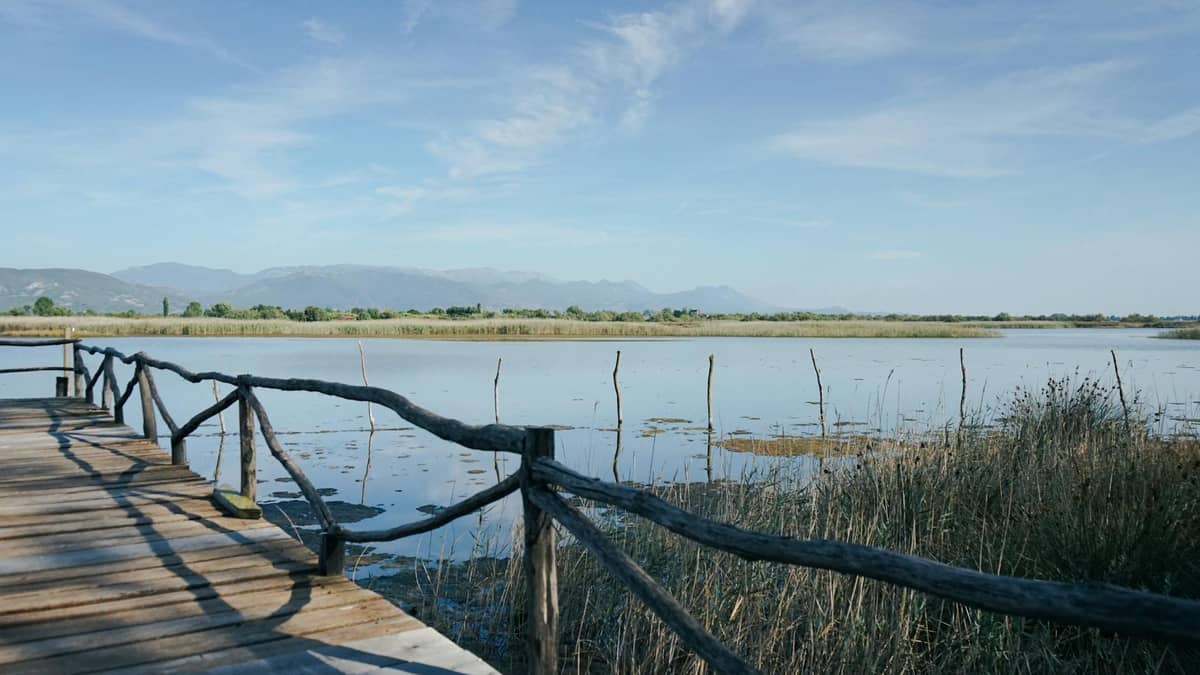
Mallorca has invested significantly in protecting its natural landscapes. The island has multiple nature reserves that most visitors never enter, including wetlands that rank among the most important bird habitats in the western Mediterranean. For practical advice on getting to these places independently, hiring a car in Mallorca is almost essential for reaching the more remote reserves and coves.
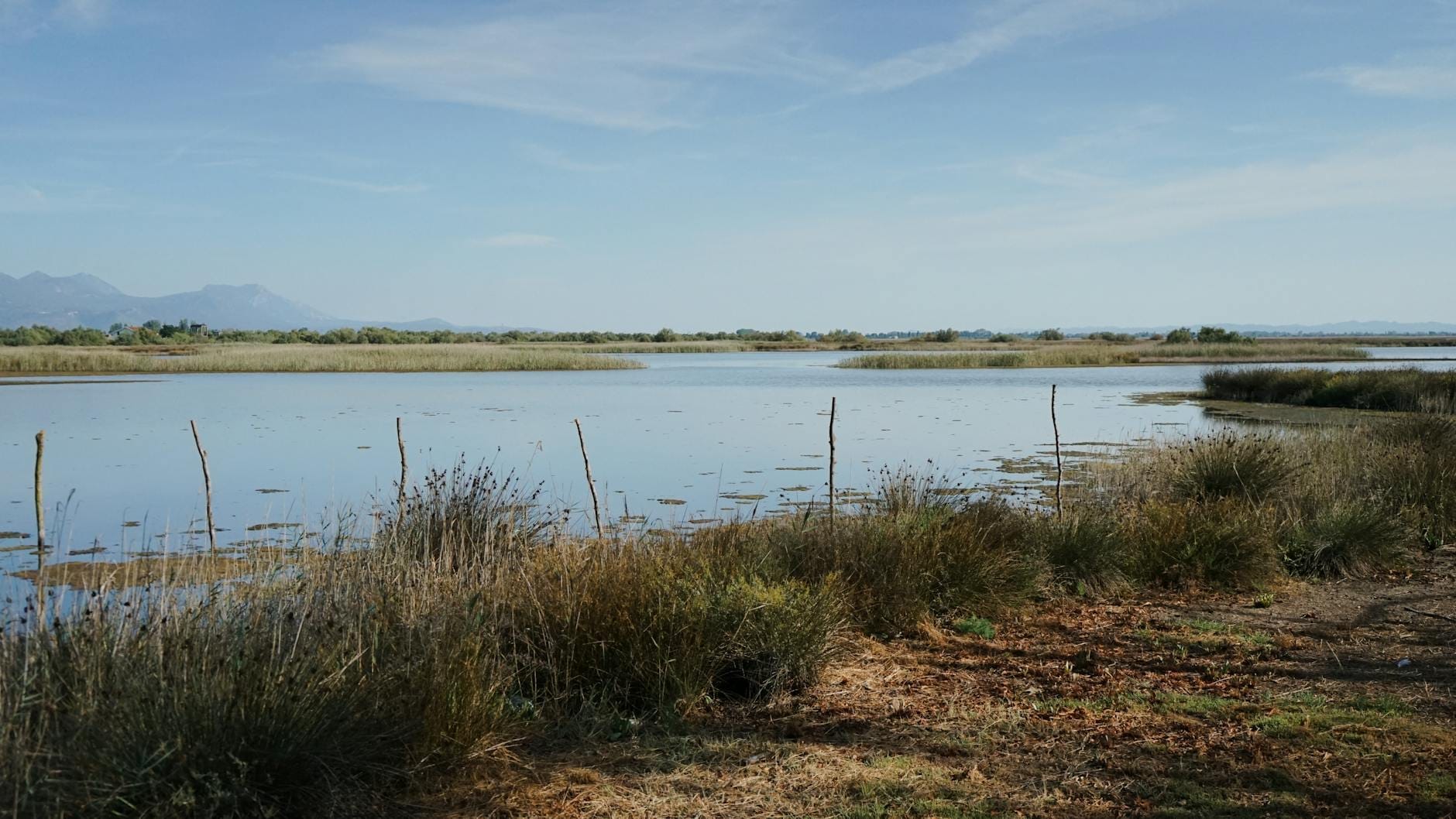
21. Spot Rare Birds in S'Albufera, the Balearics' Largest Wetland
Over 200 bird species have been recorded in this vast reed-bed and lagoon reserve bordering Playa de Muro. Entry is free and the marked trails are well-maintained. Spring and autumn migrations bring extraordinary diversity. Bring binoculars and arrive early for the best sightings.
Explore21. Spot Rare Birds in S'Albufera, the Balearics' Largest Wetland
Over 200 bird species have been recorded in this vast reed-bed and lagoon reserve bordering Playa de Muro. Entry is free and the marked trails are well-maintained. Spring and autumn migrations bring extraordinary diversity. Bring binoculars and arrive early for the best sightings.
Explore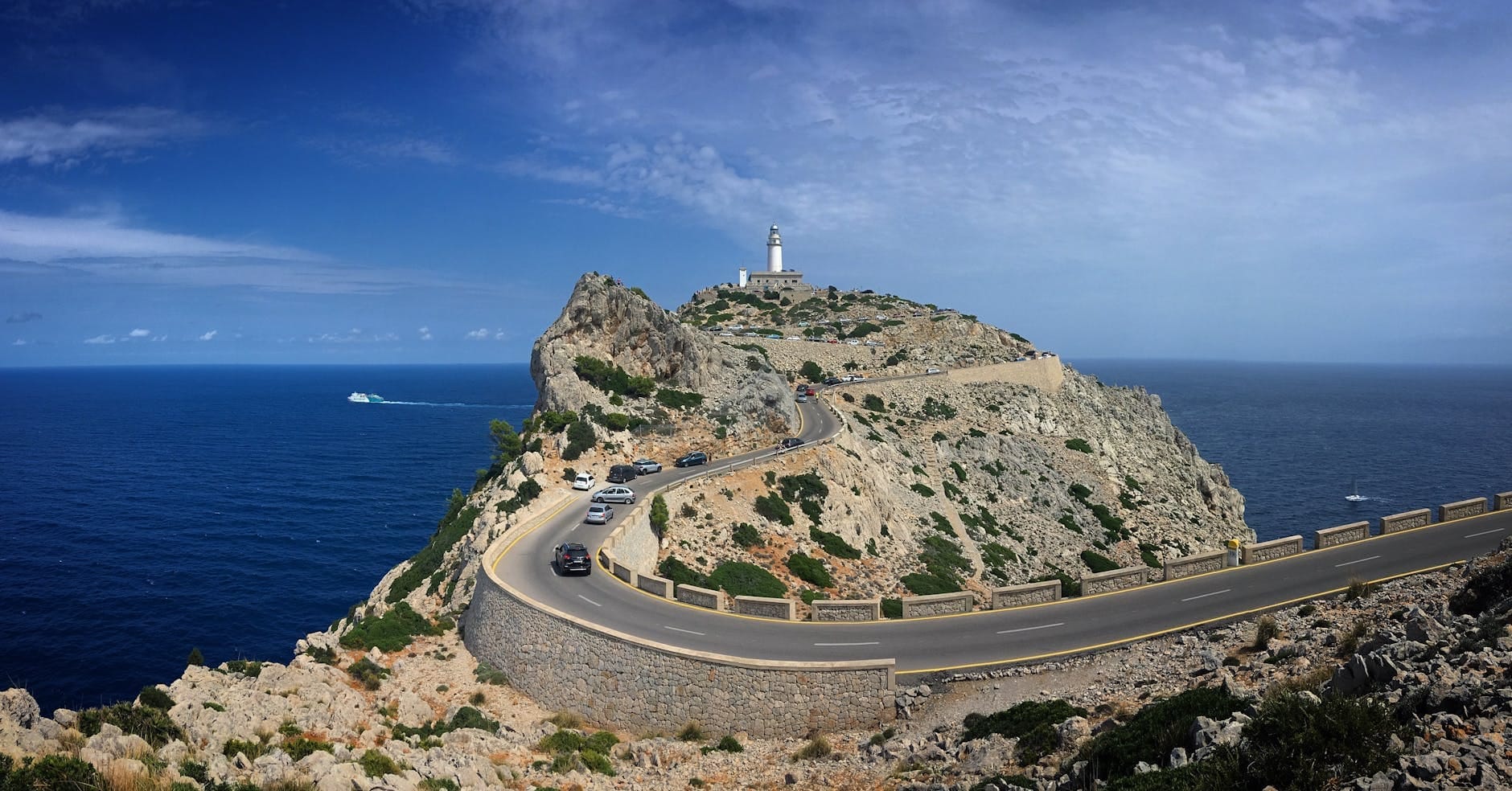
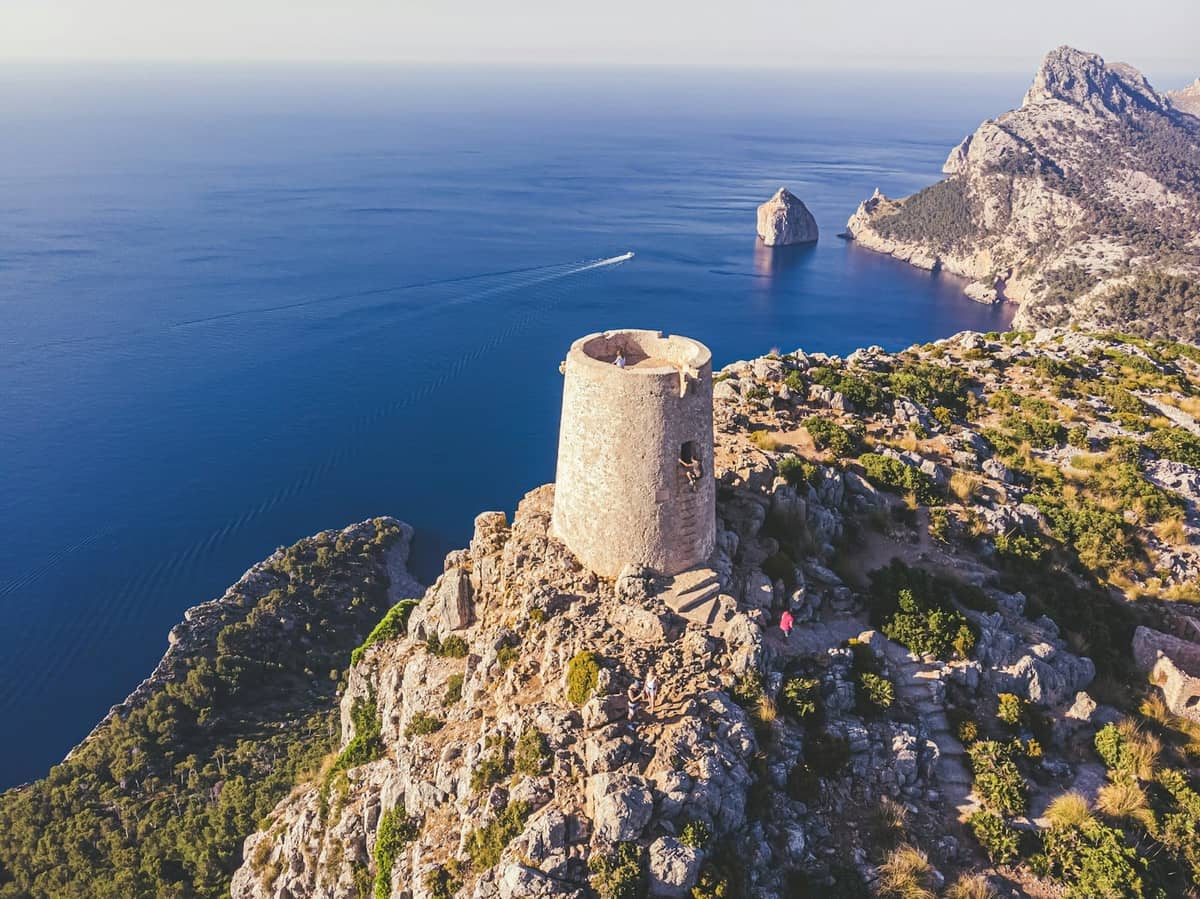
22. Drive to the End of the World at the Formentor Lighthouse
The dramatic northeastern tip of Mallorca ends at a lighthouse 200 metres above the sea. The winding road through pine-forested cliffs is one of the Mediterranean's great drives. Note: in summer, access for private cars is restricted and a shuttle bus runs from Port de Pollença.
Explore22. Drive to the End of the World at the Formentor Lighthouse
The dramatic northeastern tip of Mallorca ends at a lighthouse 200 metres above the sea. The winding road through pine-forested cliffs is one of the Mediterranean's great drives. Note: in summer, access for private cars is restricted and a shuttle bus runs from Port de Pollença.
Explore✨ Pro tip
For the most secluded beaches and nature reserves, aim for early morning arrivals, especially June to September. Many popular coves like Caló des Moro fill by 10am. Bringing your own water and snacks is essential as facilities are often minimal or absent.
The Sóller Valley: Mallorca's Most Rewarding Day Out
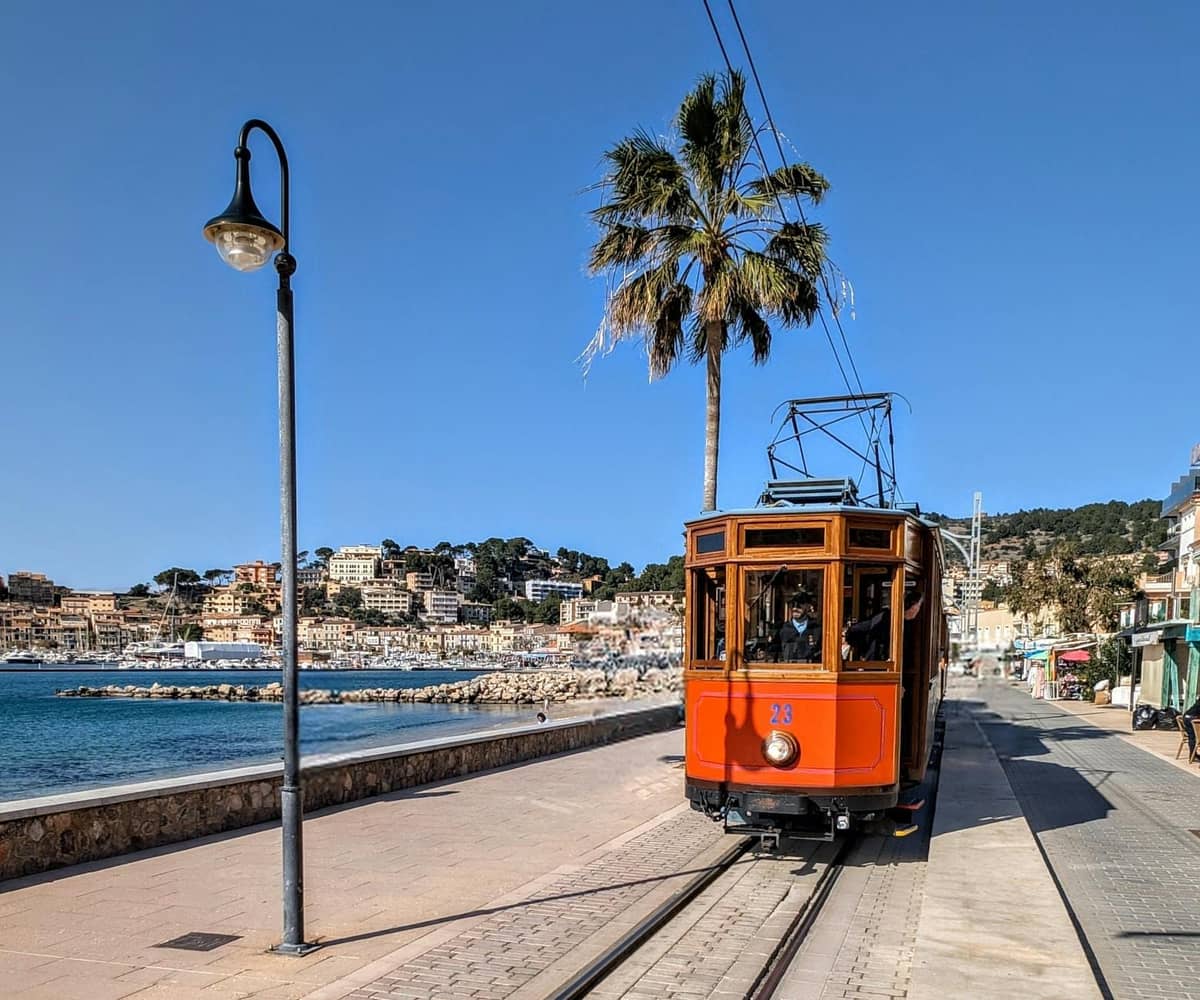
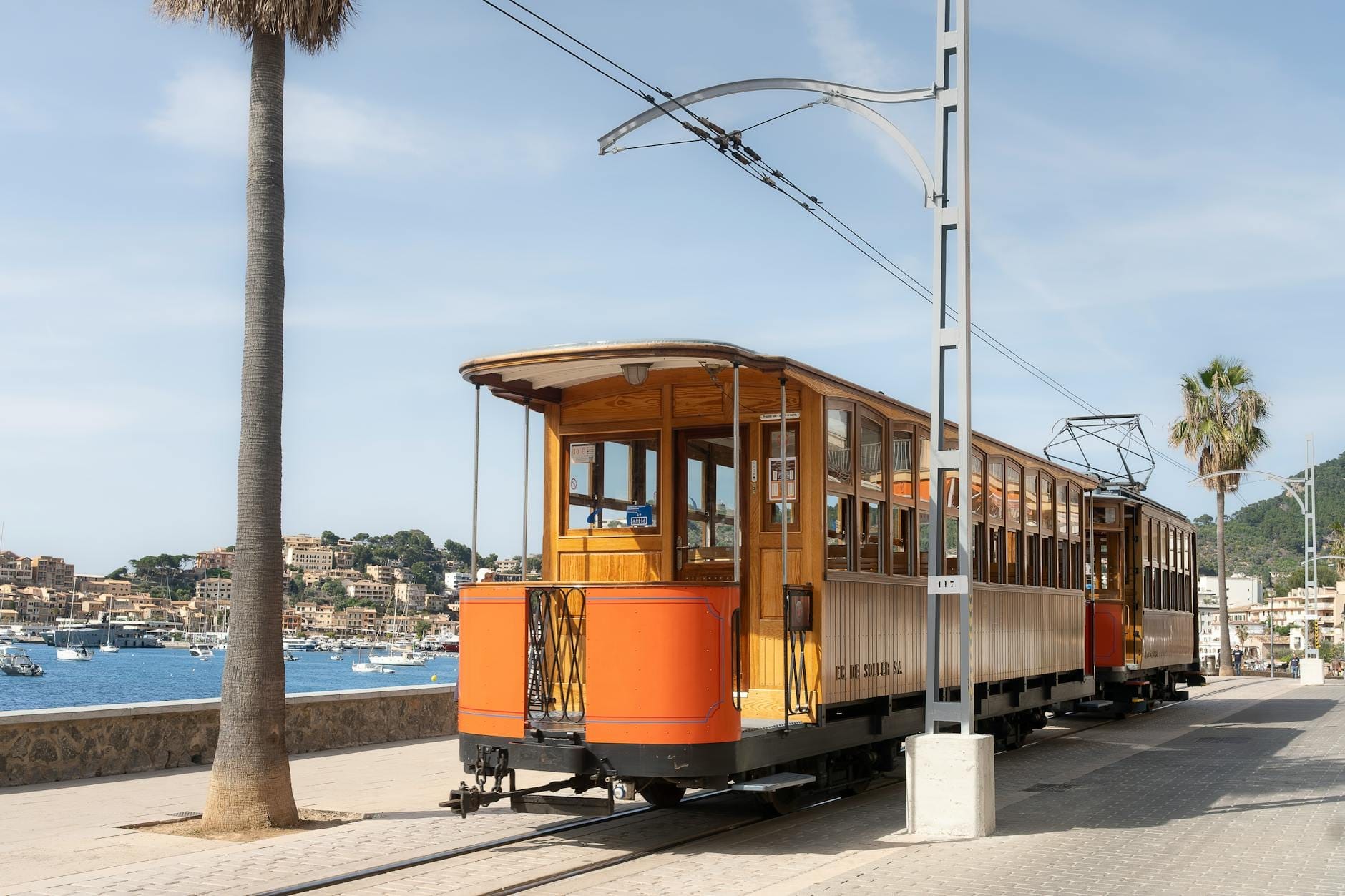
23. Ride the 1912 Wooden Train Through the Mountains to Sóller
A narrow-gauge railway running vintage wooden carriages from Palma through mountain tunnels and orange groves to Sóller since 1912. The 30-kilometre journey takes about an hour each way and is a genuine piece of living transport history, not a tourist replica.
Explore23. Ride the 1912 Wooden Train Through the Mountains to Sóller
A narrow-gauge railway running vintage wooden carriages from Palma through mountain tunnels and orange groves to Sóller since 1912. The 30-kilometre journey takes about an hour each way and is a genuine piece of living transport history, not a tourist replica.
Explore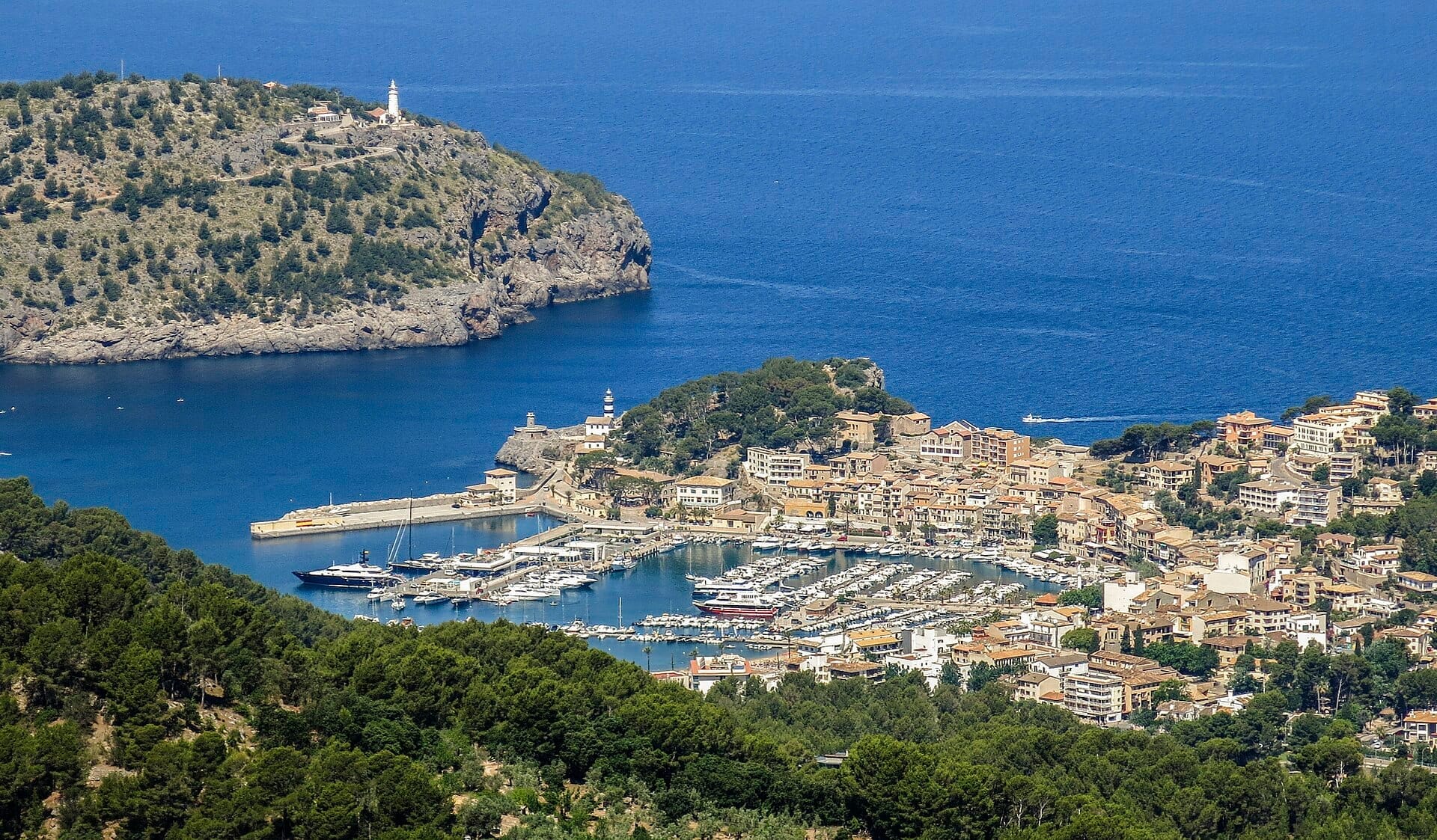
24. Spend a Full Day in Sóller Town and Its Harbour Village
The orange-growing town of Sóller and its tram-connected harbour are two of the Tramuntana's most complete destinations in one. The town has a strong Modernista architecture legacy, excellent local food, and an art-house cinema. The port has a calm beach and good seafood restaurants.
Explore24. Spend a Full Day in Sóller Town and Its Harbour Village
The orange-growing town of Sóller and its tram-connected harbour are two of the Tramuntana's most complete destinations in one. The town has a strong Modernista architecture legacy, excellent local food, and an art-house cinema. The port has a calm beach and good seafood restaurants.
ExploreFAQ
What are the least crowded beaches in Mallorca?
Cala Mesquida in the northeast, Cala Llombards near Santanyí, and the coves inside Mondragó Natural Park see significantly fewer visitors than the main resort beaches. Caló des Moro is stunning but has become popular: arrive before 9am in summer to find it quiet. Cabrera National Park, accessible only by boat, offers the most genuinely undisturbed swimming.
Is it possible to visit Mallorca's hidden gems without a car?
Some, like the Arab Baths and markets in Palma, are walkable. The Sóller train and tram connect Palma to the Sóller valley without a car. However, most secluded coves, inland markets, nature reserves, and mountain villages are very difficult to reach on public transport. Hiring a car for at least part of your trip is strongly recommended if you want to explore beyond the main tourist routes.
When is the best time to visit Mallorca's off-the-beaten-path spots?
April to June and September to October offer the best combination of good weather, manageable crowds, and access to all sites. July and August bring the most visitors: many 'hidden' coves lose their appeal by mid-morning. The Tramuntana villages and inland sites are more manageable year-round, and spring brings almond blossom and wildflowers across the island.
Are Mallorca's ancient sites and nature reserves free to enter?
S'Albufera Nature Reserve and Mondragó Natural Park are free to enter. Ses Païsses Talayotic settlement charges a small admission fee of a few euros. The Arab Baths in Palma have a modest entry charge. Sa Dragonera and Cabrera require a boat ticket (Sa Dragonera from Sant Elm, Cabrera from Colònia de Sant Jordi), which includes island access.
What should I pack for visiting Mallorca's hidden coves and hiking trails?
Water is essential: many secluded coves and nature trails have no facilities. Bring more than you think you need in summer. Sun protection, a hat, and sturdy footwear matter for cliff-top paths and gorge walks like the Torrent de Pareis. A snorkel is worth carrying to the coves. For beach days at places like Caló des Moro, a small backpack, cash for the parking area, and an early alarm make the difference.