S'Albufera Nature Reserve: Mallorca's Wild Wetland Worth the Early Start
S'Albufera de Mallorca is the largest wetland in the Balearic Islands and one of the most important bird sanctuaries in the western Mediterranean. Free to enter with a permit, it rewards early risers with reed warblers, marsh harriers, and near-total silence broken only by birdsong.
Quick Facts
- Location
- Between Alcúdia and Playa de Muro, north Mallorca. Main entrance at Pont dels Anglesos, ~5 km south of Port d'Alcúdia.
- Getting There
- By car or bicycle from Alcúdia or Playa de Muro. Park at the entrance gate and walk or cycle 15–20 min to the reception center. No direct bus service to the gate.
- Time Needed
- 2–5 hours depending on trail chosen (760 m to 11.5 km options available).
- Cost
- Free. A permit is required and collected at the reception center. Group visits require a special permit in advance.
- Best for
- Birdwatchers, nature photographers, cyclists, families with older children, anyone seeking quiet after the beach crowds.
What S'Albufera Actually Is
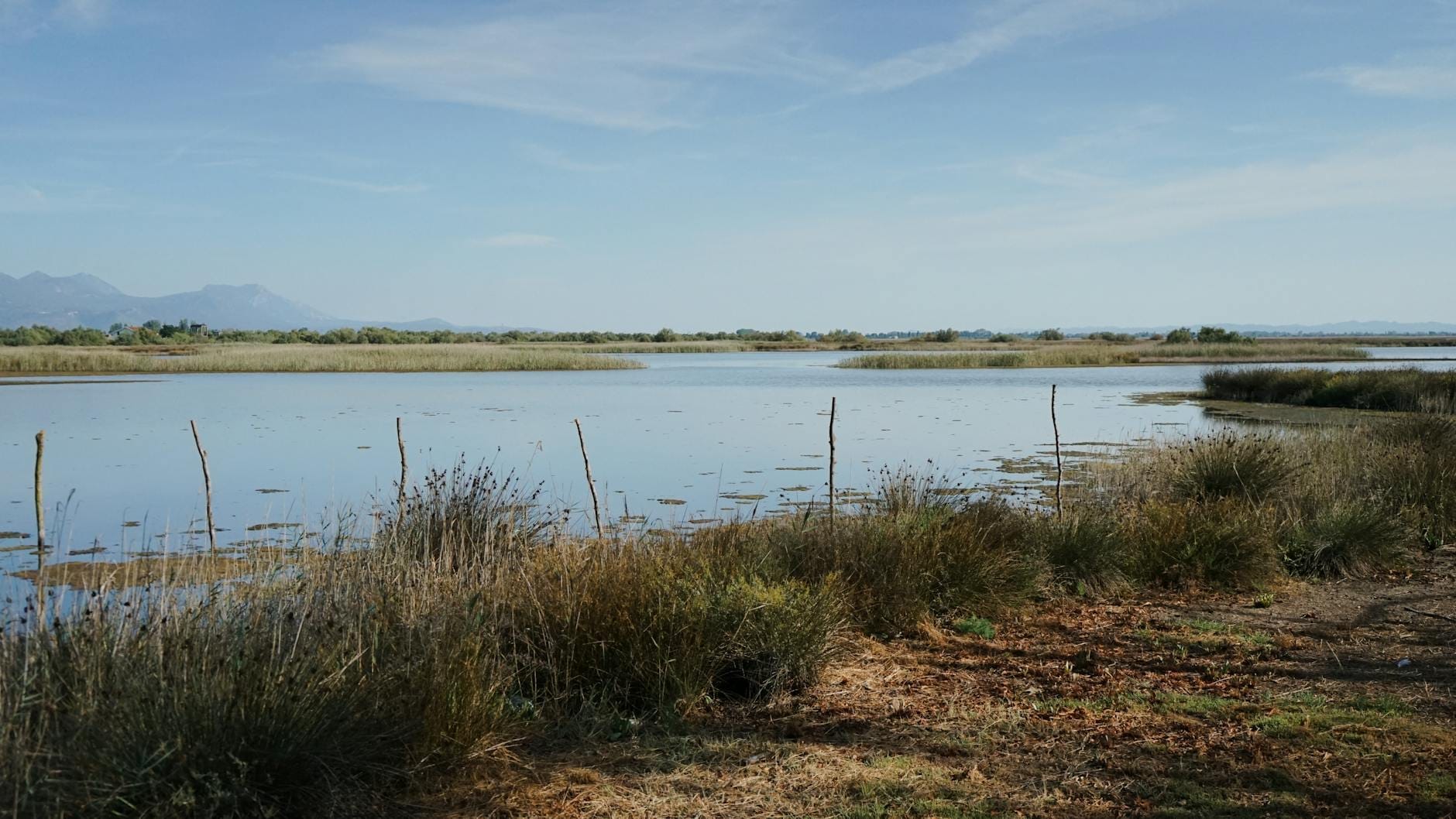
S'Albufera de Mallorca is not a park in the groomed, manicured sense. It is a working wetland: a labyrinth of reed beds, irrigation canals, brackish lagoons, and open marshland spread across roughly 1,700 to 2,200 hectares on the northeastern coast. It is the largest wetland in the Balearic Islands and sits between the package-holiday strips of Playa de Muro and Port d'Alcúdia, which makes its existence feel almost improbable. A ten-minute bicycle ride from a beach lined with hotels takes you into one of the most ecologically significant bird habitats in the western Mediterranean.
The reserve was formally protected in 1985, designated a Ramsar Wetland of International Importance in 1988, and incorporated into the European Natura 2000 network in 2000. Those are not just bureaucratic badges: they reflect genuine ecological weight. Over 200 bird species have been recorded here, and the reserve is particularly important for breeding populations of reed warbler, little bittern, and marsh harrier, as well as acting as a crucial stop-off for migratory species moving between Africa and northern Europe.
💡 Local tip
Pick up your free permit at the reception center (open 9:00–16:00 year-round). The staff hand out laminated trail maps and can tell you which hides have been most active that morning. This two-minute stop is worth it.
Arriving at the Reserve: The First Impressions
The main entrance sits next to the Pont dels Anglesos, the so-called English Bridge, a nineteenth-century structure built during a period when British developers attempted to drain the wetland for agricultural use. That project failed, and the land gradually reverted to marsh. There is a certain satisfaction in knowing the birds won.
From the gate, the track to the reception center passes through an avenue of mature eucalyptus trees. In summer, the shade is immediate and welcome. The smell shifts from salt and sunscreen to something earthier: damp soil, reeds, and occasionally the faintly sulfurous edge of still water warming in the sun. It is not unpleasant. It signals that you have crossed into a different kind of place.
The reception building is modest and functional. Staff are generally present and helpful, especially early in the day. Multilingual leaflets are available, and the free map is accurate enough to navigate without a phone.
Tickets & tours
Hand-picked options from our booking partner. Prices are indicative; availability and final rates are confirmed when you complete your booking.
Jet Ski Tour to Los Deltas Natural Reserve
From 159 €Instant confirmationFree cancellationSpeedboat Journey to Palma Marine Reserve with Snorkelling
From 39 €Instant confirmationFree cancellationBoat trip from Sant Elm to Dragonera Island Natural Park
From 20 €Instant confirmationFree cancellationLevante Natural Park boat trip
From 50 €Instant confirmationFree cancellation
The Trails and What You Will See
Trails range from a short 760-meter loop accessible even for casual visitors to a full 11.5-kilometer circuit that takes in the most remote corners of the reserve. All routes are on flat ground, mostly compacted gravel or packed earth. Cycling is permitted and a bicycle is genuinely useful for covering more ground and reaching quieter hides before other visitors arrive.
The hides are the centerpiece of any visit. Positioned at the edges of open water and reed beds, they are basic wooden structures with narrow horizontal slots at eye level. Inside, the rule is silence, and it is usually kept. Sitting still for ten minutes in one of the well-positioned hides, you begin to notice what was always there: the slow drift of a purple heron along the far reed edge, the flickering of a bluethroat low in the stems, the sudden vertical drop of a kingfisher into dark water. In spring and early autumn, the spectacle can be extraordinary.
For serious birdwatchers, spring migration (April to May) and autumn migration (August to October) are the standout periods. Breeding season in late spring also brings reliable sightings of species that are difficult to find elsewhere in Mallorca. If you are pairing this visit with the wider north of the island, Alcúdia's old town is only a short drive away and makes for a natural afternoon complement.
ℹ️ Good to know
Running is not permitted anywhere in the reserve. This is a practical conservation rule: sudden movement and noise disturb nesting and feeding birds. Walkers and cyclists only.
How the Experience Changes by Time of Day
Arrive as close to opening time (9:00) as possible. The first hour is categorically the best. Mist sometimes sits over the water in cooler months, light is soft and directional for photography, and bird activity is at its peak before the heat of midday drives species into cover. By 11:00 the reserve fills with visitors and the hides, which hold only a handful of people comfortably, become harder to use quietly.
Midday in summer is the least rewarding window: temperatures climb, bird movement drops, and the open sections of trail offer little shade. If you arrive mid-morning in July or August, focus on the wooded sections and the shaded canal paths rather than the exposed marsh viewpoints. Bring at least 1.5 liters of water per person. There are no cafes or kiosks inside the reserve.
Late afternoon, particularly in spring and autumn, offers a second burst of activity as temperatures drop. The light turns golden and the open lagoons reflect color in a way that makes even a modest compact camera produce striking results. The reserve closes at 18:00 in summer and 17:00 in winter, so a late-afternoon entry needs to be timed carefully.
Photography at S'Albufera
S'Albufera is one of the genuinely strong photography locations in Mallorca, though it requires patience rather than just positioning. A telephoto lens of at least 300mm is useful for birds at distance; wider lenses work for the reed bed landscapes, canal reflections, and the eucalyptus avenue near the entrance. The hides provide stable, concealed positions but light inside them is often low and directional. For more context on where to take strong images across the island, the Mallorca photography guide covers locations beyond just wildlife.
Tripods are manageable on most trails but can be cumbersome in the narrower hide slots. A monopod or a beanbag rested on the hide ledge is more practical. Avoid flash photography near nesting areas, which the staff will point out on your map.
Getting There and Practical Logistics
The most convenient access is by car or bicycle. If you are staying in Port d'Alcúdia or Playa de Muro, the reserve entrance is reachable in under fifteen minutes by bike along the coastal road. Parking at the gate is limited but usually manageable if you arrive at opening time. There is no direct bus service to the reserve entrance itself, so visitors relying on public transport will need to arrange a taxi from Alcúdia or combine the trip with a rental bicycle.
If you are planning a broader driving itinerary in northern Mallorca, the reserve pairs naturally with a morning at the Formentor Peninsula, which is roughly 20 kilometers northeast. A hire car makes this combination easy and efficient. See the car rental guide for Mallorca for practical advice on picking up and driving on the island.
Opening hours: 9:00 to 18:00 from April 1 through September 30; 9:00 to 17:00 from October 1 through March 31. The reserve is open daily except Christmas Day and December 31. The reception center closes at 16:00 year-round. Arrive before 16:00 if you need a map or permit assistance from staff.
⚠️ What to skip
The paths are not fully wheelchair accessible. The main track to the reception center is manageable for most mobility aids, but the trail network beyond involves uneven ground, narrow bridges, and reed-edged paths that are difficult for wheelchairs or pushchairs.
Who Should Skip This, and Who Will Love It
S'Albufera is not the right choice for visitors who want an easy, scenic half-hour walk with a cafe at the end. There is no refreshment stop, the terrain is flat and visually repetitive if you are not engaged by wetland ecology, and on a hot afternoon with low bird activity it can feel like a long walk through reeds. Children under ten often find it dull unless they are already interested in wildlife.
For birdwatchers, nature photographers, cyclists looking for a quieter ride, and anyone who has overdosed on beach days and wants genuine contact with the island's ecology, S'Albufera is one of the most rewarding stops in the north. It is also free, which puts it in rare company among quality natural attractions. For other no-cost experiences across the island, the guide to free things to do in Mallorca is worth consulting before you finalize your itinerary.
The reserve also sits immediately adjacent to Playa de Muro, one of the north's finest beaches. A morning at the reserve followed by an afternoon on the sand is a combination that works particularly well in May, June, or September, when neither location is overwhelmed.
Insider Tips
- Ask the reception staff which hides have had the most activity that morning before you set off. They track sightings and will often point you to the most productive spot without you having to ask twice.
- Bring binoculars even if you are not a birdwatcher. The reserve's scale means the interesting things are almost always at distance, and binoculars transform a pleasant walk into something genuinely memorable.
- The canal paths closest to the entrance are often overlooked by visitors heading straight to the main hides. These shaded waterways are productive for kingfishers and warblers, especially in the first hour after opening.
- Cycling into the reserve rather than walking allows you to cover more ground before the hides fill up. You can lock bikes near the reception center and walk the final sections to each hide.
- In late winter, usually January through March, the almond blossom season coincides with wintering birds still present before spring migration. The reserve is quieter, cooler, and can offer some of its best sightings of the year for species like bittern and water rail.
Who Is S'Albufera Nature Reserve For?
- Birdwatchers of any level, from beginners to serious listers
- Nature and wildlife photographers wanting a productive early morning shoot
- Cyclists looking for a flat, traffic-free route with genuine ecological interest
- Travelers seeking a full day off the beach without driving far from the Alcúdia area
- Families with older children or teenagers who have an interest in wildlife or the outdoors
Nearby Attractions
Other things to see while in Alcúdia:
- Alcúdia Old Town
Alcúdia Old Town is the most historically layered settlement in Mallorca, with Talaiotic origins, Roman ruins, and intact 14th-century walls enclosing narrow cobbled streets, a neo-Gothic church, and a twice-weekly market. Entry is free, and the atmosphere shifts dramatically between early morning calm and midday tour-group activity.
- Cala Molins
Cala Molins is one of four sandy coves that make up the Cala Sant Vicenç resort, 7 km from Pollença in northern Mallorca. Backed by pine-covered cliffs and residential houses, it offers fine sand, unusually clear water, and a calmer atmosphere than the island's more famous southern beaches. Entry is free.
- Formentor Peninsula
The Formentor Peninsula stretches 20 kilometres into the Mediterranean from northern Mallorca, combining sheer limestone cliffs, a pine-fringed beach, and a historic lighthouse at its northernmost tip. Access is by mandatory shuttle bus during peak summer hours, so planning matters. Here is what you need to know before you go.
- Playa de Muro
Stretching 6 kilometres along the Bay of Alcúdia, Playa de Muro combines Blue Flag facilities with untouched dune corridors and pine-backed shore. It is one of the longest and most ecologically significant beaches in Mallorca, sitting directly beside S'Albufera Natural Park.